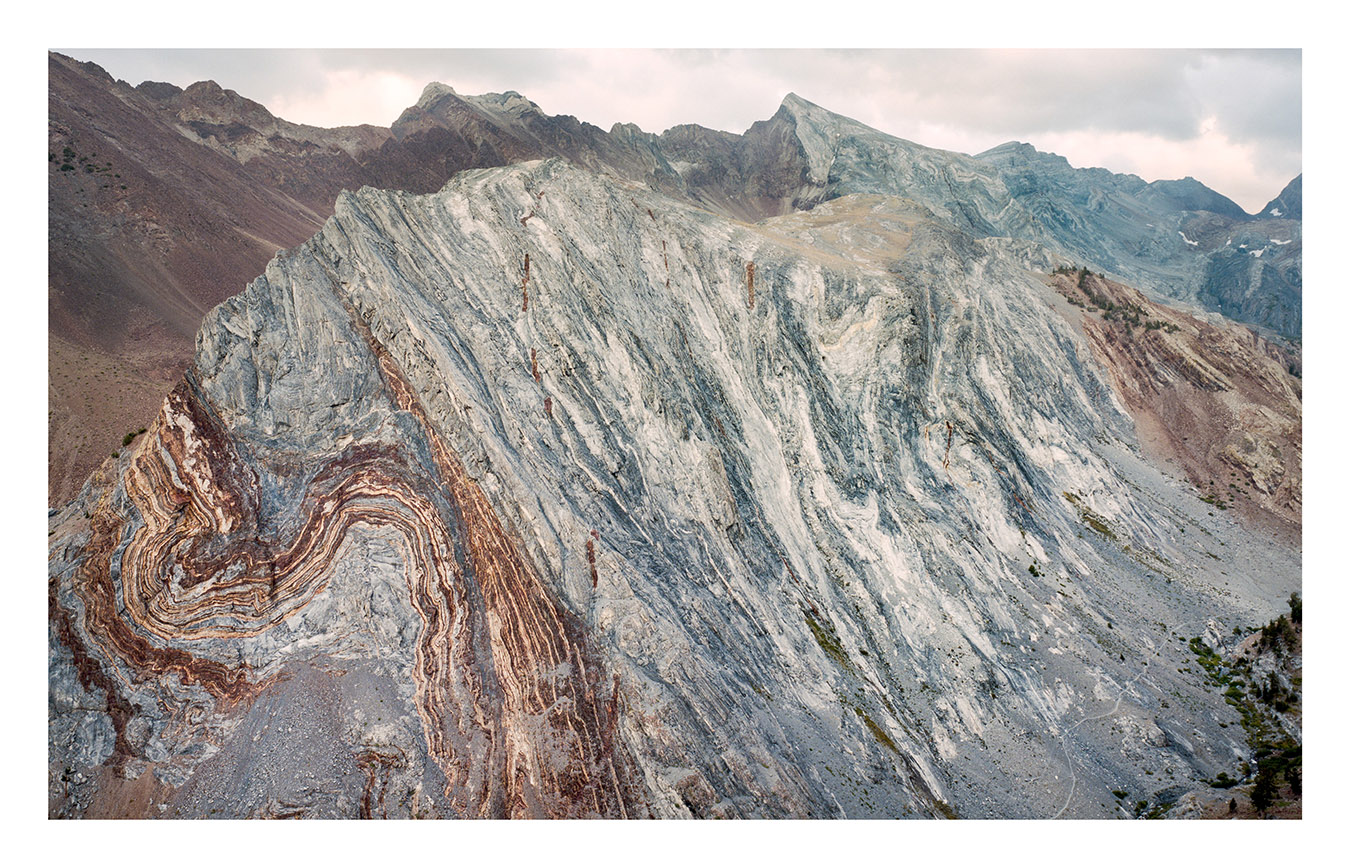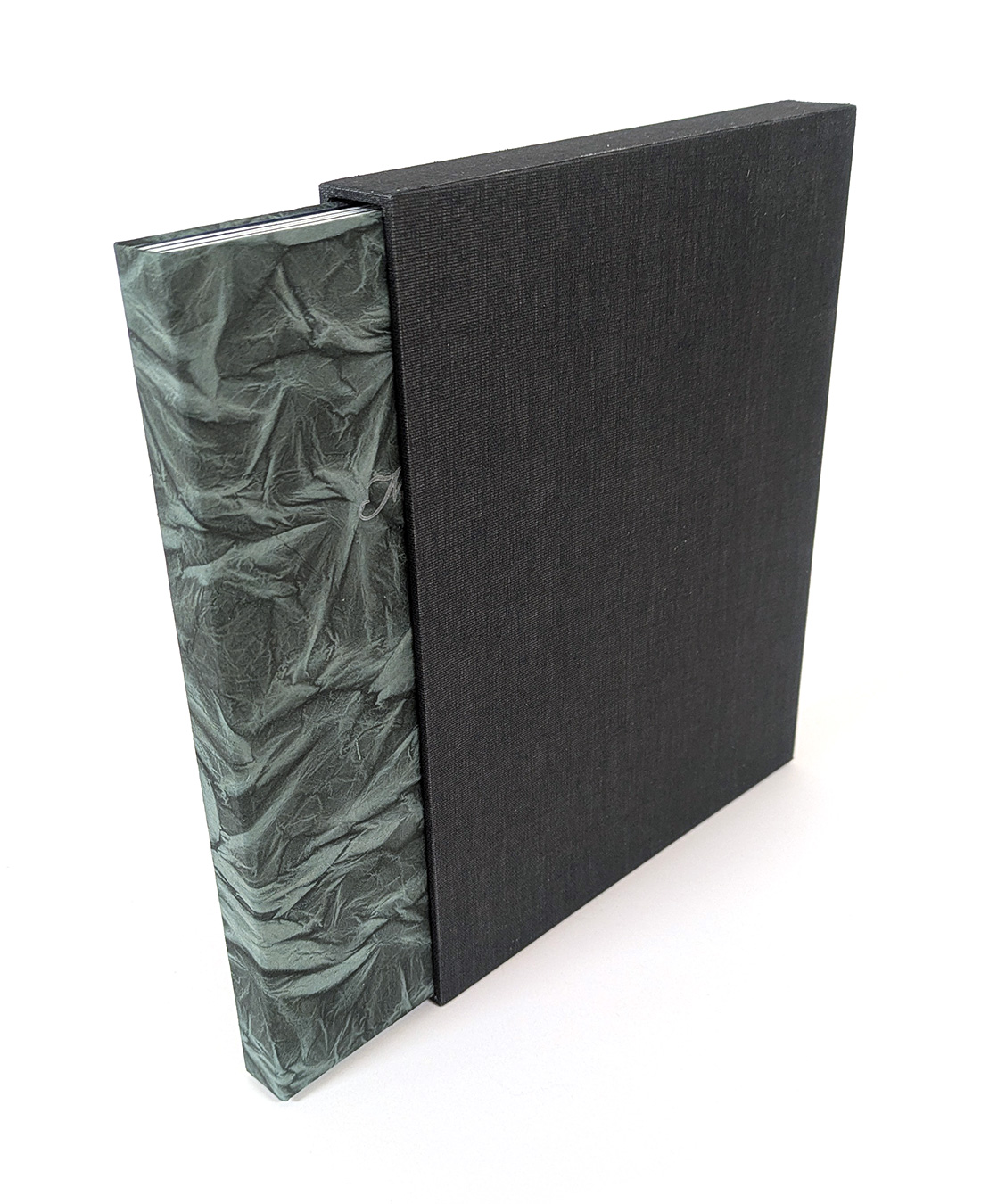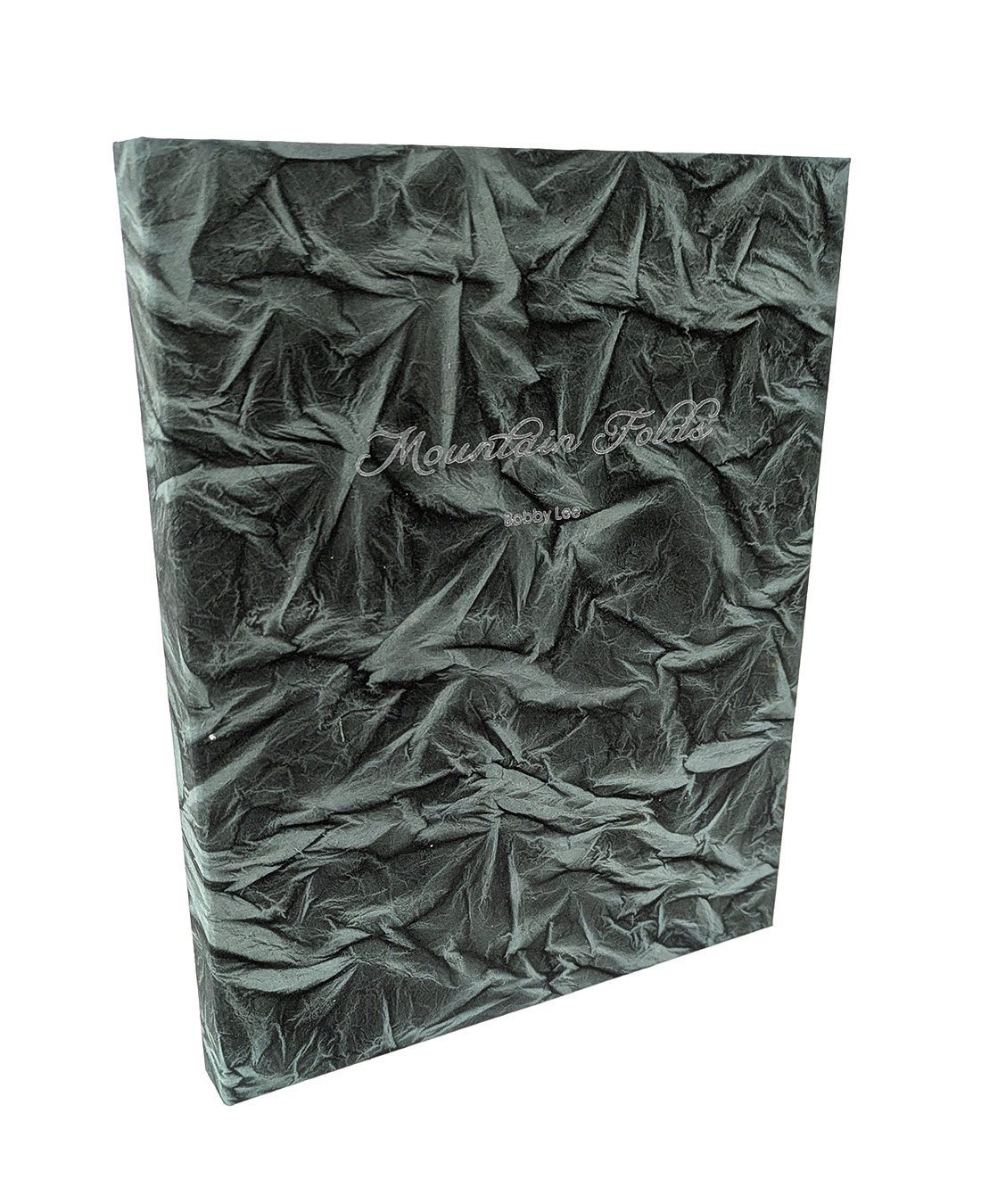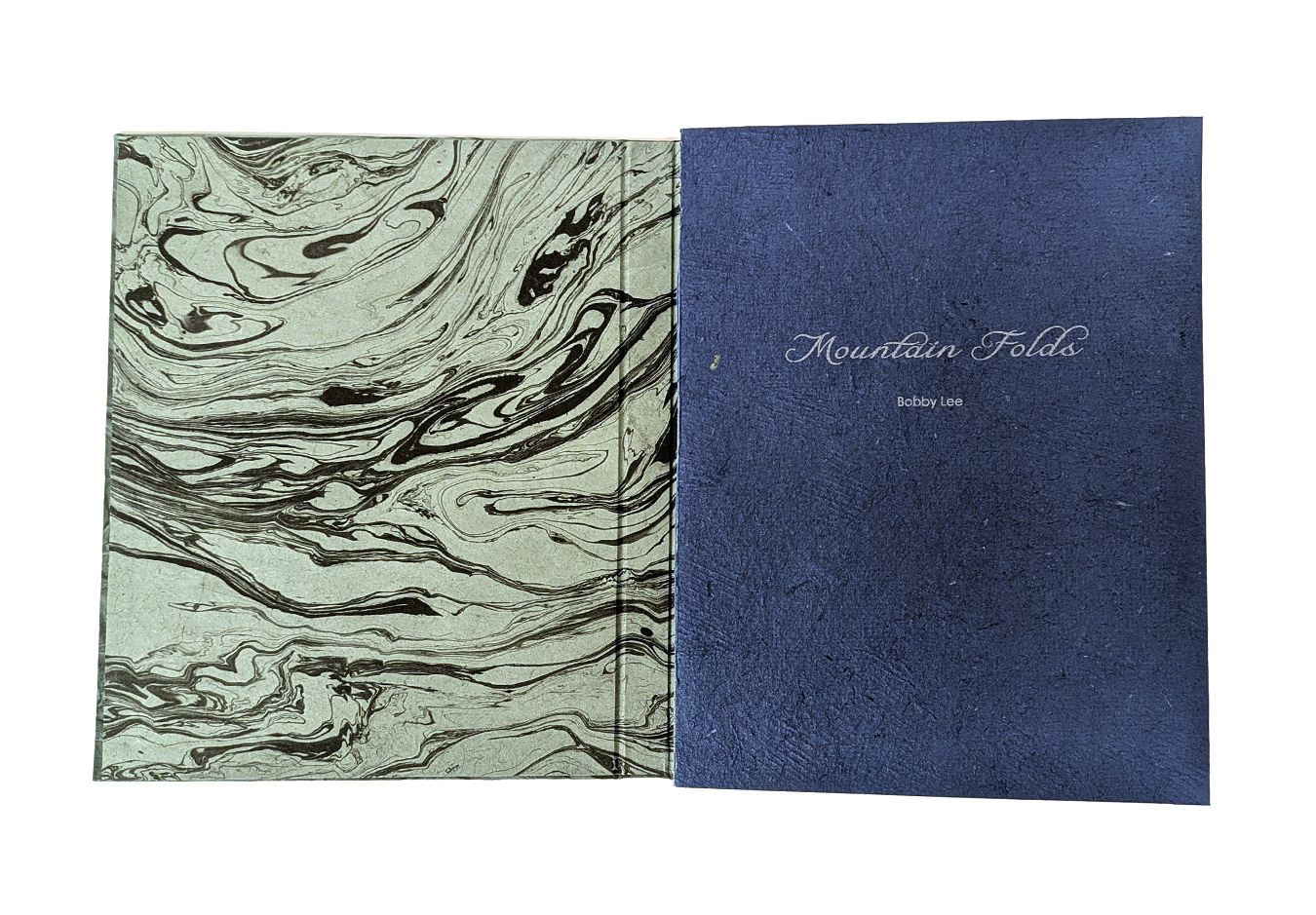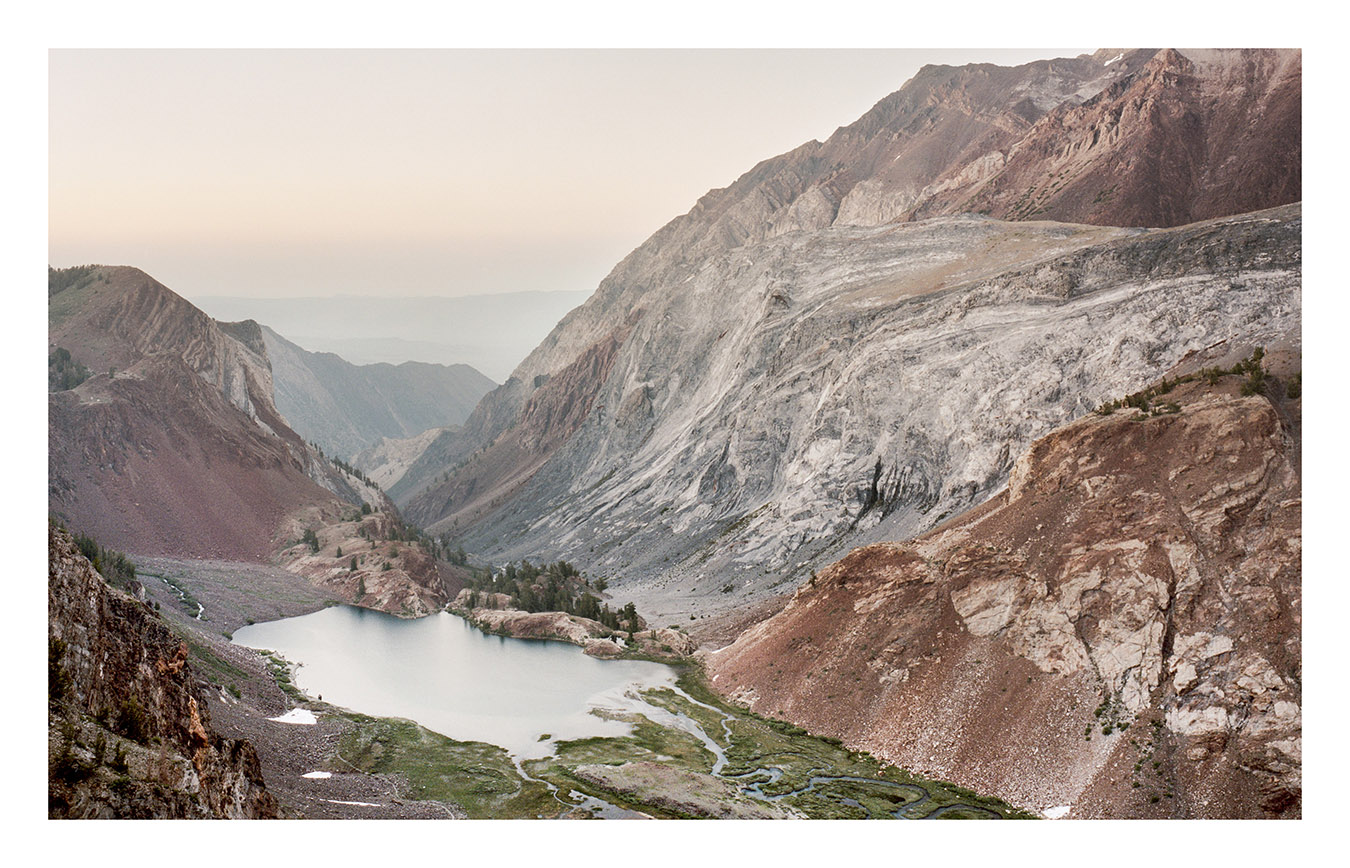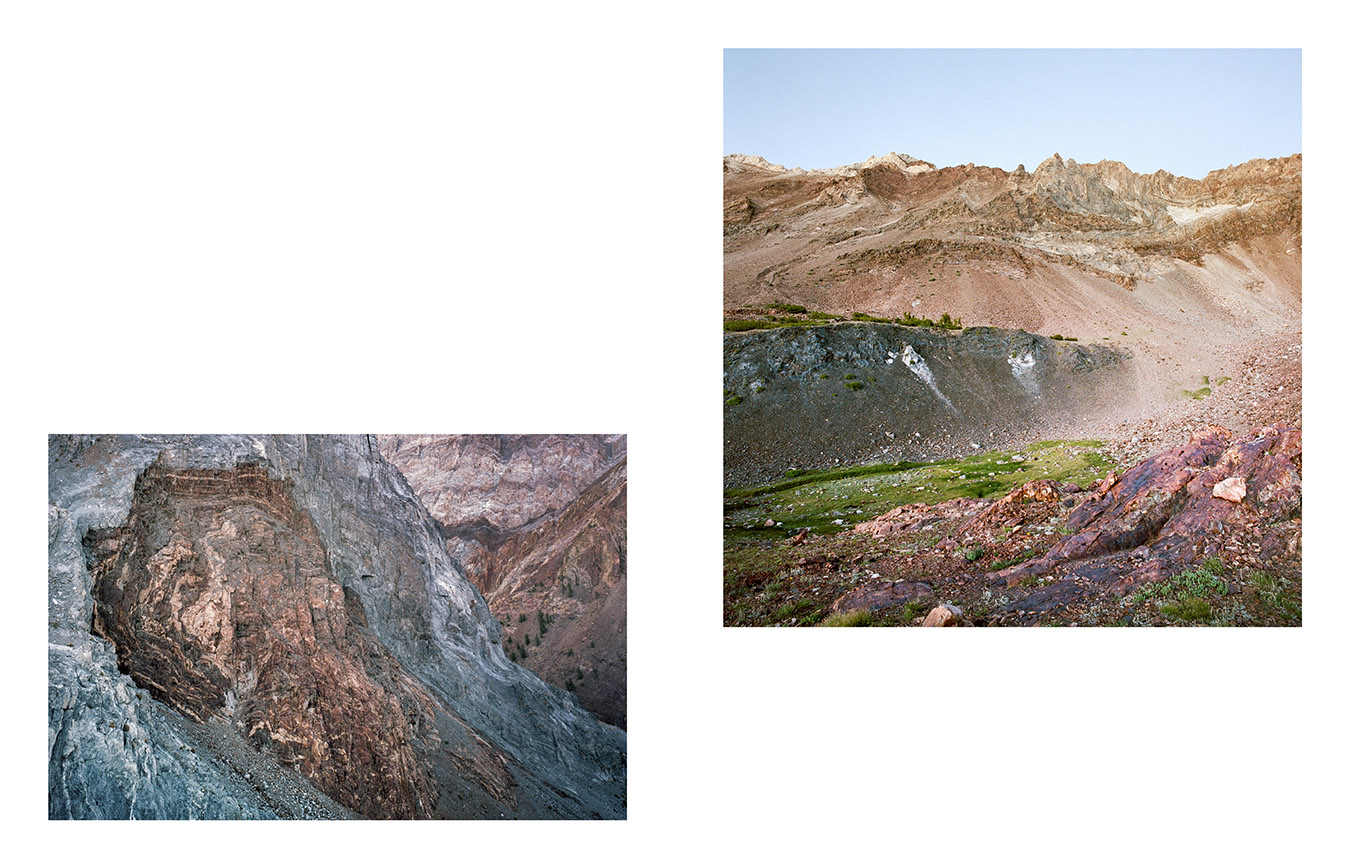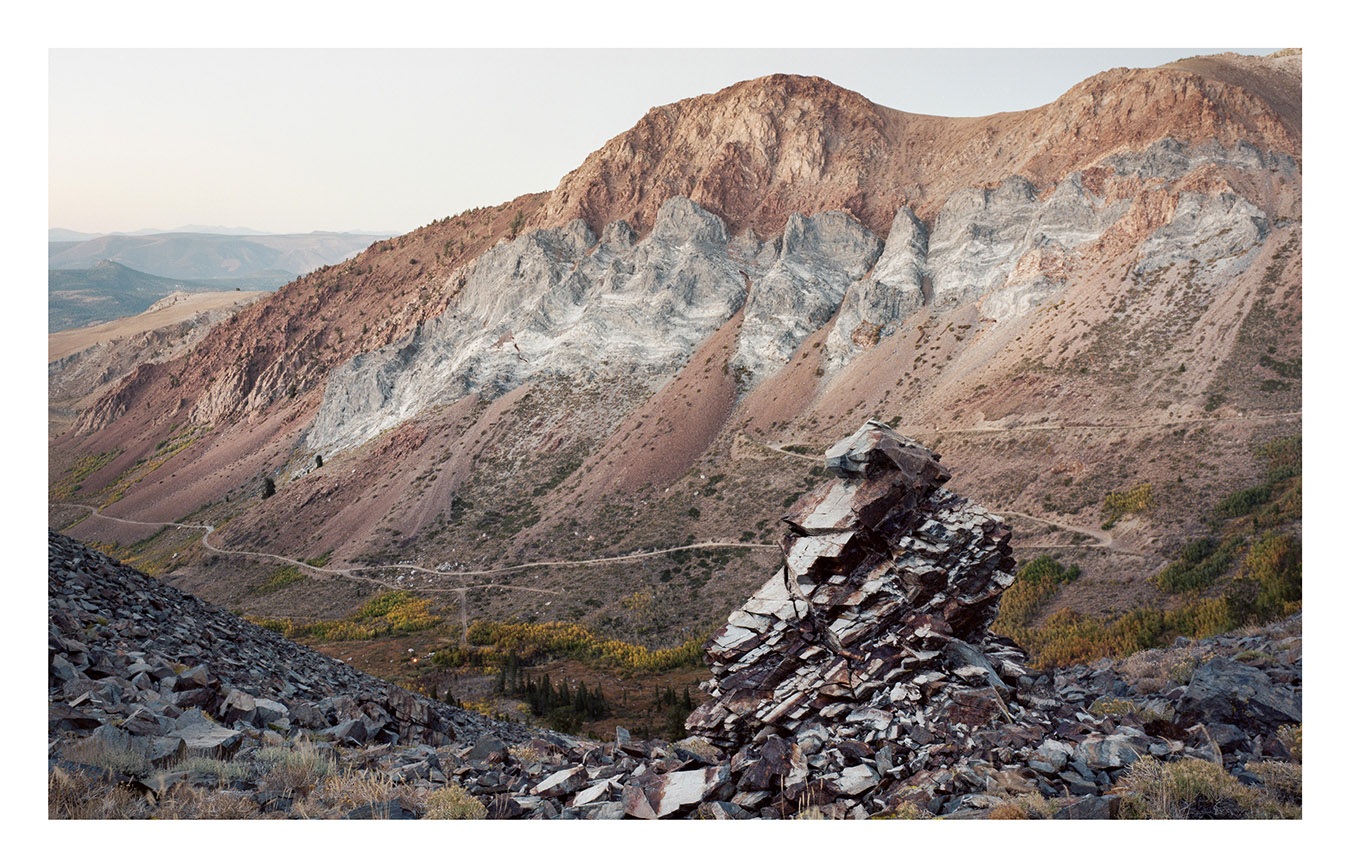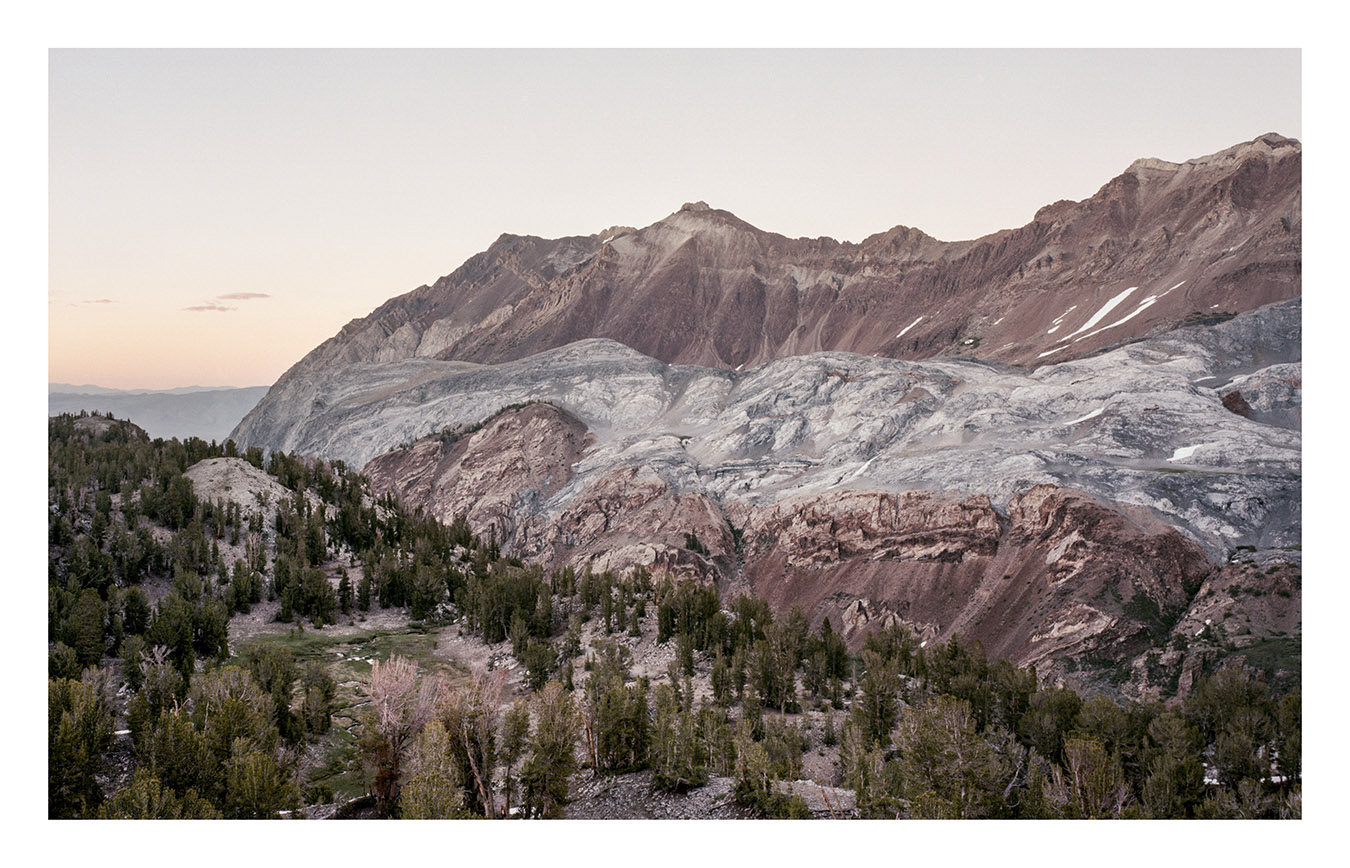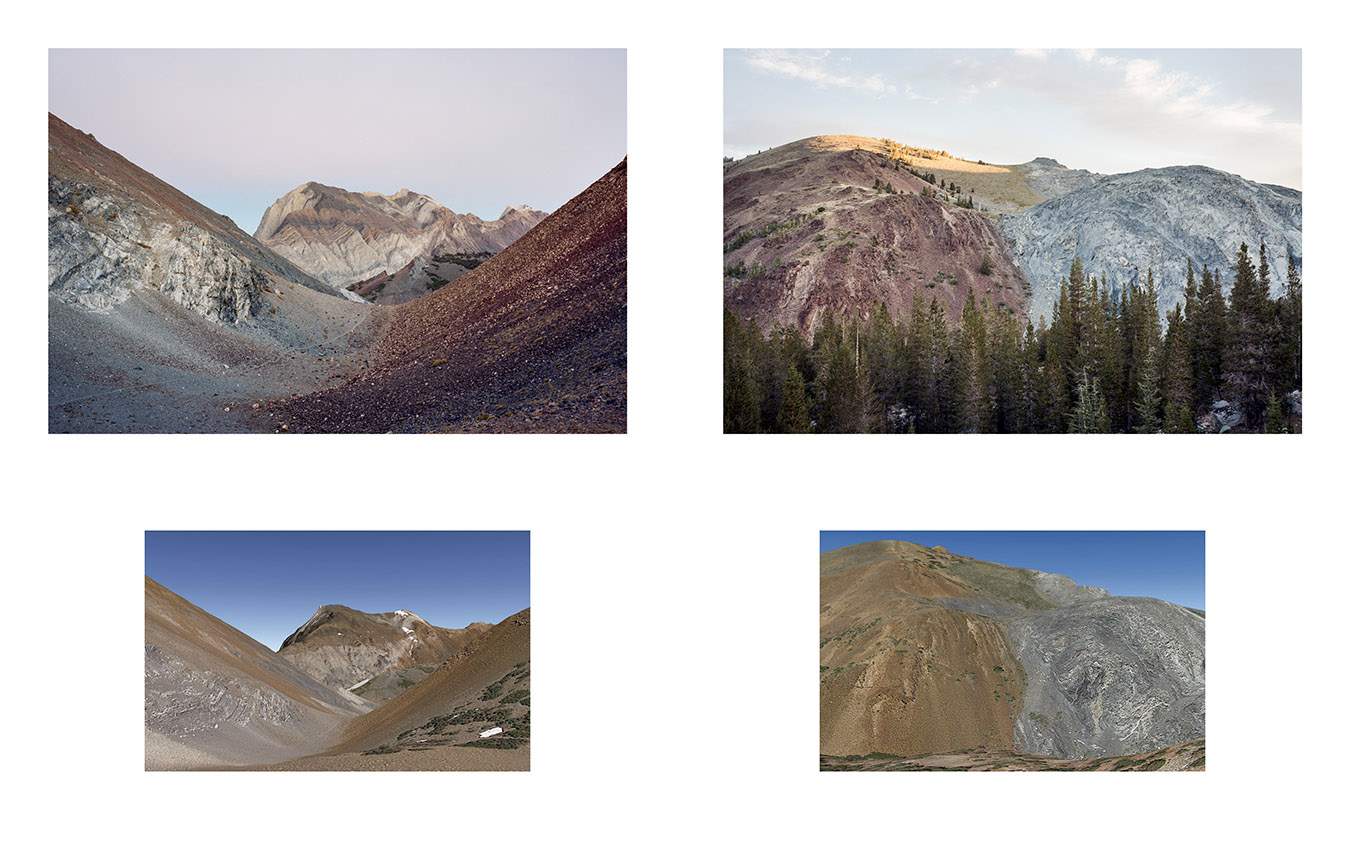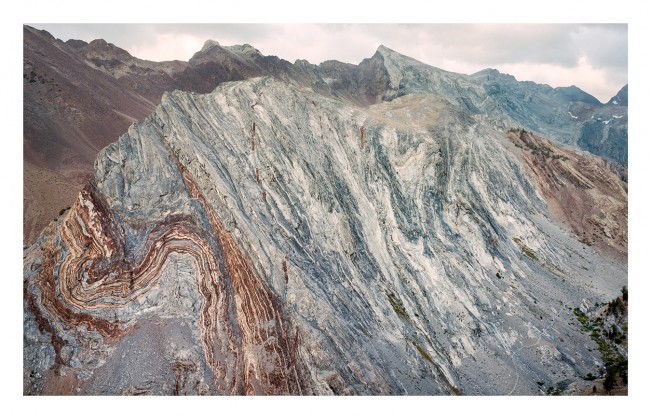
© Bobby Lee from Mountain Folds
The Griffin Museum of Photography has recently assembled a wonderful exhibition dedicated to handmade photobooks, curated by Sangyon Joo, founder of Datz Press and Datz Museum in Gwangju, South Korea. The first of its kind at the New England museum, the showcase is dedicated solely to handmade photo books, turning its gaze to the tactile delicacy of these wonderful artifacts. The 20 books selected for their outstanding craftsmanship and powerful authorial voices are a sensorial feast, reminding us of the importance of the artist’s hand in the dissemination of independent photographic media.
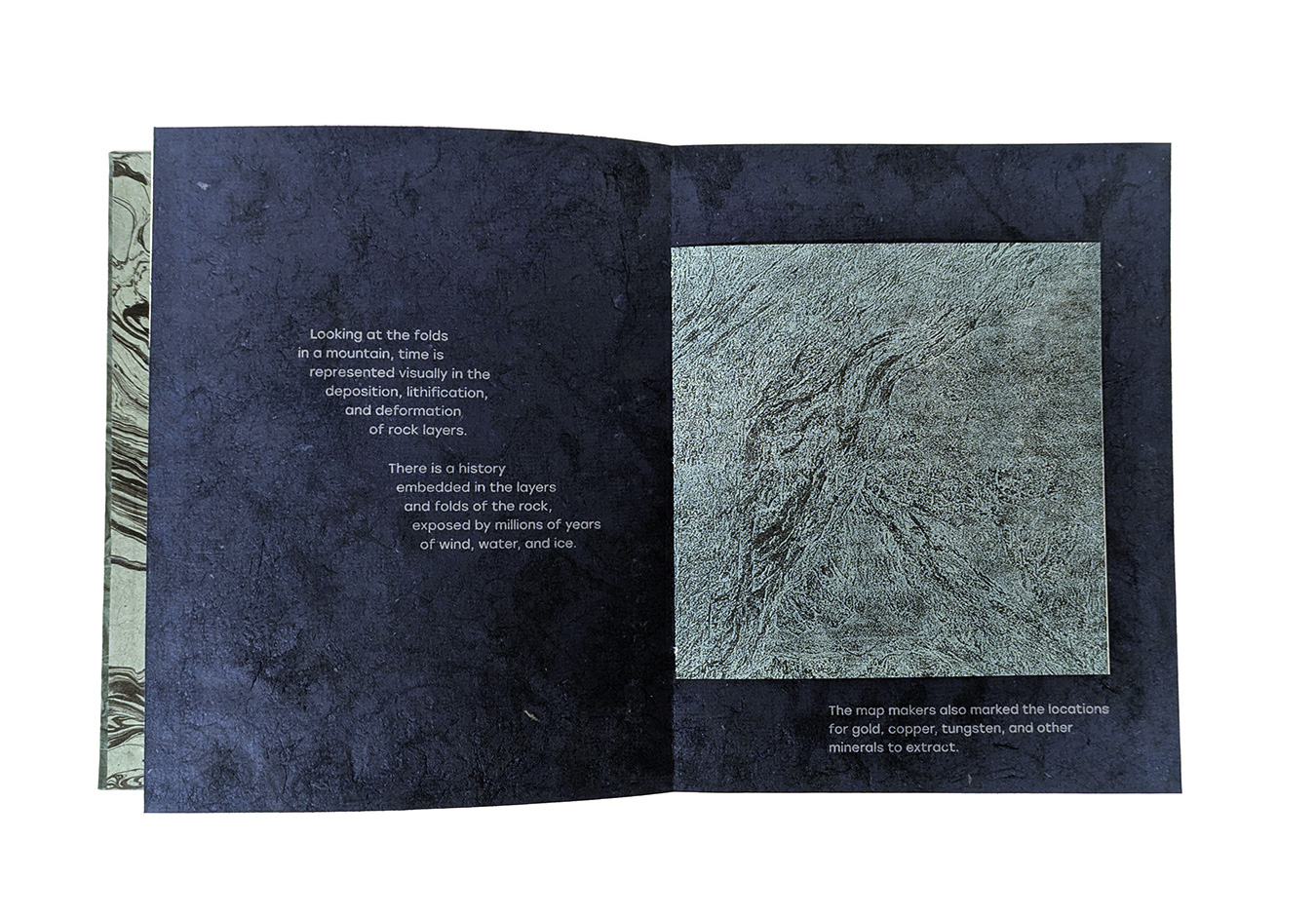
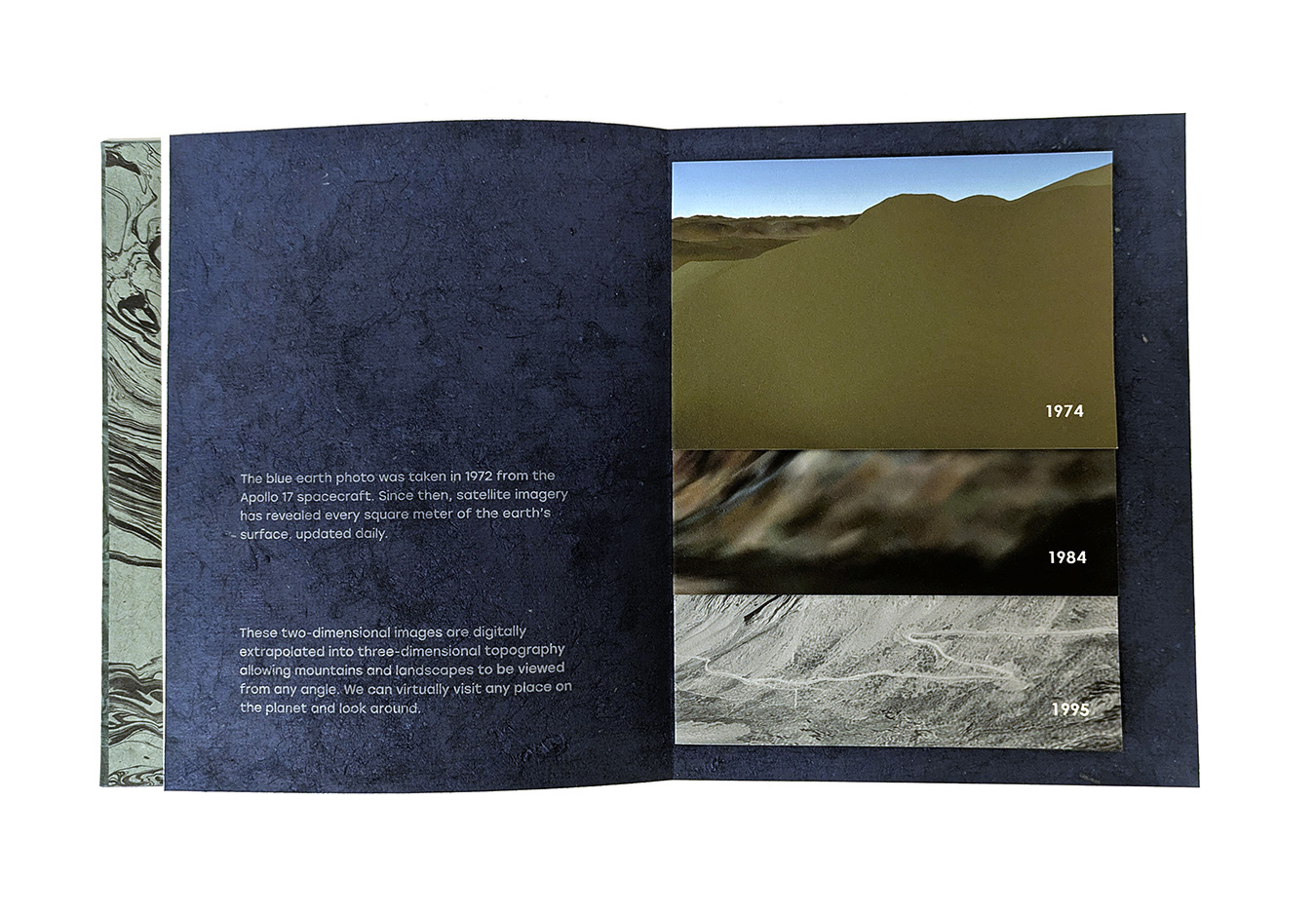
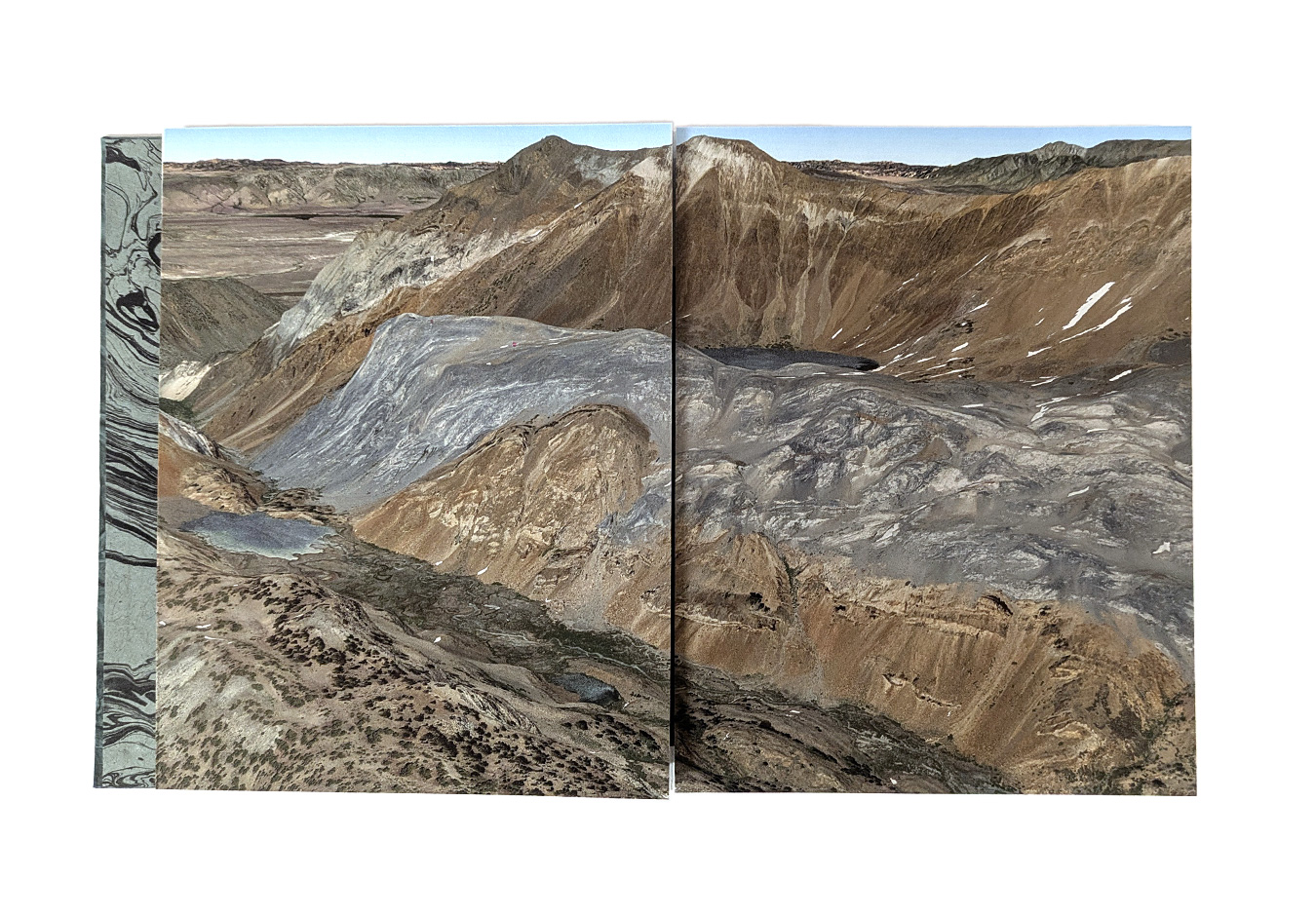
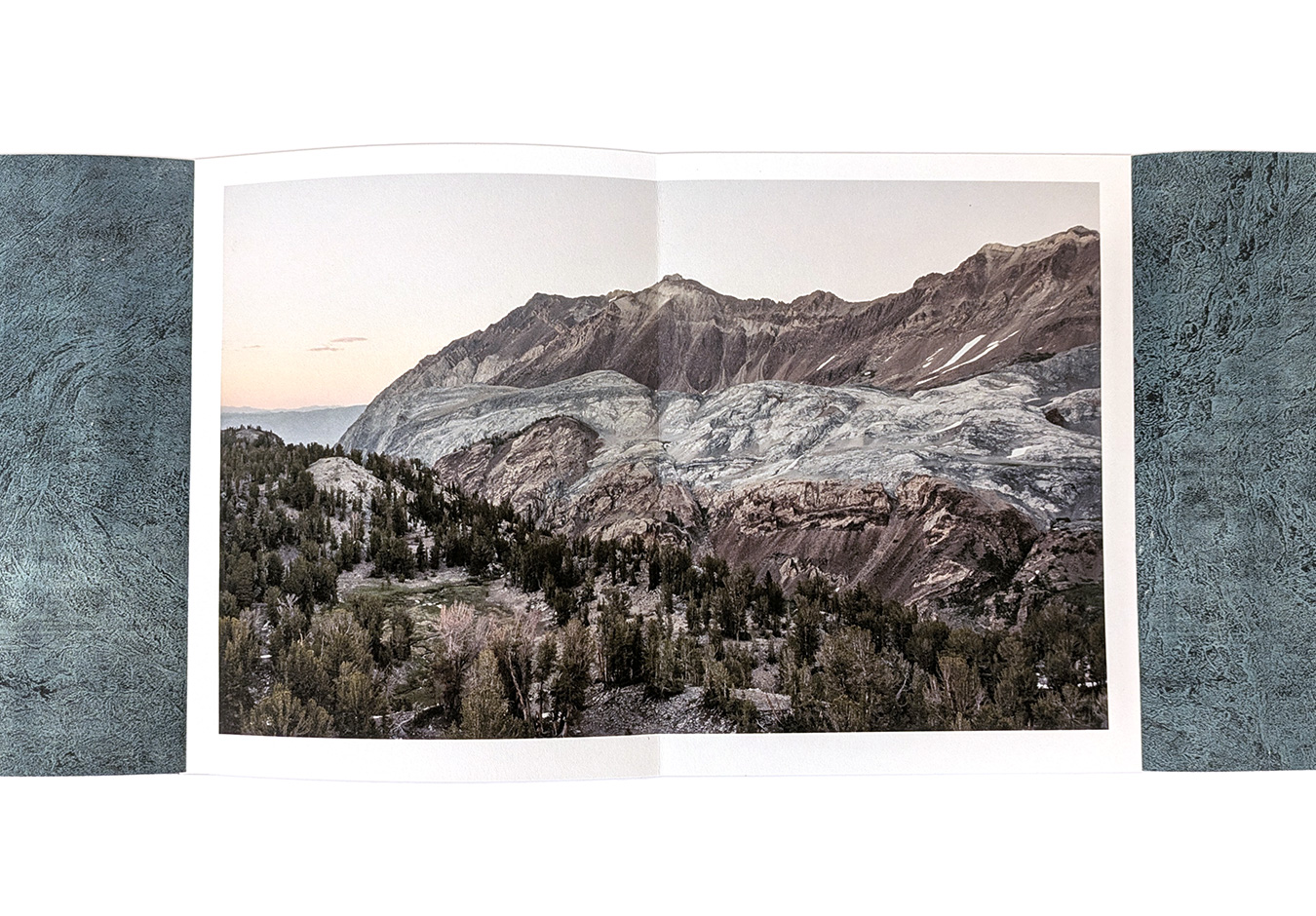
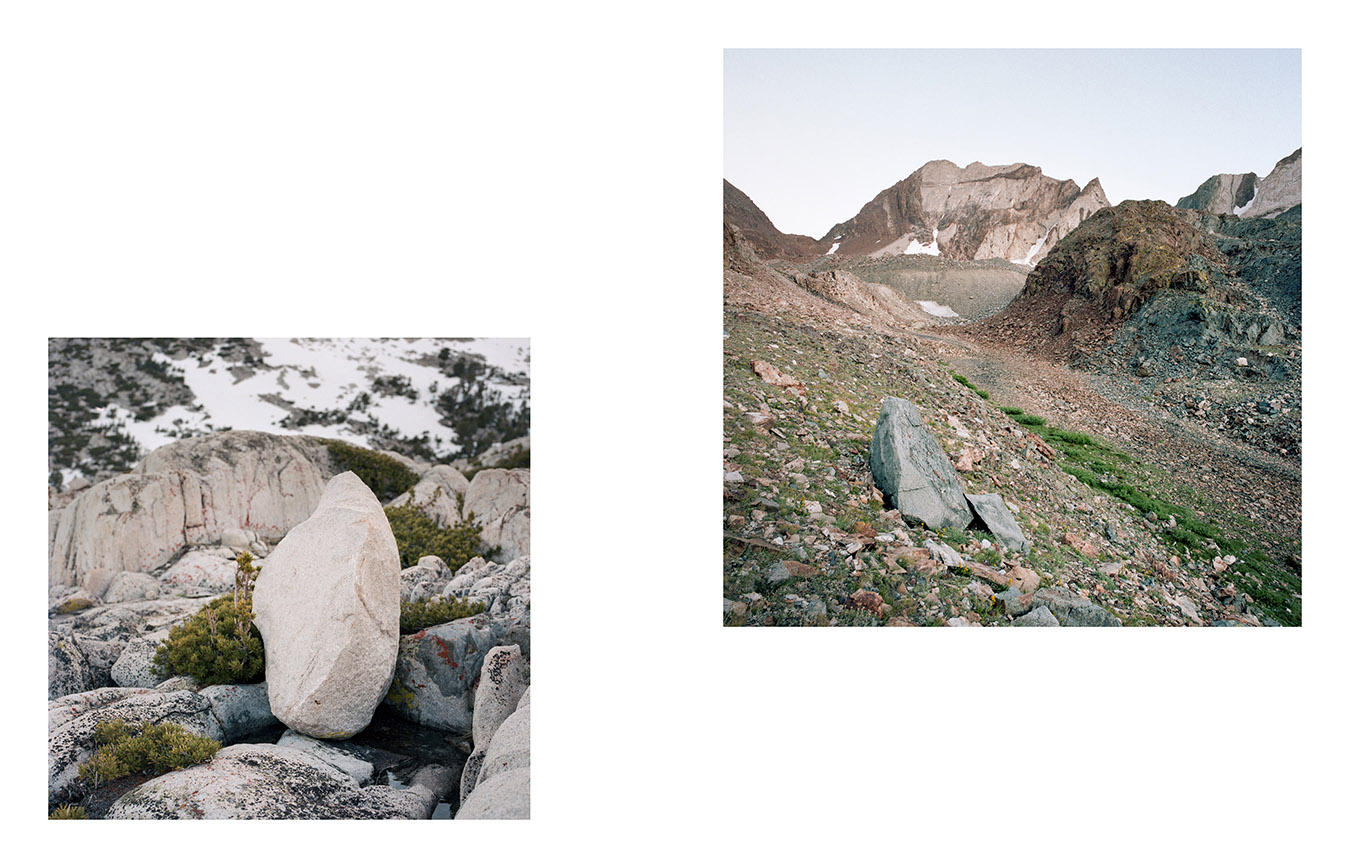
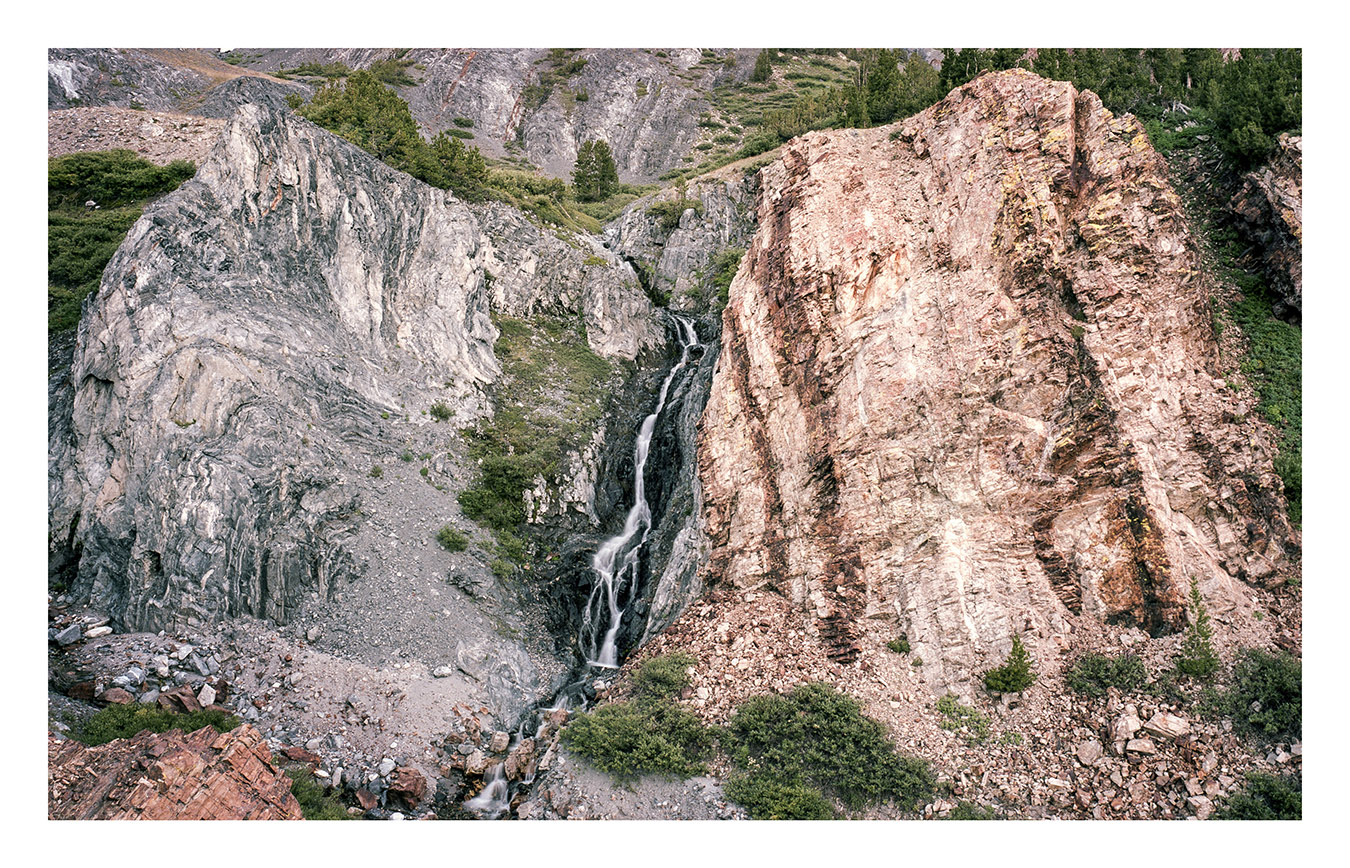
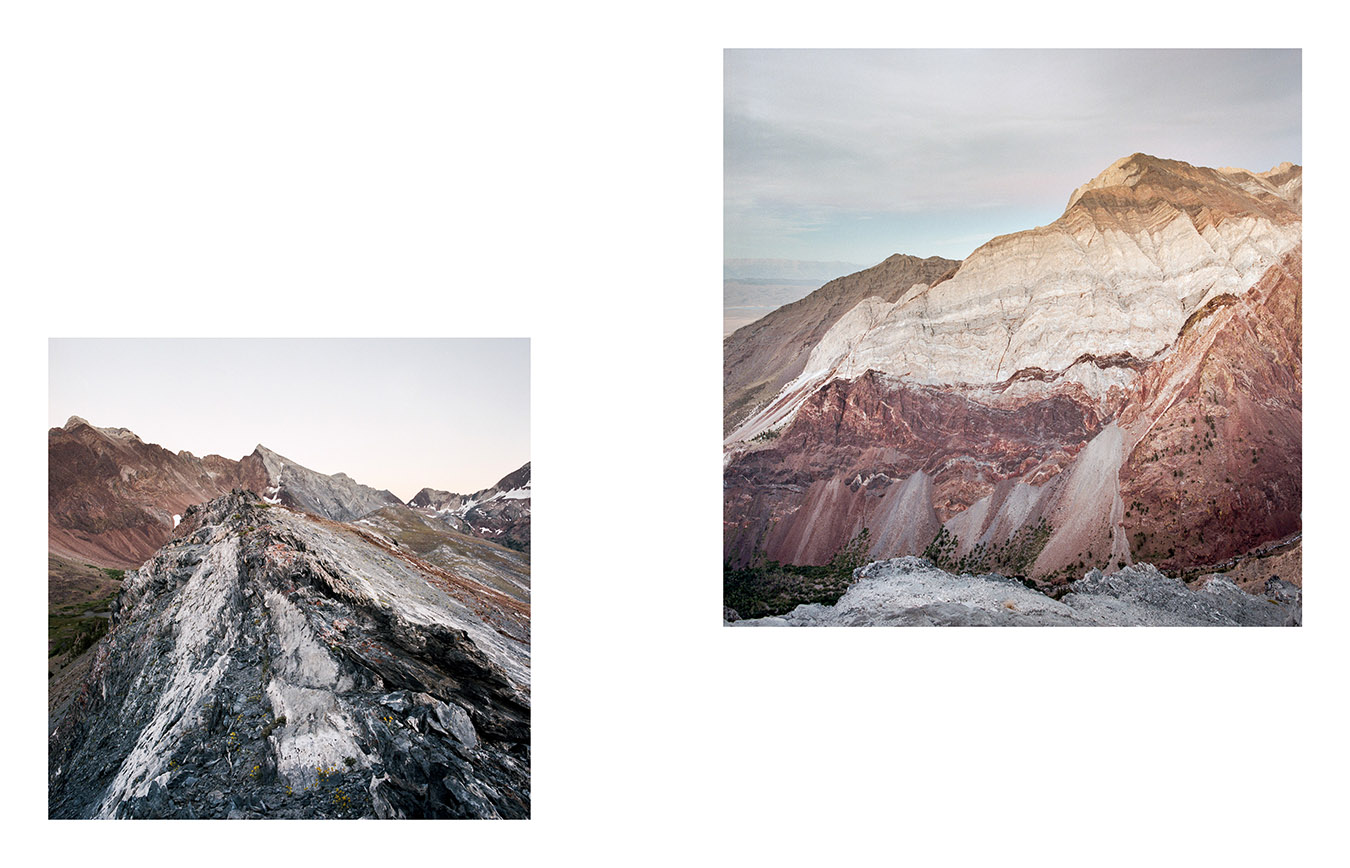
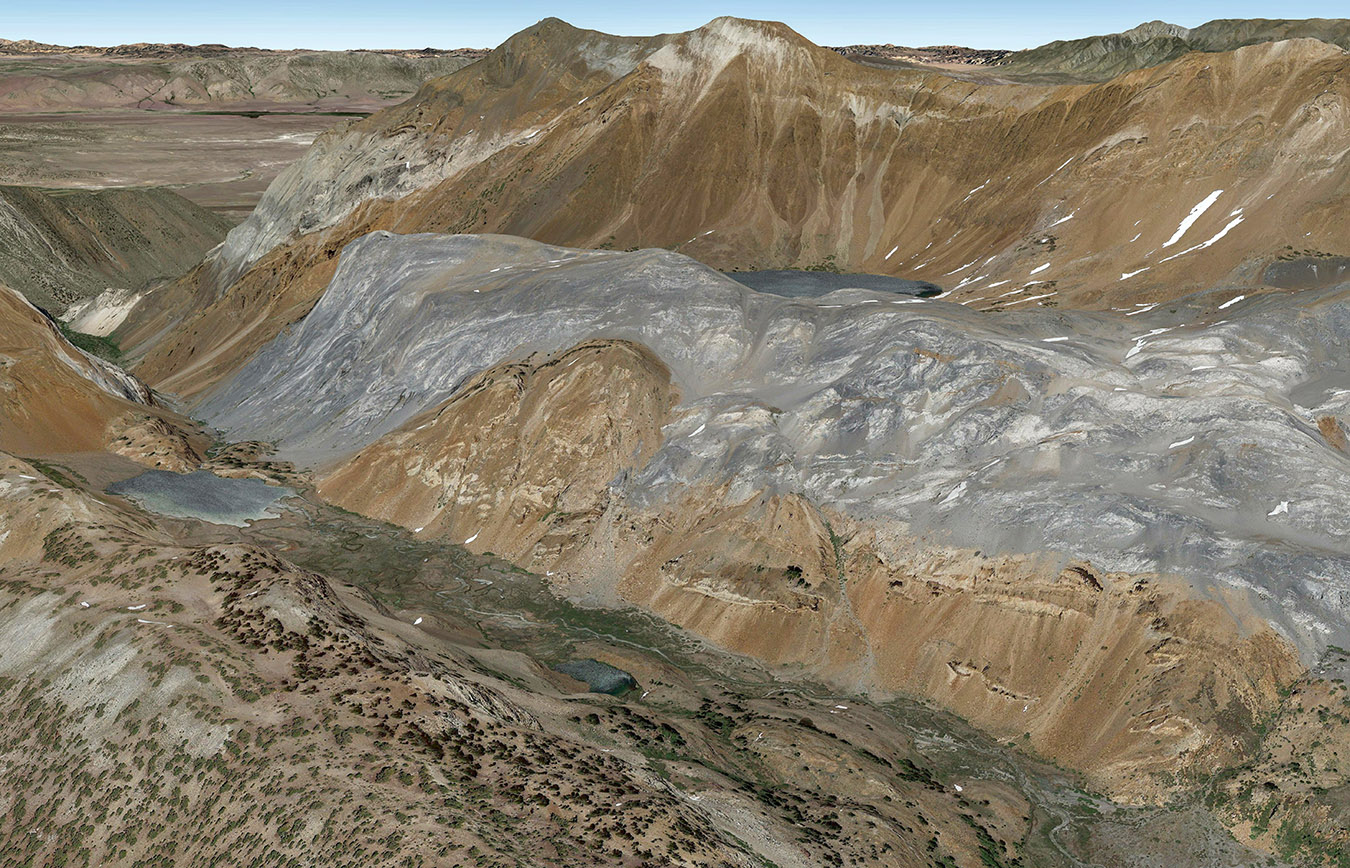
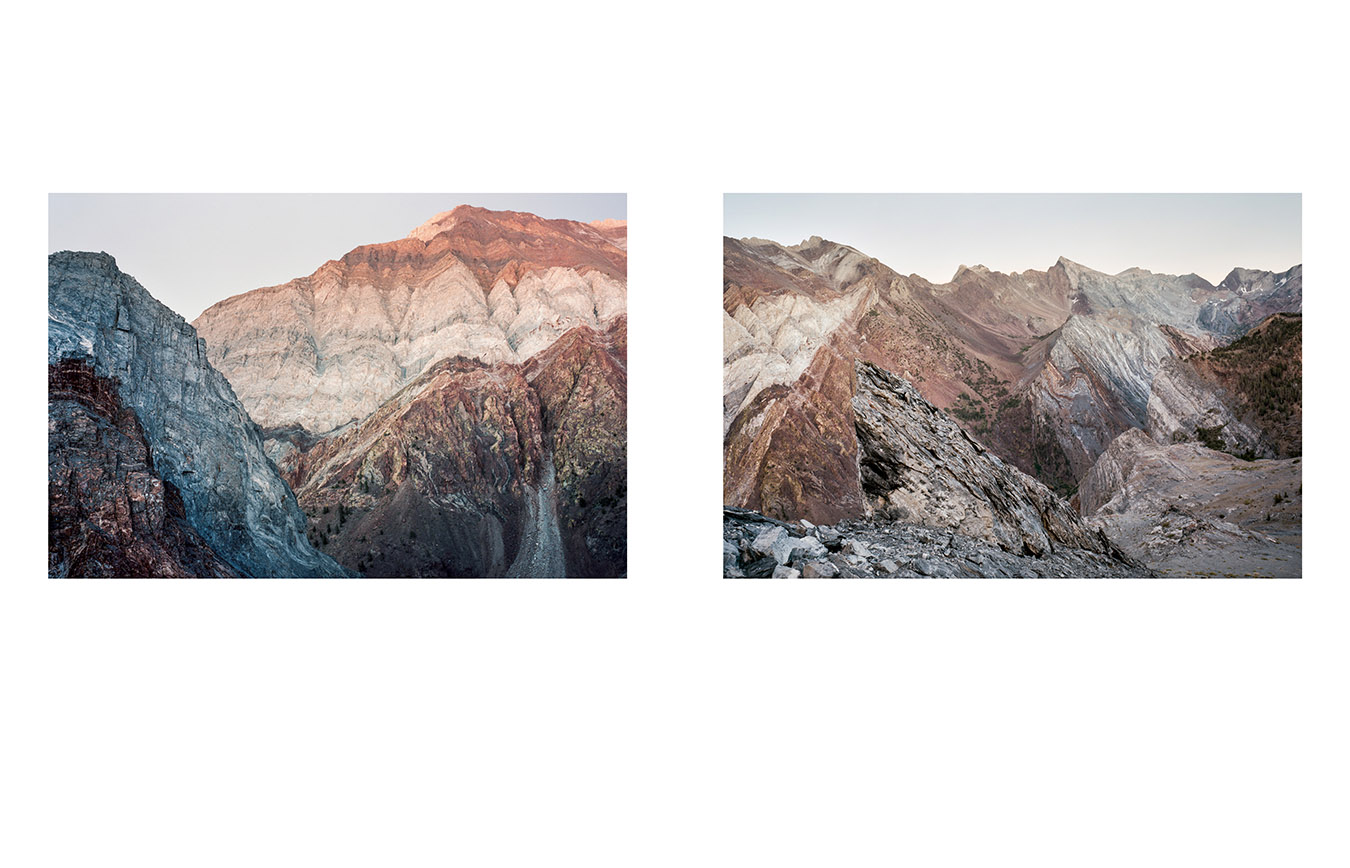
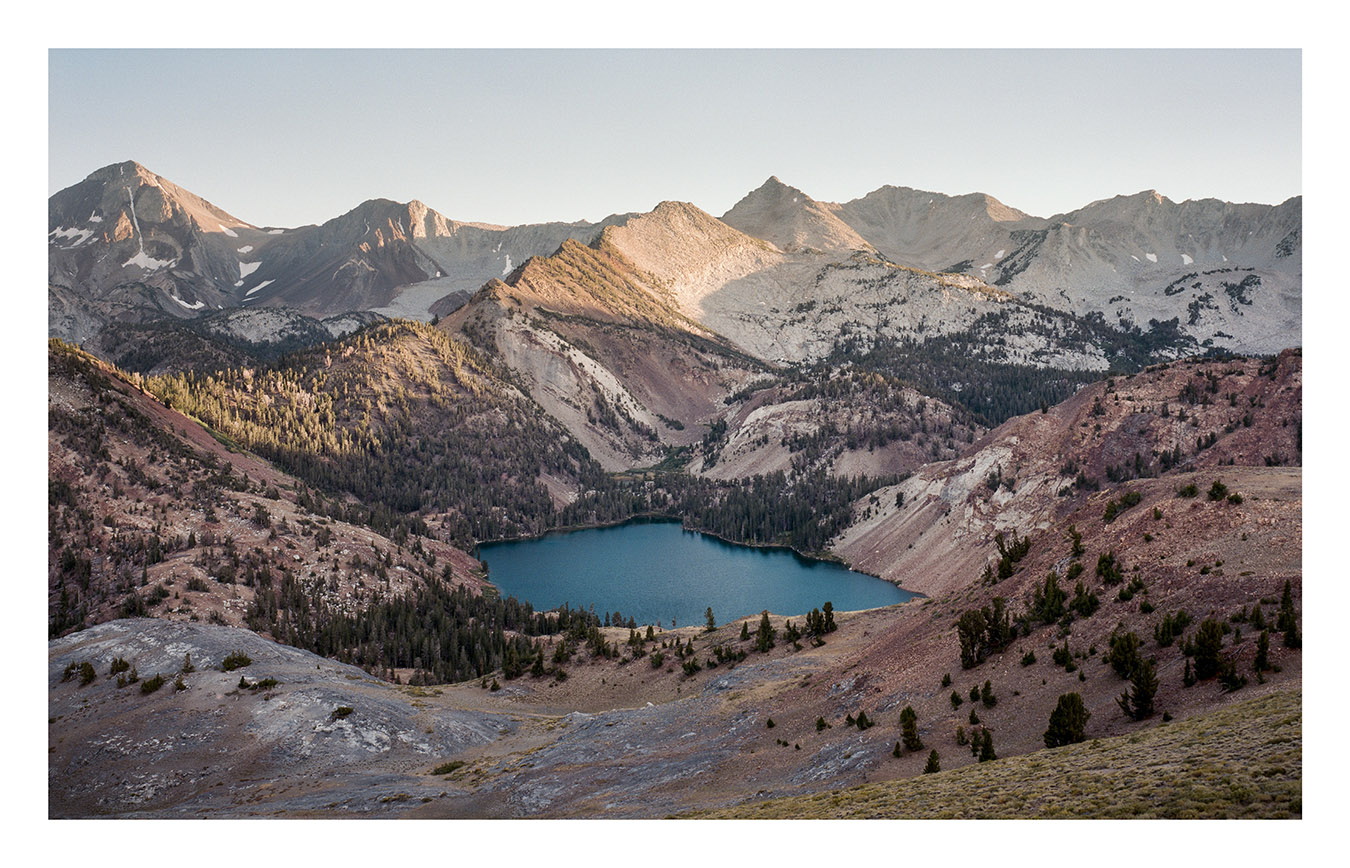
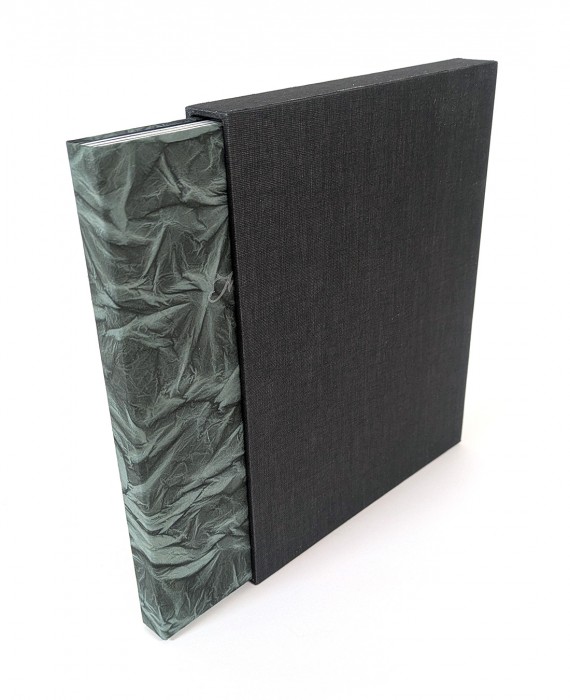
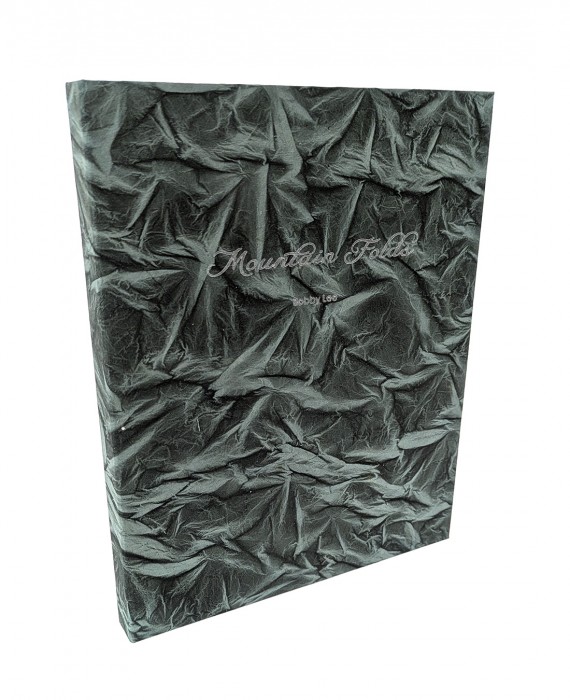
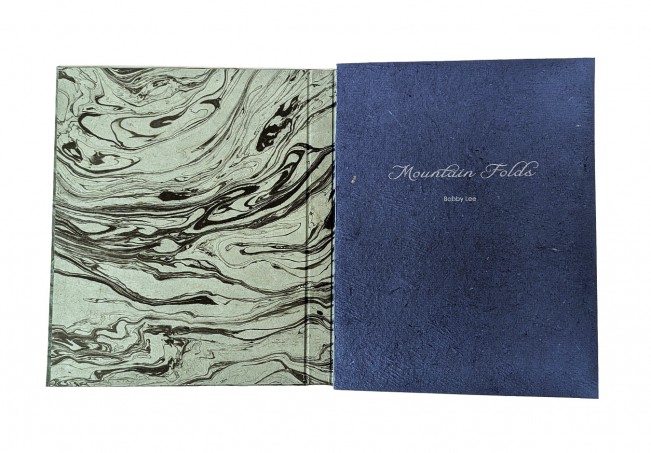
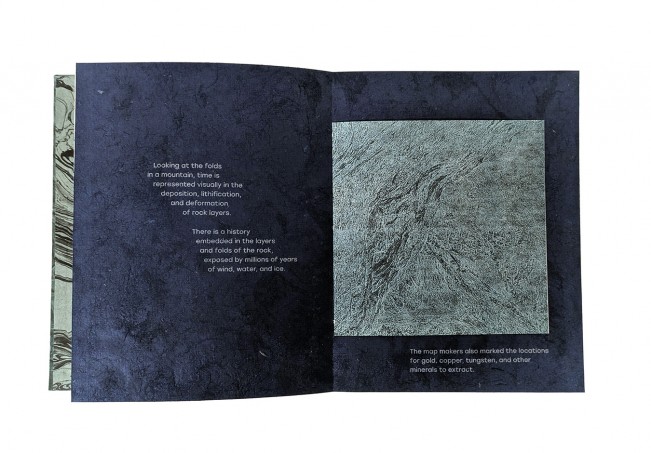
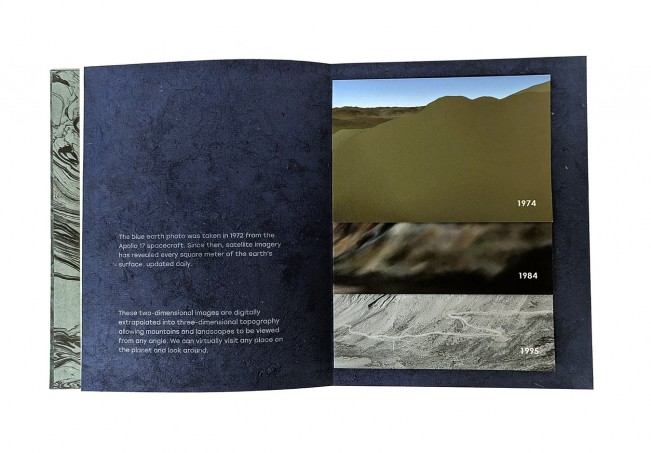
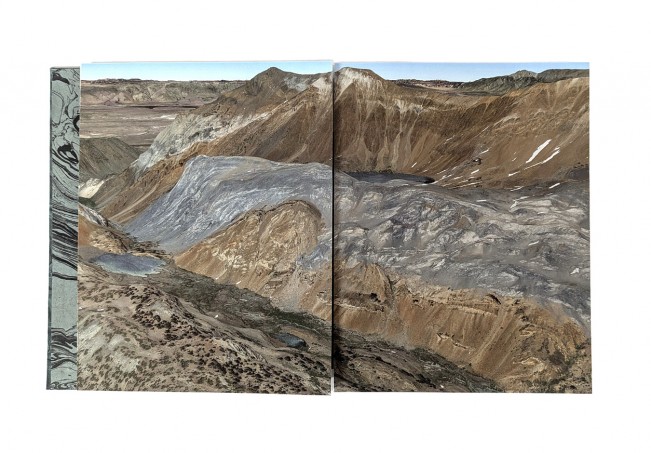
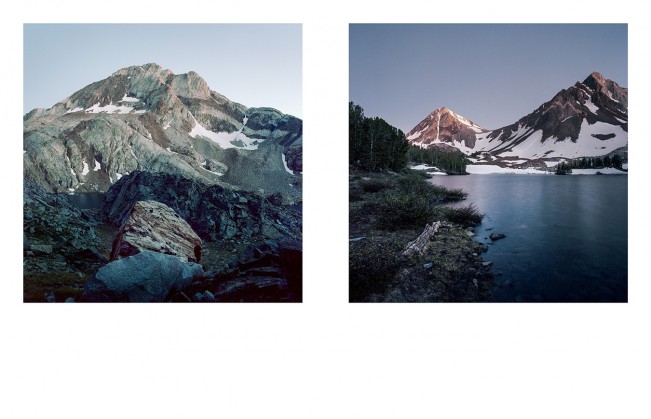
Lens-based artist, publisher, and photobook maker, Laila Nahar, was invited to select her top picks as a guest critic at the exhibition. This week, we take a look at her Top 6 selections. Today, we present Bobby Lee‘s project, Mountain Folds. Juror Laila Nahar shares: “Bobby Lee’s Mountain Folds is an immersive journey into the geological stories of the high alpine canyon of the Sierra Nevada curved by ice, water and wind. The striking photos of the intricate rock layers are juxtaposed with geological maps and satellite images to highlight the physical and human realities of the territory, challenging traditional narratives of landscape exploration. The multilayered sewn-in accordion with inside-flaps, foldouts and texts creates a beautiful visual dialogue between the physical landscape and the human and social factors influencing it.”
© Bobby Lee from Mountain Folds
Laila Nahar: What made you choose photography as a medium to express yourself and books as a form to represent it? From the background of landscape photography, how did you choose to become a handmade artist bookmaker?
Bobby Lee: I started out as a landscape photographer and became interested in book arts later as a way to create my own photo books. My photographic practice continues to revolve around exploration and a sense-based experience of place and landscape. As I learned more about book arts I became very interested in the book’s materiality and interactivity as a way to change and add to the experience of viewing a photo based book. A book is a physical object that can be interacted with and felt as a tactile experience as well as a visual one with different potential for interactive fold-outs, combinations, and sequencing. I love the ability for book arts to create unique, intimate experiences with a reader through the layering and incorporation of these different elements. It also allows for the incorporation of different types of information, text, or visual material that add to the concept or experience of the book. For example, representing the experience of walking around a corner and seeing a new vista revealed can be expressed in a sequence of images or a film. In a book form, this experience can be made physical through the addition of unique materials and different book structures, prompting the reader to manually open or turn each image, reflecting that physical time-based experience of being in the place itself.
© Bobby Lee, Mountain Folds
© Bobby Lee, Mountain Folds
LH: What was the motivation behind the theme of ‘Mountain Folds’? Tell us about your process; it’d be interesting to know about your backpacking trips into the wilderness for your projects.
BL: In many ways, Mountain Folds is a transitional project in that I made the photographs long before I thought about making it into a book. During this time, I was interested in pushing myself further to develop a more conceptual landscape project that went beyond the traditional picturesque. I chose to focus on one particular area of the Eastern Sierra Nevada mountains where the exposed layers of geology could tell a story about geologic time in relation to the landscape. Over one summer, I repeatedly returned to this canyon to photograph a massive band of gray rock that stretched across the landscape, making several 3-5 day backpacking trips and carrying both my large and medium format cameras (I was in better shape back then). I researched geologic maps and satellite imagery to identify potential viewpoints and plan these trips, and so the comparison between maps and the physical reality of the place was also interesting to witness. Many of these images could have been easily made with drones but it was important to me to physically go to these places as a way to maintain a grounded connection to the photographs. The book form became an ideal way to combine the photographs with ideas around mapping, satellite representation, and my physical encounter with the landscape through personal writings.
© Bobby Lee, Mountain Folds
© Bobby Lee, Mountain Folds
LH: Who are your inspirations in ‘artist book’? What’s next in your book-making journey?
BL: One of my biggest inspirations is actually Sangyon Joo and Datz Press. I am continuously inspired by the way they incorporate handmade elements in very clean and elegantly designed photo books, mixing the practicality of some commercial processes with handmade techniques and materials. It’s this blend of handmade and elevated quality that really opened my mind to what is possible in handmade books. At the same time, I really love the material and structural explorations by artists like Hedi Kyle that really break the mold of what a book’s physical form can be. I’m very interested in the combination of these ideas to create more unique photo book structures that balance clean design and high quality materials with sculptural and nontraditional structures that can play with the experience of interacting with a series of images. As I mentioned above, Mountain Folds is a transitional project that was photographed before thinking about the book. I hope to continue making new work where I can think about potential book forms at the same time as the photographic process and photograph “for the book”. I’m also newly obsessed with papermaking and hope to continue to learn more about working with pulp.
© Bobby Lee, Mountain Folds
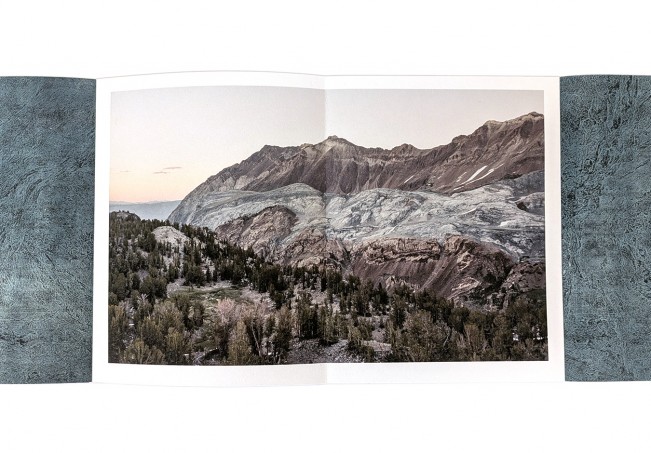
© Bobby Lee, Mountain Folds
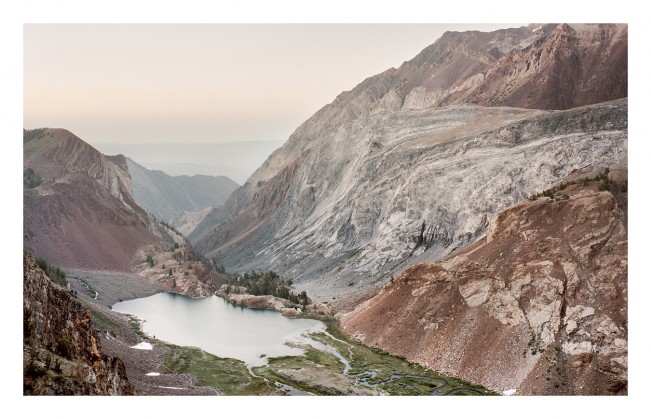
© Bobby Lee, Mountain Folds
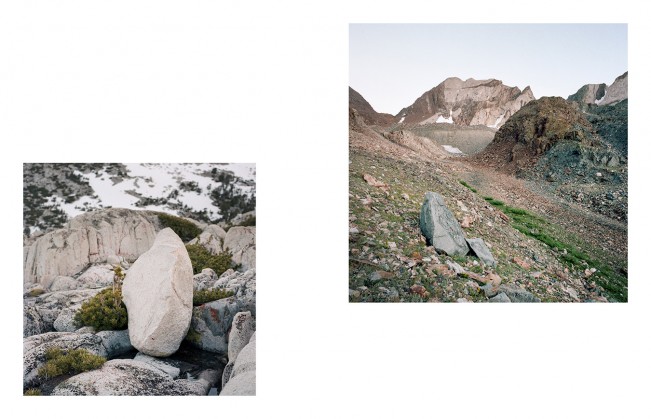
© Bobby Lee, Mountain Folds
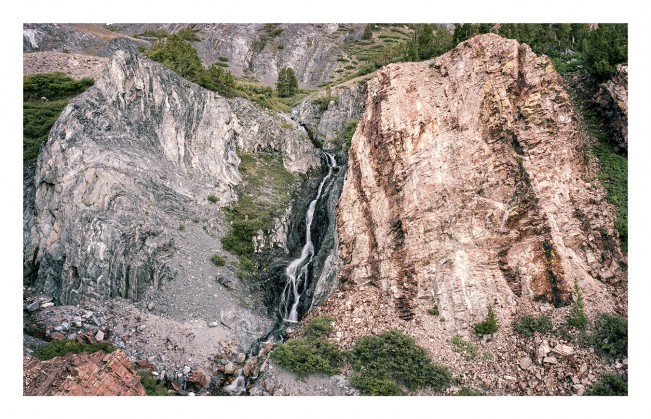
© Bobby Lee, Mountain Folds
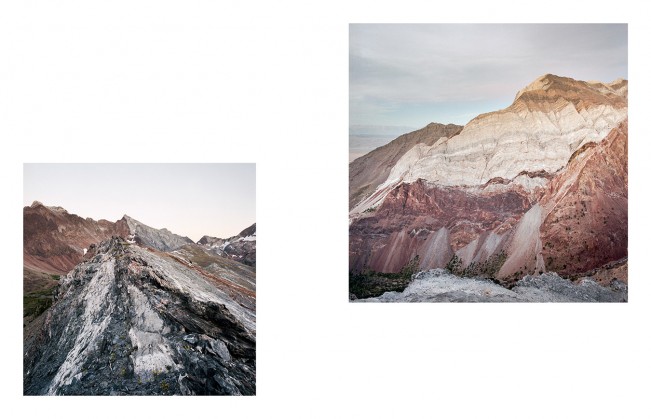
© Bobby Lee, Mountain Folds
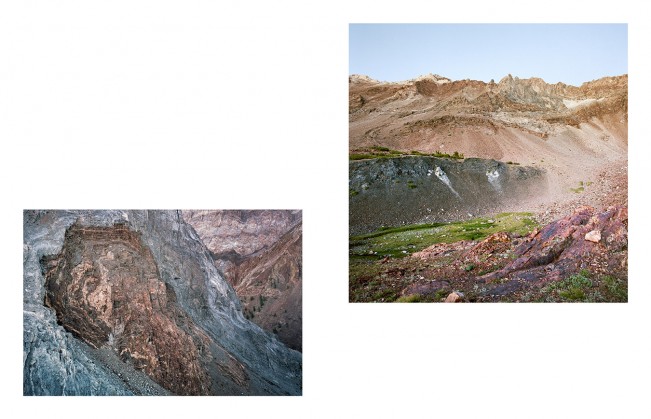
© Bobby Lee, Mountain Folds
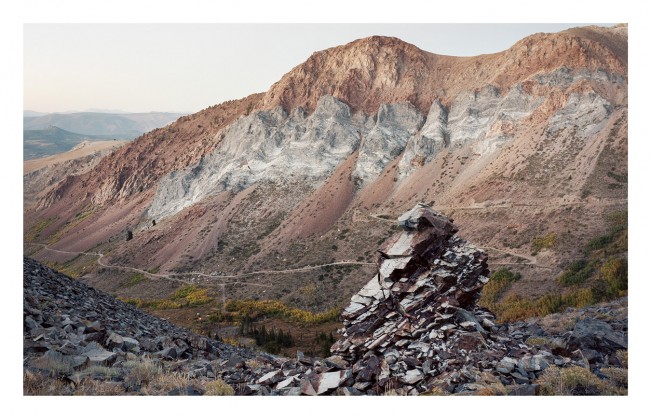
© Bobby Lee, Mountain Folds
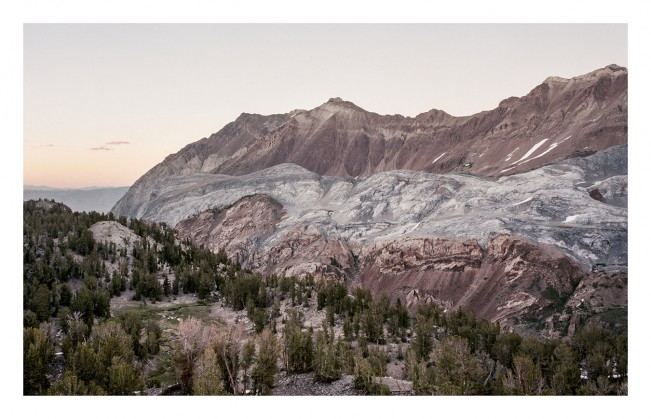
© Bobby Lee, Mountain Folds
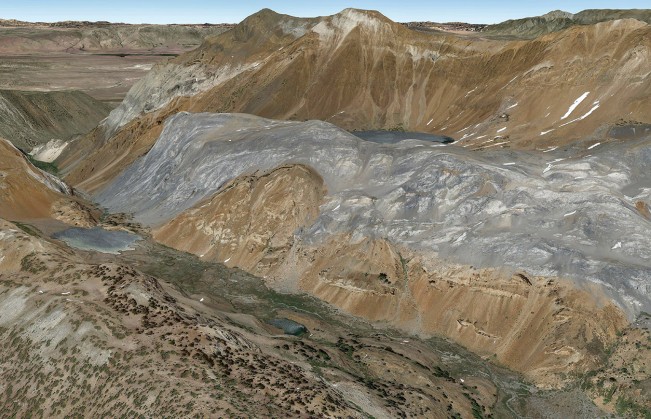
© Bobby Lee, Mountain Folds
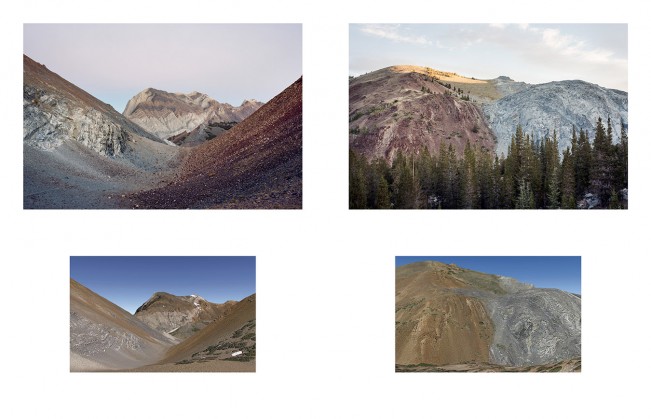
© Bobby Lee, Mountain Folds
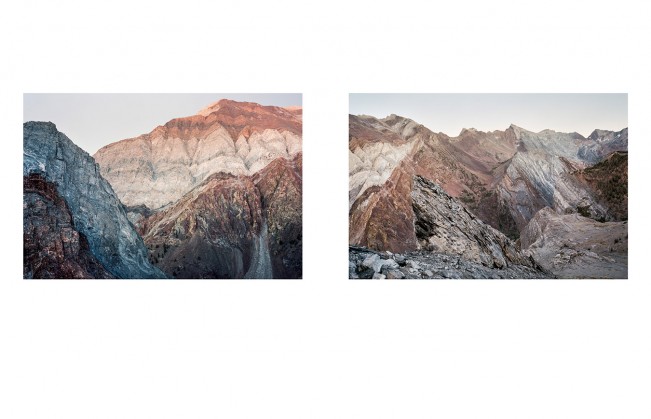
© Bobby Lee, Mountain Folds
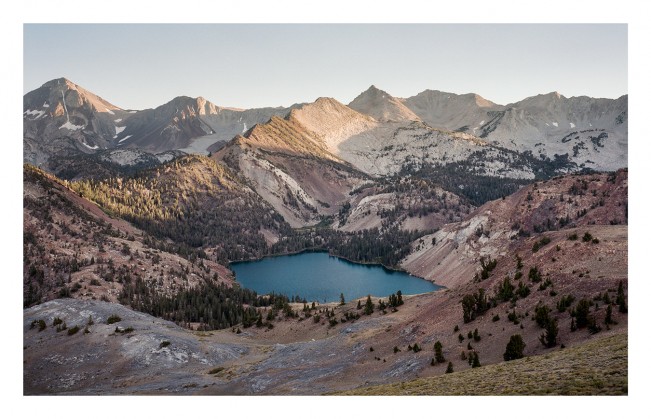
© Bobby Lee, Mountain Folds
© Bobby Lee, Mountain Folds