Mort O’Sullivan: The Weight of Light: Printmaking as Documentary Act
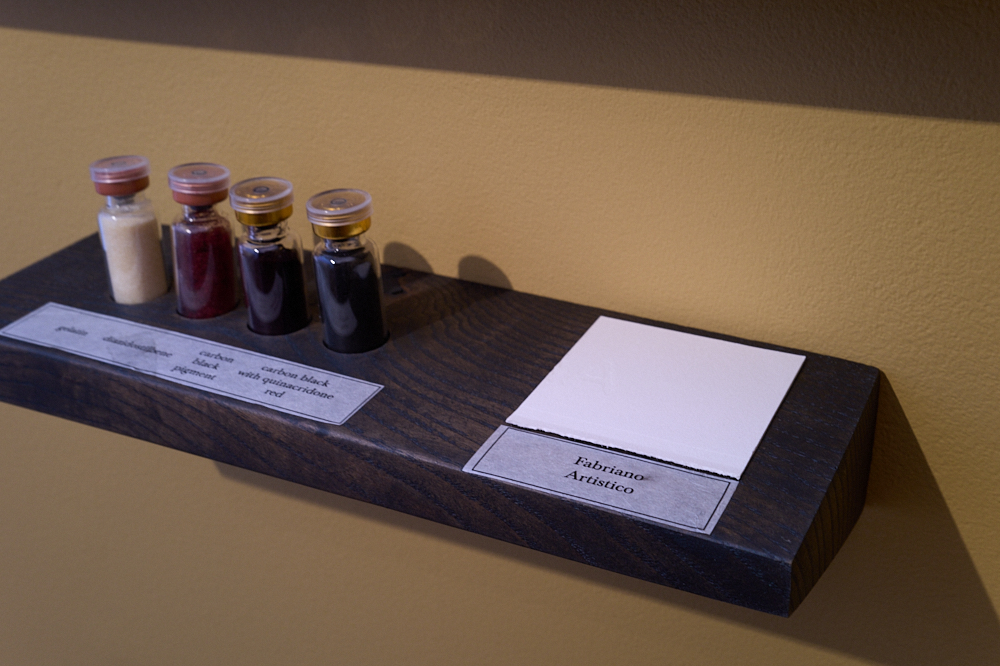
©Mort O’Sullivan, Carbon Materials
I was recently contacted by Frank Konhaus who established Cassilhaus, a unique gallery and artist residency in North Carolina. I was lucky to attend an exhibition at Cassilhaus during the Click Photo Festival some years back and the memory of the experience has stayed with me. Frank wanted to share a new exhibition of work by Mort O’Sullivan, a photographer and printmaker based in North Carolina, showcasing an insightful and fascinating look at the decision making alternatives of presenting an image.
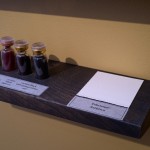
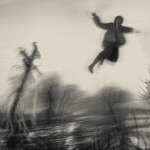
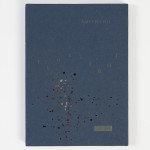
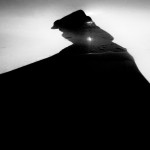
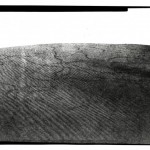
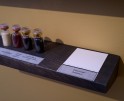
The exhibition is a second incarnation of O’Sullivan’s MFA thesis show (Duke MFA|EDA) entitled The Weight of Light: Printmaking as Documentary Act. O’Sullivan renders a single image in 15 different photographic processes. The exhibition include glass vials in custom wooden holders at each print to showcase the chemicals/pigments/components required to make each print.
O’Sullivan will be giving an artist’s talk in the gallery on April 12th at 3:30pm.
An interview with the artist follows.
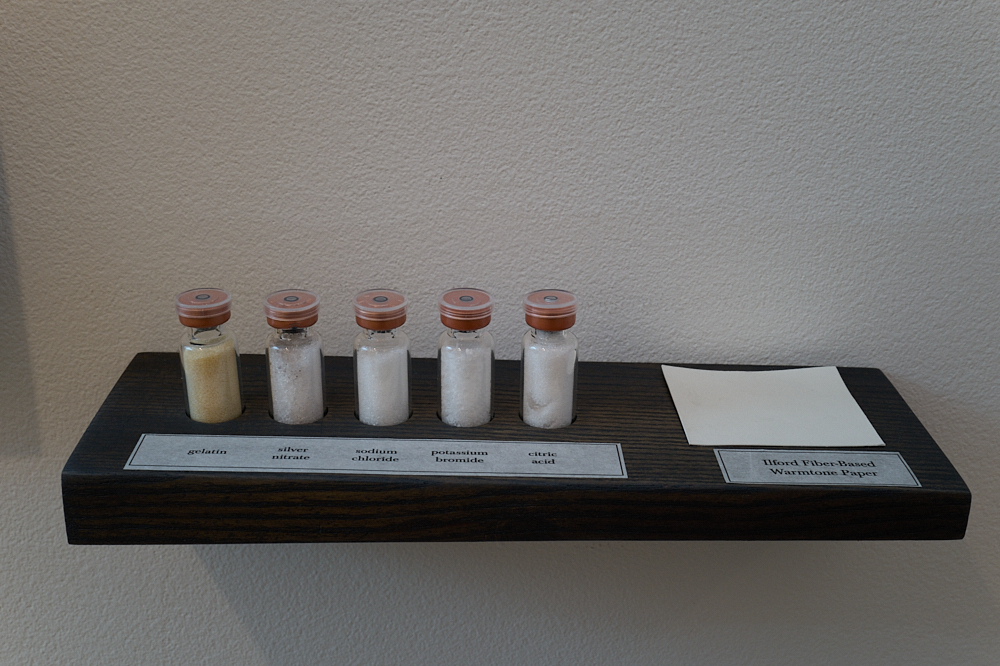
©Mort O’Sullivan, Gelatin Silver Materials
The Weight of Light: Printmaking as Documentary Act
My work begins with a simple question:
What changes when a photograph becomes a physical object?
For this project, I print the same image across a range of photographic processes–from nineteenth-century albumen and platinum-palladium to silver gelatin, inkjet, and risograph. Each print originates from the same digital file, but its final form is shaped by material, chemistry, and labor. Differences in surface, tonal range, and scale alter how the image is encountered.
I am interested in how photographic meaning is produced not only through what an image depicts, but through how it is made. A photograph is not neutral. Its material form carries assumptions about permanence, value, and authenticity. By repeating a single image across processes, I treat printing as a form of translation–one that reveals how meaning shifts across mediums.
Contemporary photographic culture often flattens these distinctions. Images circulate quickly, detached from physical form. This work moves in the opposite direction, returning the image to an object and asking viewers to consider how material qualities shape perception and belief.
Printing is central to my practice. It is not a final step, but a way of thinking. Through repetition and variation, I use process to test what a photograph can be–and what it can mean. – Mort O’Sullivan, February 2026
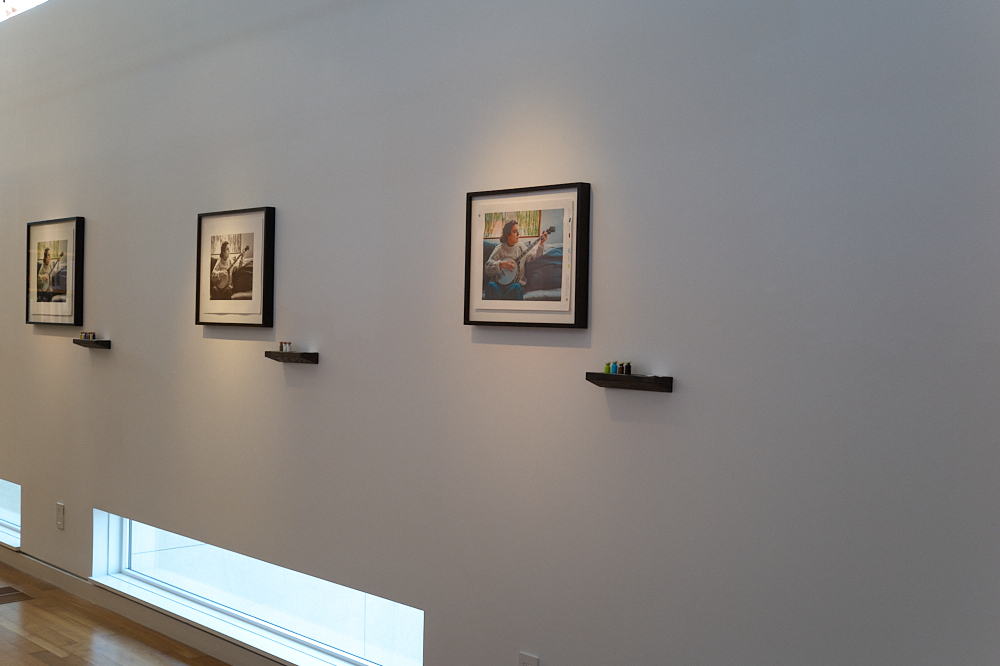
@Mort O’Sullivan, Installation
Tell us about your growing up and what got you interested in photography…
What got me interested in photography: this goes way back. My uncle Webb was about 12 years older than me and he had a Polaroid Land Camera he used to introduce me to photography through double exposures and just the general magic of instant photography. I’ve been hooked ever since. I got my first real camera in high school (1989) and have had a camera by my side ever since.
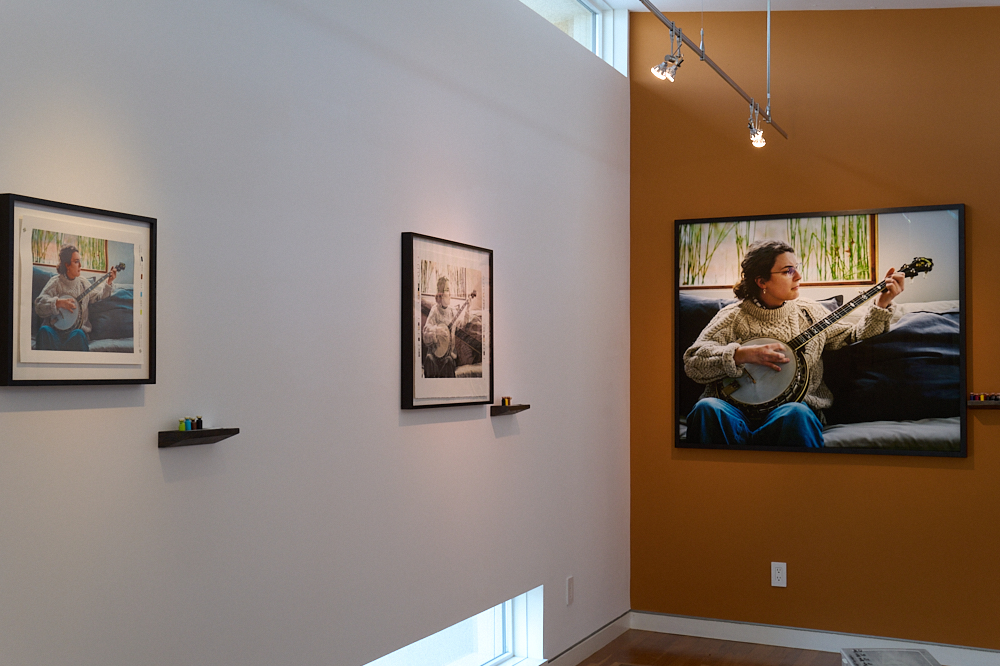
©Mort O’Sullivan, Installation
You have an interesting trajectory as an artist, bringing a 25-year career as a technology entrepreneur, to your skill set. What made you want to make the shift to photography?
Good question. I’ve always had photography as part of my of my life but after exiting my business and having more time available, I decided to do an MFA in photography for 2 main reasons: 1) for the community I would be exposed to (this has been great — my MFA cohort and the community of Duke artists and faculty will be a part of my network for years to come) and 2) to get a terminal degree that will allow me to teach at the university level.
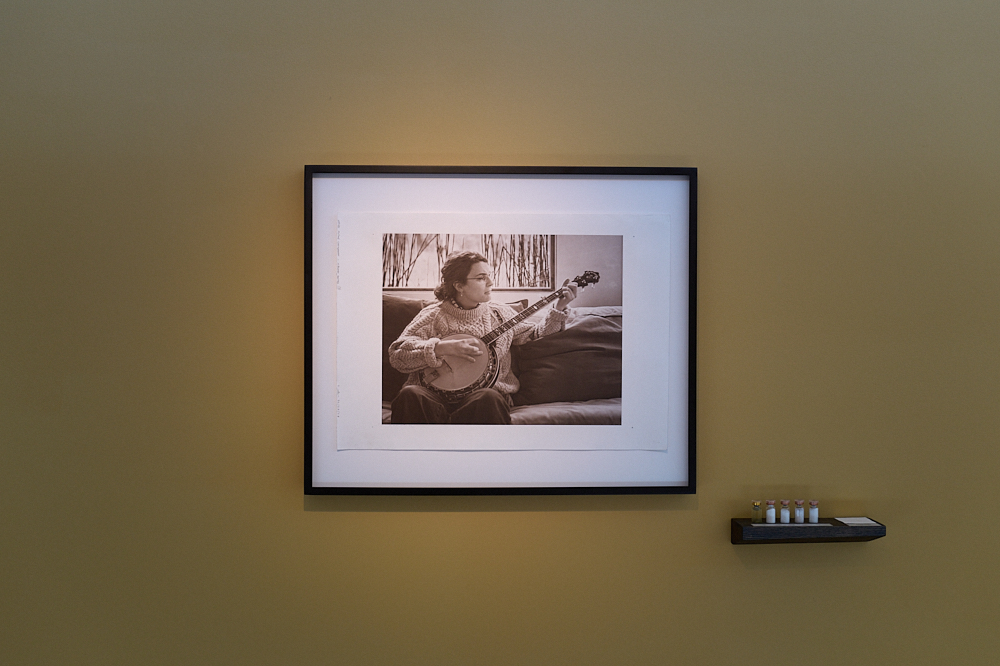
©Mort O’Sullivan, Luta in Albumen
Does your background inform the work you make and what you are interested in?
Definitely yes. My background is in technology and this helps when it comes to building UV exposure units and understanding the details of calibrating print processes. However when it comes to *what* to photograph, my background does not speak much to this and this is something I am still developing
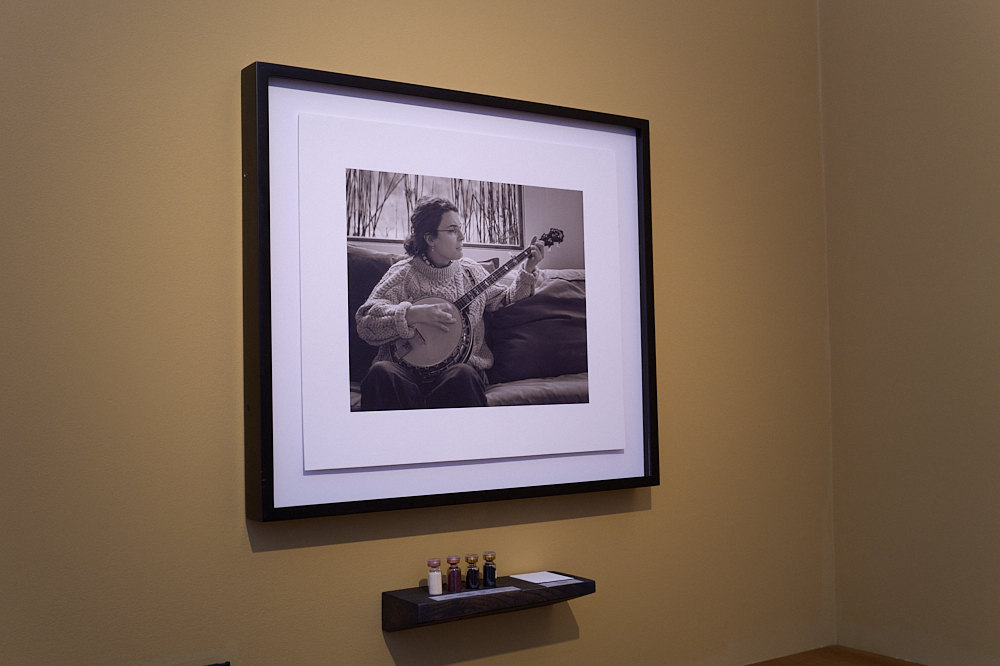
©Mort O’Sullivan, Luta in Carbontransfer
Congratulations on your amazing exhibition! What propelled you to research and consider the photographic image in so many ways?
Good question. I think the idea for this project was propelled by comments I got in critiques during my MFA program. I once commented in an offhand way that maybe I could print the same image in 12 different processes and one of the reviewers said that would be an audacious display. So that is what I decided to do. I ended up printing the same image in 15 different processes. As I got deeper into the project I realized it became more about the physical variations in the surface of the print than about the image itself.
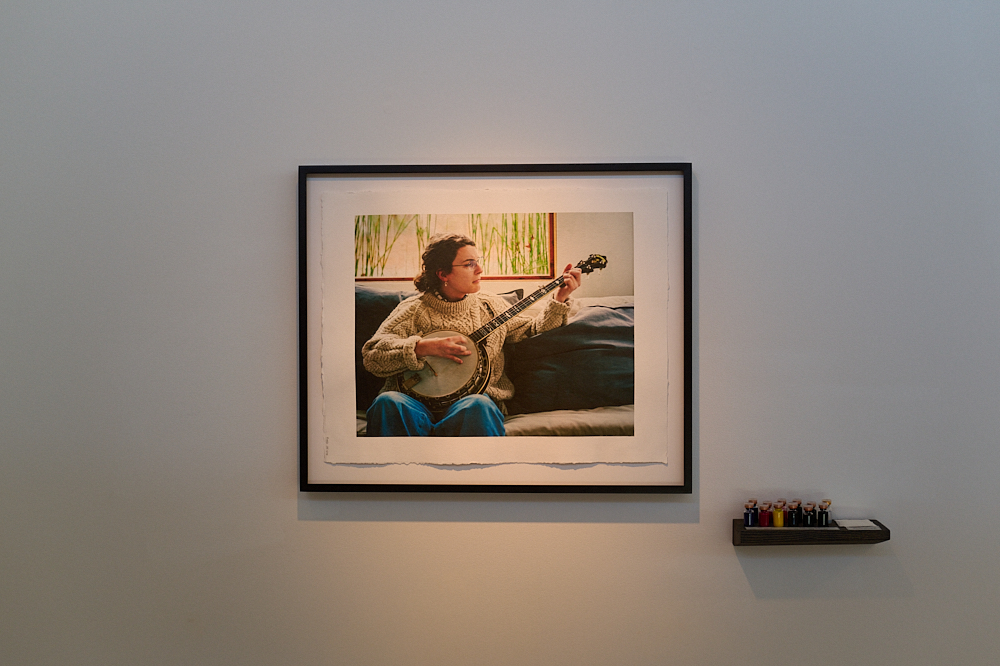
©Mort O’Sullivan, Luta in Chroma-Colle
Where there any surprises in your explorations?
I think so. I was surprised by how most of the processes have a very similar tonal range (Dmin to Dmax) but they still feel quite different from each other, The surface of the paper and the way the materials of the print interact with the paper have a great deal to do with how we experience the print.
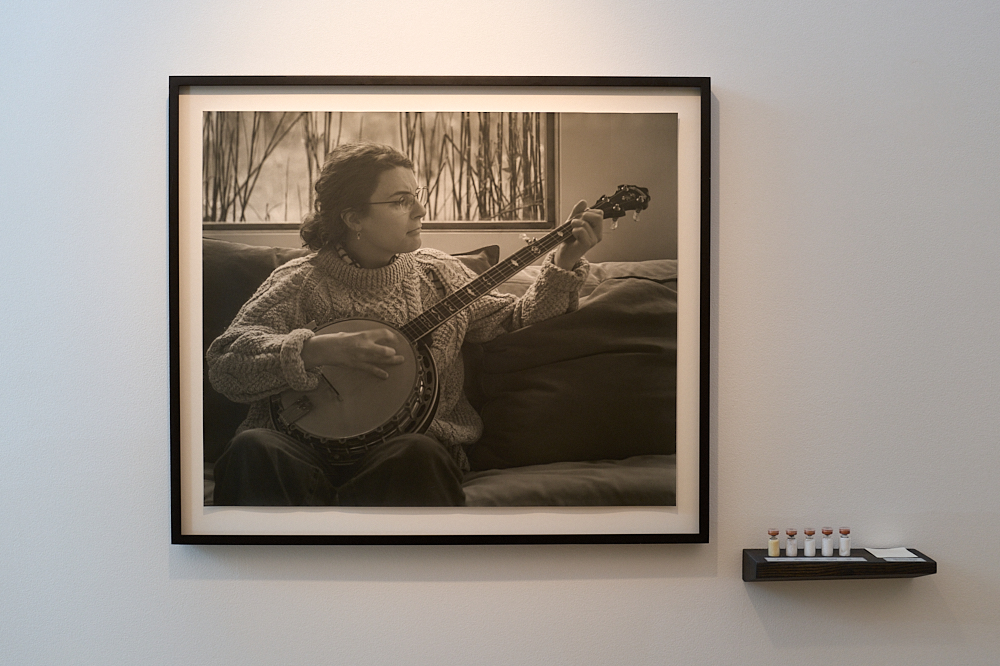
©Mort O’Sullivan, Luta in Gelatin Silver
Do you have a favorite process?
Yes, but different processes for different reasons: carbon transfer for the result (sharpness and fidelity) for sure, but also for the complexity of the process; platinum-palladium for its luminance and subtle tonal range; Risograph prints for their quirkinessss and demand of both time and knowledge.
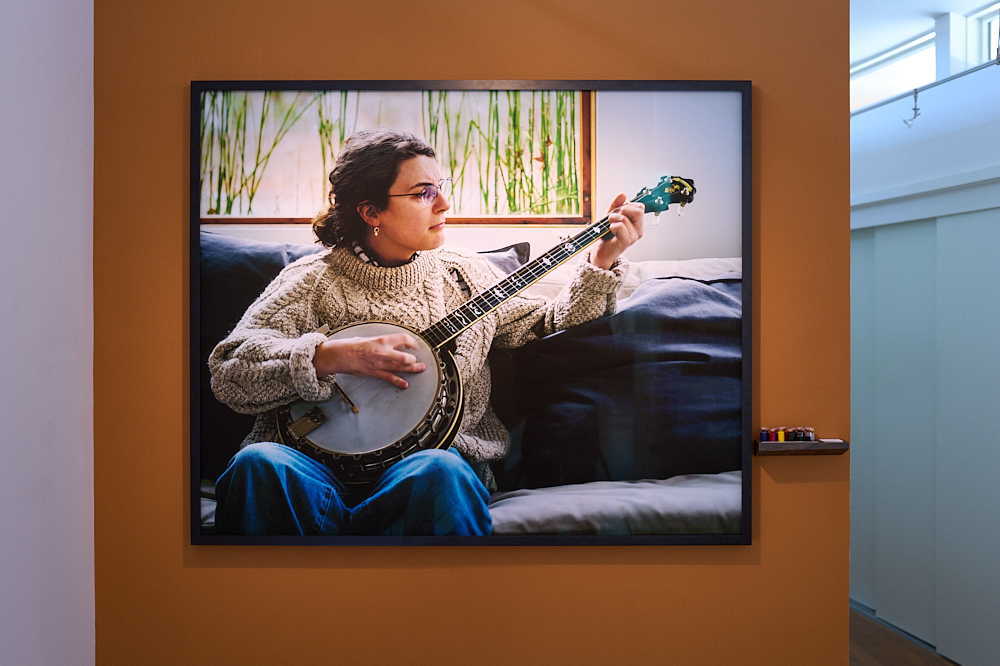
©Mort O’Sullivan, Luta in Inkjet
Who or what inspires you?
I’m inspired by photography that feels real. By the materiality of photography and the aspect of photography that draw us away from our screens.
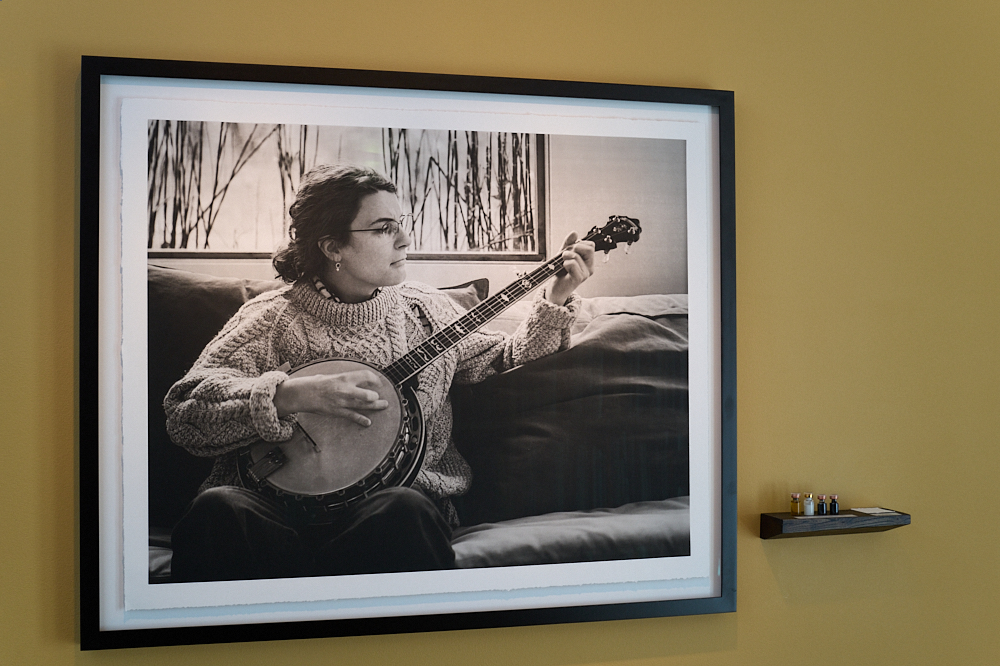
©Mort O’Sullivan, Luta in Photogravure
Now that you are graduating, what does the future hold?
I look forward to teaching what I have learned about photography and the photographic print. Whether that ends up being at the university level or through workshops matters less to me than the ability to inspire others to continue to pursue photography and printing, and to devote themselves to seeing the world through the lens of photography.
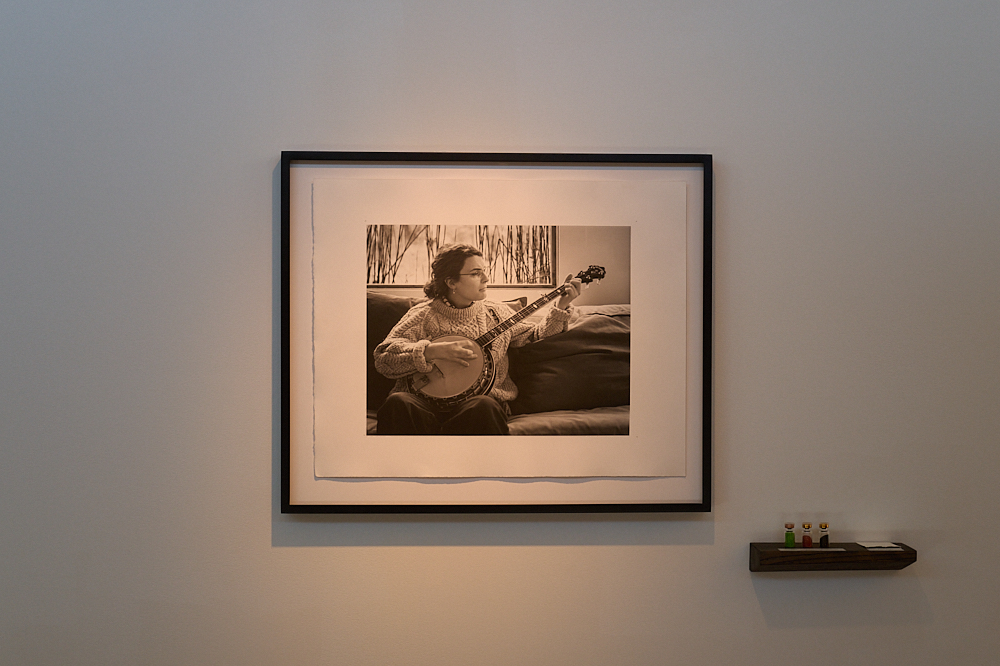
©Mort O’Sullivan, Luta in Platinum
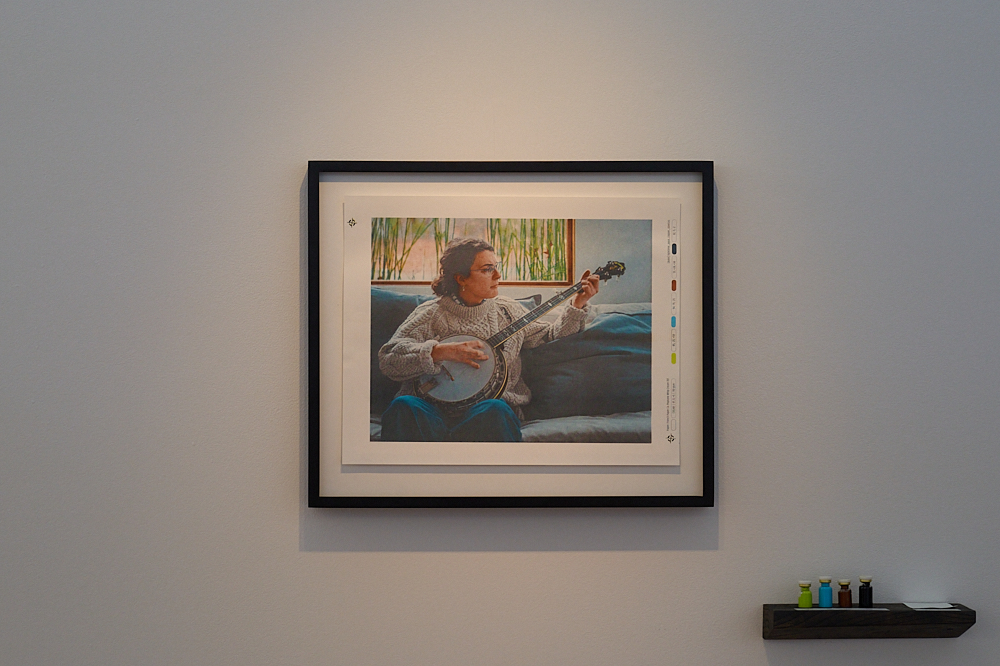
©Mort O’Sullivan, Luta in Risograph
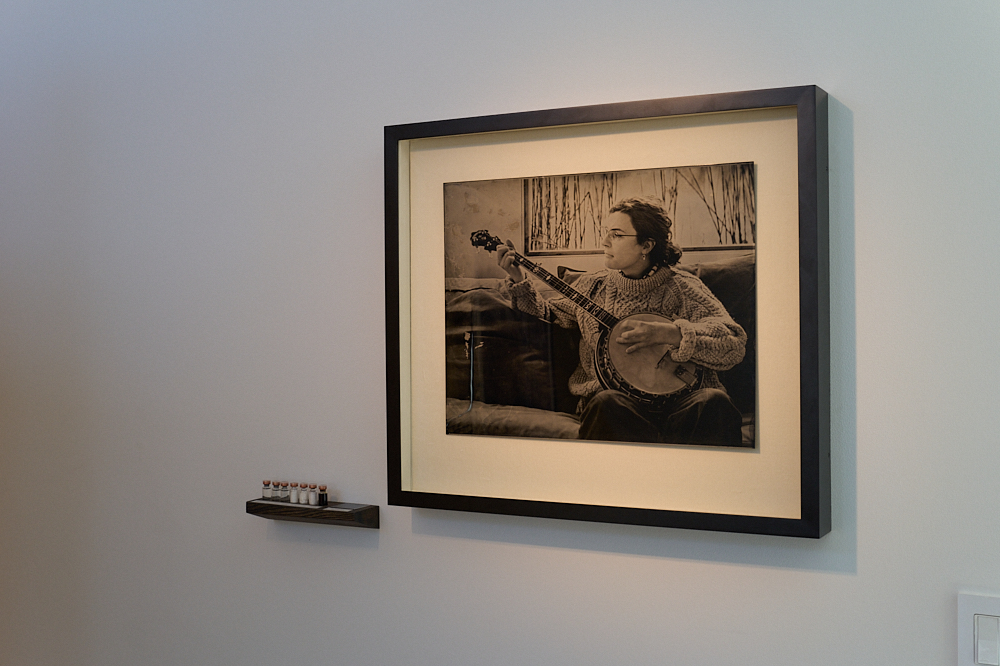
©Mort O’Sullivan, Luta in Wetplate
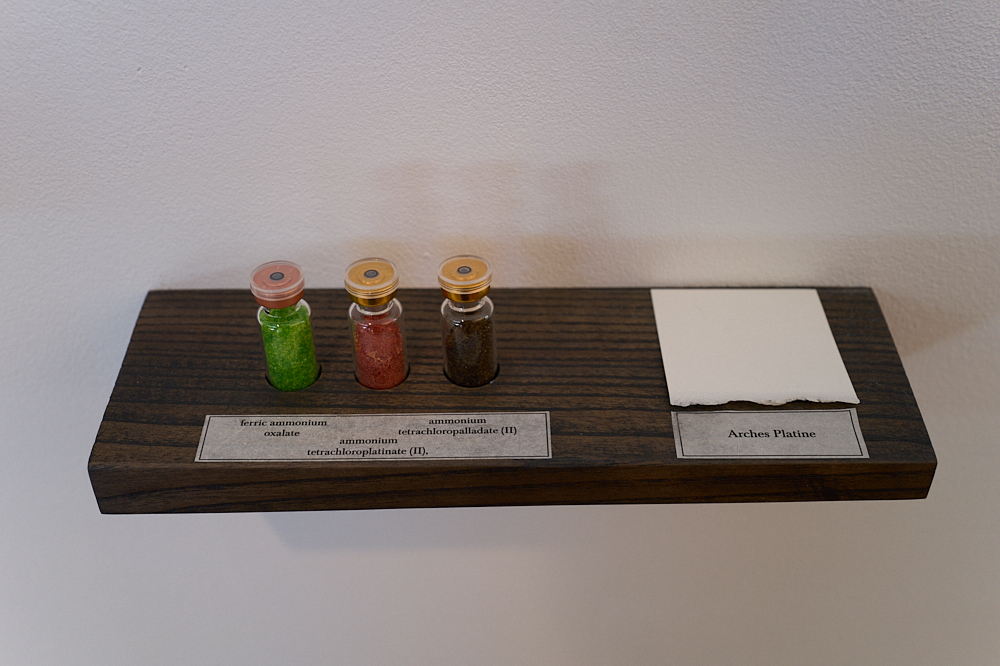
©Mort O’Sullivan, Platinootype Materials
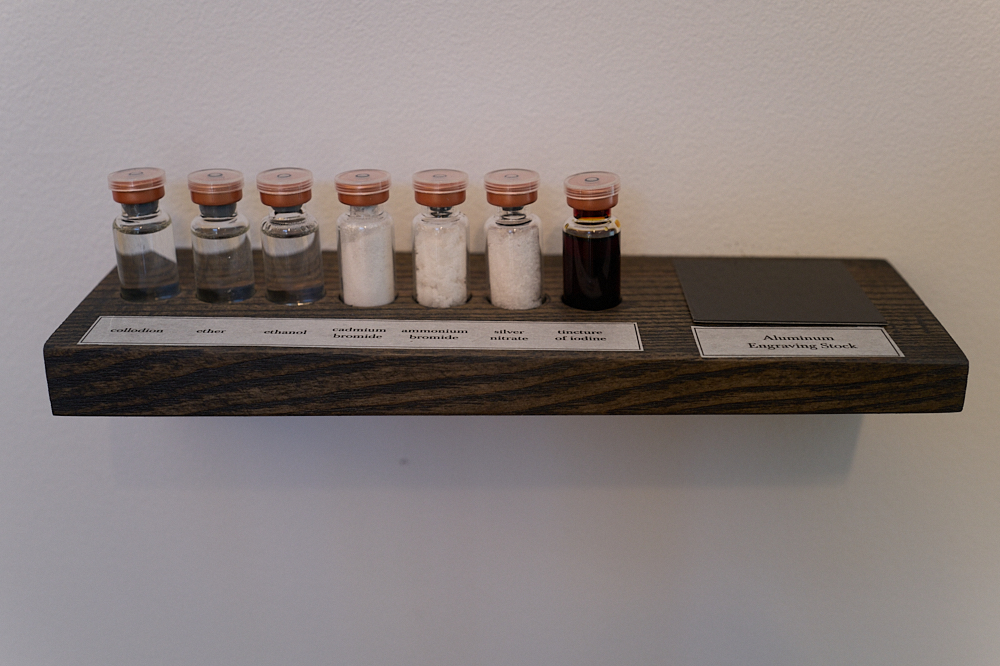
©Mort O’Sullivan, Wetplate Materials
Mort O’Sullivan is a photographer and printmaker based in North Carolina. After a 25-year career as a technology entrepreneur, he turned his focus to visual storytelling and is currently pursuing an MFA in Experimental and Documentary Arts at Duke University. His practice operates at the intersection of photography, printmaking, and book arts, with a particular emphasis on historical processes such as photogravure and platinum-palladium.
O’Sullivan’s work examines how photographic meaning is shaped not only by image content but by material form, process, and circulation. Drawing on both contemporary images and archival materials, his projects explore memory, labor, and the shifting boundaries between analog and digital photography. He is the founder of Mere Editions, a collaborative fine art print studio in Chapel Hill.
Instagram: @mort_osullivan
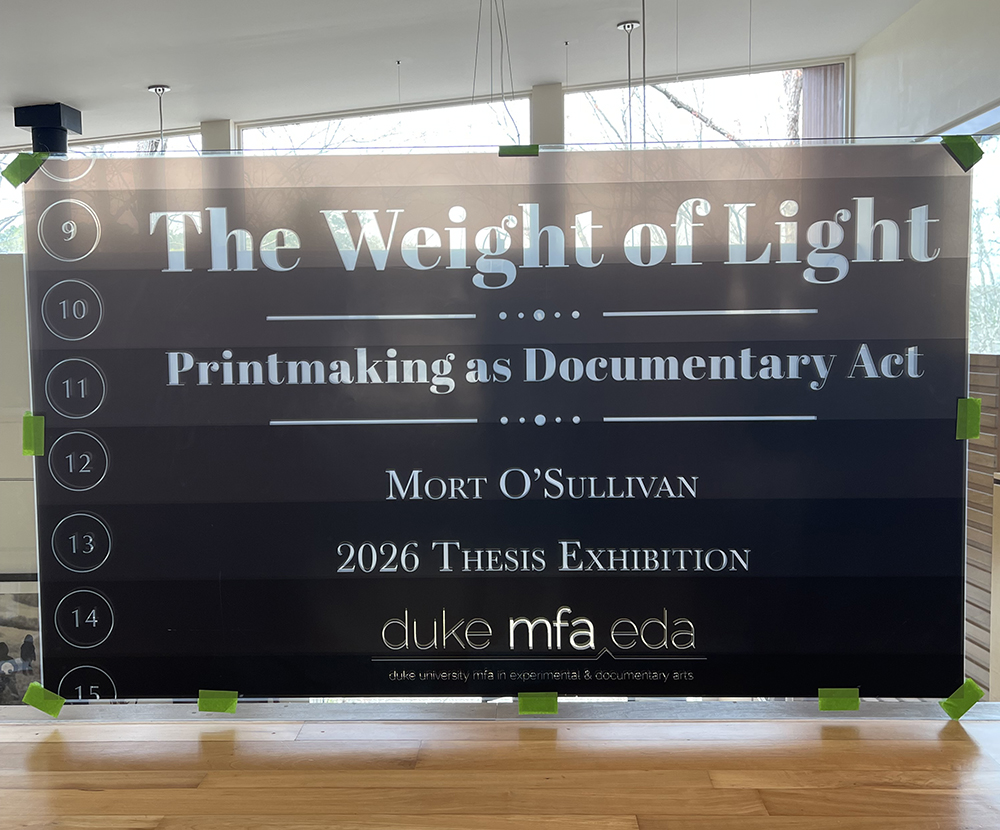
©Mort O’Sullivan, Thesis Exhibition Installation
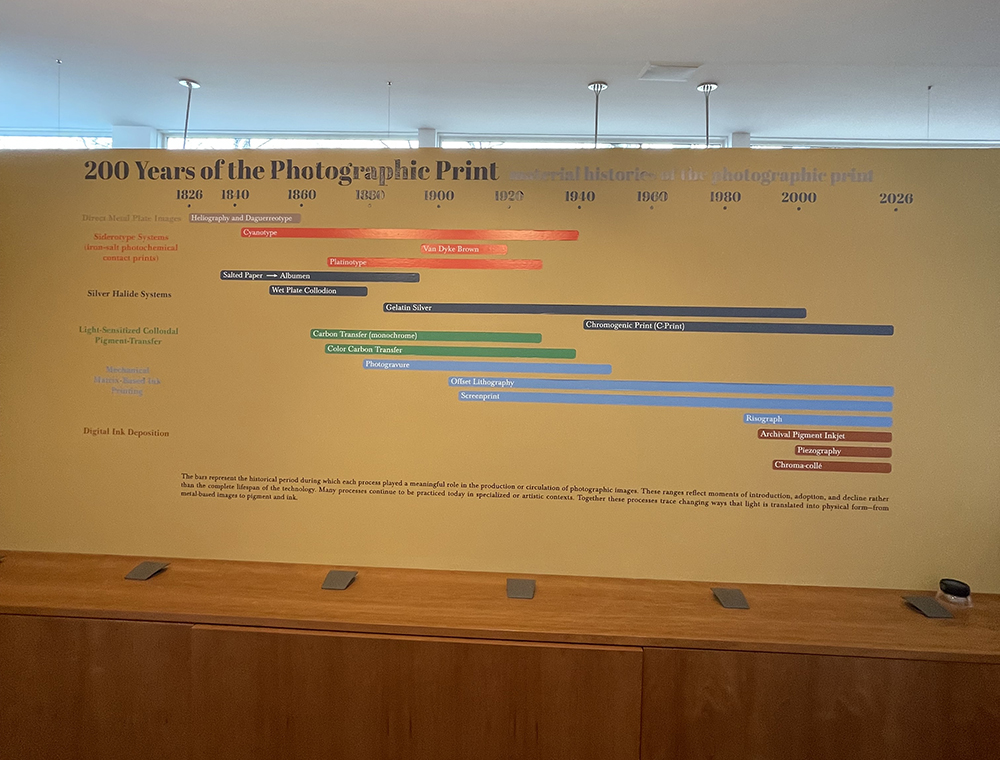
©Mort O’Sullivan, Thesis Exhibition Installation
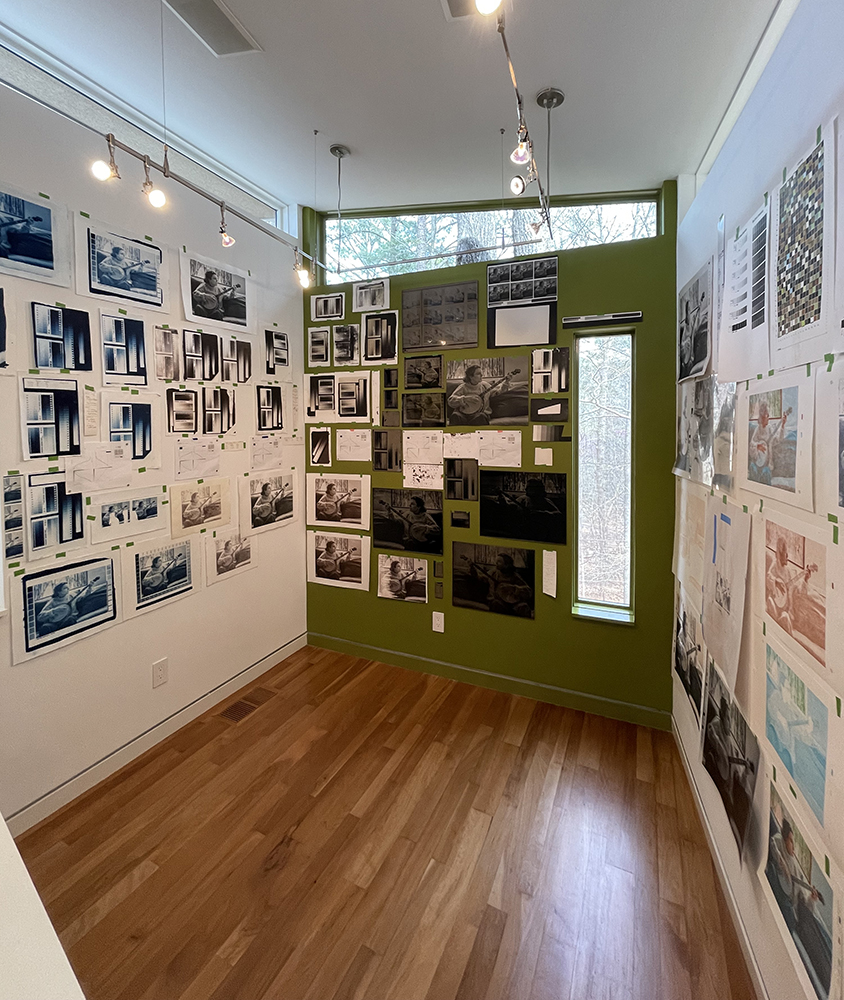
©Mort O’Sullivan, Thesis Exhibition Installation
Cassilhaus is a home, a singular piece of architecture, a lifelong arts project, and a love-filled partnership between Ellen Cassilly and Frank Konhaus. Ellen is an architect and community activist and Frank is a retired AV System Designer, Director of the Cassilhaus Artist in Residence and Exhibition Programs, and arts entrepreneur.
After a five-year land search and a three-year design process, Cassilhaus was born as dream home/art gallery/artist studio and residency in the woods between Durham and Chapel Hill, NC and has grown into an exciting nexus for arts activity and community in the Triangle region. Cassilhaus hosts a diverse exhibition program and a multi-disciplinary residency program which bring extraordinary artists from our region and around the world to pollinate and stimulate our little corner of the art world. Cassilhaus was designed by the team at Ellen Cassilly Architect. Take a 3D walk-through tour here.
Posts on Lenscratch may not be reproduced without the permission of the Lenscratch staff and the photographer.
Recommended
-
Mort O’Sullivan: The Weight of Light: Printmaking as Documentary ActApril 7th, 2026
-
Analog Con at the Los Angeles Center of PhotographyApril 6th, 2026
-

Mexico Week – Paola Dávila: Beyond the LandscapeMarch 25th, 2026
-
Mexico Week – Tomás Casademunt: Time Frozen by LightMarch 24th, 2026
-
Bryan Whitney: The Spiritual LightMarch 17th, 2026