Motherhood: Nadine Levin: Inconstant Harmony
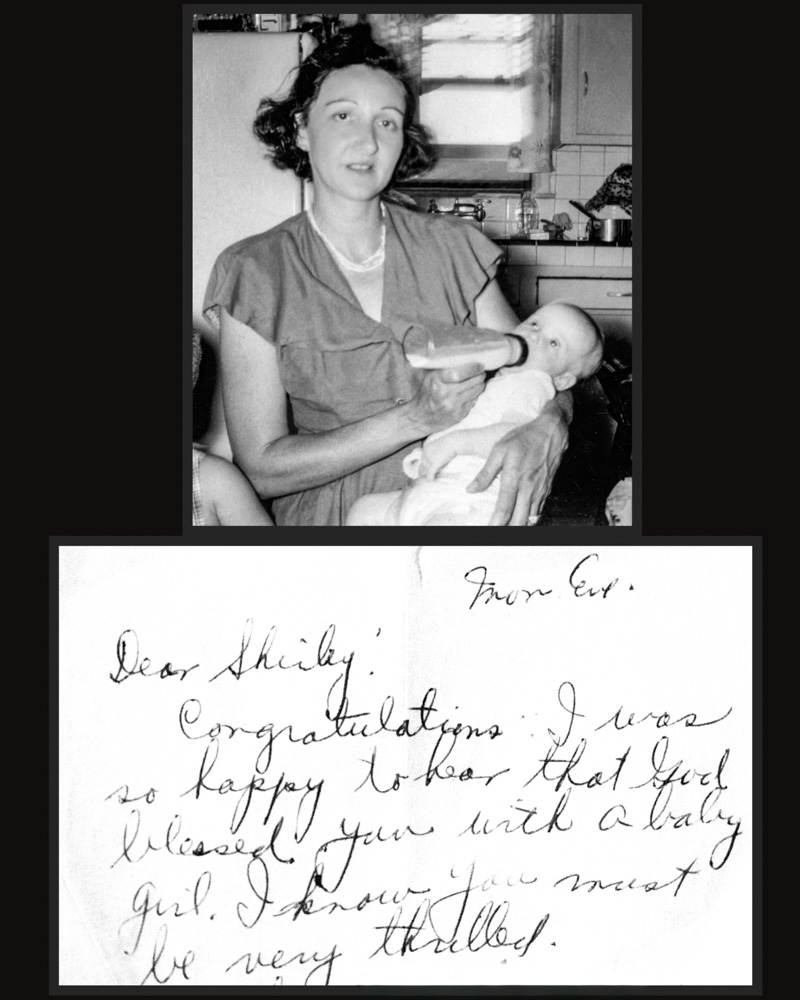
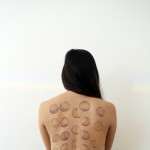
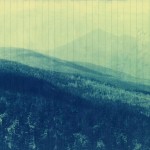
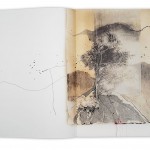
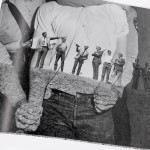
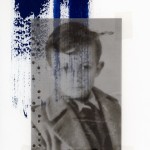
©Nadine Leven, Untitled, from Inconstant Harmony
Tomorrow we will be celebrating Mother’s Day, for some it’s a day of celebrating the significant female figure in our lives, but for others it is a day charged with difficult memories. Photographer Nadine Levin has created a deeply personal project about her complex relationship with her mother titled Inconstant Harmony. Rather than grief, her mother’s death at 103 provoked a disquieting absence of feeling and an emotional void that made her want to explore their complex dynamics.
Raised under the pressure of her mother’s exacting ideals, ideals of beauty, visibility, and desirability, Levin forged her own sense of agency in opposition to a prescribed identity. In the aftermath of her mother’s passing, an inheritance of heirlooms and photographs spanning more than a century becomes both catalyst and conduit for understanding the past more clearly. Through the act of photographing these objects, and eventually herself, the artist constructs a layered visual dialogue that probes memory, inheritance, and the unresolved tensions between intimacy and estrangement.
An interview with the artist follows.
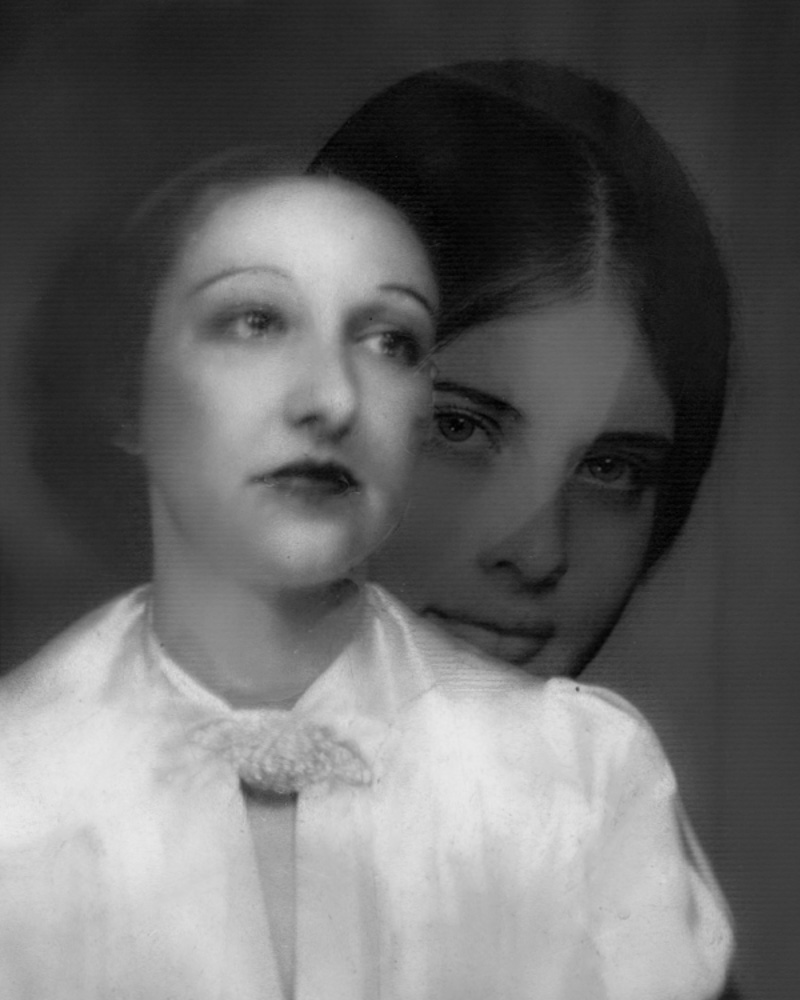
©Nadine Leven, Age 21, from Inconstant Harmony
Inconstant Harmony
Mother died at 103. I did not feel a sense of loss. I wondered if something was wrong with me when others expressed deep sorrow after their mothers passed away.
We had a complicated relationship. Mother was a physically attractive and controlling woman who longed to be noticed. She tried to mold me into that image. I was curated in all ways to be provocative, glamorous, and worthy of the male gaze. I sought my own agency, and that was a source of bewilderment and angst for her. We found a degree of common ground when I married, became a mother, and received professional recognition. She reluctantly accepted that I could be happy diverging from her vision for me.
She left her heirlooms (spanning over 150 years) to me, an overwhelming number of objects and images. As I unpacked the items, the emotional nuances of our connection fell out and became palpable. I began photographing them. Turning the camera on myself emerged organically as my emotional reactions to the objects and photographs intensified and I searched to reveal an understanding of our inconstant and at times jarring relationship.
As the project progressed, I felt a strong need to have a conversation with my mother. Making observations and asking questions that can no longer be answered was both liberating and left me wanting.
This project has allowed me to bring the past to the present. By taking the time to closely examine, interact with, and experience the physical items she left behind, I was able to feel closer to her, to understand and begin to resolve the dissonance I have felt since she passed, and while she was alive.
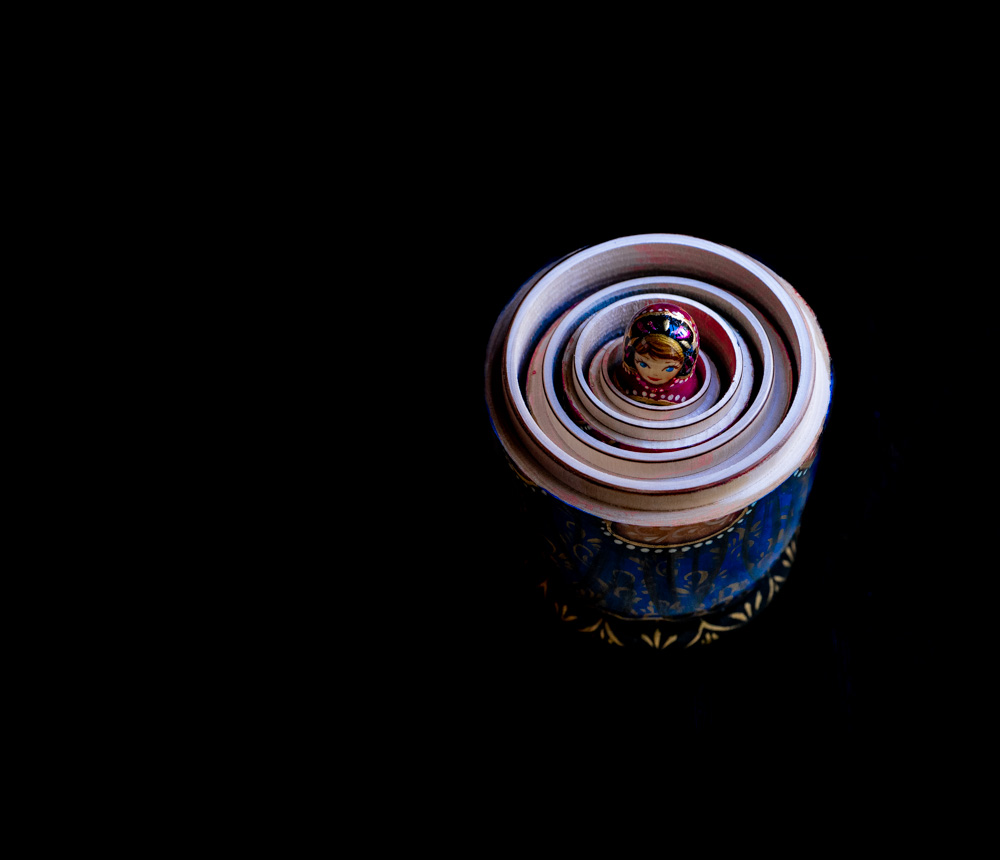
©Nadine Leven, Were you protecting or controlling me?, from Inconstant Harmony
Nadine Levin is a lens-based artist who values continual learning through contemporary photographers, educators and mentors while drawing inspiration from the work of influential twentieth-and twenty-first-century photographers. Her work spans conceptual, documentary and abstract photography with emphasis in recent years on personal narrative projects that explore emotion, memory and inner experience. Through varied image-making and printing methods, including alternative processes, she creates photographs that are both quiet and expressive.
Levin has exhibited in juried and invitational group exhibitions, including a recent three-person exhibition at Avenue 25 Gallery. Her work is held in private and public collections, and she is the recipient of recognition at the local, national and international levels.
She is a member of the Center for Photographic Art in Carmel, the LA Center for Photography, the Griffin Photography Museum, San Francisco Camera Works, the Southeast Center for Photography, and the Palo Alto Camera Club.
Instagram: @nlevin68
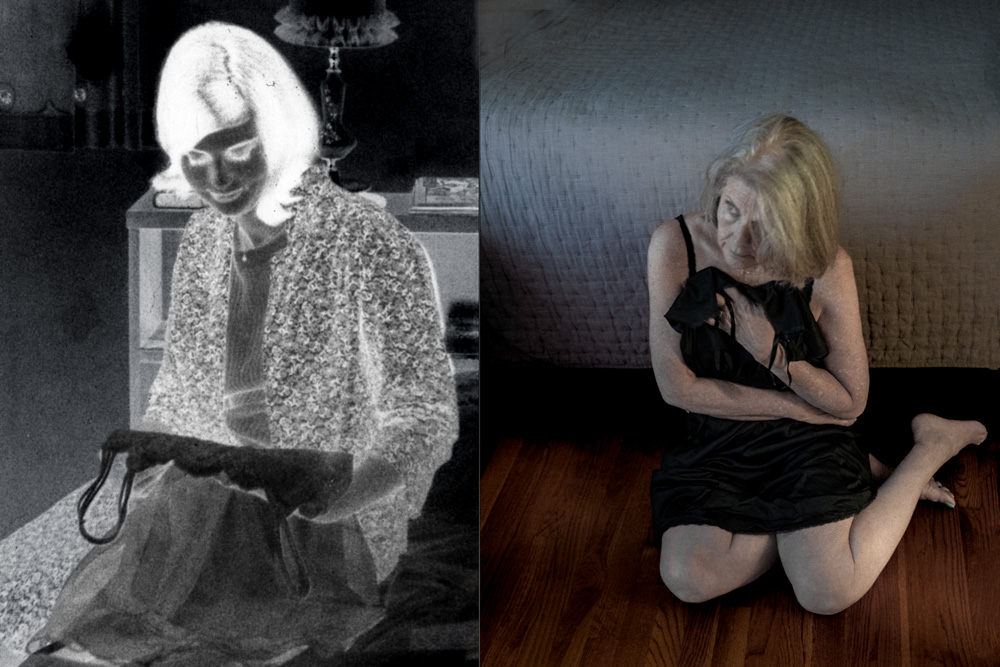
©Nadine Leven, Why did you give me a negligee for my 16th birthday?, from Inconstant Harmony
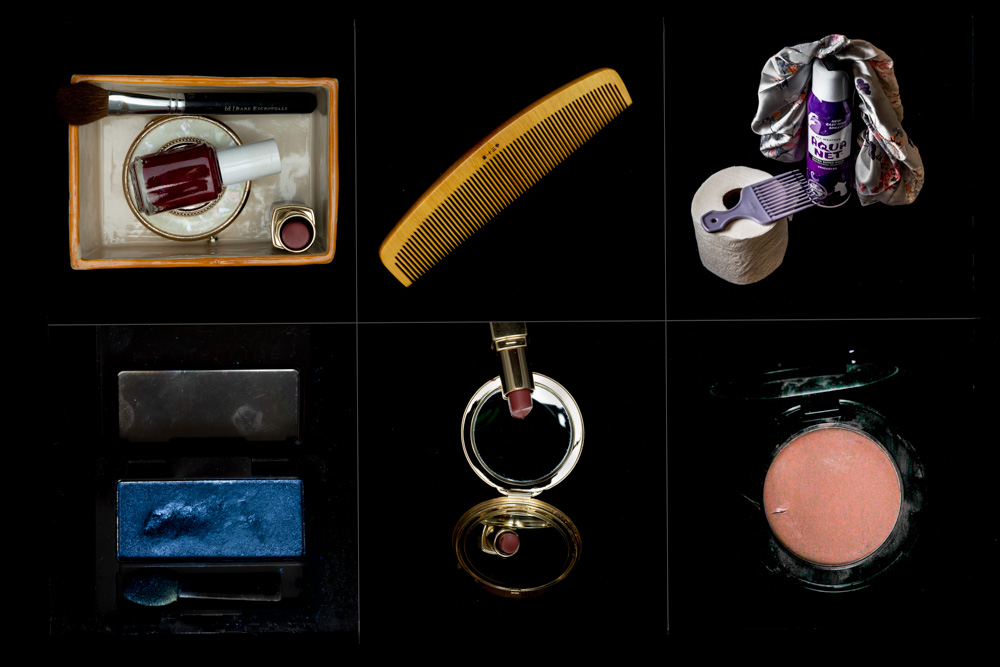
©Nadine Levin, Tools to attract the male gaze., from Inconstant Harmony
Tell us about your growing up and what brought you to photography?
I grew up in a midwestern suburb the youngest and only girl of three. My interest at a young age were often solitary activities of drawing, making objects out of metal, and trying to stay out of my older brothers’ way. My first camera was a Kodak Brownie and what I remember most about photography at that time was the wonderful smell of the flash bulbs when I took a picture. What I did not realize until going through my mother’s collections is my dad was an excellent photographer. Somehow, by the time I arrived his need to provide for the family overshadowed photography interests.
As teen I became deeply interested in feminism and read Betty Friedan, Gloria Steinman and Germaine Greer. My interest in seeing the world through photos was ever present in our home through LIFE and LOOK magazines. My interests moved toward politics and volunteering on campaigns at a young age and lead me to my study of political science in college. During the years from college graduation and 15 years ago my photography consisted of taking pictures of my children and travel. I did not turn to photography in a serious way until 15 years ago. I now had the time to study photography and while it began as, “I will take one class,” it has developed into a love for the medium because it lets me document, capture feelings and explore concepts in a visual way. Photography for me is ever developing and encompassing alternative ways to express myself. It has become a significant part of my life and has allowed me to learn more about myself, my relationships and both my external and interior worlds.
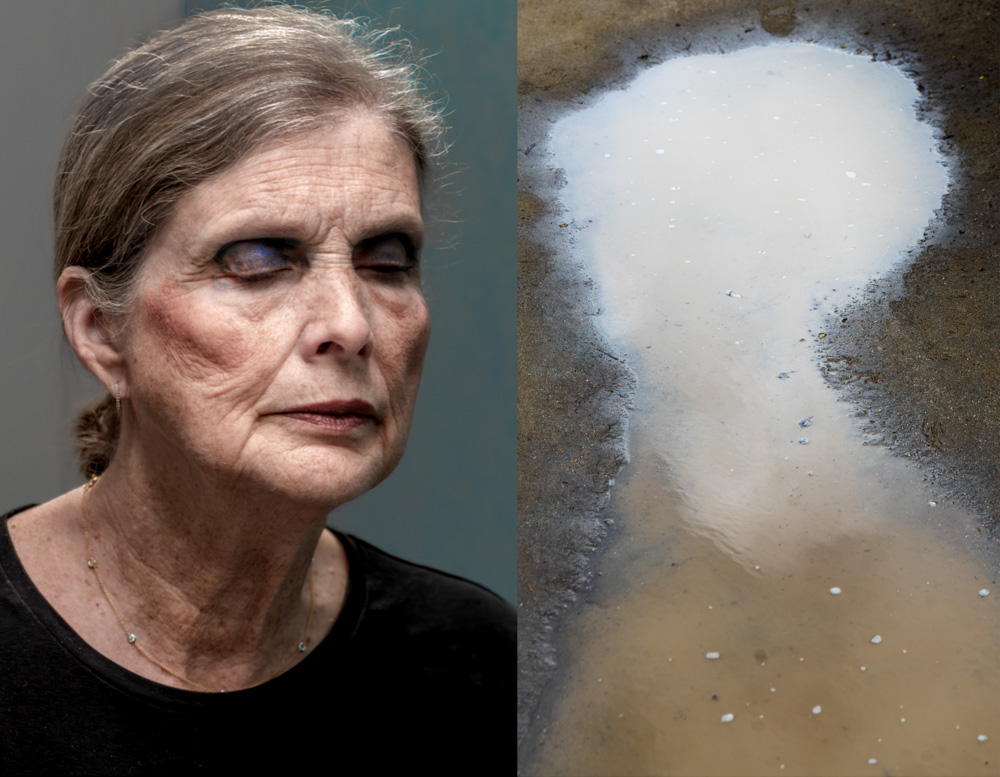
©Nadine Levin, The way I want to look, from Inconstant Harmony
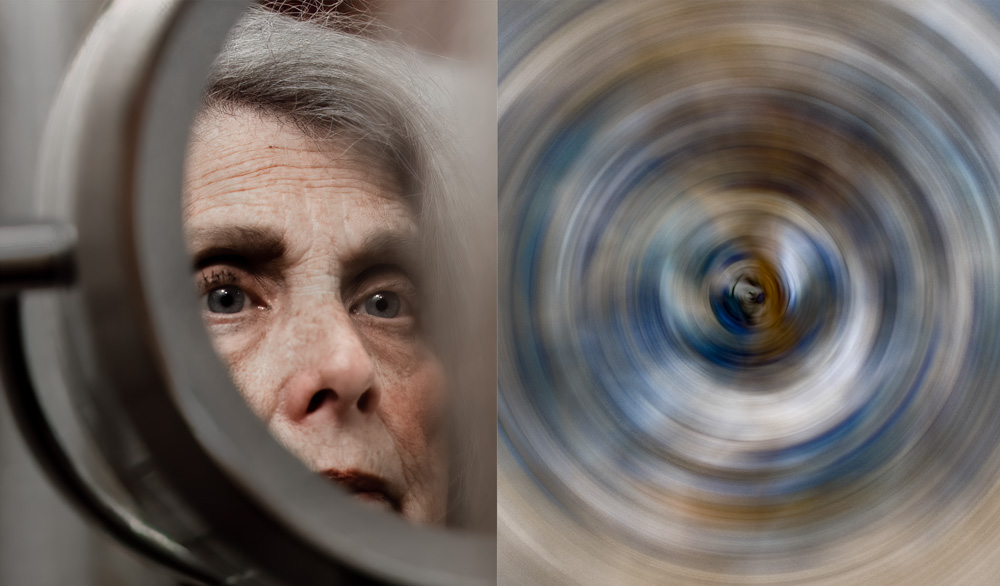
©Nadine Levin, When I look in the mirror this is what I see, from Inconstant Harmony
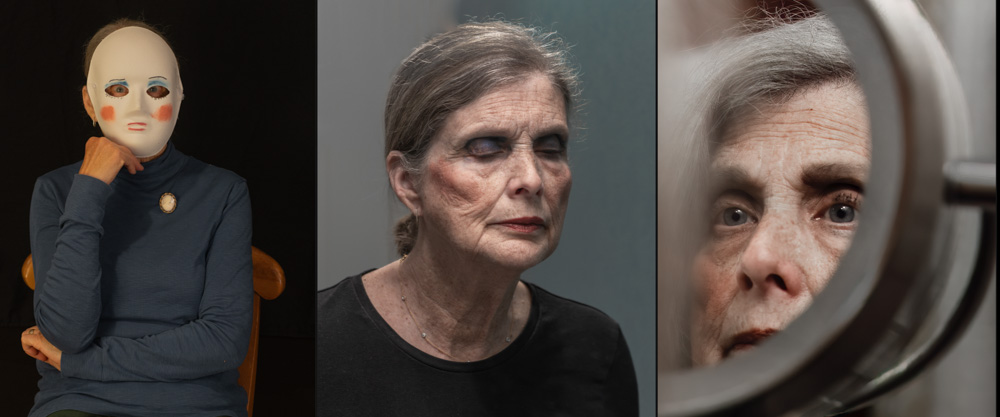
©Nadine Levin, The way you want me to look. I can’t bear to look. The way I want to look., from Inconstant Harmony
Thank you for sharing your deeply considered project. I am curious, could you have made any of this work when your mother was alive?
I have thought about this question myself. Yes, I could have made part of the work while my mother was alive. The photographing of her objects and my creative captures of archival images of maternal ancestry could have been made while she was alive. I view them as important to the narrative and as being straightforward. The images that are emotionally deeper and resonate more with my exploration of our inconstant relationship could not have been made while she was alive. I feel that way because I was not yet in a place to explore our relationship until after she passed and I had the time and desire to experience the objects and look at photographs and letters that I had never or rarely seen before. I don’t think I was able to put language around my feelings until after she passed and I had the privilege of time and perspective to make this work.
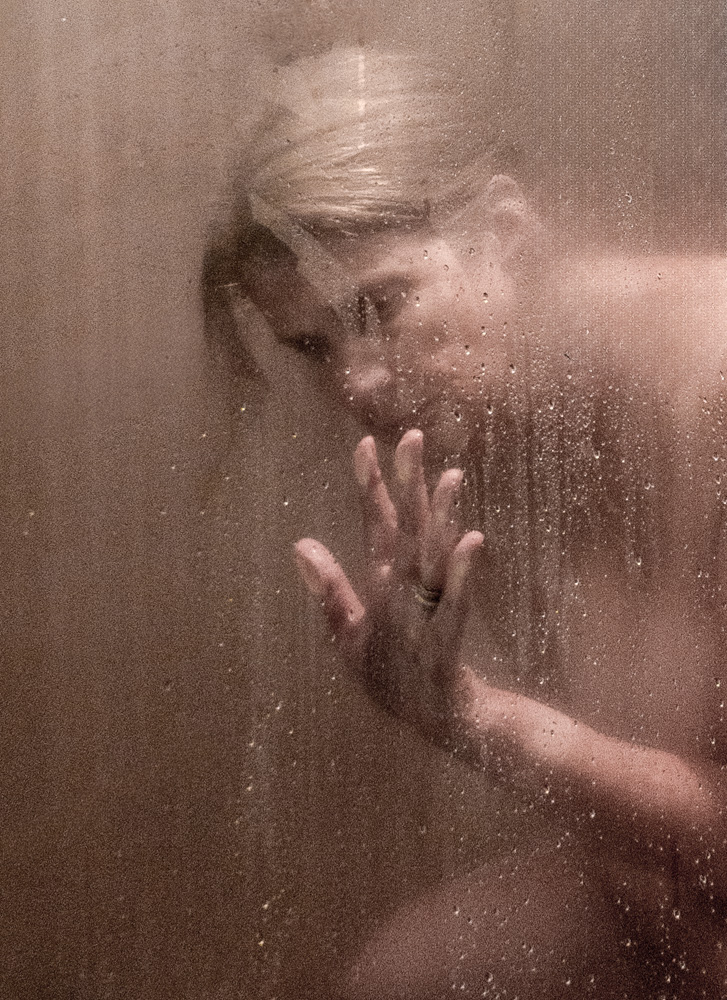
©Nadine Levin, I just want to wash it all away, from Inconstant Harmony
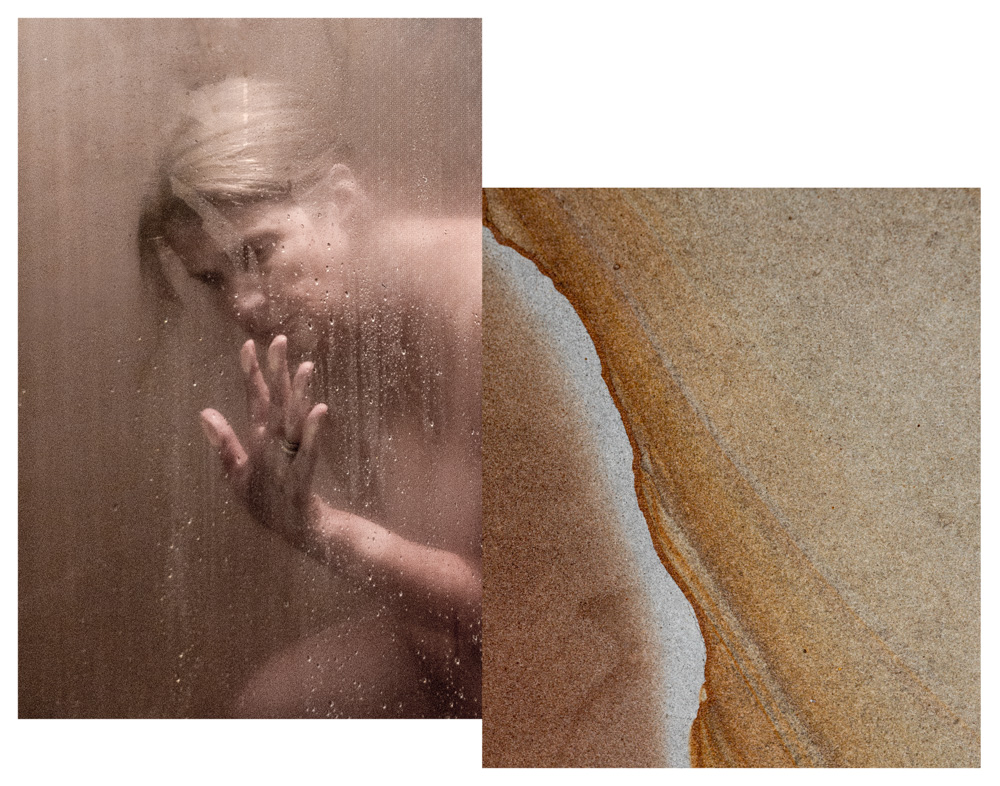
©Nadine Levin, I just want to wash it all away, from Inconstant Harmony
Mother daughter relationships are so complex…as mother’s we often want our daughters to reflect who WE are and not allow them their own formed identity. How did your mother shape who you are?
I think my mother’s desired identity for me was so curated and controlling that I rebelled. I developed a deeper sense of wanting independence early and defining a personhood that did not reflect many of the things she wanted for me. In retrospect, I am the person I am today because of the opportunity to develop my independence and still have the emotional and financial support of my family as I rebelled.
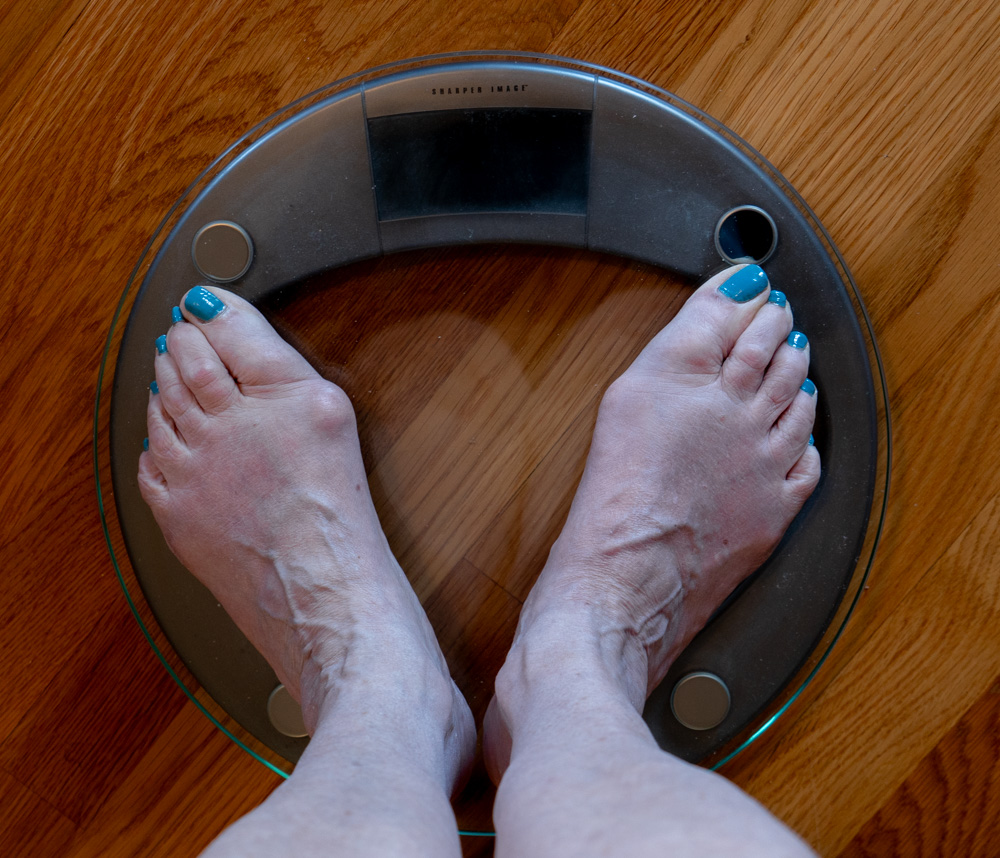
©Nadine Levin,The daily weight checking has been imprinted., from Inconstant Harmony
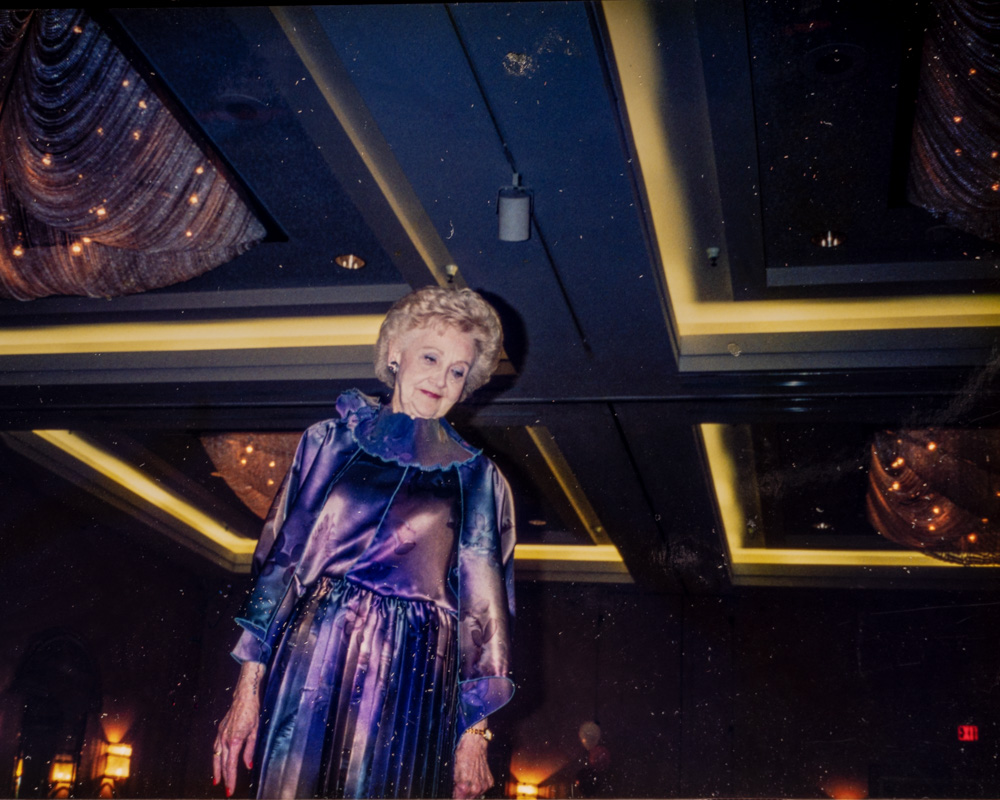
©Nadine Levin, In your element, from Inconstant Harmony
Were there any surprises when you went through her collections? Did she keep a diary?
While she did not keep a diary, she did keep copies of letters she wrote and received. These letters did provide some surprises and information I did not know both about her and the times she lived (over may decades). There were photographs (including tintypes) that belonged to my maternal grandmother that were informative and helped place me in the family lineage and see what my mother looked like before I met her. It was clear from the photos that my mother was glamorous and interested in being seen.
I was surprised by some of the photos with the two of us.
She wrote poetry on any paper that was nearby (receipts etc.), and they were scattered through her collections. These poems along with her custom jewelry told stories that I knew something about but not a great deal and I still wish I knew more.
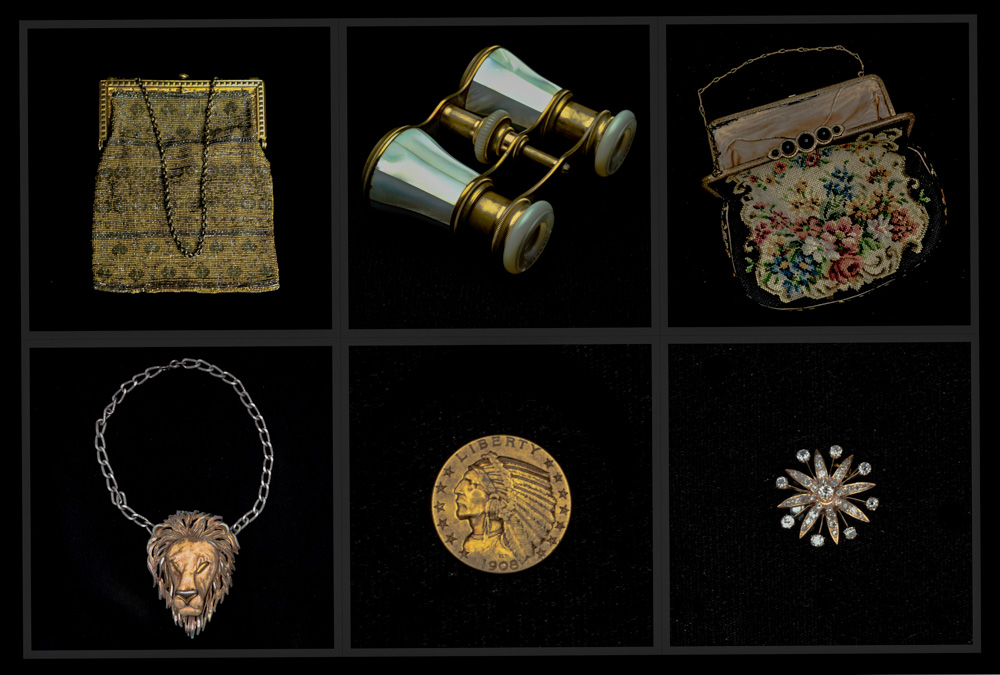
©Nadine Levin, Belongings tell stories…I wish I knew them, from Inconstant Harmony
How did going through her possessions shift how you felt about her?
There are two answers. Early on I became disturbed by the feeling she was trying to control me and curate me to be attractive to the male gaze. The Polaroid photo (which I never saw before) of her giving me a negligee for a sweet sixteen gift was pivotal in the project. My emotional reaction was so strong I turned the camera on myself and began to create the self-portraits that are part of this work.
As the project progressed my feelings shifted to a place of recognition that I played a part in how our inconstant relationship developed. I did not respond to her gestures in the way she hoped. The grid of us kissing over the years captures a coolness from me toward her. Seeing the images within the grid make me feel melancholy and wanting to apologize.
I was always respectful of my mother and cared for her in her later years and yet there was something that kept me from fully embracing our relationship. This project helped me to put a context around my feelings. After going through her possessions, I developed a deep acceptance that she felt she was doing her best for her only daughter.
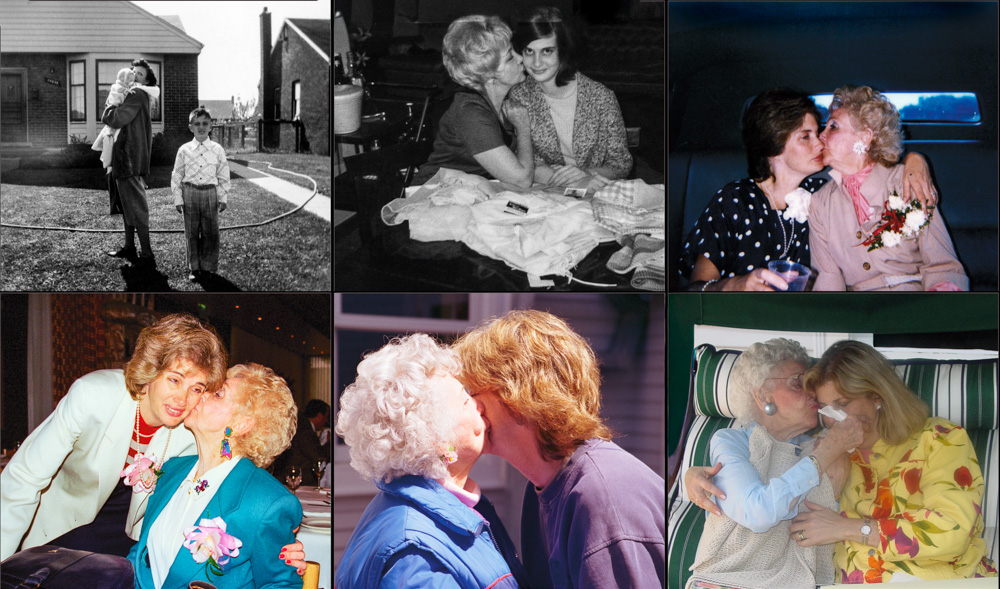
©Nadine Levin, I know you were more interested in physical contact than I was, from Inconstant Harmony
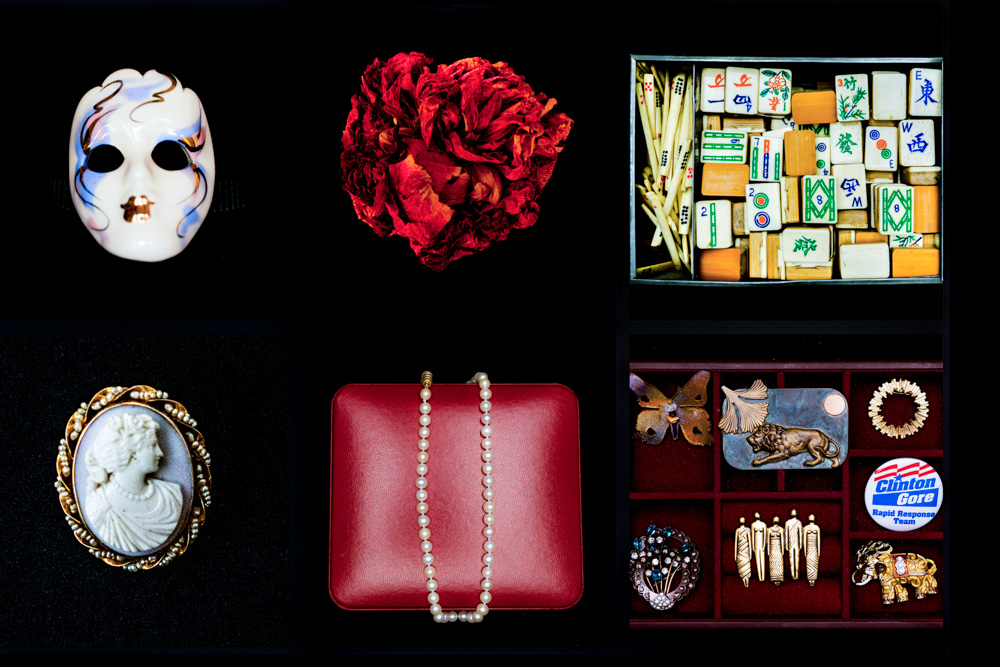
©Nadine Levin, I know some of these stories, from Inconstant Harmony
Who or what inspires you as a photographic artist?
Oh, my what a rich and challenging question to answer. I am surrounded by photography books, and photographs of artists that inspire me. I am inspired by photographers that experiment in both their subject matter, capture method and presentation. Lately, my inspiration comes from photographers that work in conceptual photography and present their work in unconventional ways, such as combining abstractions with documentation.
I am also inspired by photographers that have undertaken personal narrative work and their environmental context for most of their careers, like Sally Mann, and Carrie Mae Weems.
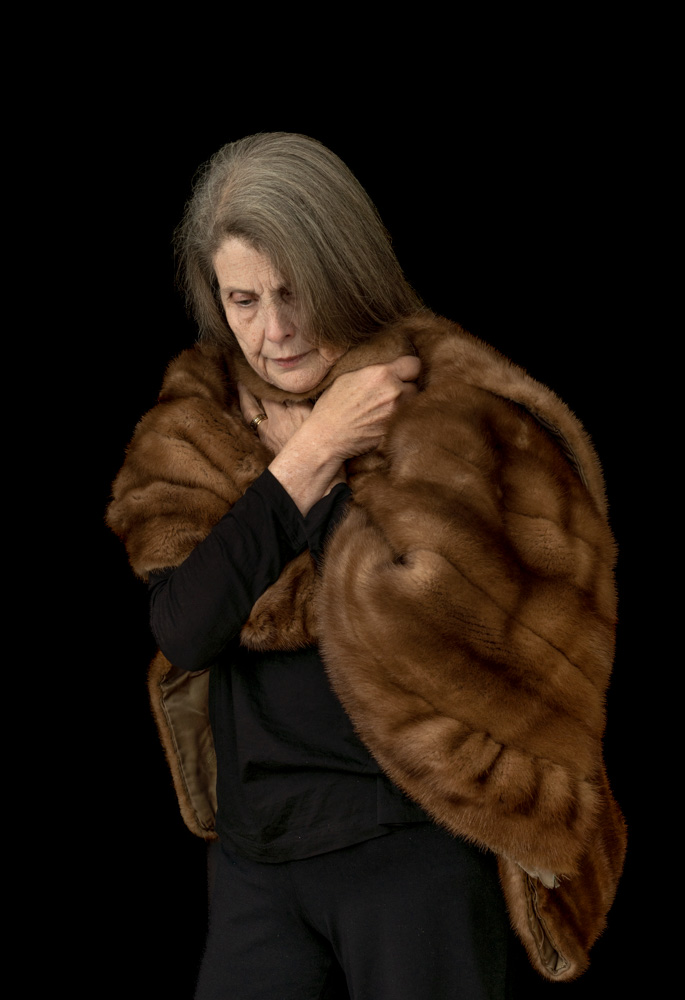
©Nadine Levin, Your favorite possession. My discomfort, from Inconstant Harmony
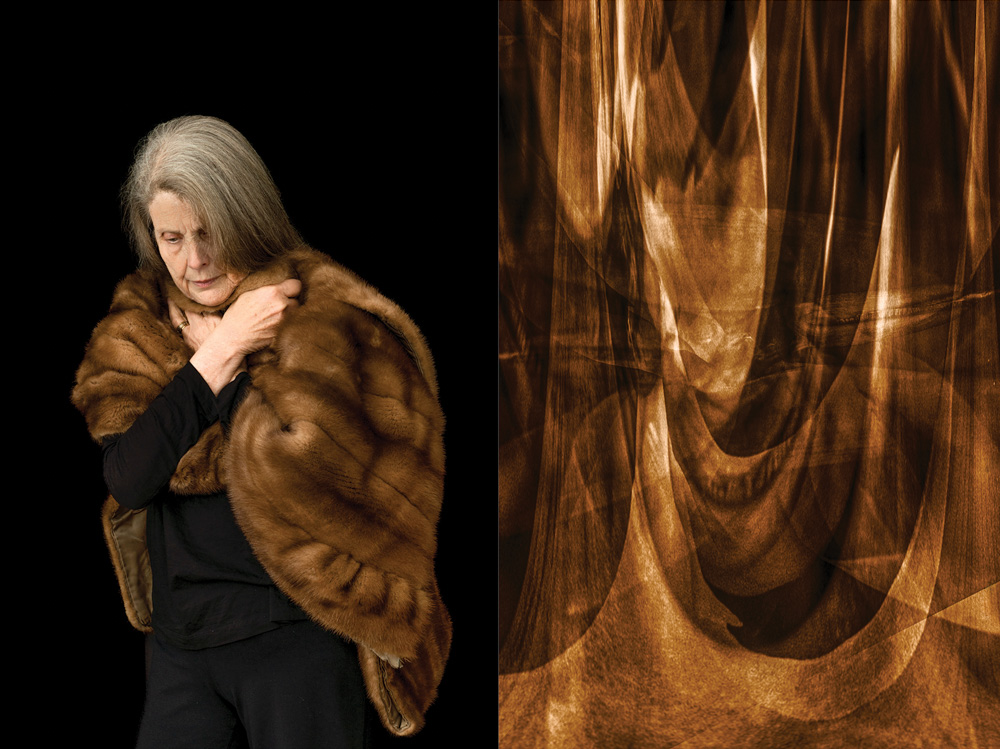
©Nadine Levin, Your favorite possession. My discomfort, from Inconstant Harmony
Has working on this project changed you are as a mother?
I am a mother to two adult children and grandmother to five young children. I am not sure that this project has changed me as a mother. It has made me conscious of making room and having the courage to have honest conversations with my family that leaves judgement, ego and control outside the frame.
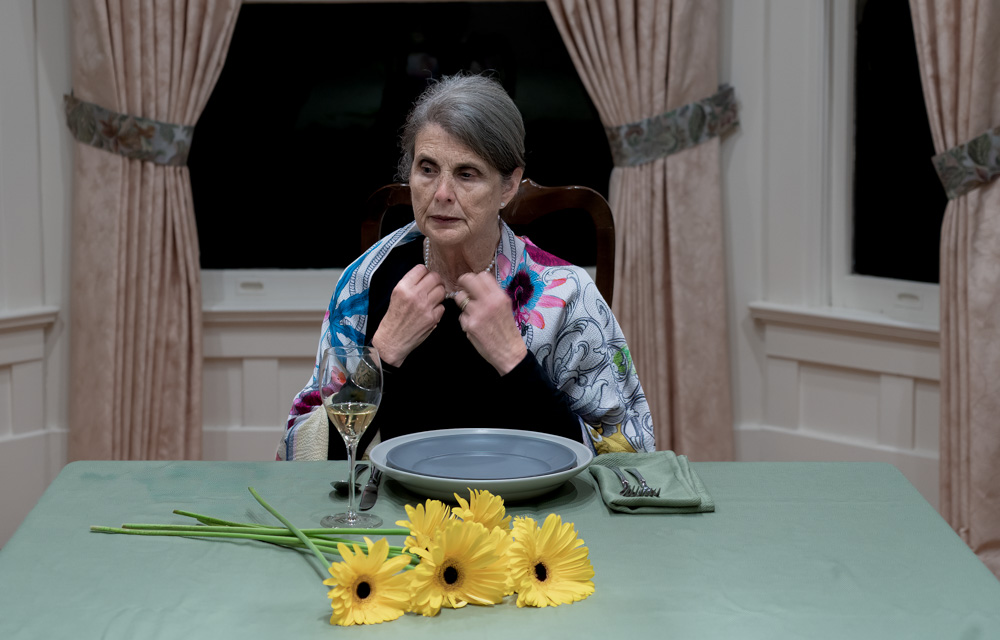
©Nadine Levin, Trying on your persona, from Inconstant Harmony
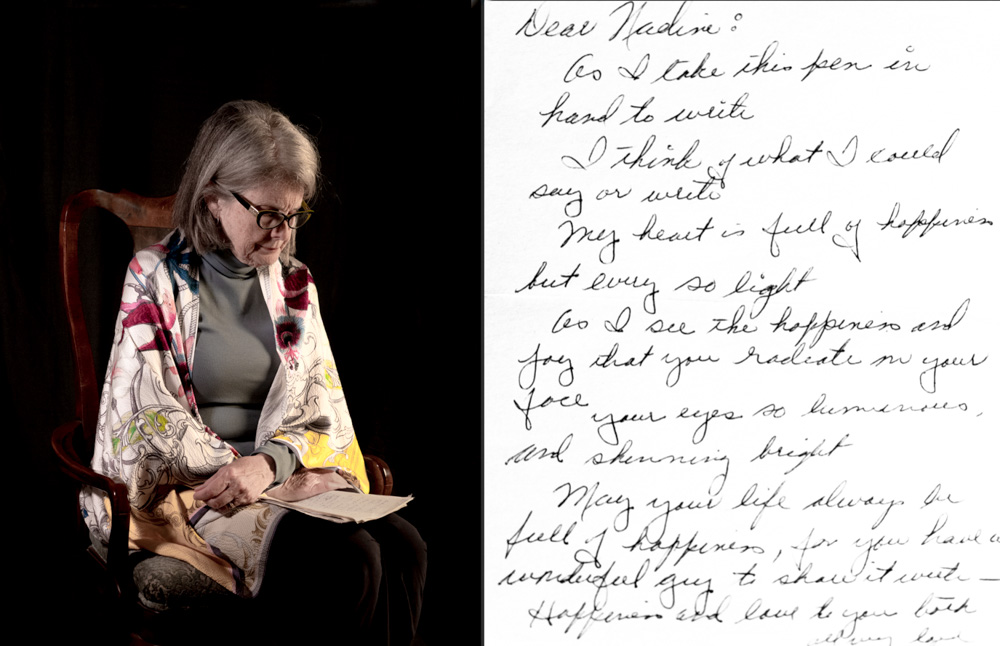
©Nadine Levin, I don’t remember this letter. You must have written it when I got engaged., from Inconstant Harmony
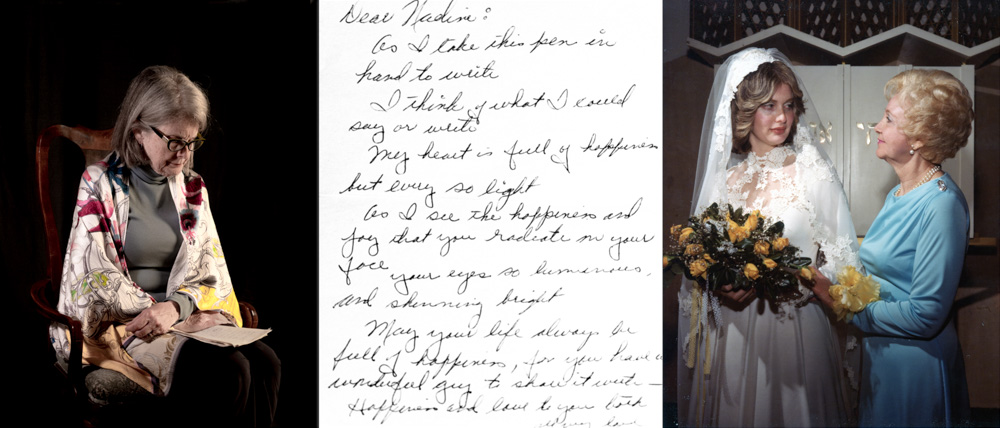
©Nadine Levin, I don’t remember this letter. You must have written it when I got engaged, from Inconstant Harmony
Are there lessons learned from this project you would like to share with others?
I was initially concerned that this project was too personal to resonate with a wider audience. Through conversations with photographers and friends, I came to understand that the personal is often universal.
There are several lessons this project has taught me. First, not to be afraid of making work that is deeply personal. Second, when leaving objects or ephemera for family, include why those items mattered to you. Meaning is not always obvious to those who
inherit them.
Most importantly, share photographs, objects, and stories with family members while there is still time. Make space for questions and even difficult conversations, so answers and dialogue remain possible. As this project progressed, I felt a growing need to talk with my mother. The captions accompanying the images raise questions and make observations that can no longer be answered or verified. That absence still leaves me wanting.
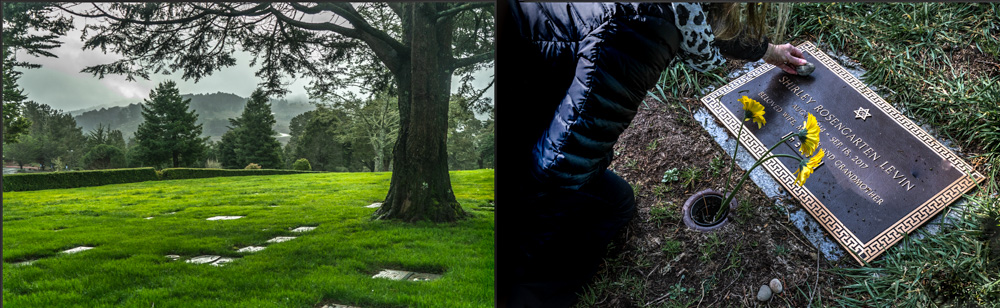
©Nadine Levin, I gave you flowers when I was unable to tell you I loved you, from Inconstant Harmony
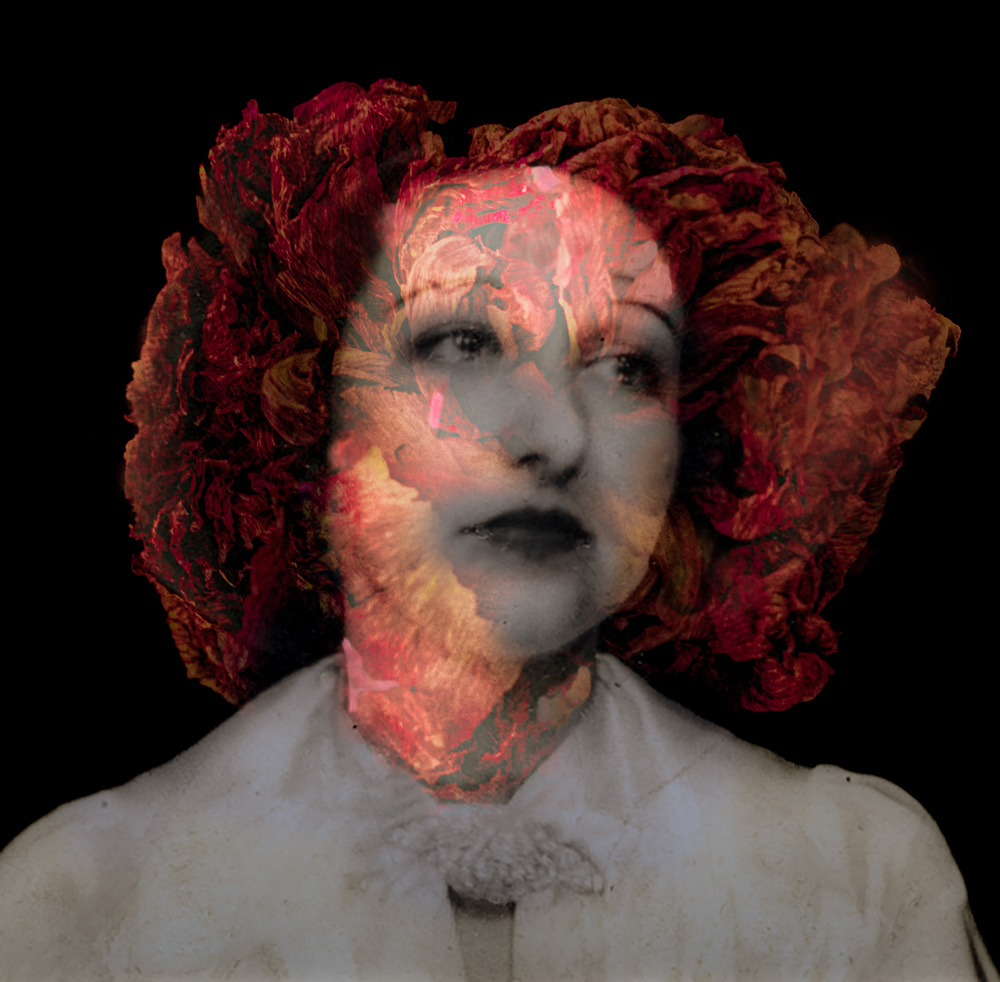
©Nadine Levin, I gave you flowers when I was unable to tell you I loved you, from Inconstant Harmony
Posts on Lenscratch may not be reproduced without the permission of the Lenscratch staff and the photographer.
Recommended
-

Motherhood: Nadine Levin: Inconstant HarmonyMay 9th, 2026
-
Alison Chen: The Tenderness of TidesDecember 23rd, 2025
-

Ricardo Miguel Hernández: When the memory turns to dust and Beyond PainNovember 28th, 2025
-

Pamela Landau Connolly: Columbus DriveNovember 26th, 2025
-

KELIY ANDERSON-STALEY: Wilderness No longer at the Edge of ThingsNovember 19th, 2025