CENTER AWARDS: 3rd Place Gallerist’s Choice Award: Donna J. Wan
Today ends the CENTER Awards posts–congratulations to all the winners and a big thank you to Laura Pressley and the staff at CENTER for not only creating these amazing opportunities, but for their unflagging energy and dedication to promote photography and photographers.
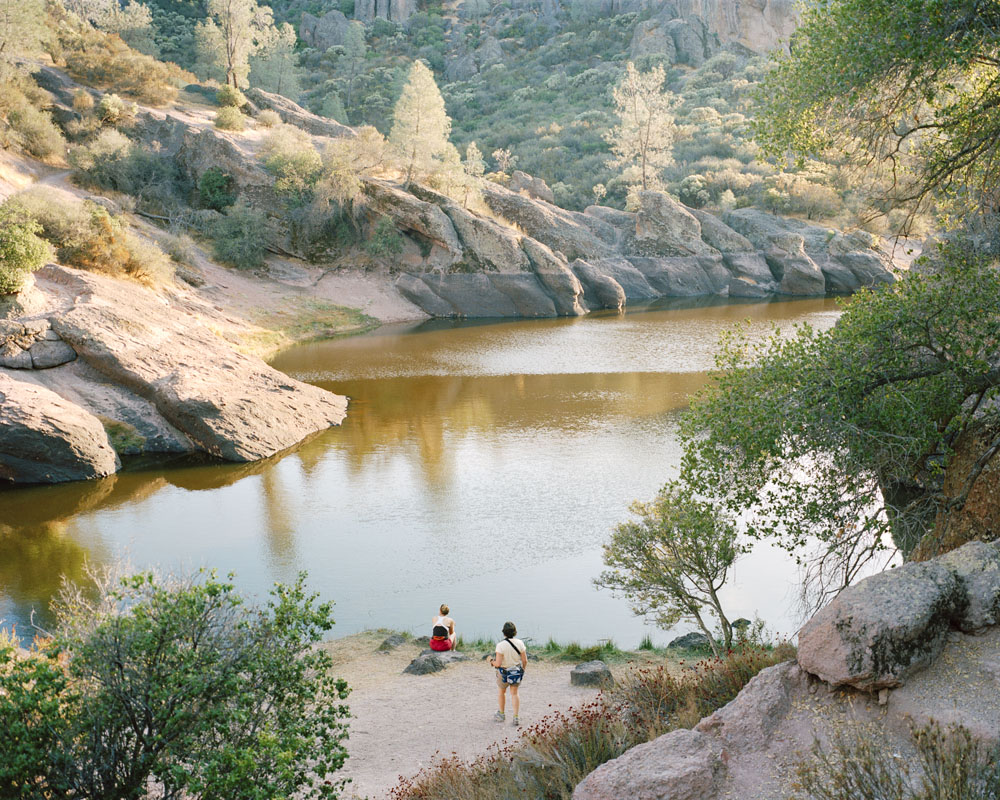
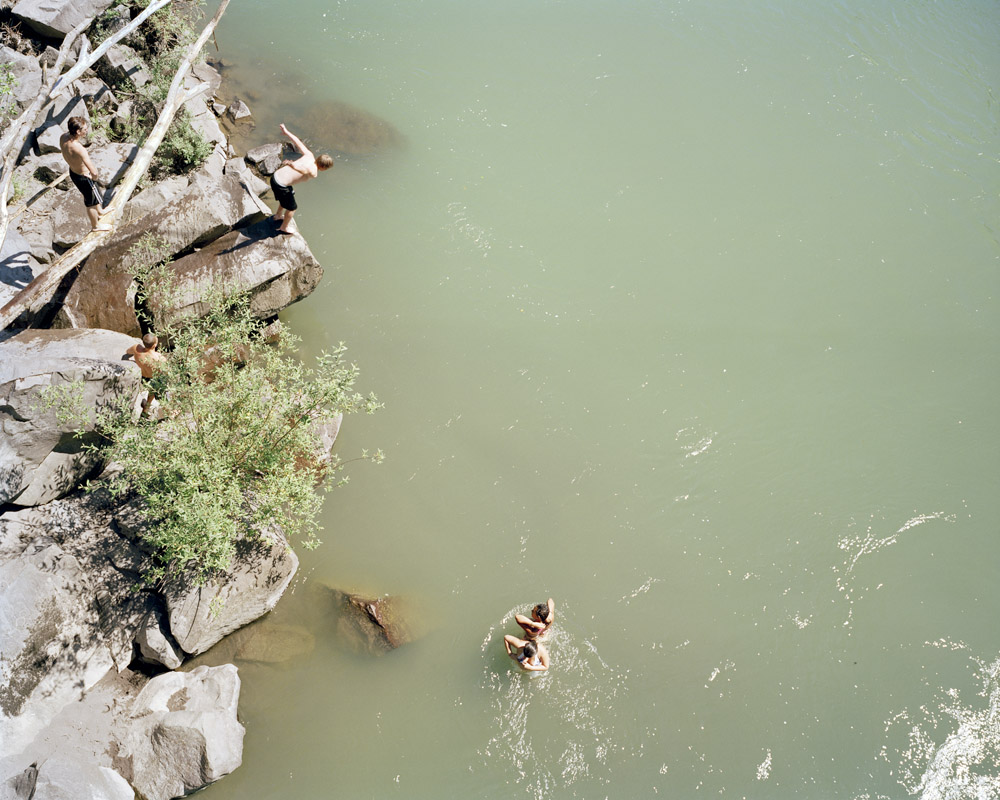
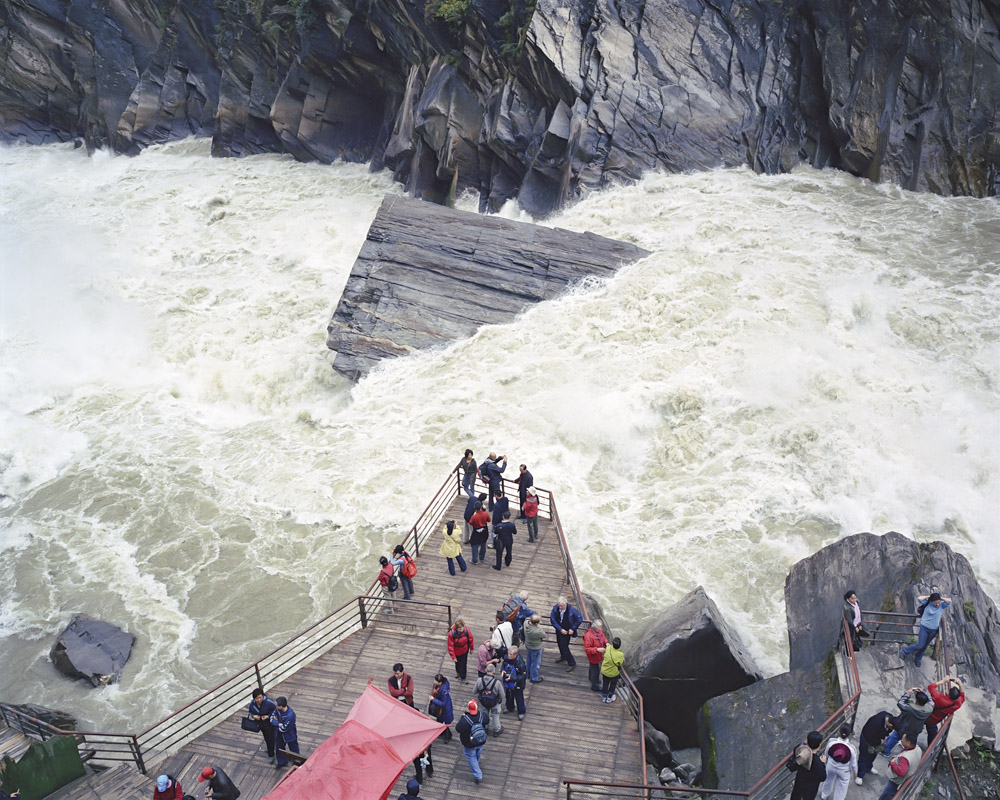
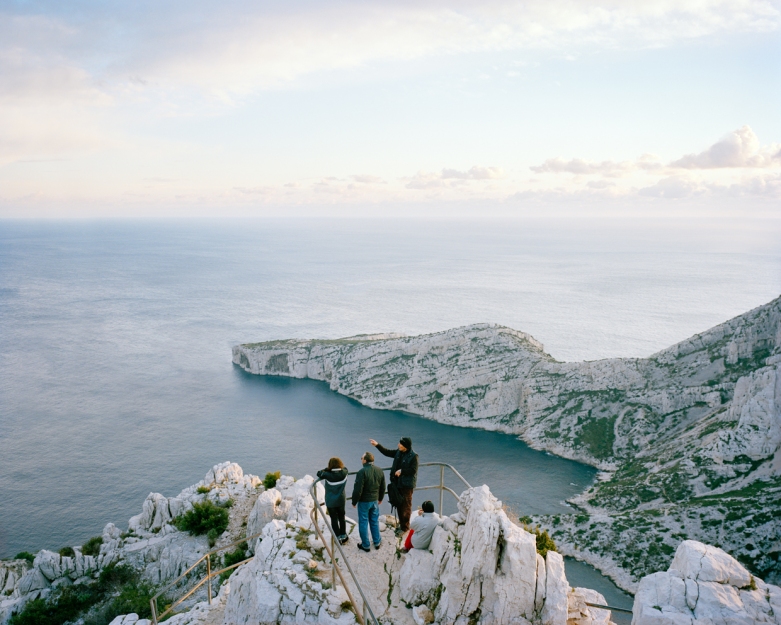
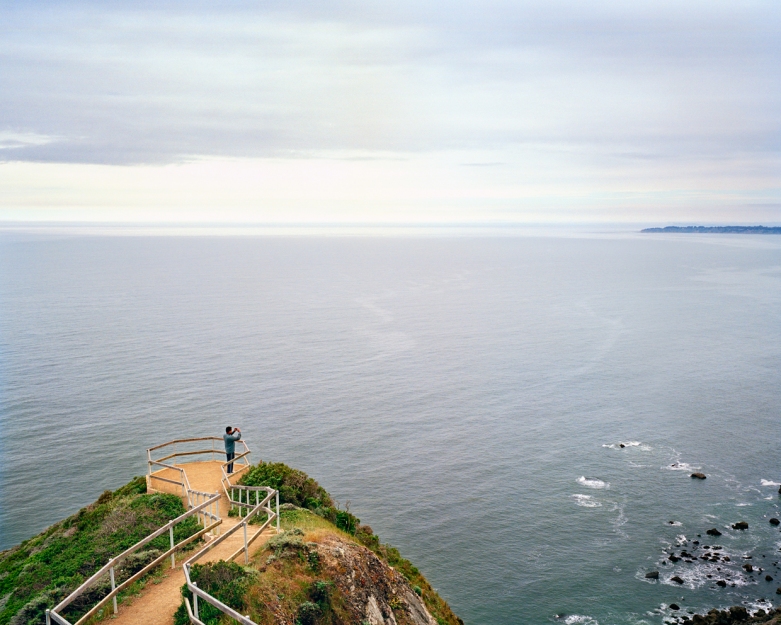
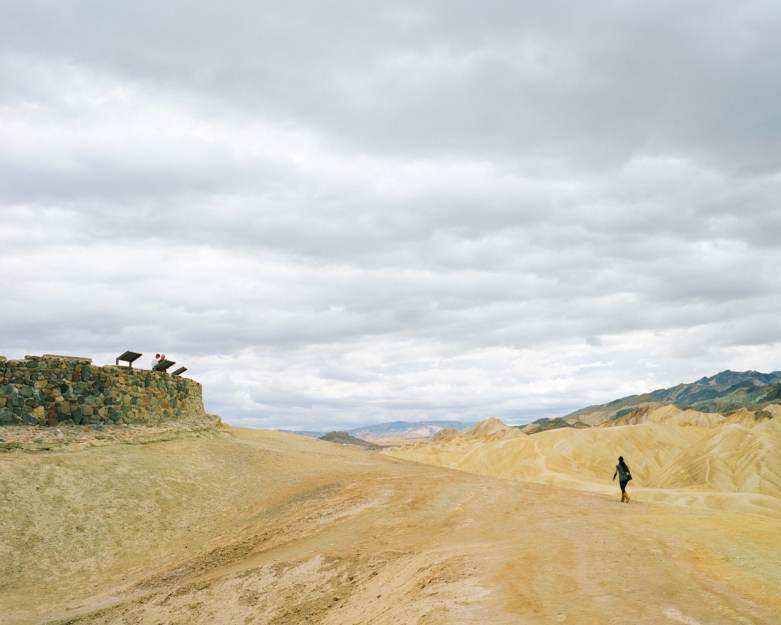
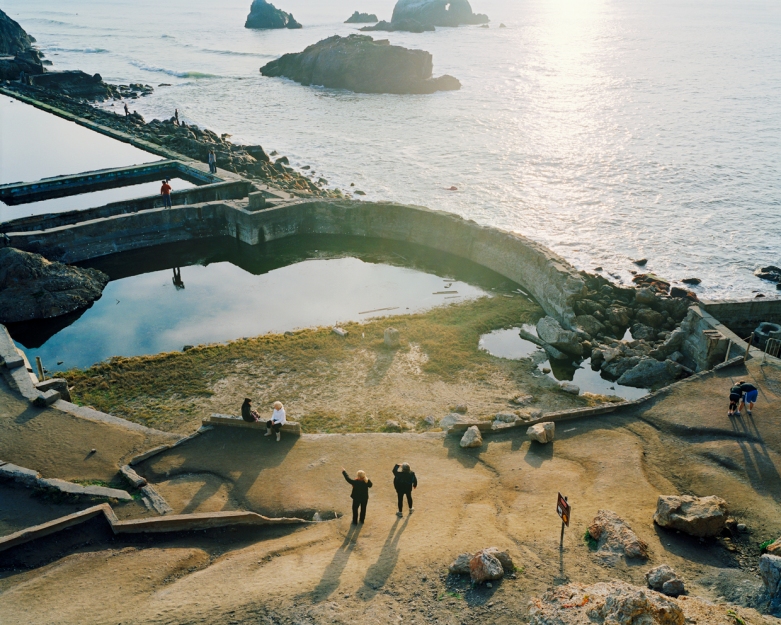
Donna J. Wan received CENTER’s 3rd Place Gallerist’s Choice Award for her project, In The Landscape from juror Lauren Panzo, Director at Pace/MacGill Gallery in New York..
Donna J. Wan was born in Taiwan and lives in the San Francisco Bay Area. She received her BA in Economics (Phi Beta Kappa) from Stanford University. After a few years working in the corporate world, Donna decided to pursue her love for art, taking her first photography class at a local community college in 2002. In 2008, she graduated from the MFA program at the San Francisco Art Institute. Her work has been shown at the New Mexico Museum of Art; RISD Museum of Art; Klompching Gallery; Yerba Buena Center for the Arts; the Photo Center Northwest; the Newspace Center for Photography; Gallery 1401 at the University of Arts, and the Carte Blanche Gallery.
She was a Magenta Foundation’s 2007 Flash Forward Emerging Photographer, 2008 ArtSeen Emerging Artist, PDN’s 30 New and Emerging Photographers to Watch nominee and a 2012 Critical Mass Top 50 Finalist. In 2012, Donna received an Honorable Mention award for The Center/Review Santa Fe’s Project Launch category and the inaugural APA / Lucie Foundation Scholarship grant. Her work has been published in Fraction Magazine; Flak Photo; PDN; Conscientious; Time Out Chicago; Profifoto; Forward Thinking Museum; Beautiful Decay and Archivo. W.M. Hunt and Virginia Heckert have also written about her work. In 2009, she was awarded an artist residency at The Center for Photography at Woodstock and was invited by Catherine Opie to lecture at UCLA. Collectors of her work include the Pulitzer-Prize winning author Richard Ford and Thomas Kellner.
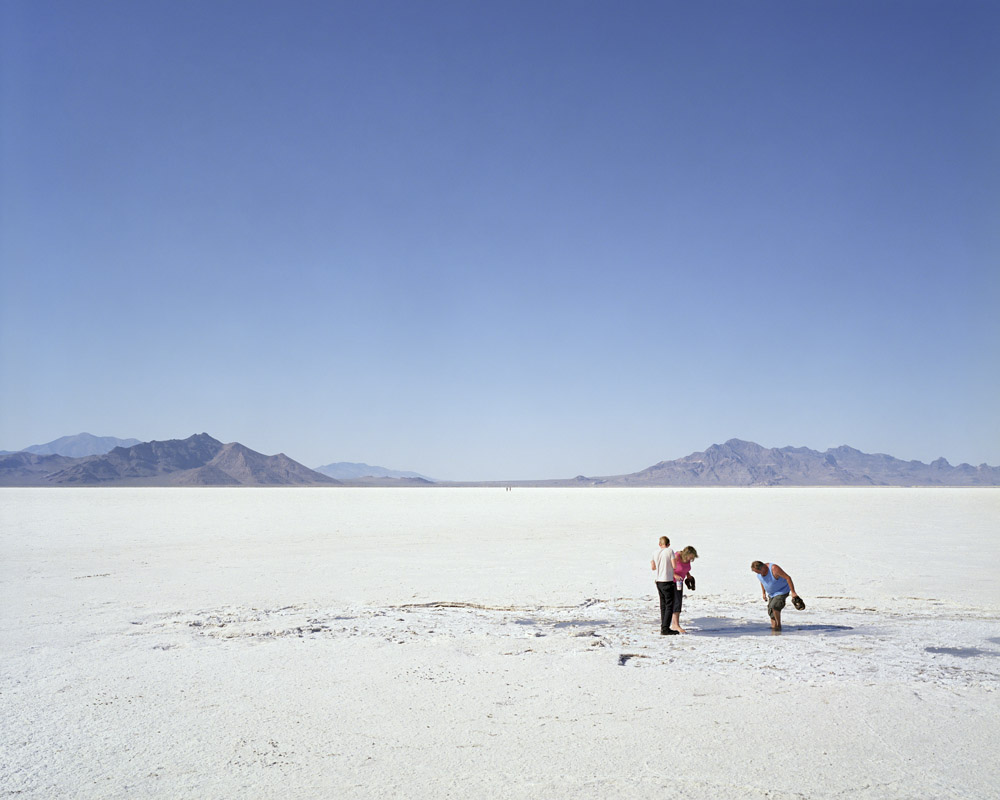
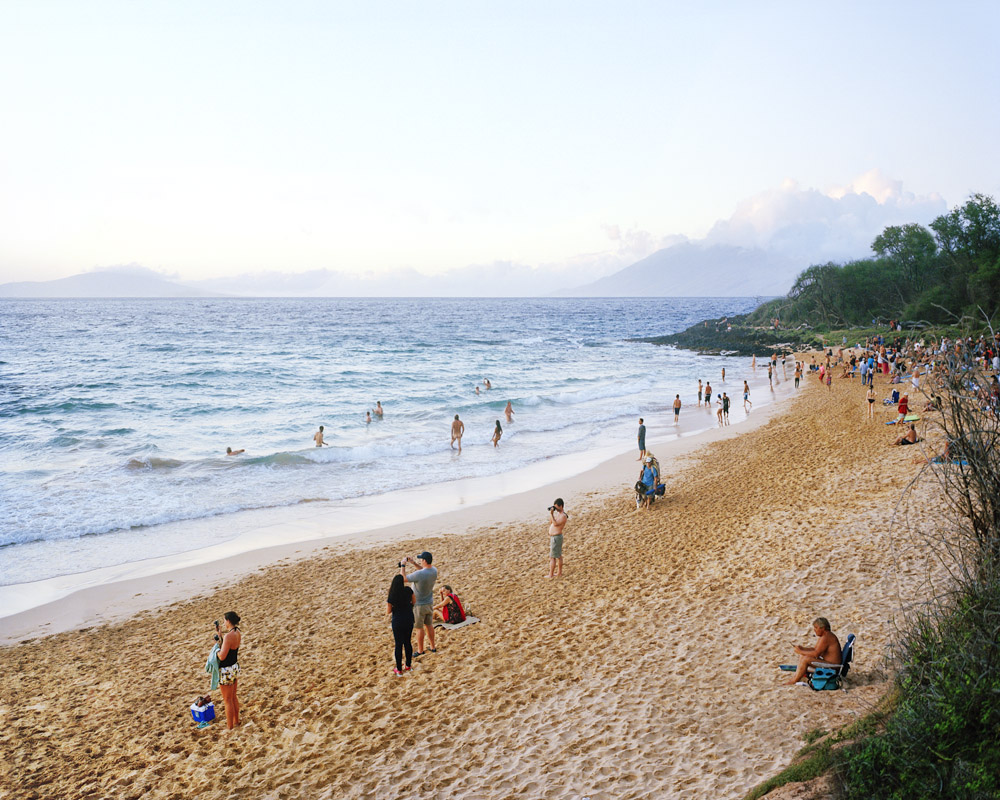
How do people identify with the landscape? In the past, I have made pictures of the natural world that has been altered by man in some way or another – from subtle incursions to a near annihilation of it. While people were present in some of my previous work, I was concerned more with the evidence of their intervention. They were there in spirit but not in actuality. In this new body of work where people are the focus of my photographs, I investigate how they relate to, interact with, and experience the landscape. Yet I have intentionally photographed people from behind, in shadow or at a scale where it is difficult to obtain a clear read of their faces. These “anti-portraits” are not about the individual identities of the people being portrayed but about how people “fit into” (or not) the landscapes that I have captured.

Posts on Lenscratch may not be reproduced without the permission of the Lenscratch staff and the photographer.
Recommended
-
Shane Hallinan: The 2025 Salon Jane Award WinnerFebruary 12th, 2026
-

Greg Constantine: 7 Doors: An American GulagJanuary 17th, 2026
-
Yorgos Efthymiadis: The James and Audrey Foster Prize 2025 WinnerJanuary 2nd, 2026
-
Arnold Newman Prize: C. Rose Smith: Scenes of Self: Redressing PatriarchyNovember 24th, 2025
-
Celebrating 20 Years of Critical Mass: Cathy Cone (2023) and Takeisha Jefferson (2024)October 1st, 2025








![In the early morning of Sunday, September 15, 1963, four members of the United Klans of AmericaÑThomas Edwin Blanton Jr.,Herman Frank Cash, Robert Edward Chambliss, and Bobby Frank CherryÑplanted a minimum of 15 sticks of dynamite with a time delay under the steps of the 16th Street Baptist Church in Birmingham, Alabama, close to the basement.
At approximately 10:22 a.m., an anonymous man phoned the 16th Street Baptist Church. The call was answered by the acting Sunday School secretary: a 14-year-old girl named Carolyn Maull. To Maull, the anonymous caller simply said the words, "Three minutes", before terminating the call. Less than one minute later, the bomb exploded as five children were present within the basement assembly, changing into their choir robes in preparation for a sermon entitled "A Love That Forgives". According to one survivor, the explosion shook the entire building and propelled the girls' bodies through the air "like rag dolls".
The explosion blew a hole measuring seven feet in diameter in the church's rear wall, and a crater five feet wide and two feet deep in the ladies' basement lounge, destroying the rear steps to the church and blowing one passing motorist out of his car. Several other cars parked near the site of the blast were destroyed, and windows of properties located more than two blocks from the church were also damaged. All but one of the church's stained-glass windows were destroyed in the explosion. The sole stained-glass window largely undamaged in the explosion depicted Christ leading a group of young children.
Hundreds of individuals, some of them lightly wounded, converged on the church to search the debris for survivors as police erected barricades around the church and several outraged men scuffled with police. An estimated 2,000 black people, many of them hysterical, converged on the scene in the hours following the explosion as the church's pastor, the Reverend John Cross Jr., attempted to placate the crowd by loudly reciting the 23rd Psalm through a bullhorn. One individual who converged on the scene to help search for survivors, Charles Vann, later recollected that he had observed a solitary white man whom he recognized as Robert Edward Chambliss (a known member of the Ku Klux Klan) standing alone and motionless at a barricade. According to Vann's later testimony, Chambliss was standing "looking down toward the church, like a firebug watching his fire".
Four girls, Addie Mae Collins (age 14, born April 18, 1949), Carol Denise McNair (age 11, born November 17, 1951), Carole Robertson (age 14, born April 24, 1949), and Cynthia Wesley (age 14, born April 30, 1949), were killed in the attack. The explosion was so intense that one of the girls' bodies was decapitated and so badly mutilated in the explosion that her body could only be identified through her clothing and a ring, whereas another victim had been killed by a piece of mortar embedded in her skull. The then-pastor of the church, the Reverend John Cross, would recollect in 2001 that the girls' bodies were found "stacked on top of each other, clung together". All four girls were pronounced dead on arrival at the Hillman Emergency Clinic.
More than 20 additional people were injured in the explosion, one of whom was Addie Mae's younger sister, 12-year-old Sarah Collins, who had 21 pieces of glass embedded in her face and was blinded in one eye. In her later recollections of the bombing, Collins would recall that in the moments immediately before the explosion, she had observed her sister, Addie, tying her dress sash.[33] Another sister of Addie Mae Collins, 16-year-old Junie Collins, would later recall that shortly before the explosion, she had been sitting in the basement of the church reading the Bible and had observed Addie Mae Collins tying the dress sash of Carol Denise McNair before she had herself returned upstairs to the ground floor of the church.](https://lenscratch.com/wp-content/uploads/2019/02/001-16th-Street-Baptist-Church-Easter-v2-14x14-150x150.jpg)