Daesung Lee and Alexandros Lambrovassilis: CENTER’s Editor’s Choice Award
©Daesung Lee
©Alexandros Lambrovassilis
Congratulations to CENTER’s Editor’s Choice 2nd Place winner, Daesung Lee and 3rd Place winner, Alexandros Lambrovassilis. Both were selected by juror Alice Gabriner, International Photo Editor of TIME magazine. She shared this statement about her selections:
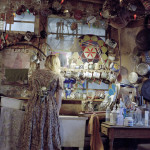
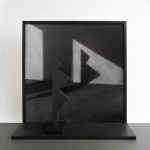
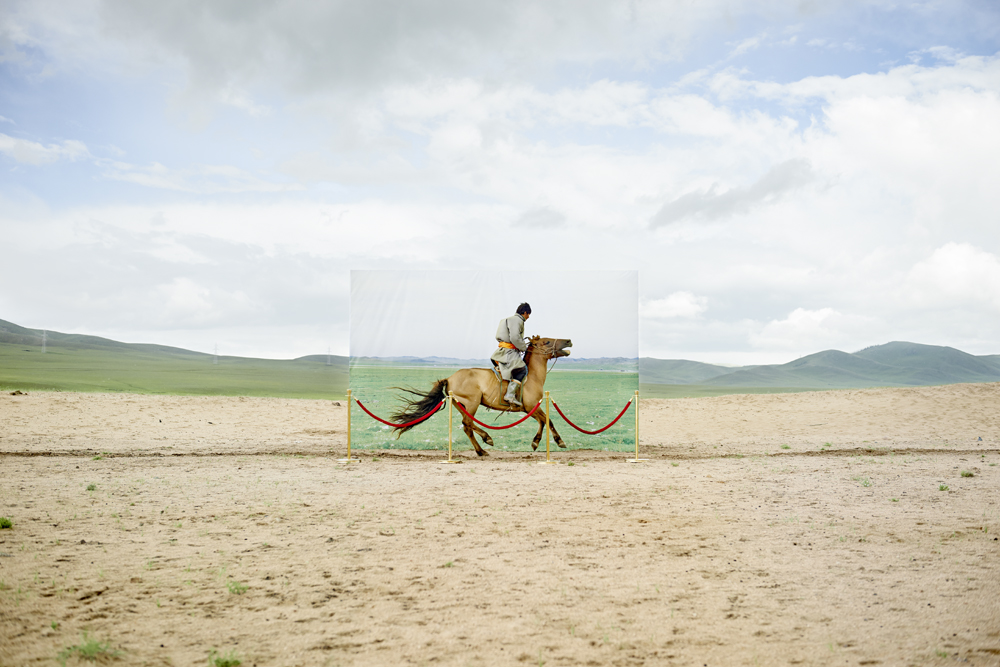
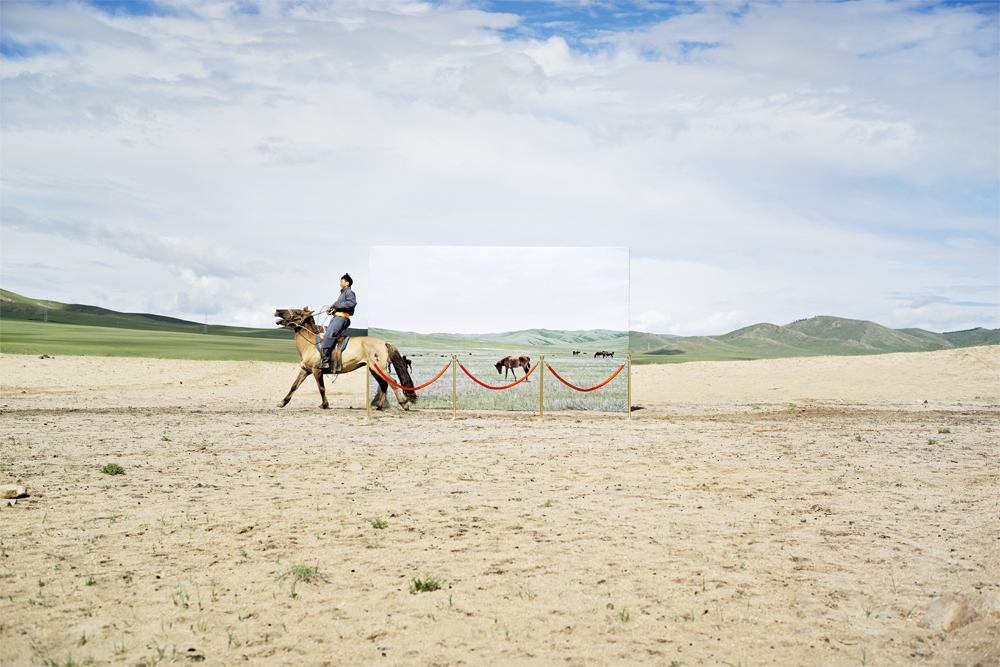
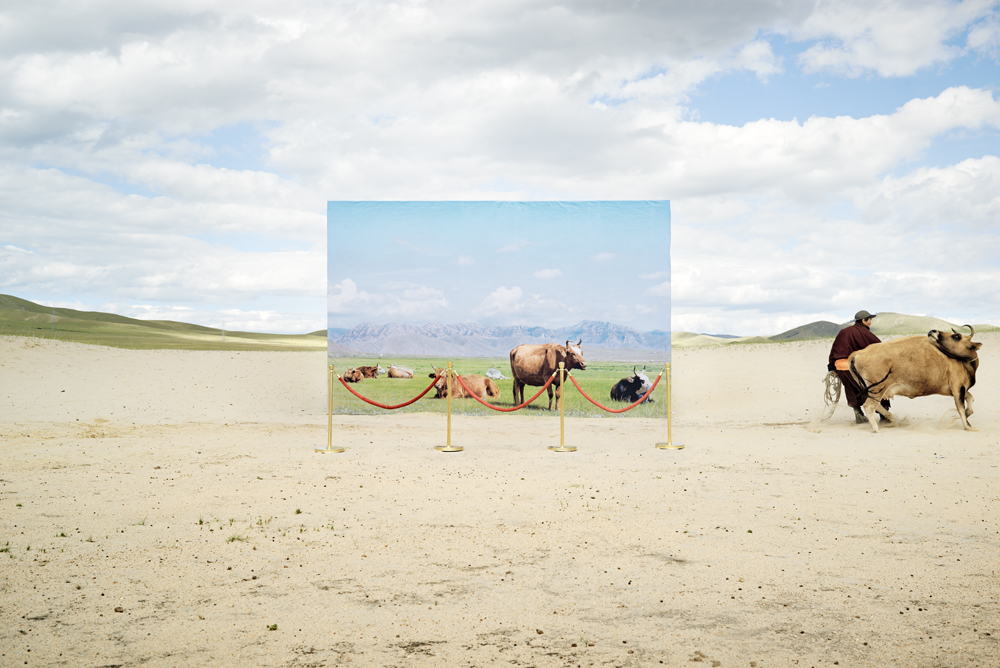
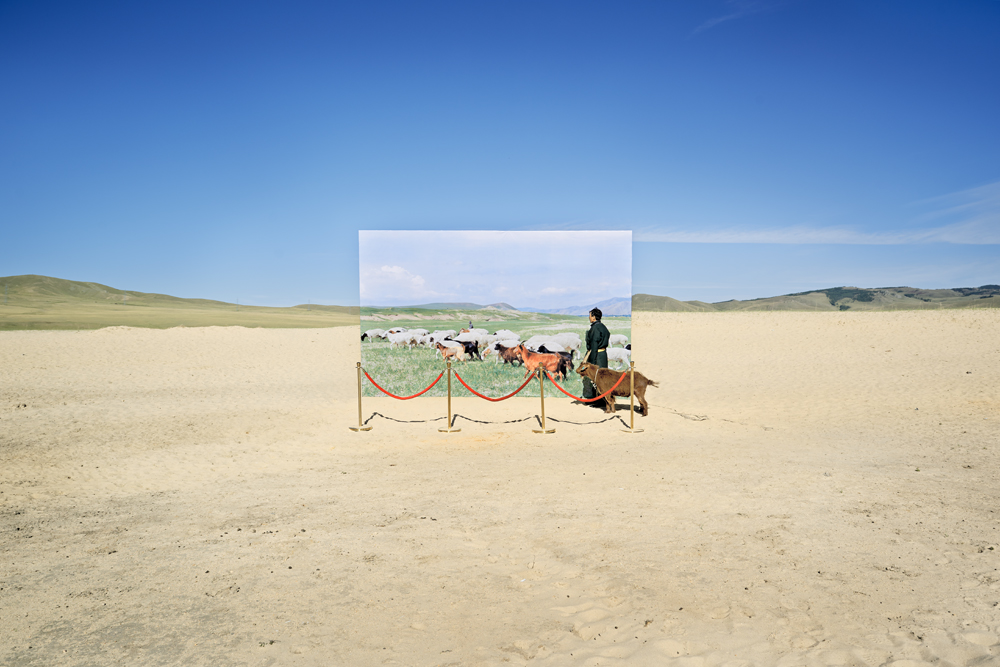
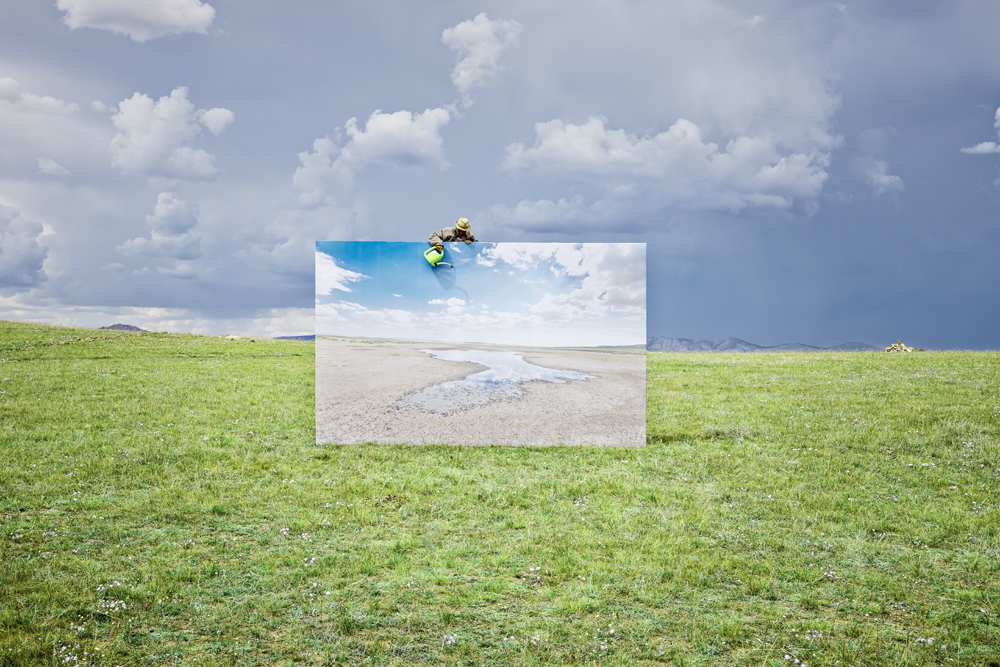
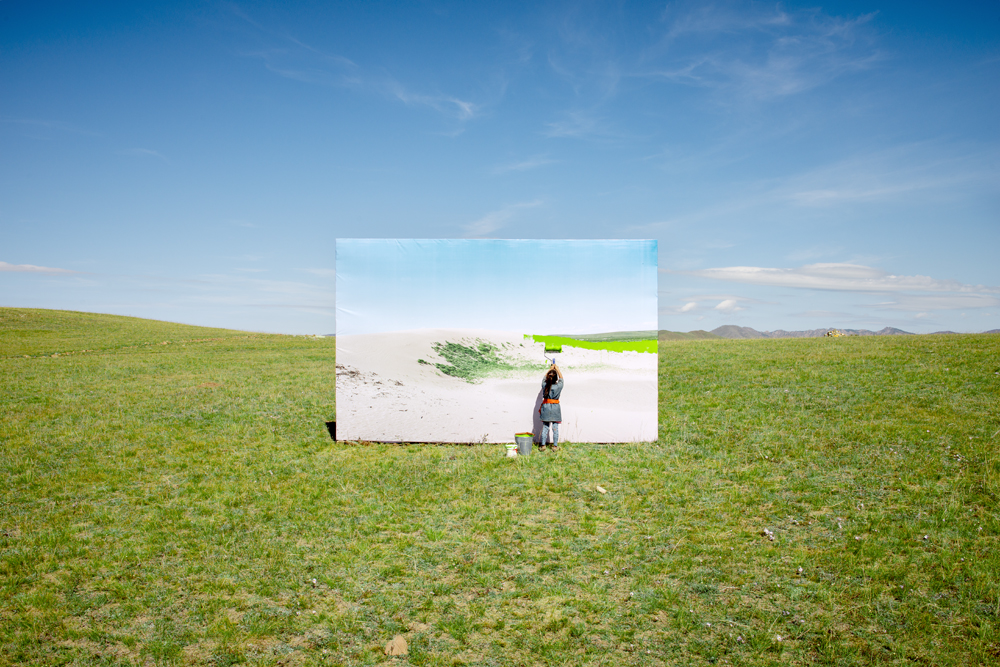
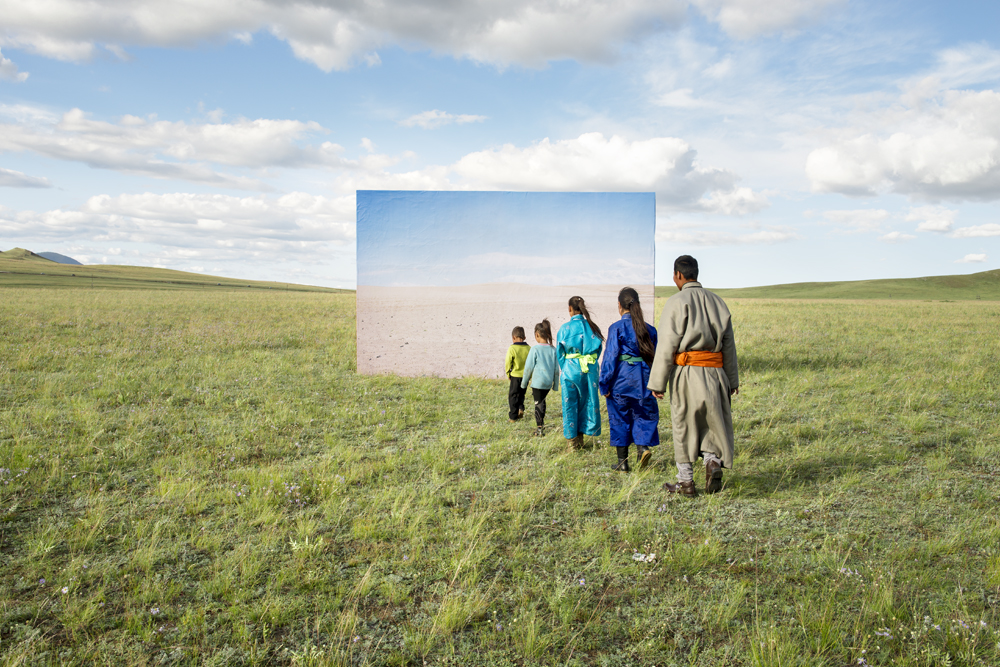
In a completely different vein, I enjoyed Daesung Lee’s s provocative series entitled, Futuristic Archaeology, in which he attempts to recreate museum dioramas, but with real people and their animals in the Mongolian desert landscape. These imaginative tableaus offer an innovative approach to depicting the issue of desertification and the effects of climate change on traditional cultures, which Lee fears might someday only exist behind ropes in museums.
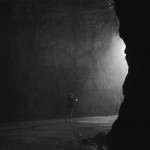
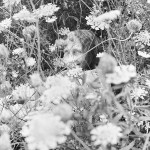
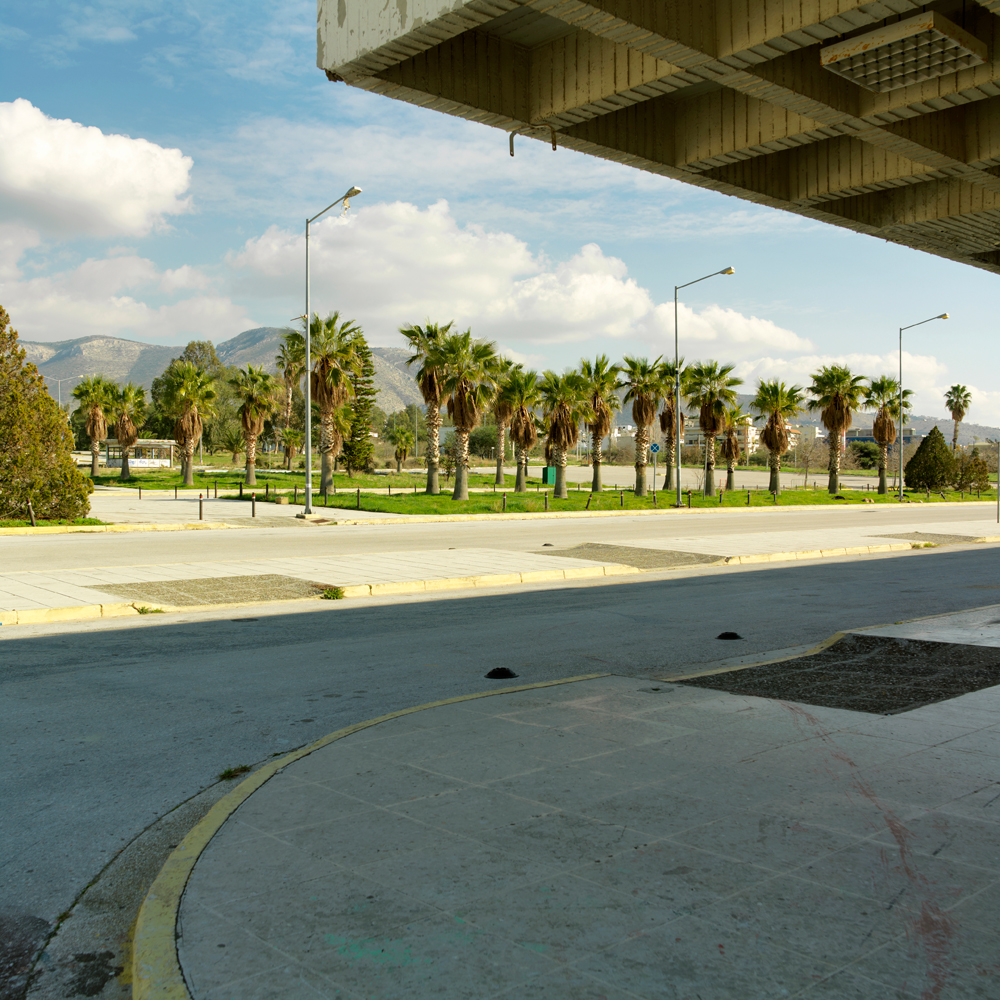
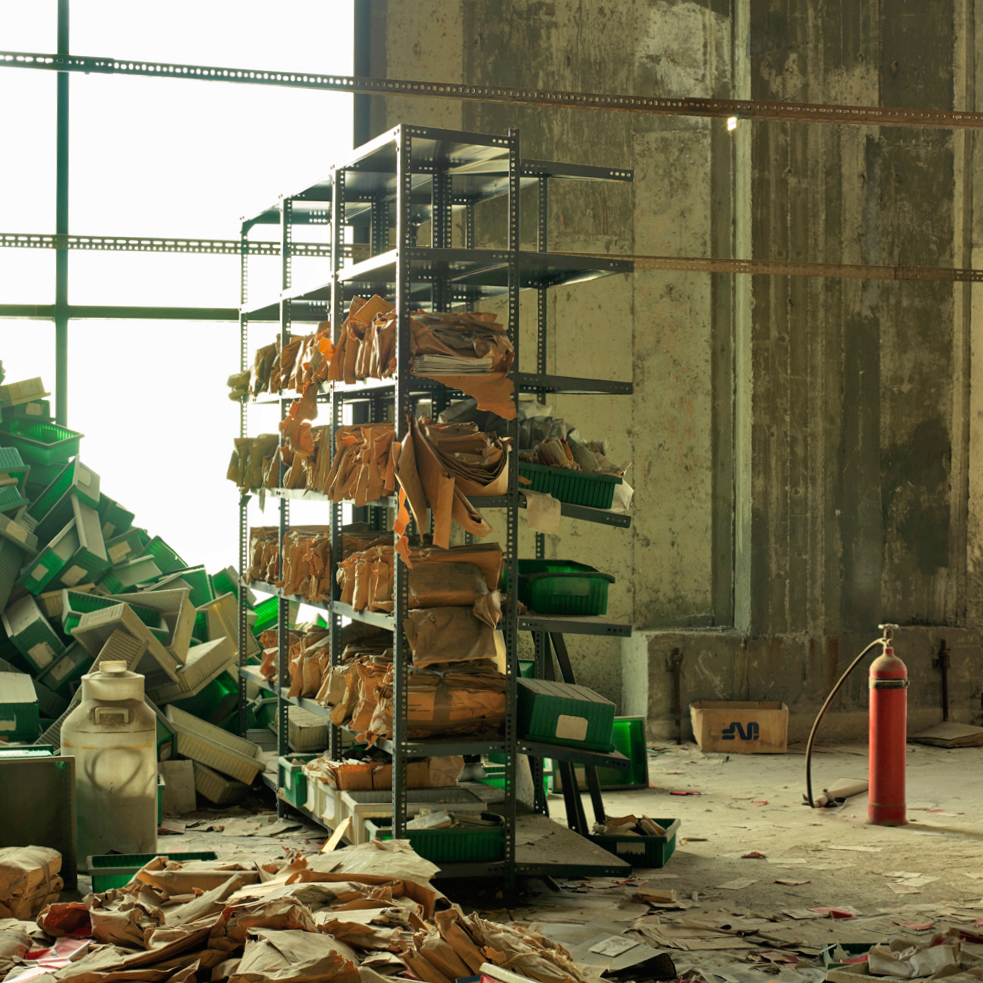
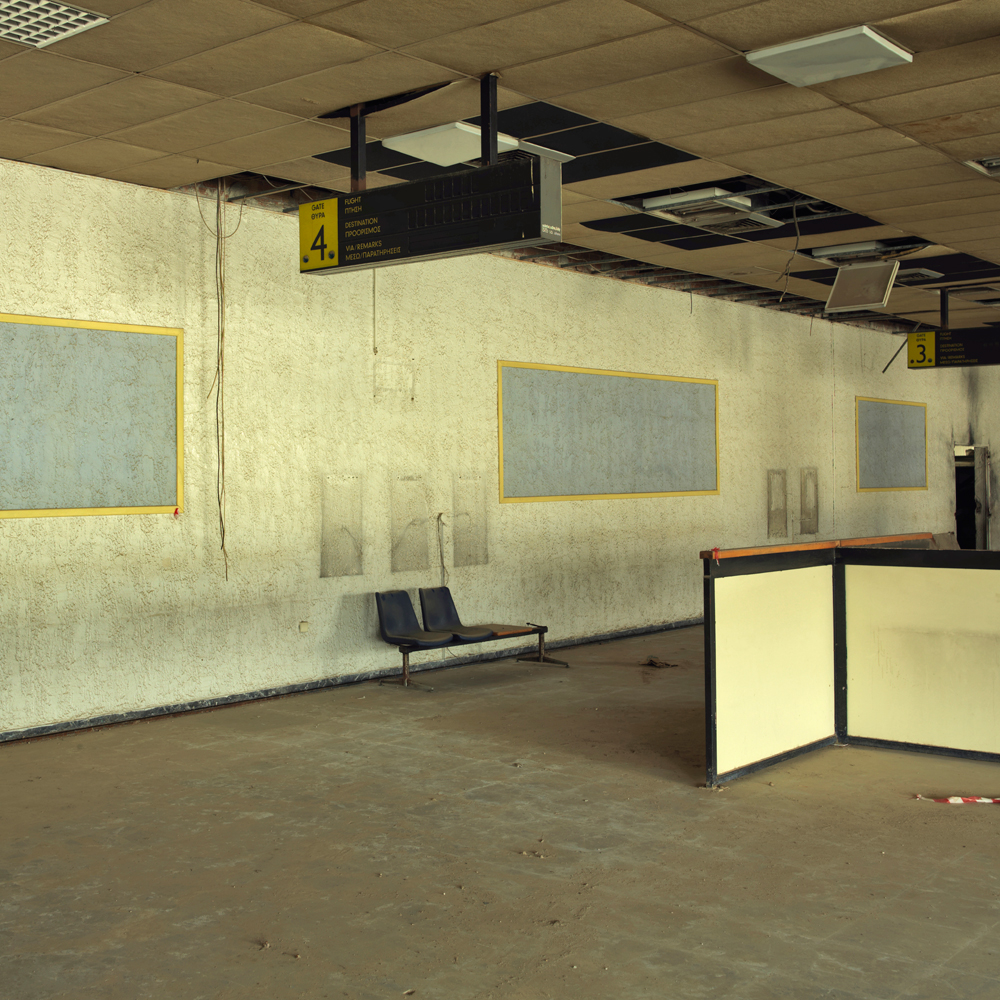
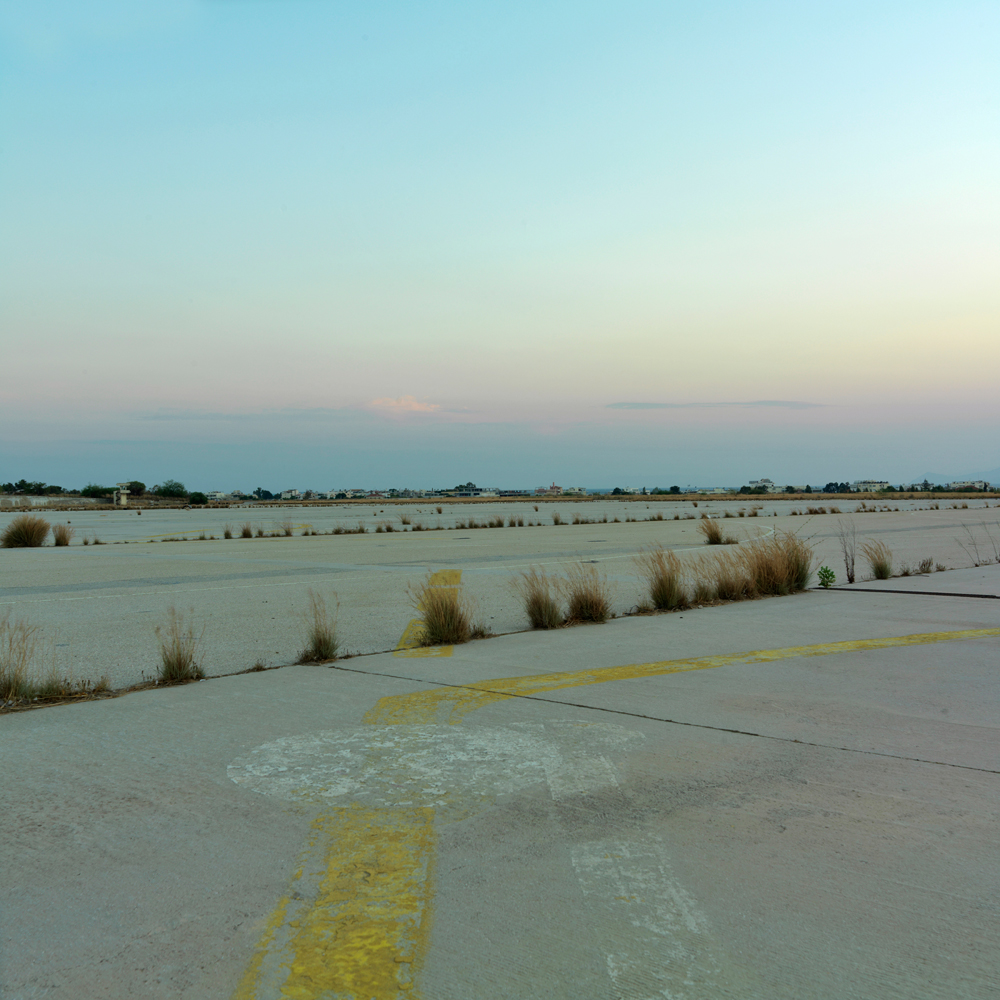
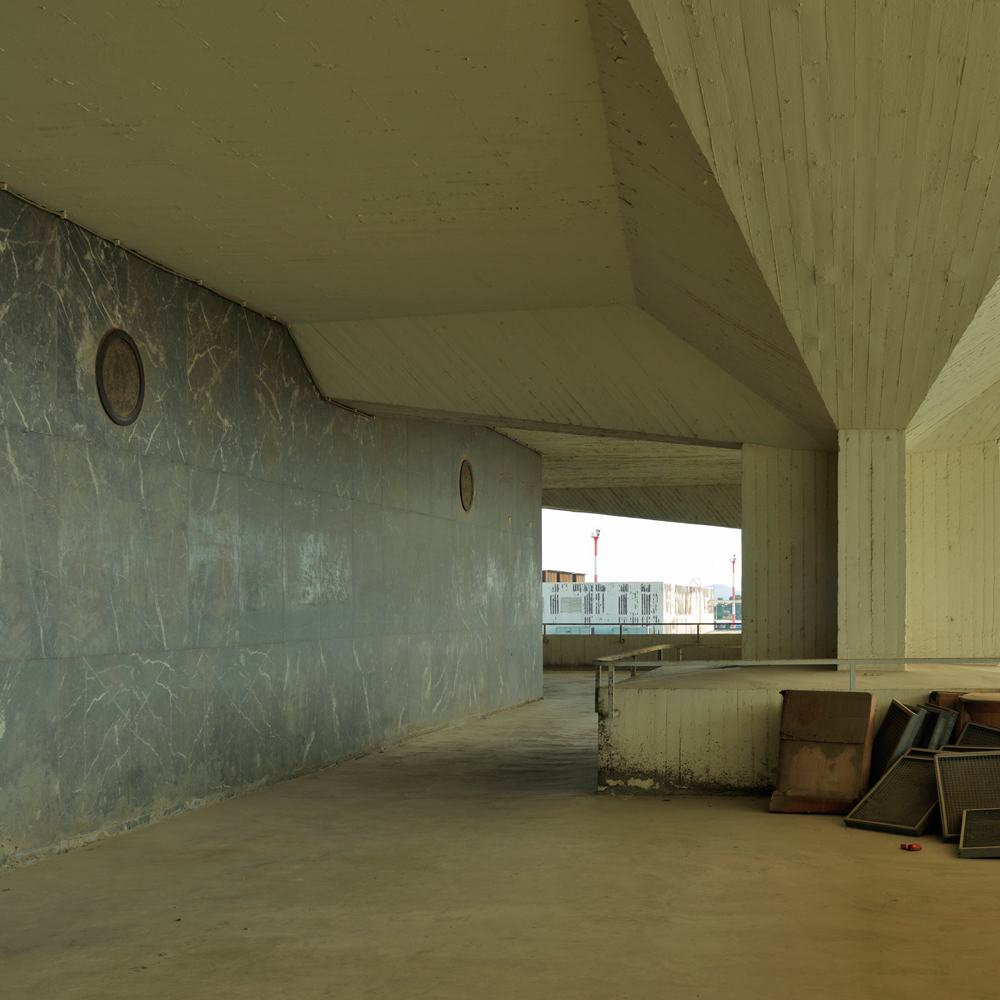
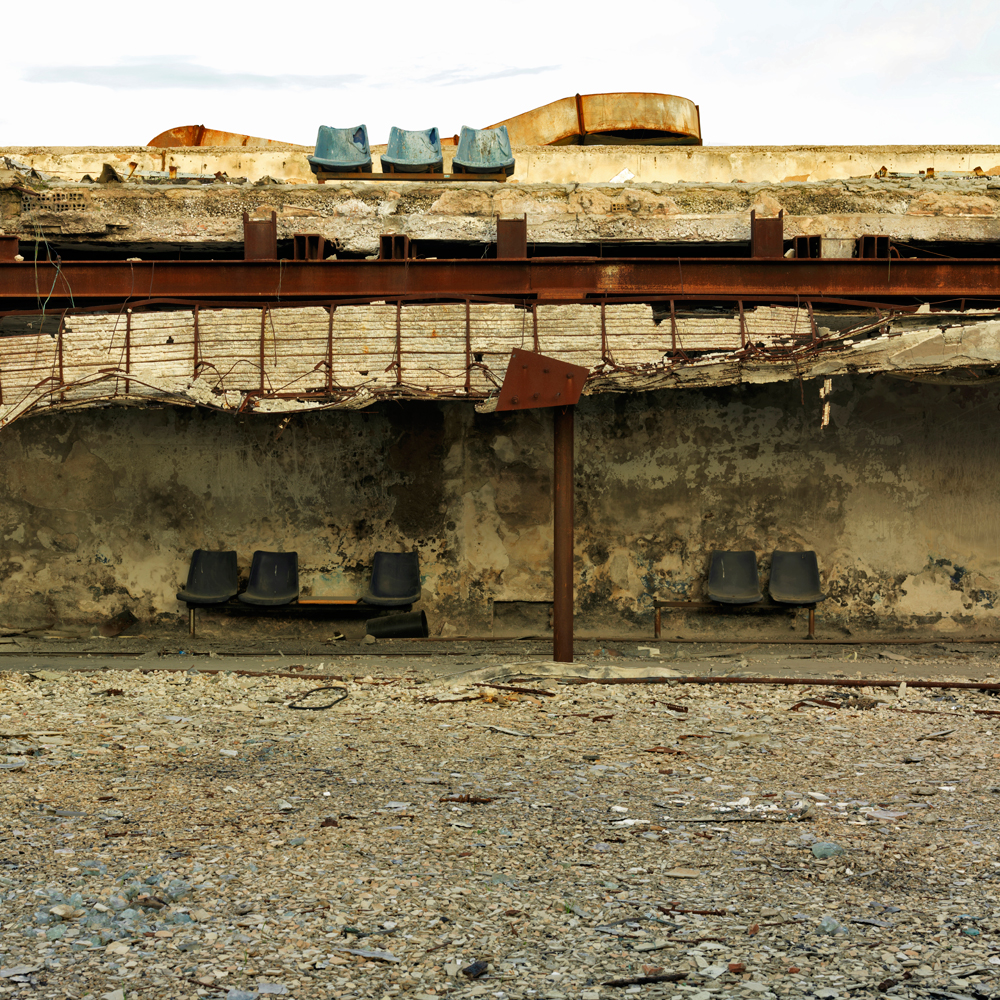
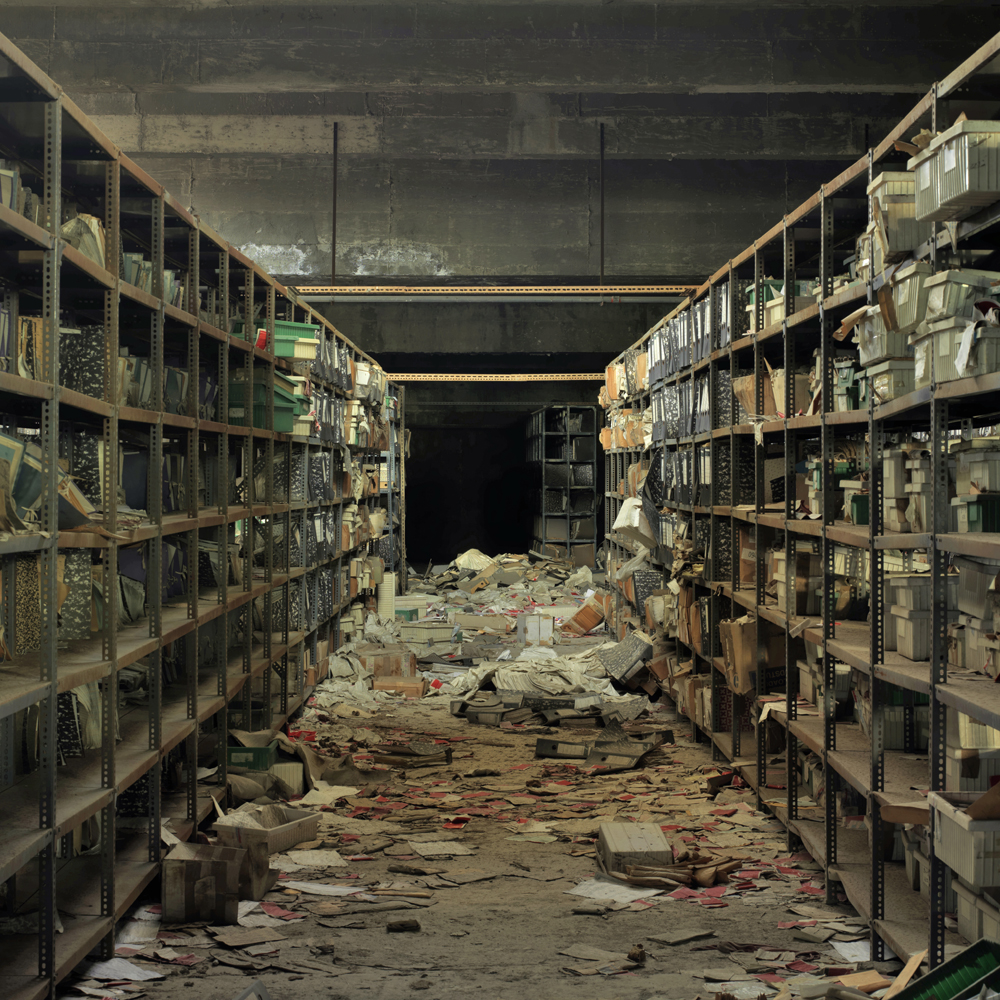
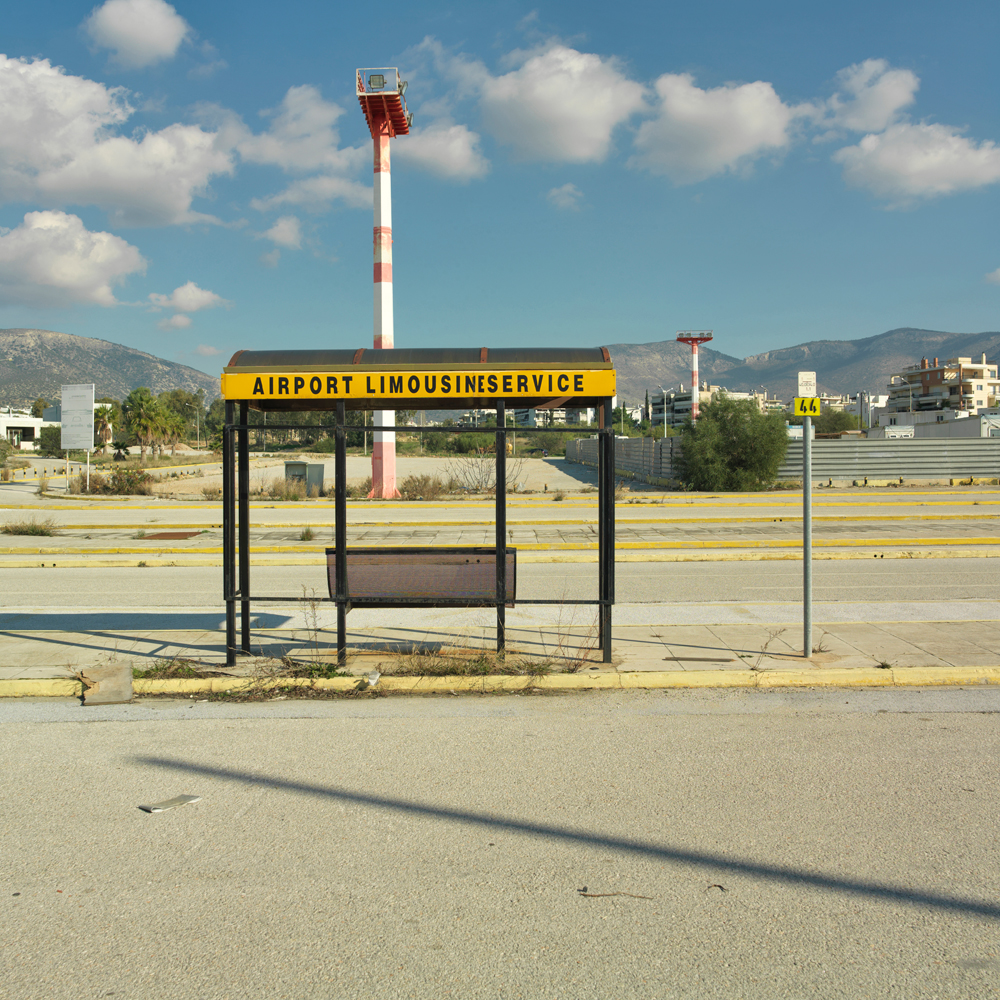
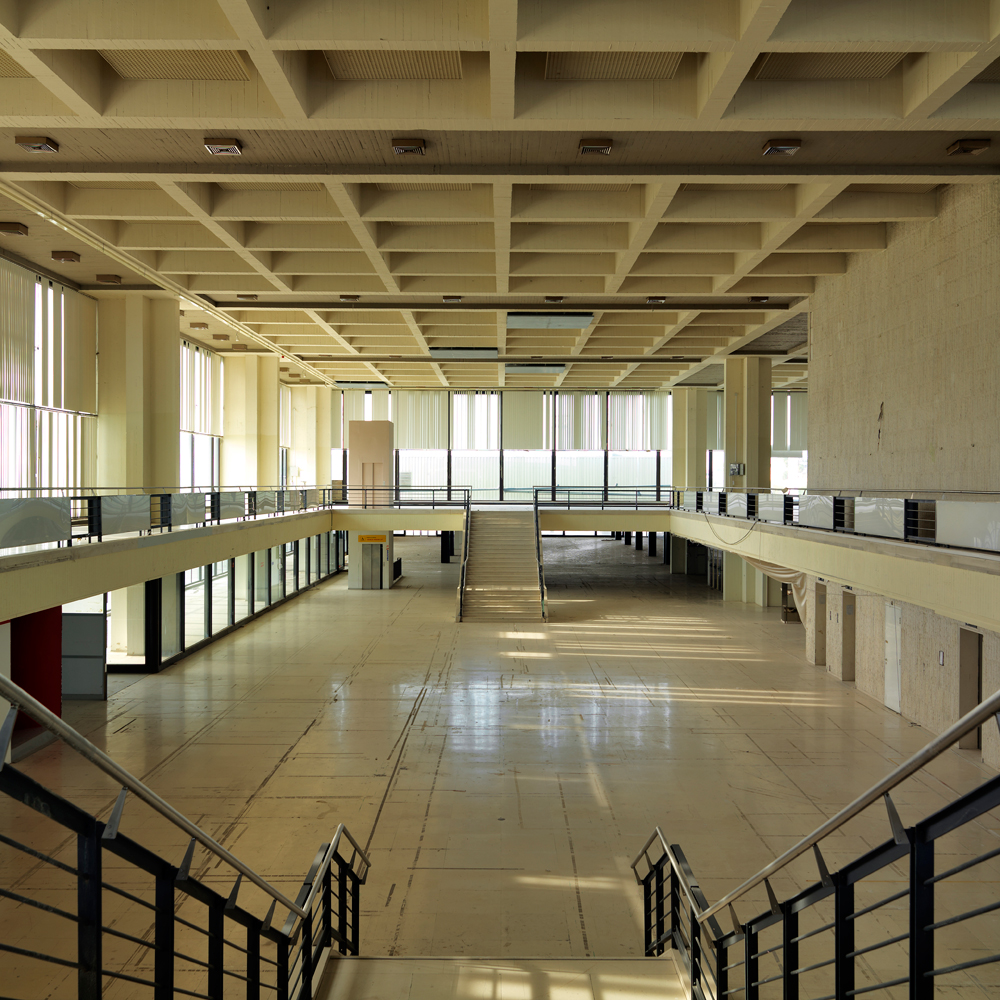
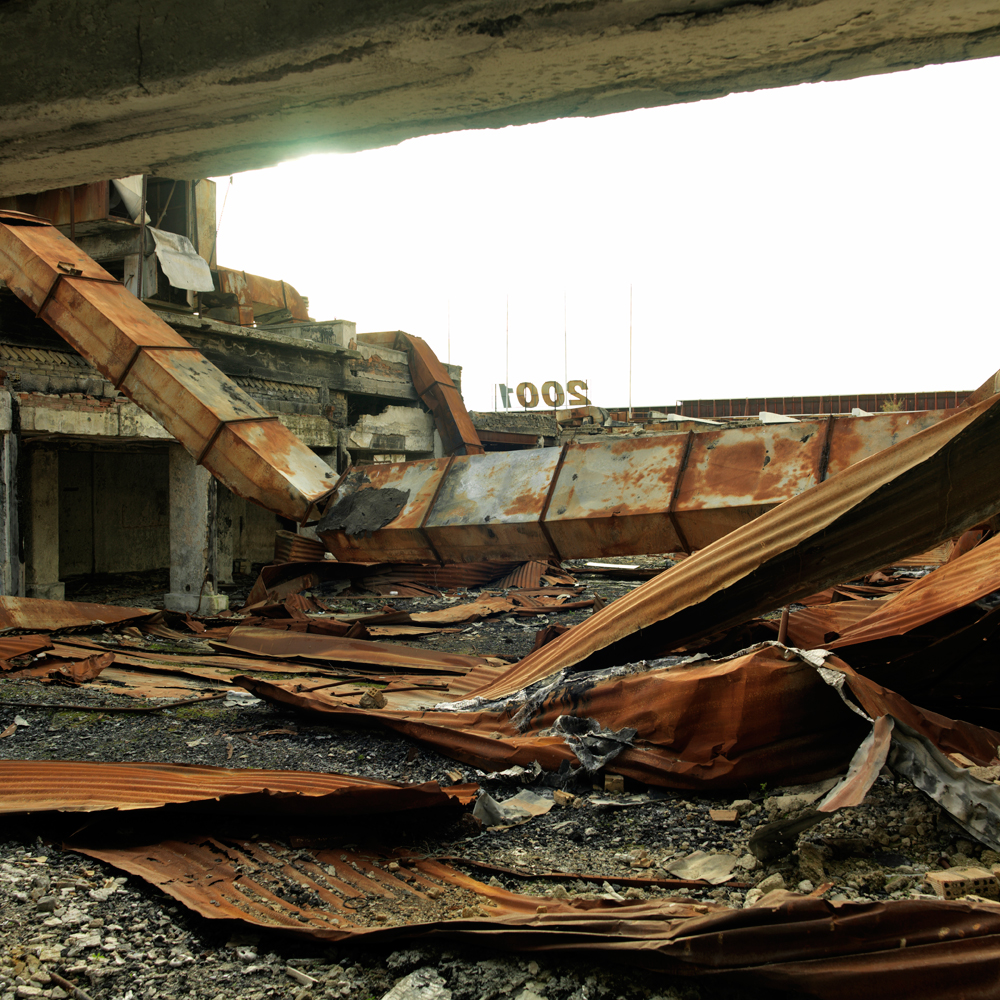
Finally, I chose Alexandros Lambrovssilis’s project on the abandoned international airport in Athens, Greece, known as Elinkon. For a city known for its ancient history, it is quite striking to see ruins of the modern era. Mannequins wrapped in plastic evoke comparisons to marble Greek statues. Though this work was started in 2007, today it stands as a profound metaphor for Athens’ crumbling economy.
Futuristic Archaeology by Daesung Lee
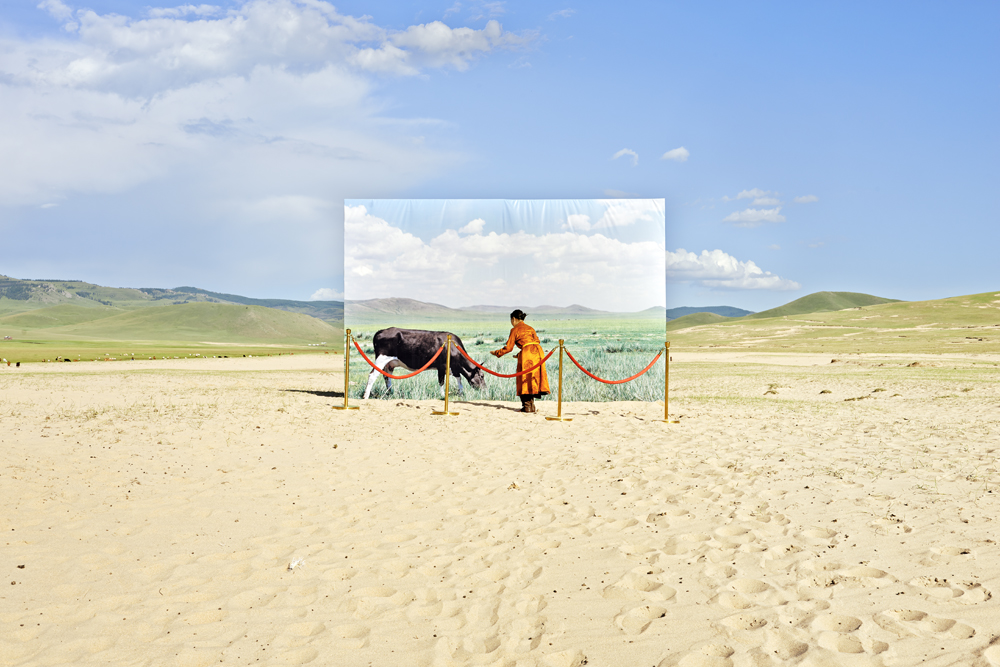 This project attempts at recreating the museum diorama with actual people and their livestock in a real place where decertifying in Mongolia. It is based on an imagination that these people try to go into museum diorama for survival in the future due to climate change. This is accomplished with the printed images on a billboard placed in conjunction with the actual landscape horizon.
Mongolian traditional nomadic lifestyle might be existed only in a museum in the future. Image size will be 200cm print in width.



Ellinikon by Alexandros Lambrovassilis
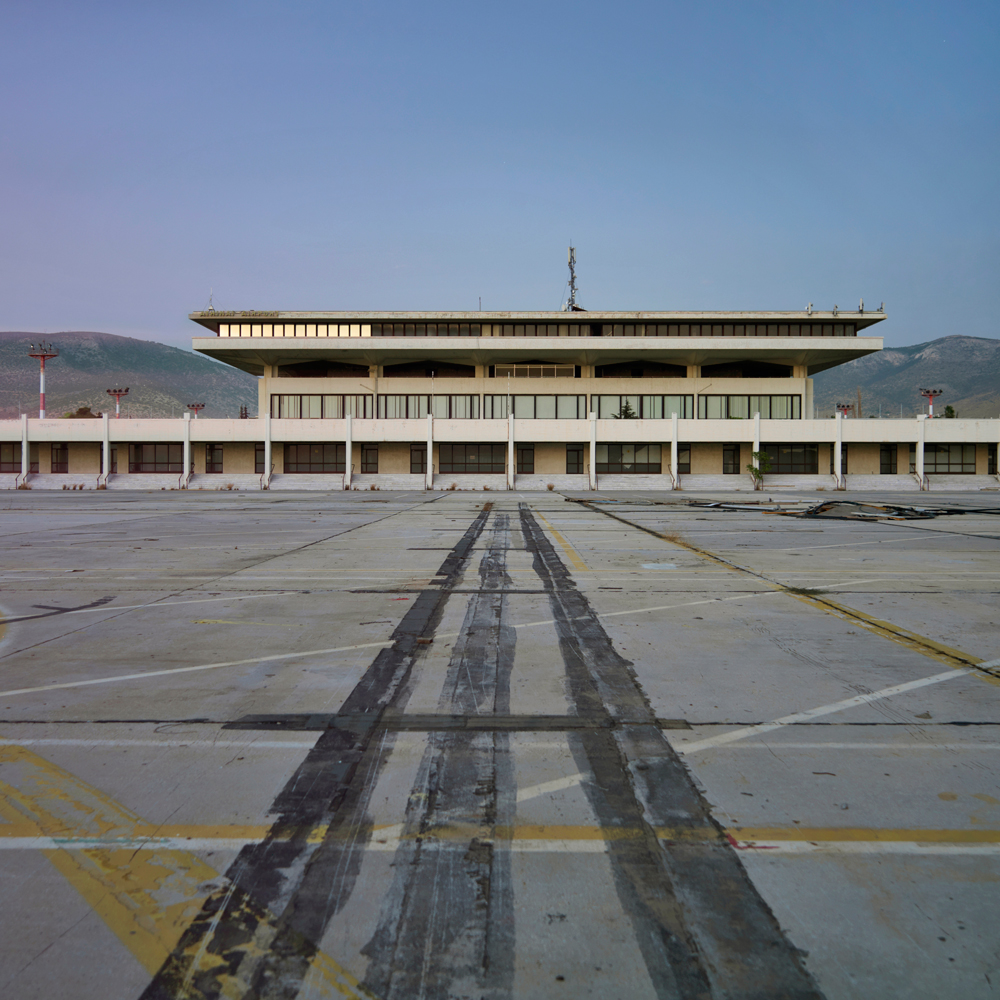 Ellinikon is an ongoing project initiated in 2007. A documentation of the current state of the former international airport of Athens, known colloquially as “Ellinikon”, (meaning “of Greek origin”).
In my exploration, I follow this thread of collective memory, reliving and photographing the landmass, the remains of human activity, and the symbols of an era that has come to an end. I stumble upon bittersweet visions of a once familiar public space.
This documentation aims to raise awareness of the necessity and the importance to preserve and reintroduce the historic thread and collective memory of a place as such, in the process of transformation for the new use.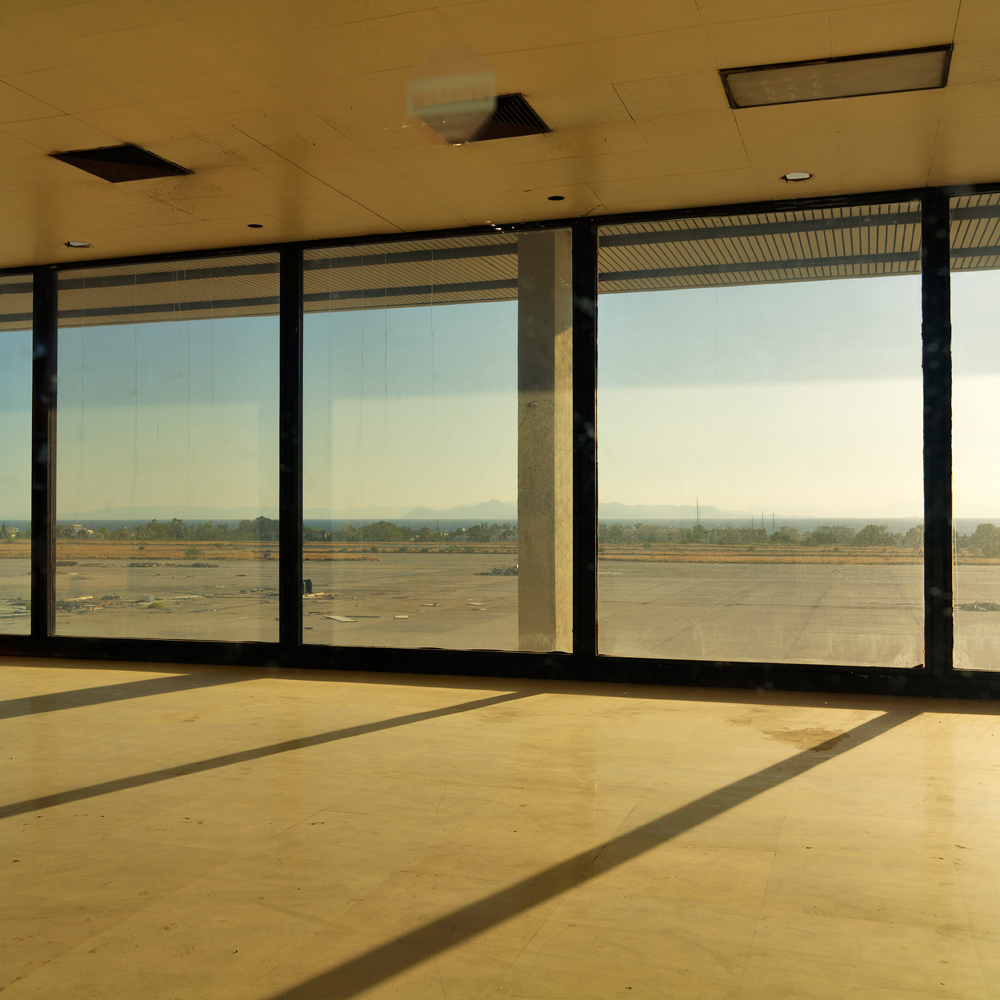




Posts on Lenscratch may not be reproduced without the permission of the Lenscratch staff and the photographer.
Recommended
-

Zanele Muholi: 2026 Hasselblad Award LaureateMarch 13th, 2026
-

Shane Hallinan: The 2025 Salon Jane Award WinnerFebruary 12th, 2026
-

Greg Constantine: 7 Doors: An American GulagJanuary 17th, 2026
-

Yorgos Efthymiadis: The James and Audrey Foster Prize 2025 WinnerJanuary 2nd, 2026
-

Arnold Newman Prize: C. Rose Smith: Scenes of Self: Redressing PatriarchyNovember 24th, 2025