Ashleigh Coleman: Piece of Heart
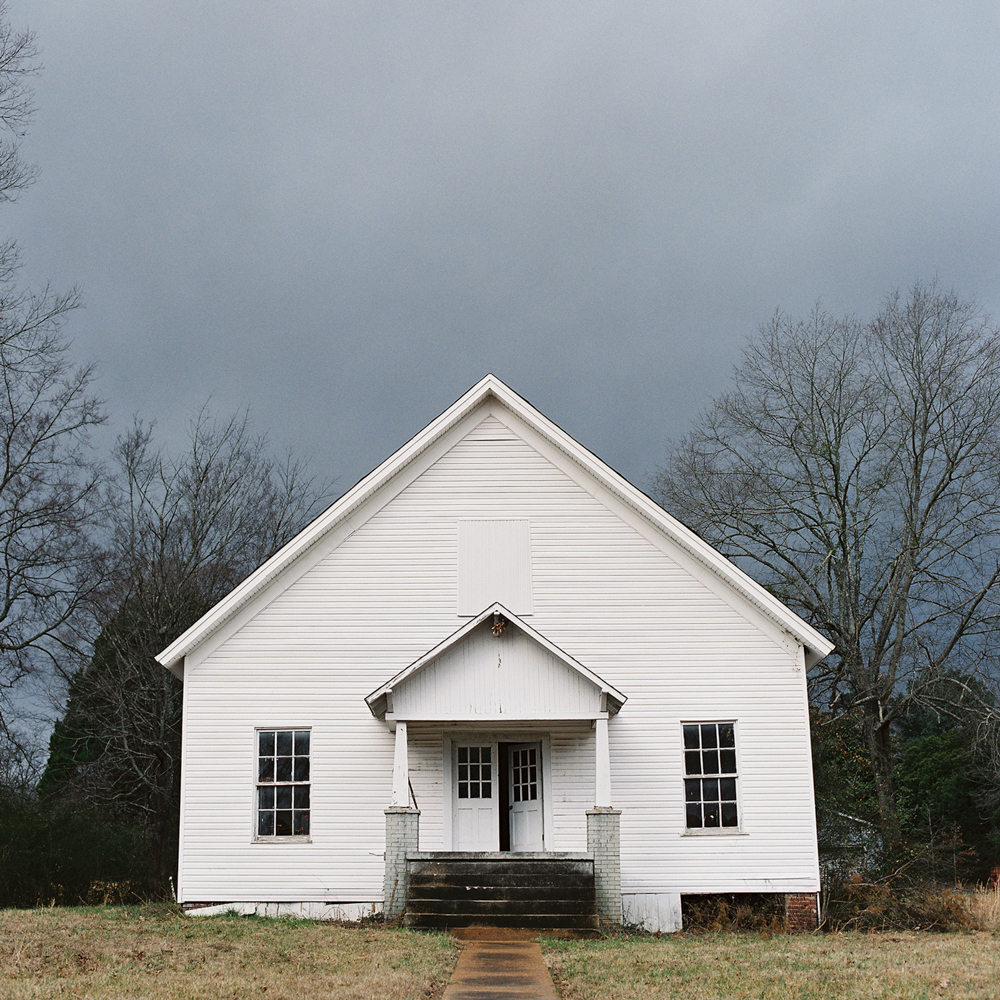
©Ashleigh Coleman, from Mississippi, Piece of Heart
This past September Alexa Dilworth (Director of publishing, awards, and DocX lab, senior editor of CDS Books at the Center of Documentary Studies at Duke University) and I flew down to the 16th Annual SlowExposures Photography Festival in Zebulon, Georgia. This was not our first rodeo with SlowExposures–we were paired to juror in 2014, and the experience was truly remarkable. It gave me my first introduction to small town Southern hospitality and exposure to a community that comes together to celebrate photographs created in the rural South, with enthusiasm and open arms. This year, we again had the privilege to consider Southern photographs and the result was a wonderful exhibition filled with a myriad of interpretations of all things Southern.
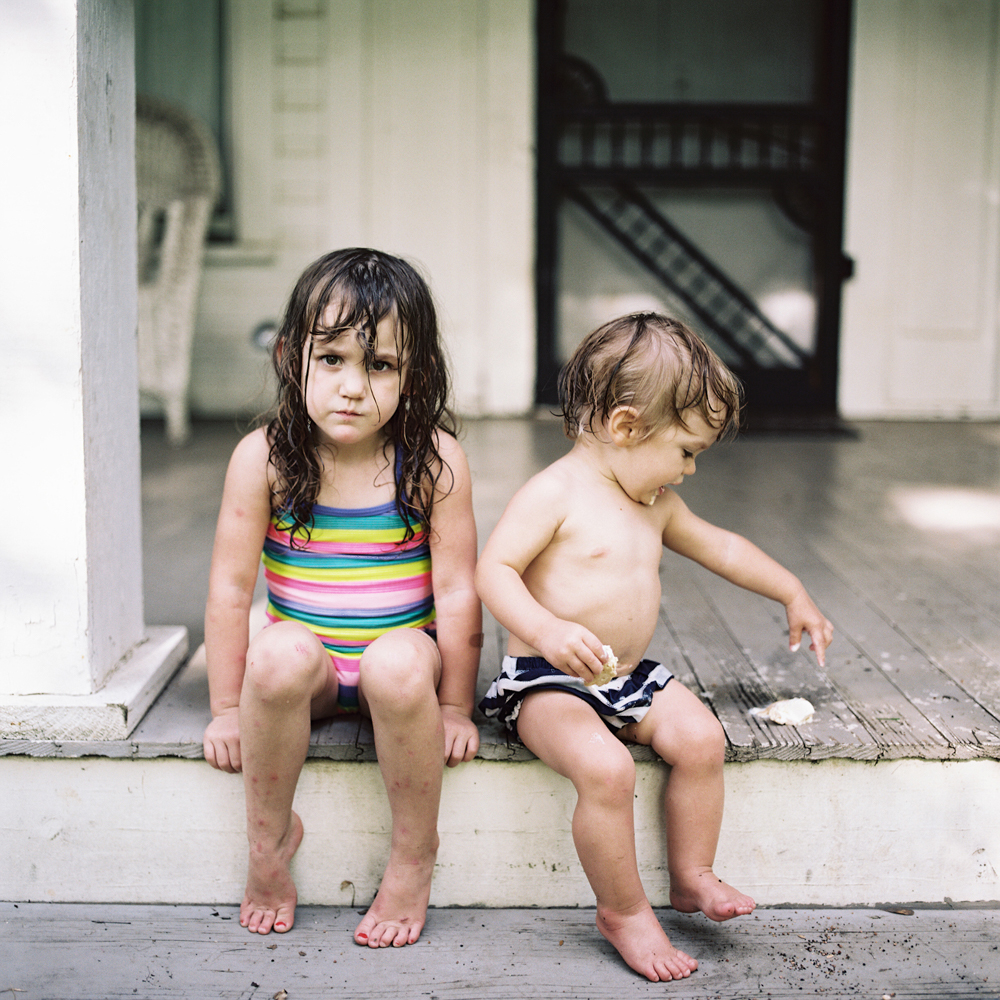
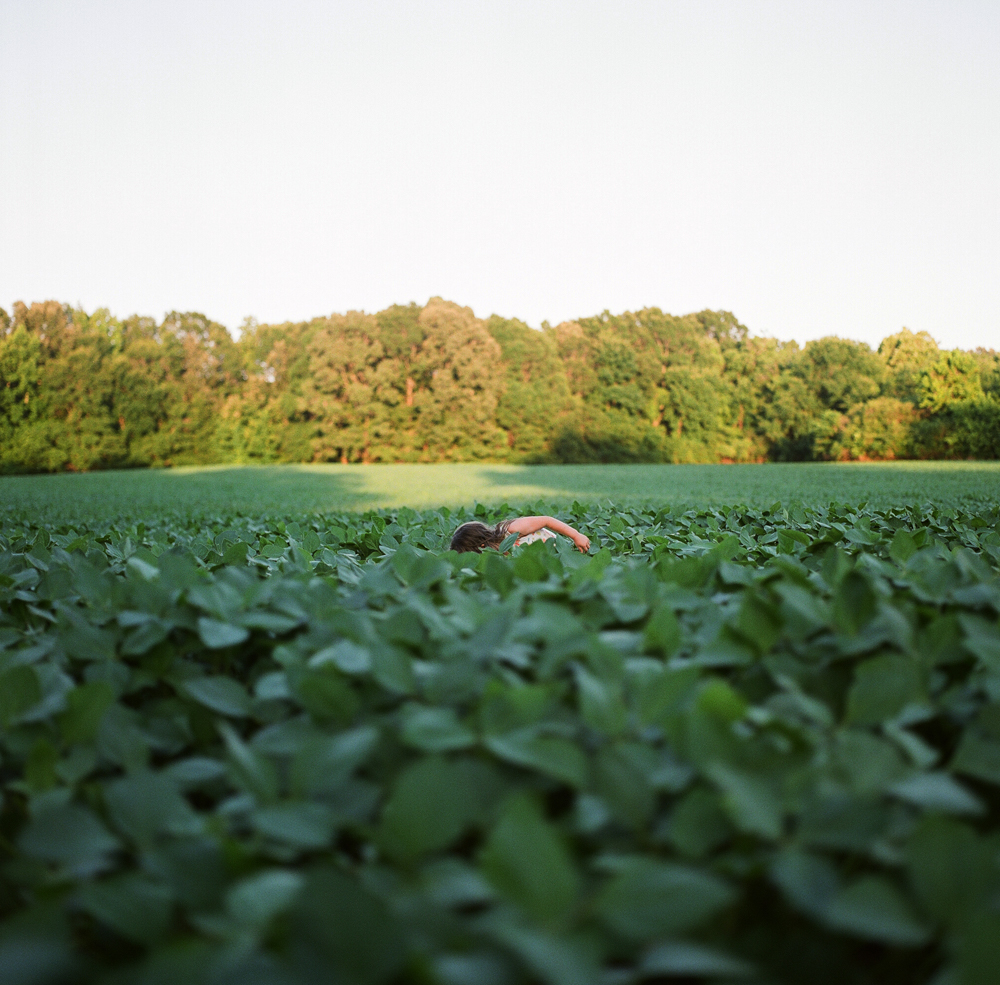
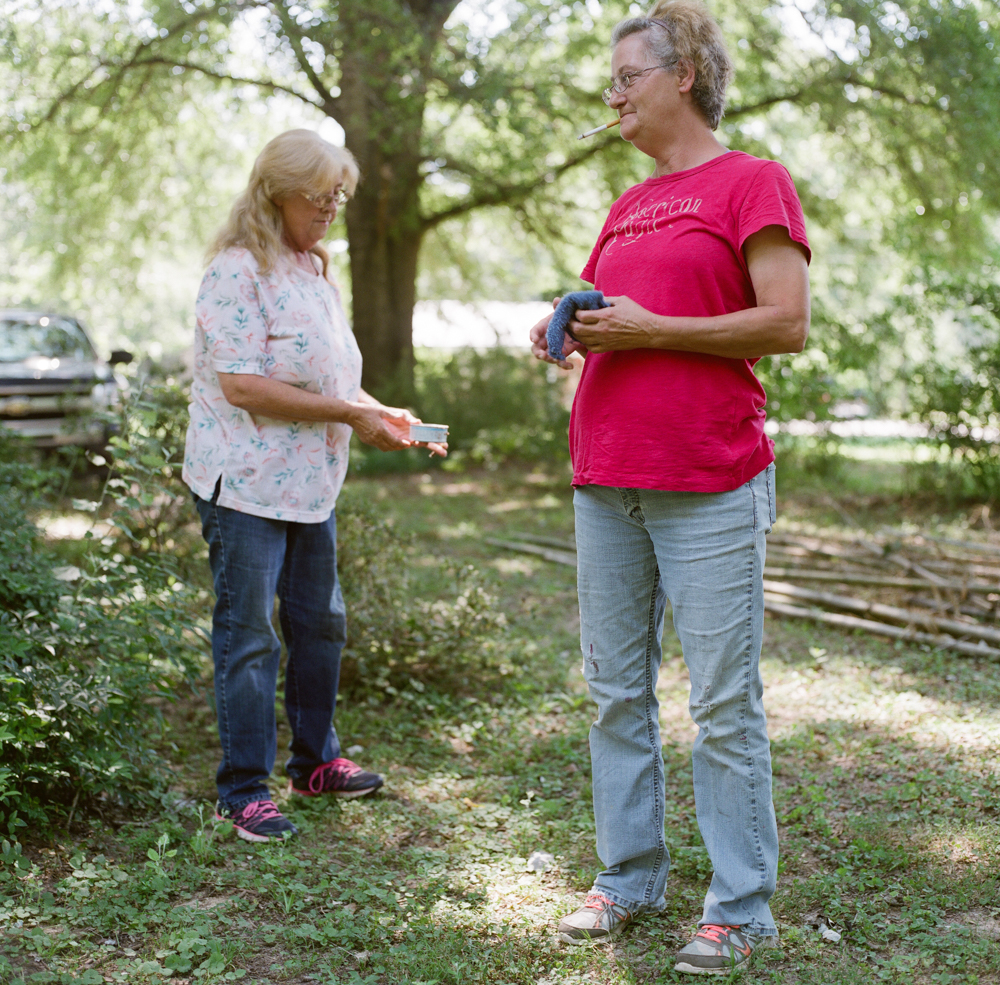
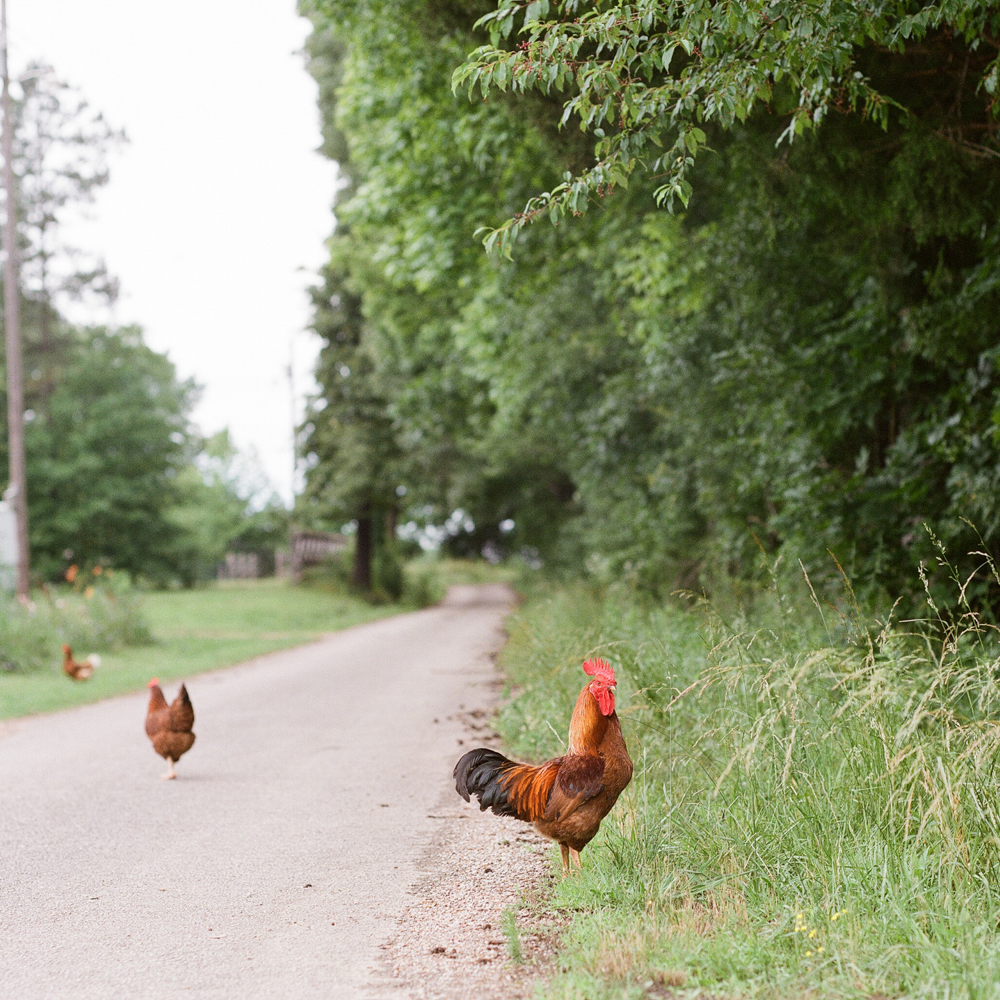
For the First Prize and recipient of the Paul Conlan Prize (receiving a solo exhibition during the 2019 festival), we selected a photograph by Ashleigh Coleman. It was a stunning and tender image of a young girl in a red sweater holding a blue bird, printed large for a mesmerizing effect. Today we feature her project, Piece of Heart, which includes the winning image, created from the perspective of a participant observer, capturing family and place from the the inside, but considering her world as an outsider as she puts down roots in unfamiliar terrain.
In addition to Ashleigh’s participation in the SlowExposures exhibition, she is part of the Due South Collective that had a dynamic show of photographs in conversation at the event. The group is gearing up for a exhibit at Fischer Galleries in Jackson, Mississippi this coming spring, as well as a other exhibits across the South in 2019.
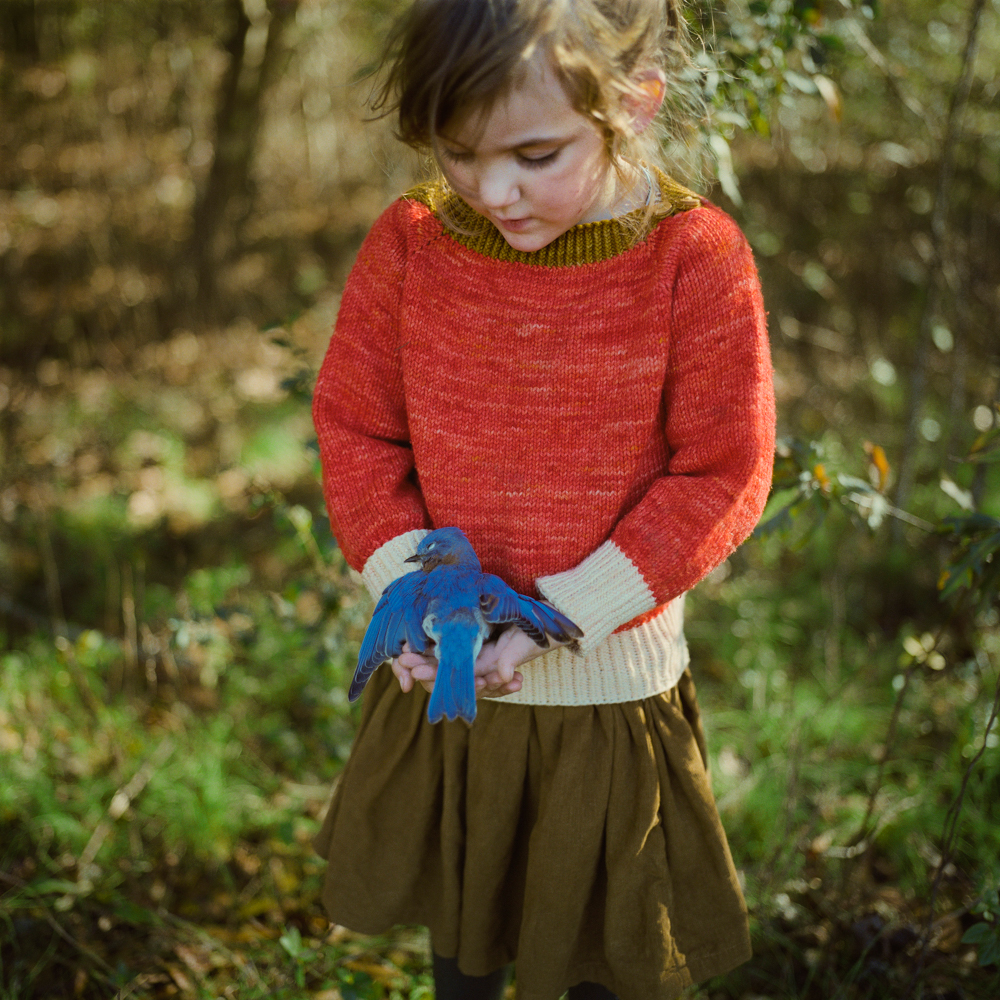
©Ashleigh Coleman, Mississippi, Piece of Heart
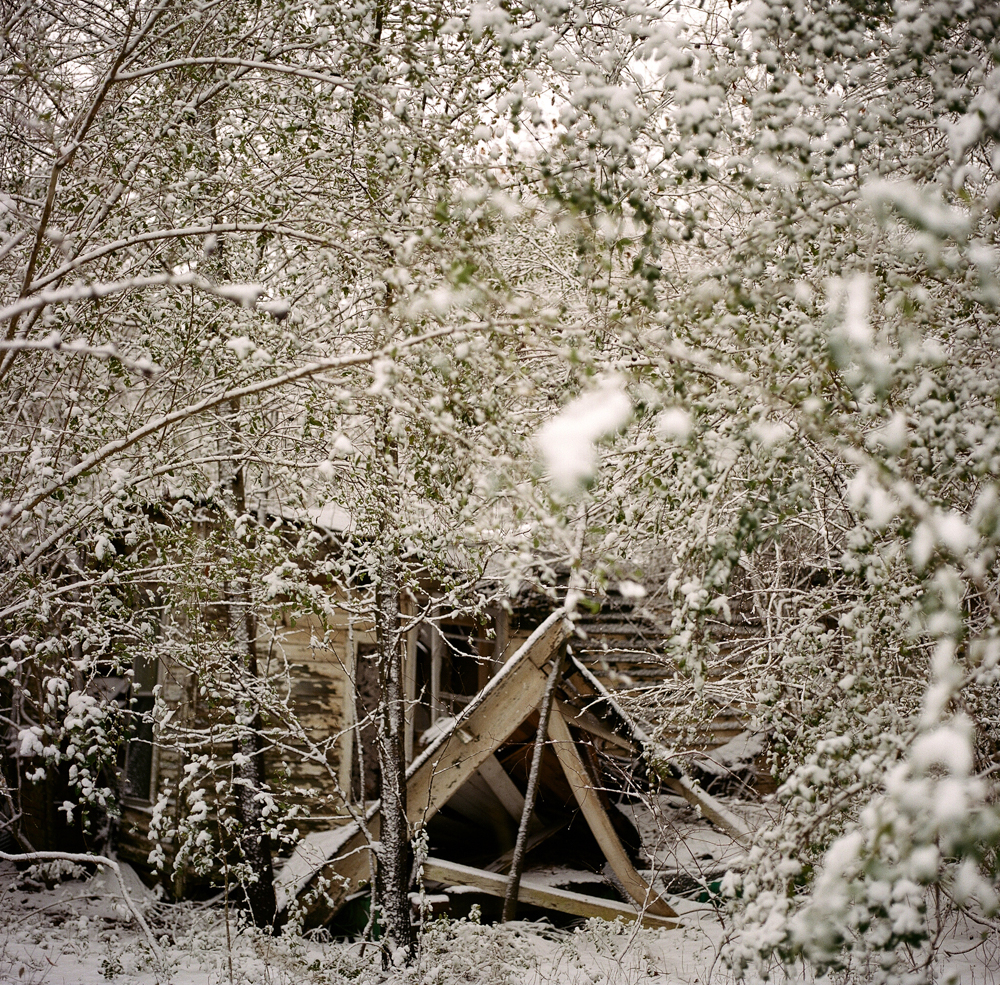
©Ashleigh Coleman, Mississippi, Piece of Heart
Ashleigh Coleman was born in the mountains of Virginia. She received her BA in Art History and English from the University of South Carolina. Since 2010, Ashleigh has lived in rural Mississippi where her work explores the complexities of family life
and her relationship to the landscape.
Her work recently exhibited at The University of Mississippi’s Center for Southern Studies, The University of Southern Mississippi, The University of West Virginia, Soho Gallery, iLoni Gallery in NYC, Fischer Galleries, ASmith Gallery, SlowExposures, South X Southeast Gallery, and Southeastern Center for Photography.
Online her work has appeared, among other place, in Eyes on the South by Oxford American, Looking at Appalachia, Strant, and 51 Instagram Photographers to Follow in the U.S. by Time LightBox. Recent publications include Oxford American Magazine, Garden & Gun Magazine, Click Magazine, Okra Magazine, Let’s Explore Magazine, and Southern Glossary Magazine.
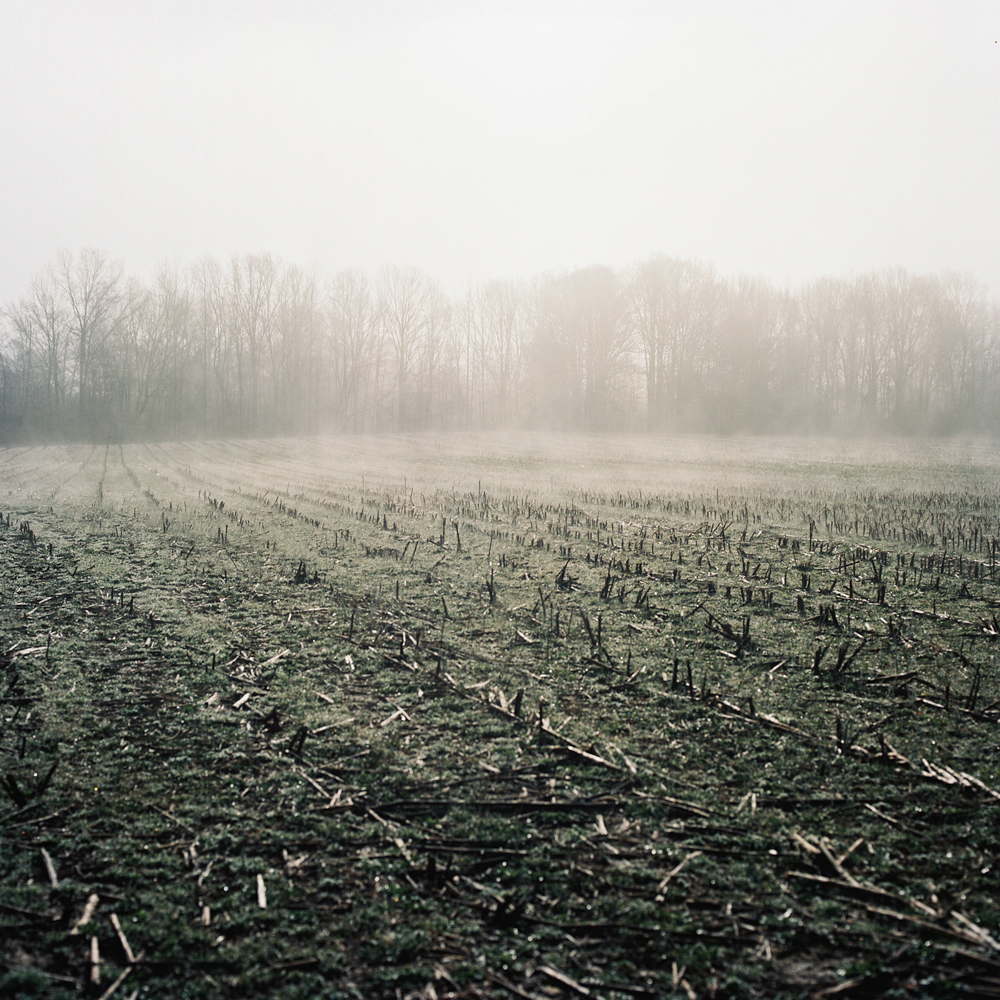
©Ashleigh Coleman, Mississippi, Piece of Heart
Piece of Heart
Through the floorboards and walls it quietly arrived. Enveloping the house. Seeping under the covers. The cold coiled itself around me – uprooted, isolated, and, seemingly, disconnected from everything that gave me meaning and purpose. Then, without warning, daffodils appeared in front of the abandoned church: bright and cheerful. A tractor plowed up the field surrounding our house. Spring catapulted into a long sweltering summer daze, which eroded into harvest. As the rhythms of the land sunk into me, I found myself steadying, studying, searching for home in this rural southern town. This is part of my journey—tentatively putting down roots and starting a family in a place I never expected to live. – Ashleigh Coleman
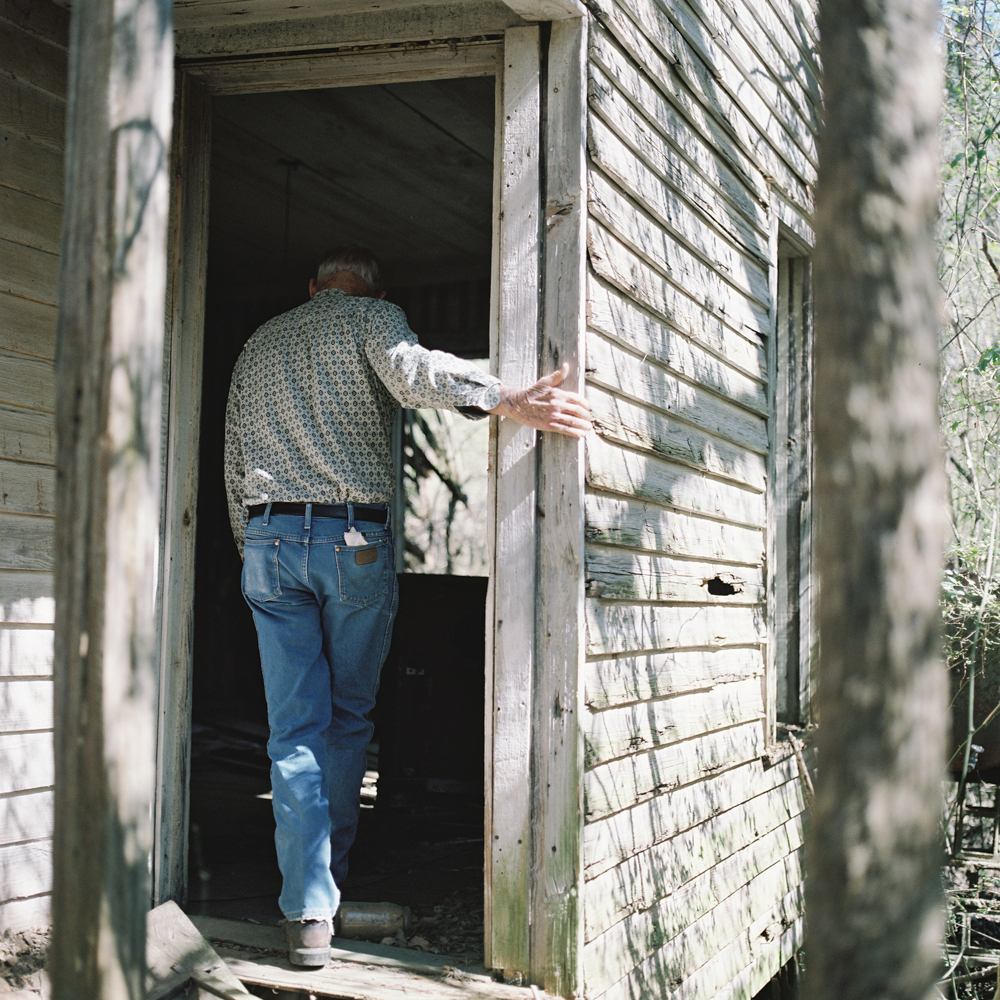
©Ashleigh Coleman, Mississippi, Piece of Heart
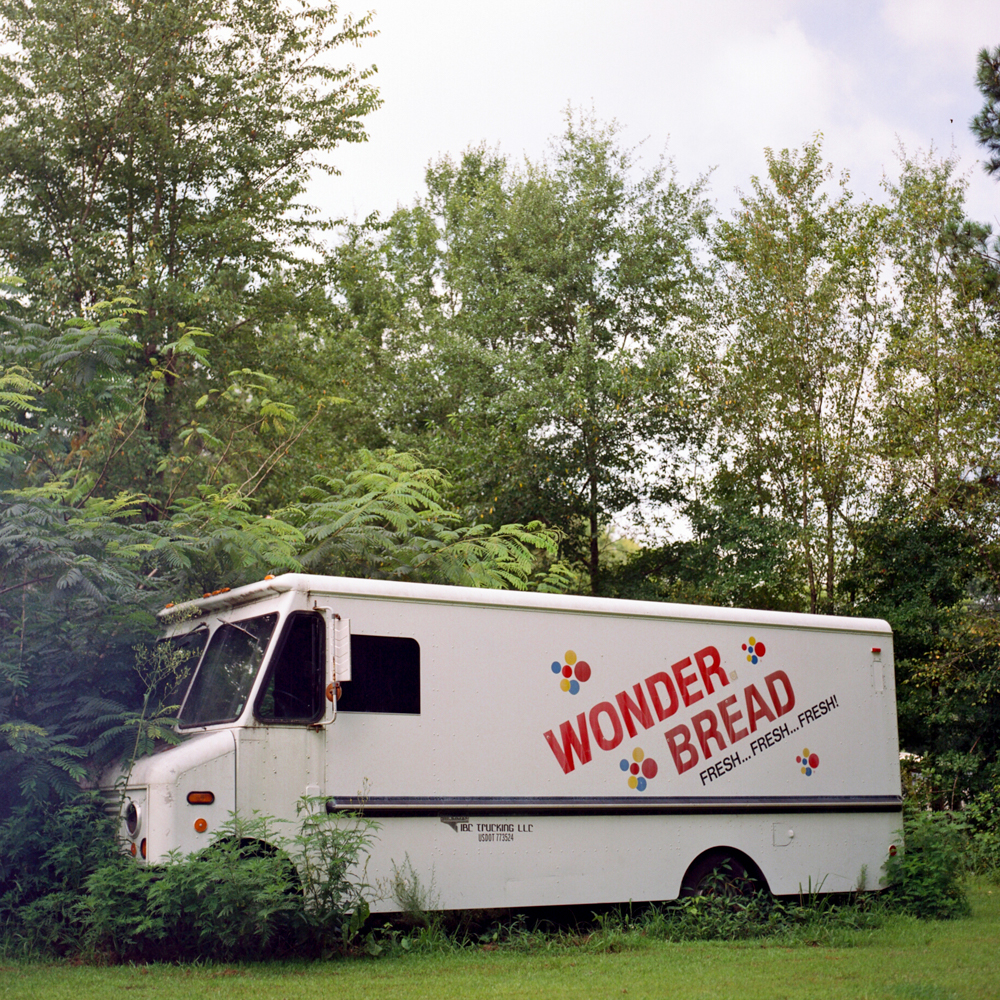
©Ashleigh Coleman, Mississippi, Piece of Heart
©Ashleigh Coleman, Mississippi, Piece of Heart
©Ashleigh Coleman, Mississippi, Piece of Heart
©Ashleigh Coleman, Mississippi, Piece of Heart
©Ashleigh Coleman, Mississippi, Piece of Heart
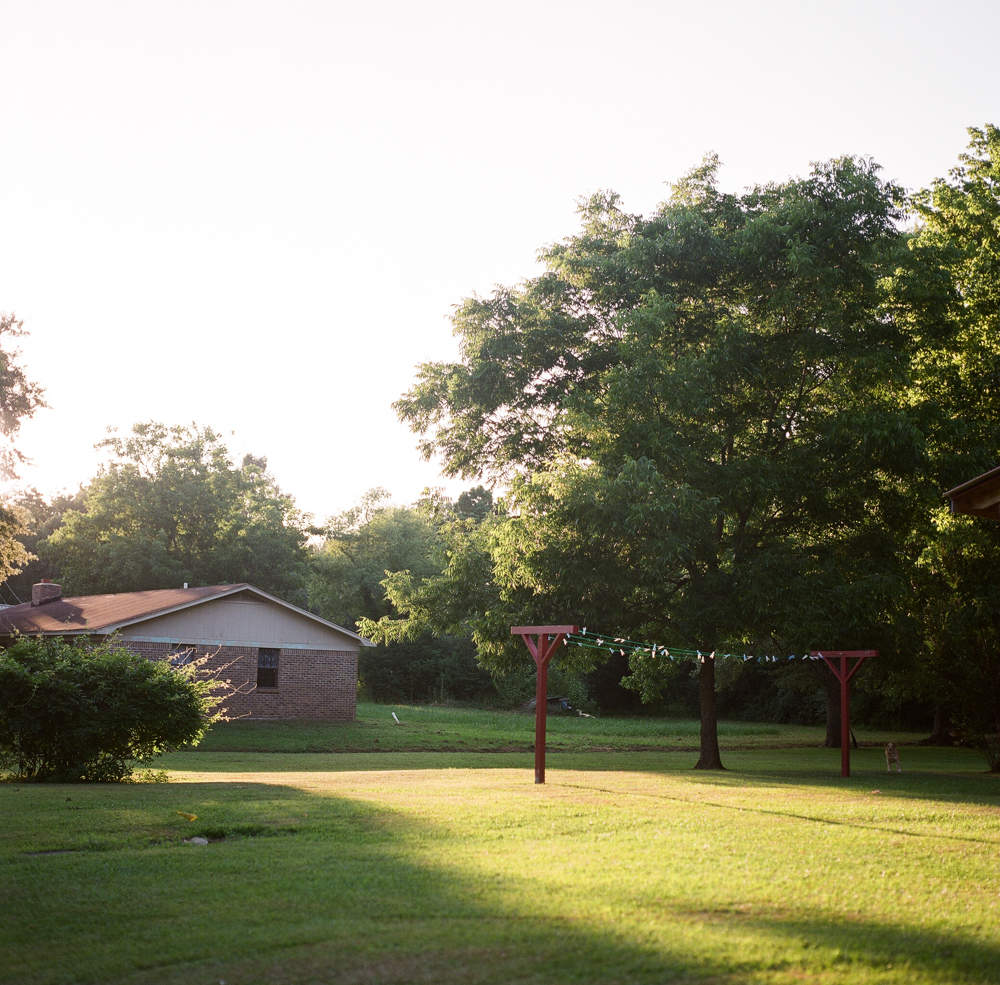
©Ashleigh Coleman, Mississippi, Piece of Heart
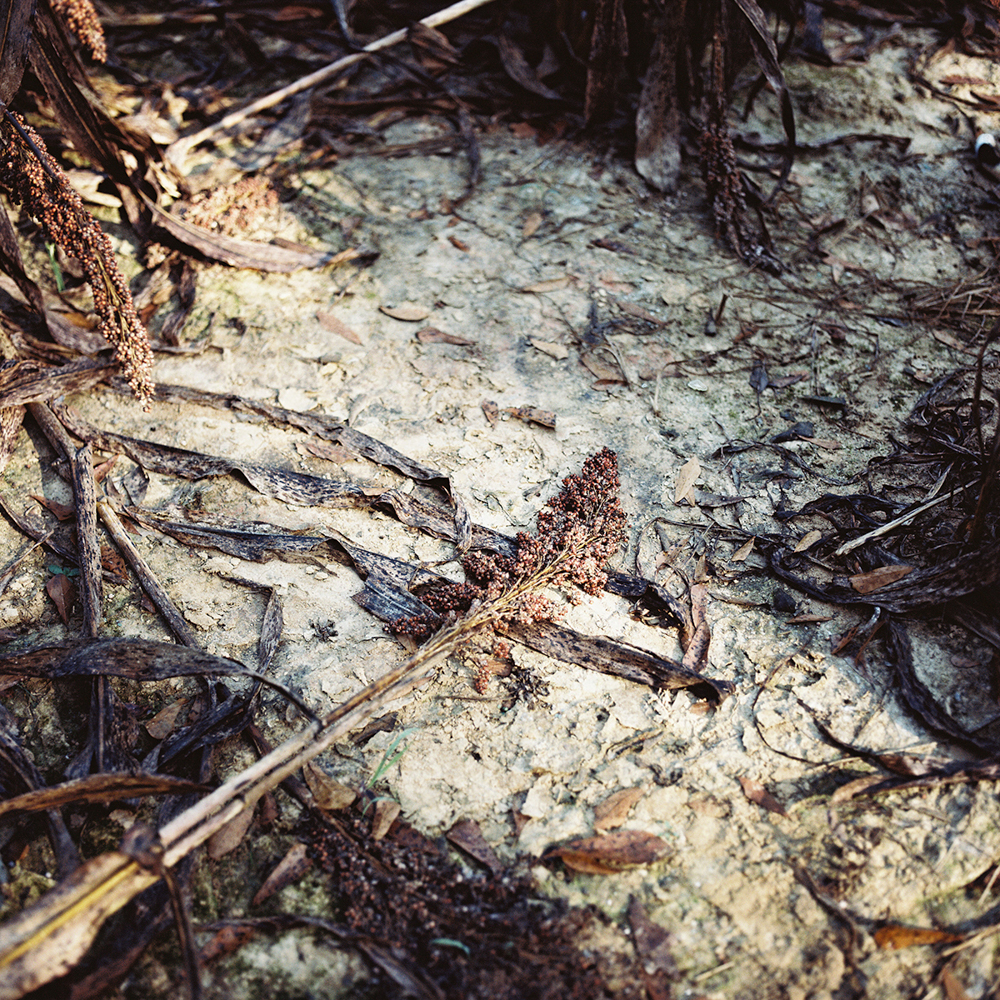
©Ashleigh Coleman, Mississippi, Piece of Heart
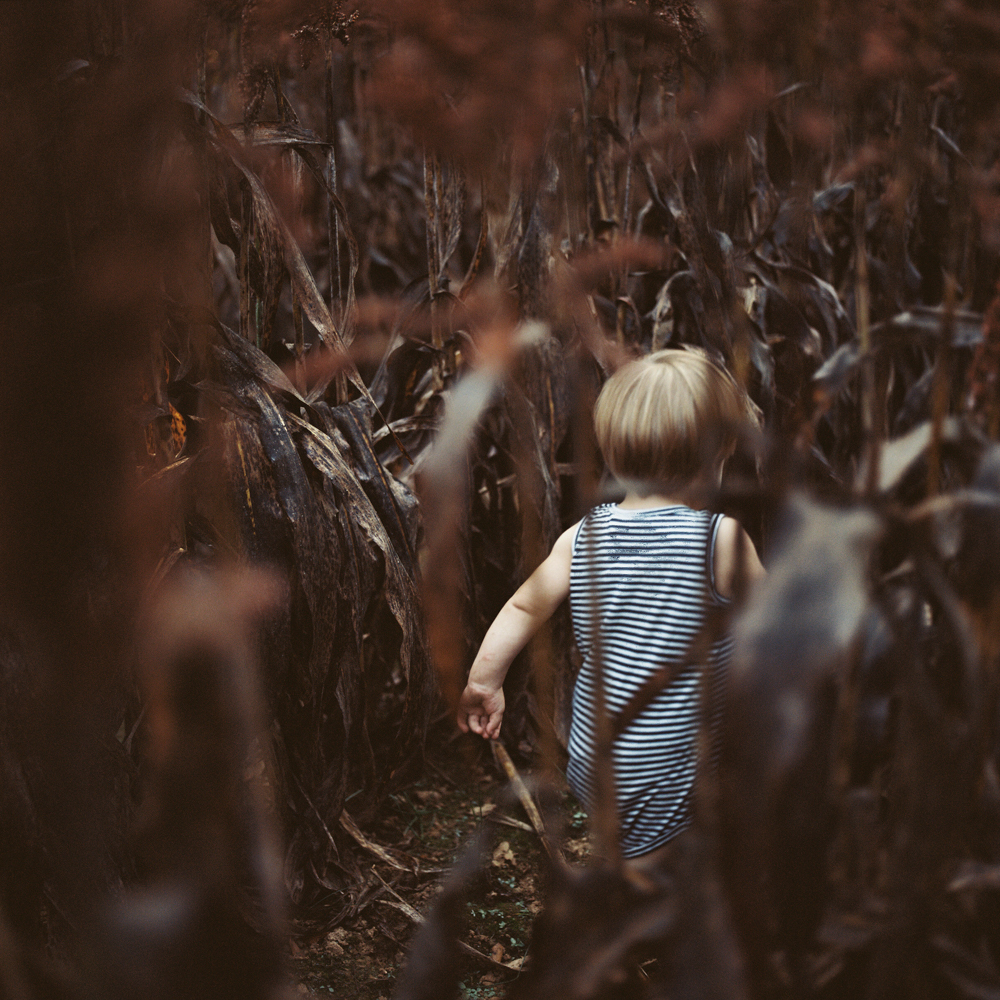
©Ashleigh Coleman, Mississippi, Piece of Heart
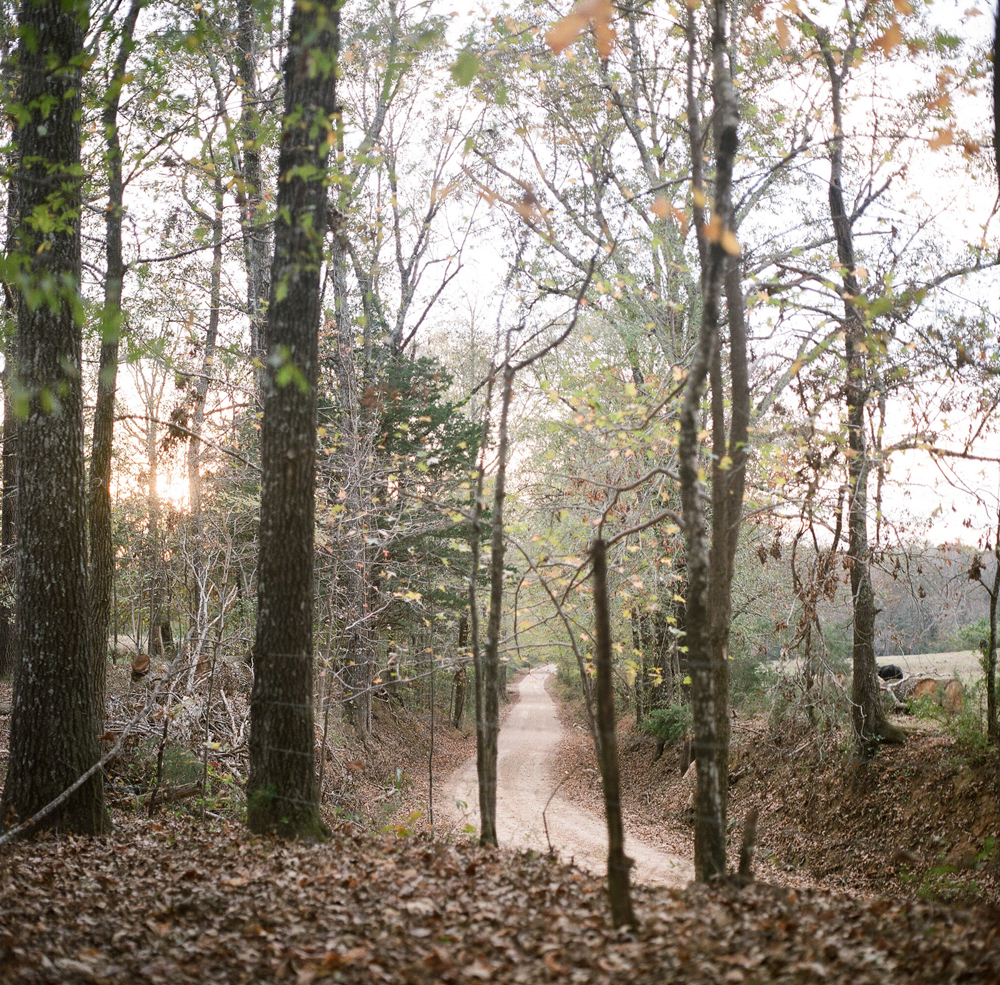
©Ashleigh Coleman, Mississippi, Piece of Heart
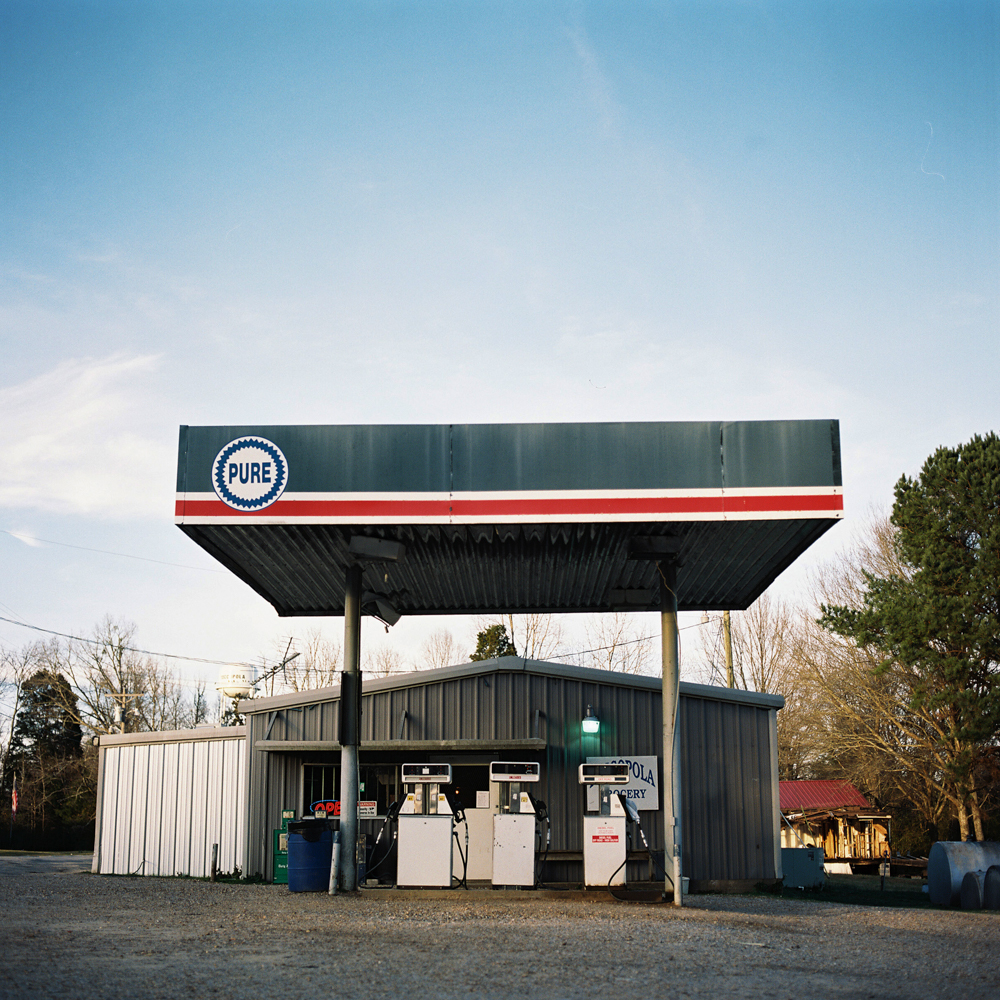
©Ashleigh Coleman, Mississippi, Piece of Heart
Posts on Lenscratch may not be reproduced without the permission of the Lenscratch staff and the photographer.
Recommended
-
Shane Hallinan: The 2025 Salon Jane Award WinnerFebruary 12th, 2026
-

Greg Constantine: 7 Doors: An American GulagJanuary 17th, 2026
-

Yorgos Efthymiadis: The James and Audrey Foster Prize 2025 WinnerJanuary 2nd, 2026
-
Arnold Newman Prize: C. Rose Smith: Scenes of Self: Redressing PatriarchyNovember 24th, 2025
-
Celebrating 20 Years of Critical Mass: Cathy Cone (2023) and Takeisha Jefferson (2024)October 1st, 2025