Katelyn Lux Brewer: TIC
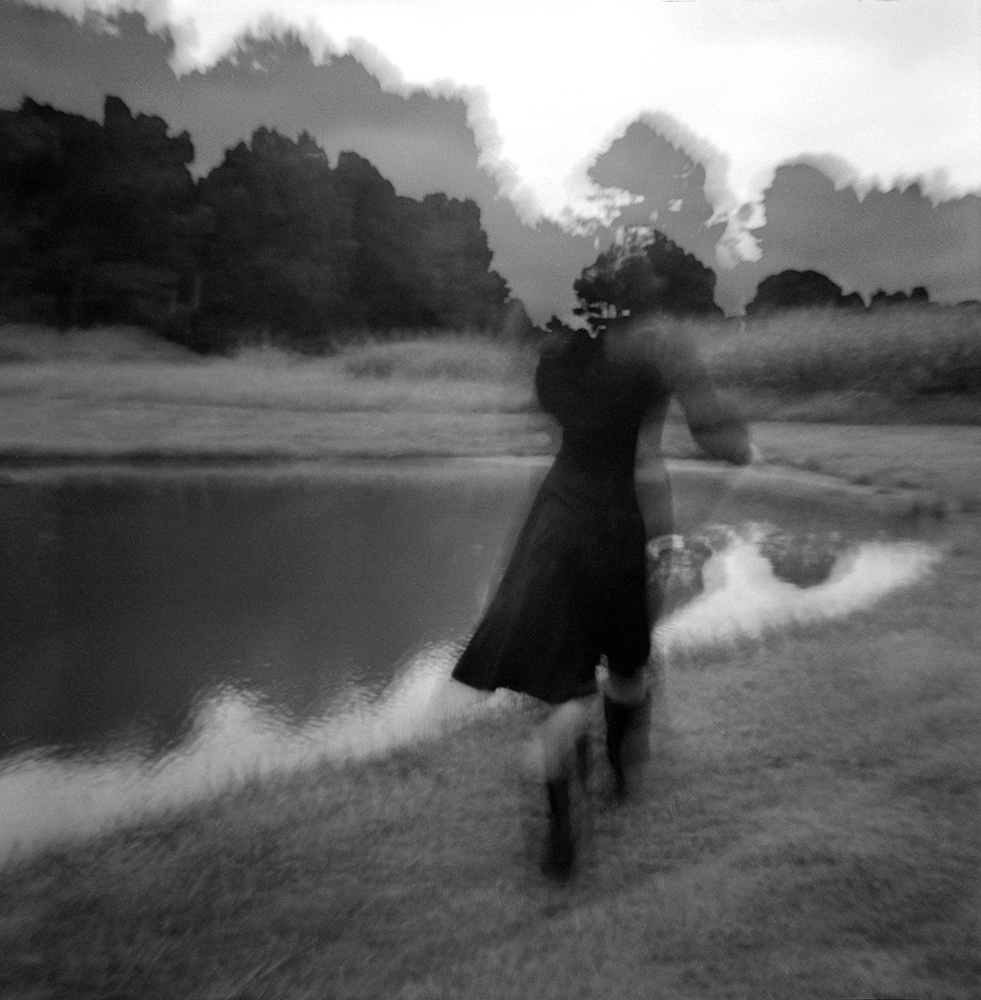
©Katelyn Brewer, it began with a lurch 2024
Digital Archival Print from 120mm Scan
For the past several years, I’ve returned annually to my alma mater, East
Carolina University, to participate in portfolio reviews at the ECU Portfolio Throwdown. The event features a series of presentations alongside the reviews, fostering a dynamic environment for a critical exchange. Two years ago, I encountered Katelyn Brewer, a graduate student whose work at the time involved long sheets of paper punctuated with staples—each staple symbolizing an individual tic associated with her experience of Tourette syndrome. When she returned last year, the project had evolved into a series called titled TIC. In this project, she replaced the physical markers of staples with representations of motion, using performative and introspective self-portraiture to convey the repetitive movements of her neurological condition. The photographs, made with a Diana F, an analog camera often criticized for its lack of sharpness and technical precision, have sometimes been dismissed for these reasons. However, Brewer uses the camera’s distinctive qualities and visual imperfections to engage the viewer with photographs that initiate a nuanced dialogue around the visibility and perception of Tourette syndrome.
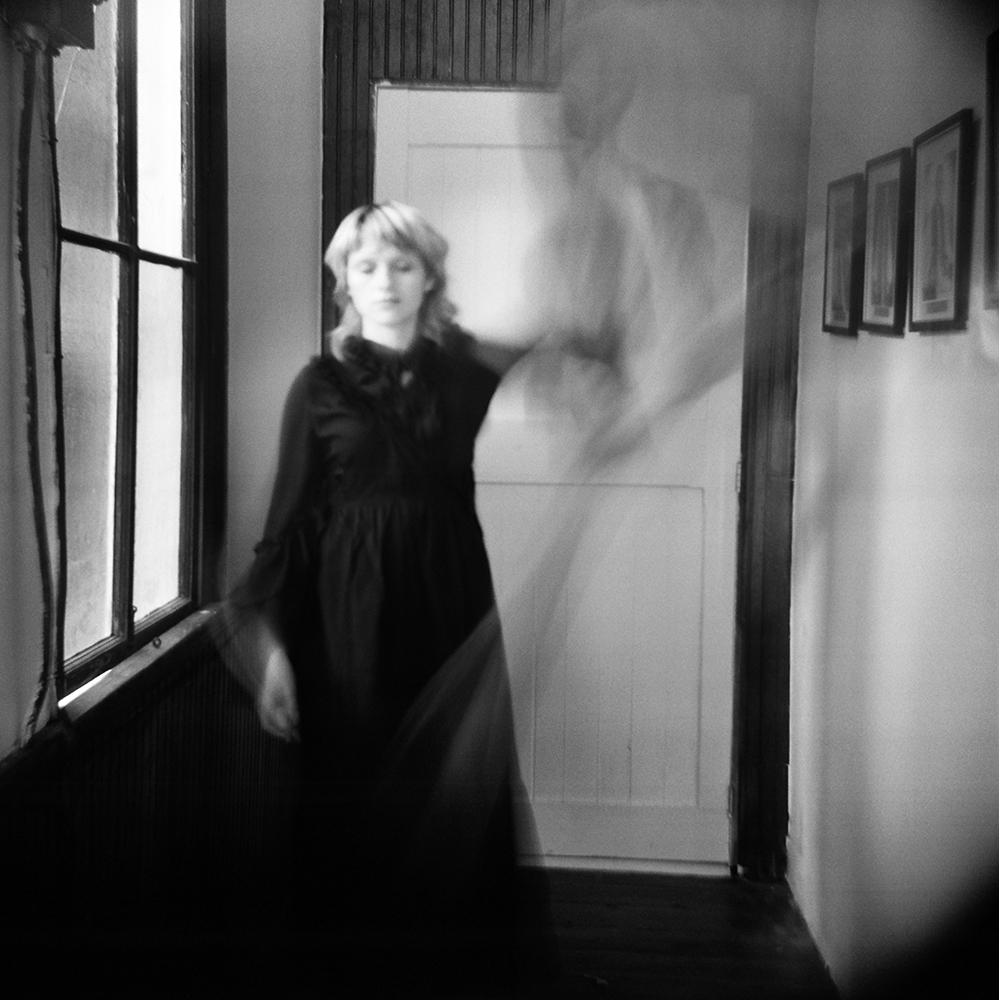
©Katelyn Brewer, percept 2024 Digital Archival Print from 120mm Scan
Katelyn Lux Brewer is an emerging artist based in North Carolina, holding an MFA in photography from East Carolina University, where she graduated in 2024. Currently, she shares her passion for visual storytelling by teaching film at her alma mater.
Katelyn’s work is deeply personal and thought-provoking, as exemplified by her award-winning thesis, Tic: Exploring Tourette Syndrome with Analog Photography, which earned her the Research and Creative Achievement Award in 2024. Through her art, Katelyn delves into the complexities of identity and experience, using analog techniques to create poignant narratives that resonate with audiences. Her unique perspective and dedication to her craft continue to shape her evolving body of work.
Instagram: @katelynluxbrewer
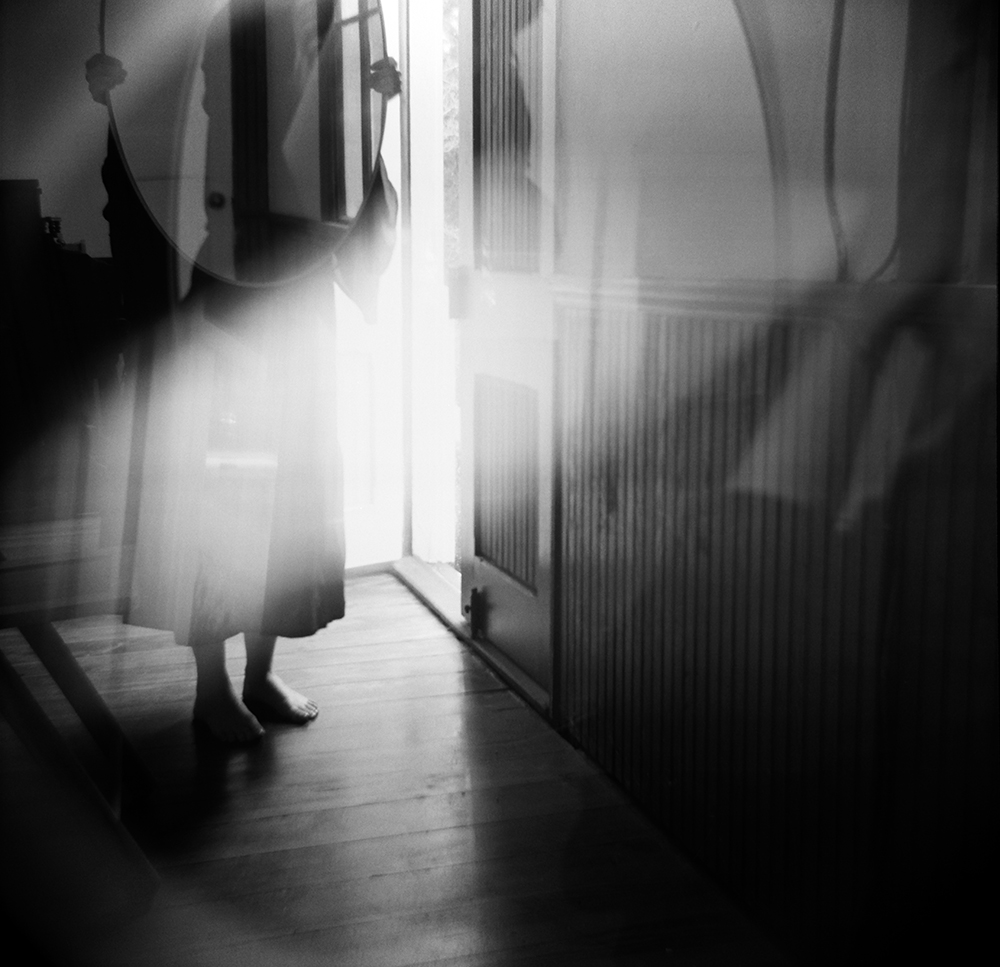
©Katelyn Brewer, the inside of a mirror is the nastiest place to be 2024 Digital Archival Print from 120mm Scan
I live with Tourette syndrome, a neurological disorder involving unwanted, repetitive movements or sounds called tics. My tics include facial grimacing, blinking, tensing of my throat, hands, and upper body. They occur all day, every day, intruding upon my daily life. A lack of understanding about Tourette’s and how that informs the way others see me has long affected the way I see and feel about myself.
In this series, I use an analog camera called a Diana F+. This plastic-bodied toy camera, with its limited controls, allows me to reenact my relationship with Tourette’s through photography. I tense and blink my eyes repeatedly, much like the shutter of a camera. I feel as if I spend most of my life with my eyes closed. This toy camera does not behave perfectly, the same way my body and mind does not behave perfectly. With this series, I seek to reveal that while the physical experiences of those with Tourette’s are unique, the emotions of shame, loneliness and misunderstanding are universal. – Katlyn Brewer
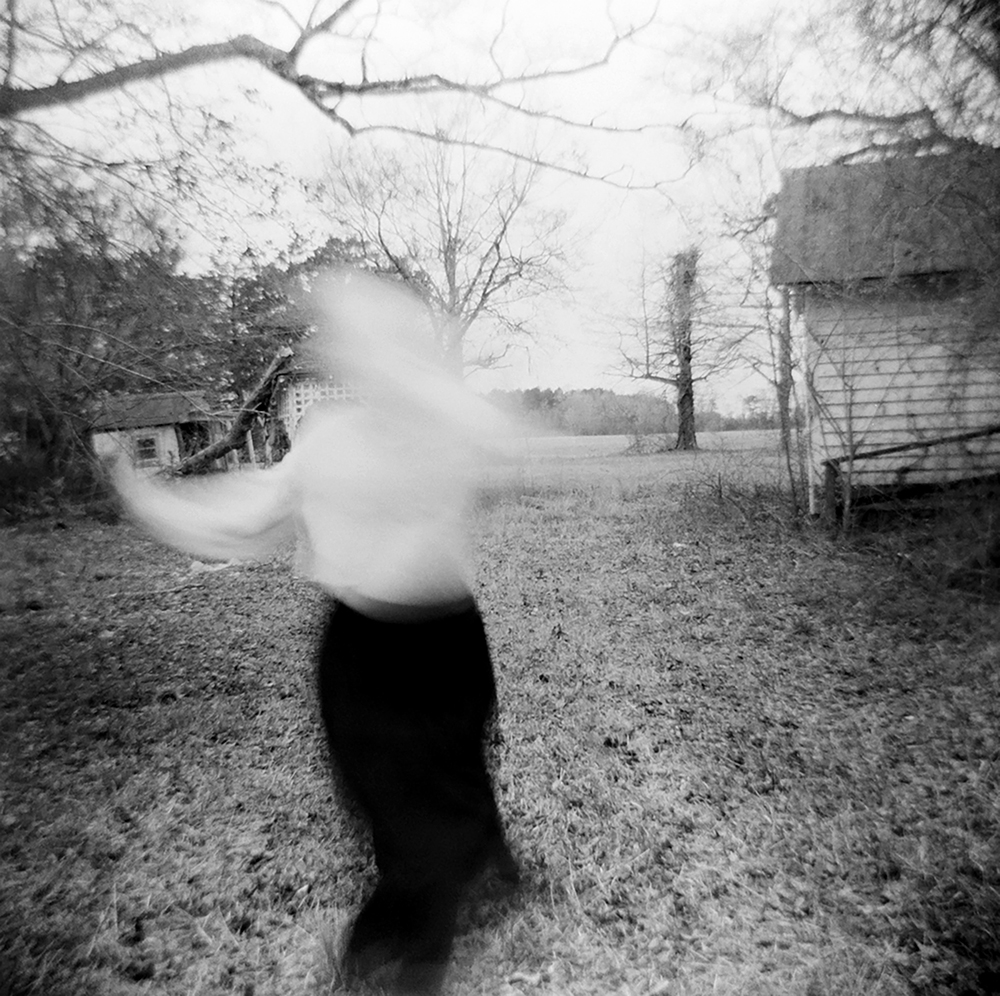
©Katelyn Brewer, erratica 2024 Digital Archival Print from 120mm Scan
GB: Tell us a little bit about your childhood and how you became an artist?
KB: My childhood was chaotic, and I became an artist to have a sense of self and control. I started drawing at a young age and enjoyed being able to shut everything out and focus solely on making art. I fell in love with photography, starting with using my iPhone and then upgrading to an old Minolta film camera. I enrolled in a darkroom photography course in my first semester of undergrad and learned analog photography.
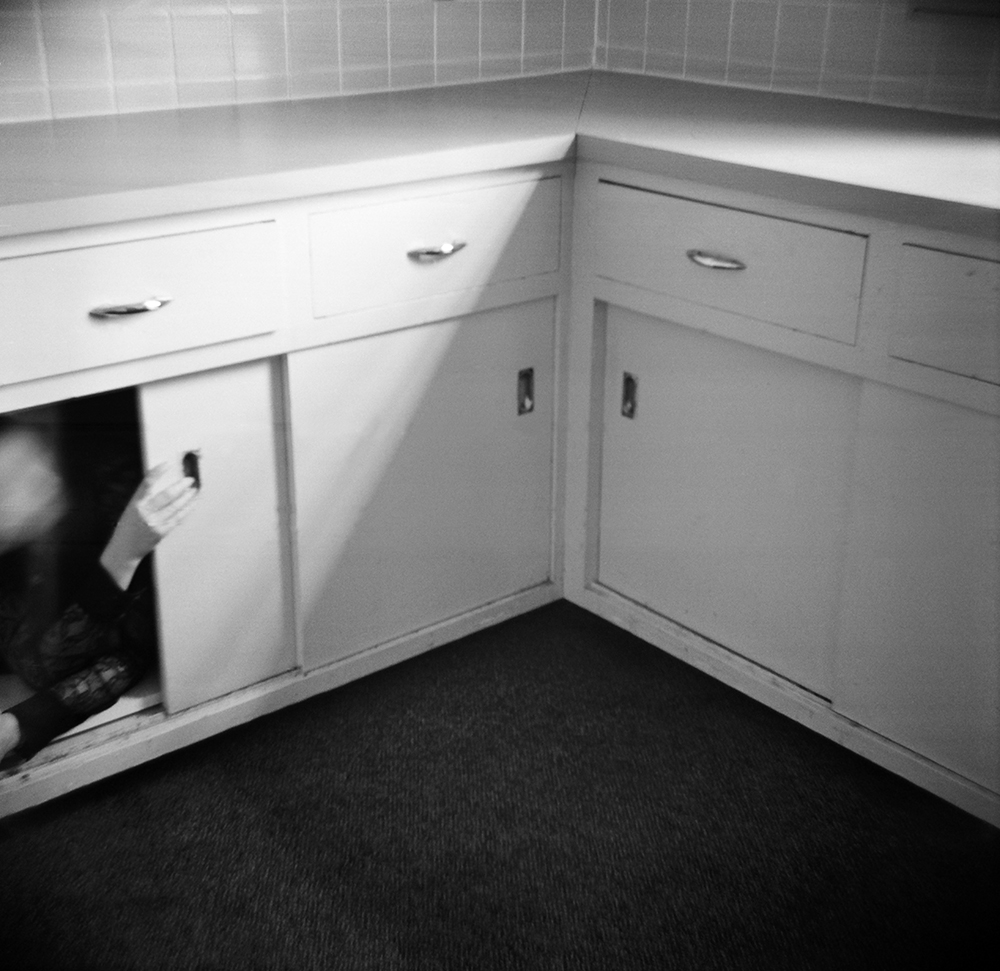
©Katelyn Brewer, a hard, wooden veil 2024 Digital Archival Print from 120mm Scan
GB: Can you share your experience living with Tourette’s Syndrome and share what you believe is important for others to understand about this condition.
KB: Living with Tourette syndrome has been difficult. As a child, my tics were worse than they are now. In grade school, I had a hard time focusing because of the constant internal distractions that the tics caused. I would throw my head back fast and hard repeatedly. Because of my Tourette’s, I was also self-conscious and constantly hyper-aware of what other people thought of me. Surprisingly, I wasn’t bullied that much for having Tourette’s. I occasionally got questions from my peers as to why I was doing those strange, weird, jerky movements. I want people to understand that this condition is real and that those with Tourette’s should be treated like anyone else.
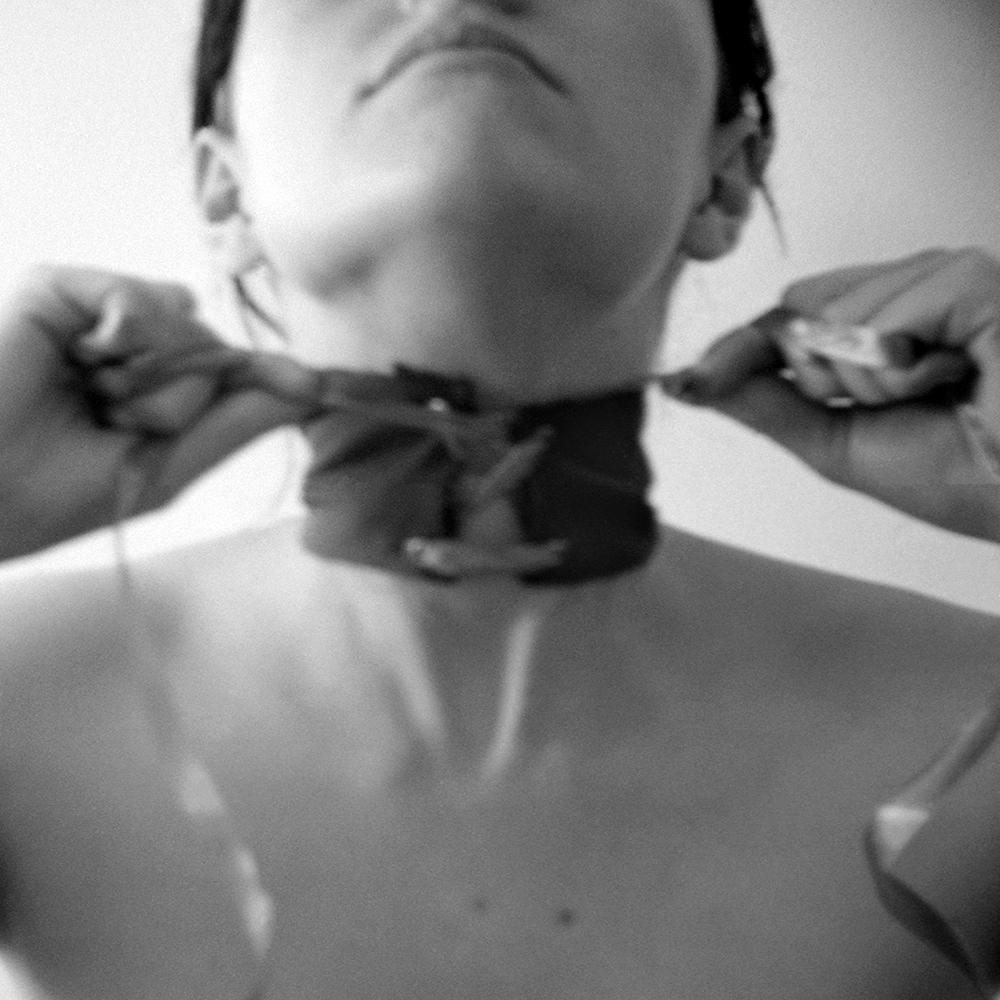
©Katelyn Brewer, some tics don’t yell 2024 Digital Archival Print from 120mm Scan
GB: I’d love to hear about how the tic series has grown and evolved. I still think back to our first meeting and those early ideas—they really stuck with me. How did the series start to take shape for you, and what’s the journey been like since then?”
KB: In those early ideas you are referring to, I was experimenting with alternative materials such as Polaroids, medical sutures, and staples to represent the frequency and nature of my tics. While I enjoyed engaging with the multi-media approach, I felt that the development of my photographic skills was suffering as I spent more and more time not out shooting. For a long time, I tried to translate those early ideas to digital photography. I was in a rut and completely stuck. Eventually, I stopped photographing altogether as I felt lost and feared I wouldn’t have work to show for my thesis. During one of my weekly meetings with Angela Wells, I explained my block and that I didn’t know what to do. Her advice was to do something fun. I had the idea to return to film for the first time since starting my graduate program. I dusted off my Hasselblad and took some photographs, but something about them felt sterile, off. I remembered that we had some Diana F+ (a type of toy film camera that has been around since the 1960s). I always wanted to play with one, and in an attempt to meet Angela’s charge of “having fun,” I rented a Diana F+ from the camera closet, took it to an abandoned church, and took a few rolls of film. The images came out beautifully. The imperfections enabled by the Diana—light leaks, inconsistent focus, and the way it captured movement—captivated me. This approach finally encapsulated the feelings I wanted to represent in my work.
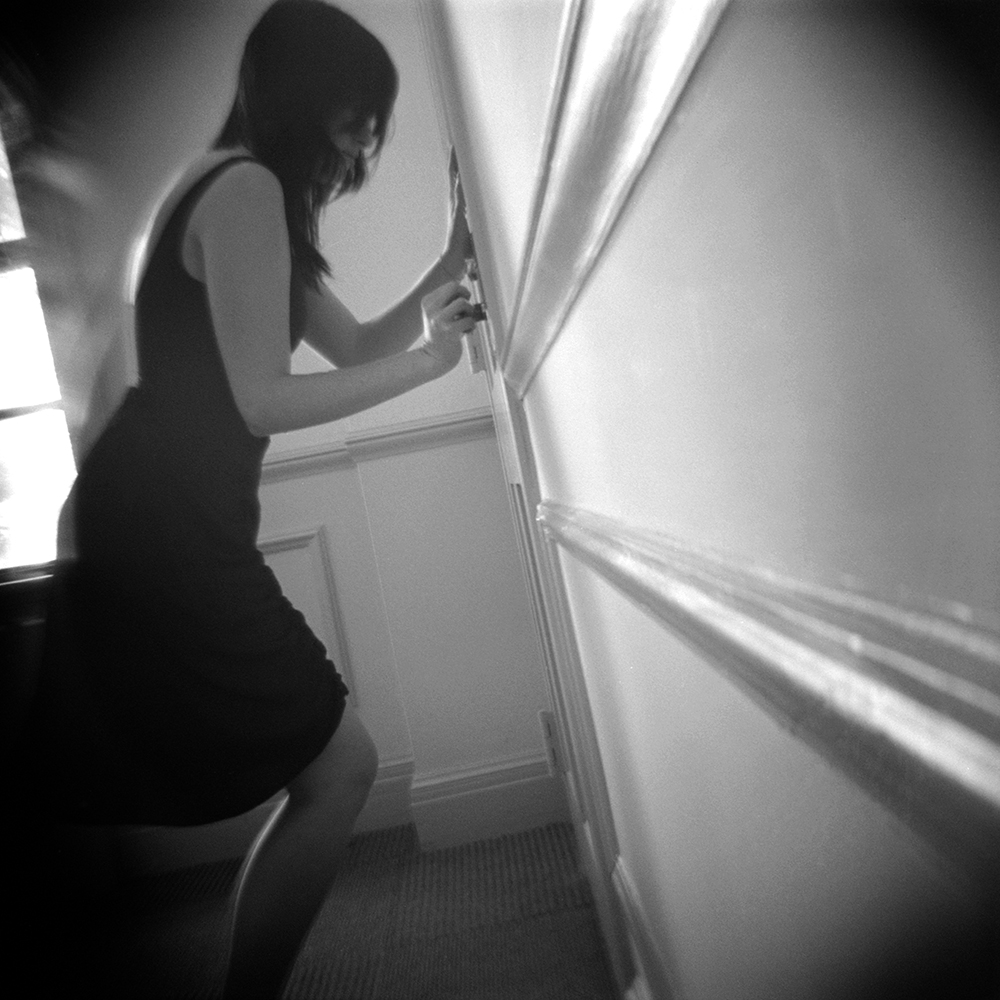
©Katelyn Brewer, over closed door 2024 Digital Archival Print from 120mm Scan
GB I’m aware you had difficulty finding other artists or photographers with Tourette’s Syndrome. Do you think that’s due to underdiagnosis, or is it simply that there aren’t many in the field?”
KB: Not many artists with Tourette’s are making work about it, but they are out there. Two photographs from this series were exhibited at the NCMA, and someone who saw the work messaged me on Instagram explaining that they had seen my work and related to it. They were a photographer who happened to have Tourette’s, but they were not making work about the subject. I hope to see more artists with Tourette’s emboldened to make work about their experiences with the syndrome. It would be wonderful not to be so alone in this process.
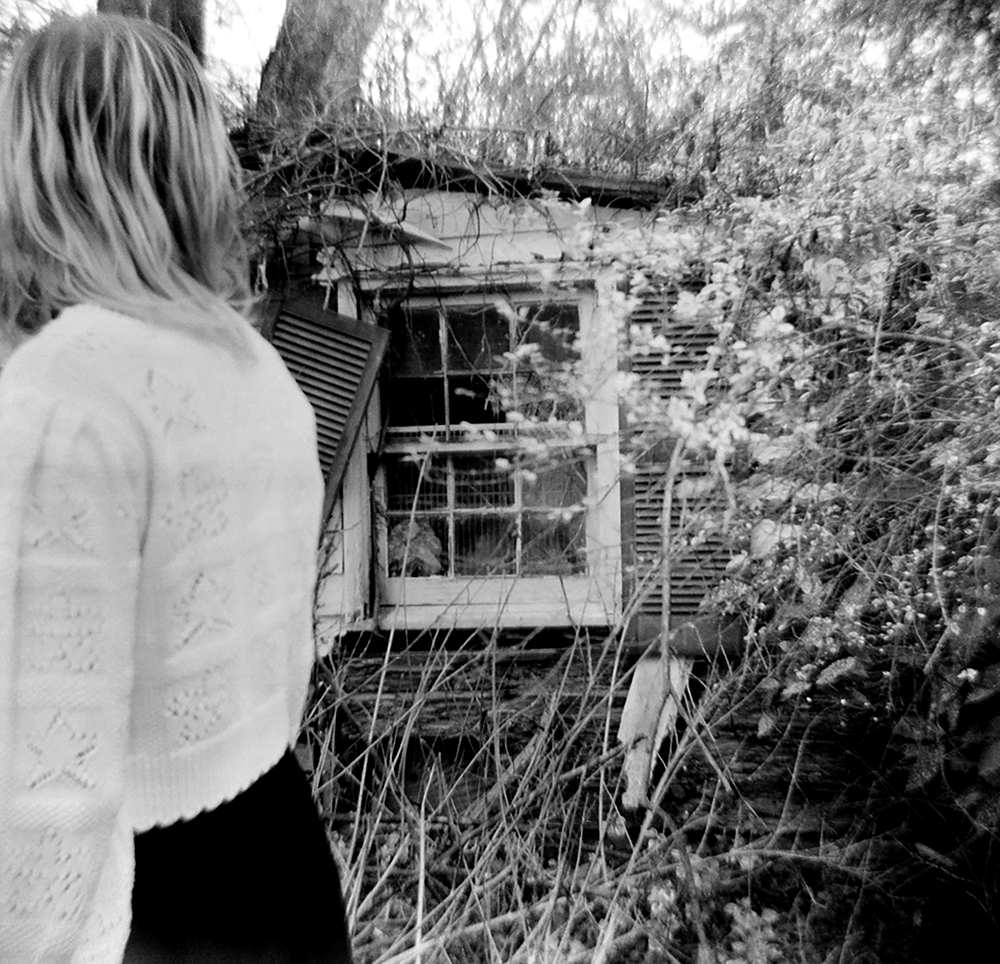
©Katelyn Brewer, my constant Companion 2024 Digital Archival Print from 120mm Scan
GB: Talk about your choice to use the Diana camera to create this body of work.
KB: As I touched on in a previous answer, the decision to switch to the Diana was born of a combination of desperation and curiosity. In addition to the beautiful imperfections, the simplicity of the camera enabled me to think less and shoot more. When out shooting, I was able to focus more on how my body felt in the environments and reflect on my emotional relationship to my tics. It allowed me to visually translate how I experience my tics, to move beyond representing the pure physical sensation of them.
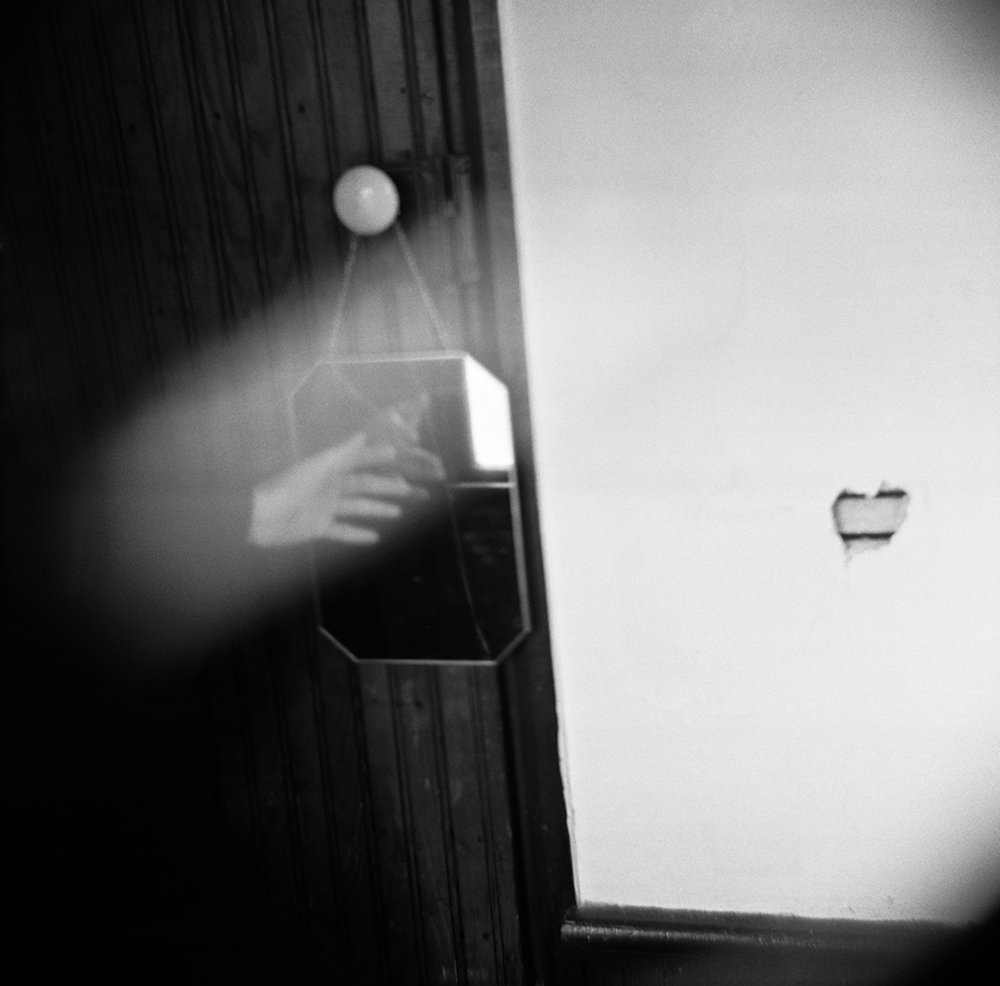
©Katelyn Brewer, inherited worry 2024 Digital Archival Print from 120mm Scan
GB: What do you hope people come to understand about Tourette’s Syndrome through this series of photographs?
KB: I hope people come to understand that Tourette’s is something that many people live with, and that it is real. Despite decades of research into Tourette’s, poor media representation and the actions of social media opportunists have resulted in widespread doubt and misinformation about the condition. I am here to say with both my work and my platform that it is very much real. I do not choose to tic, nor do I choose which kind of tics I have. I don’t expect people to completely understand the syndrome, but I do hope that through my work, people will come to empathize with those with Tourette’s and come to see how similar their emotional experience is to ours.
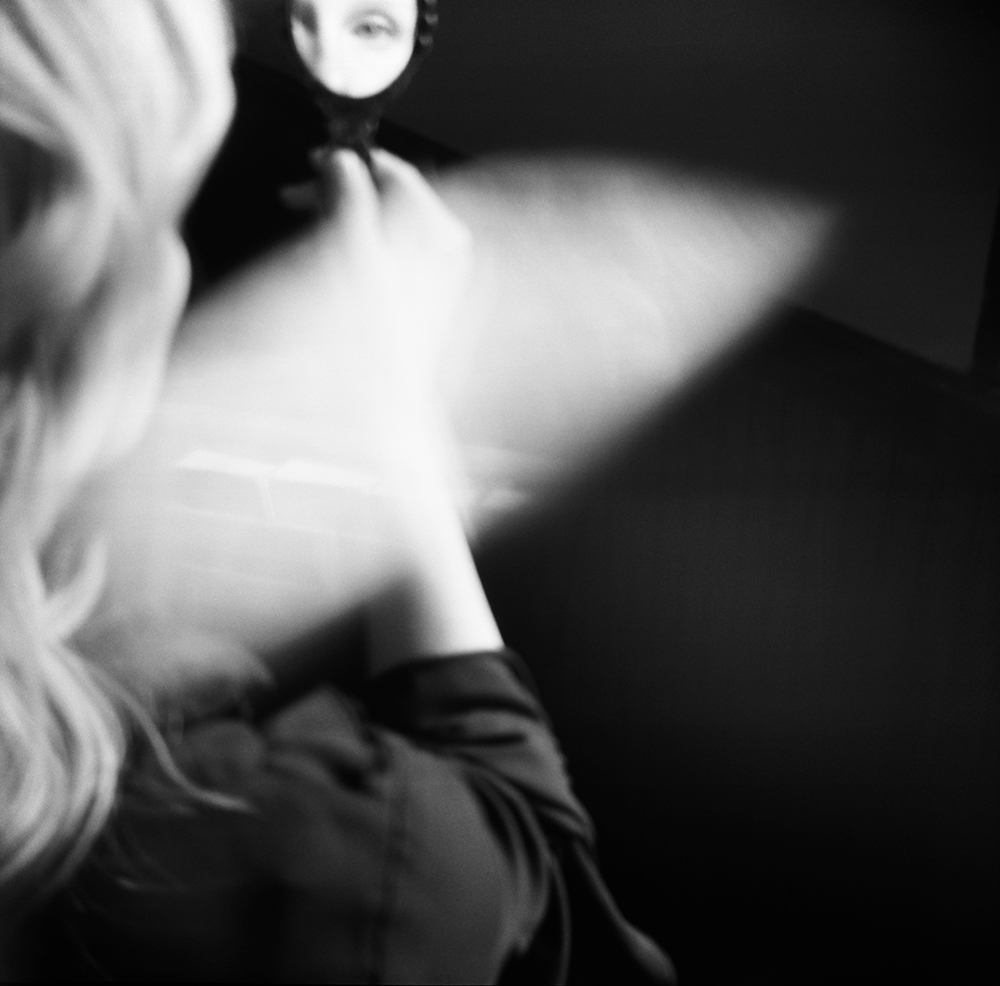
©Katelyn Brewer, in the blink of an eye 2024 Digital Archival Print from 120mm Scan
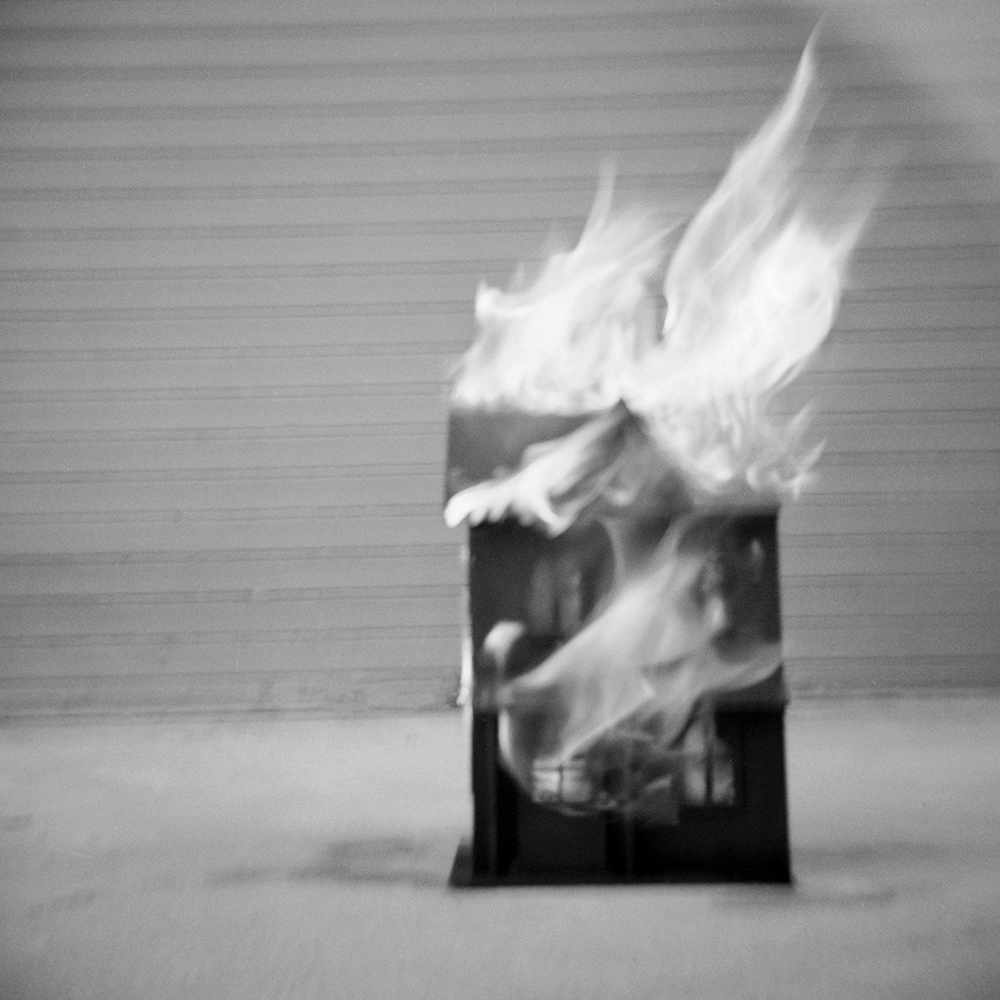
©Katelyn Brewer, I won’t tic for you anymore 2024 Digital Archival Print from 120mm Scan
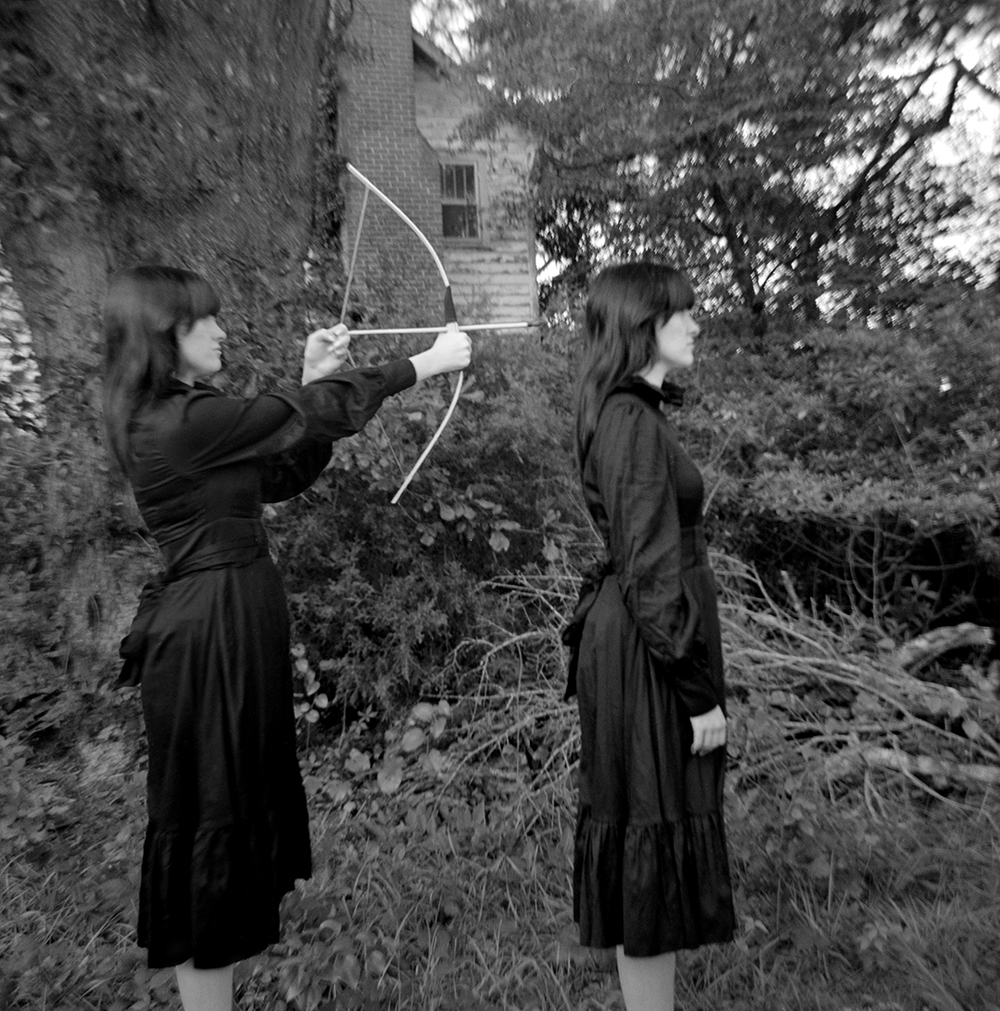
©Katelyn Brewer, animus 2024 Digital Archival Print from 120mm Scan
Posts on Lenscratch may not be reproduced without the permission of the Lenscratch staff and the photographer.
Recommended
-

Review Santa Fe: Ilana Grollman: Just Know That I Love YouFebruary 10th, 2026
-
Review Santa Fe: jessamyn lovell: How To Become InvisibleFebruary 9th, 2026
-

Review Santa Fe: Julia Cluett: Dead ReckoningFebruary 8th, 2026
-
Review Santa Fe: Barron Bixler: And Hell FollowedFebruary 7th, 2026
-

Review Santa Fe: Elizabeth Z. Pineda: Sin Nombre en Esta Tierra SagradaFebruary 6th, 2026