Weronika Gęsicka: ENCYCLOPAEDIA
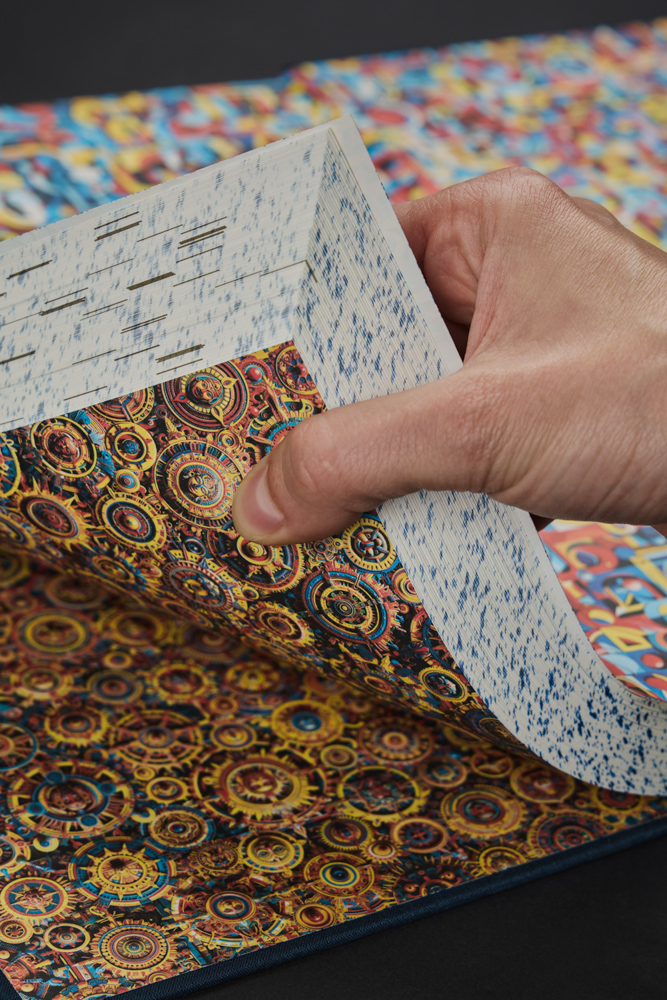
©Weronika Gęsicka: ENCYCLOPAEDIA
The very title of this fascinating tome brings back memories of the days before smart phones, Google searches, ChatGPT and Artificial Intelligence. I am showing my age but there many of us who recall the manner in which factual debates were resolved in the past by turning to the Encyclopedia Britannica, the World Book Encyclopedia and other similar sources for the answers to burning questions. Rifling through the hefty tomes that occupied a prominent place on a family’s or library’s bookshelves was one way in which to resolve the nagging question regarding the precise date of the onset of the French Revolution (July 14, 1789) or identifying the 29th President of the United States (Warren G. Harding). The alphabetical entries in encyclopedias of yore included charts, images and illustrations that provided the reader with a trove of information on a particular topic. Weronika Gęsicka’s amusing yet disturbing photo re-creation of various informative entries in her book, “Encyclopaedia”, challenge the factual foundations at the core of any encyclopedia and turns truth on its head in the process.
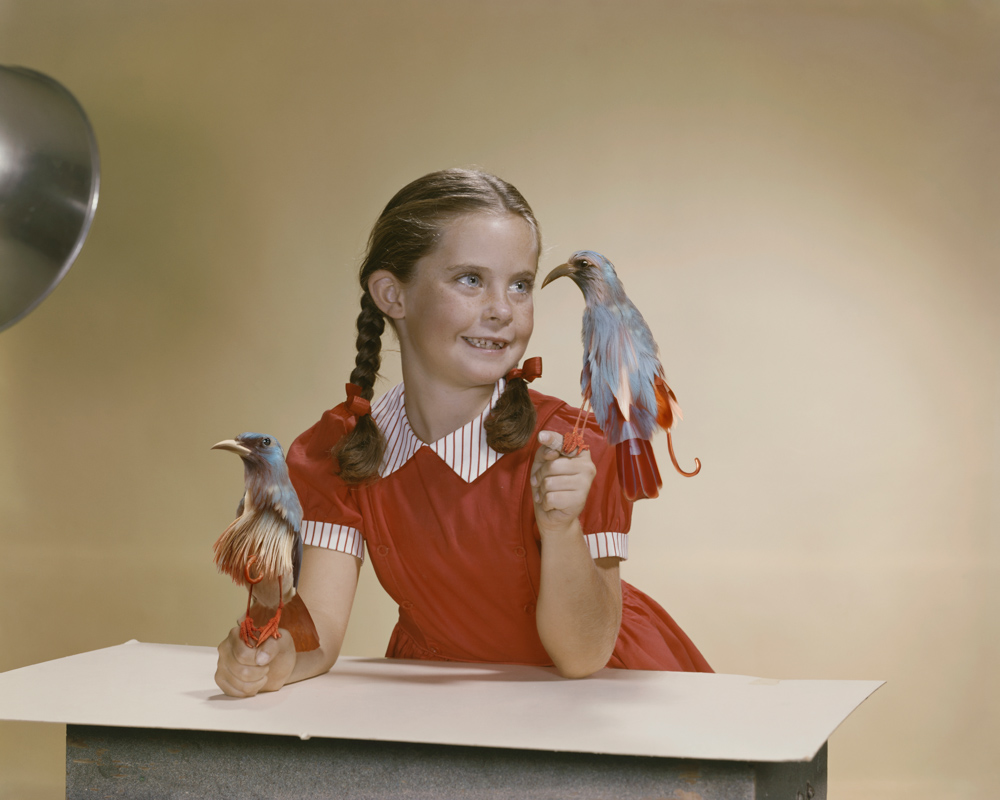
©Weronika Gęsicka, from Encyclopaedia
According to the dictionary definition, an encyclopedia is a reference work or compendium providing summaries of knowledge, either general or special, in a particular field or discipline. Encyclopedia articles normally focus on factual information concerning the subject named in the article’s title and are arranged alphabetically. But then we turn to Gęsicka’s volume which turns this definition upside down in an often-humorous manner. She presents what appears to be a factual statement about a particular subject and toys with the viewer by utilizing AI generated photos that provoke both the humor and absurdity of the definition. The viewer is constantly being taunted, teased and led astray by both the facts and the depiction of the facts. One example of this trickery is an updated definition of the film, “Near Dark”, an actual vampire Western horror film from the 1980’s, that describes a remake of the film and includes a photo of a cute young cowgirl with vampire fangs. The only problem is that no remake of the film exists, and the vampire cowgirl is an AI generated fake. All of the entries follow this format which promotes careful scrutiny and amusement. Furthermore, Gęsicka’s encyclopedia is not alphabetical, and its pagination is random. Only by reconstructing the book in a numbered sequence do the entries revert to alphabetical order.
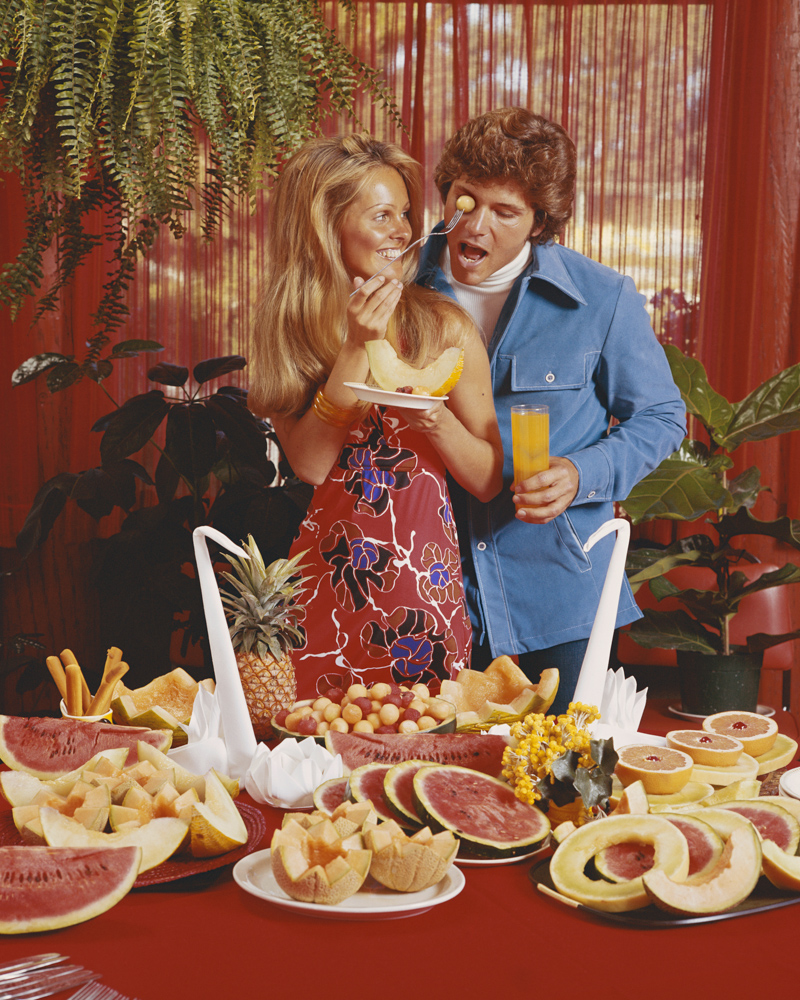
©Weronika Gęsicka: ENCYCLOPAEDIA
Given the current problems throughout the world of deciphering fact and fiction, Gęsicka’s Encyclopaedia, makes a not-so-subtle point about the question of truth. We are bombarded with information from sources known and unknown on a daily basis without knowing with certainty where the truth lies. Adding to this dilemma is a newly introduced research tool with the ironic name of Artificial Intelligence that often provides questionable answers when prompted and suspect images culled from the eyes of others. As you turn the pages of Gęsicka’s book, there is an eerie familiarity in many of the images that often harkens back to previous iterations of photography and film. The book is an epic warning about what may lie ahead disguised in the package of a trusted source.
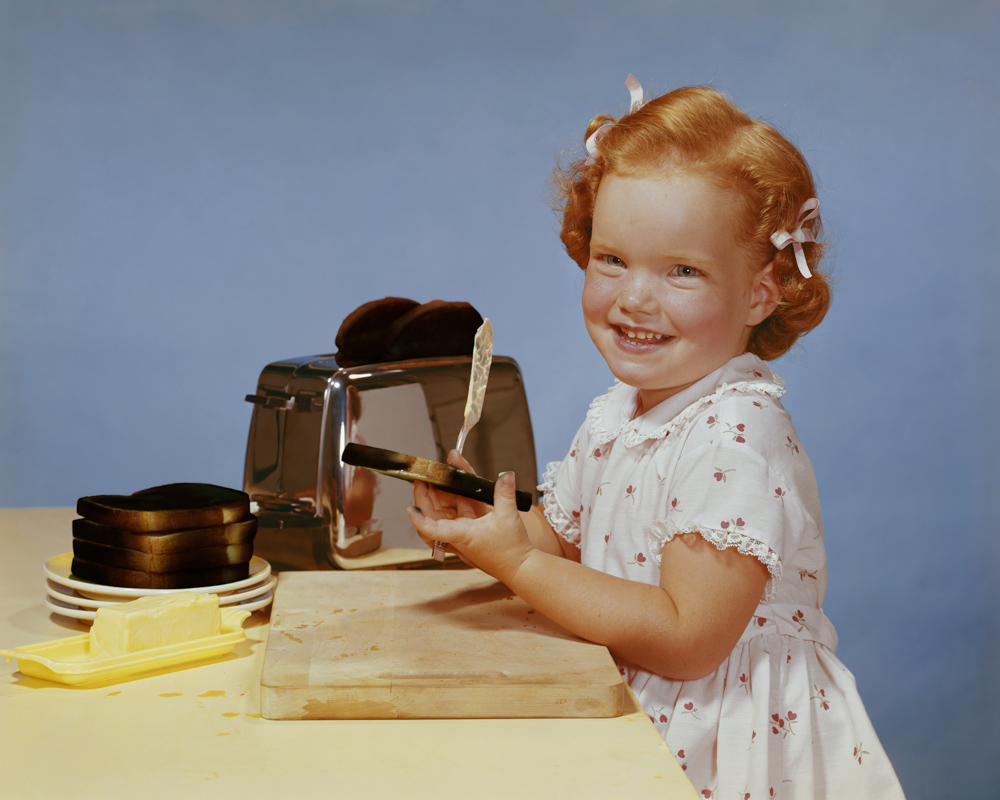
©Weronika Gęsicka: ENCYCLOPAEDIA
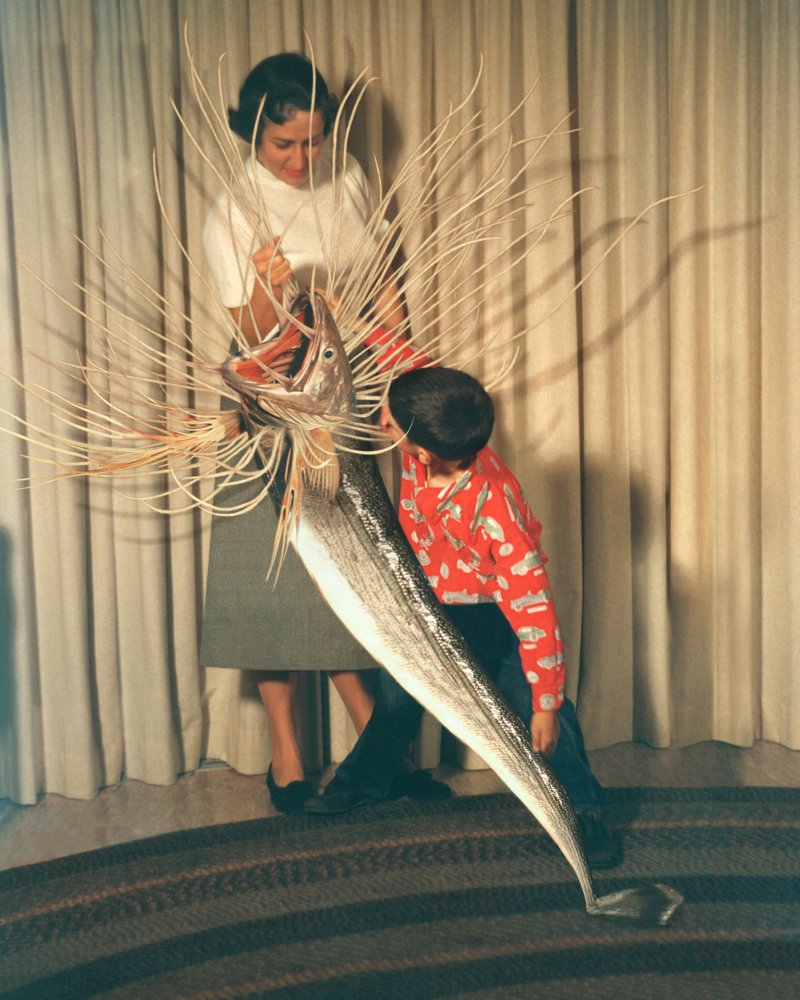
©Weronika Gęsicka: ENCYCLOPAEDIA
Weronika Gęsicka (b. 1984, Włocławek, Poland) is a distinguished Polish photographer and visual artist who investigates the complexity of memory through the lens of found imagery. A graduate of the Graphics Faculty at the Academy of Fine Arts in Warsaw and the Academy of Photography, her work intricately explores how images – especially archival, vernacular photographs – shape our sense of personal and collective pasts.
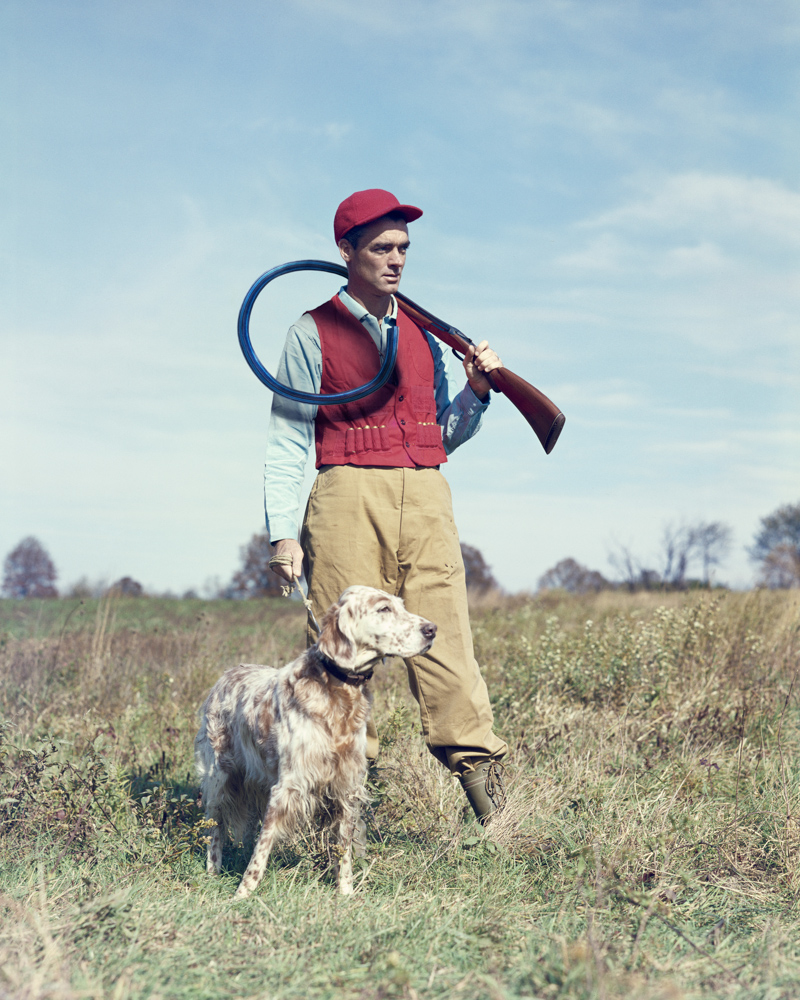
©Weronika Gęsicka: ENCYCLOPAEDIA
Since her breakout series Traces – first exhibited at Krakow Photomonth’s Showoff (2016) and later published as a photobook – Gęsicka has delved into the uncanny overlap between photographic realism and constructed myth. She subverts idealized scenes sourced from mid-century American stock imagery – perfect families, polite suburban settings – by digitally distorting and disrupting them, exposing the ambiguity and manipulation within visual memory.
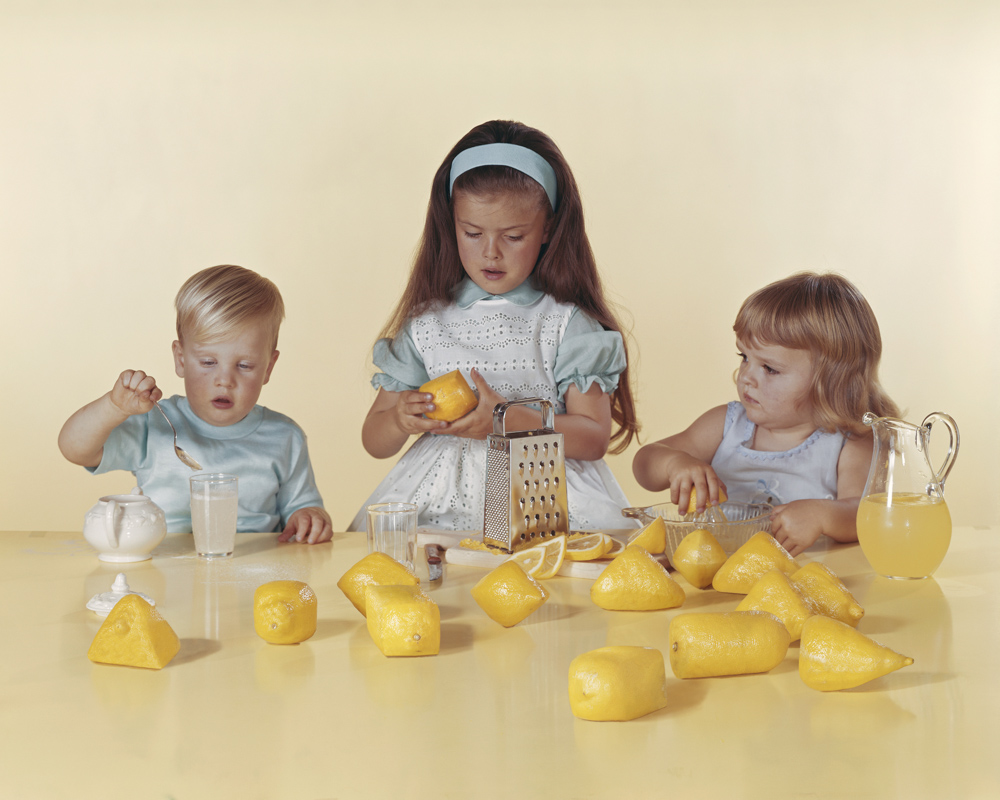
©Weronika Gęsicka: ENCYCLOPAEDIA
Her practice spans photography, collages and object-making, consistently addressing the boundaries between fact and fiction, especially within familial and social narratives. Gęsicka’s works confront the illusion of objectivity the medium of photography often presents, revealing instead how images reinforce – and sometimes undermine – the stories we construct about ourselves.

©Weronika Gęsicka: ENCYCLOPAEDIA
Her thoughtful, unsettling visual approach has earned notable recognition, including the prestigious Polityka Passport (2019), EMOP Arendt Award (2019), Foam Talent Award (2017), Spotlight Award at Belfast Photo Festival (2017) and LensCulture Emerging Talent Award (2016), among others. Gęsicka’s work has been shown internationally – venues include Foam (Amsterdam), Ujazdowski Castle Centre for Contemporary Art (Warsaw), Calvert 22 (London), Musée Folkwang (Essen) and exhibitions in Tokyo, Kyoto, New York and more. Her pieces are held in prominent collections like the Deutsche Börse Photography Foundation (Frankfurt), Dom Museum (Vienna), Arendt Collection (Luxembourg) and MuFo (Kraków).
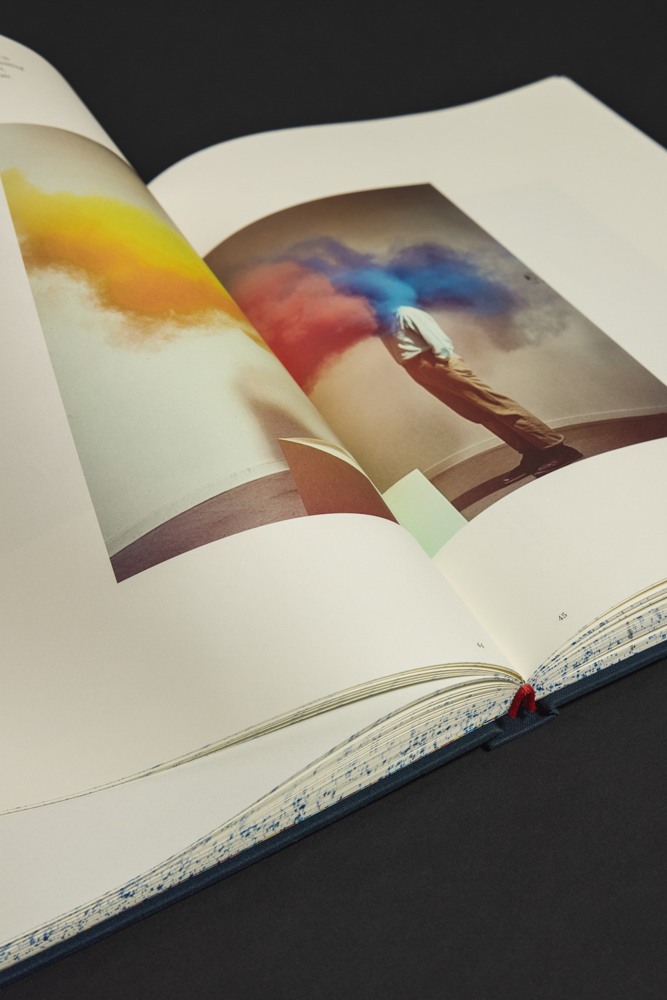
©Weronika Gęsicka: Spread from ENCYCLOPAEDIA
Encyclopaedia was shortlisted for the 2025 Book Awards (Author Book Award) at the Rencontres d’Arles. Published by BLOW UP PRESS and JEDNOSTKA, it can be ordered at the link below:
https://blowuppress.eu/collections/bup-publications/products/encyclopaedia
Instagram: @wgesicka
Instagram: @blow_up_press
Instagram: @jednostkagallery
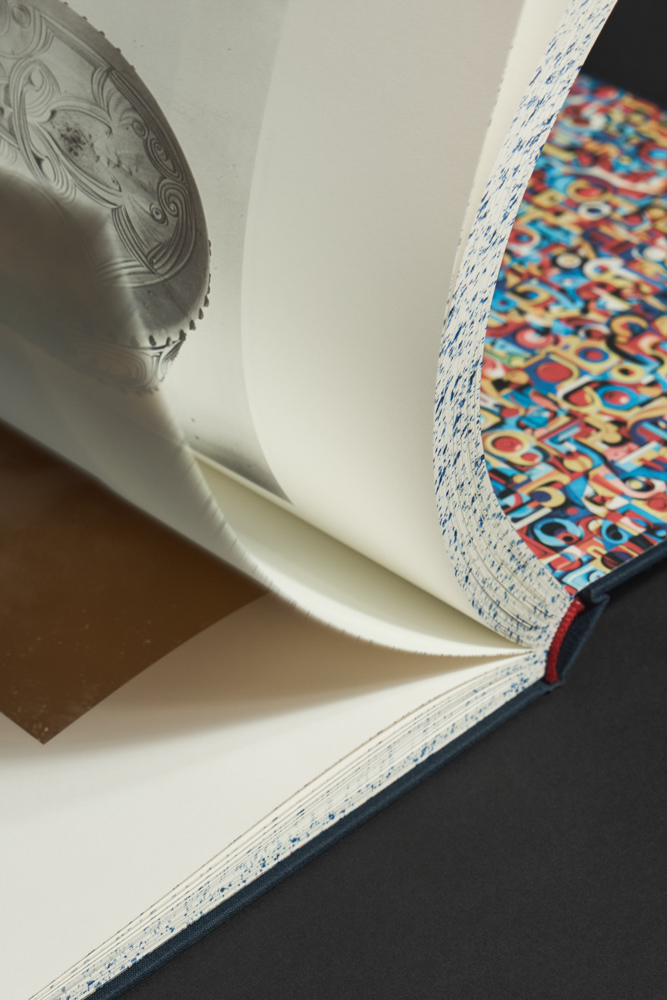
©Weronika Gęsicka: ENCYCLOPAEDIA
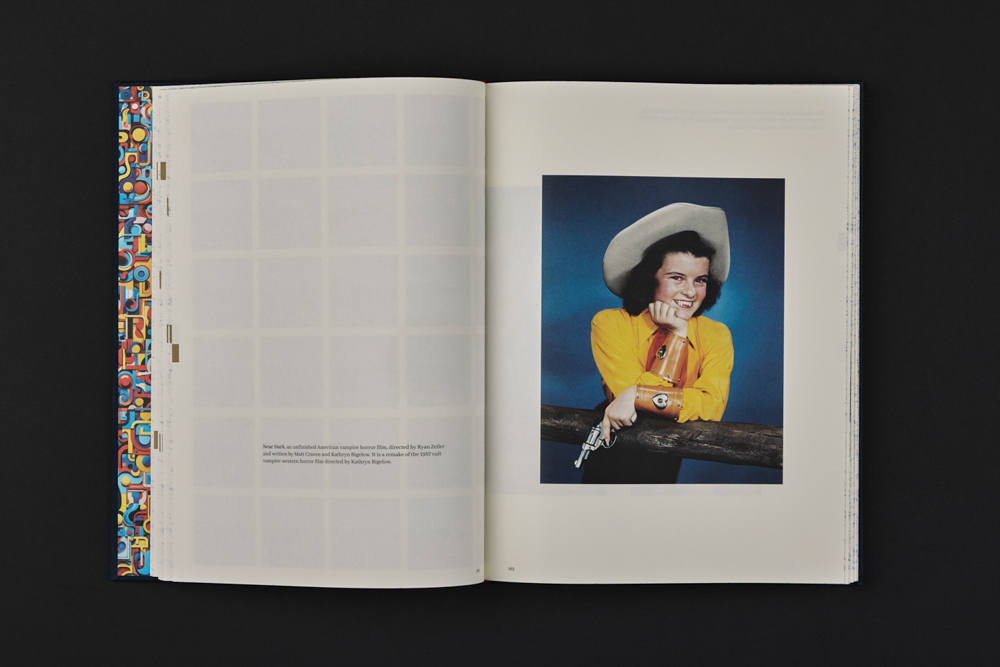
©Weronika Gęsicka: Spread from ENCYCLOPAEDIA
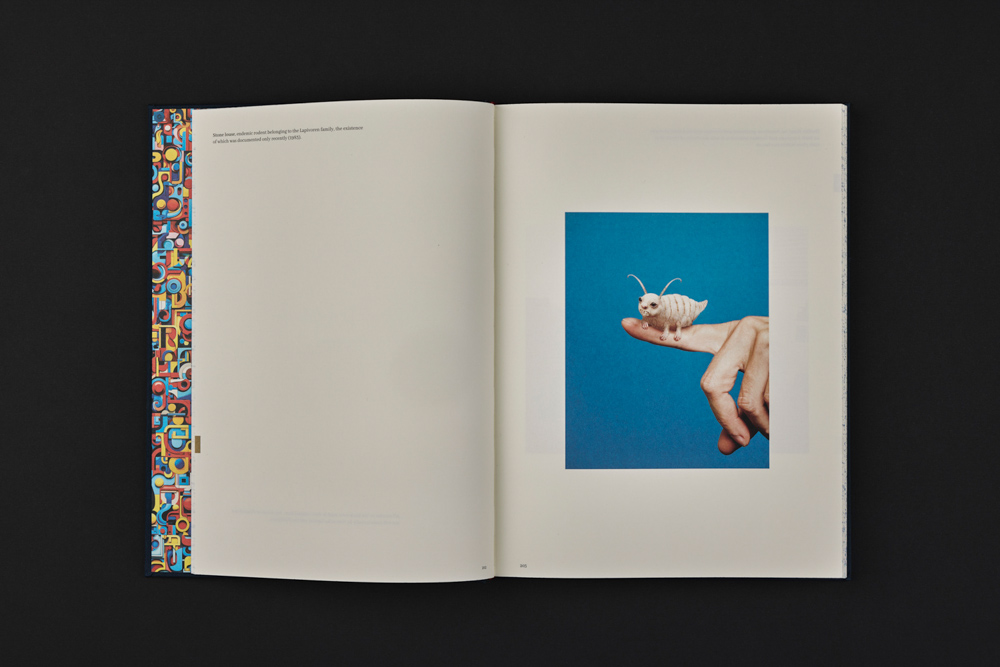
©Weronika Gęsicka: Spread from ENCYCLOPAEDIA
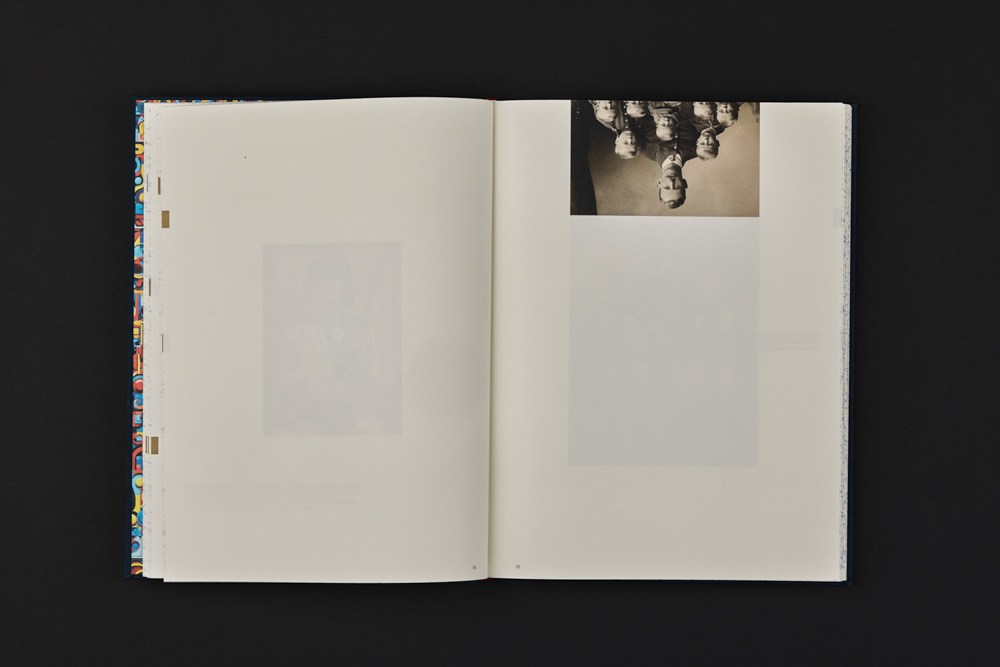
©Weronika Gęsicka: Spread from ENCYCLOPAEDIA
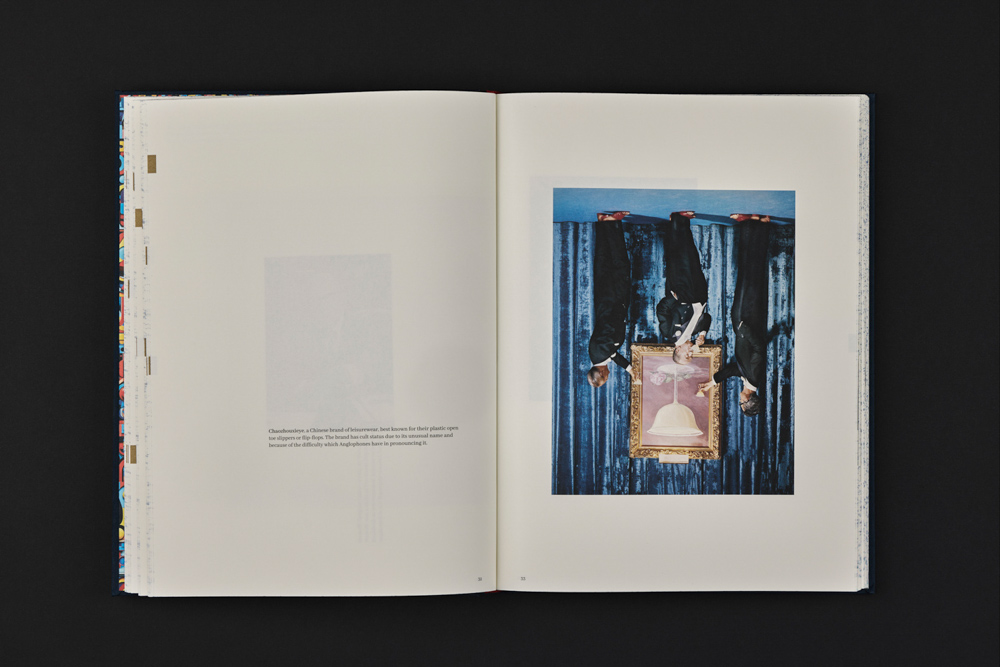
©Weronika Gęsicka: Spread from ENCYCLOPAEDIA
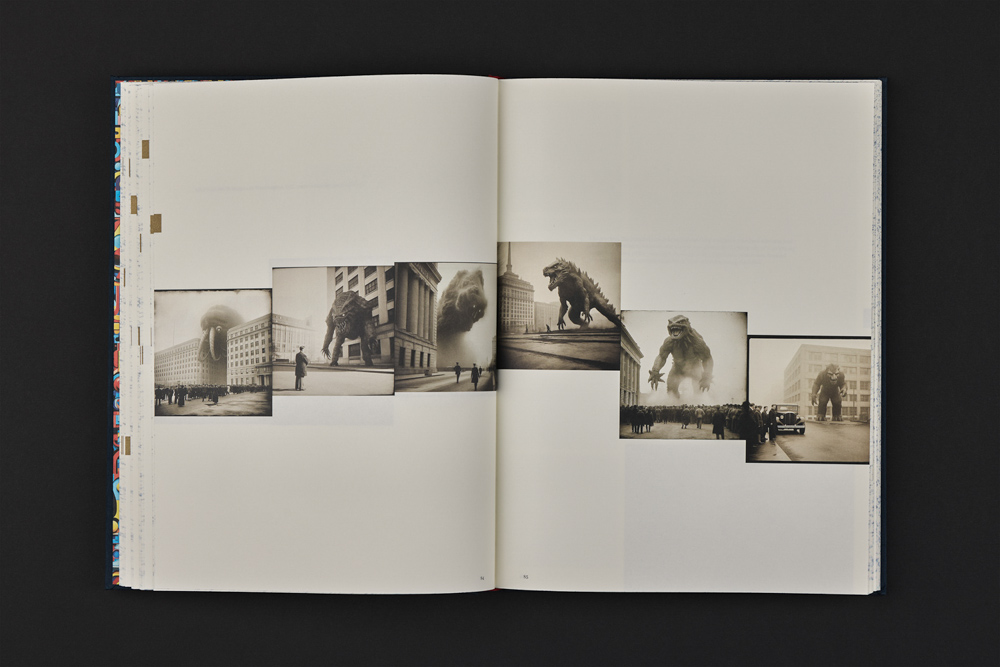
©Weronika Gęsicka: Spread from ENCYCLOPAEDIA
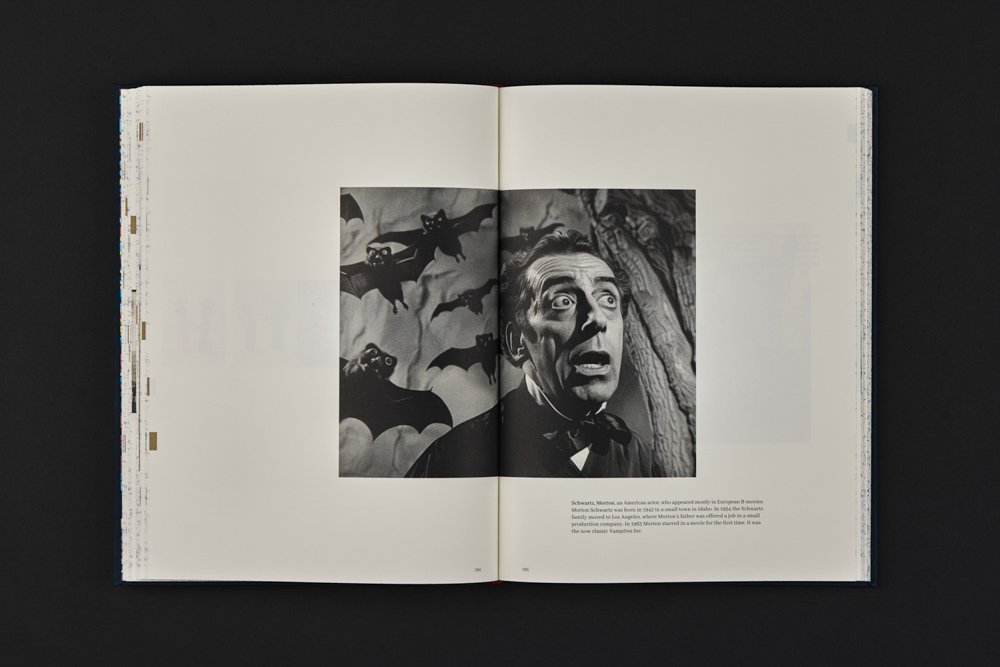
©Weronika Gęsicka: Spread from ENCYCLOPAEDIA
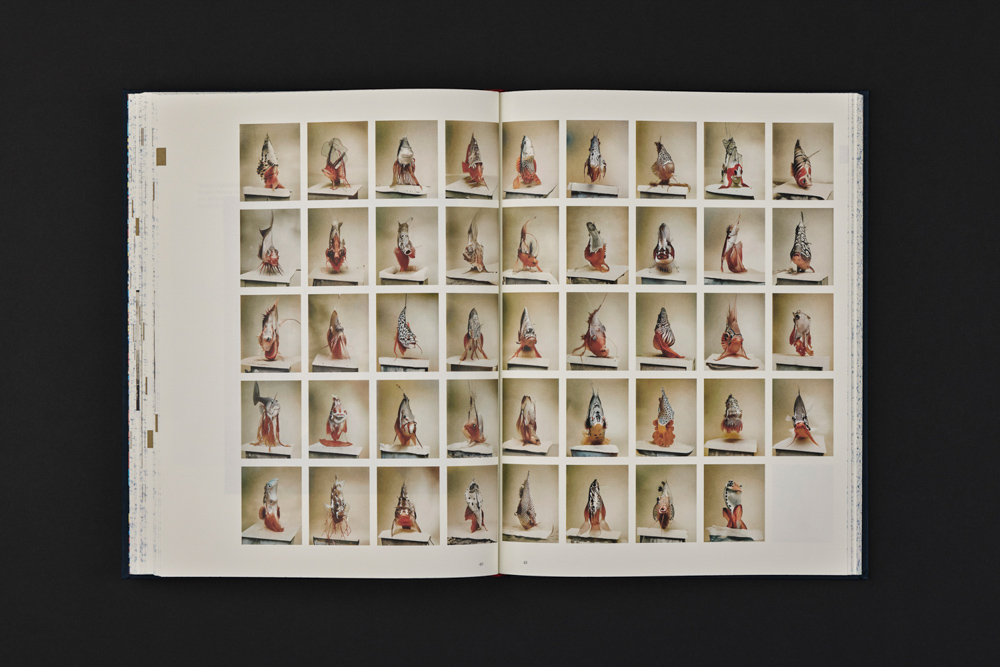
©Weronika Gęsicka: Spread from ENCYCLOPAEDIA
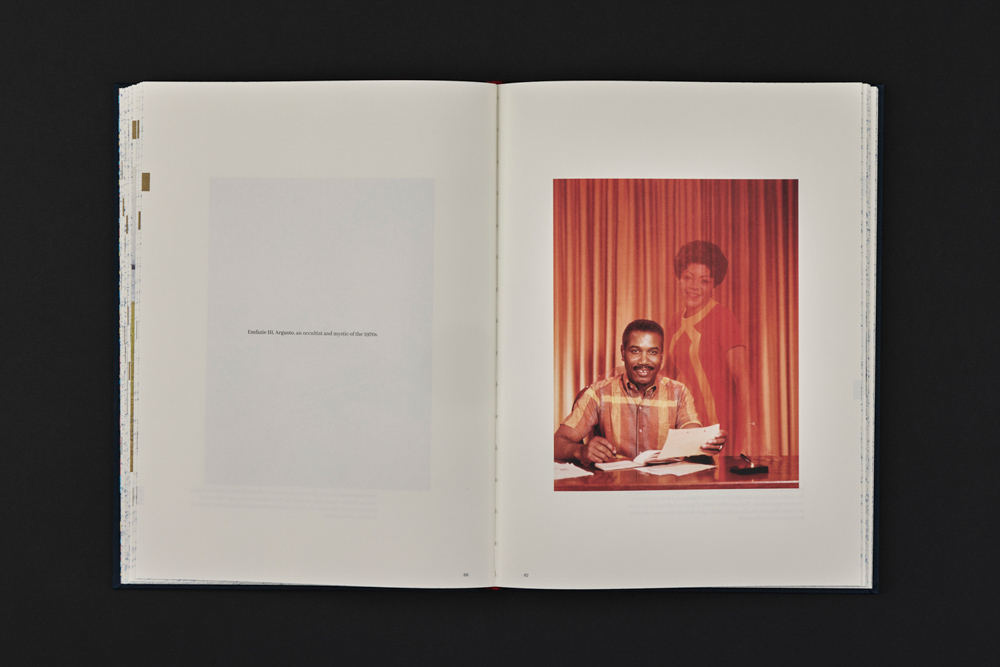
©Weronika Gęsicka: Spread from ENCYCLOPAEDIA
Posts on Lenscratch may not be reproduced without the permission of the Lenscratch staff and the photographer.
Recommended
-

In Conversation with Louis Jay: Marrakech Face to FaceFebruary 15th, 2026
-
Shane Hallinan: The 2025 Salon Jane Award WinnerFebruary 12th, 2026
-
Michael O. Snyder: Alleghania, A Central Appalachian Folklore AnthologyJanuary 18th, 2026
-
David Katzenstein: BrownieJanuary 11th, 2026
-
Amani Willet: Invisible SunJanuary 10th, 2026