Suzette Dushi: Presences Unseen
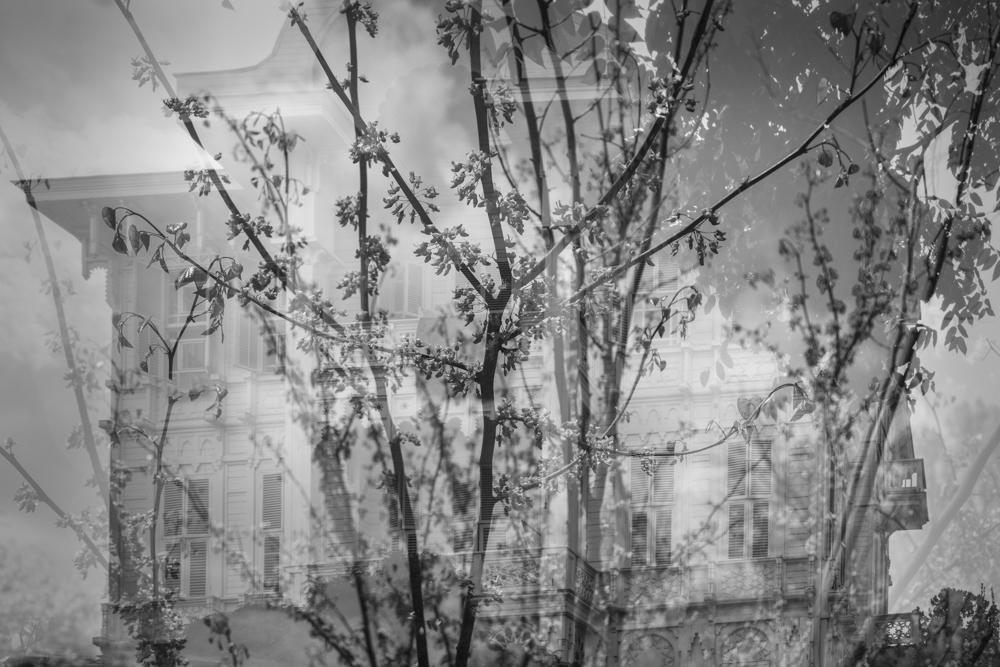
©Suzette Dushi, Recurring Dreams
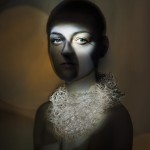
I met Suzette Dushi this summer through a class we were both involved in, and I was immediately drawn to Dushi ‘s deeply thoughtful, meditative, and beautiful double-exposure photographs, as well as her discussions of this body of work.
Through the course of the class, many fellow students and I were moved by Dushi’s works, which explore a recurring dream. Her evocative, semi-abstracted images suggest the liminal spaces between memory and dreams, a territory known to many of us. Perhaps it is this quality of shared experience with our own uncertain and fluid memories that
makes Dushi ’s images so resonant with viewers.
Suzette Dushi was born in Istanbul, Turkey in 1957. She graduated from New York University with a degree in Marketing and worked as a financial analyst in banking. She studied photography at the International Center of Photography.
Her work has been accepted into various group exhibitions in the US and Europe, including the Istanbul Biennial, the Islip Art Museum, Griffin Museum of Photography and the 13th and 17th Julia Margaret Cameron Award for Women Photographers. She has participated in the Exhibition Lab 2023 at the Foley Gallery. She was selected to Photo Review’s 2025 winners’ gallery, and was a finalist at the HeadOn Photo Awards in 2021. Her photographs have been published in various publications, including Tint Magazine, Hand Magazine, and ArtAscent Magazine. She was awarded Gold Artist for her work “Winter” by ArtAscent Magazine. Her work is in private collections in the US and abroad.
Suzette Dushi lives and works in New York and Long Island.
Instagram: @suzettedushi

©Suzette Dushi, Nostalgia
Presences Unseen
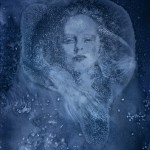
These images are part of an ongoing project that explores the meaning of a recurring dream I have. In this dream, I walk through a dense garden into a house. I walk through the rooms, which feel both familiar and strange at the same time, and enter through a door into another room full of shuttered windows. I open the shutters and see that the house is surrounded by the stillness of the sea. This is a garden and house I don’t recall ever being in, but it’s always the same garden, the same house, the same rooms, the same windows, and the sea. This is a dream I know intimately. The images are fragmented and layered and suspended, and then they dissolve and I wake up.
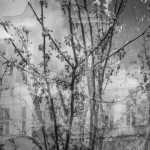
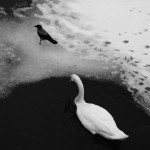
Through my multi-exposure photographs I am trying to peel off the layers of this dream to explore the intricate relationship between memory and dreams. The multi-exposure technique creates ambiguity with the layered images and mirrors the fragmented nature of memory and the surreal quality of the subconscious mind. By overlapping two, three, and sometimes four images, I want to create a sense of uncertainty and a space between presence and absence, between dream and reality. I am trying to make sense of this dream, yet the whole story never quite emerges. Are these suppressed distant memories, or a creation of the subconscious mind? What do our dreams tell us?
These photographs should have different meanings for different people. There is no fixed narrative, but rather a feeling, a presence that is subject to the distortions of memory. Each photograph becomes a map to discover one’s dream’s essence, familiar, yet foreign. For the viewer it could be an abstract vision, an ever-changing feeling. At times the overlap and blending of images create a textured tapestry that feels intricate and expansive, and invite the viewer to recognize the familiar within the barely there. The images read as the in-between spaces for each individual. They can evoke feelings and provoke thoughts about the viewer’s own memories and dreams, blending memory, imagination and emotion to create a new story, a new dreamscape that feels both personal and universal.
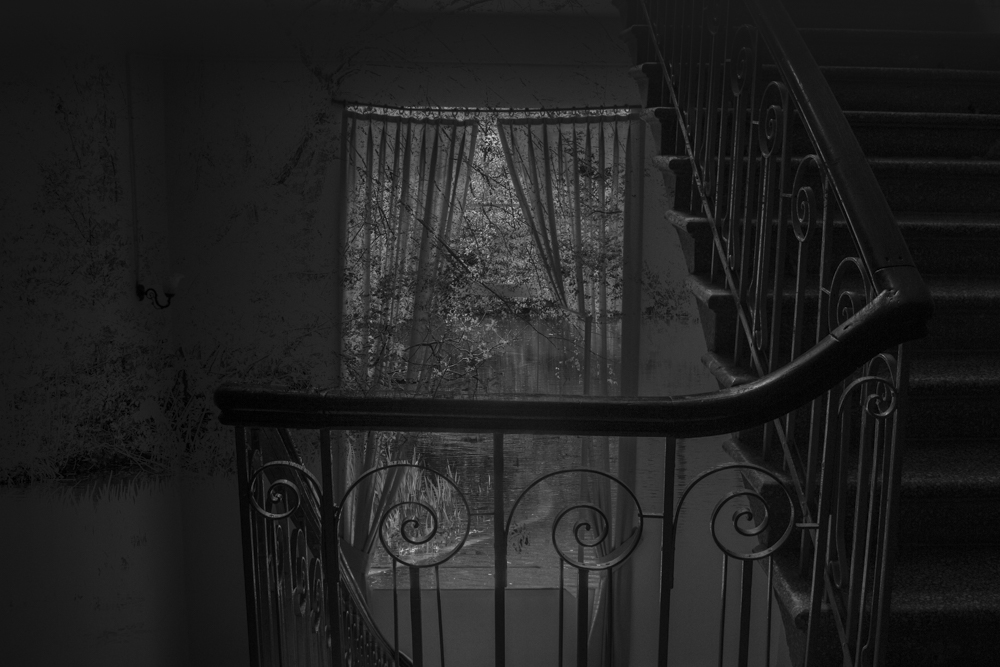
©Suzette Dushi, State Of Flux
GC: Tell us about your growing up and what brought you to photography? Did you have early influences that informed your work?
SD : I grew up in Istanbul, Turkey. My fondest memories of childhood are from my summers spent on an island an hour boat ride away from
Istanbul, and also from my middle school and high school years at the German School of Istanbul. I’m still in very close contact with my friends from those years. In my early teens I loved to photograph, but my photographs were mainly of family and friends portraits and travel memories. I wasn’t aware of photography as an art form.
Only when my kids saw my frustration with the use of camera settings and gifted me a photography class at the International Center of Photography (ICP) in New York, did I become aware of the wonders of photography.
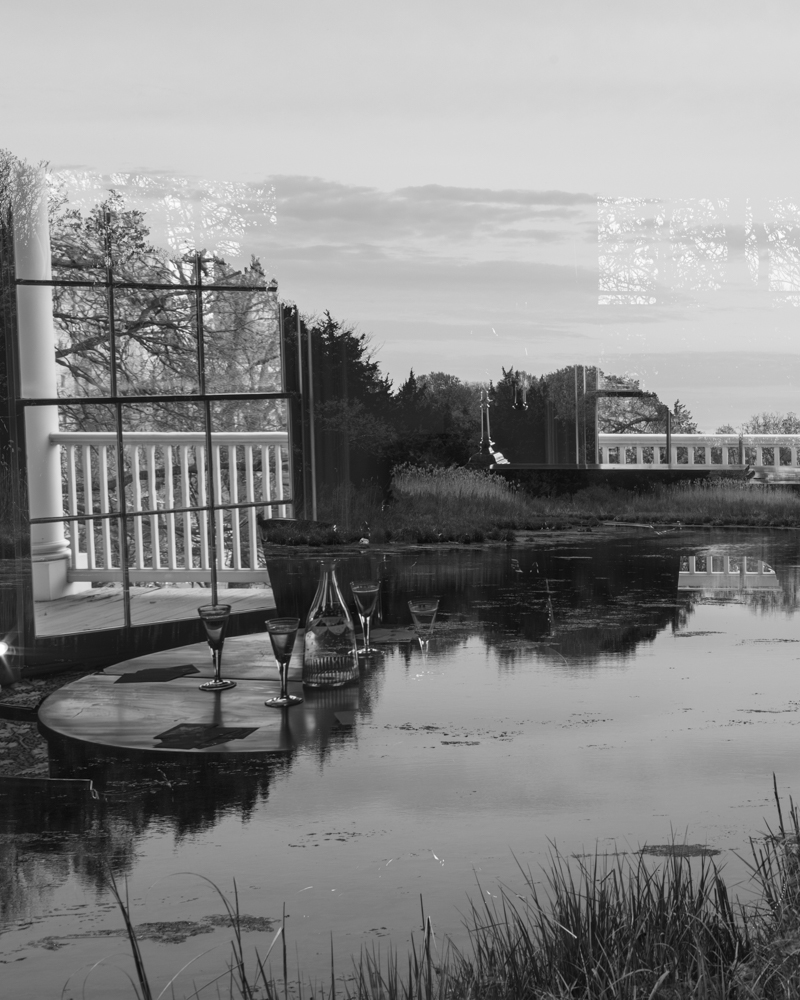
©Suzette Dushi, Impermanence
GC : Your description of your dream, on which these photos are based, is so very concrete, so very specific. Did this dream begin recently, or has it been ongoing for a long period of time? Can you talk more about that?
SD: I have had this dream for a very long time. The interesting thing is that since I started talking and writing about this dream, I haven’t had the same dream again. This is a peaceful dream, yet it feels like I’m in search of something. Upon waking I try to capture the memory, but soon some details are forgotten as is the nature of dreams. The island I spent my summers in is where Byzantine Emperors and Ottoman Sultans exiled their princes and political adversaries. This island is filled with historical old homes. My feeling that the house in my dreams feels like an Ottoman home might be based on the history of this island. This is just a feeling but it’s a strong feeling, and I want to capture this feeling in my photographs.
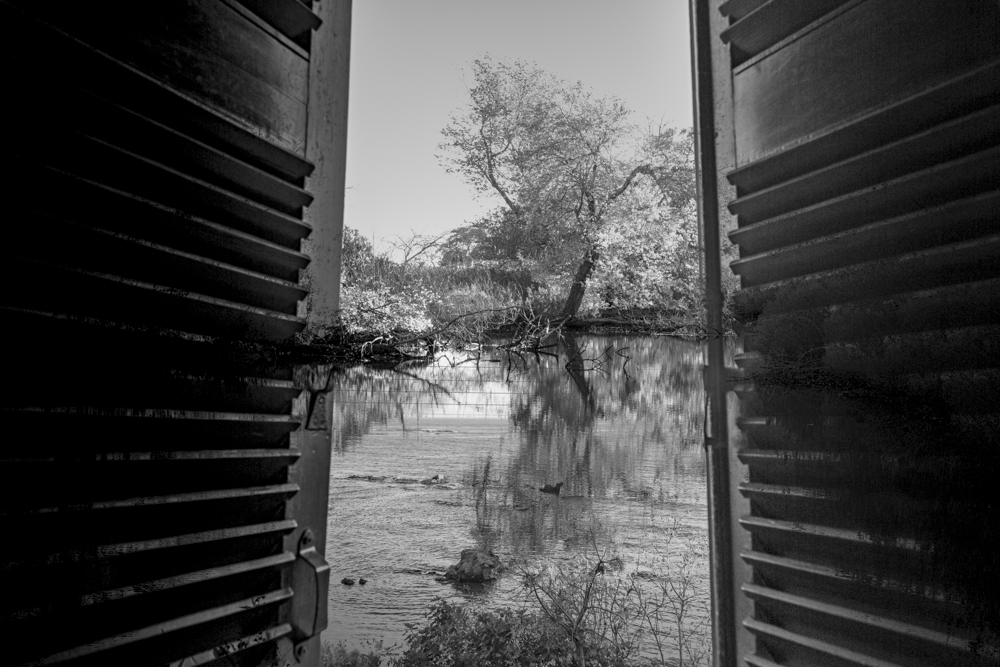
©Suzette Dushi, Portals To The Landscapes Of The Mind
GC: These photos require careful looking to begin to understand the imagery. Was that intentional, or is that something that evolved? Where are these images “located?” Your native Turkey, the USA, or somewhere else?
SD: I had started playing around with multi-exposure photography after I saw Abelardo Morell’s “Pictures on the Ground” work at a gallery. I soon realized that the images I was creating had a dreamlike quality, which in turn reminded me of my recurring dream. Once I became aware of this connection, the image creation became very intentional. I wanted my multi-exposure images to have the juxtaposition of nature (trees, water) and a house, to suggest harmony and tension. I started looking through my files, looking for the type of houses I wanted to include in my images. I also photographed Victorian houses on Long Island to be part of my project. Since dreams in general and most of our memories are fragmented, I wanted to create different layers to represent the ambiguity of what we remember. Some of my images were made in camera, and some using layers in Photoshop.

©Suzette Dushi, The Water Remembers
GC: What is next? Are you continuing to work on this body of work? Where can our readers see more of your work? Is there anything else you would like us to know about you or this body of work?
SD: I think I will continue working with multi-exposure photography and dreams, and continue to explore the psychological space of memory in dreams. I might want to include family photographs, family objects that might lead to deeper self-discovery, and a deeper understanding of my subconscious mind. According to Jung’s interpretation of dreams, “significant dreams are often remembered for a lifetime, and not infrequently prove to be the richest jewel in the treasure-house of psychic experience”.
This body of work is about memories, self-discovery, and contemplation. It is important for me, through my photographs, to untangle the memories or the visions that are hidden in the recesses of my mind. I will continue to explore the organic forms that are in my subconscious and translate these into narratives through my photography. By focusing on these textures and patterns, I want to evoke emotions and provoke thoughts about the viewers’ own memories and dreams, and invite the viewer to look closer through the layers and find their own stories in the details.
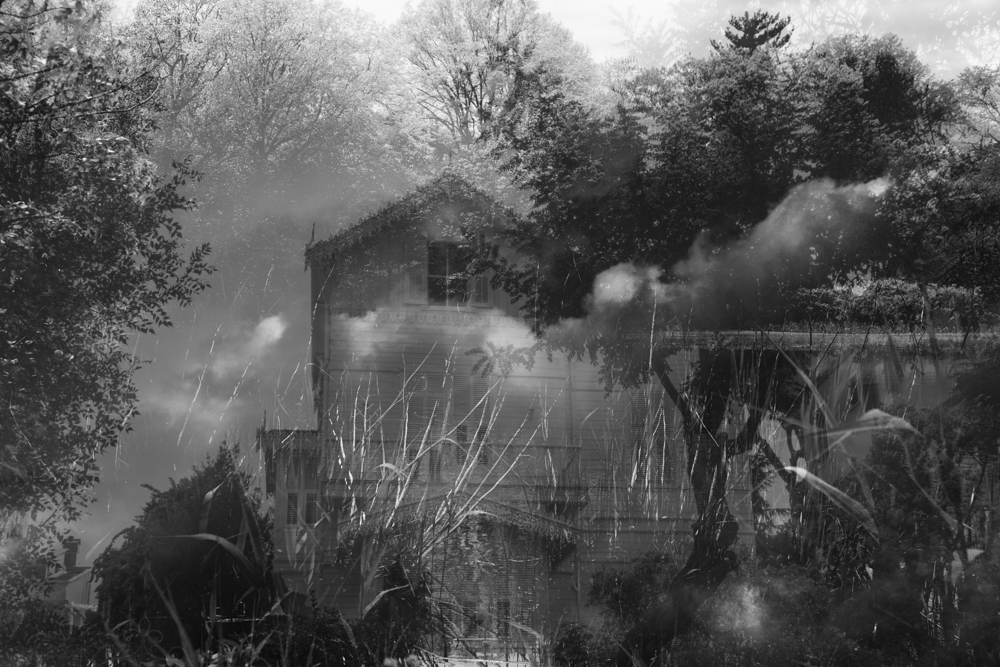
©Suzette Dushi, In Between Spaces
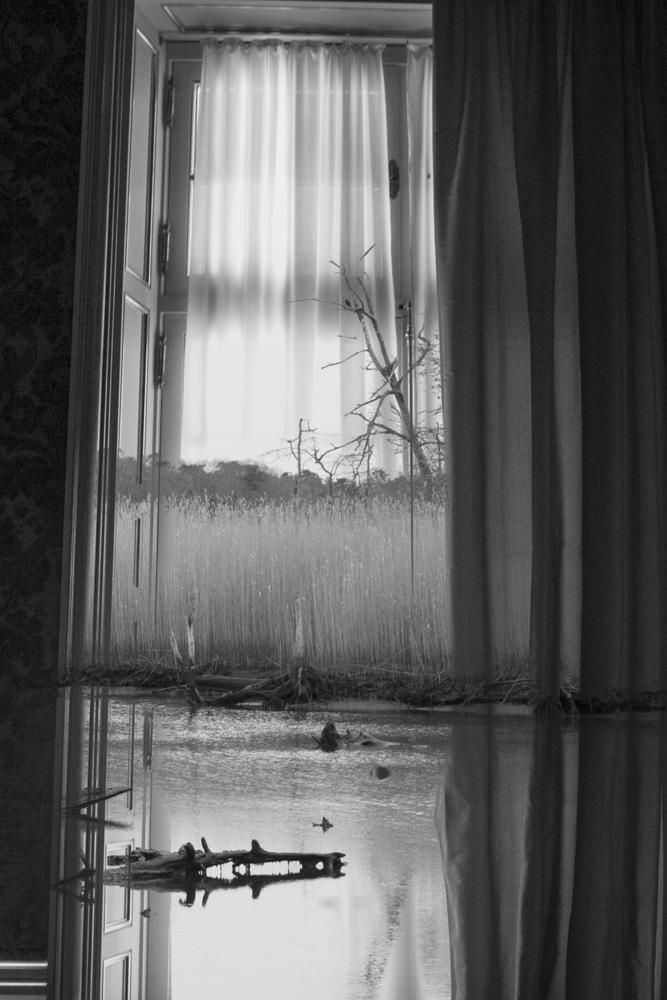
©Suzette Dushi, Tranquility
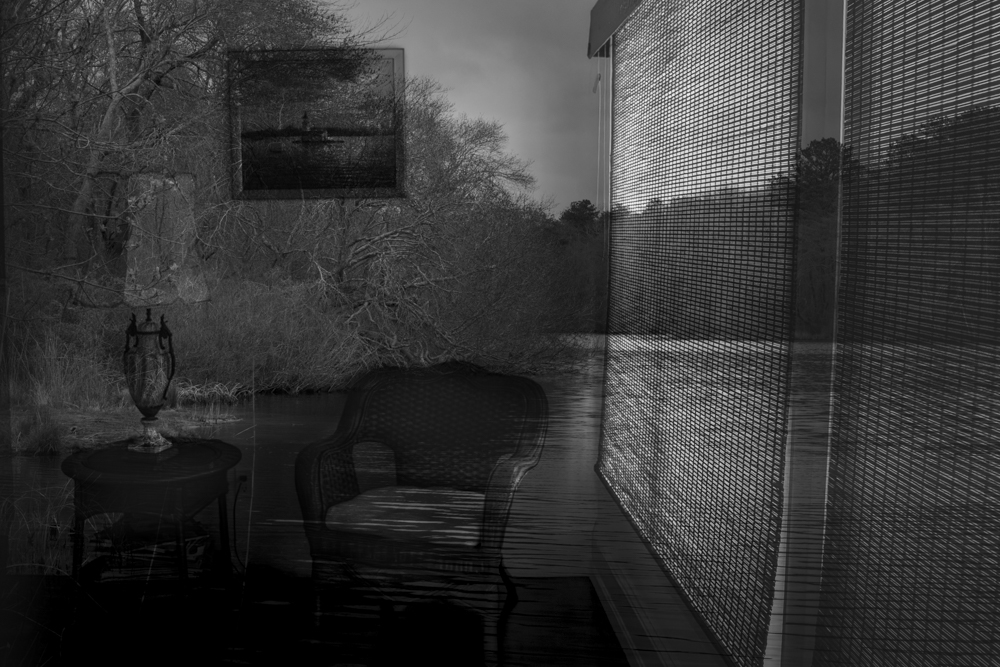
©Suzette Dushi, A Frame O fMind
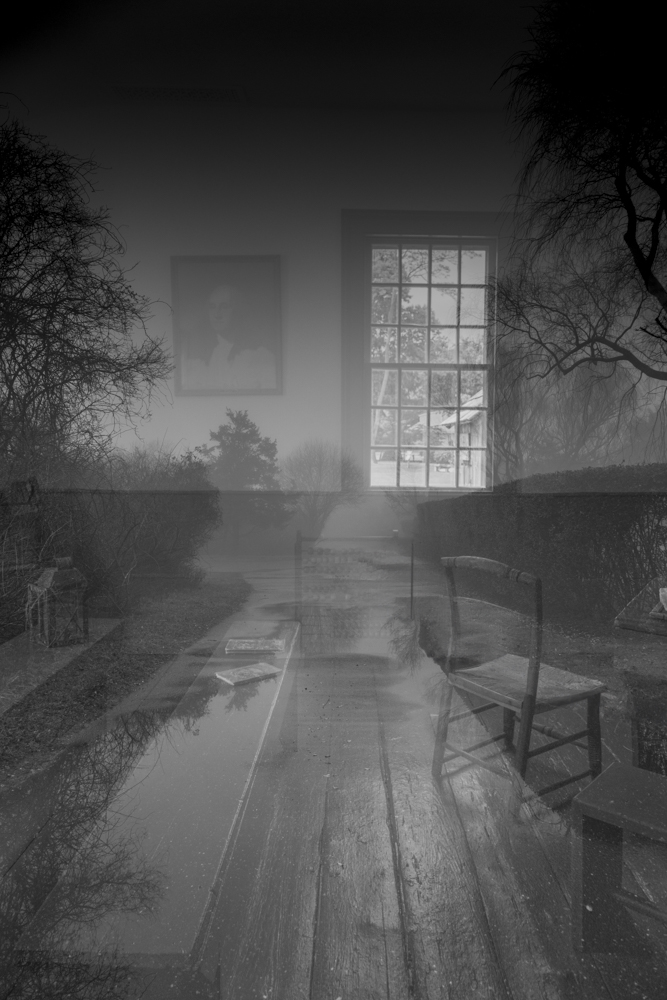
©Suzette Dushi, Ghosts of the Past
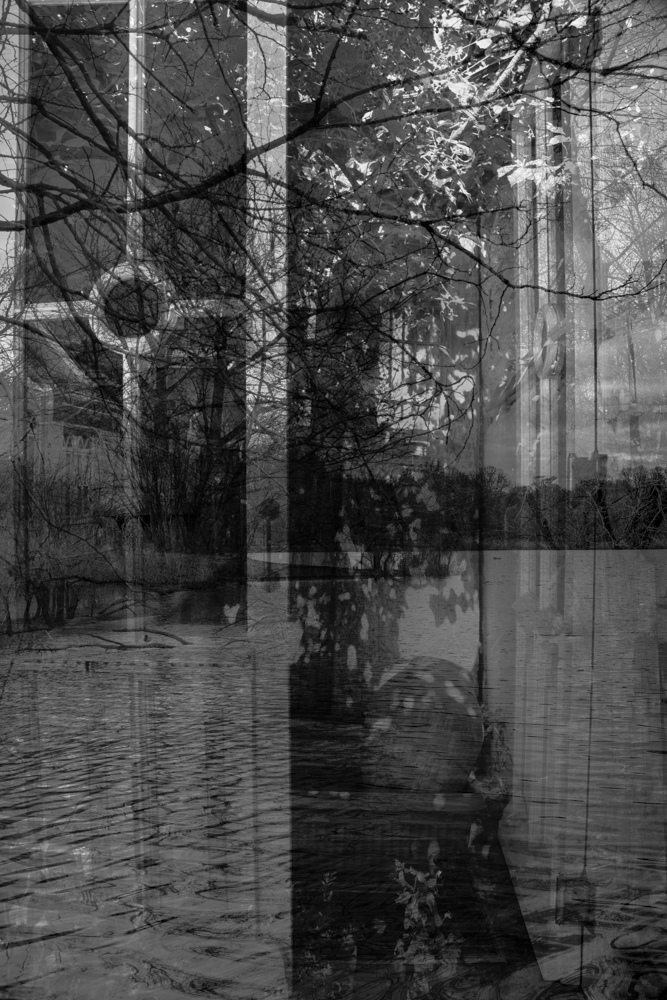
©Suzette Dushi, Fragments
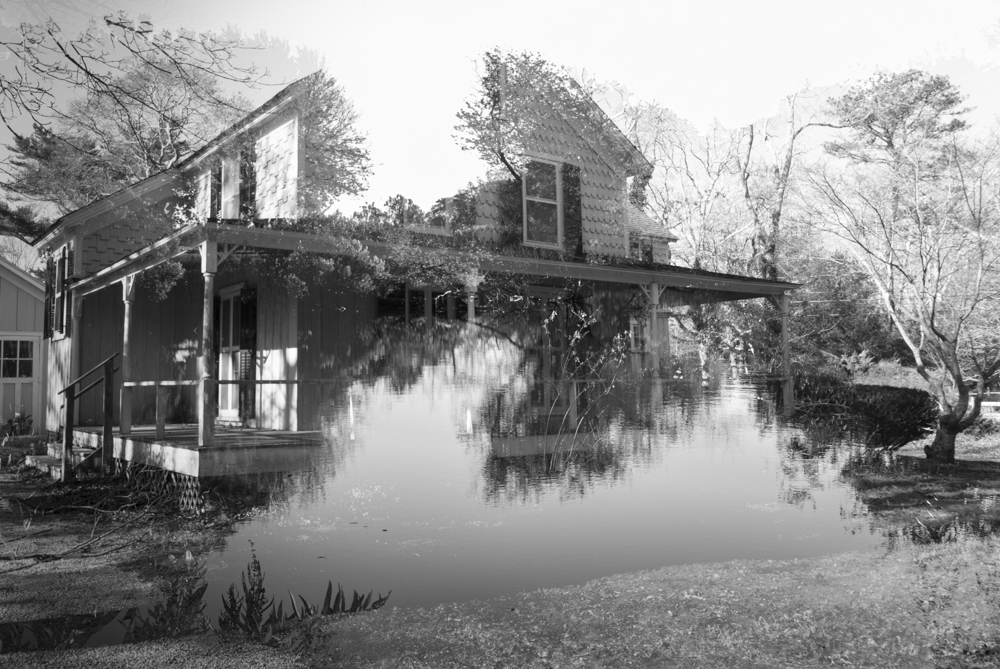
©Suzette Dushi, What Remains
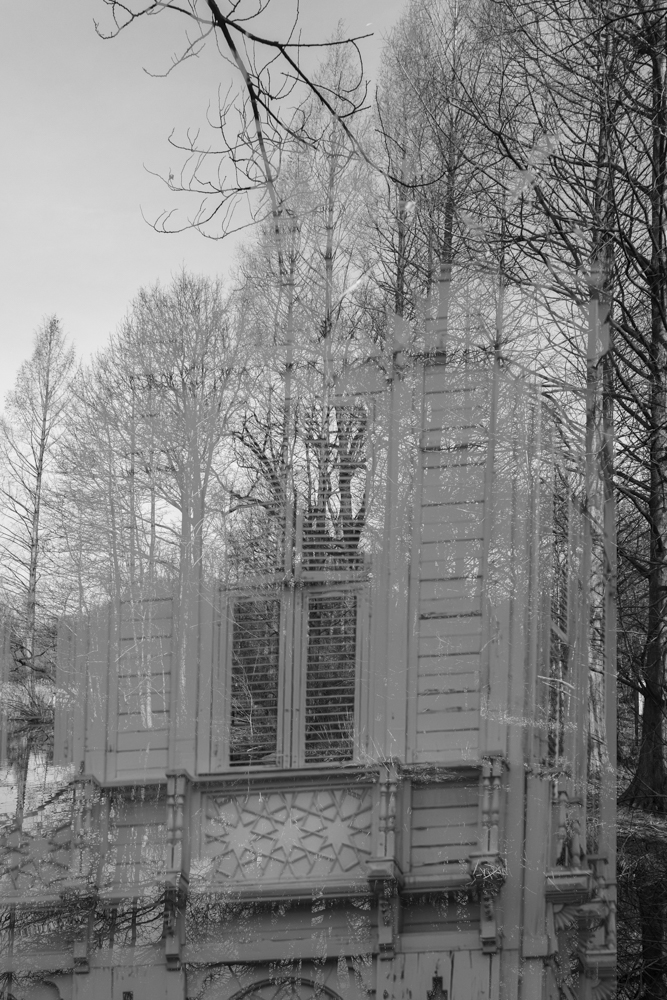
©Suzette Dushi, Loose Threads
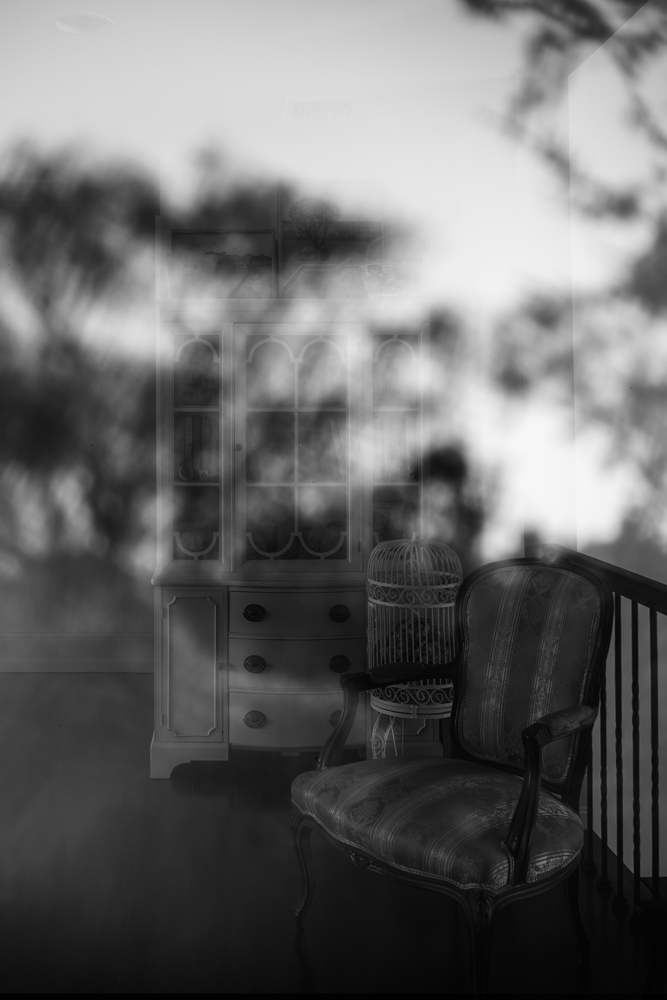
©Suzette Dushi, Dreamscapes
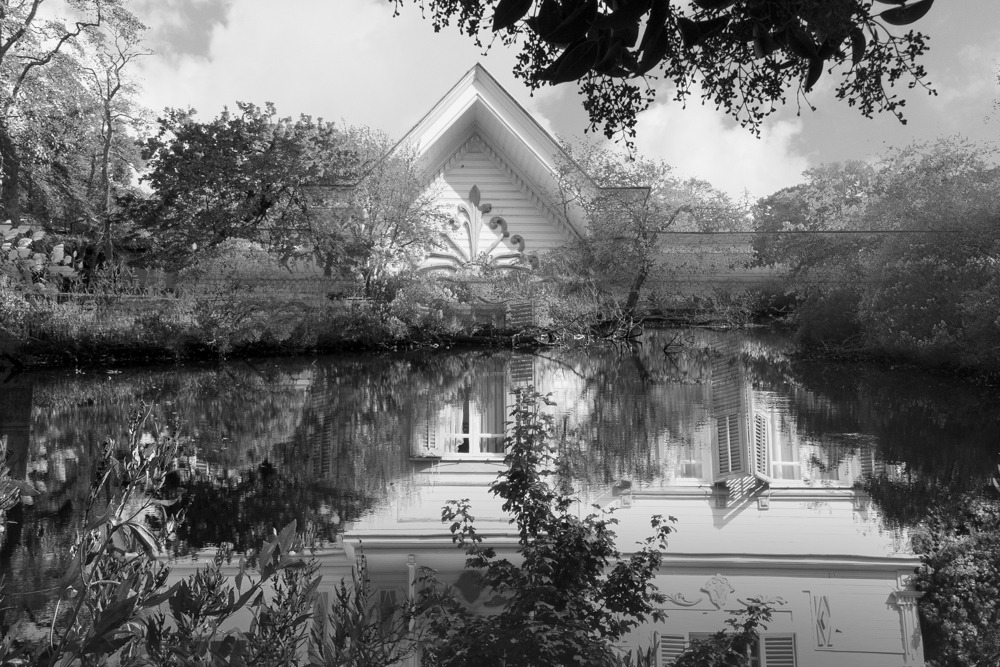
©Suzette Dushi, Distant Memory
Posts on Lenscratch may not be reproduced without the permission of the Lenscratch staff and the photographer.
Recommended
-

Carolina Baldomá: An Elemental PracticeJanuary 5th, 2026
-
Time Travelers: Photographs from the Gayle Greenhill Collection at MOMADecember 28th, 2025
-
Suzette Dushi: Presences UnseenDecember 27th, 2025
-
Alison Chen: The Tenderness of TidesDecember 23rd, 2025
-

Ragne Kristine Sigmond: Portraits of Painterly LightDecember 2nd, 2025