Madeleine Morlet: The Body Is Not a Thing
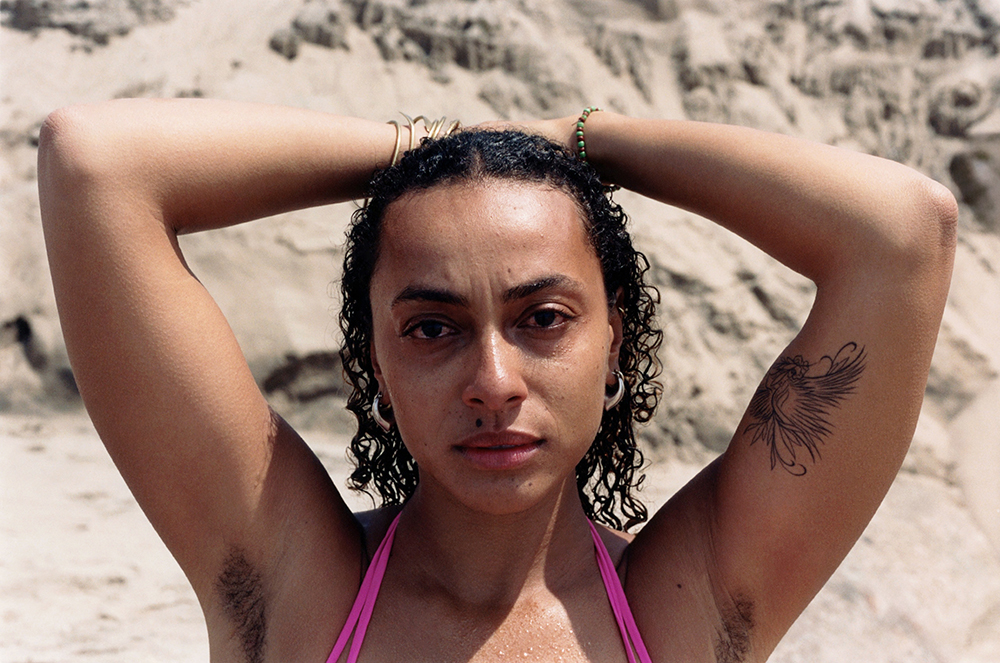
©Madeleine Morlet, Reva (Playa Del Rey, Los Angeles) May 2022
A few months ago I had a conversation with photographer and educator, Madeleine Morlet about a long term project she is making into a book. I featured her work in 2019, and subsequently a number of friends raved about her teaching, so I was delighted when she reached out. Today Madeleine is in conversation about the project with her collaborator, Annabel Crook.
Madeline shares: In early 2020, during the first lockdown, I was living in Maine. My daughter’s nursery had closed, and as the weather was bitterly cold, my working days were spent trying to entertain an energetic two-and-a-half-year-old at home. My experience was not unique. During this period, I spent countless hours on the phone with a close friend in Los Angeles, Annabel Crook, who was solo-parenting her two children in a 1,000 sq ft apartment in West Hollywood. Our conversations became a lifeline, as perhaps has always been the case for mums on the phone. We talked about the news, domestic work, our ambitions, aging, and sexuality. We talked about photography.
Eventually, these conversations turned into something tangible. In 2022, I travelled from Maine to Los Angeles to work with Annabel, who handled the casting, production, and so much more for this photography project, The Body Is Not a Thing.
This interview is a conversation between us.
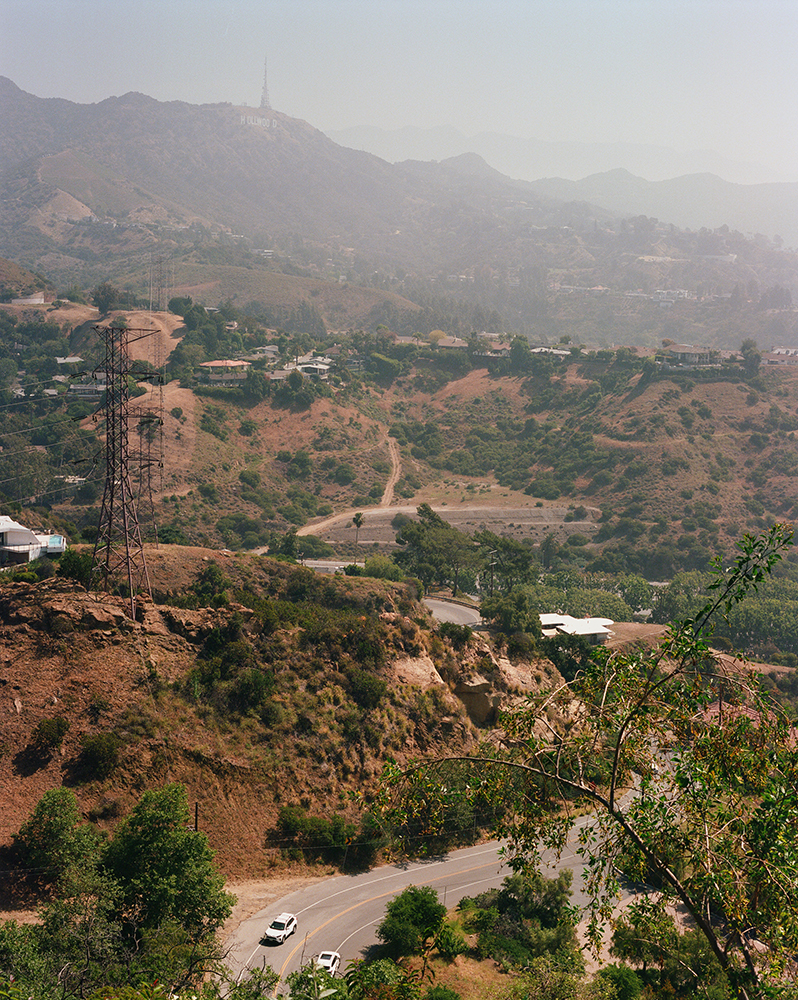
©Madeleine Morlet, Two White Cars (Hollywood Hills, Los Angeles) May 2022
Madeleine: I think we should start with some basic context, like what you do and how we know each other.
Annabel: Sure. We met in London through mutual friends before my daughter Coco was born, so it must have been at least twelve years ago. I’m a creative director, which I still love and actively do, but alongside that I am involved in several businesses. My work has become more varied over time.
Madeleine: Was this our first project, or had we worked together before?
Annabel: I actually can’t remember. During Covid-19, we were speaking on the phone almost daily, and the idea of making something together came from those conversations. Age felt like a big thing for us at that time; I recall that we were very aware of transitioning out of youth.
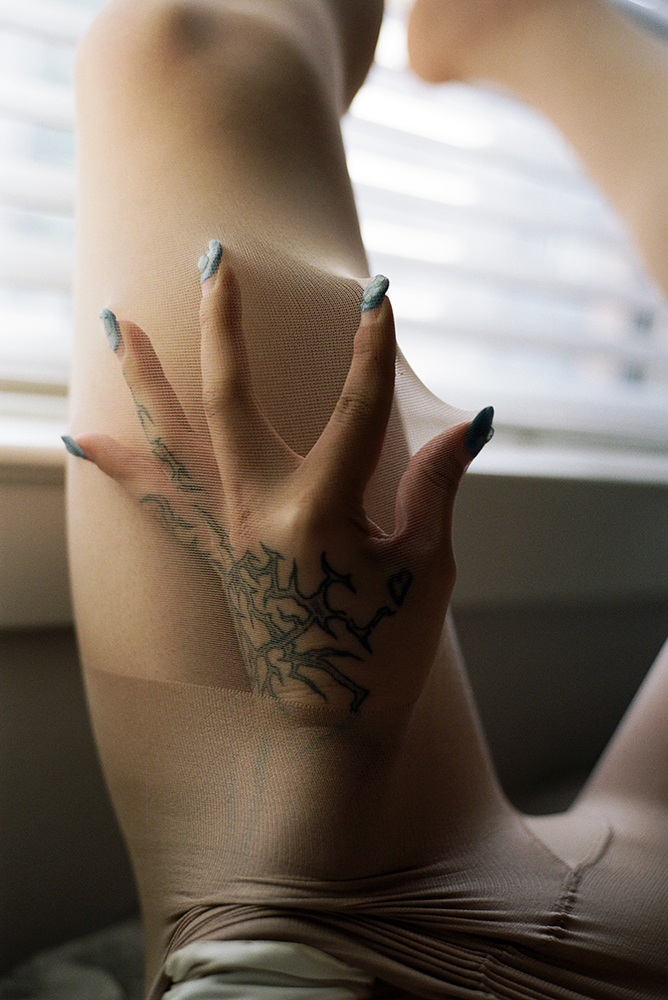
©Madeleine Morlet, Root Systems 2022
Madeleine: It seems wild to me now that this is what we were thinking about at 32. We were so young.
Annabel: As we all know, 2020 was a big year. Lockdown was happening, Roe v. Wade was being overturned, George Floyd was murdered, and we were at home on our phones. We were online in a way we had never been before, and a by-product of this was an influx of imagery from Instagram and other social media. We were looking at women, noticing platforms like OnlyFans gaining traction, and there was this whole social media aspect of life that seemed to focus on young women and young women’s bodies.
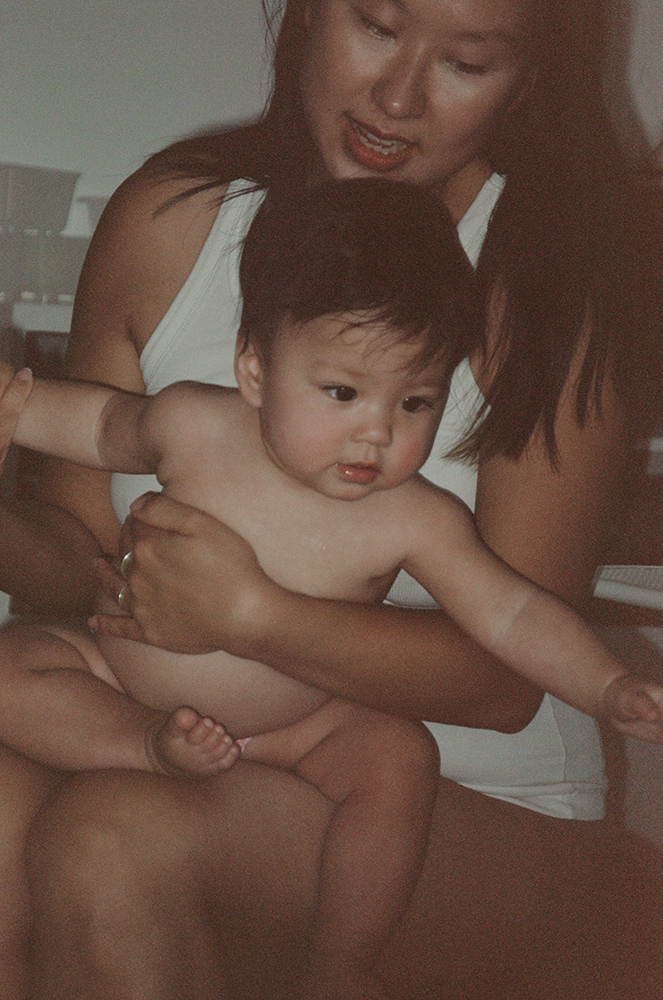
©Madeleine Morlet, Joey and Romily (Echo Park, Los Angeles) August 2022
Madeleine: It also felt like a specific point in recent history where genuine shifts in perspective were possible, and that excited us. This was partly why we started talking about making photographs of our own. There was a desire to connect with women in a really authentic way and to push against the perpetual idealisation of the young, thin, white woman––an ideal we were aging out of in every way.
Annabel: One hundred per cent. With everything that was going on in the world, what had been counter-culture—diversity in skin colour, body shape, age, and experience—also briefly went mainstream. Some brands really wanted to be part of this moment, but the concept was quickly whitewashed and became too risqué to fully embrace. They were scared to work with women over a certain age or with real bodies, and the moment never really took off.
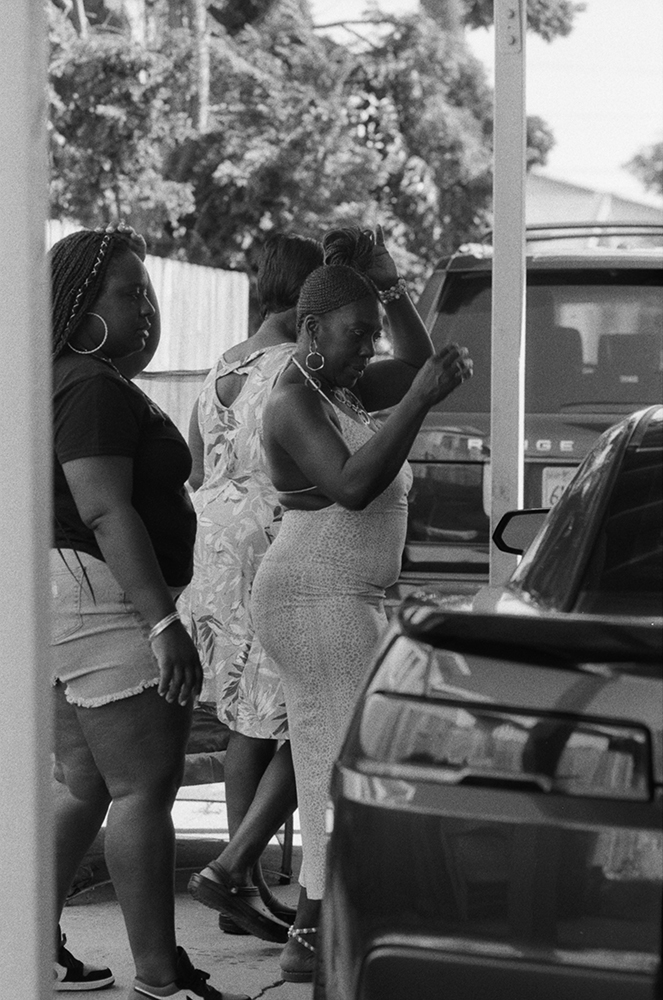
©Madeleine Morlet, Annabel’s Mother-In-Law (Compton, California) August 2022
Madeleine: Looking back, we were so bright-eyed and bushy-tailed. We came into this work with so much ambition. We wanted to do it all, to capture the full spectrum of experience. We were looking at ourselves, the women around us, and into our future.
Annabel: I think we really understood the Jungian archetype shift from maiden to mother, but what we wanted to see was the ‘no fucks given’ energy of the crone––and we weren’t quite there yet.
Madeleine: What’s interesting is that we didn’t end up photographing many women over 40, as not many women in that age bracket wanted to be photographed.
Annabel: That’s something I would love to do. A project with women between 50 and 70 would be incredible. I’ve been told that in some cultures, when a woman enters menopause she’s celebrated for her wisdom, and I’ve seen firsthand women around me at 40 and 50 shift from people-pleasing to not giving a fuck. It’s like a wake-up switch. In Western culture, aging women are framed as sad, their power diminished. I think this is because society is actually really fucking scared of women—and of women’s sexuality—which is why it prefers the youth and inexperience.
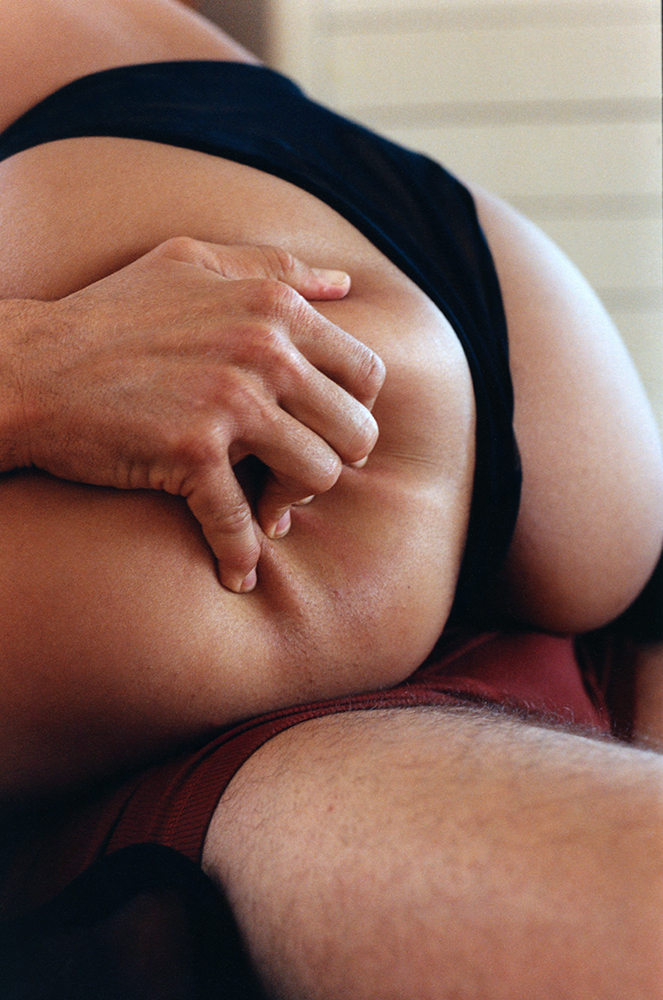
©Madeleine Morlet, Marley and Josh (Santa Barbara, California) May 2022
Madeleine: In our conversations, we talked about this idea that becomes internalised once you become a mother, that sexuality is no longer permitted. We recognised a gap in visual culture regarding the representation of female sexuality for women over thirty, especially those who had children. It was important to me not to isolate this experience, that in book form the pages would turn between mothers and non-mothers, younger women and older women, and rather than creating a silo, a gamut of experience could be seen side by side. Do you think this is something we achieved?
Annabel: Yes, I do. While I had organised folders of potential women and shared them with you, as with any no-budget art project, we had to stay fluid. The subjects came together organically, which made the shooting circumstances less controlled. Ultimately, the women we worked with were unbelievable. Each brought a distinct story and presence, and they reflect a broad spectrum of women living in Los Angeles.
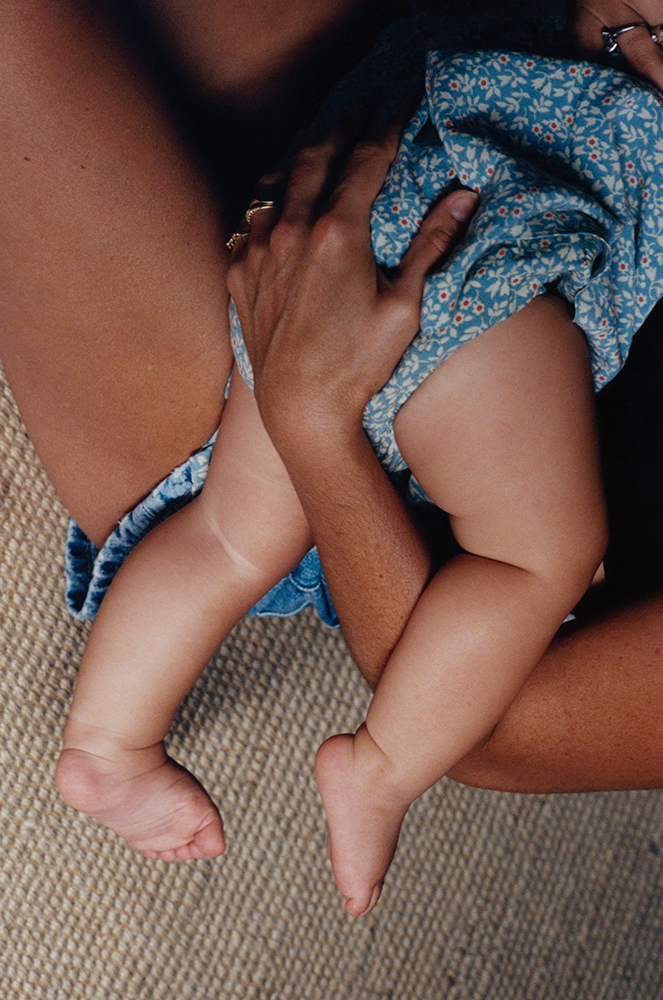
©Madeleine Morlet, Coco and Blue (Highland Park, Los Angeles) August 2022
Madeleine: This work was made in two one-week shooting blocks, in May and August of 2022. We had collaborated closely on the creative direction, compiling visual references and an aesthetic that felt playful and art-directed. After the first shoot, I shared the images with other fine-art photographers and was advised to avoid terms like creative direction and casting. We had originally planned to shoot for one week, but the project felt incomplete. What stands out for me now is how the initial concept was completely derailed by the subjects you found during the second shoot. The final outcome is almost unrecognisable from the original intention—which I’m grateful for, as the work feels so much more substantial as a result.
Annabel: I agree. I think our personalities really open people up, and their stories became central to the work. This changed everything. The photographs you were taking developed an honest and raw quality, responding to the moment. Some people surprised me; they weren’t who I thought I was finding. But look at the images, they’re fantastic.

©Madeleine Morlet, Madonna (Silverlake, Los Angeles) August 2022
Madeleine: We had wanted the women I photographed to feel seen, to have power and autonomy. During the second shoot, I felt like I had completely lost creative control. The project had taken on a life of its own. I was so unprepared for the intimacy of this experience, and for the weight of responsibility I felt, and still feel, to hold these women’s stories.
Annabel: I don’t think we encounter any person we meet lightly. Neither you nor I can escape a situation without being deeply affected. I would also say that people reveal themselves to us quickly, sharing intimate details of their lives. I believe this is a privilege, and in a way we feel a responsibility to hold these images as we would hold our children.
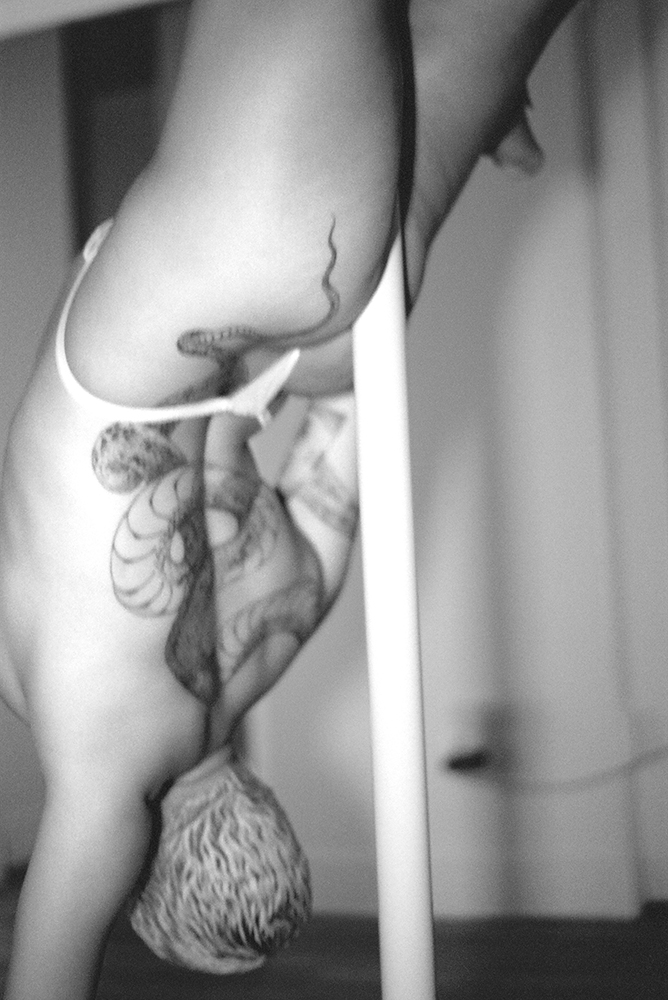
©Madeleine Morlet, Mabel, Pole, and Snake (Koreatown, Los Angeles) May 2022
Madeleine: Many of the women we met opened up to me with so much vulnerability, and then I was taking something from them. I was taking their picture. There were a handful of moments where I felt like, am I giving you what you want and what you need? I struggled to know where I was projecting my inner monologue onto the experience of being photographed.
Annabel: The work is beautiful, and everyone we’ve shared it with has been incredibly supportive. We both care so much about doing things the right way, so of course there’s worry in that. When someone offers that level of vulnerability—woman-to-woman, mother-to-mother—you feel a responsibility to hold it with real care. Especially knowing how women’s bodies are so often judged, ridiculed, sexualised, or torn apart online. There’s a tenderness in wanting to protect them from that, both because they trusted us and because we’ve felt versions of that scrutiny ourselves. All we can do is hope everyone involved knows how much care went into this.
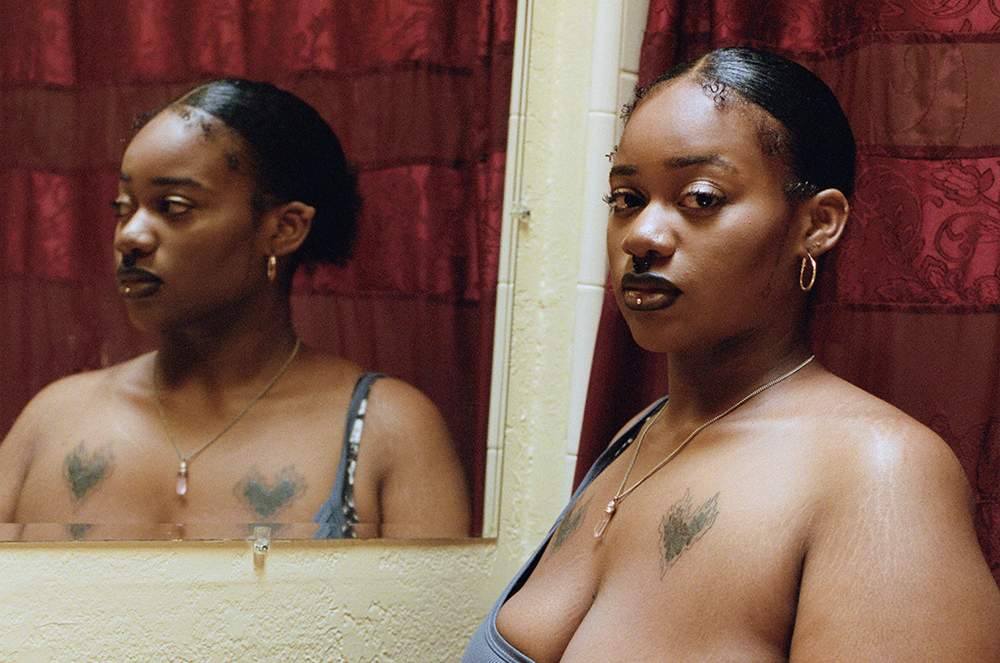
©Madeleine Morlet, Nori (Inglewood, California) May 2022
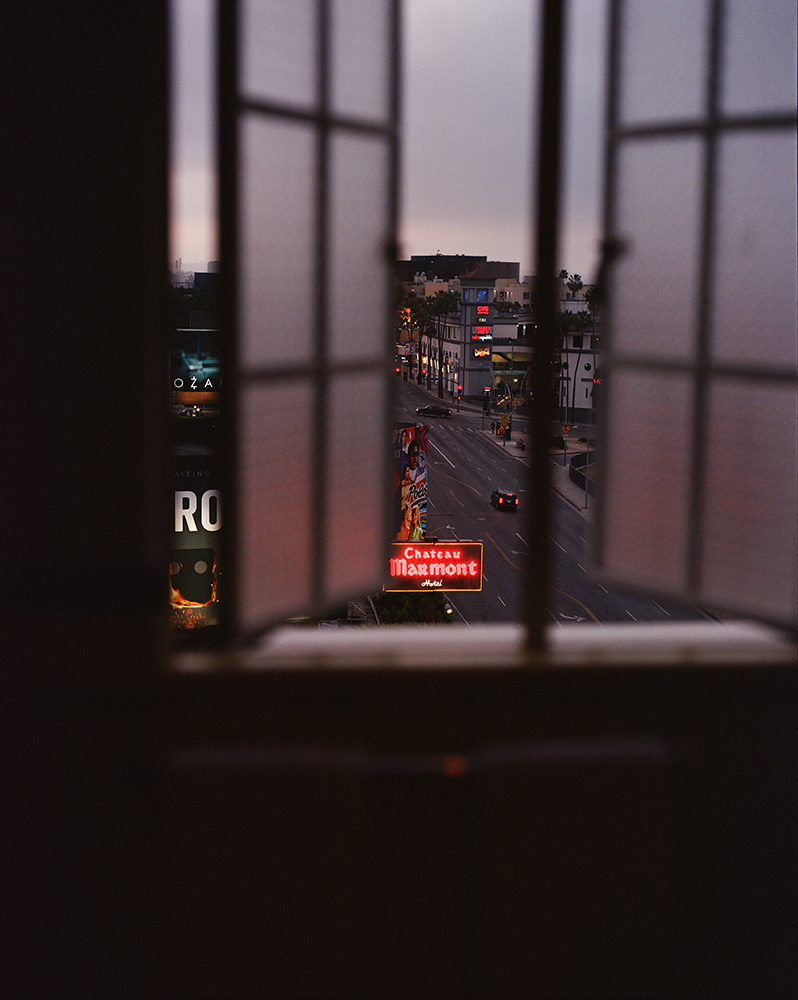
©Madeleine Morlet, The Châteaux (West Hollywood, California) August 2022
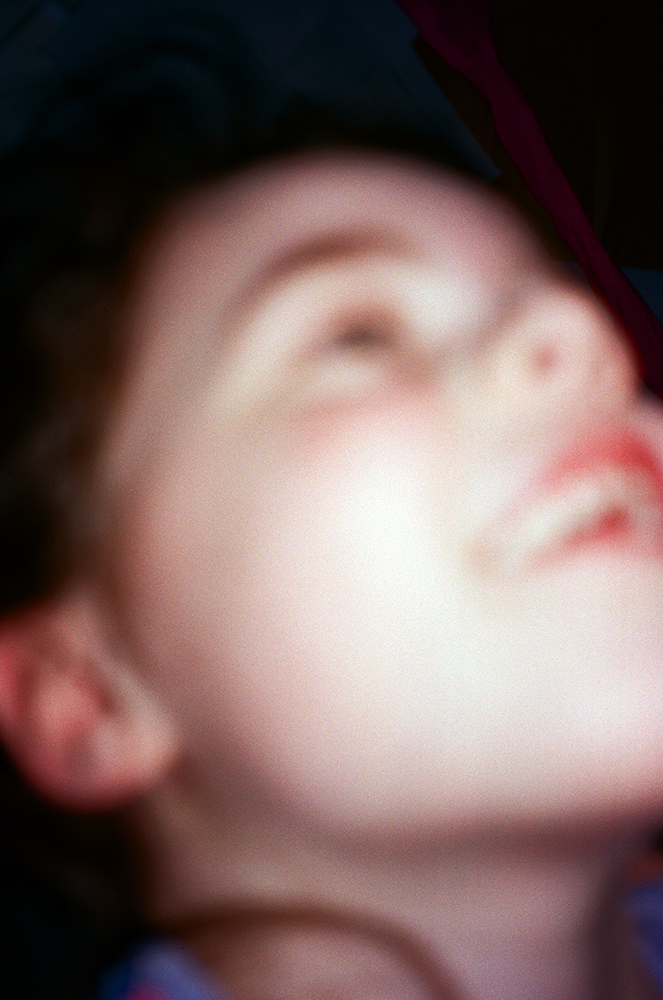
©Madeleine Morlet, My Daughter at Dusk 2022
Sign up here for publishing updates for The Body Is Not a Thing.
Madeleine Morlet is a photographer, educator, and editor based in London. She teaches regularly at Maine Media Workshops and the Penumbra Foundation, specialising in the narrative potential of photography.
Instragram: @madeleinemorlet
Annabel Crook is a mother of three and an LA-based creative director, running businesses rooted in art, curation, and creative consulting.
Instagram: @annabelcousins
Posts on Lenscratch may not be reproduced without the permission of the Lenscratch staff and the photographer.
Recommended
-

Madeleine Morlet: The Body Is Not a ThingJanuary 19th, 2026
-
South Korea Week: Yang JaeMoon: Blue JourneyJanuary 15th, 2026
-
Yorgos Efthymiadis: The James and Audrey Foster Prize 2025 WinnerJanuary 2nd, 2026
-
Time Travelers: Photographs from the Gayle Greenhill Collection at MOMADecember 28th, 2025
-

Jamel Shabazz: Prospect Park: Photographs of a Brooklyn Oasis, 1980 to 2025December 26th, 2025