Reservoir: Loneliness, Well-Being and Photography
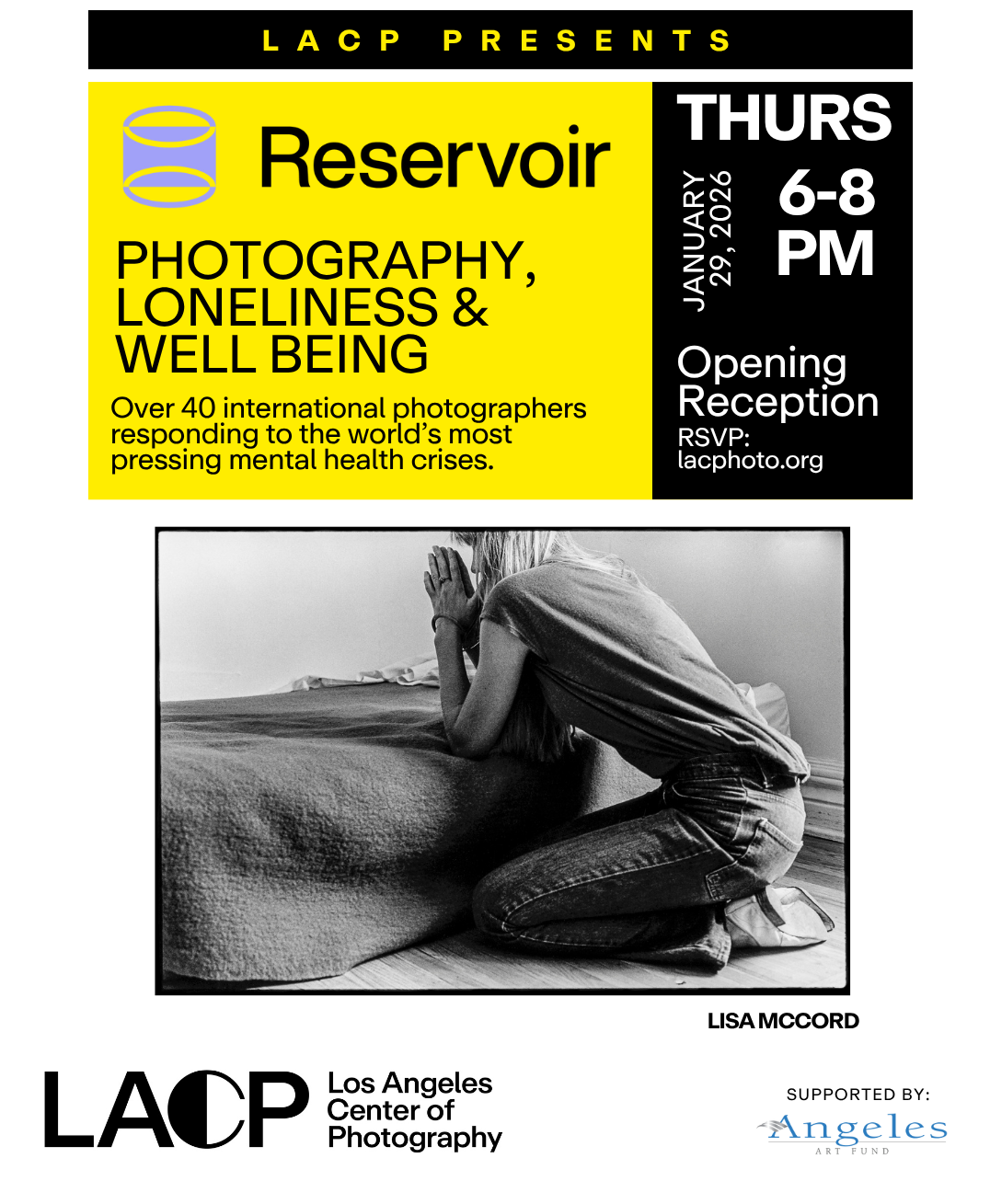 In February 2025, the Los Angeles Center of Photography initiated a new and innovative photographic generator, designed to create a shared repository of responses to the global loneliness crisis through visual storytelling. It was concepted and developed by Jennifer Pritchard, and Dr. Rotem Rozental (Executive Director of LACP and Chief Curator @rotroz). Six International educators were invited: Mishka Henner (UK) / Erik Kessels (NL) / George Nobechi (Japan) / Aline Smithson (CA, USA) / Penelope Umbrico (NY, USA) / Rodrigo Valenzuela (CA, USA), and over 40 artists participated in this 9 month initiative.
Opening on January 29th at the the Los Angeles Center of Photography, from 6 – 8pm, the exhibition will feature a expansive collection of photographic and video responses to Loneliness created over the last nine months. The artists include Lynne Breitfeller (NJ), Annette LeMay Burke (CA), Julia Buteux (RI), Chung-Ping Cheng (CA), Cathy Cone (VT), David Ellis (CA), Allyson Ely (CA), Nancy Farese (CA), Leslie Gleim (HI), Bootsy Holler (CA), Rohina Hoffman (CA), Valerie Horvath (WA), Cynthia Johnston (MA), Sandra Klein (CA), Ana Leal (Brazil), Dana Long Kim (WA), T. Chick McClure (CA), Lisa McCord (CA), Christina McFaul (CA), Stacy Mehrfar (NY), Diane Meyer (CA), Joan Morse (WA) , Karen Pape (VA), Gillian Peckham (WA), Carl Pfirman (CA), Olivia Phare (AZ), Wendy Ploger (AZ), Mario Rodriguez (FL), Rosalie Rosenthal (KY), Jacque Rupp (CA), Patricia Sandler (CA), Asiya al-Sharabi (VA/Egypt), Lisa Wissner-Slivka (WA), Elisabeth Smolarz (NY), Donna Tramatozzi (MA), MG Vander Elst (NY), Junko Yokota (Ill), Ada Zielińska (POL).
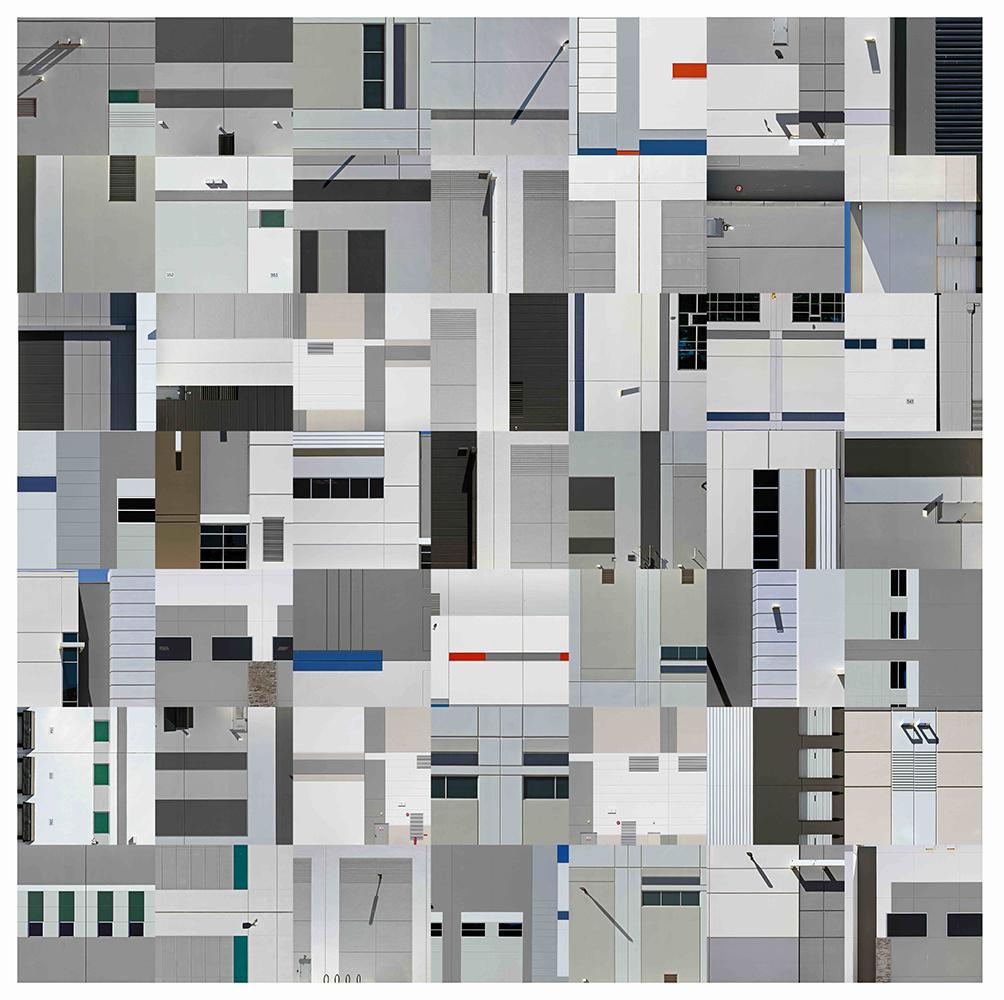
Photos by ©Annette LeMay Burke, Concept and Design by ©Penelope Umbrico
Dr. Rotem Rozental shares the concept:
Much like reservoirs regulate the flow and storage of water, providing a sense of stability for their communities, this invitation-only collaborative project incubates new approaches through creative practice, research, and engagement.
Extending and amplifying LACP’s commitment to nurturing well-being and connectedness through visual storytelling, this multi-year project brings together artists, master teachers, art centers, curators, publishers, medical institutions, mental health specialists, and technology innovators to incubate, develop, and create groundbreaking projects, anchored in the meeting point of visual technologies, psychological and physical well-being and the ebbs and flows of human connection.
Cohorts of artists and mentors representing a wide array of locations, approaches, ages, nationalities, and lived experiences will create new works that address the pervasiveness of loneliness in all areas of life—from our shared existence with technology to ageism and the creative process.
Each cohort explores a sub-theme selected by the artist. The cohorts and artists interact with one another through joint sessions, talks by guest speakers, and crits designed to forge a community across geographies and differences, seeking to overcome loneliness by nurturing an international network of peers.
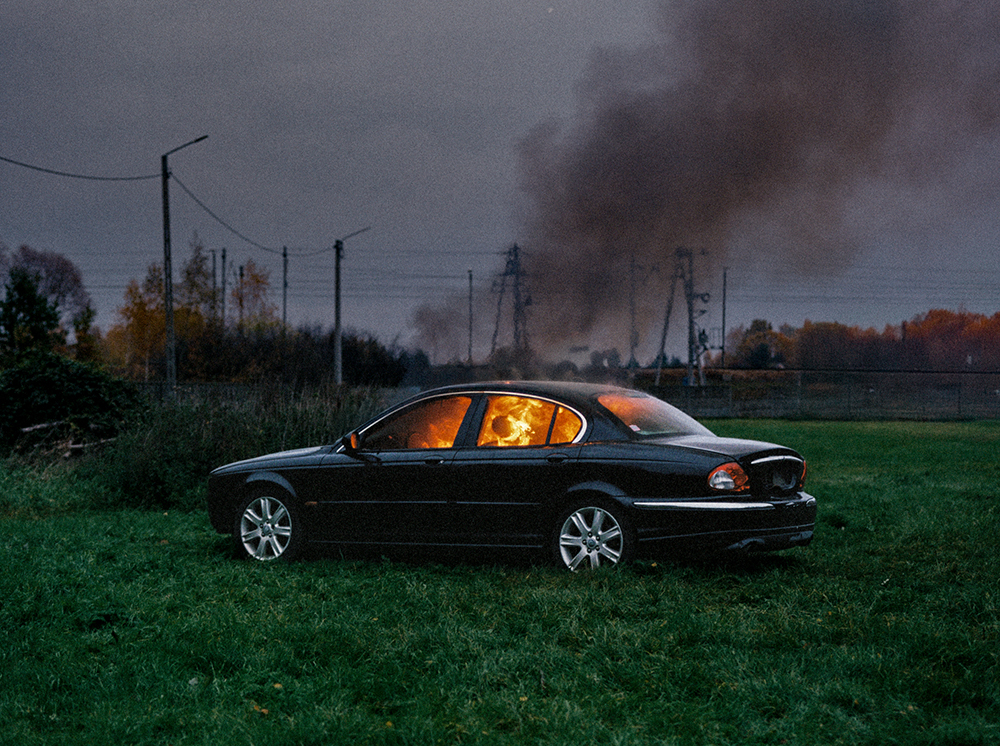
©Ada Zielinska
Background:
In 2000, political scientist Robert Putnam suggested America is becoming a nation of loners, who lose trust in their institutions as they retreat from life in community to solitude. And it seems things have only gotten worse in the decades that followed. A study published in 2023 examined 1649 adult participants from Norway, the UK, and Australia, and highlighted a direct relation between time spent on social media and an increased feeling of loneliness. Paradoxically, the more technologically connected we are, the more alone and isolated we feel. The Covid pandemic, political and social polarization, global wars, and economic shifts— those external factors contribute to feelings of isolation and detachment. These issues are further exasperated in a place like Los Angeles, where physical topographies, distances, and access to transportation impact emotional landscapes and contribute to a sense of isolation.
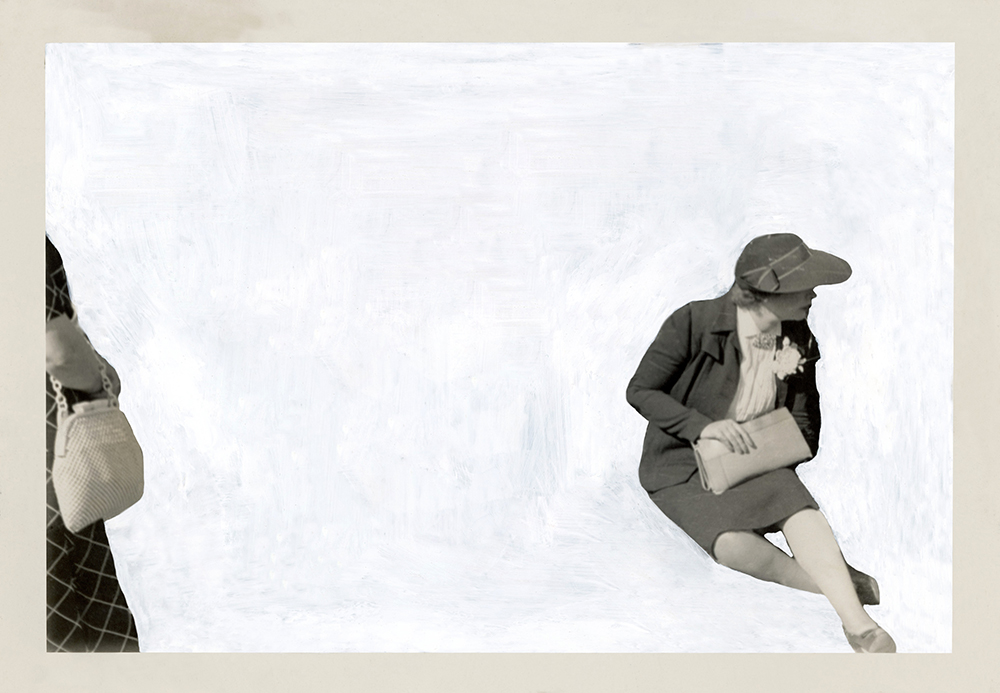
©Diane Meyer, Empty Space of Nothing
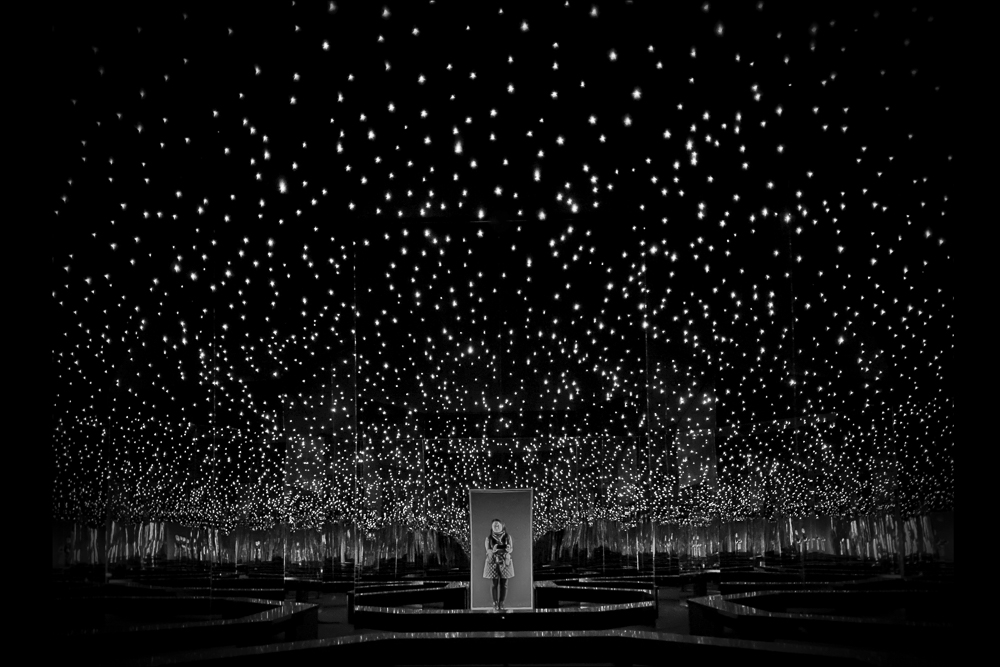
©Junko Yokota, Considering Possibilities
About the Los Angeles Center of Photography: From its home in Downtown Los Angeles, LACP enables communities to capture, interpret, and reimagine the individual and cultural conflicts and the creative combustion that shape Los Angeles and influence the world. Each year, LACP offers hundreds of workshops and classes of all levels and genres online and in-person, it exhibits the work of over 300 photographers in virtual and in-person gallery exhibitions, which are free and open to the public. Additionally, LACP partners with multiple organizations to offer photography and visual literacy education for youth and children in underserved communities.
Instagram: @la_centerofphoto
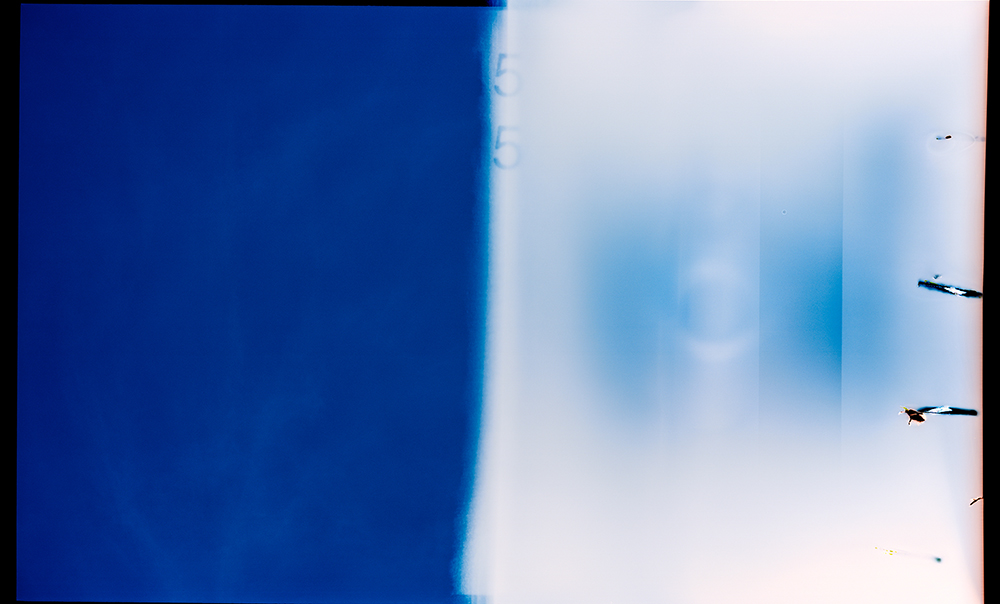
© Stacy Arezou Mehfar, Aleph (08.10.25.1.10), from the series Aleph Medium: Archival pigment print Size: 30 x 50 inches Edition of 3
Aleph came as a response to the loss of my father. Questions of the afterlife struck me almost immediately after he passed in July 2024. The Babylonian Talmud describes the afterlife as a place where “the righteous sit feasting on the brightness of the divine presence.” They do not eat or drink; they consume light itself. Photography promises to fix and preserve, making the image permanent and insensitive to light. By sabotaging the medium and inviting technical failure, the process itself becomes a means of investigating the unknown.
The title references Borges’ El Aleph—a point where all things converge, where everything exists simultaneously—and the Hebrew letter Aleph, א: the first letter of the alphabet and a symbol of the connection between heaven and earth.
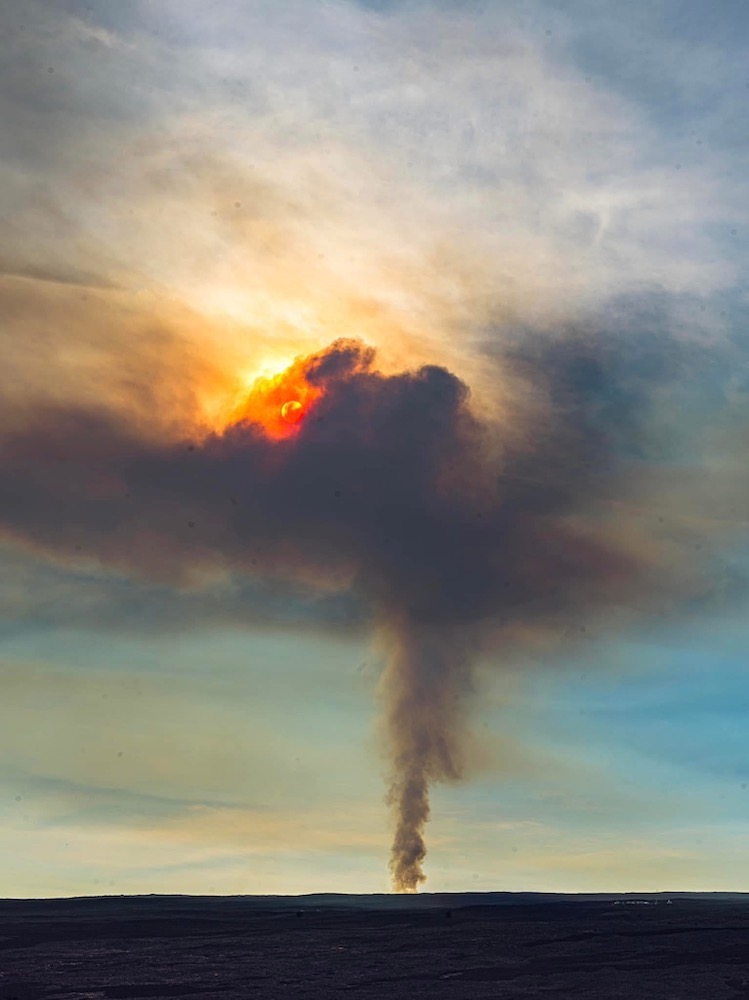
©Leslie Gleim, A Still Point in a Turning World
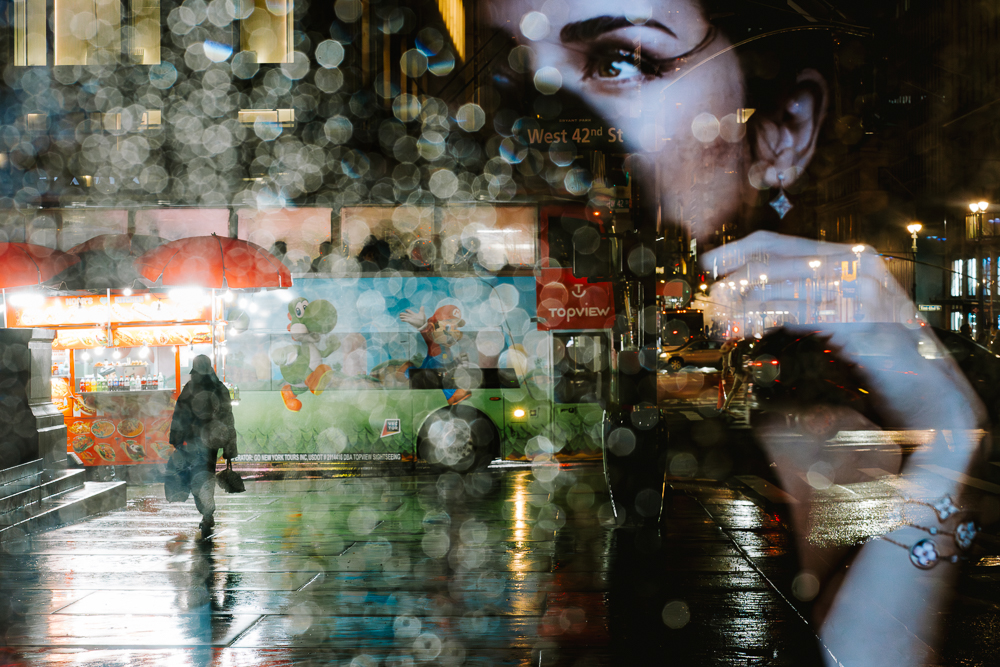
©Gillian Peckham, Unsettled Mind
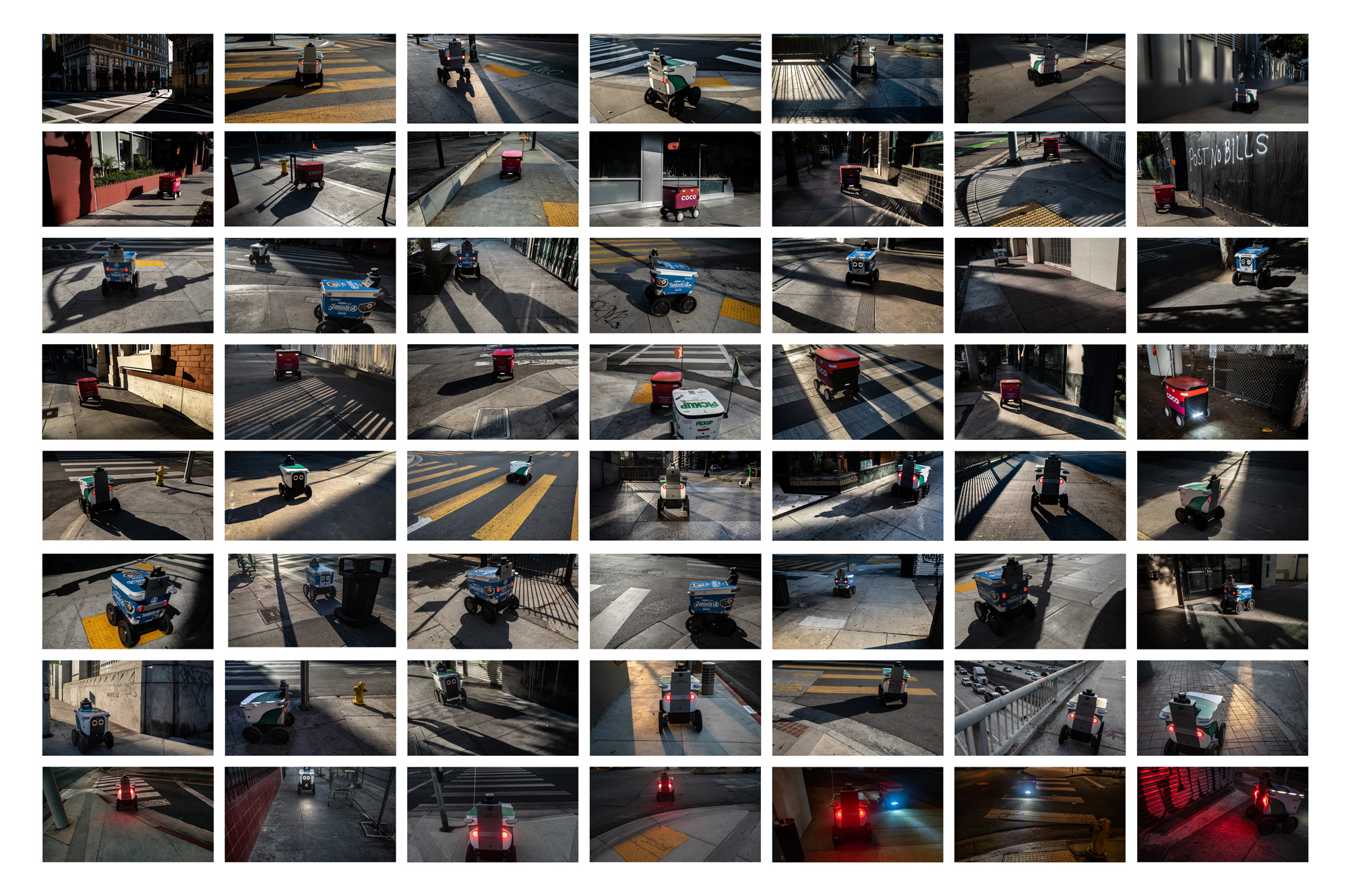
©Carl Pfirman, I’m Following You.
Posts on Lenscratch may not be reproduced without the permission of the Lenscratch staff and the photographer.
Recommended
-
Jordan Tovin: A Shaw DiaryMarch 21st, 2026
-
Houston Center of Photography: THE VANGUARD,Rebel Girl, and Soft Heat…and a conversation with Anne MassoniMarch 12th, 2026
-

A Collaborative Photographic Exhibition by Heather and Ben Mattera: Weight of It AllMarch 7th, 2026
-
Binh Danh: Belonging in the National ParkMarch 4th, 2026
-
Landscape ReEnvisioned Exhibition At the Monterey Museum of ArtFebruary 26th, 2026