Justine Tjallinks: Vision
©Justine Tjallinks, Surfaces, 2018, Sandra
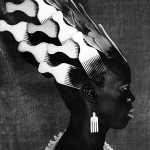
Recent European photography has undergone a sophisticated shift toward cinematic portraiture, moving away from the clinically perfect digital aesthetic of previous years infavor of a more deliberate, filmic narrative. This trend treats the single frame not as a standalone portrait, but as a still from a larger, unseen movie. By utilizing anamorphic-style wide crops, dramatic rim lighting, and a palette of “true-to-life; yet moody color grading— photographers are building suspense and emotional tension. This narrative imagery often prioritizes intentional imperfection; hard surfaces, grain, and unposed expressions are used as storytelling devices to evoke a sense of history and human touch; that feels increasingly vital in an era of AI-generated perfection. The visual focus has moved from capturing how a subject looks to establishing a visual voice that suggests a story happened just before the shutter clicked and will continue long after. Today, we feature the work of Justine Tjallinks
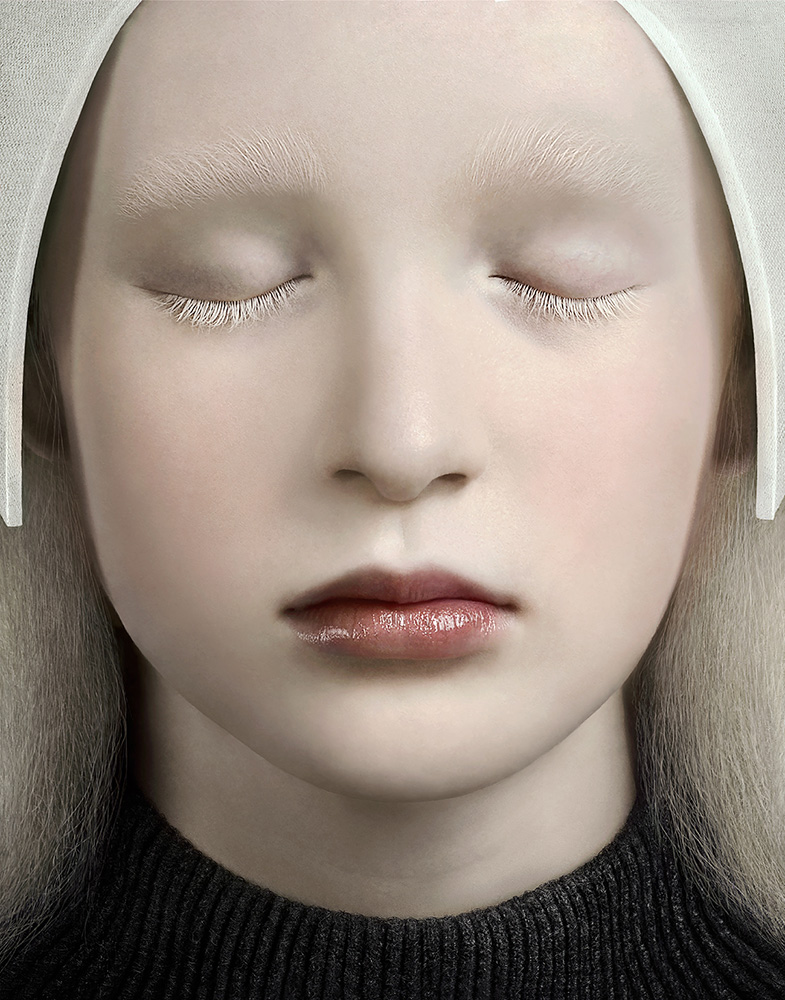
©Justine Tjallinks, Jeweled 2016, Vision
If you happen to be visiting Nice or Provence during the next month, you are in for a treat of classic Dutch portraiture by the talented Justine Tjallinks who is celebrating her first museum retrospective of sixty plus portraits at the Musée de la Photographie Charles Nègre in the Old Town of Nice. The exhibition continues through May 24th but should you be unable to see it, there is a lot to be admired in her stunning portraits, nevertheless. As a fellow admirer of this array of female portraits mentioned to me, Tjallinks’ work is “a dialogue with art history” evoking the work of Van Eyck, Vermeer, John Singer Sargeant and Caravaggio to name a few. But her oeuvre goes beyond a wistful look back through artistic history as she gives her portraits contemporary touches that brings the viewer back to the present.
Instagram: @museephotonice
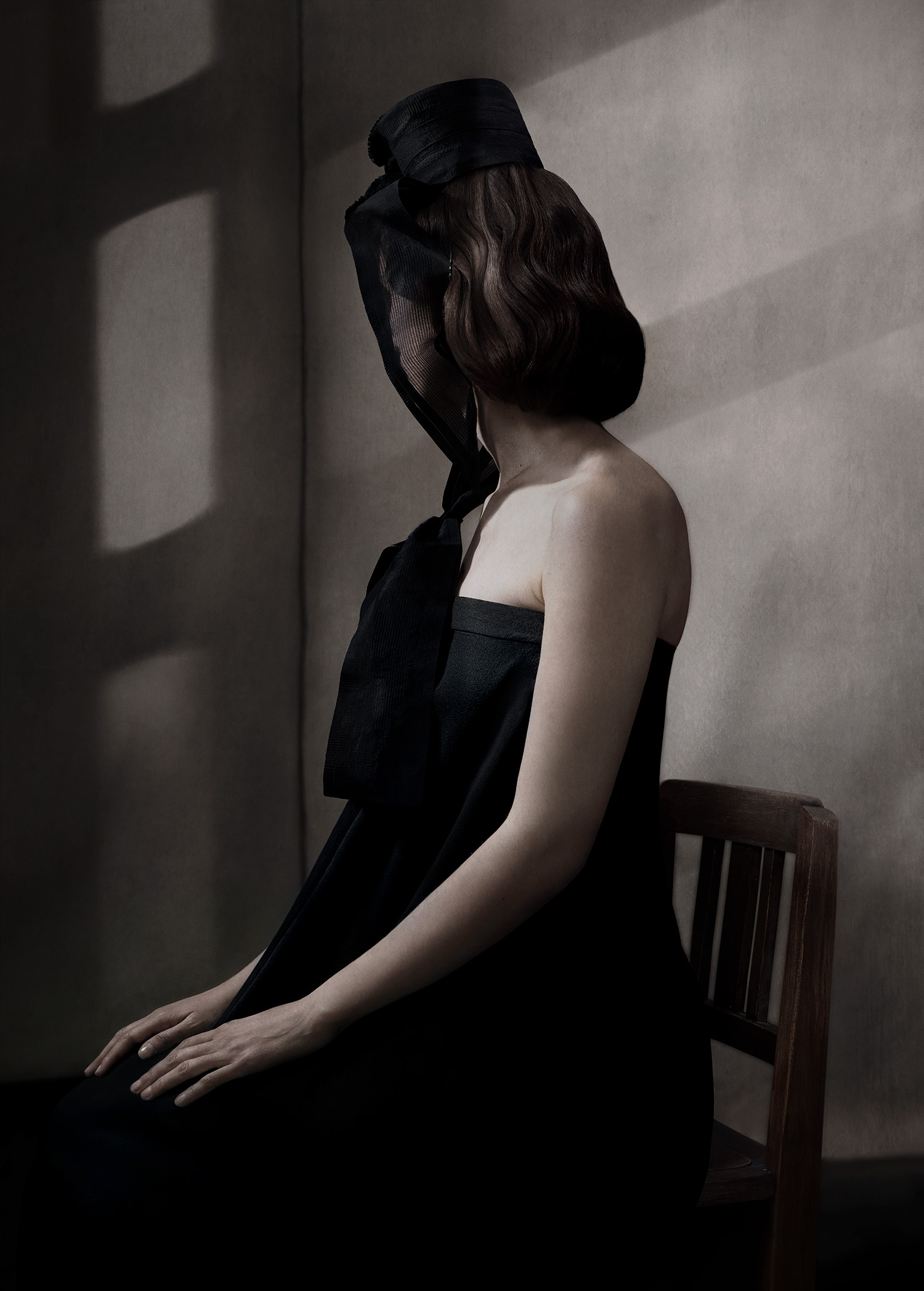
©Justine Tjallinks, Absentia, 2016, Unsung
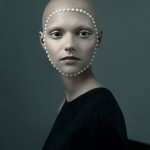
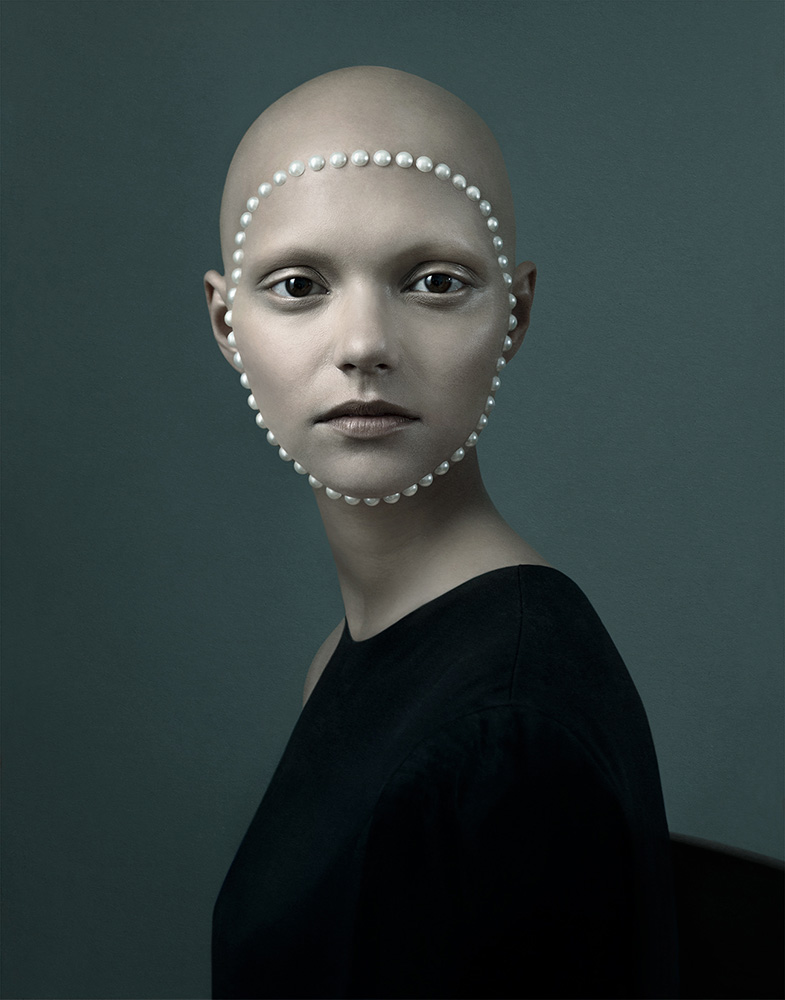
One aspect that makes these portraits come to life is the classic Dutch lighting and startling realism that permeates the work. Tjallinks finds her models on the streets and canals of Amsterdam and spends hours conceptualizing their poses, costuming and minute details that constitute a unique image. The closed eyes and pale white eyelashes and red lips of one portrait play with the hood and collar that somehow contradict one’s initial impression. This is the beauty of difference as another portrait conflates the baldness of alopecia with a magical ring of pearls that capture the stunning face of the sitter. Tjallinks upsets traditional norms in one sense but always reverts to the liminal space between the past and the present.
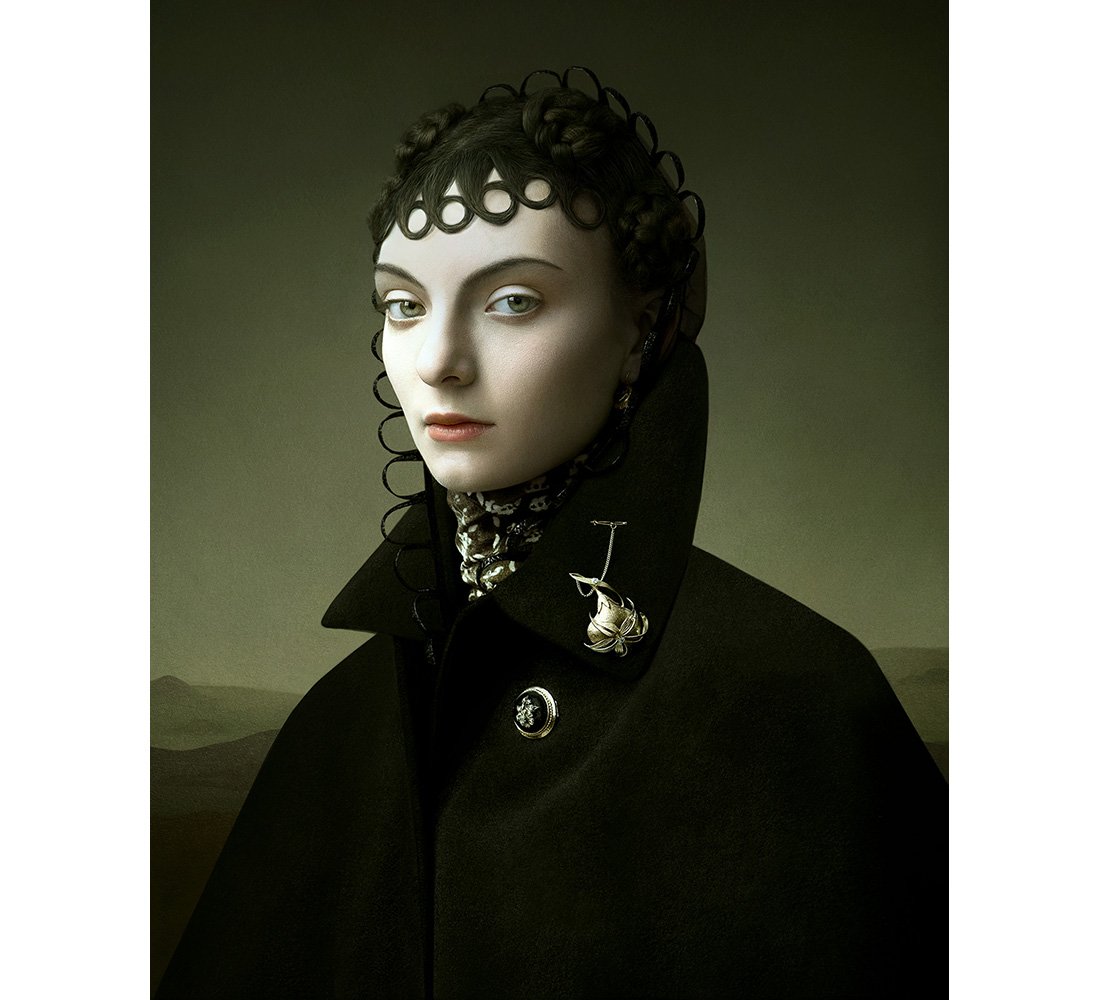
©Justine Tjallinks, Glory, 2020, Flora
Justine Tjallink started her career in fashion as Art Director for leading fashion titles in the Netherlands. After spending years working with photography as a visual language, she realized that the fashion world and its ideals of human beauty had become creatively limiting for her. In 2014, at the age of 29, she decided to quit her job to become an artist.
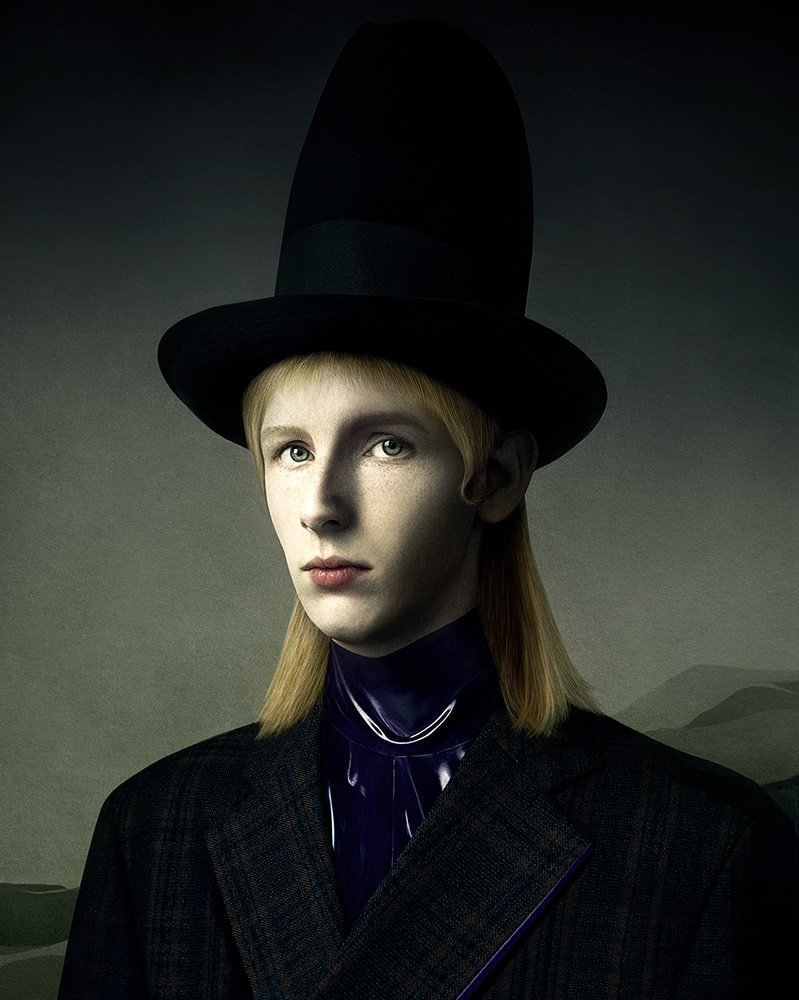
©Justine Tjallinks, Glory 2020, Merlijn
Justine is above all a portraitist who is deeply inspired by the complexity and layered aspects that make us human. Inspired by various Old Masters from between the Golden Age and Magical Realism, her work is predominantly influenced by the use of refined color palettes and staged compositions, which she adapts to reflect the current zeitgeist.
Despite her admiration of the past, her work is contemporary. She creates her own visual language by granting herself the freedom to cleverly blur the lines between fantasy and reality, mixing today’s societal influences in her artworks, perturbing and questioning the viewer.
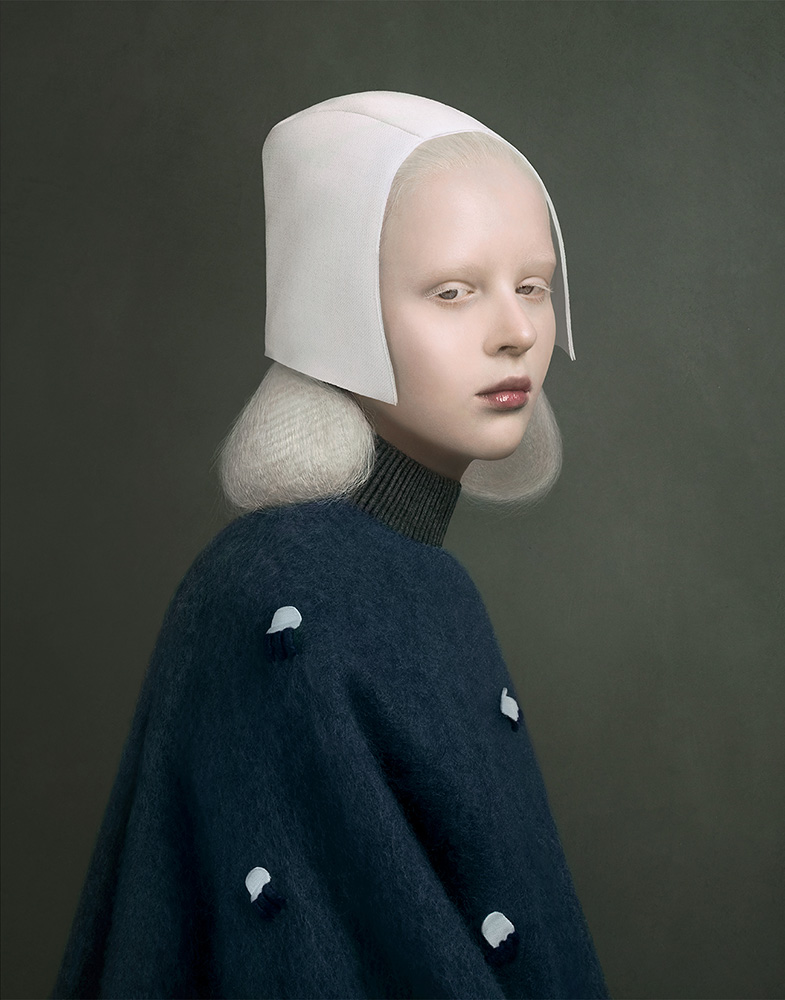
©Justine Tjallinks, Jeweled, 2016, Despondent
To create her artworks, Justine holds the photo shoot in her studio. Her sitters are dressed in sophisticated clothing (often collaborations with contemporary couturiers) and placed in a theatrical setting, testifying to her creativity in set design. Like a film director, she directs, styles and transforms her models in order to tell the viewer something personal about herself. She then spends countless hours editing the images, adding and changing (mostly digitally) brushstrokes, slowly building layers of files (up to 200 layers per work) until a balance is reached and a work comes alive. This meticulous process gives Justine Tjallinks’ photographs a quasi-pictorial rendering.
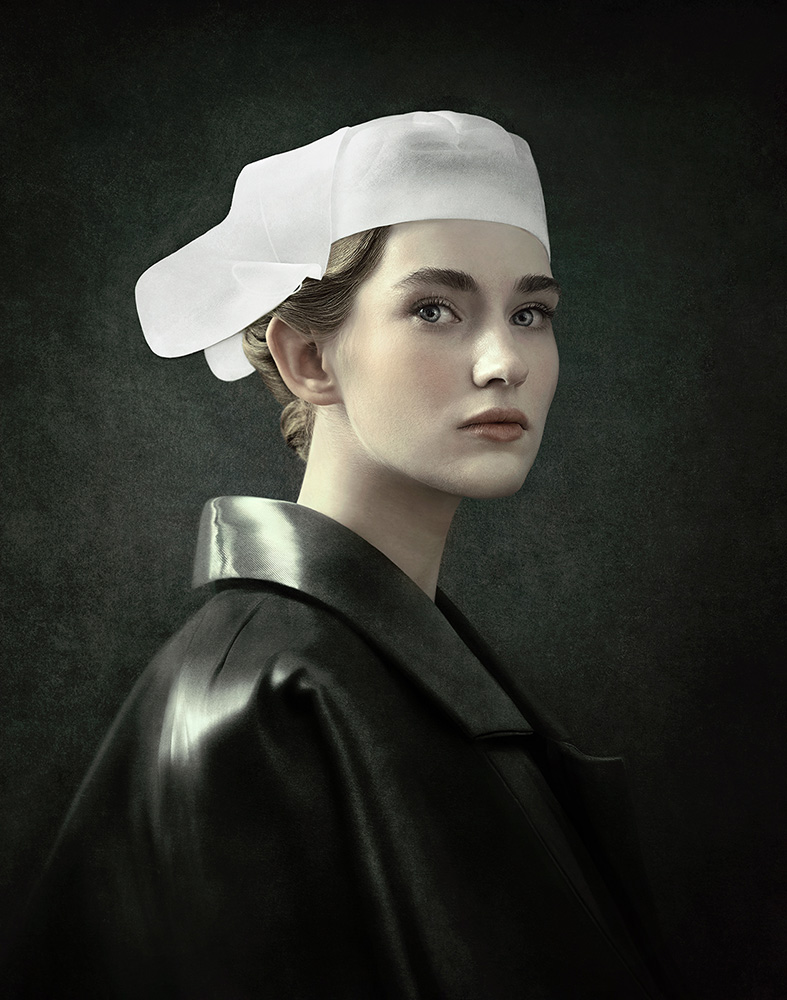
©Justine Tjallinks, Modern TImes, 2019, Enchantment
Justine currently lives and works in The Hague and Paris. Her work has been published by the Prix Pictet, the British Journal of Photography, Lensculture, the New York Times and many other photographic journals and magazine. She is represented by the
SOPHIE SCHEIDECKER GALLERY in Paris.
Instagram: @justinetjallinks
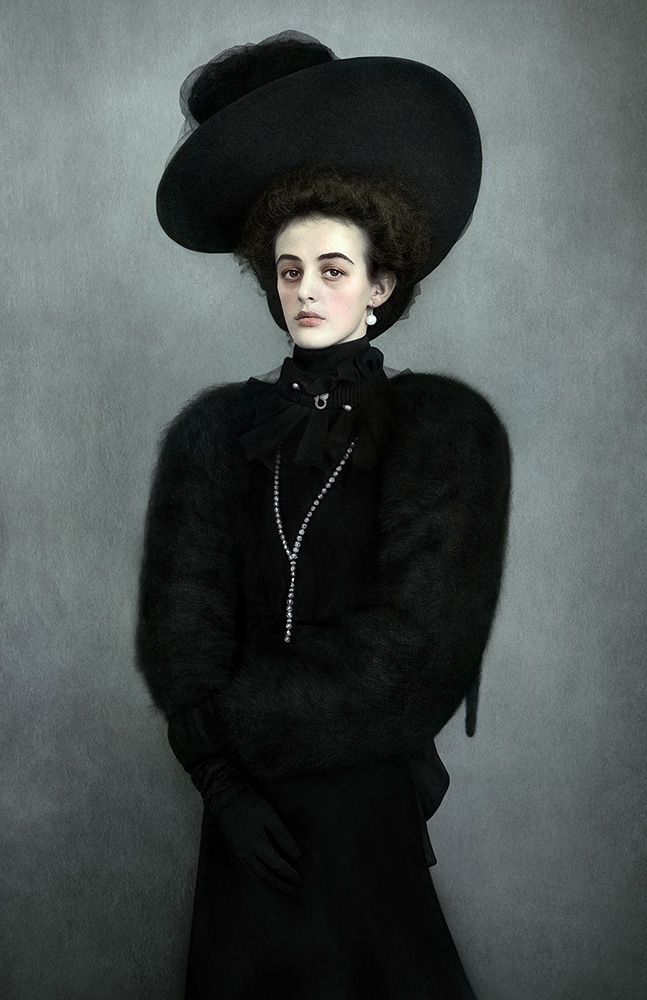
©Justine Tjallinks, Modern Times, 2019, Grace
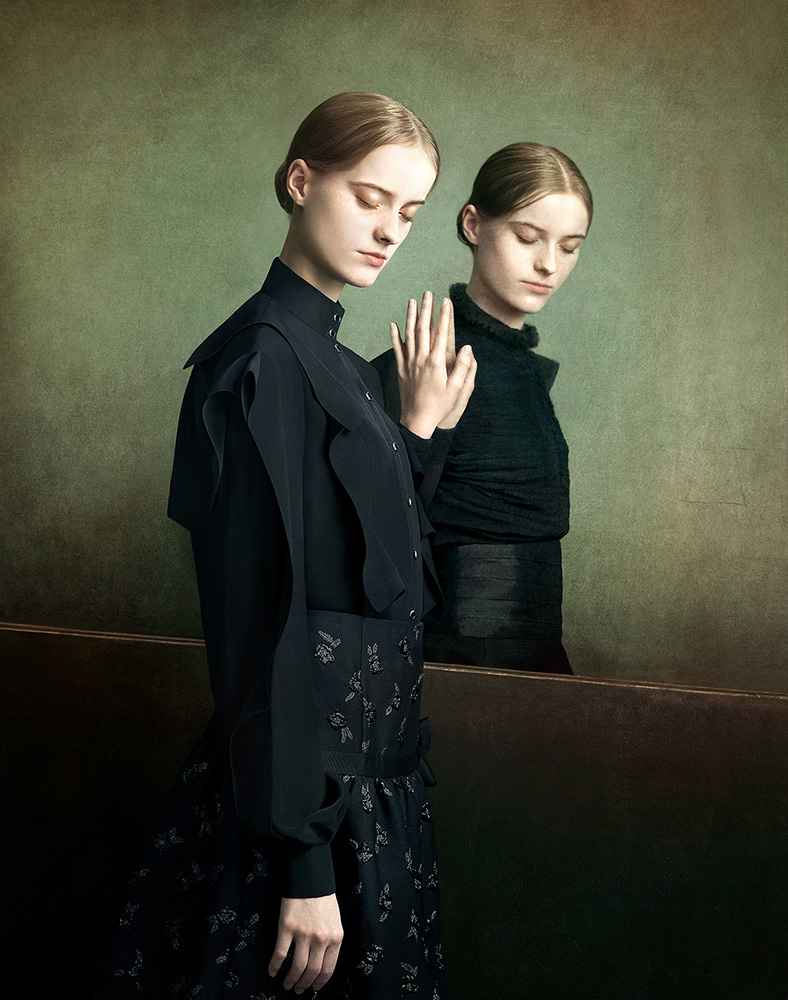
©Justine Tjallinks, Modern Times, 2019, The Sisters
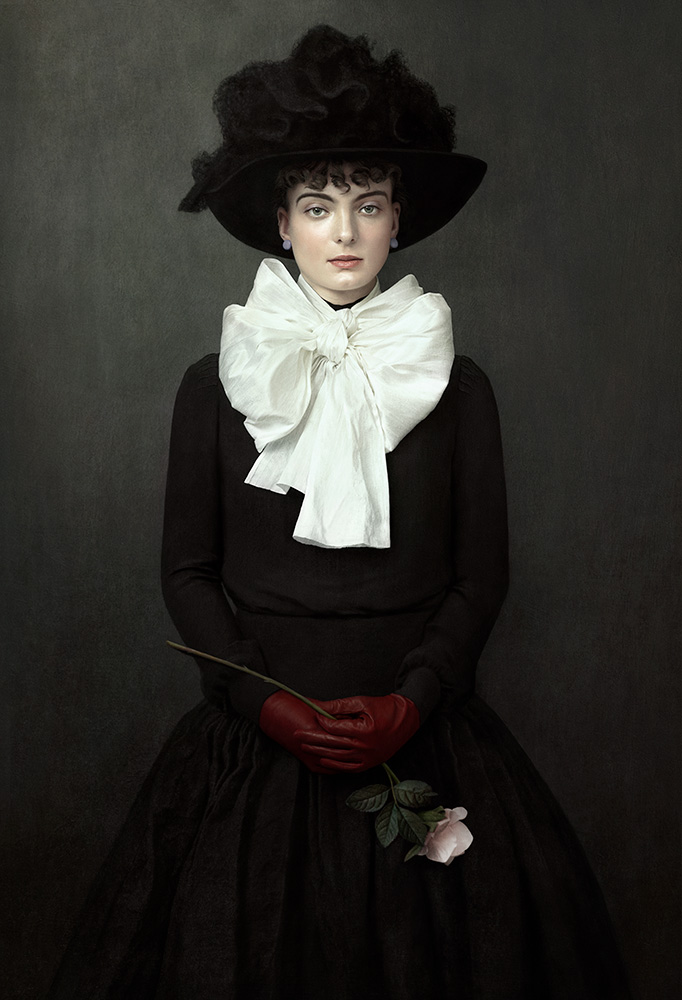
©Justine Tjallinks, Modern Times, 2023, Odette
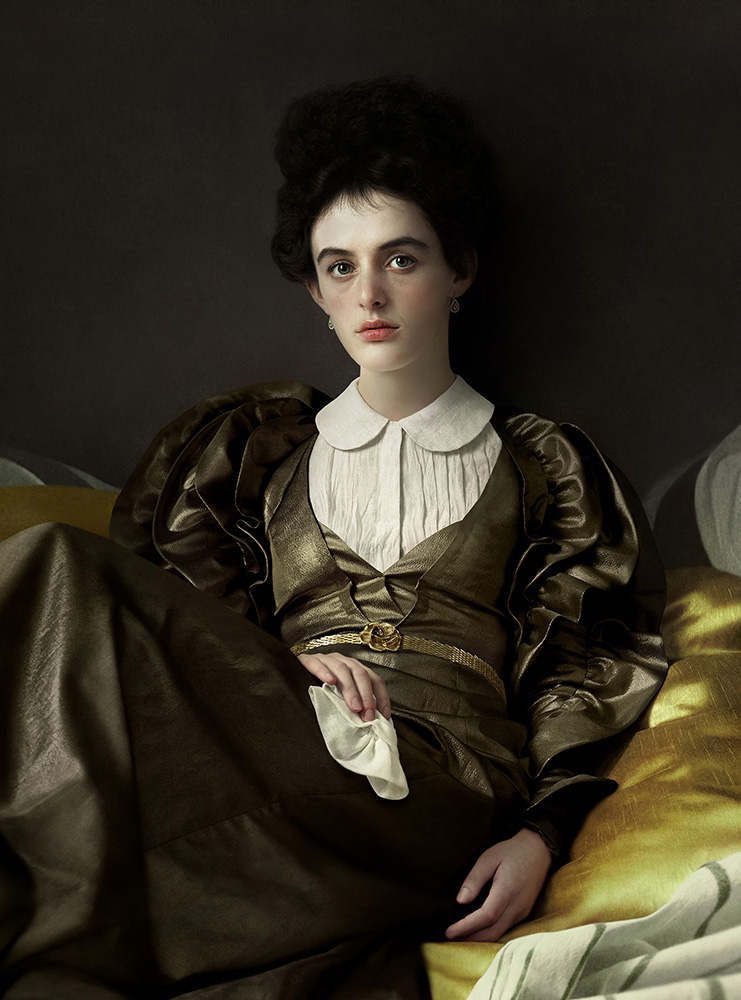
©Justine Tjallinks, Modern Times 2026 Charmed
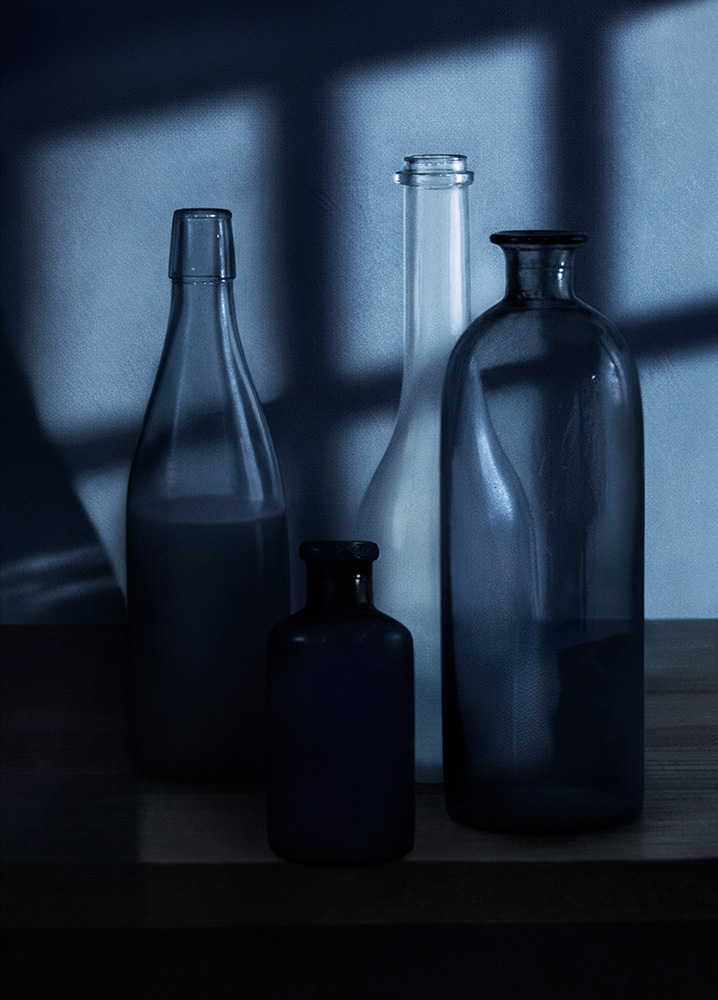
©Justine Tjallinks, Nocturnal Stills, 2026, BlueWindow
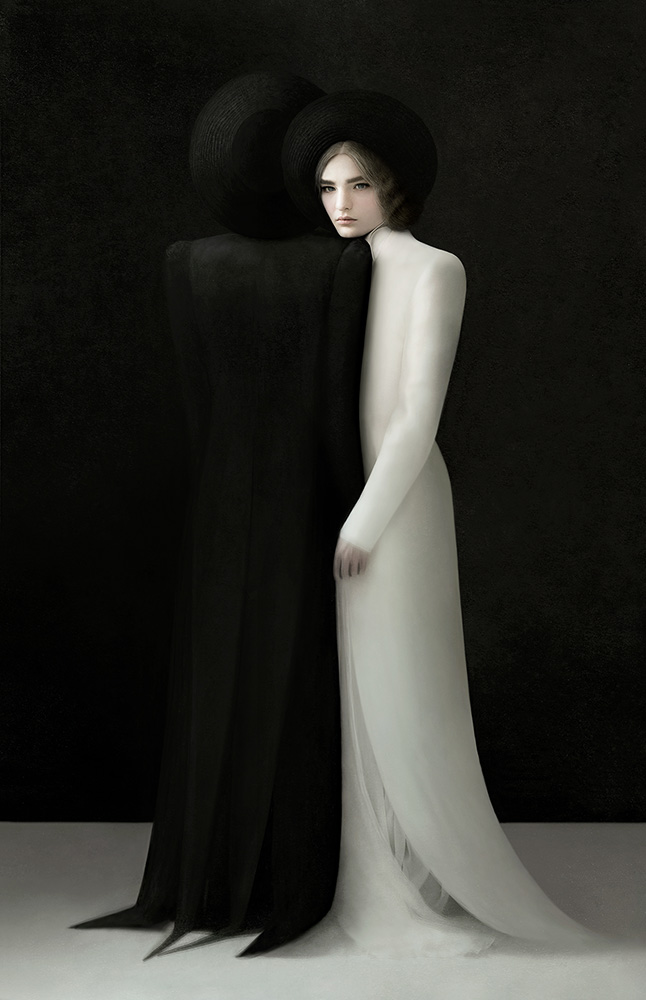
©Justine Tjallinks, Obscuro, 2019
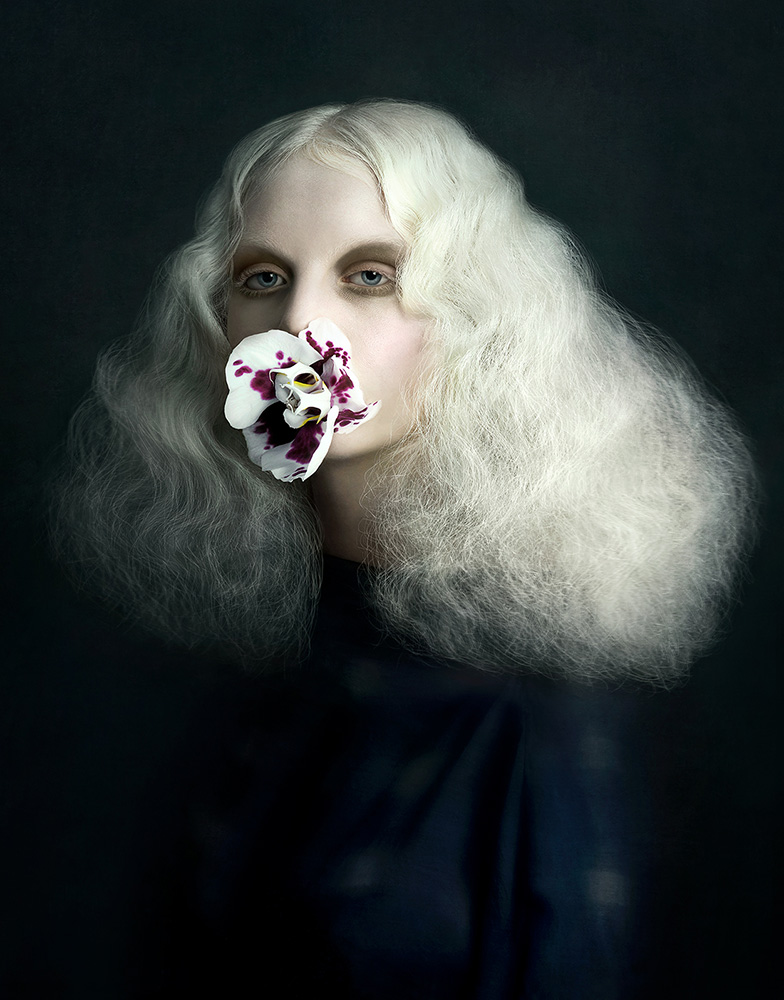
©Justine Tjallinks, Silence, 2016, Anne
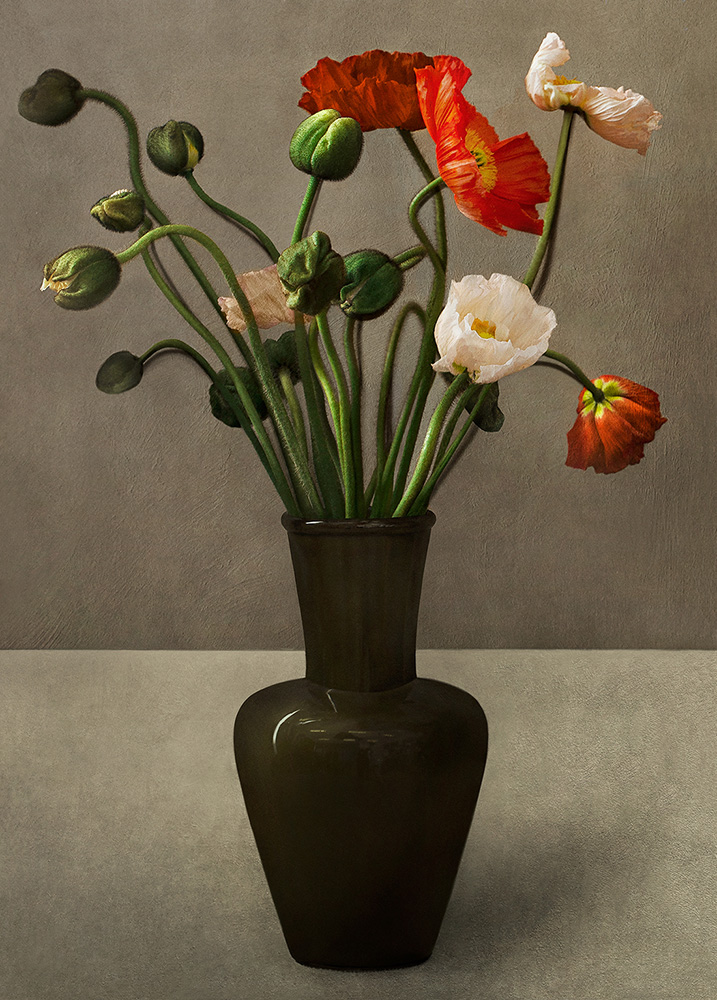
©Justine Tjallinks, Stills, 2021, Poppies
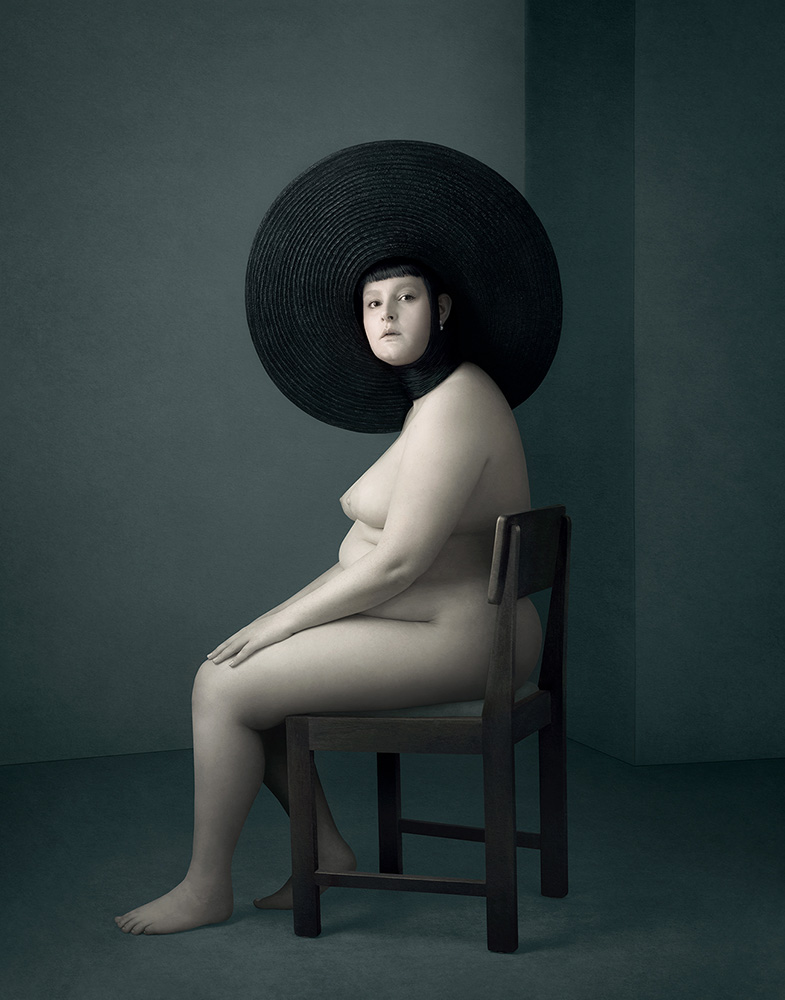
©Justine Tjallinks, Surfaces, 2018, Trixie

©Justine Tjallinks, Undone, 2021
Posts on Lenscratch may not be reproduced without the permission of the Lenscratch staff and the photographer.
Recommended
-
Justine Tjallinks: VisionApril 12th, 2026
-

Mexico Week – David Muñiz: Between the Archive and the AlgorithmMarch 29th, 2026
-
Mexico Week – Tomás Casademunt: Time Frozen by LightMarch 24th, 2026
-

BEYOND THE PHOTOGRAPH: Q&A WITH COMMERCIAL PHOTOGRAPHER ANDY MAHRMarch 22nd, 2026
-
Zanele Muholi: 2026 Hasselblad Award LaureateMarch 13th, 2026