HANDMADE ARTIST BOOKS WEEK: SOUMYA SANKAR BOSE
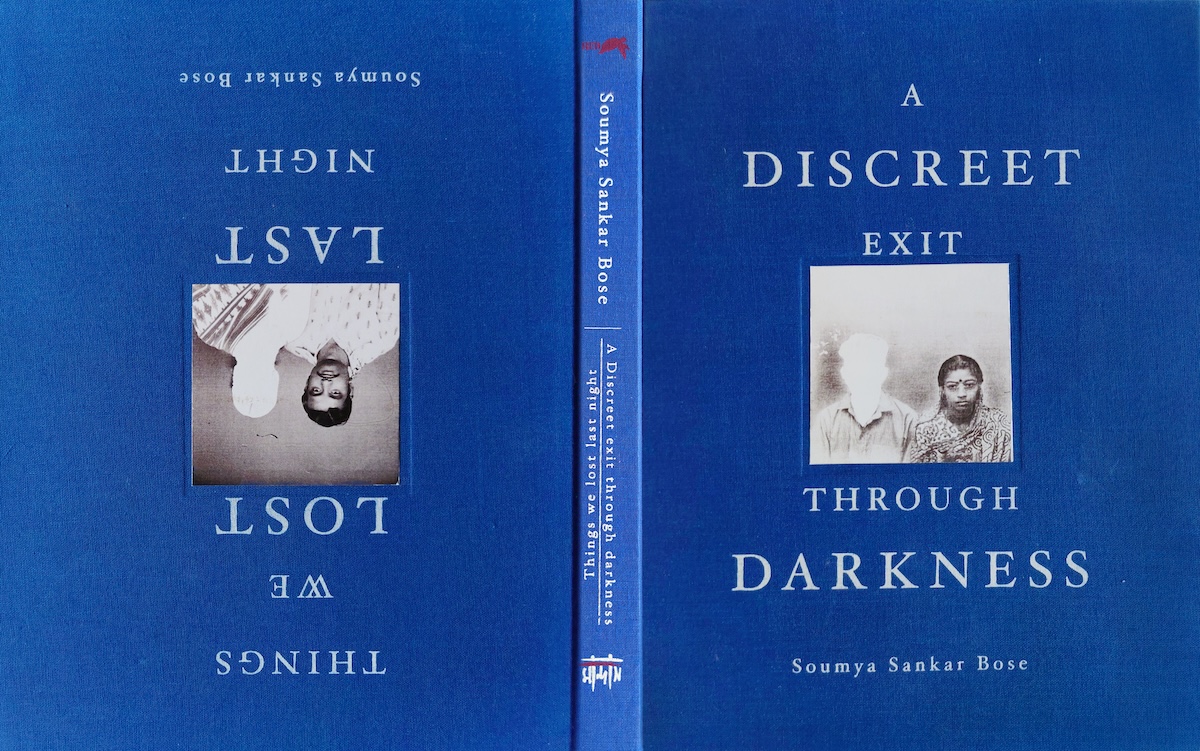
© Soumya Sankar Bose, artist book “A Discreet Exit Through Darkness Things We Lost Last Night”
I was captivated by the title of Soumya Sankar Bose‘s photobook Where the Birds Never Sing when it was shortlisted for the 2020 Paris Photo-Aperture PhotoBook Award. The work resonated deeply with me, as it revisits the tragic Marichjhapi massacre in the Sundarbans with remarkable sensitivity. I was particularly struck by how seamlessly the design elements are interwoven with the narrative, evoking a profound sense of loss and a somber atmosphere. This initial encounter also led me to explore more of Soumya’s work, further deepening my appreciation of his practice. His philosophy as an artist and bookmaker is rooted in the idea that photography is not just about recording reality, but also about reconstructing forgotten histories, emotions, and marginalized voices. For him, books are intimate, personal objects that readers return to over time, making them powerful tools for remembrance and storytelling.
I am honored to have the opportunity to interview Soumya about his work and his books.
© Soumya Sankar Bose, Bose’s Grandmother, photo taken by Bose’s Grandfather, 1965
Tell us about your growing up. What made you choose photography as a medium to express yourself and books as a form to represent it? How did ‘Pathshala’ shape your journey as a lens-based artist?
I grew up in a small town in India called Midnapore, close to the Bay of Bengal. I cannot pinpoint when I began photographing, but I have long carried a fear of time passing, chronophobia, a sense of time slipping away, or more closely, a fear of losing time. That anxiety shaped my practice. I began to archive whatever felt fragile or at risk of disappearance: my family, our roots on both my parents’ sides, our culture, and everyday practices.
Over time, this personal impulse expanded into a broader concern with rural and regional oral histories that remain largely absent from official Indian archives. I continue to build my own archive, one that holds both an intimate perspective and a regional one that is rarely represented.
Books became central to this process. The archives I create often exist only within my work, and the book felt like the most durable way to hold and circulate them. This began with my first project on jatra. Many jatra artists, a folk theatre form in India that began to disappear after the 1980s with the rise of television and media, had no photographs of themselves, some not even online, despite having been widely known in the 1960s and 70s. The book became, in many cases, the only archive of their lives and labour. I worked on this project for four to five years, tracing and finding these artists long after they had faded from public memory. It was then that I realised how difficult it is to create an archive without also creating a book.
Pathshala played a crucial role in shaping my practice. Before that, I thought of literature and cinema as my primary artistic references. At Pathshala, I encountered photography and visual practice as serious and critical forms. The community there fostered sustained dialogue, viewing, discussing, and critiquing each other’s work. Because people in Dhaka and Kolkata share a language and cultural ground, these conversations felt continuous, as if we were growing older together through our practices. In that sense, Pathshala still lives on in the way I think and work.
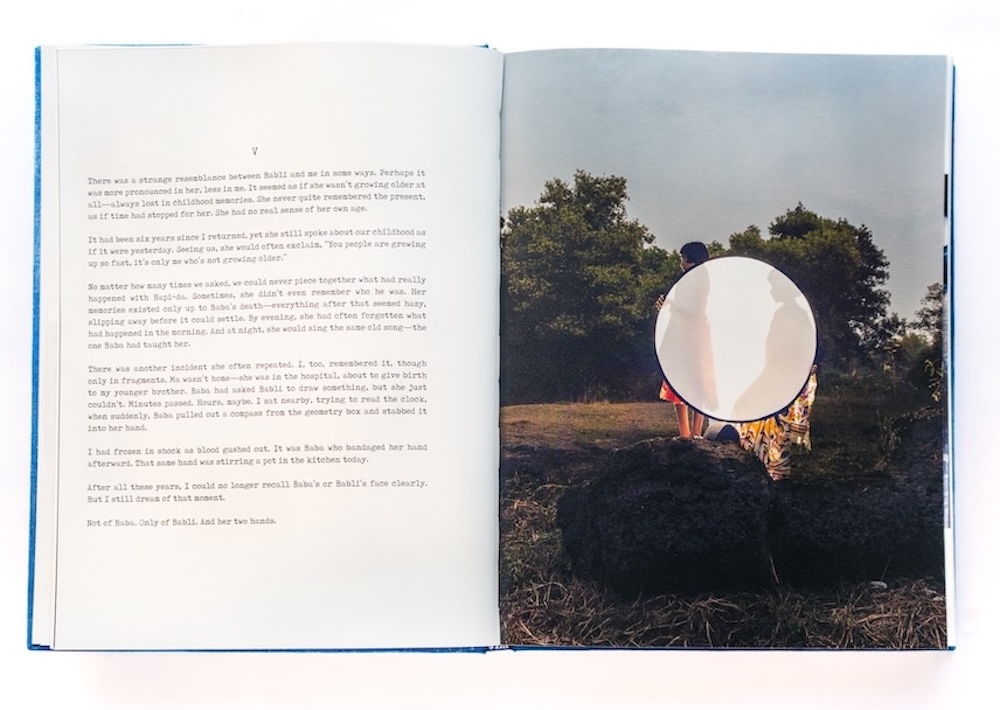
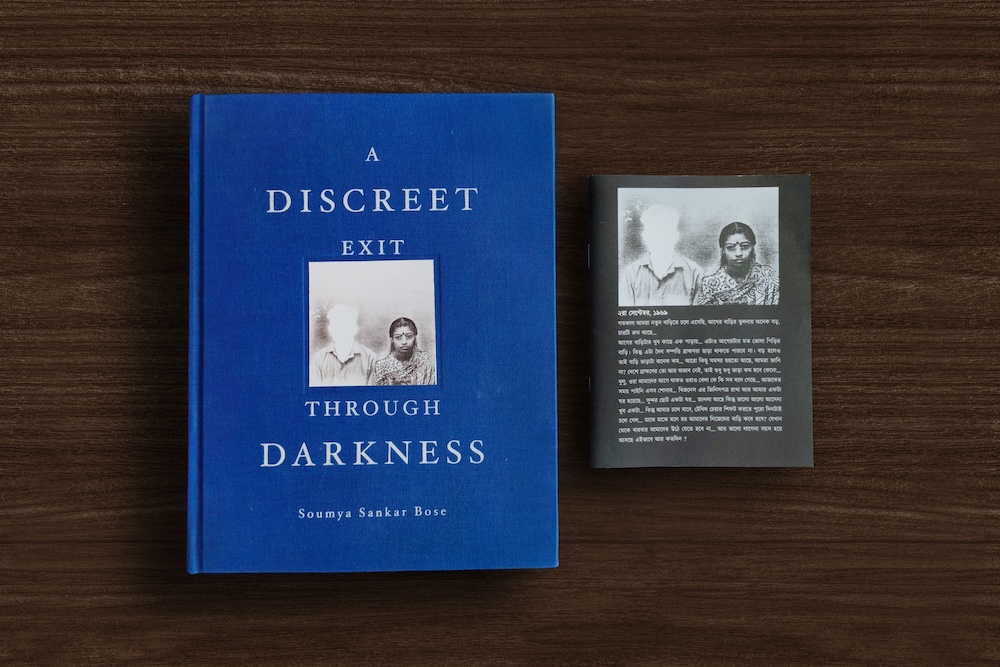
© Soumya Sankar Bose, artist book “A Discreet Exit Through Darkness Things We Lost Last Night”
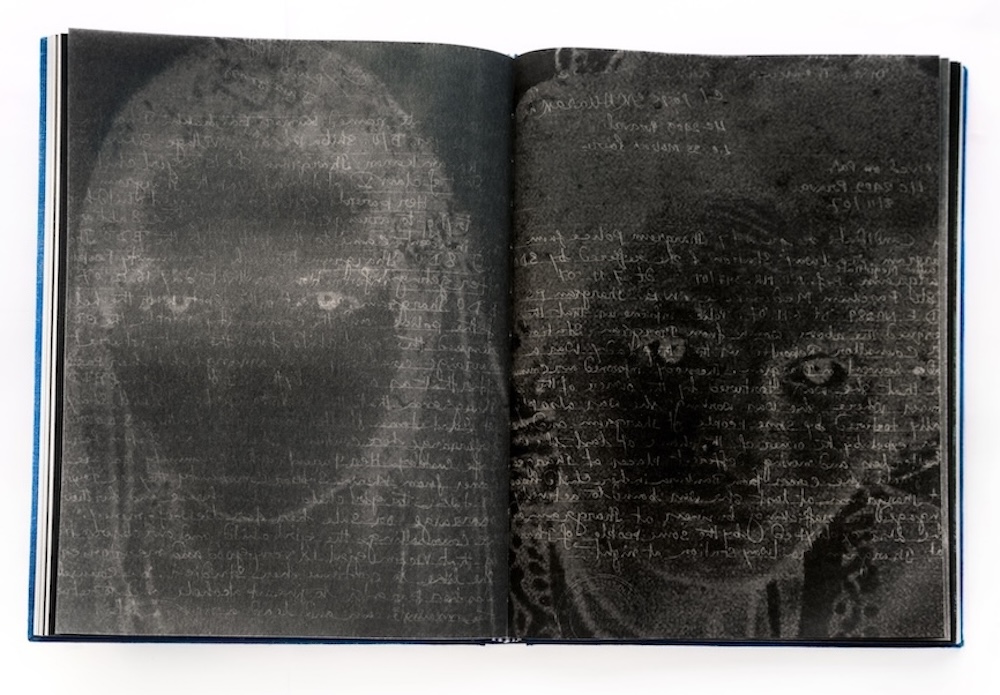
© Soumya Sankar Bose, artist book “A Discreet Exit Through Darkness Things We Lost Last Night”
Your work tends to come from your personal experience of social and political issues. In your process, when does your work take a specific form of the book? How do you balance the relationship between the narrative and the form of the book?
More than personal experience, my work is rooted in regional histories that lack an existing visual archive. This absence is where my projects begin. As the world moves increasingly from text to image, many people now encounter history primarily through visuals. Events that remain undocumented visually, such as the Marichjhapi massacre, the world around jatra artists, or my mother’s disappearance in Midnapore in 1969 when she was nine, risk slipping out of public memory altogether. These gaps shape the urgency of my practice.
The book comes at the final stage of each project, when I feel there is nothing more to add. Before that, I usually spend at least three to four years on a project. The first year goes into research, the next two into production, followed by exhibitions. Only after the exhibitions do I begin to think about how the work might take the form of a book.
The form of each book evolves alongside my understanding of both the project and the medium. Across my three books, Let’s Sing an Old Song, Where the Birds Never Sing, and A Discreet Exit Through Darkness, the structure and material language shift continuously. This is partly because I work on only one project at a time, allowing a deep and sustained engagement with its content. The book is not an afterthought. It grows out of the logic of the work itself.
In Let’s Sing an Old Song, the narrow, folded format emerged from the lives of the jatra artists. Whenever I visited them, they showed me their belongings stored in small boxes, folded tightly due to the constraints of limited living space. Their photographs and newspaper clippings were creased and layered from years of careful keeping. The book mirrors this condition. Multiple elements are gathered and folded into a single box.
For the Marichjhapi project, we worked with original documents belonging to people who died or went missing. The book was conceived almost as an object emerging from a coffin, with each page dedicated to a life lost on 31 January 1979.
The book on my mother is structured around two parallel narratives. It has two points of entry rather than a linear beginning and end. One chapter unfolds from my grandfather’s perspective and the other from my mother’s perspective, and both are equally important. The reader can begin from either side.
It is a continuous process of balancing the narrative and the form, something I have learned through the process of making books.
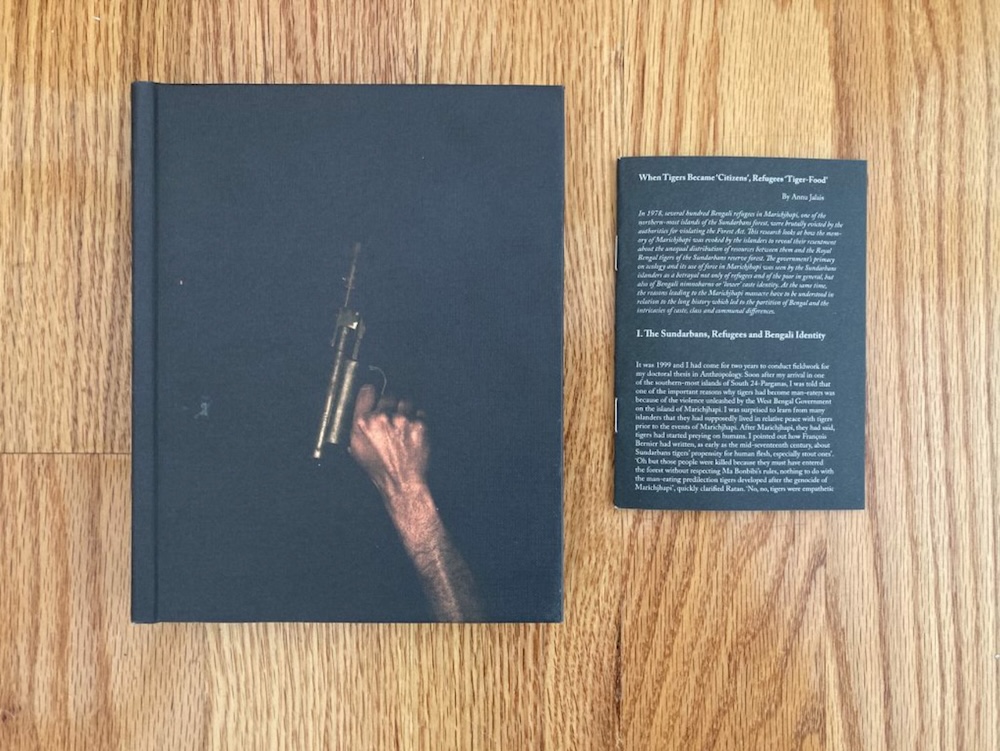
© Soumya Sankar Bose, artist book “Where the Birds Never Sing”
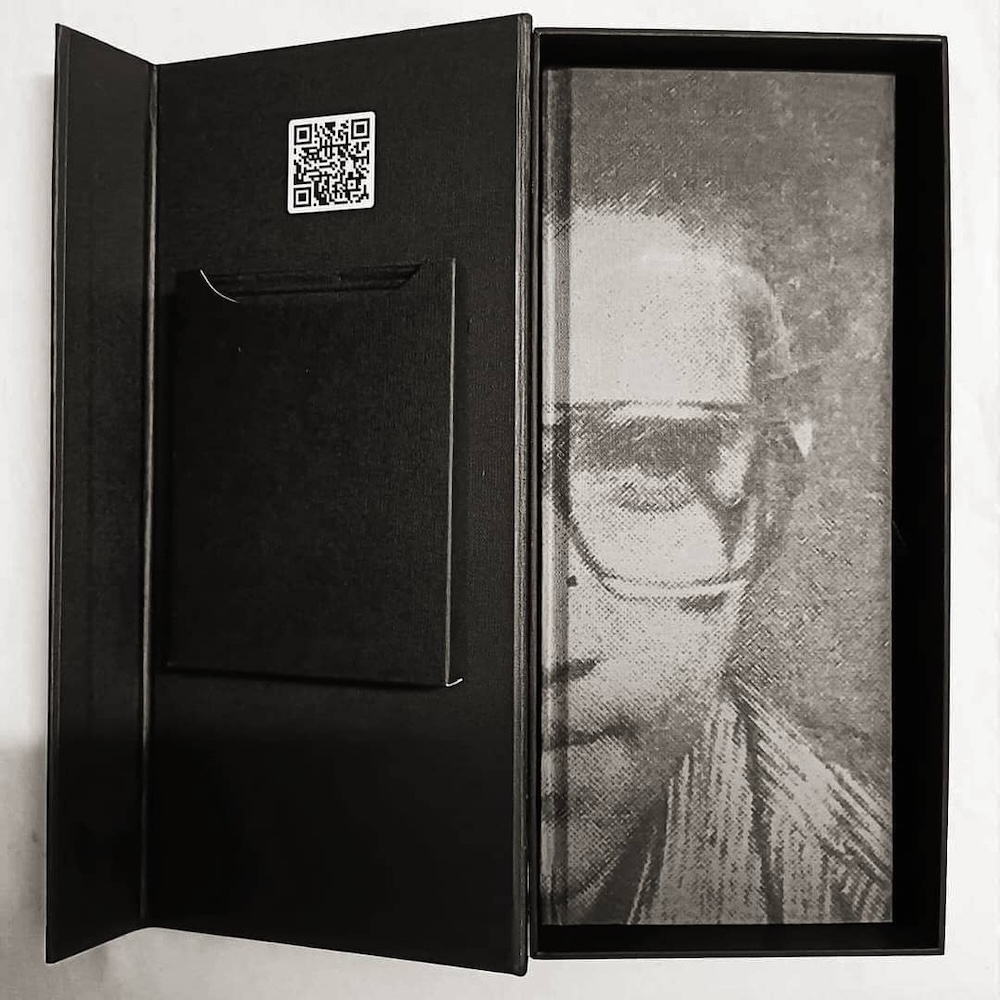
© Soumya Sankar Bose, artist book “Let’s Sing an Old Song”
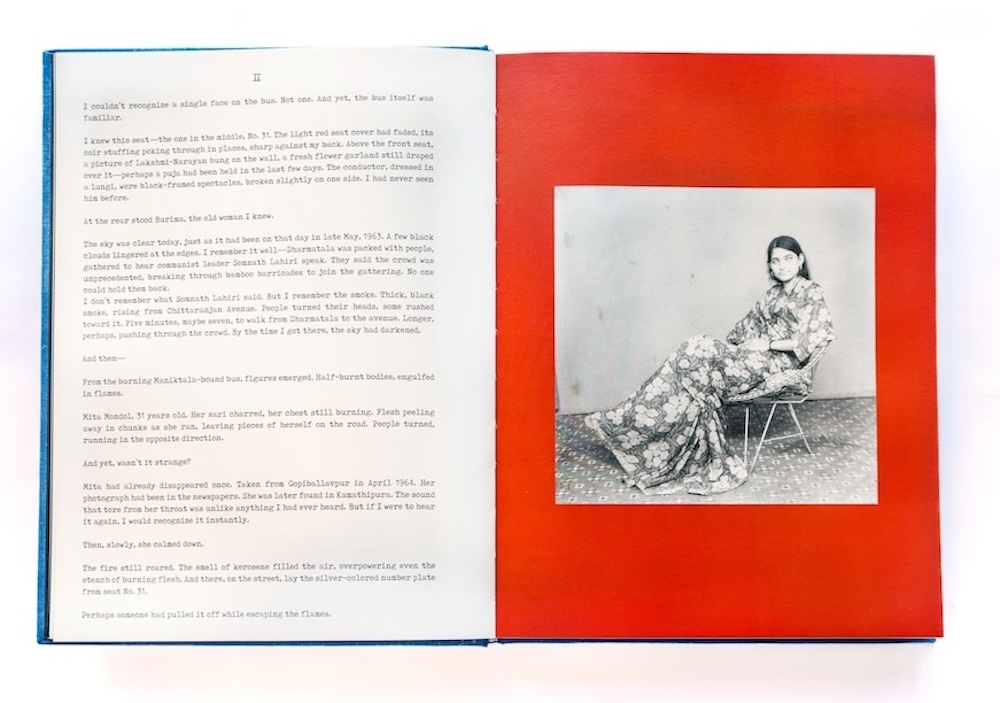
© Soumya Sankar Bose, artist book “A Discreet Exit Through Darkness Things We Lost Last Night”
You do extensive research and blend archival material, oral histories, metaphoric and staged photographs masterfully to reconstruct the past in your books. Can you tell us about your research for the work ‘Where the Birds Never Sing’ and ‘Let’s Sing an old Song’?
The project Where the Birds Never Sing centres on the massacre that took place in Marichjhapi, an island in the Sundarban delta, in 1979. The event is rooted in a longer history of displacement. After Partition, many refugees from East Pakistan, now Bangladesh, were relocated to camps in central India. Despite this, they continued to see West Bengal as home. When a new government came to power in 1977, many attempted to return to Bengal. They were told they were not welcome. Tensions escalated into a violent confrontation, and thousands were killed in a single night.
The incident was carefully suppressed. It was barely reported in newspapers, and no formal archive exists. What remains is carried through oral histories. My work began by tracing this buried history. I first contacted scholars who had researched the event and then began the slow process of locating survivors. I travelled to remote regions of central India such as Mana Camp and Dandakaranya, as well as to different parts of the Sundarbans. This took nearly three years. During this time, I recorded testimonies from those who had lived through the violence.
I later returned to Marichjhapi and, on the opposite island, organised an exhibition there with the survivors. The materials were presented in Bengali and shaped through collective discussion. Later on, I began to think about the book, which eventually became another way of carrying these histories forward.
The research phase was very important to the project. There were no contact details, no reliable records, and little infrastructure. Many people had only basic phones, and often there was no way to reach them remotely. I started this project nearly forty years after the incident, so I had to travel repeatedly and ask for directions from one village to the next to find them.
This method grew out of the experience I learned from my earlier project on jatra, Let’s Sing an Old Song, which I began after returning from Pathshala. With my uncle’s help, I travelled from place to place in search of former performers. Often all I had was a name. I would ask villagers if they recognised it. If they did not, I would ask about local decorators who supplied bamboo structures, microphones, and stage materials. These workers often knew the performers and could point me towards them. Once I found a few artists, they helped me locate others.
This slow, itinerant form of research shapes all my projects. Finding people, building trust, and tracing scattered histories takes time. The production grows out of prolonged research on a particular subject.
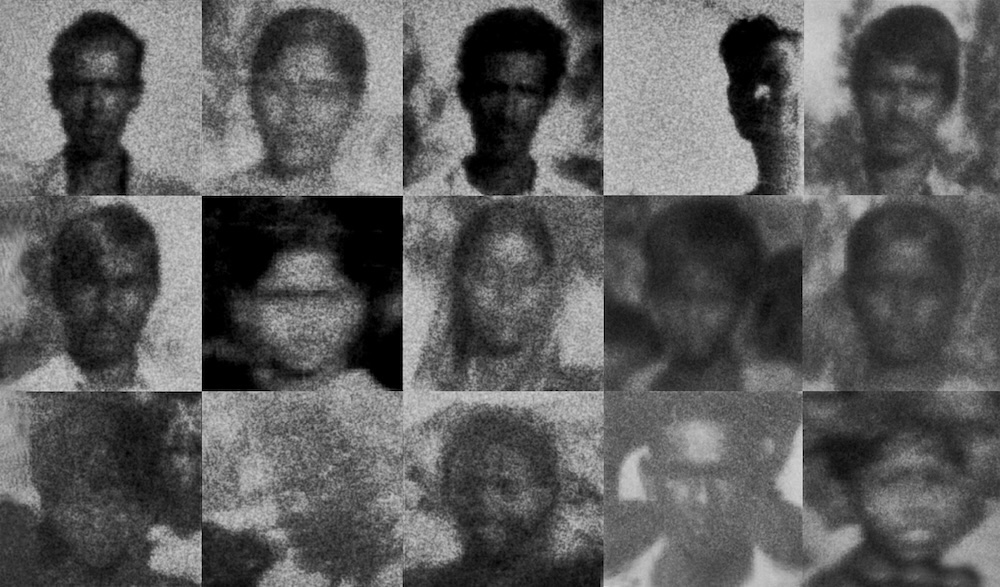
© Soumya Sankar Bose, missing people from artist book “Where the Birds Never Sing”
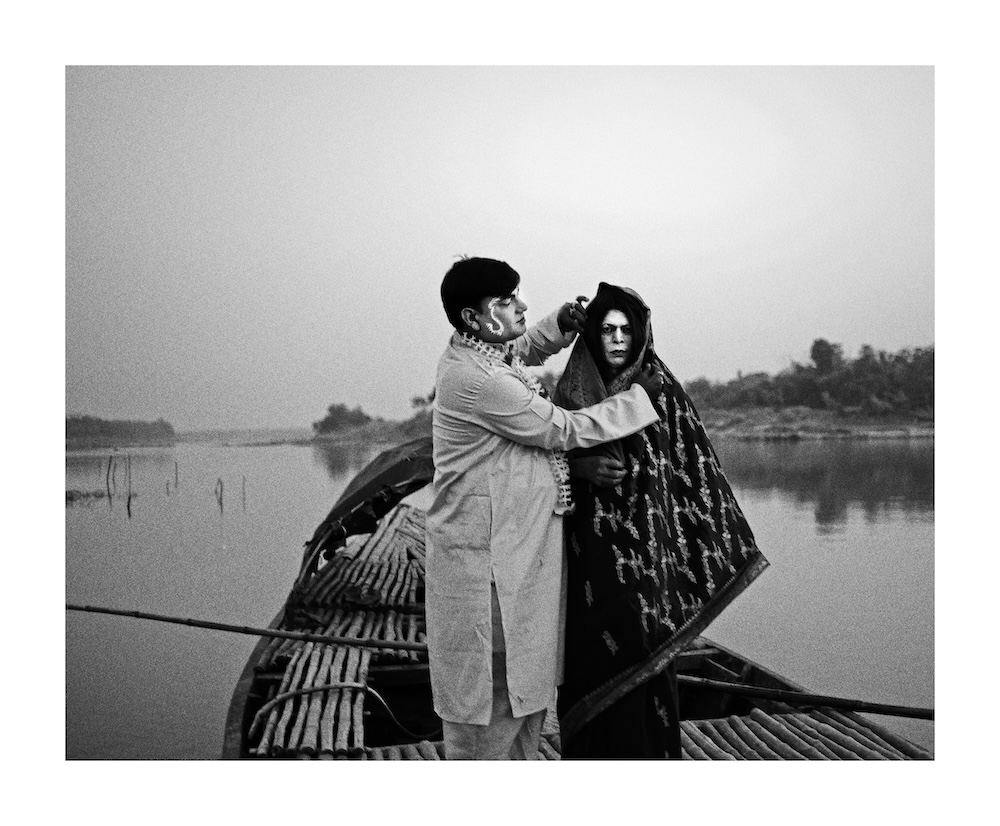
© Soumya Sankar Bose, artist book “Let’s Sing an Old Song”. Rabin Kumar Majhi and Anukul Ghosh posing for a portrait as a newlywed couple. Pathra, India.
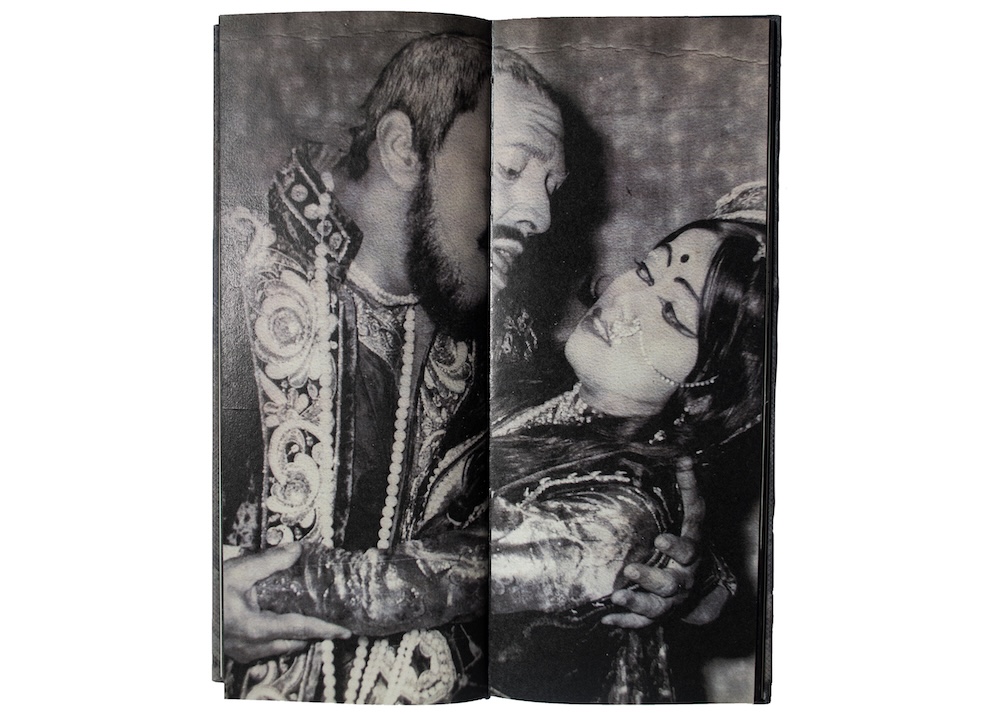
© Soumya Sankar Bose, artist book “Let’s Sing an Old Song”.
‘Where the Birds Never Sing’ had a profound impact when I came to know about it. You are one of the few who empowered the forgotten history of Post-partition and the marginalized voice of the Marichjhapi massacre in West Bengal. It would be inspiring to know the journey that took you in the path of exploring Marichjhapi as your subject. What was your inspiration transforming this narrative into the artist book-form?
I will begin from where I left off in the previous response. My father’s family migrated from what is now Bangladesh to India around the 40s, when discussions around Partition had already begun. They settled here and have lived in India for the past seventy years. As I grew older, I tried to understand why so many of these family histories felt fragmented or lost. Much of this personal history of Partition is not well documented.
I realized that families from lower middle-class backgrounds often settled outside Kolkata because they could not afford to live in the city. Many moved to small towns like Midnapore or relied on government arrangements in refugee camps. In the long struggle to rebuild their lives over decades, connections to their past were slowly severed. This absence became the starting point of my work. Since I did not inherit a family archive, I felt the need to build one, not only for myself but also for others who had crossed over from Bangladesh and whose histories remained undocumented.
I began by searching for survivors who had migrated from across the border. Over time, we spoke at length, and I recorded their stories. In the book, their names are carefully listed, and on one page there is a cut out marking those who went missing. The visual archive of the Marichjhapi massacre does not exist anywhere, it was mostly destroyed by the state government.
Besides that, there are important documents which the book also includes, such as refugee eligibility certificates. When people crossed into the newly formed nation, they did not carry passports. Instead, they were issued documents stating that they would not claim housing in Bengal and would work under government arrangements without demanding rights. Many signed these papers or left thumb impressions without fully understanding what they agreed to. Including these documents was important to me, as they reveal the political conditions under which survival was negotiated.
Alongside images, I have included interview excerpts and research materials. Apart from Let’s Sing an Old Song, text plays a crucial role in my other two books. Research also becomes part of the book itself. These books combine image, text, and archival material.
We often imagine archives as institutional spaces. This archive did not exist within any institution. I had to build it slowly by moving from one home to another, collecting fragments of personal histories and assembling them within the book. Only after I had gathered a substantial body of material did I begin to think about how to hold it together as a single work.
An exhibition is always temporary. A book continues to travel. It moves from one reader to another and carries these histories forward. This book ‘Where the Birds Never Sing’ was printed in two editions, one in Bengali and one in English.
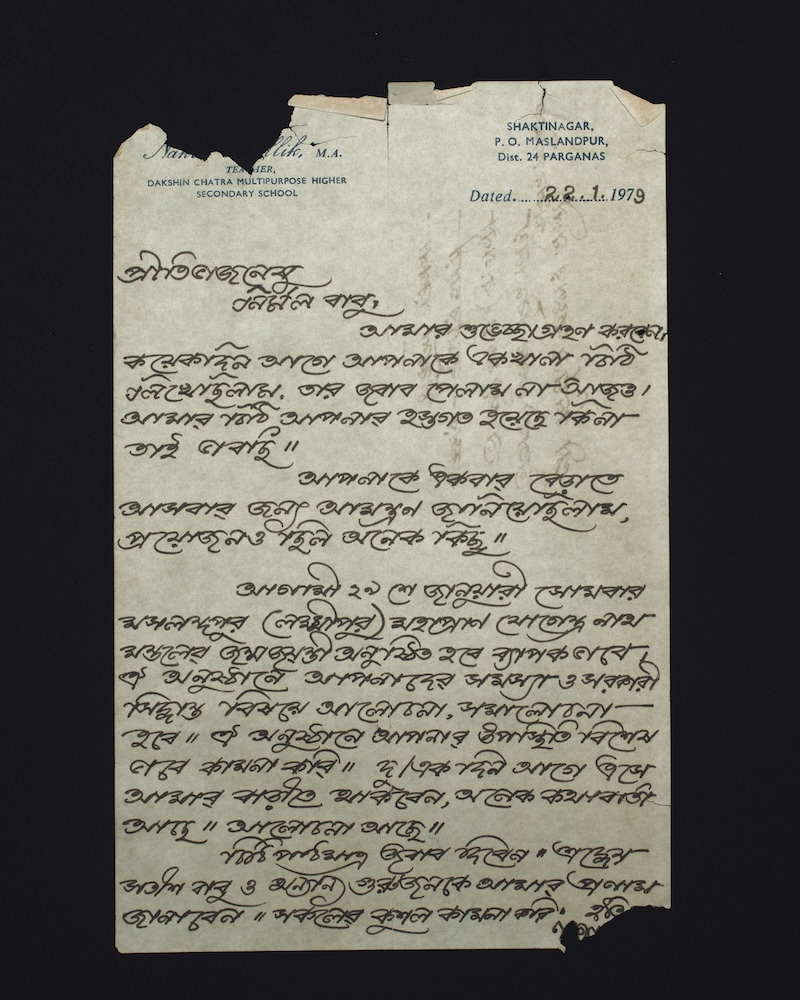
© Soumya Sankar Bose, artist book “Where the Birds Never Sing”
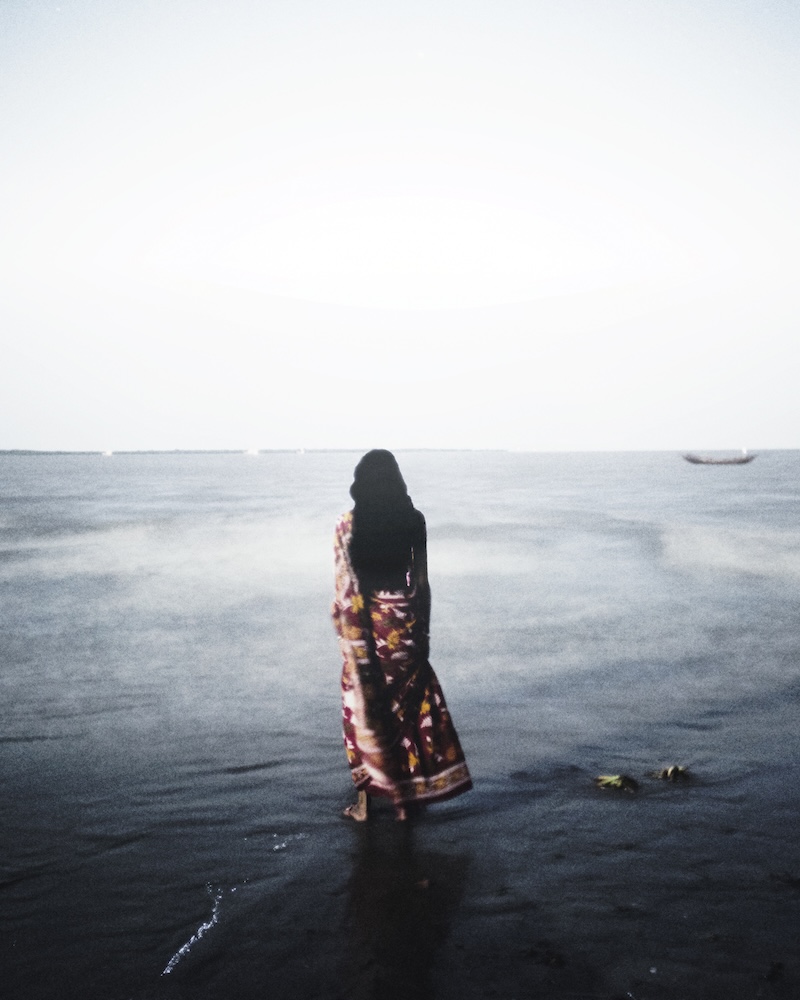
© Soumya Sankar Bose, artist book “Where the Birds Never Sing”
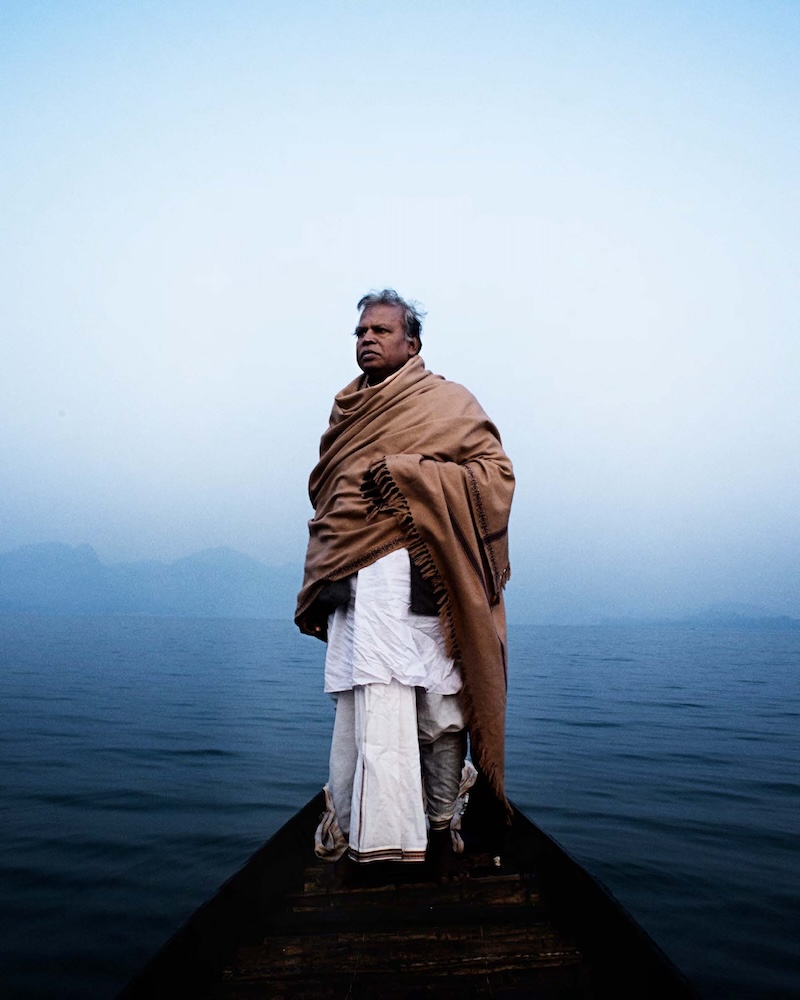
© Soumya Sankar Bose, Rabin Biswas, Malkangiri, Marijhapi Survivor, 2019. “Where the Birds Never Sing”
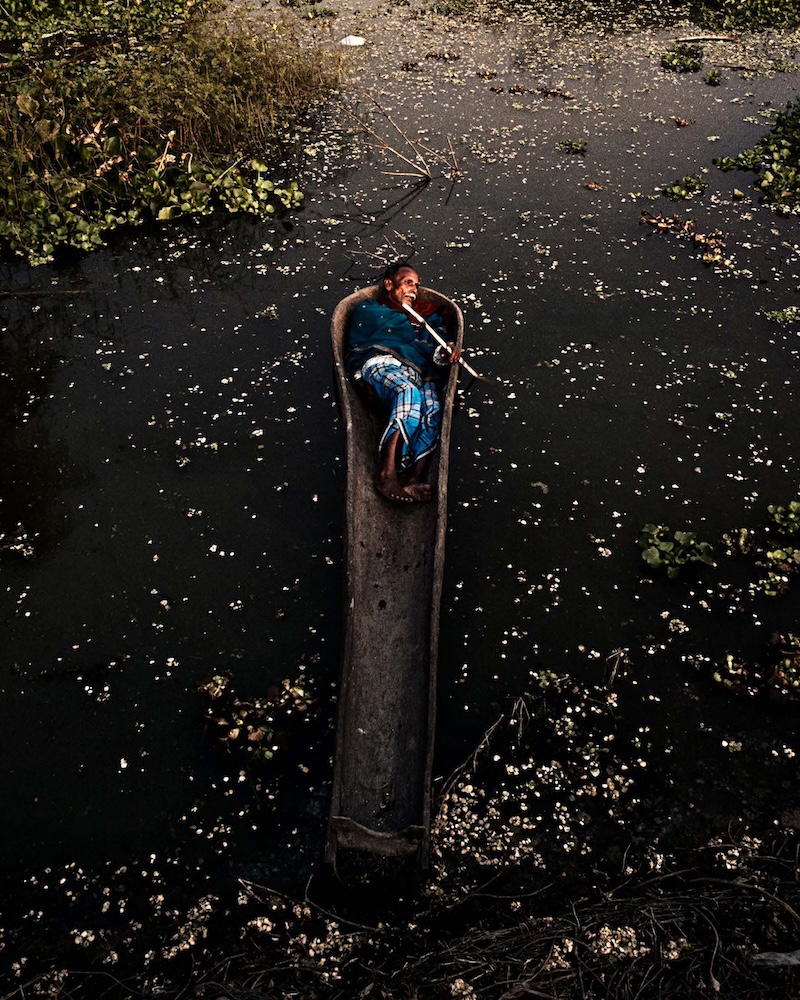
© Soumya Sankar Bose, Bakul Majhi, Marijhapi Survivor, Rashpur, 2019. “Where the Birds Never Sing”
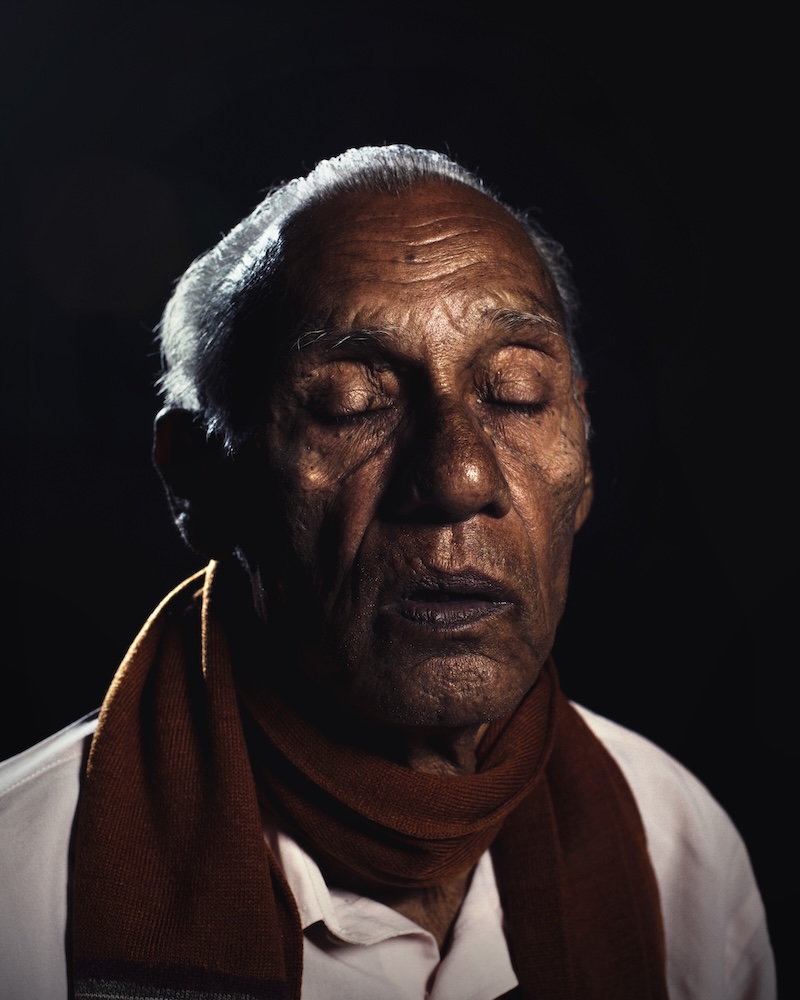
© Soumya Sankar Bose, artist book “Where the Birds Never Sing”
Tell us about ‘Things We Lost Last Night & A Discreet Exit Through Darkness’. This is deeply personal for you and your family. When you started the first chapter of the series, how did you comprehend the transformation and evolution through time? At what point did you plan to incorporate the film?
I began this project during the Covid period, when I was spending extended time with my family. The incident at the center of the work took place in 1969 in Midnapore, ten years before the Marichjhapi massacre and twenty years before I was born. My mother was nine years old when she went missing.
What makes this project particularly fragile is that very few people who knew parts of the story are still alive. My grandmother is the only surviving witness from that generation. My grandfather died while searching for his daughter, and my aunt, my mother’s elder sister, passed away in 1995. There is no formal record of the incident.
The book and the film are not only about my mother’s disappearance. They trace the parallel histories unfolding at the same time. The Naxalbari movement in West Bengal and the 1971 Liberation War form the wider political and social background during the years she remained missing. The work also attends to what it meant to live through these events in a small town. While incidents in Kolkata are often documented, what happened in places like Midnapore rarely enters any archive. Newspapers overlooked such stories, and local experiences were easily erased. Bringing these fragments together became central to the work.
My grandmother is now over ninety. I felt an urgency to document what she remembered while she was still alive, so that she could see the book and the film in her lifetime. This sense of time running out shaped the beginning of the project. I started by imagining how my grandfather searched for his daughter. From this came A Discreet Exit Through Darkness.
The project unfolds across text, photographs, sound, and moving images, including a VR film. The first chapter, which takes the form of the VR film, follows my grandfather’s perspective and reaches further back to the 1940s, including the Noakhali violence that shaped his early life. The second part, Things We Lost Last Night, is the book, along with a three-channel film, and approaches the story from my mother’s perspective after her return. She has no memory of the period when she went missing. Her understanding of those years is shaped by what others later told her and by the way she was treated by family members, partners, and those around her.
These two narratives do not attempt to reconstruct exactly what happened in 1969. Like the work on Marichjhapi, this project is concerned less with factual reconstruction than with what remains in memory, how stories are told, and how events continue to shape lives long after they have passed. It is also about what can be reimagined when archives do not exist.
Without phones, the internet, or reliable newspapers, it is hard to reconstruct those days. What we can do instead is imagine, and that act of imagining lies at the center of this work.
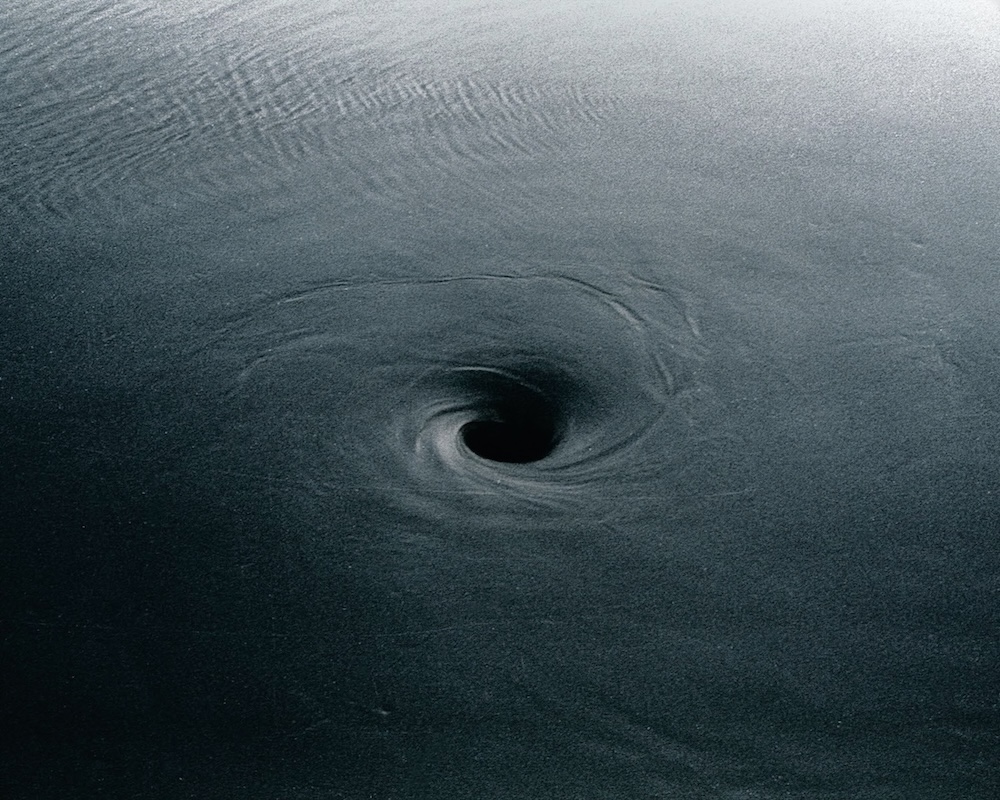
© Soumya Sankar Bose, “A Discreet Exit Through Darkness Things We Lost Last Night”
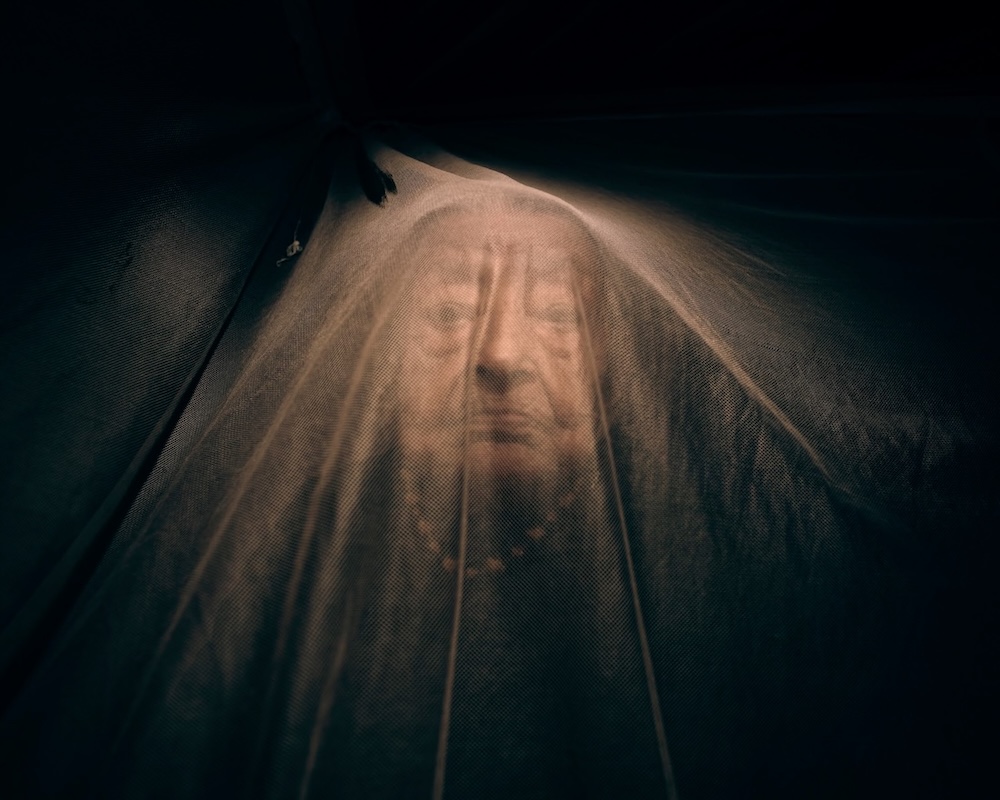
© Soumya Sankar Bose, “A Discreet Exit Through Darkness Things We Lost Last Night”
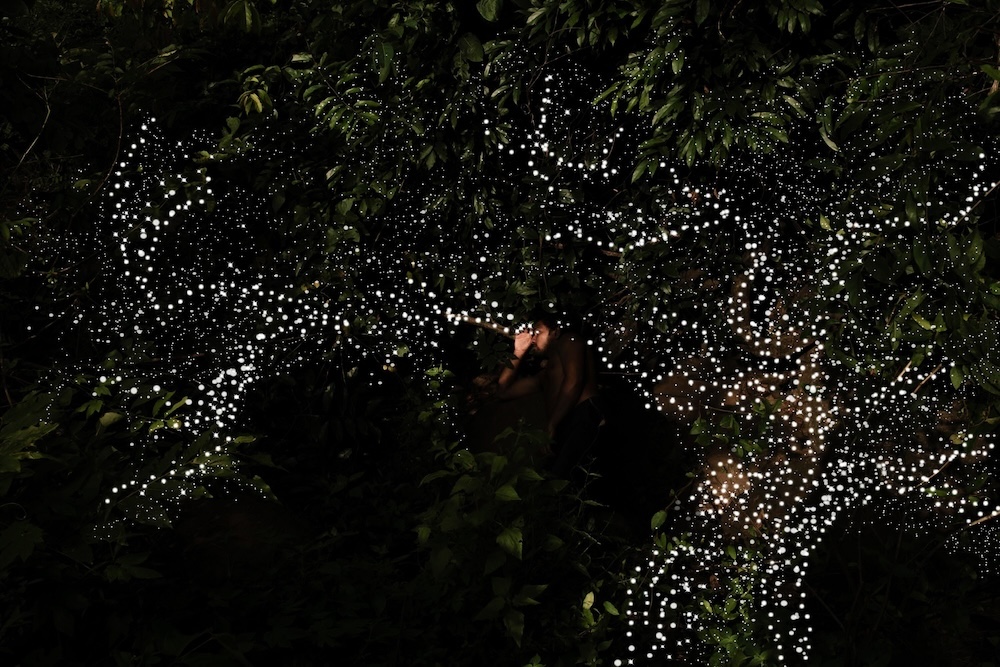
© Soumya Sankar Bose, “A Discreet Exit Through Darkness Things We Lost Last Night”
What is inspiring you now? What’s next in your journey?
That is a difficult question to answer, because inspiration comes to me from many directions. It can come from people’s lives, conversations and interviews, books, family albums, flea market photos, and films, sounds, or even new technologies. It is not something I can locate in a single source or define through one term.
At present, I am developing a new project that began a few years ago. While travelling from Howrah to Koraput during my research on the Marichjhapi massacre, I found a diary under a train seat by chance, when I bent down to save a butterfly lying there with an injured wing. From that moment, I felt drawn to work with this material.
The diary functions almost like an informal archive of death. It records the lives and deaths of many people who died under different circumstances, including suicide and terminal illness. The notes feel like fragments of research. They could belong to a writer, an academic, a poet, or someone else entirely. I still do not know who wrote it or for what purpose.
I am attempting to read and decode the diary through images and visual structures, allowing the material to guide the form of the work. The project grows out of an ongoing process of interpretation and response. The work is still in progress and will likely take another year to complete. A part of it is currently being prepared for exhibition in Kolkata at Experimenter. The project is titled We Need to Talk in Whispers.
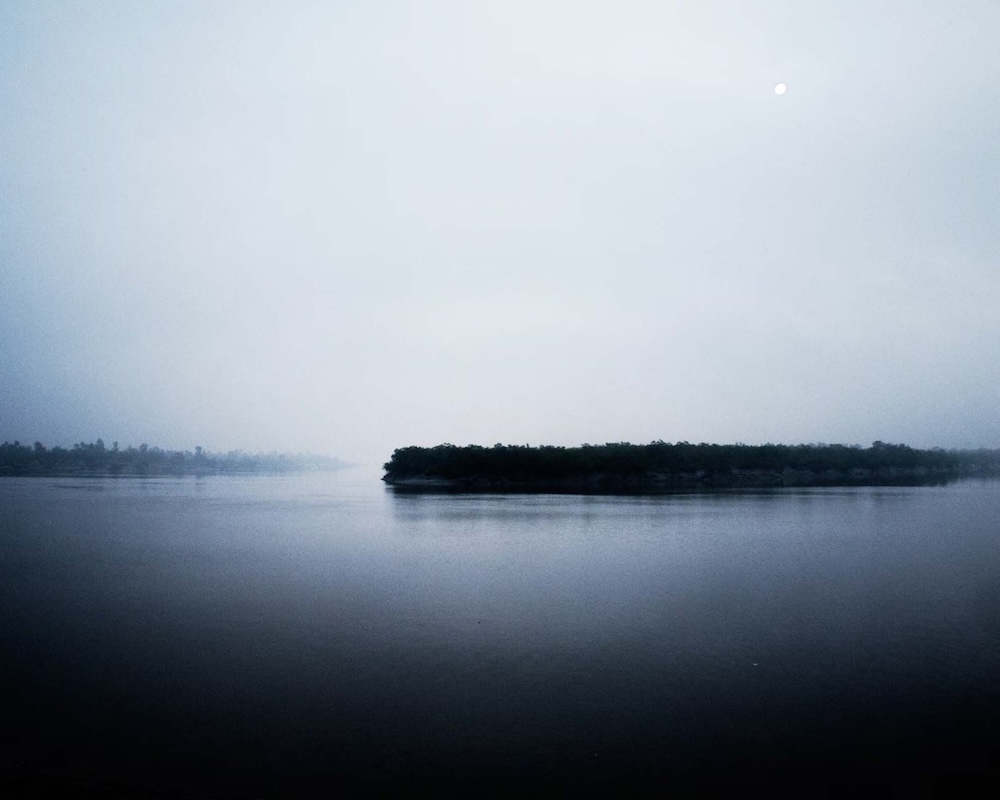
© Soumya Sankar Bose, Marichjhapi Island (Now), Sundarbans, October 2018 from “Where the Birds Never Sing”
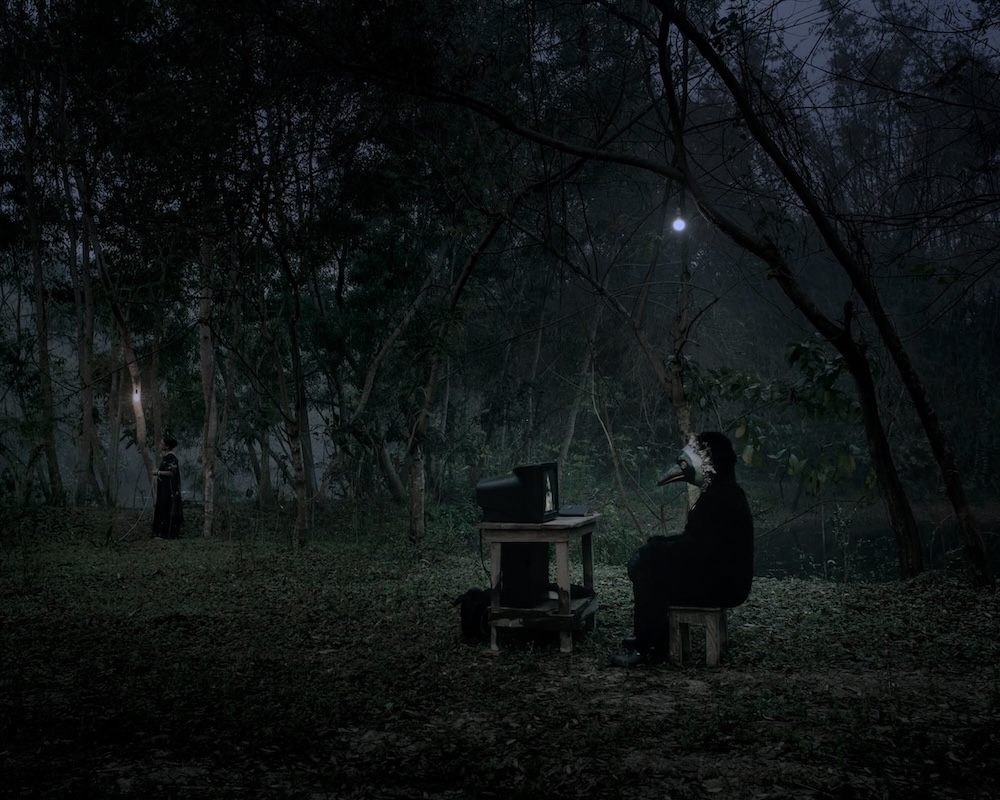
© Soumya Sankar Bose, “A Discreet Exit Through Darkness Things We Lost Last Night”
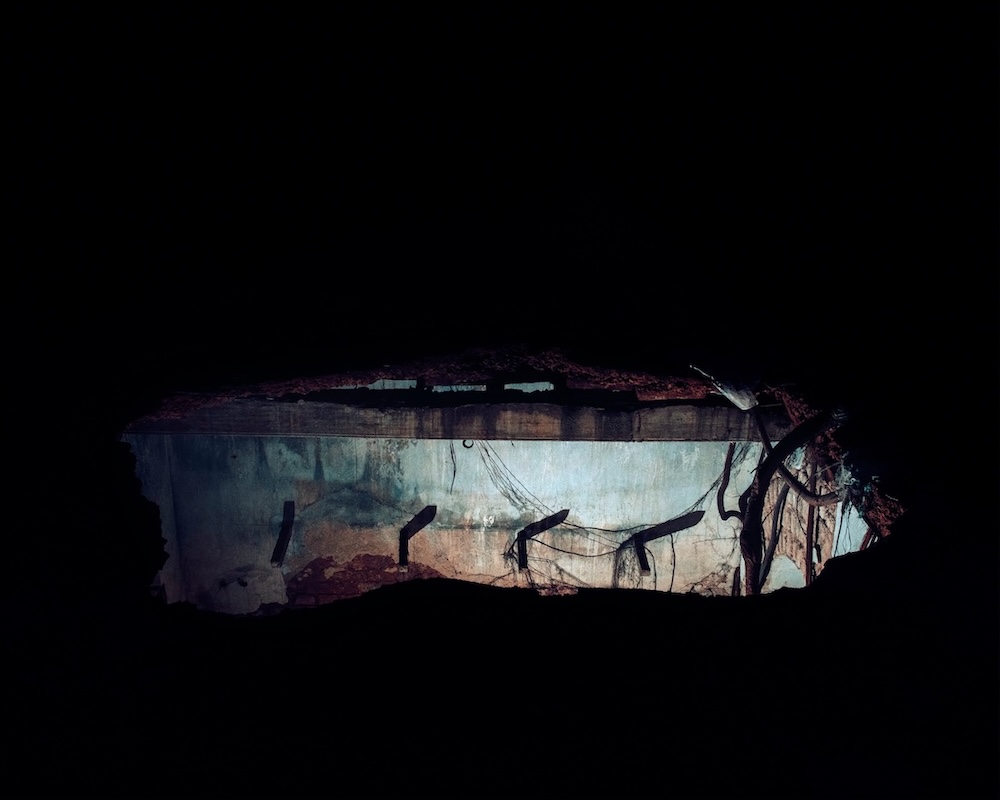
© Soumya Sankar Bose, “A Discreet Exit Through Darkness Things We Lost Last Night”
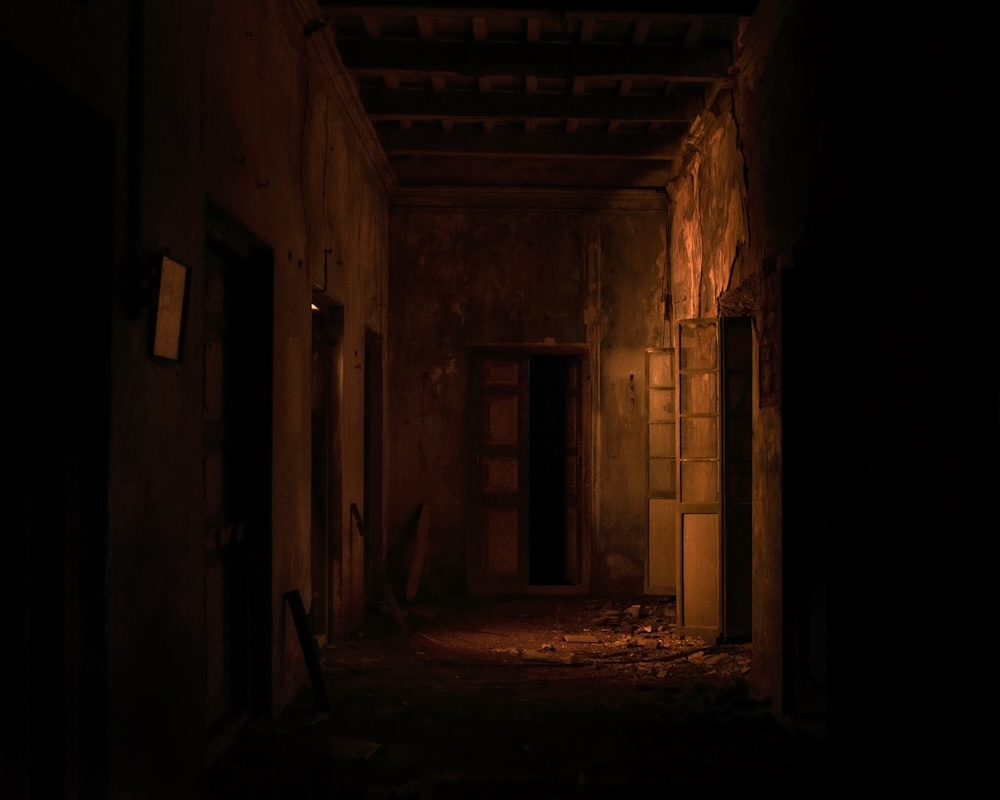
© Soumya Sankar Bose, “A Discreet Exit Through Darkness Things We Lost Last Night”
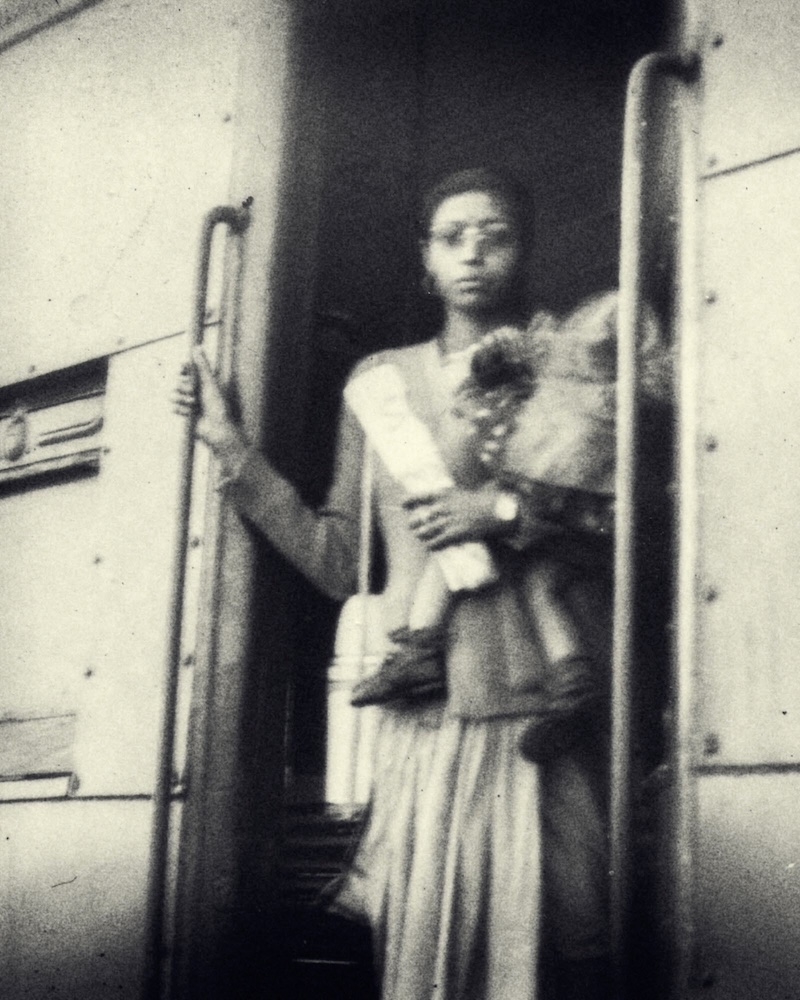
© Soumya Sankar Bose, “A Discreet Exit Through Darkness Things We Lost Last Night”
Artist books by Soumya Sankar Bose
A Discreet Exit Through Darkness | Things We Lost Last Night (July 2025)
A Discreet Exit Through Darkness visits a family mystery spanning five decades: the disappearance of Soumya Sankar Bose’s mother in 1969 and her unexplained return years later. The book unfolds through two interwoven perspectives his grandfather’s diary, documenting a desperate search across post partition Bengal shaped by political unrest, rumors, and fading beliefs, and his mother’s fragmented, uncertain recollections. Drawing on archival research and Bose’s own reconstructions, the grandfather’s account reveals not only facts but the emotional toll of searching in a time of fear and uncertainty.
The second narrative, Things We Lost Last Night, follows Bose and his mother as they revisit possible sites of her absence, navigating memory loss, face blindness, and
stories that blur reality and myth.Together, the two strands reflect on inter-generational trauma, the imprint of historical violence on private lives, and the fragile,
shifting nature of memory.
Where the Birds Never Sing (August 2020)
Where the Birds Never Sing examines the 1979 Marichjhapi massacre, when Bengali refugees in the Sundarbans were forcibly evicted and thousands died from police violence, starvation, and disease.The work situates the violence within the longer history of post-Partition displacement, tracing how lower-caste refugees were repeatedly uprooted, promised resettlement, and then betrayed by the state. It recounts the deadly police crackdown on 31 January 1979 and the subsequent eviction drive, whose death toll remains uncertain but is widely estimated in the thousands. The book links this suppressed history to contemporary realities in India, including ongoing caste oppression and present-day debates around citizenship and belonging. Through oral histories, site-specific research, and a careful blending of fact and reconstruction, Bose reanimates a nearly erased chapter of collective memory and gives form to multiple survivor perspectives.
Lets Sing an Old Song (September 2021)
Soumya Sankar Bose began photographing artists who are now unemployed but were once gigantic figures of the Jatra, a folk theatre form in India. This work is based mainly on the Jatra artists, characters played by them and the psychology that drives them to be a part of this folk cult form. Dating back to 16th century, the Jatra is a famous folk theatre form of united Bengal (Bangladesh and West Bengal), employing dialogue, monologue, songs and instrumental music to tell stories. Jatra pala ,as the plays are called ,are enacted on wooden stages without any barriers between the actors and the audience, facilitating direct communication. The plots vary from India mythology and historical incident to something more contemporary and based on social issues. The partition of India had a major impact on Jatra as artistes in the newly formed East-Pakistan (later Bangladesh), a Muslim majority country, discontinued to enact Hindu religious folktales such as Krishna lila, Devi Thakurani, kongso bodh, kaliadaman etc. On the other side of the border, artistes in west bengal stopped playing Muslim characters such as Siraj-ud-dullah,Shah jahan, Akbar etc. The advent of cinema and TV in the 60s and 70s blew a deadly blow to the theatre art form. In 2013, over 600 Jatra companies employ over 2,00,000 people but their situation has come to forcing them to often offer free performances.
Soumya Sankar Bose (b. 1990) is an artist who reconstructs archival materials and oral histories through photography, film, alternative archives, and artist books. His practice combines long term research with close engagement with communities, including his own family history. Through layered narratives, he explores subaltern experiences and fragile memories in post Partition Bengal, focusing on lives that exist at the edges of official history yet endure with quiet resilience. Bose lives and works in Kolkata, India.
Bose was awarded the Magnum Foundation’s Social Justice Fellowship in 2017 for Full Moon on a Dark Night. In 2023, he was named Hello! India’s Emerging Artist of the Year and received the Louis Roederer Discovery Public Award at Les Rencontres d’Arles for A Discreet Exit Through Darkness. He served as Artistic Chair for the 2024 to 2025 period at The Beaux Arts Nantes Saint Nazaire, Le Lieu Unique, the City of Nantes, and the Institut d’études avancées in Nantes, France. His work has been supported by the Foundation for Indian Contemporary Art (Amol Vadehra Art Grant), The Agroecology Fund, Murthy Nayak Foundation Photobook Grant, Henry Luce Foundation, The Kemmler Foundation, and the India Foundation for the Arts.
Bose’s prints are held in collections including Ishara Art Foundation, Dubai; Kiran Nadar Museum of Art, New Delhi; Royal Ontario Museum, Ontario; Les Rencontres d’Arles, Arles; and Duncan Aviation, USA. His books are held in the collections of The Museum of Modern Art (MoMA), New York; Tate Modern, London; The Cleveland Museum of Art (Ingalls Library); Cincinnati Art Museum; Syracuse University (Bird Library); Stanford University Libraries; Tufts University (Tisch Library); and Peabody Essex Museum (Phillips Library).
Follow the artist and the publisher
Artist: https://www.instagram.com/soumyasankarbose/
Publisher: https://www.instagram.com/redturtlephotobook/
How to purchase (if still available)
https://redturtlephotobook.com/
Posts on Lenscratch may not be reproduced without the permission of the Lenscratch staff and the photographer.
Recommended
-
Bego Antón: All of Them WitchesOctober 15th, 2026
-
Stephanie Duprie Routh: The Atlas of ThingsOctober 13th, 2026
-
John Baer: The Extraordinary Ordinary: A Memoir in Photographs, 1945–1954October 12th, 2026
-
Nata Drachinskaya: BINOMOctober 6th, 2026
-
Book Talk: Text as Structure in the PhotobookOctober 3rd, 2026