South Korea Week: Sung Nam Hun: The Rustling Whispers of the Wind
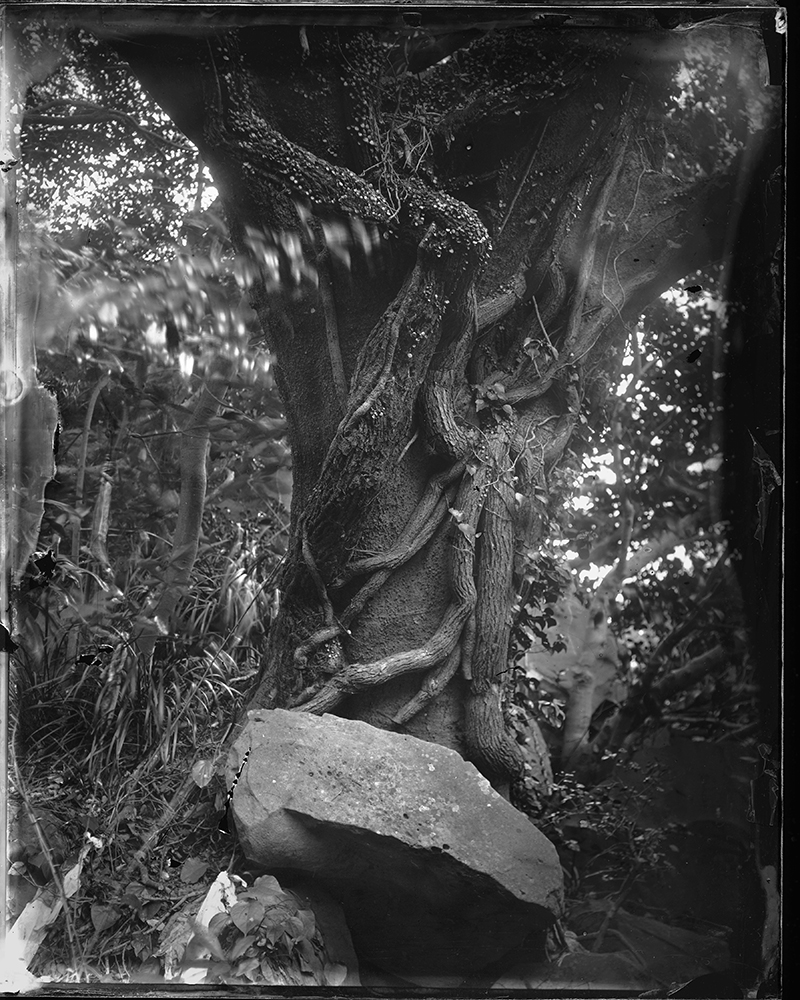
©Sung Nam Hun_Shrine, Seogwipo-si, Jeju-do_2020
Sung Nam Hun is one of Korea’s most representative documentary photographers.
His impact goes beyond simple documentation; he established a new paradigm for “Artistic Documentary” in Korea. He does not merely report on tragic scenes. Instead, he captures the dignity and resilience of humans through a narrative and poetic aesthetic, expanding the artistic value of the documentary genre.
Sung Nam Hun’s spirit continues to shape the Korean photography scene by reminding us that the photographer’s first duty is to the subject’s dignity. He has paved the way for Korean artists to engage with global narratives without losing their local sensitivity.
In an age of instant digital consumption, Sung’s work stands as a testament to the “Slow Witness.“ He reminds us that to look at the world’s suffering is a heavy responsibility—and to transform that suffering into art is a sacred act of remembrance.
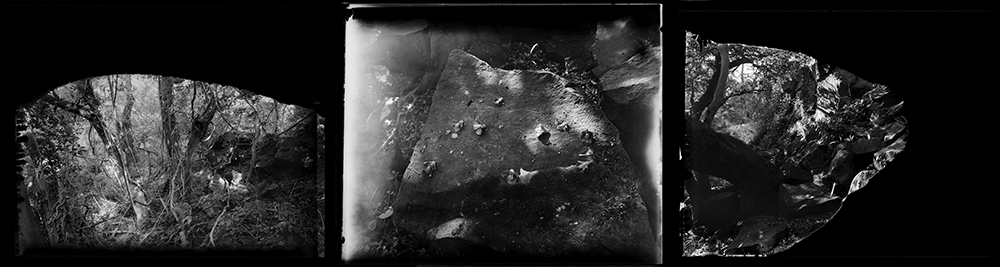
©Sung Nam Hun_Shrine, Seogwipo-si, Jocheon-eup, Jeju-do_2020
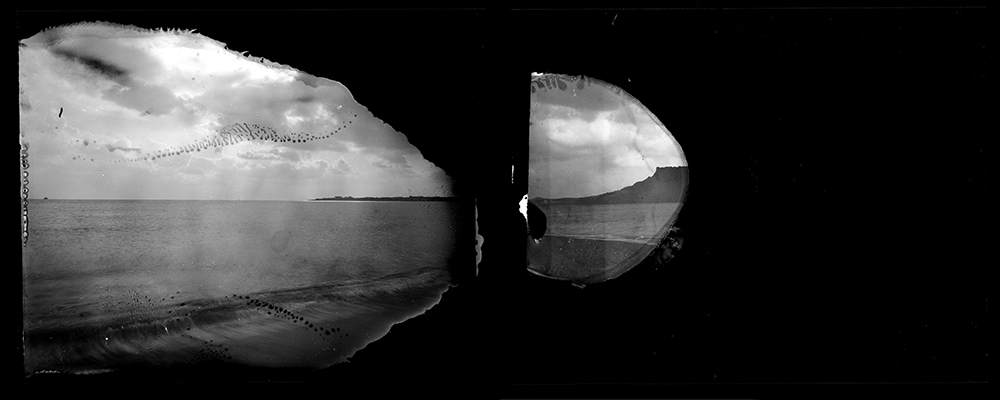
© Sung Nam Hun_4.3. Seongsan-eup, Jeju-do_2023
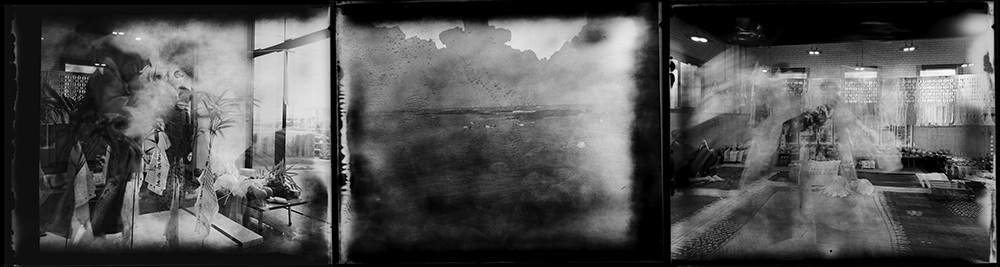
˙©Sung Nam Hun_Gut Ritual, Bukchon-ri, Jocheon-eup,Jeju-do_2020
Sung Nam Hun presents Whispers of the Wind, a body of work centered on the Jeju April 3 Massacre. Since 2019, he has been documenting the massacre sites, the seas where victims were buried, survivors, shamanic rituals, and shrines using large-format Polaroids. In a deliberate act of transformation, he presses the photographs onto trees and rocks at these sites, physically damaging the images. This process reflects the artist’s contemplation on the inherent incompleteness of history that can never be fully captured in a single photograph. By incorporating nature into the work, Sung reveals both the fading and healing of collective memory.
The silenced voices of the Jeju people are carried through the wind, which is a shamanic spirit, and the “whispers of the wind” is articulated through the archival power of photography, reinterpreted, and reestablished as the truth within the viewer’s senses and memory. His works explore the possibility of social and cultural healing through collective remembrance. – work description by Jeongeun Lee, curator BIPF
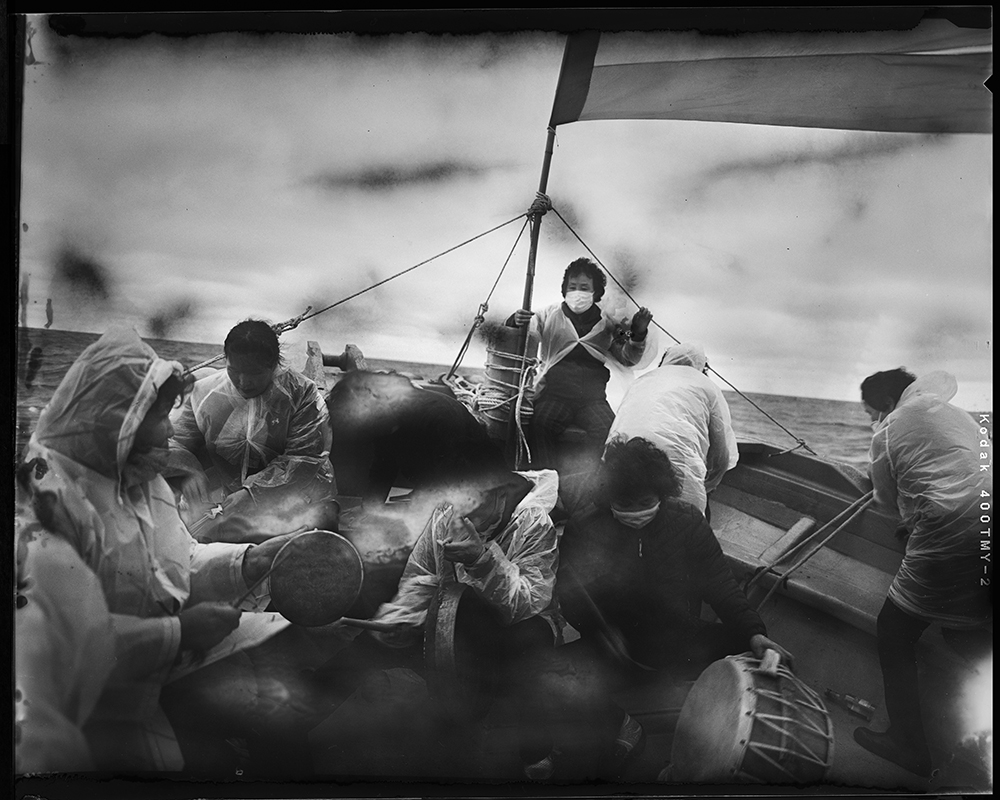
©Sung Nam Hun_GutRitual, Bukchon-ri, Jocheon-eup, Jeju-do_2020
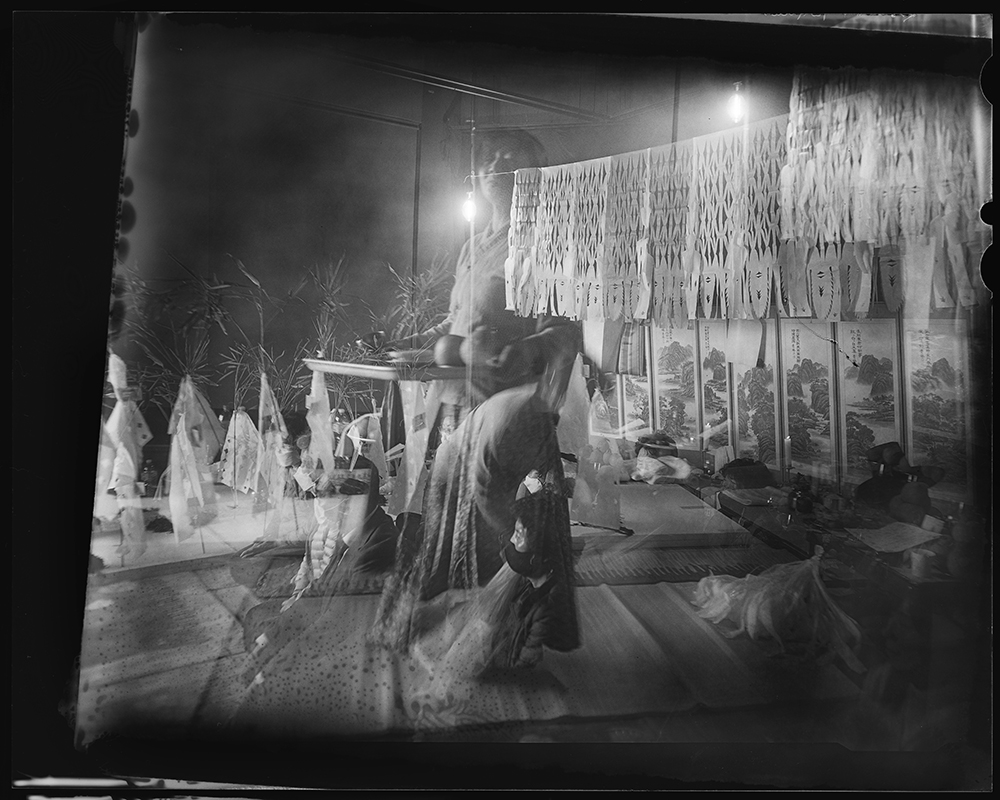
©Sung Nam Hun_GutRitual, Bukchon-ri, Jocheon-eup, Jeju-do-2021
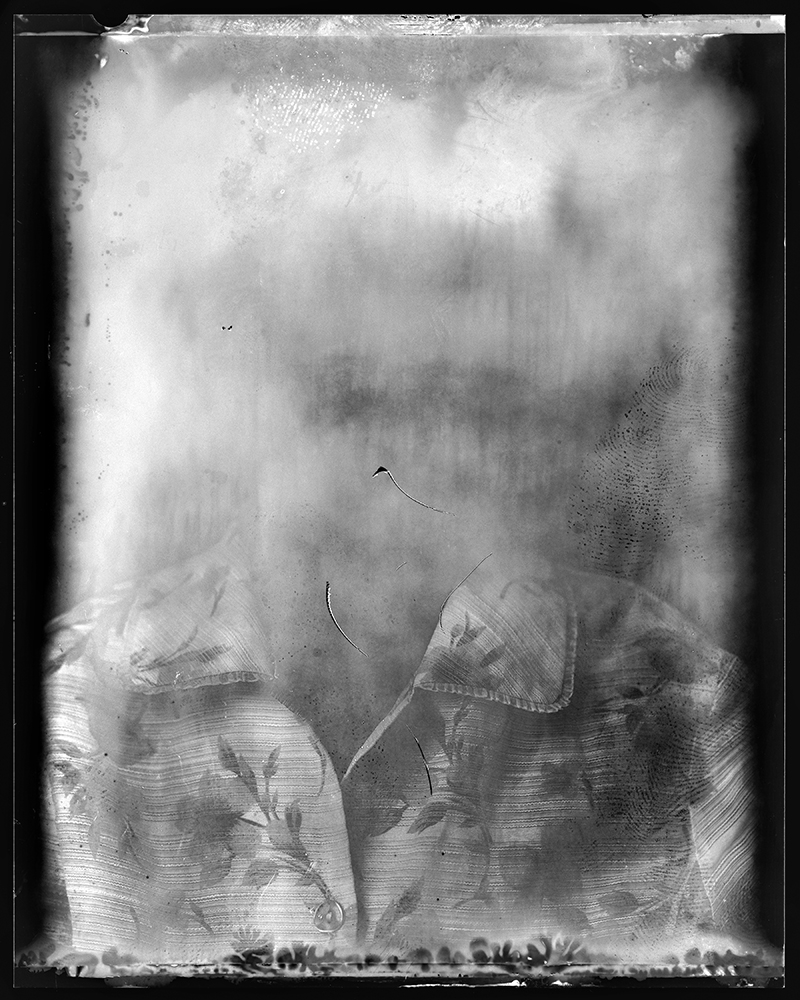
©Sung Nam Hun_GutRitual, Bukchon-ri, Jocheon-eup, Jeju-do_2020
The Rustling Whispers of the Wind
“Though we remained silent, the wind spoke in our stead.”
This is what a native Jeju resident said about the 4.3 Incident on Jeju Island. I couldn’t forget these words because they conveyed the sorrow of those who had lived in silence and their determination to reveal the truth despite being prohibited from speaking.
The origin of the word ‘baram’ (wind) contains the meanings of ‘words’ and ‘sound.’ The wind, revered by the people of Jeju as a guardian deity for generations and regarded as the breath of the universe, could not have been unaware of the tragedy that unfolded on Jeju Island. During the Jeju 4.3 Incident, which lasted for 7 years and 7 months, nearly 30,000 innocent civilians fell victim to military operations carried out by the USAMGIK and the Korean government, staining the entire island with blood.
Since spring 2019, I have been visiting the sites of the massacres during the 4.3 Incident, the seas where the victims were sacrificed, the survivors, the ongoing gut rituals, and the shrines. Jeju Island, celebrated today as a picturesque tourist destination with its splendid natural landscapes, also holds the status of being an island of myth and shamanism, home to 18,000 deities.
When no one dared to speak of the 4.3 Incident openly, it was the hearts of the shamans that secretly comforted and healed the victims and survivors. On the island where the sea, trees, forests, and rocks all serve as altars and sacred spaces for solace, the wind must have heard their voices.
<Rustling Whisper of the Wind>” is a project that seeks to newly visualize the layered history of Jeju Island and share its resonance with the audience. Using large 4×5 Polaroid film, I took pictures and then brought them to the very sites where the pain was remembered and solace sought. There, I rubbed and scratched the developed photos onto the actual trees and rocks, causing the images to fracture. This process serves as a questioning of photography’s inability to fully capture history in a single frame. It also raises inquiries about the responsibility of photography in preserving memories that inevitably fade over time.
I do not know what truths these photographs may reveal or what realities they may convey. However, as a photographer, it is my duty to document them and let them speak through my photography. Just as the wind revealed its truths even when we were forbidden to speak, I hope these photographs become a whisper of the wind, carrying their own truths.
–From Artist Statemen, Sung Namhun
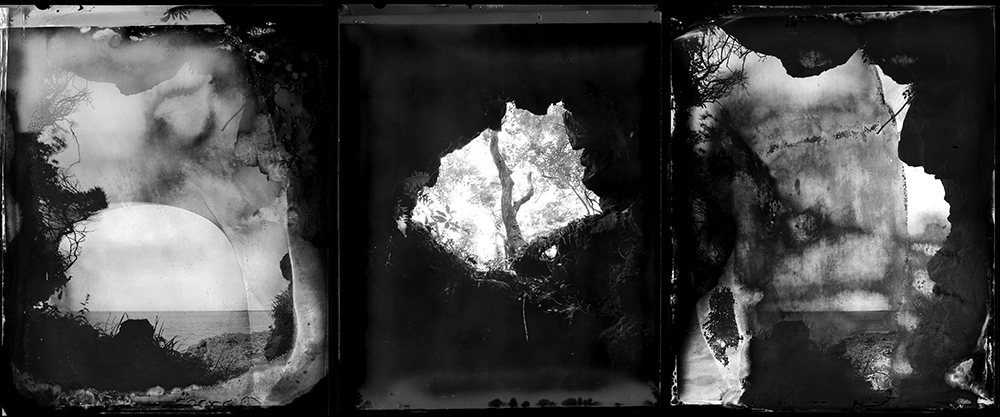
©Sung Nam Hun_4.3,Jeju-si, Jeju-do
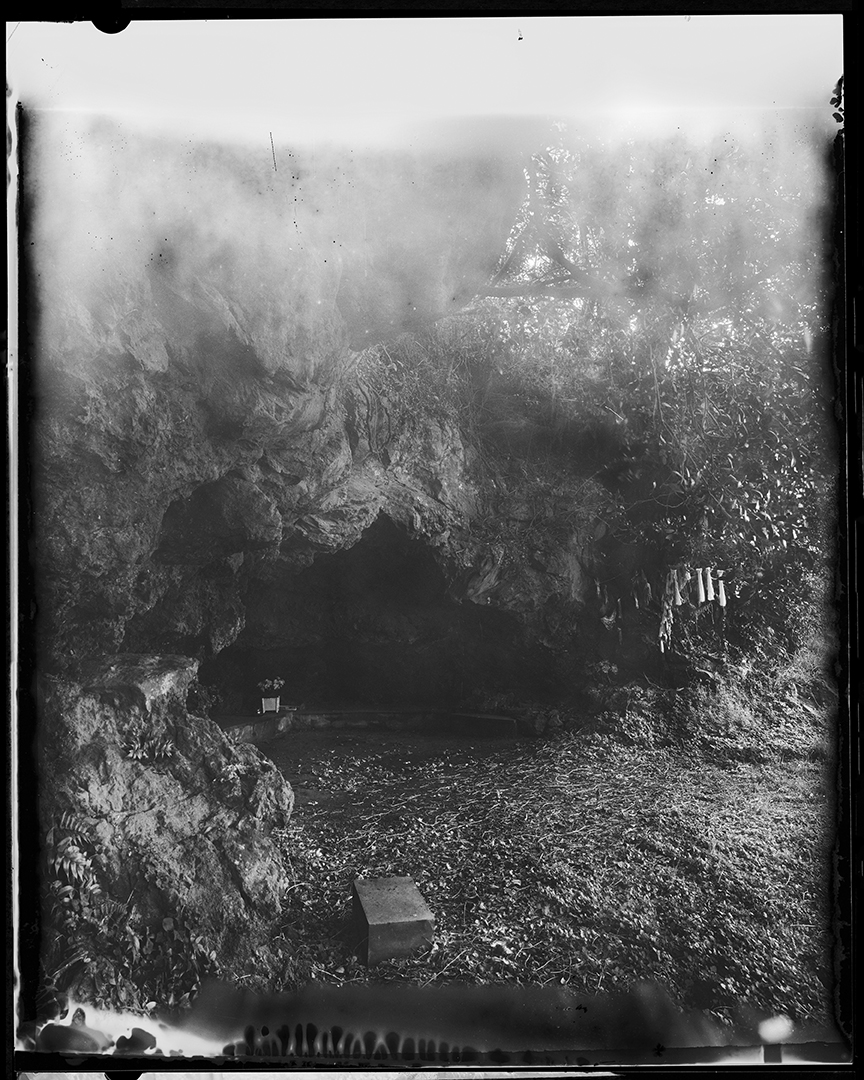
©Sung Nam Hun_4.3,Jeju-si, Jeju-do_2019
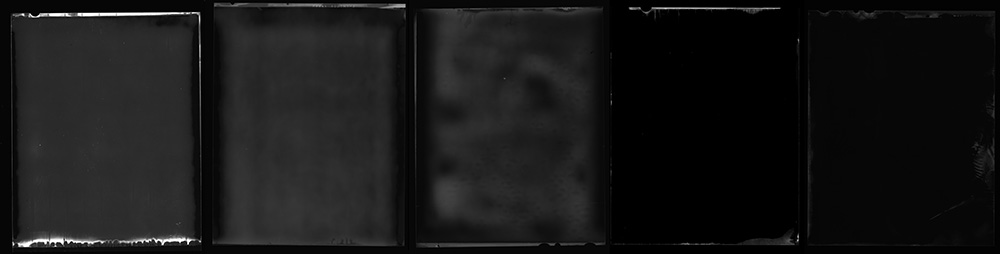
©Sung Nam Hun_UncapturableForest, Jeju-do_2019-2023
Pondering the Soul in Sung Nam-hun’s Photographs
the presence of this solemn archive, Solace for the sorrowful spirits
An Island of suffering and remembrance, A sorrowful record of the lost souls
Do you know? The lost tongues of vanished souls? I still roam the depths of the forest. Unable to depart from the site of slaughter, I weep. What if you can’t perceive me? What if you cant hear my anguish? If you too are ensnared here, unable to depart, what then? Behold our entwined cries, and the tangled thicket of the deep Gotjawal forest. It brims with stifled sorrows. You observe us, and we observe you. How can I tell? Envision, if you will, these drifting laments. Envision the heavy snowfall on Halla Mountain that fateful day. Your eyes can feel the mournful words we whisper. They witness the tears etched into the flesh and bones of this mournful and beautiful land!
You’ve already glimpsed them – those inhuman, surreal days, where elderly mothers trembled at the sight of men aiming fire at their own kind. Days where humanity dared the unthinkable, witnessing horrors beyond comprehension. Of course, one cannot truly grasp the pain without experiencing it firsthand. Yet, what has kept you from crumbling and brought you here? Have you heard the thunderous cries of the towering waterfall? Have you listened to the sound of the whip against the back of young souls fleeing from the eerie forest? Are you here because you are already within us? Do you recognize the pleading eyes, hands clasped in supplication? Have you come this far following the souls turned to soil and water, their tears once forbidden to turn into red, their essence painted over?
Is it their journey that led you here? The white agony, stirring the crimson breath of the land. We continue to roam in distant corners of this island, shrouded in death and sorrow, for those who have swallowed painful memories can never depart from their land.
We cannot depart from here. Those struck by bullets while chased are akin to azaleas, casting unknown words as they fall into the distant sea, one by one. Our silence has ceased to be silent. Will you lend us your ears? Remember the countless souls you have forgotten.
Do not merely imagine. It is our destiny. Regardless of the length or brevity of their lives, all have vanished. You must have sensed our presence. Have you witnessed the pregnant women, chased like rabbits across the snowy mountains? Do you recall the days of madness, when bullets poured like rain? Have you heard our cries? Have you seen our anguish? Remember us. We lie scattered across the mountains and valleys, our bodies were melted into the bones of the earth. Our final fate remains a mystery, our souls bearing unseen scars. We drift as specters in the void, our only sanctuary. As refugees among refugees, pursued and hunted, if you glance back while hurdling over the high stone walls, you’ll find us missing, sacrificed and unseen. There was no dignity in our demise. The storm’s roar tore through roofs and shattered the ground. We wander this island of ruins, finding no refuge.
Can you grasp the torment they endured? Can you see the sorrow in the eyes of those who drift above the graves of the vanished? Have you encountered us at our graves, by the sea, in the woods? Can you hear the ceaseless wails of agony echoing through the air? Above all, you strive to recollect what we witnessed and endured. The souls of this island cling to your empathy, wherever you may reside. Can you hear the howling of the snowstorms that besieged us? The piercing cries amidst the flames, the screams that shook the very roots of trees?
Can you even begin to fathom the desolate aftermath that swept across this land into grey? Those unable to utter “my kin” as their own flesh and blood perished before their eyes, children robbed of tears as they witnessed the demise of their loved ones. Those discarded as corpses, left unattended and unburied. The severity of that winter for those dwelling between mountain and sea lies beyond your grasp, as does the agony and trauma endured by those who survived.
Did our fathers and mothers, lost and blind, and wandering aimlessly, ever find each other again? Trapped in an inescapable reality, living both above and below the sea.
Like fluttering sighs, our souls wander and linger everywhere. Have you also lingered amidst the ruins of our shattered land? Is there a gaze more distant than one that lingers? In your gaze, bells toll, stirring memories. This is a reminder that the past is not just the past; it is present and real. Even blurred memories may shine like fragments of light. That was our era, and we must rise again. What more can we hope for?
Solace for the souls of the island can only be sought through its people. The path to soothing the voices entangled in pain and sorrow is yours to tread. As you forge a path for the souls, bridging the gap between the living and the dead, you embrace countless narratives. You are tending to the souls who wander, seeking a glimmer of light. With tender care, you alleviate our grief, though the house of sorrow remains distant, even further still to reach.
We traverse the snow-blanketed, deeply furrowed white mountains. The souls, akin to white fragments, beneath the snow covered peaks, reach out into the open sky. Memories, dark as night, trickle forth. What glimpses did you catch through the narrow apertures of the airless caverns, where there is no escape? People descending into the abyss of the darkened cave, yearning for naught but a glimpse of the sky. From which forest do you hear the echoes of screams from which stone and which tree? Can you see the face of the woman who carried her long-lost brother and endured a lifetime of sorrows submerged in deep waters? As the surviving child ages, they call out to you, making a path to observe you, who are lost. See the backs of the women sitting like the sea that has crossed through darkness. No matter how deep they dive, can they cleanse the fragments of their sorrow? Like the scattered traces of that day, like the deaths scattered throughout the island, the solace for those who never return is as unyielding as stone.
We greet you as the wind. Drifting beyond the misty graveyard, lost in search of our hometown, we meet you. It’s because anywhere on this island, poignant and radiant, is the sanctuary of our souls. It’s our abode that you have guided us to. Just as you walked until you could walk no further and lived there, surviving and enduring, you will traverse life’s struggles and meet us.
In the sandy expanse where the departed and the living coexist, did you catch the whispers of anguish from the forest, now faded like old bone fragments on this darkened soil? You did hear them. Remember, the ones who knew this land intimately, whose memories should not be erased, despite the pressure to forget the scars that divide our wounded land. Perhaps we’ll rise like a tidal wave, becoming spirits of the sea, illuminated by the twinkle of your eyes, the stars. May your solace mark our ultimate passage, as you firmly press a single red camellia seed into the soil of the island. As you listened to the voices of the forest, the sea, the stones, and even the flames, you finally heard their voices. The wandering spirits now draw near, speaking to you of the solace found in this mournful record, where the wind carries echoes of its sorrowful embrace.
Heo Yeong-Seon (Poet, Director of the Jeju 4.3 Research Institute)
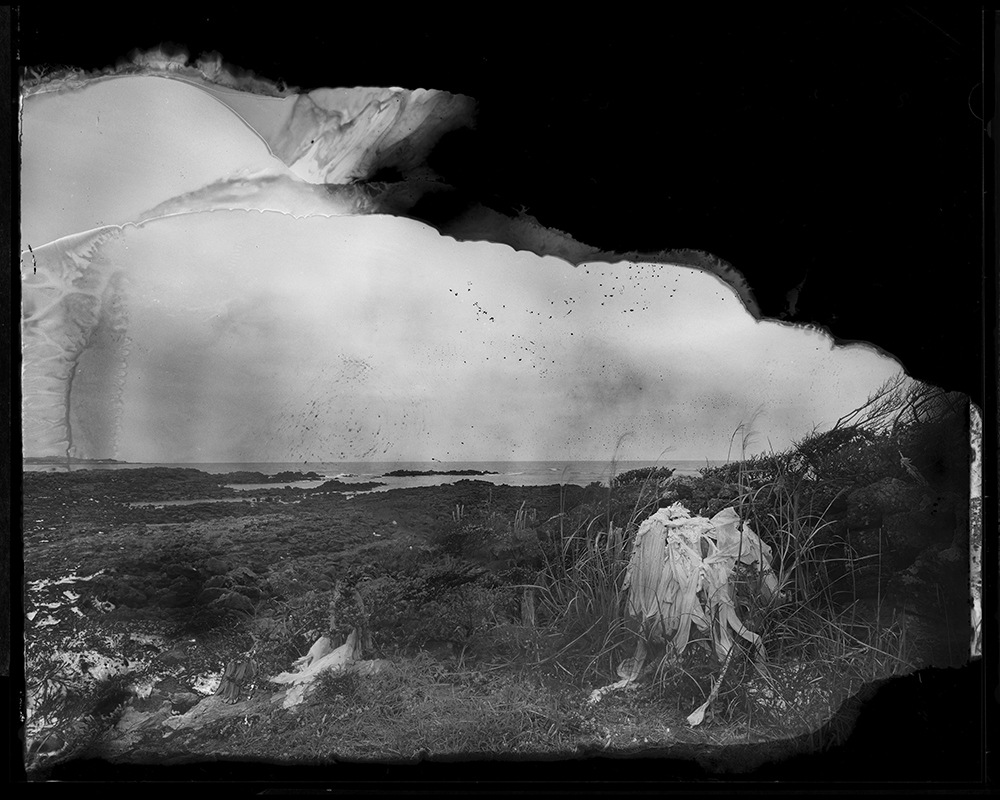
©Sung Nam Hun_Shrine,Seongsan-eup, Jeju-do_2019
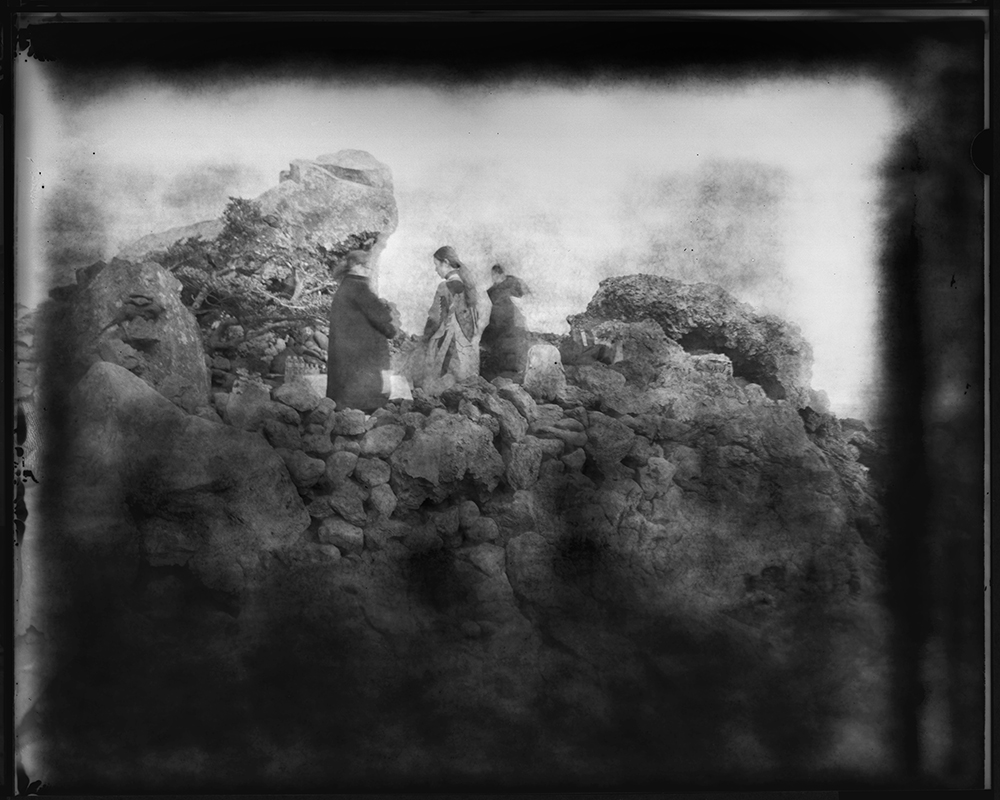
©Sung Nam Hun_Shrine,Gujwa-eup, Jeju-do_2020

©Sung Nam Hun_ Shrine,Seongsan-eup, Jeju-do_2020
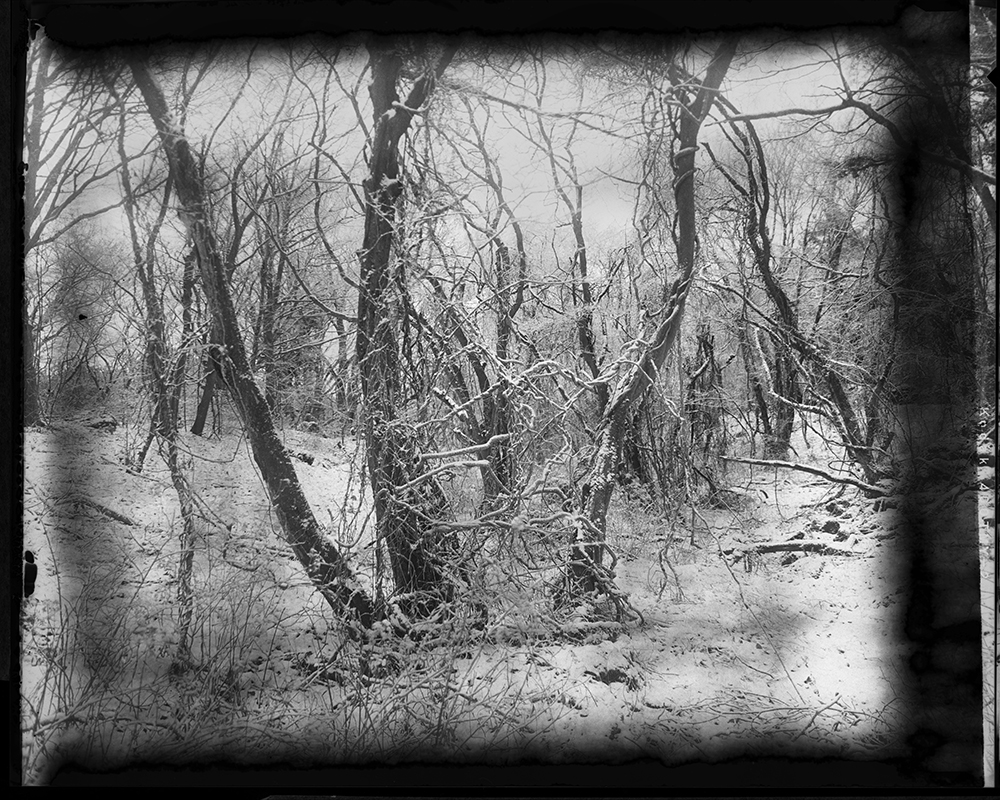
©Sung Nam Hun_ 4.3,Hallasan Mountain, Seogwipo-si, Jeju-do_2020
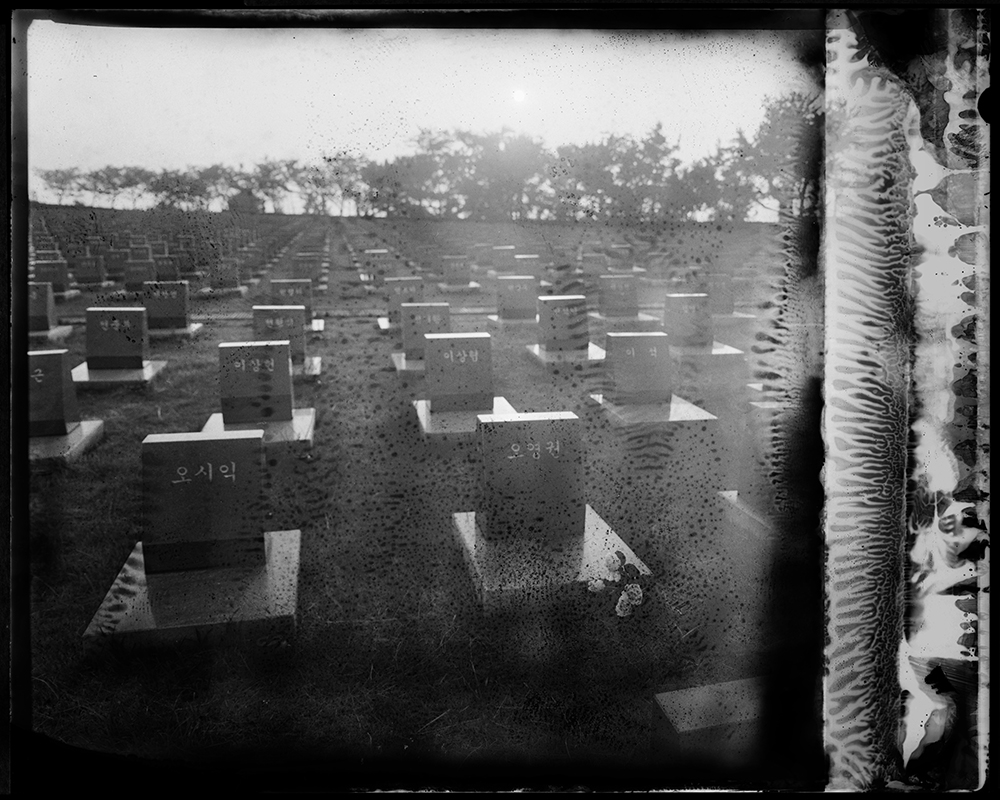
©Sung Nam Hun_4,3Peace Park, Jocheon-eup, Jeju-do_2019
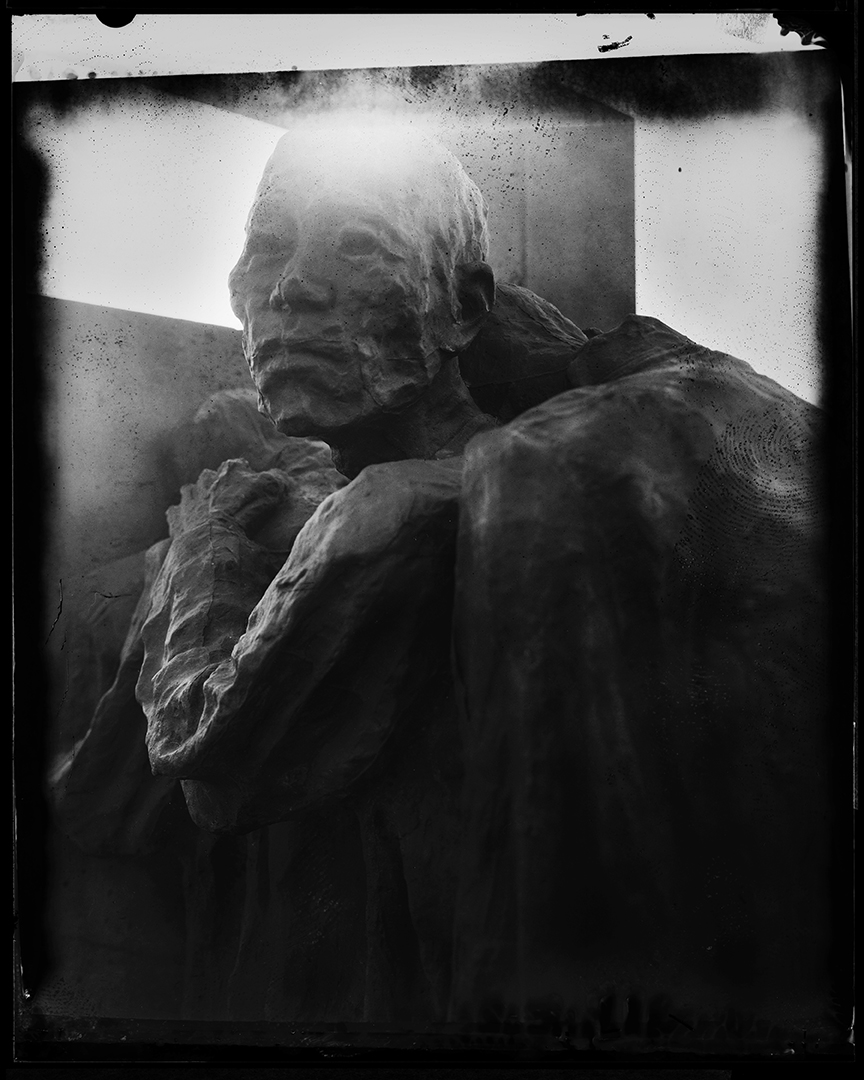
©Sung Nam Hun_ 4.3Peace Park, Jocheon-eup, Jeju-do_2019
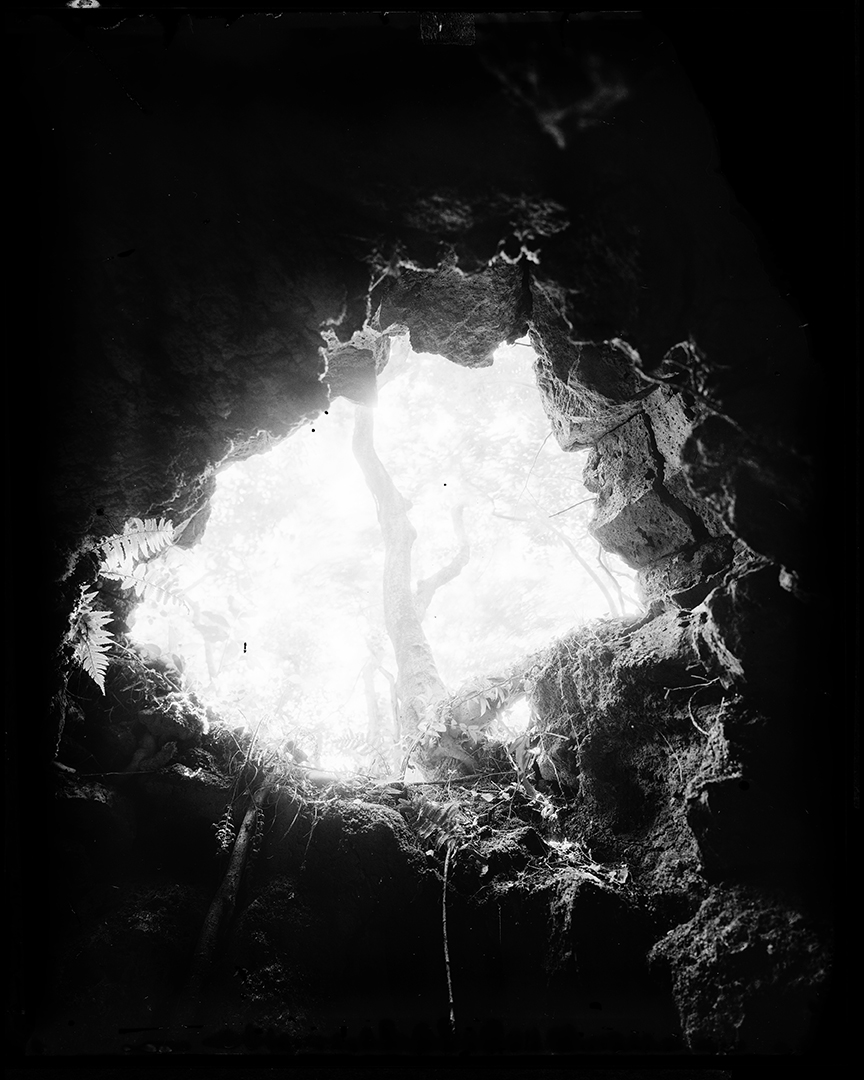
©Sung Nam Hun_4.3Peace Park, Jocheon-eup, Jeju-do_2019
Sung Namhun
Sung Namhun studied Documentary Photography at Icart Photo École de Paris and worked for Rapho, a photographic press agency in France. He worked as a visiting professor at the Department of Photography at Jeonju University, president of Onbit Documentary, and general director of Jeonju International Photo Festival. He is currently are presentative of the photography group Dream Flower Factory.
He has showcased his works at numerous exhibitions both at home and abroad, including the Grand Palais in Paris (1992), Guardian Garden in Tokyo (1994), Centre National de la Photographie in Paris (1996), Gallery Wa (2006), the Museum of Photography in Seoul (2008), the Tashkent House of Photography (2010), the National Museum of Modern and Contemporary Art in Korea (2014), and Space22 (2016), IlwooSpace (2018), and Dong Gang Photo Museum (2022).
His works have also garnered him prestigious awards and grants such as the First Prize in Photography from”Le Salon” in Paris (1992), the Grand Prize in Korean Photography Awards(1996), the Gangwon Grant for Documentary Production in Korea (2004), the Hanmi Photography Award and Dong Gang Photography Award in Korea (2006), the World Press Photo award (1994/1999/2009), and the Ilwoo Photography Award in Korea (2017), and a finalist of the Leica Oskar Barnack Award in Germany (2020). Sejong Book Arts Category Award (2024)
His works are displayed in galleries such as the National Museum of Modern and Contemporary Art in Korea,t he Seoul Olympic Museum of Art(SOMA), Jeonbuk Museum of Art, Yesong Gallery, Doggang Museum of Photography, the Tashkent House of Photography, the National Human Rights Commission of Korea, Gallery Wa, and Space22. Sung has also published his own books of photography with “Dreamy Field” (Idea), “Sorokdo” (Time Space), “The Unrooted” (Noonbit),”Capturing Dreams in Africa” (Korea Food for the Hungry International, KFHI), “Incomplete Straight Line” (Noonbit), “Lotus Well”(Gallery Ryugaheon), and “FAIT” (Gallery Ryugaheon).
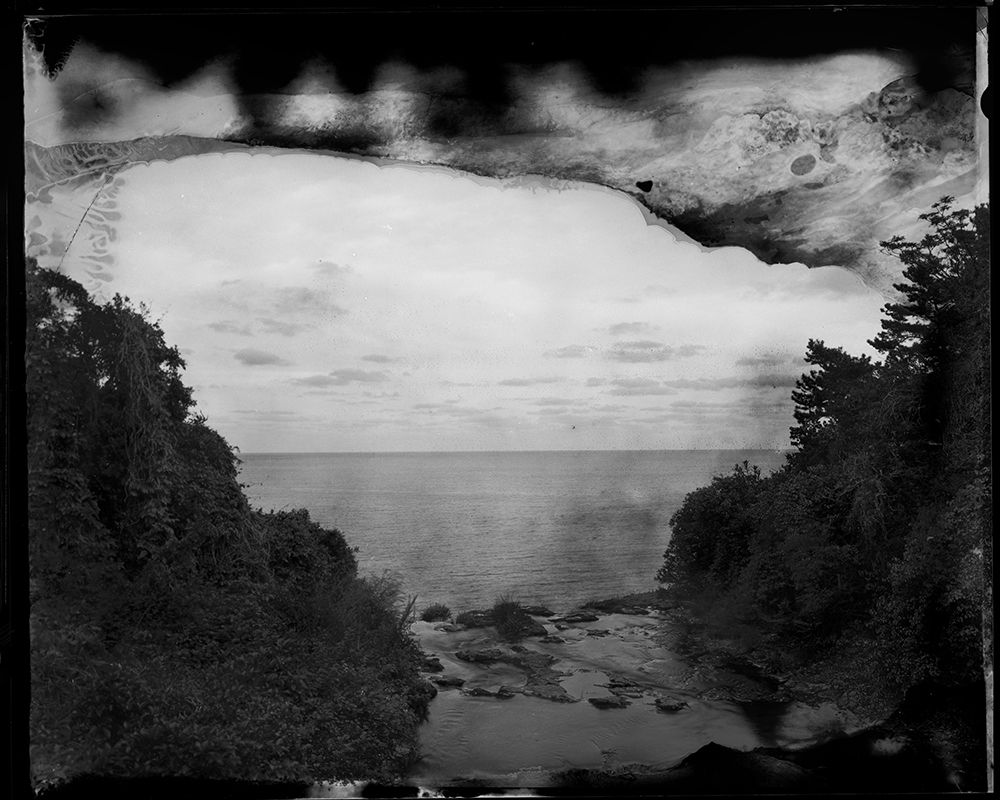
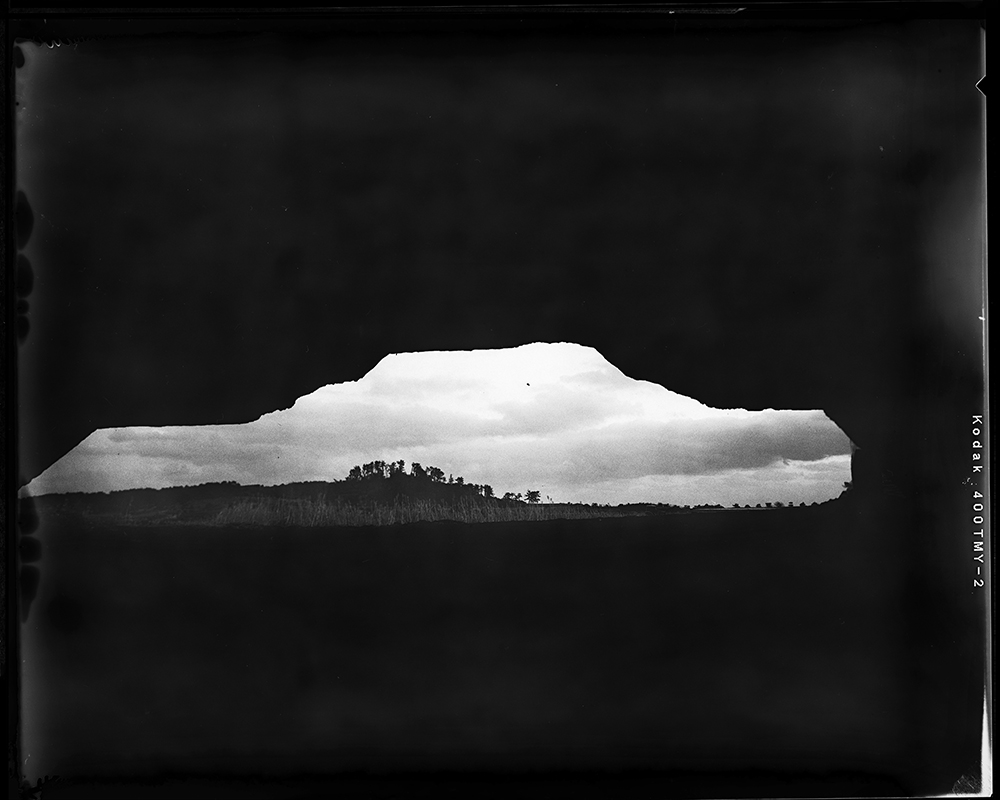

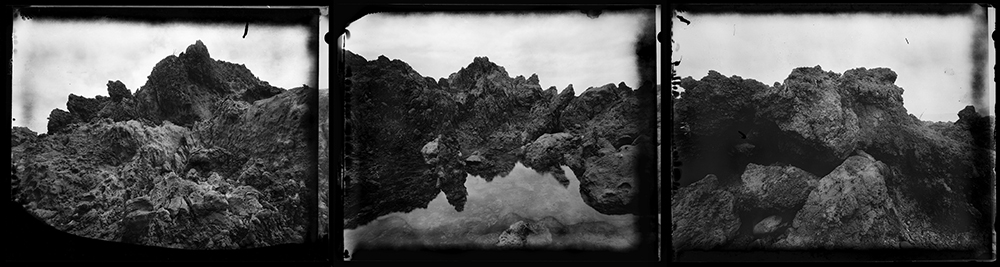
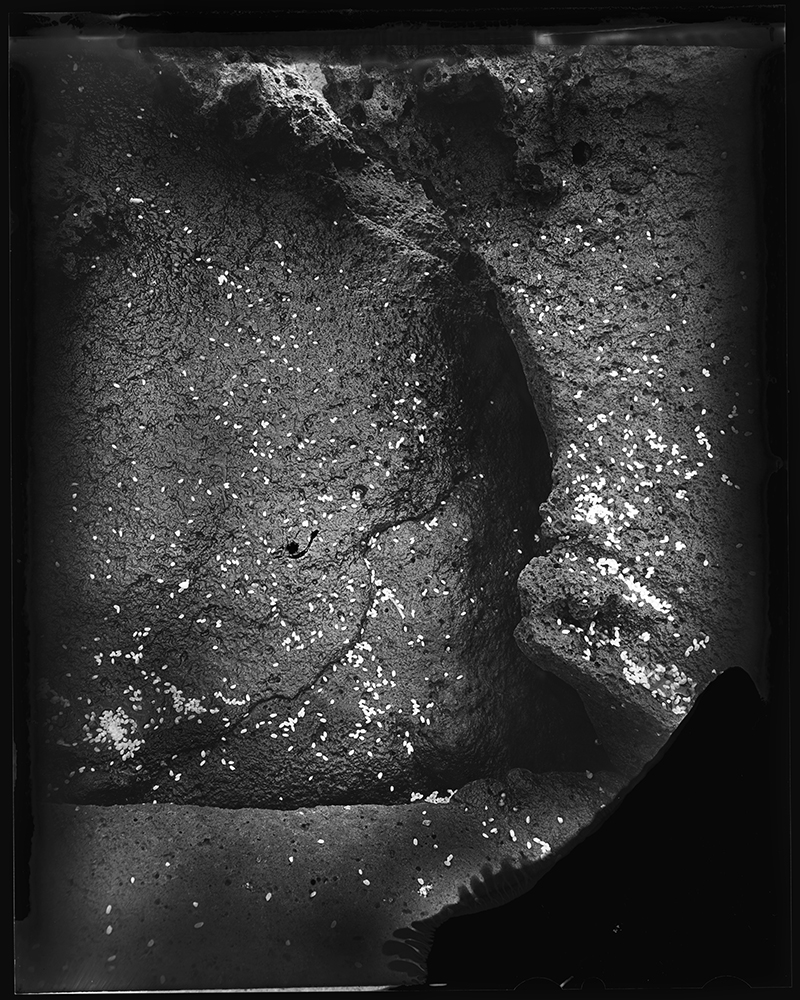
©Sung Nam Hun_ GutRitual, Gujwa-eup, Jeju-do_2020
Honbul, Undying Fire
Present-day Korea has achieved splendid development that astonishes the world, and it abounds with vitality and changes to shape the future. Meanwhile, our memories of the past are fading like an old photo, and the unique spirit and culture that define our identity are overshadowed by grand agendas such as globalization and development.
However, there are values that must be preserved and passed on in our culture. Carried down from the past, the values remind us of who we are and guide us toward what we should seek. It is for this reason that we constantly reflect upon our cultural heritage to apply values in it to our lives today.
The 2025 Busan International Photo Festival, with the theme honbul (“soul fire”), turns its attention to the deep values of spirit embedded in the long history and unique culture of Korea as well as the cultural identity of Koreans. The festival’s exhibits invite us to reflect on our present reality, contemplate on the human condition, and discover the Korean worldview that has been passed down generation to generation.
The exhibition features works by fourteen Korean artists — Kim Woo Young, Park Jin Ha, Sung Nam Hun, Yang Jae Moon, Woo Chang Won, Lee Gap Chul, Lee Sun Joo, Yi Wan Gyo, Lee Jong Man, Chang Sook, Cho So Hee, Han Chung Shik, and Hwang Gyu Tae — and six international artists — David Krippendorff, Henrik Strömberg, Rainer Junghanns, Ralph Tepel, Setsuko Fukushima, and Yana Kononova. The artists’ works compose a narrative of hope and insight uncovered in the abyss, complementing and overlapping each other like the pieces of a patchwork.
Honbul is not a mere flicker of flame. It is an affirmation of the effort to inherit and carry forward Korea’s unique culture and spirit; it is the resonance of our bodies and minds speaking in their truest form; and it is a profound return to human dignity and the communal bonds that sustain us. At the same time, honbul is also a conversation with the world—a shared meditation on human existence itself.
-Artistic Director, 2025 Busan International Photo Festival, Lee Il Woo
Lee IlWoo is an independent curator and director of the Korea Photographers Gallery.
Key Curatorial Roles:
He currently serves as Artistic Director of the 2025 Busan International Photo Festival, with the main exhibition ‘Honbul, Undying Fire’. His previous curatorial roles include Artistic Director of the 2017 Seoul Photo Festival ‘Community for Self-reflection; State, Individuals and Us’ and the 2016 Seoul Photo Festival ‘Seoul New Arirang – Like Thousand Miles of Rivers’. He served as Exhibition Curator for the National Museum of Modern and Contemporary Art’s ‘Han Chungshik: GOYO’ (2017), Chief Curator of the Arts Council Korea’s ‘Public Art + Regional Revitalization Project: Regeneration of Everyday Life’ (2015), Curator for the Daegu Photo Biennale ‘Full Moon’ (2014), and Curator of the Changwon Contemporary Art Festival ‘Cities of Ancient Futures’ (2013).
Additional Leadership:
He was Executive Director of the Urban Gallery Project ‘Chungmuro Photo Festival ‘(2012), Director of Visual Art Center Boda (2009–2011), and ‘Asian Contemporary Art Magazine POINT’ (2010–2011).
Early Exhibitions:
Prior to curatorial work, Lee IlWoo participated in solo and international group exhibitions such as ‘Voice of Silence'(2010), ‘Stuffed Animal'(2009), ‘In-between'(2008), ‘Portraits’ (2007), and ‘UNTITLED’ (2006)
Posts on Lenscratch may not be reproduced without the permission of the Lenscratch staff and the photographer.
Recommended
-
Bryan Whitney: The Spiritual LightMarch 17th, 2026
-
The 2026 Lenscratch Student Prize is OPEN!March 16th, 2026
-
The 2026 LOVE Exhibition, Part 2February 14th, 2026
-

The 2026 LOVE Exhibition, Part 3February 14th, 2026
-
The 2026 LOVE Exhibition, Part 4February 14th, 2026