Photography Educator: Erin Ryan Stelling
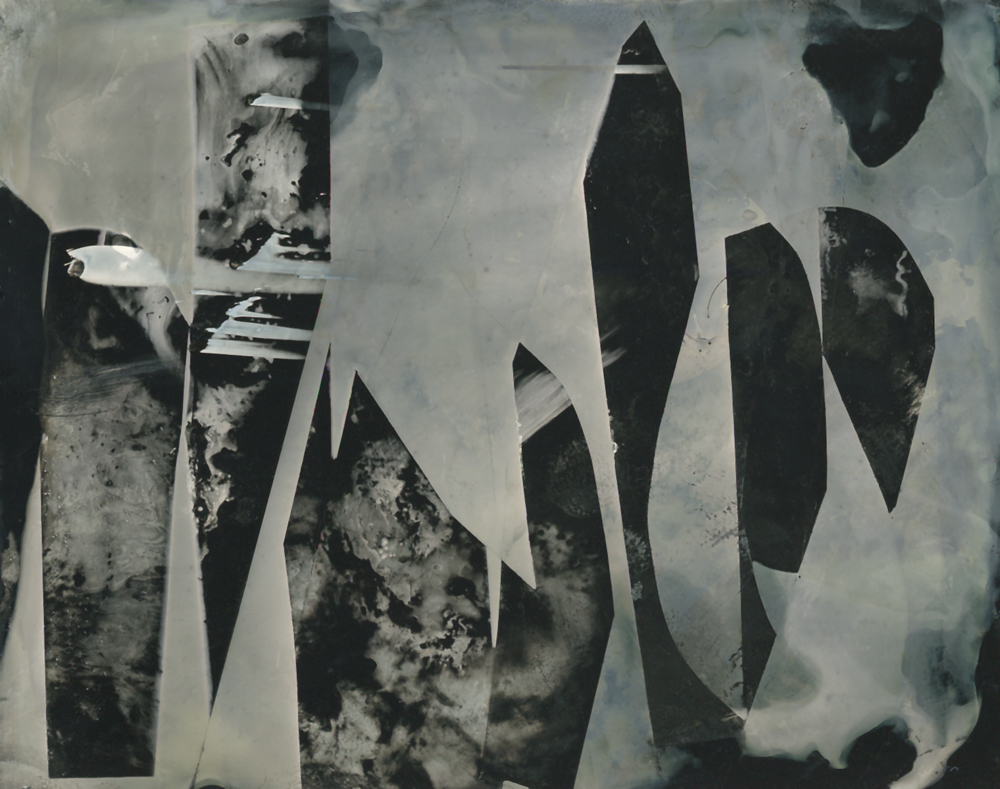
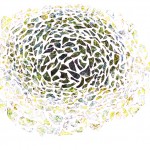
©Erin Ryan Stelling, From the Cuts project, Cut Paper, Photogram, Wet Plate Collodion 4 x 5
Photography Educator is a monthly series on Lenscratch. Once a month, we celebrate a dedicated photography teacher by sharing their insights, strategies and excellence in inspiring students of all ages. These educators play a transformative role in student development, acting as mentors and guides who create environments where students feel valued and supported, fostering confidence and resilience.
For January, I am delighted to feature the work of artist and educator Erin Ryan Stelling. A few years ago, I had the opportunity to meet Erin and several of her students in Raleigh, North Carolina, where she teaches at Ravenscroft School, and to witness firsthand the sophistication of her students’ photographic work. Erin nurtures curiosity and passion for the medium in both classroom and darkroom and invites students to pursue their own interests and take risks. She fosters an environment in which experimentation is openly encouraged and celebrated. In her dual role as photography instructor and gallery coordinator, she mentors students through the full arc of artistic production and exhibition. She is dedicated and committed–her students are truly fortunate to learn from her.
This article features selections of Erin’s work, an interview on her career as an educator, images and statements from some of her students.
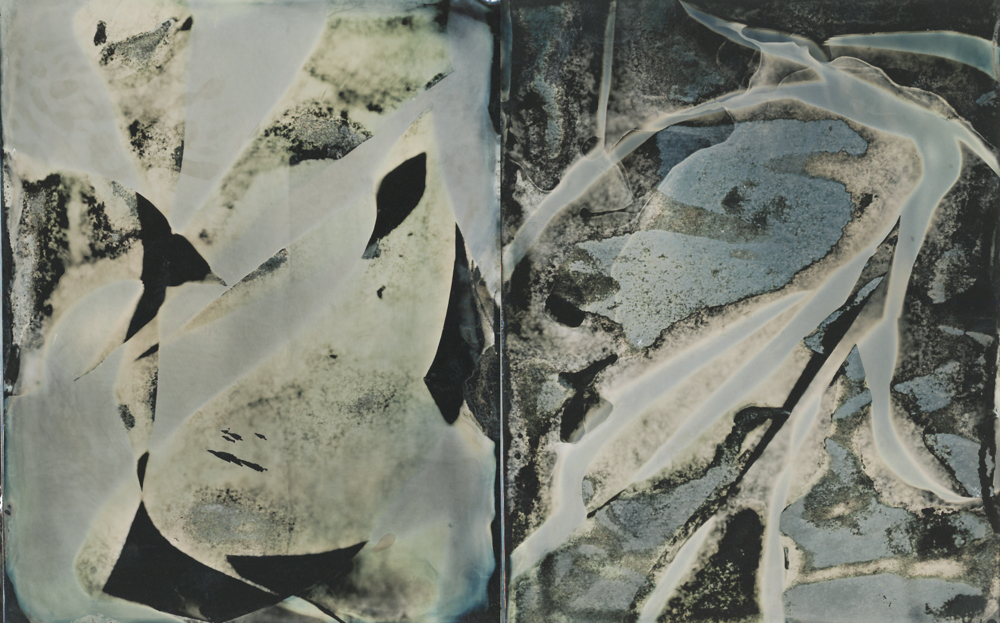
©Erin Ryan Stelling, From the Cuts project, Cut Paper, Photogram, Wet Plate Collodion 4 x 5
My work moves between observation, questioning, and material exploration. I am drawn to photography as both a way of expressing how my experiences feel and as a physical process shaped by touch, time, and decision. While I often work experimentally in the darkroom with analog materials, I am equally invested in more traditional photographic approaches, documenting my children, the spaces we inhabit, and moments that feel quietly significant. Both approaches come from the same impulse: to understand experience through seeing and making.
I work primarily with analog processes, returning again and again to film and the darkroom for their physicality and resistance to perfection. In these spaces, I am interested in how light, chemistry, and time interact, and how each choice leaves a trace that cannot be undone. My camera practice is similarly rooted in constructed observation, watching light move through a room, or returning to the same place repeatedly over time. Whether an image is carefully composed or shaped through process, I am interested in how photographs hold duration, memory, and experience rather than isolated moments.
Ultimately, the work mirrors my life: observing, experimenting, failing, trying again, and trusting that persistence might eventually lead to something better.
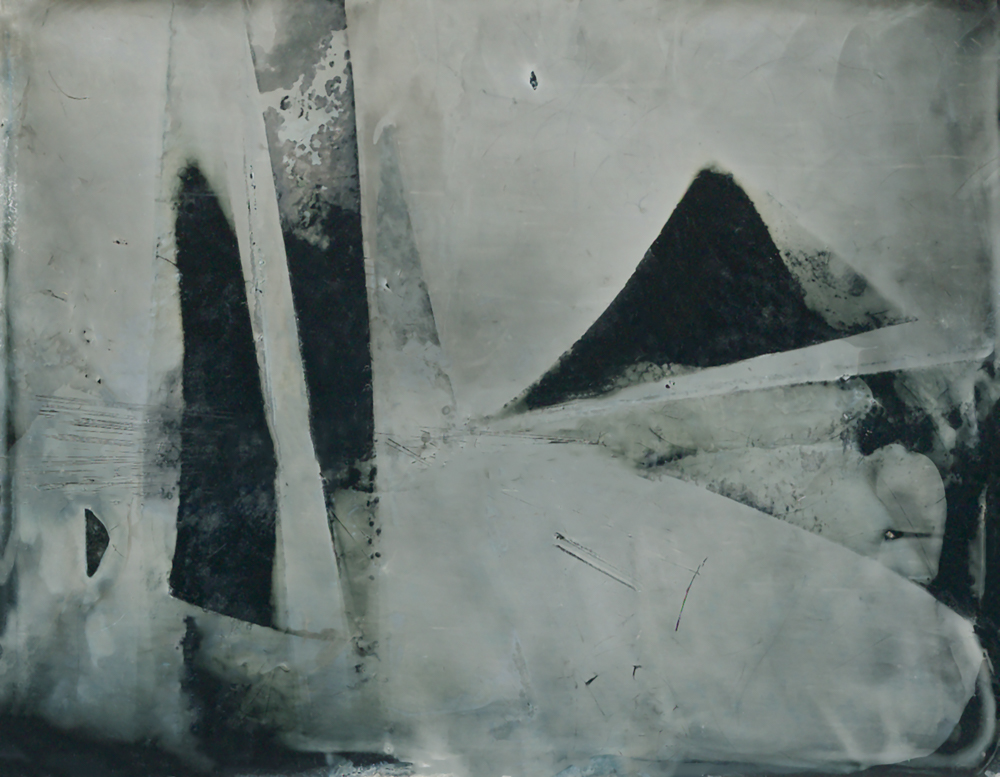
©Erin Ryan Stelling, From the Cuts project, Cut Paper, Photogram, Wet Plate Collodion 4 x 5
ES: Tell me about the work you chose to show for this article.
ERS: The images here come from ongoing bodies of work developed in different contexts but driven by the same questions around time, process, and light. During the summer months in Northern Michigan, away from regular access to the darkroom, I work more directly with the camera, returning to the same landscape repeatedly. During the academic year, my practice shifts back into the darkroom, where experimentation with materials and historical processes becomes a way of thinking through photography more physically and intuitively.
Recently, I have begun working with wet plate collodion, a process I have long been interested in, though not through traditional portrait wet plates. My early explorations focus on fabric studies made with a 4×5 camera, and at the same time, I have been adapting approaches from my Cuts series to poured plates, manipulating crudely cut paper to create geometric and organic forms through photograms, layering, and repeated exposure. The process is unforgiving and time-sensitive, leaving little room for correction, and the results are unpredictable. Having worked with the process only a limited number of times so far, I am still learning its limitations and possibilities. I plan to focus more fully on this process in the coming months when my teaching load is lighter.
The chemical paintings are an ongoing exploration tied to my interest in silver-based photographic paper and how different chemistry can impact the color and tonal qualities of the surface.
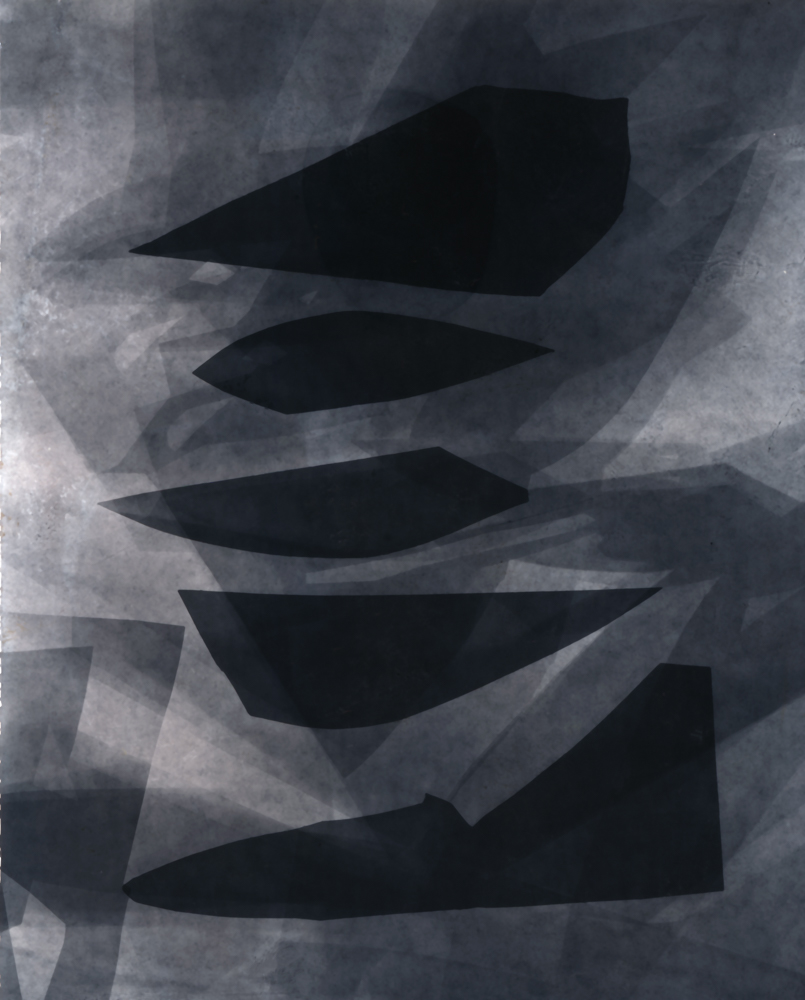
©Erin Ryan Stelling, From the Cuts project, Cut Paper Photogram, Harman Direct Positive Paper
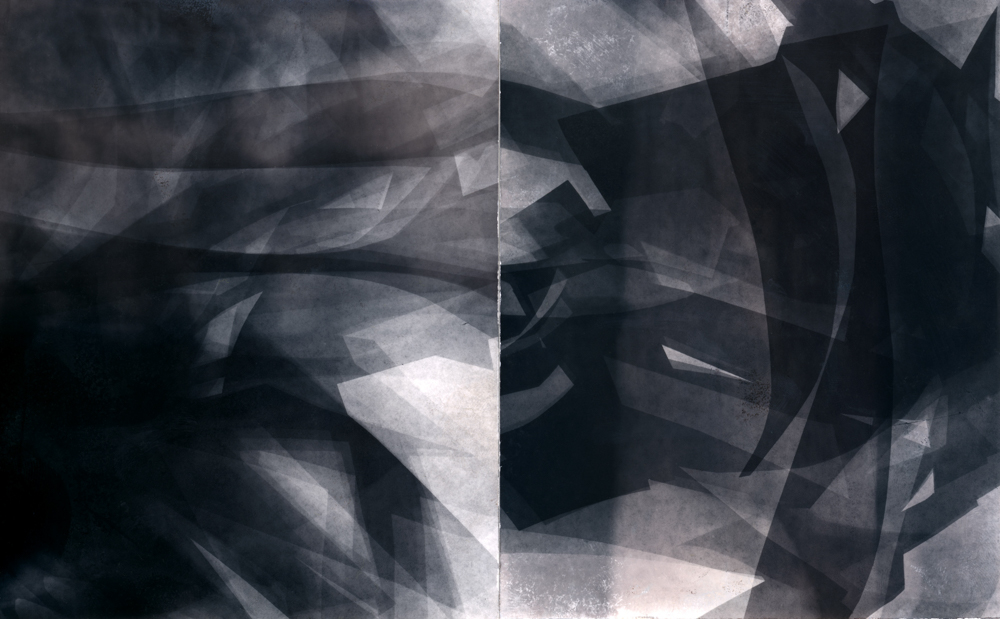
©Erin Ryan Stelling, From the Cuts project, Cut Paper Photogram Diptych, Harman Direct Positive Paper
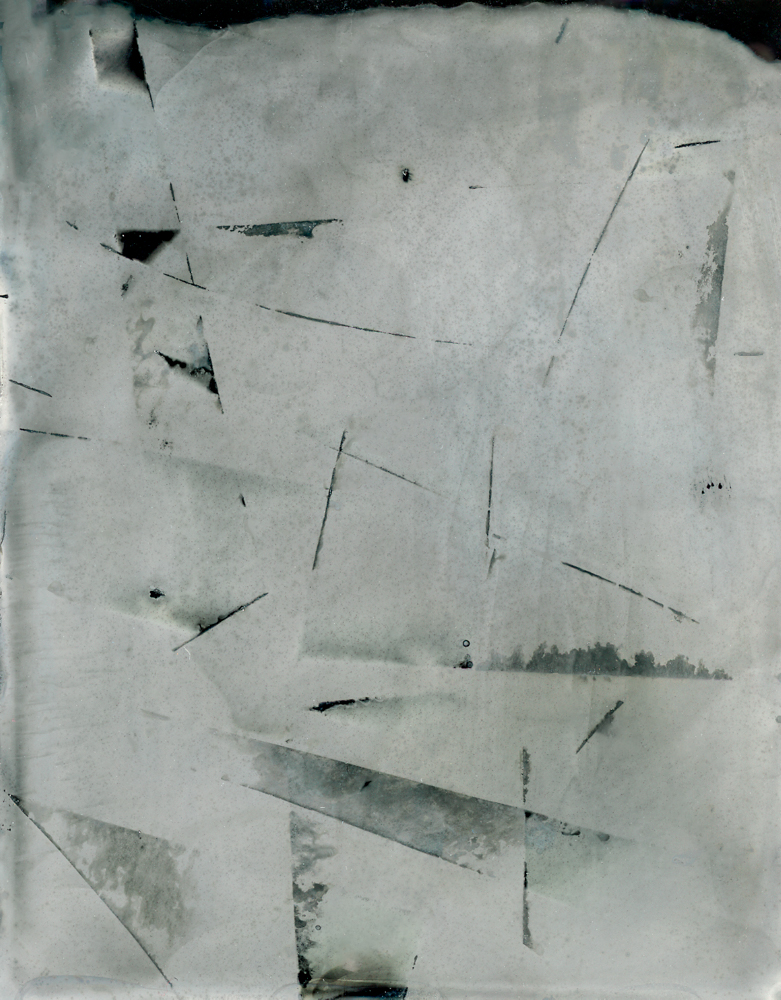
©Erin Ryan Stelling, From the Cuts project, Cut Paper, Photogram, Wet Plate Collodion 4 x 5
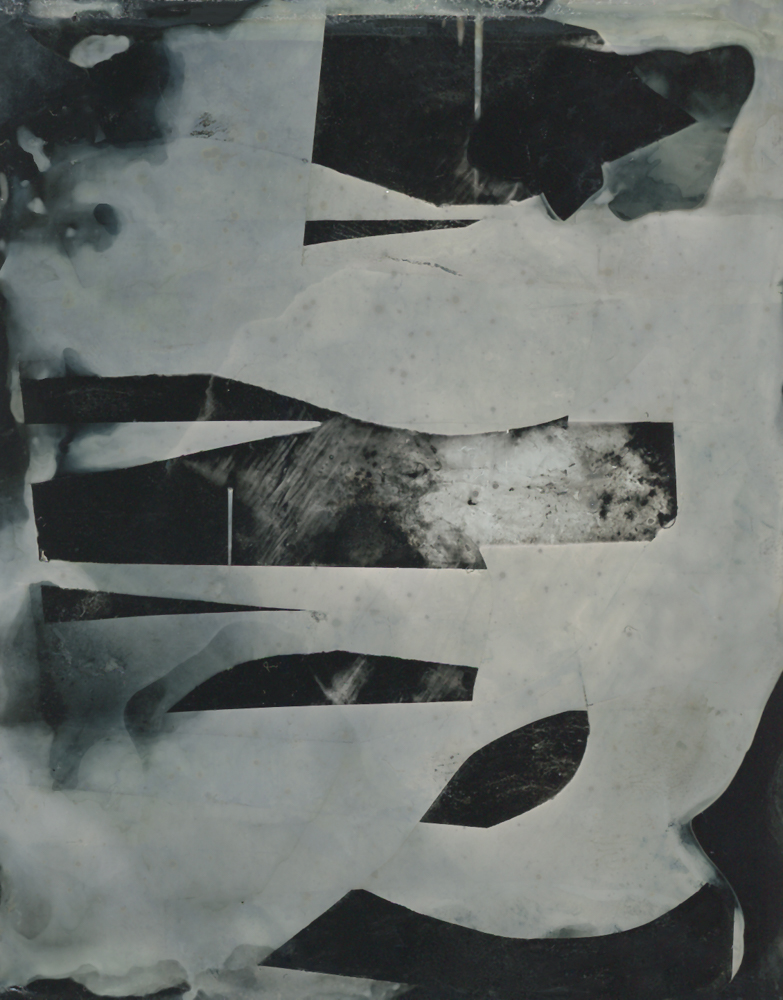
©Erin Ryan Stelling, From the Cuts project, Cut Paper, Photogram, Wet Plate Collodion 4 x 5
ES: How and why did you get into teaching?
ERS: I had always been drawn to spaces where art was present. After graduate school, while working various freelance jobs, I missed the studios, critiques, and shared processes that existed in academic environments. Teaching felt like a natural extension of that experience, so I found a teaching position that would take me.
That position was at a high school in Baltimore City Public Schools. I was 25, with no formal teaching experience beyond my graduate assistantships. It is difficult to fully describe how challenging that period was. About a year in, I managed to secure a DSLR camera, which students were allowed to take home to document their lives. I remember how surprised they were that I trusted them with it, and I was continually amazed by what they brought back. The images and stories they shared were raw and honest, and that experience was transformative for me as an educator.
ES: You’ve been teaching for a while, has your teaching philosophy changed with time?
ERS: It has definitely evolved. I have taught students living and learning through really diverse circumstances, and it has been eye-opening to realize that every student and every class is unique. I can’t have fixed expectations for how they will learn or what they will be interested in, so I am continually evolving my curriculum, my lessons, the artists I share, the processes I teach, and how I teach them. No class, no year, no version of me is ever the same. I definitely know a lot more than when I started, largely because of teaching. My curiosity, and my students’ curiosity, has helped drive that.
ES: What has been your biggest sacrifice?
ERS: My own practice. I always thought that teaching would keep me close to making, that I would be in creative spaces and still have time to work. Over the past few years, though, there have been more and more demands that extend well beyond the typical teaching load, and finding sustained time has become difficult.
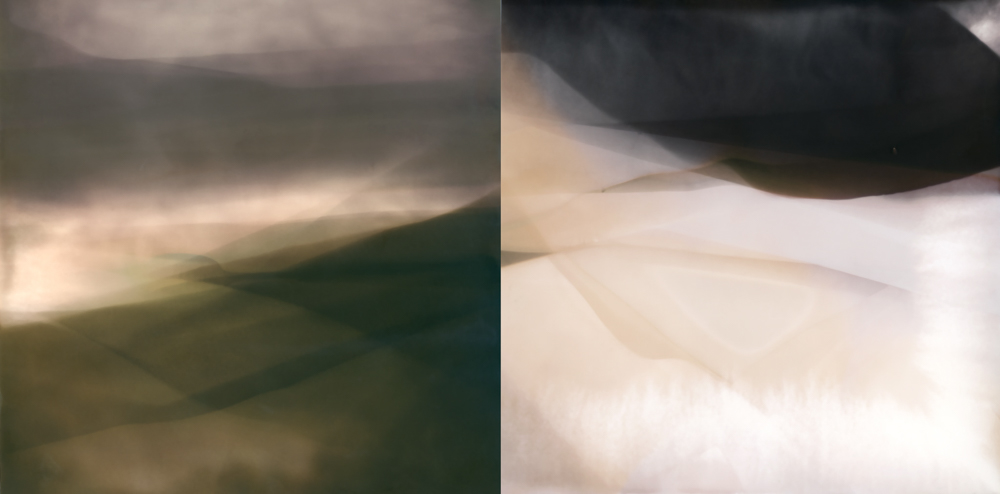
©Erin Ryan Stelling, From the Chemical Painting project, 5 x 10 Unique Silver Gelatin Prints, Ilford Warmtone Fiber Based Paper
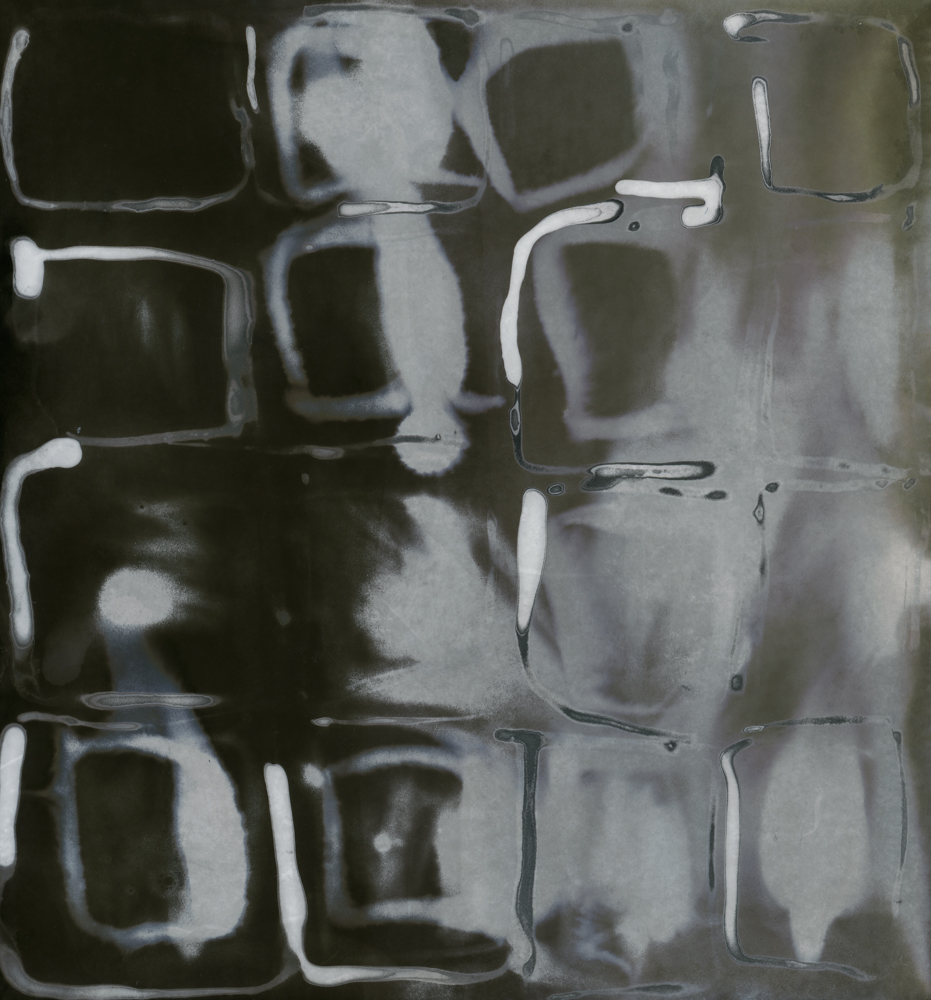
©Erin Ryan Stelling, From the Chemical Painting project, 5 x 5.5 Unique Silver Gelatin Print, Ilford Warmtone Fiber Based Paper
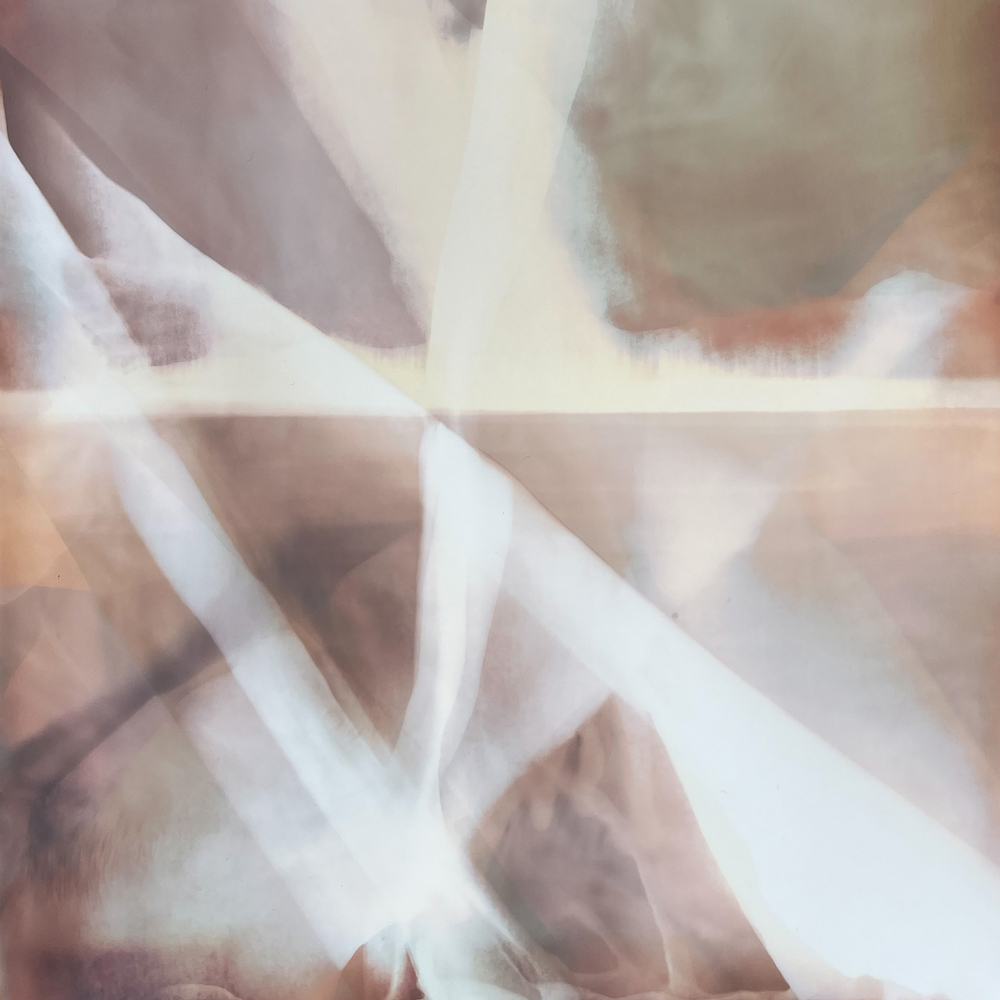
©Erin Ryan Stelling, From the Chemical Painting project, 10 x 10 Unique Silver Gelatin Print, Ilford Warmtone Fiber Based Paper
ES: Has your personal work been affected by your teaching experience? How?
ERS: The ideas that emerge in the classroom often stay with me. I am so intrigued by many of those concepts, thinking through the many ways they can be pushed, pulled, expanded, or reimagined. That constant exchange of curiosity and experimentation naturally seeps into my personal work.
ES: Did you have an influential photography mentor or teacher? What was their biggest impact on you?
ERS: In undergrad I took my first darkroom photography class with Susan Fenton. At the time, I didn’t really think I was very good at any art, but she believed in my work, and that meant a lot. I was playing soccer in college and training or travelling a lot, she gave me a key so I could work in the darkroom in the middle of the night. She encouraged me to apply to grad school and gave me whatever I needed to keep making work. She let me use her backyard to shoot, helped me get my first solo exhibition, and always made space for me to try new things.
In graduate school at Penn, I studied and had studio visits with many amazing artists, Gabe Martinez, Terry Adkins, Nigel Rolfe, Dave Hickey, Hitoshi Nakazato and so many more. Each of them contributed to shaping how I saw photography and myself as an artist.
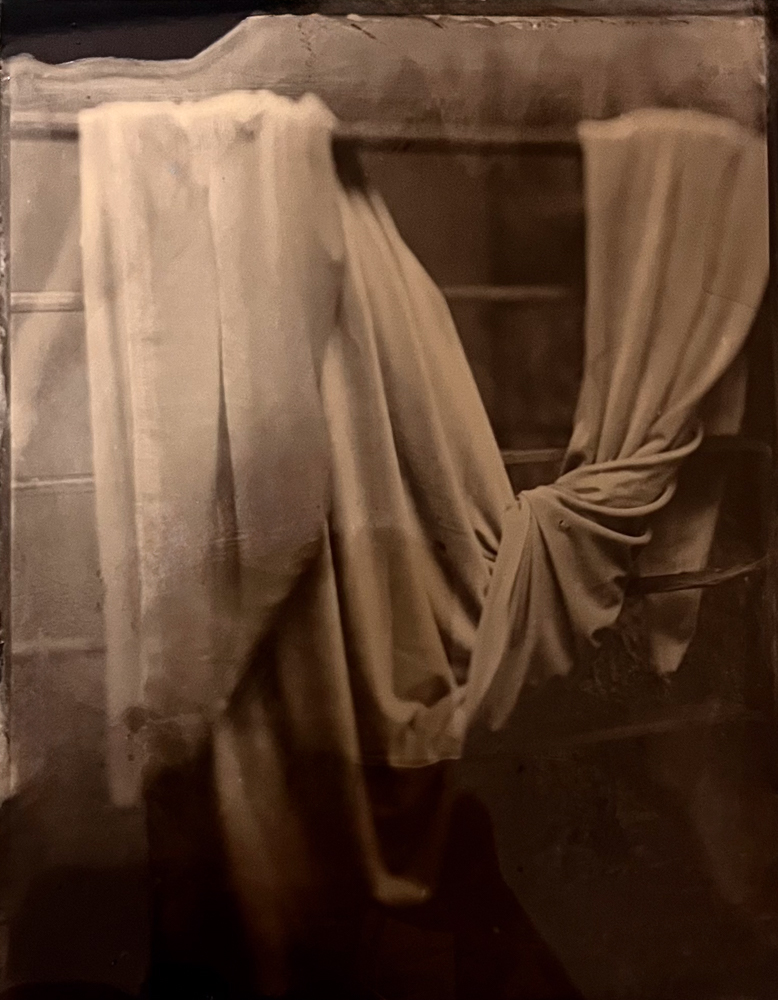
©Erin Ryan Stelling, Fabric Study, Wet Plate Collodion 4 x 5
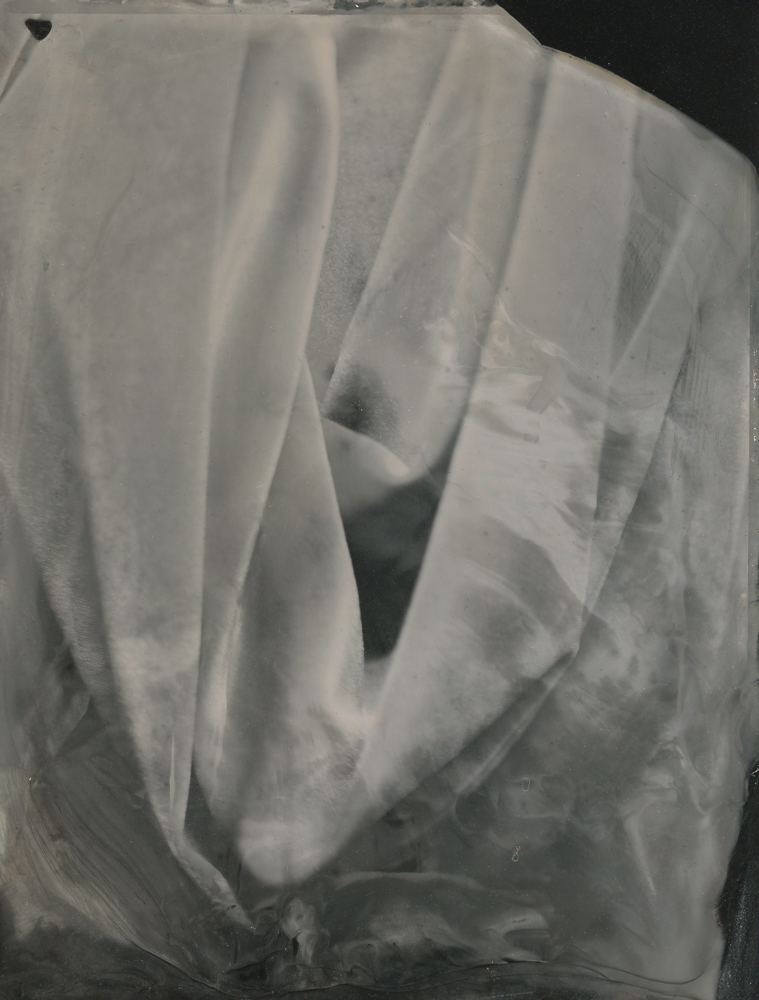
©Erin Ryan Stelling, Fabric Study, Wet Plate Collodion 4 x 5
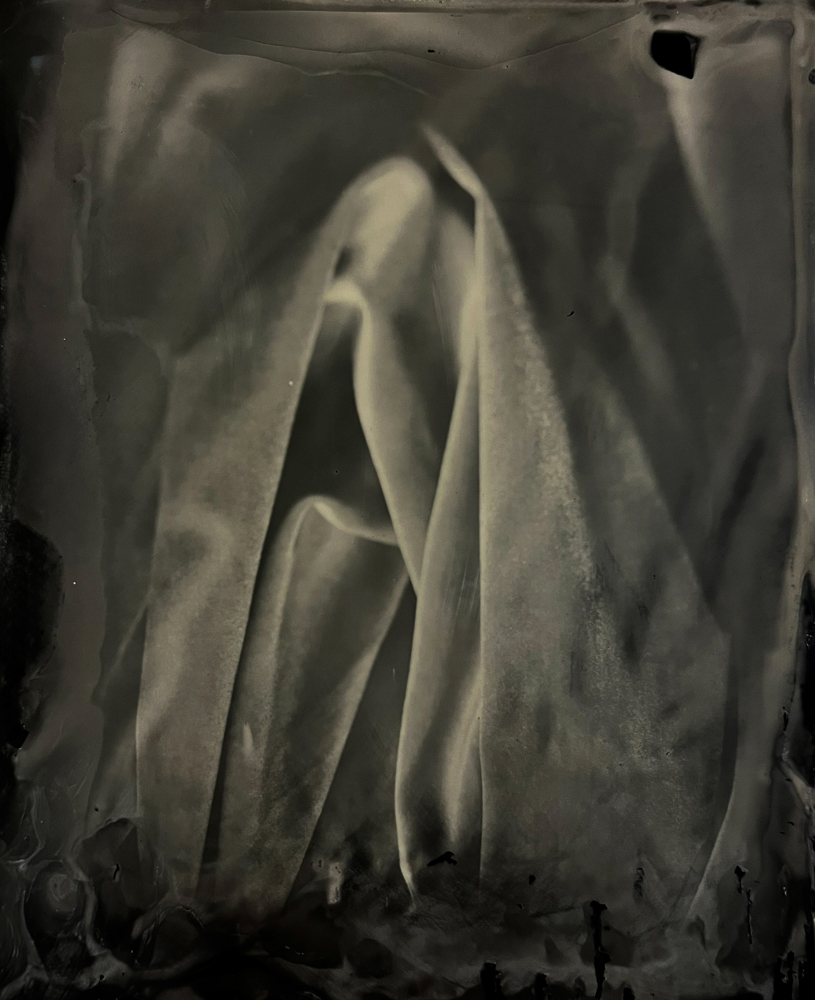
©Erin Ryan Stelling, Fabric Study, Wet Plate Collodion 4 x 5
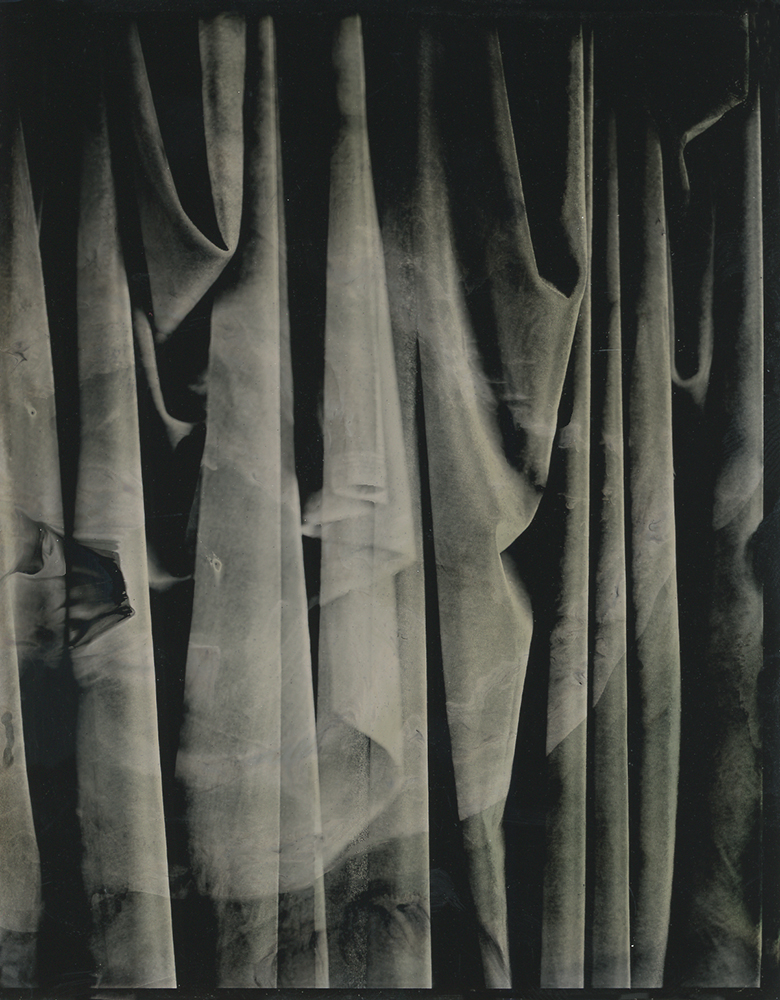
©Erin Ryan Stelling, Fabric Study, Wet Plate Collodion 4 x 5
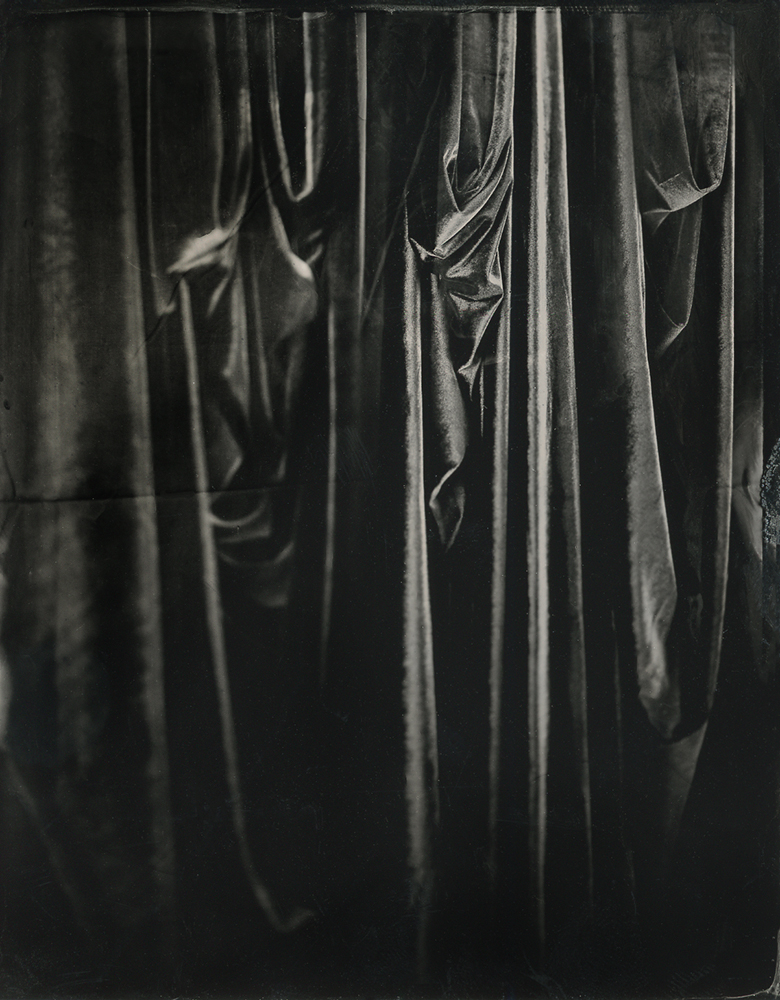
©Erin Ryan Stelling, Fabric Study, Wet Plate Collodion 4 x 5
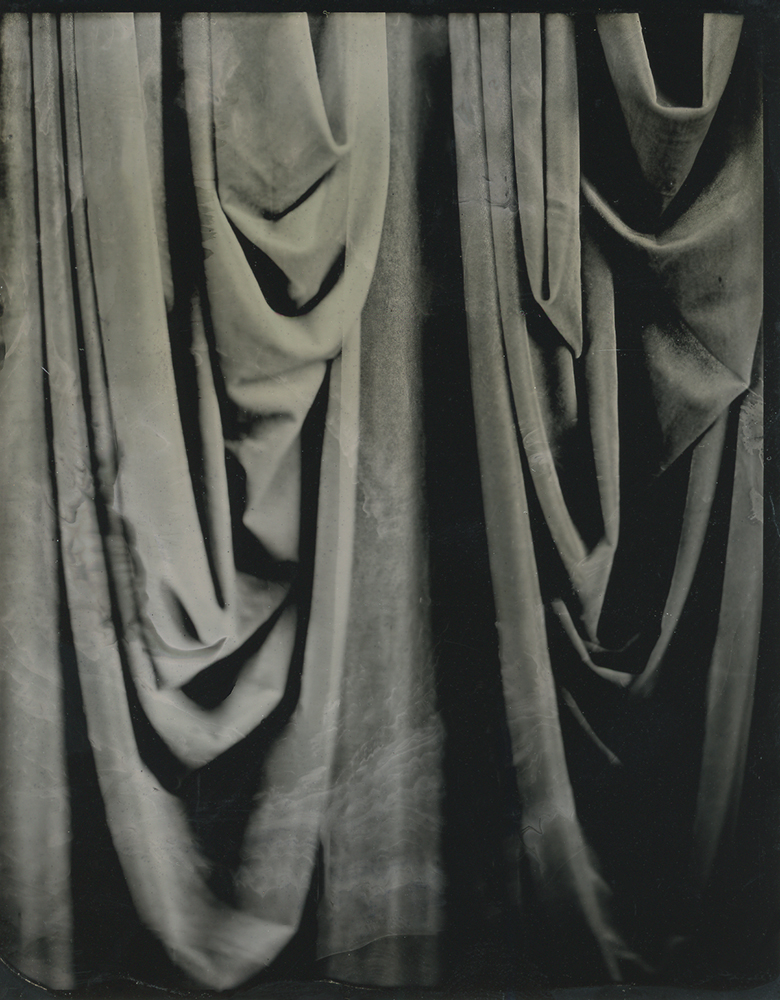
©Erin Ryan Stelling, Fabric Study, Wet Plate Collodion 4 x 5
ES: What keeps you engaged as an educator?
ERS: My genuine interest in working with students. Before I began teaching, my own work was largely driven by a singular personal style, focused on what I liked and understood. Teaching has expanded that perspective. It has pushed me to appreciate and respect a wide range of viewpoints, styles, and ideas that I might not have otherwise taken the time to understand.
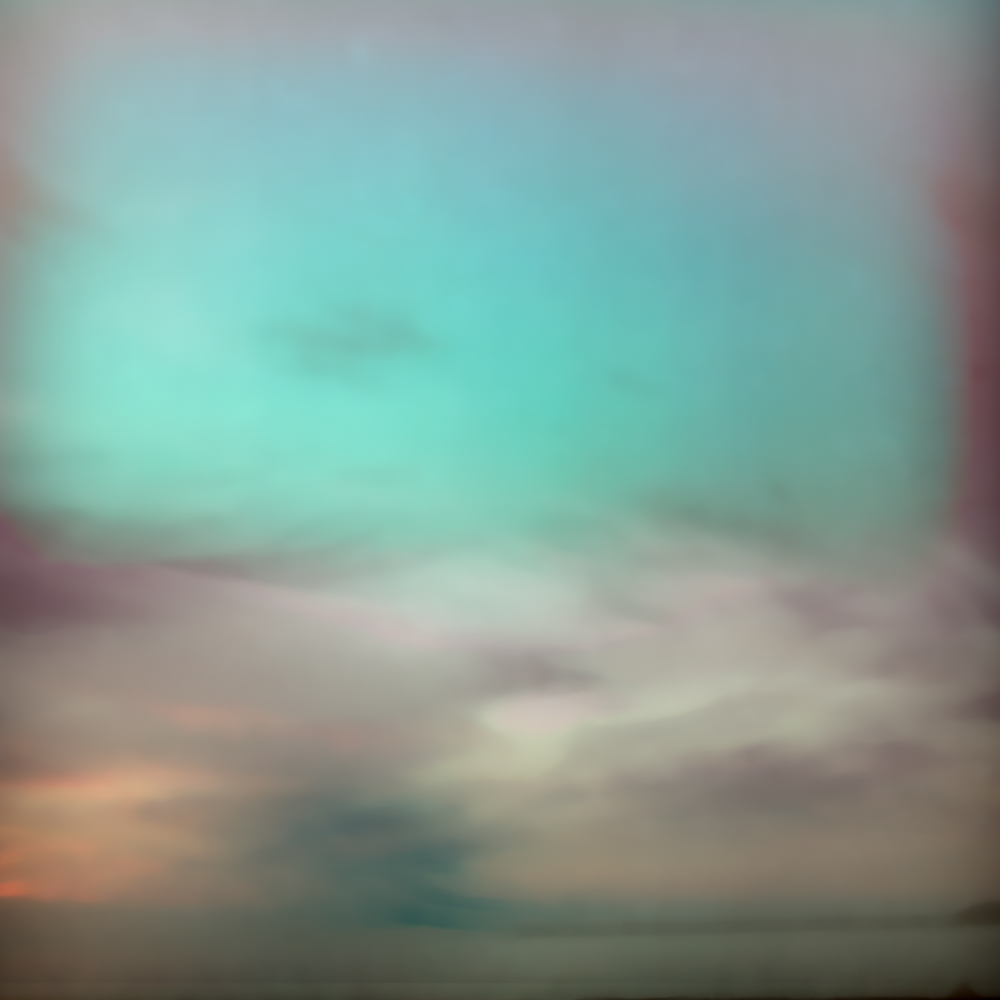
©Erin Ryan Stelling, from the Faded Horizons project, Layered EktaChrome 120, printed on Canson Platine Fibre Rag, 17 x 17
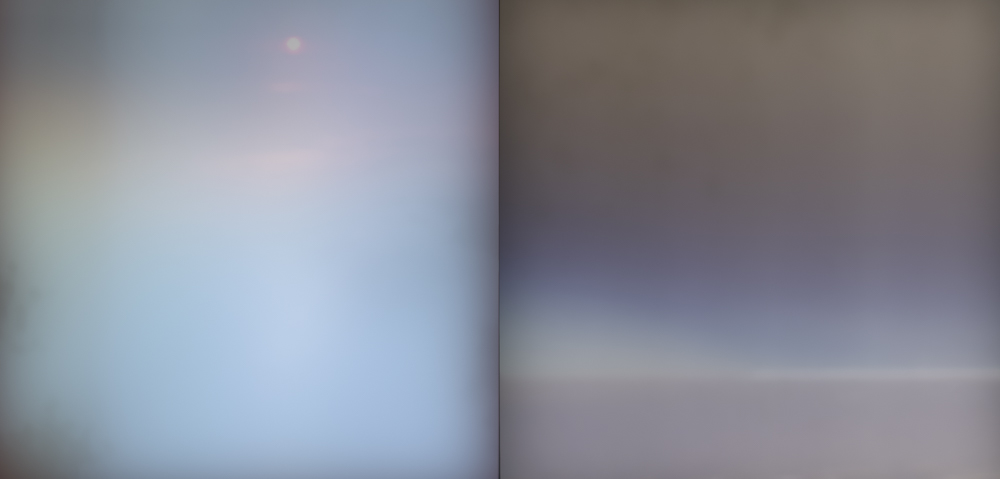
©Erin Ryan Stelling, from the Faded Horizons project, Scanned Portra 160 Negatives, Diptych, printed on Canson Platine Fibre Rag, 17 x 34
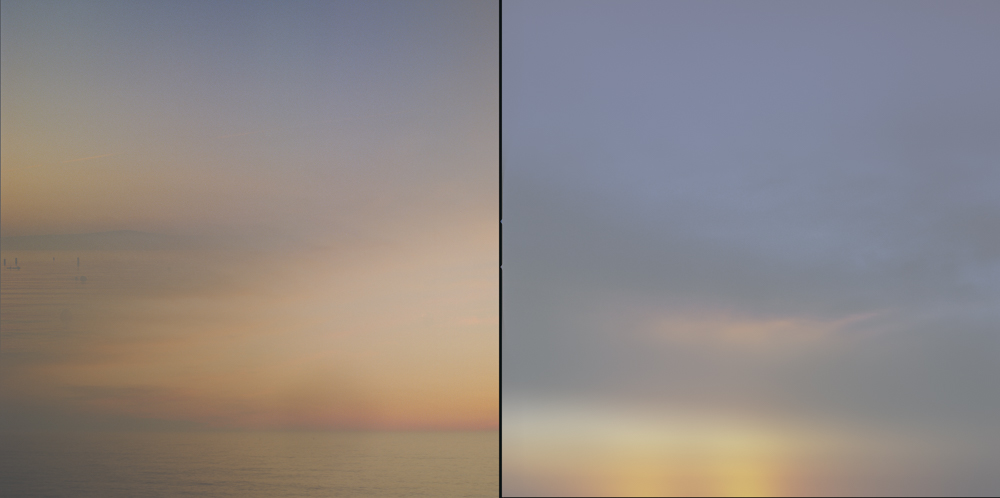
©Erin Ryan Stelling, from the Faded Horizons project, Scanned Portra 160 Negatives, Diptych
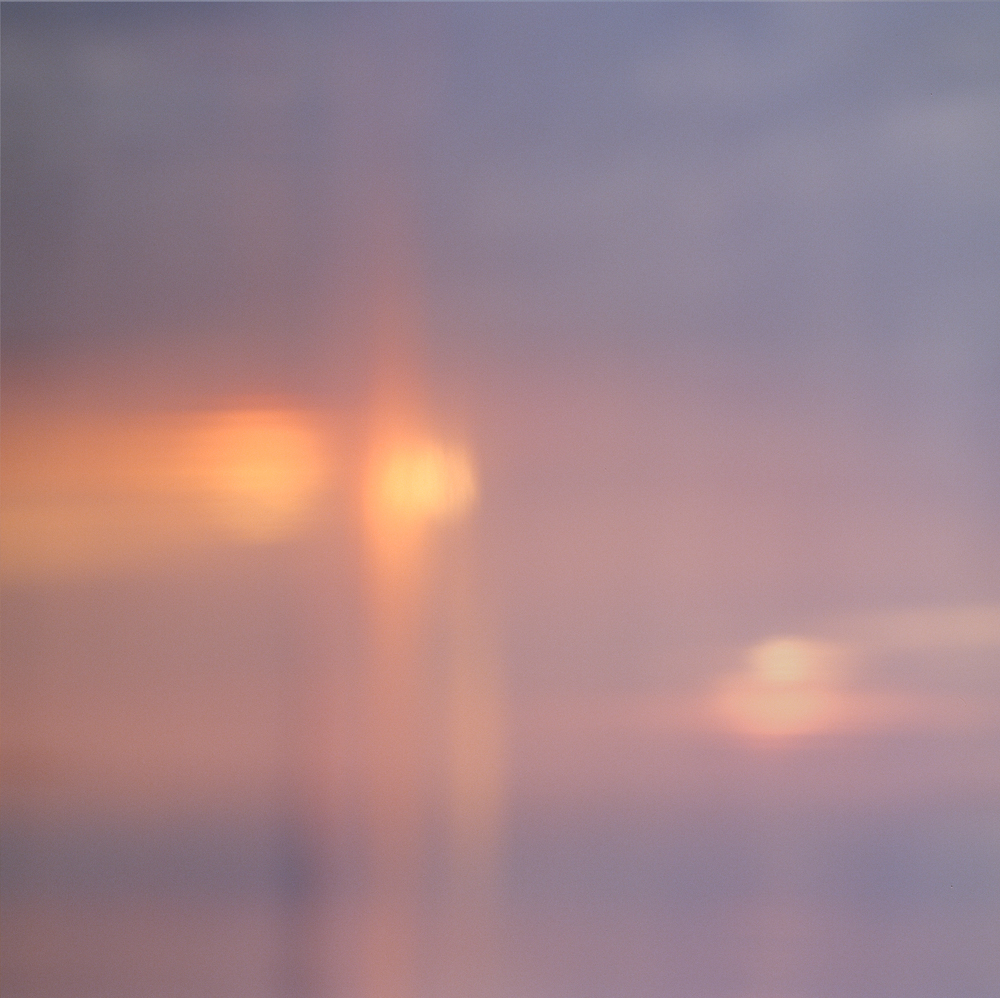
©Erin Ryan Stelling, from the Faded Horizons project, Layered EktaChrome 120, printed on Canson Platine Fibre Rag, 17 x 17
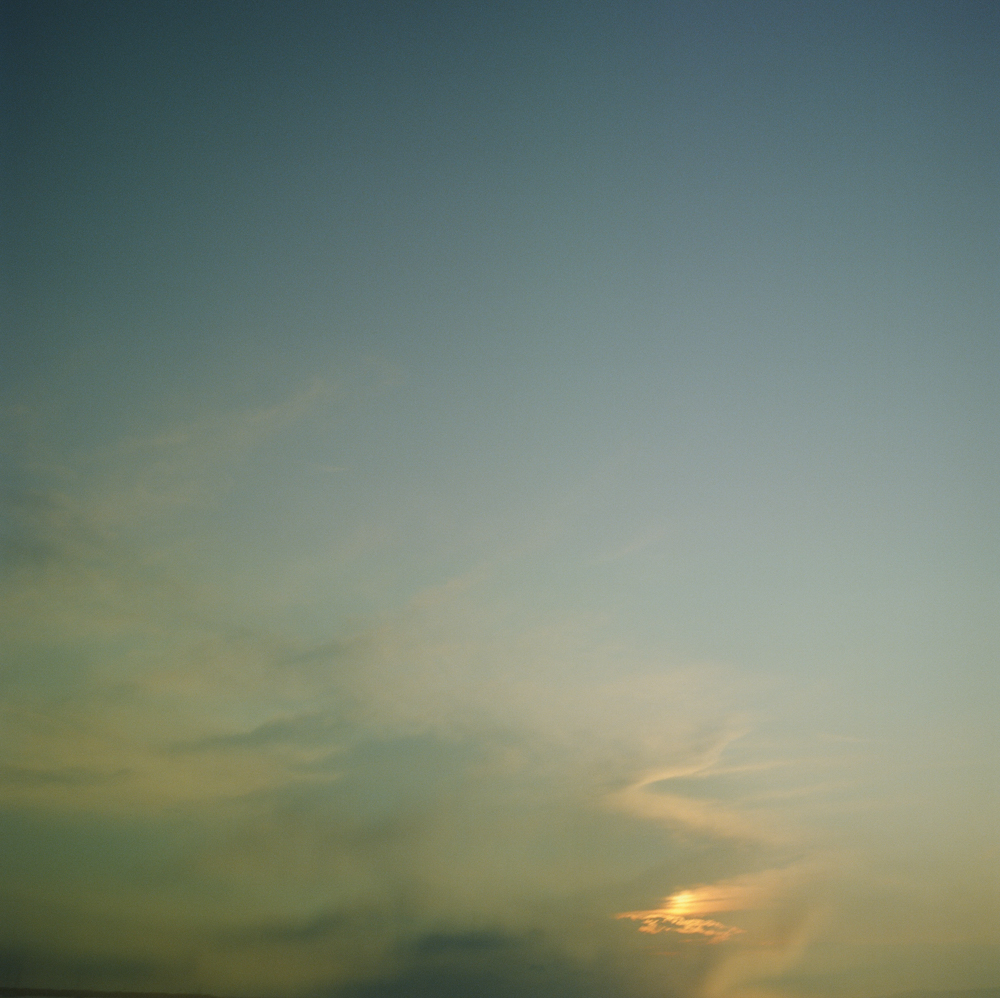
©Erin Ryan Stelling, from the Faded Horizons project, Scanned EktaChrome, printed on Canson Platine Fibre Rag, 17 x 17
ES: How do you connect with your students?
ERS: I try to know them and encourage them to make work for themselves, or because it means something to who they are or what they believe, not because it’s the right way, but because it’s their way.
ES: How do you help your students tap into curiosity and the creative process? What are some of the assignments that you give your students?
ERS: There is a lot of critique, feedback, and reflection. I try to facilitate space so they can develop their own practice and process without telling them everything. I want them to grapple with their ideas and find solutions.
Student Work and Statements
Grace McDaniel
Erin Stelling was my photography and art teacher since eighth grade at Ravenscroft School. Throughout my time in her classes, she not only educated me on the technical foundations of photography but also encouraged me to explore my interests in liquid and abstraction through experimentation in my artistic process. She taught me to lean into the unknown, which helped me create work that pushed me creatively and challenged my understanding of photography as a medium. Mrs. Stelling has shaped my love for photography and art as a whole, and I am immensely grateful for the space and support she provided as I grew as an art student.
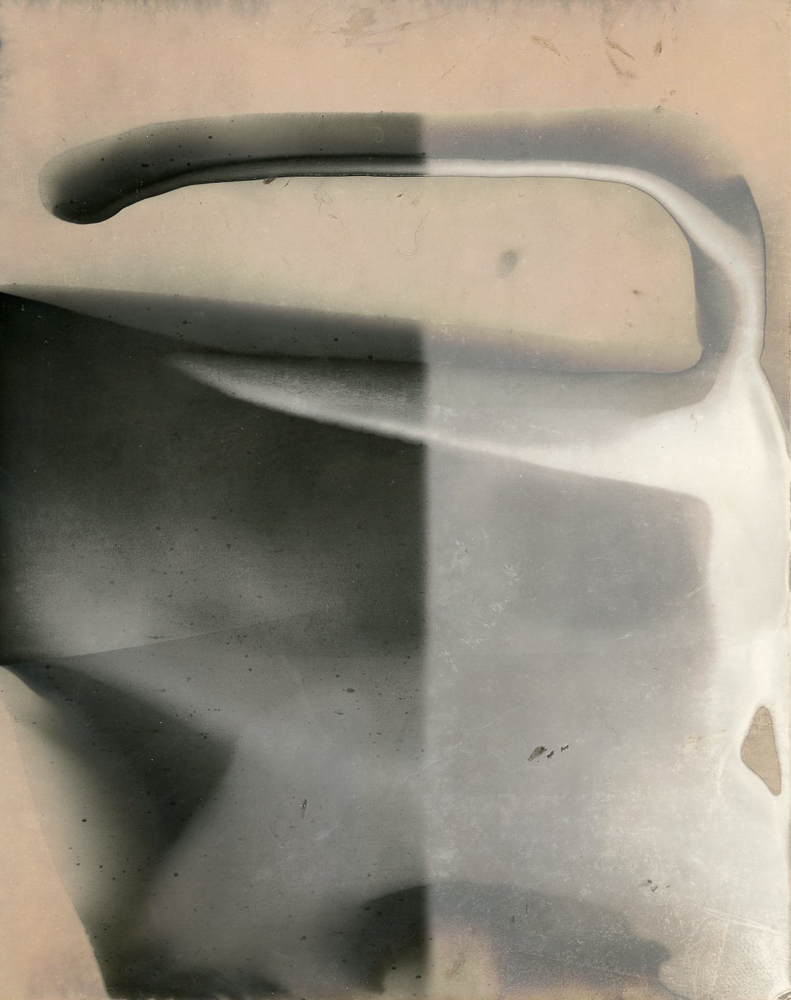
©Grace McDaniel, Chemigram, Expired Direct Positive, 4 x 5
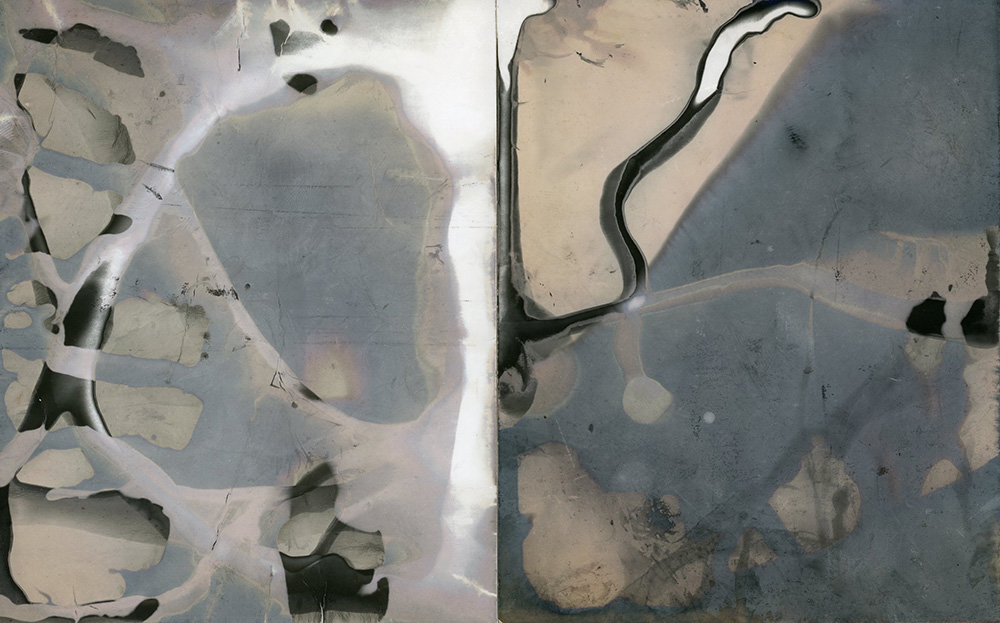
©Grace McDaniel, Chemigram, Expired Direct Positive, two 4 x 5

©Grace McDaniel, Digital Photograph, 10 x 15
Sky Bell
Erin Stelling is and always will be one of the most caring and helpful teachers I have ever had. She helped me in high school when I was first uncovering what photography was and how it played into my fine arts practices. Now, as a student at Parsons School of Design, I continue to use her advice and teachings in my photography, technology and fine art work. She is an incredibly talented and creative teacher and person. She is highly memorable and one of my favorite teachers ever, even after 3 years of college courses in NYC. Some of my favorite film work was made during my high school classes with her, not only because of the technical pedagogy I received, but also the meaningful content and creative processes she taught. Instagram: @skaii.belle
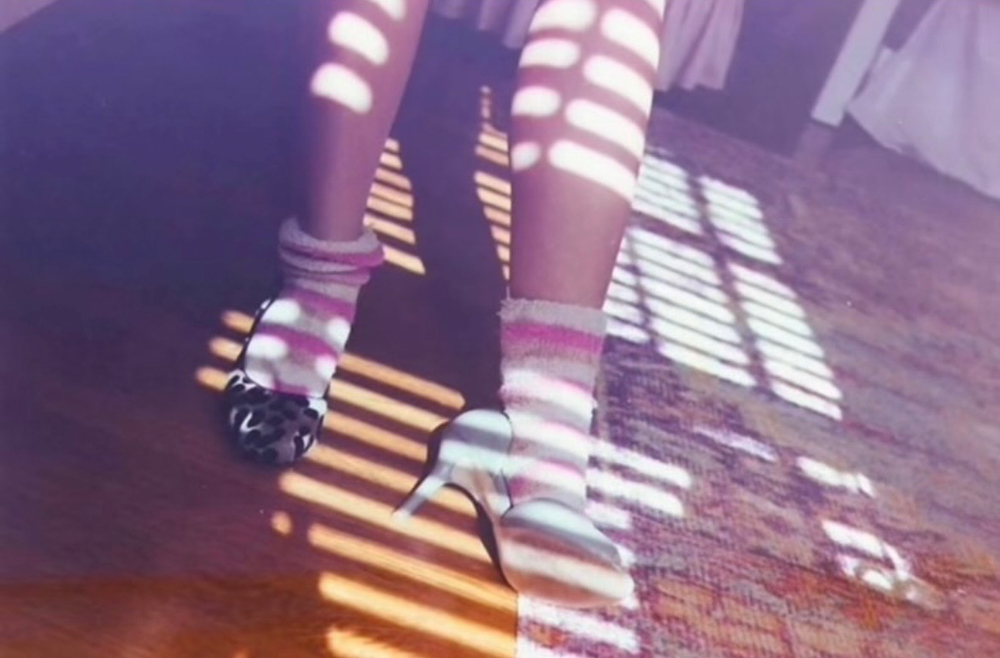
©Sky Bell, Expired color film
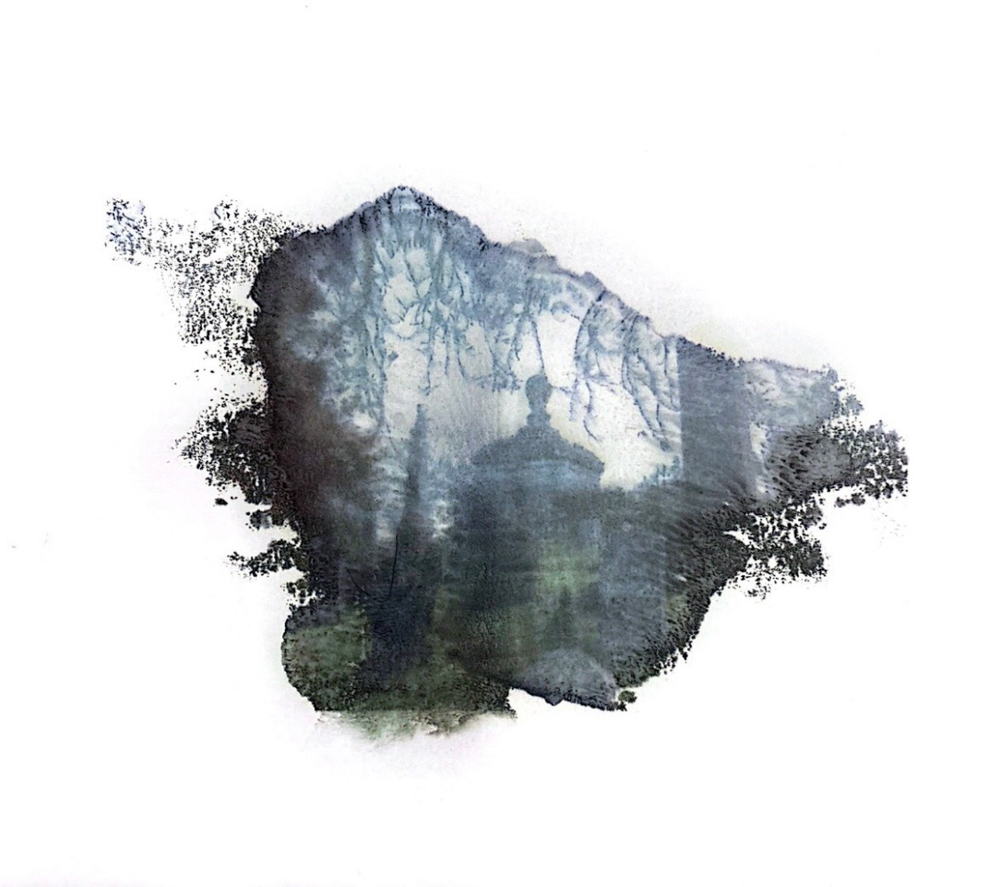
©Sky Bell, Green Wood Cemetery
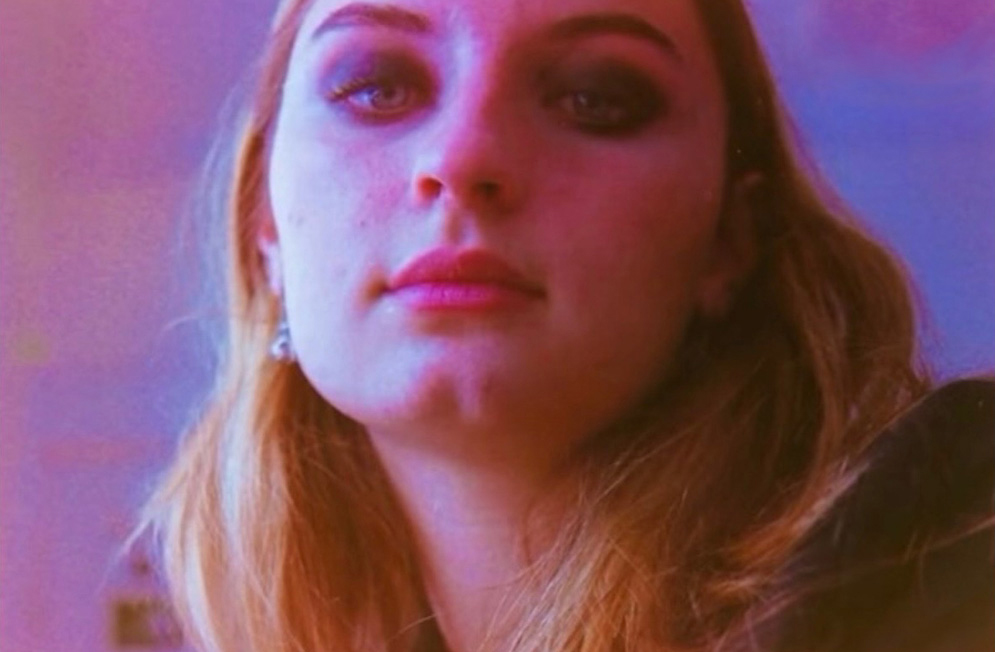
©Sky Bell, Expired color film
Laurel Caplan
Erin Stelling introduced us to a wide range of new mediums and gave us the freedom and encouragement to explore how to make them our own. I loved spending time in the darkroom experimenting with film photography and later focusing on chemical processes. The experiences I had during middle and high school classes with Ms. Stelling are the reason I continue studying art in college.
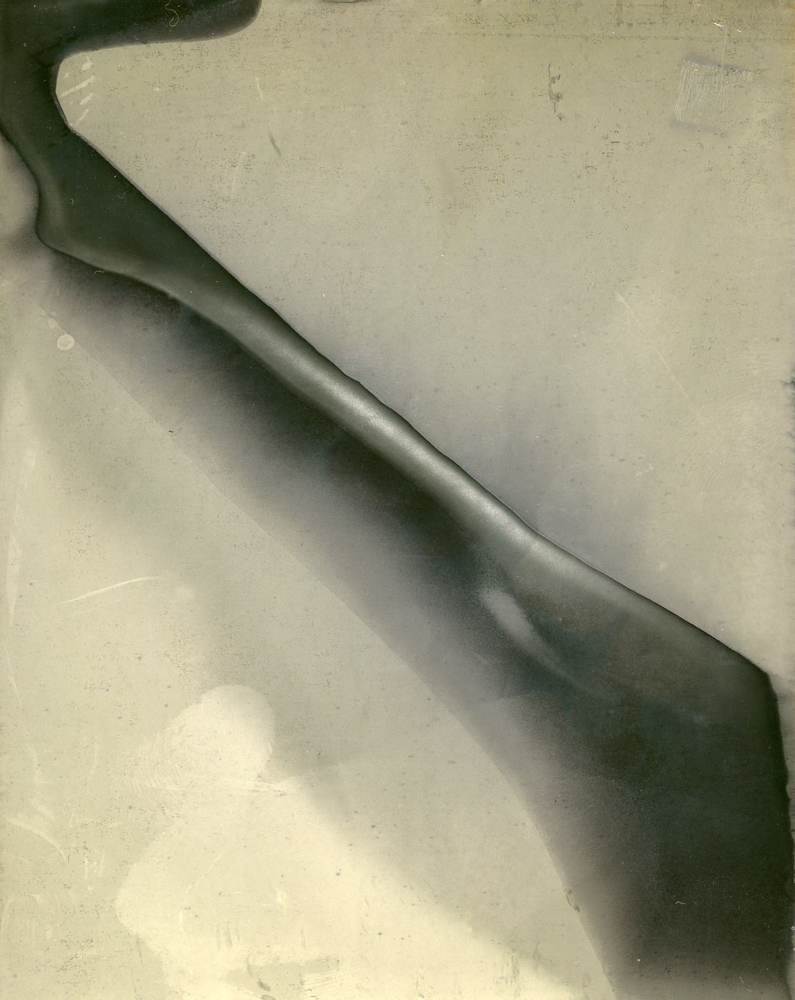
©Laurel Caplan, Chemigram, Expired Direct Positive, 4 x 5
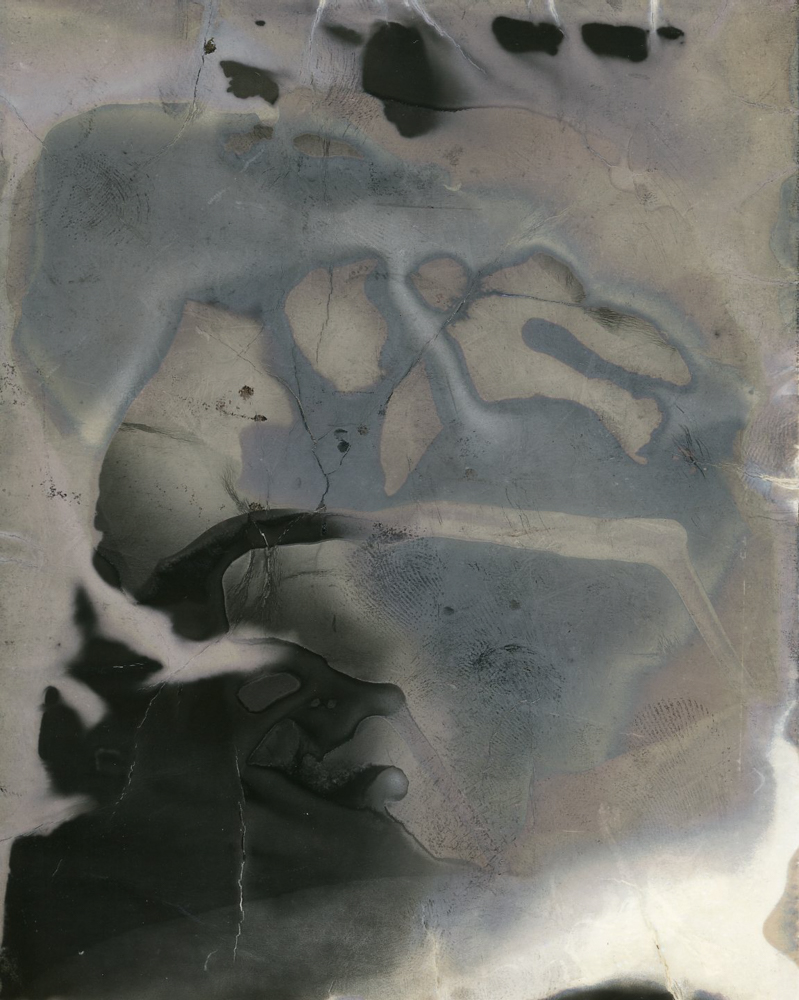
©Laurel Caplan, Chemigram, Expired Direct Positive, 4 x 5
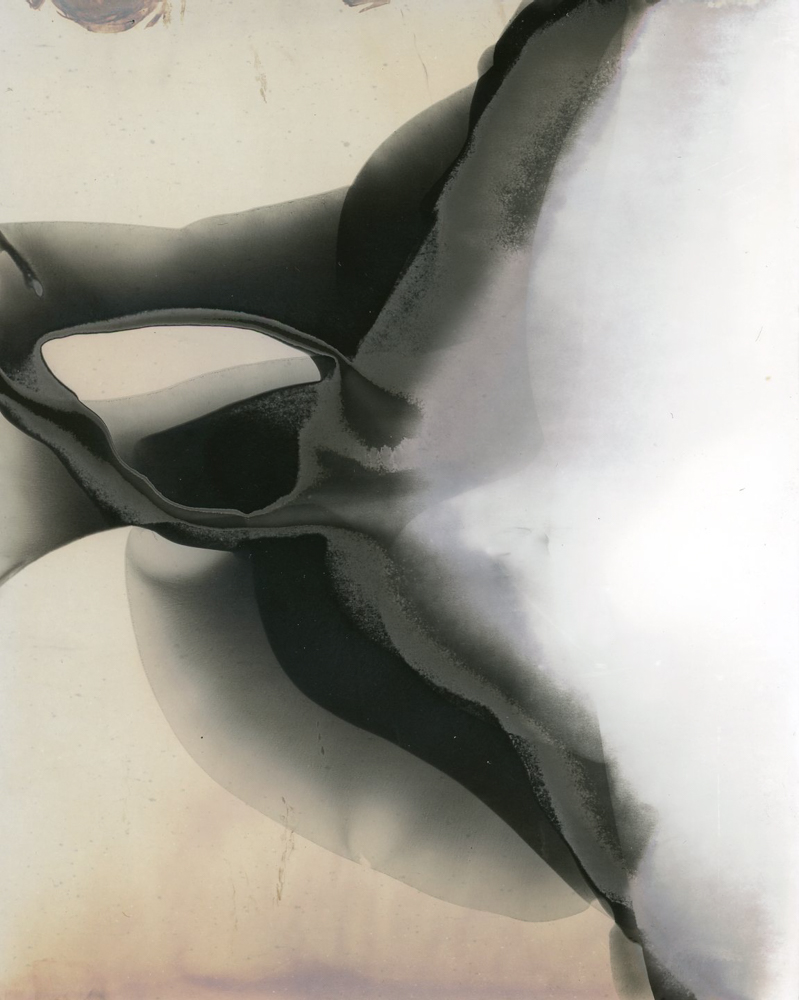
©Laurel Caplan, Chemigram, Expired Direct Positive, 4 x 5
Spencer Koste
Instagram: @spencer.koste
Erin’s class introduced me to experimental photography and photo chemistry in a way that completely changed how I think about images, materials, and the printing process. She encouraged me to experiment and take creative risks, helping me to discover a genuine love for alternative processes and the chemistry behind photography that continues to shape my work today.
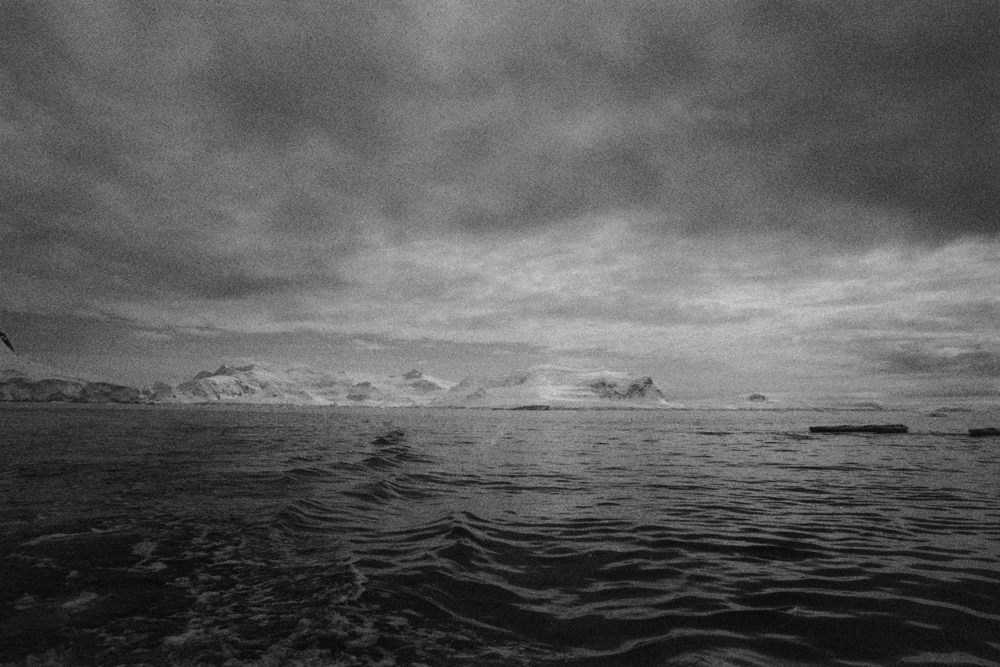
©Spencer Koste, Cocytus, 16 x 20, Silver Gelatin Print, 2024
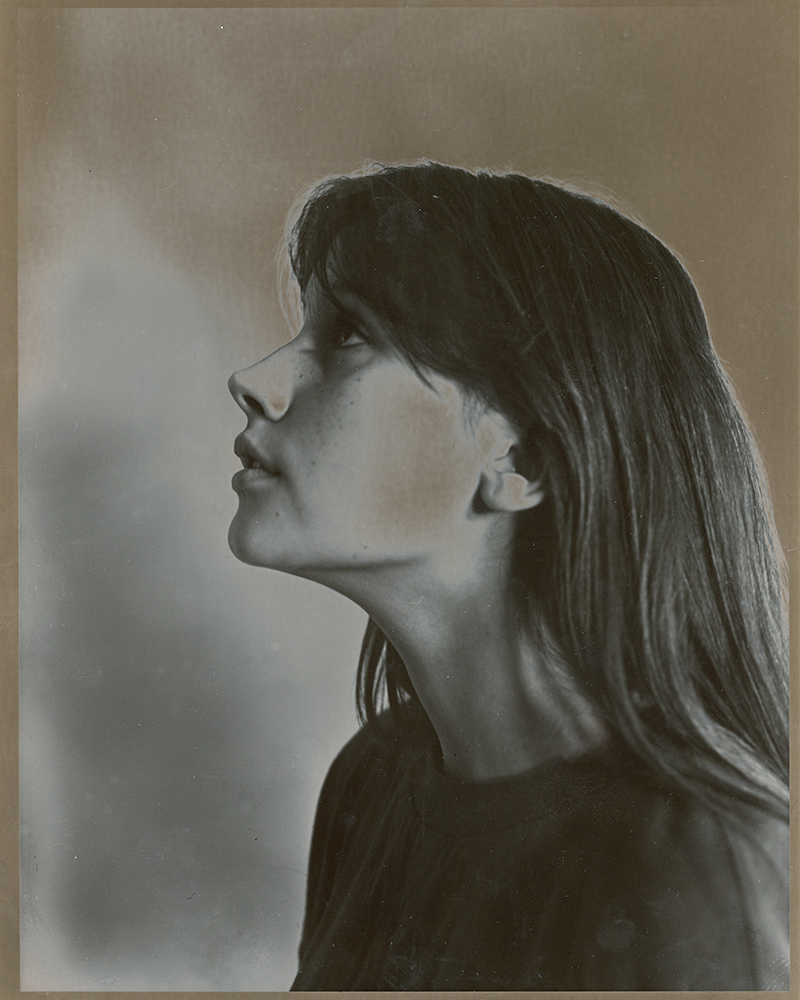
©Spencer Koste, Chromoskedasic Sabattier, 2025
Erin Ryan Stelling is an artist, educator, and curator whose practice centers on photography as both a material process and a way of thinking. She works across analog and digital methods, with a deep commitment to photography as something physical, imperfect, and shaped by the human hand. Drawn to experimentation, she is continually searching for new ways to work with analog materials, particularly through darkroom processes that allow chance, touch, and time to play an active role.
She holds an MFA in Photography from the University of Pennsylvania and has taught photography and visual arts for over a decade in both public and independent school settings. She currently teaches at Ravenscroft School in Raleigh, North Carolina, where she also curates exhibitions, manages a permanent art collection, and leads visiting artist and student-curated programming. Her teaching is grounded in the belief that strong technical foundations create space for curiosity, risk-taking, and personal voice. She emphasizes hands-on learning, careful observation, and experimentation, encouraging students to see mistakes as part of creative research rather than something to avoid.
In the classroom, Stelling prioritizes dialogue, thoughtful critique, and sustained making. She is committed to teaching the full spectrum of photographic practice, from darkroom processes to contemporary digital tools, while situating student work within the broader history and evolving landscape of the medium. Teaching and studio practice inform one another; questions that arise in her classroom often surface in her own work, reinforcing photography as a lifelong, iterative practice.
Her work has been exhibited nationally and internationally and published in Fraction Magazine, Shots Magazine, and Bay View Literary Magazine. She lives in North Carolina with her husband, Michael, and their two sons, August and Griffen.
Website: erinryanstelling.com
Instagram: @erinryanstelling
Montana-based visual artist Elizabeth Stone explores memory and time through photography’s inherent ambiguity. Guided by process, she pushes at the edges of how photographs are defined and seen.
Website
Instagram
Posts on Lenscratch may not be reproduced without the permission of the Lenscratch staff and the photographer.
Recommended
-
McCall Hollister in Conversation With Douglas BreaultMarch 6th, 2026
-

Jonathan Silbert: InsightsFebruary 19th, 2026
-
Anne McDonald: Self-PortraitsFebruary 17th, 2026
-
Photography Educator: Erin Ryan StellingJanuary 9th, 2026
-
The Female Gaze: Alysia Macaulay – Forms Uniquely Her OwnDecember 17th, 2025