In Focus: The MFA Review: Virginia Commonwealth University
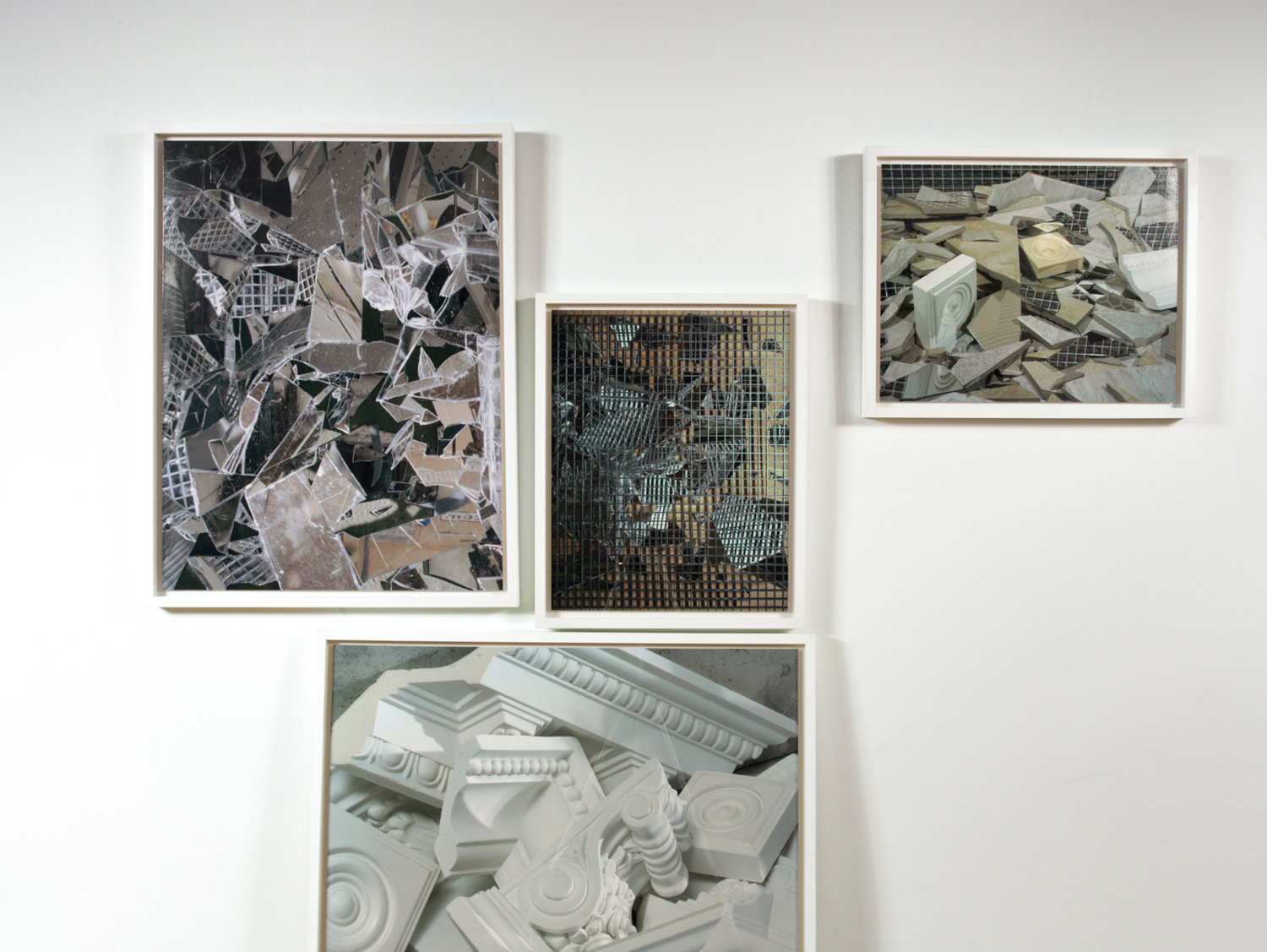
©Jon-Phillip Sheridan, Associate Professor
Each installment of In Focus: The MFA Review highlights a different MFA program for photographic artists, offering readers a concise overview of its identity, curriculum, faculty, student experience, financial support, and post-graduation outcomes. It also serves as a showcase of the creative work produced by faculty, students, and alumni. Rather than functioning as rankings or endorsements, these features are intended as practical starting points—tools to help prospective students compare programs, identify what matters most to them, and make more informed decisions about their graduate education. While certain details shared in these articles may change over time, my hope is that these program snapshots offer a clear sense of what each represents in the present moment.
Thank you to Stephanie Thulin and Tesora Garcia for completing this interview and compiling all the images/resources!
Institution name: Virginia Commonwealth University
Degree Title: MFA in Photography and Film
Location: Richmond, VA
Link to Program Page: https://arts.vcu.edu/program/photography-and-film-mfa/
Link to Application Page: https://arts.vcu.edu/admissions/how-to-apply/graduate-applicants/
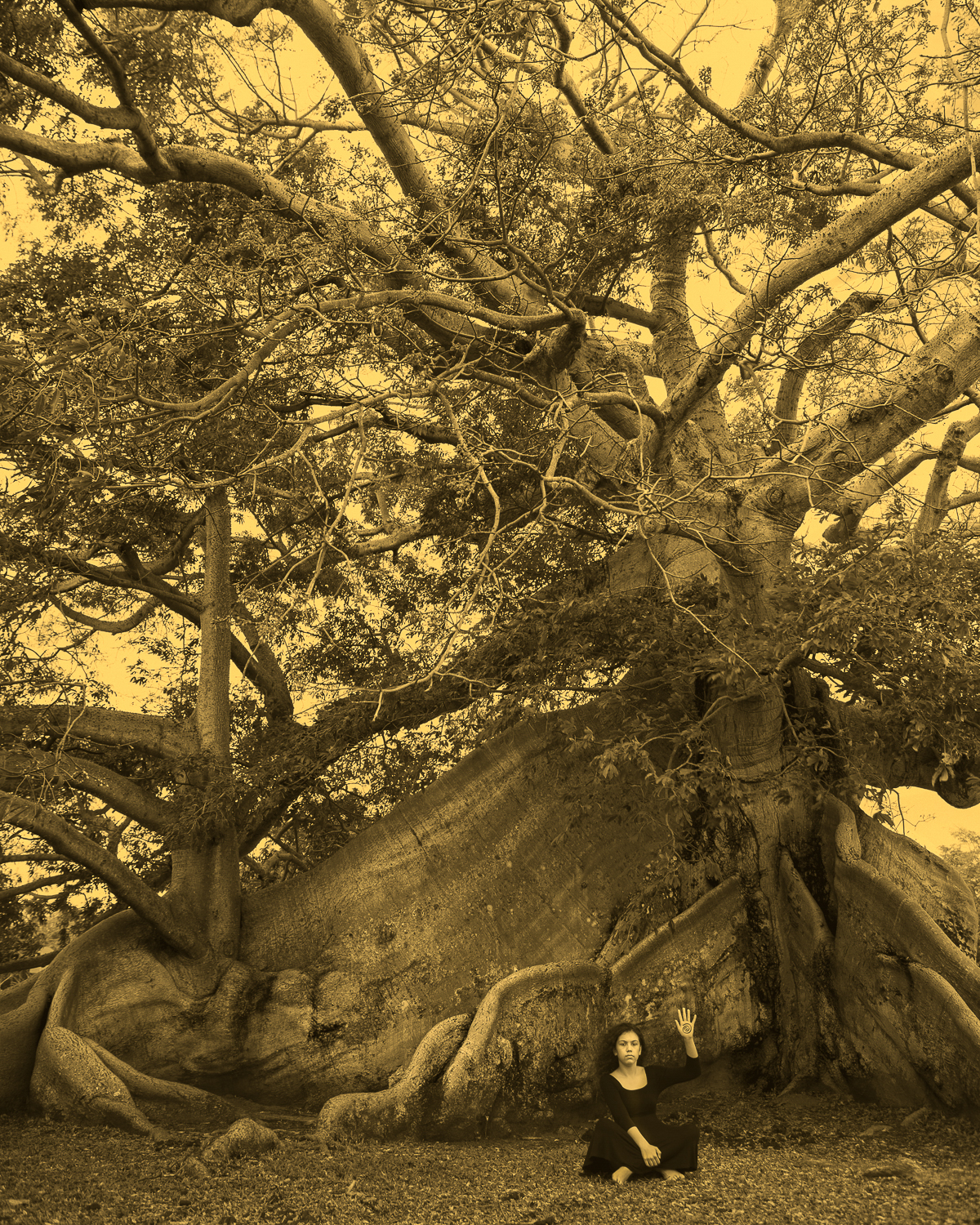
©Paul Thulin-Jimenez, Associate Professor
Tell us a little about your program. How would you define its scope and purpose?
The MFA in Photography + Film at Virginia Commonwealth University is founded on a balance of rigor and openness. The scope spans traditional and experimental practices: from analog darkroom techniques and large-format printing to experimental documentary, video art, performance-based practices, immersive installation, and emerging technologies. The purpose is to cultivate artists who are not only technically adept but conceptually adventurous — positioning lens-based practice as a site of cultural inquiry and critical imagination. Ultimately, the program seeks artists who are ready to question what images can do—socially, politically, and spiritually—in the 21st century.
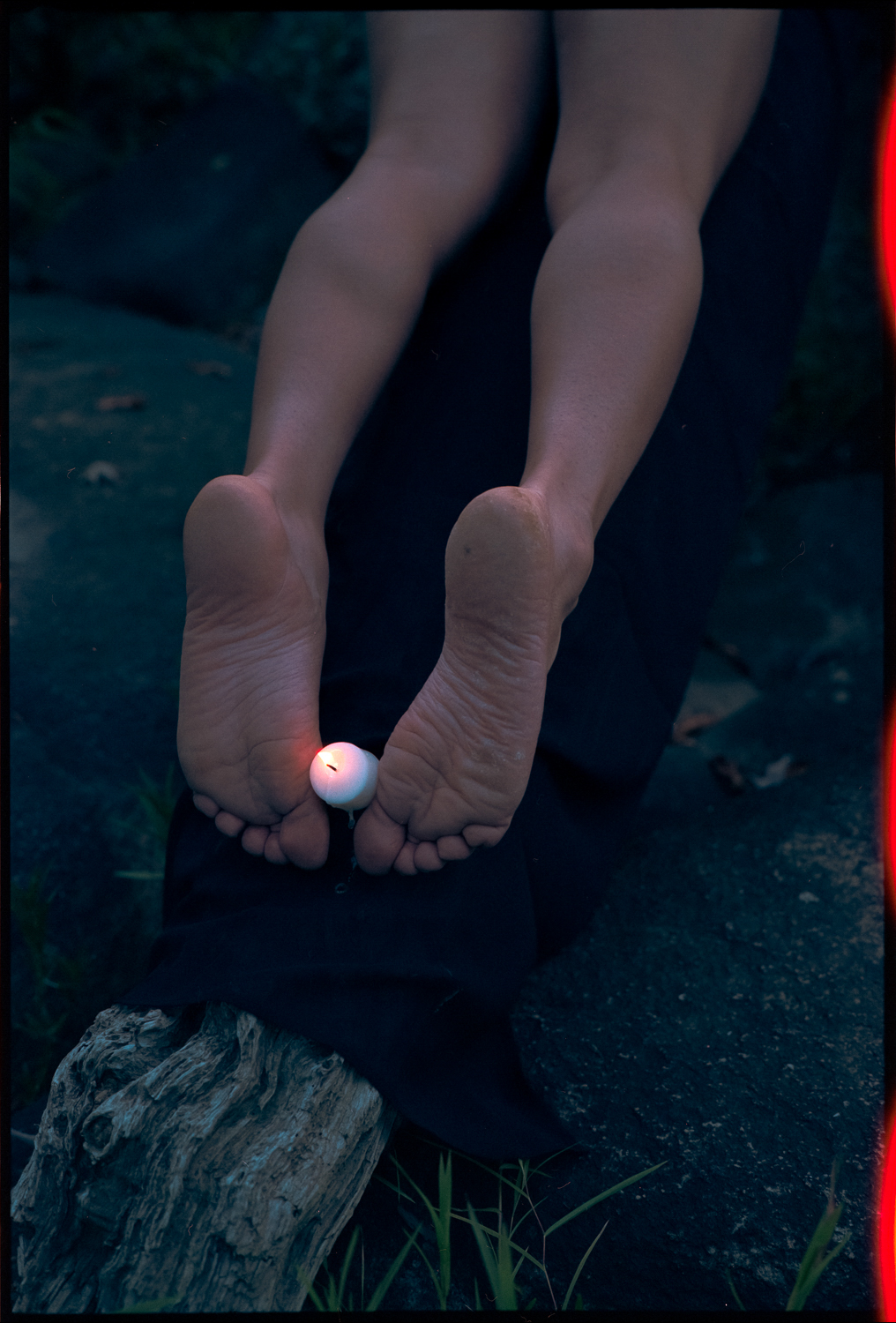
©Tesora Garcia, Associate Professor
What would you say makes your program special?
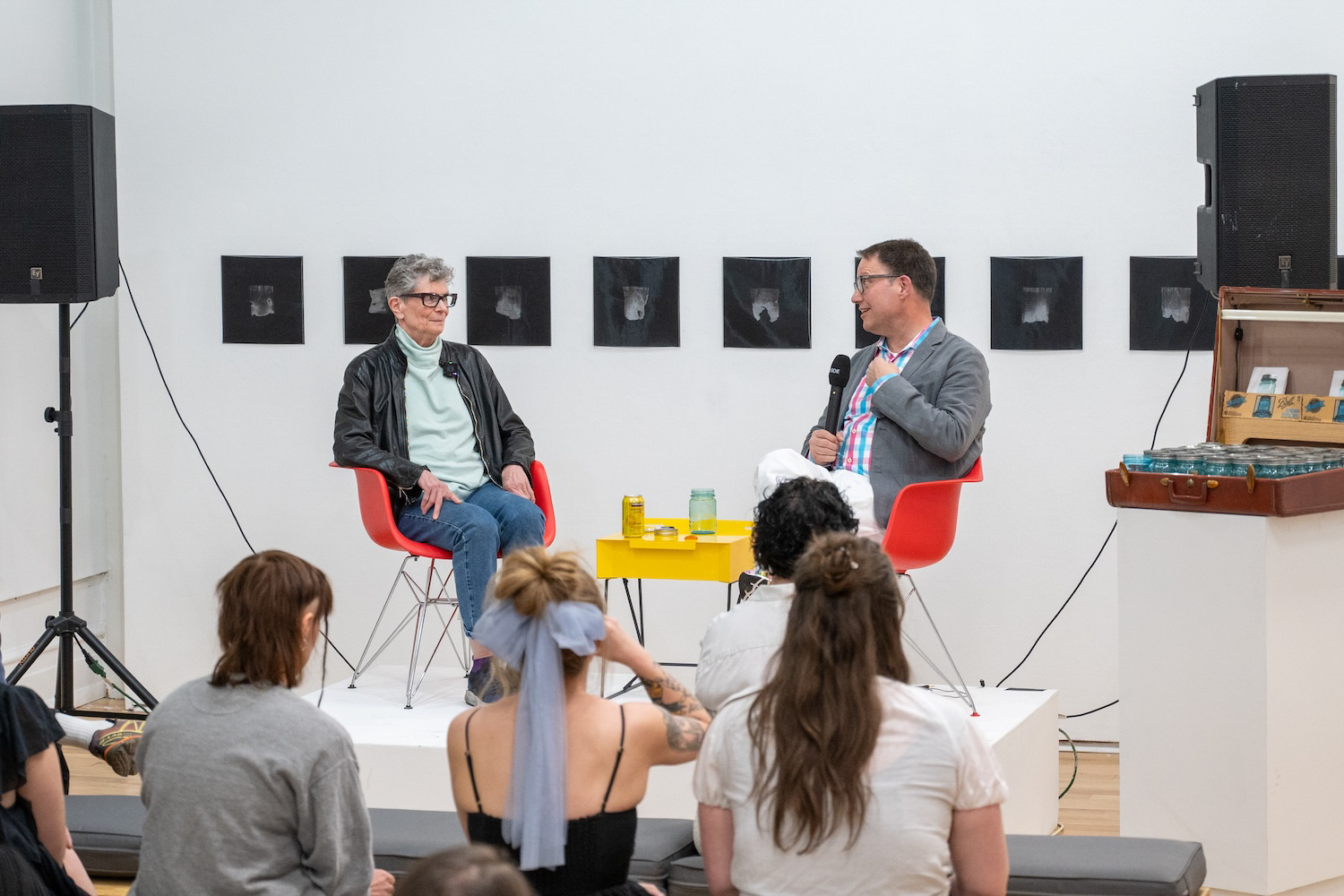
VCUarts is consistently ranked among the top art schools in the U.S., and the Photography + Film MFA program benefits from being embedded in a large, interdisciplinary research university while retaining the intimacy of a small graduate cohort. The program combines both moving image and still-based artists, placing no preference over mediums; we thrive on peer exchange, intensive faculty mentorship, and access to the broader southern cultural landscape, cultural archives, and nearby East Coast cities like Washington D.C. and Baltimore, MD. Our graduates have built successful careers as studio artists and academics by leveraging opportunities like the Trawick Prize, the VMFA’s Aaron Siskind Prize, and the Hamiltonian Artists fellowship program.
©John Freyer, Professor
What specialized facilities are available for student use (i.e. darkroom, lighting studio, print lab)?
Students have access to a comprehensive suite of facilities: black-and-white darkroom capable of traditional silver gelatin and alternative photographic practices, digital print labs with dedicated large-format inkjet printers for exclusive use by graduate students, professional lighting studios, sound recording resources, and an equipment cage stocked with medium-format, 16mm, and digital cinema cameras/lenses. Graduate students also receive private studios and shared common areas within the School of the Arts.
Is your program strictly photography-focused, or does it encourage/allow interdisciplinary work?
The program actively encourages interdisciplinary exploration. While photography and film form the foundation, students regularly move into performance, sculpture, craft, bookmaking, emerging new media, or collaborations across other MFA programs across VCUarts. Students also benefit from framing facilities, 3D printing, and technologies
©Sasha Waters, Professor
Do you specialize in a particular area (i.e. documentary, experimental, environmental work)? And once in the program, is a student able to shift their focus if their creative interests change?
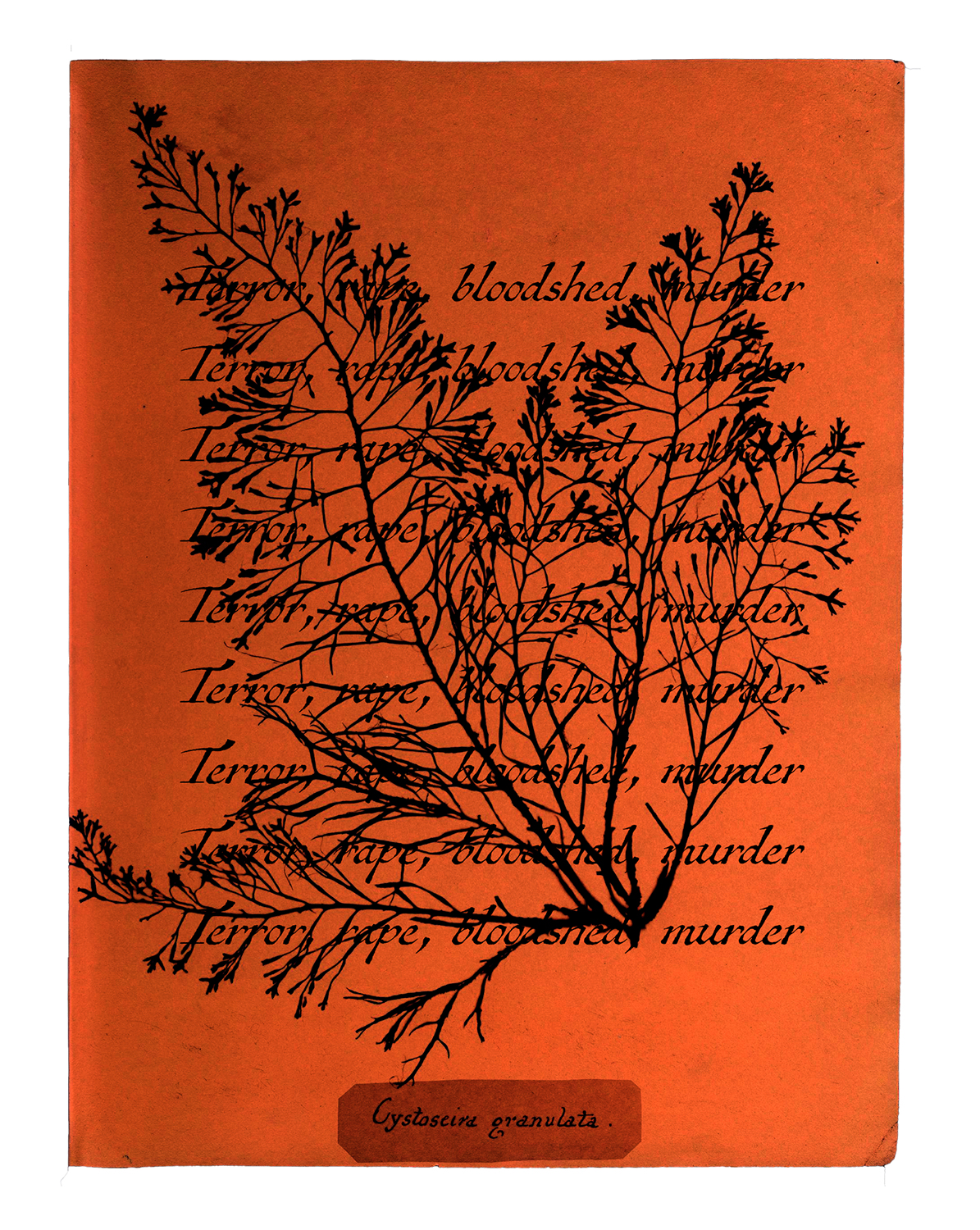
There is no prescribed specialization; students are free to pursue documentary, experimental, narrative, environmental, or conceptual approaches. Shifts in focus are welcomed and supported — the curriculum is designed to evolve alongside students’ creative trajectories.
How structured is the curriculum? Are there required courses, or is it more self-directed?
The curriculum is a blend of structure and autonomy. Core graduate seminars in criticism, contemporary media theory and cultural studies, group critiques, and a rigorous research-based written thesis provide grounding, while electives across the School of the Arts allow each student to shape their path. Independent studio time is highly prioritized.
©Mary Beth Reed, Associate Professor
Does the program incorporate video work or emerging media such as AI, VR/AR, or 3D/360 imaging?
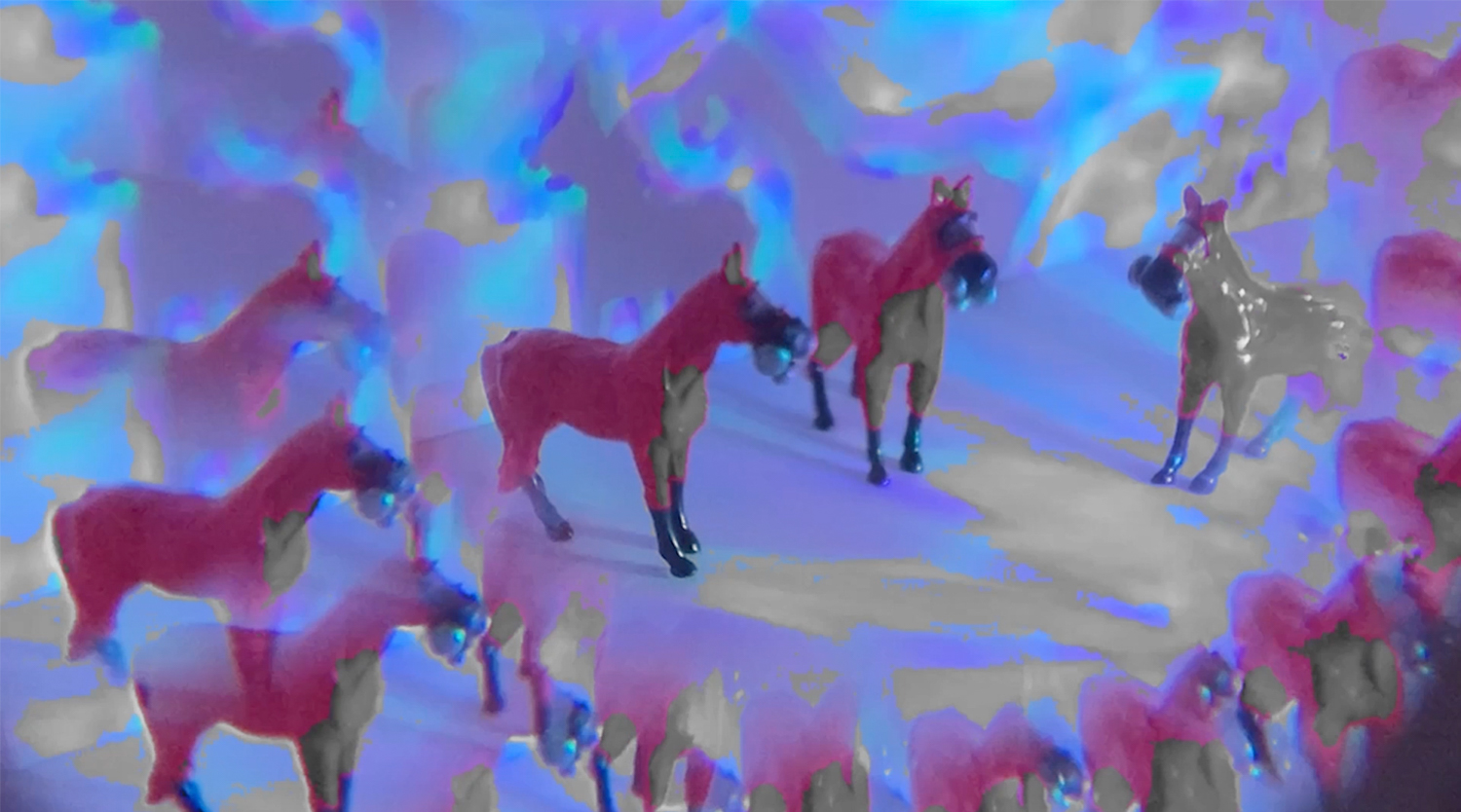
Yes, alongside photography, the program strongly supports film, video, and time-based media. Many students experiment with 16mm, digital cinema, AI, and hybrid practices. VR/AR processes can be sought through the school’s affiliated program, Kinetic Imaging.
Does the program offer career development support, such as portfolio reviews, workshop/conference attendance, or networking opportunities?
Yes, the program hosts visiting artist lectures, studio visits and critiques from nationally-recognized curators and contemporary artists, as well as trips focused on expanding professional practices. Students receive regular studio visits with Virginia Museum of Fine Arts curators of gallerists from Richmond’s impressive and engaging creative community. Students and recent alumni regularly exhibit at these spaces across Richmond and use it as a springboard for national careers. Students are encouraged to attend national conferences (SPE, CAA) and film festivals and to participate in exhibitions and screenings, often with competitive funding and travel support.
©Caroline Minchew, Alum
What are key graduation requirements (exhibition, thesis paper, portfolio, etc.)?
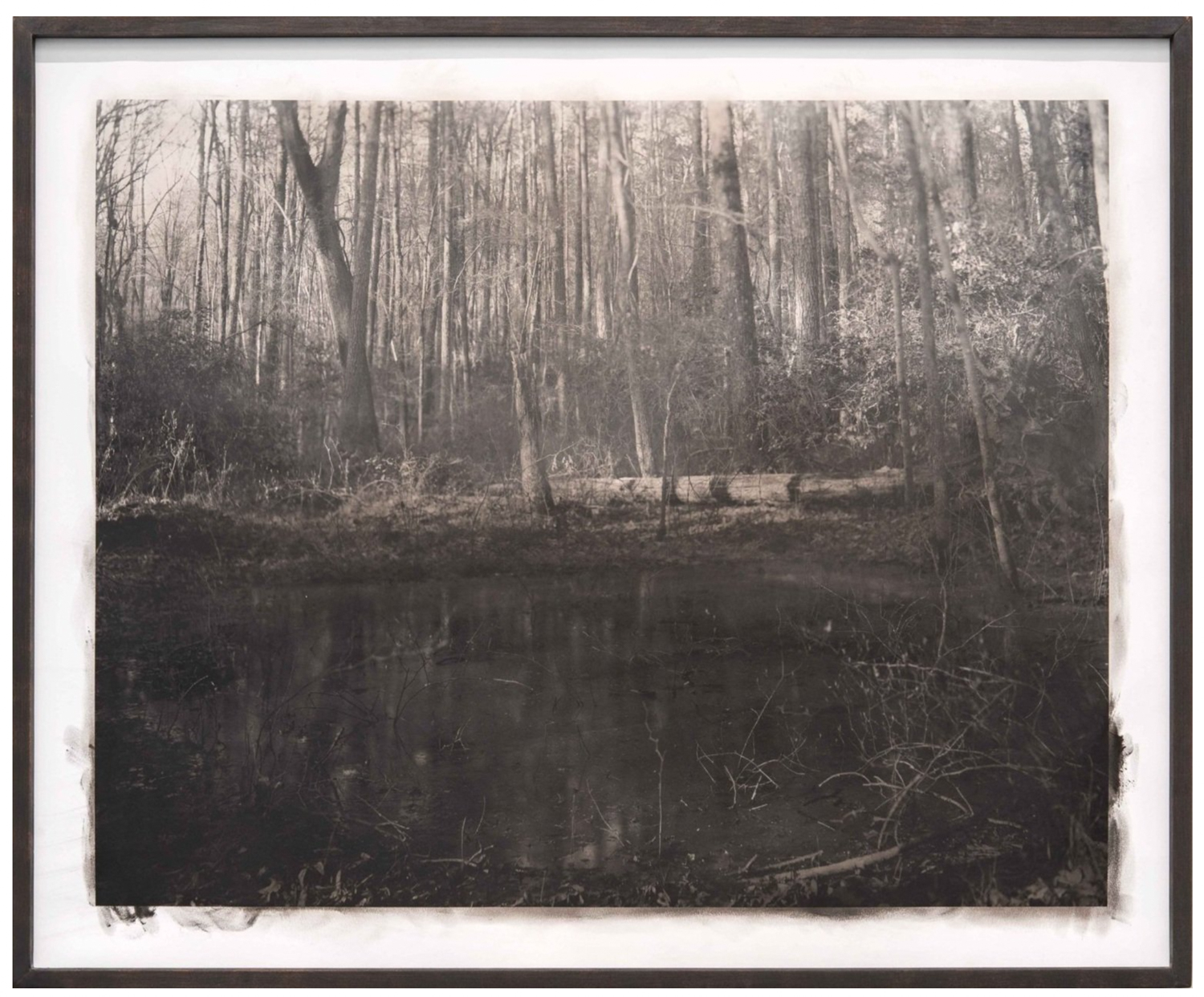
Graduation culminates in a public exhibition at the Institute for Contemporary Art (ICA at VCU) and a written thesis. Students are expected to present their final thesis project, articulate their research in writing, and defend their thesis in dialogue with faculty and peers.
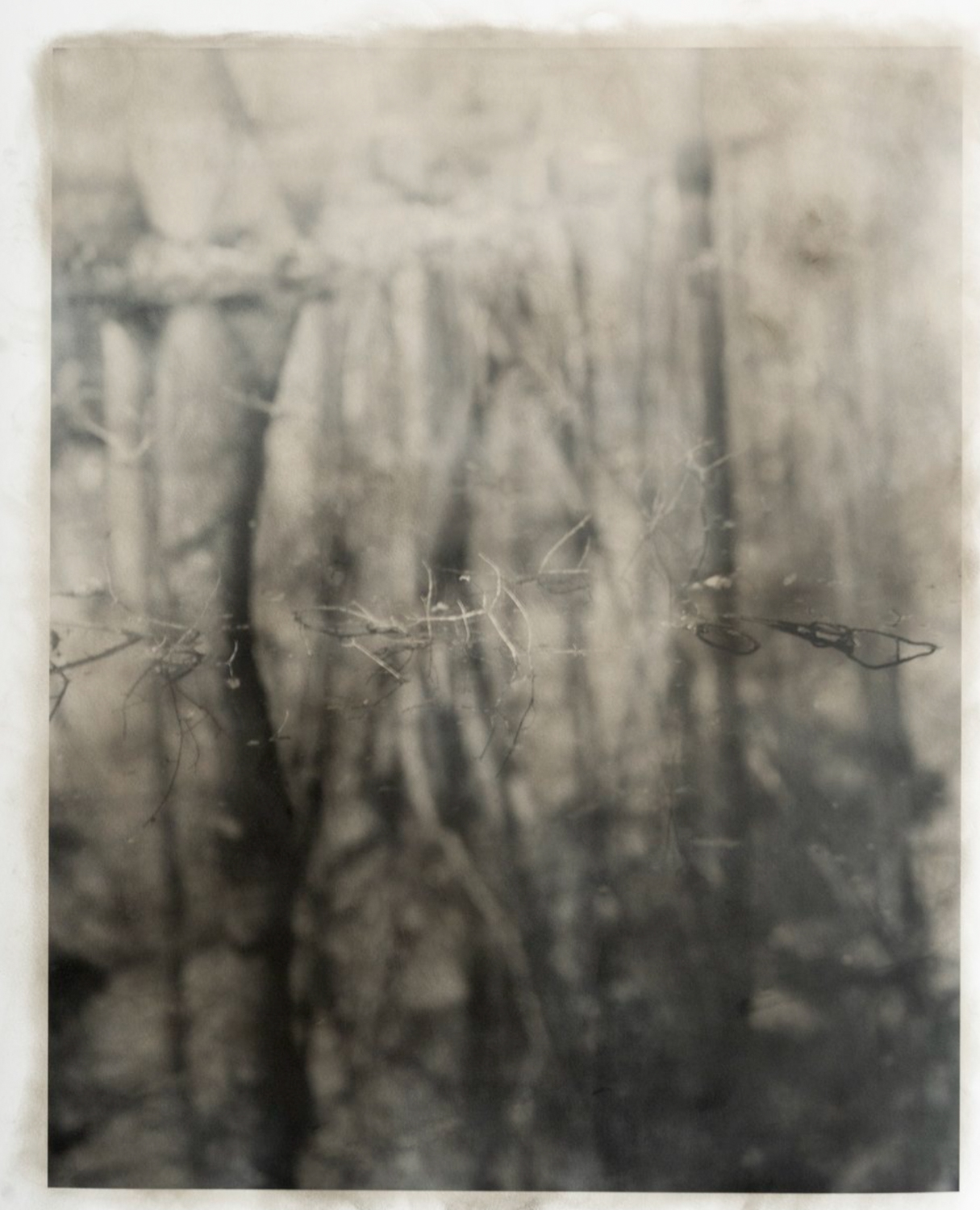
©Caroline Minchew, Alum
Who are your current faculty members? What are their areas of creative interest?
The program is led by a diverse group of artists and scholars working across photography, film, installation, new media, and critical theory; our tenured faculty include Mark Boulos, John Freyer, Tesora Garcia, Sonali Gulati, Mary Beth Reed, Jon-Phillip Sheridan, Paul Thulin-Jimenez, and Sasha Waters Freyer. Faculty have long-standing creative and exploratory practices. Areas of research include: revolutionary filmmaking, experimental documentary, art and activism, social justice issues, colonization and diasporic archives, social practice and socially-engaged art, queer and trans representational politics, mysticism and spirituality, analog-digital hybrids, and alternative darkroom processes, including 16mm filmmaking.
Are faculty members primarily full-time or adjunct?
The faculty includes both full-time and adjunct professors, with four full-time film faculty and four full-time photography faculty who serve on graduate committees. Many of our alumni continue into teaching careers, and develop undergraduate classes as part of competitive Post-Master’s Teaching Fellowships. Many graduate students have the opportunity to teach undergraduate courses, preparing them for careers in academia.
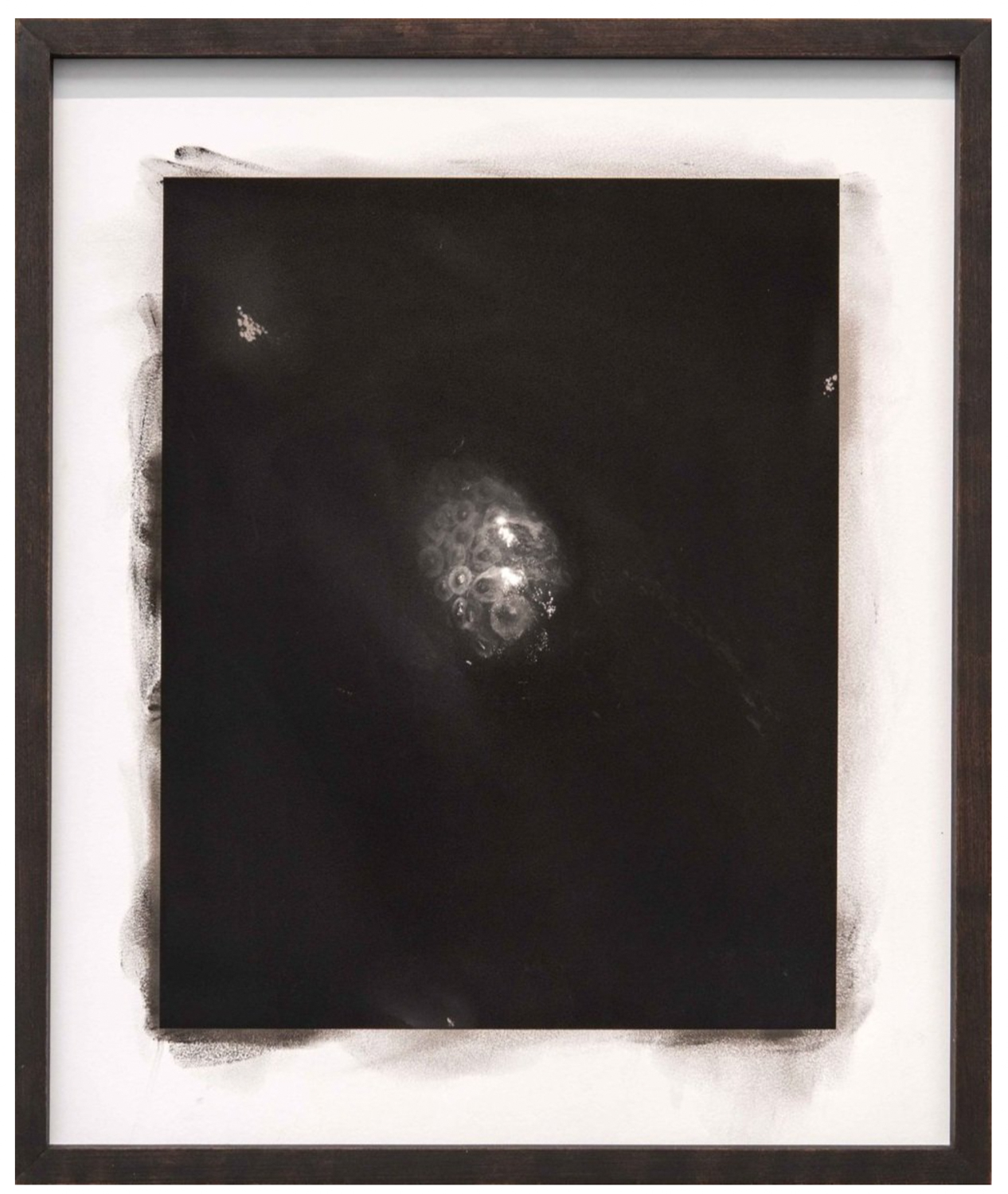
©Caroline Minchew, Alum
How involved are faculty in mentoring students beyond coursework?
Faculty mentorship is central: one-on-one studio visits, group critiques, thesis committees, and professional guidance continue throughout the program. Graduate students have gone on to serve as paid studio assistants and studio managers. The scale of the cohort ensures close and sustained relationships even after graduation.
How often do guest artists, curators, or critics visit for lectures and/or critiques?
Each year Photography + Film hosts lectures, critiques, and workshops with visiting artists, curators, and critics from across the country and internationally. Recent guests have included Drew Sawyer (Whitney Museum’s Sondra Gilman Curator of Photography), Koyoltzintli (multimedia lens-based artist), Marianna Simnet (painter and filmmaker), and academics throughout the southern U.S., East Coast, and Mexico.
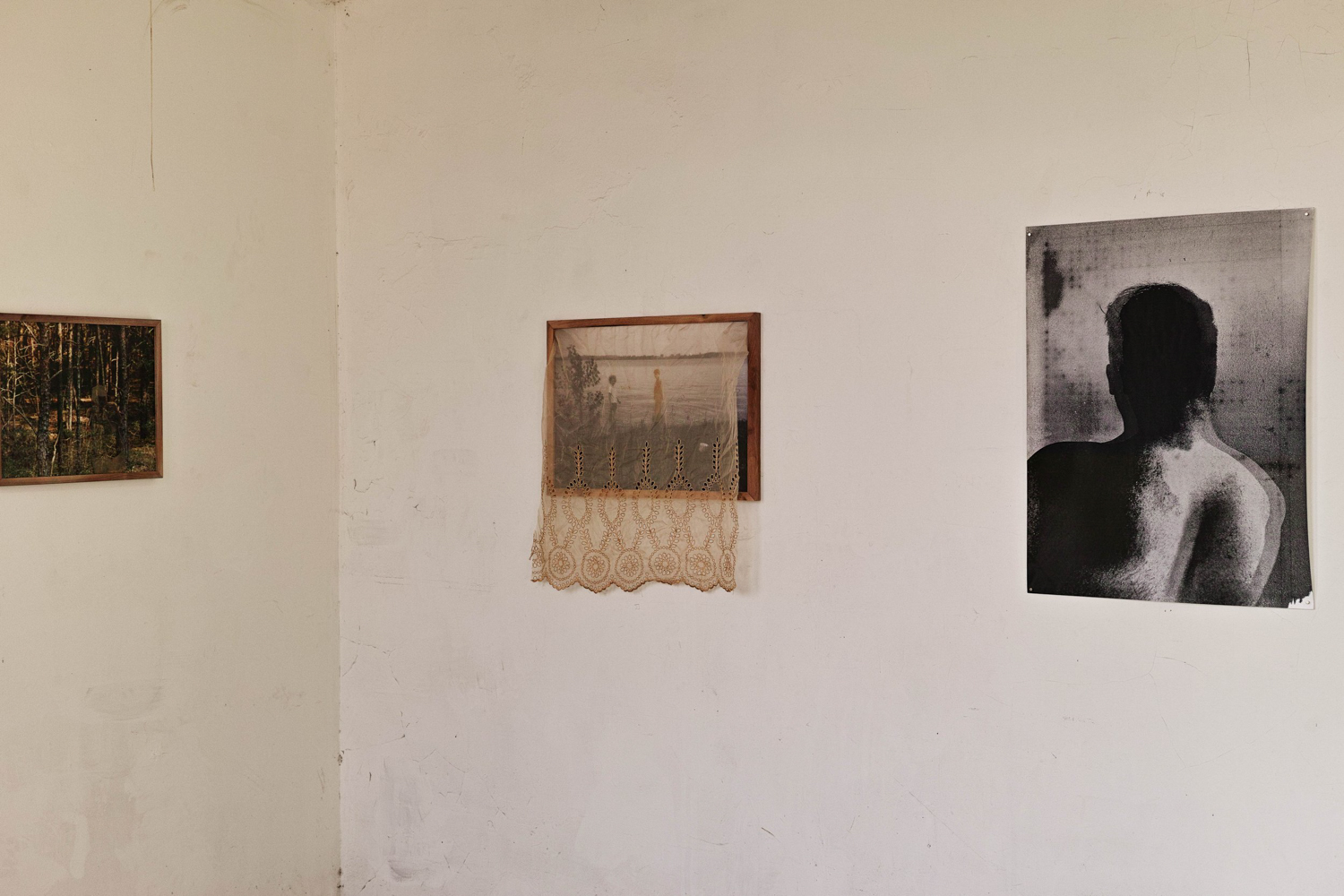
©Jesse Hoyle, Alum
How many students are admitted each year, and how many are photography focused?
The program admits a small group — typically 3–5 students per year, ensuring a close-knit community. Every year, we admit a mix of photography-focused artists alongside moving image artists, but many students work across disciplines and technologies, so the distinction has become fluid across many of our previous cohorts.
What is the approximate cohort size, and what effect does this have on critiques, collaboration, and networking?
Cohorts usually number around 6-10 across the two-year cycle. This scale allows for rigorous critique, collaboration, and strong networking among peers without being overwhelming.
What kind of work are current students creating?
Current student work ranges from lens-based documentary and expanded cinema to performance, installation, and socially engaged projects. Many are exploring hybrid practices that respond to urgent cultural, environmental, and technological questions.
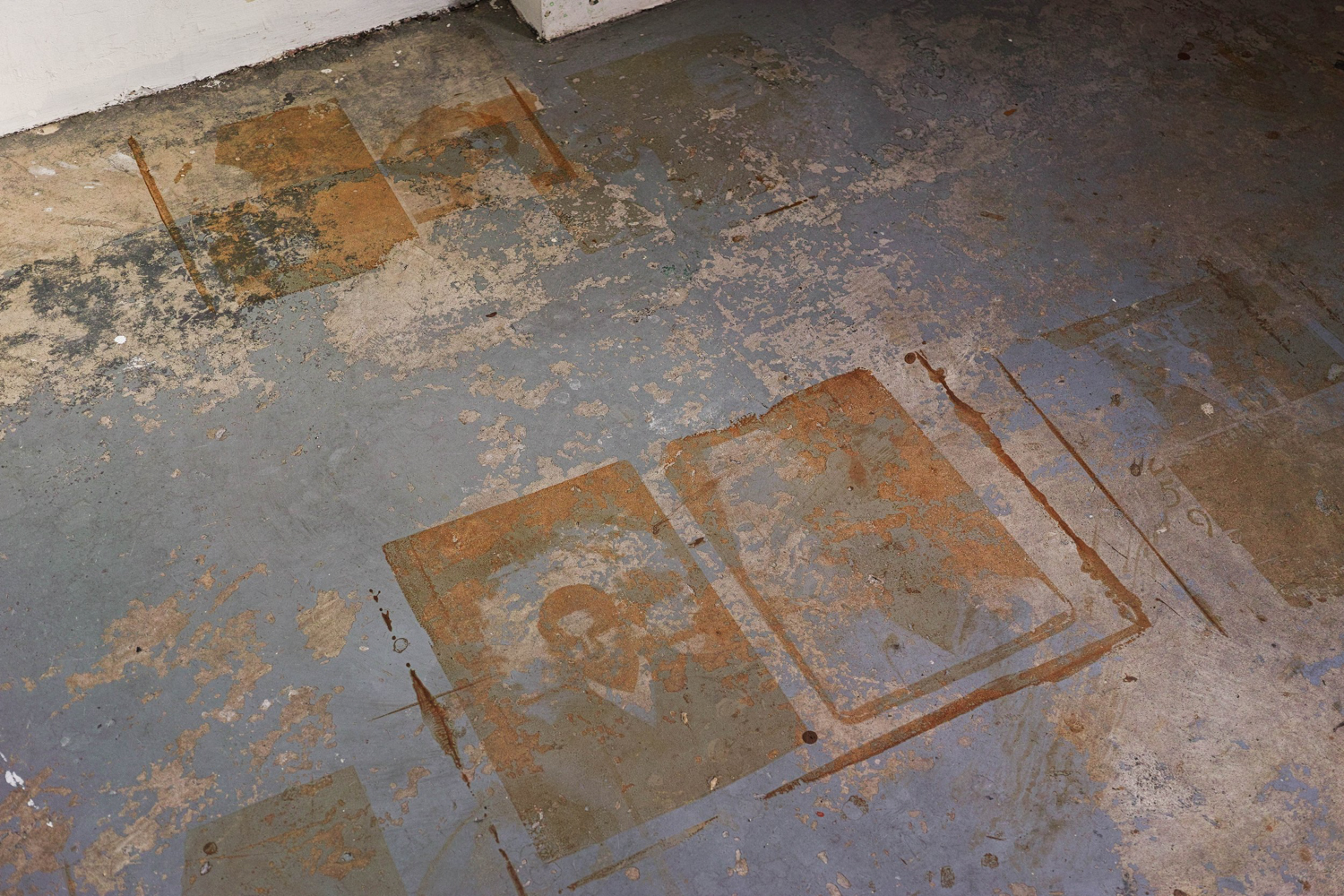
©Jesse Hoyle, Alum
What is the total cost of the program (and duration), and what funding options are available?
The MFA is a two-year, full-time program. All applicants are considered for funding, with VCUarts providing generous funding packages. Many students receive graduate assistantships that include tuition coverage and a stipend. These assistantships offer valuable teaching experience. Additional competitive fellowships and travel grants are available to support research and creative production. Together, with Richmond’s affordable cost of living, these opportunities help to make the program one of the most accessible top-tier MFAs in the country.
Are there teaching assistantships, and what percentage of tuition do they cover?
Yes, graduate students often hold teaching assistantships or instruct undergraduate courses as part of their funding package. These positions provide pedagogical experience while providing a stipend for living expenses and supplies.
Are additional grants/resources available to support student projects?
Yes, students can apply for internal research grants, project support, and travel awards through VCUarts, as well as access to funding opportunities facilitated by the university.
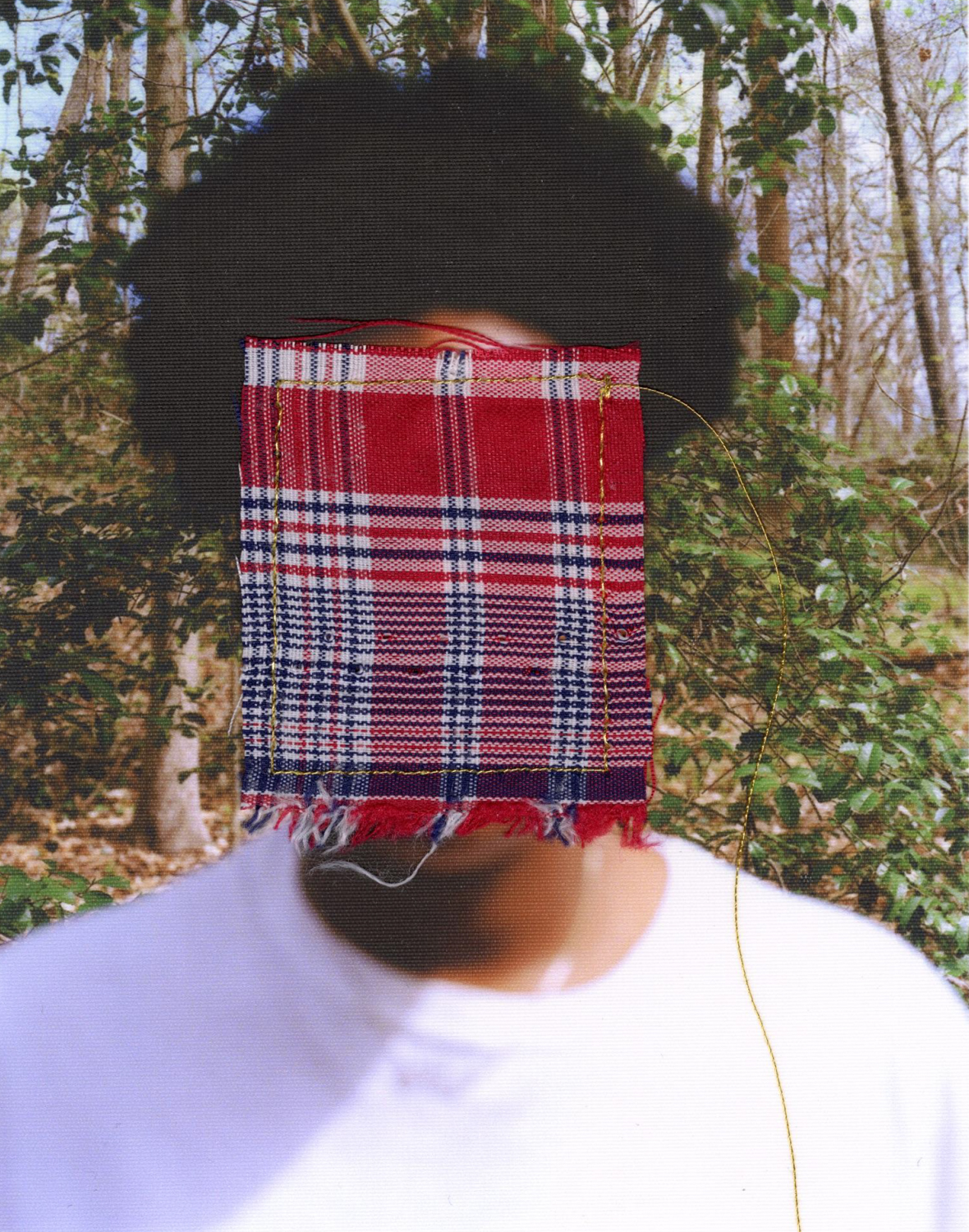
©Kat Thompson, Alum
What types of careers do alumni pursue, and how does the program support students after graduation?
Alumni move into careers as exhibiting artists, educators, filmmakers, curators, and arts administrators. The program prepares graduates for both academic and professional art worlds through teaching experience, exhibition opportunities, and professional practice training.
How connected is the alumni network, and do graduates stay involved with the program?
The alumni network is strong, with graduates exhibiting nationally and internationally and often returning as visiting artists or mentors. This creates a cycle of support and visibility for new graduates entering the field.
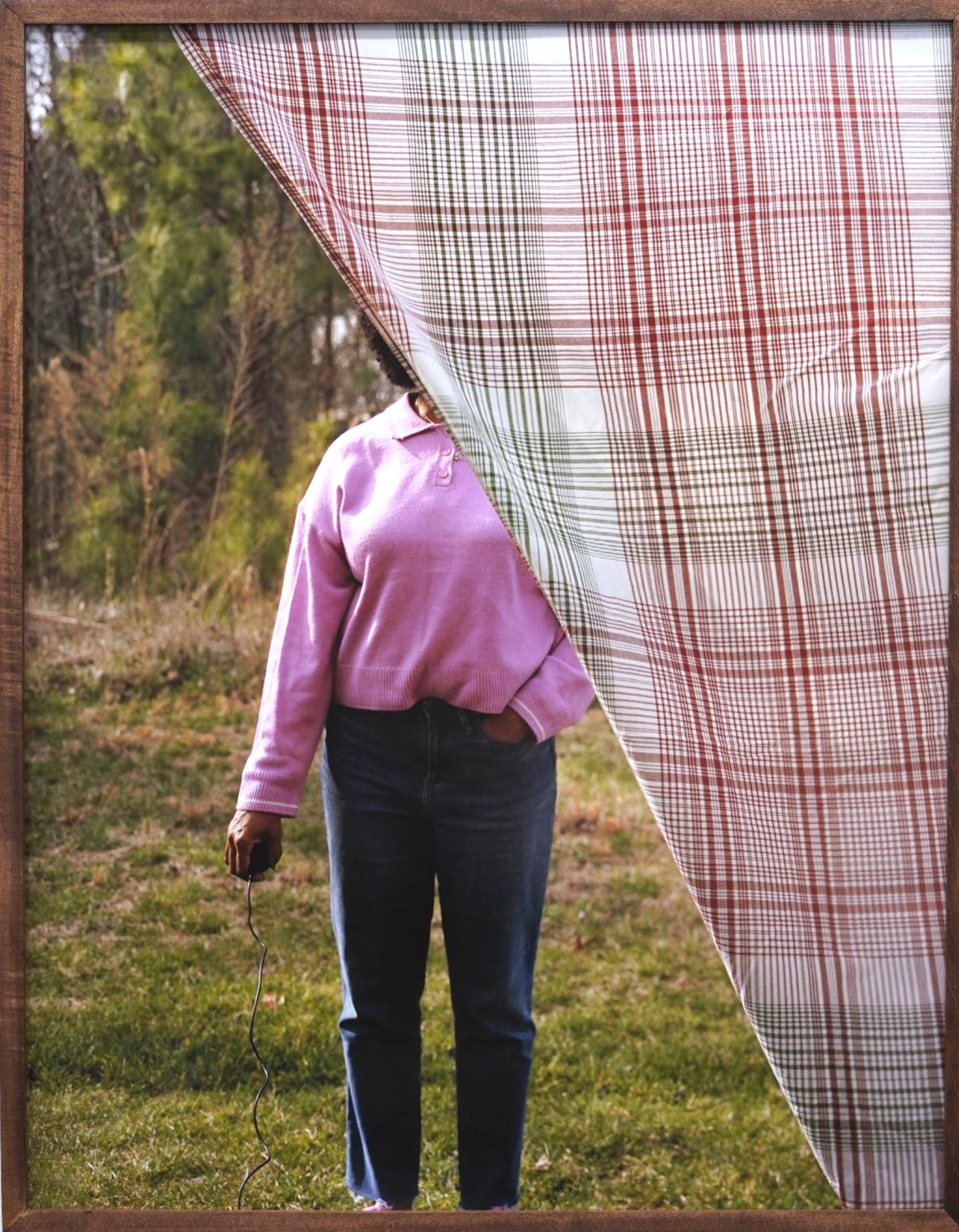
©Kat Thompson, Alum
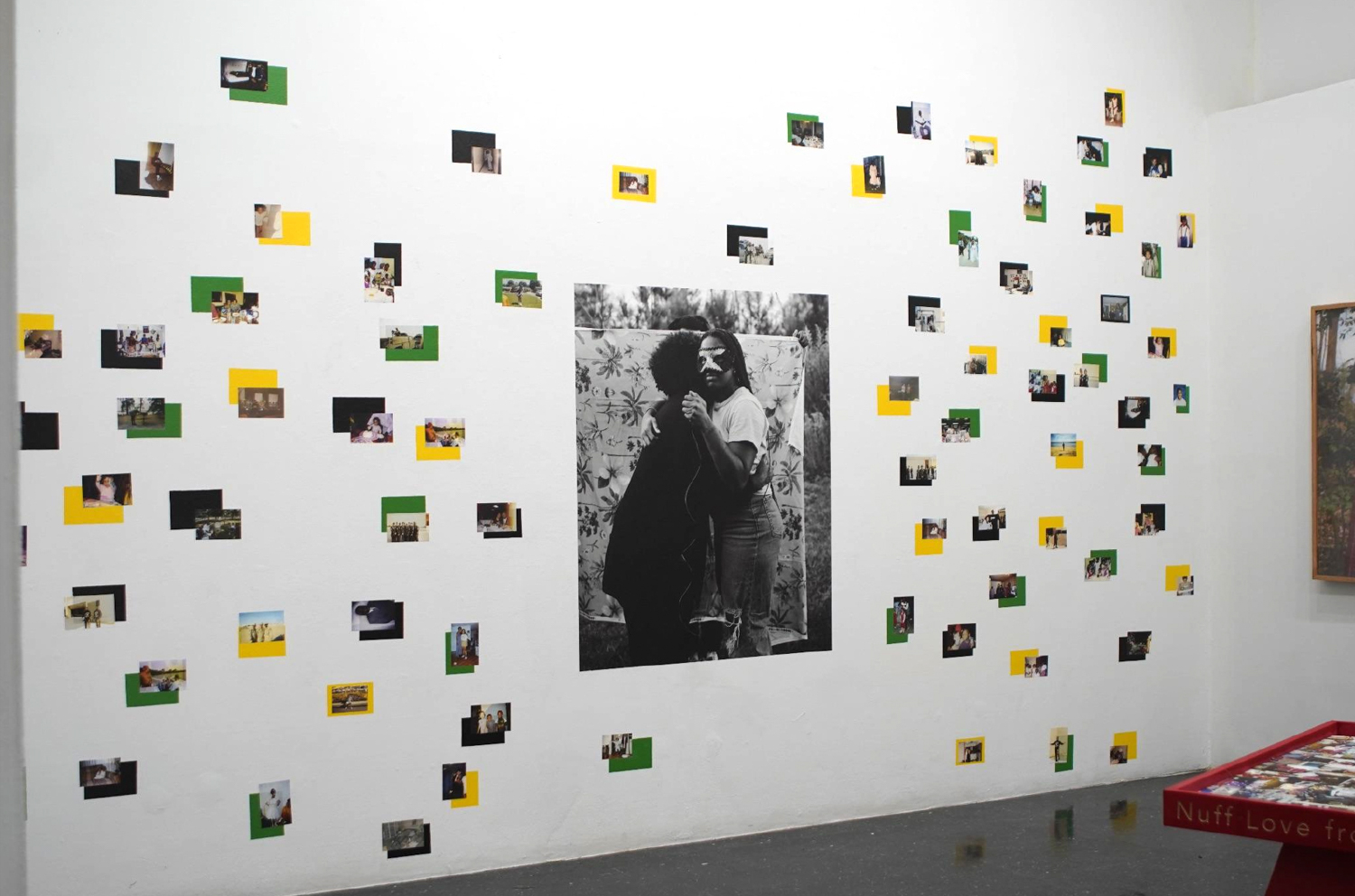
©Kat Thompson, Alum
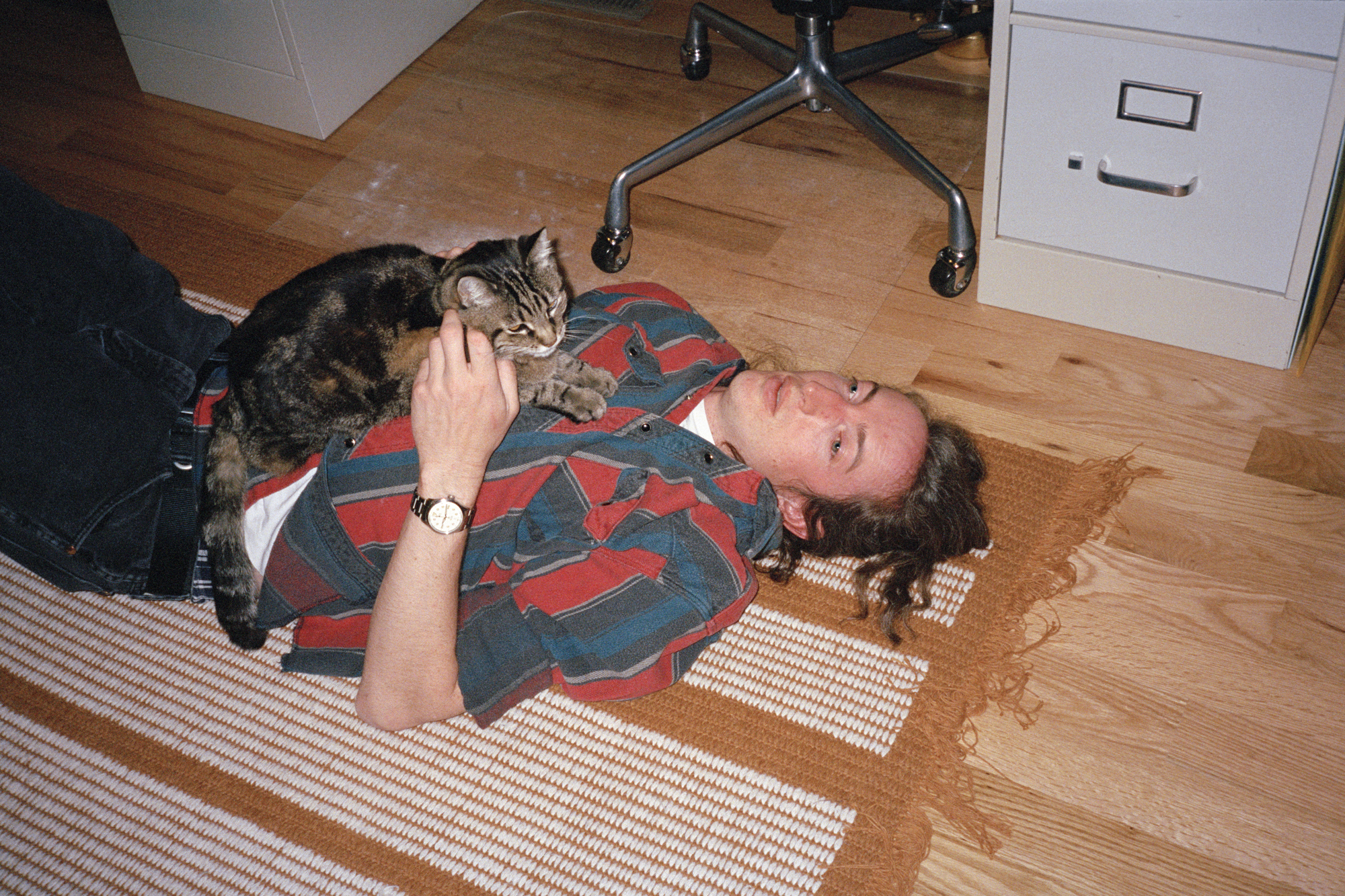
©Clara DeWeese, Current Student
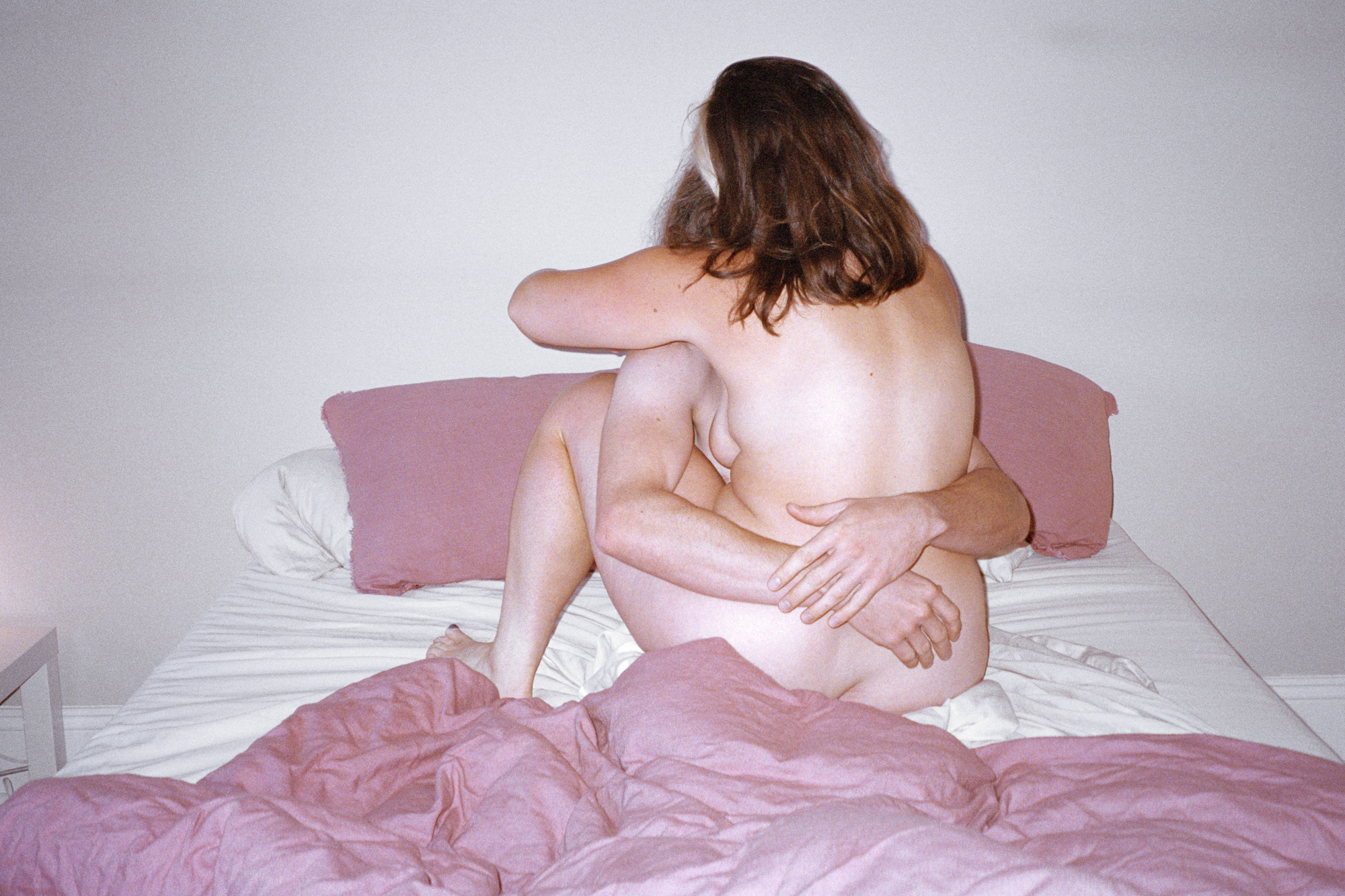
©Clara DeWeese, Current Student
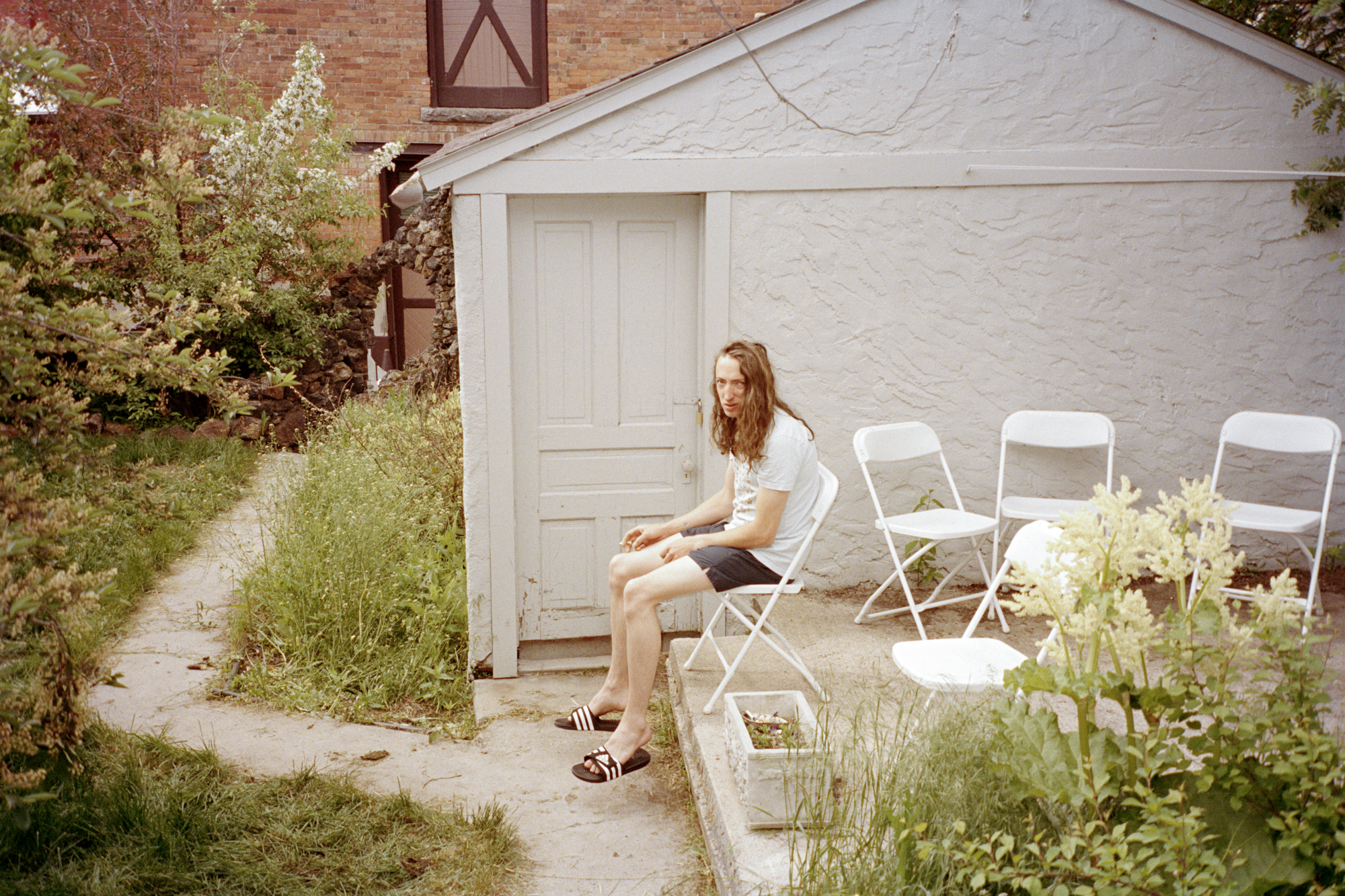
©Clara DeWeese, Current Student
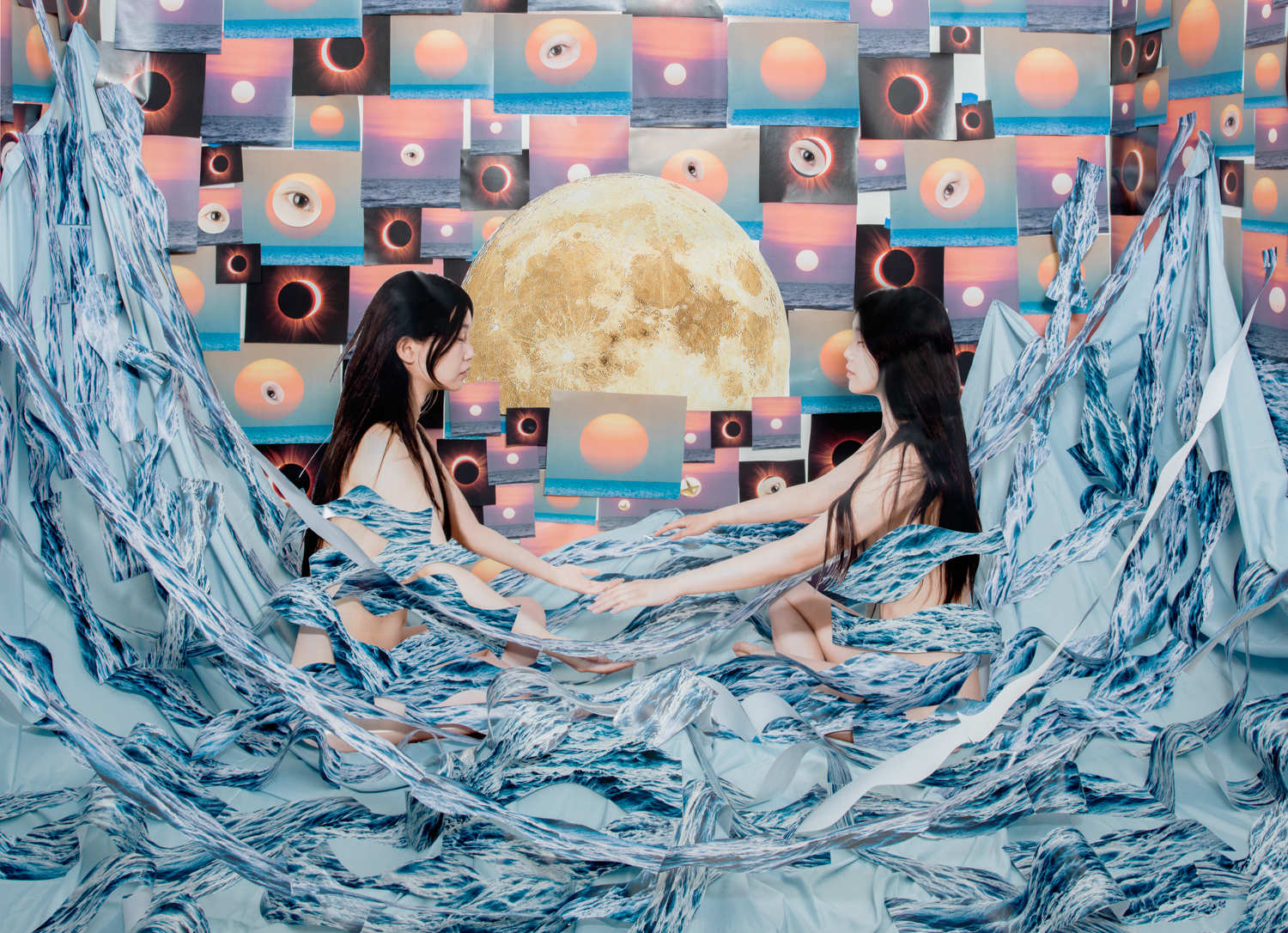
©Jiayi Liang, Current Student
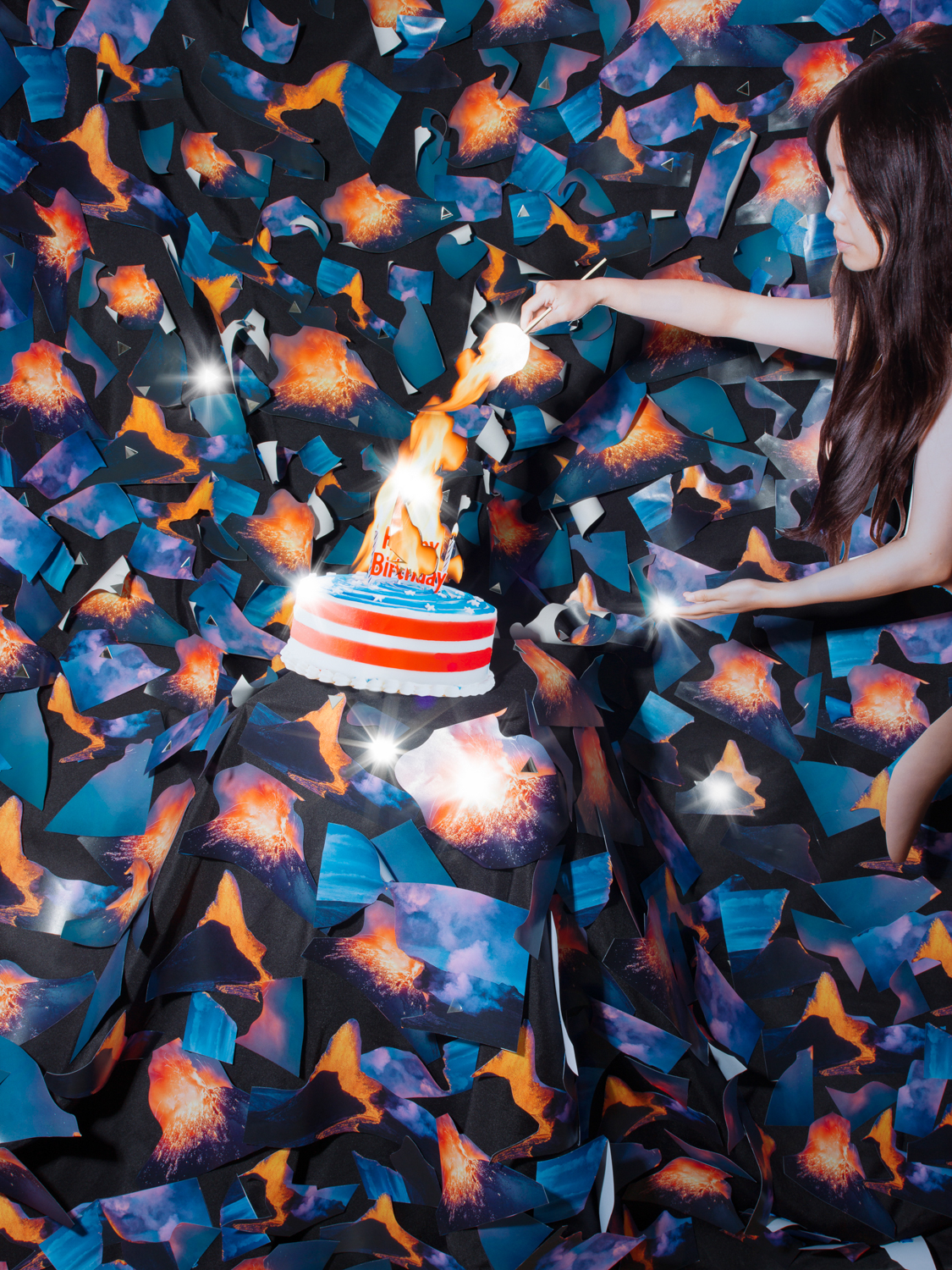
©Jiayi Liang, Current Student
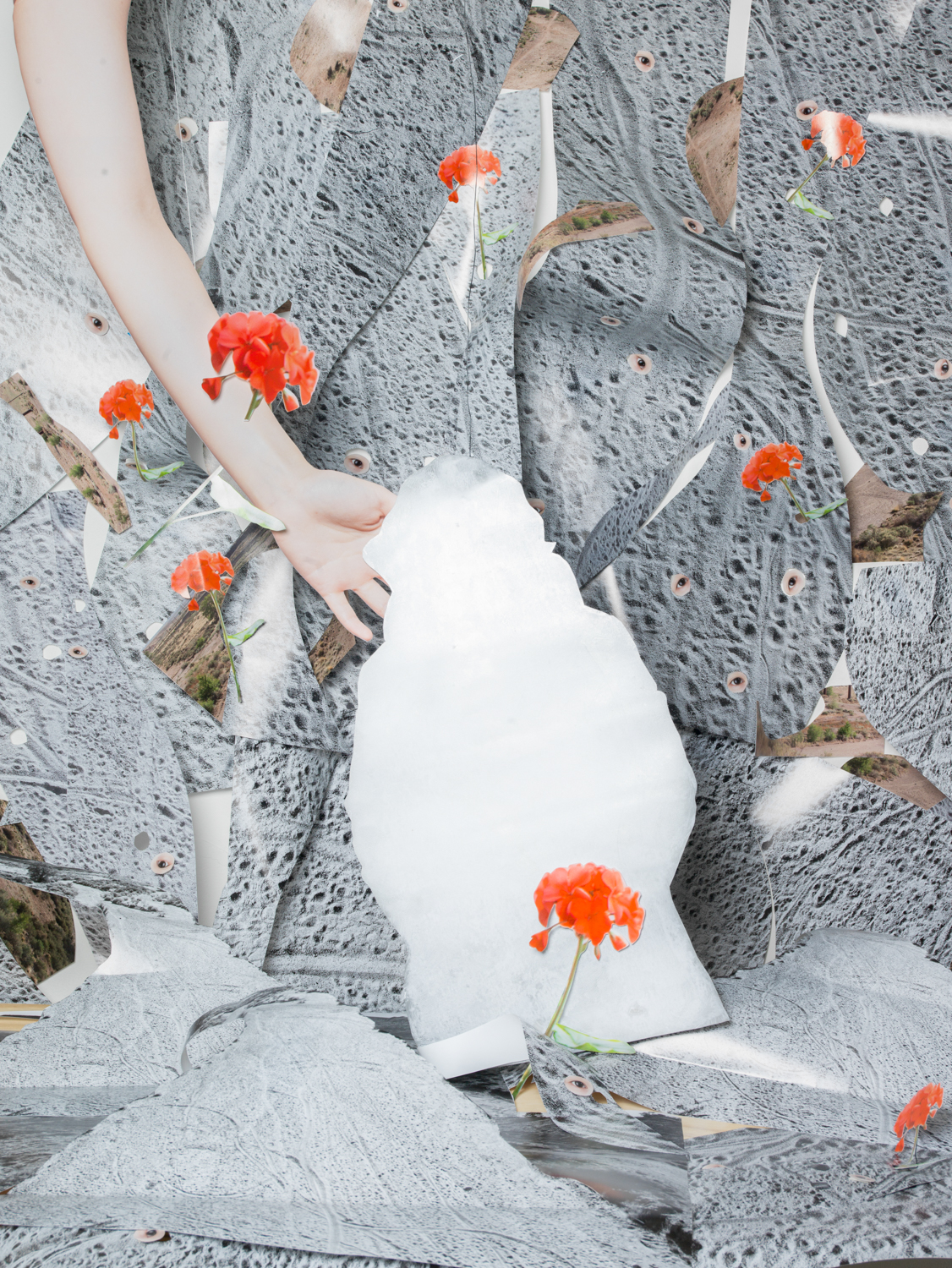
©Jiayi Liang, Current Student
Posts on Lenscratch may not be reproduced without the permission of the Lenscratch staff and the photographer.
Recommended
-

In Focus: The MFA Review: Virginia Commonwealth UniversityApril 4th, 2026
-

In Focus: The MFA Review: New Mexico State UniversityApril 3rd, 2026
-
In Focus: The MFA Review: East Tennessee State UniversityApril 2nd, 2026
-
In Focus: The MFA Review: Florida State UniversityApril 1st, 2026
-
In Focus: The MFA Review: Hartford Art SchoolMarch 31st, 2026