Melissa Kreider: You Can’t Go Home Again
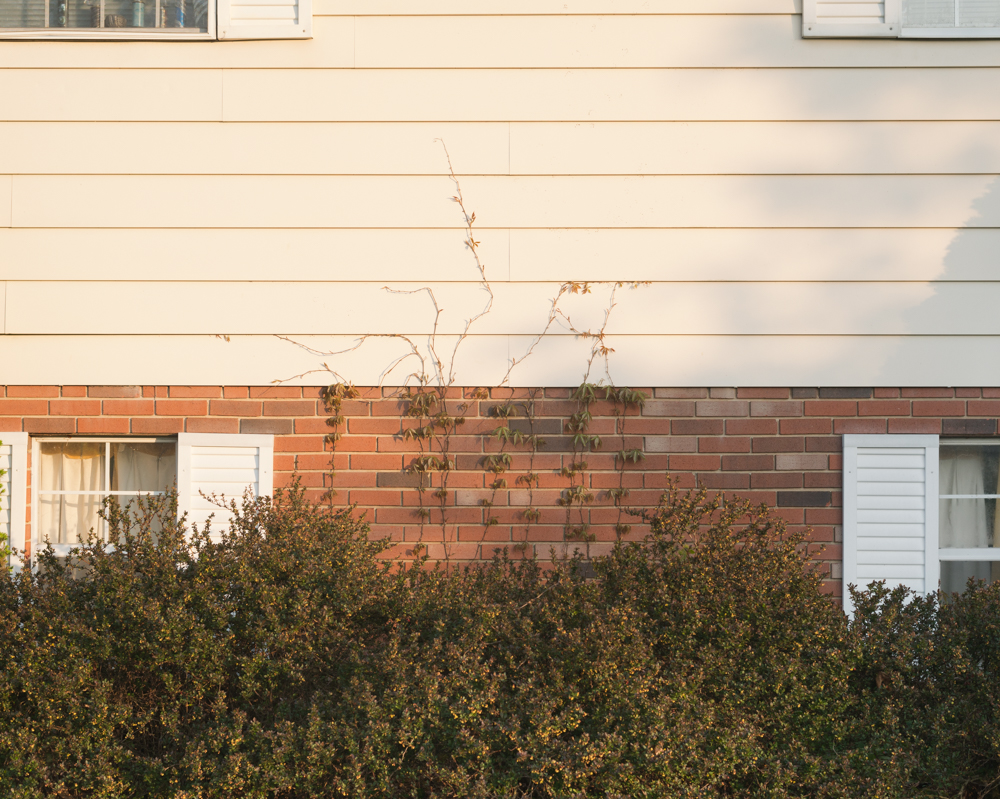
©Melissa Kreider, Grew Up Here, 2014, from You Can’t Go Home Again
Childhood is often a blur of memories–it’s not until adulthood that where and how we grow up comes into sharp focus. Melissa Kreider explores this terrain with her project, You Can’t Go Home Again, allowing her to understand the America of her youth. Her series looks at small details–an overgrown lawn, homes is disrepair, the backyards of her youth–allowing her to witness the profound reality of the small town she once called home.
Melissa Kreider (b.1993) is an MFA student at the University of Iowa and holds a BFA in Photography from the University of Akron. Melissa’s work examines sites of sexual violence against women and how the justice system archives these reports as well as the evidence that is collected. Melissa explores these subjects by traveling to the addresses pulled from public police logs across the United States and steadily gaining access to police evidence rooms where backlogged rape kits are stored. Melissa is the founder and curator of Don’t Smile, an online space dedicated to showcasing photography by women artists.
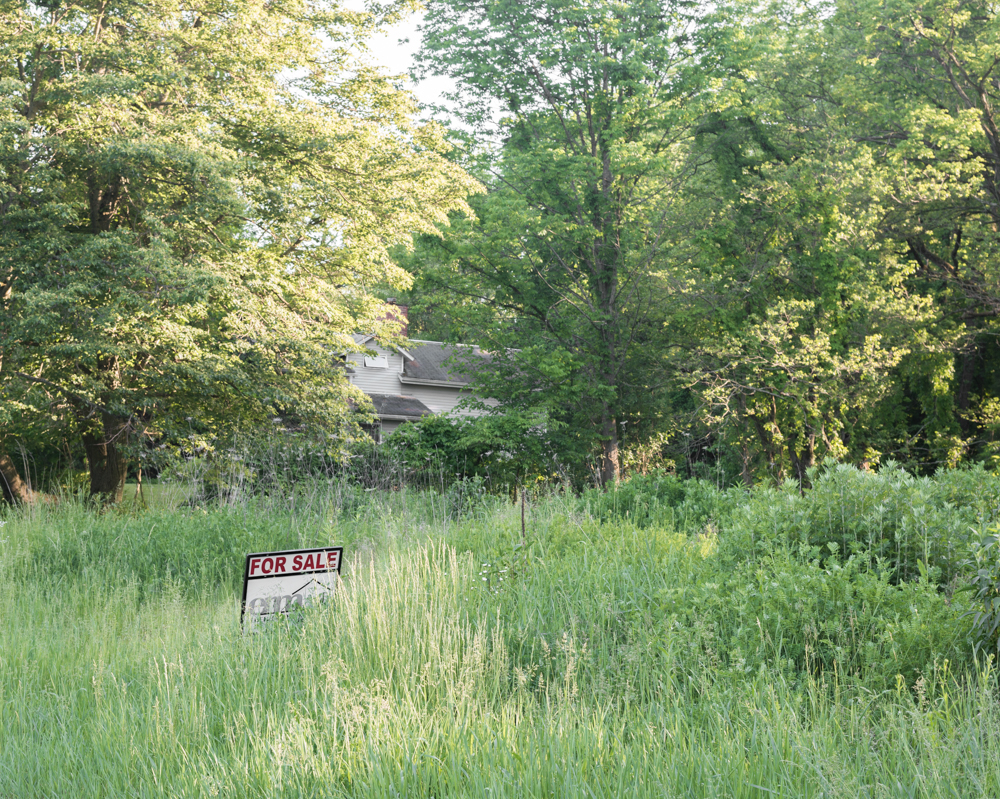
©Melissa Kreider, For Sale, 2014, from You Can’t Go Home Again
You Can’t Go Home Again
There are 38 towns, townships, or cities named Springfield in the nation. You Can’t Go Home Again is made in Springfield Township in Northeast Ohio. This examination of the small town in which I was raised is cathartic and allows me to understand how, as an adult, I relate to the environment with which I was once familiar and can now barely recognize.
You Can’t Go Home Again not only documents the place I grew up feeling an urge to leave, but it questions whether important symbols of suburbia and North American Identity exist in the way that most North Americans perceive them. The images explore the re-shaping of the suburban landscape as I know it and the small details that manifest themselves in signage, windows, even something as simple as someone’s yard become more vital than ever in understanding a township that went red this election season.
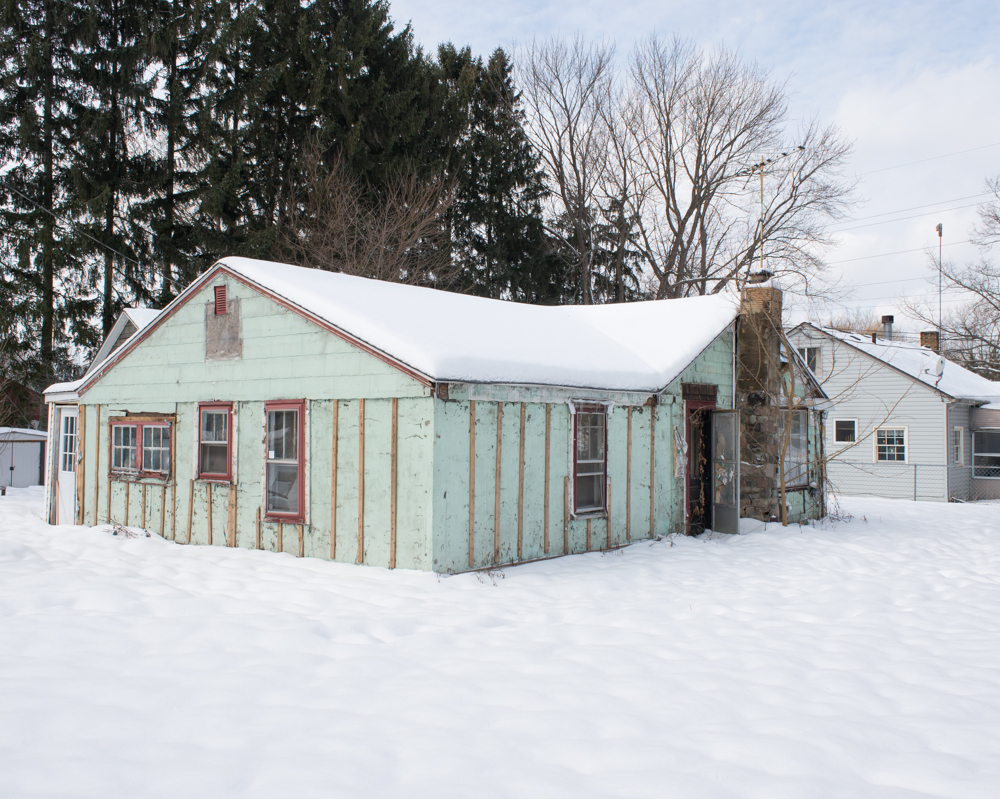
©Melissa Kreider, Stripped, 2015, from You Can’t Go Home Again
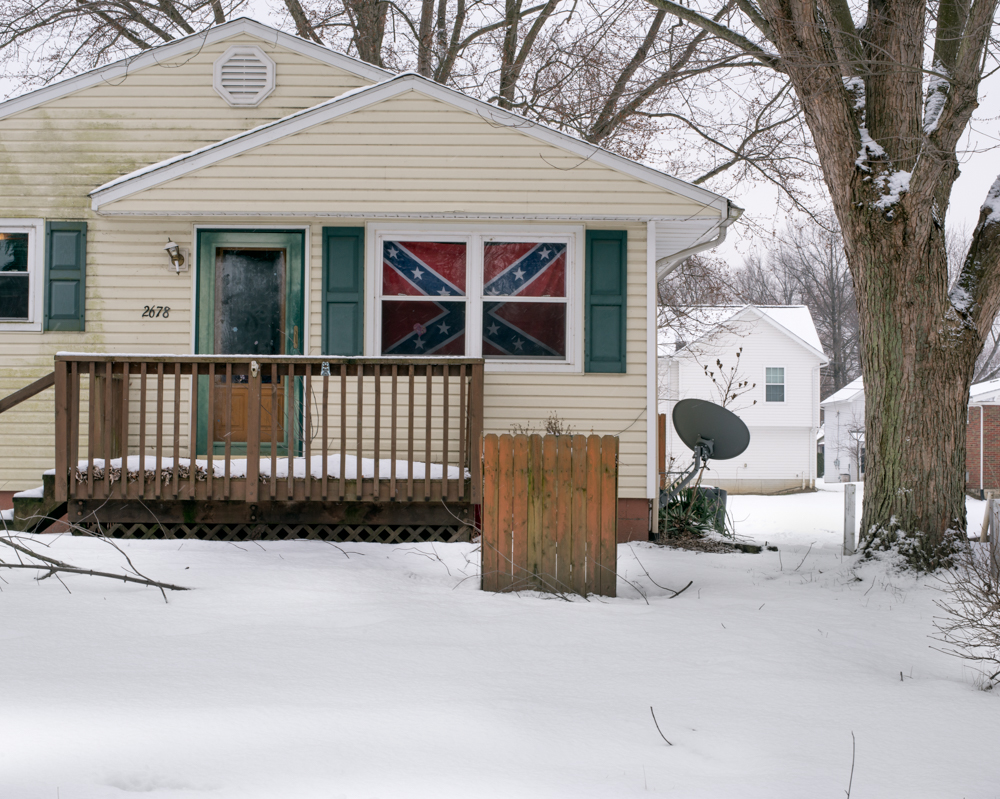
©Melissa Kreider, 2678, Ohio, 2015, from You Can’t Go Home Again
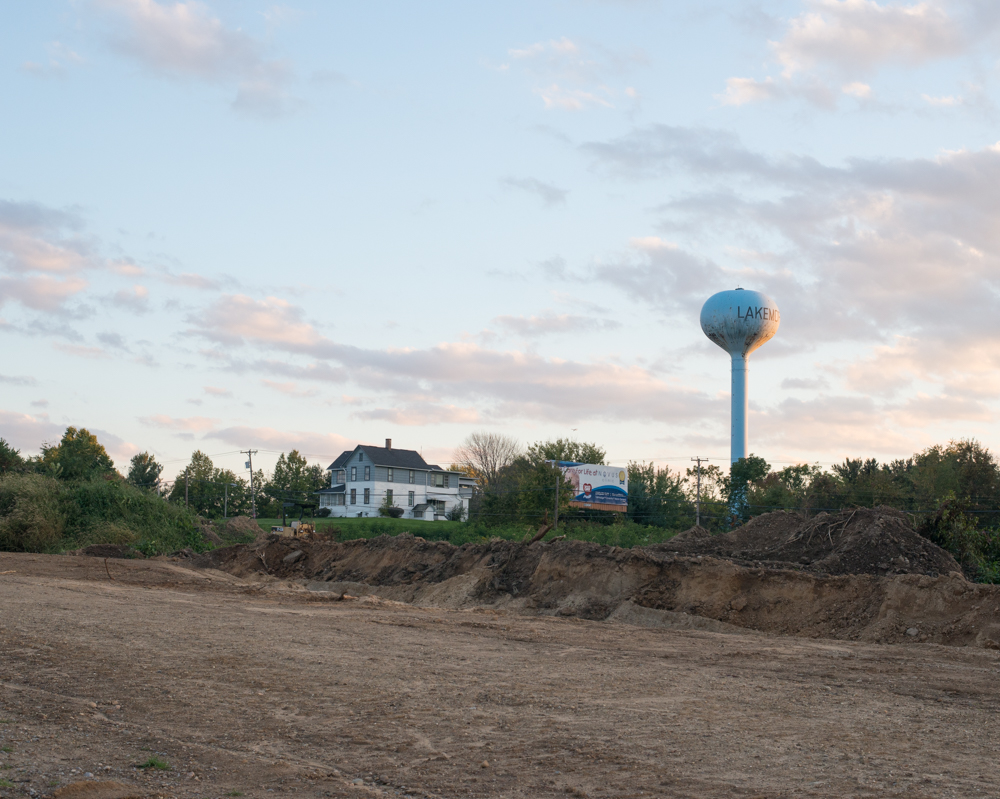
©Melissa Kreider, Construction Halted, 2015, from You Can’t Go Home Again
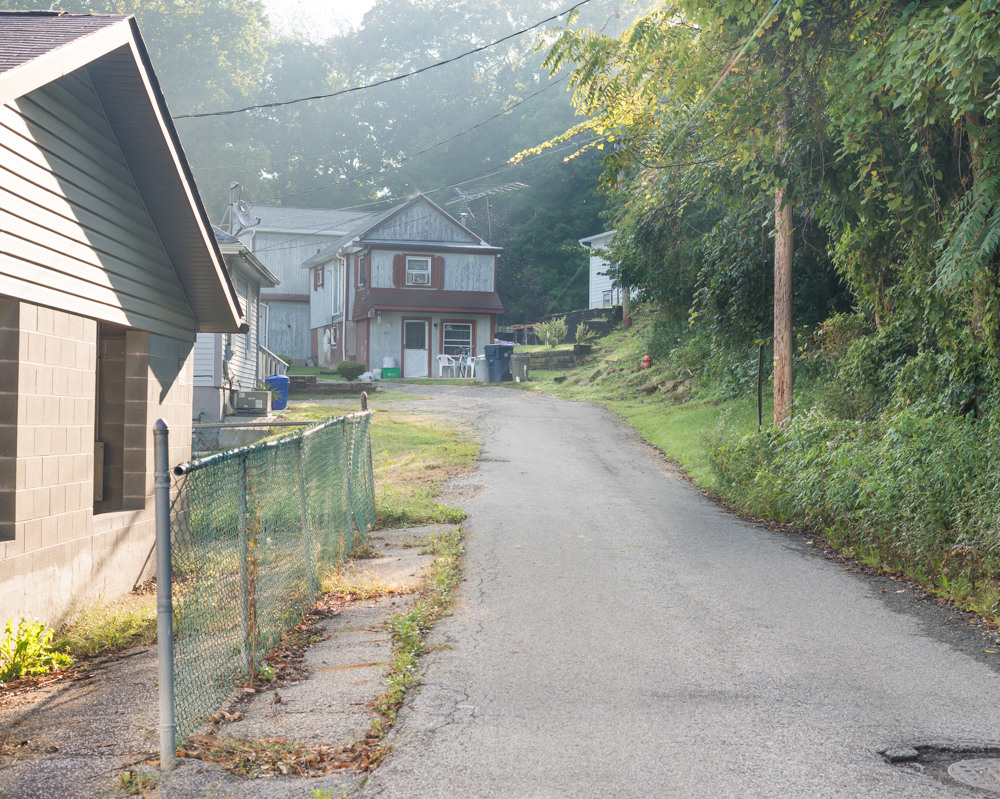
©Melissa Kreider, Short Street, 2014, from You Can’t Go Home Again
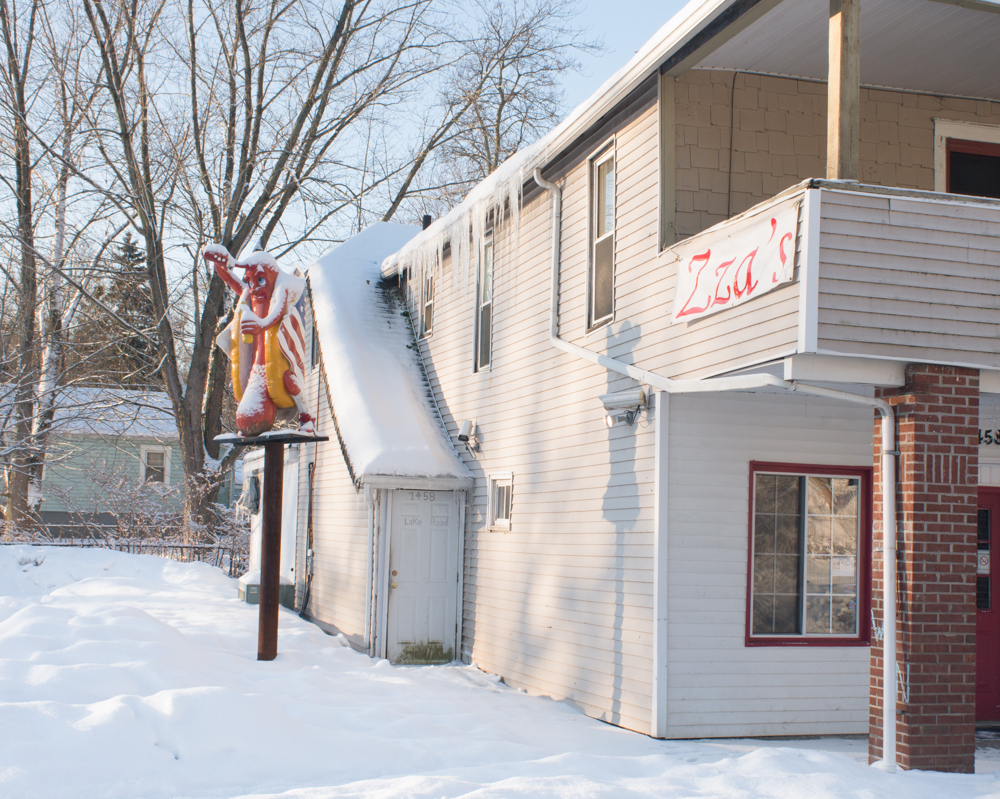
©Melissa Kreider, Zza’s, 2015, from You Can’t Go Home Again
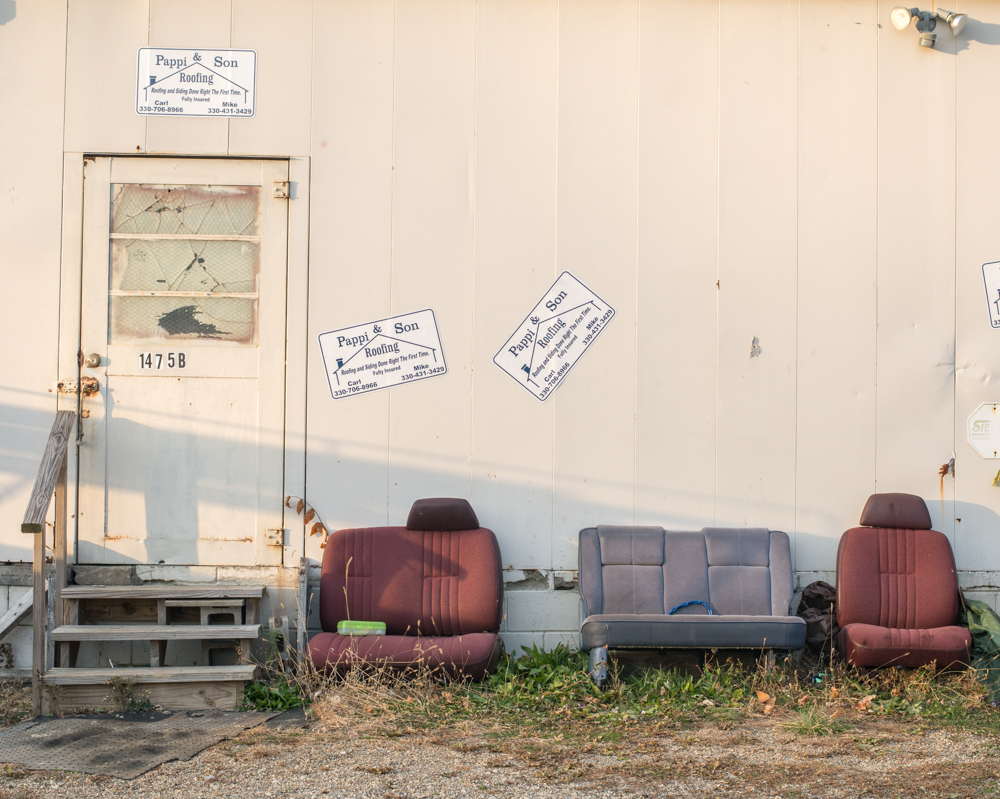
©Melissa Kreider, Small Business, 2014, from You Can’t Go Home Again
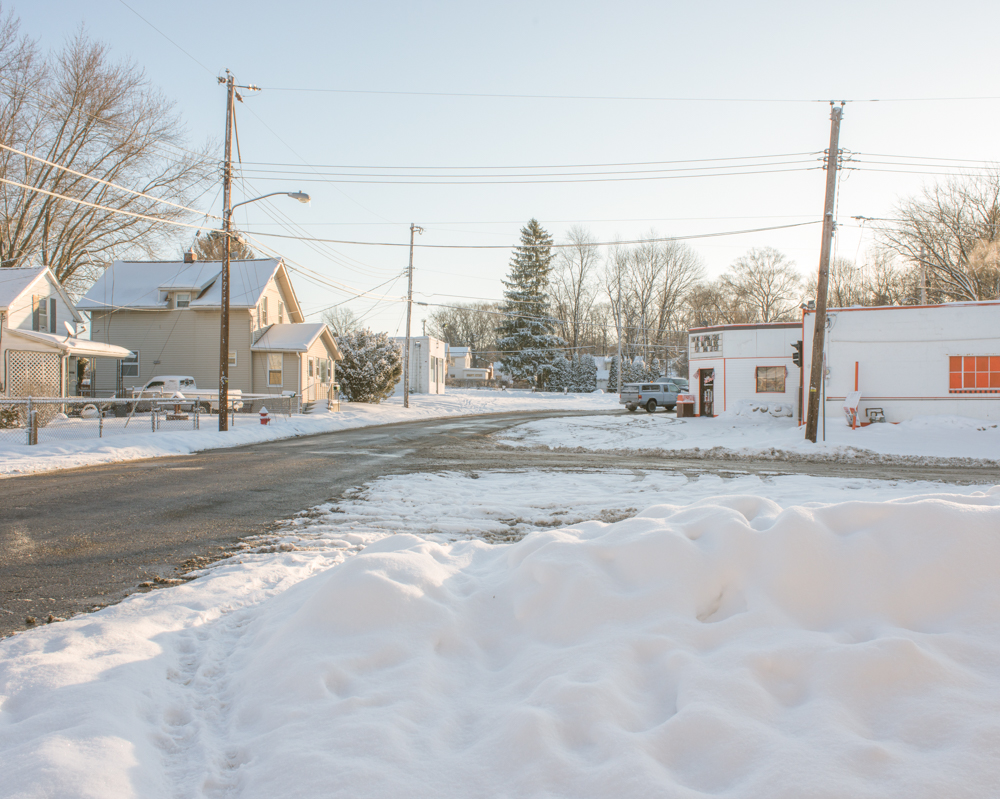
©Melissa Kreider, Church Street, 2015, from You Can’t Go Home Again
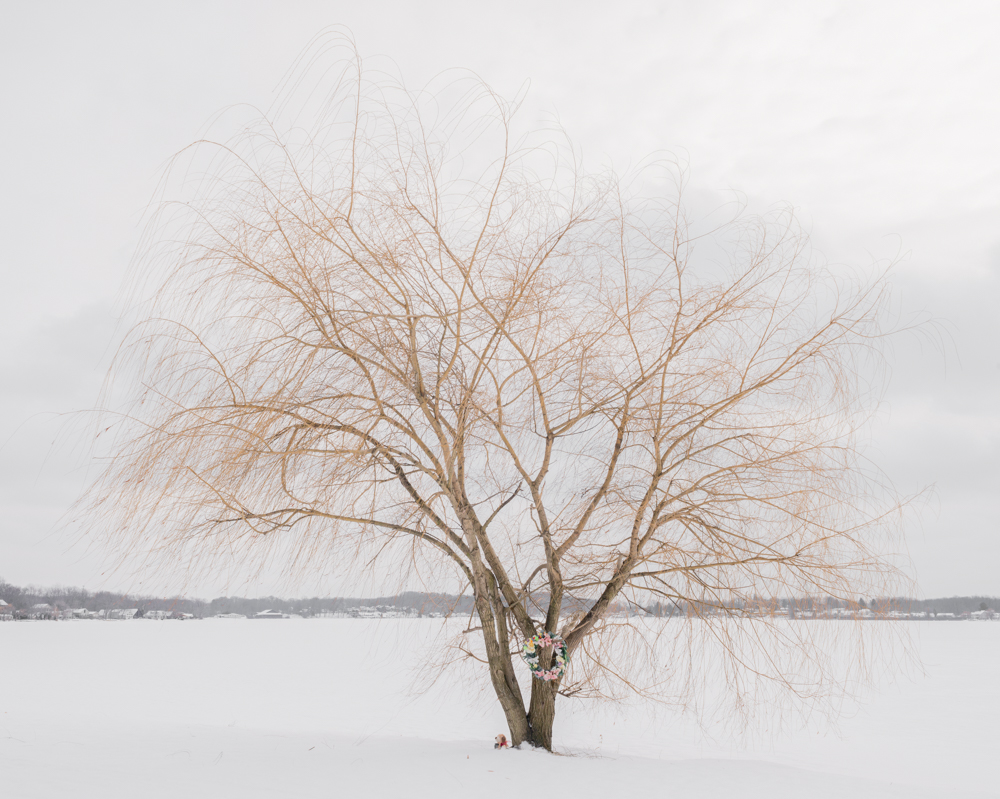
©Melissa Kreider, Memorial, 2015, from You Can’t Go Home Again
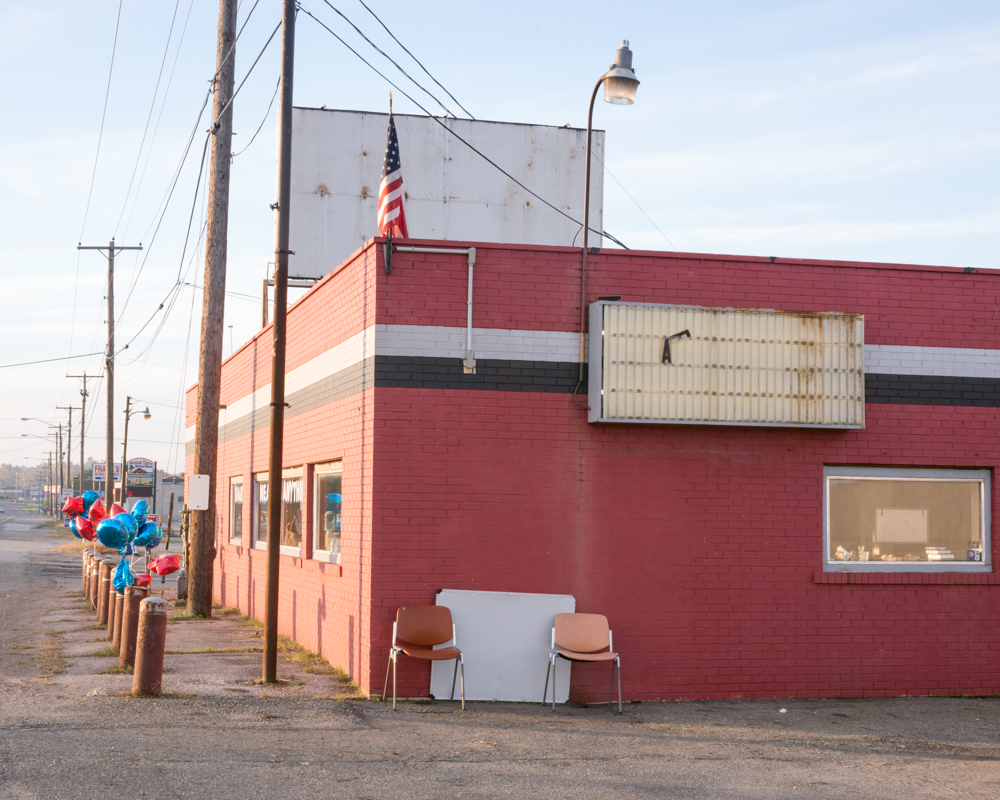
©Melissa Kreider, Dave’s Darn Near Anything, 2015, from You Can’t Go Home Again
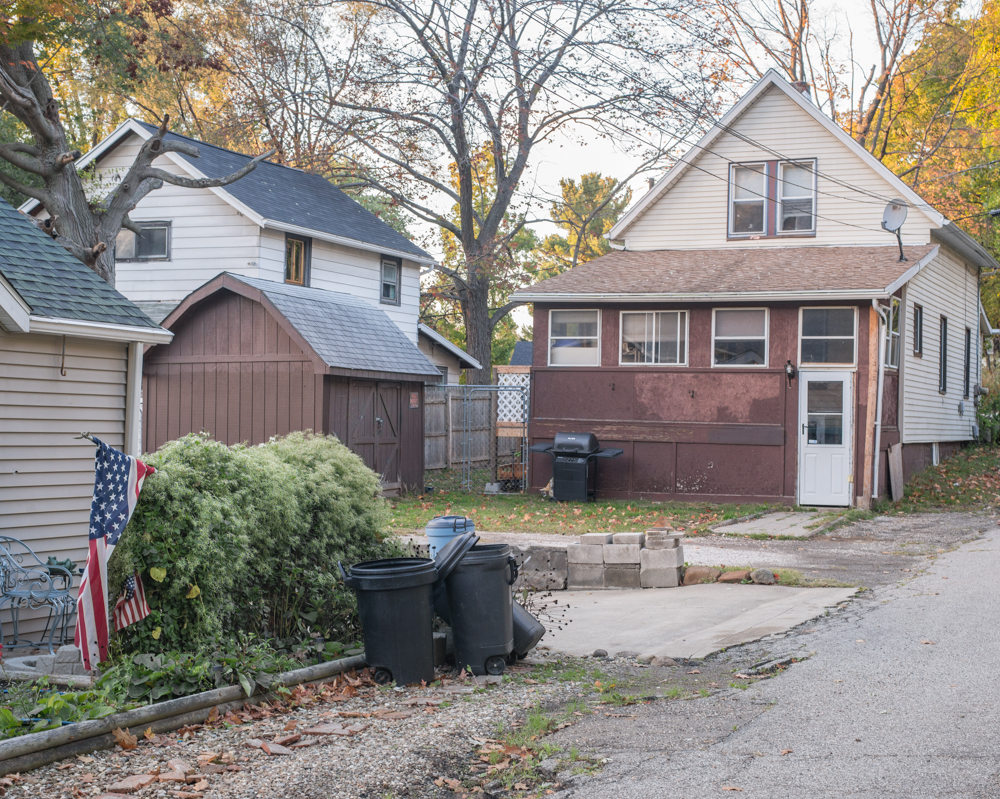
©Melissa Kreider, Dee Street 2015, from You Can’t Go Home Again
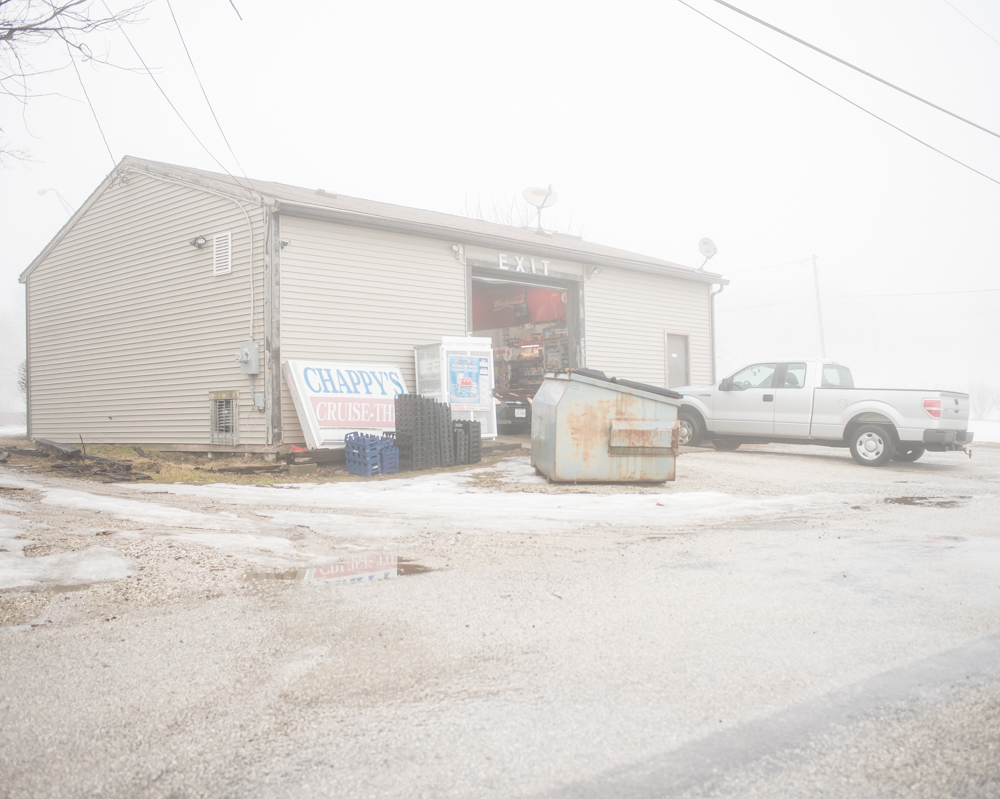
©Melissa Kreider, Chappy’s, 2015, from You Can’t Go Home Again
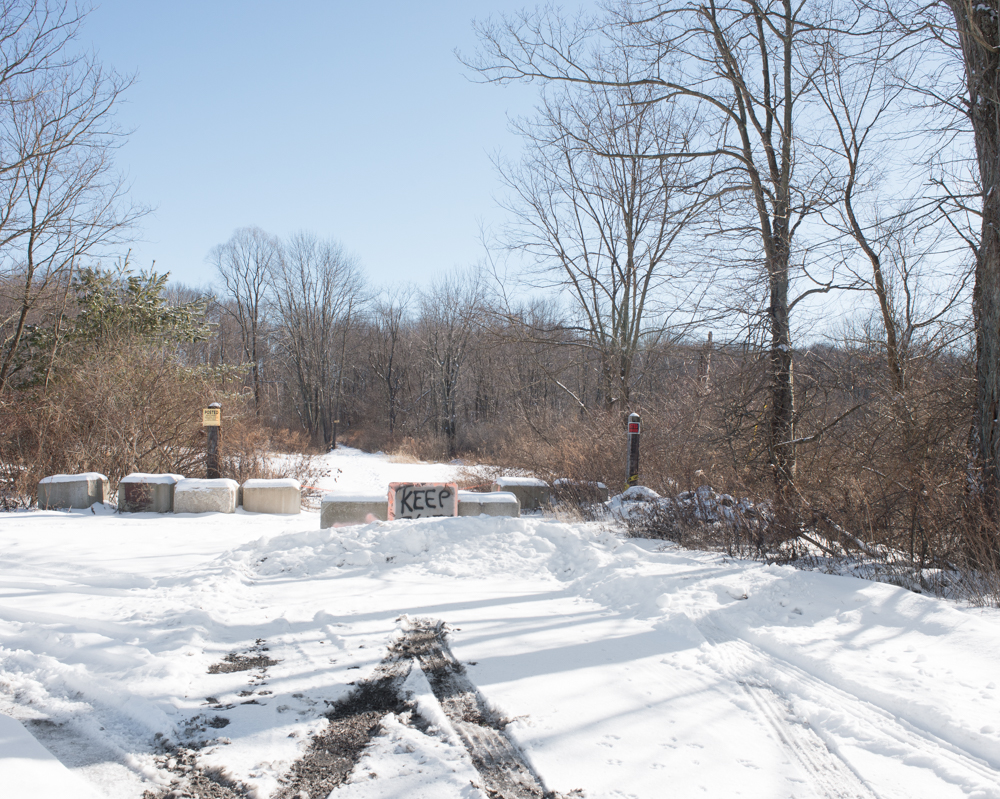
©Melissa Kreider, Keep Out, 2015, from You Can’t Go Home Again
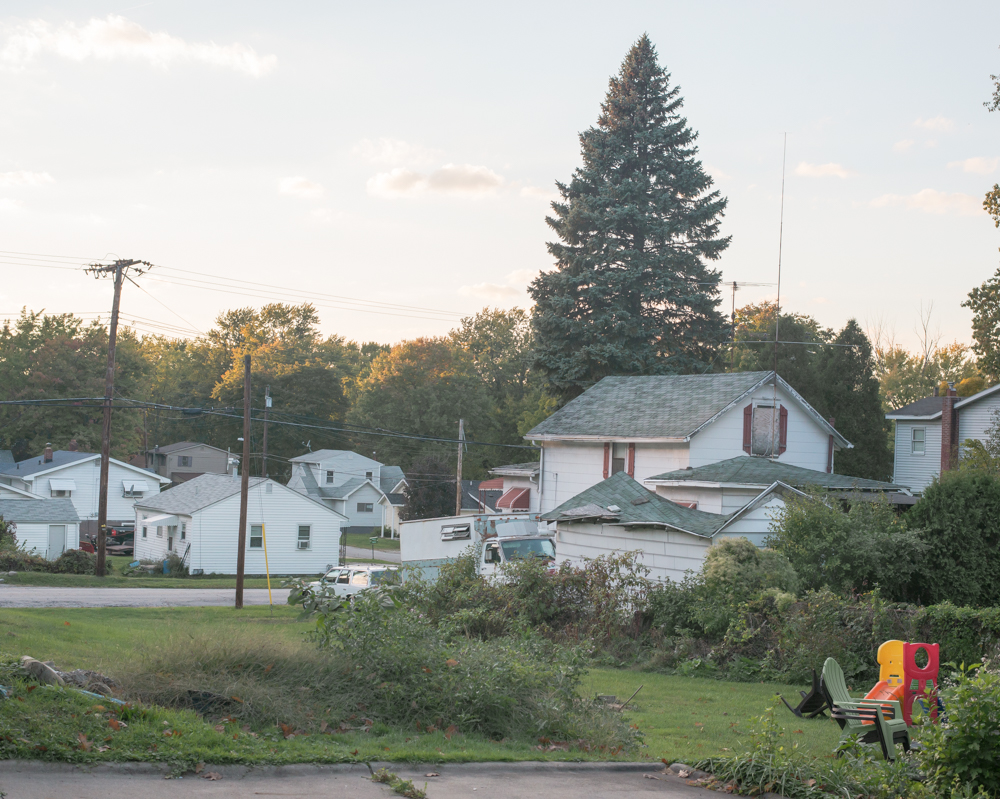
©Melissa Kreider, From Lake Road from You Can’t Go Home Again
Posts on Lenscratch may not be reproduced without the permission of the Lenscratch staff and the photographer.
Recommended
-

Zanele Muholi: 2026 Hasselblad Award LaureateMarch 13th, 2026
-
Shane Hallinan: The 2025 Salon Jane Award WinnerFebruary 12th, 2026
-

Greg Constantine: 7 Doors: An American GulagJanuary 17th, 2026
-

Yorgos Efthymiadis: The James and Audrey Foster Prize 2025 WinnerJanuary 2nd, 2026
-

Arnold Newman Prize: C. Rose Smith: Scenes of Self: Redressing PatriarchyNovember 24th, 2025