Astrophotography: Craig Stocks
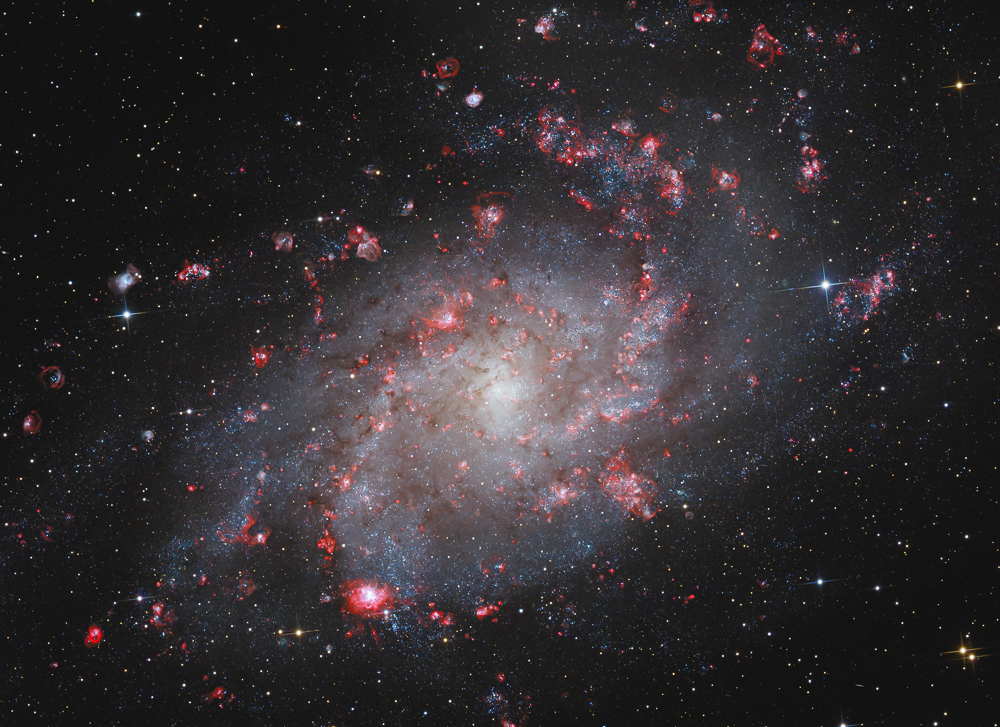
©Craig Stocks, A Galaxy Far, Far Away
Craig Stocks has had a long career as a professional photographer and engineer before discovering the beauty in the universe and astrophotography. Today, Craig is among the most prolific astrophotographers in the country. He shares his workflow in tutorials and workshops, and at the observatory he and his family own and run.
After working in the newspaper and studio photography businesses for several years, Craig left professional photography to pursue a career as a mechanical engineer. During his 30-year career he worked primarily in planning and operations management. He was also among the first to embrace personal computers in the workplace. He retired from his corporate job at the beginning of 2009 and began an encore career in photography with an emphasis on fine art photography.
Over the years, Craig retained his interest in photography, and the advent of digital processing in the 1990’s rekindled his passion. He has always been fascinated by astronomy, and his background in engineering, digital photography and computer science made astrophotography a perfect fit. In 2021 Craig and his family launched Utah Desert Remote Observatories. Their combined skill sets of engineering, fabrication, mechanical repair, electrical installation and heavy equipment operation make it truly a family business.
Instagram: @craigstocksphotography
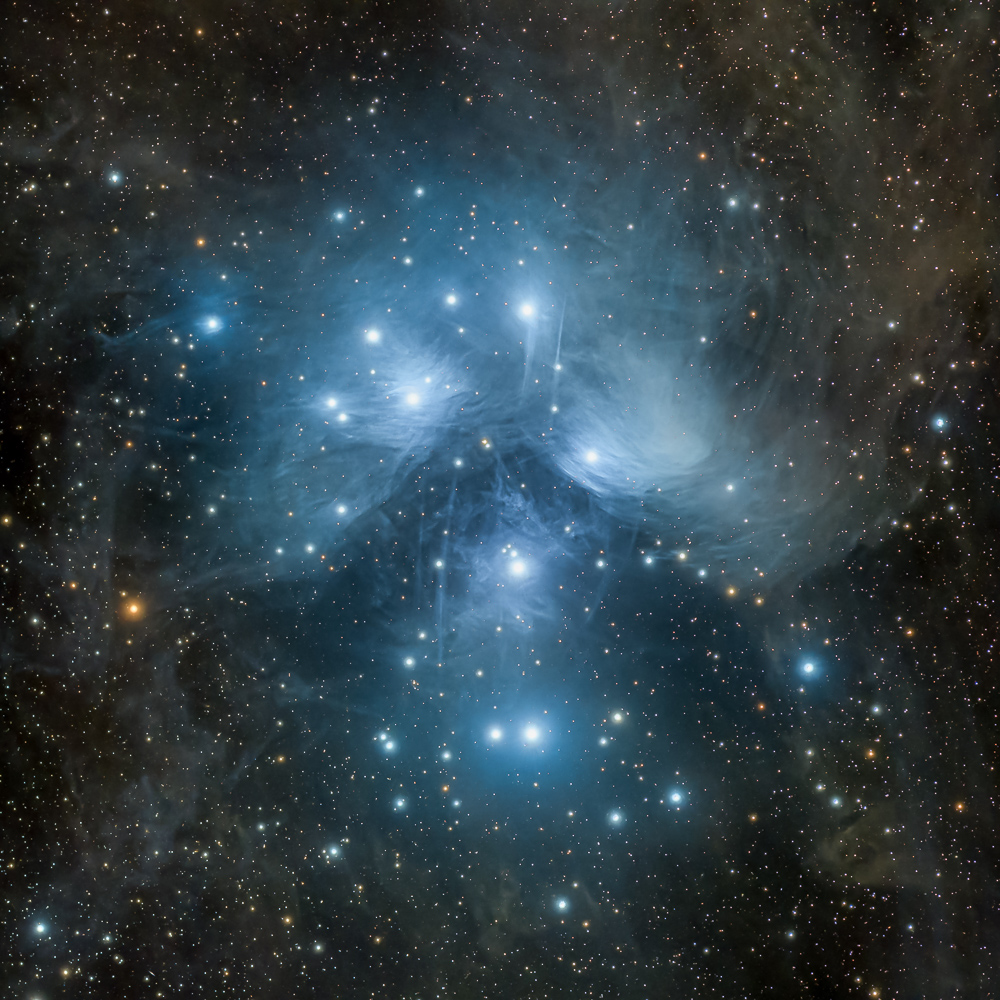
©Craig Stocks, Seven Sisters
Statement
I have a passion to create, and I’m fascinated with the tools and technologies used in the creative processes. My process is to interpret the scene through a combination of camera position, lighting and post processing to present my vision in a way that is graphically simple, technically precise and visually exciting.
I’m old fashioned enough to still view photography as a print medium. A physical print has substance and doesn’t depend on other technologies to be enjoyed. It’s important to me that my images are ultimately expressed as large fine art prints.
I enjoy learning and sharing. Continuing to learn is one of the most exciting aspects of any hobby, and the rapid pace of change in photography provides a wealth of learning opportunities. I also enjoy sharing what I’ve learned over the years. That has led to a number of photography and Photoshop tutorials on my website and at the Utah Desert Remote Observatories YouTube channel. I’ve also been able to provide training and coaching both one-on-one and in small groups. – Craig Stocks
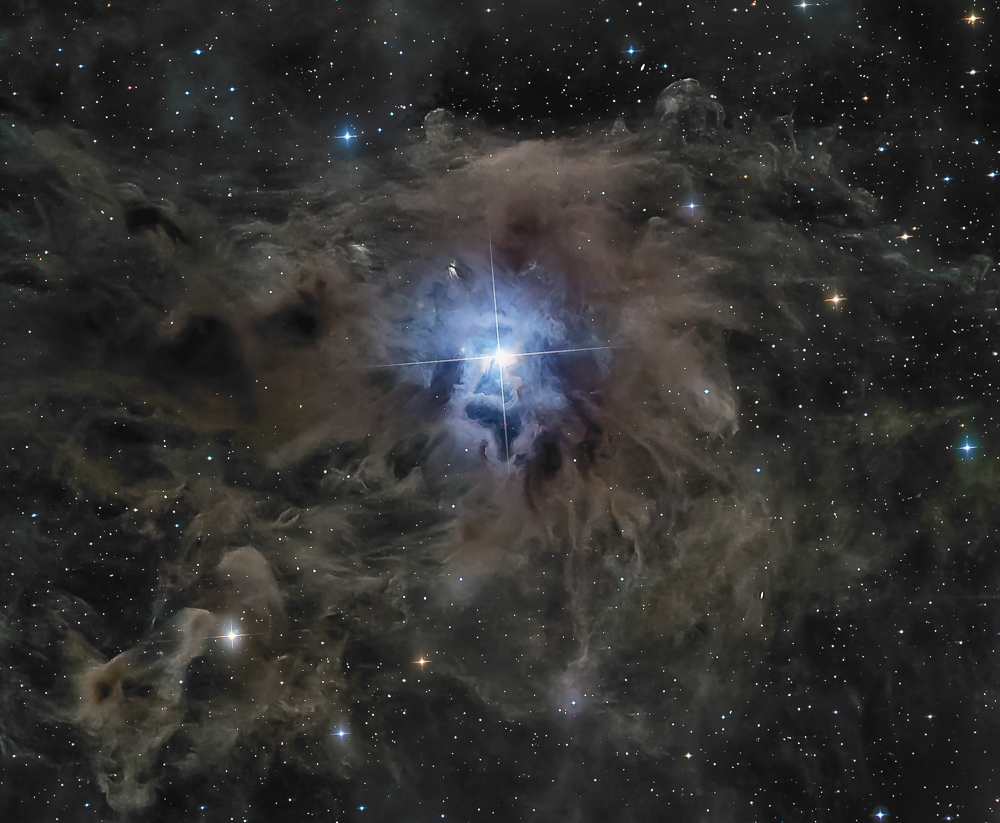
©Craig Stocks, Iris
Marsha Wilcox: Tell me about your photographic journey.
Craig Stocks: I got my first camera, a Kodak Instamatic 104, in junior high. I talked to the photographer my aunt was dating and that led me to move on to a Kowah 35mm SLR. I joined the yearbook as a photographer and learned how to develop film and make prints. I worked as an intern photographer at the local newspaper. Afterward, I went to work for a local daily paper and eventually went to work for a portrait studio that also did a lot of school photography. After I got married, I needed a job with a better paycheck and explored engineering.
With the influence of a gifted teacher who cared, Craig did well and earned a degree in mechanical engineering. He worked at Caterpillar from his college co-op through retirement.
“Photography never really left me while I was working as an engineer.”
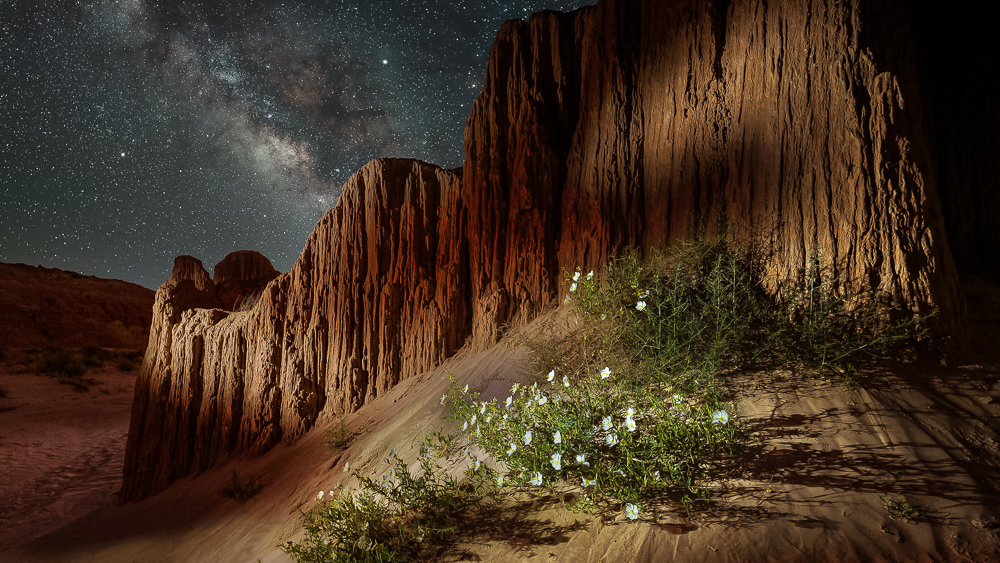
©Craig Stocks, Primrose Canyon
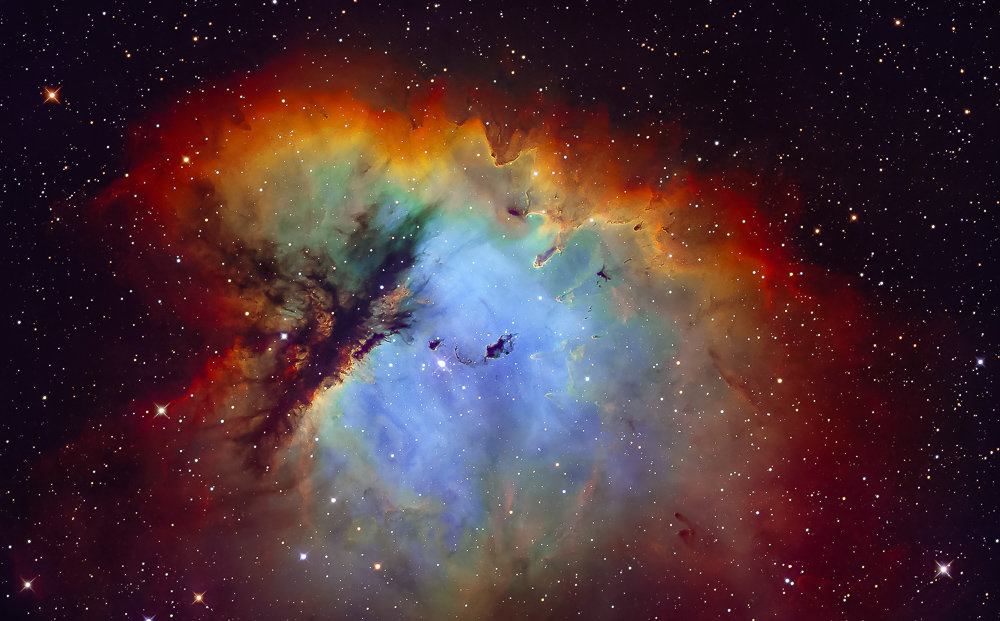
©Craig Stocks, Pacman
What drew you to astrophotography?
I took an astronomy class back in my first round at college. In the early 2000s, up to 2010, you started seeing more and more night sky photos. That really got me interested in taking pictures of the night sky as part of landscape.
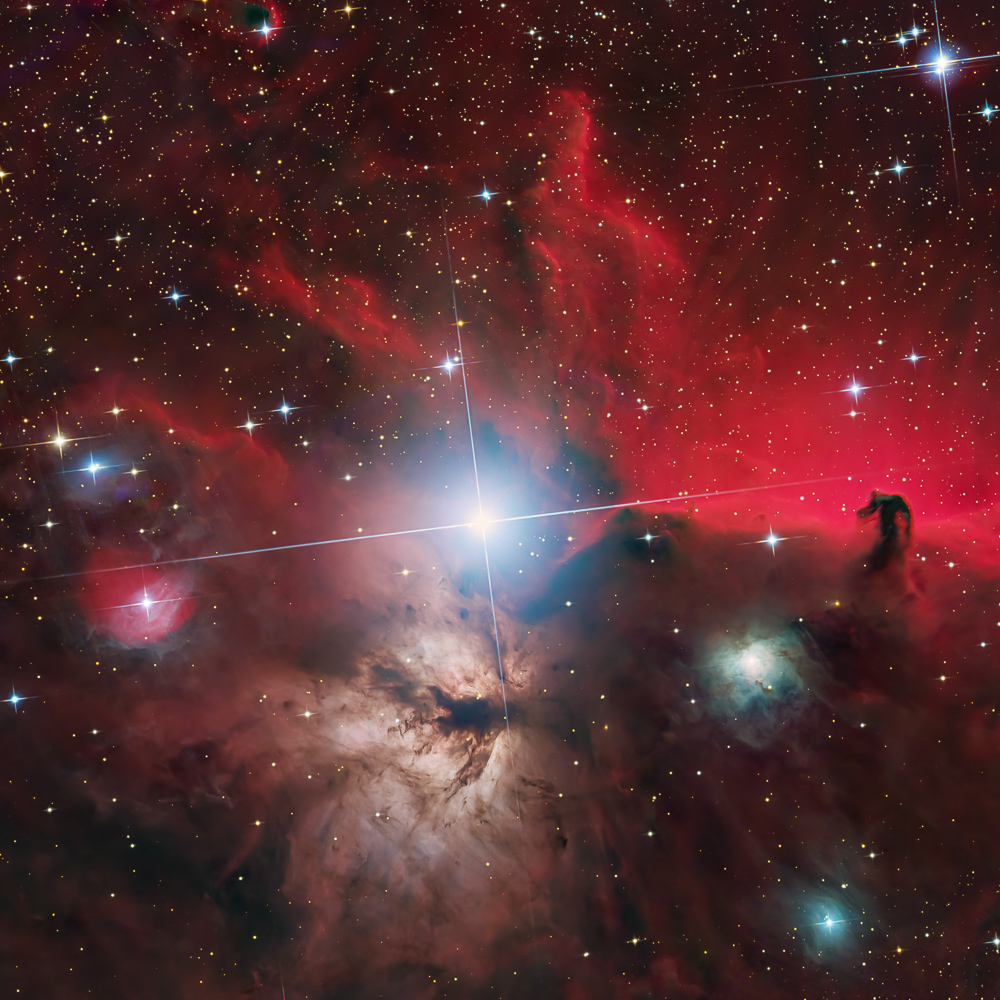
©Craig Stocks, Horsehead
Tell us about your photographic style
I tend towards low-key images in fine art photography. Astrophotography fits with my low-key aesthetic.
My style is also graphically simple, which is difficult to do with astrophotography. Outside of astrophotography, I like things that have a simple graphic design sense. I like things to be technically precise. So, I shoot with a medium format camera whenever I can and try to get as much resolution as I can in the image. That combination fits well with an overall aesthetic of astrophotography. There’s just enough technical to take care of my engineer side and there’s enough of an aesthetic side to take care of my artist side.
My astrophotography is all about color. My fine art photography is almost exclusively black and white. I like that level of abstraction. My astrophotography is much more colorful. I’m much more drawn to color and color contrast. I tend to look for emission nebulae that are open to interpretation and have a wide range of options in terms of color mapping.
Emission nebulae are interstellar clouds of gas and dust that emit light. In narrowband astrophotography each of 3 gases are photographed separately using filters with a monochrome camera. Each is then mapped, in some combination, to the red, green, and blue broadband channels.
I tend to interpret that pretty broadly. The classic definition would be sulfur = red, hydrogen = green, and oxygen = blue. I interpret it as sulfur= red, hydrogen = somewhere between orange and cyan, less red than red, and then oxygen = blue.
Some people refer to narrowband images as false color. I like the term translated color. For example, you could translate “The Art of War” from Japanese into English so that we can read it and understand it. It’s still the same book, it’s just translated. The same applies with narrowband color. We translate the colors so that we can see them more easily with our eyes but it’s still real. It’s just translated.
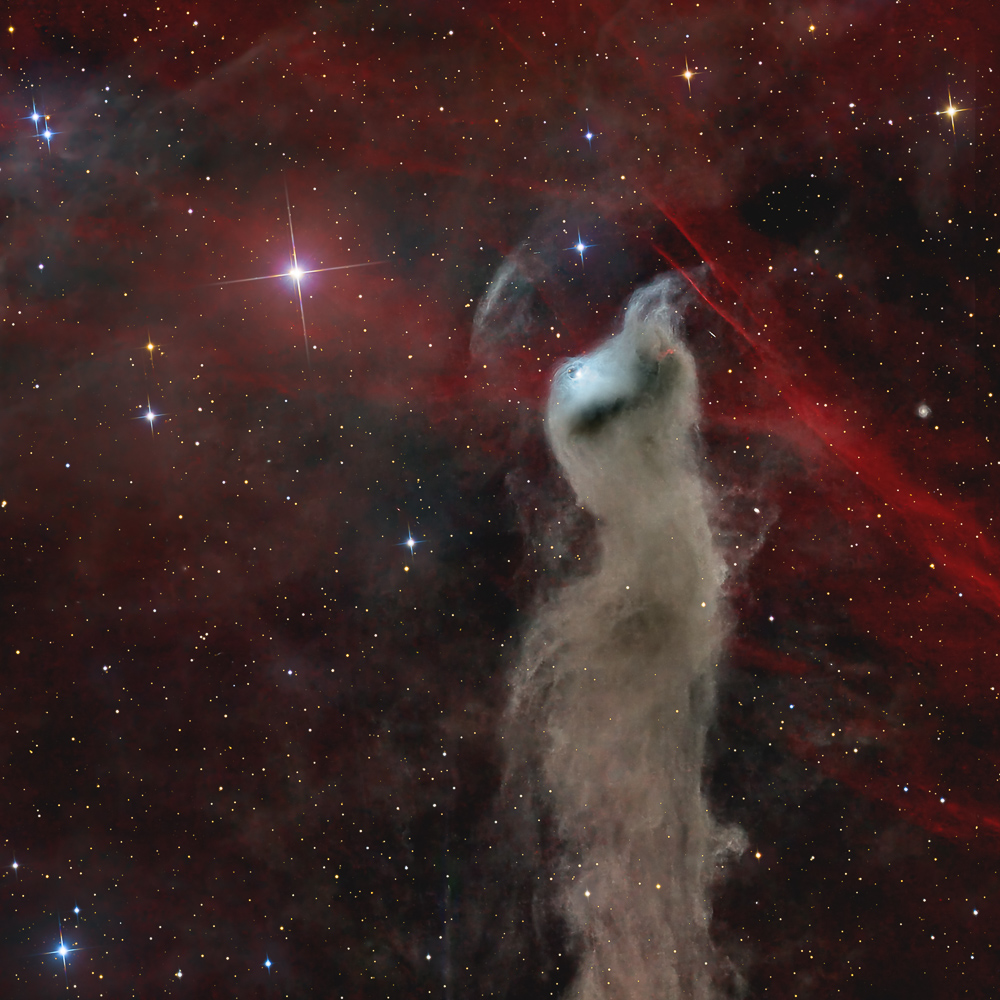
©Craig Stocks, Dust Bunny
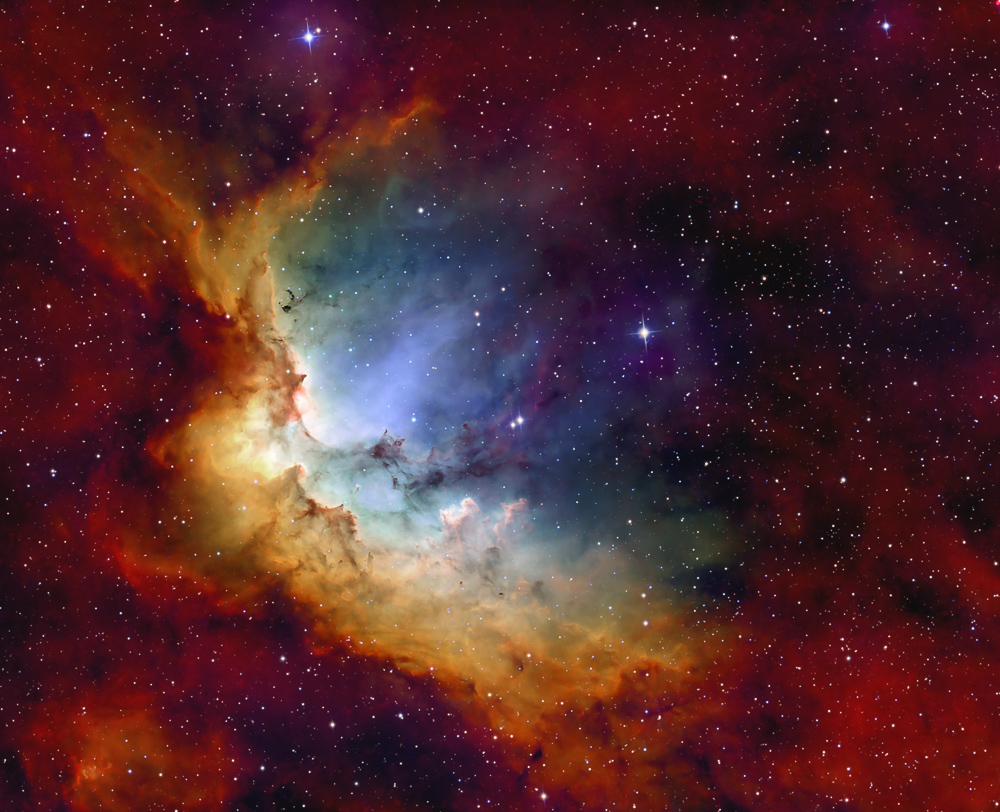
©Craig Stocks, Celestial Wizard
There is a big difference between imaging with a DSLR or mirrorless camera, where the image is made in a fraction of a second, and imaging through a telescope with dedicated astronomy cameras and hours of imaging. What was that like for you?
When I started, I wanted to get a tracking mount. They were running a special on the Celestron AVX, where you could get the mount in a package with a little 6-inch reflector cheaper than you could get just the mount by itself. But I discovered that the little 6-inch refractor left a lot to be desired. So, I moved up to an 8-inch reflector telescope.
I tried using the medium format camera with it, but the color filter array blocks a lot of the longer red wavelength. I set that aside and went back to just a Sony mirrorless with the Sky Watcher mount, and I started getting increasingly serious.
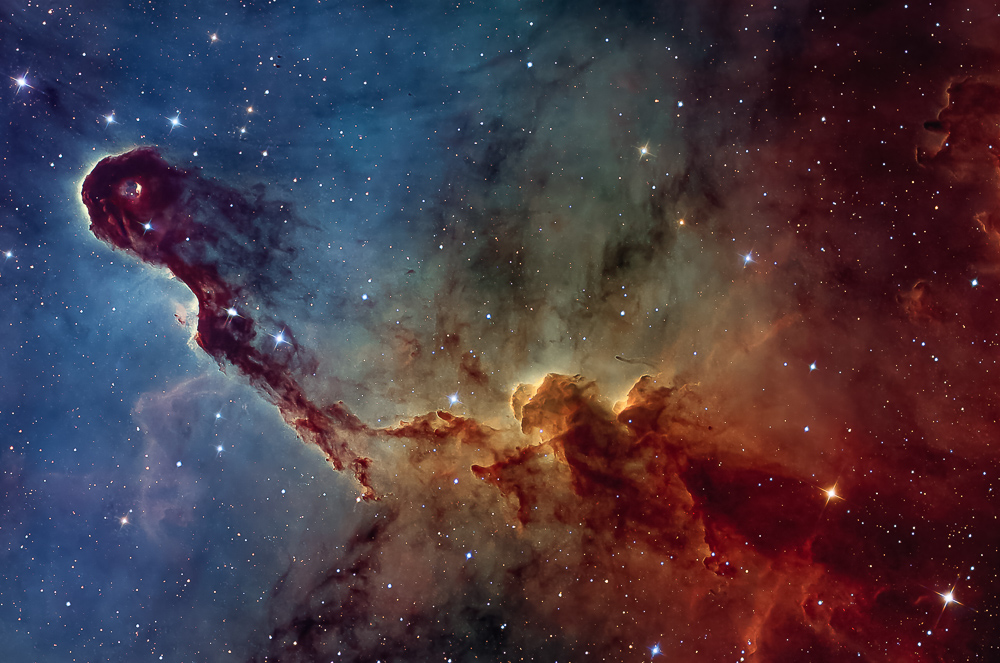
©Craig Stocks, Elephant Trunk
When our family moved to southwest Utah we considered opening a dark-sky focused campground. After a lot of discussion with our kids, we decided we would set up a remote observatory. That’s when I bought my first astronomy camera and started expanding my equipment to be more representative of what observatory customers would use.
How do audiences respond to your images and what you hope for them to see or experience?
My hope, which rarely happens, is that they will see it just as an interesting aesthetic piece of artwork – and not as a science image. If someone sees the science in it, that’s fine. I can talk to them about. For instance, a common question is, “If you superimposed our solar system, how big would it be?” The answer is our entire solar system wouldn’t even make up one pixel.
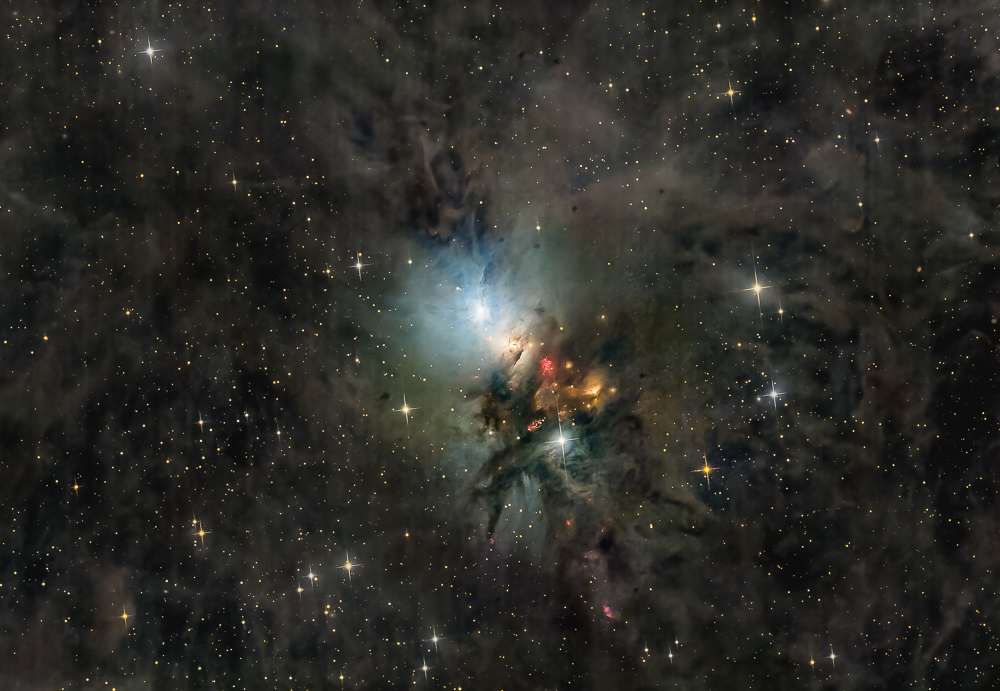
©Craig Stocks, Boiling Dust
What do you want your audience to take away?
My hope is that people will look at the image and appreciate just the image itself, and not for what it’s a picture of. It’s a bit like posting a picture of a tree on a mountain; you don’t expect people to come back and ask, “What kind of tree is that? What kind of rock is that? Is that granite or is that sandstone?” Generally, people don’t care about the geology or the botany in a landscape image.
Likewise, I would like them to not care about the astronomy in an astroimage. I came to the decision I would rather not use captions because I don’t want people to think about the science or the astronomy.
I put astro images in a gallery to be true to my belief that astro images should be on an equal footing with all other forms of art. To their credit, the gallery no longer differentiates between photography and painting, it’s all art. They usually bring in one or two judges for each show from outside the group. My pieces have generally done well in the judging.
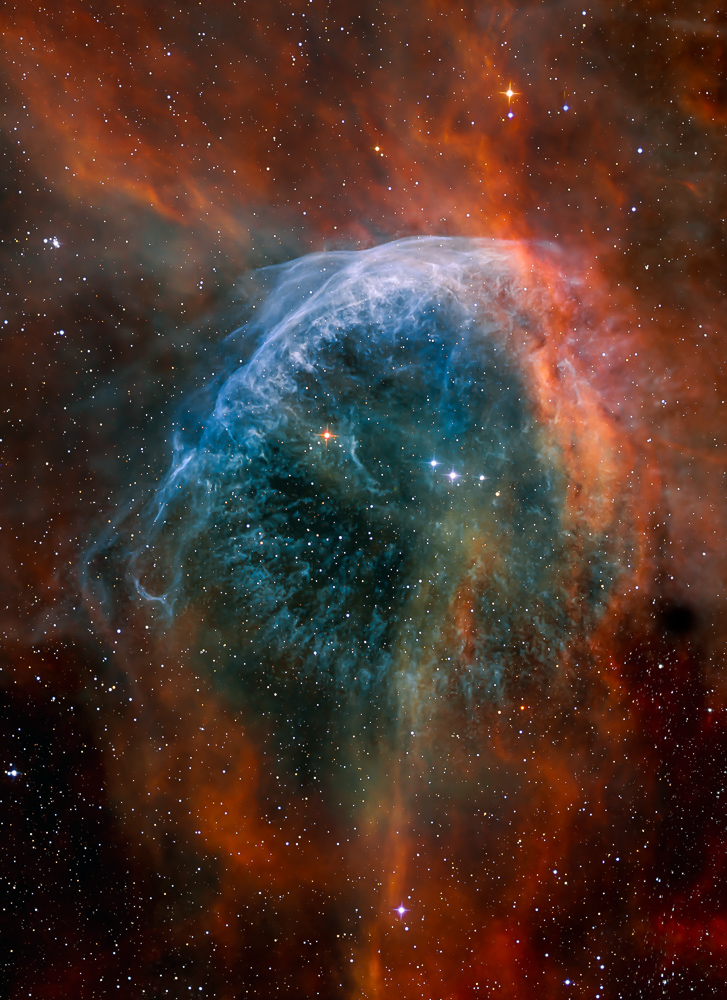
©Craig Stock, Exploding Star
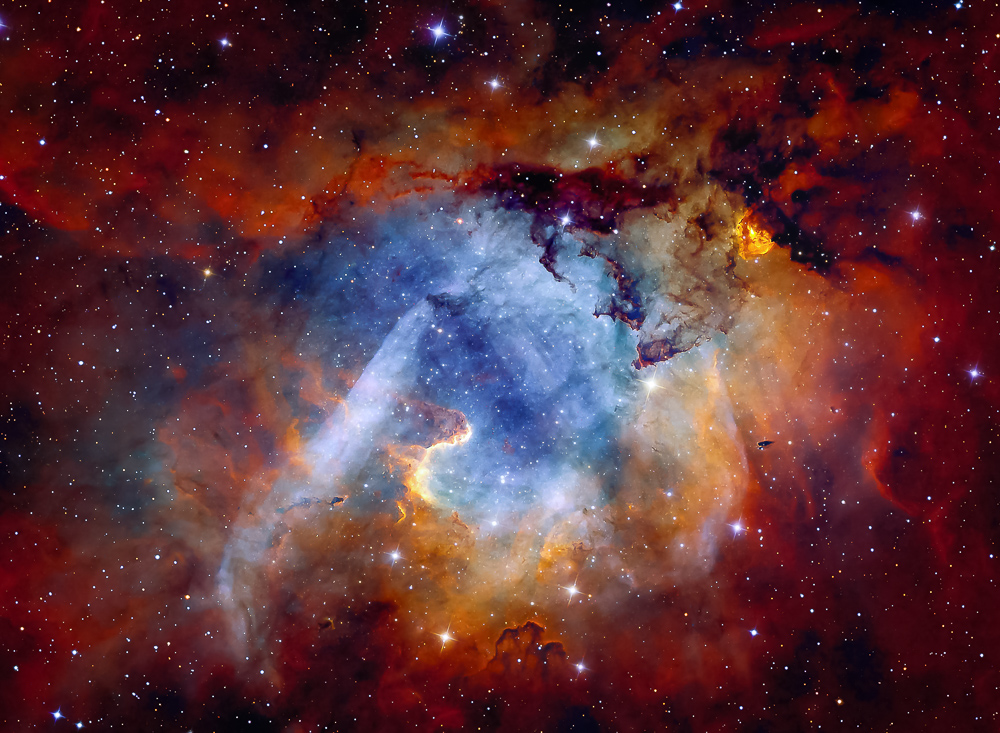
©Craig Stocks, Lions Head
Why make these images if you could just go download images from the Hubble Telescope?
I guess for the same reason that you could go download a picture of an eagle or a mountain or a flower that might be better than anything that I could create. But it’s not mine. I like the process of creating an image, even if it’s not the best image ever created, at least it’s my image, my vision, my interpretation.
I discovered that about myself a long time ago whether it was woodworking or metalworking or photography or programming. I loved the creative process, and I love the tools of creativity and astrophotography.
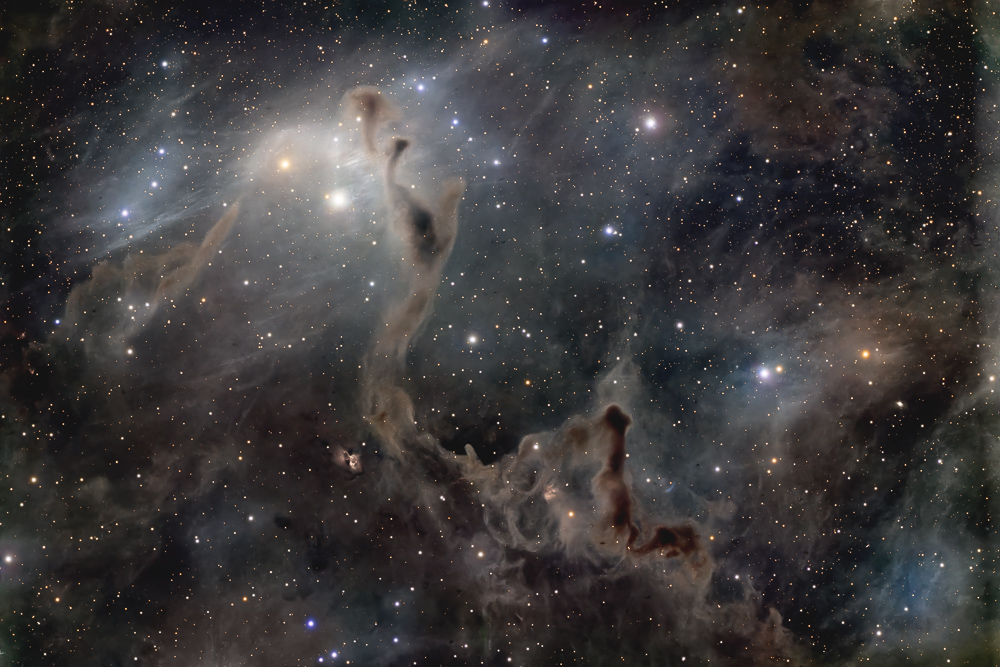
©Craig Stocks, Streams of Dust
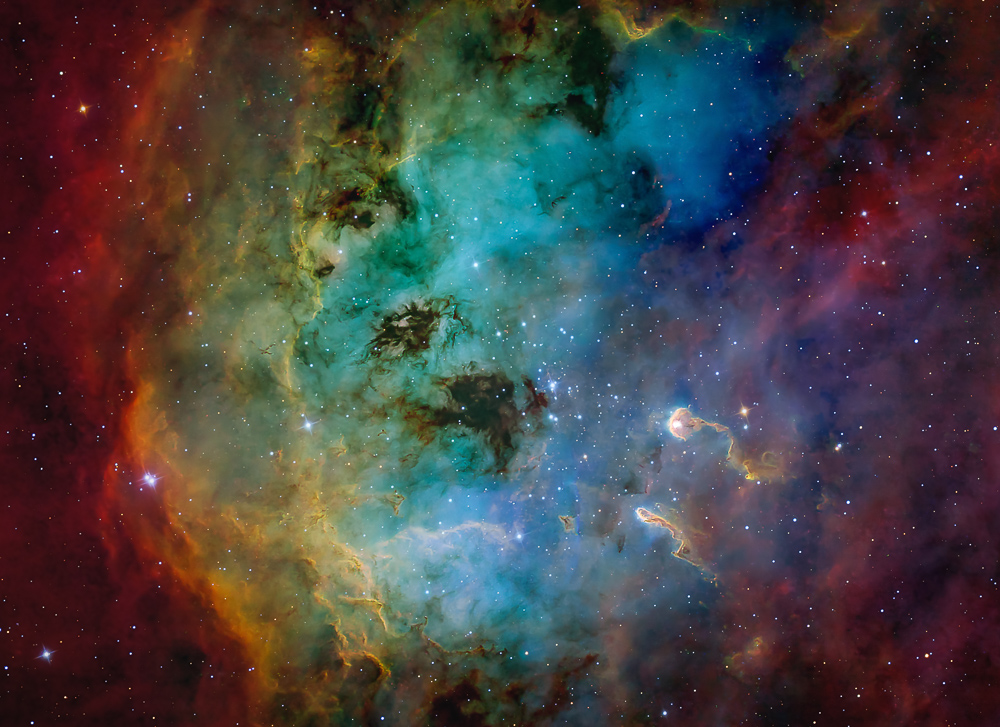
©Craig Stocks, Tadpoles
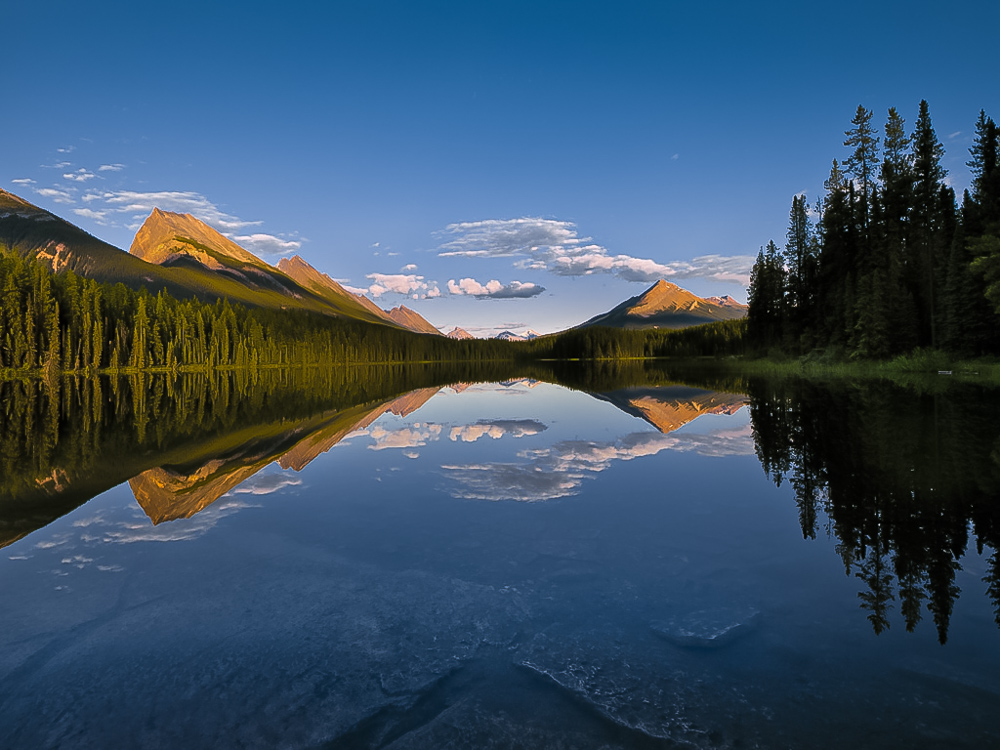
©Craig Stocks, Honeymoon Lake
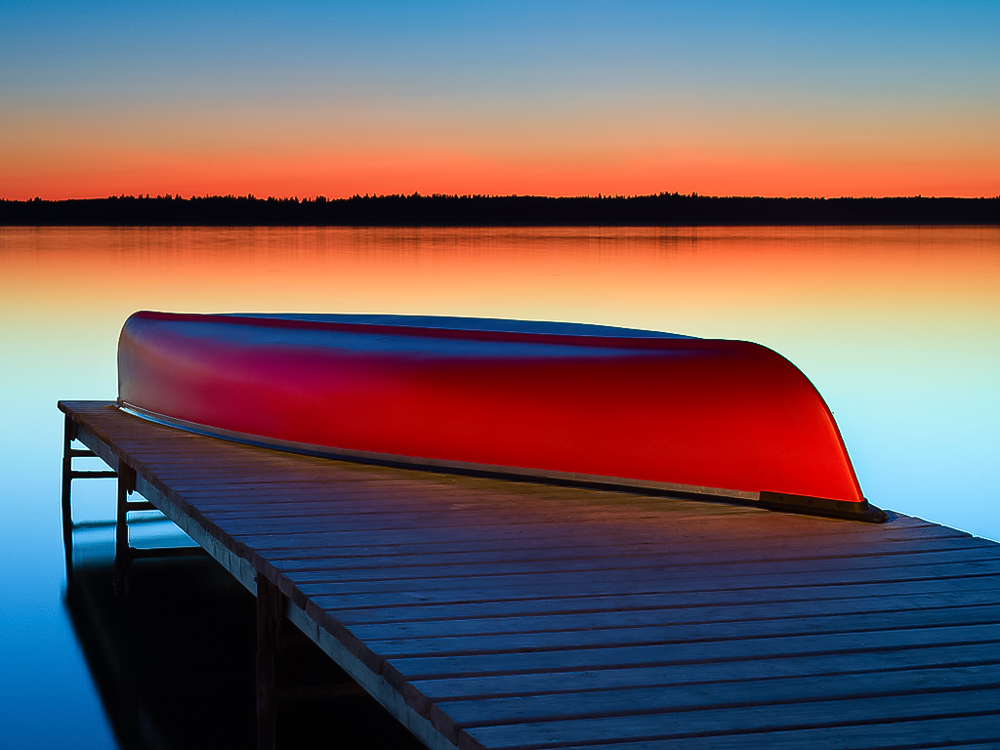
©Craig Stocks, Mosquito on Red Canoe
Posts on Lenscratch may not be reproduced without the permission of the Lenscratch staff and the photographer.
Recommended
-
Astrophotography: Andrea GironesNovember 8th, 2025
-
Astrophotography: Linda Thomas-FowlerNovember 7th, 2025
-
Astrophotography: Craig StocksNovember 5th, 2025
-
Astrophotography: Adam BlockNovember 4th, 2025
-
Astrophotography: Marsha Wilcox: Ancient LightNovember 3rd, 2025