The Family Album of Ralph Eugene Meatyard at the High Museum

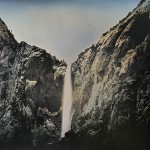
Ralph Eugene Meatyard (American, 1925–1972), Untitled (plate 19), 1960, gelatin silver print, Estate of Ralph Eugene Meatyard. ©Estate of Ralph Eugene Meatyard.
Opening December 12th and running through May 10, 2026, the High Museum of Art will present The Family Album of Ralph Eugene Meatyard. The exhibition will consist of 36 photographs (that Meatyard considered his best work, created for one of only two monographs published by the artist in his
lifetime).
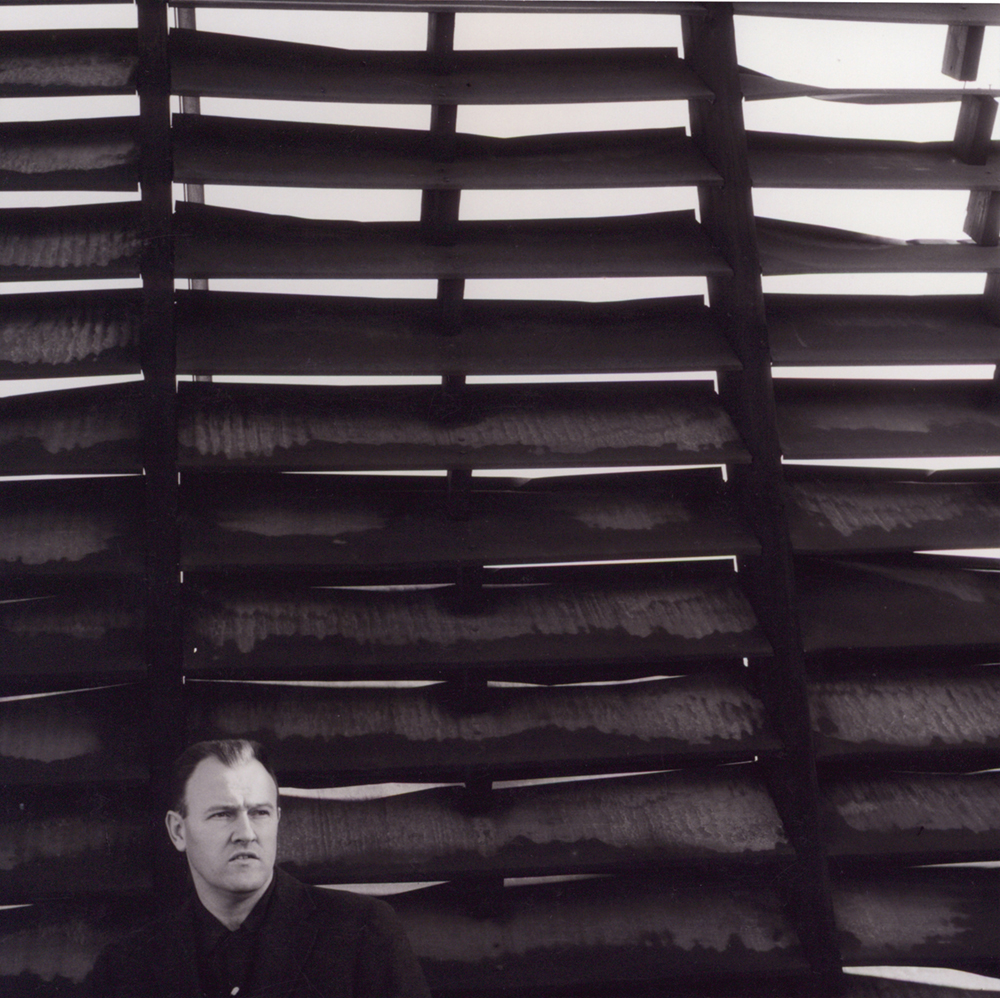
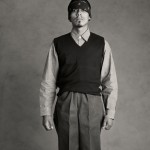
Ralph Eugene Meatyard (American, 1925–1972), Van Deren Coke (plate 33), 1957, gelatin silver print, Estate of Ralph Eugene Meatyard. ©Estate of Ralph Eugene Meatyard.
“Ralph Eugene Meatyard created some of the most original photographs of the mid-20th century, and the prints in this exhibition are exquisite examples of his innovation and creativity,” said the High’s Director Rand Suffolk. “We are grateful to his estate for theopportunity to present these works and to celebrate his unorthodox yet remarkably generative practice with this exhibition.”
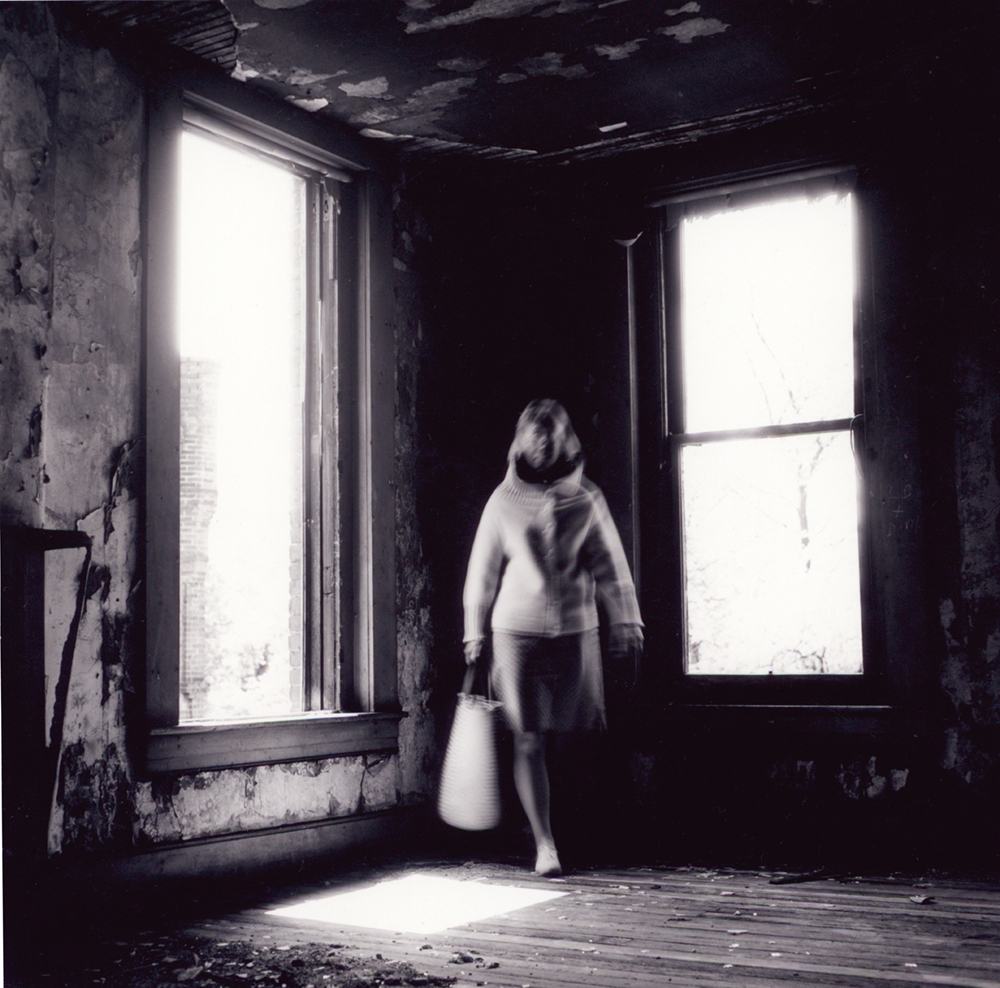
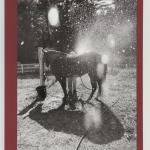
Ralph Eugene Meatyard (American, 1925–1972), Untitled (plate 15), 1969, gelatin silver print, Estate of Ralph Eugene Meatyard. ©Estate of Ralph Eugene Meatyard.
“A family album is a relatable practice of memory, storytelling, aspiration and fabrication familiar to almost everyone,” said Gregory Harris, the High’s Donald and Marilyn Keough Family curator of photography. “While these works echo that nostalgic format, they also offer plenty of surprises and an extraordinary window into Meatyard’s life and creative process. We’re thrilled to share them with our audience.”
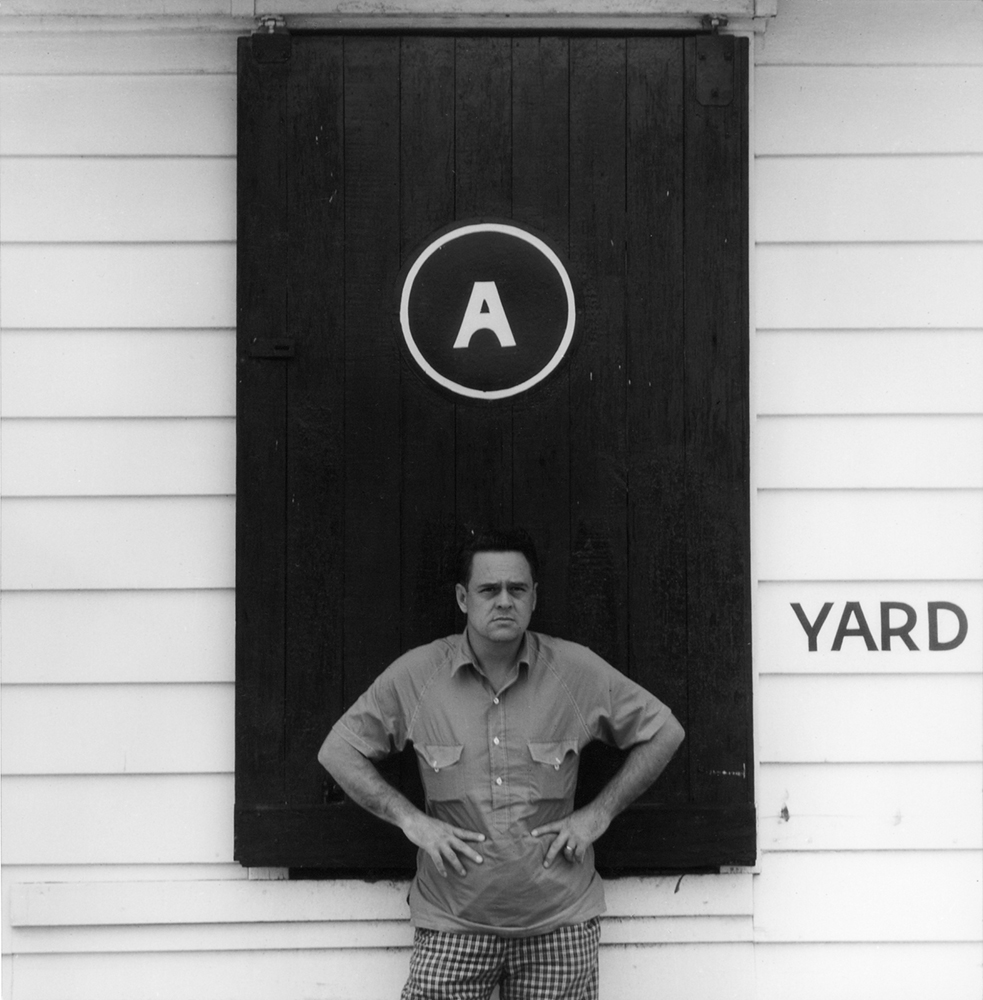
Ralph Eugene Meatyard (American, 1925–1972), Self-portrait (frontispiece) ca. 1964-66, gelatin silver print, Estate of Ralph Eugene Meatyard. ©Estate of Ralph Eugene Meatyard.
Since his untimely death in 1972, American photographer Ralph Eugene Meatyard has come to be regarded among the most pioneering and inventive artists of
the medium, and his expressive, surreal photographs are widely celebrated today.
Born in Illinois in 1925, Meatyard eventually settled in Lexington, Kentucky. Because of his professional training as an optician, he was fascinated by visual perception, but he did not pick up a camera until the early 1950s. He began experimenting with photography and joined the Lexington Camera Club, immersing himself in the city’s creative community, which included artists and writers Van Deren Coke, Jonathan Williams, Wendell Berry and Thomas Merton. Over the next 15 years, Meatyard maintained the ethos of an amateur, approaching the medium with a sense of affection, discovery and surprise. He experimented across various genres and subjects, including portraiture, abstraction, landscape and gothic narrative, constantly seeking to distort proper vision through photographic processes and the unconventional narrative structures that would make him an innovator of the medium.
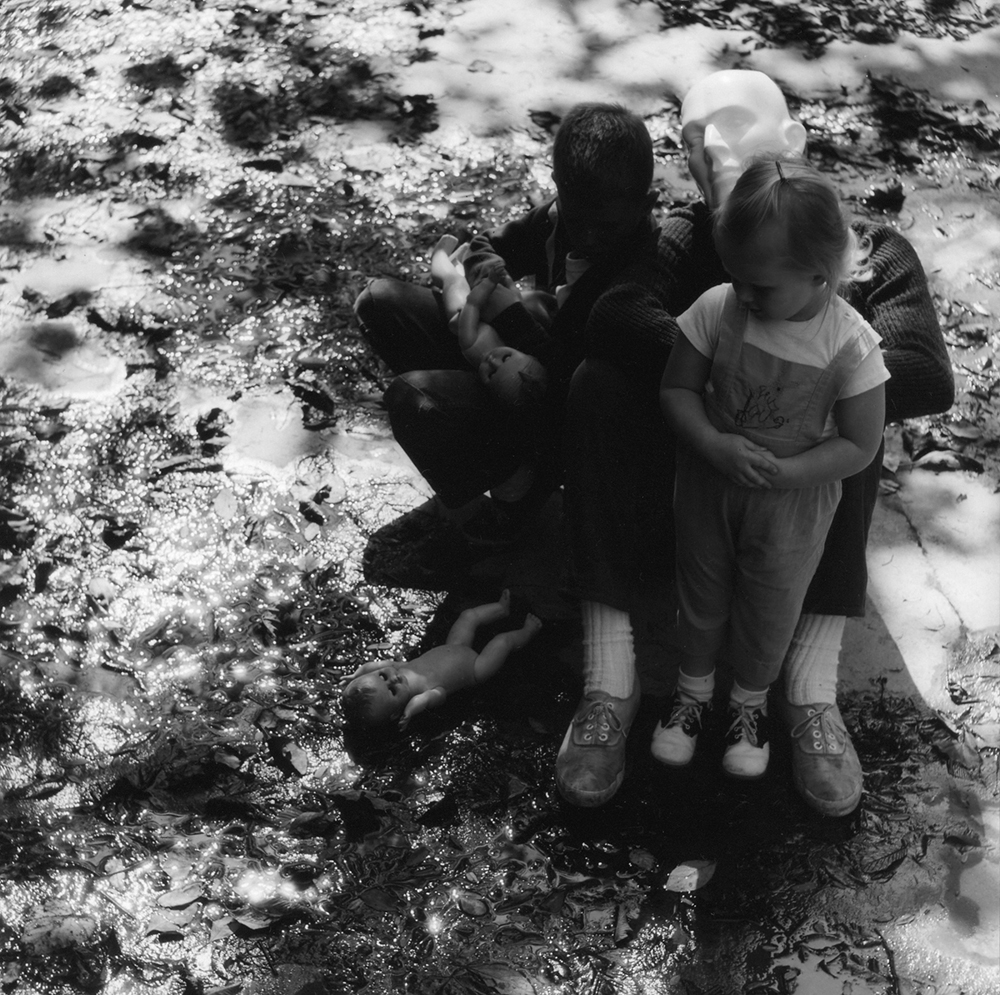
Ralph Eugene Meatyard (American, 1925–1972), Untitled (plate 19), 1962, gelatin silver print, Estate of Ralph Eugene Meatyard. ©Estate of Ralph Eugene Meatyard.
He is best known for his staged scenes that suggest absurd fantasies, played out in the dilapidated houses and banal suburban environs of Lexington. Often featuring his family as actors and including props such as masks and dolls, the scenes reveal his search for inner truths among the ordinary. Though he wasn’t unknown in his lifetime — he exhibited, lectured and showed his work regularly throughout the 1960s — he worked both geographically and conceptually outside of the mainstream of photographic modernism, and it wasn’t until after his death that his reputation began to grow steadily.
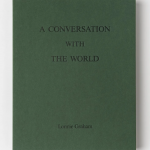
More than a dozen books of Meatyard’s photographs have been released to date, but he only published two monographs in his lifetime. “Ralph Eugene Meatyard” (Gnomon Press, 1970), edited while he was dying of cancer, is a survey of what he considered his best work. He hoped the book would stand as his definitive artistic statement, offering his own perspective on his distinctive photographs.
This exhibition features rare prints the artist made of the 36 photographs in the book. These include signature photographs from Meatyard’s “Romance” series, which depict his family in fantastical scenarios, staged in abandoned buildings and bucolic landscapes. The series subverts the traditional family snapshot with a sense of the uncanny, combining youthful innocence with a sense of mortality. Meatyard often referred to these pictures as “romantic-surrealist,” and their fictional aspects were motivated by his desire to make photographs that weren’t bound by reality but were still grounded in the world as we see it. The exhibition will also include a selection of Meatyard’s portraits of writers, poets and artists from his circle, including Merton, Williams, Berry and Guy Davenport, among others. Collectively, the photographs create an unconventional family album by one of the most distinctive artists of the post-war period. The exhibition will delve into Meatyard’s personal perceptions of his photographs and his process as a maker and will underscore the important influence of his artistic and intellectual
contemporaries in Lexington, all of whom greatly affected his work. It will also explore how Meatyard’s singular approach and voracious curiosity expanded photography’s expressive and conceptual potential.
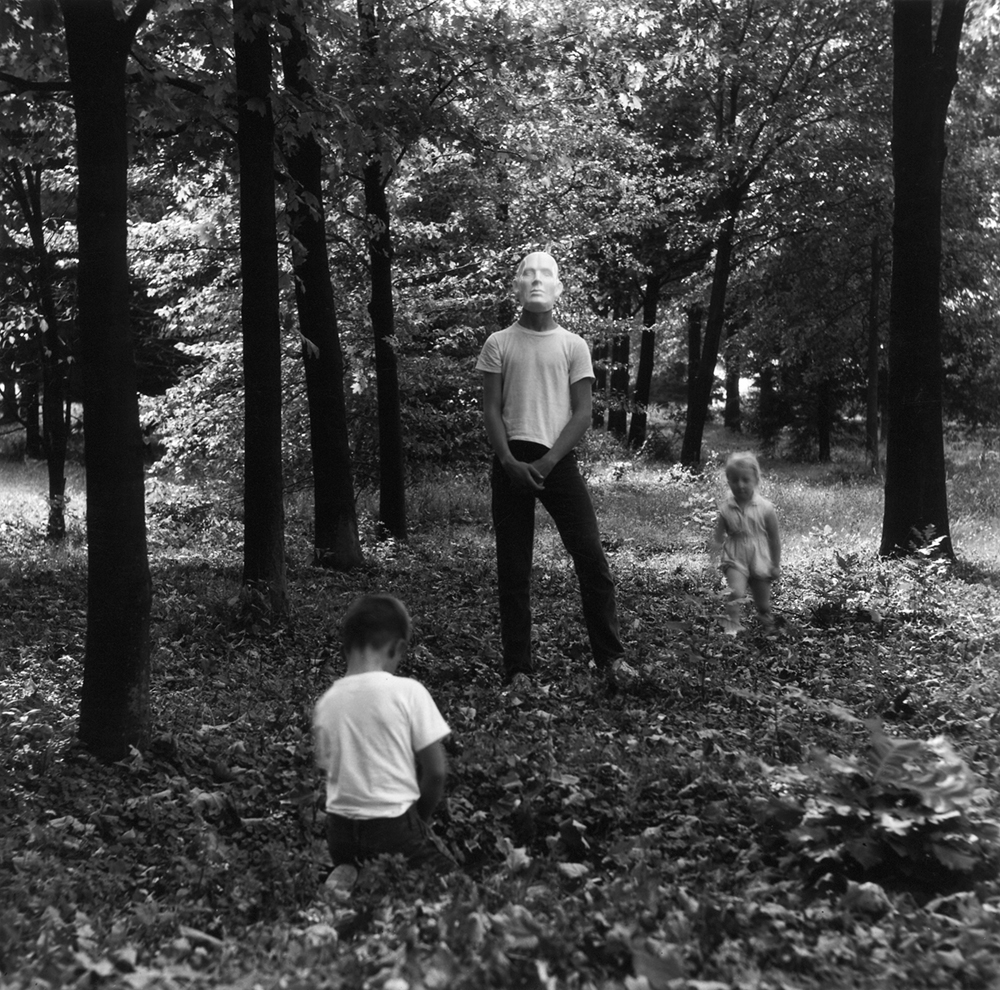
Ralph Eugene Meatyard (American, 1925–1972), Untitled (plate 20), 1962, gelatin silver print, Estate of Ralph Eugene Meatyard. ©Estate of Ralph Eugene Meatyard.
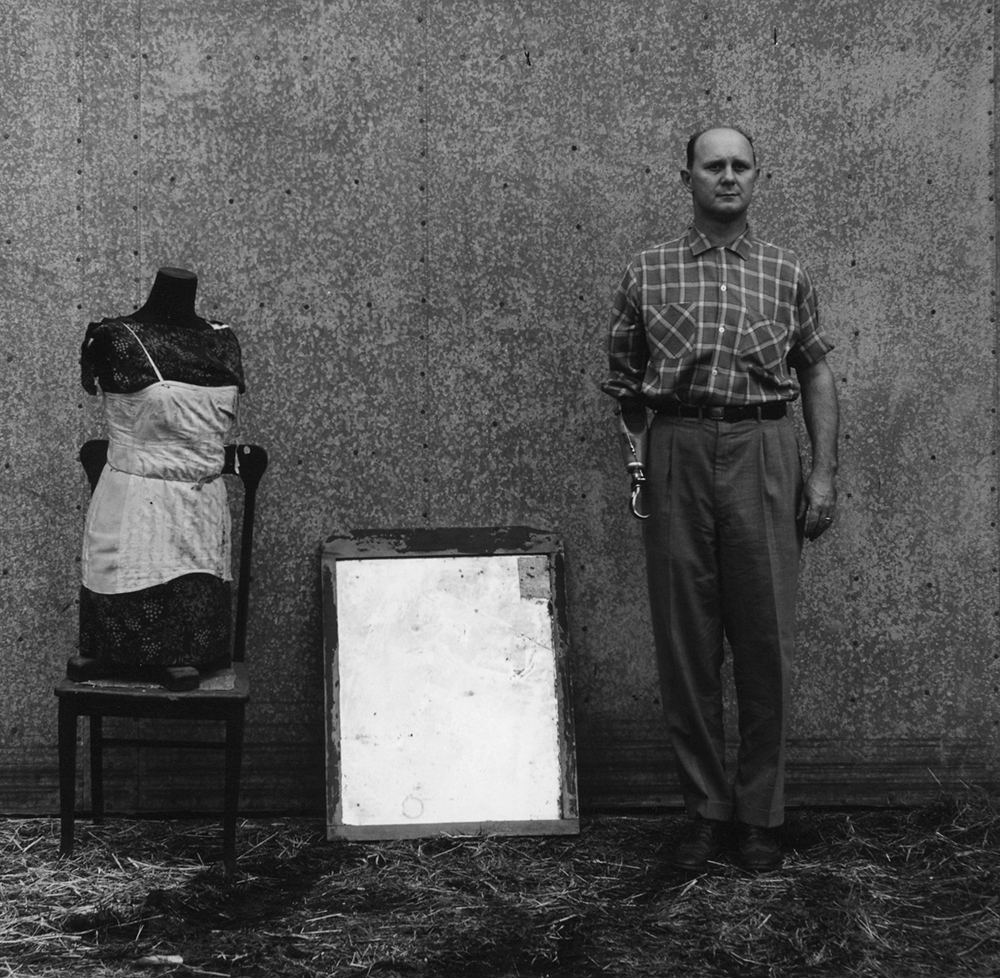
Ralph Eugene Meatyard (American, 1925–1972), Cranston Ritchie (plate 30), ca. 1958-59, gelatin silver print, Estate of Ralph Eugene Meatyard. ©Estate of Ralph Eugene Meatyard.
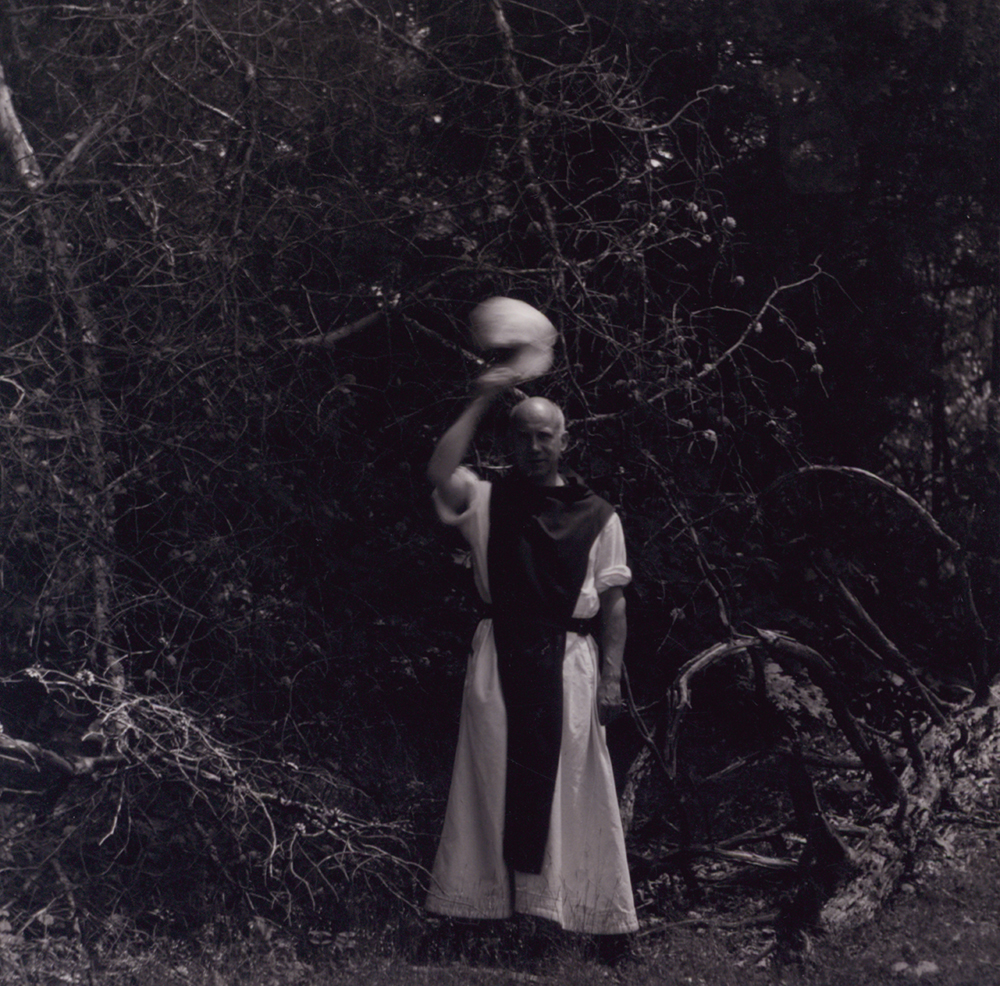
Ralph Eugene Meatyard (American, 1925–1972), Thomas Merton (plate 32), 1968, gelatin silver print, Estate of Ralph Eugene Meatyard. ©Estate of Ralph Eugene Meatyard.
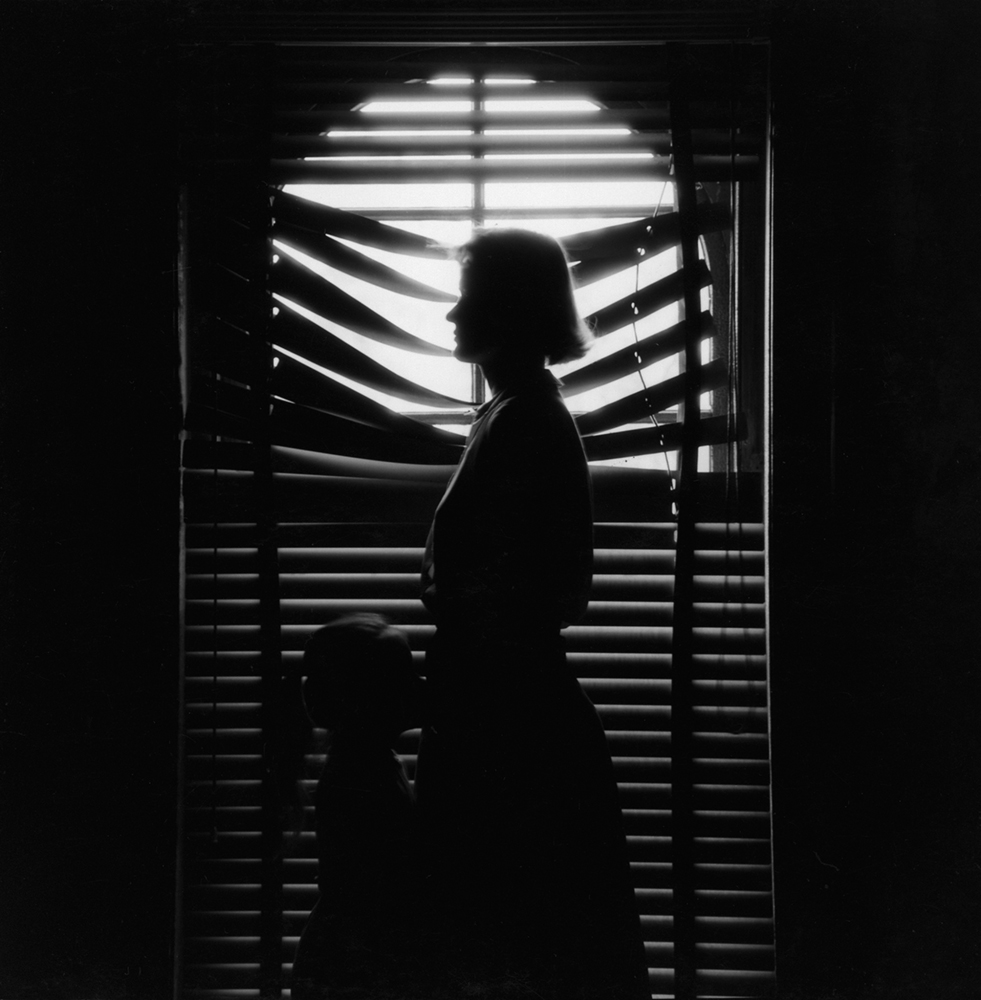
Ralph Eugene Meatyard (American, 1925–1972), Untitled (Madonna, plate 34), 1964, gelatin silver print, Estate of Ralph Eugene Meatyard. ©Estate of Ralph Eugene Meatyard.
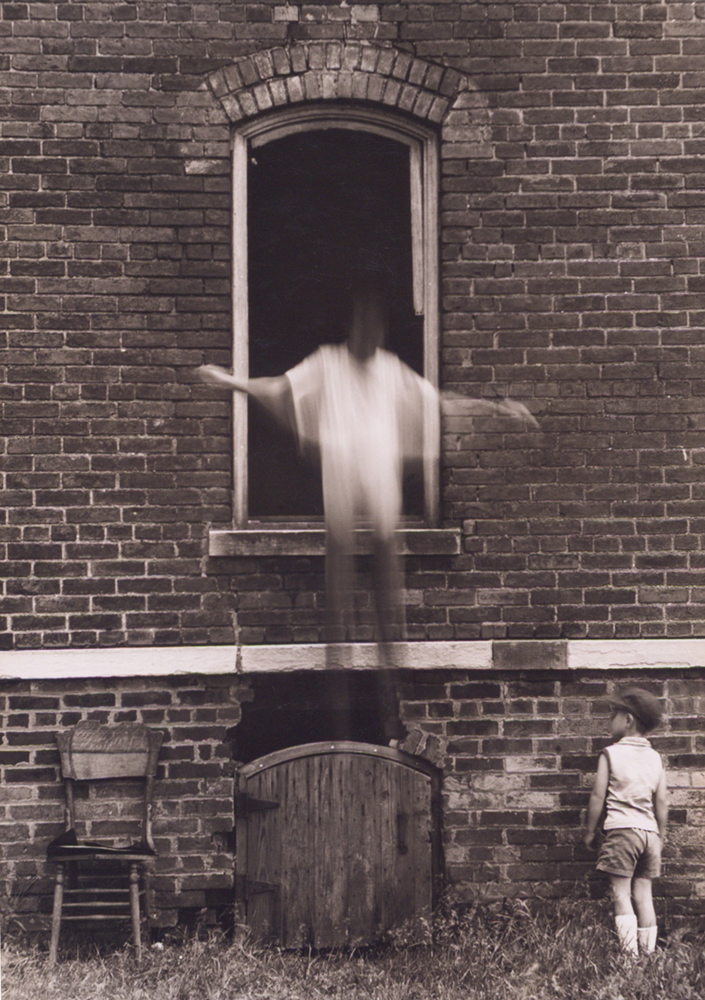
Ralph Eugene Meatyard (American, 1925–1972), Untitled (plate 1), 1960, gelatin silver print, Estate of Ralph Eugene Meatyard. ©Estate of Ralph Eugene Meatyard.
“The Family Album of Ralph Eugene Meatyard” will be presented in the Lucinda Weil Bunnen Gallery for Photography on the lower level of the High’s Wieland Pavilion.
Exhibition Organization and Support
“The Family Album of Ralph Eugene Meatyard” is organized by the High Museum of Art, Atlanta. This exhibition is made possible by Premier Exhibition Series Sponsor Delta Air Lines, Inc.; Premier Exhibition Series Supporters Harry Norman Realtors; Benefactor Exhibition Series Supporters Robin and Hilton Howell; Ambassador Exhibition Series Supporter Mrs. Harriet H. Warren; and Contributing Exhibition Series Supporters Farideh and Al Azadi, Mary and Neil Johnson, Mr. and Mrs. Baxter Jones, Megan and Garrett Langley, Margot and Danny McCaul, and Wade A. Rakes II and Nicholas Miller. Generous support is also provided by Alfred and Adele Davis Exhibition Endowment Fund, Anne Cox Chambers Exhibition Fund, Barbara Stewart Exhibition Fund, Dorothy Smith Hopkins Exhibition Endowment Fund, Eleanor McDonald StorzaExhibition Endowment Fund, The Fay and Barrett Howell Exhibition Fund, Forward Arts Foundation Exhibition Endowment Fund, Helen S. Lanier Endowment Fund, John H. and Wilhelmina D. Harland Exhibition Endowment Fund, Katherine Murphy Riley Special Exhibition Endowment Fund, Margaretta Taylor Exhibition Fund, RJR Nabisco Exhibition Endowment Fund, USI Insurance Services.
About the High Museum of Art
Located in the heart of Atlanta, the High Museum of Art connects with audiences from across the Southeast and around the world through its distinguished collection, dynamic schedule ofspecial exhibitions and engaging community-focused programs. Housed within facilitiesdesigned by Pritzker Prize-winning architects Richard Meier and Renzo Piano, the High features a collection of more than 20,000 works of art, including an extensive anthology of 19th- and 20th-century American fine and decorative arts; major holdings of photography and folk and self-taught work, especially that of artists from the American South; burgeoning collections of modern and contemporary art, including paintings, sculpture, new media and design; a growing collection of African art, with work dating from prehistory through the present; and significant holdings of European paintings and works on paper. The High is dedicated to reflecting the diversity of its communities and offering a variety of exhibitions and educational programs that engage visitors with the world of art, the lives of artists and the creative process. For more information about the High, visit www.high.org.
Posts on Lenscratch may not be reproduced without the permission of the Lenscratch staff and the photographer.
Recommended
-
Mexico Week – Tomás Casademunt: Time Frozen by LightMarch 24th, 2026
-

BEYOND THE PHOTOGRAPH: Q&A WITH COMMERCIAL PHOTOGRAPHER ANDY MAHRMarch 22nd, 2026
-
Zanele Muholi: 2026 Hasselblad Award LaureateMarch 13th, 2026
-
Greg Miller: Morning BusMarch 5th, 2026
-
Binh Danh: Belonging in the National ParkMarch 4th, 2026