Carolina Baldomá: An Elemental Practice
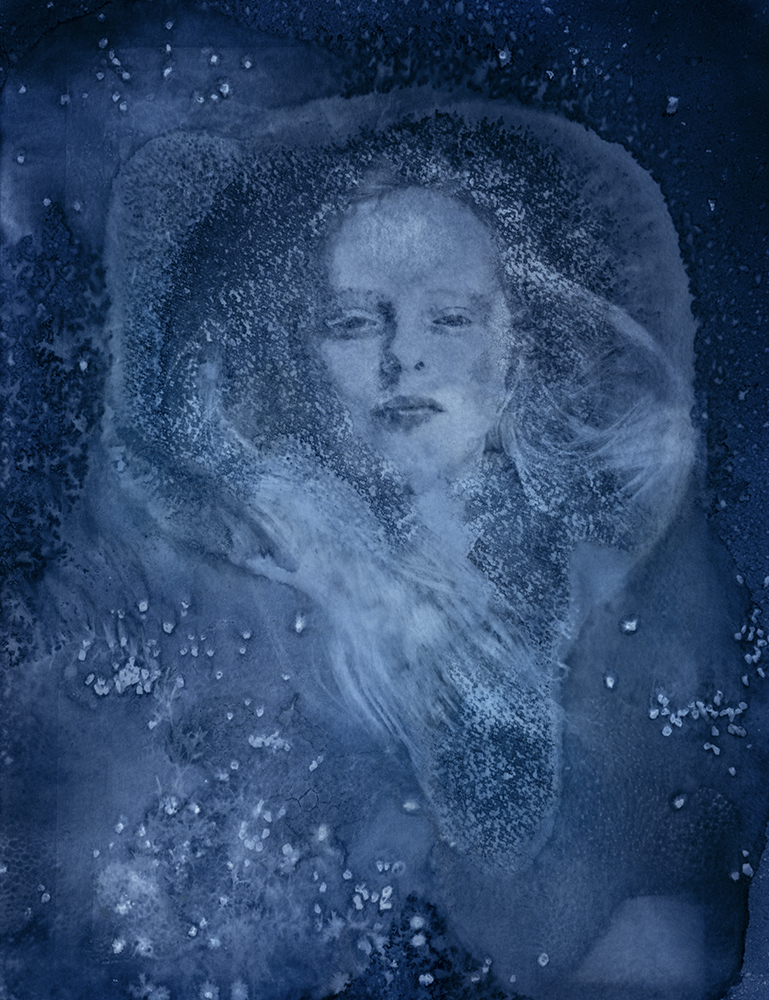
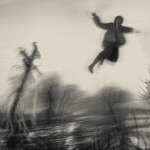
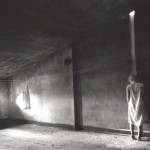
©Carolina Baldomá, Untitled, from the series, That Afternoon Was as Blue as an Opaline Glass
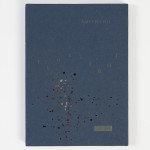
One of the pleasures of juroring work for a variety of institutions is discovering photographs that might never cross my computer screen. I distinctly remember being stuck by Carolina Baldomá‘s photograph, Untitled, from the series “That afternoon was as blue as an opaline glass” (see above), while juroring the exhibition, Portraits: Self and Others, for the Vermont PhotoPlace Gallery in 2024. I came across her work again while jurying (S)light of Hand for the Photographers Eye Gallery – their annual alternative processes exhibition (see final image). Today we feature two of Baldomá’s projects, On the Path to Shizen and Nature Prints, and also share a series of videos that speak to her process and the land that is so important to her work. Baldomá engages with the landscape not as a passive subject, but as a collaborator, transforming it into something entirely new—exquisite, contemplative, and deeply resonant.
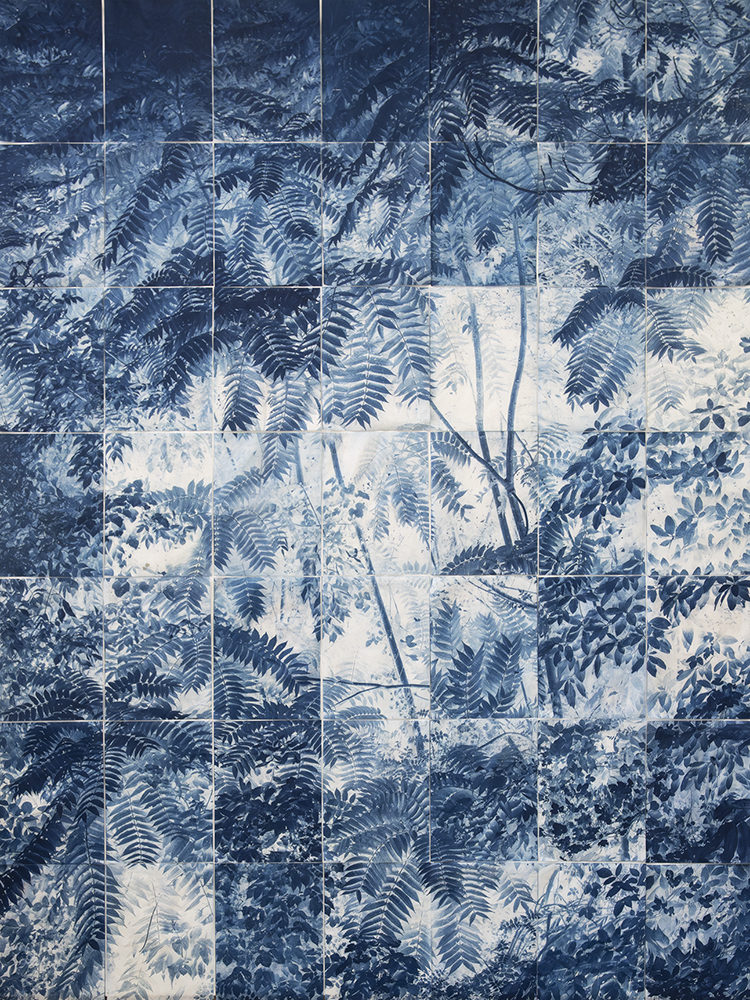
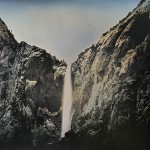
©Carolina Baldomá, Untitled, from the series, On the Path to Shizen
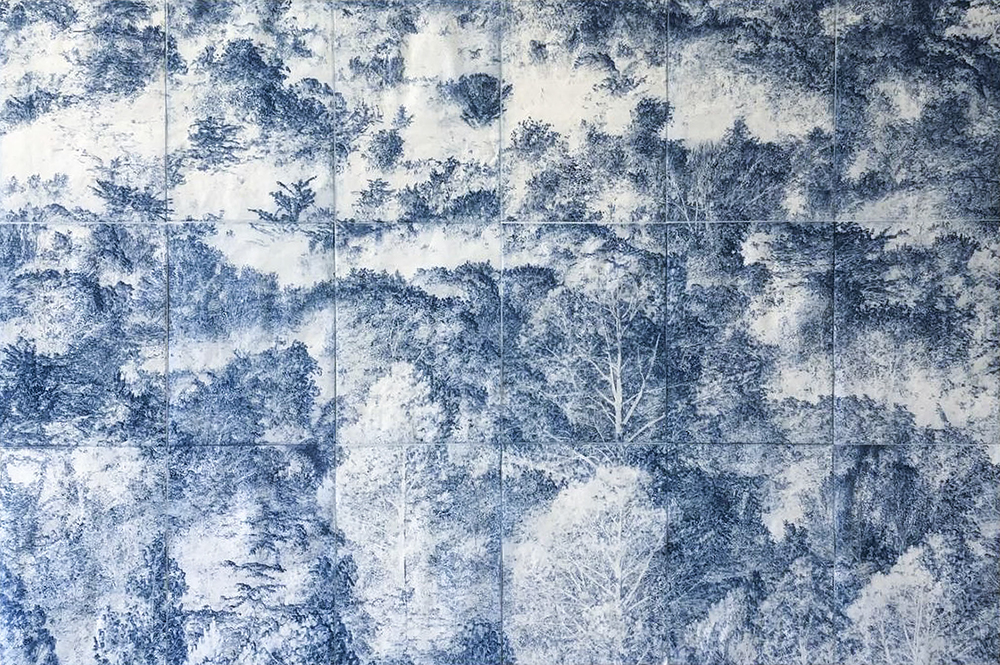
©Carolina Baldomá, Untitled, from the series, On the Path to Shizen
Carolina Baldomá‘ lives and works immersively in the landscape of the Argentine Pampas. Her artistic practice explores the relationship between humans and nature through the concepts of coexistence and synchronicity.
Through 19th-century photographic techniques such as cyanotype, anthotype, and chlorophyll prints, she develops an experimental exploration of the landscape, in which nature becomes both object and subject of the work. In this process, matter, time, and territory intertwine in a poetic dialogue, giving rise to a co-creation with the natural environment.
Her investigation also encompasses the natural cycles and female life cycles, approaching their metamorphoses from a sensitive and symbolic perspective.
She is currently completing her master’s thesis in Contemporary Art Curatorship, focusing on pioneering 19th-century women photographers whose engagement with nature and botany led to fundamental contributions to photography, science, and art.
In her contemporary practice, the artist reframes the historical dialogue between art, science, and nature, pursuing coexistence and synchronization with the environment.
Her work has been exhibited in institutions and galleries in Argentina, including the Centro Cultural Rojas, Fundación Cazadores, and Museo de Bellas Artes MUBAL. Internationally, her work has been shown at the Griffin Museum of Photography (Massachusetts, USA), The Photographer’s Eye Collective (California, USA), Soho Photo Gallery (New York, USA), and PhotoPlace Gallery (Vermont, USA). She has also participated in fairs such as Photo London and Pinta BAPhoto.
In 2025, she received a Jury’s Special Mention at the 112th National Visual Arts Salon (Palais de Glace, Buenos Aires, Argentina). She was a finalist for the Fresh Photo Award 2025, organised by Klompching Gallery (New York, USA), and has also received distinctions from LensCulture (USA), Femgrafía (Mexico), and Exposure Photofestival (Canada), among other international recognitions.
Deeply rooted in sensitive observation and immersive work, her practice invites reflection on the relationship between humans and nature, understanding the creative process as a synchronous act with the natural environment.
Instagram: @carobaldoma
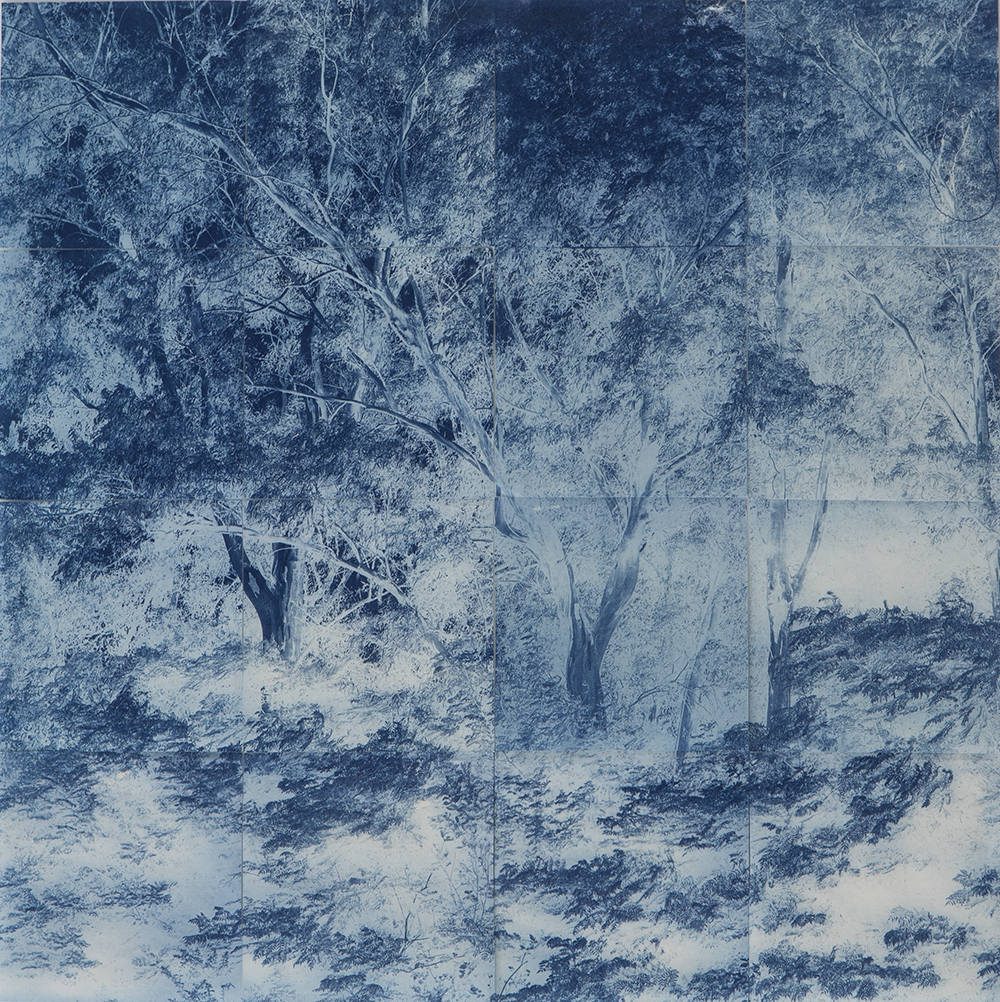
©Carolina Baldomá, Untitled, from the series, On the Path to Shizen
Tell us about your growing up and what brought you to photography.
I grew up in the Pampas Plains in Argentina, in a very close connection with nature. Nature was always a refuge for me—a source of inspiration, connection, and a place where I felt safe and deeply present. I grew up as a rather shy and introverted girl, and nature became my personal space, where I could observe, feel, and simply be. There is a saying that what you love doing as a child is often what you should dedicate yourself to as an adult. It took me many years to understand that, yet art and nature have always been part of my life. My earliest memories from kindergarten are of constantly choosing to draw, paint, and make things with my hands. Photography came later as a natural extension of that impulse: a way to translate my way of seeing and feeling into images.
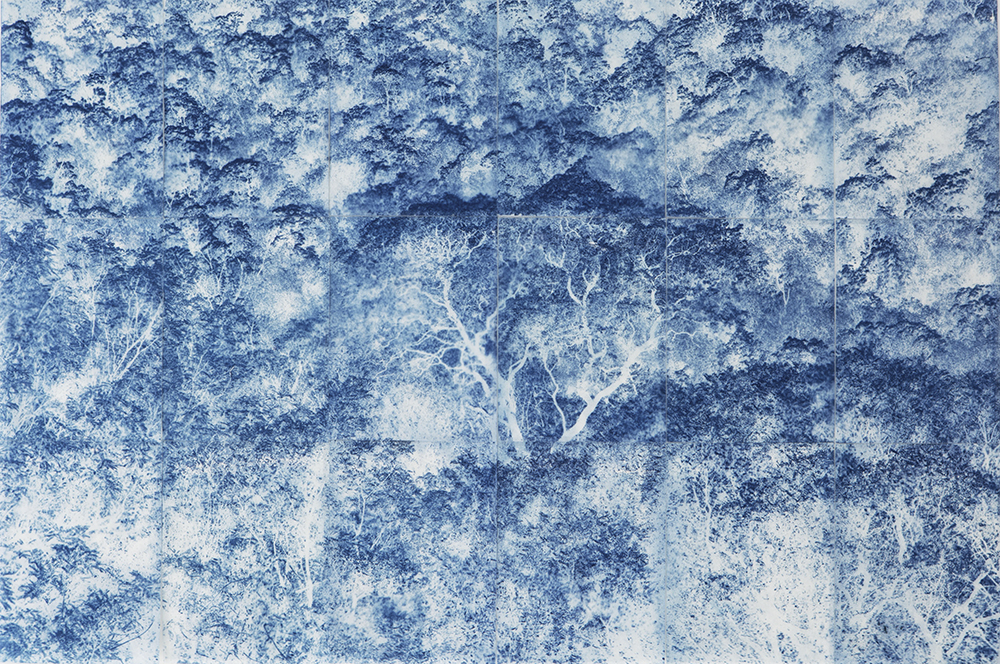
©Carolina Baldomá, Untitled, from the series, On the Path to Shizen
What was the focus of your work prior to working with cyanotypes?
I have always worked with nature but from different perspectives. I spent a few years developing series that explored transition and transformation, particularly the passage from childhood to adolescence. These works focused on young girls in close connection with nature, where the landscape functioned not as a backdrop but as an active presence. I was interested in metamorphosis—both physical and emotional—and in how identity is shaped through intimacy with the natural world. I worked with my daugthters, nieces and close friends but it was mostly and autobiographic project.
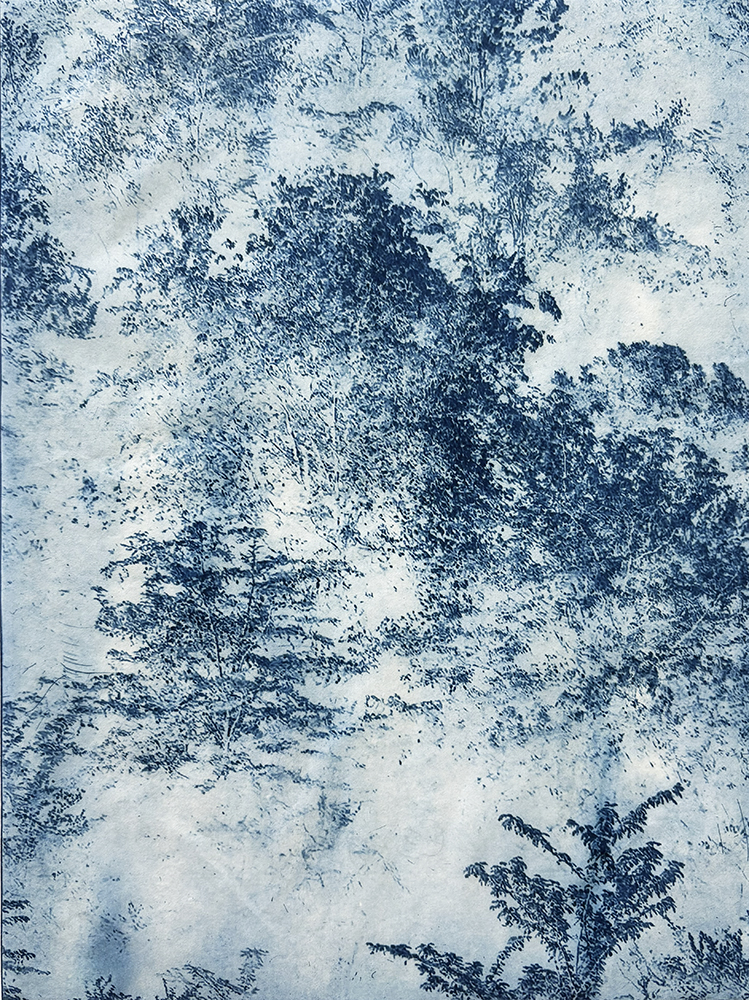
©Carolina Baldomá, Untitled, from the series, On the Path to Shizen
What led you to alternative processes?
My interest in alternative processes grew out of my long-standing relationship with nature. The idea of working immersively in nature letting it be imprinted on the artworks. I investigated solar-based printing techniques in which nature becomes an active agent: the images are exposed by sunlight, revealed with water from the site, and shaped by environmental conditions. This approach also intersects with my interest in botany and science. I trained as an agricultural economist and have worked in rural contexts, so there is a constant dialogue in my practice between art, science, and nature that have always been my interests. Alternative processes allow these fields to converge in a way that feels both conceptually and materially meaningful to me.
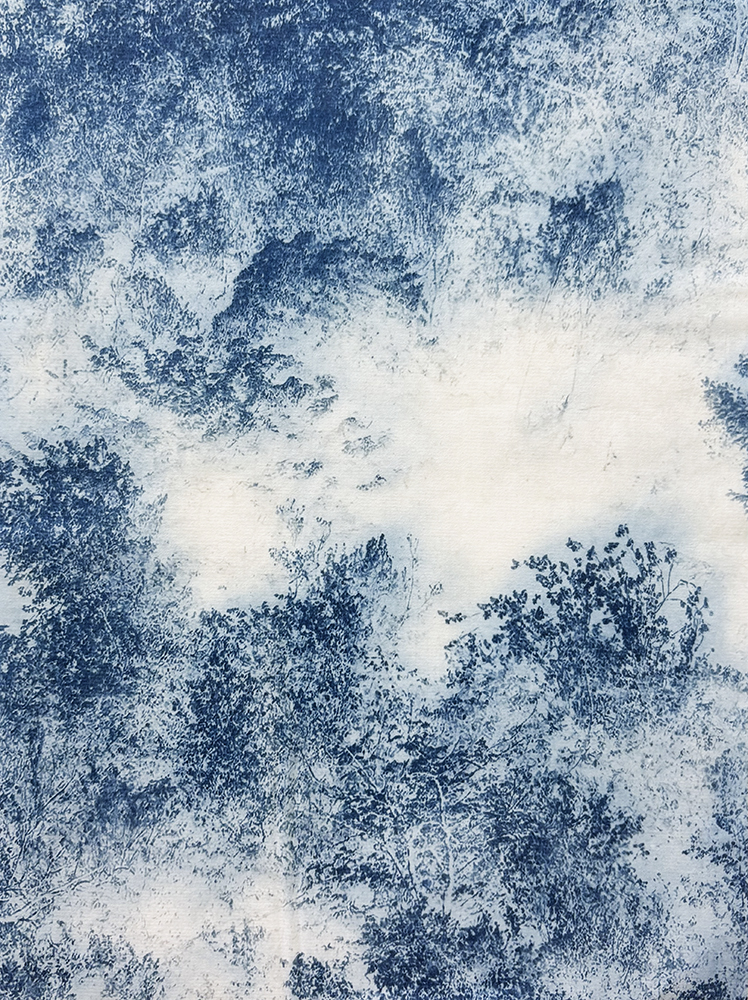
©Carolina Baldomá, Untitled, from the series, On the Path to Shizen
Your videos are as wonderful as the prints and give us such a great perspective on where you work…I assume you are working with drones.
Yes, I work with drones, but also with ground-based filming—using the phone. I’m interested in combining aerial perspectives with images made from solid ground, from the scale of the body. This contrast allows me to move between distance and intimacy, between an expanded view of the landscape and an embodied, lived experience of place.
Can you tell us about your process?
My process always begins with walking. Every day I walk through the countryside for about an hour to an hour and a half. This time is sacred and meditative for me: I observe, listen, look, think, and reflect. Walking is where my work truly starts; it is where ideas emerge and it is also my nature retreat. From there, the making process is slow and deeply experimental. It is led bythe weather, seasons, and environmental conditions, which means I loose control over the results. Rather than imposing an outcome, I follow nature’s rhythms and allow the work to unfold in dialogue with the place. I like thinking that I´m more of a mediator between the natural world and the final artwork
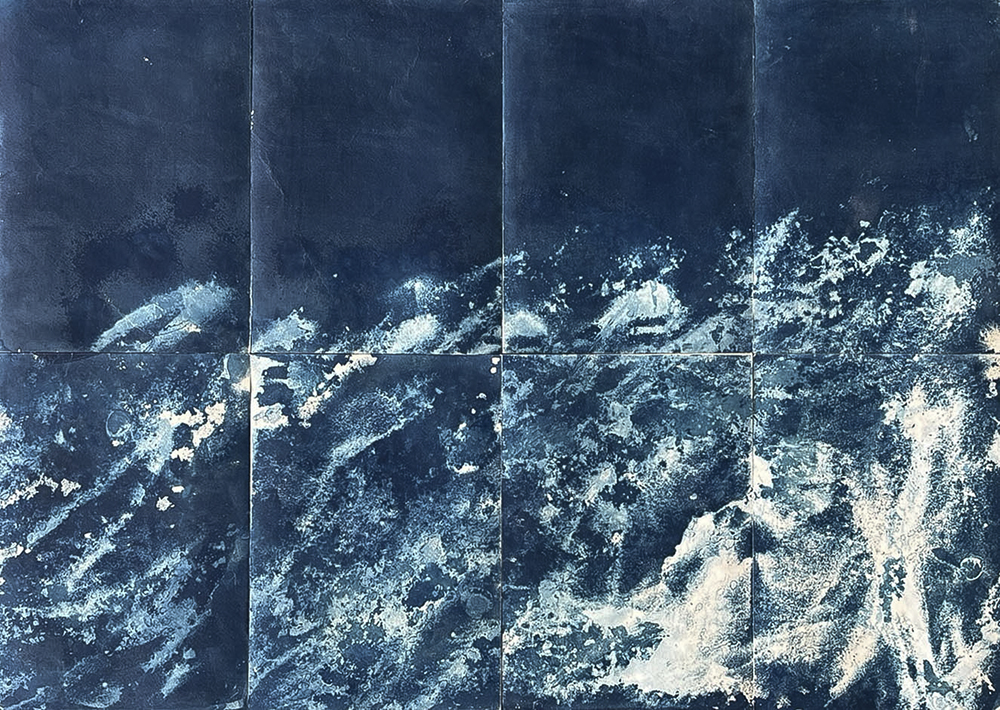
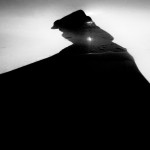
©Carolina Baldomá, Untitled, from the series, Nature Prints
©Carolina Baldomá, Untitled, from the series, Nature Prints
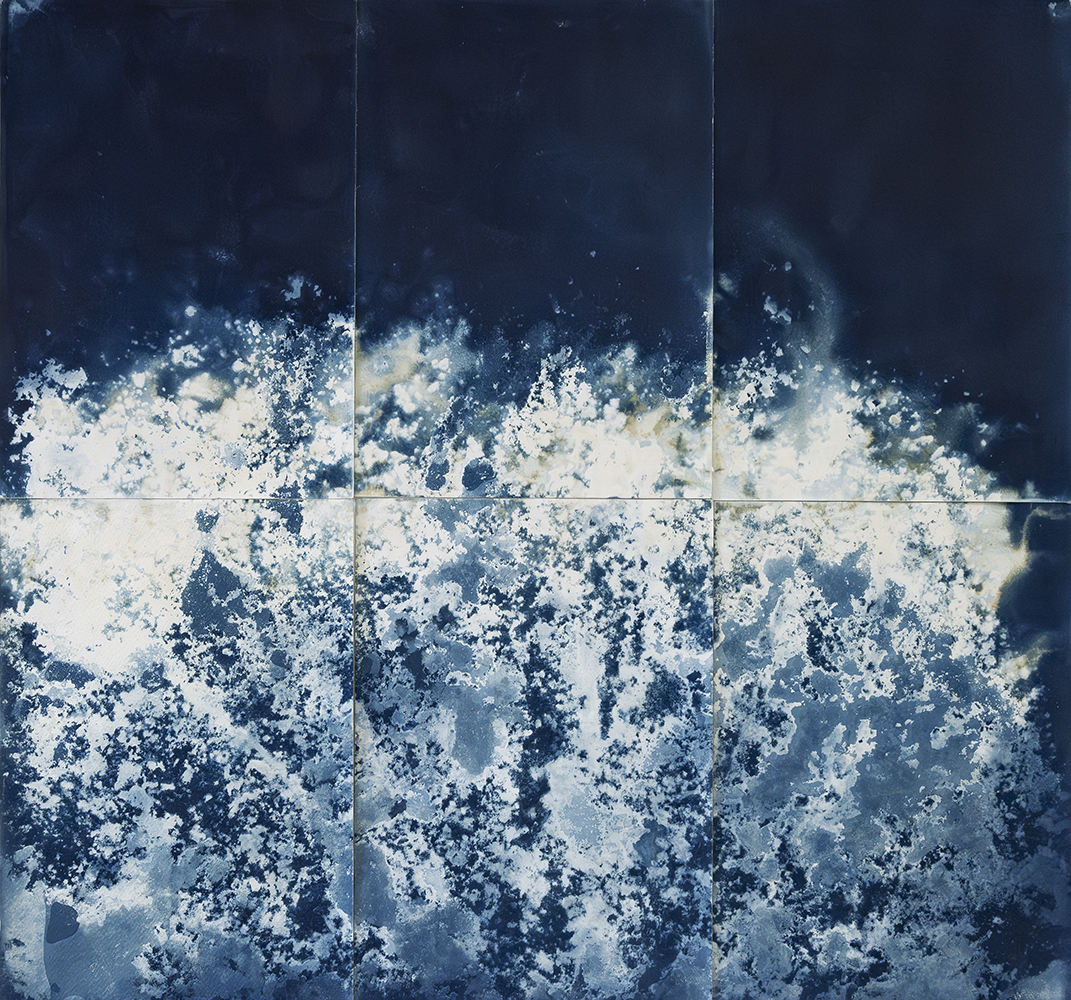
©Carolina Baldomá, Untitled, from the series, Nature Prints
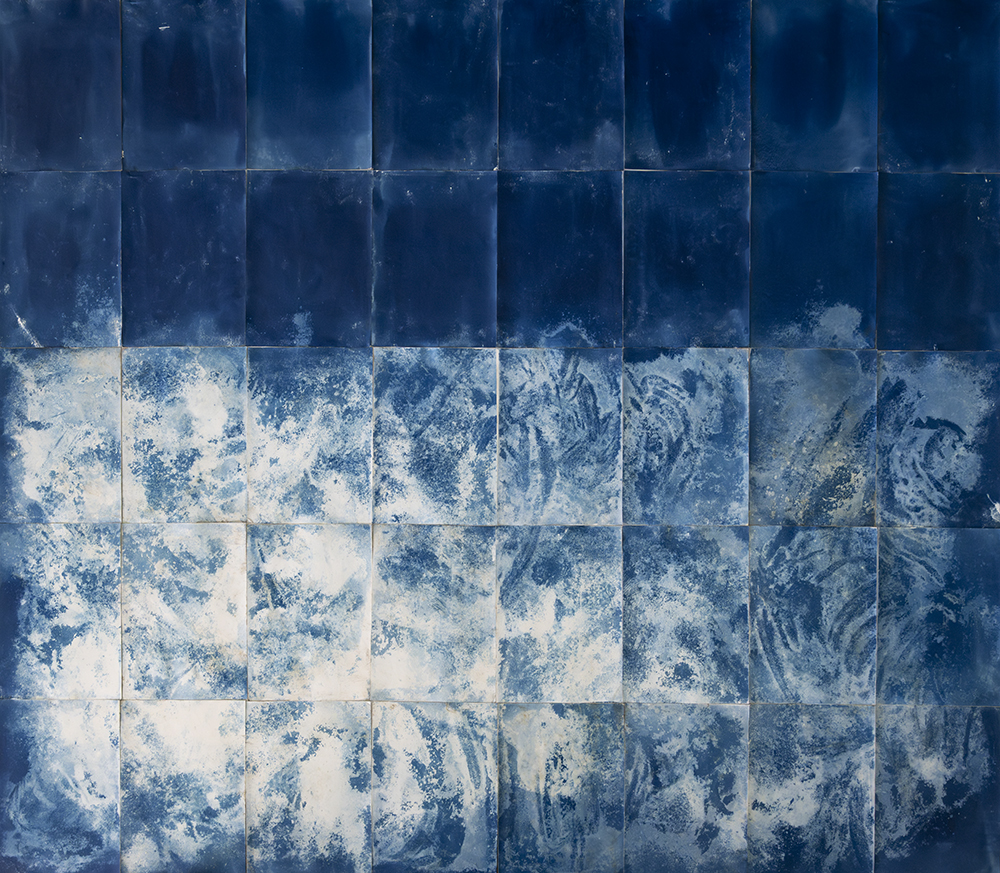
©Carolina Baldomá, Untitled, from the series, Nature Prints
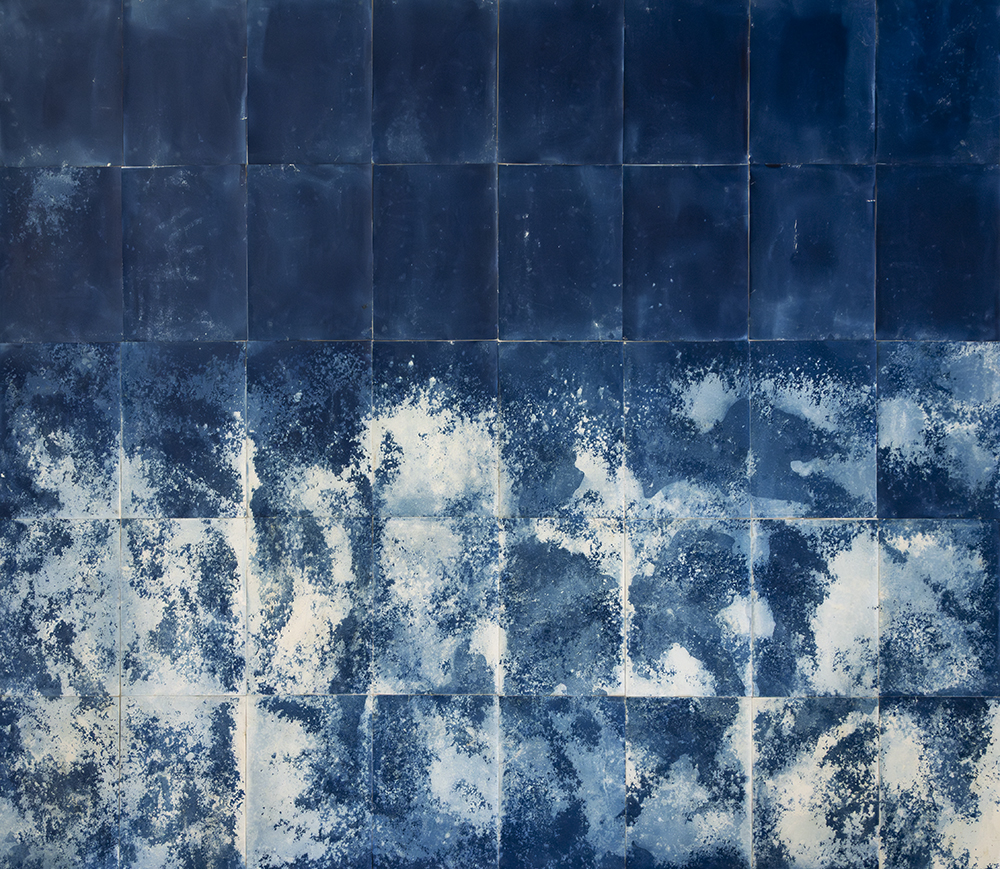
©Carolina Baldomá, Untitled, from the series, Nature Prints
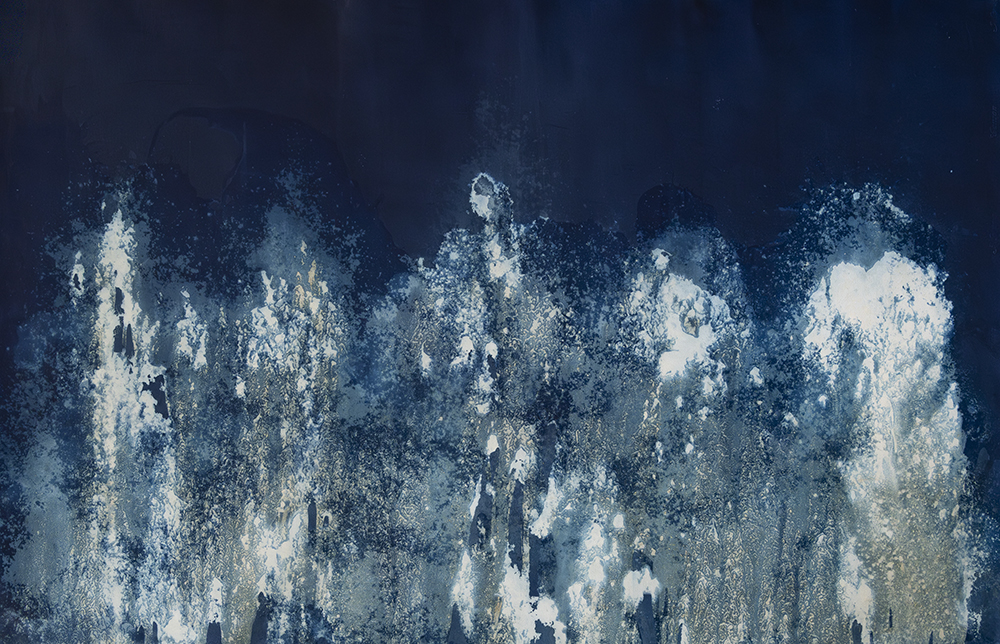
©Carolina Baldomá, Untitled, from the series, Nature Prints
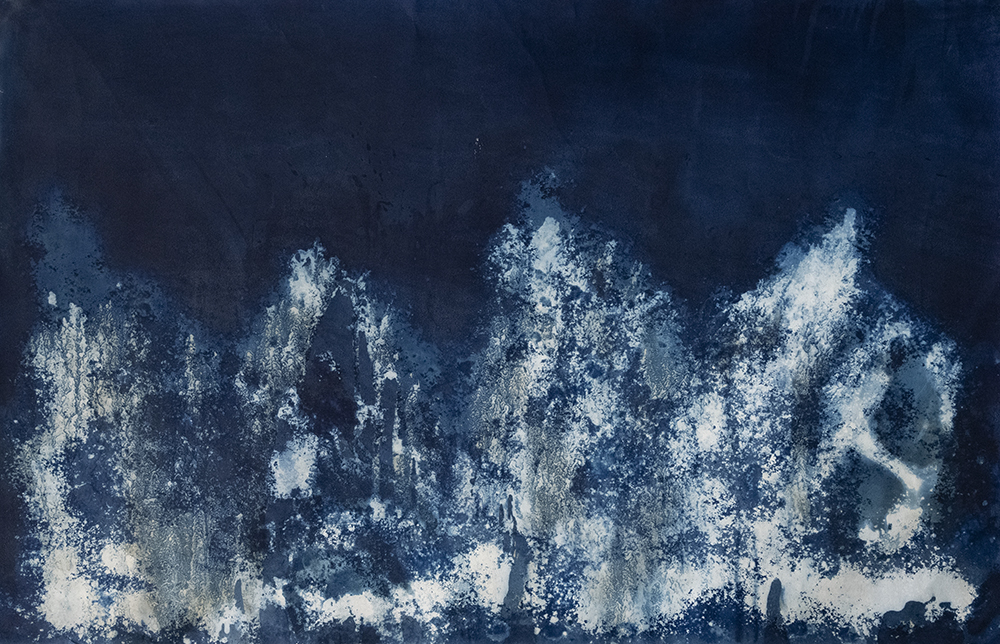
©Carolina Baldomá, Untitled, from the series, Nature Prints
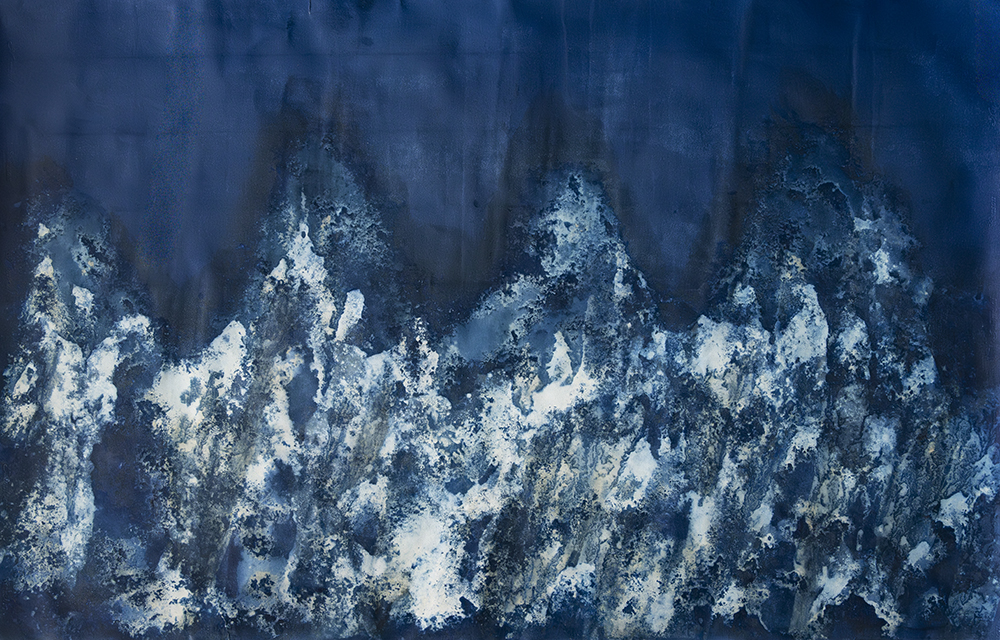
©Carolina Baldomá, Untitled, from the series, Nature Prints
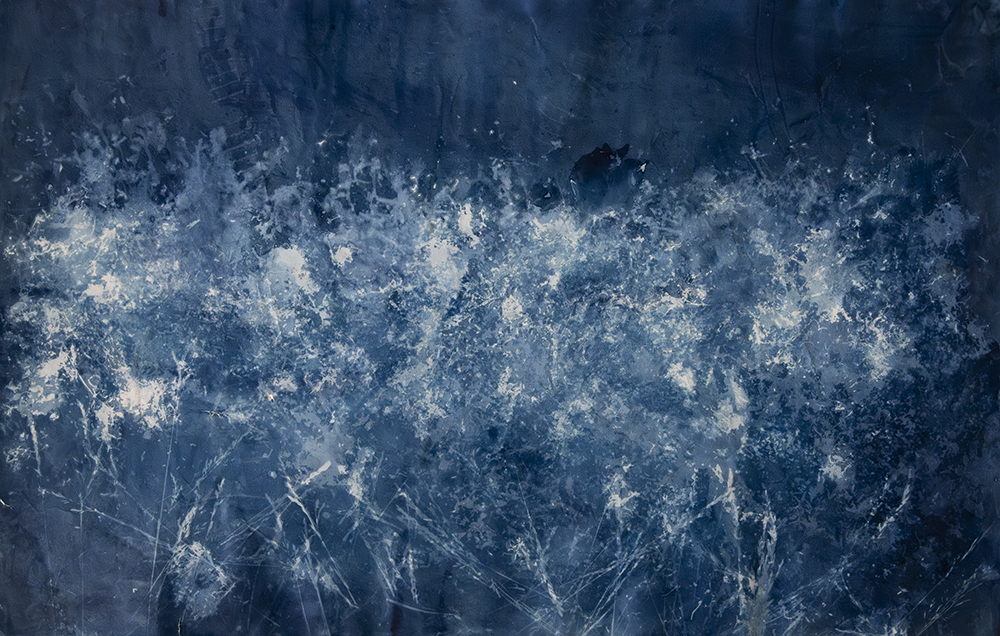
©Carolina Baldomá, Untitled, from the series, Nature Prints
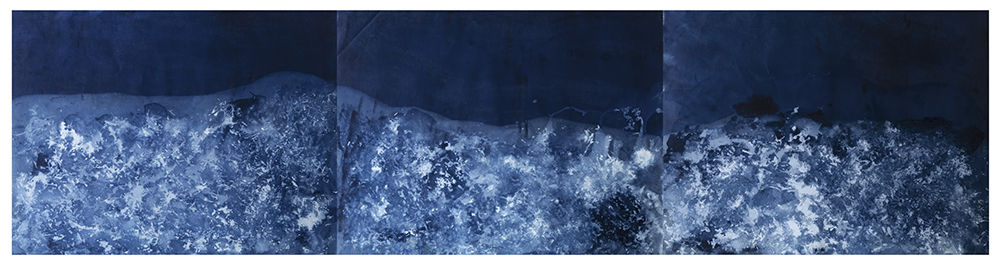
©Carolina Baldomá, Untitled, from the series, Nature Prints

©Carolina Baldomá
Posts on Lenscratch may not be reproduced without the permission of the Lenscratch staff and the photographer.
Recommended
-

Mexico Week – Paola Dávila: Beyond the LandscapeMarch 25th, 2026
-
Mexico Week – Tomás Casademunt: Time Frozen by LightMarch 24th, 2026
-
Bryan Whitney: The Spiritual LightMarch 17th, 2026
-
Binh Danh: Belonging in the National ParkMarch 4th, 2026
-
Vaune Trachman: Now IS AlwaysMarch 3rd, 2026