In Conversation with Louis Jay: Marrakech Face to Face
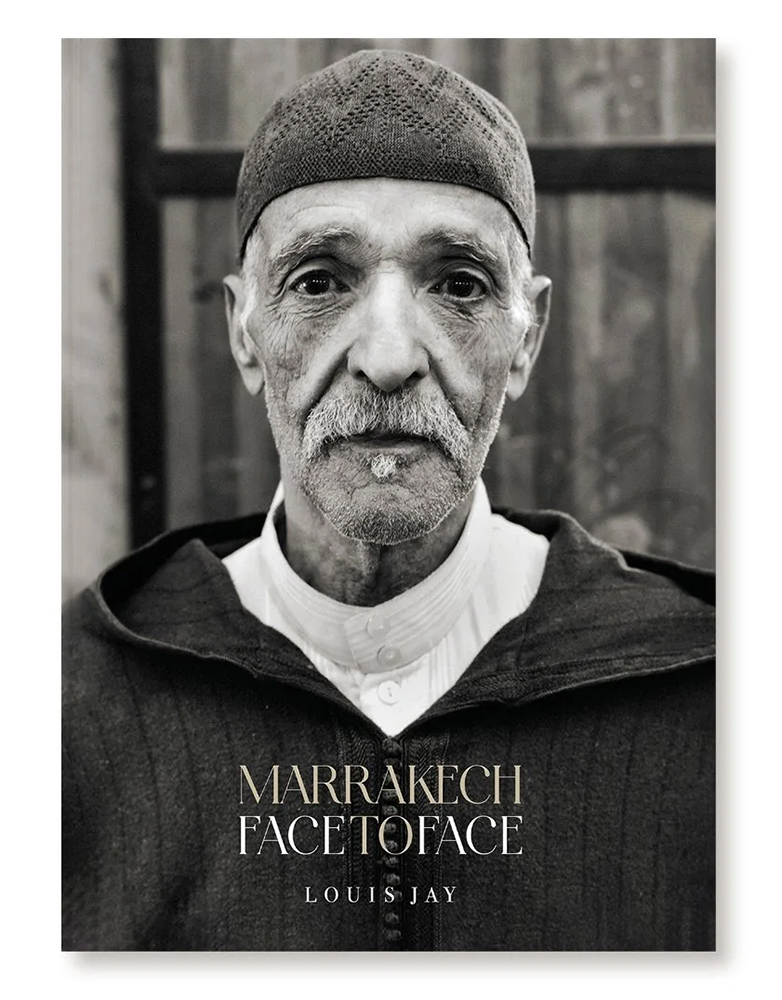
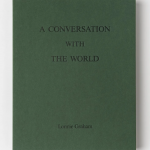
©Louis Jay, Book Coverfrom Marrakech Face to Face
Some life experiences stay in the “photograph not taken” album which is more of a mental scrapbook that a tangible one. For Louis Jay, those photographs not taken were his experiences in Marrakech some fifty years ago, visuals that were finally made concrete in his new book, Marrakech Face To Face.
Louis Jay was born in 1951 in Philadelphia. After studying photography with Lisette Model at Parsons School of Design in New York City and cinematography with the renowned director of photography, Beda Batka at the New York University Graduate Film Institute, he began his career as a professional photographer in 1982. Specializing in advertising and editorial assignments, Louis operated studios in New York City, Rio de Janeiro, and Miami. Throughout his career, his personal projects have been featured in several exhibitions, including “Cafeteria Portraits” in New York City (1983), “Photographs from Lapa” in Rio de Janeiro (1988), and “Passing Fancies” at Leica Gallery Porto (2020). In 2018 he published Passing Fancies, a collection of photographs he took in some of his favorite places, including Paris, Rio, and Miami. After retiring from commercial photography, Louis traveled to Morocco and completed the photographs included in his book Marrakech Face To Face.
Instagram: @louisjay_photography
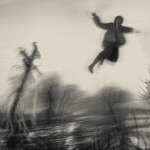
©Louis Jay, from Marrakech Face to Face
I understand your book Marrakech Face to Face has been over 50 years in the making?
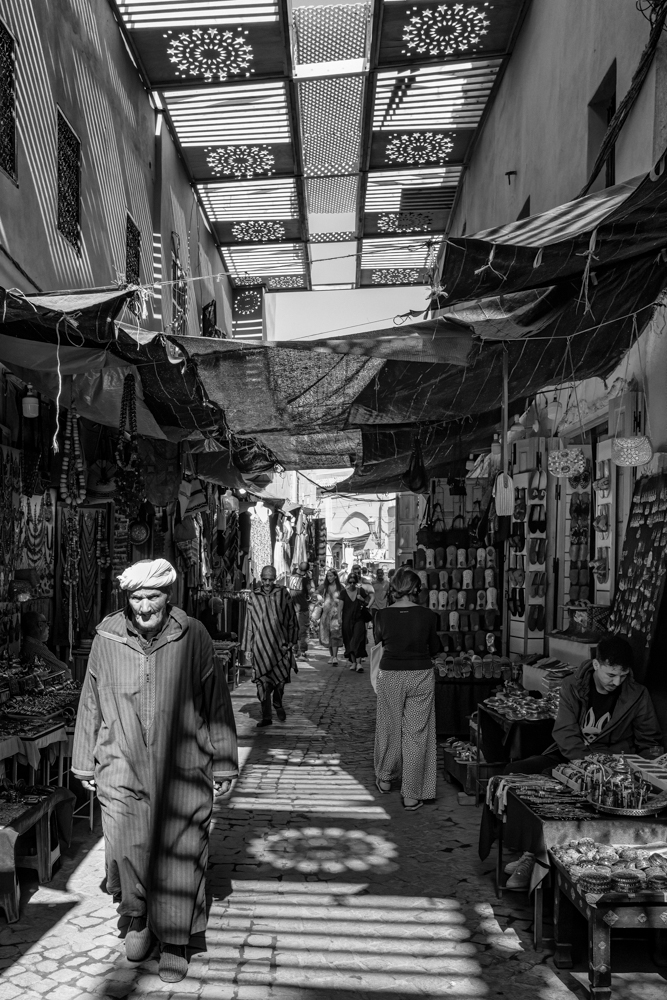
Yes, in 1974 I was backpacking around Europe with a friend. We were in Spain and decided to take the ferry to Tangier, Morocco. We met an American couple on the ferry who had a car and invited us to tour the country with them. We spent time in many fantastic cities, but the one place that stayed etched in my memory was Marrakech. I remembered the faces and scenes I saw there. I did not have a camera on this trip. A year later I moved to London to study photography and started on my photographic journey. I always wanted to return, and almost 50 years later in 2020 I went back to Marrakech with my wife and started to make the photographs that are in this book.
©Louis Jay, from Marrakech Face to Face
©Louis Jay, from Marrakech Face to Face
What surprised you most about how Marrakech had evolved, or stayed the same, between your visits?
What surprised me the most was how little the old city, the Medina, has changed from my memory of my first visit in 1974. So much tradition has endured: the clothing, the music, and the food.
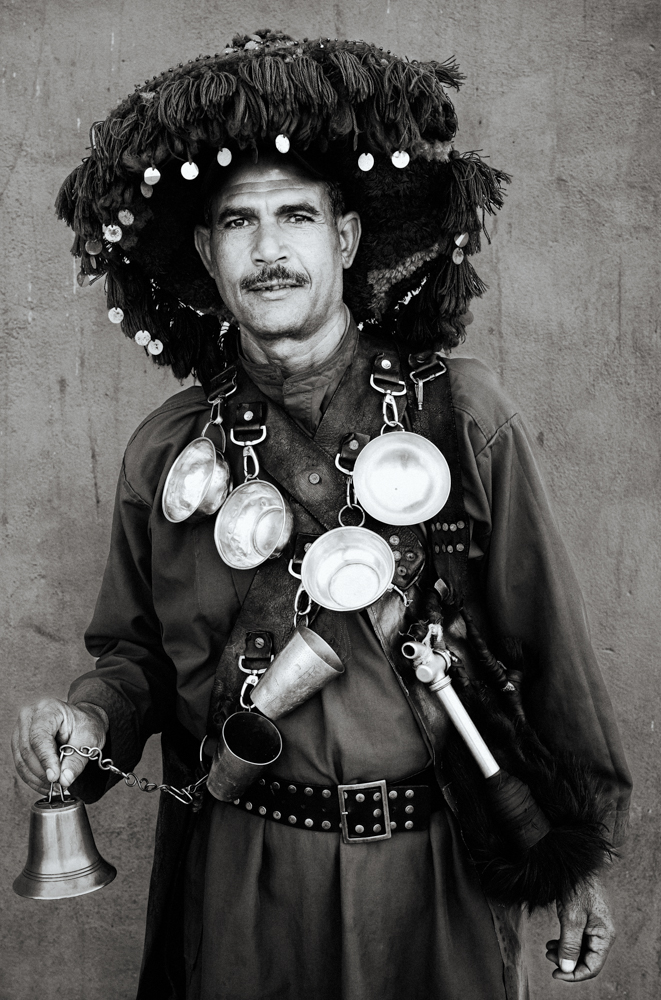
©Louis Jay, from Marrakech Face to Face
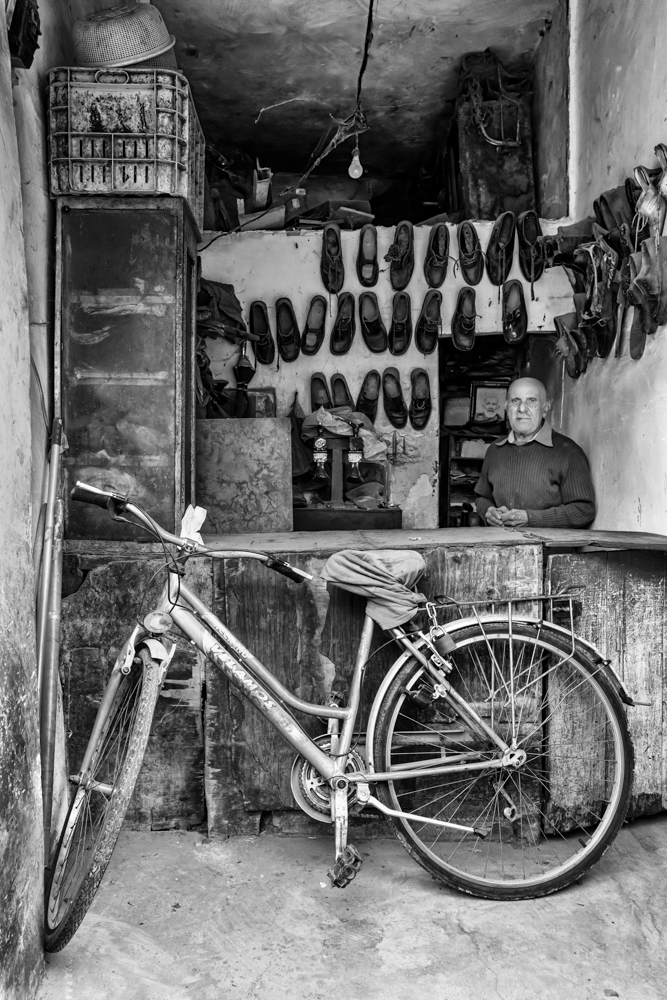
©Louis Jay, from Marrakech Face to Face
How did you establish trust and intimacy with strangers in the Medina to capture such personal portraits? How did you select your subjects?
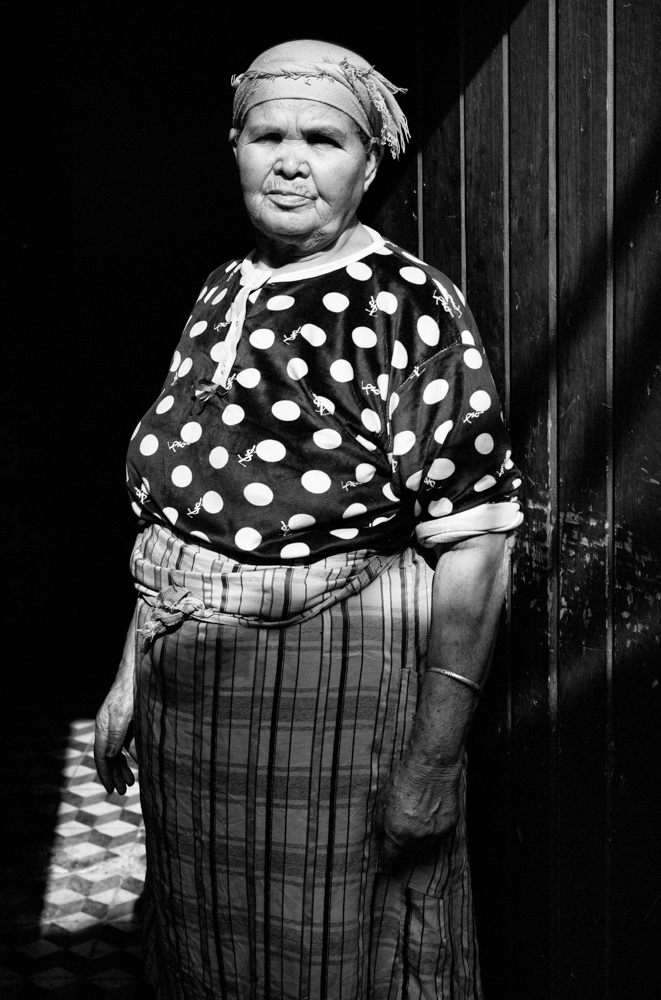
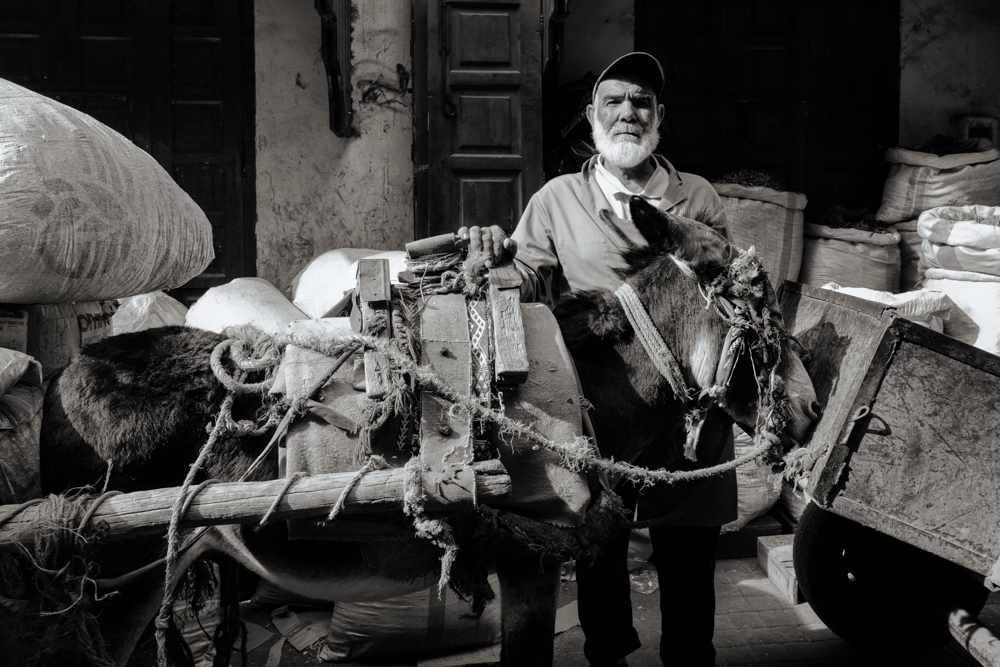
Marrakech, like most of Morocco, can be tricky for outsiders to photograph people. There are cultural and religious beliefs that sometimes inhibit people from exposing their faces. I worked with two local guides (one on each of my two shooting trips). They were instrumental in getting access to my subjects. We met every morning at my hotel and went to a different part of the Medina. While walking through the streets and alleys, I would spot an interesting face that I wanted to photograph and the guide would speak to them. He would explain who I was and what I was doing. This approach worked well. Many individuals in Marrakech speak French (as it was a former French Protectorate), but many do not speak English. I was attracted to faces with character and, of course, the garments. In the wider environmental portraits, the subject’s souk or shop was visually interesting to me.
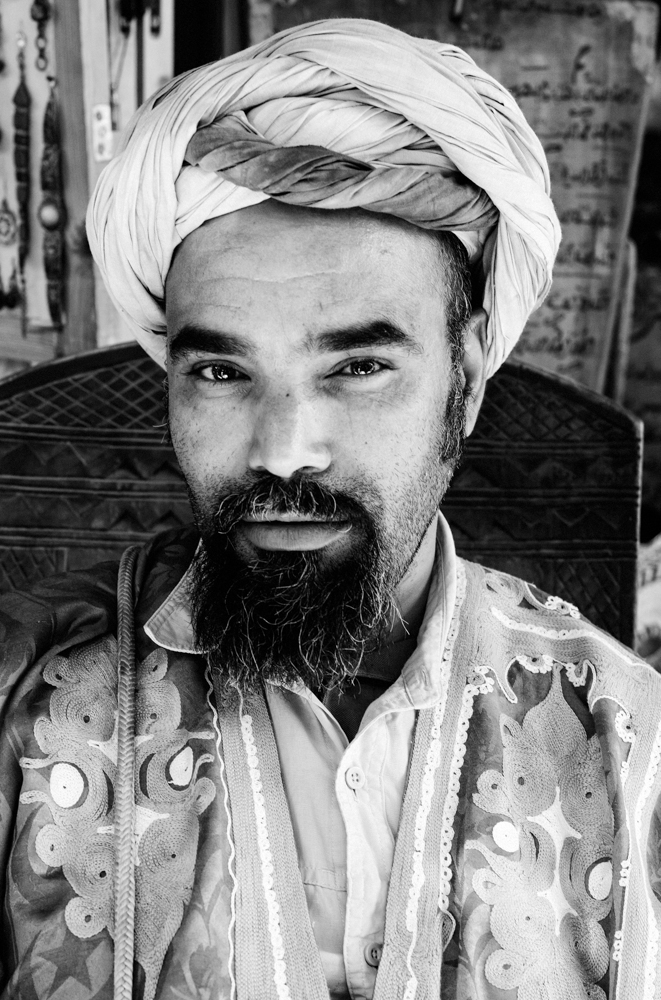
©Louis Jay, from Marrakech Face to Face
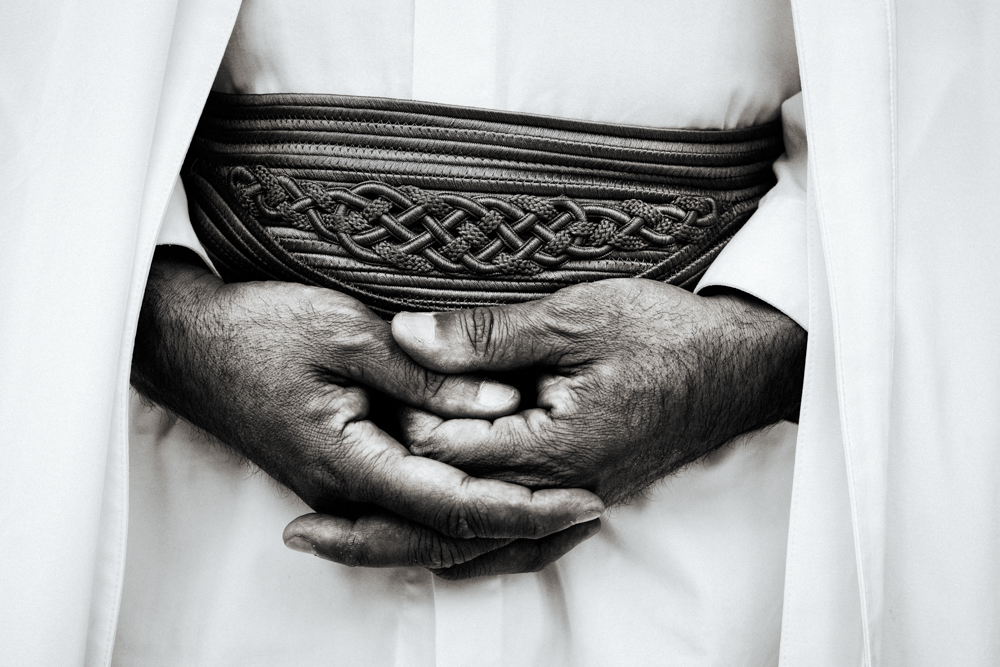
©Louis Jay, from Marrakech Face to Face
What drew you to monochrome for this project, especially given Marrakech’s reputation for vibrant colors?
The colors of Marrakech are vibrant, but I feel that story has been told. I am very much a black and white photographer, and since I have started to print my images using the Piezography process, I felt that these photos would render very well with it. Piezography is an inkjet process that replaces the Epson color cartridges with blacks and many subtle shades of grey. Using the Piezography software, you have the ability to warm, cool, or stay neutral in the highlights, midtones, and shadows. The result, when done right, is a beautiful split-toned print. I have been told that my Piezographic prints resemble platinum/palladium prints.
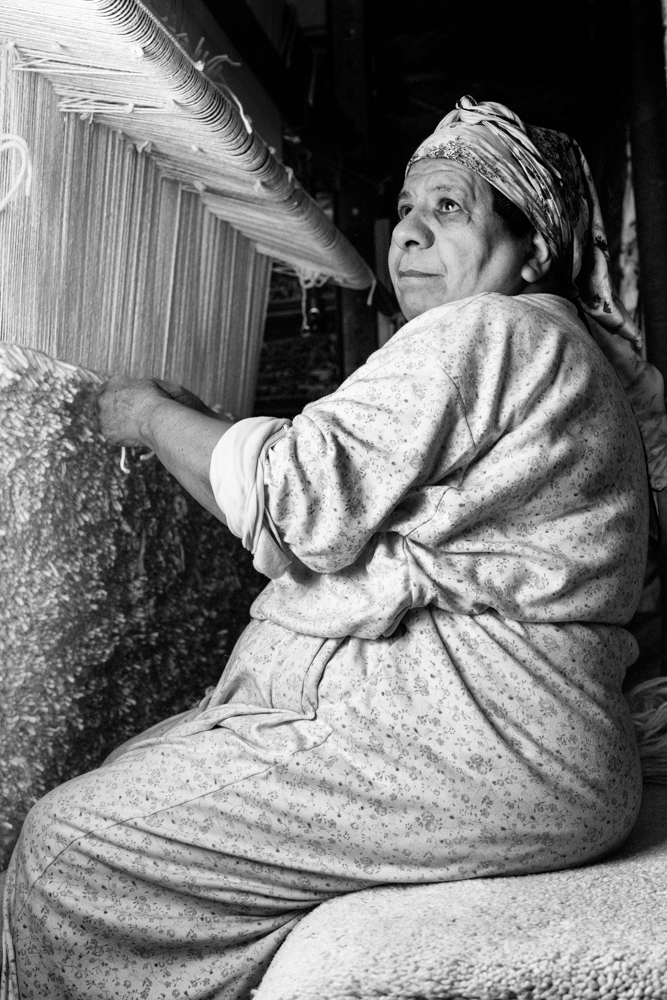
©Louis Jay, from Marrakech Face to Face
Were there any particular challenges in reproducing the subtle gradations and details of your images in print?
The key was finding the right offset printer who could take my Piezographic prints and reproduce them mechanically in a book. I worked with Brilliant Graphics in Philadelphia, PA. Bob Tursak, the owner, is a master at creating the right combination of inks, paper, and tones. I sent him some of the Piezographic prints and he felt the best way would be to print in quad tone (2 blacks and 2 greys), and he recommended an Italian uncoated paper that held the inks very well. Quad tone offset printing is not inexpensive, but the result was stunning in my opinion. I think the book got very close to my prints.
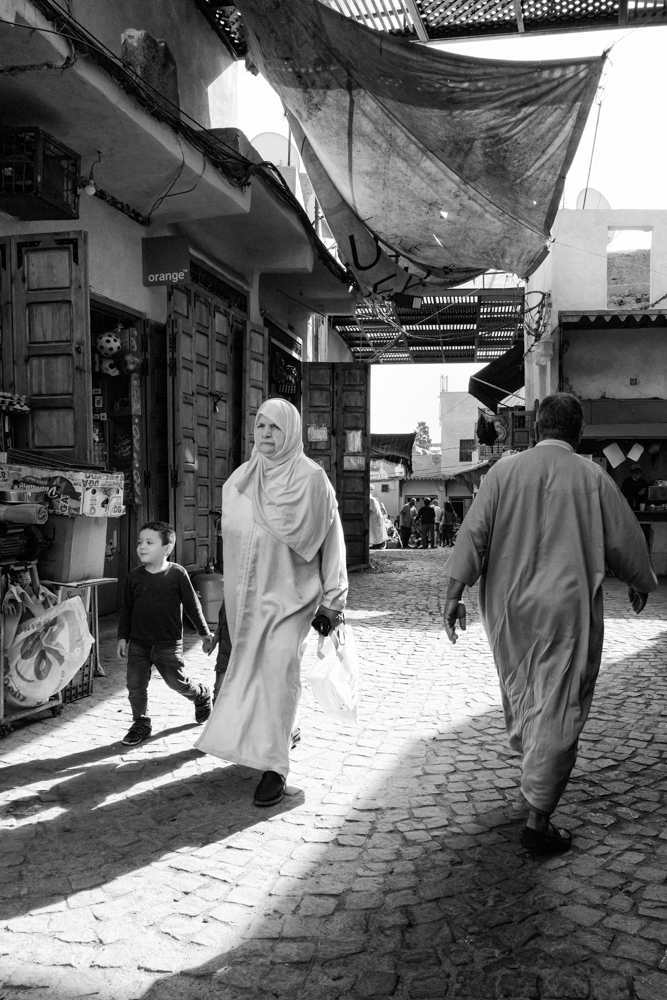
©Louis Jay, from Marrakech Face to Face
How painful was the editing process, were there images you loved that didn’t make the cut?
There are always images I like that don’t fit into the sequencing of the book. I think it is important for photographers to look for trusted colleagues to help in the editing process. We photographers often get too attached to all of our shots. I was fortunate to work with Ralph Gibson, who wrote the foreword to the book. Besides being a great photographer, Ralph is a master of the photo book, having created more than 40 over his long career. I was able to get some very useful feedback on the image selections from him.
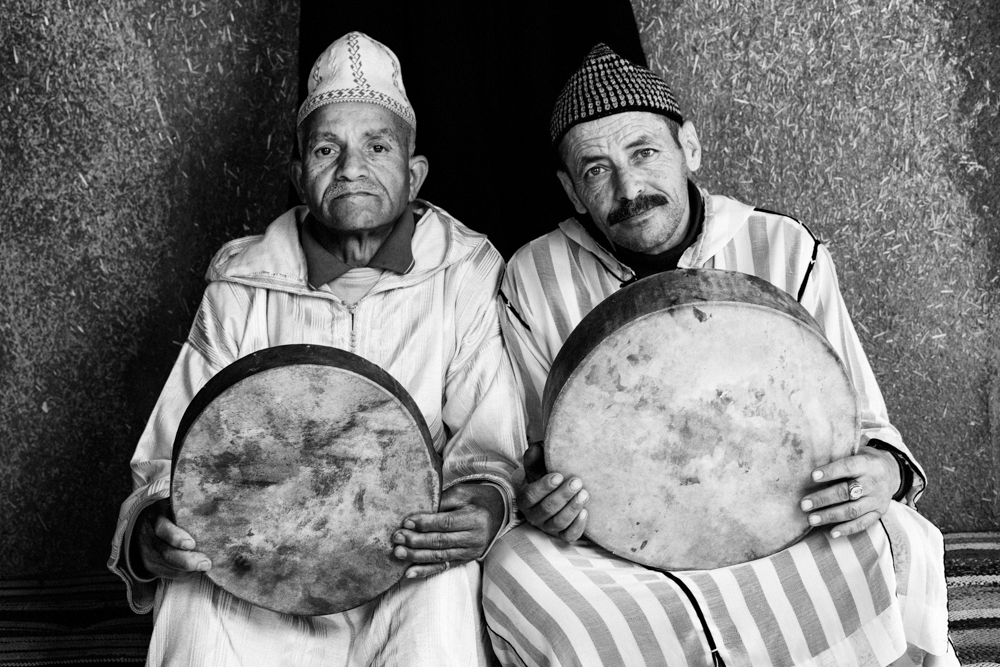
©Louis Jay, from Marrakech Face to Face
What do you hope readers take away from spending time with Marrakech Face to Face?
The book is about the timeless quality of Marrakech, including the people, the light, the chaos of the Medina, and its customs. I hope these elements and mood are transmitted to the readers.
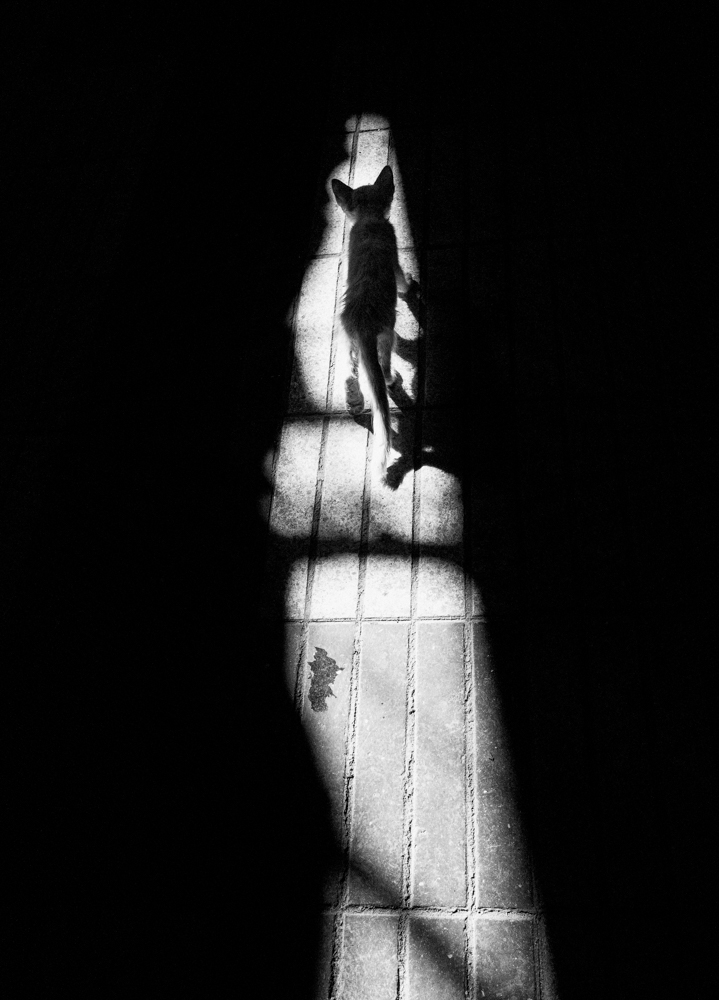
©Louis Jay, from Marrakech Face to Face
We’ve worked together since our advertising days—you as photographer, me as art director. What’s different about collaborating on a passion project like this?
I think the main difference is that in advertising the photographer has to interpret a layout that the art director has created. The photographer can bring his or her style to the end result with different photographic processes and lighting moods, but in the end the subject matter and composition will always be true to the layout. In collaborating on a book, the designer is there to enhance the photographer’s work. In many ways the roles are reversed. I feel that I have been fortunate that we have worked together for so many years on both commercial projects and personal ones. In this history there is a shared communication and aesthetic.
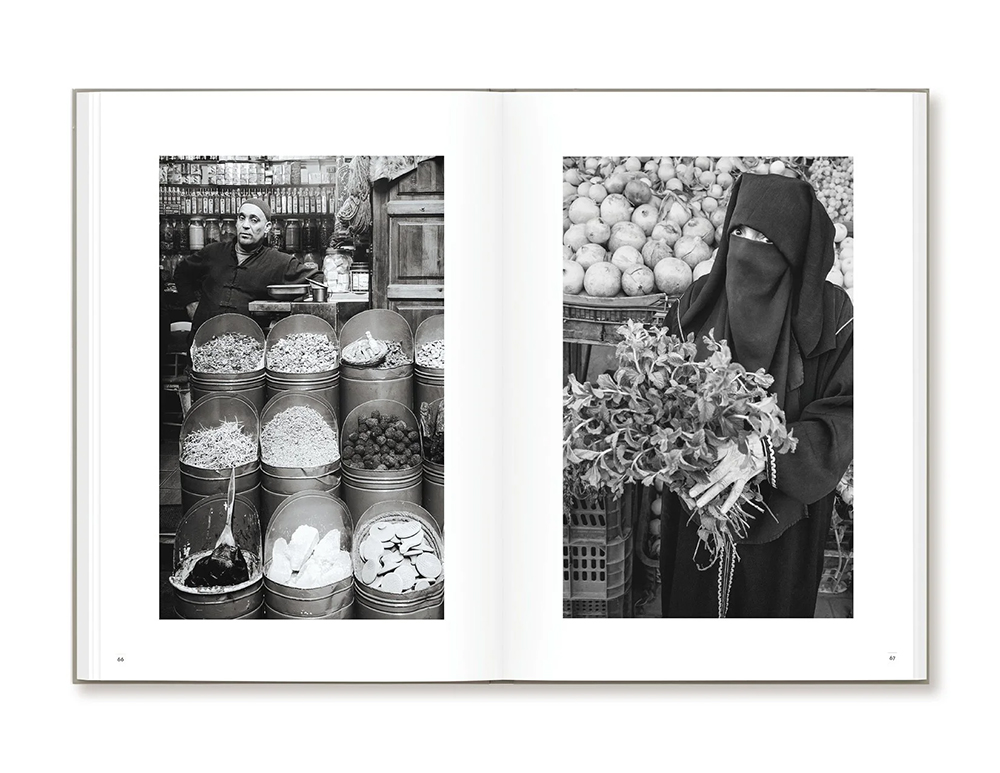
©Louis Jay, Spread from Marrakech Face to Face
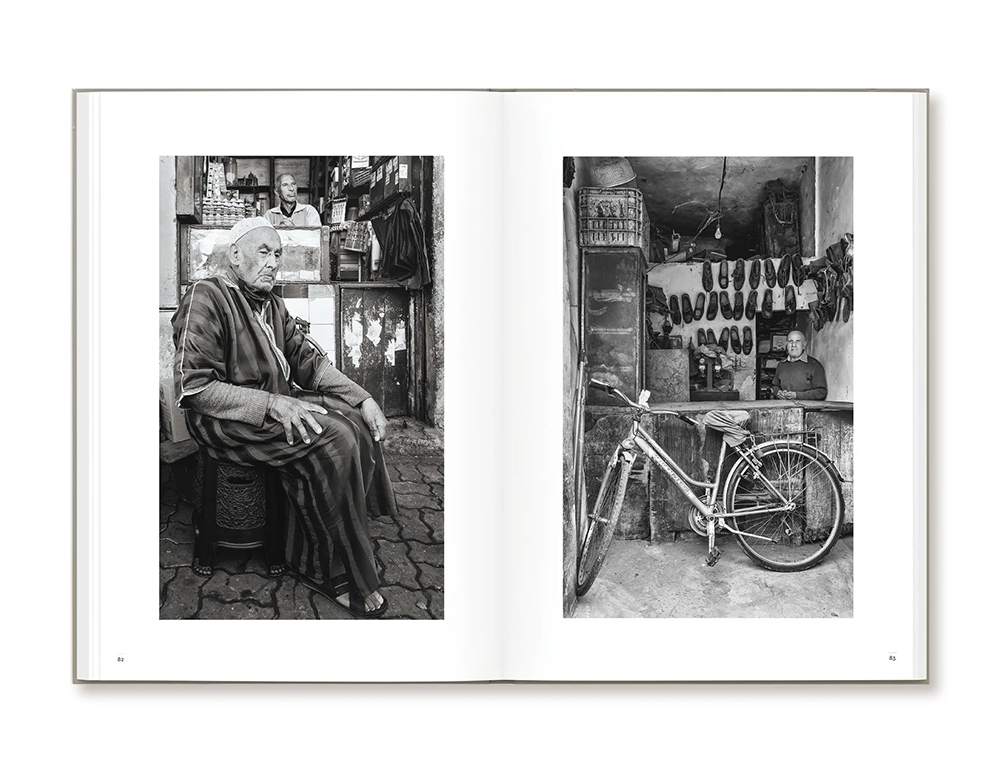
©Louis Jay, Spread from Marrakech Face to Face
What are some sources of inspiration for your photography that might surprise people?
I have admired the work of French painter Eugène Delacroix for many years. In the 1830s he went on a French diplomatic trip to Morocco and made quick sketches and watercolors of the people and the scenes that he saw there. Years later he used these images to create many of his paintings. His sketchbooks have been made into a facsimile called Delacroix in Morocco. I also found the book Matisse in Morocco by Jeff Koehler a very interesting history of how Matisse got his “mojo back” by traveling to Morocco and painting there in the early part of the 20th century.
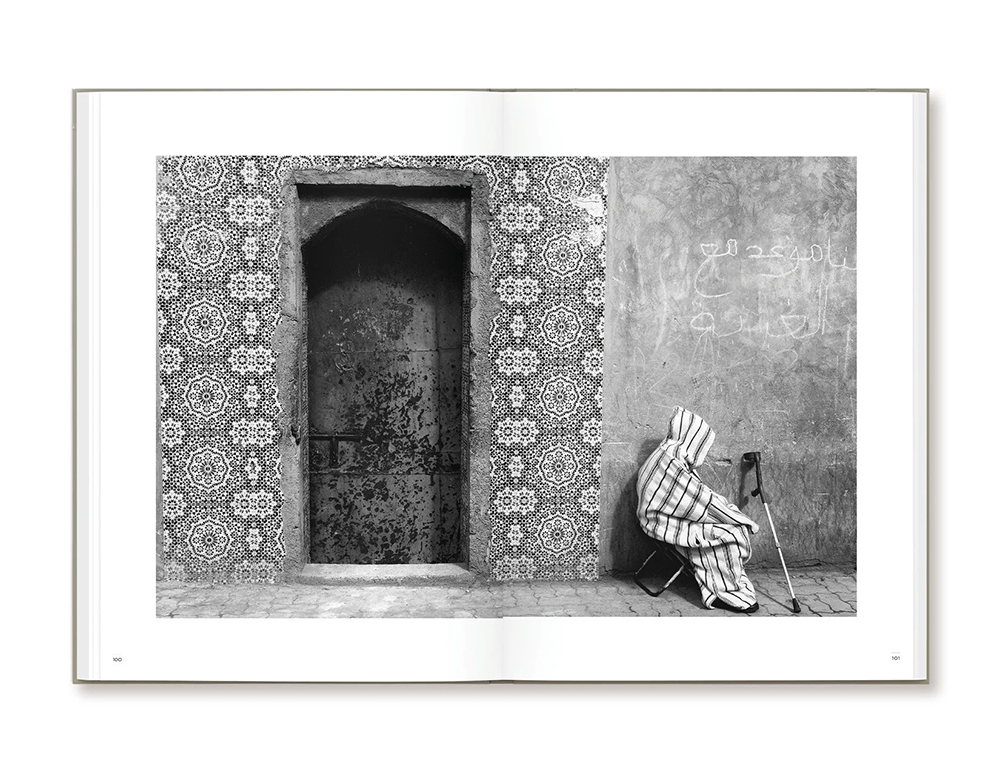
©Louis Jay, Spread from Marrakech Face to Face
Marrakech Face To Face
Hardcover 9 x 12.25”
69 quad tone images, 112 pages
Edition of 500
Photographs: Louis Jay
Design: Sally Ann Field
Foreword: Ralph Gibson
Printing: Brilliant Graphics
Purchase a signed book:
https://leicastoremiami.com/collections/books/products/louis-jay-marrakech-face-to-face-2025-signed?variant=45601010843779
Sally Ann Field is a visual artist influenced by human behavior, pop culture and the natural world. Her background in art direction and design plays a significant role in her image-making.
She grew up in Western New York State. After high school, she exchanged her small town for the big city to study graphic design and began her career in advertising art direction in Miami, Florida, later relocating to Los Angeles, California. In 2022, she left her big-city life behind and settled in a small town in Midcoast Maine.
Field’s work has been exhibited at various institutions, both nationally and internationally. It has also been published online and in print in Don’t Take Pictures, Lenscratch, F-Stop Magazine, Huffington Post, Her Side of the Street, A Photo Editor, Click Magazine, Los Angeles Times, and Feature Shoot. Her photographs have garnered awards from Leica and National Geographic, and she gives back to various organizations through her photographic efforts.
Instagram @sallyannfield
For book design: https://www.sallyannfieldcreative.com/
Posts on Lenscratch may not be reproduced without the permission of the Lenscratch staff and the photographer.
Recommended
-
Andrew Fedynak: The Last Snows of a Warming WorldMarch 15th, 2026
-

J. Lester Feder: The Queer Face of WarMarch 11th, 2026
-
Curran Hatleberg: Blood GreenMarch 9th, 2026
-
Kiana Hayeri: No Woman’s LandMarch 8th, 2026
-

McCall Hollister in Conversation With Douglas BreaultMarch 6th, 2026