In Focus: The MFA Review: Massachusetts College of Art and Design
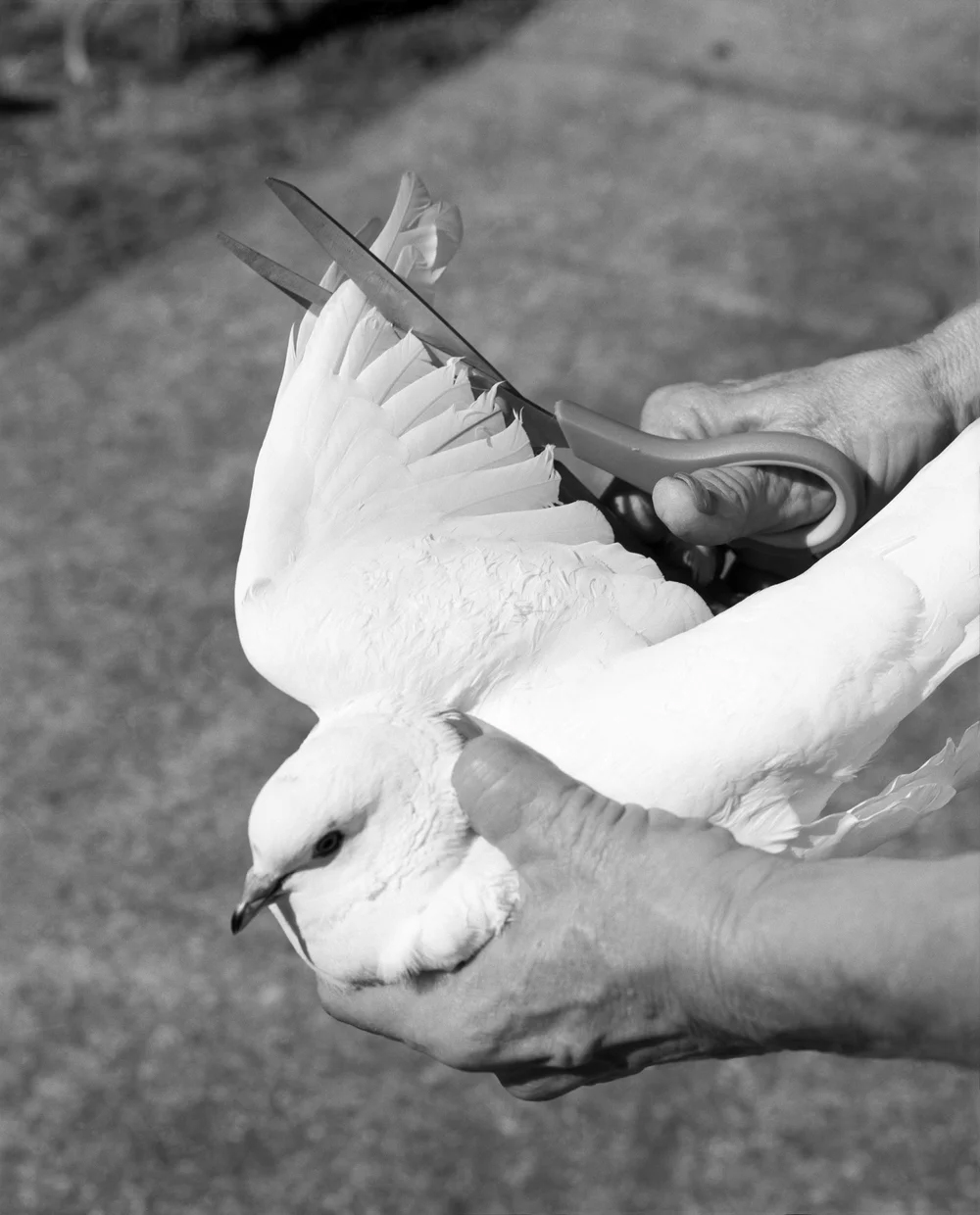
©Natalie Ivis, Faculty
Lenscratch is proud to present In Focus: The MFA Review! This new column seeks to alleviate some of the difficulties faced by prospective students interested in a graduate level degree in the photographic arts. Those of us who hold MFA’s know the process well–long hours spent staring at computer screens, endless Google searches, and navigating inconsistent program websites. The process can feel frustrating and overwhelming. As an educator who regularly mentors students exploring MFA photography programs, I have long wished for a clear, accessible resource to share with them—one that provides meaningful insight into the variety of programs out there. With that in mind, I surveyed several faculty members at institutions across the country, asking what key questions and considerations they encourage students to keep in mind when choosing an MFA program (a special thanks and shout out to all those who assisted). Drawing on their responses, I developed a set of standardized questions to present to MFA photography programs—questions designed to offer greater clarity and visibility into each program’s identity, curriculum, faculty, student experience, financial support, and post-graduation outcomes. At last, the resource I have wanted all these years!
Rather than functioning as rankings or endorsements, these features are intended as practical starting points—tools to help prospective students compare programs, identify what matters most to them, and make more informed decisions about their graduate education. It also serves as a showcase of the creative work produced by faculty, students, and alumni. While certain details shared in these articles may change over time, my hope is that these program snapshots offer a clear sense of what each represents in the present moment. Let’s kick things off!
Thank you to Billie Mandle for completing this interview and compiling all the images/resources!
Institution name: Massachusetts College of Art and Design (MassArt)
Degree Title: MFA in Photography
Location: Boston, MA
Link to program page: https://massart.edu/program/photography/mfa/
Link to application page: https://massart.edu/admissions/graduate-students/
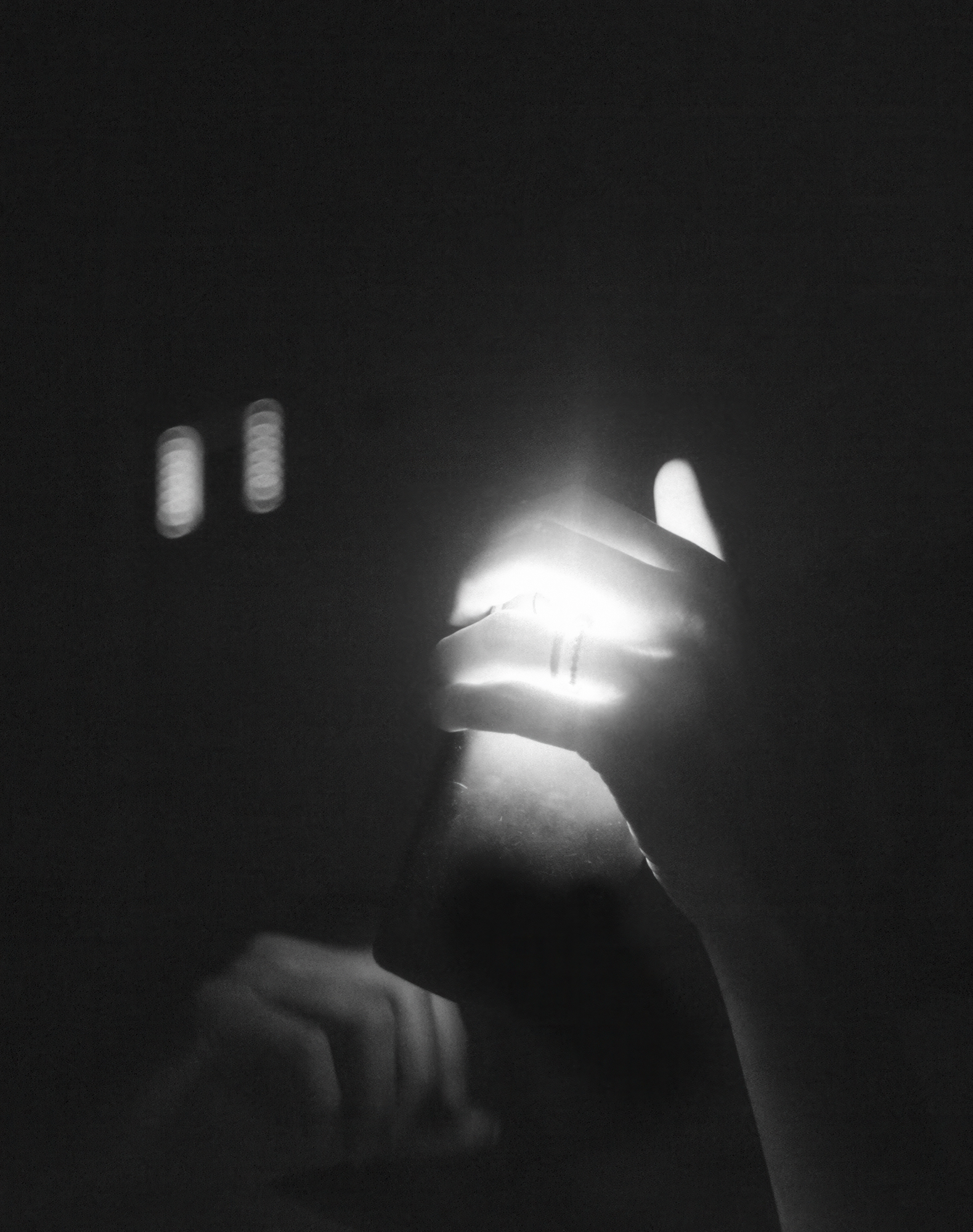
©Amani Willett, Faculty
Tell us a little about your program. How would you define its scope and purpose?
Housed in a free-standing public art school, we are a dynamic and rigorous intellectual community, invested in lens-based art. We combine the intimacy and support of a small school with the extensive resources of a larger institution. Photography is the medium through which our students explore, but the breadth of our facilities—from film/video and printmaking to metals, woodworking, ceramics, fibers, and glass—encourages experimentation across disciplines. Our students have access to extensive photography equipment and cameras, as well as the vibrant community of Boston and greater New England. Students take classes at MIT, attend lectures at Harvard, conduct research in historical archives, visit with curators at the Museum of Fine Arts and ICA, and have residencies at Mass Moca. Our acclaimed Lecture Series brings 10 artists to campus each year such as Rahim Fortune, Pixy Liao, Joiri Minaya, Mark Armijo McKnight, and Wendy Red Star. Graduate students do individual studio visits with the artists and share a meal. All of our students have the opportunity to teach their own classes in their second year, and we offer a course in art pedagogy to help guide them, if they elect, on a journey toward being educators themselves. We offer students an open environment for exchange and experimentation as they strive to produce work of significance.
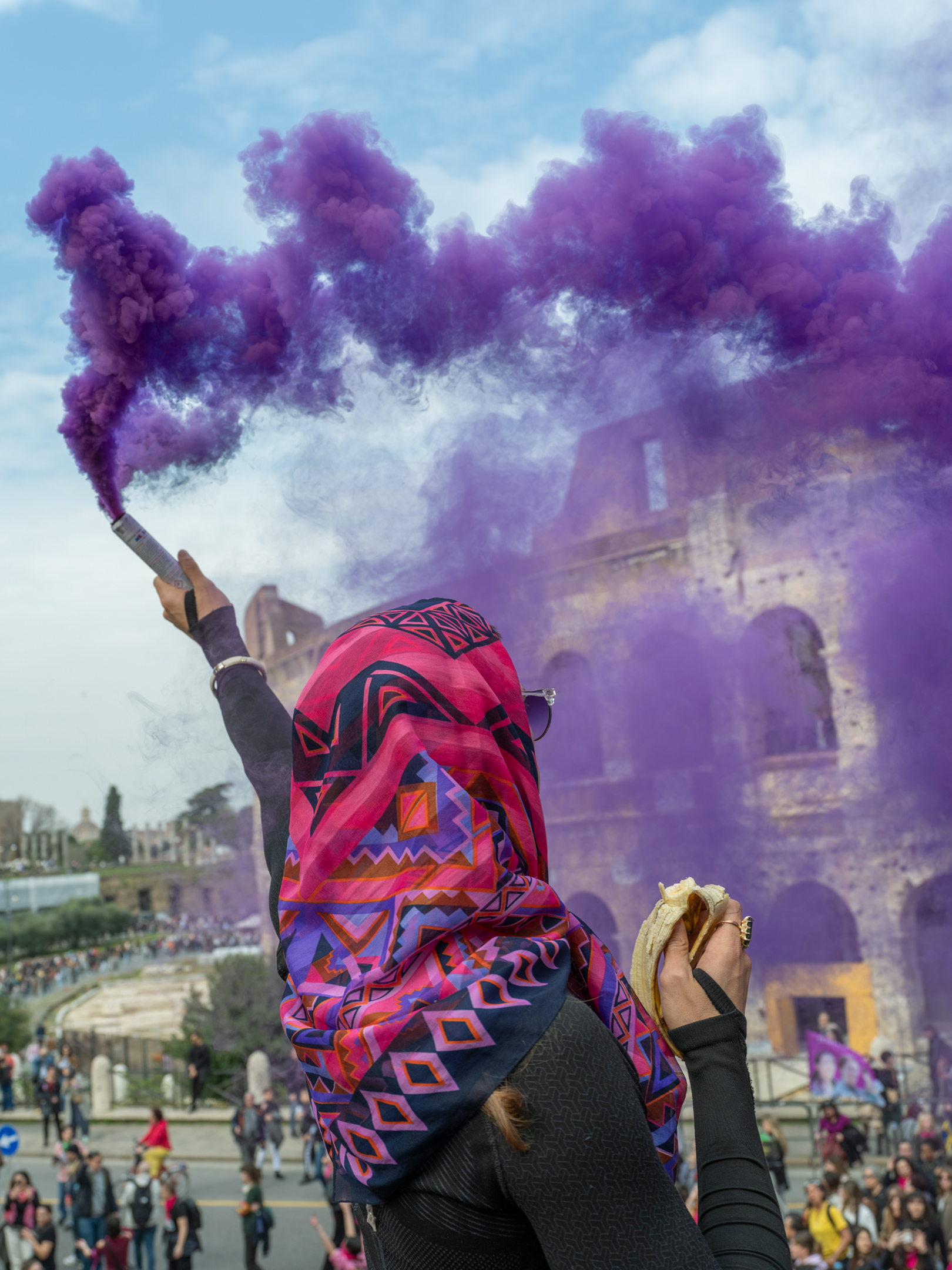
©Matthew Connors, Faculty
What would you say makes your program special?
Our community. The faculty, staff, and students are intellectually engaged, innovative, and hardworking, but they are also down-to-earth and supportive. Our students are competitive with themselves but caring with one another. Our renowned faculty are on campus regularly and very accessible to students. The sense of community we cultivate extends to students after they graduate. Our alumni are active artists, curators, and educators—committed to helping one another.
Also, we have excellent facilities that include state-of-the-art digital cameras and printers alongside analog darkrooms, non-silver processes, and a fleet of large format cameras.
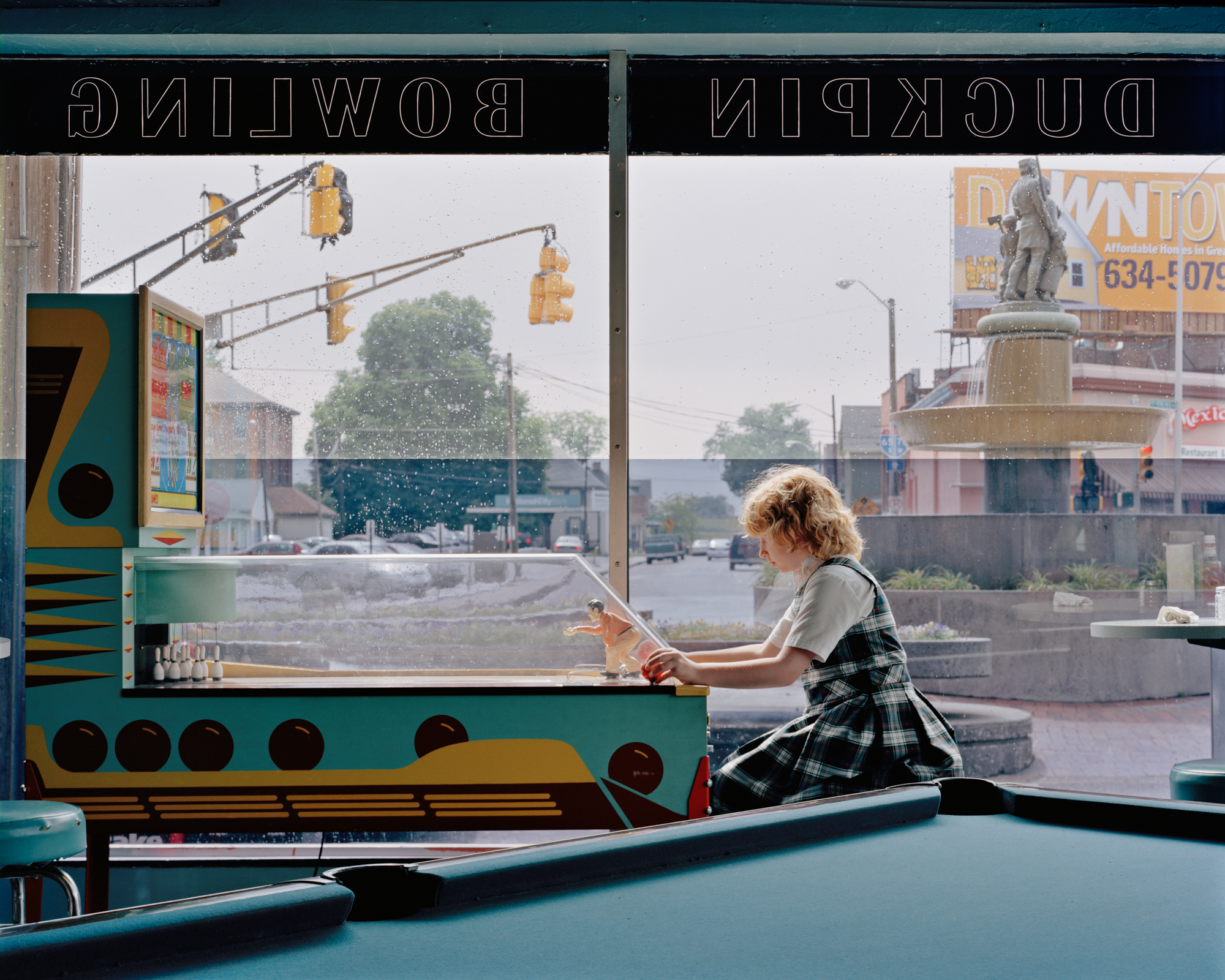
©Matthew Monteith, Faculty
What specialized facilities are available for student use (i.e. darkroom, lighting studio, print lab)?
We have extensive analog and digital facilities and labs. Students can check out any of our cameras—including 8×10 and 4×5 field cameras. (The 16×20 camera and the 20×24 cameras are used by students in the studio.) Students have individual darkrooms for their entire time in the program (in addition to their studios) and access to a graduate-only digital lab where they make their own prints. We do not charge per-print. Students pay a lab fee, but printing is unlimited. We encourage experimentation, and if we don’t have the equipment to make something, we will try to get it. We have a non-silver lab with a large UV exposure unit, Flextight film scanners, and a Jobo processor. The digital lab has three Epson SureColor printers (two 44-inch and one 24-inch), Mac workstations, and ample space for working with large prints. We have any imaginable camera from 35mm to a 20×24 Polaroid camera. Students can check out digital medium format cameras, film medium format cameras, and more.
Is your program strictly photography-focused, or does it encourage/allow interdisciplinary work?
Students’ home base is the photography department, but they take classes across the school and are encouraged to explore other disciplines in their work. They take many classes with students from other disciplines, and there is much cross-disciplinary conversation.
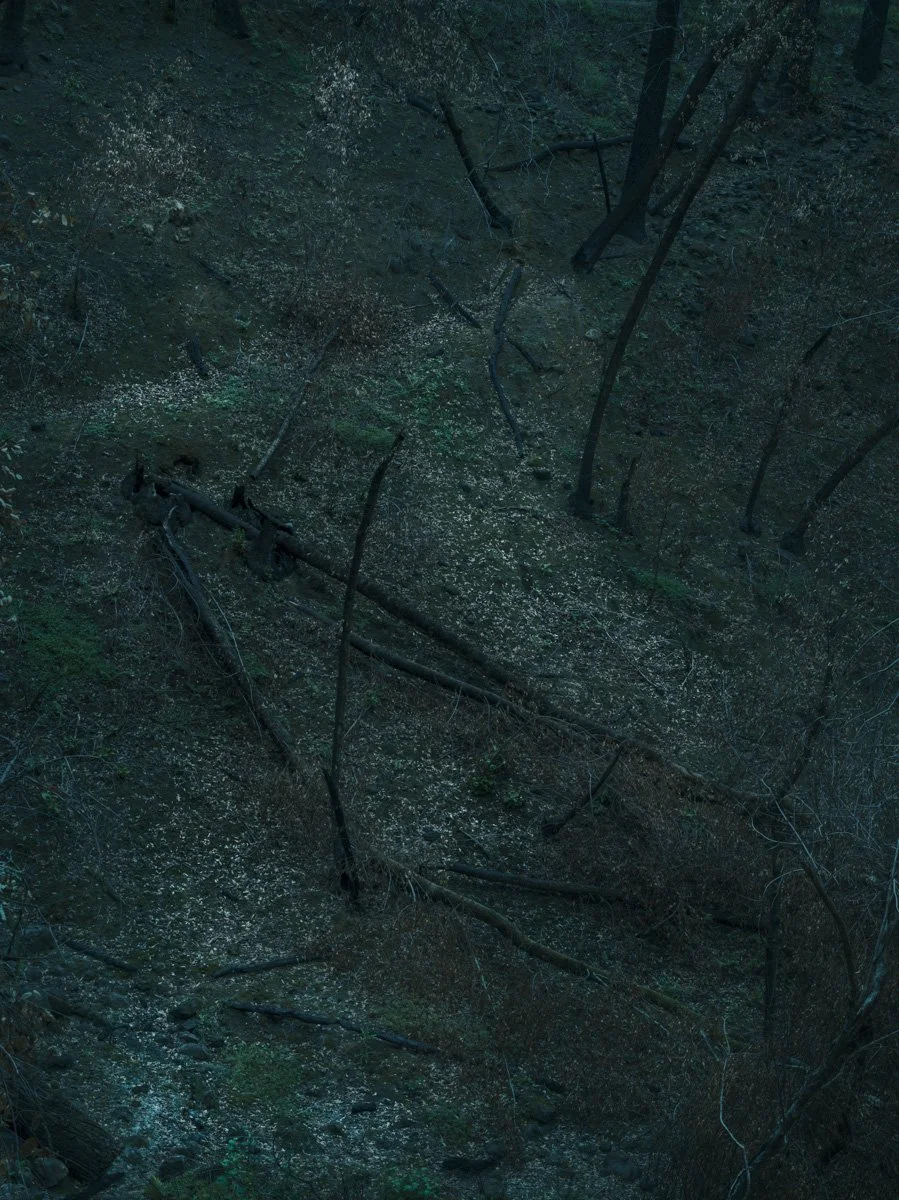
©Billie Mandle, Faculty
Do you specialize in a particular area (i.e. documentary, experimental, environmental work)? And once in the program, is a student able to shift their focus if their creative interests change?
No specialization. Students almost always shift their focus as their interests change. We offer many book classes and many students work closely with the faculty to produce books of their work.
How structured is the curriculum? Are there required courses, or is it more self-directed?
The core of the curriculum is the Graduate Major Studio in which all the students in the Photography MFA program meet together to critique their work on a weekly basis. This course is led by one of the professors who invites guest critics on a regular basis to join the conversation. Some recent guest critics have included, Nelson Chan, Jason Fulford, Sharon Harper, Laurel Nakadate, Rania Matar, Laura McPhee, Richard Renaldi, and Robin Kelsey. We also offer a technically oriented elective in the students’s first semester to bring them quickly up to speed on the techniques for producing exhibition quality prints. We are a public state school, so there are a few required courses but also many electives. There is quite a bit of freedom within the required courses.
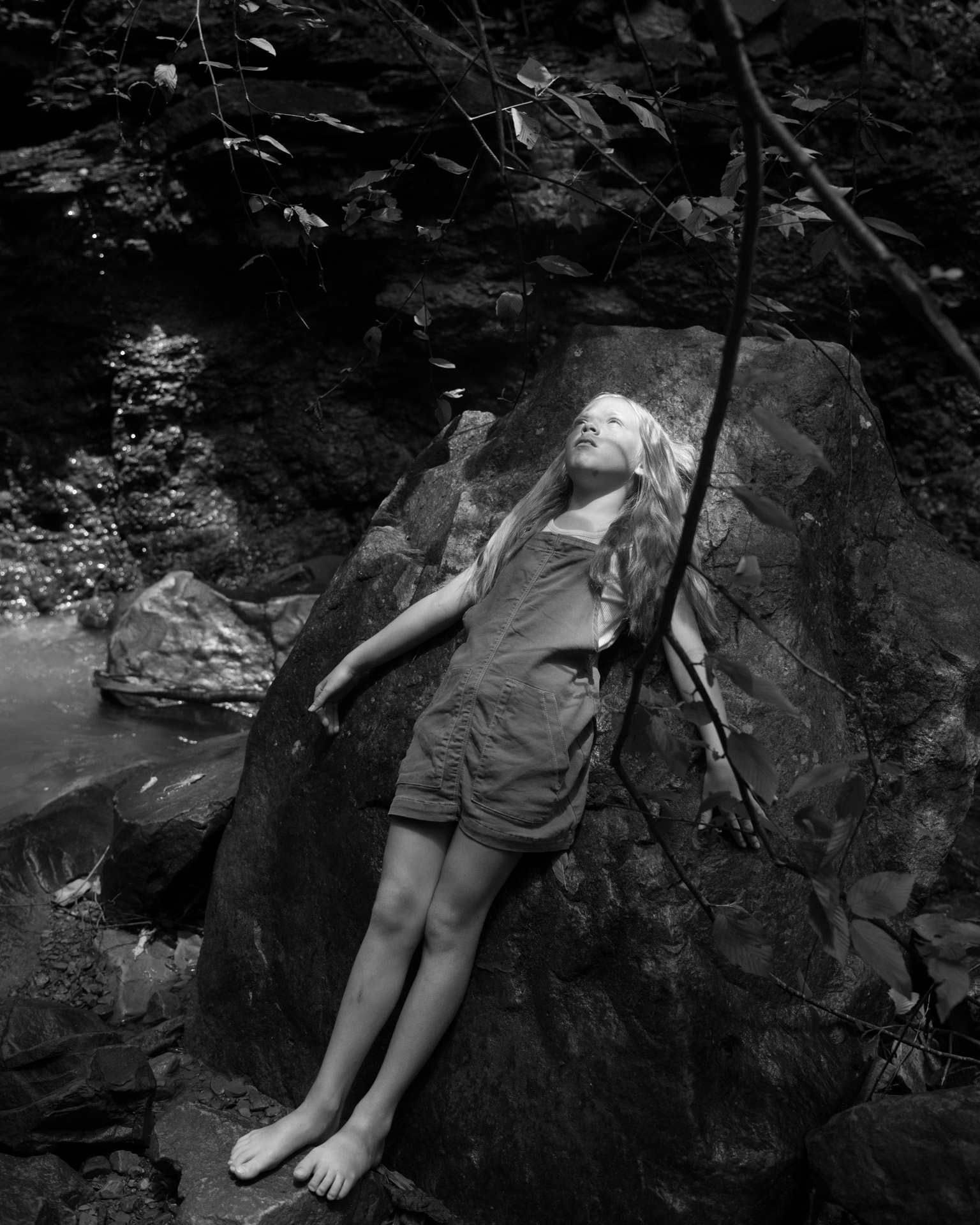
©Andriana Nativio, Alum
Does the program incorporate video work or emerging media such as AI, VR/AR, or 3D/360 imaging?
Yes, students are able to take classes in these areas if they would like to explore them.
Does the program offer career development support, such as portfolio reviews, workshop/conference attendance, or networking opportunities?
Yes. We have a very active alumni network. Our alumni are happy to help one another and stay connected. Curators and artists from across the country come regularly to campus and meet with students. We participate in a Boston-wide open studios that engages all the MFA programs in the cities; this event brings collectors, curators and the community from across the region into the studios.
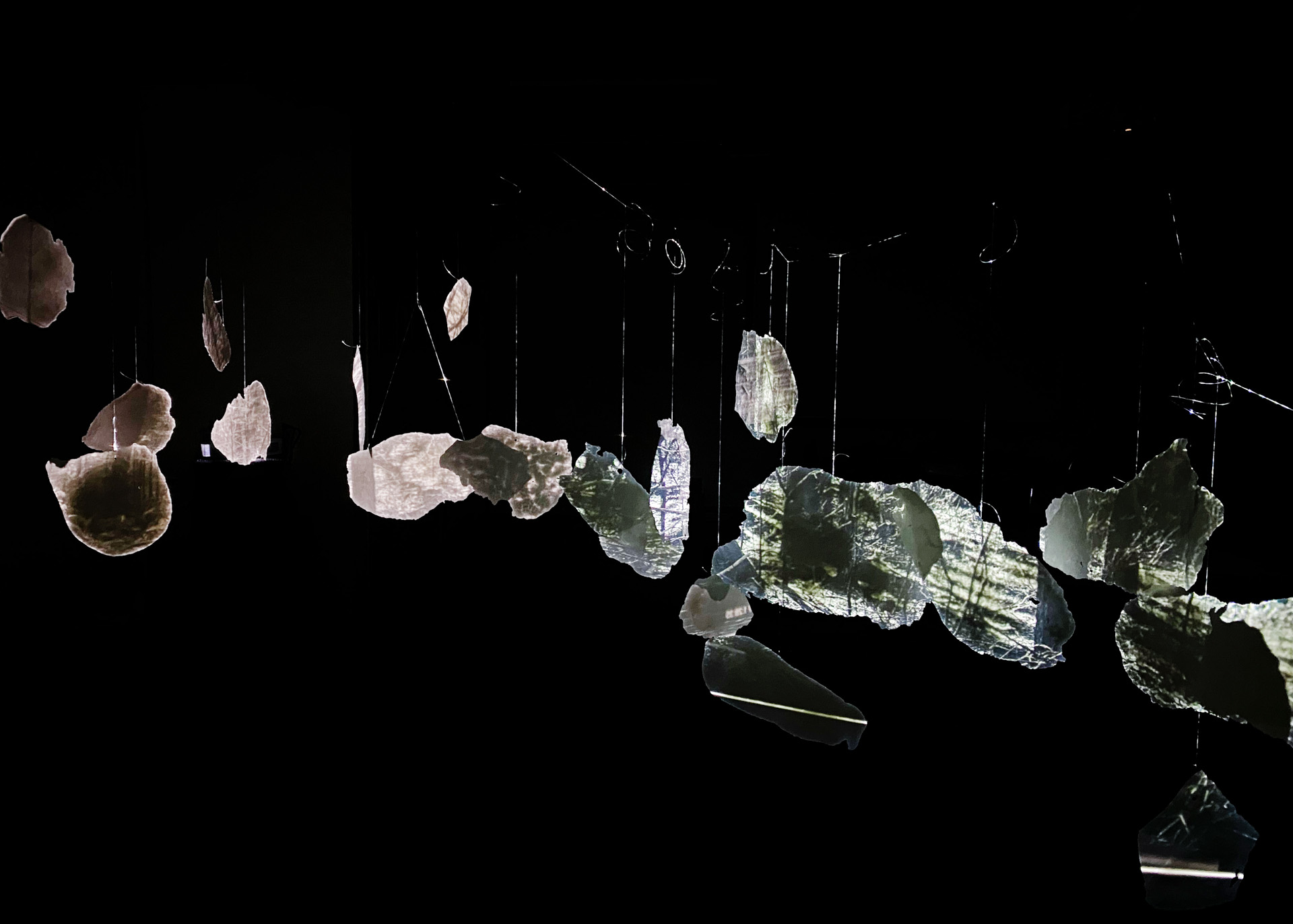
©Jacob Geiger, Alum
What are key graduation requirements (exhibition, thesis paper, portfolio, etc.)?
There is a thesis exhibition in our gallery located in the Boston arts district. Students write a thesis paper that takes various artistic and experimental forms. They also do a public-facing artist-talk, tied to their seminar course and usually scheduled right on the heels of the thesis exhibition opening
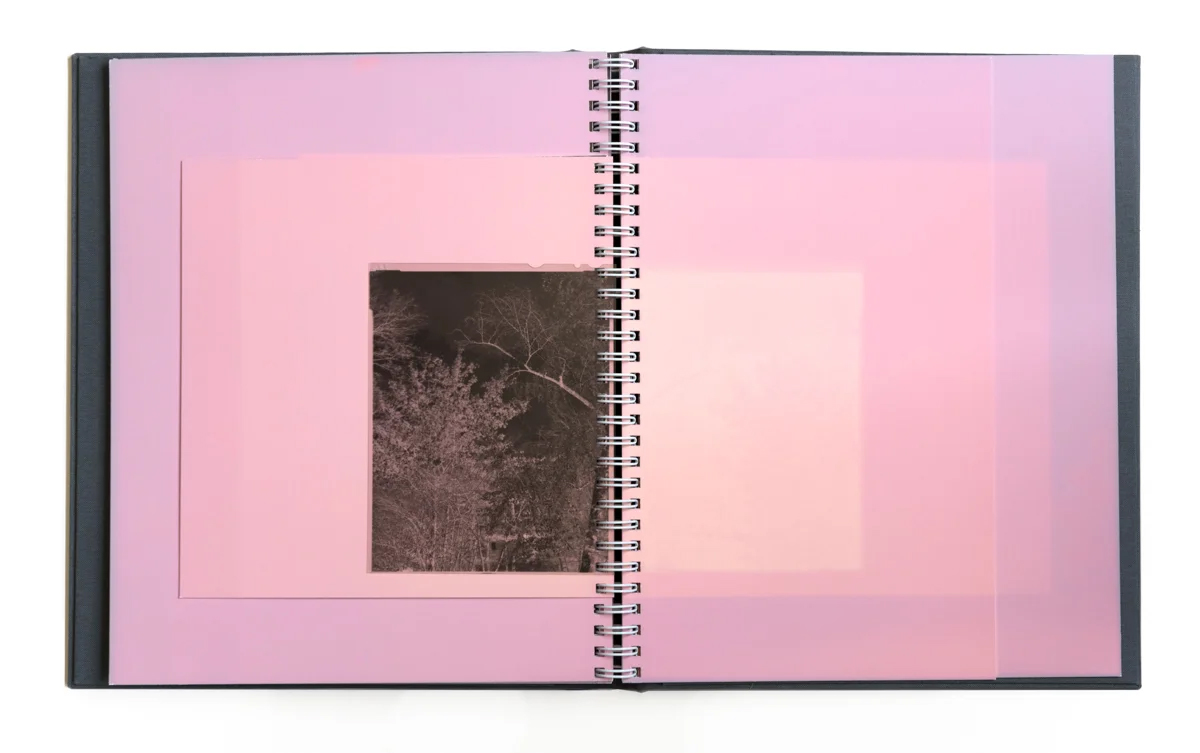
©Alyssa Minahan, Alum
Who are your current faculty members? What are their areas of creative interest?
Matthew Connors, David Hilliard, Natalie Ivis, Billie Mandle (Graduate Director), Matthew Montieth, Amani Willett.
Are faculty members primarily full-time or adjunct?
Almost all full-time.
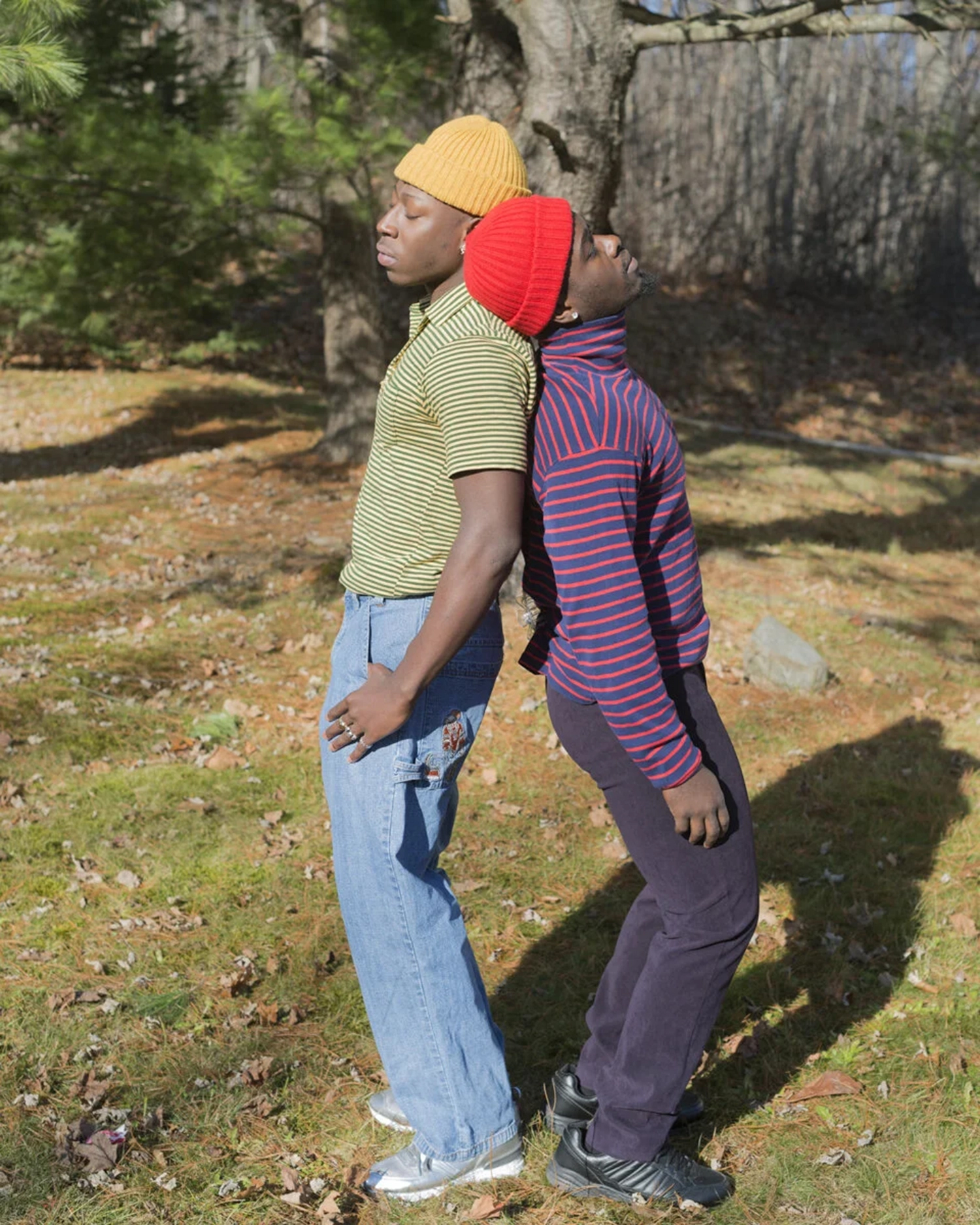
©Claude Eshun, Alum
How involved are faculty in mentoring students beyond coursework?
The faculty are on campus regularly, and graduate students meet with them often outside of class for studio visits or technical help. Faculty offices are down the hall from the graduate labs, so there is much informal exchange.
How often do guest artists, curators, or critics visit for lectures and/or critiques?
Our Lecture Series brings five acclaimed artists/curators/writers to campus each semester. Graduate students have studio visits with the artists and share a meal. We also bring artists and curators to campus for class critiques and final reviews.
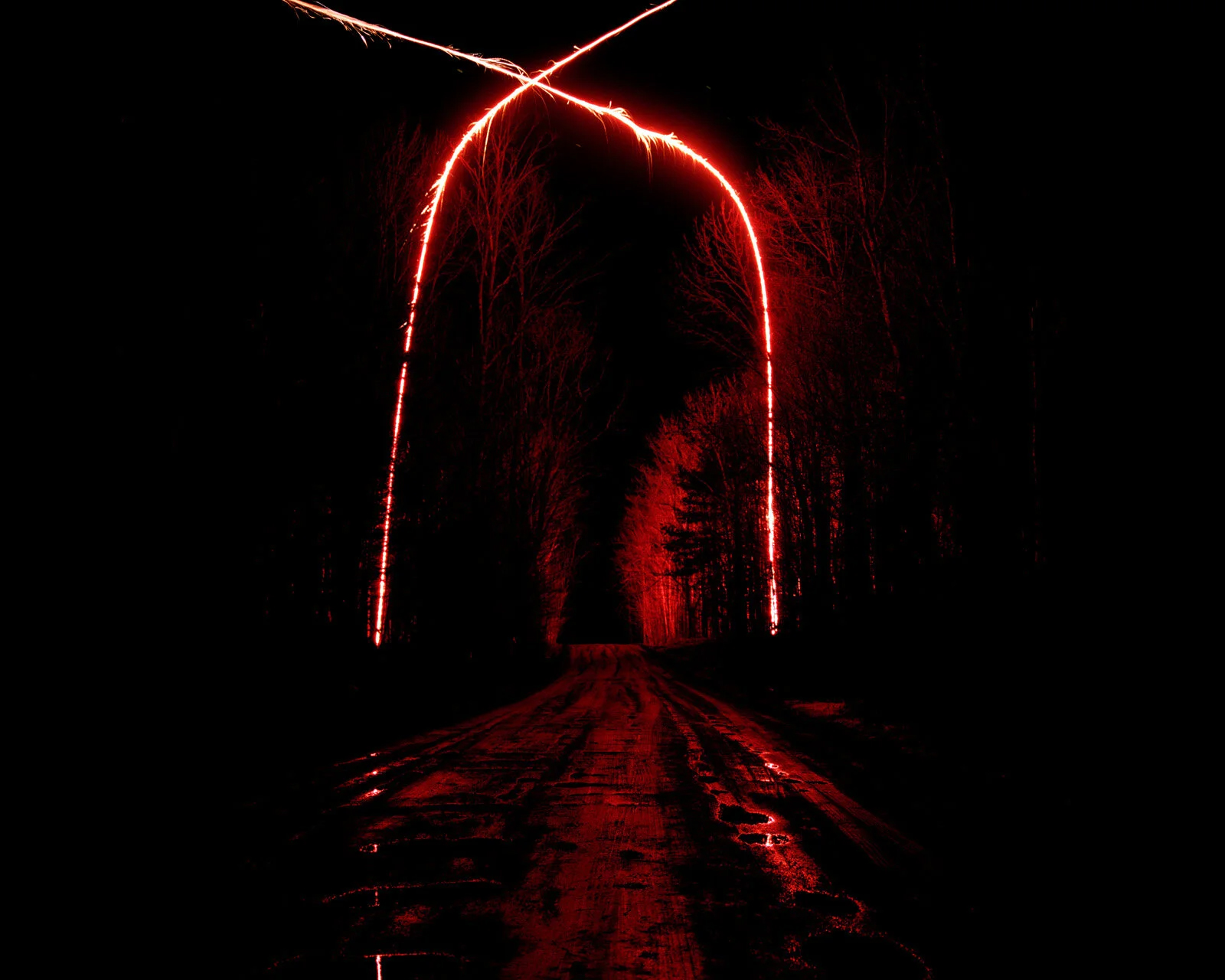
©Harlan Crichton, Alum
How many students are admitted each year, and how many are photography focused?
The number of admitted students varies, but most are photography focused.
What is the approximate cohort size, and what effect does this have on critiques, collaboration, and networking?
The cohort fluctuates but is around 12 total (six per year).
What kind of work are current students creating?
Everything. They are making contemporary and engaging lens-based art that explores themes and subjects that matter to them and that reflect on our current moment.
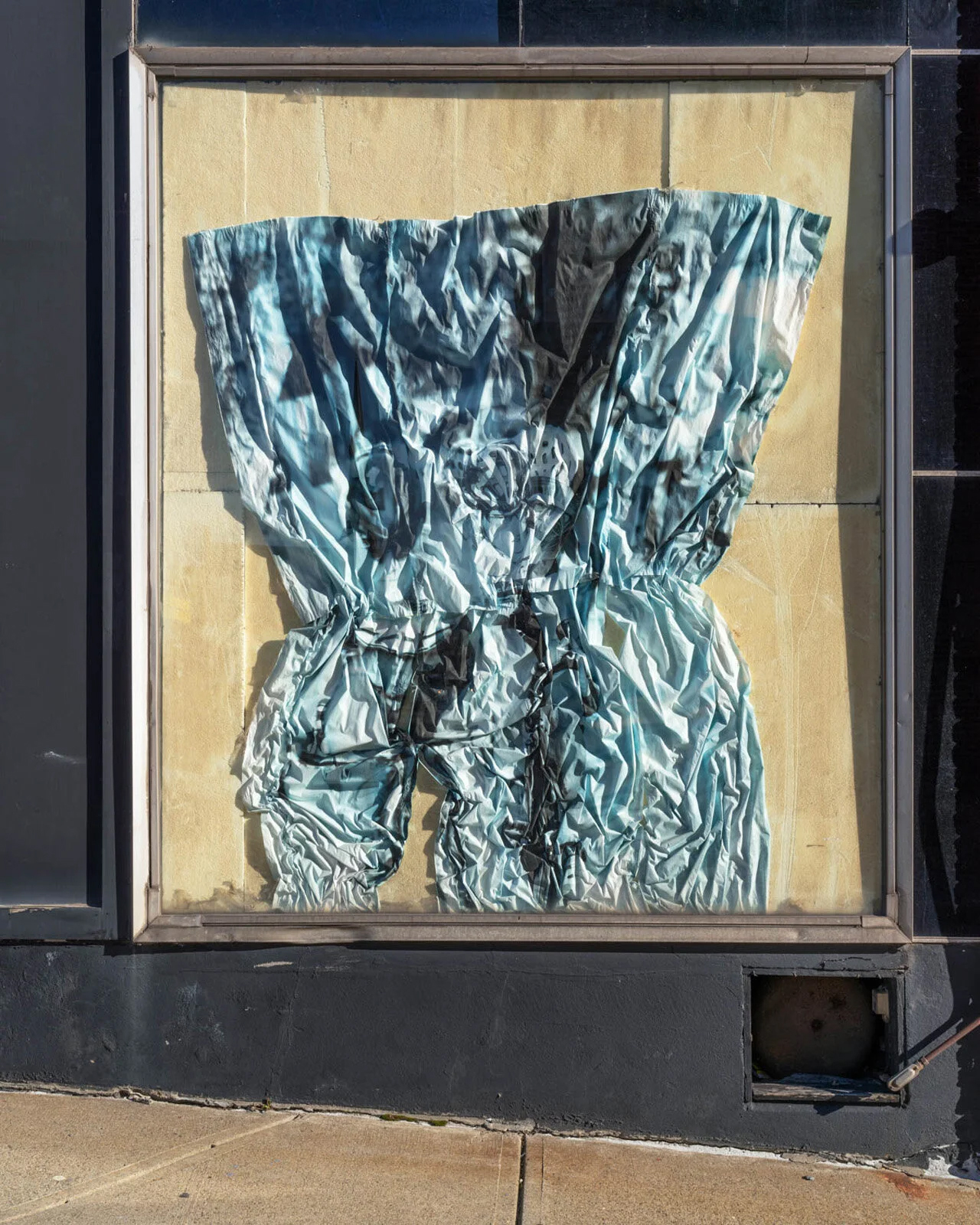
©Jen Mawson, Alum
What is the total cost of the program (and duration), and what funding options are available?
The program is two years. Our tuition is relatively low at $27,450 per year and is offset by assistantships as well as merit-based scholarships, and funding from the MassArt Scholarship for Graduate Study in Photography.
Are there teaching assistantships, and what percentage of tuition do they cover?
Students may receive at least one assistantship per semester. In their second-year students also co-teach one semester.
Are additional grants/resources available to support student projects?
Yes, there are some grants available for help with thesis projects.
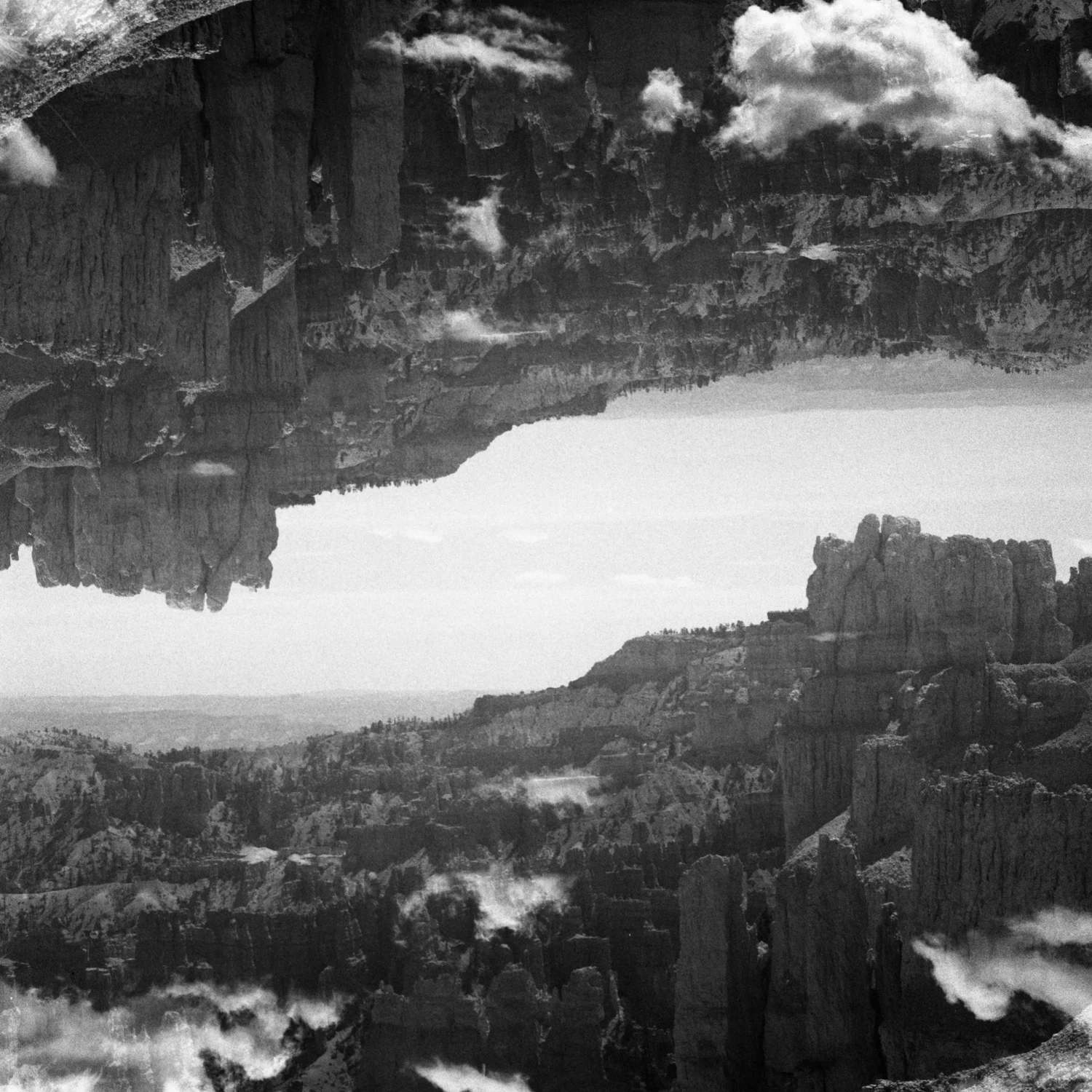
©Natalie Brescia, Alum
What types of careers do alumni pursue, and how does the program support students after graduation?
Our students teach at colleges and universities across the country. They work as gallery directors, freelance photographers, photography editors, artists, and bookmakers.
We also have sponsored artist residencies for recent graduates at MassMoca.
How connected is the alumni network, and do graduates stay involved with the program?
Our alumni network is very connected. Each year we hire one post-graduate fellow to teach in the undergraduate department and mentor graduate students. This is a competitive application, and fellows receive a studio in addition to teaching four classes across the year.
Many students also continue to stay involved in other ways—teaching and often returning to campus for talks and events. We offer alumni exhibitions at the MassArt x SoWa gallery and guest curatorial opportunities ever year.
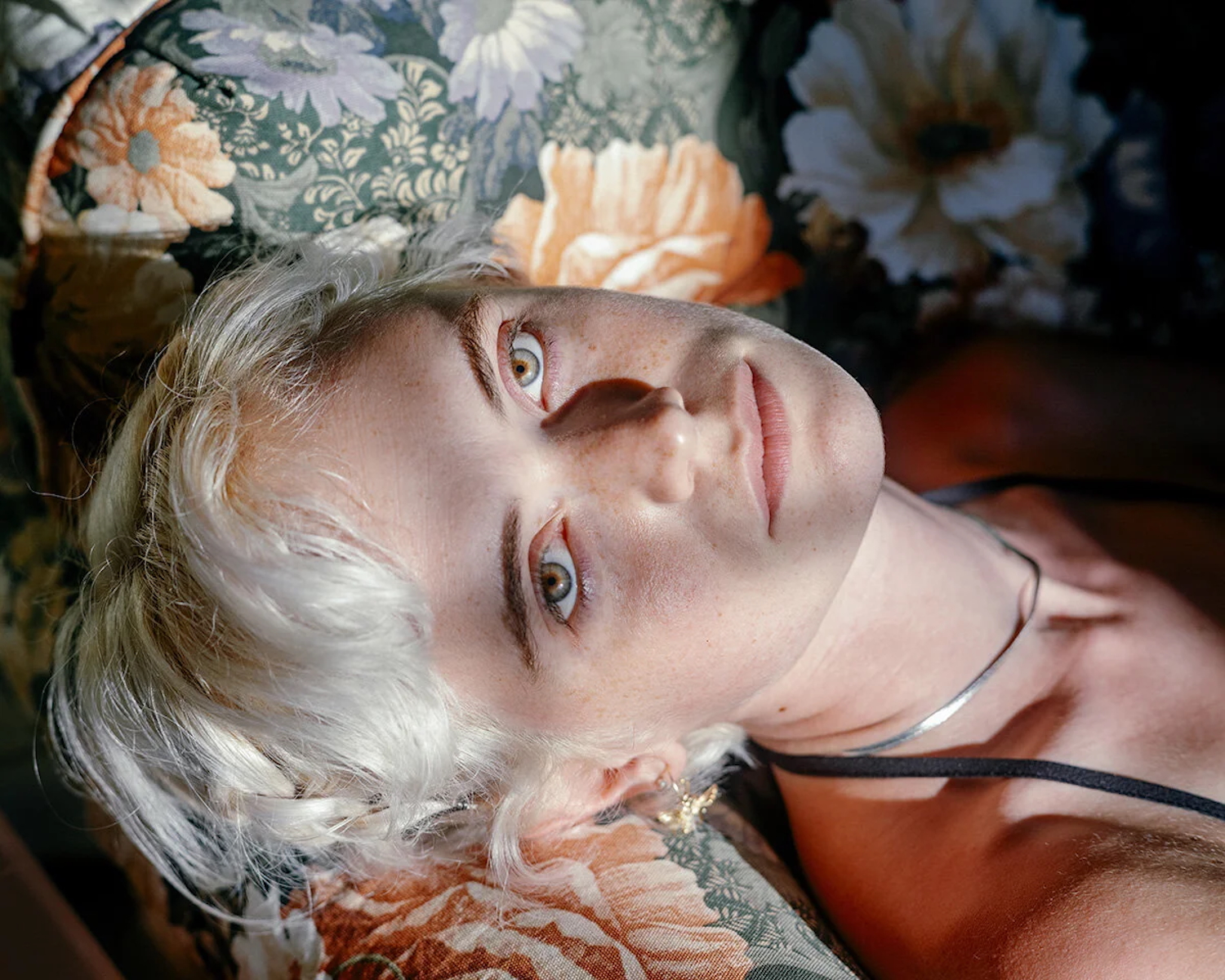
©Tabitha Barnard, Alum
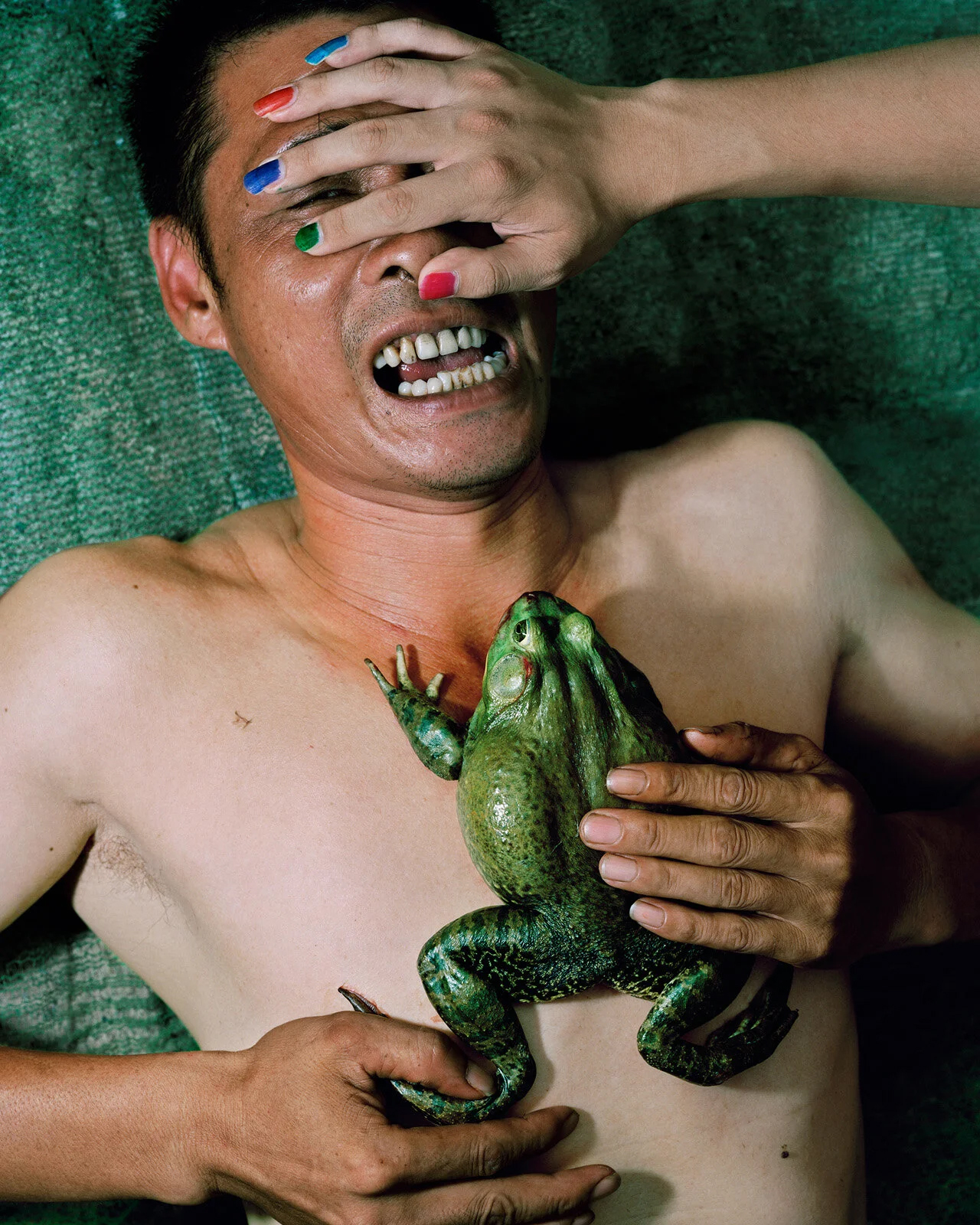
©Zhidong Zhang, Alum
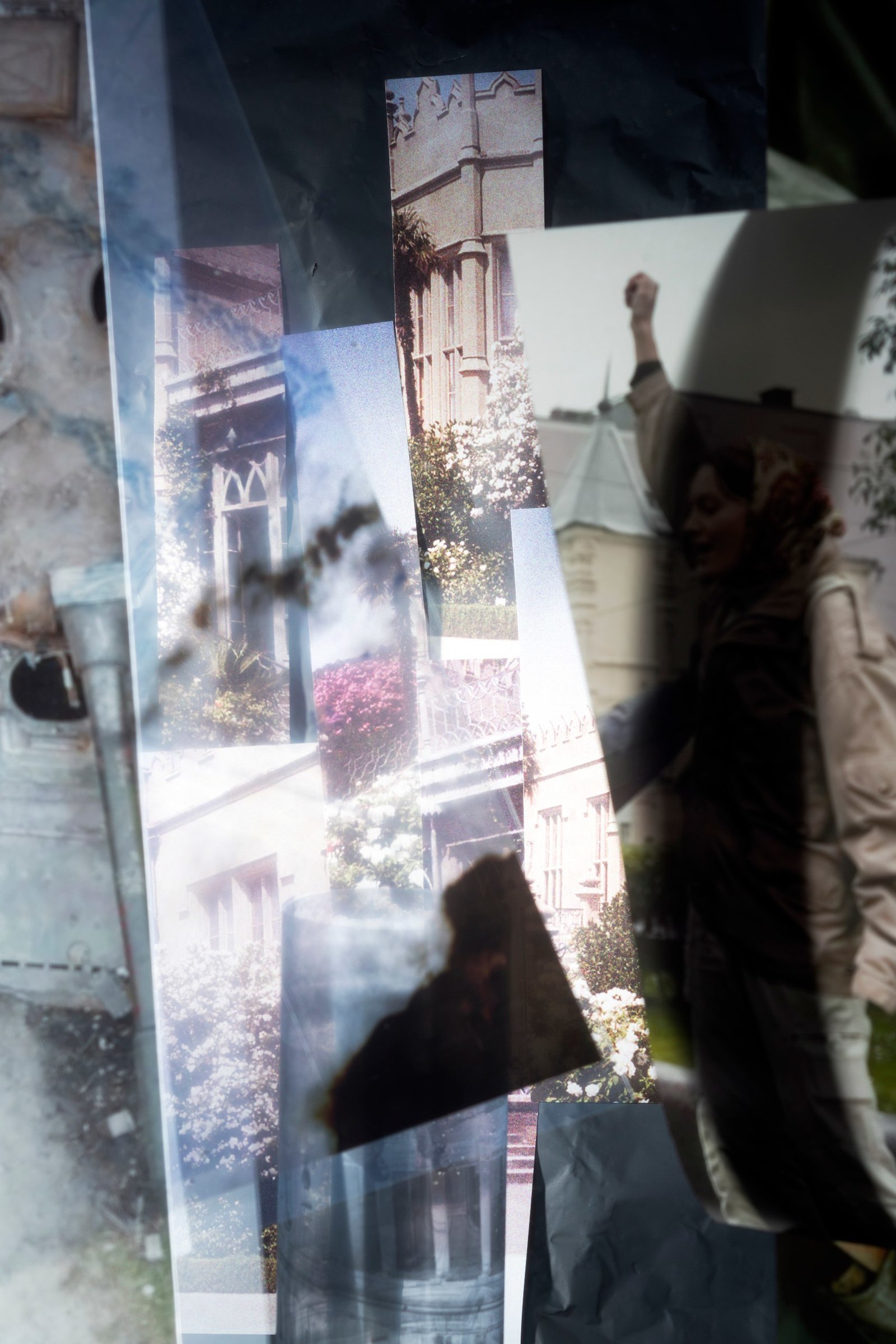
©Yulia Spiridonova, Alum
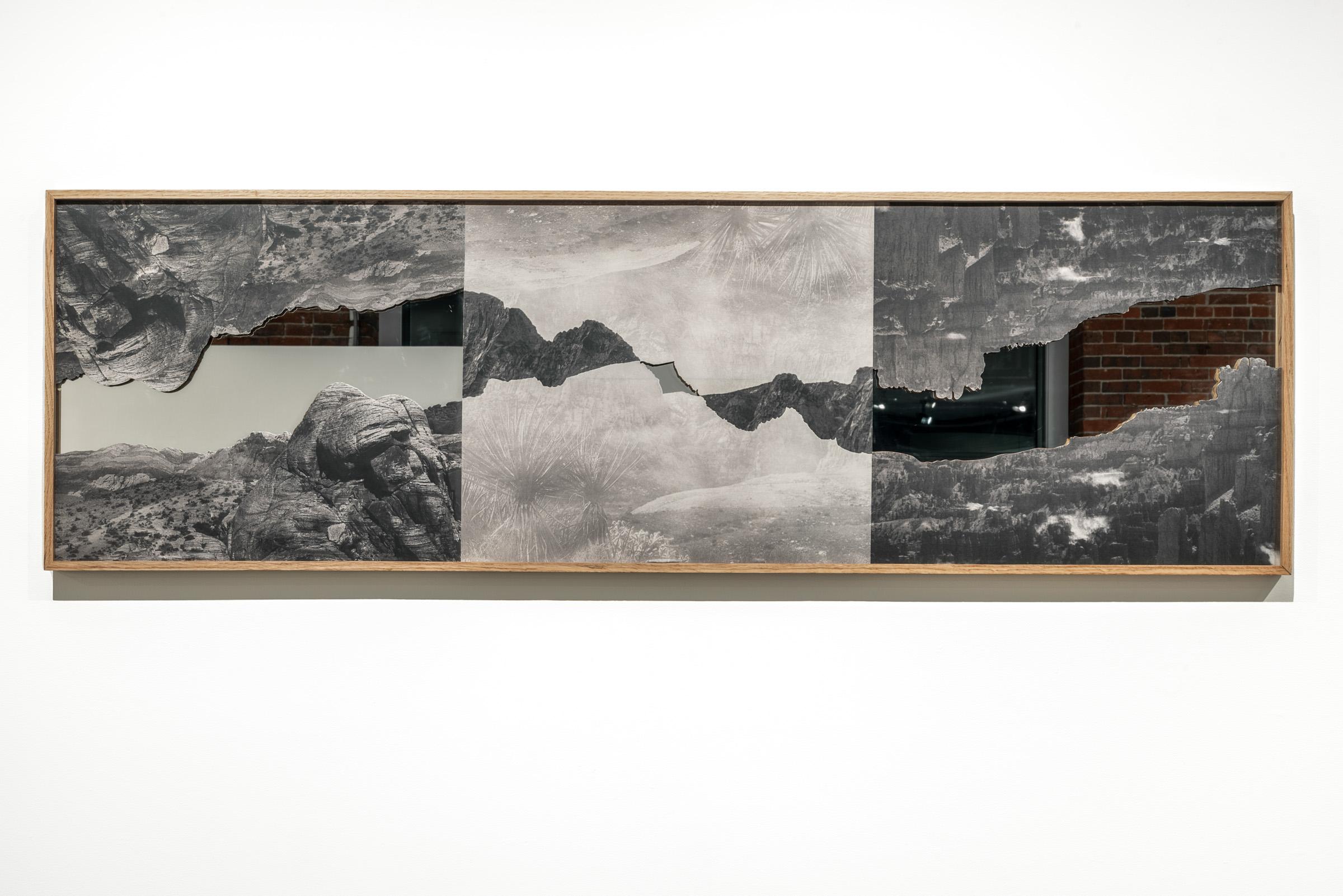
©Natalie Brescia, Alum
Posts on Lenscratch may not be reproduced without the permission of the Lenscratch staff and the photographer.