Photography Educator: Eirik Johnson
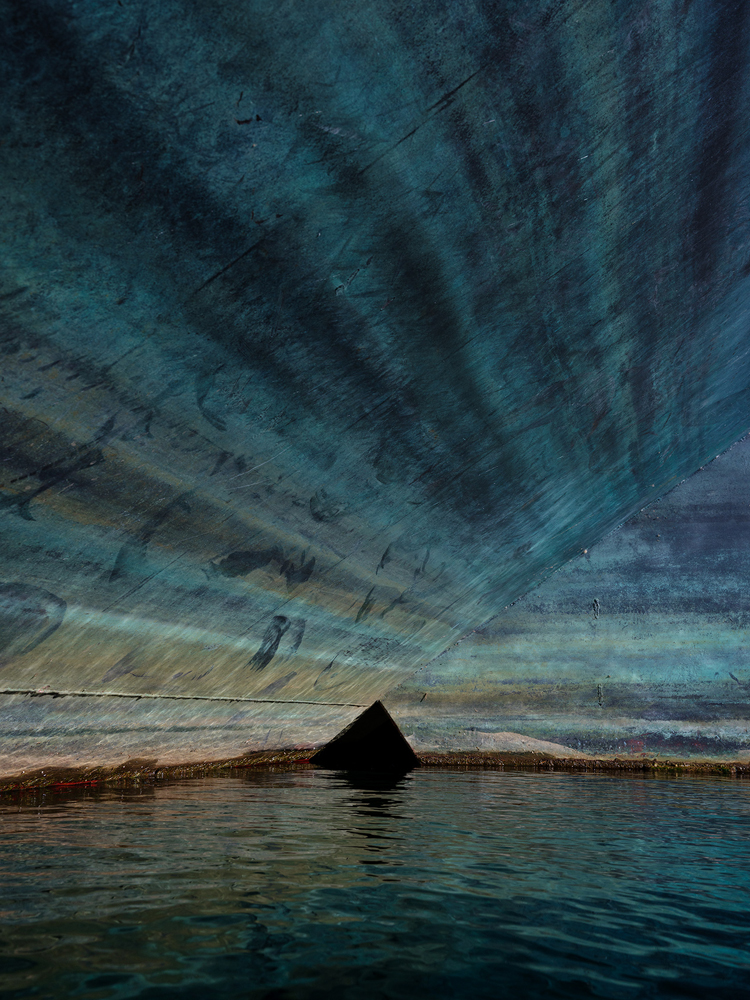
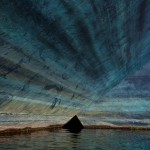
©Eirik Johnson, “Western Venture”, from “Leviathan Rising”, 2020
Photography Educator is a monthly series on Lenscratch. Once a month, we celebrate a dedicated photography teacher by sharing their insights, strategies and excellence in inspiring students of all ages. These educators play a vital role in student development, acting as mentors and guides who create environments where students feel valued and supported, fostering confidence and resilience.
For nearly two years, I’ve had the privilege of celebrating dedicated and creative photography educators each month. Every time I receive their responses to my interview questions, I’m heartened by their generosity and commitment. These teachers go above and beyond for their students. Their student work that I feature is a strong testament to the passion with which these teachers teach.
Eirik Johnson is one of those teachers. Although we haven’t met in person, I’ve been a fan of his photographic work for a long time. His images transform the everyday into wonder; they invite me to look twice, get close, step back and hold still. Thank you, Eirik, for the work that you do with students of all ages and for bringing such authentic photographs, books, and immersive experiences into the world.
This article starts with a sampling of Eirik’s photographic works.
I am a Seattle-based photographic artist whose work navigates the often-makeshift connections that form at the intersections of contemporary environmental, social, and economic issues. My work references, and at times subverts, photography’s capacity to create lyrical and transcendent documents. I work with various modes of presentation from published book to experiential sound and site-specific installation to bring a unique and original voice to the photographic medium.
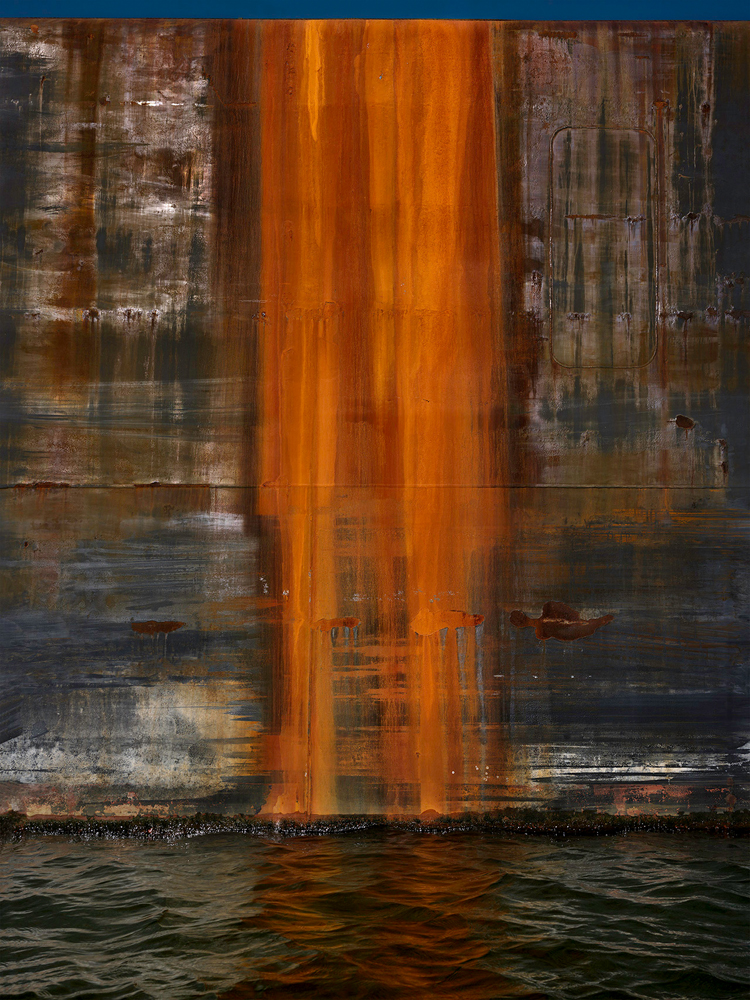
©Eirik Johnson, “Madison Rose”, from “Leviathan Rising”, 2021
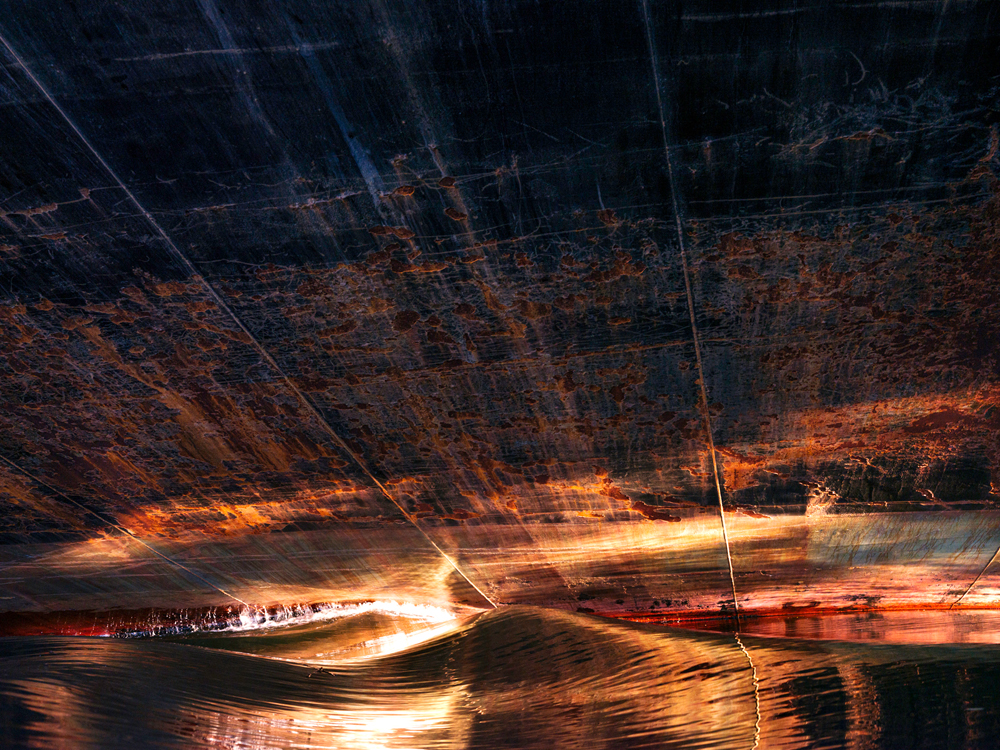
©Eirik Johnson, “Steel Trader”, from “Leviathan Rising”, 2021
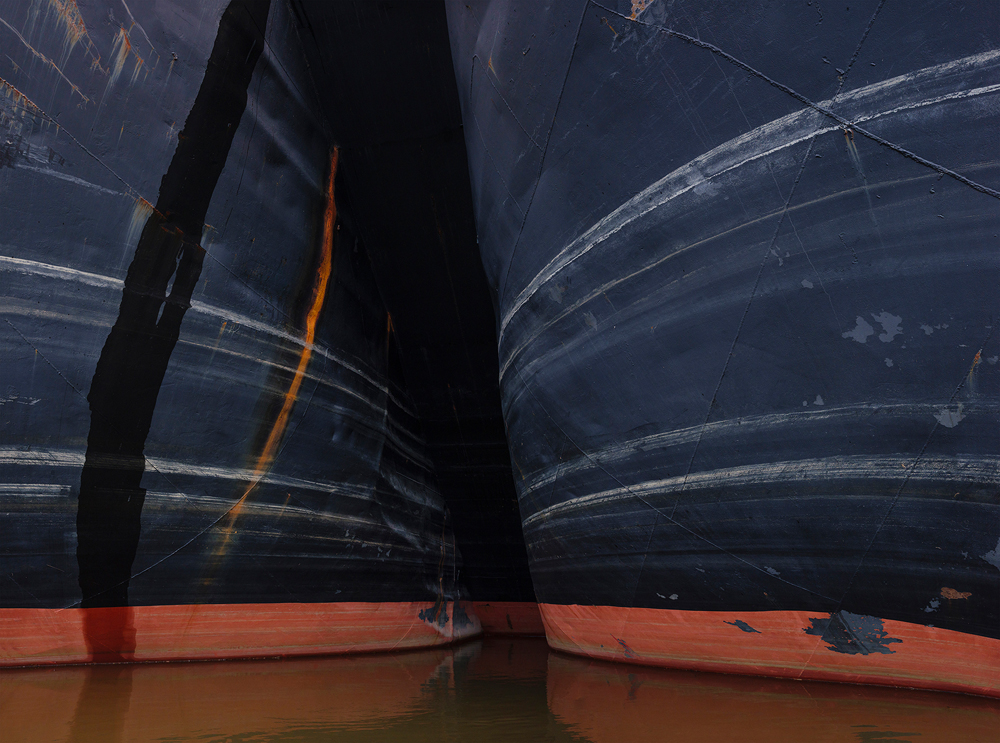
©Eirik Johnson, “Dioskouroi”, from “Leviathan Rising”, 2021
I’m always curious about how photography educators manage to teach with intensity while continuing to create new and original work. Eirik seems to have found the way to do both. Read on for Eirik’s insights and responses to my questions.
ES: How and why did you get into teaching?
EJ:I came to teaching after receiving my MFA from the San Francisco Art Institute (rest in peace). I’ve always been drawn to the idea of a teacher as part of an ongoing conversation or lineage. I wanted to become a part of that story. So, after grad school, I taught as an adjunct instructor for a couple of years in San Francisco and Oakland. From 2006-2011, I served on the photo department faculty at Massachusetts College of Art and Design in Boston. That was essentially an education in teaching, as I co-taught alongside colleagues including Barbara Bosworth, Abelardo Morell, and David Hilliard, amongst others. In moving back to my native Seattle, I’ve chosen to build up the community at Photographic Center Northwest, both as a faculty member but also as Programs Chair, in charge of educational programming.
ES: Did you have an influential photography mentor or teacher? What was their biggest impact on you?
EJ: Graduate school at SFAI was a pivotal time for me, both as a young artist, but also as an aspiring educator. I had the good fortune to work regularly with both Linda Connor and Henry Wessell. In Linda, I discovered the importance of building community, specifically within the broader photographic arts ecosystem. She is the high priestess of the Bay Area photo community and made her students feel connected to a lineage and history, as if we were a further chapter in that story.
In Hank, I found a guiding light in listening to one’s intuition. He believed in the magic of the everyday and met his students with both a smile and criticality. If a particular critique review left a student feeling low, Hank would look over, a sparkle in his eye, and simply say, “just go shoot”. From another professor, it might have come across as over-simplistic, but all one had to do was look at Hank’s own work to understand that this was his own mantra. The world is a curiously wonderful place, so just go be present in it.
ES: What career accomplishments are you most proud of?
EJ: It’s hard to single out accomplishments, but looking back in retrospect, certain moments from my career seem to have been pivotal. Very early on, I received a Fulbright Fellowship to Peru in 1999. That experience of working independently in another country, of making friends, gaining access, and honing my craft, was tremendously unique and important.
Likewise, publishing my second monograph “Sawdust Mountain” with Aperture still seems like an impossible dream that became reality. The book became a touring exhibition and I was able to collaborate with several wonderful writers on the book. It was also while working on this project, that I felt a yearning to return to the Northwest, both as a home but also as an ongoing place of creative inspiration.
That brings me to my recent project “Leviathan Rising”, a body of work exploring trans-oceanic commerce and environmental fragility, that incorporates both photography, sound, and installation. It’s an ambitious project that is set to be published by MW Editions in Fall 2026.
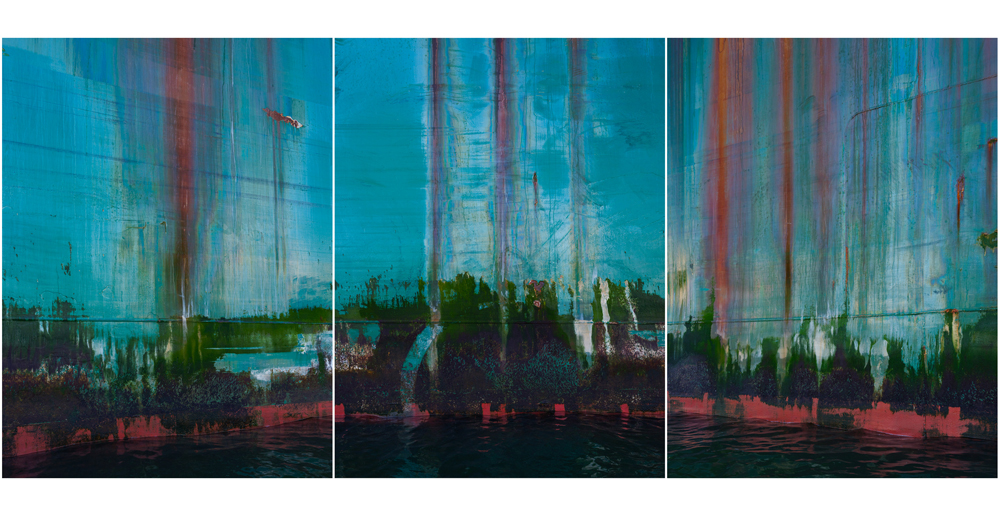
©Eirik Johnson, “Santos”, from “Leviathan Rising”, 2021
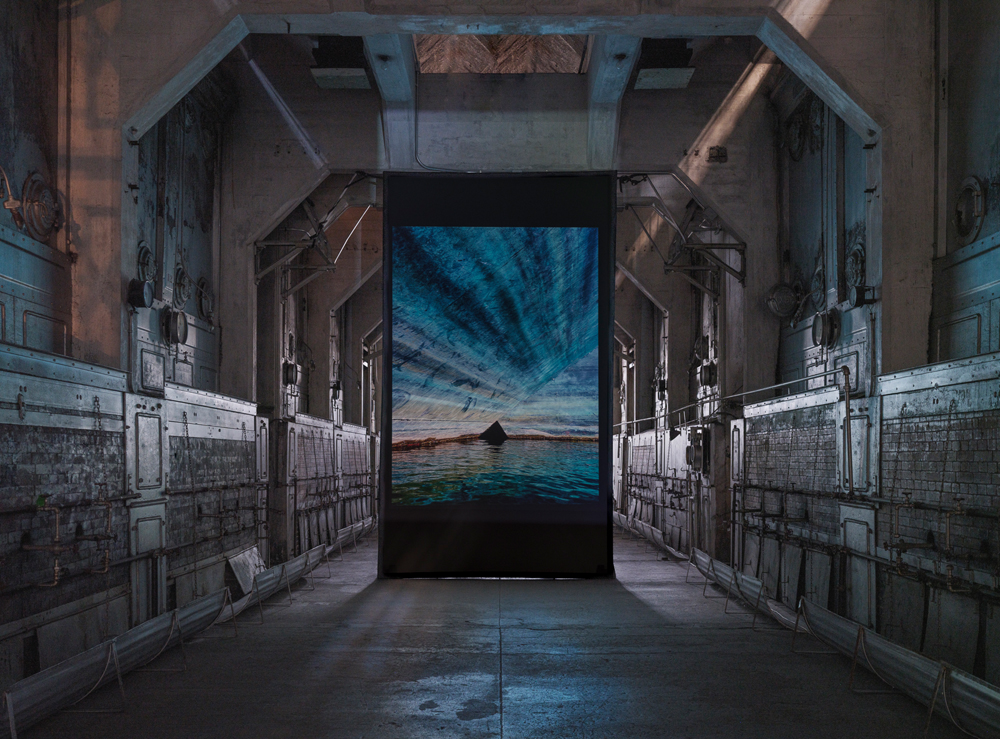
©Eirik Johnson, Installation view of site-specific installation “Leviathan Rising” at the Georgetown Steam Plant, Seattle, WA. 2023
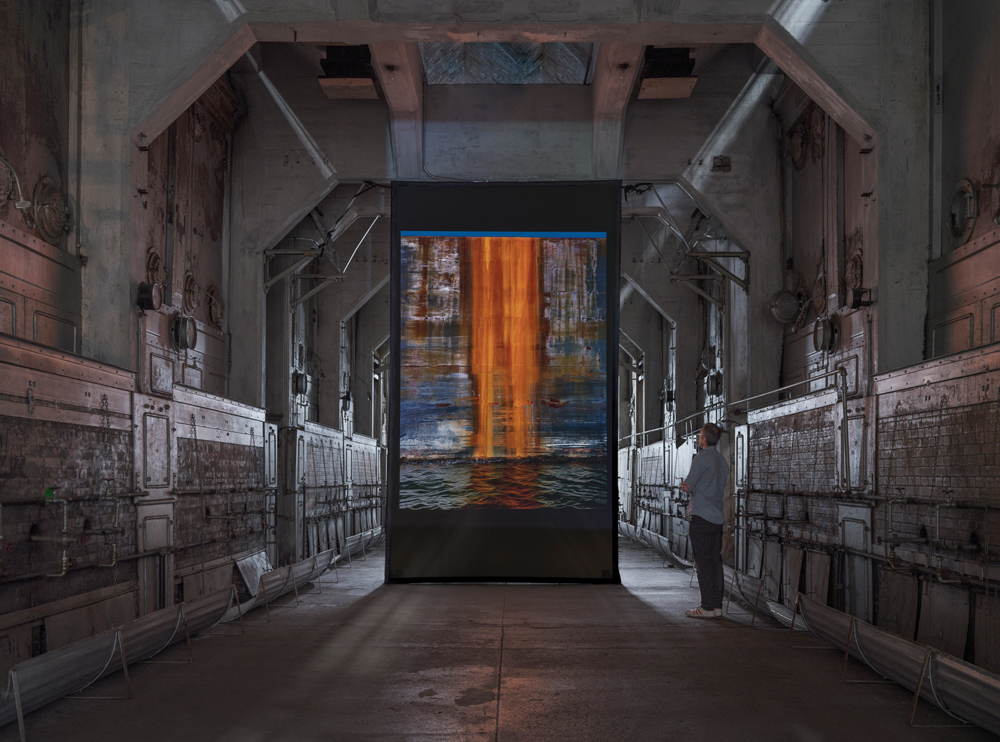
©Eirik Johnson, Installation view of site-specific installation “Leviathan Rising” at the Georgetown Steam Plant, Seattle, WA. 2023
ES: How do you integrate your experience and success as an artist into your teaching practice?
EJ: I value sharing my experience, when possible, with my students. I think there’s great value in doing so, if it aligns with the content of the course. What I mean by that is, it can be helpful to share your experience in a way that gives context or a means of demystifying the intimidating art world. All that being said, one of the most important things that I’ve learned is that there really is no one clear set path or approach to the art world. The measurement of success can be elusive and frankly, whatever yard stick was used to measure such achievements when I was a student 20-30 years ago has changed considerably.
ES: How do you connect with your students?
EJ: The amazing thing about teaching at Photographic Center Northwest is that I have students ranging in age from early twenties to late seventies. It makes for this really interesting space where so many different forms of life experience intermingle. As a teacher, I value this intersection, as it’s always providing entry points for connection I could never have dreamt of. For example, several years ago when teaching my Photobook course, I had asked students to share previous work during our initial introductions, a few younger students presented images they had made over the summer break when they were home visiting family and friends. Then an older student opened up a box of black and white prints he had recently made from negatives shot while riding freight trains across the plains of Nebraska towards the West in 1969. He was probably the same age when he made those pictures as the other students. It provided this generous space for conversation and the whole class quickly became a tight group of friends from there on.
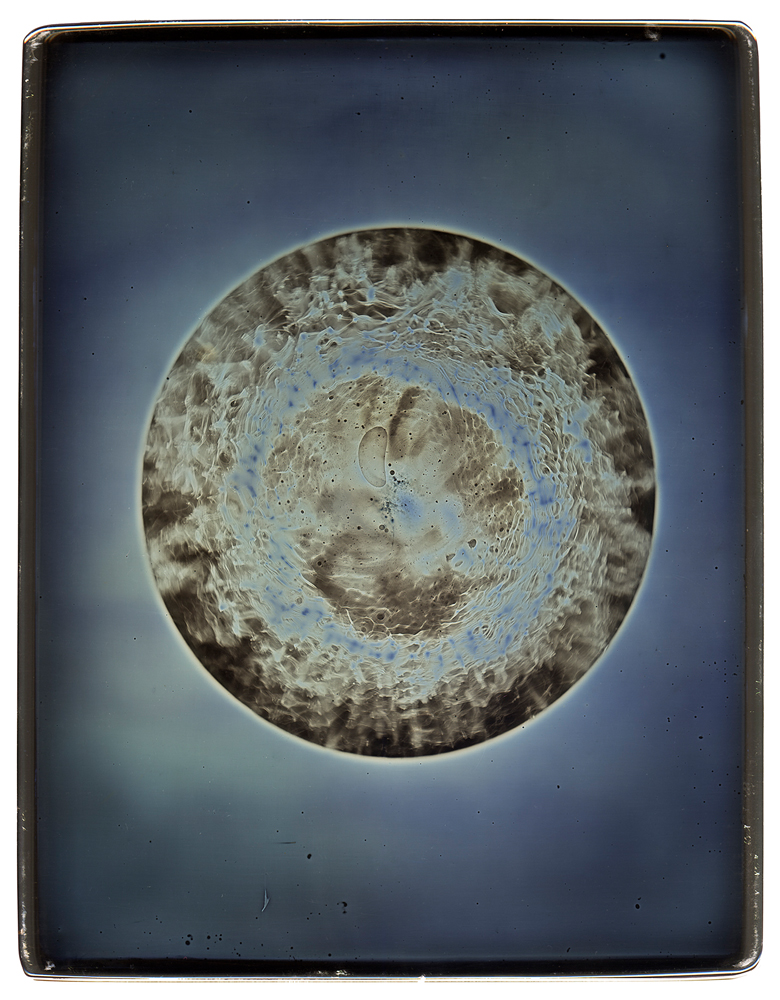
©Eirik Johnson, “Float no. 7”, 2025, unique daguerreotype photogram in collaboration with Daniel Carrillo.
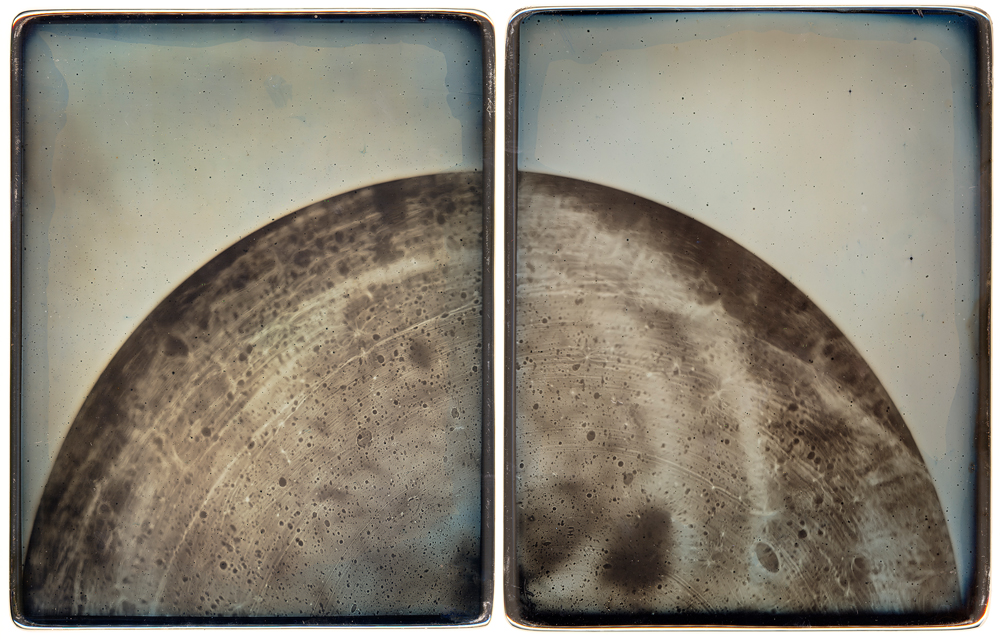
©Eirik Johnson, “Float no. 14”, 2023, unique daguerreotype photogram in collaboration with Daniel Carrillo.
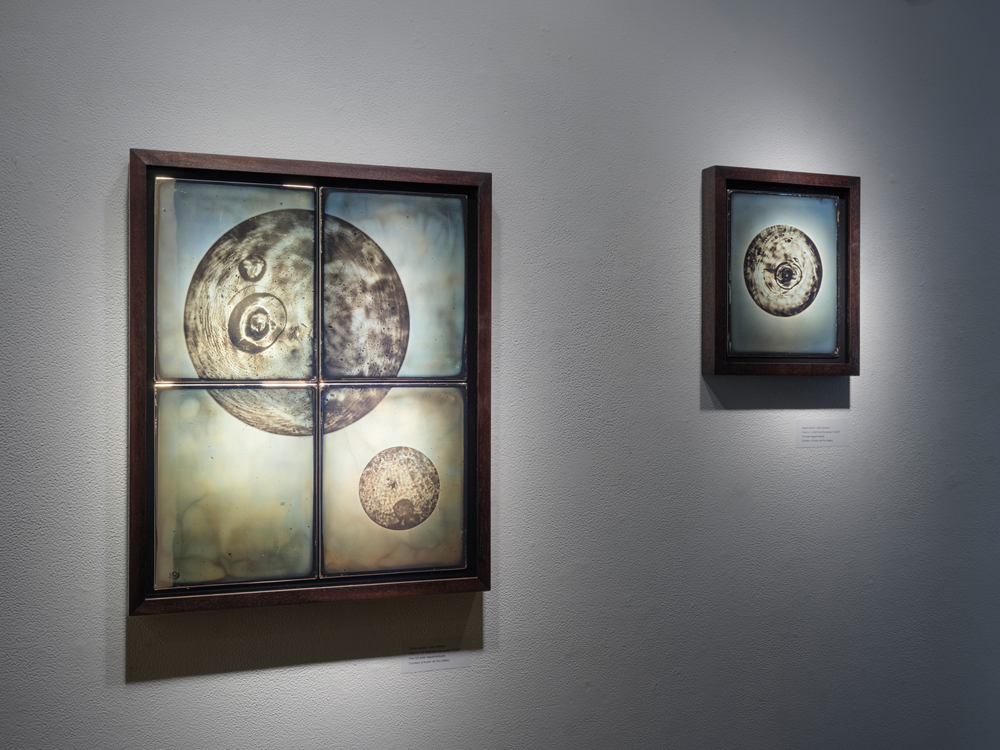
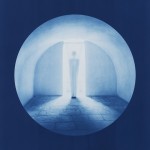
©Eirik Johnson, “Float no. 12 & no 5”, 2024, unique daguerreotype photograms in collaboration with Daniel Carrillo.
ES: How and where do you find inspiration?
EJ: I’ve come to realize that photography has essentially been a visual extension of my very active curiosity. For me, that means getting out into the world and paying attention. Whether that’s somewhere out in the woods or beneath the hull of a transoceanic barge, there’s always something interesting happening if you’re open to it. I’ll often have several ideas percolating in my head at any given time and then, after a while, one of them just clicks and becomes the focus of my attention. Sometimes, for many years.
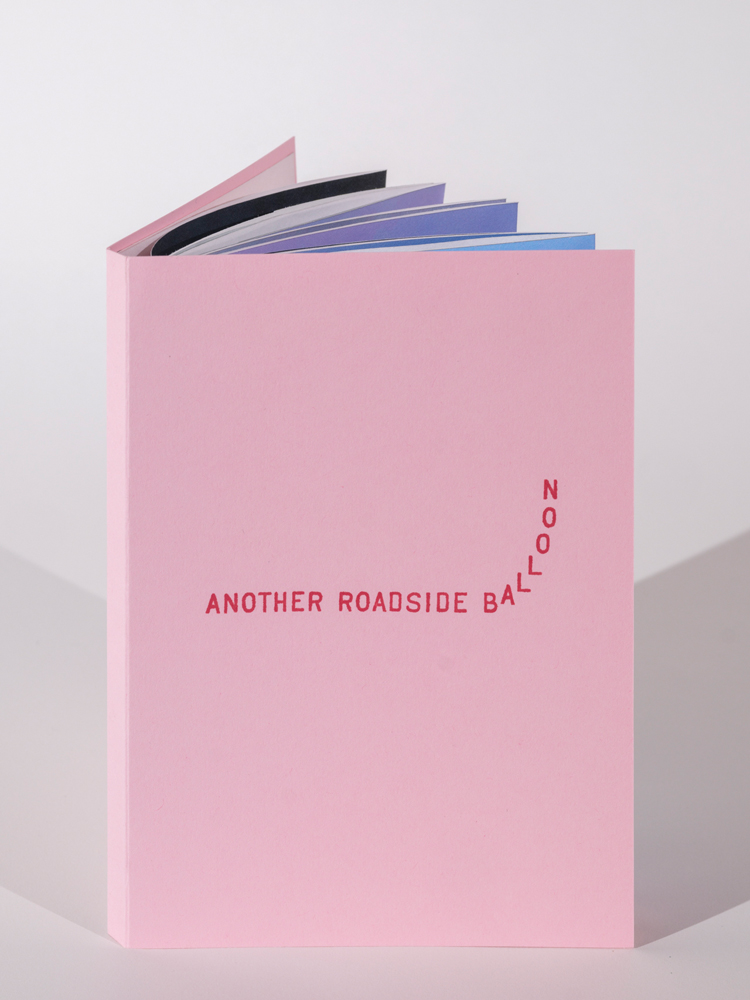
©Eirik Johnson, “Another Roadside Balloon” artist book, 2026
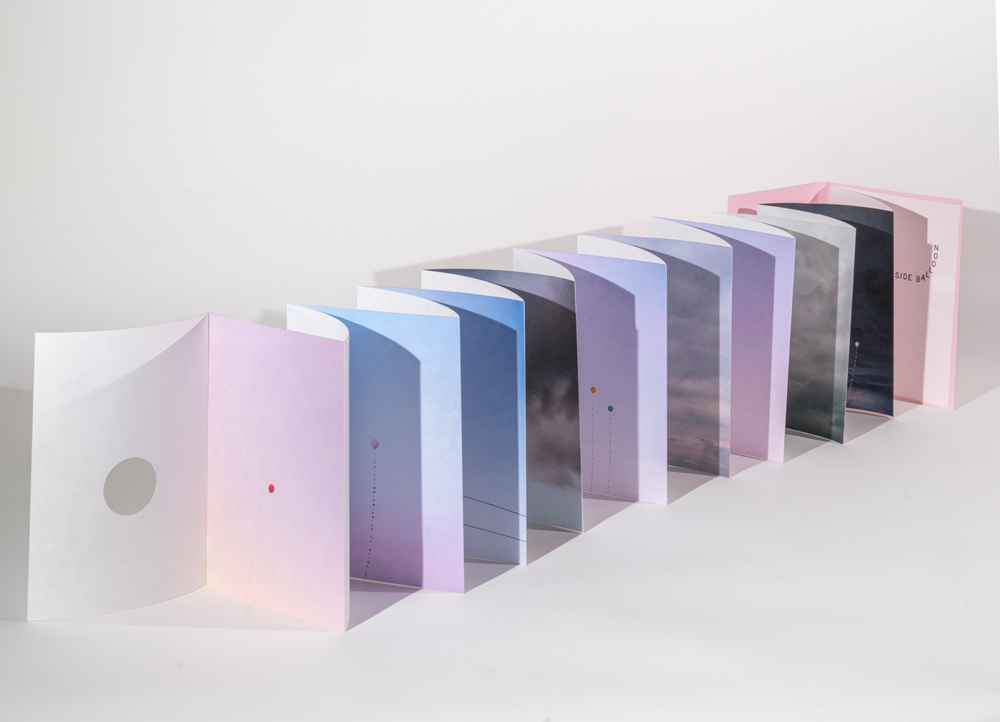
©Eirik Johnson, “Another Roadside Balloon” artist book, 2026
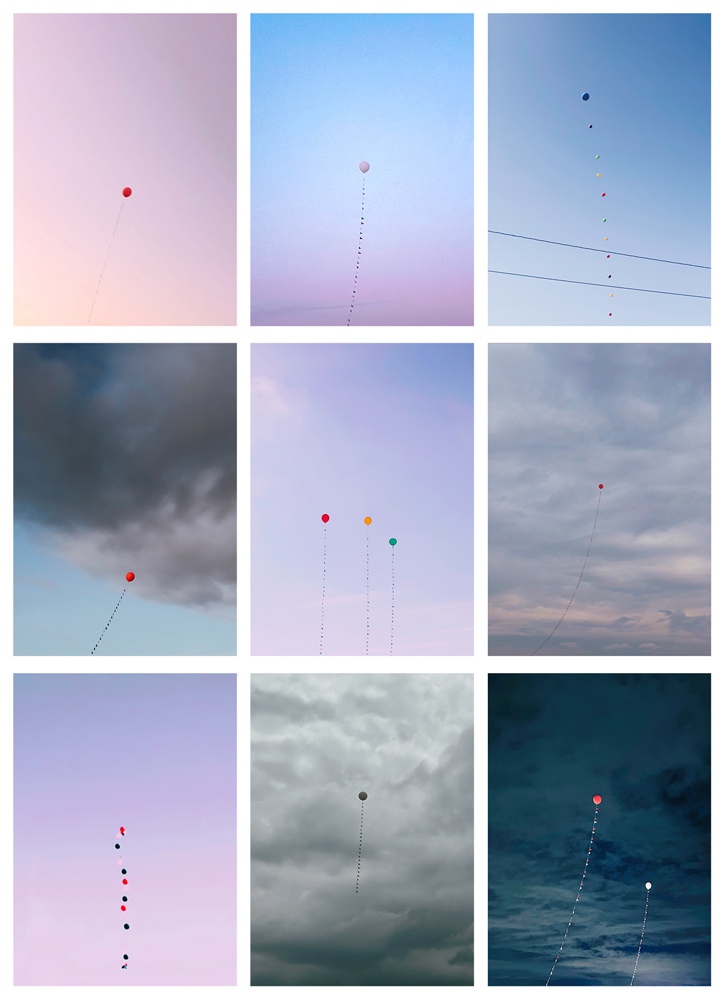
©Eirik Johnson, Images from “Another Roadside Balloon” artist book, 2026
Featured below is a selection of work by Eirik’s students. Their maturity and artistic vision reflect Eirik’s gift for teaching and his ability to help students grow into confident creative photographers.
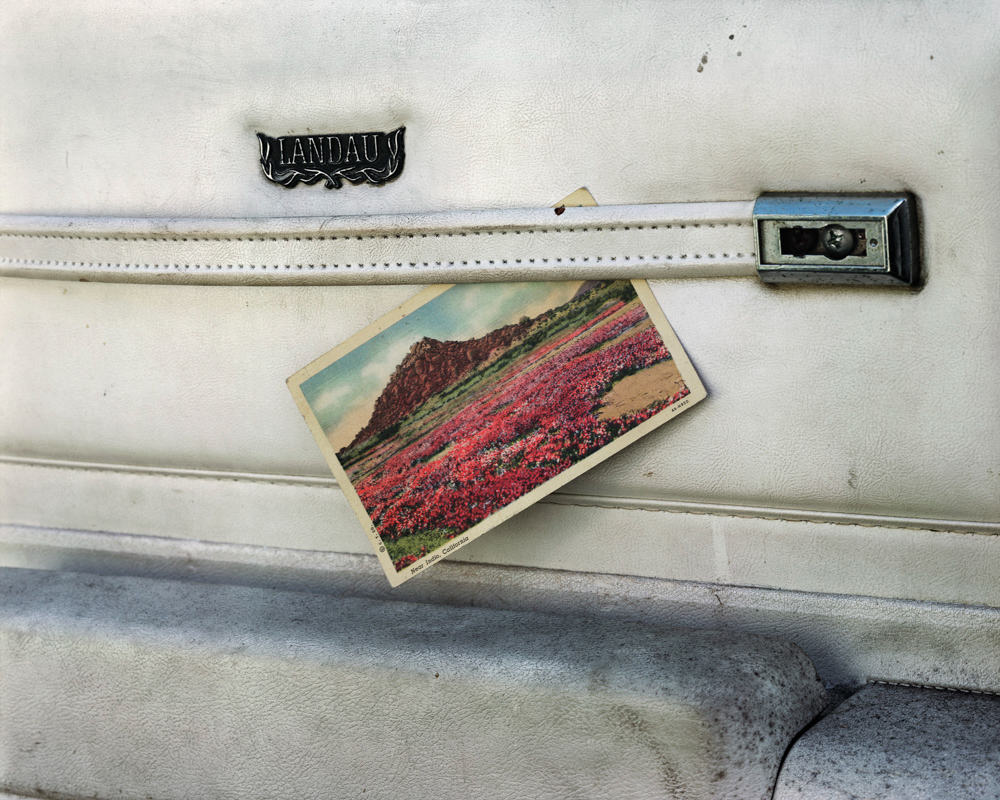
©Phillip Jung, Baltimore Maryland, 2008 – from the series Windscreen
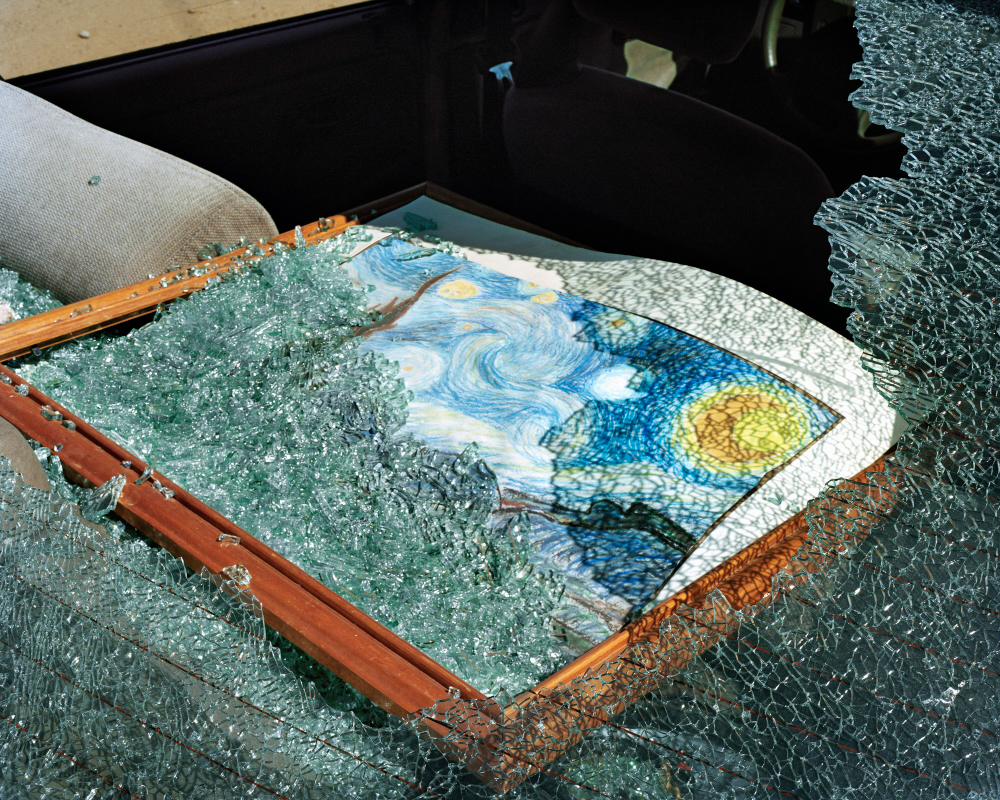
©Phillip Jung, St. Francis County, Arkansas, 2008- from the series Windscreen
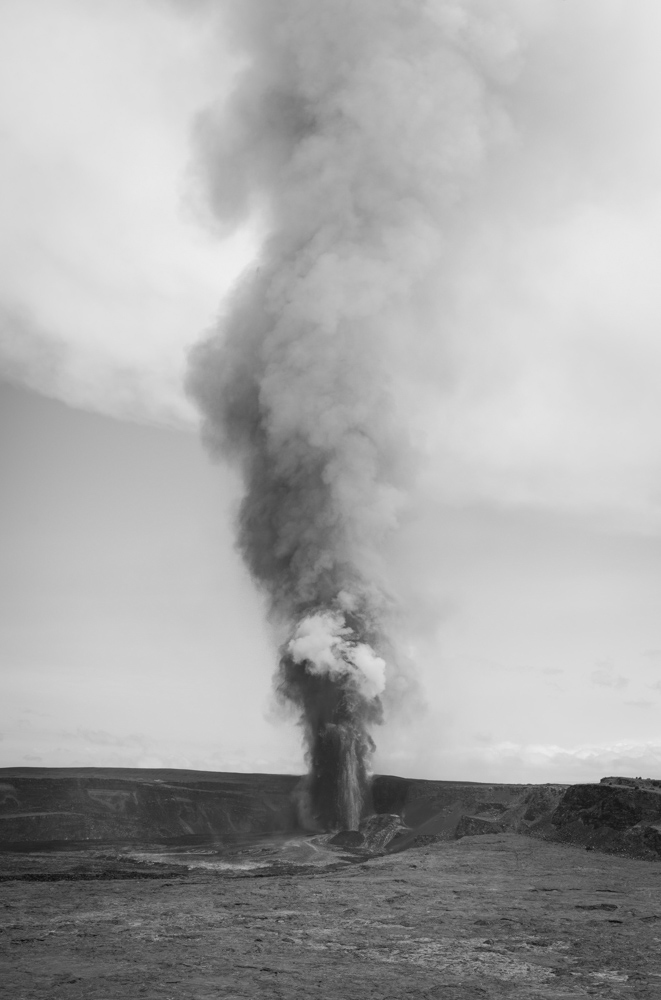
©Phillip Jung, Hawaii, Untitled, 2025 -Work in Progress
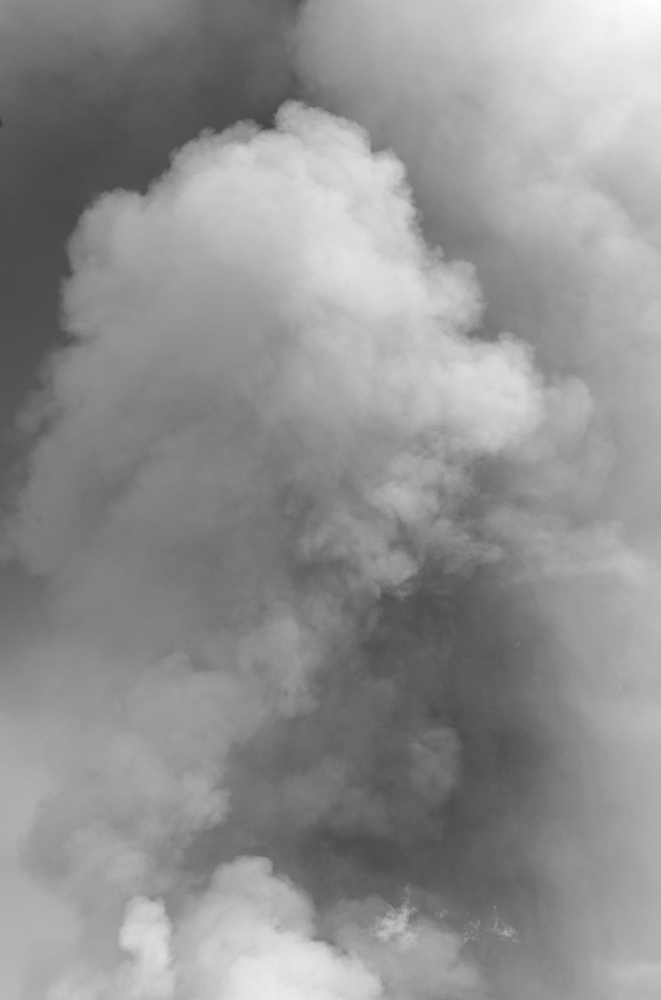
©Phillip Jung, Hawaii, Untitled, 2025 -Work in Progress
Eirik was an incredibly important part of my graduate school experience. Above all, I remember his professionalism and generosity toward students—he was always available and deeply invested in helping us grow, both in our work and in our careers. I have great respect for his deep understanding of photography and his exceptional technical command of the medium as an artist.
Phillip Jung
IG: philjung_hnl
Website: jungphil.com
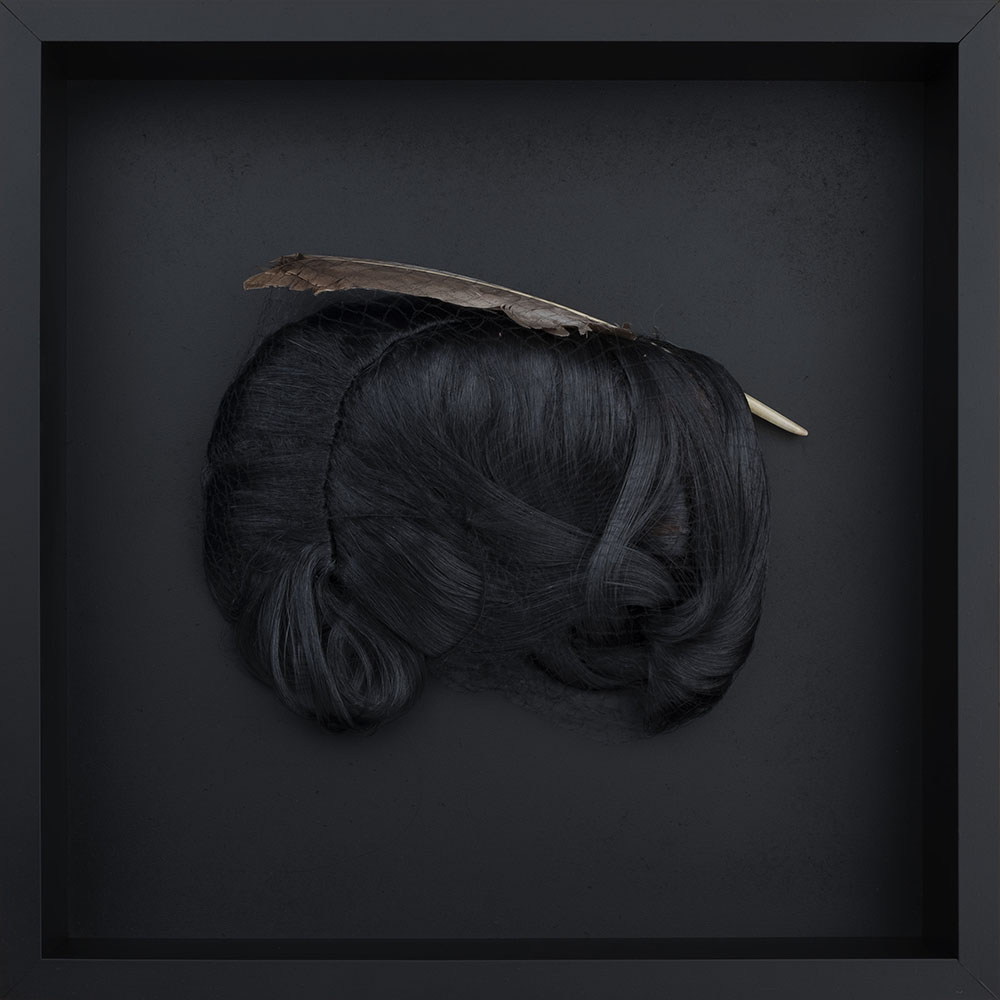
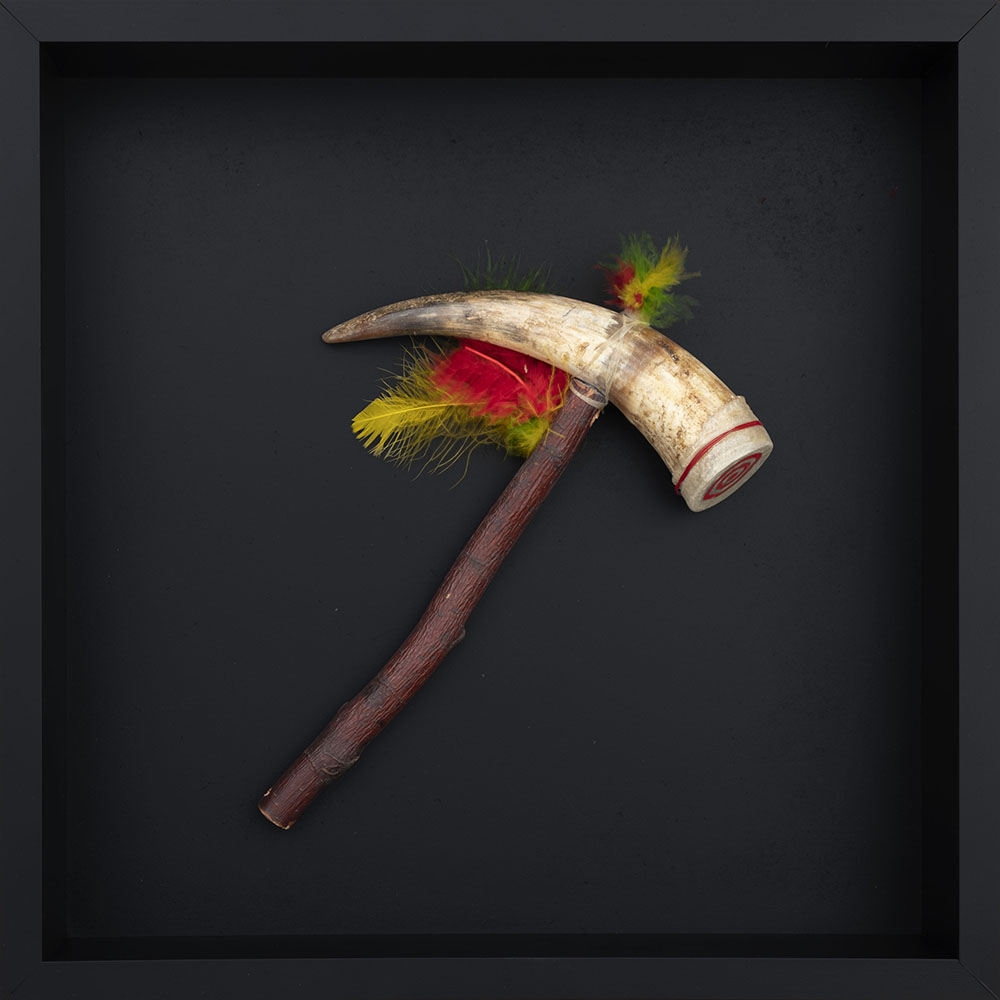
©Selena Kearney, Amazon, $22, 2019
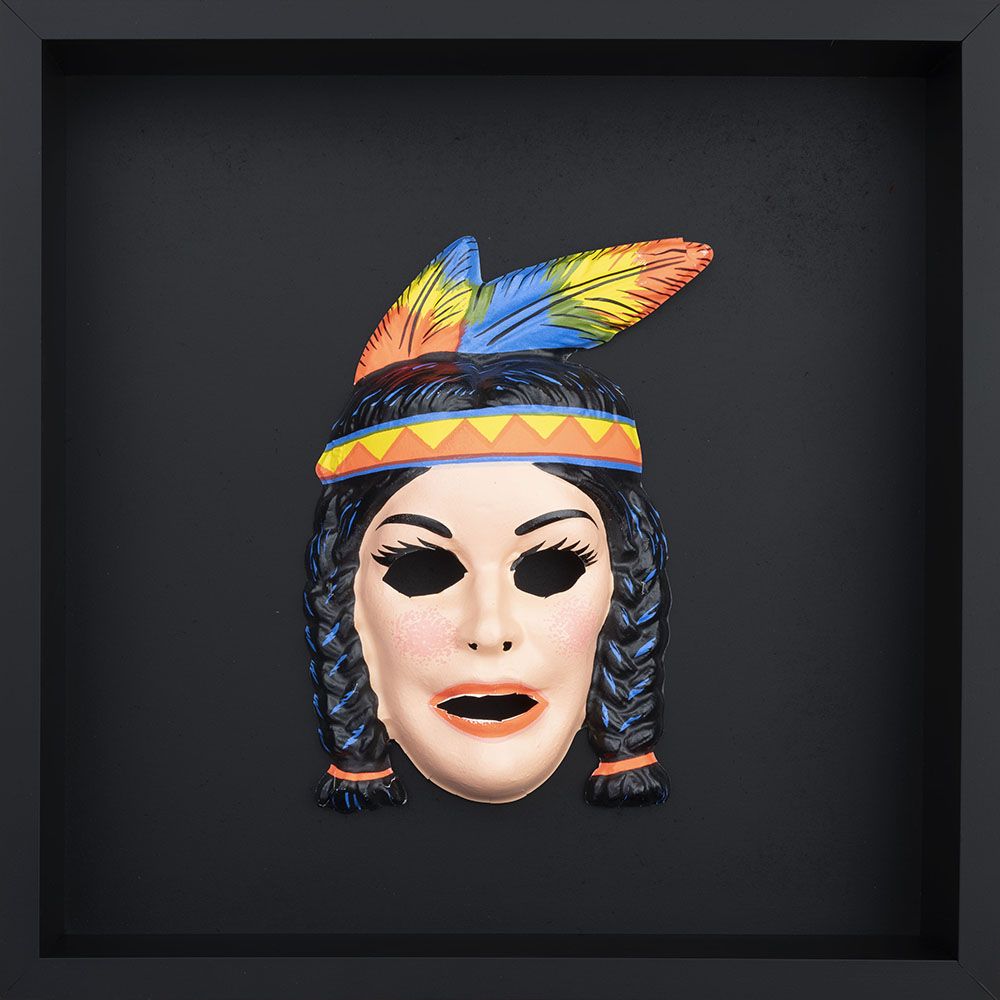
©Selena Kearney, Antique store, $12.00, 2019
©Selena Kearney, Ebay, $31.07, 2019
I’m truly grateful to have had Eirik Johnson as a teacher and mentor while developing my thesis work at Photographic Center Northwest. He brings a welcoming calm to the creative process, balancing real rigor and ambition with openness and patience. The work I developed within the supportive community at Photographic Center Northwest became a foundation for my ongoing art practice.
Selena Kearney
IG: @latchselena
Website: www.selenakearney.com
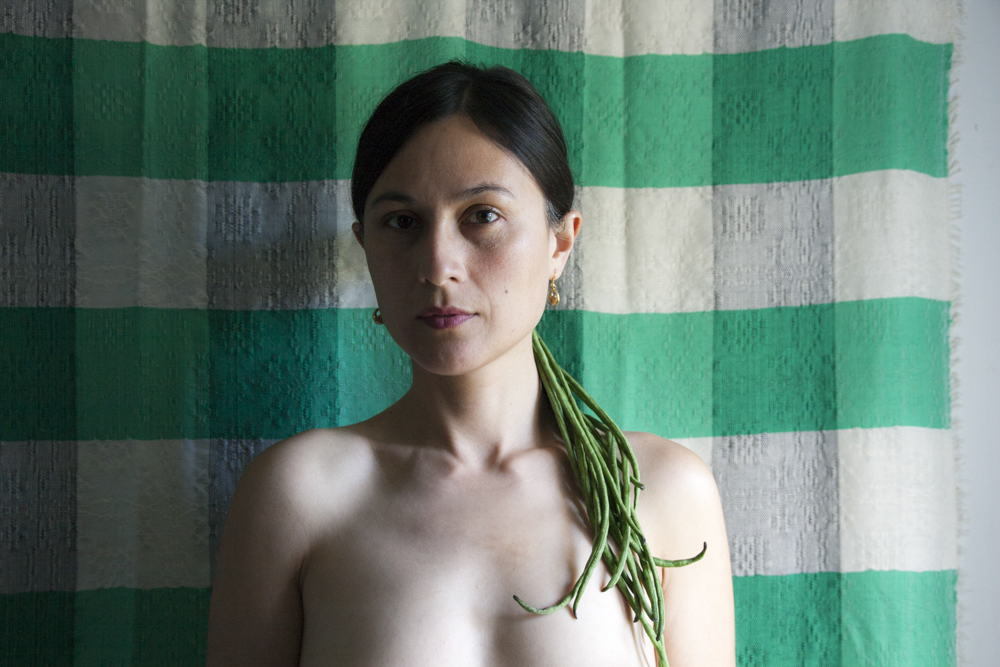
©Elisabeth Vasquez Hein, String Bean Hair | Sitaw na Buhok
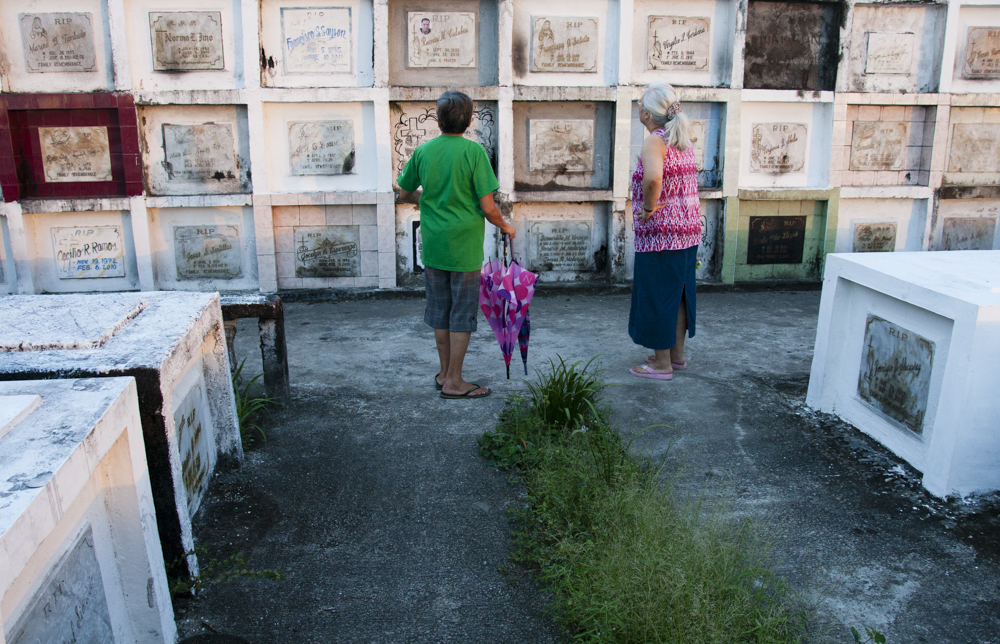
©Elisabeth Vasquez Hein, My Family Still | Ang Pamilya Ko Pa Rin
Eirik Johnson is a brilliant, steady presence in the photography community. His artistic aesthetic and thoughtful exploration of the environment inspires me to create clear and purposeful work. Over the past decade in which Eirik has been a teacher, mentor, and advisor to me, I’ve appreciated how he is always encouraging, inclusive, and supportive. He sees each student’s potential and guides us with intentionality and a collaborative spirit.
Elisabeth Vasquez Hein
IG:fuzzybrowngirl
Website: elisabethvasquezhein.com
Eirik Johnson (b. 1974, Seattle) makes conceptually grounded work examining the global arc and intersections of contemporary environmental, social, and economic issues. Employing various modes of presentation from photobooks to experiential photo and sound-based installation, Johnson’s photographic and interdisciplinary projects explore the marks and connections formed in the friction of this complicated relationship. Johnson received his BFA and BA from the University of Washington, Seattle, WA and his MFA from the San Francisco Art Institute. He has exhibited his work at institutions including the Aperture Foundation, NY, the Institute of Contemporary Art, Boston MA, and the Henry Art Gallery, Seattle, WA. Johnson’s work is in the permanent collections of institutions including the San Francisco Museum of Modern Art, the International Center of Photography, NY, the Nevada Art Museum, Reno, NV, and the George Eastman Museum, Rochester, NY. His monographs include Road to Nowhere (self-published), Barrow Cabins (Ice Fog Press), PINE (Minor Matters Books), Sawdust Mountain (Aperture Books), and BORDERLANDS (Twin Palms Publishers). His editorial clients include Travel+Leisure, New York Times Magazine, Dwell, and Metropolis. Johnson serves as Programs Chair at Photographic Center Northwest and his work is represented by Koplin del Rio Gallery, Seattle, WA.
Instagram: @orcawatch
Upcoming Publications & Exhibitions:
Leviathan Rising upcoming monograph to be published Fall 2026 by MW Editions
An exhibition of Leviathan Rising will take place in October-January at the Tacoma Art Museum
New limited edition artist book Another Roadside Balloon now available.
Posts on Lenscratch may not be reproduced without the permission of the Lenscratch staff and the photographer.
Recommended
-

Mexico Week – Gerardo Montiel Klint: Cartographer of the UnconsciousMarch 28th, 2026
-

Mexico Week – Cristina Kahlo: When Memory Meets the LensMarch 27th, 2026
-
Mexico Week – Carol Espíndola: The World Is My Own BodyMarch 26th, 2026
-

Mexico Week – Paola Dávila: Beyond the LandscapeMarch 25th, 2026
-
Mexico Week – Tomás Casademunt: Time Frozen by LightMarch 24th, 2026