Martin Stranka: All My Strangers
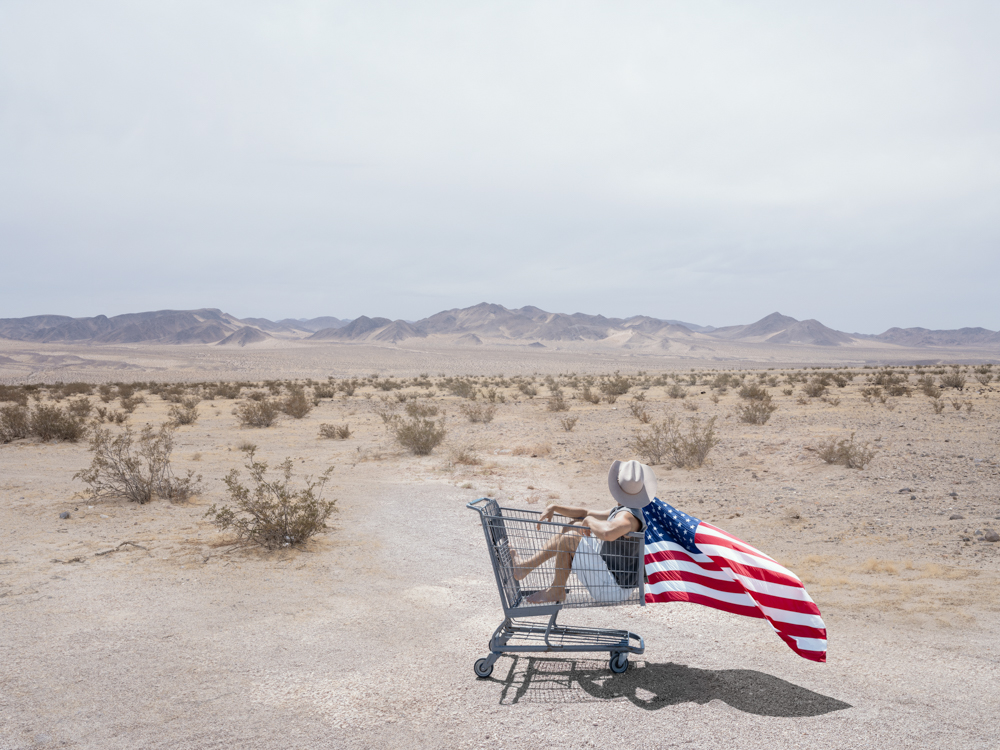
©Martin Stranka, All I Want
Martin Stranka‘s cinematic photographs feel like a series of outtakes from some of my favorite movies, where the main character stumbles through the sun bleached vistas of the American west, encountering strangers, but actually encountering himself. The work is a road trip though loss and decay, though front yards and back yards, down the coast and across the desert sands. He shares his encounters with strangers but many are behind closed doors or left to our imagination.
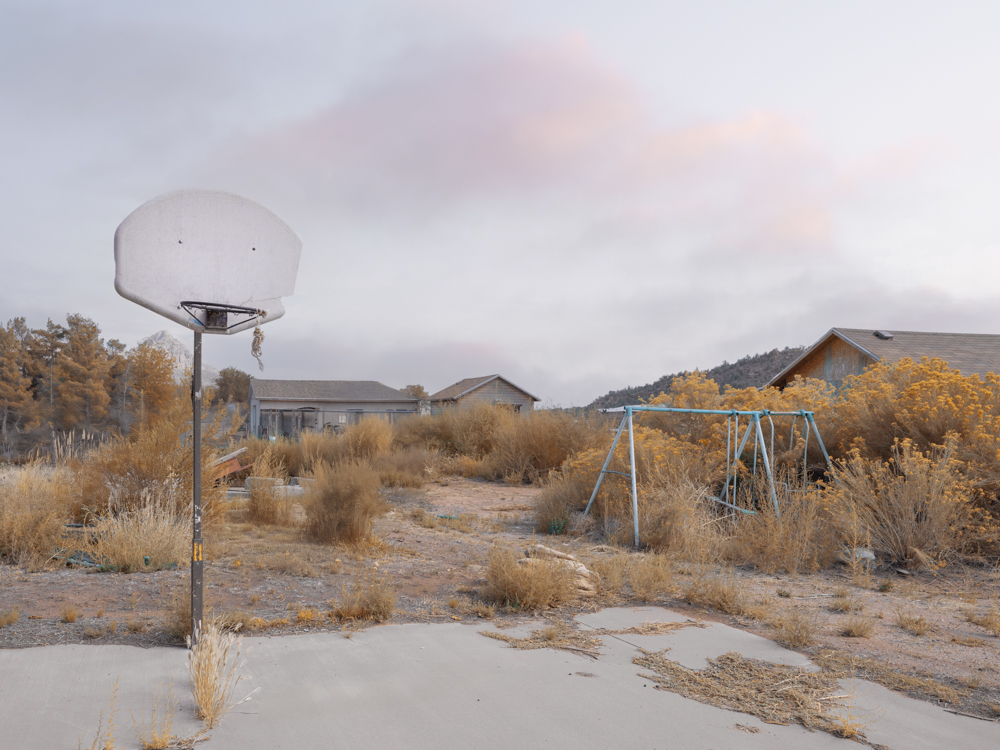
©Martin Stranka, A Different Kind of Game
Martin Stranka is a self-taught professional photographer based in Prague and a native of Czechia, born in 1984. Martin was a student plodding through courses in business school when the unexpected loss of a loved one led him to pursue photography as a form of therapy. That hobby turned into a passion and, eventually, a profession. His distinctive vision of the medium occupies a unique space of balance and serenity, with rich, complex imagery that seems to capture the fleeting moments between dreams and awakenings. Martin’s pieces are reminiscent of stills from a film that walks the line between fantasy and reality. He explores our fascination with the incomplete narrative. In his words: “In these deliberately unfinished visual stories, I’m searching for the boundary between aesthetic appeal and a dramatic scene.”
In recent years, Martin has won over 80 major international photography awards from various competitions, including the International Photography Awards™ held in New York at Carnegie Hall, where he was named Special Photographer of the Year in 2022. In 2024, the book Beautiful Accidents won 2nd place in the same competition in the Fine Art Book category among all submitted books from around the world. He’s also received awards from the Sony World Photography Awards (1st place, Open Creative category and National Award 2018 and 2019), the Annual Photography Awards (Photographer of the Year, 2021) and Prix de la Photographie Paris (Gold Award).
Martin’s work has been exhibited and auctioned by leading auction house Christie’s in London and Amsterdam, and his solo and group exhibitions have been hosted in North and South America, throughout Europe, and as far as Asia. His photographs have been exhibited in cities around the world: New York, Basel, Tokyo, London, Miami, Paris, Prague, Hong Kong, Kiev. The galleries where Martin’s work has been presented include Christie’s London (UK), Danubiana Meulensteen Art Museum (SK), Mánes Exhibition Hall (CZ), Saatchi Gallery (US), SNAP! Orlando (US) and many others.
Martin’s dreamlike, transportive photography has been commissioned by cultural institutions such as the National Theatre in Prague and the Czech National Ballet. His images have also been used by New York publishers for the covers of mystery and thriller novels — genres Martin believes his work is perfectly suited to. He has created book covers for the biggest New York publishers, such as HarperCollins Publishers, Sterling Publishing and Penguin Random House, and he has collaborated with other book publishers, music publishers and artists around the world.
Instagram: @martinstranka
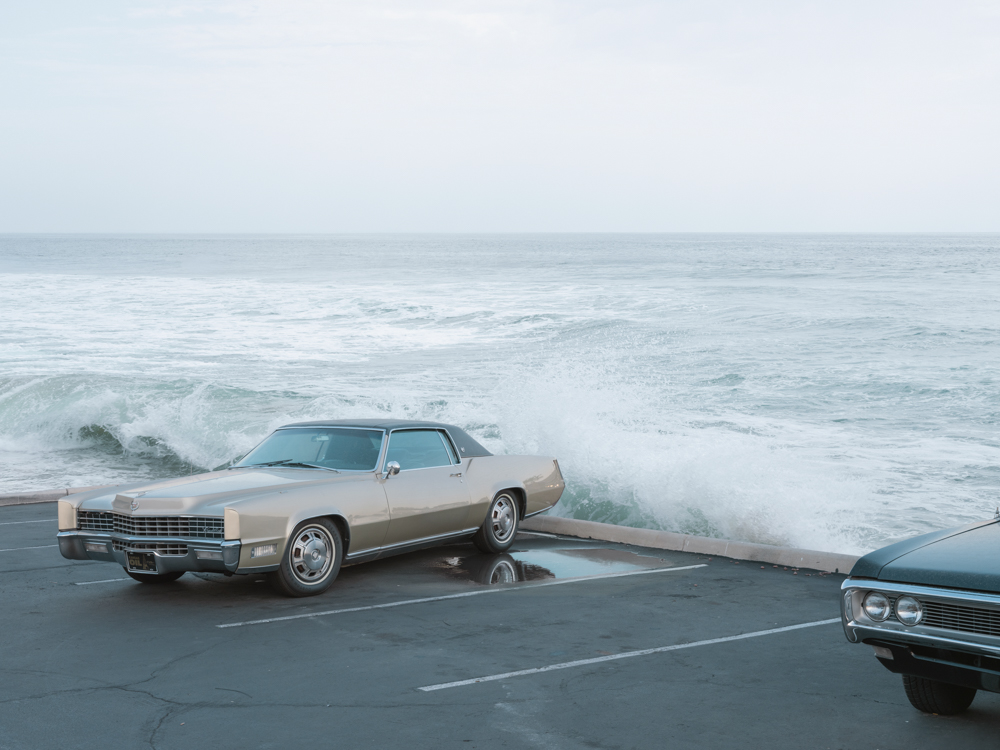
©Martin Stranka, All My Strangers
All My Strangers
The narrative of my series All My Strangers maps the cyclical nature of human encounters: the transformation from complete strangers to intimate companions, and the inevitable drift toward alienation. Each initial meeting, unburdened by a shared past, carries within it a perfect purity, and at the same time, the hidden risk of the unknown.
On the West Coast of the United States, in a land built on the stories of strangers, I compose images that examine these encounters and their settings. I invite the viewer to step into the private spaces where the scenes take place. They then face the question of whether, in such fleeting moments, it’s possible to find a lasting sense of home in every stranger whose story I touch. And I wonder what if, in every stranger and every place, I am not searching for home at all, but rather for fragments of myself, scattered across the world? – Martin Stranka
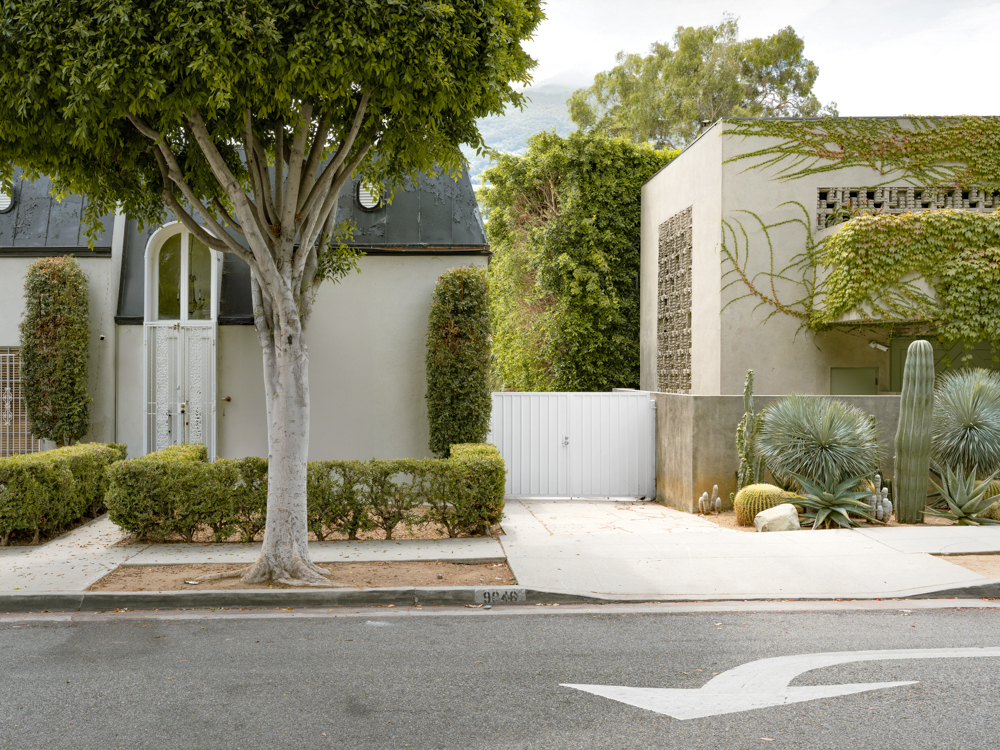
©Martin Stranka Next Door Stranger
Curatorial Statement:
In the contemporary era, where global interconnectedness paradoxically merges with the atomization of individuality, the series All My Strangers offers a visual meditation on the very essence of human encounter. The series explores the ephemeral dynamics of human relationships, where each interaction is defined by a cyclical arc: from initial anonymity through intimate, albeit fleeting, closeness, to the inevitable, often poignant, return to estrangement. It does not, however, merely present a record of interactions; it functions as a mirror reflecting the existential human yearning for connection and the inescapable reality of isolation.
The series is built upon the premise that every encounter with a stranger, unburdened by the weight of a shared past, harbors both the purity of an unadulterated present moment and the latent risk of the unknown. This tension between openness and potential vulnerability is a central motif that resonates throughout the exhibition. The West Coast of the United States – a land symbolically associated with narratives of a continuous influx of strangers and the ceaseless migration of dreams and destinies – serves as the setting. These landscapes and urban spaces are not merely backdrops; they become active participants, silent witnesses, and often metaphorical extensions of the inner states of the depicted subjects.
The photographic arrangements in All My Strangers transcend the boundaries of mere documentation. They are composed scenes that draw the viewer into the “private space” of these fleeting moments, prompting introspection and posing questions that touch upon layers of human experience. Is it truly possible, in these transitory instances of mutual touch – be it physical, emotional, or verbal – to find a lasting piece of “home” in every stranger whose story we encounter? Is this longing for home in another merely a projection of our own need for anchoring in a constantly shifting world?
The philosophical apex of the series, however, lies in its concluding question: And what if, in every stranger, we are not searching for home, but merely for fragments of ourselves, scattered across the world? This question transforms the series from a simple exploration of interpersonal relationships into a psychological inquiry. It suggests that our interactions with “others” may be a form of continuous mirroring, where our own often unrecognized or suppressed aspects are reflected in the faces, gestures, and narratives of strangers. Each stranger thus becomes an ephemeral mirror, momentarily capturing and returning a piece of our own complex and fragmented inner self – our alter egos, our inner personas seeking external projection to be recognized.
All My Strangers thus invites a re-evaluation of what it means to be a “stranger” and what it means to be “at home.” Is “home” not rather a state of being, a moment of inner recognition found through projection and reflection in others, rather than a geographical location or a fixed relationship? The photographic series invites a journey that, while rooted in specific space and time, finds its true reach in the universal exploration of the human condition – in the perpetual dance between the desire for connection and the inevitable reality of our individual, introspective wandering. Ultimately, All My Strangers reminds us that the greatest strangers we may ever meet could be those residing within ourselves.
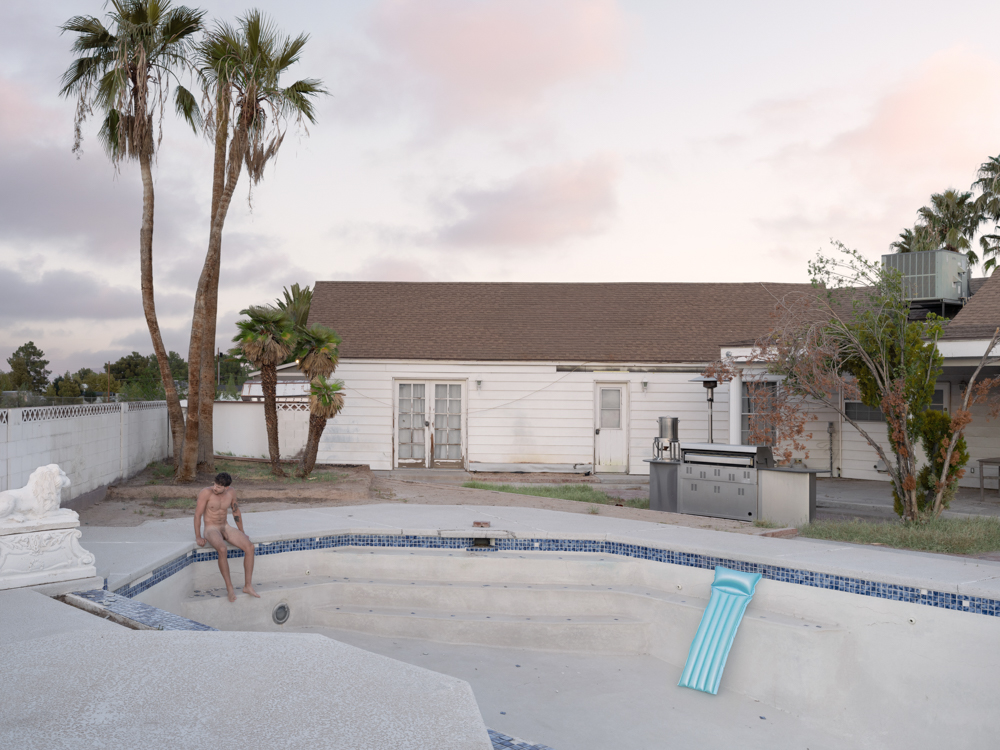
©Martin Stranka, Our Concrete Summer
Tell us about your growing up and what brought you to photography.
I grew up in Prague, just an ordinary guy born in ’84, following what felt like the logical path by studying business. My journey into photography wasn’t a childhood dream; it was, quite frankly, a reaction to a crisis. Everything changed with the unexpected loss of a loved one. That moment shattered my world and left me searching for a way to process grief that I couldn’t articulate. The camera found me when I needed it most, starting purely as a form of therapy. It was a safe space where I could project my emotions and anxieties, making sense of the overwhelming internal chaos. That necessity—that need to heal—slowly, almost unexpectedly, blossomed into a profound passion. It turned into my true language, shifting my entire professional direction from business to creating these silent, visual stories that exist somewhere between dream and reality.
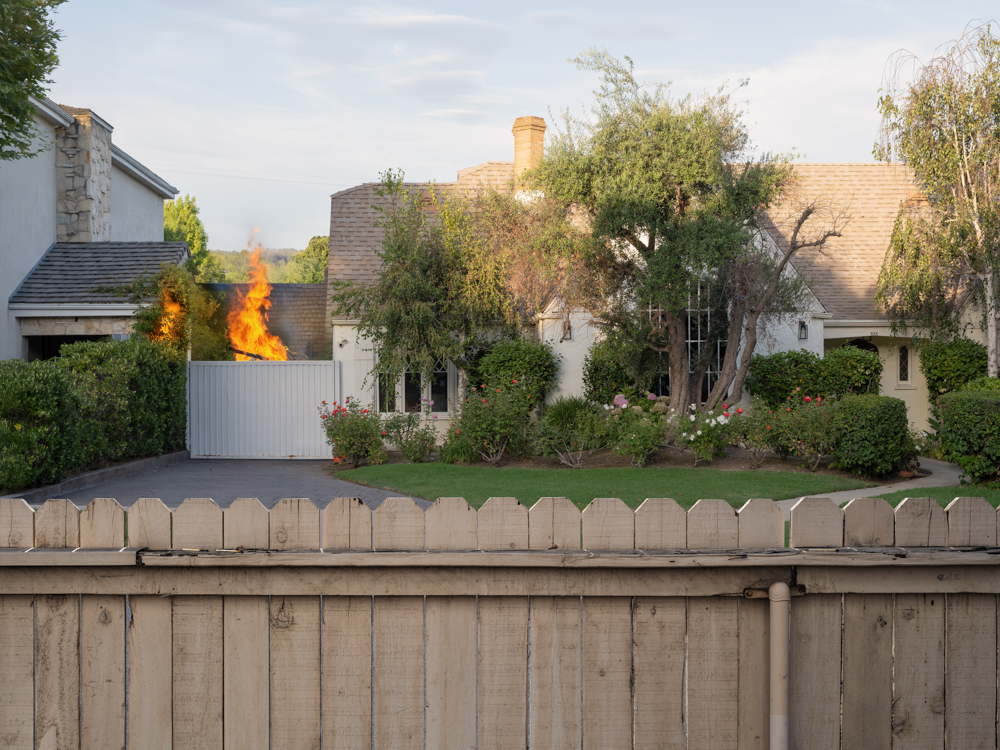
©Martin Stranka, Point of View
As someone who is based in Prague and a native of Czechia, what draws you to the American West?
The series “All My Strangers” is truly an attempt to create a visual meditation on the paradoxical human experience today: we are incredibly interconnected globally, yet often feel atomized and alone in our personal lives. I was fascinated by the ephemeral dynamics of relationships—the beautiful, cyclical arc of meeting someone, sharing a moment of intense, fleeting closeness, and then inevitably returning to being strangers again.
My goal was never just to document these interactions; the images act as a mirror to our existential yearning for true connection amidst the reality of isolation. Each encounter with a stranger, because it’s unburdened by a shared past, holds a purity, a blank canvas. But this openness also carries the latent risk of vulnerability, and that tension is central to the work. The American West Coast, with its history of ceaseless migration and people chasing dreams, became the ideal setting—its monumental landscapes are not just backdrops, but silent witnesses to the inner states of my subjects.
Ultimately, the series brought me to a philosophical question, a kind of internal apex: What if, in every stranger, we are not searching for a home, but merely for fragments of ourselves, scattered across the world? This transforms the project from an exploration of others into a deep, personal psychological inquiry. Each person becomes an ephemeral mirror, reflecting back a piece of my own complex, perhaps unrecognized, inner self. It suggests that the greatest strangers we may ever meet are often those residing within us.
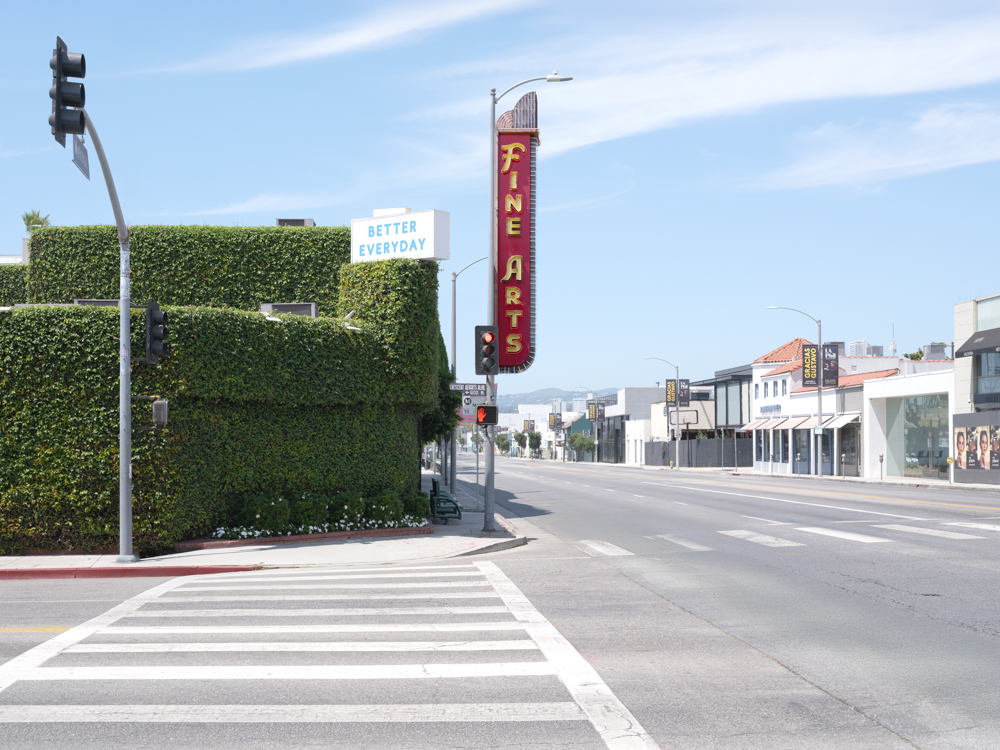
©Martin Stranka, Promise of the Streets
Some of the images feel like film sets, were you influenced by any particular films?
Absolutely. To say my images feel like film stills is a perfect observation, because the cinema is one of the most profound and enduring sources of my inspiration. My work is an act of composition, and film masters the art of atmosphere and narrative density in a single frame.
When I look at films like A Single Man, The Hours, or the very recent and resonant All of Us Strangers, I see a shared thematic core: the delicate and often painful exploration of alienation and the deep human need to find inner stillness amidst the noise of the contemporary world. What connects these films visually is not just their meticulous aesthetic, but their intentionality. They use visual language—be it Tom Ford’s flawless, melancholic symmetry in A Single Man, or the fragmented, cyclical sadness in The Hours—to elevate internal psychological states to an almost symbolic level.
For me, these films are about the search for the voice within the silence. They master the art of the incomplete narrative, where the viewer is given space to project their own experience. This approach—where symbolism, visual metaphor, and a clean, yet emotionally charged, cinematic frame replace explicit plot—is what I constantly strive for in my photography. It is the ambition to make a single image speak with the weight and depth of an entire, silent film.
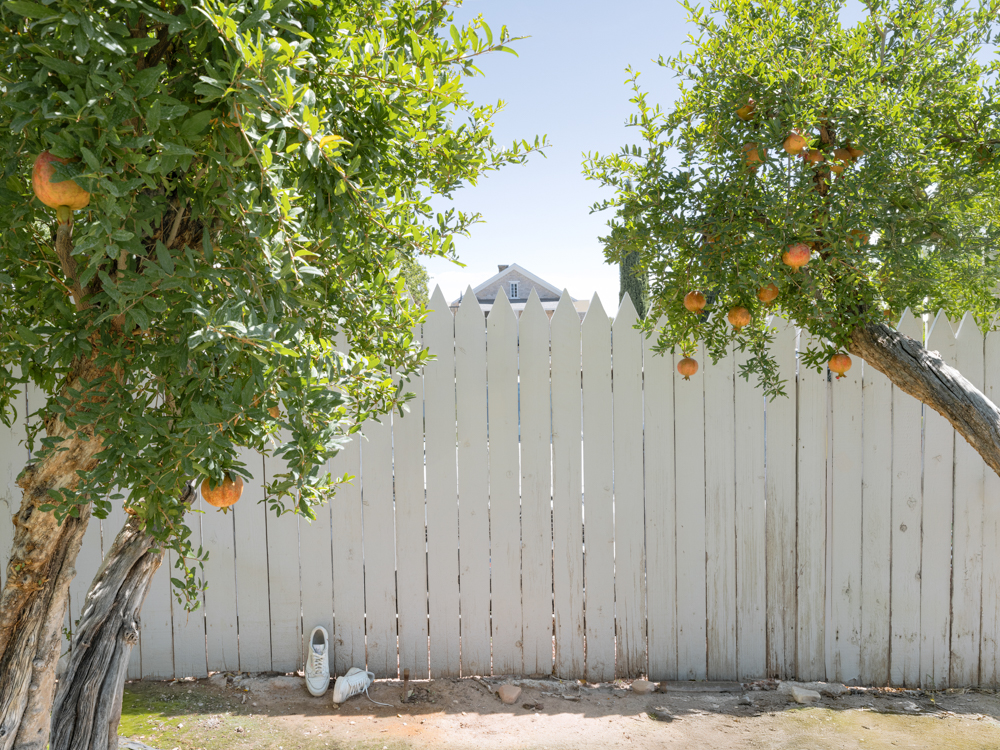
©Martin Stranka, Run Boy Run
Can you speak to your process that creates the feeling of these spaces being sun bleached and pristine and at the same time worn by time and environment?
This question perfectly captures the visual tension I strive for in every piece. It’s the tightrope walk between the perfect and the imperfect, and that balance is exactly where the emotion lives.
My process to achieve this begins with a deliberate manipulation of light and time. I often seek out that high-noon light or the overexposed atmosphere—that “sun-bleached” feeling. This quality strips the scene of excessive markers, creating a sense of timelessness where the viewer is intentionally left to wonder when the scene is taking place. This bright, pristine quality serves as a deliberate contrast to the worn by time elements, which are introduced through subtle texture, the patina on a wall, or the deep, desaturated colors that hint at something fading. I treat the image as a composite of emotion, placing a perfectly rendered subject against a backdrop that suggests melancholy and erosion.
This juxtaposition is what creates the core paradox: the viewer is looking at a scene that feels utterly foreign—like a distant, almost forgotten memory—yet simultaneously experiences a strong sense of recognition. They feel as if they are right there, that the space is somehow deeply personal and lived. It’s the ambition to capture a moment that is utterly clear, yet emotionally ambiguous, connecting the objective perfection of the frame with the subjective, fragmented nature of human experience.
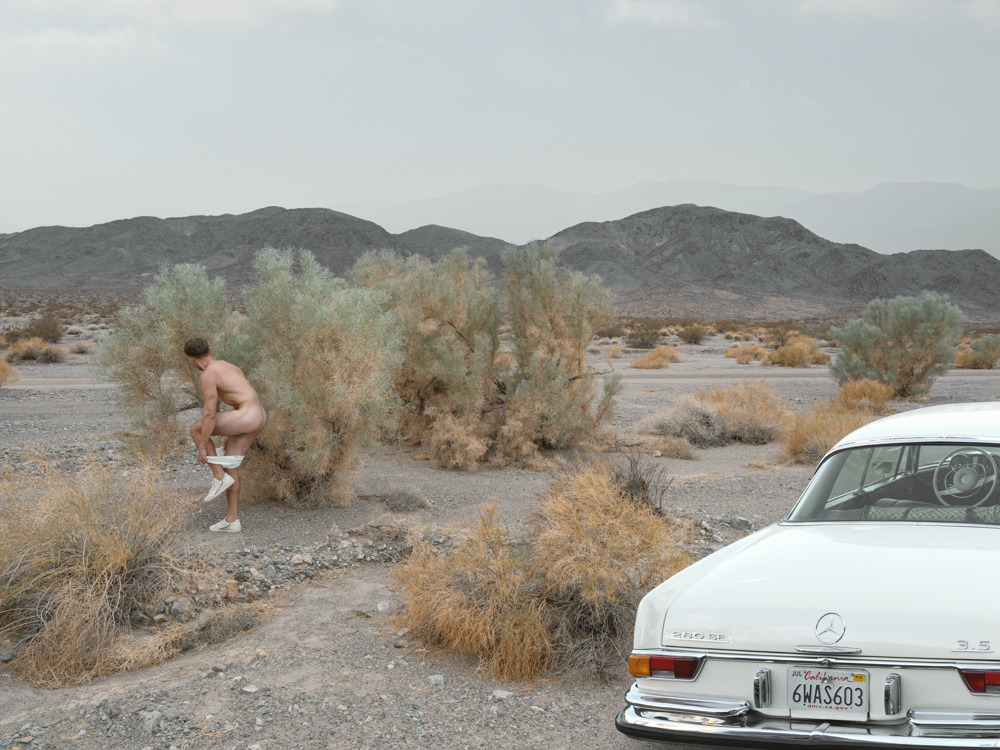
©Martin Stranka, Skin and Steel
I’m also interested in the idea of “strangers”. You in fact are also a stranger to these locations and to your subjects, do you consider yourself a player in these tableaus? Do you appear in any of your images? And do you share the work with the subjects after the shoot is done?
That is a fascinating question, and it gets right to the heart of my relationship with the work. Do I consider myself a player? Absolutely, but I am the silent, unseen protagonist.
It’s true that I never physically appear in any of my images; the photographs are my confession, but the subjects are my chosen language. The biggest paradox is that while the titles and concepts often revolve around the idea of a ‘stranger,’ the people depicted are, more often than not, the very closest people in my life—my friends, sometimes even my partner like in All My Strangers series. This choice is deliberate. They serve as profound mirrors. By putting my most trusted subjects into these evocative, often isolated scenarios, the images transform into an incredibly intimate and personal narrative told through these characters. It allows me to convey my deepest emotions and vulnerabilities without having to step in front of the lens myself.
And this brings me directly to the core idea of “All My Strangers”: I am constantly trying to explore the profound idea of how the closest people in our lives can still be the greatest strangers, reflecting the perpetual cycle of connection and withdrawal in human relationships. The American West, a land built on the narrative of constant arrival of strangers, provides the perfect symbolic backdrop, but I use it for a more internal, personal purpose—I am not exploring a global or geographical narrative. Instead, I am searching for those internal strangers within myself, reflected and illuminated by the faces of those nearest to me.
As for sharing the work, that step is essential. The process is collaborative and built on mutual trust. Once the piece is finalized, I always share it with the subject. This closes the loop on our intimate collaboration; it’s a way of saying, ‘Thank you for allowing me to borrow your presence to express my own truth.’
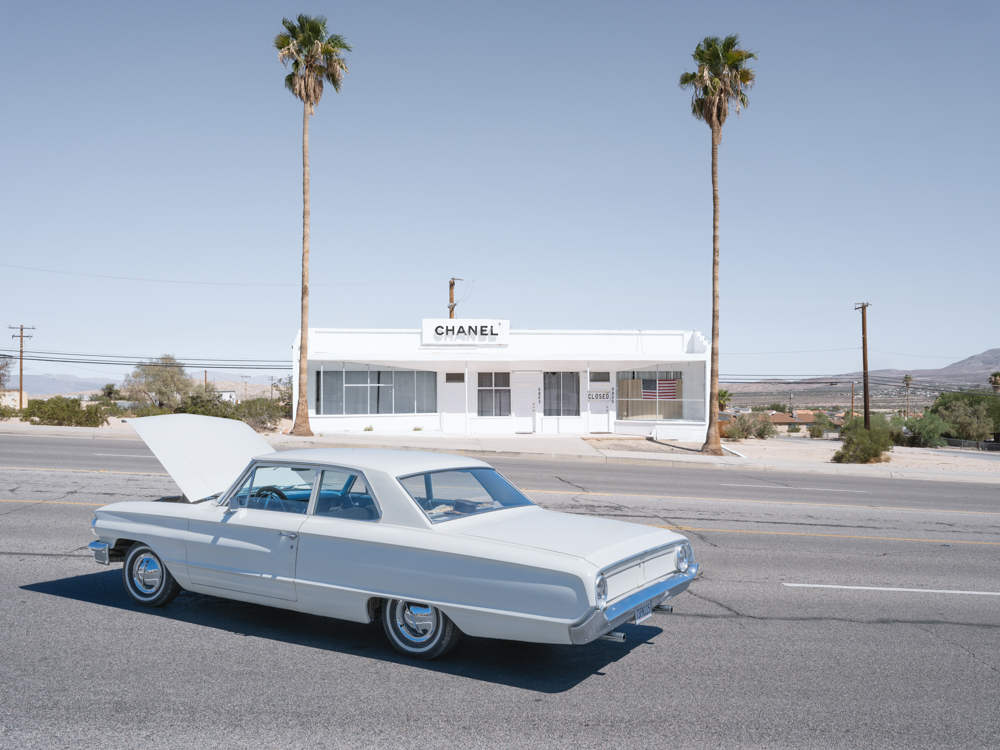
©Martin Stranka, Stranger’s Price Tag
I understand that you have created a lot of significant book covers. How does telling a story in one image compare to telling a story with a complete narrative?
This question speaks directly to the dual nature of my creative past and present. In the earlier days of my career, I did dedicate a significant amount of time to creating book covers, and it was an invaluable discipline. The fundamental difference lies in the task: when you design a book cover, you must act as a visual translator, distilling hundreds of pages of intricate narrative into one single, powerful frame. It’s a precise challenge of synthesis—capturing the emotional core of a known story.
However, for the last eight to ten years, my focus has shifted almost entirely to my personal work, simply because time dictates that I prioritize my own vision. Here, the single image is used differently: it’s not a summary, but a launchpad. My personal photographs are intentionally incomplete and ambiguous. I don’t give the viewer a conclusion; I provide a powerful visual moment and force them to become a co-creator, projecting their own narrative and resolution onto the scene. Both forms rely on resonance, but where the book cover demands perfect synthesis of a known story, my personal work demands perfect ambiguity that allows a thousand personal stories to begin.
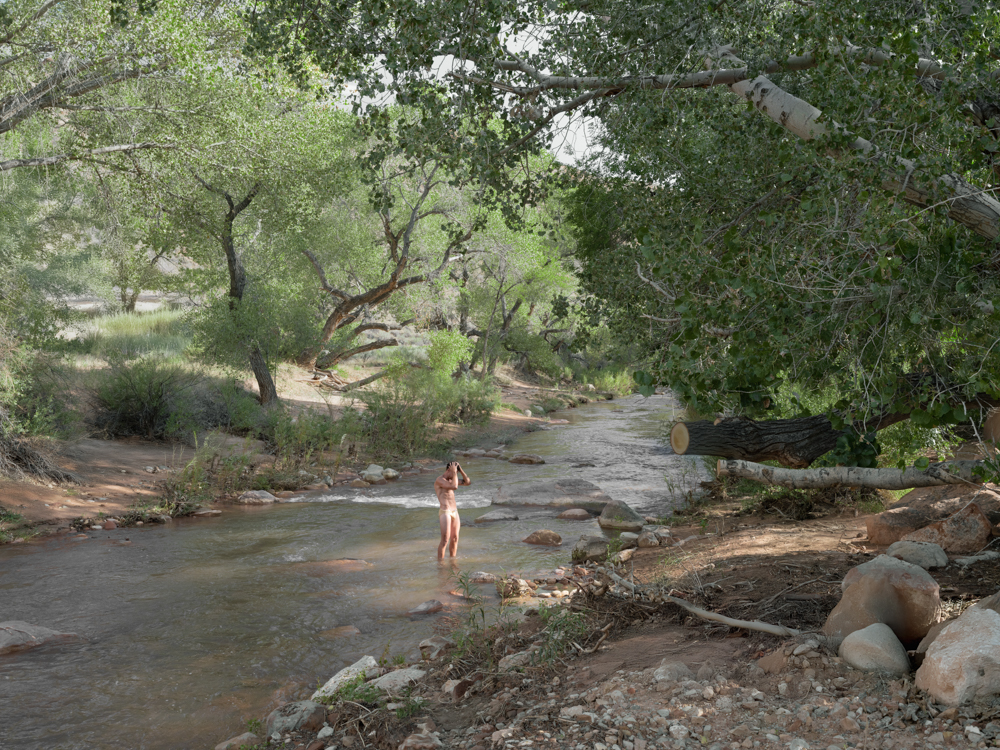
©Martin Stranka, The River’s Invitation
Who and what inspires you?
My primary inspiration often comes from outside the realm of photography itself. My studio is deliberately surrounded by the work of painters and sculptors—their mastery of light, composition, and the human form is a constant, physical presence. I look to them to understand how to distill immense emotional weight into a single, silent moment.
However, when it comes to photography, my inspirations are two foundational names who truly defined the staged, narrative style: Erwin Olaf and Gregory Crewdson. I essentially grew up on their work twenty years ago. Their influence on me, and indeed on an entire generation that followed, is undeniable.
What resonates with me most about Olaf is his ability to create scenes of stark, psychological tension and stylized, almost unsettling beauty. Crewdson, on the other hand, excels at creating these monumental, cinematic tableaus that suggest a powerful, fragmented narrative occurring just outside the frame. Both masters taught me the necessity of absolute control over the scene to achieve a profound emotional truth. They showed me that the most honest image is often the one that is meticulously constructed, allowing the viewer to step into a heightened reality that feels both impossibly beautiful and deeply, intimately familiar.
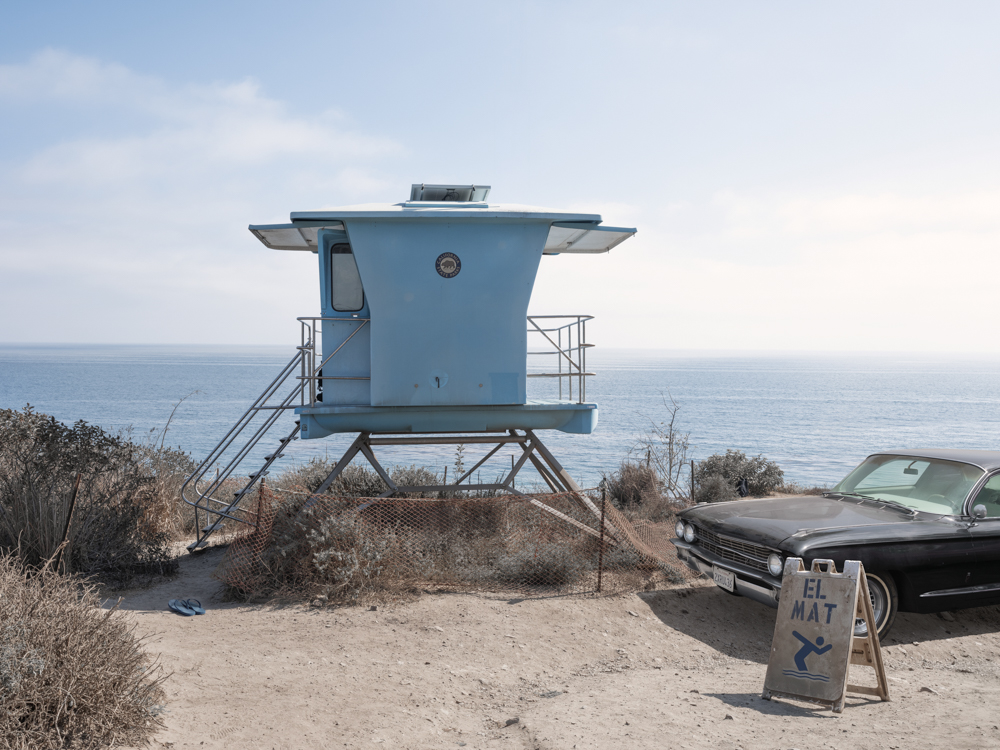
©Martin Stranka, We Met on the Horizon
Anything coming up you would like to share?
If I could offer a single piece of advice to any visual creator, it would be this: Focus on the power of the unspoken. Resist the urge to describe everything. The most compelling stories are often those that lie in the gaps and the silences—in what is intentionally left out of the frame. Your mission is to create a visual space where what can be seen does not need to be described in words.
When you create a deliberately incomplete narrative, you empower the viewer. You force them to step in, to find their own story, to explore the image, and ultimately, to hold a mirror up to their own soul. This is where the magic happens: the moment your external work triggers an intimate, internal realization in the audience. The pursuit of this pure, unspoken connection is the most exciting path forward for any artist. It elevates your work from mere documentation to a profound, shared experience.
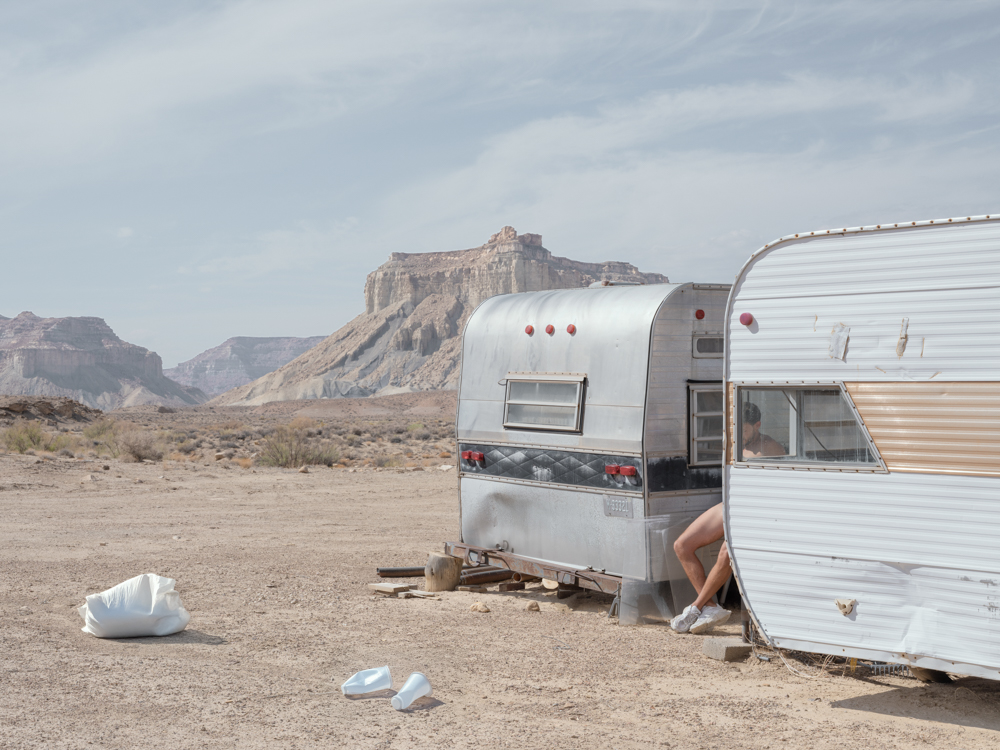
©Martin Stranka, Where the Road Disappears
Posts on Lenscratch may not be reproduced without the permission of the Lenscratch staff and the photographer.
Recommended
-

Review Santa Fe: Ilana Grollman: Just Know That I Love YouFebruary 10th, 2026
-
Review Santa Fe: jessamyn lovell: How To Become InvisibleFebruary 9th, 2026
-

Review Santa Fe: Julia Cluett: Dead ReckoningFebruary 8th, 2026
-
Review Santa Fe: Barron Bixler: And Hell FollowedFebruary 7th, 2026
-

Review Santa Fe: Elizabeth Z. Pineda: Sin Nombre en Esta Tierra SagradaFebruary 6th, 2026