100 Years of the Photobooth: Rafael Hortala-Vallve: AUTOFOTO
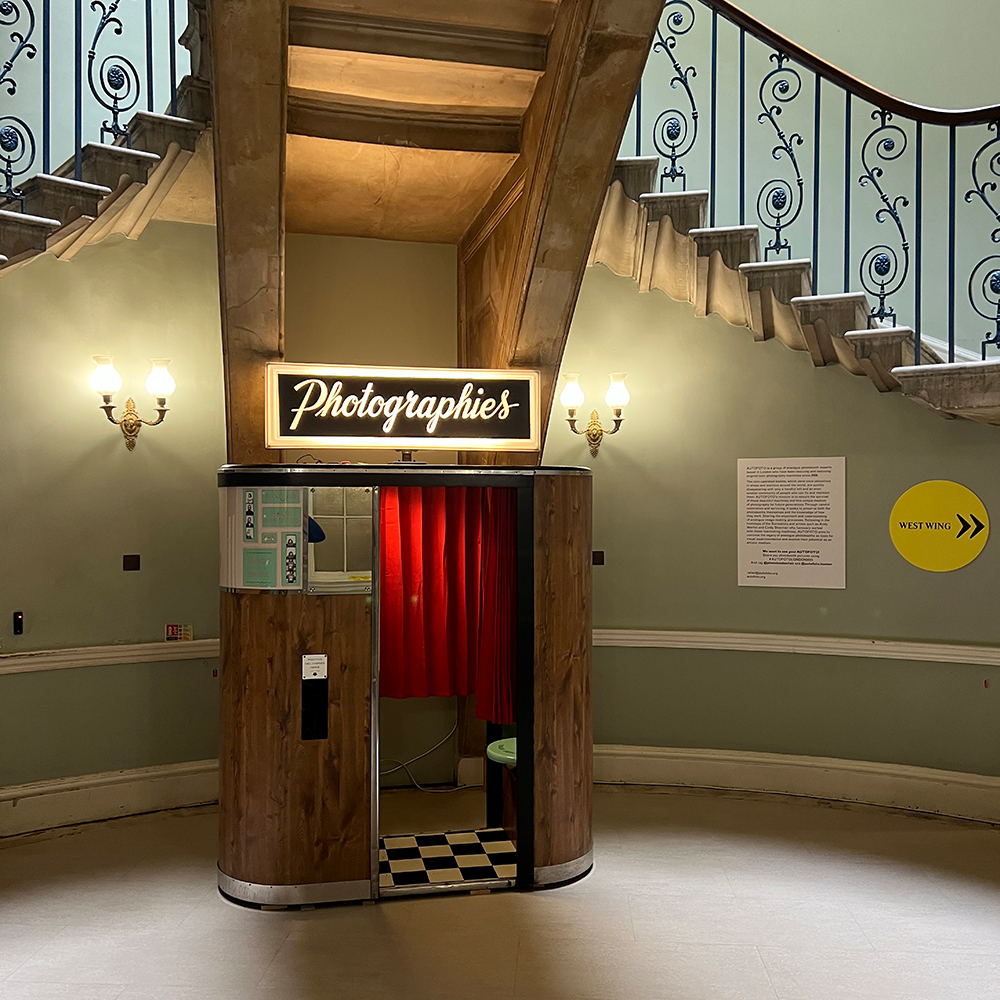
Autofoto M11 photobooth PhotoLondon ©AUTOFOTO
Vintage analog photobooths are certainly having their moment. This year is the 100th anniversary of Anatol Josepho’s invention, originally named “the Photomaton” and is what we know as the vintage analog Photobooth. What is it that’s so captivating about these machines from the past? Is it because they provide a unique photographic object or artifact? Or because they’re so spontaneous and unpredictable leaving much to chance as the Surrealists admired? You never know what the photo will look like and there is no way to duplicate it. It’s unique. Is it because the inside becomes a private space – or almost like a confessional? Or a readymade studio for artmaking? Is it because almost everyone has had an experience with or memory of one. Is it nostalgia? My love for photobooths and making photobooth art reaches back decades. For some of us, it began with an assignment in a photography class.
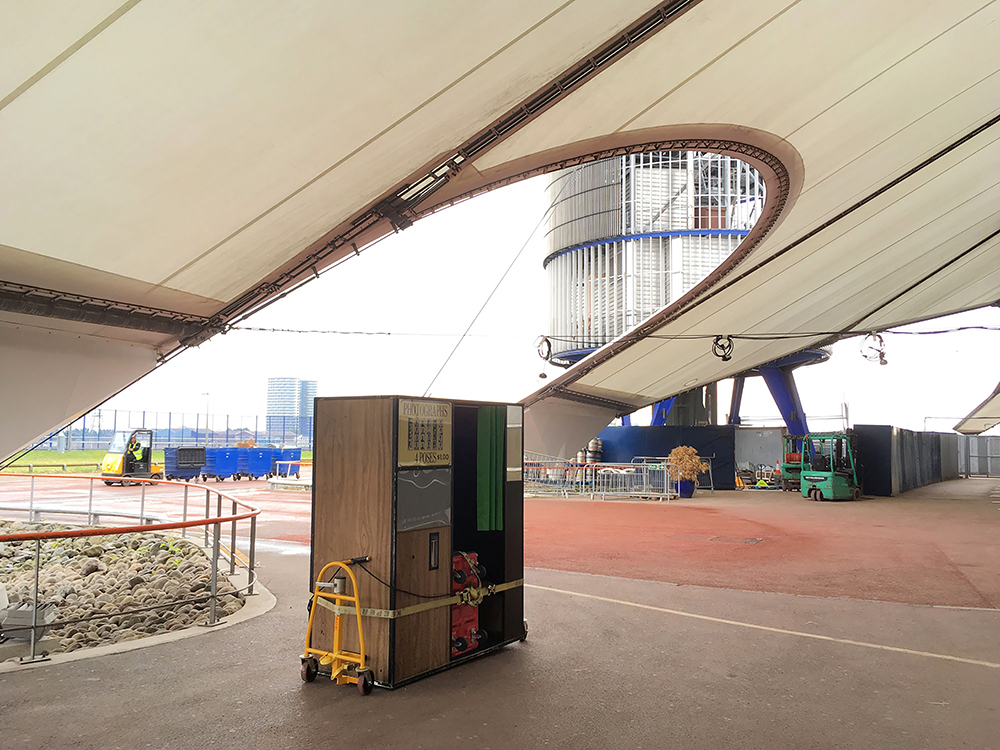
Autofoto M20photobooth on the move ©AUTOFOTO
Rafael Hortala-Vallve’s passion and enthusiasm for Photobooths is contagious. I first met Rafael at Photo London 2024 where his company, AUTOFOTO was operating a vintage analog Photobooth in Somerset House. It was a beautifully restored booth in a perfect location. For all the years and times that I was in photobooths, I never imagined that hidden away inside was a miniature dip and dunk darkroom. Rafael opened the cabinet in the booth where the lens is and showed me the mechanical workings and darkroom inside the booth explaining that he had to learn cabinetry, chemistry and mechanical engineering in order to restore and maintain the Photobooths. It was also from him that I learned that 2025 was the 100th anniversary of Anatol Josepho’s invention. AUTOFOTO is now operating 15 booths in London, 6 booths in Barcelona and is in the process of restoring about 8 booths.
Rafael Hortala-Vallve is a Professor in Political Science at the London School of Economics. He is also a photographer and artist known for his work with vintage, analogue photobooths. Hortala-Vallve is the founder of AUTOFOTO, a project dedicated to rescuing and restoring original auto-photography machines. He is also a collaborator on the “Real Selfie Project” a project capturing people’s stories and images in a spontaneous and physical format, which has partnered with Autograph Gallery, The Photographers’ Gallery, and Hackney Council.
J.K.Lavin: What do you think has influenced the current excitement and popularity of vintage photobooth machines?
Rafael Hortala-Vallve: I think that today people are beginning to value images that are tangible and that have been through an analogue process. The photobooth is obviously a counterpoint to the digital technology in our pockets, and it brings a gravitas of that century-old year-old format and process. We’re so used to endless takes, filters, flattering angles, but the booth brings a simplicity, its constraints freeing people up to relax into the simple act of posing for four pictures. No editing, no choosing, just a tiny high quality developed photograph – a physical keepsake of a moment.
Of course, there are digital booths and Polaroids that offer that instant capture. But there’s something so iconic and artistic about the analogue photobooths – your image is produced in the same kind of machine that Andy Warhol or Patti Smith used, it’s aesthetic unchanged by time.
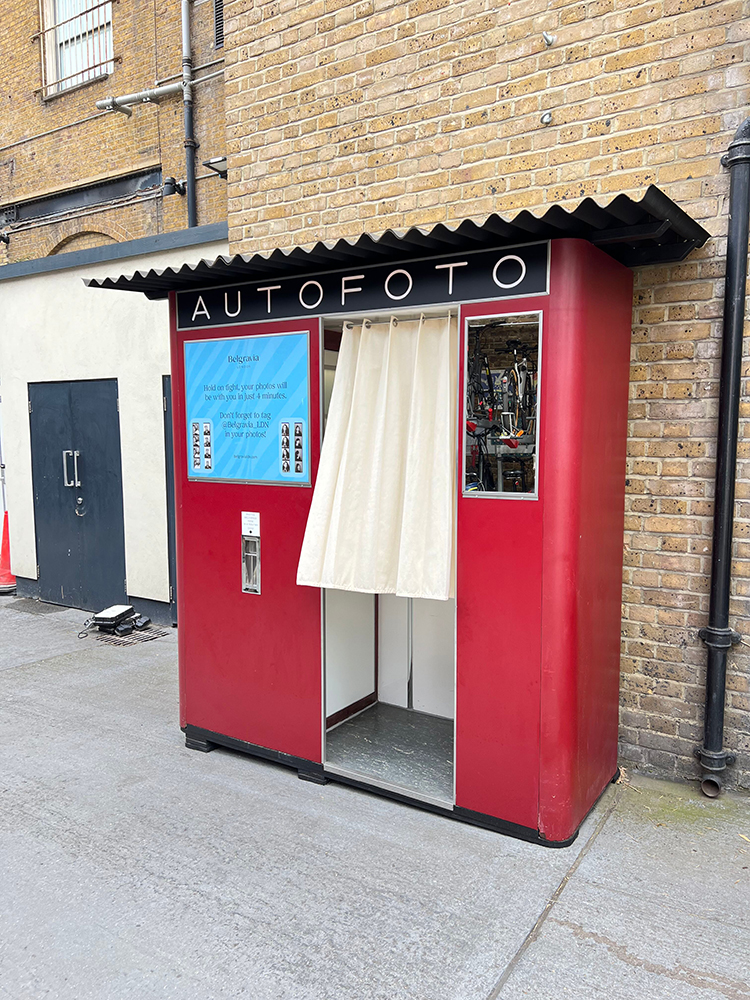
Autofoto M21 photobooth at Eccleston Yards, London, UK ©AUTOFOTO
Historically, why was the development of photobooths important?
Photobooths made portraiture accessible to everyday people on a mass scale. You could say it democratised photography, as people no longer had to get their photos taken at professional studio to obtain their portrait, and instead could make them within their own privacy, in their own time, in a publicly accessible space.
Since photography began, there have been many attempts to automatise the process, but it was not until 1925, with Anatol Josepho’s invention in NYC, that the process became reliable and the quality of the pictures comparable to a studio portrait. Through the years, given the popularity of booths across the world, photobooths created a new genre of image with their four frame strips. Away from the outside world, in the enclosed space of the booth and without the photographer’s gaze people could experiment and play with their own identity, enabling people to express themselves or capture relationships free from social judgement. Today we’d call it a safe space. In a strange parallel, photobooths were also a means for accessible ID photos, ‘mugshots’ for passports, official documents etc. mechanisms of state control. The format also captured the attention of many artists who ended using this medium for the creative process… simply because it was an easy, accessible tool for producing images. This is what motivated us to start AUTOFOTO in the first place, to preserve these machines for future generations to continue to play with the medium.
As recently coined by some (see the article on It’s Nice That), the booth could be seen as the predecessor of the selfie.
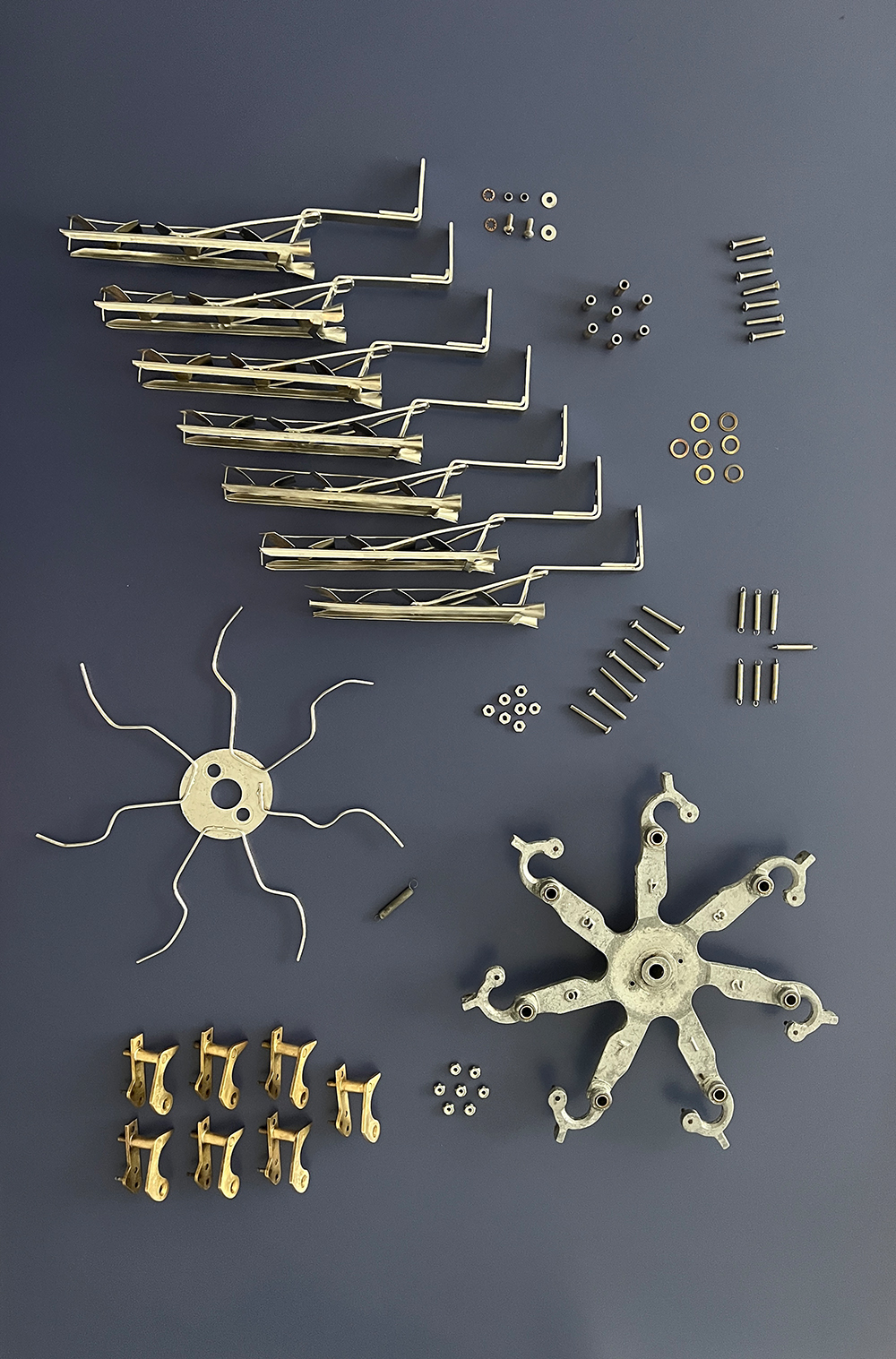
Autofoto deconstructed spider assembly ©Rafael Hortala-Vallve
Tell us about your first photobooth- how did you find it? How long did it take to repair and get it functioning? What did you learn along the way? How did you learn? What has been the greatest challenges in restoring, or repairing them?
I bought my first photobooth for the wedding of my friend Txema in 2009 – we had a shared love of photography since being at school together in Barcelona. Unfortunately, the booth didn’t make it to the wedding, it missed the boat! So instead, it was shipped to London and our friend Jonathan, who lived in a warehouse in Seven Sisters, agreed to store it. We first installed it in a Christmas market in Somerset house and slowly learned how to service and repair it… There was a lot of trial and error and many sleepless nights dreaming of photobooth mechanisms… learning on the job.
Some of our booths came straight from Montreal or Chicago in perfect working condition but after months of use these machines need a lot of care. With every single issue I have learnt something. Initially I spend many hours going in circles trying to figure what was wrong but after many years and many sleepless nights I’m now in a place where I know much more, which has given me confidence to acquire some booths that were in total state of disrepair. They had to be gutted, and every single part was dismantled, cleaned and rebuilt –and when possible, metal parts are always replaced with stainless steel as the humidity created by the chemicals is not kind to the various mechanical parts of the booth.
We are currently developing our own strobes using modern technology whilst keeping the original flash process (storing energy in capacitors which discharge as a high-voltage electrical current through a tube containing pressurized xenon gas) – the effect that gives the warm pop of light. Like this, many of our current challenges are about maintaining the original photobooth experience whilst replacing obsolete or discontinued parts in the most faithful way possible.
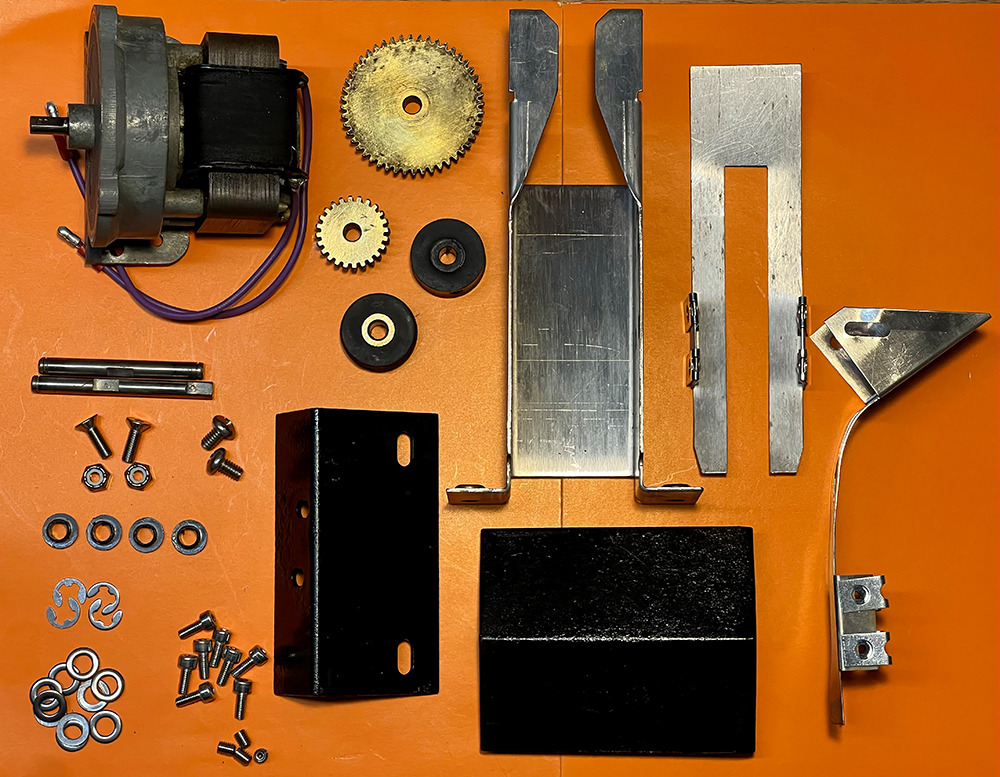
Autofoto deconstructed feed down unit ©Rafael Hortala-Vallve
Is there a unique or special photobooth or a special location on your wishlist?
We are now very lucky to have booths in places I always wished them to be in. A favourite location is the Tate Modern, which is special to me because I stayed in student halls right beside it during my first year in London – many afternoons were spent wandering through its galleries. Thanks to the photobooths’ centenary we have also collaborated with The Photographers’ Gallery to accompany the exhibition Strike a Pose – 100 years of the photobooth, and the Whitechapel Gallery with retrospective of the British photographer Joy Gregory, Catching flies with honey, who are each hosting a photobooth as part of their programme. After 15 years In London, we are finally quite established, and people are aware of where to find us. We’ve recently set up in Barcelona (whilst spending a year living there) and have a booth in an analogue photography shop and lab Dubblefilm, and a drag bar in Placa Real, Ocaña. We are still on the hunt for interesting venues that would be publicly accessible and open to creative collaborations. Somewhere like the MACBA or on the street in a local neighborhood would be very fitting– there are so many events and traditions in the city, and so much potential to work with local communities to capture what’s going on.
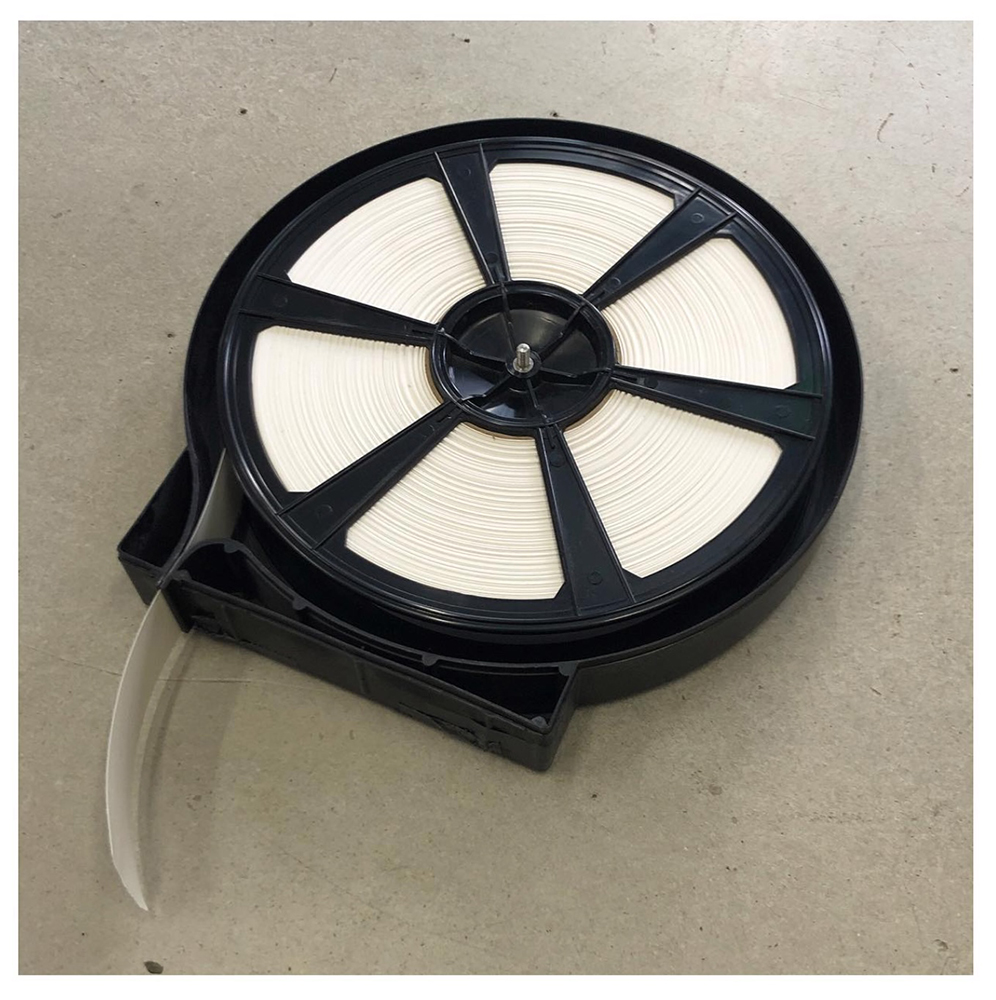
Autofoto reel of photographic paper ©AUTOFOTO
Usually, we think of Photobooth images documenting something positive, ie birthdays, friends, graduations, or having a fun night out. Do you know of any images where someone was recording or commemorating something negative?
I guess that depends on your perspective. We’re working with a photographer, Jenny Lewis on a project all about hereditary disease. Her series is called Autoimmune, and explores generations of family by photographing family members in the photobooth. Through doing this she’s building community but also enabling us to talk about something difficult. So while the subject may feel uncomfortable, the process is something informative, affirming, and beautiful.
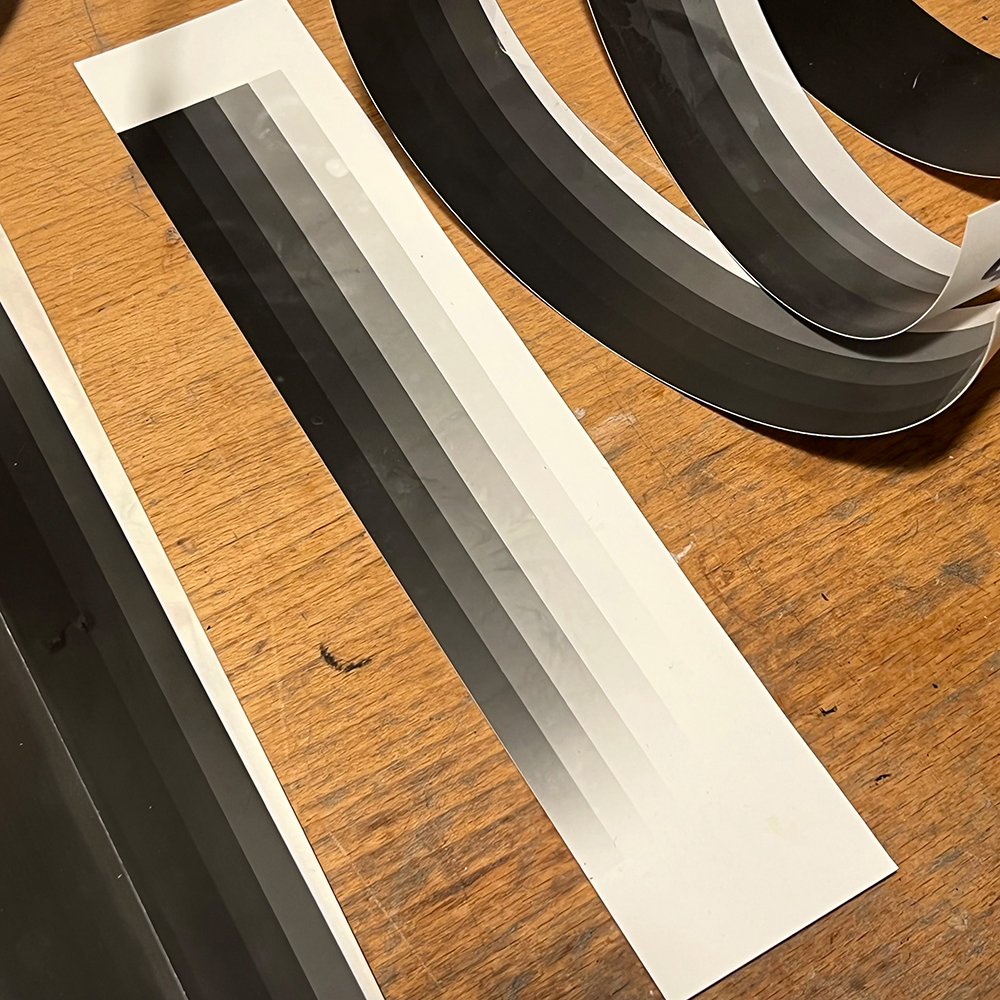
Autofoto photobooth paper tests ©AUTOFOTO
Please tell us about the photobooth community and how this network of people dedicated to continue the accessibility of Photobooths evolved. How many countries were represented when you organized the first International Photobooth Convention in 2023? How did this community come about? How many countries now are part of the community? Is there a formal organization that fans can become members?
The first international photobooth convention was organized by Stephen “mixup” Howard in Nottingham in 1999… later Tim and Brian from photobooth.net continued this in the US over many years. We organised one in London in 2023, post pandemic, and were surprised by how many people came – with visitors from the US, The Netherlands, Sweden, Germany, Singapore and Australia, with many passionate ‘new’ operators meeting for the first time, which was very special. This last summer there was one in NYC to celebrate the centenary of the booth and was 3x bigger. There’s no real formal organization, but Instagram seems to be the place where the community meet and troubleshoot, with photobooth.net continuing to be the archive for worldwide locations, and general photobooth fandom –we love their Y2K era website.
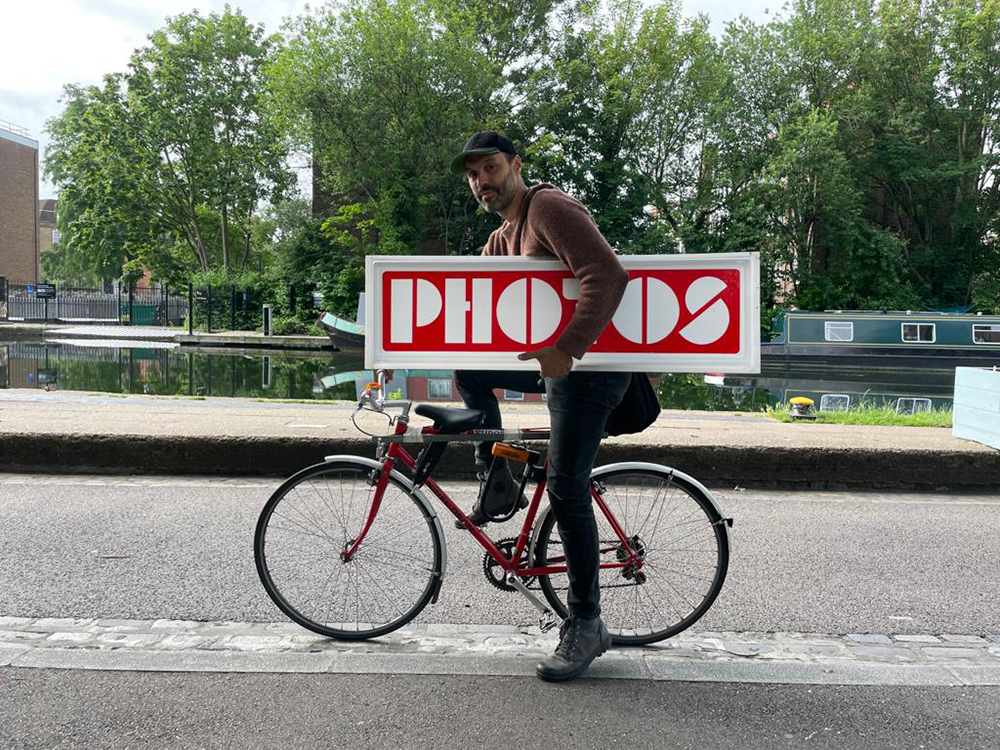
Rafael taking top sign ©AUTOFOTO
Are there artists or technicians experimenting with the photobooth as far as multiple exposures or chemistry or other alterations?
Many operators I know have played at some point with the limits of the booth (see for instance the work of Tim Garrett), and our own technicians usually have their own artistic practice, so this combination often lends itself to experimentation and new ideas. One of our aims with AUTOFOTO is to keep this spirit of experimentation alive, by collaborating with photographers, artists, designers and writers supporting them to use the photobooth as a tool through the lens of their practice.
We have also been experimenting on the occasion of the show at The Photographers’ Gallery with running a workshop on ‘broken portraits’ together with Corinne Quin (my partner at AUTOFOTO). Having spent so much time troubleshooting things that go wrong, we will be working with common photobooth faults: depleted chemistry, overexposure, partial development, and creating portraits that allow people to understand the machines process through failure.
I have played around with this as well… it’s impossible not to. I’m really inspired by the work of Jared Bark who made abstract photo-series in the booth in 1970’s New York. As a mathematician by training, I’ve been creating abstract shapes using patterns and numbers to make large scale images made from individual strips. [see work images attached].
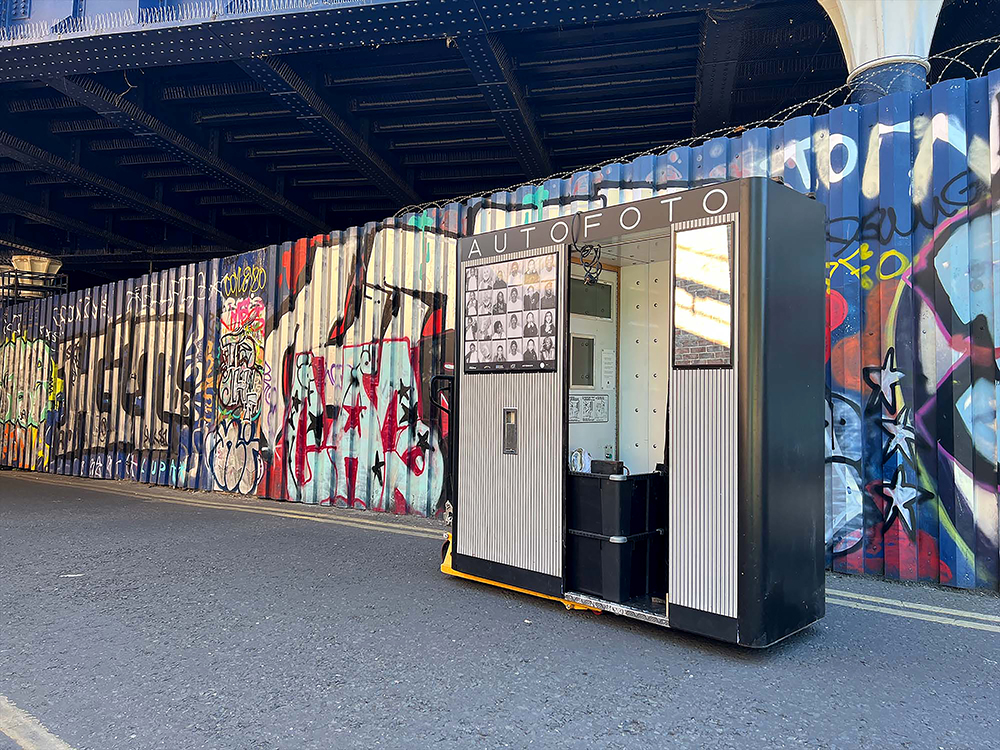
Autofoto M21 photobooth on the move ©AUTOFOTO
What do you think is in the future for vintage analog photobooths? What would you like to see happen with them?
We are thinking about longevity – the maintaining of a constant, consistent photographic format (despite changing technology). We want to make sure they always capture the best quality picture – we’re currently working to develop a bespoke flashing system to troubleshoot an overly contrasted paper to ensure better representation of the lightest and darkest skin tones. And of course, there’s addressing the environmental impact of photographic chemistry – something we are beginning to understand more about. With the handful of surviving booths that exist, there’s always the possibility to use our knowledge to build new ones. But that’s a few years off yet… as there’s so much to do right now!
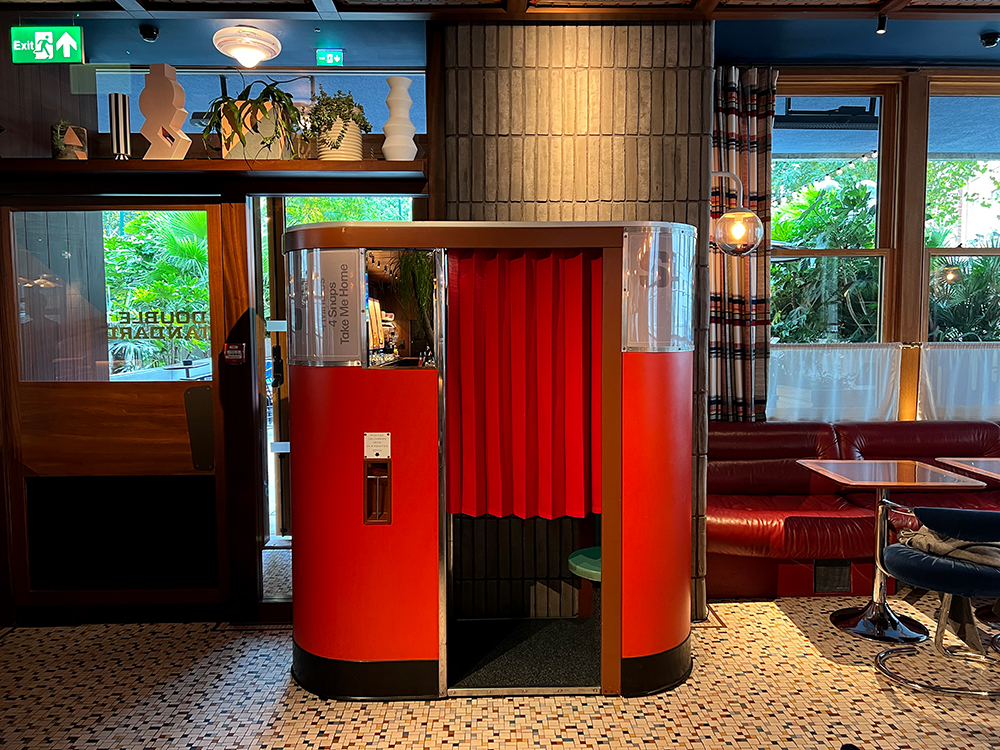
Autofoto M11 photobooth at the Standard hotel ©AUTOFOTO
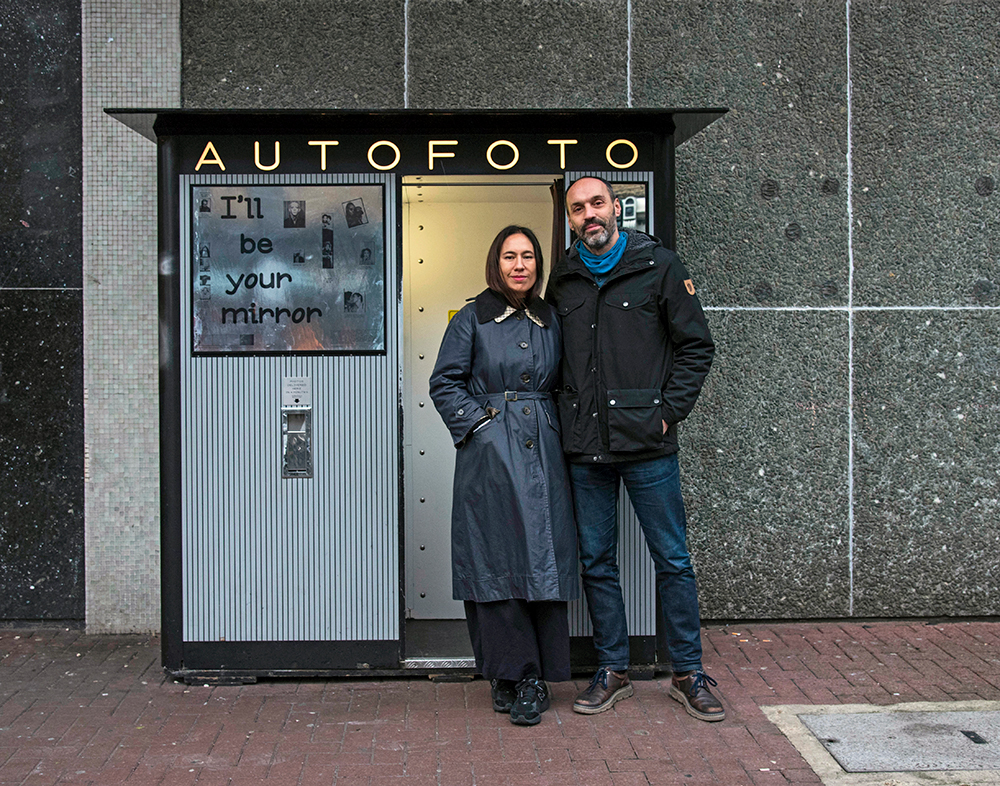
Rafael Hortala-Vallve and Corinne Quin, founders ©AUTOFOTO
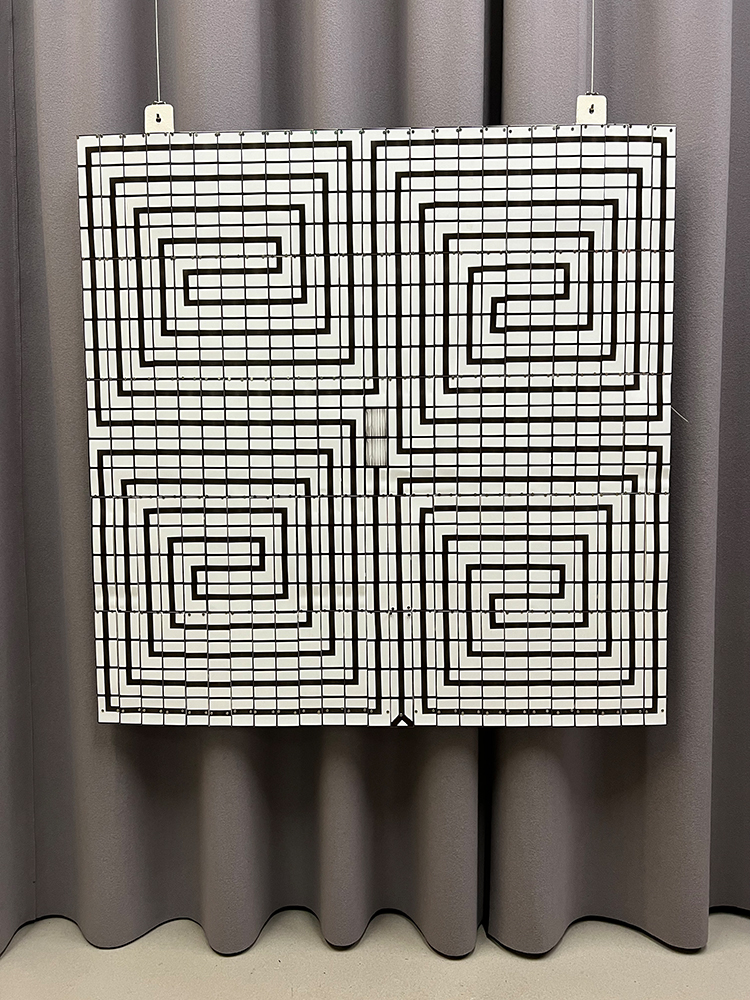
Photobooth art by Rafael Hortala-Vallve ©Rafael Hortala-Vallve
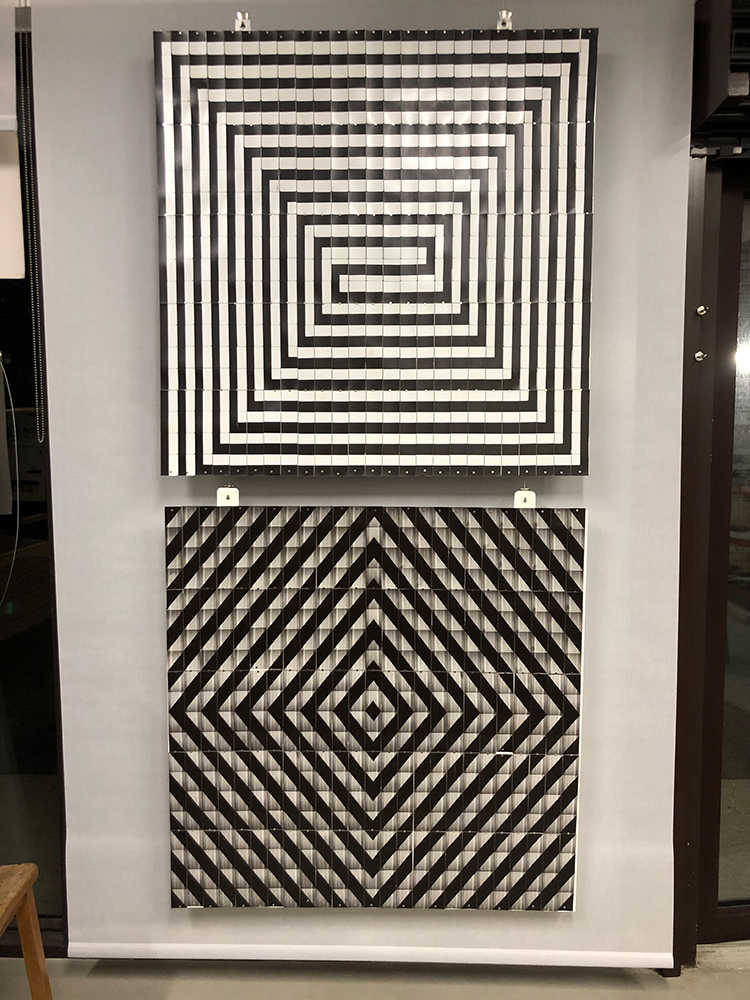
Photobooth art by Rafael Hortala-Vallve ©Rafael Hortala-Vallve
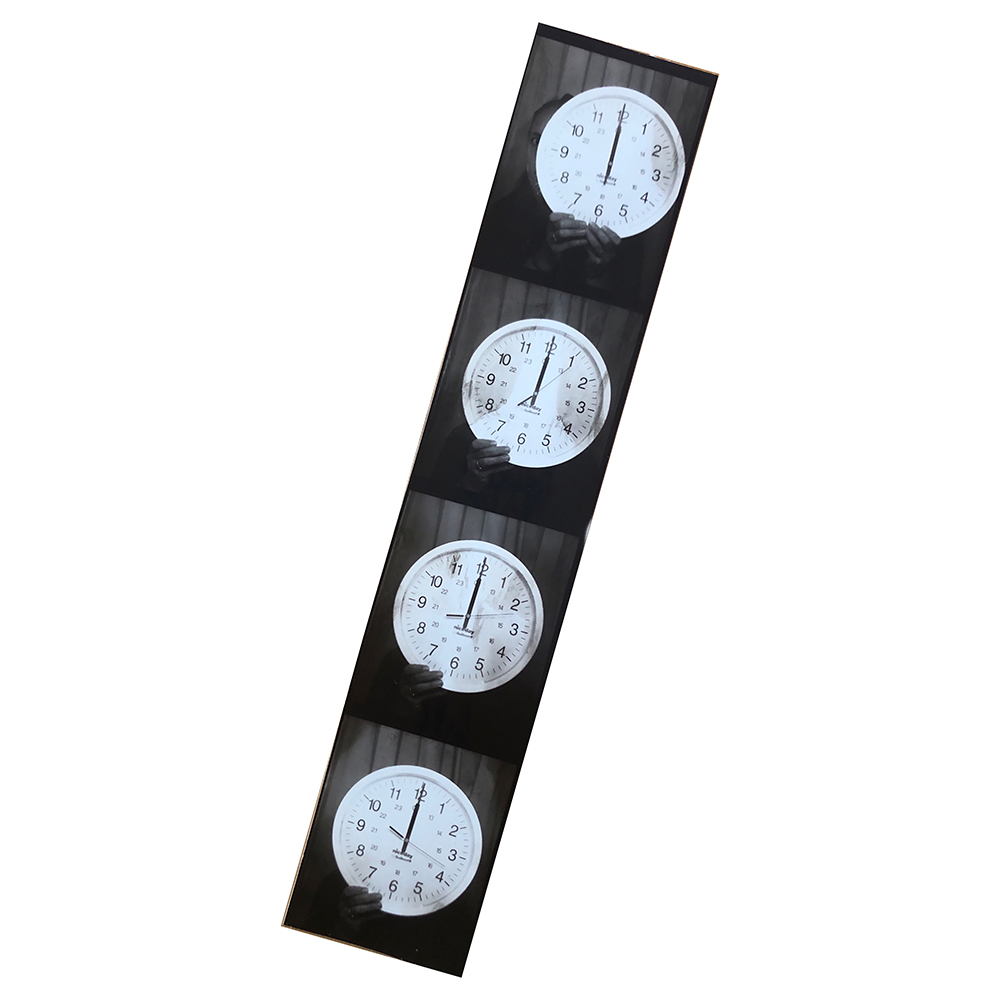
Seconds between Flashes ©Corinne Quin
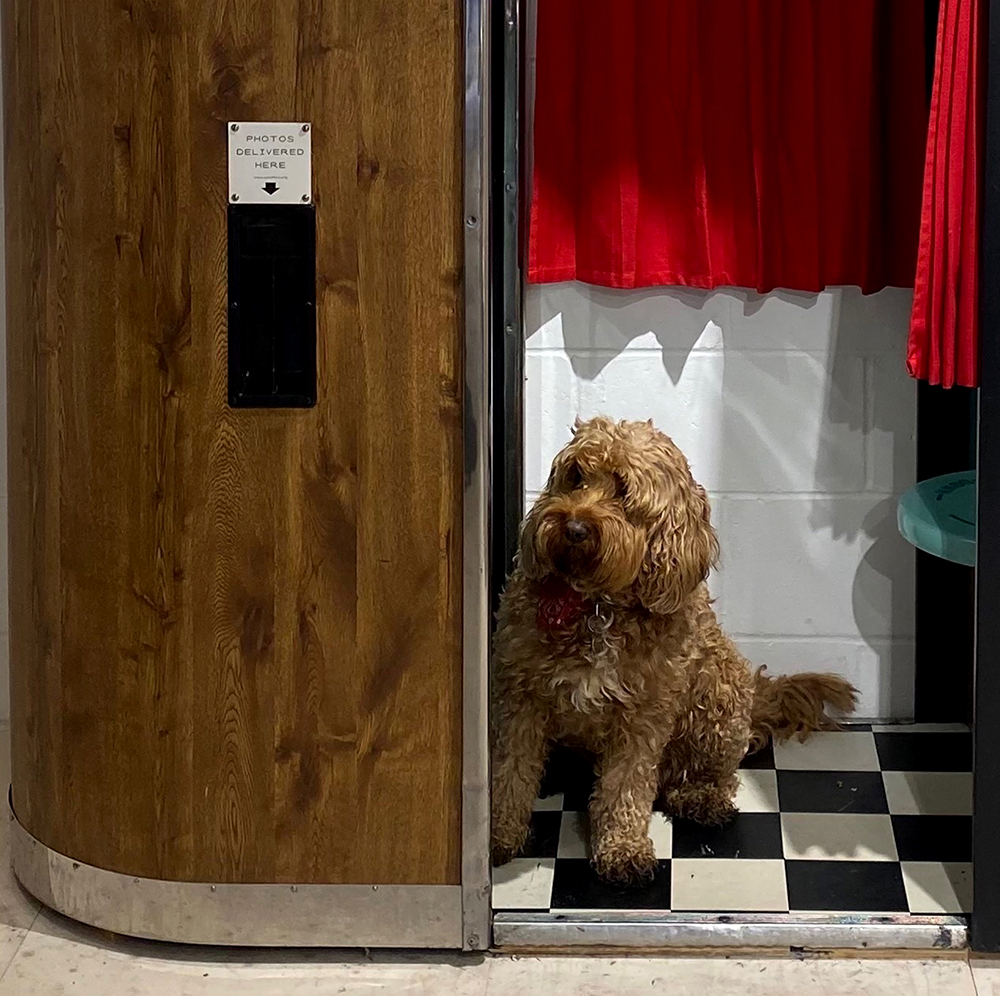
Ronny from the Museum of Youth Culture, London ©AUTOFOTO
Posts on Lenscratch may not be reproduced without the permission of the Lenscratch staff and the photographer.
Recommended
-

We Are Celebrating 20 years and Could Use Your Support!July 18th, 2026
-

The Michael Kirchoff MixtapeMay 23rd, 2026
-
Richard Koenig: Field Notes: View from a Hotel WindowFebruary 13th, 2026
-
Beyond the Photograph: Editioning Photographic WorkJanuary 24th, 2026
-

The Next Generation and the Future of PhotographyDecember 31st, 2025