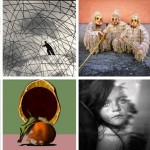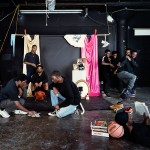
CENTER AWARDS: Directors Choice: Laura Pannack
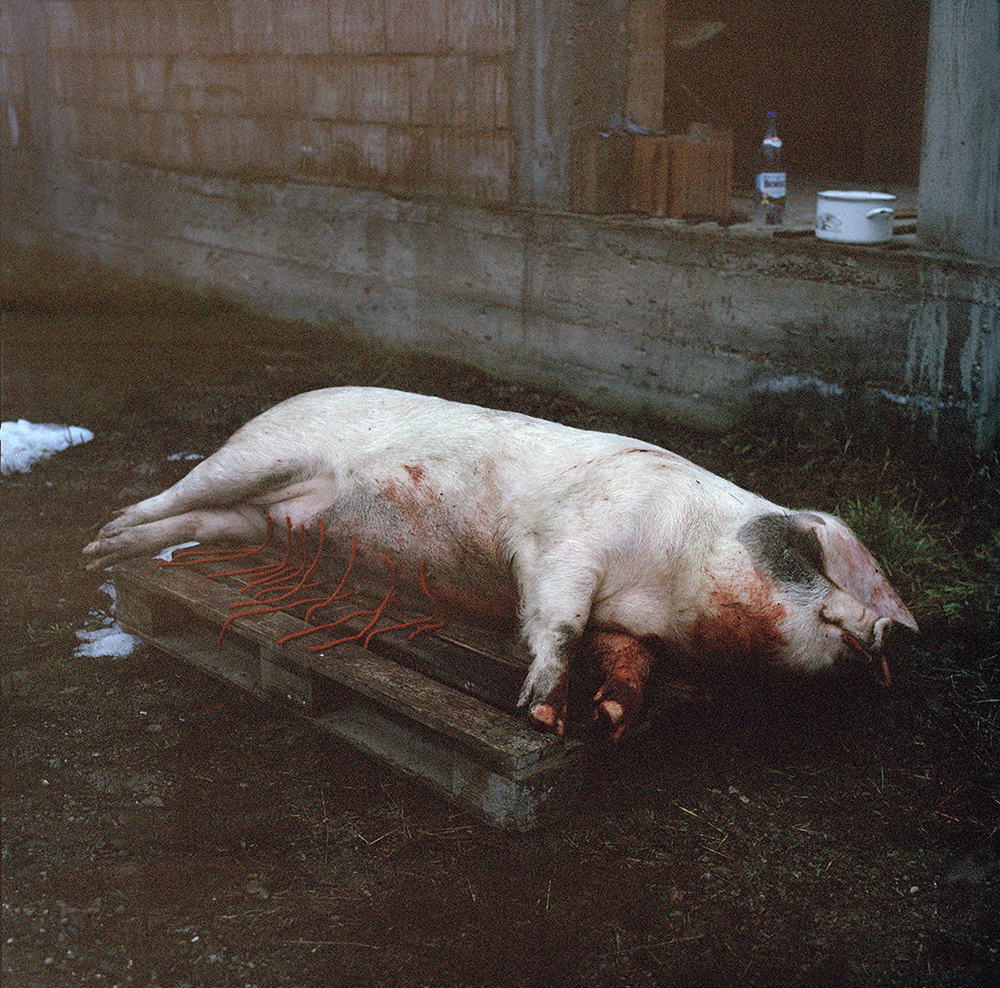
©Laura Pannack, From the series Youth without age, life without Death, 2012-2016
This week and next, Lenscratch will be sharing the CENTER Awards winners and the statements by the jurors to help understand their choices.
Congratulations to Laura Pannack for her Second Place win in CENTER’s Directors Choice Awards.
Laura Pannack is a London based Photographer. She was educated at the University of Brighton Central Saint Martins College of Art and LCC. Her work has been extensively exhibited and published both in the UK and internationally, including at The National Portrait Gallery, The Houses of Parliament, Somerset House, and the Royal Festival Hall in London.
In 2010, Laura received first prize in the Portrait Singles category of the World Press Photo awards. She has also won and been shortlisted for several other awards including The Sony World Photography Awards, The Magenta Foundation, and Lucies IPA. She was awarded the Vic Odden by The Royal Photographic Society Award for a notable achievement in the art of photography by a British photographer aged 35 or under. She was a judge for the 2015 World Press Photo Awards and divides her time between teaching, completing assignments, and working on her personal projects.
Her art focuses on social documentary and portraiture and seeks to explore the complex relationship between subject and photographer.
Laura is driven by research led self-initiated projects. In her own words, she does all she can “to understand the lives of those captured, and to present them creatively.” She is a firm believer that “time, trust and understanding is the key to portraying subjects truthfully,” and as such, many of her projects develop over several years. Her particular approach allows a genuine connection to exist between sitter and photographer, which in turn elucidates the intimacy of these very human exchanges. Her images aim to suggest the shared ideas and experiences that are entwined in each frame that she shoots. Laura largely shoots with a film camera on her personal projects, allowing her process to be organic rather than being predefined by fixed ideas, thus removing additional pressure on the sitter.
“Laura’s remarkable ability to build trust and respect with her subjects allows her to express a gritty vulnerability that is as sincere as it is elusive to capture.” Terry O’ Neill – photographer
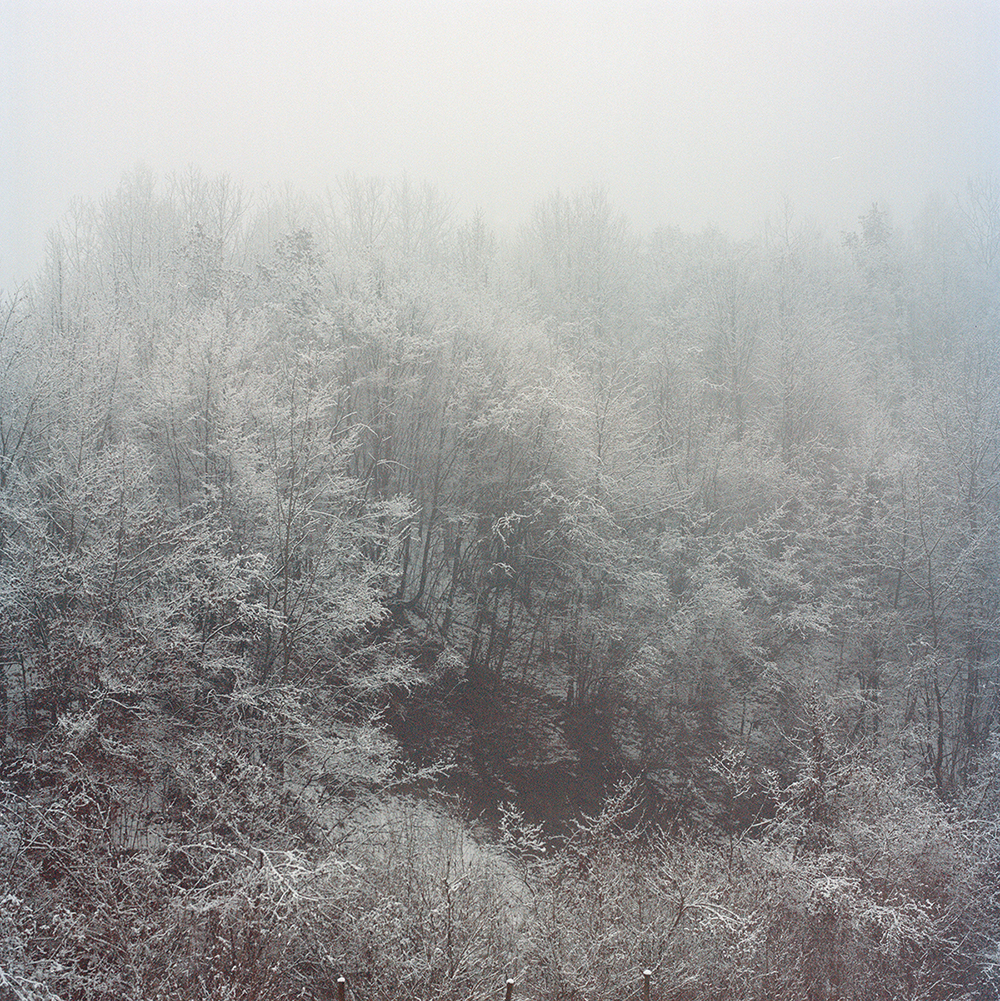
©Laura Pannack, From the series Youth without age, life without Death, 2012-2016
DIRECTOR’S CHOICE: Juror’s Statement
Louise Clements, Artistic Director, QUAD & FORMAT International Photography Festival
Being part of the Center Awards Jury this year has been a real pleasure, the submissions were of a consistently high standard throughout and offered a great reflection on the current diversity of international photographic practice. The works shared countless points of view and unique visions, they varied hugely in terms of approach from street photography and portraiture to longform documentary, collage, archive, tintype, landscape and more. The hundreds of projects presented some brilliant, engaging and innovative photography from around the world, with so many valuable ideas, thoughts and expressions it was a serious challenge to select single winners from such a diverse pool. For me the most arresting images are the ones that make us think harder, look longer, read more deeply and those that provoke wonder. I’m interested in photography that dares to be different and that tells unfamiliar stories, aesthetically as individual images or in series, as well as pictures that disrupt expectation or surprise us, these are the kind of images that open your mind to new possibilities. There were many projects of this kind that stood out amongst the hundreds of entries, alongside these of cause there were many talents who are also moving in the right direction and should not be discouraged.
Inevitably for the awards I have made a very personal selection of works all of which resonated with me and demonstrated strength of originality together with a high level of visual communication and production.
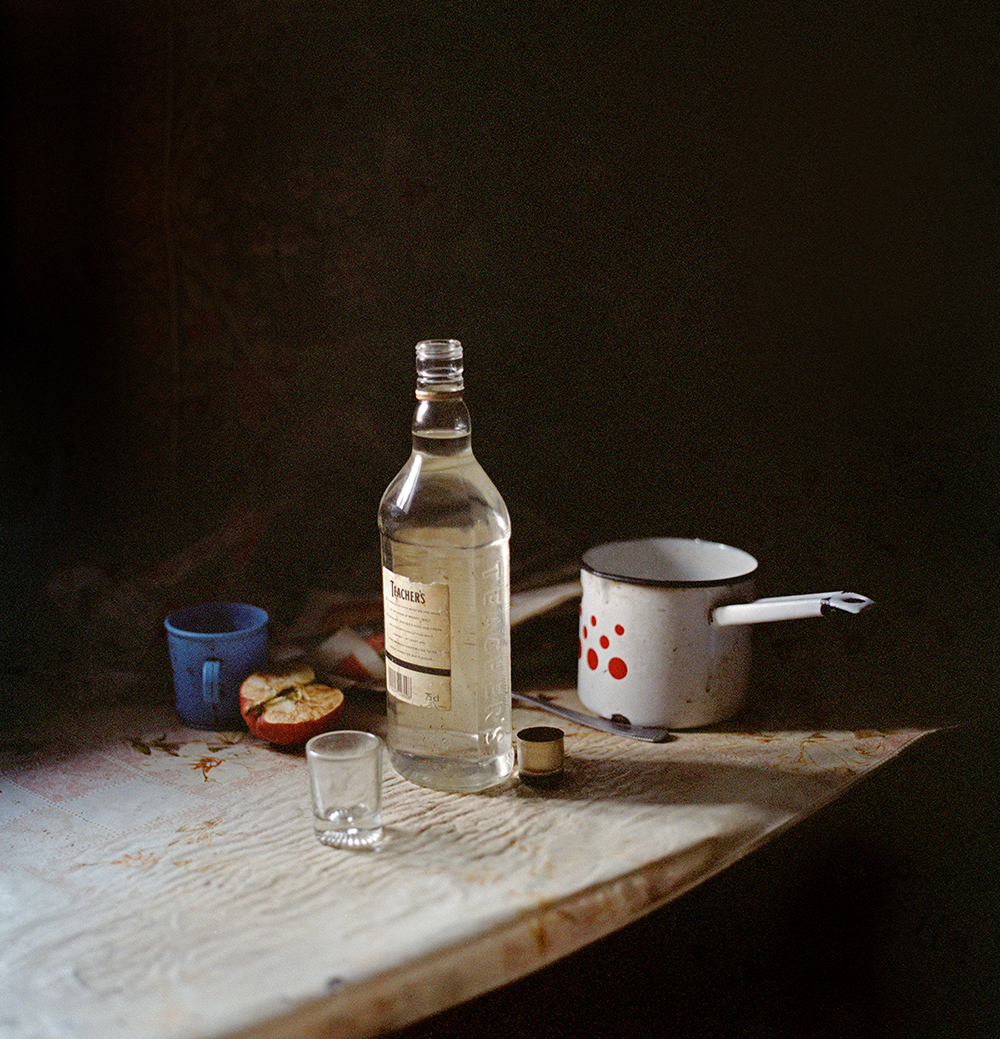
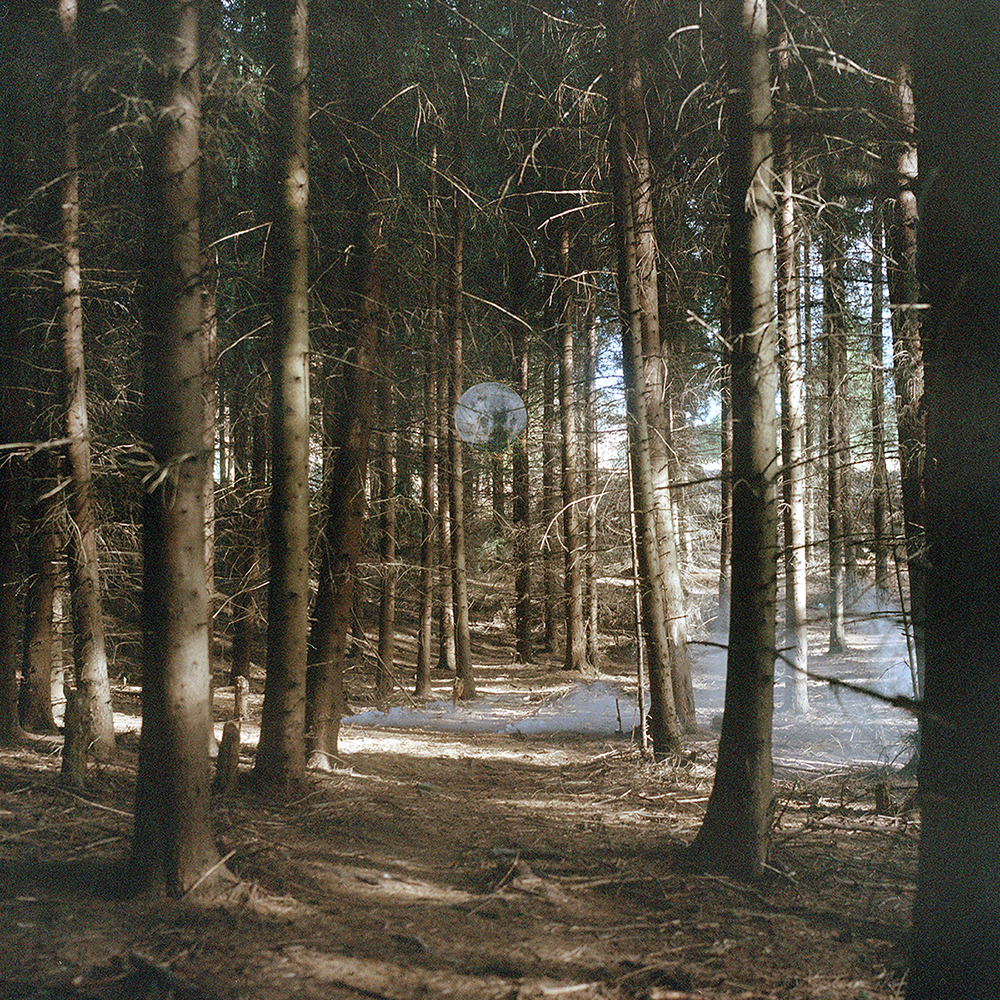
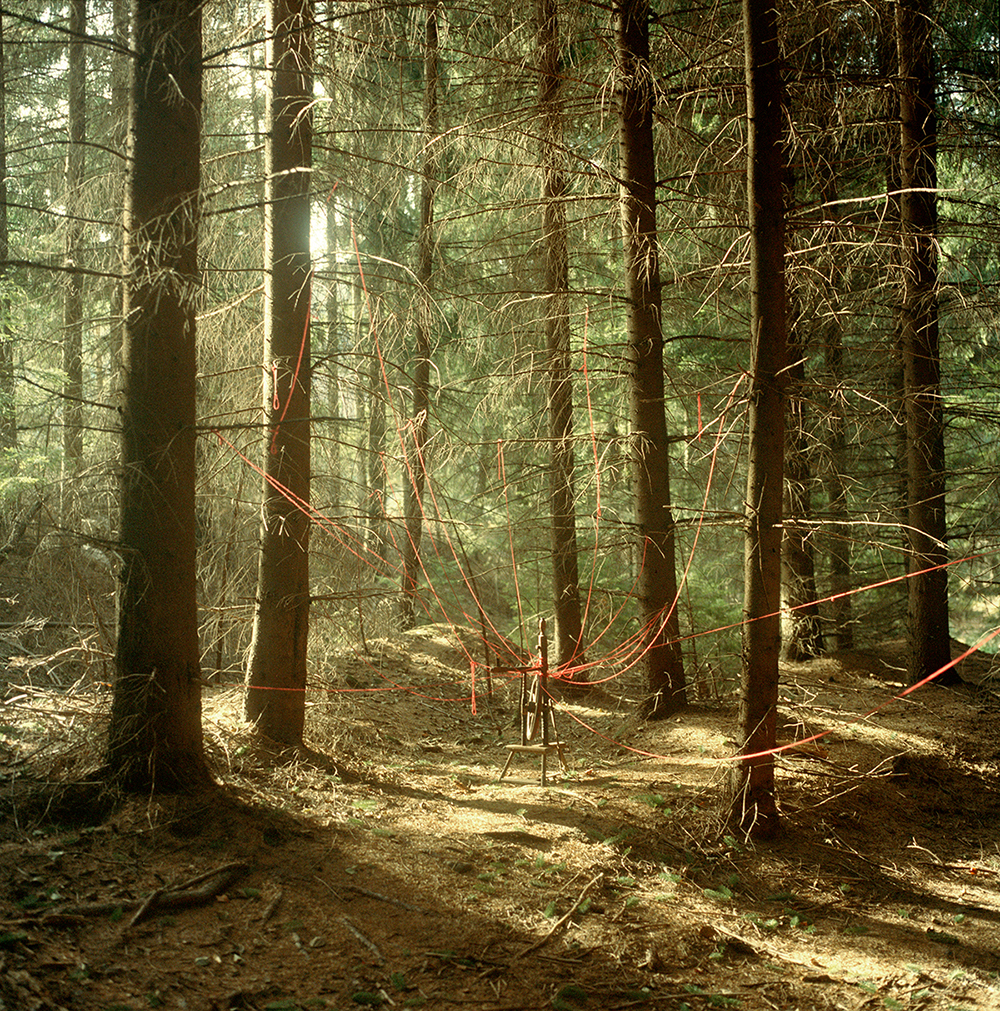
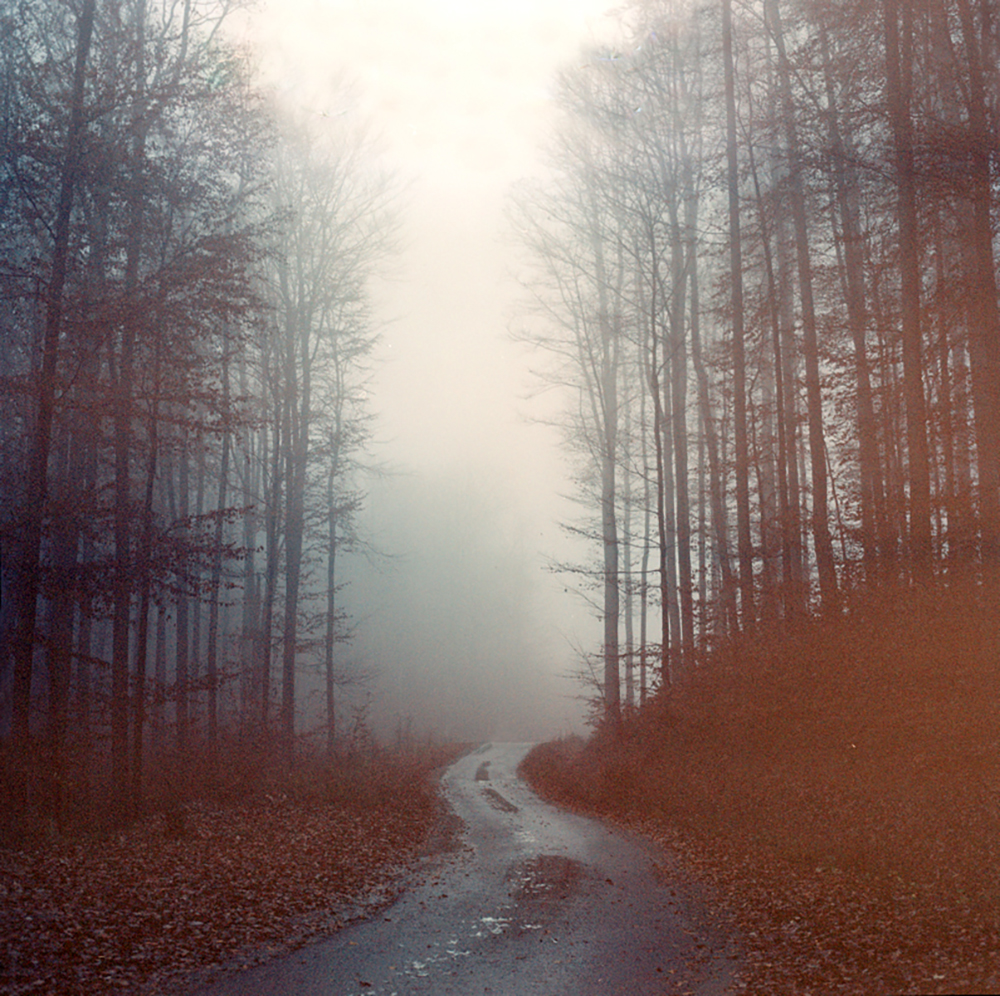
Laura Pannak has developed a mythical project titled Youth Without Age, Life Without Death inspired by a Romanian folk tale that weaves a narrative red thread around eternal life and the analysis of time. Her work develops a fiction played out in through manipulated landscapes and original folkloric characters.
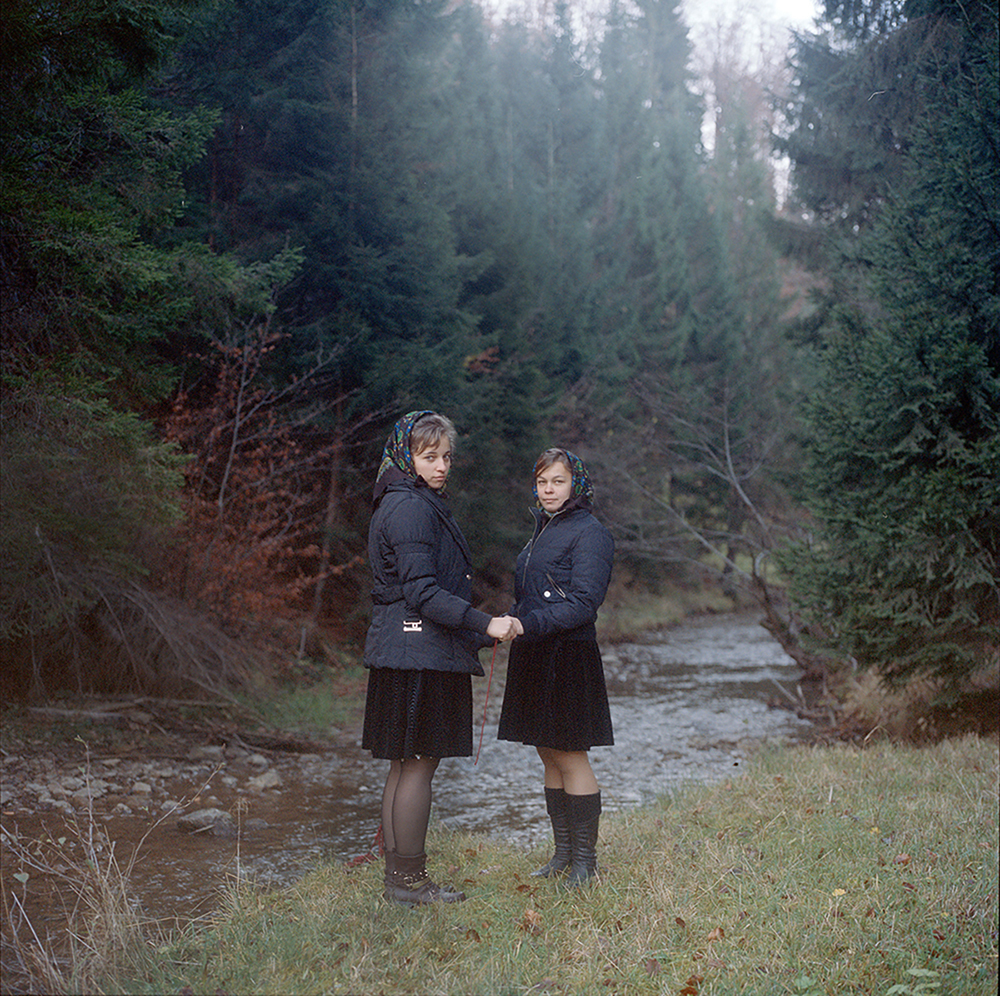
©Laura Pannack, From the series Youth without age, life without Death, 2012-2016
Youth without age, life without death
This project in progress takes inspiration from a Romanian folk tale exploring the notions of eternal life and the uncertain quest for our own destiny. It strongly draws upon the focus of time, cycles, birth and death. This is both a journey for the viewer as well as the artists’ venture for answers.
Time present and time past. Are both perhaps present in time future; and time future contained in time past?
If all time is eternally present, then all time is unredeemable.
©Laura Pannack, From the series Youth without age, life without Death, 2012-2016
©Laura Pannack, From the series Youth without age, life without Death, 2012-2016
©Laura Pannack, From the series Youth without age, life without Death, 2012-2016

©Laura Pannack, From the series Youth without age, life without Death, 2012-2016
©Laura Pannack, From the series Youth without age, life without Death, 2012-2016
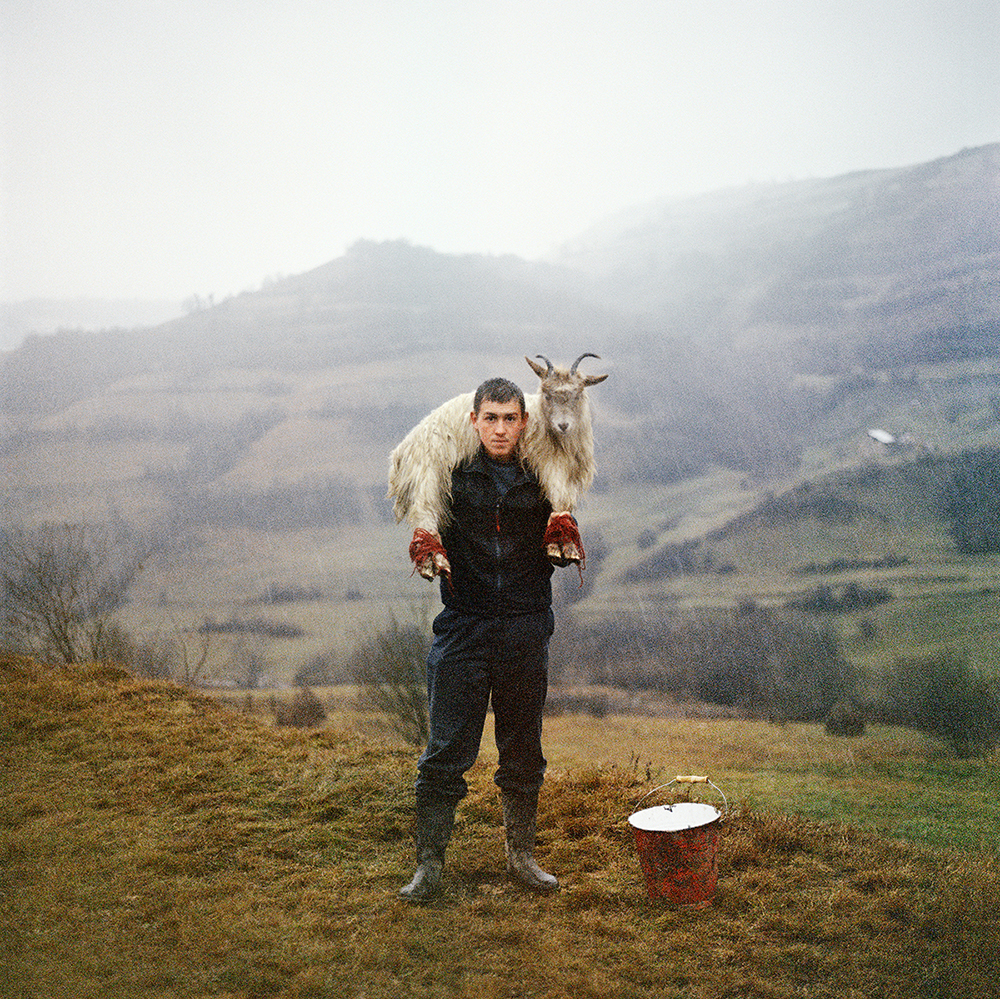
©Laura Pannack, From the series Youth without age, life without Death, 2012-2016
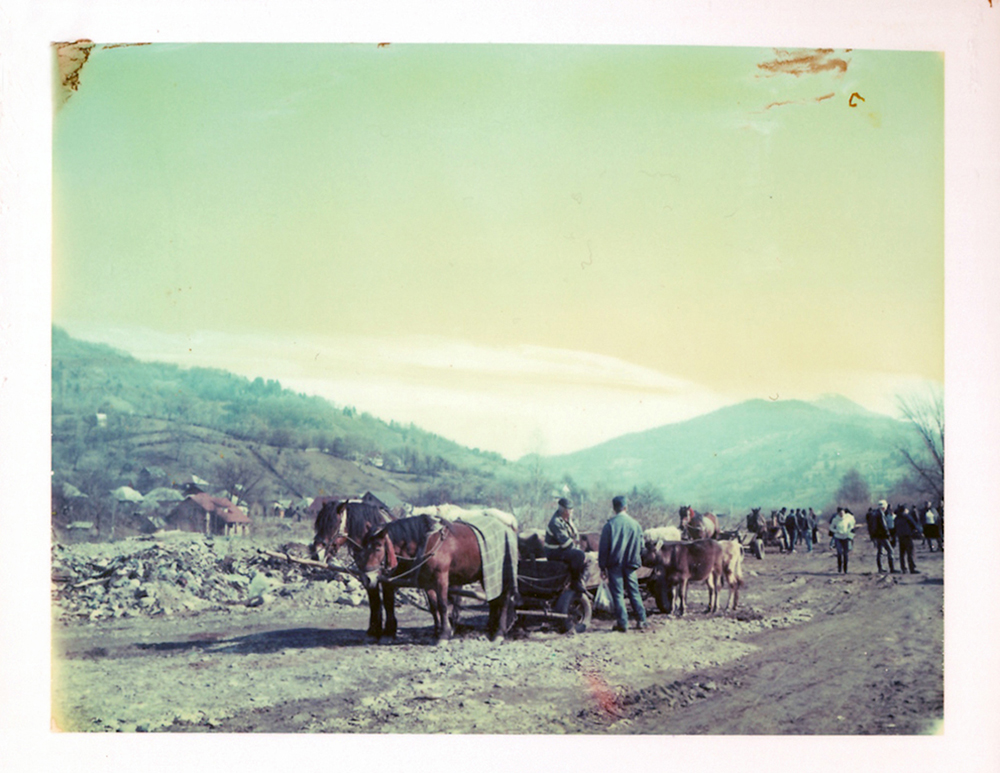
©Laura Pannack, From the series Youth without age, life without Death, 2012-2016
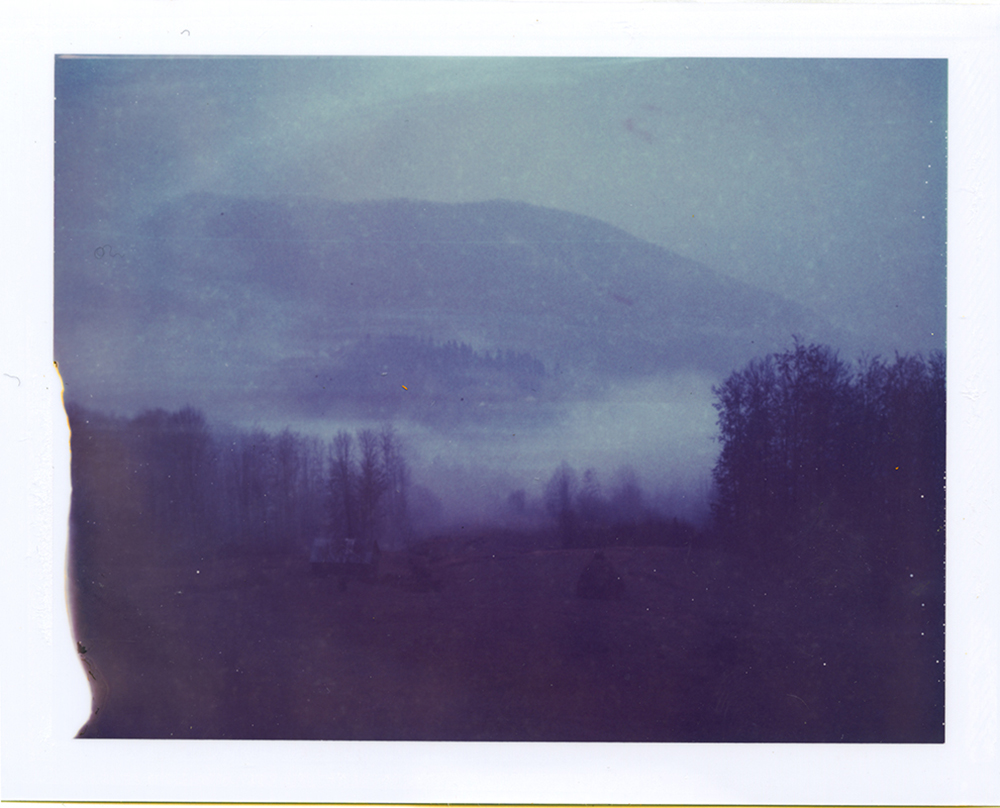
©Laura Pannack, From the series Youth without age, life without Death, 2012-2016
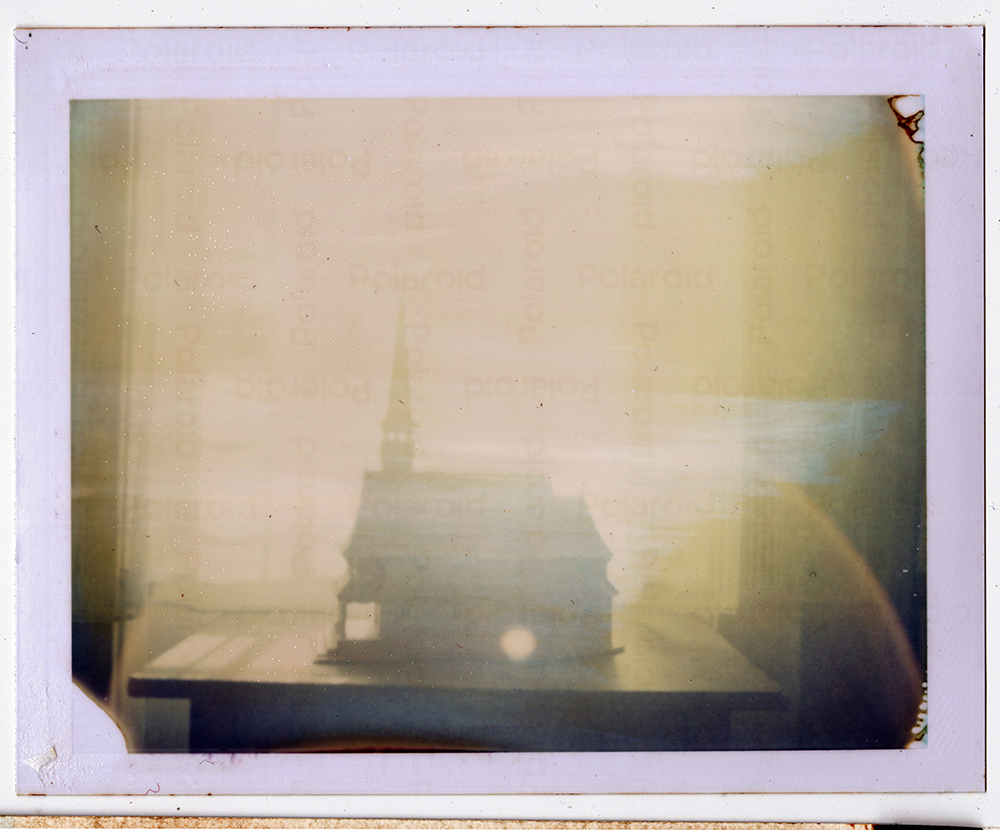
©Laura Pannack, From the series Youth without age, life without Death, 2012-2016
Posts on Lenscratch may not be reproduced without the permission of the Lenscratch staff and the photographer.
Recommended
-
Shane Hallinan: The 2025 Salon Jane Award WinnerFebruary 12th, 2026
-

Greg Constantine: 7 Doors: An American GulagJanuary 17th, 2026
-

Yorgos Efthymiadis: The James and Audrey Foster Prize 2025 WinnerJanuary 2nd, 2026
-
Arnold Newman Prize: C. Rose Smith: Scenes of Self: Redressing PatriarchyNovember 24th, 2025
-
Celebrating 20 Years of Critical Mass: Cathy Cone (2023) and Takeisha Jefferson (2024)October 1st, 2025