Yana Nosenko: Beds
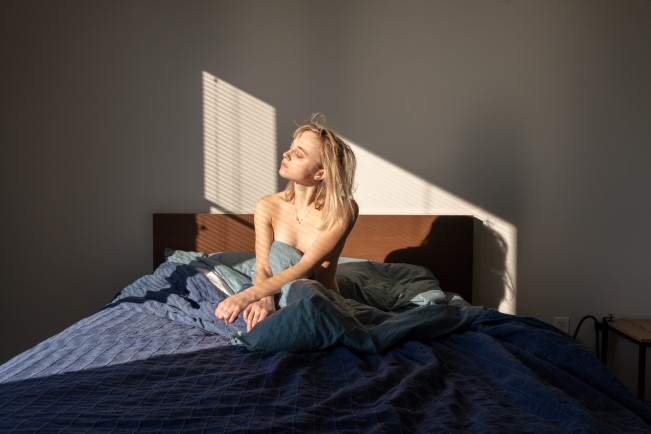
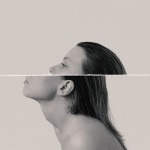
© Yana Nosenko, 22.12.24, from the series “Beds”
This week we’ve had the honor to present the work of four incredible photographers exploring the complexities of Post-Soviet history and trauma. Today, we introduce the work of this weeks’s curator, Yana Nosenko, introduced by felllow artist Yulia Spiridonova.
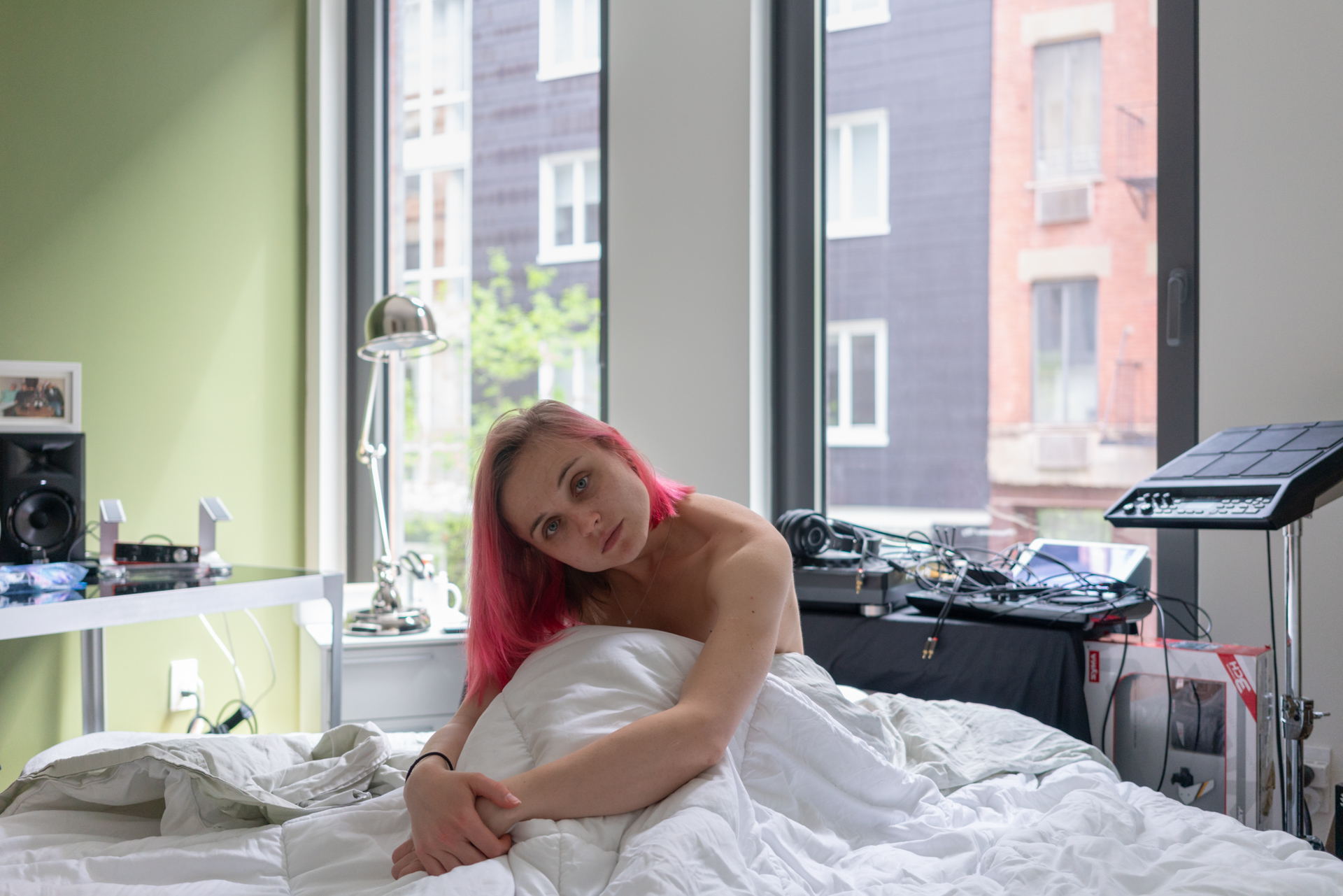
Yana Nosenko’s Beds series draws the viewer into an intimate personal archive of self-portraits accumulated over several years through a rigorously maintained daily ritual: photographing herself immediately upon waking. What appears at first as a modest, almost mundane gesture unfolds into a complex meditation on vulnerability, performance, displacement, and the ethics of self-representation. Each image captures the artist in a transitional state between sleep and consciousness, a moment typically withheld from public view. Unadorned and unguarded—without makeup, carefully arranged hair, or socially calibrated expression—Nosenko presents herself in a condition of exposure that resists the polished aesthetics of contemporary digital culture. In an era dominated by curated online identities designed to project success, happiness, and control, “Beds” proposes an alternative economy of visibility grounded in discomfort, intimacy, and prolonged honesty. The viewer is positioned as a voyeur, implicated in a private moment that echoes the confessional logic of social media while simultaneously unsettling its conventions.
Displayed either as extended grids of prints unfolding across the wall or as a digital interface that allows viewers to scroll through the archive on a tablet, the work shifts between physical installation and screen-based experience, the images accumulate into a durational work in which time itself becomes a central material. The ritualistic repetition foregrounds questions about the possibility of authenticity within the genre of self-portraiture. Nosenko’s assertion, “I enact this ritual,” gestures toward a self-conscious performance that resonates with Guy Debord’s critique of mediated experience in The Society of the Spectacle. The daily act oscillates between genuine self-reflection and the awareness of being seen, unsettling the distinction between lived experience and its representation.
The project originates in a moment of profound rupture. As Nosenko recounts, Beds began after she left Moscow. From that point forward, the series functions as both a temporal marker and a record of displacement. Bedrooms across countries and continents replace one another as shifting theatrical backdrops, while the artist’s body remains the sole constant within a landscape of instability. The changing environments underscore the fragility of contemporary existence shaped by migration, political upheaval, and emotional dislocation. Furniture, walls, and light transform into transient scenery for a performance of semi-intimacy, emphasizing the absence of a fixed home.
In the end, Beds extends beyond personal confession to articulate a broader condition of contemporary life defined by impermanence. As cities change, partners come and go, and geographic borders are crossed, the self emerges as both witness and anchor within a world of continual flux. Nosenko’s practice suggests that stability, if it exists at all, resides not in place but in the repetitive act of attention—the daily return to the camera as a grounding mechanism. Through its quiet persistence, the series offers a poignant reflection on loneliness, resilience, and the human impulse to document existence in the face of uncertainty. — Yulia Spiridonova
An interview between featured artist, Yulia Spiridonova and Yana Nosenko follows.
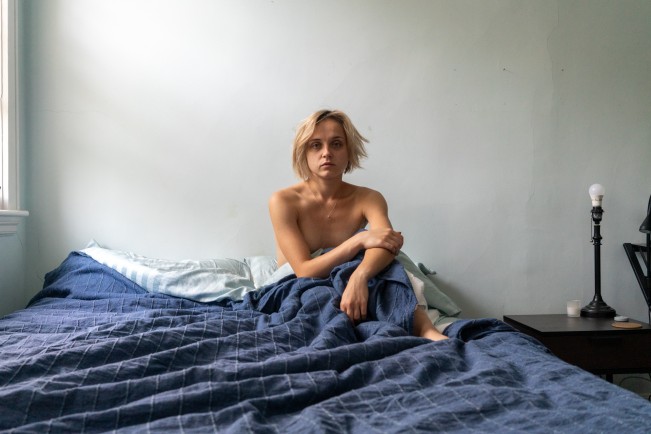
© Yana Nosenko, 21.09.12, from the series “Beds”
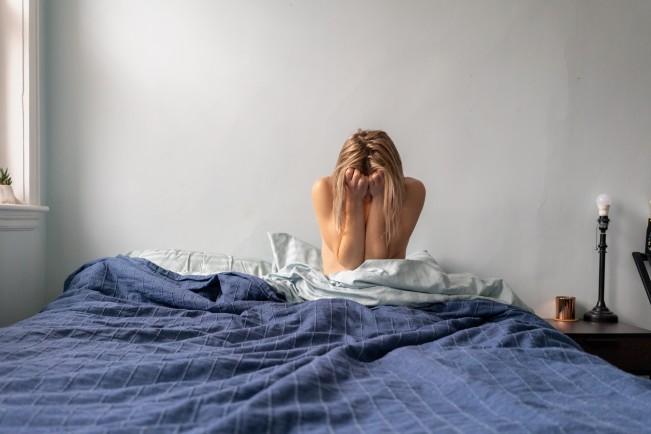
© Yana Nosenko, 22.02.24, from the series “Beds”
Yana Nosenko is a multidisciplinary artist and curator whose work explores themes of immigration, displacement, nomadism, and familial separation — drawing from her own experiences and expressed primarily through lens-based media.
She has exhibited at the International Center of Photography Museum, Gala Art Center, MassArt x SoWa, and Abigail Ogilvy Gallery. In 2023, she was awarded a residency at The Studios at MASS MoCA. That same year, she joined the Griffin Museum of Photography as a Curatorial Associate and Exhibition Designer, where she helped co-curate and organize exhibitions, oversaw daily operations, facilitated artist talks and panels, designed marketing materials, and worked closely with visitors and artists. In 2025, Yana was appointed Director of Education and Programming at the Griffin Museum, where she continues to foster artistic dialogue and learning through exhibitions, public programs, and community engagement.
Before focusing on photography, Yana studied graphic design at the Stroganov Moscow Academy of Design and Applied Arts and worked as a graphic designer at Strelka KB, an urban planning firm in Moscow. In 2017, she completed a major independent project: the design of Mayak, a typeface inspired by Soviet Constructivist fonts of the 1920s–30s, later released by ParaType.
She holds an MFA in Photography from the Massachusetts College of Art and Design and a certificate from the International Center of Photography.
Follow Yana on Instagram: @yana_olen
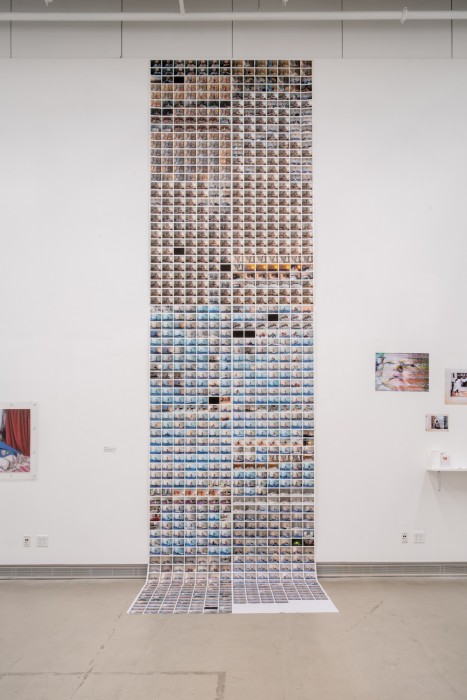
© Yana Nosenko, Installation photograph as MassArt
Beds
I haven’t been home for more than six years. I’m not even sure if my home is Moscow anymore.
I keep changing countries, cities, neighborhoods, bedrooms. One thing stays the same: every morning I take a self-portrait. The rule is simple — take a photograph right after waking up. No matter where I am, how I look, or who I’m with. This is how I document impermanence. It’s a ritual that helps me stay grounded.
I’ve been doing this for more than 2,000 days. Despite the distressing news constantly coming in from around the world, I keep showing up. I wake up, turn on the camera, and take a picture, as if to say, I’m alive. Often, the interaction between myself and the camera brings comfort. Some days, though, the weight is too heavy, and no photograph is taken.
In the images that exist, you see a woman in her thirties who has just woken up. Her hair is not combed. I think about how much people want to be seen and to take up space. I also think about how women are usually presented in the media: as objects altered, amplified, and reduced to appearance. This work is about representation, about how female bodies are objectified, and how that kind of reduction has become normal.
When the work is shown, often as a grid, I think about repetition and routine, how days look the same, until they don’t. This is a kind of performance. I decide how I appear, what I show, and what I hide. In doing this, I also turn myself into an object, but on my own terms.
This practice has become the most stable part of my life. I rely on what I have — myself.
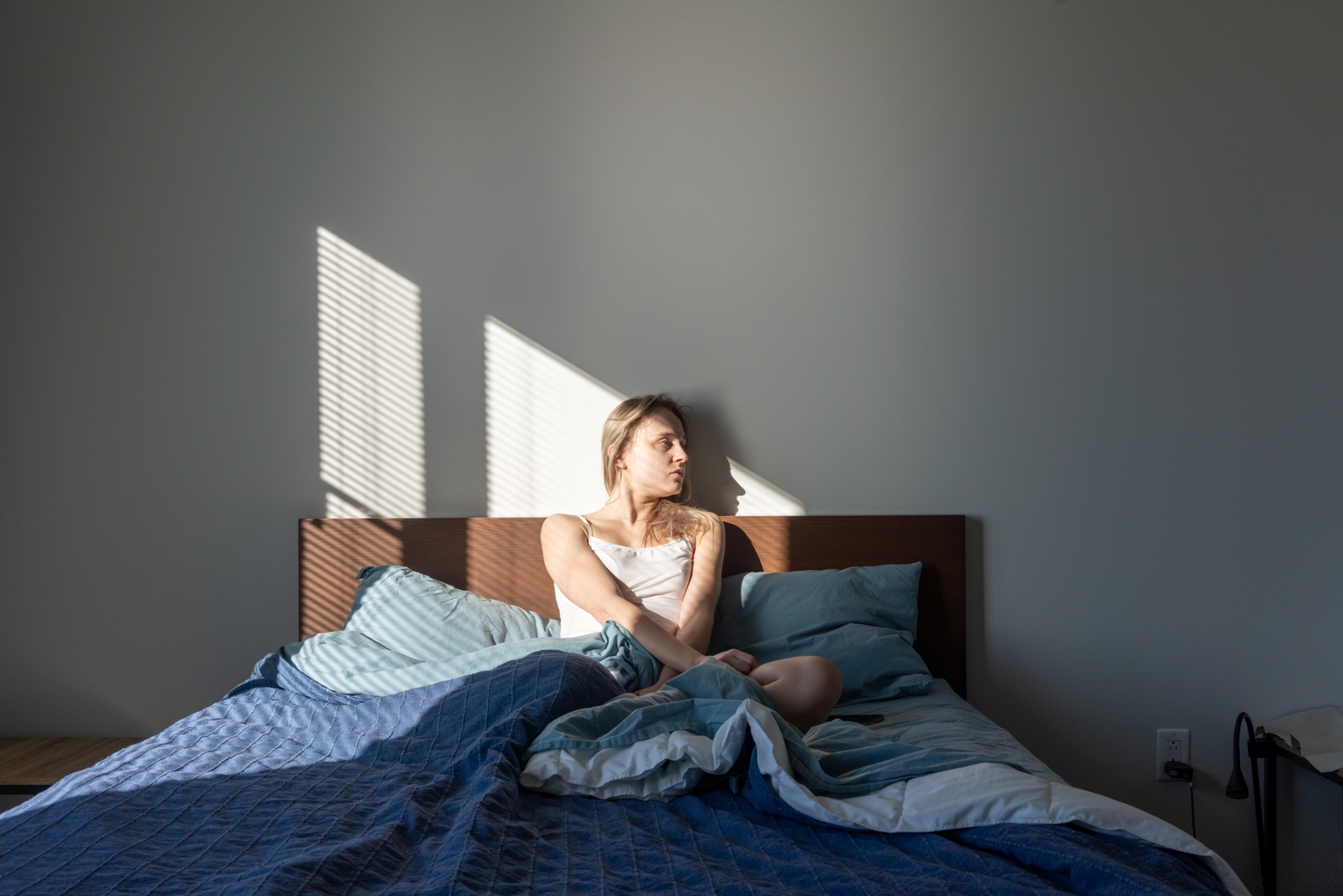
© Yana Nosenko, 24.12.21, from the series “I’m Alive”
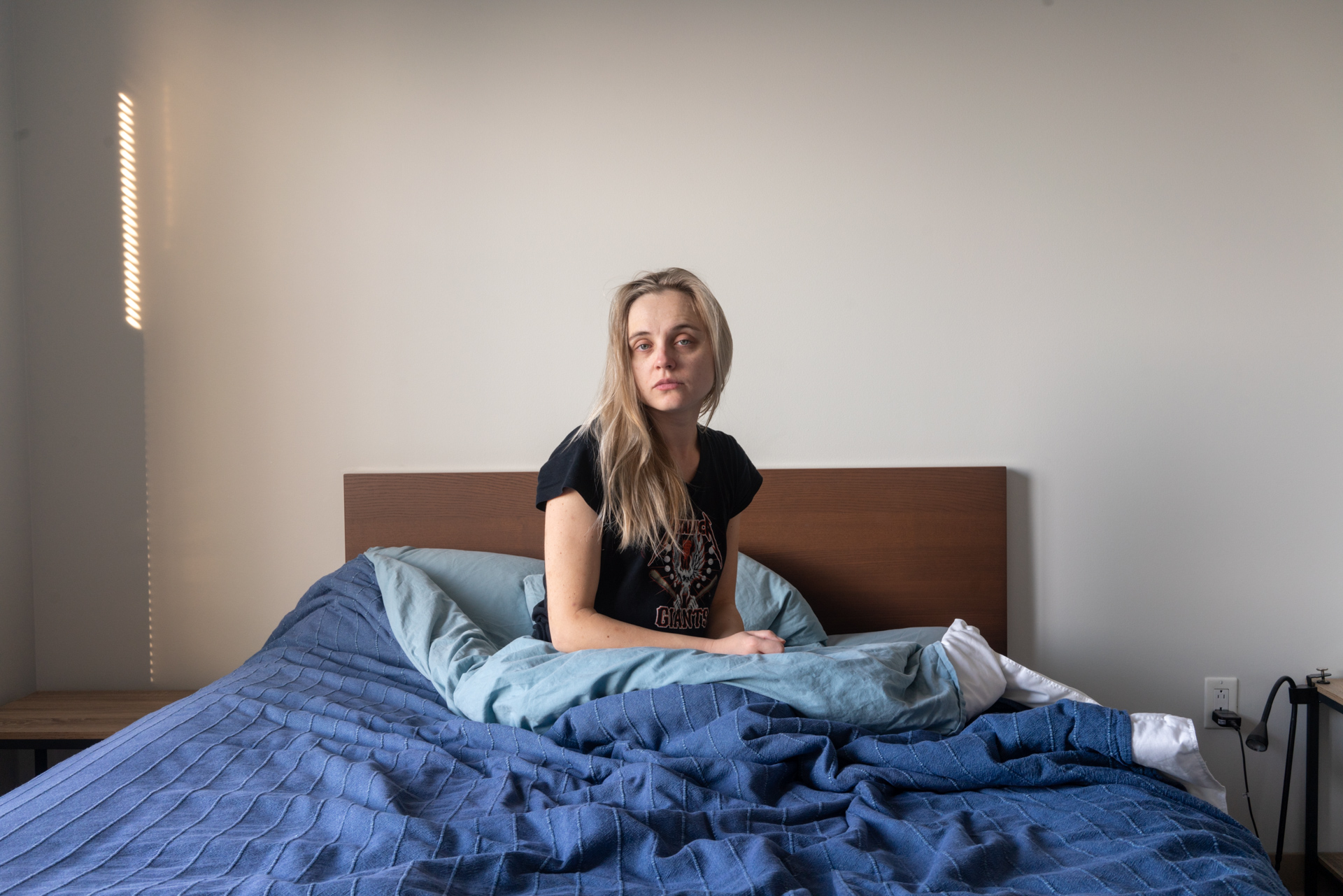
© Yana Nosenko, 24.10.31, from the series “I’m Alive”
Yulia Spiridonova: You begin each image at the moment of waking. How did you arrive at this specific temporal boundary, and what does it offer that no other moment of the day could?
Yana Nosenko: I don’t think I chose this rule very deliberately at the beginning. I have been making self-portraits on and off since around 2016. At that time, I took one self-portrait each year on my birthday, simply marking the day, and those photographs were usually made in the morning. In many ways, it was just logistical: you wake up, take a photograph, and move on with your day. But it’s also an intimate moment. You’re still in the bedroom, not fully awake, not yet oriented. You don’t quite understand what you’ve just dreamed, or what the day will bring, everything remains blurred, suspended, unresolved.
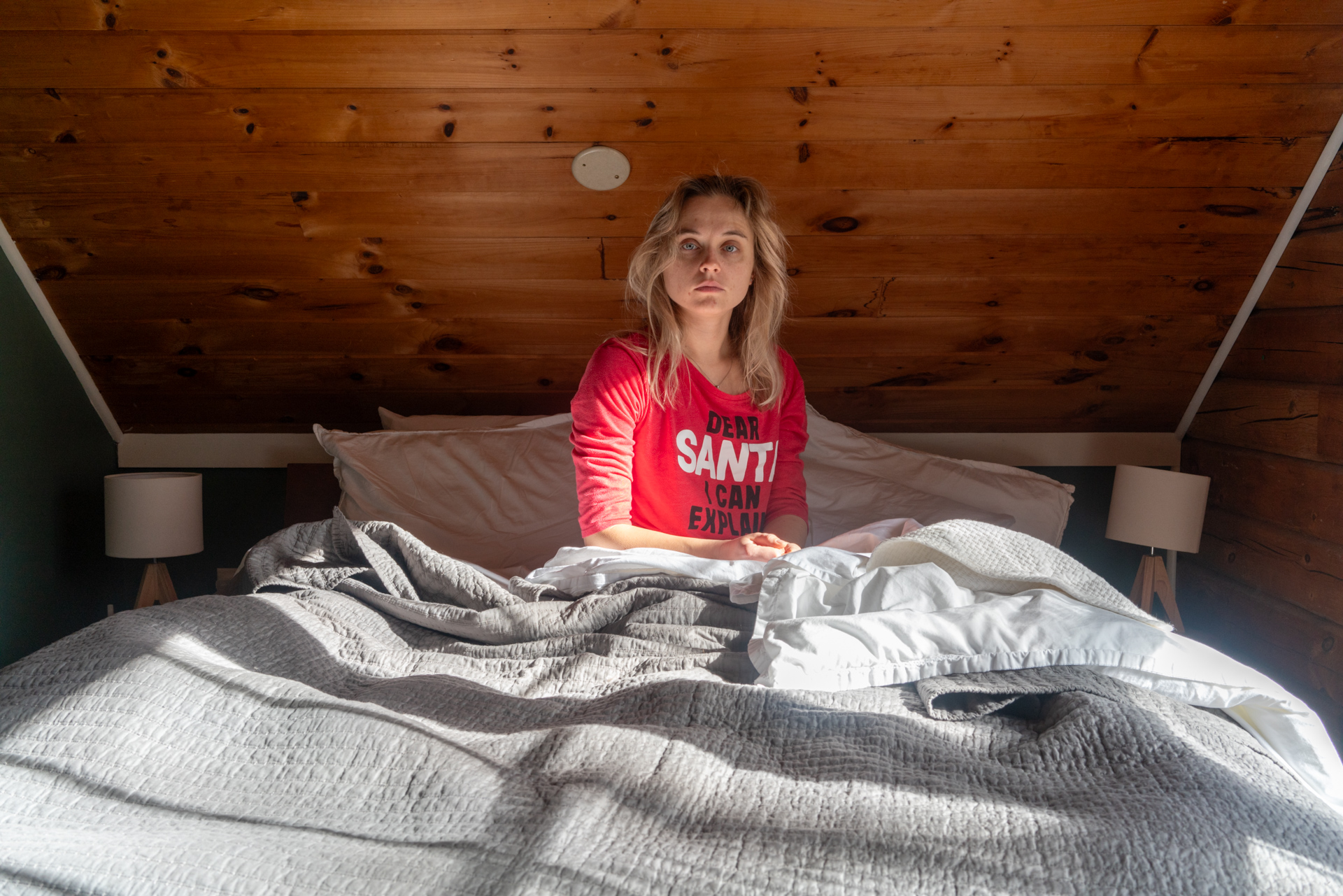
© Yana Nosenko, 23.11.06, from the series “Beds”
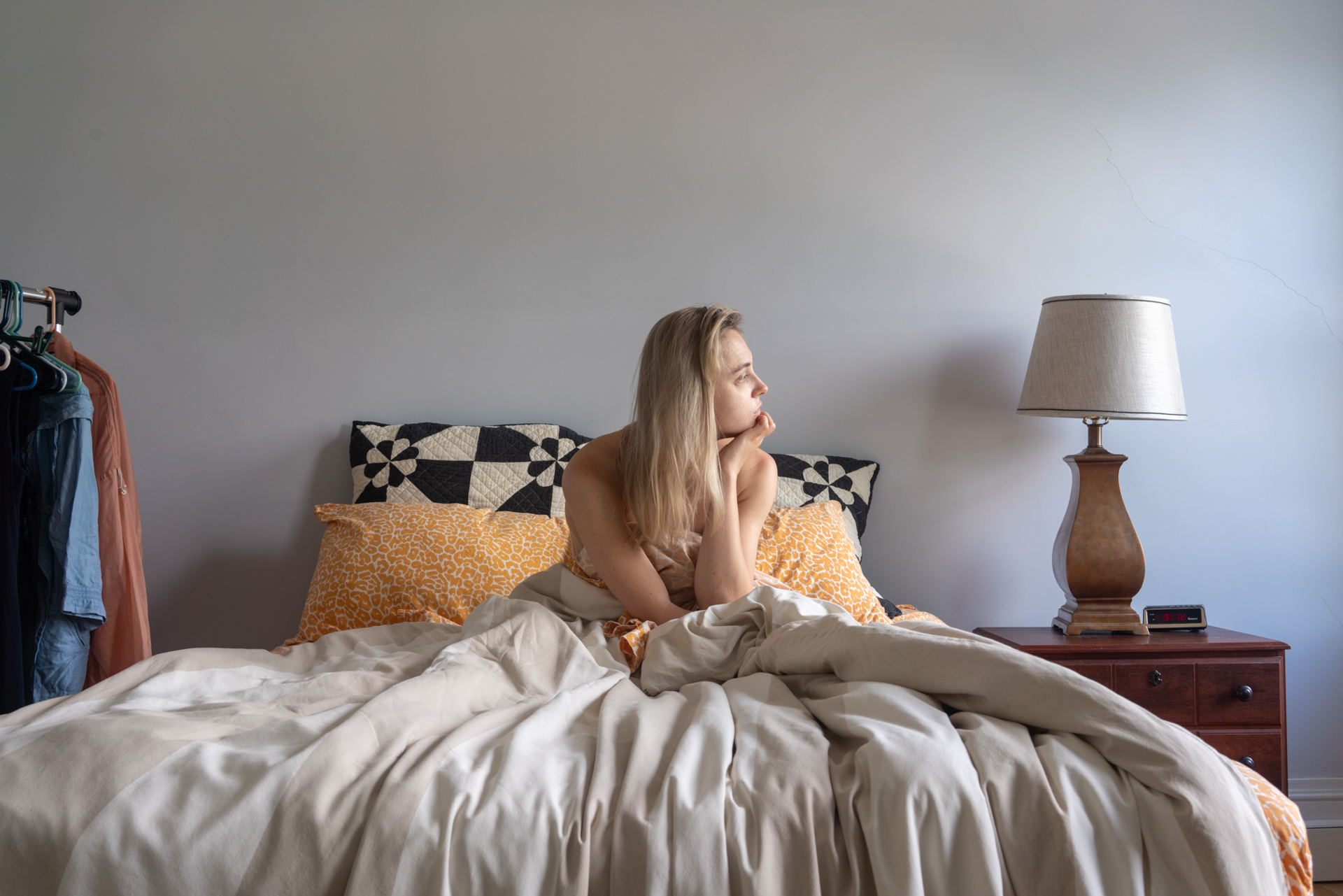
© Yana Nosenko, 23.07.15, from the series “Beds”
YS: Your work is ever evolving yet deliberately unfinished, transforming mundane repetition into a visual record of ritual. How do you understand this gesture in relation to art-historical traditions of daily practice, such as On Kawara’s date paintings or Tehching Hsieh’s durational performances, where time itself becomes both subject and medium?
YN: I think I have an unhealthy relationship with time, I always feel I lack it. I wish there were 30 hours in a day. So repeating something, anything really, has become not only a record or a ritual for me, but also a proof of existence in an ever-shifting world. A lot has changed since 2019: Covid, the war in Ukraine, a state of constant global turmoil where borders shift so quickly you barely register it, and authoritarian regimes rising across the globe. One thing remains constant: me and my camera each morning. At some point, this private gesture began to resemble practices I had long admired. When I first learned about On Kawara’s Date Paintings and Tehching Hsieh’s performances, I remember thinking, “I would never be able to do something like that.” And yet here we are: 2,000 days and 2,000 portraits later, and the work is still continuing.
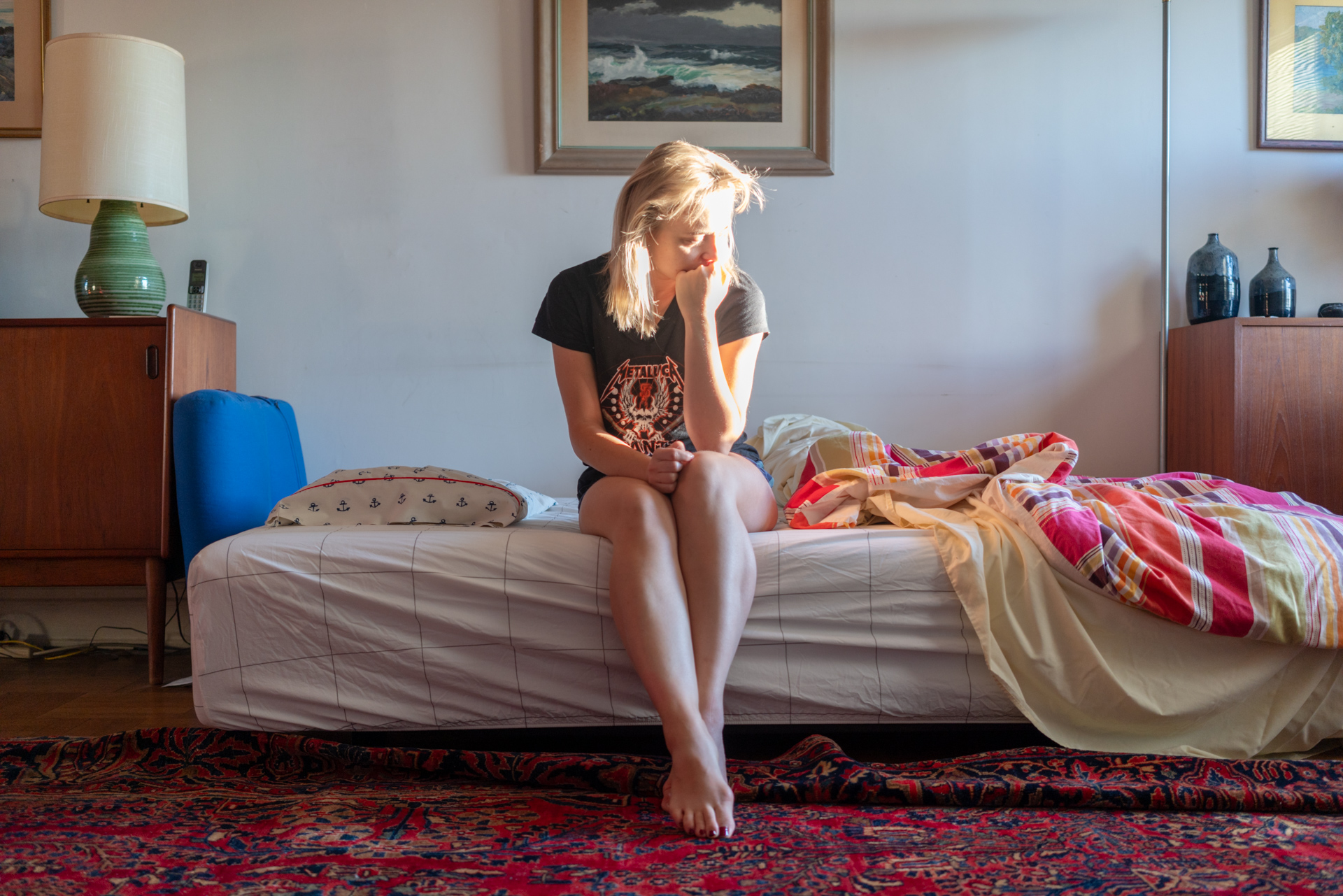
© Yana Nosenko, 22.10.16, from the series “Beds”
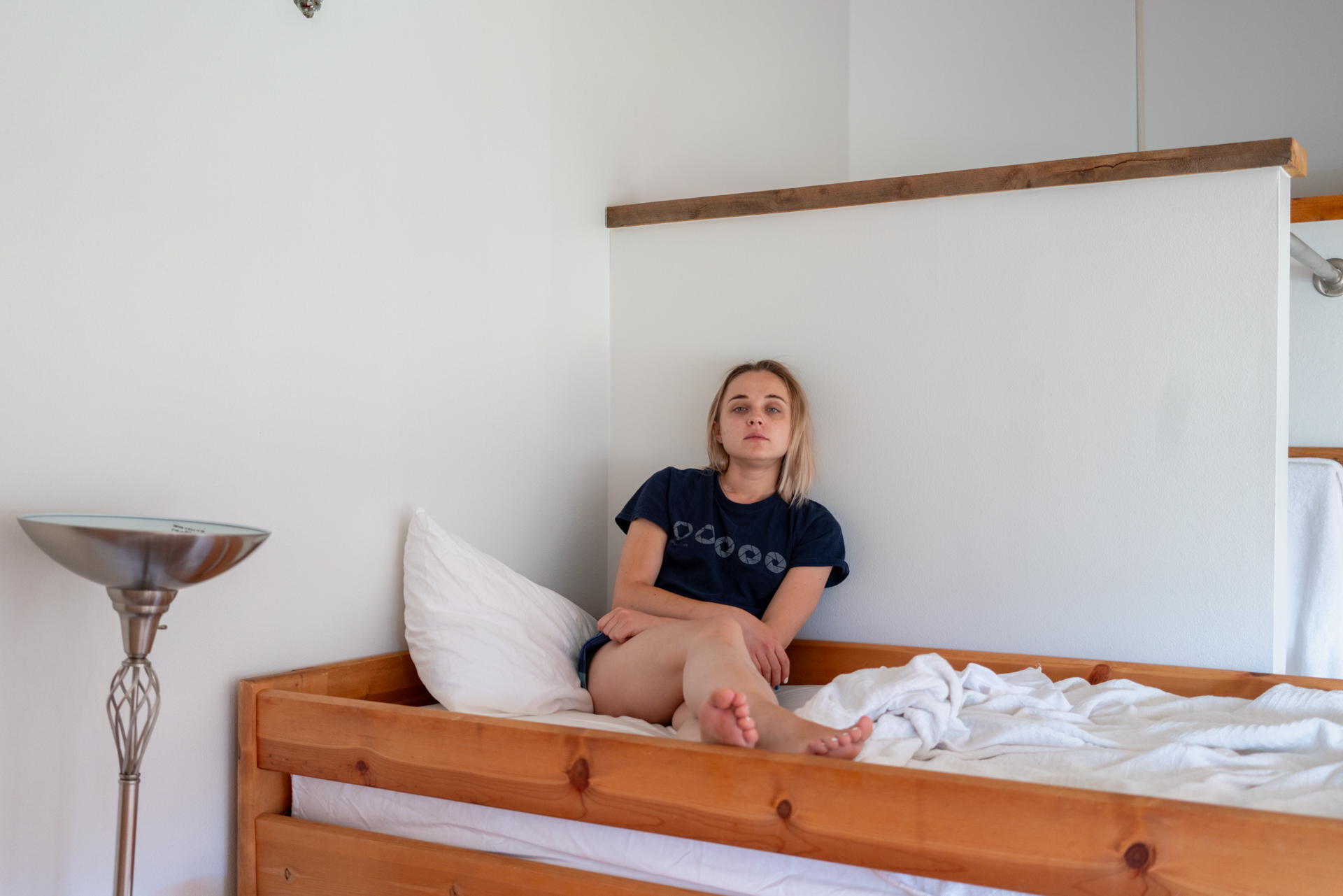
© Yana Nosenko, 22.07.19, from the series “Beds”
YS: Your self-image in this vulnerable state resists the traditional ways women are expected to register themselves in the public sphere, especially within contemporary social media. Your refusal of makeup—understood in a broader sense, encompassing both physical appearance and emotional performance—in the web of the society of the spectacle can be understood as a feminist gesture. Do you see your practice as operating within a feminist framework?
YN: Oh, absolutely. But this understanding didn’t arrive at the start of the project. At first, it was simply documentation, a record. It became amplified after my move to the US in 2019, alongside the rise of social media, blogs, and the constant circulation of idealized self-images. I was raised within a paradigm where being a “successful” woman meant getting married, and in order to get married you were expected to look “good”, that is, properly feminine. It took me years to understand that I don’t have to prove anything or present myself in a prescribed way. This routine of making self-portraits, looking at myself on the screen at the moment of waking, not yet prepared to face the world, certainly helped me arrive at that realization. Coming from an Eastern European context, where these expectations are particularly ingrained, refusing both physical and emotional performance became a way of reclaiming my own image. For me, feminism emerged not as a declared position, but through repetition, refusal, and persistence.
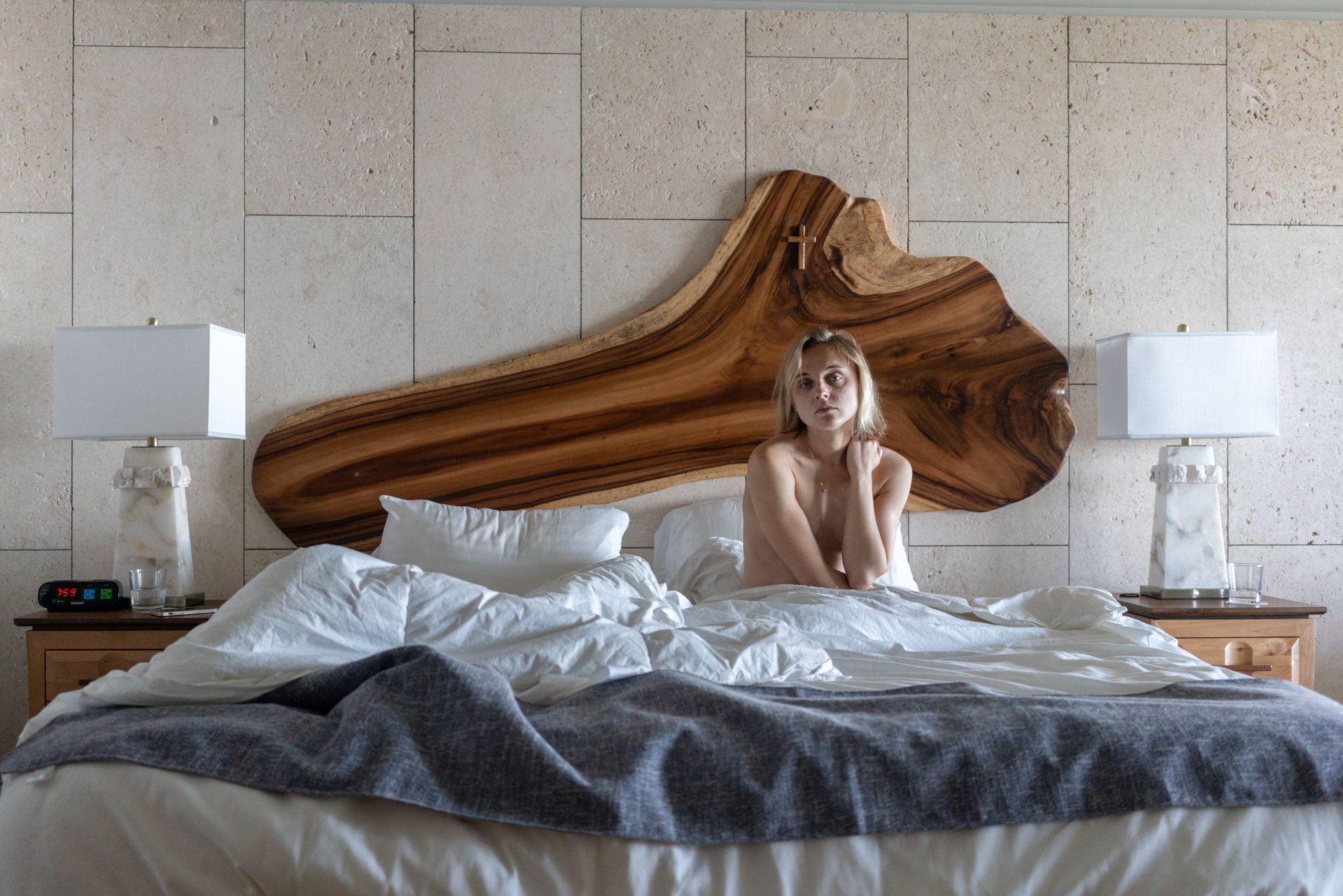
© Yana Nosenko, 22.01.01, from the series “Beds”
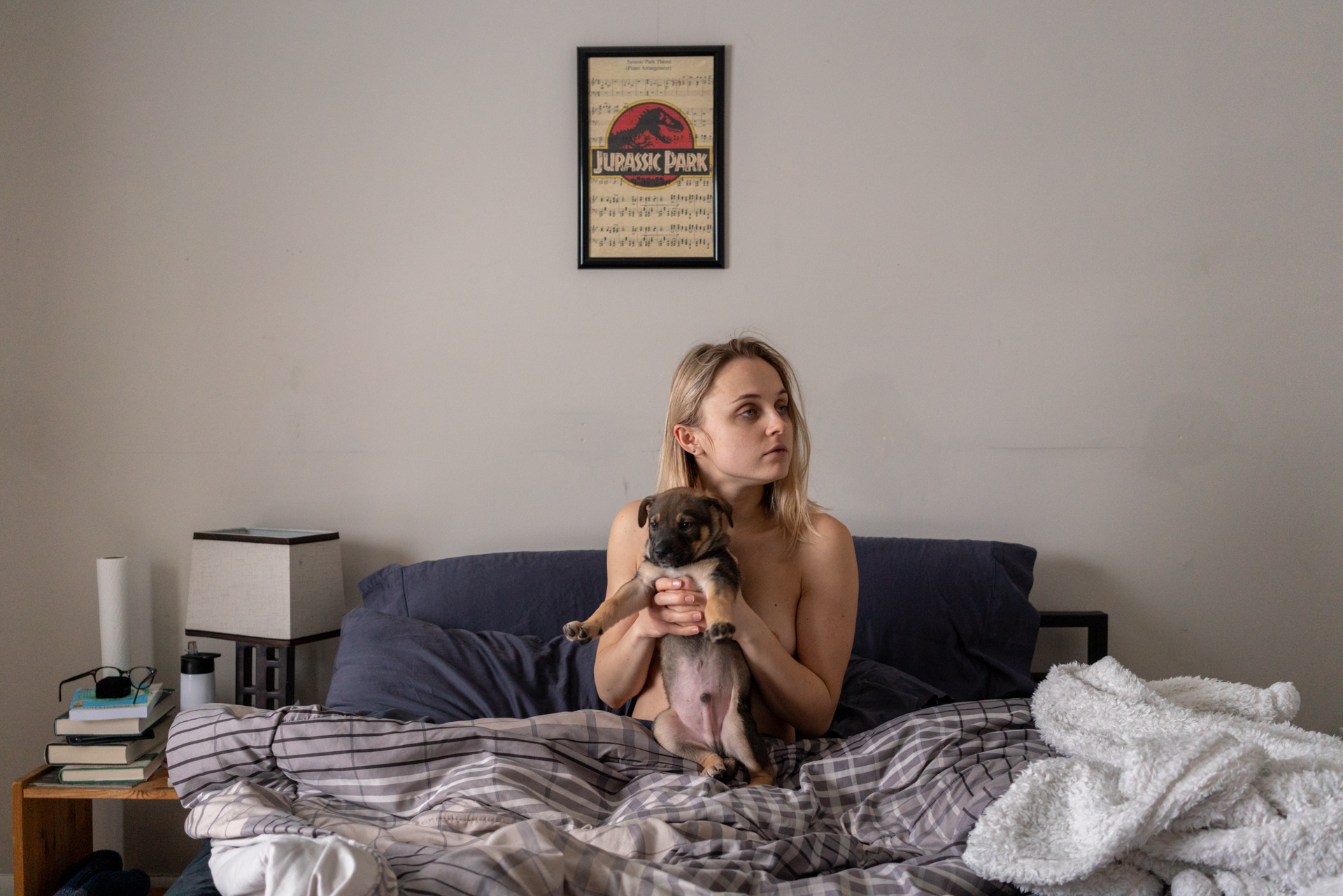
© Yana Nosenko, 21.02.07, from the series “Beds”
YS: The camera becomes a constant companion and witness. How has your relationship to the photographic apparatus changed over time—from tool, to interlocutor, to something closer to a mirror or confessor?
YN: That relationship has changed drastically over time, and as I think about it, it continues to shift every single day. Partly because of technology, partly because of how I perceive myself, and partly because of everything happening in the outside world. Early on, the camera was simply a tool: I used a timer, then a remote, and now an app on my smartphone. In the beginning, I didn’t really know what I was doing. It was Covid, I had time, and I started making self-portraits. At first, I struggled even to look at the images when I downloaded them into Lightroom. Six years later, the process is fully integrated into my daily routine: the camera sits on a tripod in front of my bed, I wake up, turn it on, and take the photograph. At this moment, the camera and smartphone feel like tools again. But there were days, weeks, and even months when the camera held much more weight, it became a space for confrontation, for endurance, for working through things that were otherwise difficult to articulate. And I’m sure there will be periods like that again.
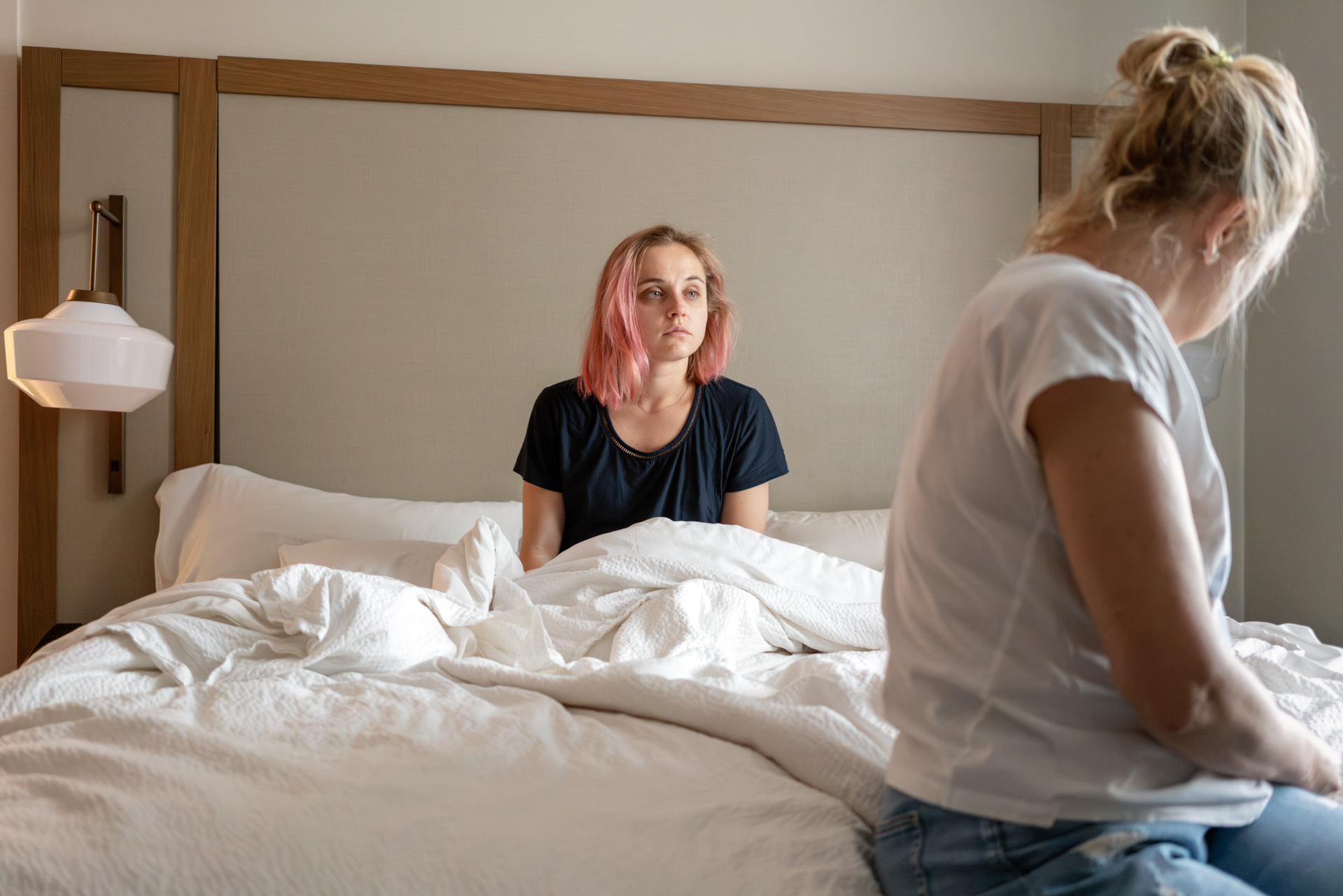
© Yana Nosenko, 22.05.29, from the series “Beds”
© Yana Nosenko, 22.05.14, from the series “Beds”
YS: You mention that on some days the burden is too heavy and no photograph is taken. The absence of an image on certain days introduces a different kind of mark. How do absences function within the archive of this project? Are they failures of the system, or integral components of its meaning?
YN: This is something I will probably continue to figure out as the project unfolds. Absence is, indeed, a different kind of mark. For example, in my installation “1,026” at the Patricia Doran Graduate Gallery at Massachusetts College of Art and Design in 2023, I printed black rectangles for the days when no photograph was made. There were not many, around seven missing images, but my approach at the time was to be truthful to myself and to show each day exactly as I encountered it. Since I do miss days occasionally, sometimes without fully understanding why, I see these absences as integral to the work rather than as failures of the system. They register the limits of capacity and attention, and they carry as much meaning as the images that are taken and archived. They remind me that continuity is never seamless, and that interruption is part of living through time.
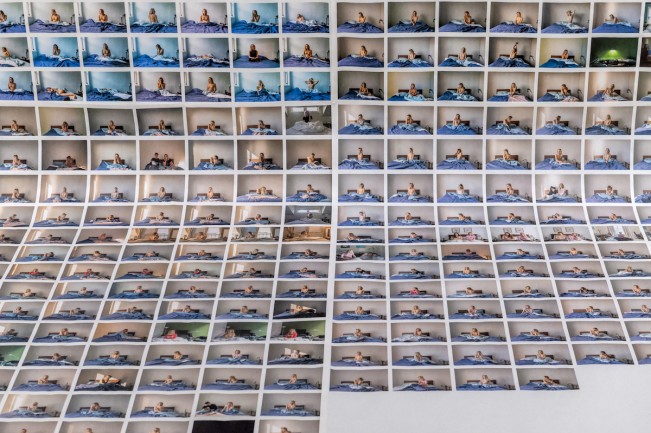
© Yana Nosenko, “1,026” — Installation detail at the Patricia Doran Graduate Gallery, Massachusetts College of Art and Design, 2023
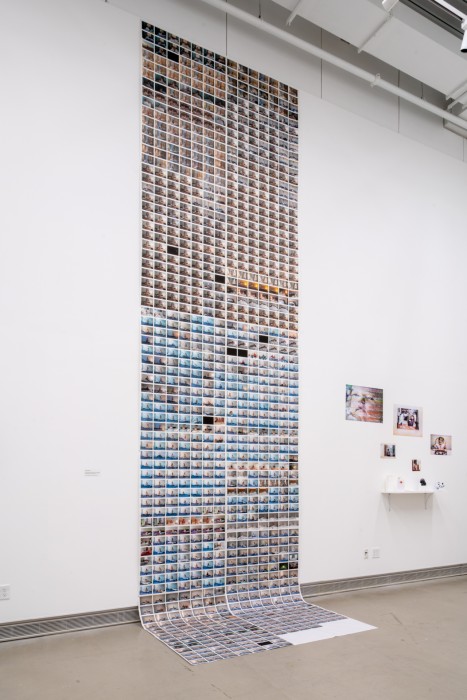
© Yana Nosenko, “1026”
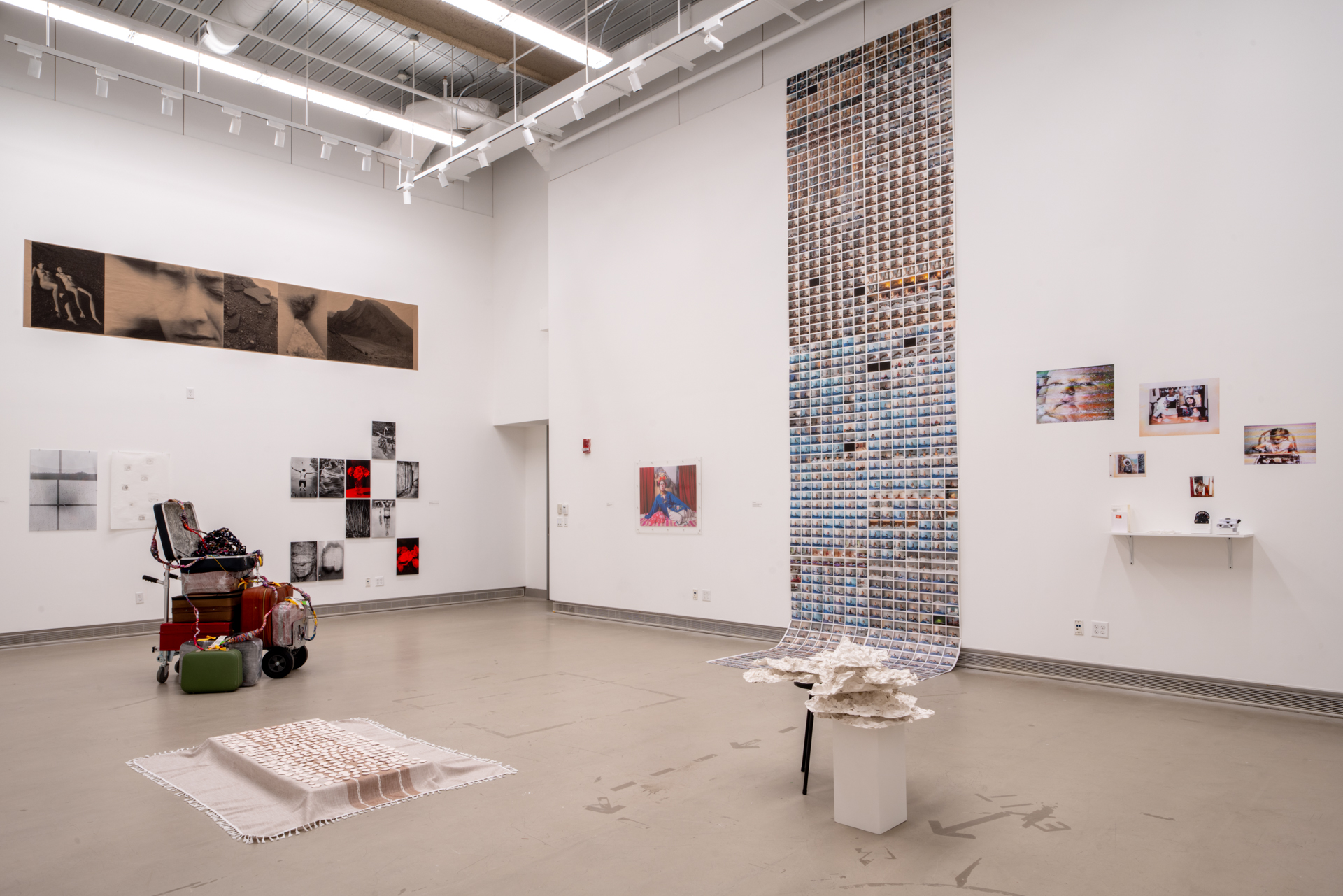
© Yana Nosenko, “1026”
YS: What mode of presentation—given the multiple possibilities you’ve explored, such as grids or an interactive digital image library—do you think best enables viewers to engage with the work in the way you envision?
YN: Grids, in various forms, tend to work in my favor. The “1,026” installation I mentioned earlier, for example, was nearly 18 feet (5.5 meters) tall, and it could be experienced as genuinely overwhelming. That scale mirrors the accumulation and intensity of the process itself, and at times, the work feels just as overwhelming for me to live with as it may be to encounter as a viewer. At the same time, the question of presentation remains open. I’m still interested in exploring and testing different formats, including digital ones. Thankfully, the project has generated enough material to allow for that kind of experimentation.
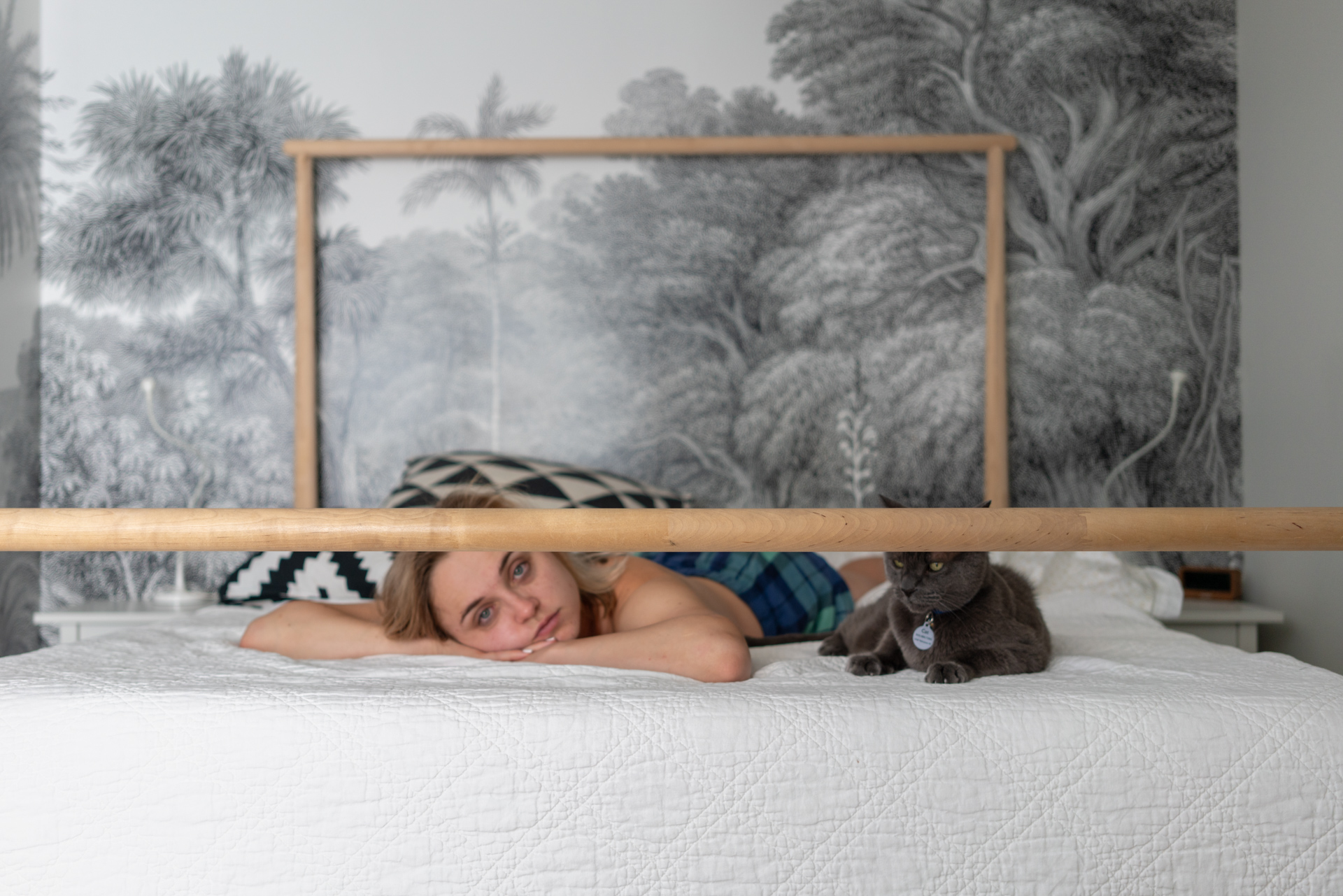
© Yana Nosenko, 22.07.25, from the series “Beds”
YS: Finally, do you consider this body of work a form of personal survival, historical testimony, or both—and how do you hope it will be situated within the broader visual record of this period?
YN: This is still an ongoing process, and only time will reveal what it ultimately becomes. While I’m still enacting this ritual, it feels difficult to assign it a fixed label. I don’t know where, why, or when it might end. For now, it continues to function as a way of moving through time, both privately and in relation to the conditions unfolding around me. I hope that, over time, the work can hold both an individual experience and the broader circumstances it emerged from. But that positioning, like the project itself, is something I’m willing to leave unresolved. That uncertainty feels essential to the work.
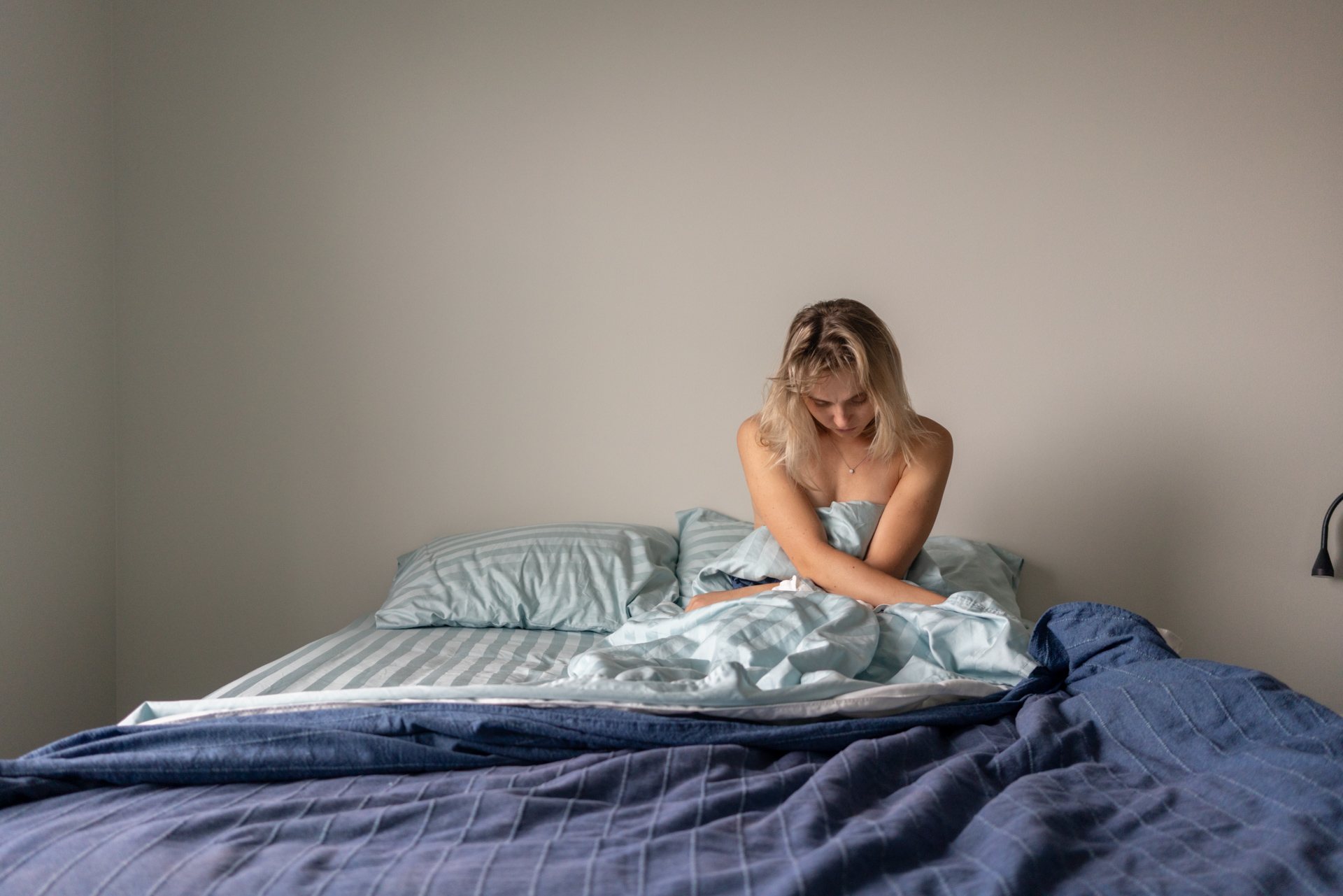
© Yana Nosenko, 22.09.21, from the series “Beds”
Yulia Spiridonova is a multimedia, lens-based artist working across photography, collage, and installation. With over a decade of experience as a photo editor and editorial photographer, she has collaborated with clients such as PORT Magazine, Esquire Russia, RBC Magazine, and L’Officiel. Her work has been exhibited internationally and featured in publications including Dazed Digital, The Calvert Journal, PhMuseum, LensCulture, A New Nothing, and others. Yulia holds a Post-Baccalaureate Certificate and an MFA in Photography from the Massachusetts College of Art and Design. She is the recipient of the Anderson Ranch MassArt Fellowship (2023), the Abelardo Morell MassArt Photography Thesis Prize (2024), the MASS MoCA Studios MassArt Fellowship (2024), and the MassArt Postgraduate Fellowship (2025). She is currently based in Boston, Massachusetts, where she works as a Teaching Assistant in Harvard University’s Department of Art, Film, and Visual Studies and teaches multiple courses as adjunct faculty at the Massachusetts College of Art and Design.
Posts on Lenscratch may not be reproduced without the permission of the Lenscratch staff and the photographer.
Recommended
-
Zanele Muholi: 2026 Hasselblad Award LaureateMarch 13th, 2026
-
Greg Miller: Morning BusMarch 5th, 2026
-
Binh Danh: Belonging in the National ParkMarch 4th, 2026
-
Tom Zimberoff: The White Fence and more..March 2nd, 2026
-
The 2026 Black and White Portraits Lenscratch ExhibitionMarch 1st, 2026