In Focus: The MFA Review: University of Notre Dame
©Sara Fahling, Digital Studio Manager
Each installment of In Focus: The MFA Review highlights a different MFA program for photographic artists, offering readers a concise overview of its identity, curriculum, faculty, student experience, financial support, and post-graduation outcomes. It also serves as a showcase of the creative work produced by faculty, students, and alumni. Rather than functioning as rankings or endorsements, these features are intended as practical starting points—tools to help prospective students compare programs, identify what matters most to them, and make more informed decisions about their graduate education. While certain details shared in these articles may change over time, my hope is that these program snapshots offer a clear sense of what each represents in the present moment.
Thank you to Martina Lopez for completing this interview and compiling all the images/resources!
Institution name: University of Notre Dame
Degree Title: MFA in Studio Art
Location: St. Joseph County, IN
Link to Program Page: https://artdept.nd.edu/graduate/m-f-a-in-studio-art/
Link to Application Page: https://artdept.nd.edu/graduate/admissions-and-funding/
Instagram: @_notredameart
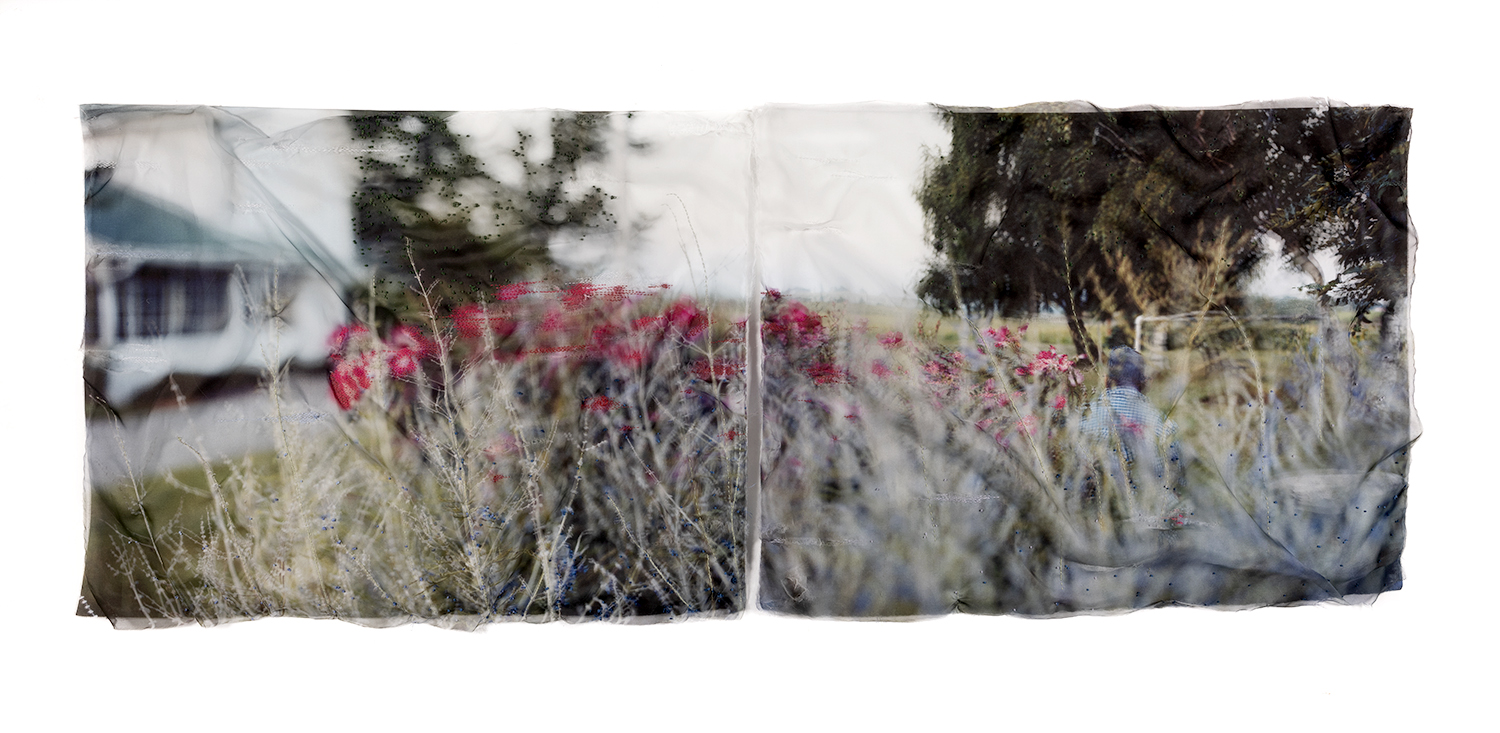
©Sara Fahling, Digital Studio Manager
Tell us a little about your program. How would you define its scope and purpose?
Notre Dame’s MFA in Studio Art is a three-year, 60-credit terminal degree that supports independently motivated artists working in studio art (including photography), design, or art history; students pursue an area of interest through independent study and studio advising.
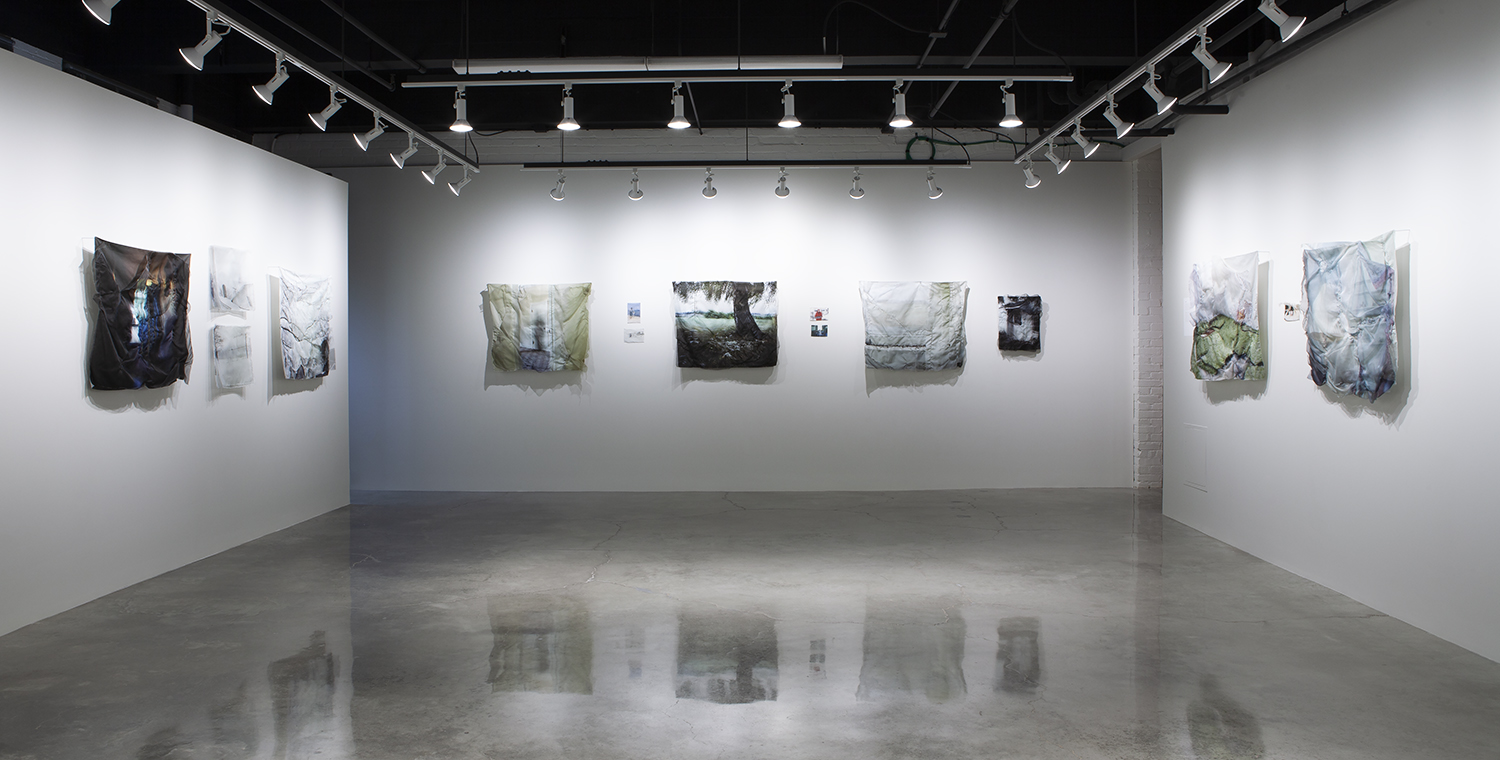
©Sara Fahling, Digital Studio Manager
What would you say makes your program special?
It is intentionally small and selective (the department admits a very limited number of MFA students each year), creating an intimate studio environment and close faculty mentorship. Because of the size, and that every MFA has the same funding and department expectations, the program fosters camaraderie instead of completion.
We have a strong integration with the university’s museum resources (Raclin Murphy Museum of Art and department galleries), regular visiting artists/lectures, and cross-disciplinary opportunities in the College of Arts & Letters. Students are encouraged to substitute two of the required four Art History courses for class outside of the Department of Art, Art History, and Design (AAHD), and students can take classes cross-listed with AAHD, such as video production classes in Film, Theater, and Television (FTT). We are the only department on campus that requires a written thesis as well as a Thesis Exhibition.
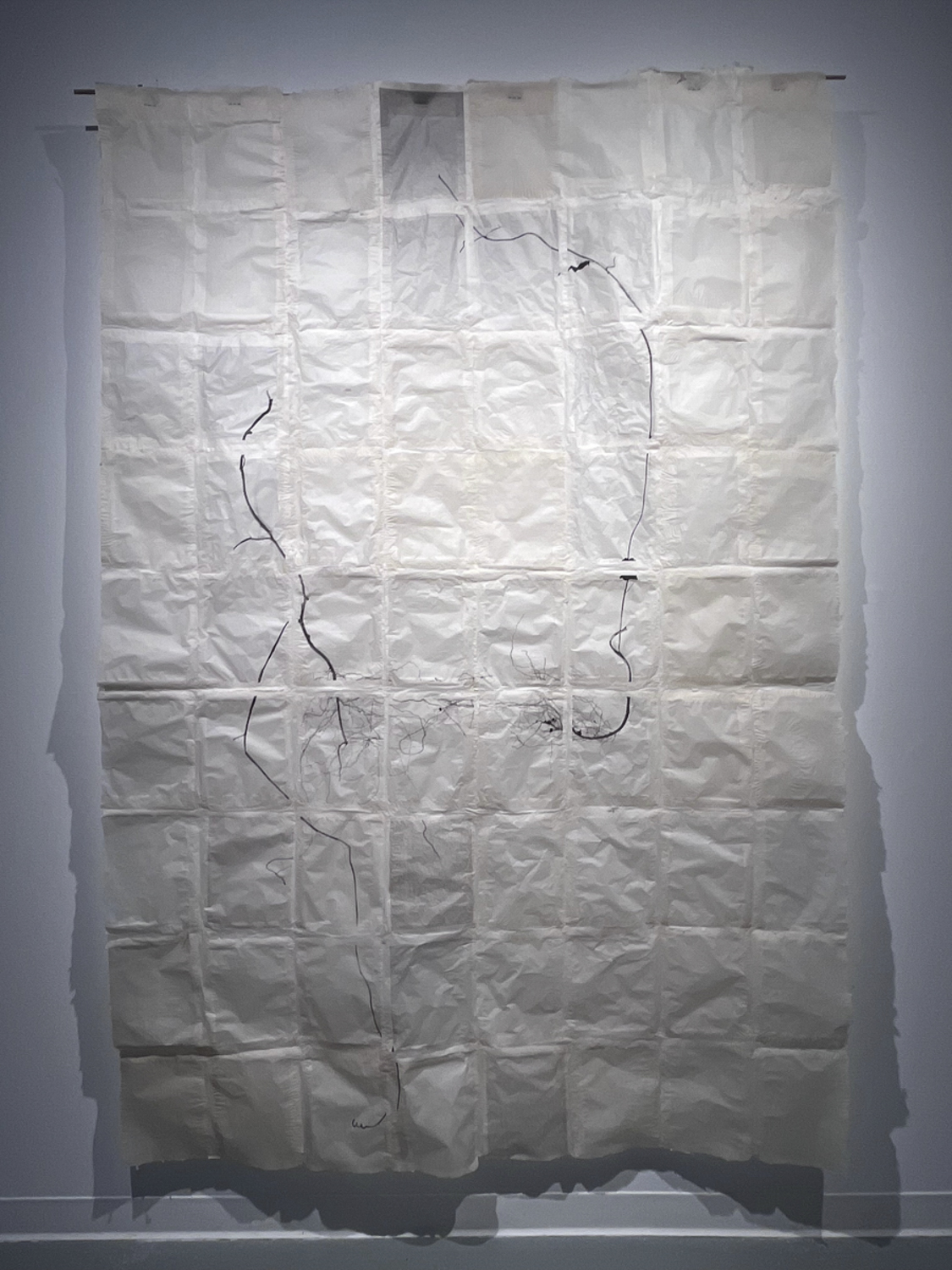
©Hillary Johnson, Teaching Scholar
What specialized facilities are available for student use (i.e. darkroom, lighting studio, print lab)?
Lighting studios: in Riley Hall (professional-level studio facilities).
Photography darkroom: An individual darkroom space is available for graduate students.
Equipment Checkout: The Equipment checkout system is available to support students’ work. Items included, but are not limited to the following: large-format cameras, lenses, High-end digital cameras, video projectors, sound recorders, GoPros, and video cameras are available.
The Digital Printing Studio (DPS): This fully staffed print facility features desktop and wide-format, pigment-based archival-quality printing on state-of-the-art Epson and Canon inkjet printers.
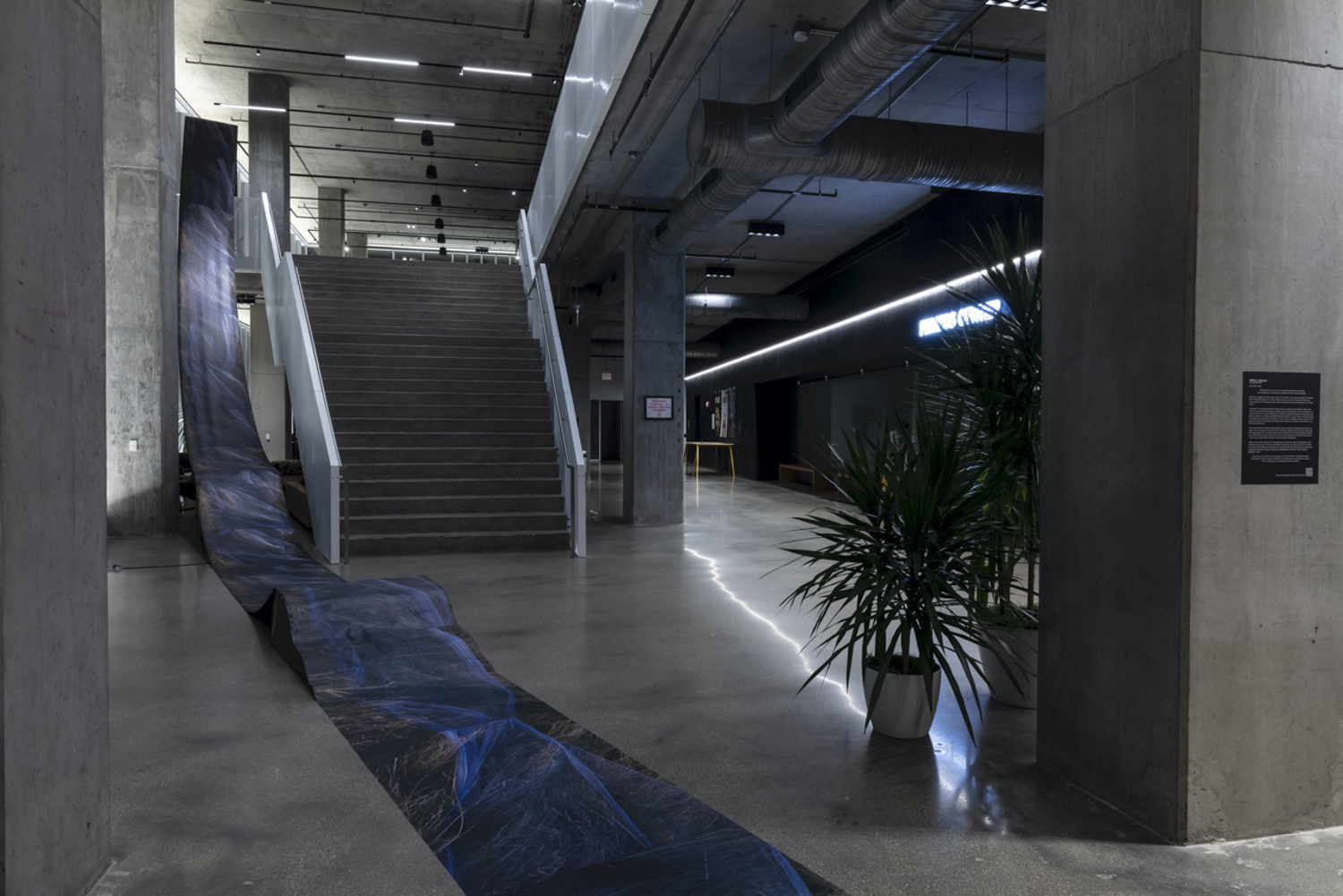
©Hillary Johnson, Teaching Scholar
Is your program strictly photography-focused, or does it encourage/allow interdisciplinary work?
The MFA is multidisciplinary: students enroll in the Studio Art MFA and may concentrate in photography. But the program explicitly supports work across studio disciplines and requires coursework in art history; independent study is a key structure. Students may also take design or art history courses as part of their program.
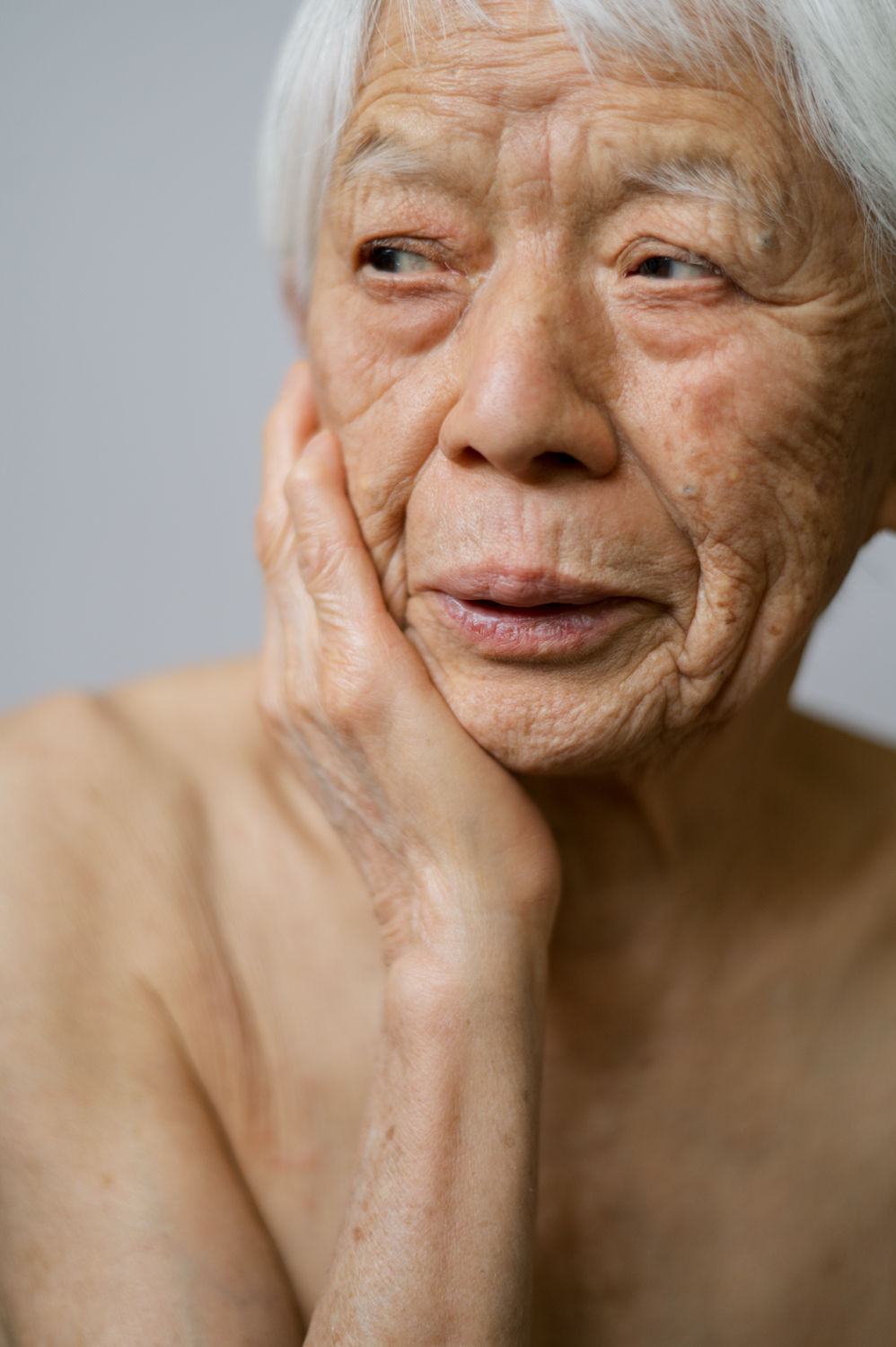
©Kiana Bates, MFA Candidate
Do you specialize in a particular area (i.e. documentary, experimental, environmental work)? And once in the program, is a student able to shift their focus if their creative interests change?
The department supports a range of photographic practices (documentary, conceptual, experimental, digital/analog); because the MFA is structured around independent study and faculty mentoring, students can pursue and shift their focus as their practice evolves. Due to our size, interdisciplinary study is encouraged.

©Kiana Bates, MFA Candidate
How structured is the curriculum? Are there required courses, or is it more self-directed?
The MFA is a 60-credit, three-year program combining required graduate-level coursework (including art history credits) with a strong emphasis on independent study and studio research; faculty votes and candidacy reviews are part of progression (so structure + self-directed work).

©Kiana Bates, MFA Candidate
Does the program incorporate video work or emerging media such as AI, VR/AR, or 3D/360 imaging?
Many MFA students work in video, however there are no specific course offered in video except through FTT. In addition, there are faculty in Design and Studio areas that work with AI, AR and video.
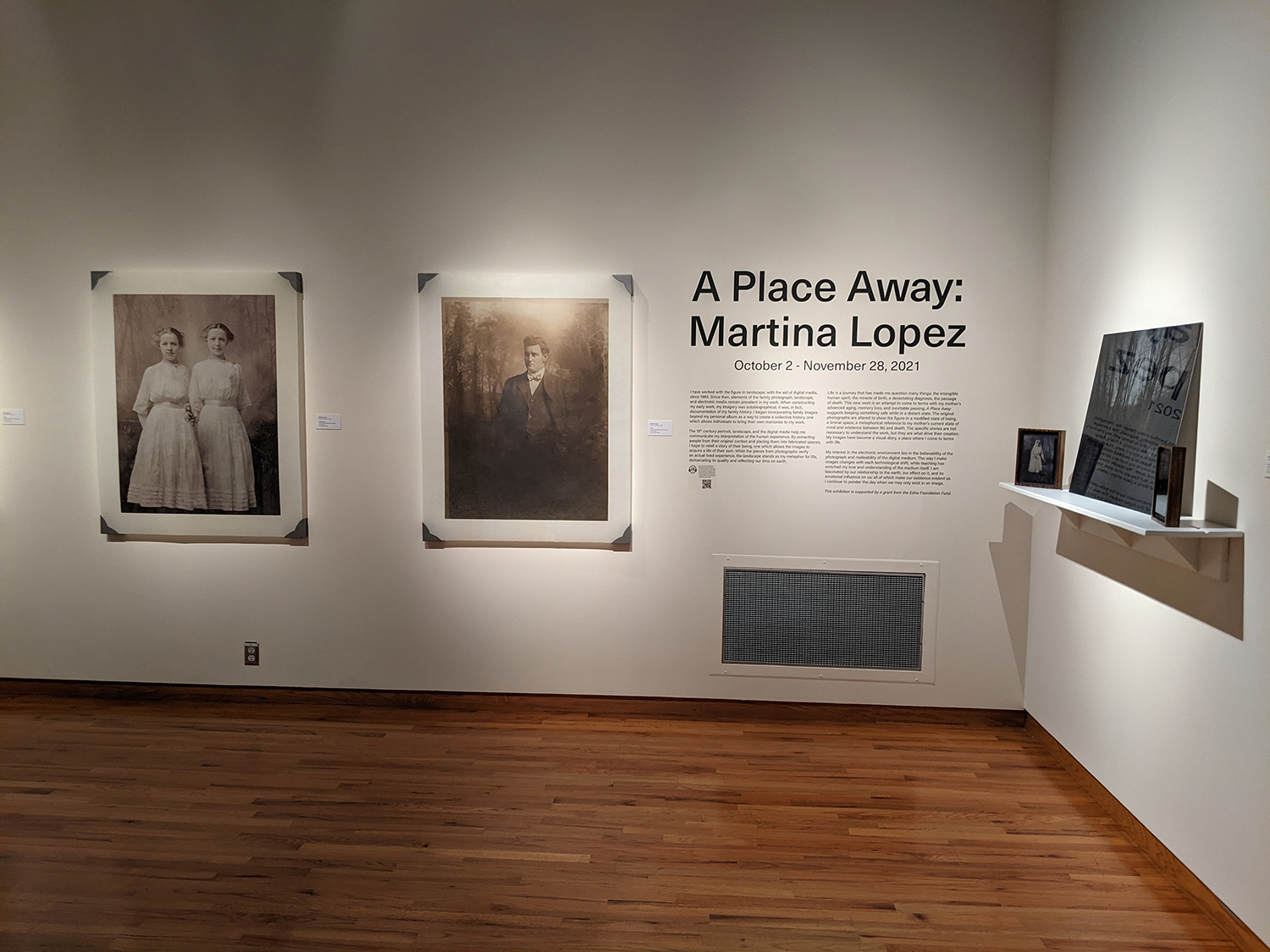
©Martina Lopez, Faculty
Does the program offer career development support, such as portfolio reviews, workshop/conference attendance, or networking opportunities?
The department and the Graduate School host exhibitions (student shows such as Solarium, Riley Hall gallery exhibitions), visiting artists/critics, and faculty mentoring; campus career resources (College of Arts & Letters career services and Graduate Career Development) support graduate outcomes and placement. If students are presenting their work/research at a conference, they can apply for funding through the Franco Family Institute for Liberal Arts and the Public Good.
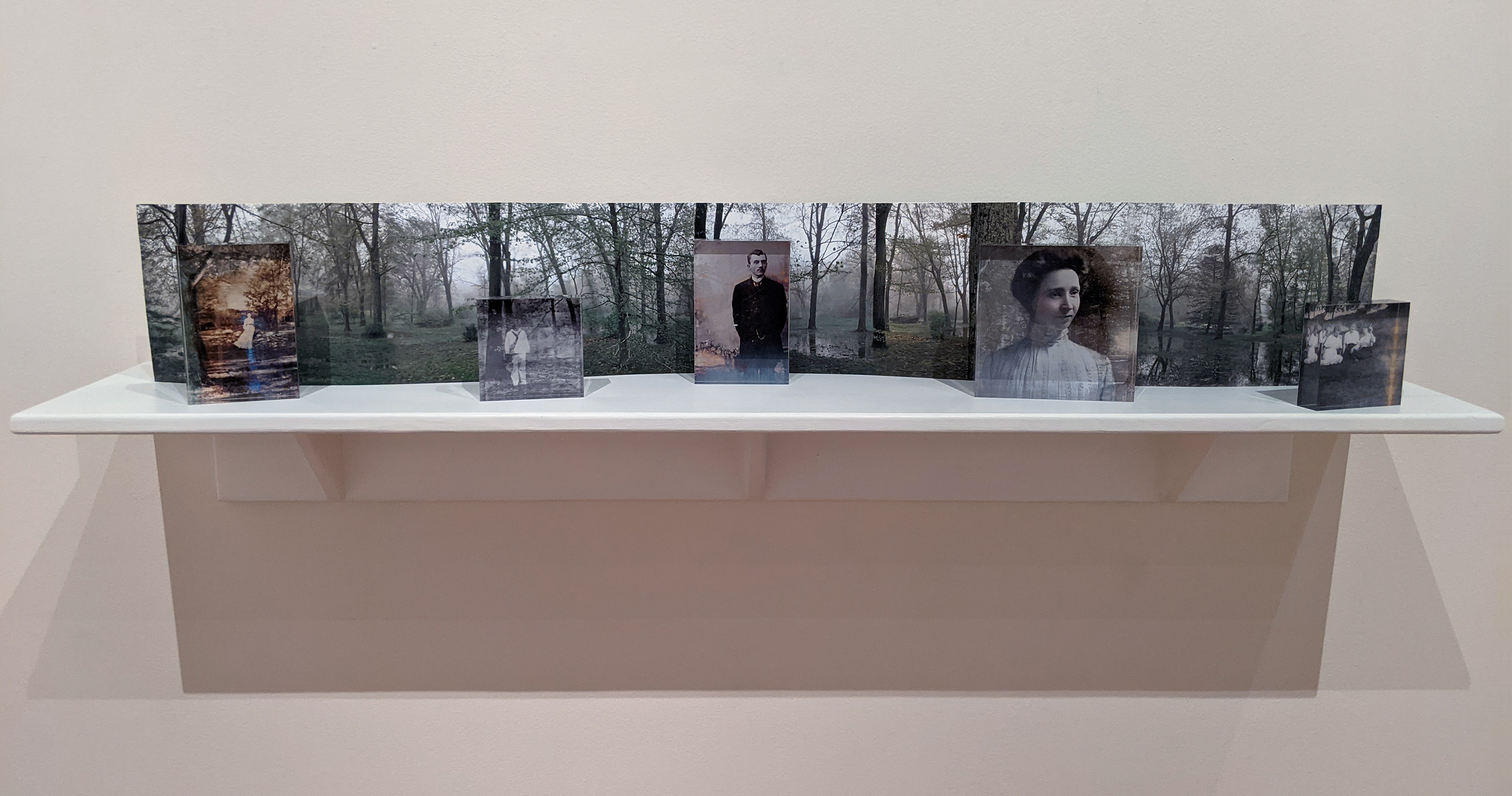
©Martina Lopez, Faculty
What are key graduation requirements (exhibition, thesis paper, portfolio, etc.)?
The MFA degree is 60 credits across three years; graduation typically includes a candidacy review, thesis/creative project, and public exhibition(s) of graduate work (department shows/Solarium)—the program-of-study page and department news describe the MFA candidacy and exhibition expectations.
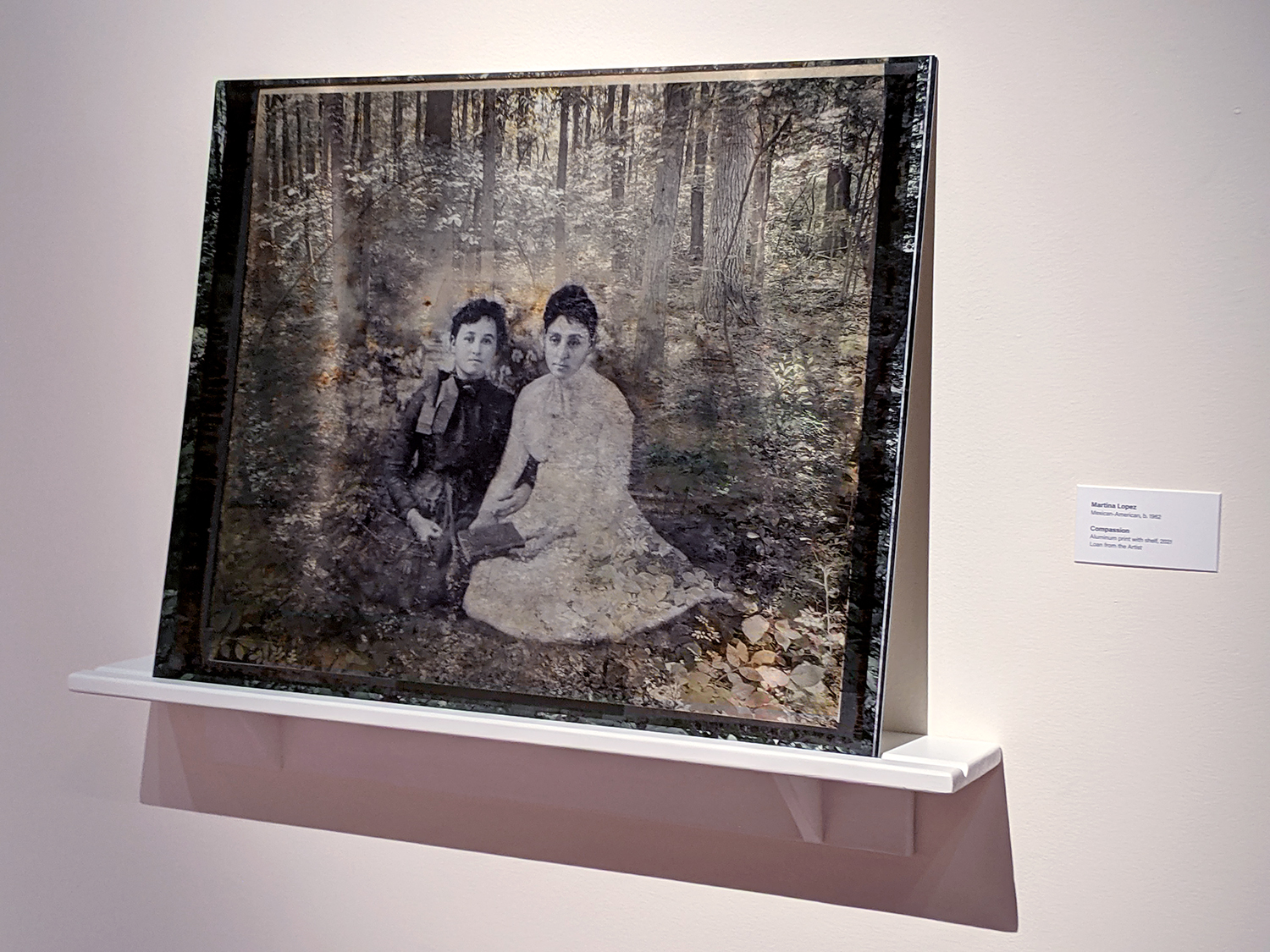
©Martina Lopez, Faculty
Who are your current faculty members? What are their areas of creative interest? Are faculty members primarily full-time or adjunct?
Martina Lopez, Professor of Art, is Head of the Photography area and the single faculty member in the department. She was an early adopter of digital technology; her work combines photography/digital & analog practice. Lopez works with photography-specific support staff who are integral to the department.
These individuals also participate in the weekly graduate seminar.
Hillary Irene Johnson, Photography Teaching Scholar, this is a three-year position, renewable every year. Her work includes video, photography, and book arts.
Sara Fahling, Digital Studio Program Manager, a full-time staff position. Sara’s work expands beyond the photographic print into book and fiber arts.
https://artdept.nd.edu/people/faculty/
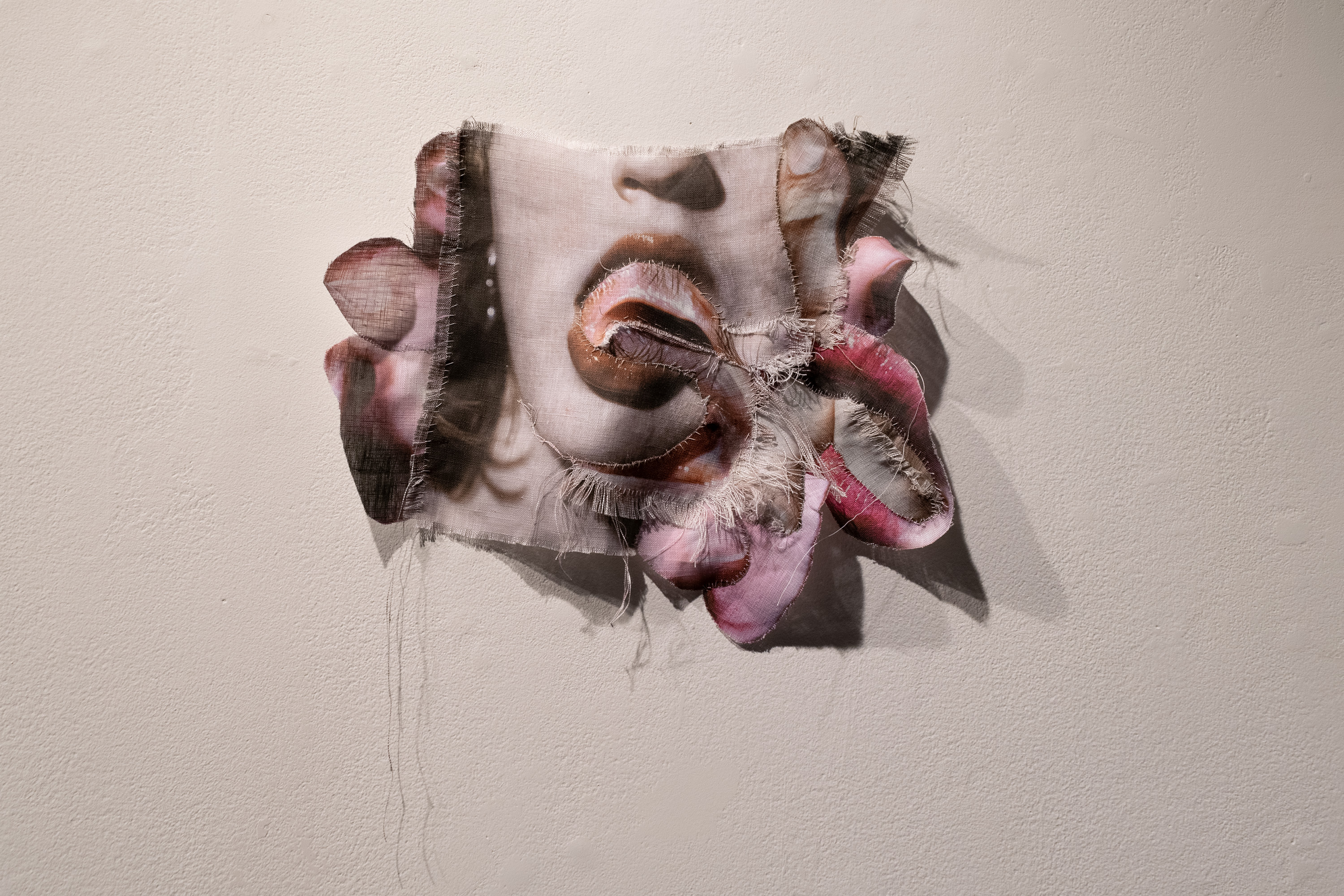
©Olivia Koziel, MFA Candidate
How involved are faculty in mentoring students beyond coursework?
Faculty are actively involved in mentoring students’ studio development and exhibition preparation. The program emphasizes individual studio advising through one-on-one studio hours with faculty. In addition, each student selects a Thesis Committee comprised of three faculty members to serve as their Thesis advisors. Each committee meets formally once a semester, starting in the second year. Also, there are informal and formal reviews by the entire faculty at mid-semester, through walkthroughs (open studios), and formally, at the end of the semester reviews.
How often do guest artists, curators, or critics visit for lectures and/or critiques?
The department regularly hosts visiting artists, critics, and exhibitions. In addition, the University has a robust lecture series through varied departments, such as those offered through the Raclin Murphy Museum.
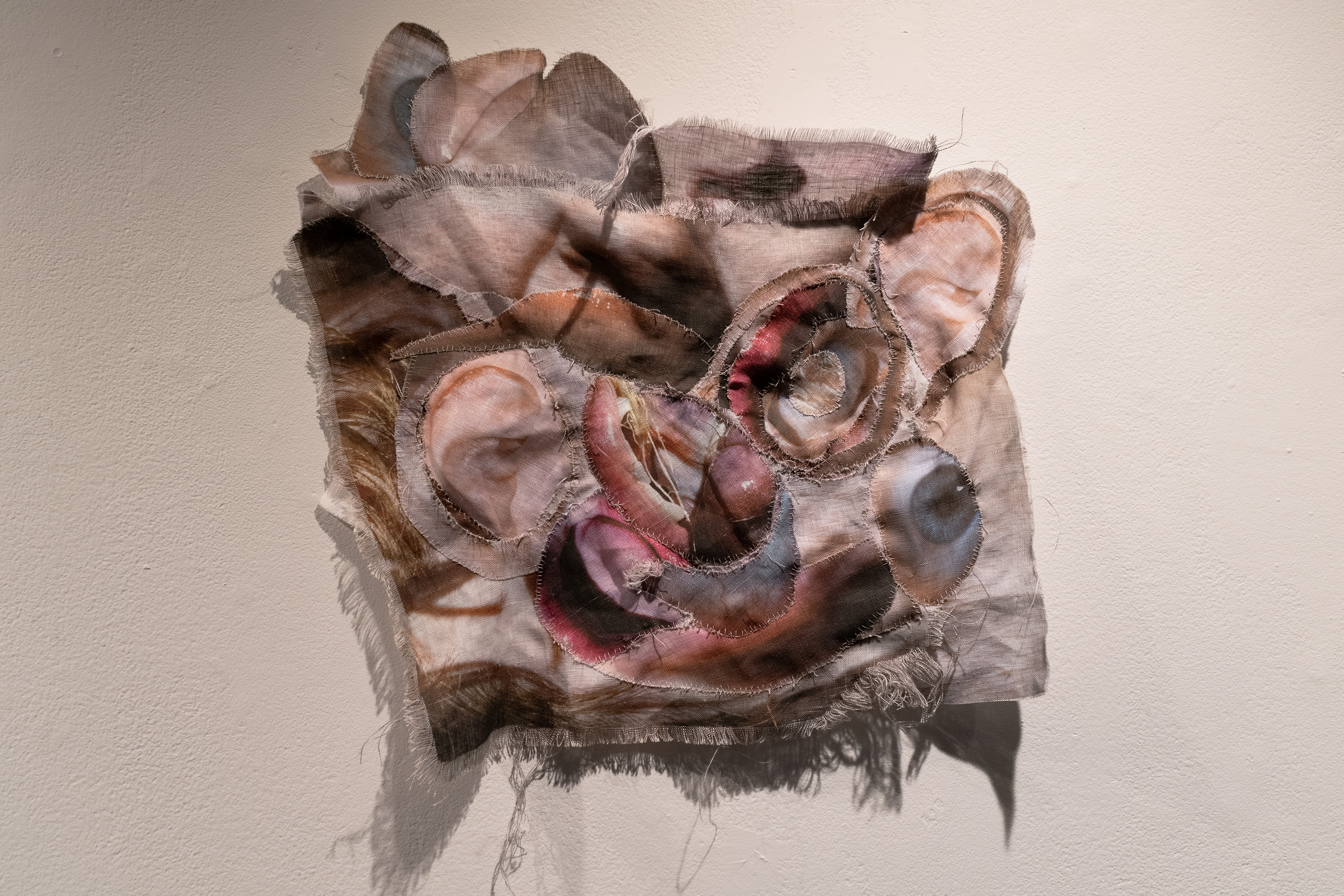
©Olivia Koziel, MFA Candidate
How many students are admitted each year, and how many are photography focused?
The Department of Art, Art History, and Design accepts 6 MFA students per year. This means that typically one photography MFA student is admitted per year. The three-year program produces an overall MFA cohort of approximately 18 students across disciplines. This small cohort size produces highly focused critiques, strong peer collaboration, and close faculty attention.
What kind of work are current students creating?
Student work ranges across documentary, conceptual, analog/digital, video, and hybrid practices.
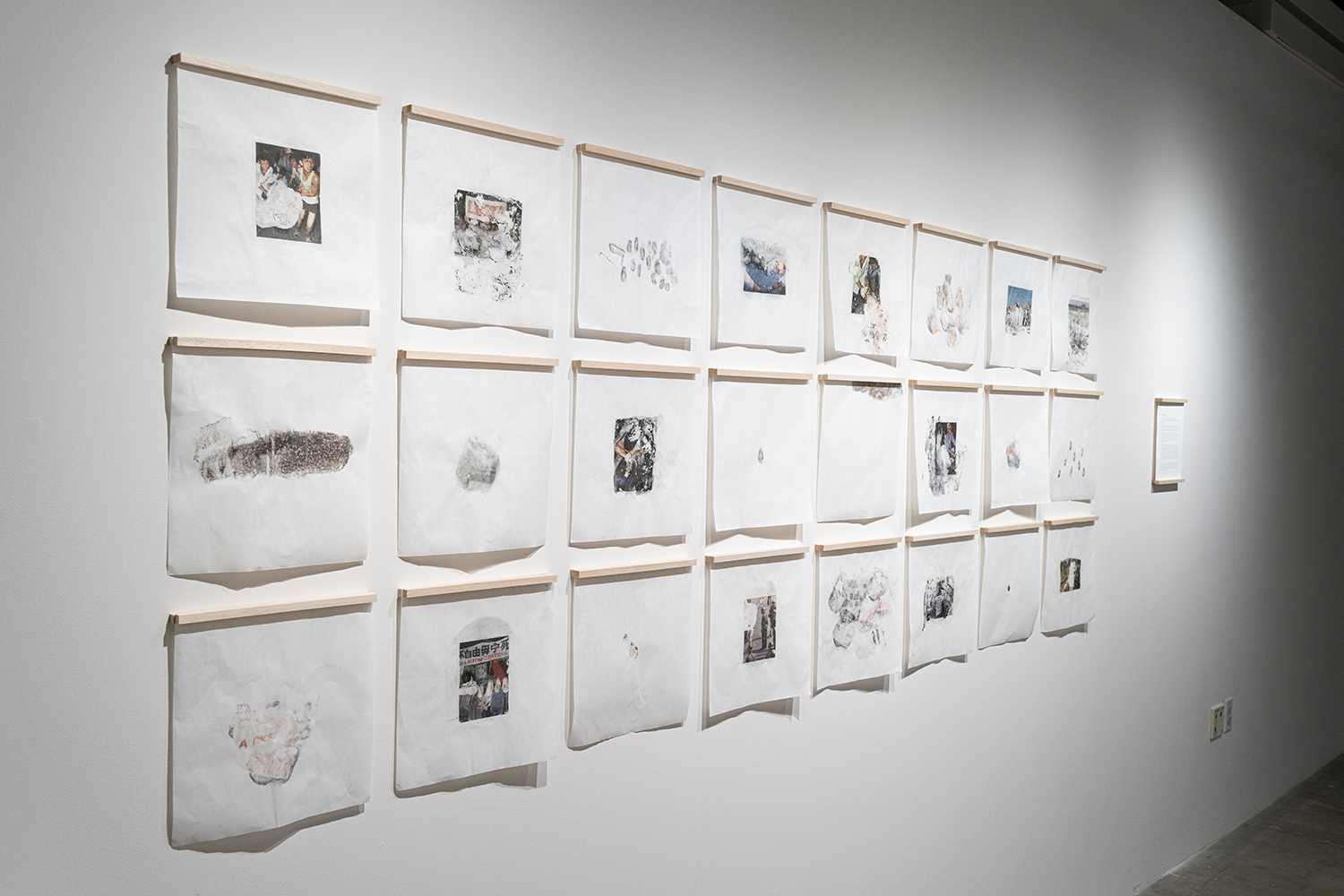
©Gao Yu, MFA Candidate
What is the total cost of the program (and duration), and what funding options are available?
Duration: 3 years, 60 credits.
Funding: The department states that every accepted MFA applicant receives a full tuition waiver and a stipend (i.e., the program is fully funded for admitted MFA students). The stipend was $28,500 last year. It includes, health insurance subsidy, in addition to the full tuition waiver.
Are there teaching assistantships, and what percentage of tuition do they cover?
The Department’s MFAs receive a full tuition waiver in addition to a stipend. Students have the opportunity to teach as long as they remain in good standing.
Are additional grants/resources available to support student projects?
The university and Graduate School offer internal fellowships and small grants; the department also publicizes opportunities for exhibition support and research funds on departmental guides (these are awarded competitively and vary year to year). Several institutes award grants to Graduate student research. Here are a few that offer funding for graduate students. Franco Family Institute for Liberal Arts and the Public Good; Nanovic Institute
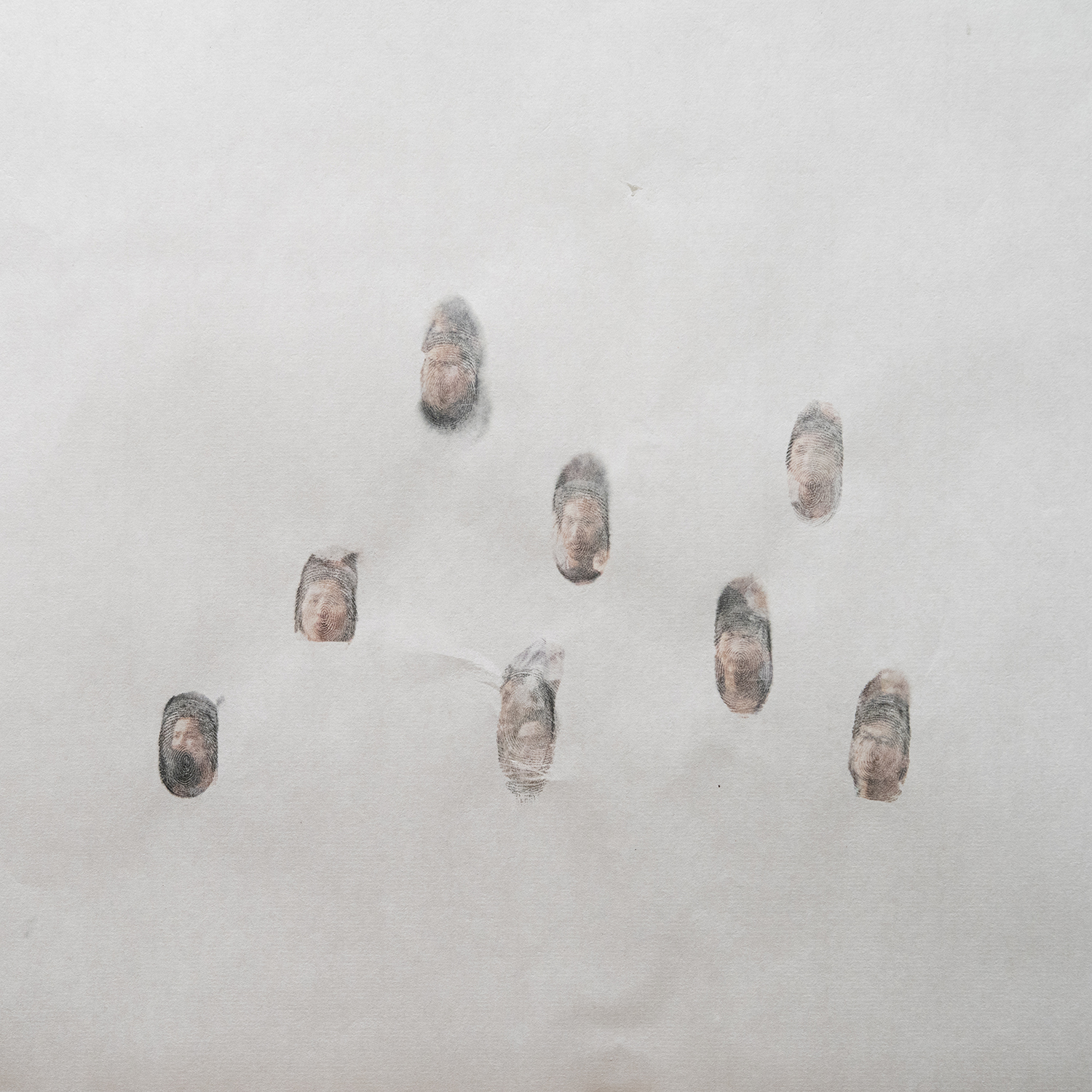
©Gao Yu, MFA Candidate
What types of careers to alumni pursue, and how does the program support students after graduation?
Studio Art and Department alumni enter a range of careers (graduate study, teaching, museum/gallery work, commercial and editorial photography, independent practice). Notre Dame career services and college networks support alumni outcomes and connections. Alumni include Tarrrah Kranjnak (MFA 2004), Christine Lenzen (MFA 2012), Melonie Mulkey (MFA 2019), Joe Matty (MFA 2024), and Thomas Callahan (MFA 2025).
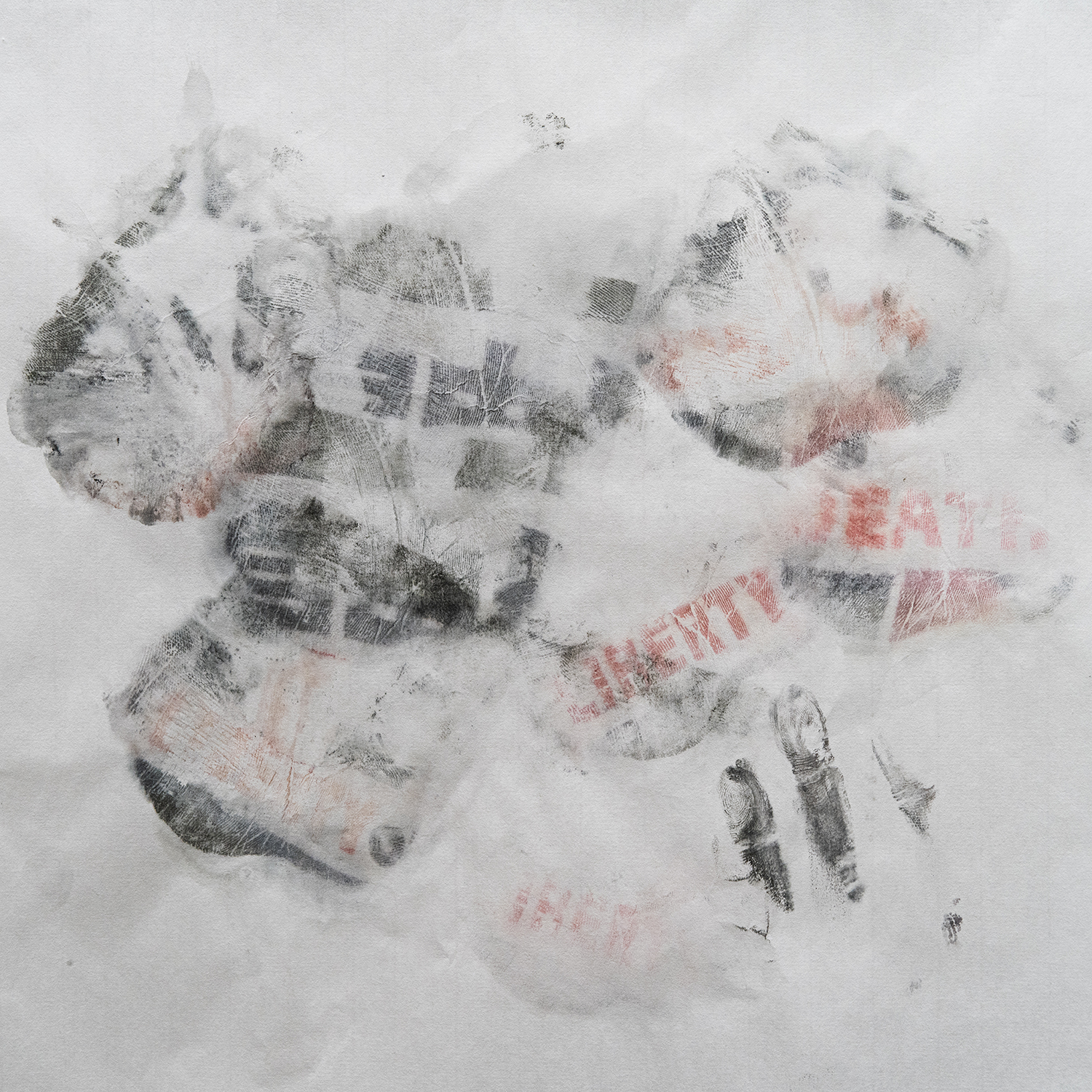
©Gao Yu, MFA Candidate
How connected is the alumni network, and do graduates stay involved with the program?
Notre Dame has active arts alumni and departmental alumni engagement (lectures, visiting artists, gallery events); many alumni stay involved through talks, exhibitions, and mentorship opportunities.
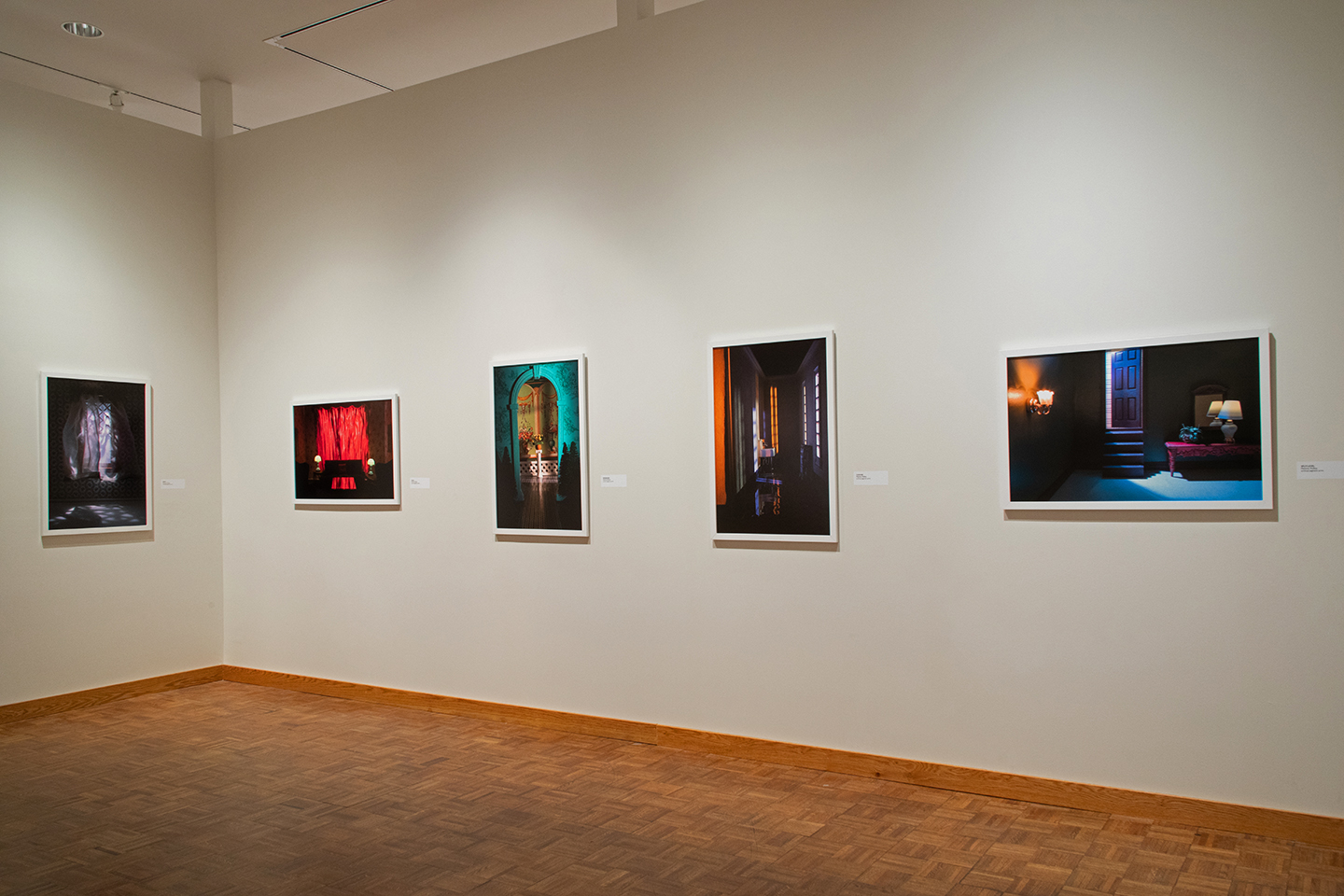
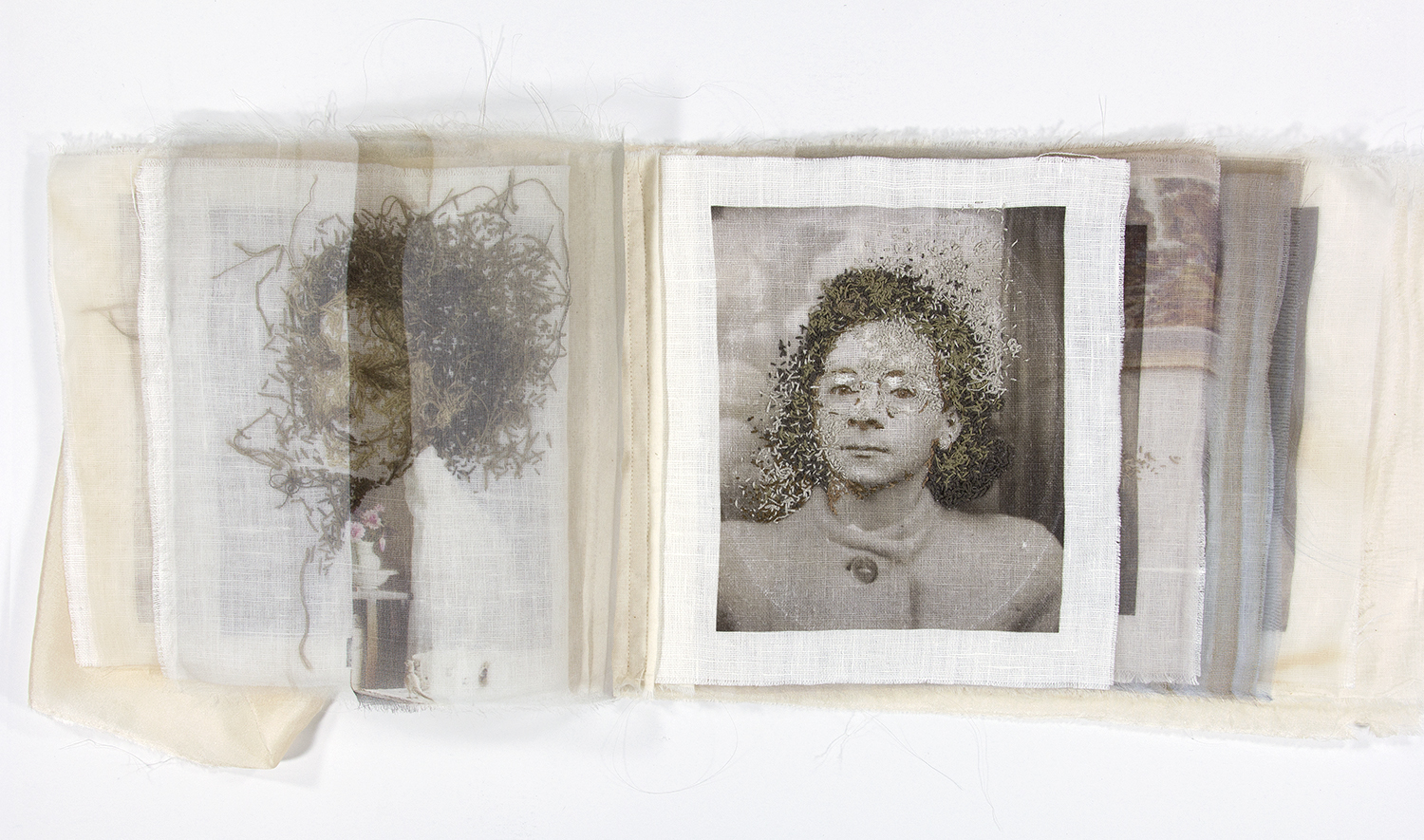
©Melonie Mulkey, Alum
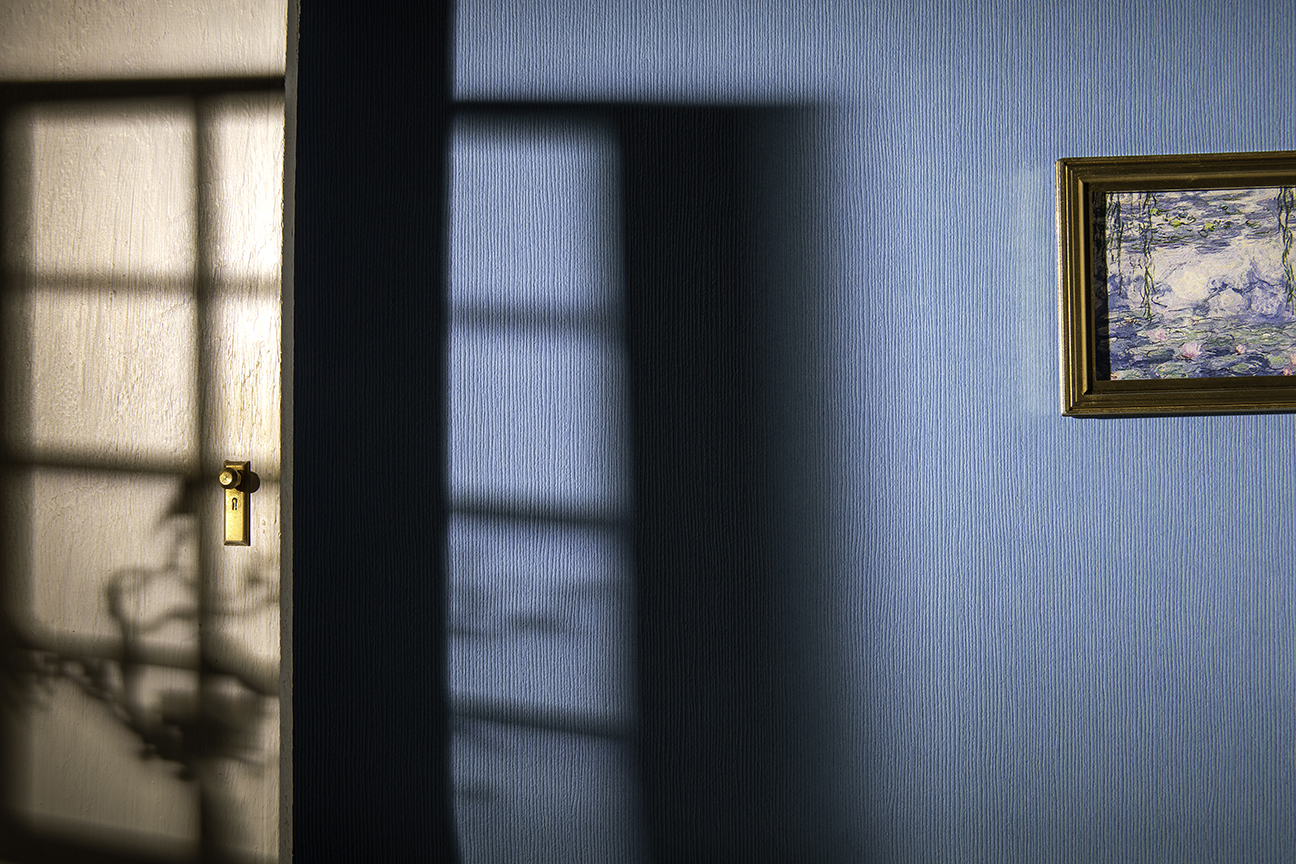
©Melonie Mulkey, Alum
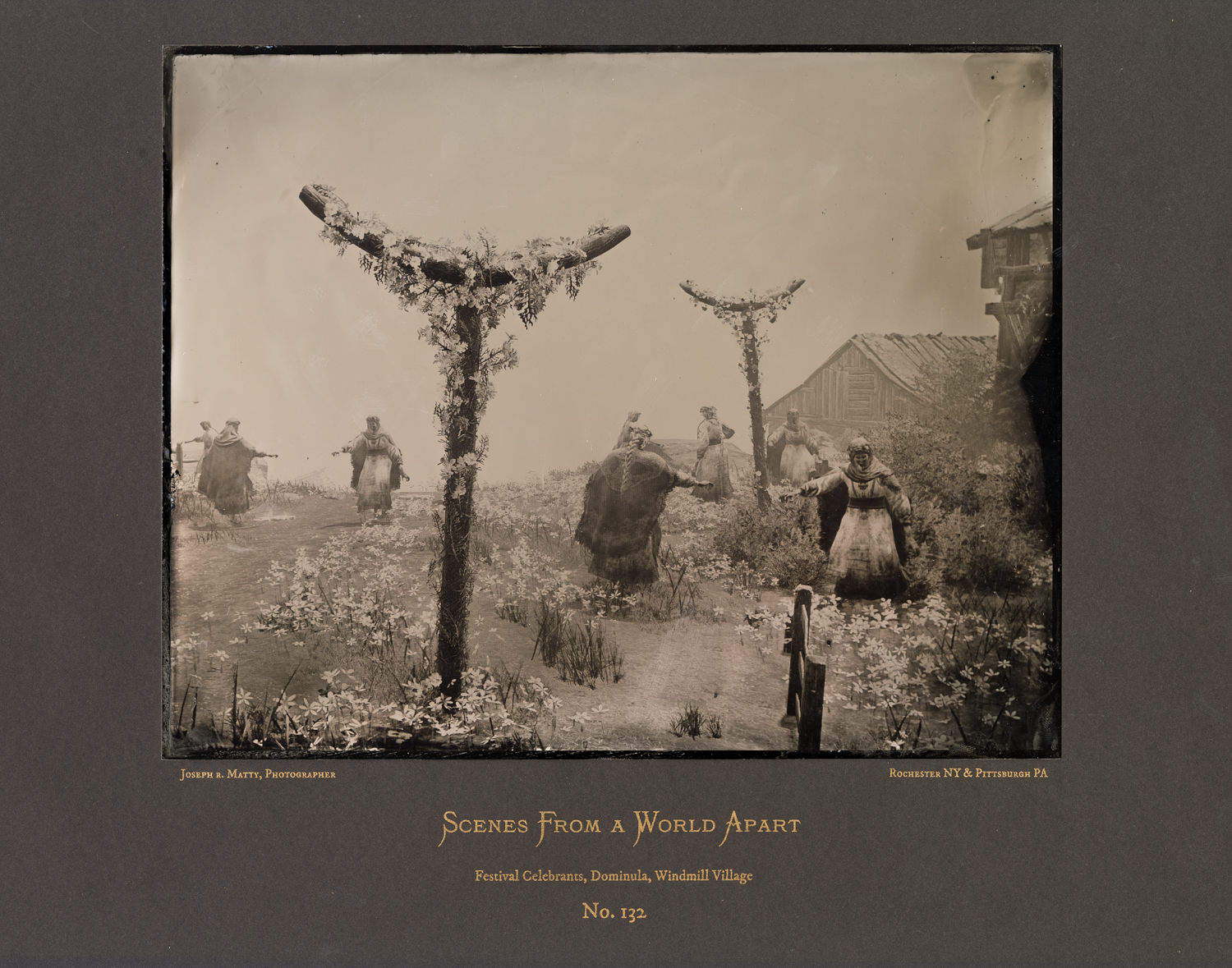
©Joseph Matty, Alum
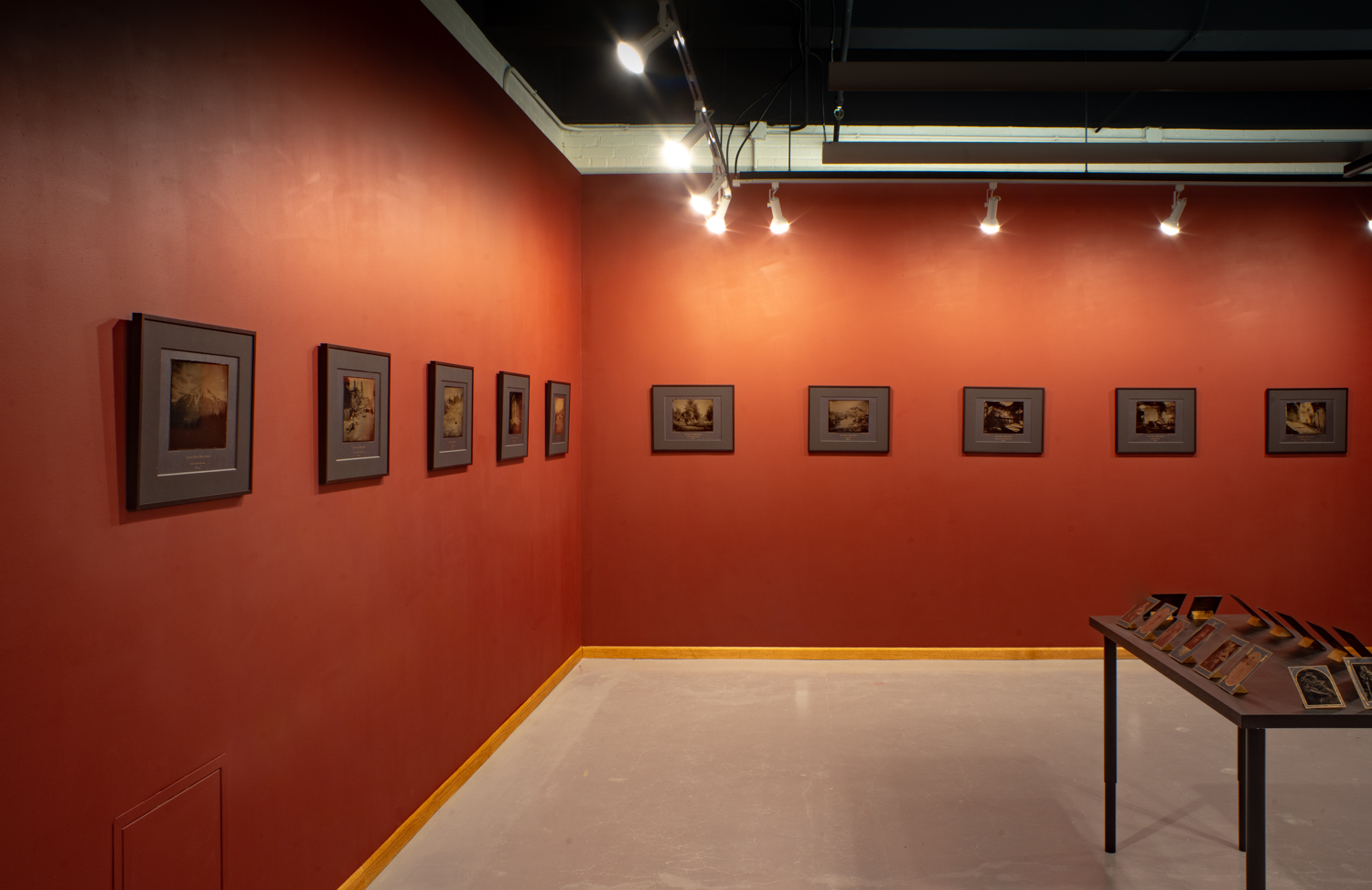
©Joseph Matty, Alum
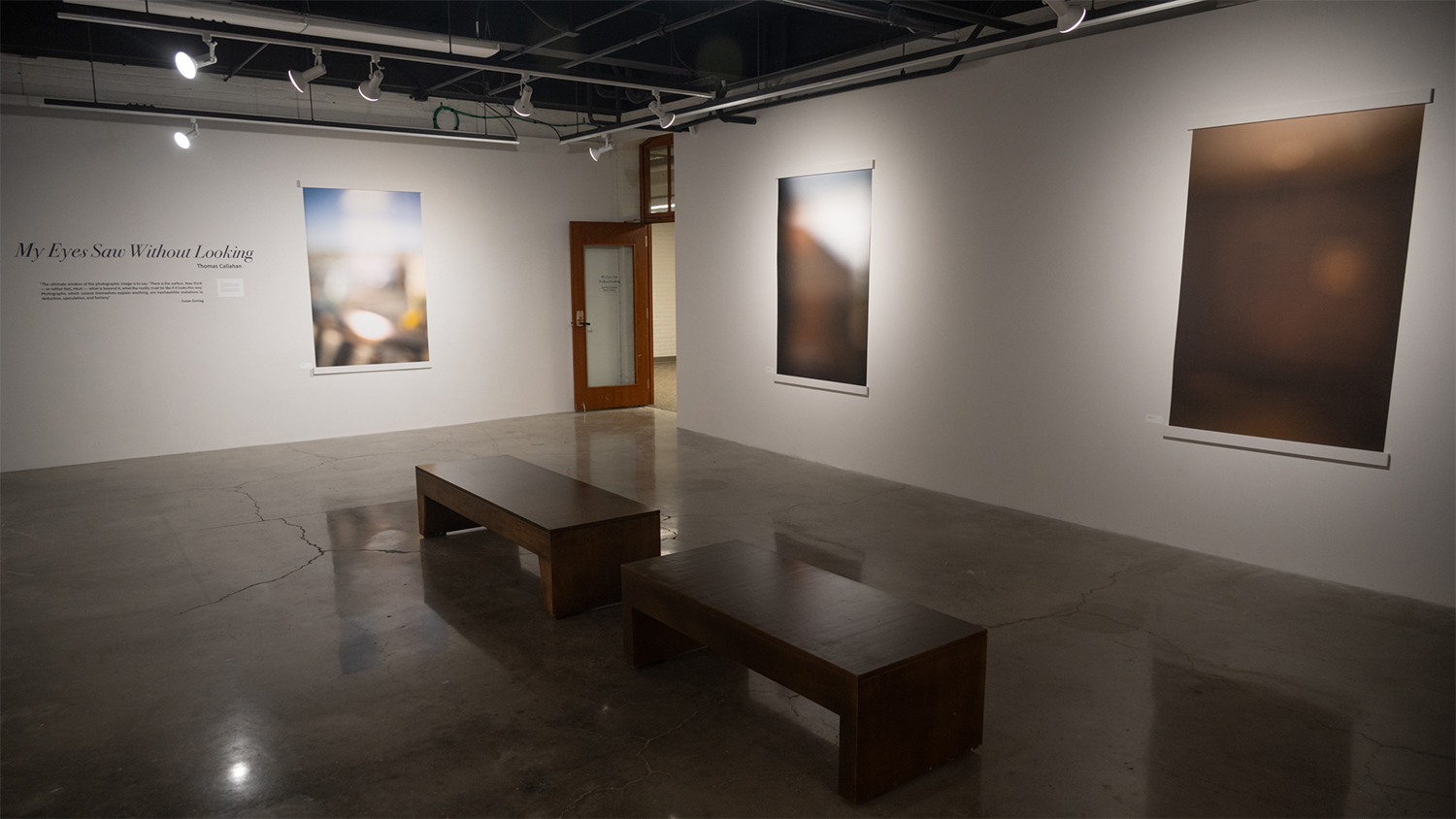
©Thomas Callahan, Alum
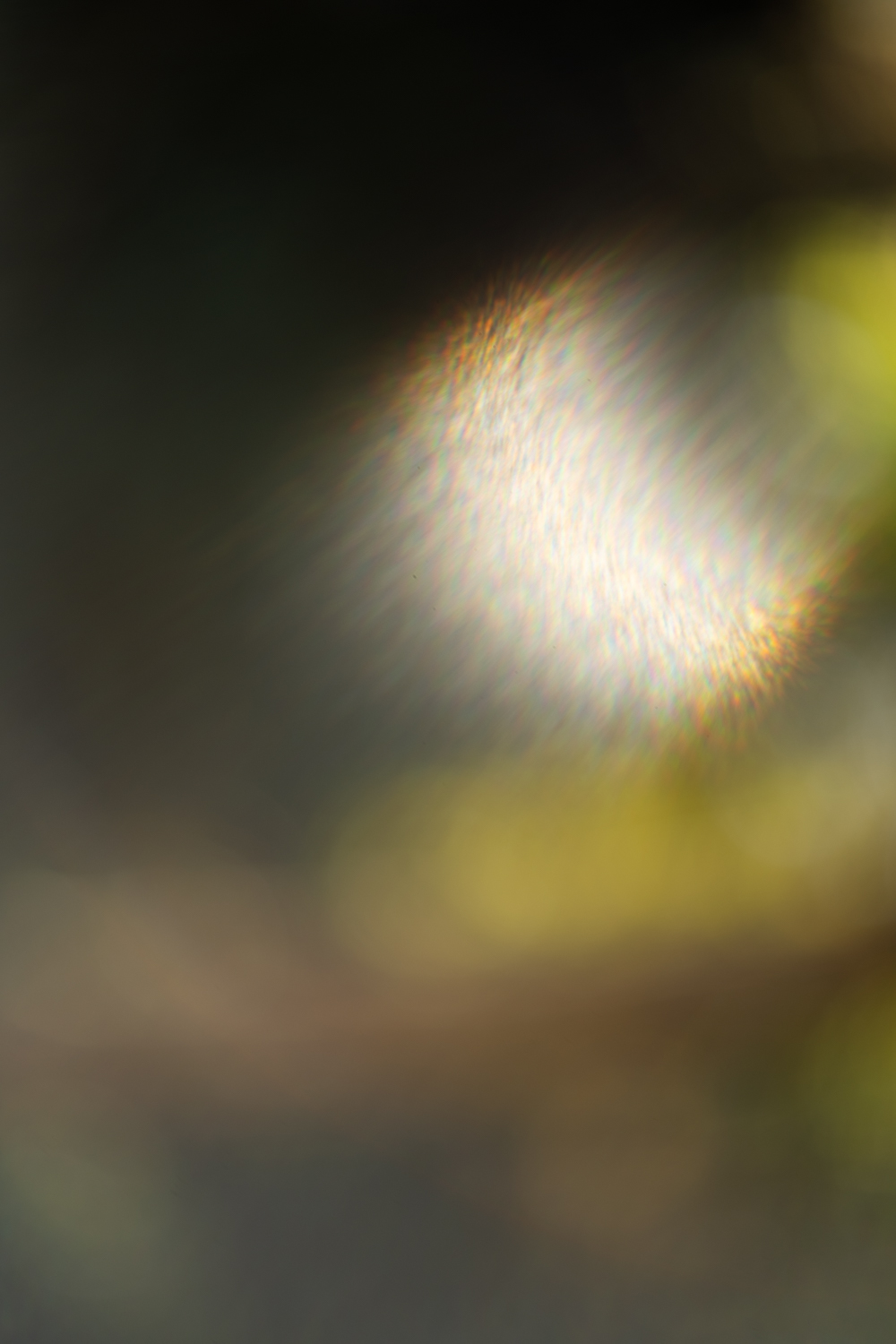
©Thomas Callahan, Alum
Posts on Lenscratch may not be reproduced without the permission of the Lenscratch staff and the photographer.
Recommended
-
In Focus: The MFA Review: University of Notre DameJune 1st, 2026
-

In Focus: The MFA Review: Virginia Commonwealth UniversityApril 4th, 2026
-

In Focus: The MFA Review: New Mexico State UniversityApril 3rd, 2026
-

In Focus: The MFA Review: East Tennessee State UniversityApril 2nd, 2026
-
In Focus: The MFA Review: Florida State UniversityApril 1st, 2026