Catherine LeComte Lecce: Artist, Educator, and Executive Director of the Photographic Resource Center
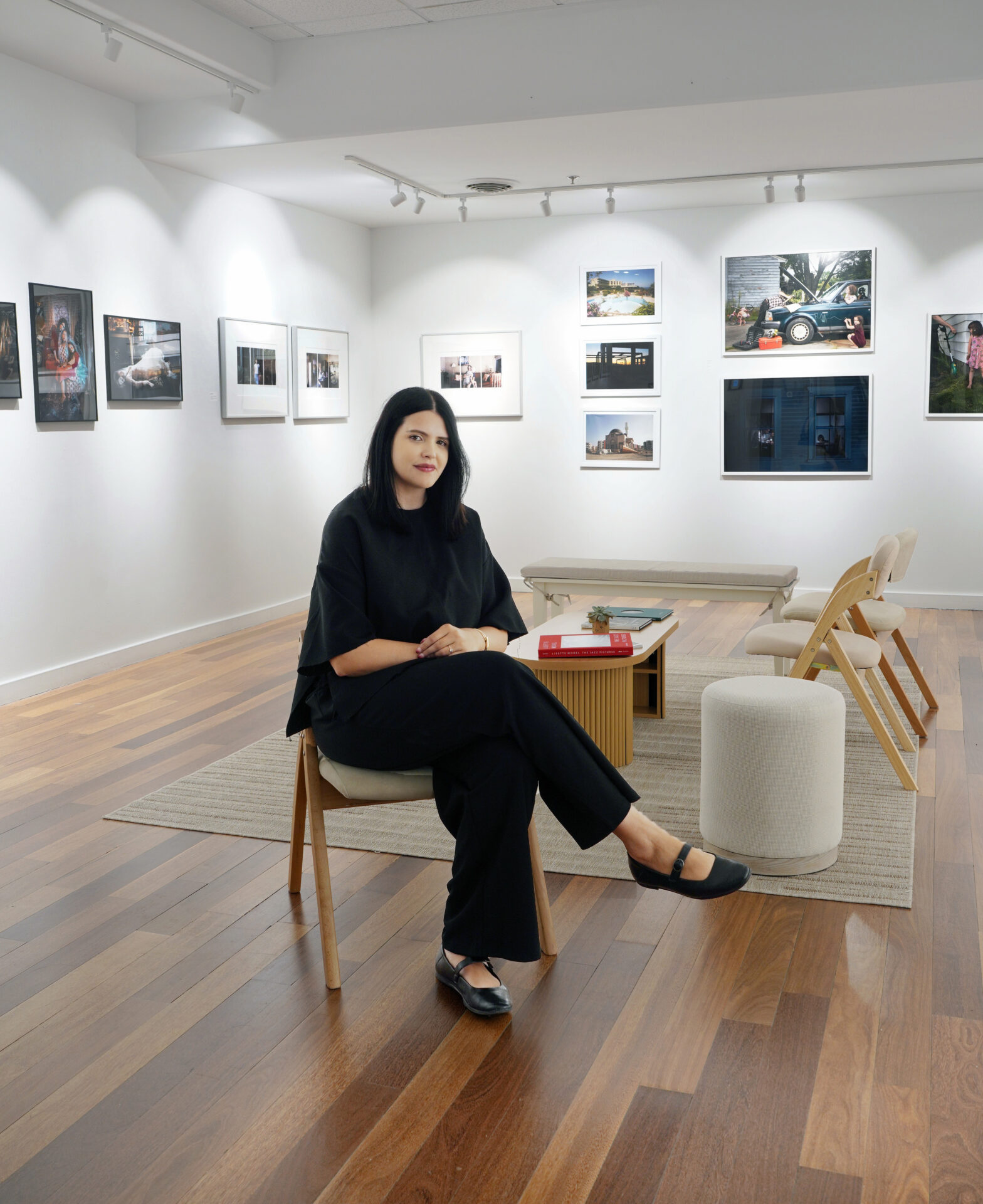
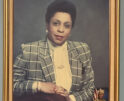
Portrait of Catherine LeComte-Lecce
Today we celebrate and learn more about Catherine LeComte-Lecce, Executive Director of the Photographic Resource Center (PRC) in Cambridge, MA. She is also the co-founder and manager of the Burlington Micro Gallery, a mobile exhibition space dedicated to expanding access to the arts.
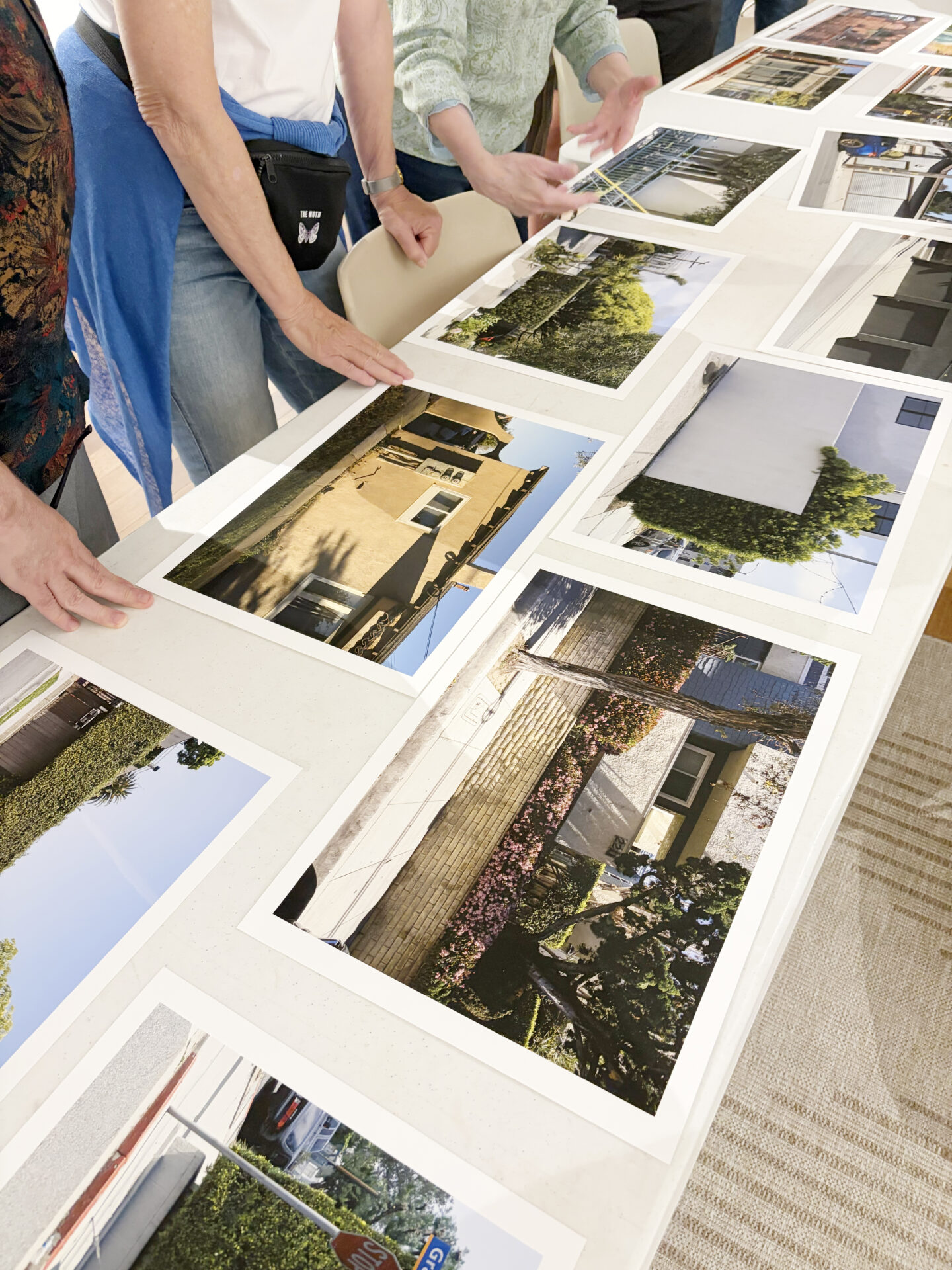
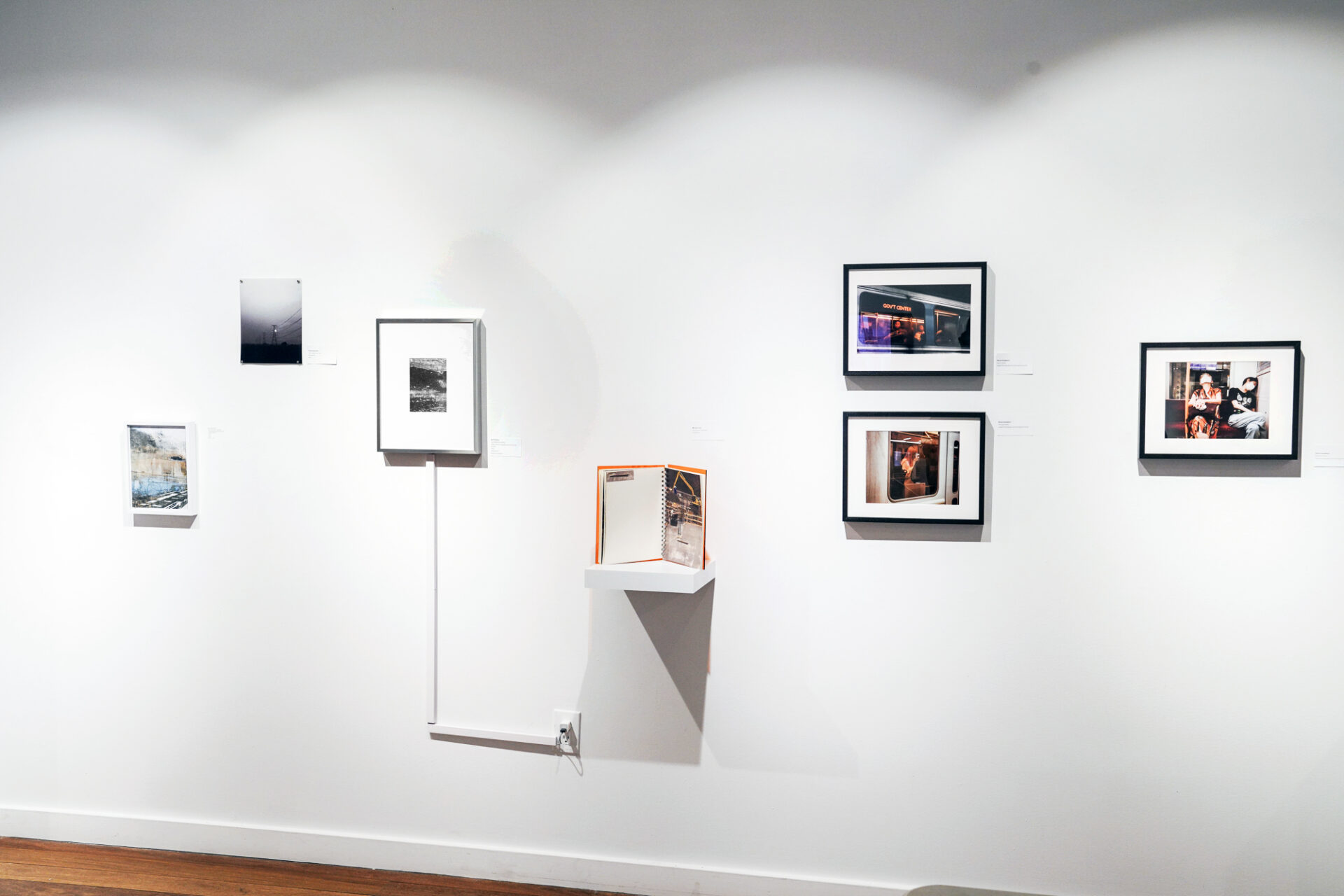
LeComte-Lecce has established a number of exciting new initiatives at PRC, including a six- month mentorship program pairing four early-career photographers with four established artists for sustained one-on-one mentorship. This week we will be featuring the Mentorship Project featuring the 2026 Mentorship Fellows are alina balseiro, Jaypix Belmer, Libby O’Neill, and Nick Ortoleva, who were paired with mentors Jess T. Dugan, Rashod Taylor, Jillian Guyette, and Tommy Kha. Throughout the program, each fellow met regularly with their mentor to develop their work, strengthen their artistic voice, and receive guidance on their professional practice. The program culminates in an exhibition at the PRC gallery, on view September 11–October 18, 2026, featuring work developed by the fellows during their mentorships.
The program will also be celebrated at PRC’s 50th Anniversary Gala on October 17, where all four mentors and four fellows will be present as honored guests. Created as part of PRC’s 50th Anniversary, the program celebrates the importance of mentorship in photography while fostering meaningful relationships between emerging and established artists and supporting the next generation of photographers.
Catherine LeComte-Lecce is a nonprofit arts leader and interdisciplinary artist whose work is informed by her Puerto Rican and European heritage. She is focused on strengthening the photographic arts through inclusive, community-based programming and advocacy. As Executive Director of the Photographic Resource Center, she leads exhibitions, programs, and strategic initiatives that prioritize artist support, meaningful partnerships, and public engagement. Catherine holds a BFA in Photography from the Savannah College of Art and Design and an MFA in Photography from Massachusetts College of Art and Design.
 Instagram: @catherinelecomtelecce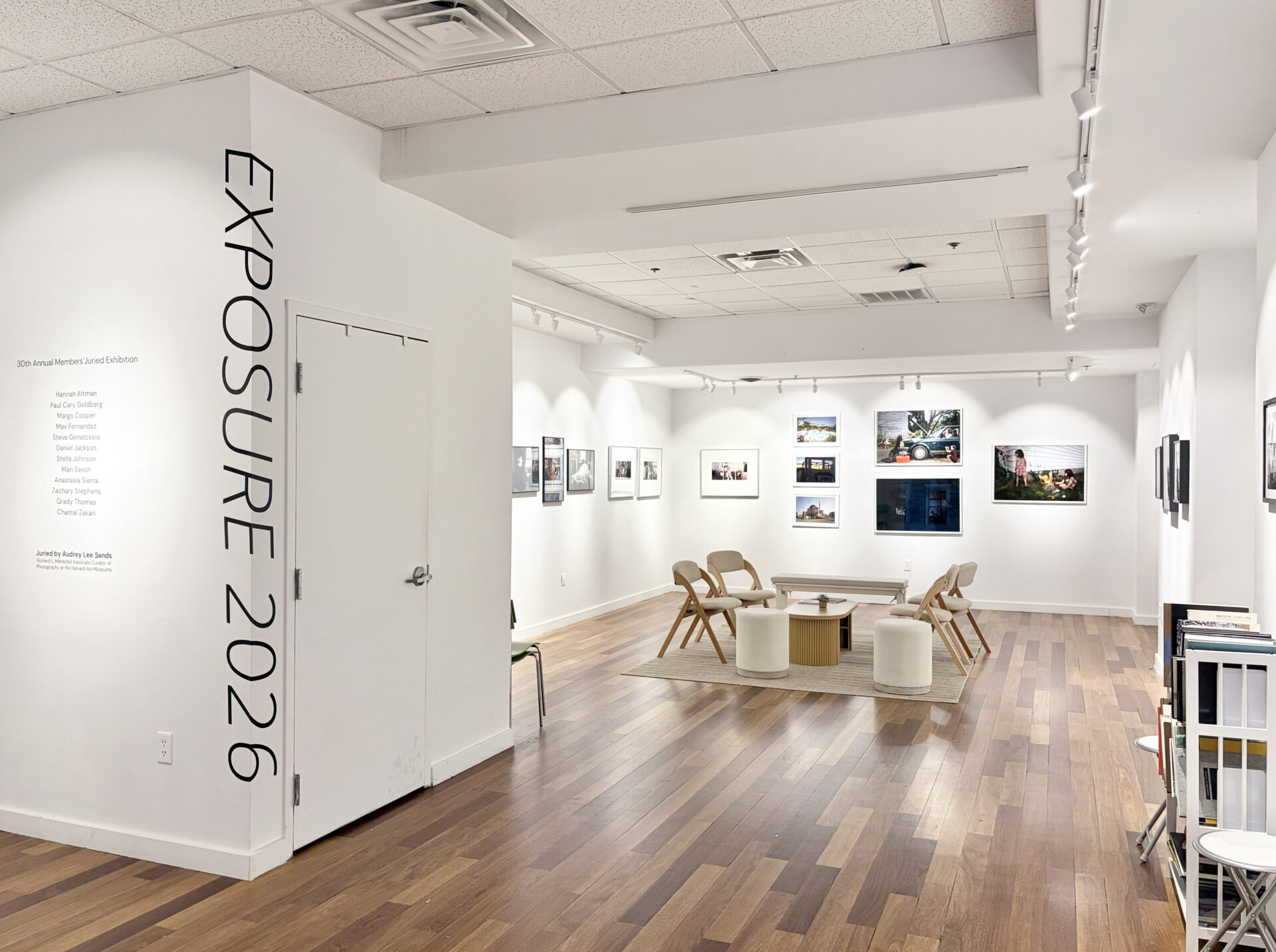
© The 2026 Exposure Exhibition at PRC
Tell us about what started your interest in photography.
My relationship with photography started in high school after my father passed away and I inherited his camera. At first, photography became a way for me to process emotions I didn’t really know how to put into words. But very quickly, I became completely enamored with photography as an art form and knew I wanted to pursue it seriously.
At the end of high school, I received a small scholarship to attend Savannah College of Art and Design, where I earned my BFA in photography in 2014. After graduating, I took a break from academia and spent several years traveling and living abroad. Eventually, I returned to the States and pursued my MFA in photography at Massachusetts College of Art and Design, which I completed in 2023.
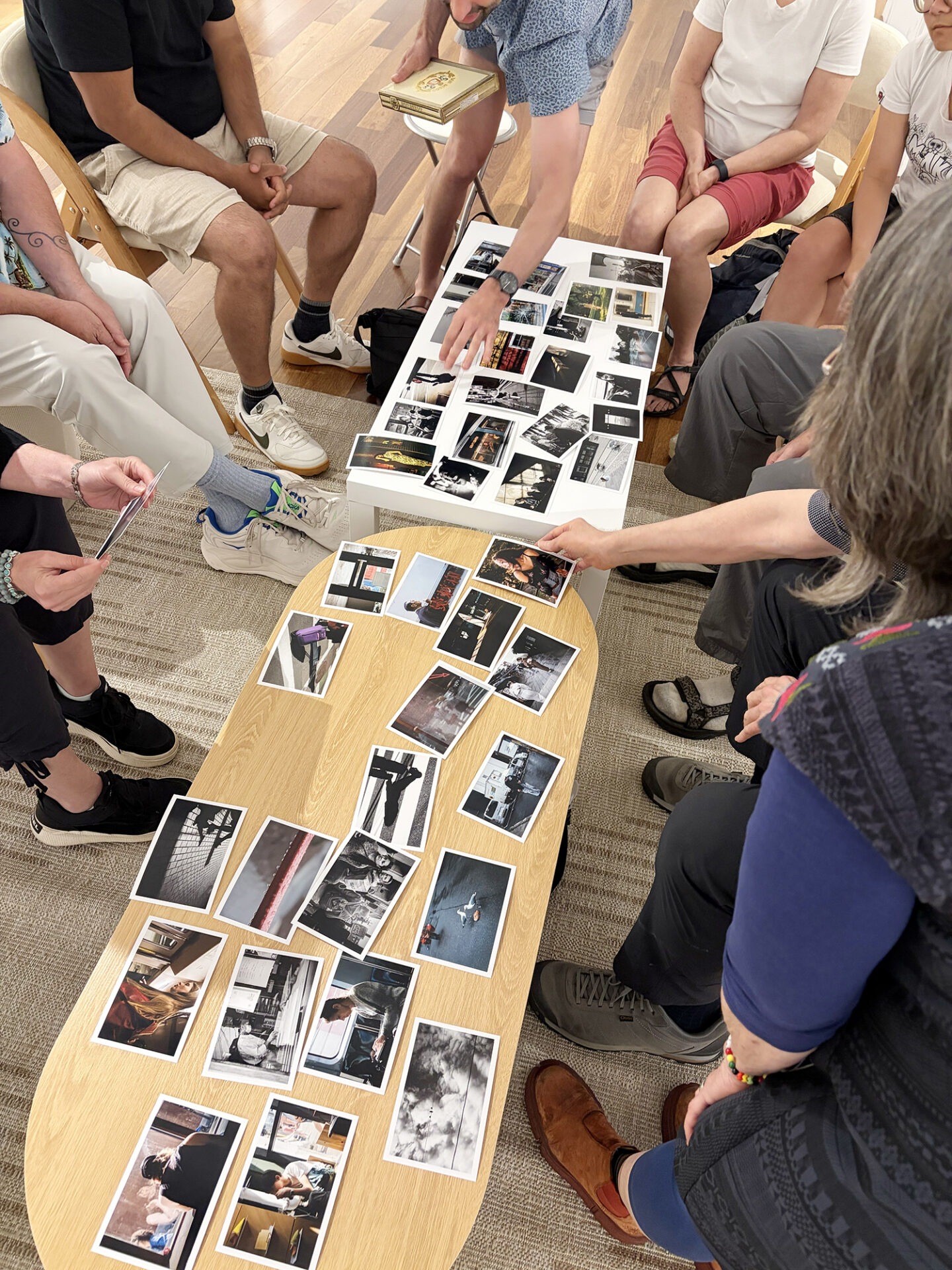
You came to the Photographic Resource Center first as an artist and curator, and have now stepped into the role of Executive Director. What drew you to the PRC, and what does this organization mean to you personally?
My path to the PRC happened at a really transitional time in my life. I finished my MFA in photography at MassArt in 2023, had my first child shortly afterward, and then began looking for a job where I could stay connected to photography and the arts. That’s what brought me to the PRC.
I certainly didn’t arrive thinking I would someday become Executive Director. I came in as a program manager, and my role grew very organically as I became more involved in the organization. PRC has become incredibly personal to me. I’ve grown alongside the organization, building programs, developing relationships, supporting artists, and discovering what I’m capable of as a leader. I don’t think of PRC simply as a gallery. It’s a community and a resource for photographers at every stage of their careers, and I feel incredibly fortunate to have the opportunity to help shape what comes next.
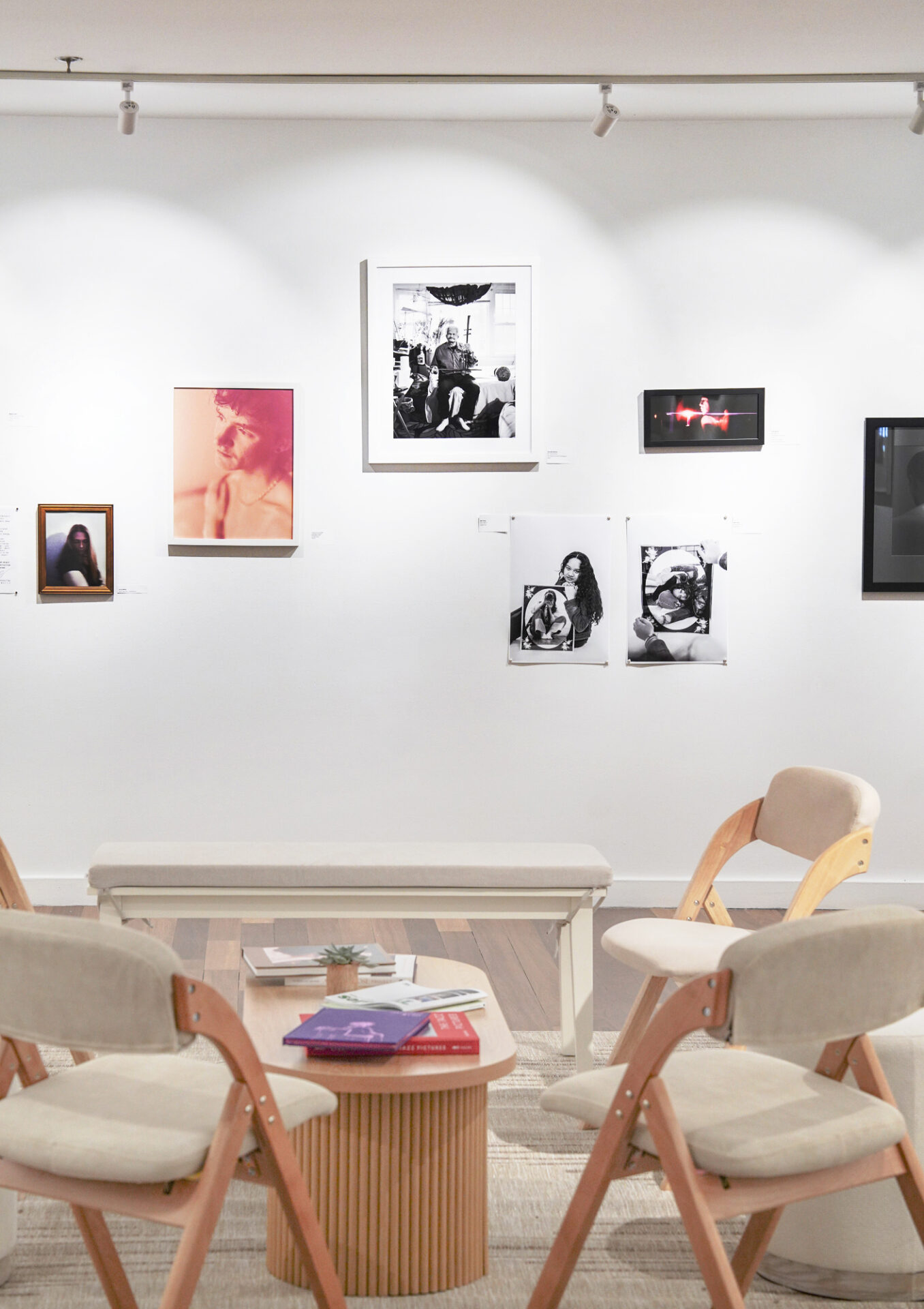
You have curated exhibitions that intentionally amplify underrepresented voices and explore subjects such as motherhood, identity, gender, and cultural heritage. How important is it to you that the PRC reflects the diversity of contemporary photographic practice?
It’s extremely important to me, and it comes naturally from who I am and what I care about. Having Puerto Rican heritage, in particular, and growing up in a multicultural family has made me very aware of whose stories have historically been centered and whose have been overlooked. That perspective informs both my own artwork and the artists I want to support.
Photography is incredibly broad, and our exhibitions should reflect that—different cultures, generations, identities, experiences, approaches, and stages of an artist’s career.
Some of the most meaningful moments for me are when we give an artist an opportunity they haven’t had before and they realize that their work belongs in that space. I know what it feels like to want someone to take your work seriously. I want PRC to be a place that does that for people.
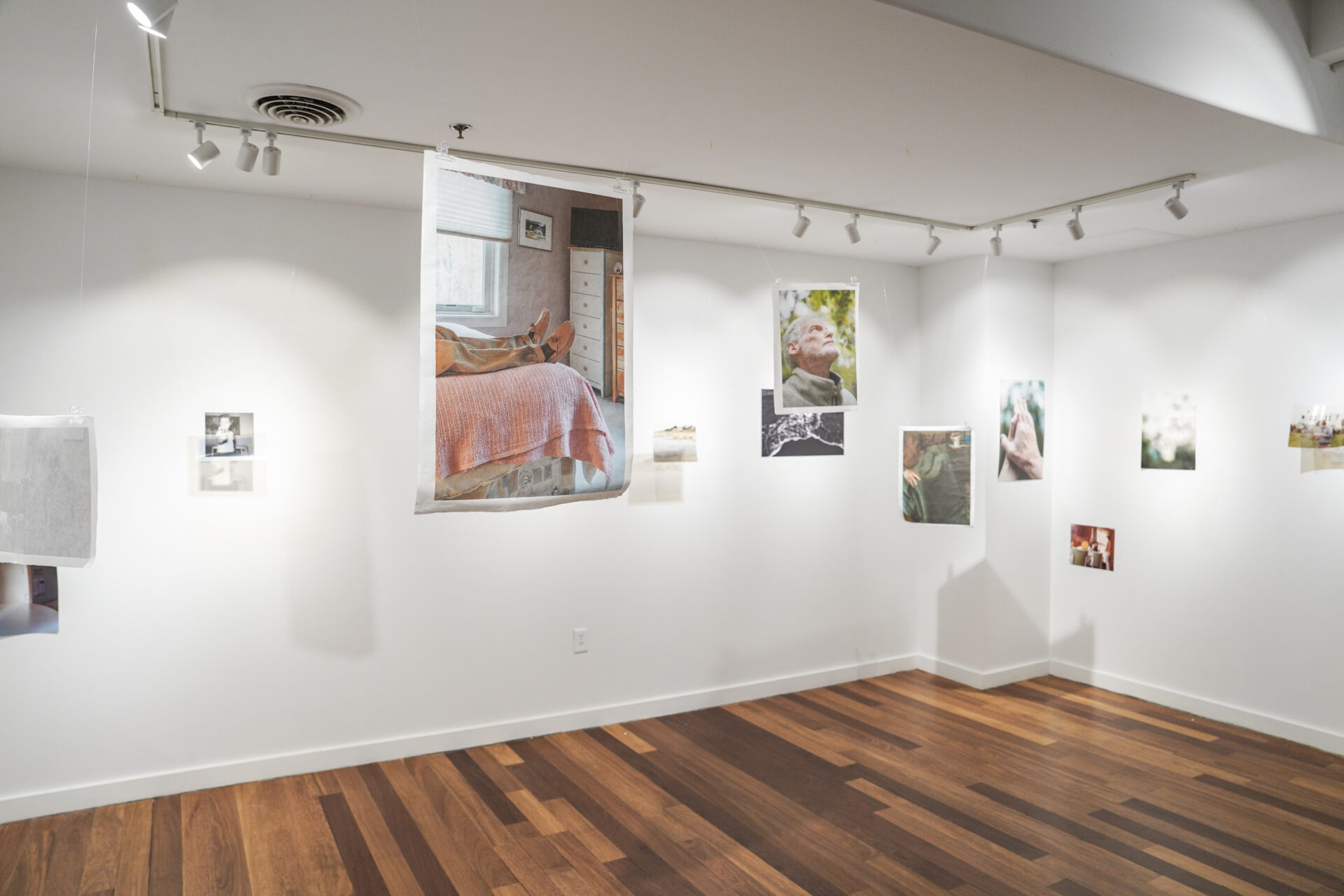
What do you believe a photography center needs to provide to artists today that perhaps wasn’t as necessary ten or twenty years ago?
I think people are craving real community. We spend so much of our lives online now, and artists can put their work in front of thousands of people without ever actually talking to another artist. Visibility isn’t necessarily the same thing as connection.
Artists need places where they can meet each other, show unfinished work, ask questions, find mentors, learn practical skills, and have conversations that aren’t based on likes or followers.
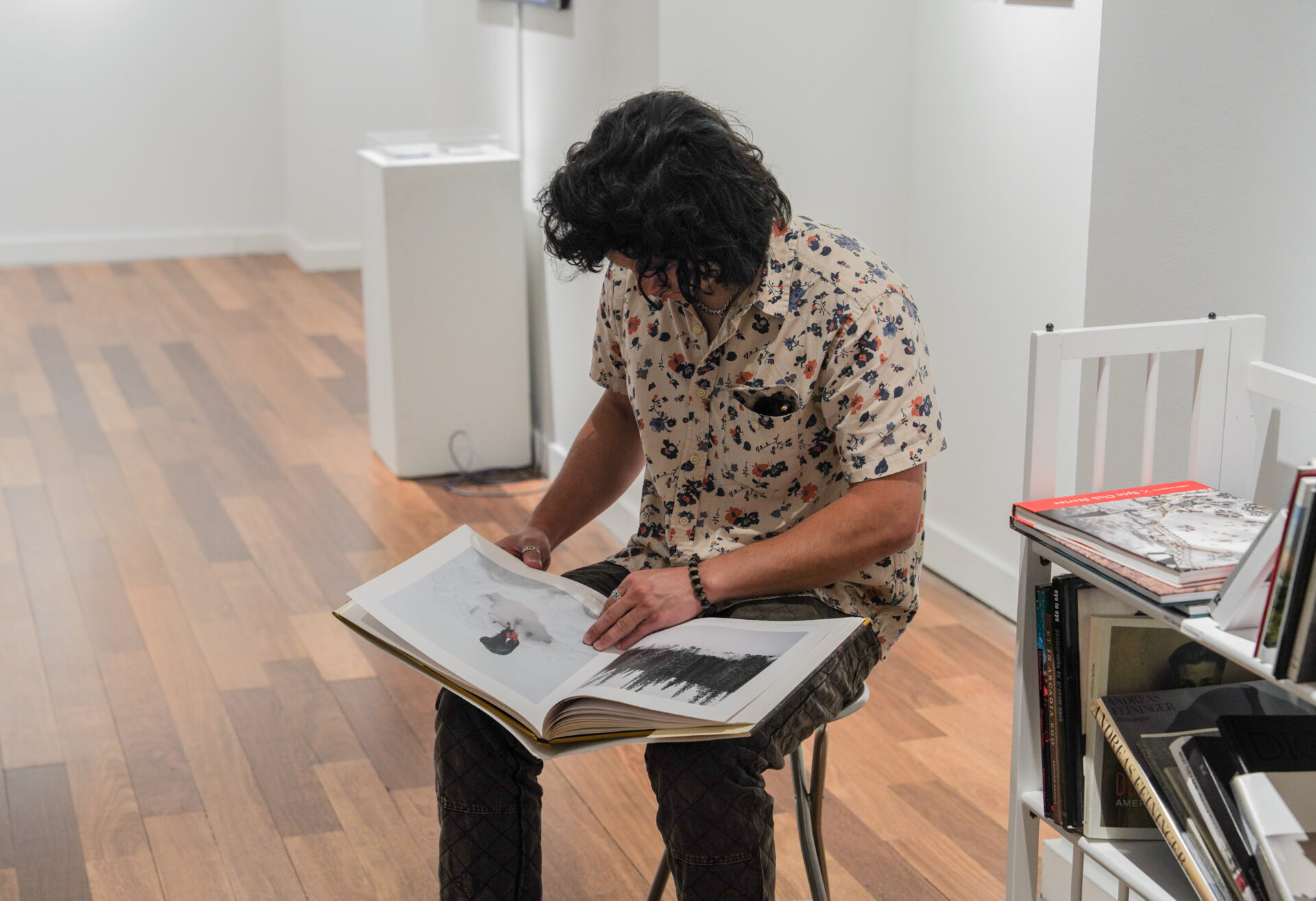
Tell us about PHOTO / FACULTY, bringing together photography educators from fourteen institutions. As someone who has been both a student and teacher, what do you think educators contribute to the photographic community that often goes unrecognized?
PHOTO / FACULTY actually came from thinking about my own professors in graduate school and how much of themselves they gave to supporting my work. Many educators spend the academic year completely focused on their students and are only able to return fully to their own practices during summer or winter breaks. In many ways, they put their own work on hold to help the next generation of artists develop theirs.
I wanted to turn the attention back toward them and recognize that these educators are not only teachers, they are working artists whose practices deserve to be seen and celebrated.
That feels especially important right now, as art institutions are closing and photography programs and degrees are being reduced or eliminated. Educators play an enormous role in sustaining photography as a medium. They teach the technical foundations, but they also challenge how photography evolves, mentor emerging artists, build communities, and pass knowledge from one generation to the next.
PHOTO / FACULTY was my way of saying: we see the work you do for your students, but we see your work as artists, too.
Photography organizations are facing a complicated moment. What do you see as the biggest challenges facing photography organizations right now?
I think we’re fighting to preserve an art form that could easily become lost in the digital age. We consume thousands of images on our phones, but that’s very different from understanding photography as a physical, carefully made art form.
Seeing an image on a screen isn’t the same as standing in front of a print. Following an artist online isn’t the same as meeting them and hearing the story behind their work. And watching a tutorial isn’t the same as learning in a darkroom or alongside other photographers.
That’s why places like the PRC matter. We’re not fighting against technology, we’re fighting to make sure the craft, history, and physical experience of photography aren’t lost because of it. We need spaces where people can make photographs, exhibit them, learn traditional and emerging processes, and pass that knowledge on to the next generation.
The challenge is finding sustainable ways to provide all of that while keeping opportunities accessible to artists. But I think that’s also what makes this moment so important. Photography is changing, and organizations like the PRC have a responsibility to help carry the medium forward without losing what made it meaningful in the first place.
What would you like the PRC to be known for five years from now?
I want us to be known as a place where photographers can find community throughout their careers, from someone showing work publicly for the first time to an established artist who wants to give something back.
I want artists to come to us for exhibitions, mentorship, education, professional development, facilities, conversations, and simply to be around other photographers. And I want us to be known for taking chances on people. I want there to be artists five or ten years from now who can point back to an opportunity at PRC and say, “Someone there believed in my work before other people did.”
What are you excited about coming up?
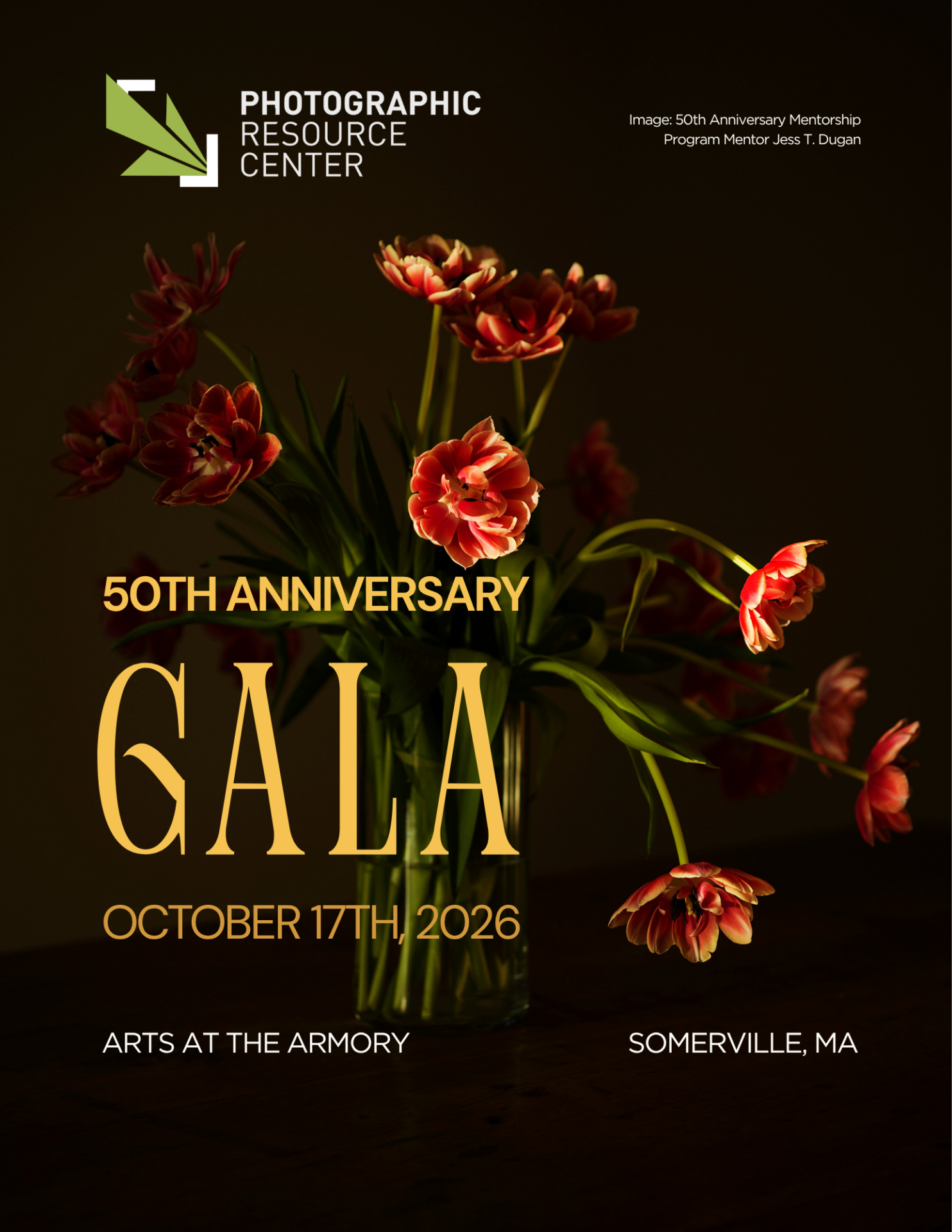
Right now, I’m most excited about our 50th Anniversary Gala on October 17. Fifty years is an incredible milestone, and the gala is really about celebrating the artists, educators, members, and supporters who built the PRC while raising the support we need for what comes next.
We’ll be bringing together people from across the photography community for a night of art, dinner, special guests, awards, an auction, and celebration. But more importantly, it’s a fundraiser for PRC’s future, supporting exhibitions, mentorship, education, artist opportunities, and our ability to continue growing.
PRC has an incredible fifty-year history, and this anniversary gives us an opportunity to build on that legacy and imagine what the next fifty years can be.
The PRC Mission
The Photographic Resource Center (PRC) is a collaborative, nonprofit organization with the mission of presenting, interpreting and advancing photographic art and lens-based media. The PRC is dedicated to the creation and nurturing of exceptional photography through public arts programming, exhibitions, lectures and educational opportunities. The PRC is committed to fostering a diverse, equitable, and inclusive community to advance photographic art and ideas to all.
A Brief History
The Photographic Resource Center was founded in 1976 by photographers Chris Enos and Carl Chiarenza. Beginning as a monthly newsletter, the PRC provided the Boston area with calendar listings of local photography shows and events. At the time, such listings were not included in general arts coverage and the newsletter was seen as an important resource for the photography community. The first PRC Executive Director was Chris Enos followed by Stan Trecker. Throughout the four-plus decades of the organization other prominent members of the photography community have stepped into that role including John Parker, Jim Fitts, Terrence Morash, Glen Ruga, and Bruce Myren. For many years the PRC was housed at Boston University. In 2017 through the dedicated efforts of current PRC Board President John Bunzick, then Director Bruce Myren, and 2014–19 Lesley University College of Art + Design Dean Richard Zauft, the PRC became a Resident Partner at Lesley University’s College of Art and Design which continues as the current location of the PRC office, exhibitions, and all programming events. All programming is open to the public.
Posts on Lenscratch may not be reproduced without the permission of the Lenscratch staff and the photographer.
Recommended
-
Brynne Quinlan in Conversation with Douglas BreaultSeptember 27th, 2026
-

Richard Provencio: The Delivery of MagicSeptember 26th, 2026
-

PRC’s 50th Anniversary Mentorship Program: Nick Ortoleva and Tommy KhaSeptember 11th, 2026
-

PRC’s 50th Anniversary Mentorship Program: Libby O’Neill and Jillian GuyetteSeptember 10th, 2026
-
PRC’s 50th Anniversary Mentorship Program: Jaypix Belmer and Rashod TaylorSeptember 9th, 2026