3rd Place Art + Science Competition: Kari Varner
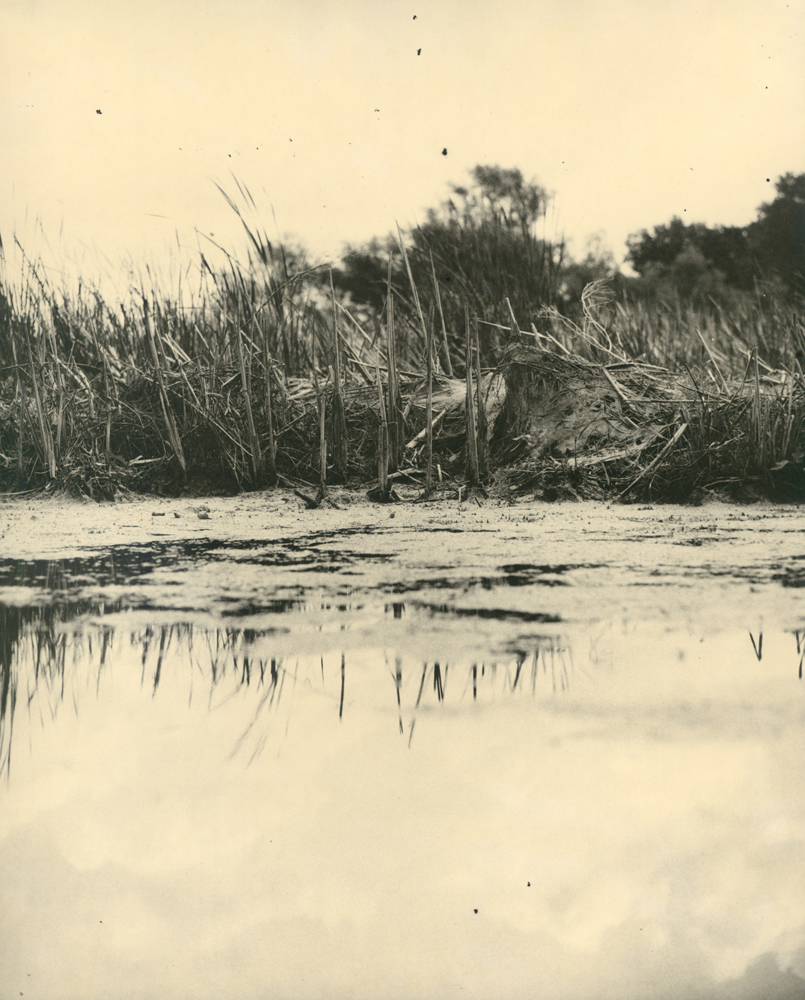
© Kari Varner, Land as Archive, Canal as Collaborator
For the Art + Science Competition entitled States of Change, we asked to see photography that examines art and science through transition, transformation, and instability. Change may be gradual or abrupt, visible or difficult to perceive, ranging from emotional shifts to environmental conditions. We invite artists to consider how photography can reveal states of change—where boundaries are not fixed and conditions are continually shifting.
For the series, Land as Archive, Canal as Collaborator, Kari Varner plays the dual role of biologist and historian. The chemistry for her photographs, like the history she is engaging with, is tied to the land, specifically the flora within the Erie Canal’s ecosystems. Visually and intellectually, Varner’s approach illustrates how unfamiliar we are with the cultural histories of the ecosystems we inhabit and is a clarion call for rigorous inquiry like hers.
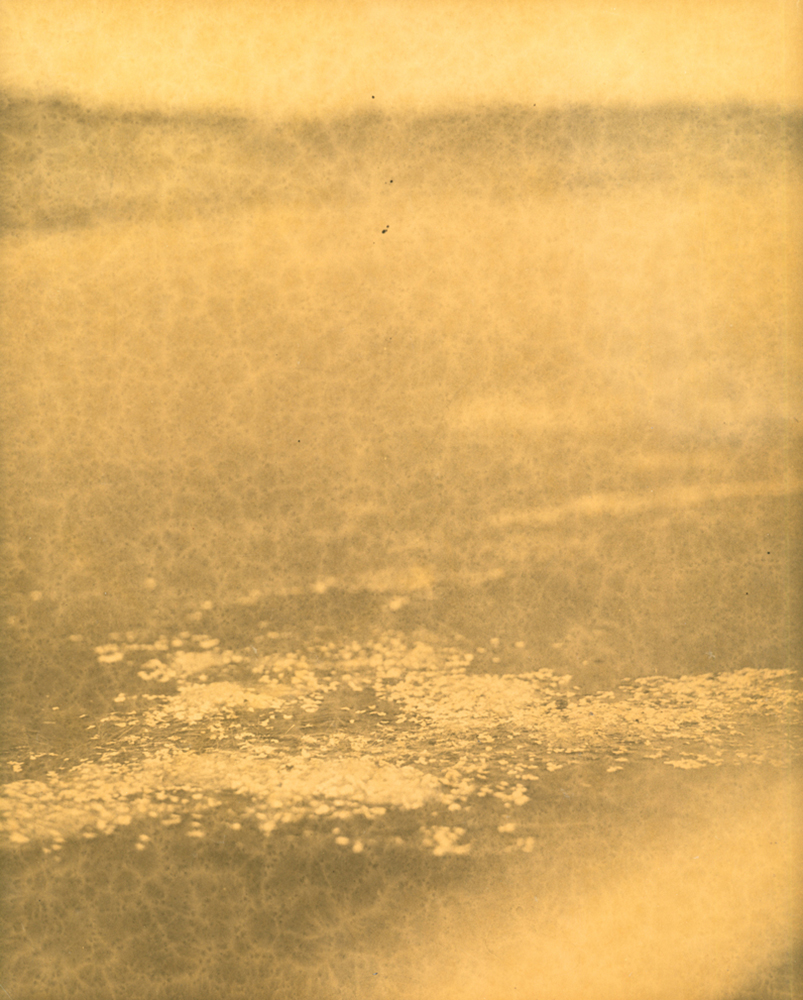
© Kari Varner, Land as Archive, Canal as Collaborator
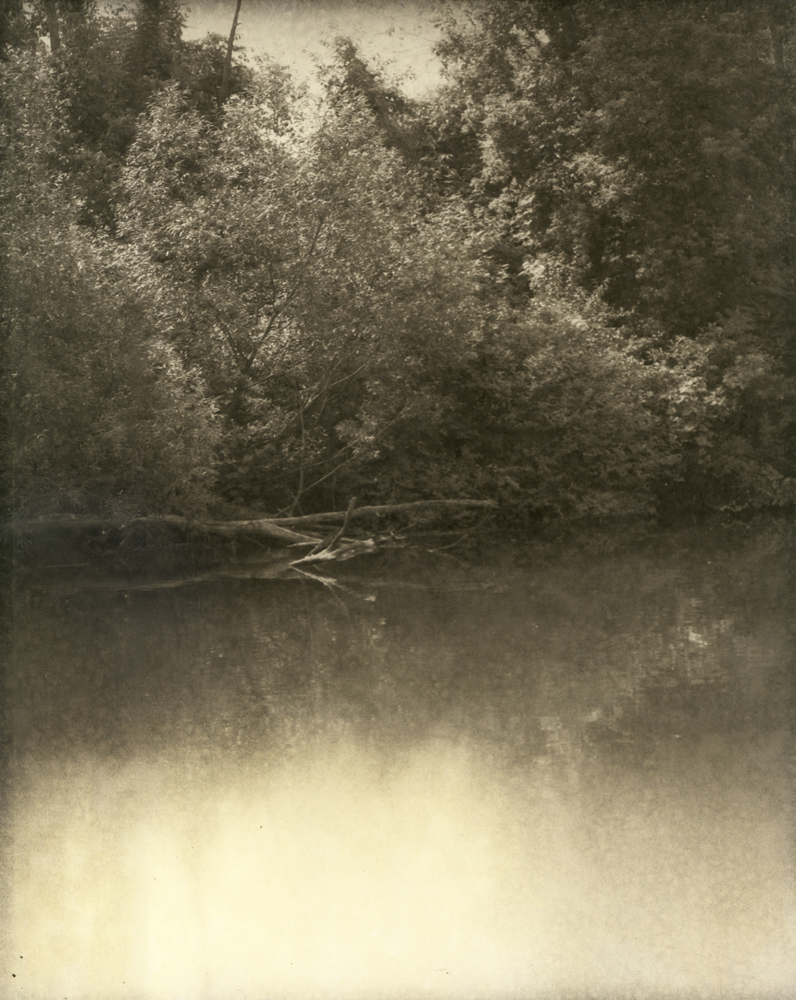
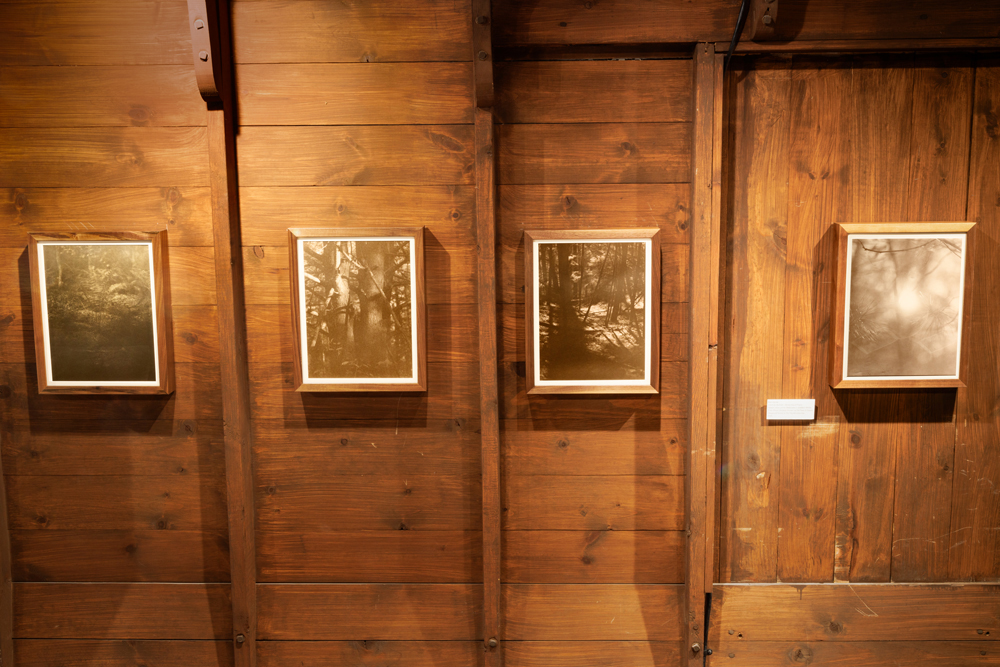
Two hundred years ago, the Erie Canal was carved through the state of New York, dispossessing indigenous populations and enabling European westward expansion. The canal also became an inadvertent superhighway for invasive species. In Land as Archive, Canal as Collaborator, invasive and native plants harvested directly from the landscape serve as the photographic and print developer. The plants found in these landscapes are boiled into a brew from which the photographs emerge. Their presence speaks to the ways we have changed our environment, both intentionally and unintentionally, in the pursuit of power, convenience, efficiency, and beauty.
The photographed locations of Oneida Lake, the Rome Sand Plain, and the Montezuma Wetlands hold complex cultural, ecological, and historical stories, revealed in part through the native and invasive species that grow there. Forever changed by the Erie Canal, these ecosystems support native species like the Eastern White Pine, revered as the Tree of Peace by the Haudenosaunee Nation, alongside highly prolific introduces species like water chestnut and stiltgrass.
Drawing from the environment as subject and material, images are formed from the very materials enacting change in the land and water. Land as Archive, Canal as Collaborator considers the land not as subject to be documented but as an active participant. The resulting photographs develop through collaboration, complicating the boundaries between image and environment, archive and living system.
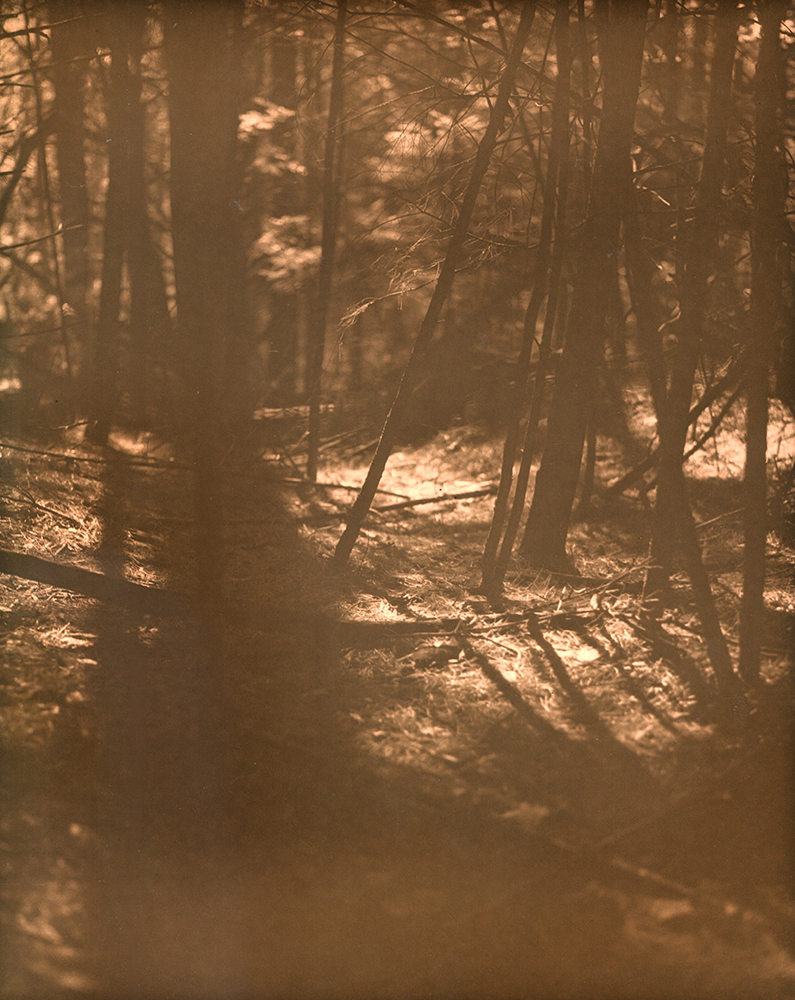
© Kari Varner, Land as Archive, Canal as Collaborator
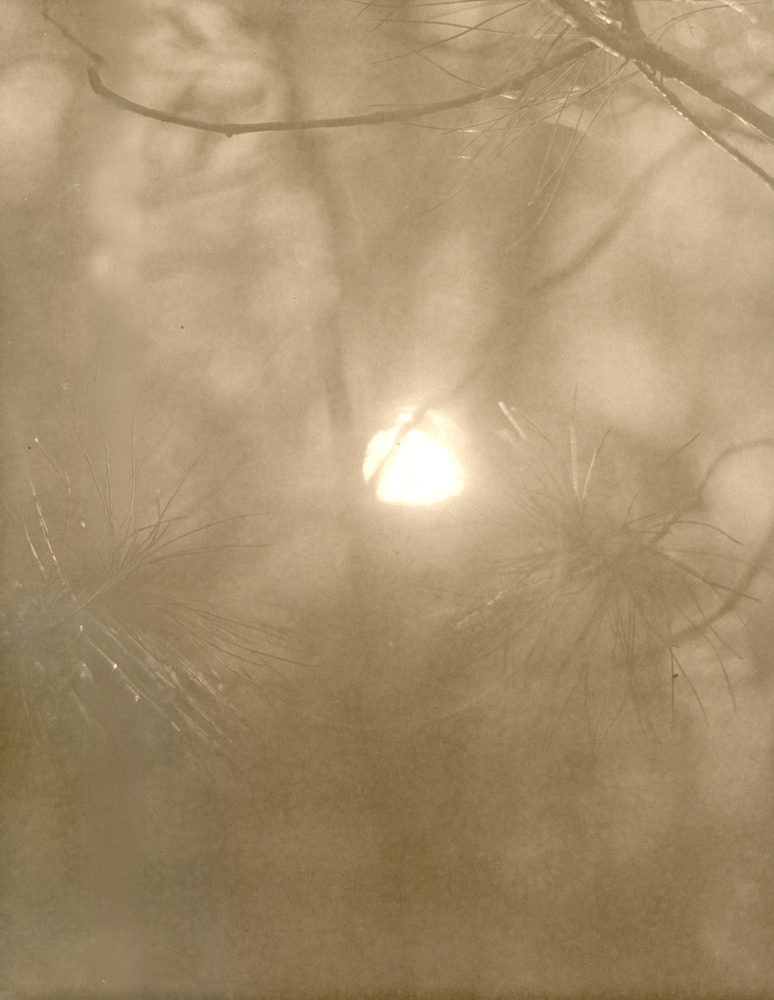
© Kari Varner, Land as Archive, Canal as Collaborator
Kari Varner makes photographs that explore the traces of industry and agriculture upon the landscape. Her process frequently involves direct collaborations with nature in her engagements with place. Her work has been shown in solo and group exhibitions abroad including the Palace Museum Bourbon del Monte, Monte Santa Maria Tiberina, Italy; San Marco Basilica, Florence, Italy; Kunst(seug)haus Rapperswil Museum, Rapperswil-Jona, Switzerland; Gallery Ondo, Seoul, South Korea and Gallery G, Hiroshima, Japan. Previous US exhibitions include the Herbert F. Johnson Museum, Mildred Lane Kemper Art Museum and Candela Gallery. She has been awarded grants from the Light Work Organization, the Puffin Foundation and an Artist Support Grant from the New York State Council for the Arts. Previous residencies include Millay Arts, Low Season, Institute for Electronic Arts at Alfred University, Kimmel Harding Nelson, Klaustrið at Skriðuklaustur and the Erie Canal. Varner was the recipient of the Olin Fellowship at Washington University in St. Louis and a Goodall Visiting Fellowship at Wofford College. She received her MFA from Washington University in St. Louis and her BFA from the University of Denver. She is currently a Lecturer in photography at Binghamton University.
Instagram: @karivarner
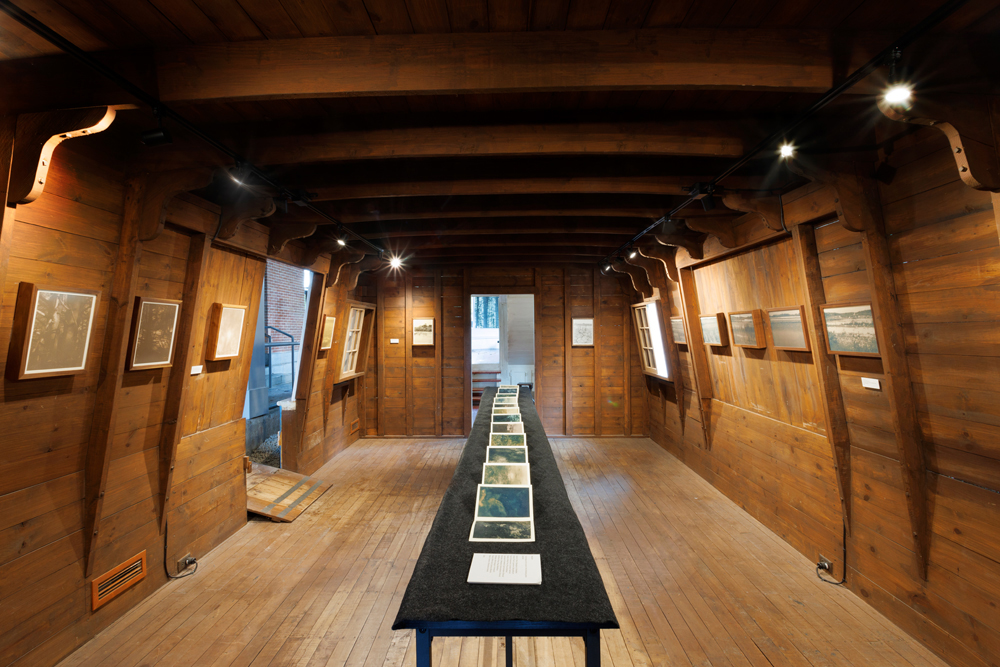
Exhibition documentation by Jamie Young
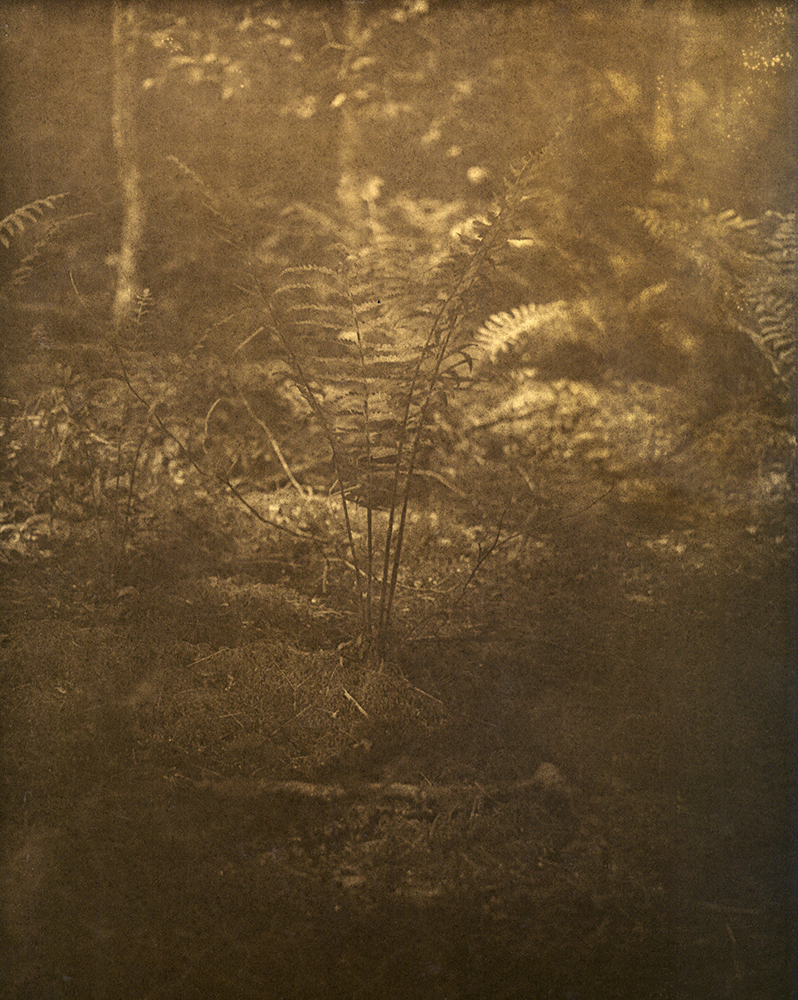
© Kari Varner, Land as Archive, Canal as Collaborator
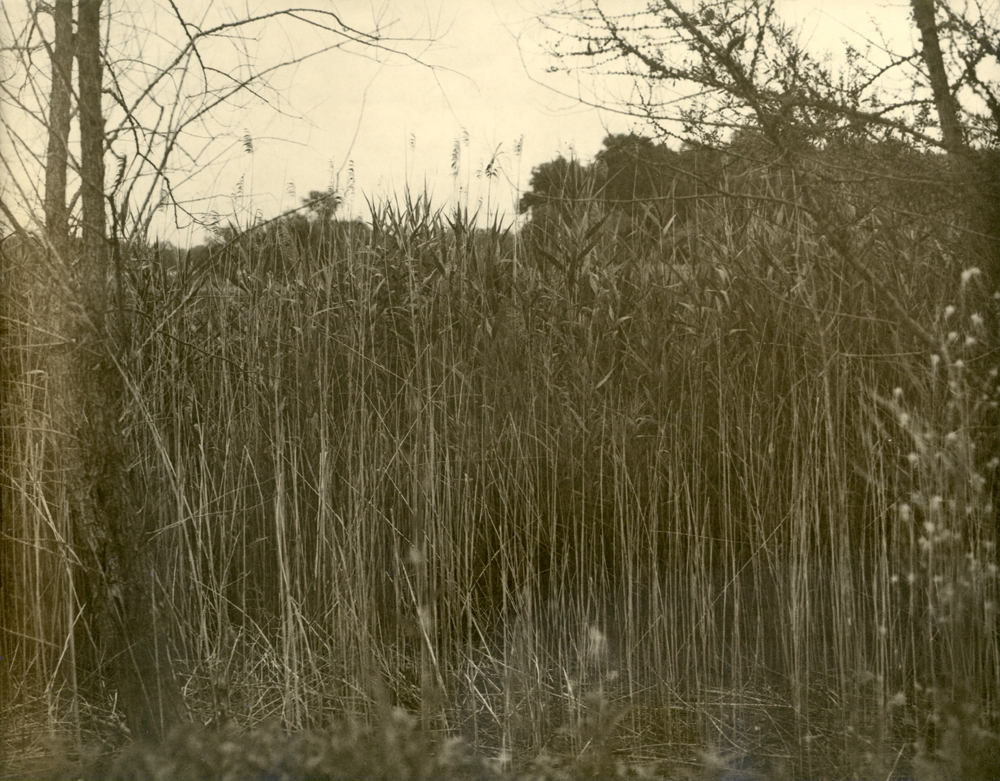
© Kari Varner, Land as Archive, Canal as Collaborator
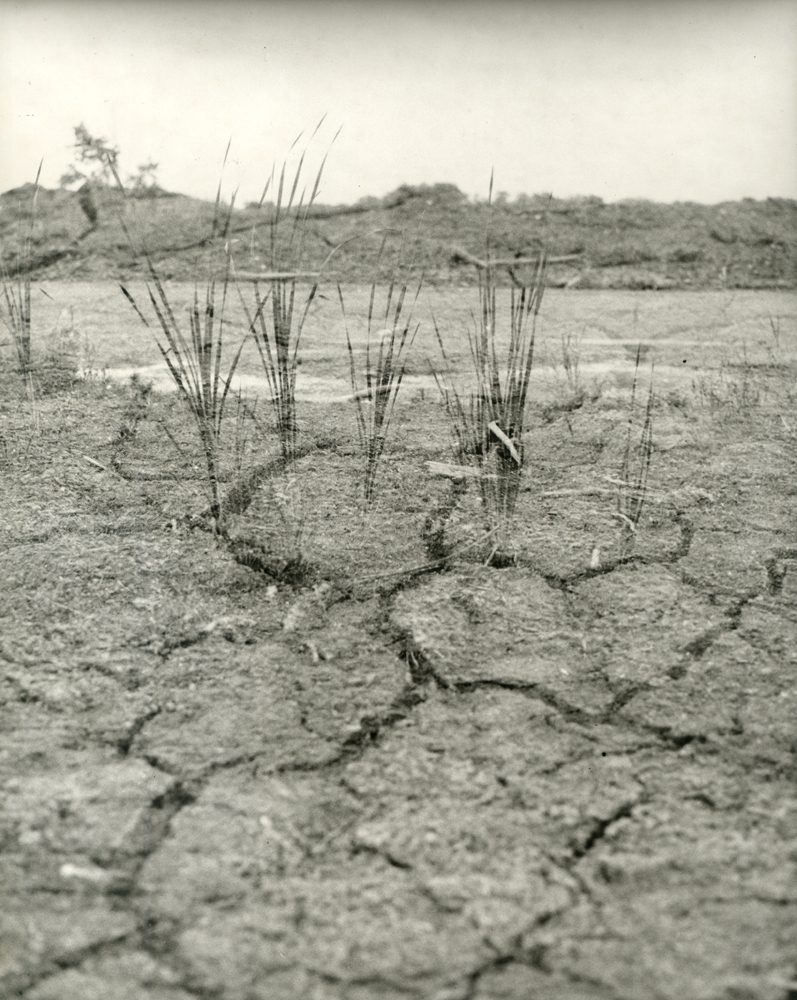
© Kari Varner, Land as Archive, Canal as Collaborator
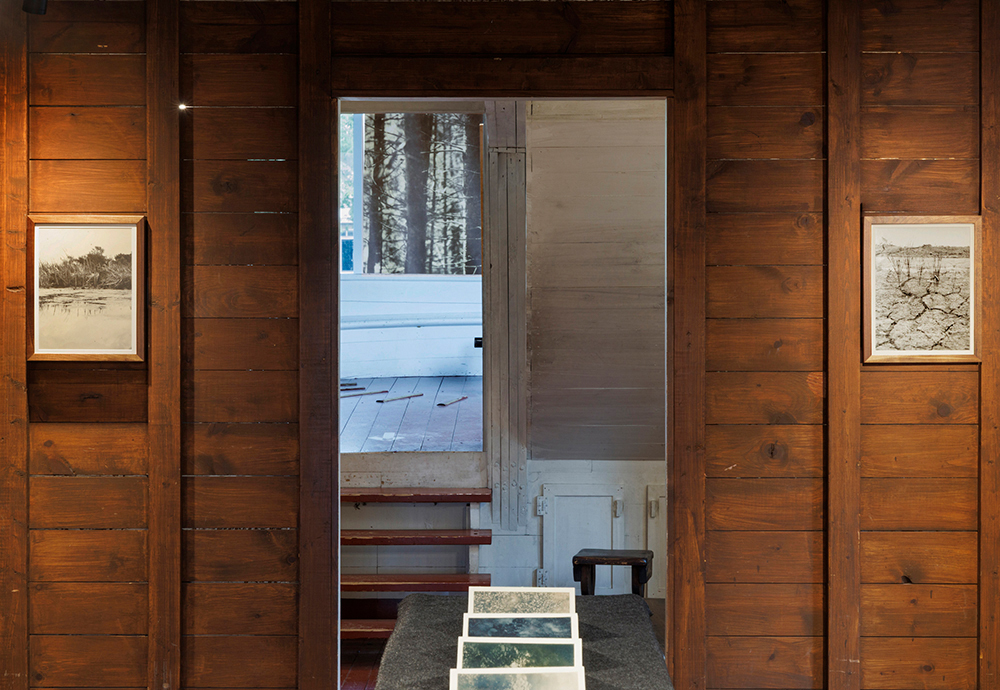
Exhibition documentation by Jamie Young
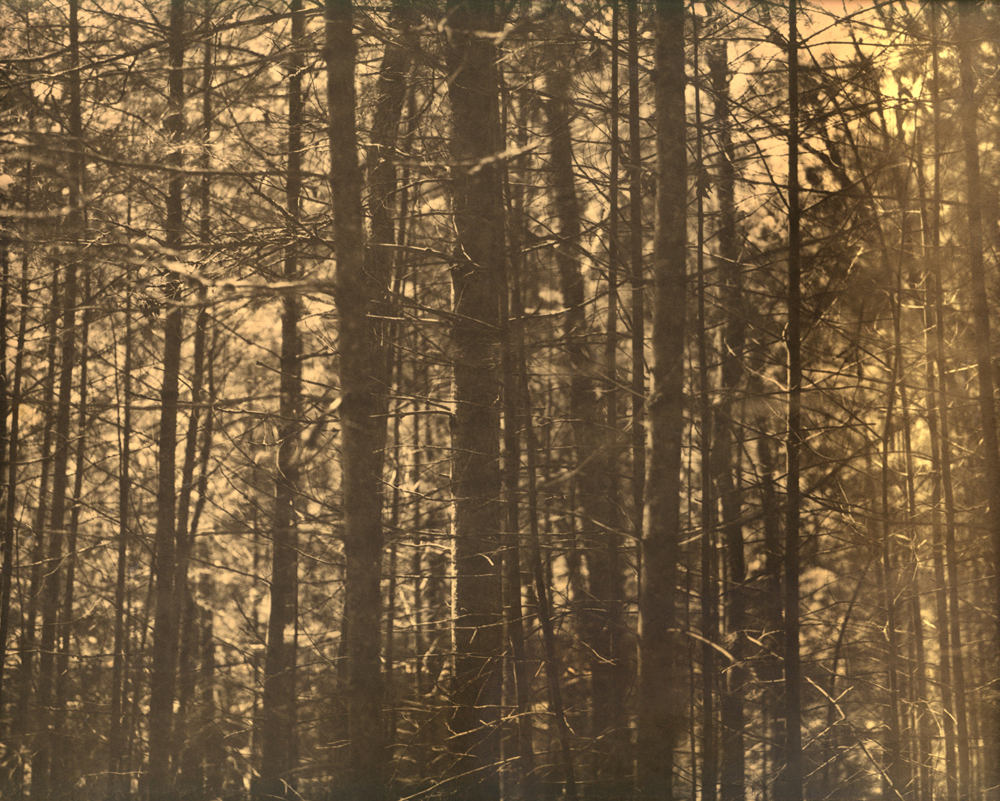
© Kari Varner, Land as Archive, Canal as Collaborator
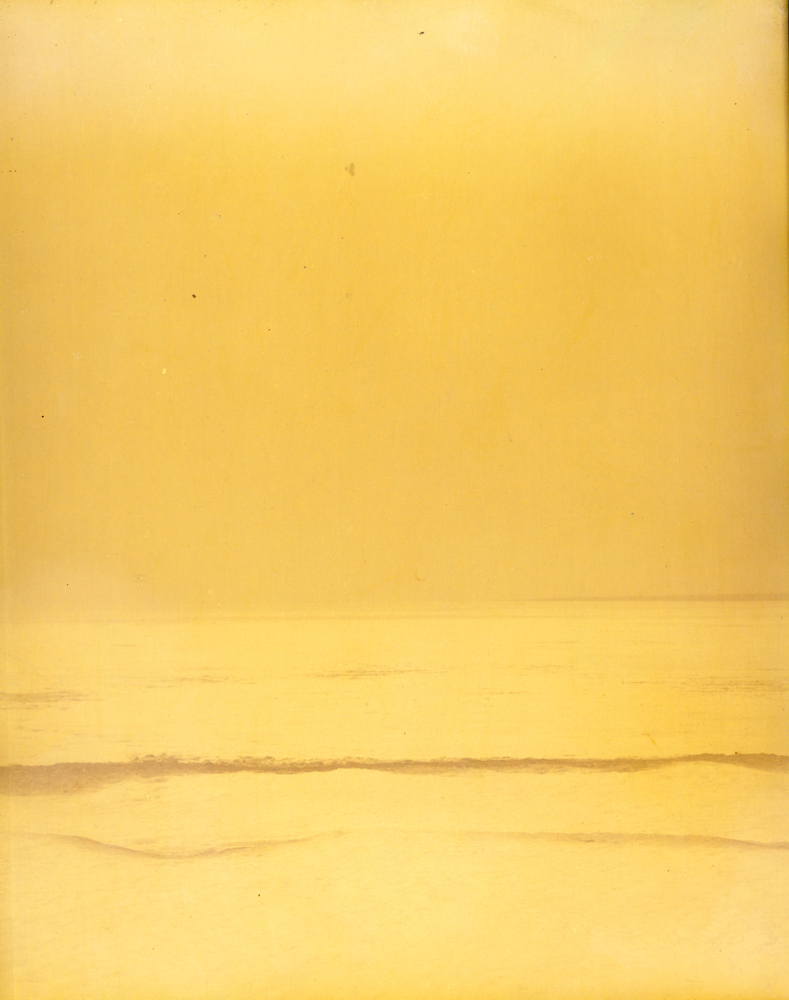
© Kari Varner, Land as Archive, Canal as Collaborator
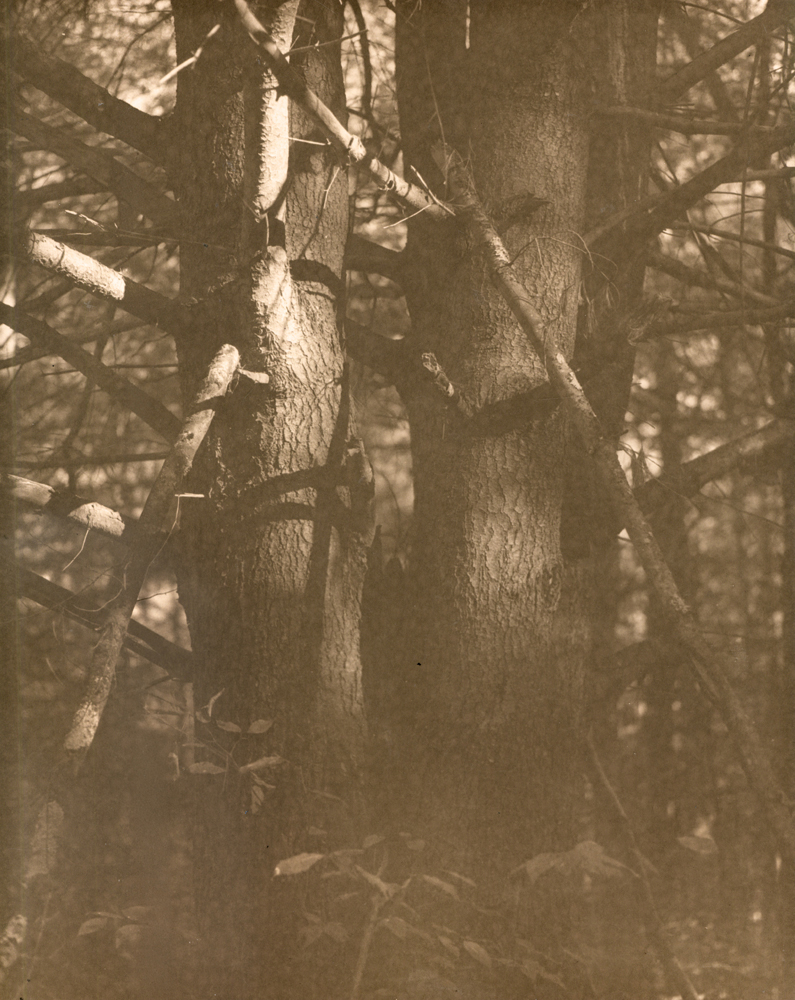
© Kari Varner, Land as Archive, Canal as Collaborator
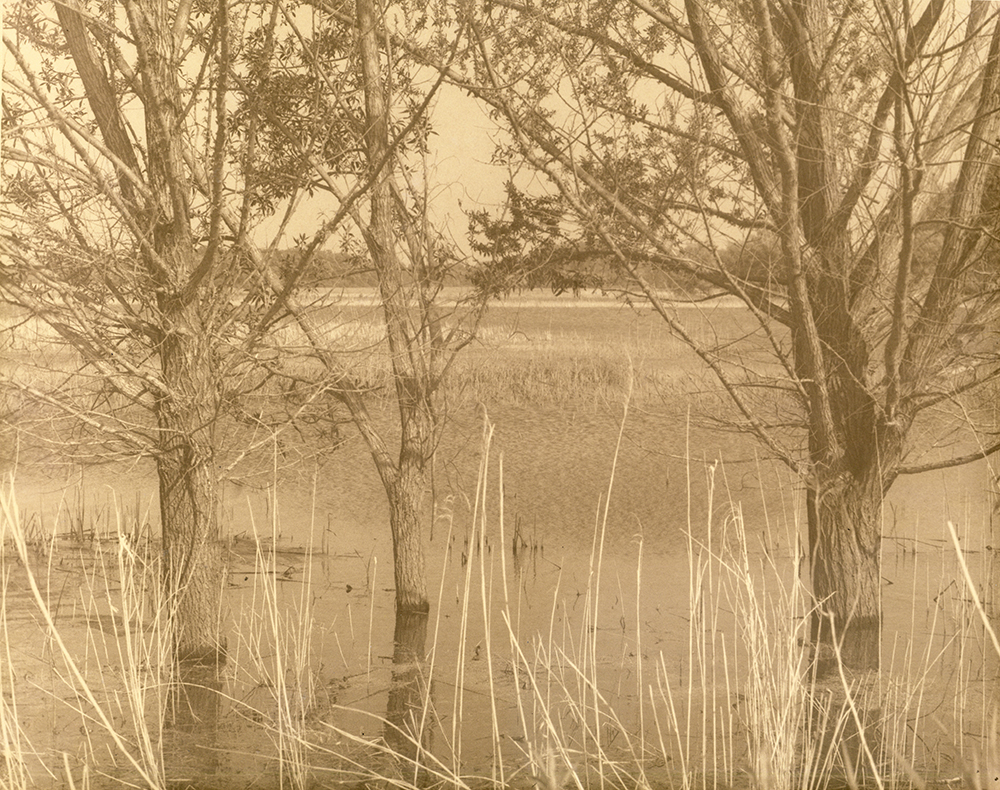
© Kari Varner, Land as Archive, Canal as Collaborator
© Kari Varner, Land as Archive, Canal as Collaborator
Exhibition documentation by Jamie Young
About the Jurors:
Linda Alterwitz is an independent interdisciplinary artist with a focus on photography. For over two decades, her work has combined art and science exploring the unseen systems that shape our world and the relationships between humanity, technology, and the natural environment to encourage dialogue around choice, trust, and collective experience. Using a high-resolution thermal camera and other digital and analogue techniques, she visualizes phenomena beyond ordinary perception.
She has exhibited widely in traditional exhibition and site-specific installations at institutions including FORMAT25, Derby, UK; Museum of Art & History, Lancaster, CA – part of PST ART: Art & Science Collide Getty Initiative; New Mexico Museum of Art, Santa Fe, NM, among others.
Alterwitz’s work is held in permanent collections including the Institute for Art + Environment, Reno, NV; Center for Creative Photography, Tucson, AZ; Getty Research Institute, Los Angeles, CA; Hilliard Museum of Art, Lafayette, LA; Nelson Atkins Special Collections Library, Kansas City, MO; Santa Barbara Museum of Art Fearing Library, Santa Barbara, CA; Rochester Institute of Technology, Wallace Library, Rochester, NY, among others.
Recent awards include Nevada Arts Council Fellowship for Visual Arts 2025 and 2014, Individual Artist Grant from Healthy Communities Coalition 2023, NV, Individual Artist Grant 2020, Montana Arts Council, among others.
Instagram: @lindaalterwitz
Ben Hickey is the Executive Director for the Center for Exploratory and Perceptual Arts in Buffalo, New York. Previously he was curator of exhibitions and Emily Cyr Bridges Endowed Professor of Art at the Hilliard Art Museum on the campus of the University of Louisiana at Lafayette. With over one hundred exhibition credits, artists he has exhibited include Brian Kelly of the Marais Press, Letitia Huckaby, L. Kasimu Harris, Robert C. Tannen, Richard Landry, Pat Phillips, Sonya Clark, Hasan Elahi, Dawoud Bey, and James Surls.
Hickey’s most recent writing can be found in Beili Liu: Mend, a monograph published by the Art League Houston in celebration of Liu’s 2024 Texas Artist of the Year Award. Other essayists include Bridget Bray, Annette DiMeo Carlozzi, Eddie Chambers, Katie Pfohl, and Kay Whitney.
In 2023 Hickey received a Samuel H. Kress Foundation Travel Grant to co-present research related to Marais Press on-campus collaborations at the 51st Annual Art Libraries Society of North America in Mexico City. Earlier in his career, he presented Reshaping Our Programming: The Artist in Residence Program at the New York Historical Society in conjunction with an Association of Art Museum Curators annual conference. He has also served as a panelist or consultant for Villa Albertine, the Joan Mitchell Center, Louisiana Endowment for the Humanities, PhotoNOLA, and the San Antonio Art League.
Earlier in his career, Hickey held positions at the Masur Museum of Art, California Museum of Photography, Buffalo AKG Art Museum, and the Arts Council of Buffalo & Erie County. He is an active member of the Association of Art Museum Curators, having served as a trustee from 2015 to 2020. He earned his master’s in art history from the University of California Riverside and his bachelor’s in history from Canisius University.
Instagram: @_normal_ben_
Posts on Lenscratch may not be reproduced without the permission of the Lenscratch staff and the photographer.
Recommended
-
3rd Place Art + Science Competition: Kari VarnerNovember 11th, 2026
-
2nd Place Art + Science Competition: James AsavaNovember 10th, 2026
-
1st Place Art + Science Competition: Hillerbrand and MagsamenNovember 9th, 2026
-

elin o’Hara slavick: Art + Science Competition Honorable MentionDecember 21st, 2024
-
Leslie Gleim: Art + Science Competition Honorable MentionDecember 20th, 2024