BEYOND THE PHOTOGRAPH: Q&A WITH COMMERCIAL PHOTOGRAPHER ANDY MAHR
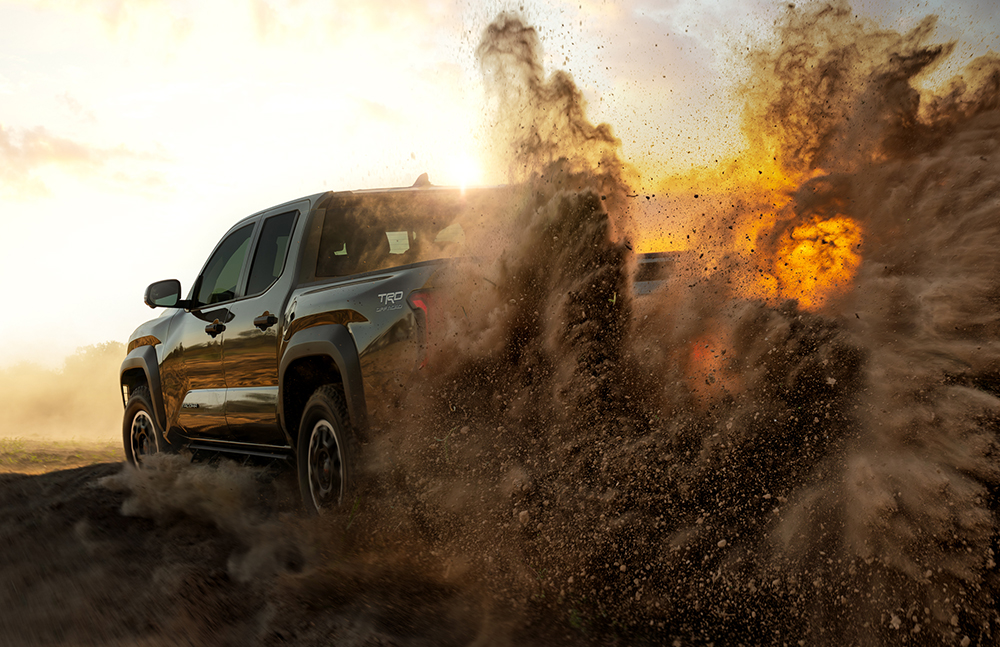
© Andy Mahr, still image for Toyota, 2025. From a library of images created to be used at the Toyota Center in Houston the home of the Houston Rockets
Beyond the Photograph is a Lenscratch Magazine series dedicated to helping photographers grow their artistic practices beyond the camera. Capturing images is just one small part of a photographer’s journey. In this series, we’ll explore the tools, strategies, and best practices that support the broader aspects of a contemporary art career.
I met Andy Mahr at Portfolio Center, an advertising school in Atlanta, in the early 90s when we were both Art Direction (AD) students. We crossed paths again when we both worked for the same advertising agency in Dallas, Texas where he created award-winning work for a long list of major brands. In 2008, he made the full transition to photographer and never looked back.
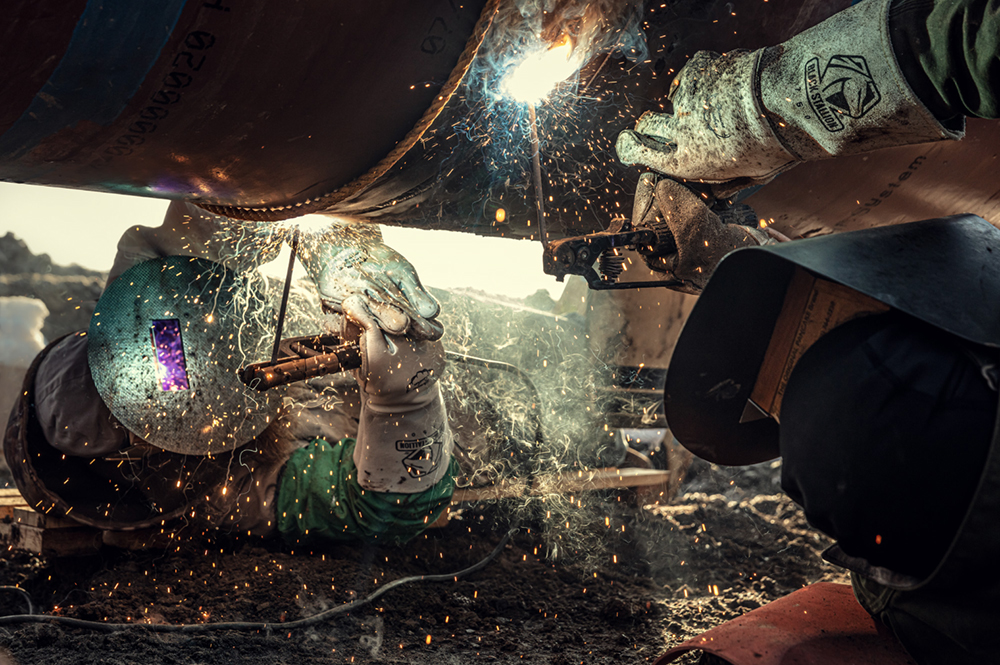
© Andy Mahr, still image for Hanging H Pipeline Construction Company, 2019
What brought you to becoming a commercial photographer? Was it something you had always envisioned yourself doing?
I didn’t grow up thinking I’d become a commercial photographer. I went to school for graphic design. I took one photography class in college and honestly hated it. I got a C. Looking back, I don’t think it was taught in a way that made anyone fall in love with the camera. We spent most of the early weeks buried in technical theory instead of actually shooting and discovering what felt exciting.
The first half of my career was spent as an art director. I worked on great brands like Dr. Martens, Hummer, Converse, and several video game titles. It was creative and fast, but over time I started to feel burned out by agency life. I hit a crossroads and had to decide what I really wanted long term.
What I always loved most was being on set. As an AD, the photo shoots were my favorite part of the job. I loved the travel, the collaboration, the controlled chaos, the energy when everything clicks. I was inspired by photographers like John Huet and Andy Anderson, so I started shooting on my own. First for myself. Then for friends. Eventually for the agency where I was working.
Before long, I was shooting for real clients. It snowballed. I went part time at the agency to see if I could make it work. Then I made the leap and went all in on my own.
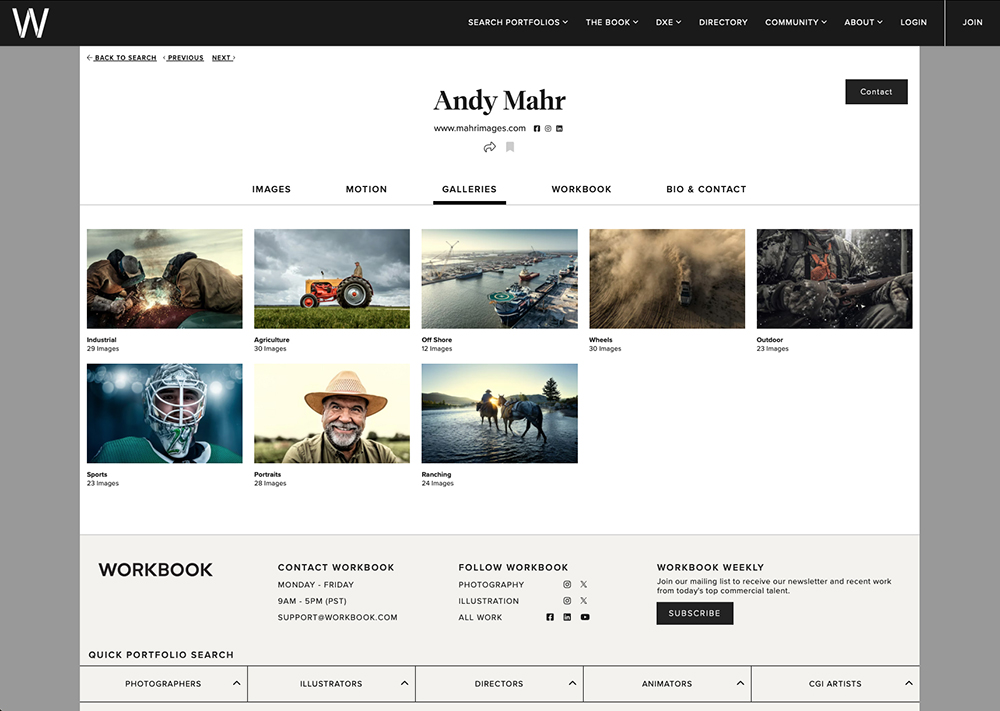
© Andy Mahr, Workbook image galleries page, 2026
How do you find and reach clients? Is it through a rep (photographer representative), advertising agency creatives (art buyers/art directors/creative directors), word-of-mouth, other photographers, Art Awards, and/or other ways?
I find and reach clients in just about every way possible. I have a rep, I advertise in places like Archive, CA (Communication Arts), Found, and Workbook, and I participate in award shows. Early on, I relied much more on my rep to help open doors. Over time, as I gained clients and recognition through awards and higher profile work, word of mouth became the primary way I started getting jobs. For me, it really comes down to relationships and being willing to reach out and connect with people directly.
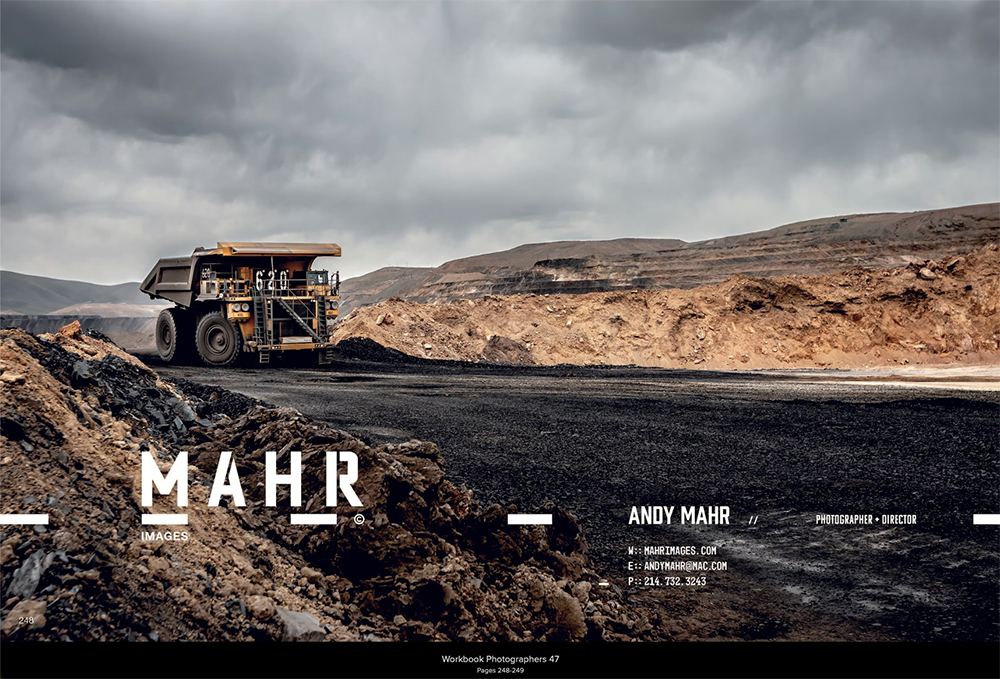
© Andy Mahr, Workbook self-promotion spread advertisement, 2025
Do you still send self-promo pieces to potential clients? If so, do you think they are effective? Or has our digital world changed the process permanently?
Over the years, I have sent out printed self promo pieces and used them during in-person book showings. They were effective when people were regularly in the office and you could put something physical in their hands. Since Covid and the shift to remote work, that has changed. Lately I have been using dynamic PDFs that combine stills and motion work, which feels more in line with how people consume work now. I still think self promotion matters, but the format has evolved.
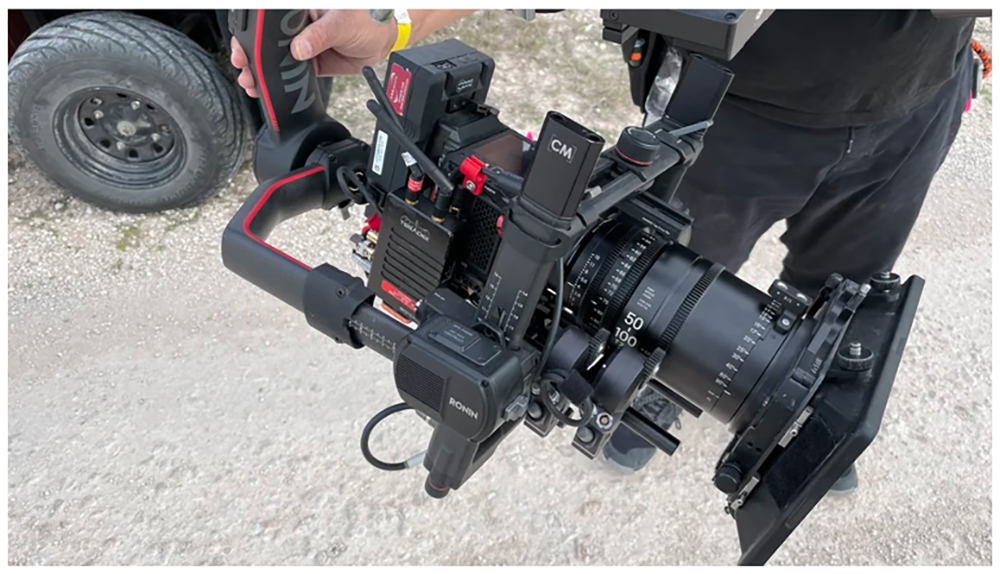
© Andy Mahr
What equipment do you use?
The equipment I use has changed a lot over the years. Currently, I shoot primarily digital and run two Canon R5 Mark II bodies with a full range of lenses. I also use a Fuji GFX100 II with the 32 to 65mm f4 and 45 to 100mm f4 lenses when medium format makes sense for the project. For lighting, I use a Profoto kit. On the aerial side, I fly a DJI Mavic 4 Pro, and for motion work I own a RED V Raptor S35. For post production, I am working on the latest MacBook Pro M4.
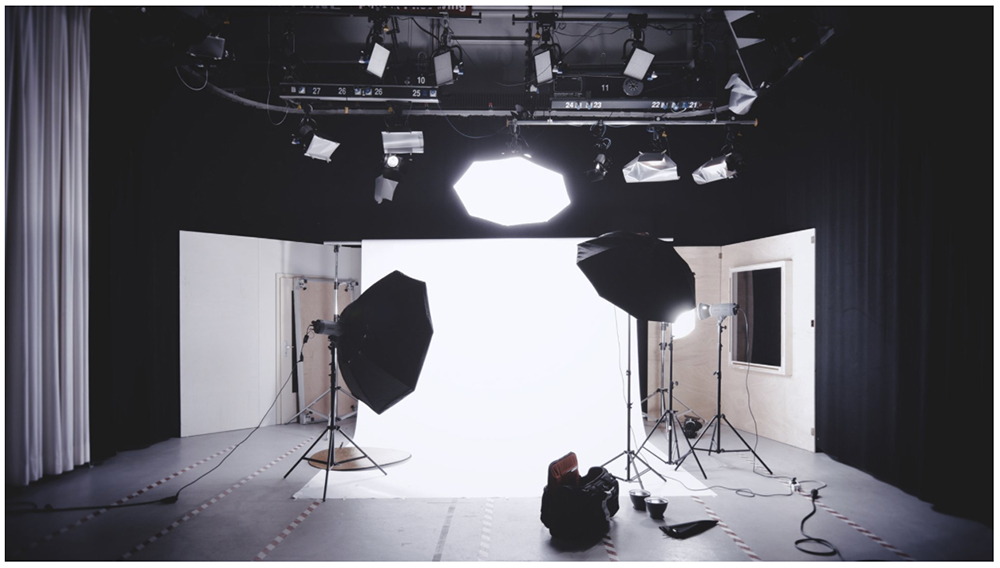
© Andy Mahr, still photo shoot set-up
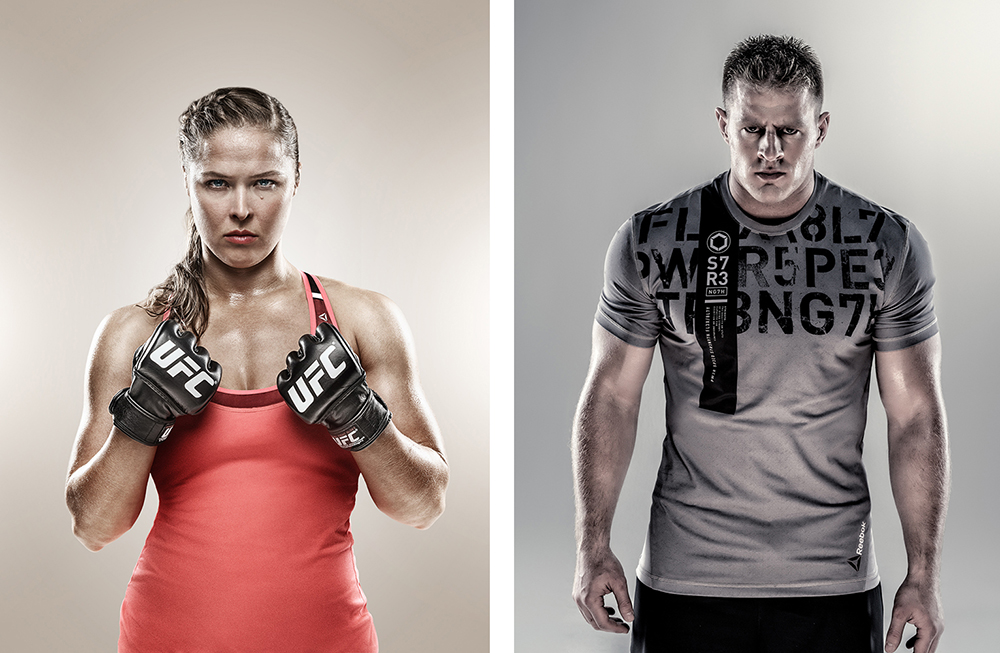
© Andy Mahr, for Reebok, 2016, images were used for online, TV spots, print, OOH (out of home: billboards) and more
When you are awarded a job, what does the process look like as you get ready to go out on production?
A photo shoot really starts long before the actual shoot day. Treatments are now playing a larger role. It begins with talking through the idea, what the client is trying to solve, how the images will be used, and what the overall vibe should be. From there it turns into planning, scouting locations, casting talent, and building the right crew. When we finally get on set, the goal is to have most of the big questions already answered so we can stay focused on making the work better instead of putting out fires.
I always work with a team, but the size depends on the job. For stills, that usually means a first assistant, a digital tech, lighting crew, stylists, and production support. Everyone knows their role, which lets me focus on directing, working with talent, and collaborating with the client and agency.
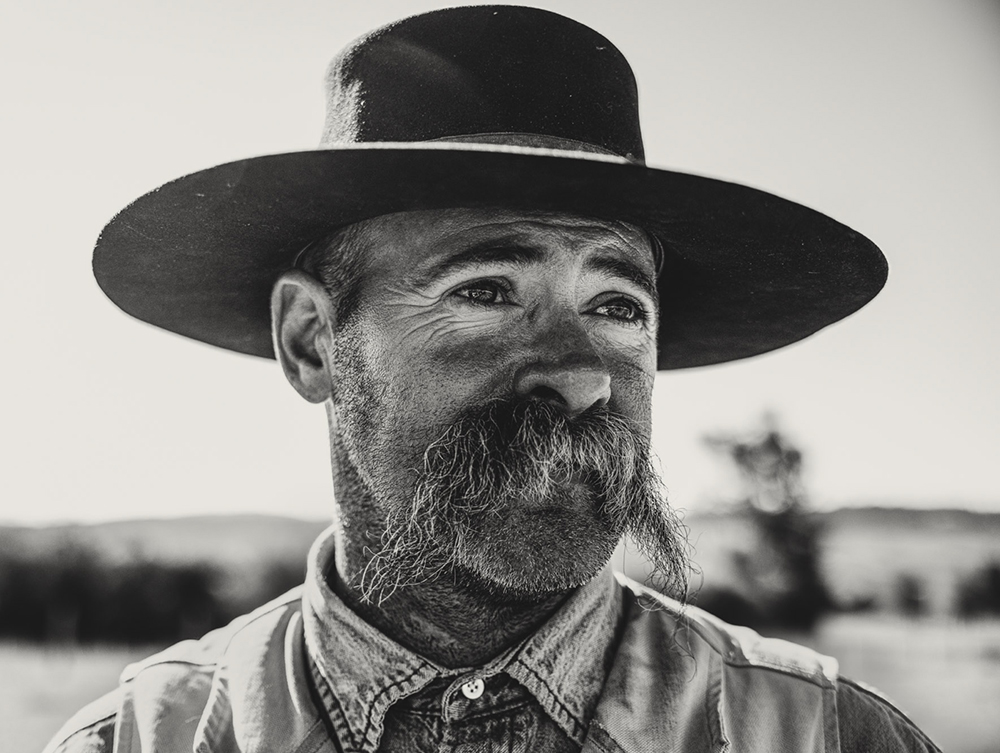
© Andy Mahr, for Pendleton Whiskey, 2024, images were used for online, TV spots, print, billboards and more
Motion definitely scales up. You add more crew, more gear, and more moving parts. There’s usually a DP (Director of Photography) or operator, ACs (Assistant Camera), sound, grip and electric, and sometimes a full production team. It’s more complex, but it’s also really fun because you’re thinking about movement, timing, and story, not just a single frame.
At the end of the day, whether it’s stills or motion, it’s all about preparation and collaboration. The scale changes, but the approach stays the same: surround yourself with good people, plan well, and leave enough room on set for things to evolve.
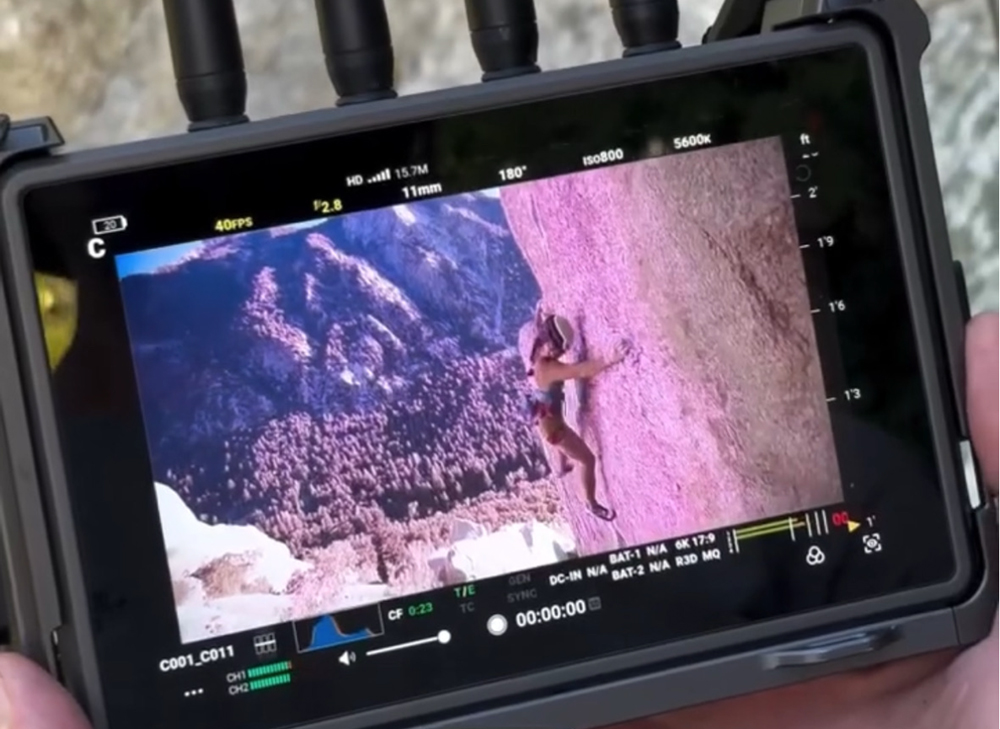
© Andy Mahr, on location for Toyo Tires in Wasatch Mountains shooting rocking climbing portion for TV spots, 2024
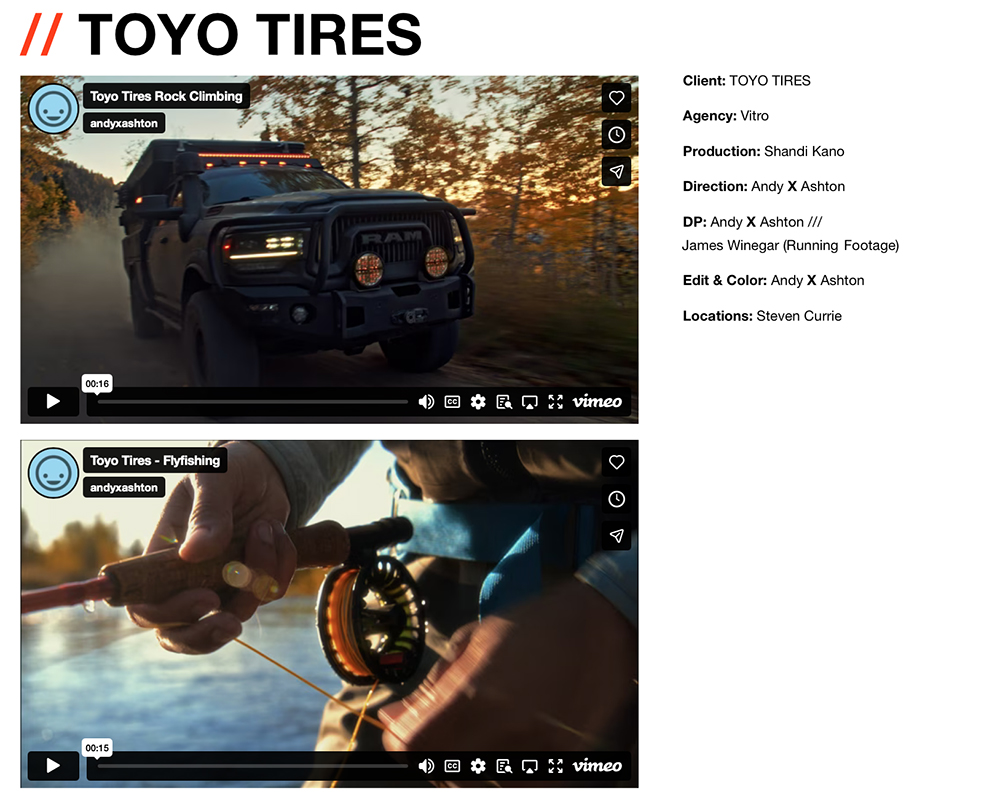
© Andy Mahr, Andy X Ashton, Toyo television commercials “How was your weekend” that helped launch three new All Terrain Toyo Tires. 3-day shoot throughout Utah. Highlighting different adventures including fly fishing, sand boarding, mountain climbing, trail running, and other outdoor activities, 2024
What are the key elements that should be in a commercial contract?
Honestly, a good commercial photography contract is just there to make sure everyone knows what they’re signing up for. It’s less about legal drama and more about avoiding confusion later.
The big one is usage. That’s where you lay out how the images can be used, where they can run, and for how long. Media, territory, duration, exclusivity, all of it. That’s usually the most valuable part of the job, so you want zero gray area.
Then there’s the scope. What you’re actually delivering, how many images, whether motion is included, timelines, and what retouching or post work is covered. This is what keeps a shoot from quietly turning into way more work than anyone planned.
Payment terms are next. Total fee, deposit, when the balance is due, and how extras are handled if the project grows. This is also where things like kill fees or reschedules get spelled out, just in case.
Expenses should be clear too. Who’s paying for what, how production costs are handled, and how reimbursements work. Sorting that out early saves a lot of uncomfortable conversations.
Then you’ve got the necessary legal stuff like releases, ownership of raw files, credit, and confidentiality. Not exciting, but important.
At the end of the day, a solid contract just makes life easier. When everything’s clear up front, everyone can relax and focus on making good work.
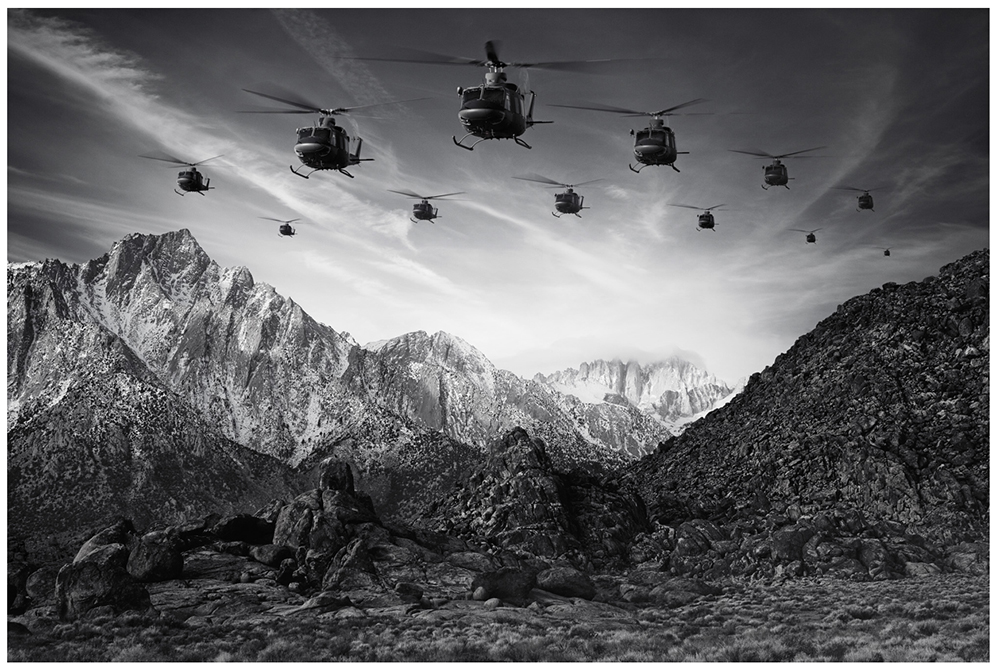
© Andy Mahr, for United States Marines Corp, 2008
How do usage fees work and are they negotiated up front? Are you able to use the images you create during a job to promote yourself?
Usage fees are usually negotiated right up front, before the shoot ever happens. That’s when everyone agrees on how the images will be used, where they’ll run, and for how long. Things like media, territory, duration, and exclusivity all factor into the fee. The broader the usage, the higher the cost. Once that’s locked in, there shouldn’t be any surprises later. If a client wants to expand usage down the road, that usually means a new conversation and an additional fee.
As far as self promotion goes, yes, in most cases I’m able to use the images I create to promote myself, things like my website, portfolio, social, awards, or presentations. That’s typically written into the contract so everyone is clear. There are occasional exceptions, but generally clients understand that showing the work is part of how photographers stay in business.
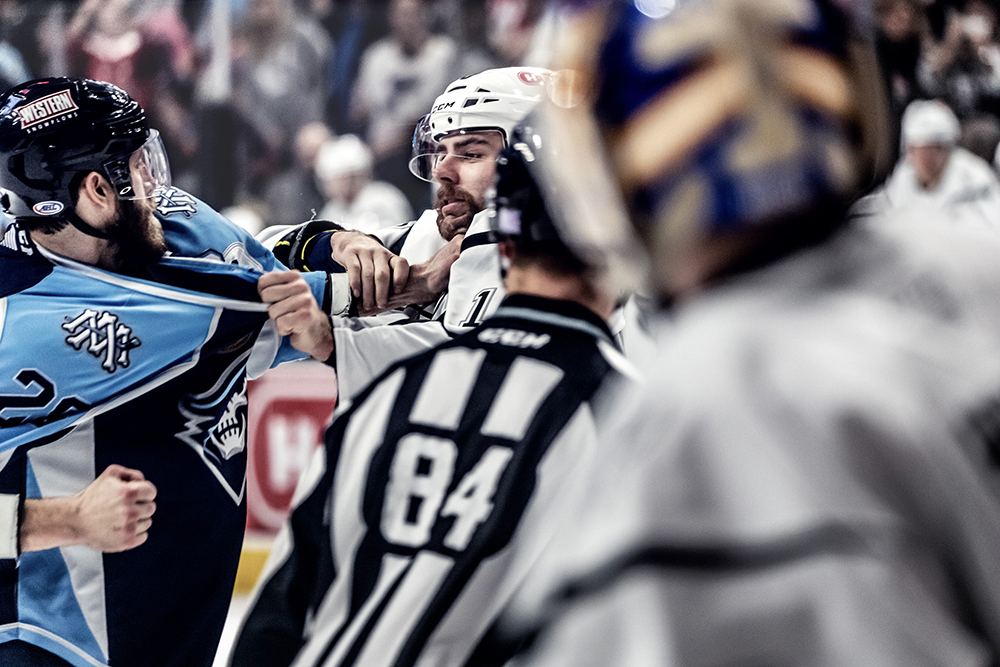
© Andy Mahr, for the San Antonio Rampages, AHL Hockey Team. Production Paradise, Best in Show Sports Category, 2022
Are you able to be involved in the creative process at times? Are you given a list of images to capture? Or a storyboard for moving images?
Every job is different but generally I’m involved in the creative, and that’s usually how the best projects start. This is where being a former agency creative really helps. Sometimes it’s very open ended and I’ll help shape the look, the approach, or even the overall direction. Other times the agency or client already has a solid idea and my job is to help bring it to life and push it visually.
For stills, its either shooting to a concept or shooting library content. Mostly these days its content creation. Generally, I’m working off a shot list, but it’s rarely locked in 100%. There’s almost always room to adjust, find stronger angles, or grab things that weren’t originally planned. A lot of the best images come from being flexible on set.
For motion, its either in conjunction with my stills or a dedicated TV shoot. However, things tend to be more structured. There’s usually a storyboard or boards laying out the the shots, but even then there’s room to interpret it. Camera movement, timing, performances, all of that evolves once you’re actually shooting. So there’s a plan, but it’s never totally rigid.
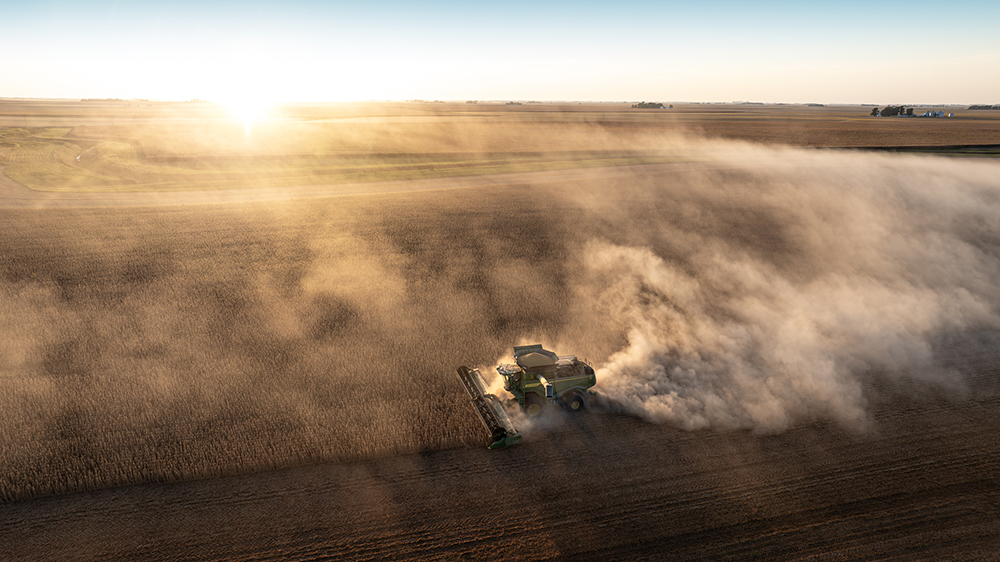
© Andy Mahr, for Ariat Workwear, 2025, images from the shoot were used online, POS (Point of Sale), and in print and videos
Do you use drone photography? Or are you up in a helicopter for the aerial shots?
For the shoots I do these days it’s all drone for aerial. I do miss the days of hanging out of a helicopter, though.
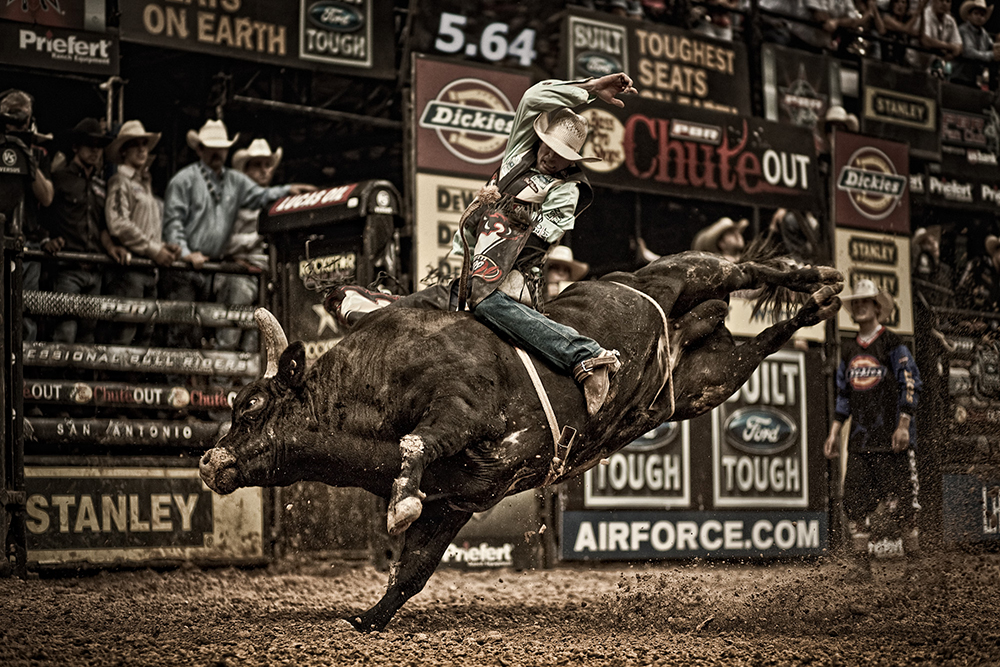
© Andy Mahr, still images for Professional Bull Riders, 2013, Communication Arts Photo Annual
Your work has a specific style to it, how did you develop that and do you use post-production, like Adobe Lightroom presets, in order to maintain that look?
A lot of my style comes from my days as an Art Director. Where I worked, we retouched everything ourselves. After a shoot, the images had to carry an entire campaign, sometimes two, so the finish really mattered. I would retouch according to the concept, not just apply a formula. Over time I got quick at developing different looks depending on the story we were telling.
That mindset carried over when I transitioned into photography. The look is intentional. It’s shaped by lighting, casting, location, and then refined in post. I don’t rely on one-click presets to define the work. I may build starting points for efficiency, but the final tone is always adjusted image by image to fit the concept.
The style has definitely evolved over time. I’ve even gone back and re-retouched older images to meet growing demands or to align with where my taste is now. They’re not drastic shifts, just refinements. The core has stayed consistent, but the polish keeps getting sharper.
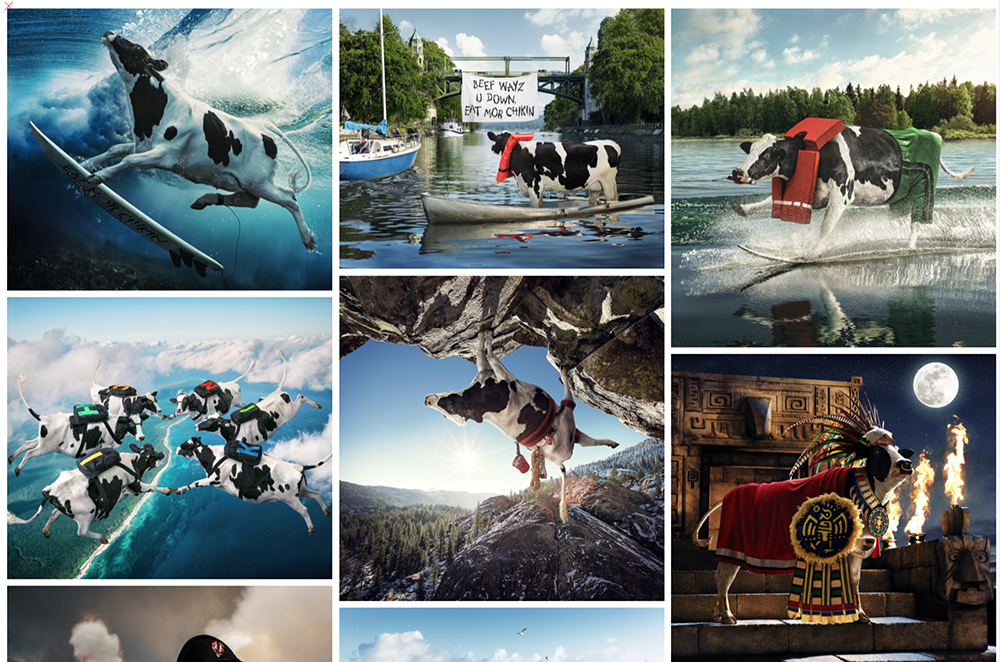
© Andy Mahr, still images from the yearly Chick-fil-A calendars, 2010-2016
Do you do your own retouching, if you don’t currently, did you in the past?
Yeah, I usually do my own retouching, especially on the grittier images or anything that really carries my signature look. That finish is part of the voice of the work, so I like to keep that close.
If it’s heavy compositing or a big technical build, I’ll send it out to a trusted retoucher. I’m still involved creatively and overseeing the final, but I’ll bring in support when the scope calls for it.
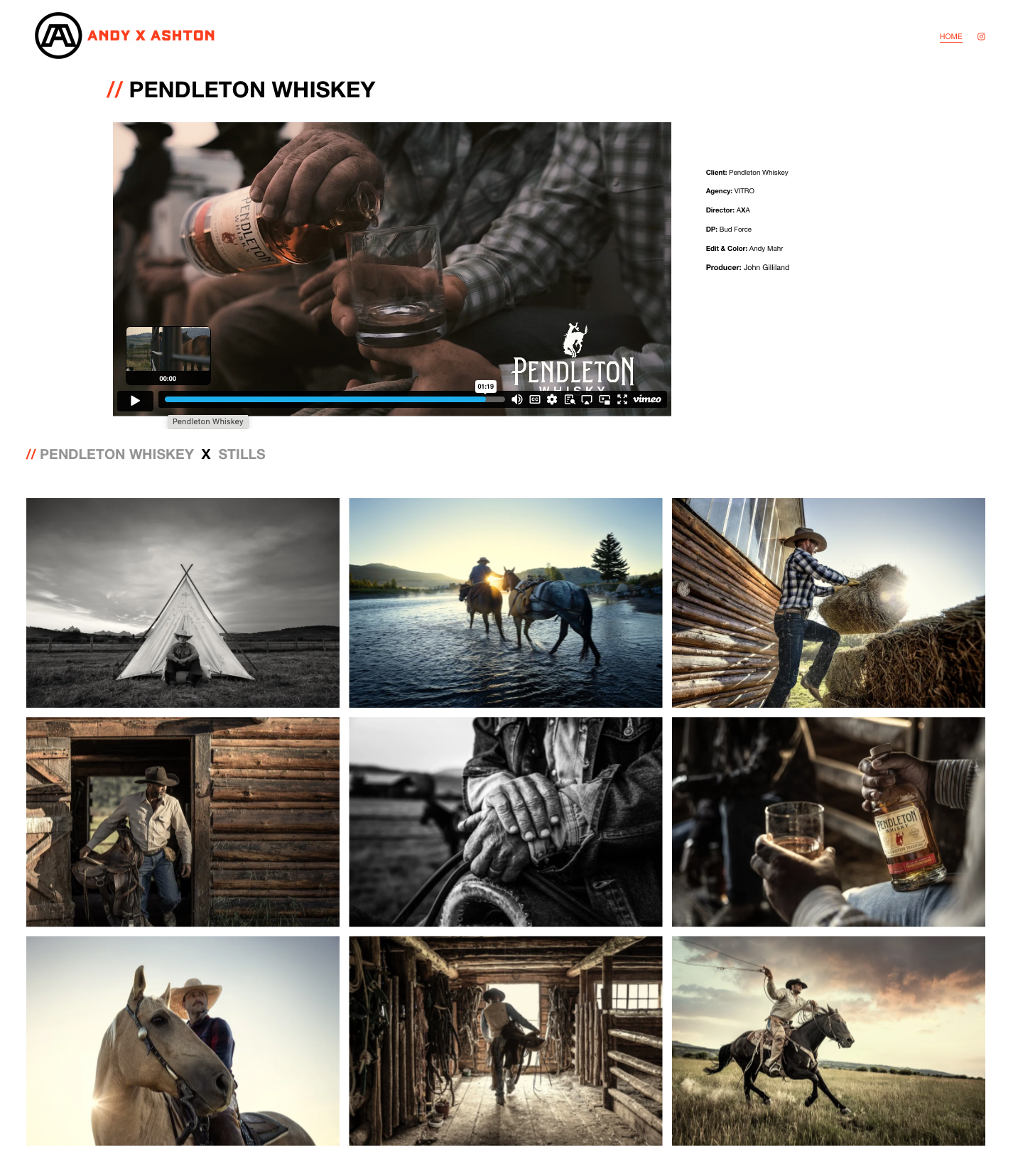
© Andy Mahr, Ashton Rodgers, Pendleton Whiskey television commercial and still images for print and online, 2023
What is the mix of your workload between still images and motion?
I’ve got a pretty even split between stills only, still and video combo projects, and video only jobs. I like it that way. It keeps me on my toes and keeps the work feeling fresh. The crossover between the two definitely feeds the creative on both sides.
Do you ever, or have you ever done editorial work? Is it something that you are interested in pursuing in the future?
I don’t really seek it out. If something interesting comes to me, I’ll definitely look at it, but it’s not something I actively pursue.
That said, I think editorial is a great avenue, especially starting out. It’s a solid way for photographers to build strong work, experiment a bit, and gain experience without the pressure and scale of a larger commercial production.
Do you ever do mentorships? Judge photo awards?
I don’t really seek out mentorships or judging opportunities, but if someone reaches out, I always make time. I’m happy to talk, give feedback, or help however I can.
I’ve judged one photo award so far, and that was a good experience. But outside of work, I’m pretty intentional with my time. If I’m not working, I’d rather be with my family. So for me it’s work and family, and I try to keep that balance pretty tight.
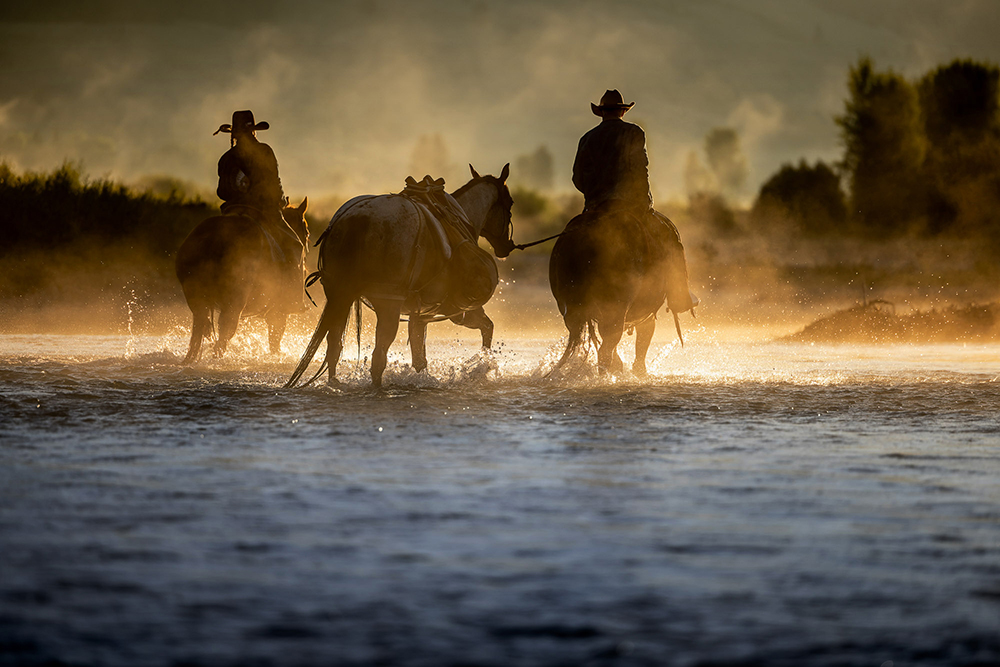
© Andy Mahr, still image for Pendleton Whiskey, 2023
Is AI (artificial intelligence) changing how you approach your work?
I don’t see AI as replacing what I do. I see it as another tool. It’s changed, in a good way, how I approach pre-production, concepting, background builds, extensions, cleanup, and certain compositing workflows. It’s sped up some processes and opened up creative flexibility, especially when budgets are lean or timelines are tight.
That said, the core of what I do hasn’t changed. Lighting, perspective, composition, performance, timing, story. That’s still human. That’s still craft. AI can support the image, but it can’t replace the experience of being on set, reading a moment, or building something authentic in camera.
From a print and legal standpoint, though, AI isn’t totally there yet. It’s getting better every year, but usage rights, ownership, and high-resolution reliability for large-scale print still need clarity. And I don’t think audiences are fully used to it yet or fully desensitized to it replacing something that’s supposed to feel real.
I think it works better when it leans into a more illustrative or fantasy world, where it’s clearly part of the creative language, versus trying to trick someone into believing something is real.
So yes, it’s changing the workflow. But the foundation is still the same. If anything, it’s pushing me to be even sharper creatively, because the technical barriers are getting lower.
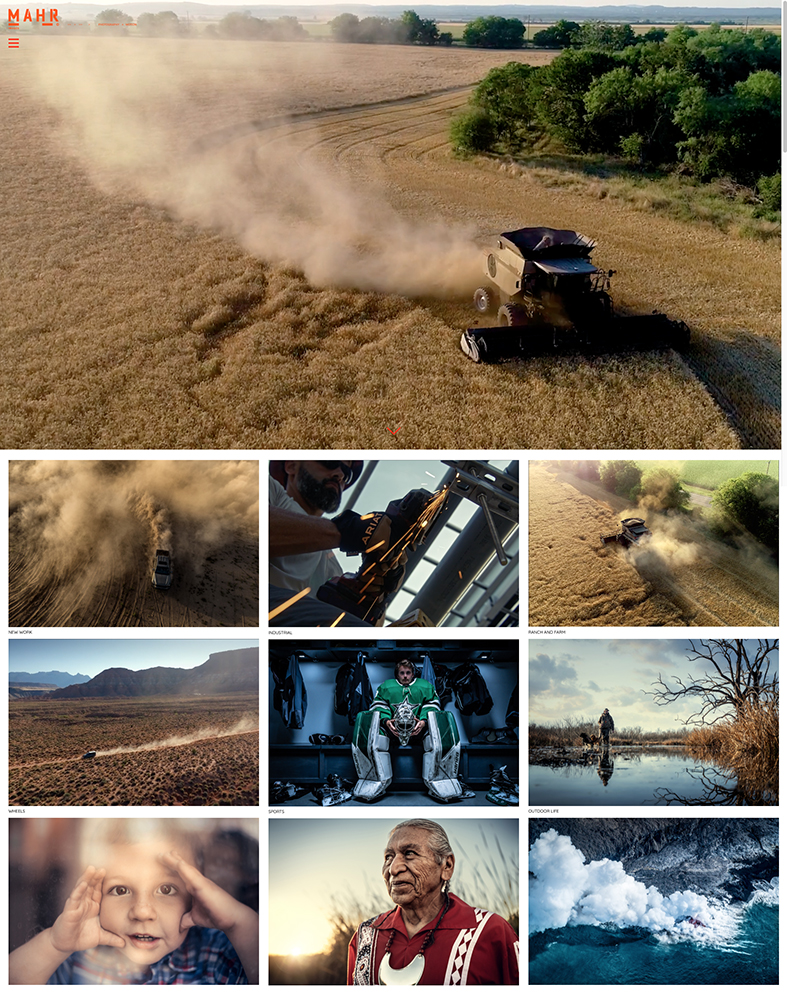
© Andy Mahr, Mahr Images website homepage, 2026
How important is your website (online portfolio) and your social media practice (Instagram, LinkedIn, FB, etc.) to your business?
They’re all important. You never really know how someone is going to find you. Sometimes it’s the website, sometimes it’s Instagram, sometimes it’s LinkedIn, sometimes it’s just someone going down a rabbit hole online.
That said, I still believe my best opportunities come from reputation, relationships, and word of mouth. Doing good work, being easy to work with, delivering consistently. That’s what really sustains the business long term.
The online presence supports it. The relationships drive it.
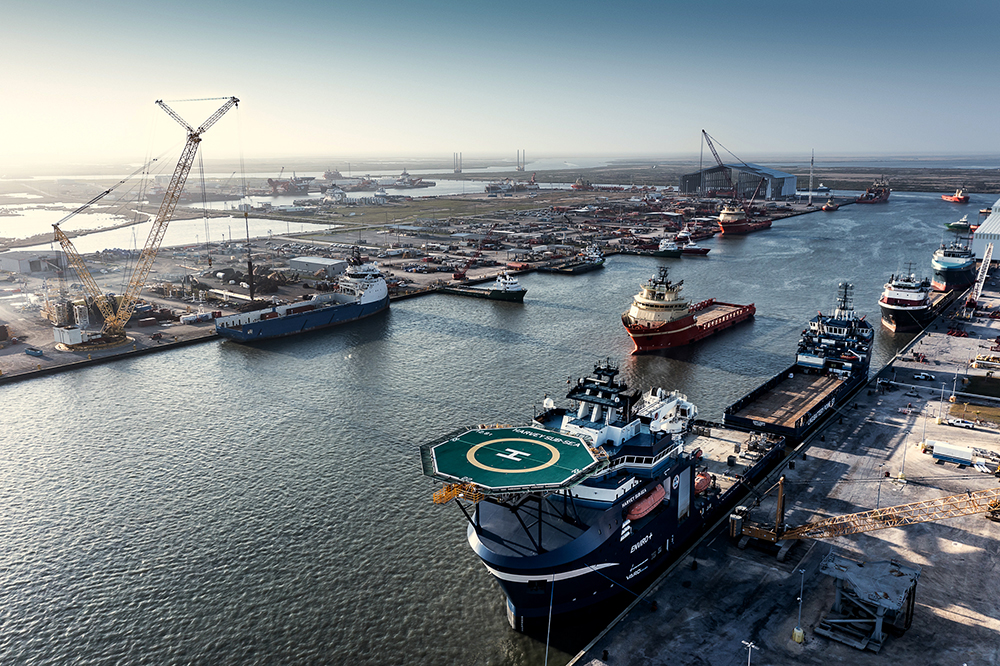
© Andy Mahr, still image for Harvey Gulf Off Shore Supply, 2022, APA (American Photographic Artists), Best in Show 2022, Industrial Category
Do you have insurance and are you an LLC, or otherwise incorporated?
Yes, I carry insurance, including general liability, production coverage when needed, and workers’ comp depending on the scope of the job and crew size.
And yes, I operate as an LLC. It keeps things clean from a business standpoint and is the right structure for the scale and type of commercial work I do.
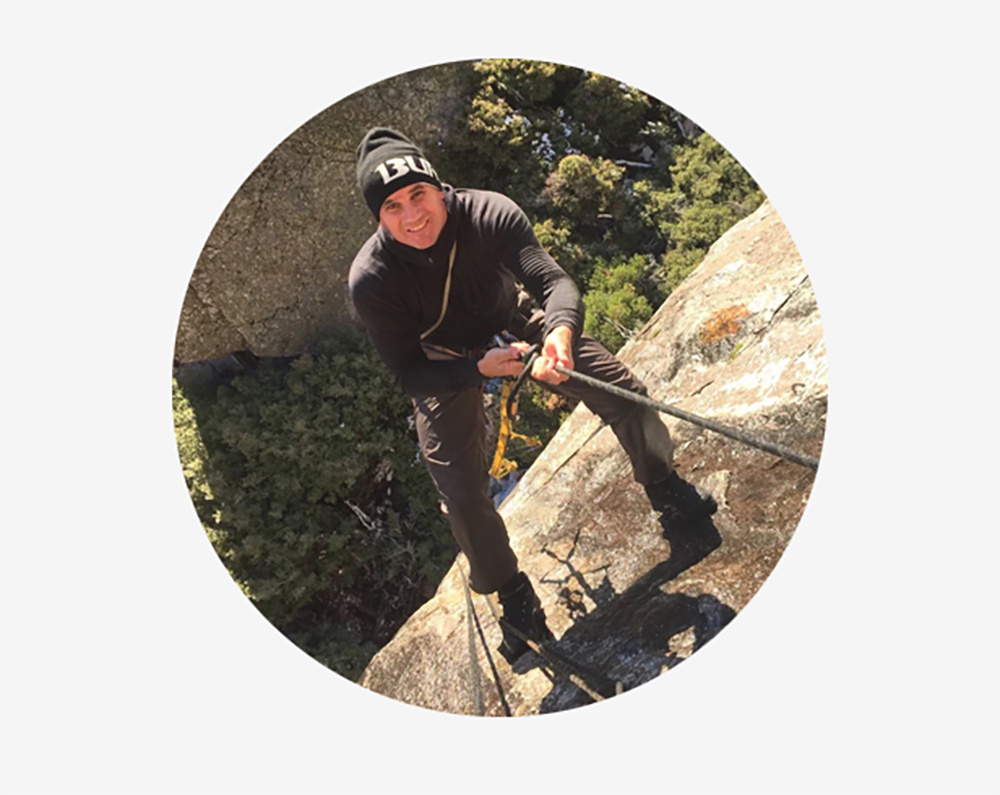
© Andy Mahr
Andy Mahr brings the same cinematic intensity to both still photography and motion. He has an extraordinary way of intertwining beauty and grit, capturing hardworking men and women, the salt of the earth, and elevating them into everyday heroes. Whether in a single frame or a moving sequence, his work feels timeless and nostalgic while remaining grounded and real.
Andy cut his teeth in the industry as an art director and worked his way up to creative director before transitioning to photographer in 2008. In 2017, he added director to his repertoire, expanding naturally into motion and integrated campaigns. That foundation gives him a strong conceptual backbone and a deep understanding of how ideas need to work across platforms. He is highly collaborative, fluent in the language of agencies and clients, and comfortable leading projects that move seamlessly between still and motion.
From large scale commercial productions to intimate, character driven moments, Andy approaches every project with a cinematic eye. As a certified drone operator, he knows how to glorify dramatic landscapes and add scale and scope when the story calls for it. Whether it’s a farmer in the field, a fisherman at sea, or a soldier in U.S. Marines combat training, Andy thrives on making the work feel powerful, authentic, and spectacular.
Andy is based in the Hill Country near San Antonio, Texas.
Jeanine Michna-Bales
After a successful 20-year career as a creative in advertising, Jeanine Michna-Bales transitioned to become a full-time artist. A visual storyteller working primarily in photography, Michna-Bales (American, b. 1971) explores the profound impact of cornerstone relationships on contemporary society—the connections between individuals, communities, and the land we inhabit. Her work sits at the crossroads of curiosity and knowledge, blending documentary and fine art, past and present, and disciplines like anthropology, sociology, environmentalism, and activism.
Michna-Bales’ artistic practice is rooted in thorough, often primary-source research, which allows her to explore multiple perspectives, grasp the complexities of cause and effect, and understand the socio-political context surrounding the subjects she examines.
Posts on Lenscratch may not be reproduced without the permission of the Lenscratch staff and the photographer.
Recommended
-
BEYOND THE PHOTOGRAPH: Q&A WITH COMMERCIAL PHOTOGRAPHER ANDY MAHRMarch 22nd, 2026
-
Beyond the Photograph: Editioning Photographic WorkJanuary 24th, 2026
-
BEYOND THE PHOTOGRAPH: Q&A WITH CURATOR GREGORY J. HARRISOctober 24th, 2025
-
BEYOND THE PHOTOGRAPH: Q&A WITH PHOTO EDITOR JESSIE WENDER, THE NEW YORK TIMESAugust 22nd, 2025
-
Beyond the Photograph: Editorial Q&A with Photographer Tamara ReynoldsJuly 30th, 2025