Raymond Thompson: It’s hard to stop rebels that time travel

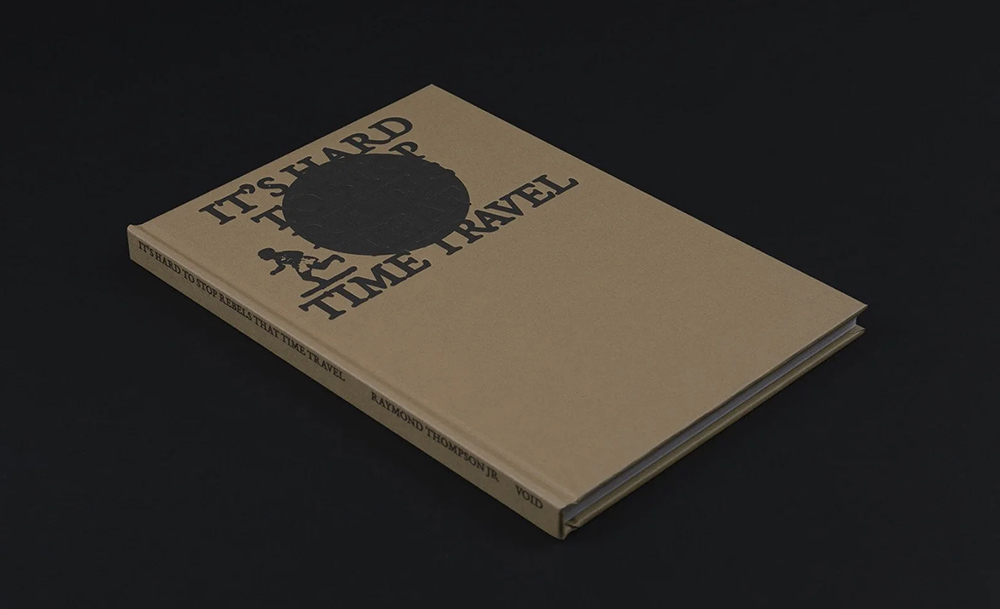
©Raymond Thompson:IT’S HARD TO STOP REBELS THAT TIME TRAVEL Book Covers, Front and Back, published by VOID
Raymond Thompson Jr. has a legacy of telling forgotten and unseen stories about Black Americans. Through research and documentation, Thompson fills in the gaps of histories that have been marginalized or overlooked and connects them to places that are part of his own histories. As the artist states, his new book, published by VOID Photography Books, It’s hard to stop rebels that time travel“ is a visual documentary project that employs photography and text to expand a visual archive that leaves out the voice of Black Americans through history. The project looks explicitly to reimagine Black people’s relationship to the Eastern North Carolina landscape/environment by critiquing the historical archive and creating space for us to connect to our ancestors.”
An interview with the artist follows.
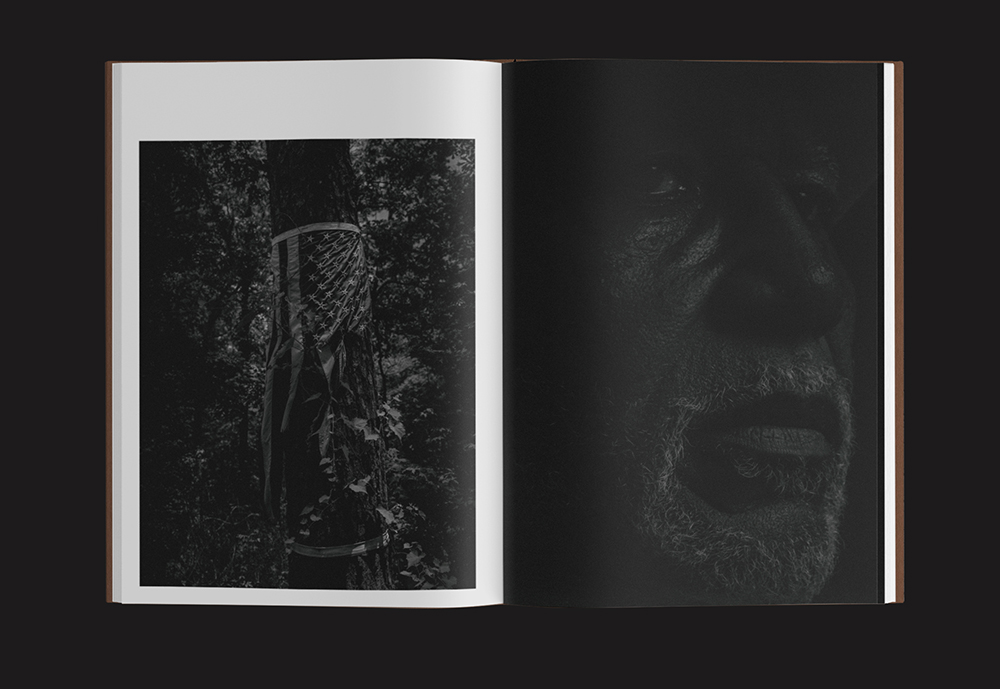
©Raymond Thompson, Spread from IT’S HARD TO STOP REBELS THAT TIME TRAVEL, published by VOID
Thompson continues: From within the “freedom practices,” of movement, another way of understanding Black people’s connection to the American landscape can be radically envisioned. With this in mind, I have been looking for portals within this southeastern coastal landscape—liminal spaces that slip in between the past, present, and future and are not limited to physical doorways. They can be seen in the eyes of present-day people who continue to survive in this landscape.
I have chosen to position this project in this region because I can trace parts of my family history to this part of eastern North Carolina. In 1918, my grandfather was born outside New Bern and left the region during the great migration. This project represents a more personal approach to interrogating archives because it is based on a landscape I can trace to my ancestors. More and more, Black people like myself are seeking answers to questions surrounding their origin. This journey through our families’ pasts necessitates us to walk the paths of our ancestors. This project became my portal to slip between the past, present and future.
Thompson will be signing books at Printed Matter’s NYABF on Saturday, September 13th at 2 PM! You can find him at the @ideabooksnl table!
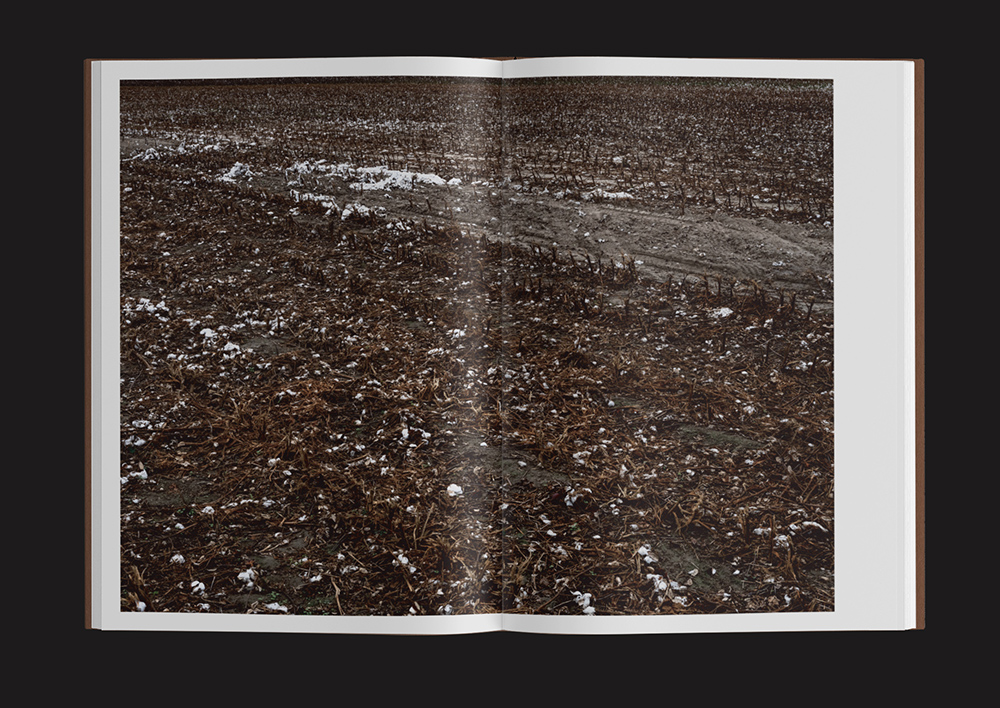
©Raymond Thompson, Spread from IT’S HARD TO STOP REBELS THAT TIME TRAVEL, published by VOID
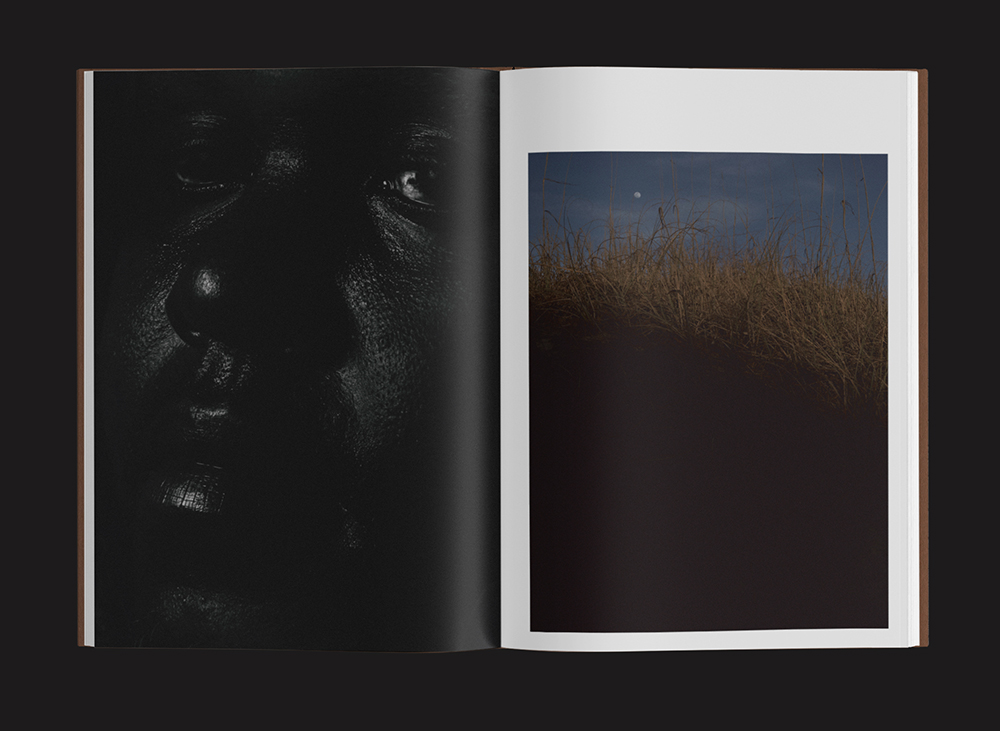
©Raymond Thompson, Spread from IT’S HARD TO STOP REBELS THAT TIME TRAVEL, published by VOID
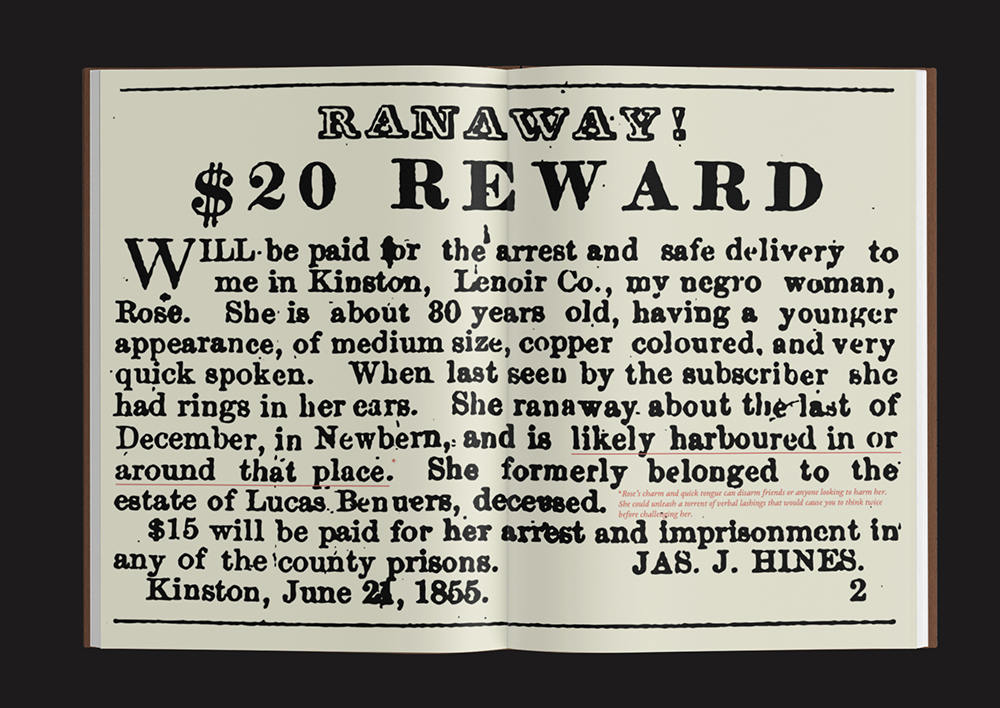
©Raymond Thompson, Spread from IT’S HARD TO STOP REBELS THAT TIME TRAVEL, published by VOID
Raymond Thompson Jr., an interdisciplinary artist, educator, and visual journalist, is based in Austin, TX. He is an Assistant Professor at the University of Texas at Austin. His academic journey includes an MFA in Photography from West Virginia University, an MA in Journalism from the University of Texas at Austin, and a degree in American Studies from the University of Mary Washington.
Raymond explores how race, memory, representation, and place combine to shape the Black environmental imagination of the North American landscape.
He won the 1619 Aftermath Grant (2023) and the 2021 Lenscatch Student Prize(2021). Raymond has been exhibited in numerous exhibitions, including the Fotofest Biennial – Ten by Ten: Ten Portfolios from the Meeting Place 2022-23( 2024). His work is held in the permanent collection of the Museum of Contemporary Photography, the Virginia Museum of Fine Art, and the Ogden Museum of Southern Art. Raymond is the author of Appalachian Ghost, published in 2024 by the University Press of Kentucky.
Raymond’s professional experience extends to freelance photography, where he has collaborated with renowned organizations such as The New York Times, The Intercept, NBC News, NPR, Politico, ProPublica, The Nature Conservancy, ACLU, WBEZ, Google, Merrell, Bloomberg Businessweek Magazine, and the Associated Press.
Instagram: @raythompsonjrphoto
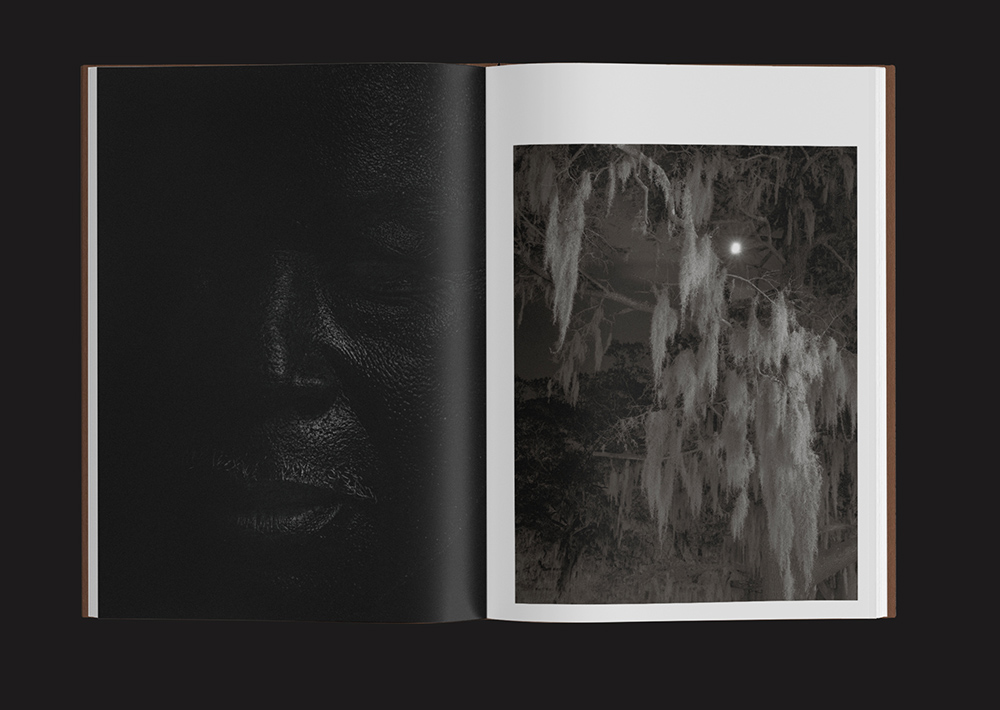
©Raymond Thompson, Spread from IT’S HARD TO STOP REBELS THAT TIME TRAVEL, published by VOID
So excited to see the book Raymond! Let’s start at the beginning. Can you tell us about your growing up and what brought you to photography?
I grew up in Virginia, just outside Washington, D.C., in the 1980s and 1990s. My dad served in the Army before becoming a civilian employee at the Department of Defense. I’m still unpacking how living in the shadow of government and the military shaped me. Even then, I was aware—without yet having the language—of how photographic representation intersects with the Black body.
I began making photographs in my early twenties, first to document my life and my friends’ adventures. At Northern Virginia Community College, I took my first darkroom class and was instantly hooked. Early on, I didn’t always have a defined purpose for the camera; I was drawn to the formal qualities of image-making and the unexplainable magic of the resulting photographs.
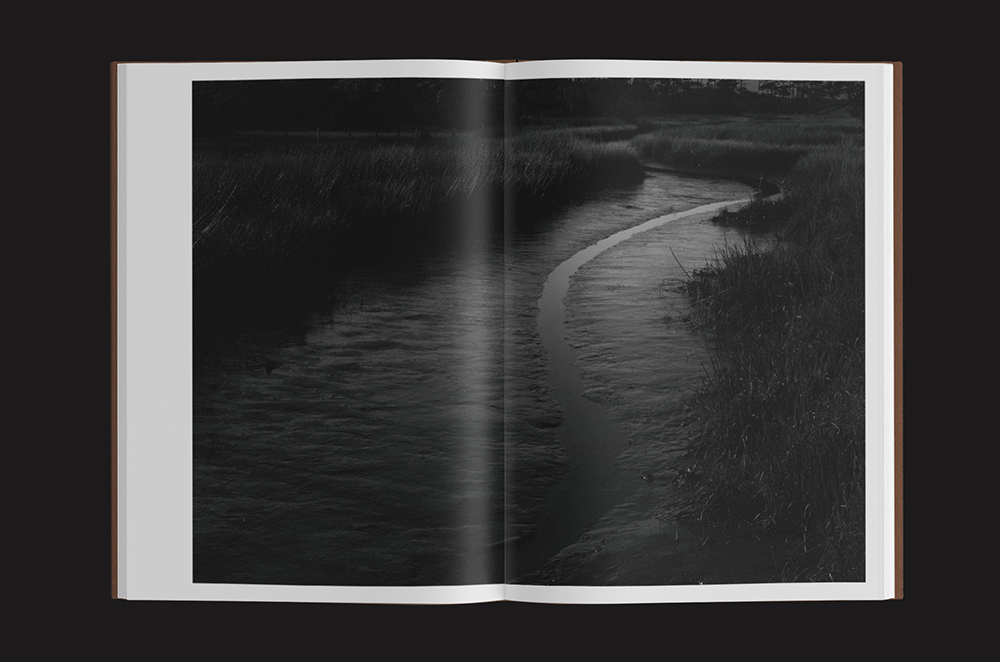
©Raymond Thompson, Spread from IT’S HARD TO STOP REBELS THAT TIME TRAVEL, published by VOID
After a background in photo journalism, what compelled you to begin to tell stories that are personal?
I’ve always been drawn to stories centered on Black experiences in the United States. As a
journalist, I focused on those narratives, often looking outward. In my MFA program, I turned that lens inward and asked how the issues I covered as a journalist shaped my own life. Since then, I’ve deepened my practice with projects rooted in my connection to the American landscape, rather than relying solely on others’ stories. It’s a constant tension I expect to keep negotiating. Journalism and documentary work remain foundational to my practice and inform how I approach my fine art.
©Raymond Thompson, Spread from IT’S HARD TO STOP REBELS THAT TIME TRAVEL, published by VOID
One of the amazing qualities of your art making is the broad creativity that you bring to your projects. I was so blown away by the many ways you considered telling the stories of Appalachian Ghost. What inspires your artmaking and installations?
Intellectually, I’m guided by the ideas of Christina Sharpe and Saidiya Hartman, who have
helped me navigate joy, difficult histories, and archival threads that permeate Black stories in the United States. I’m also shaped by hip-hop and jazz, and by photographers such as Carrie Mae Weems, Dawoud Bey, and Cristina de Middel. The nature of Black people’s relationship to the archive invites a wide approach to making and installation. Our histories have not been collected and preserved by institutions in the same way as others, leaving loose threads—opaque connections to land, history, and memory. The full story is impossible to locate in one place, so I cast a wide net to even begin to understand it.
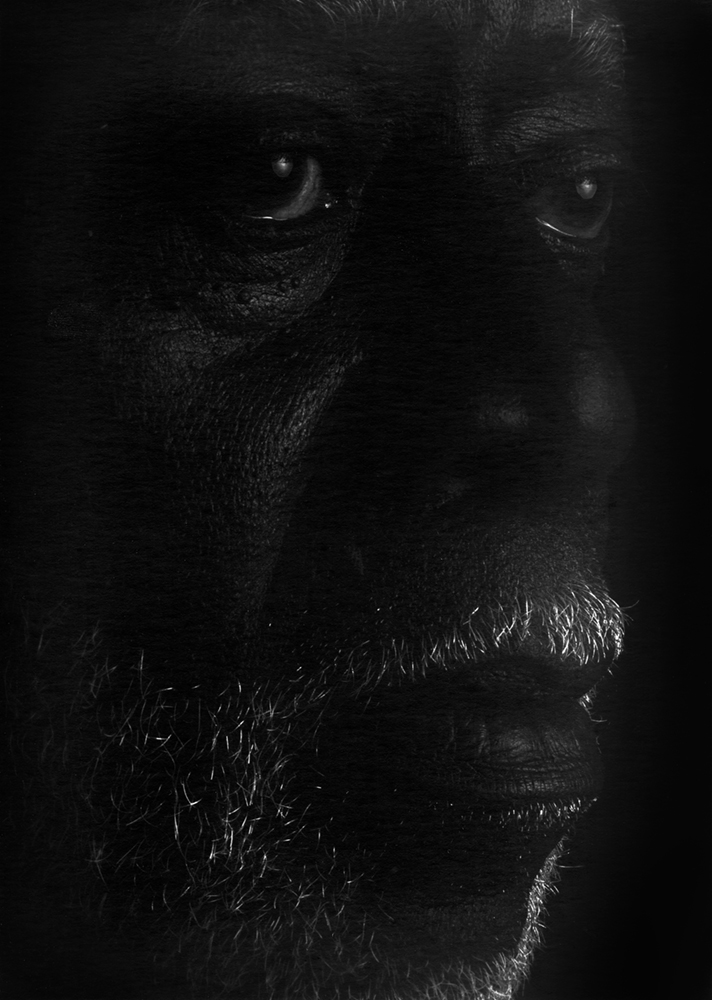
©Raymond Thompson, from IT’S HARD TO STOP REBELS THAT TIME TRAVEL, published by VOID
And speaking of Appalachian Ghost, how was it to take those different ways of
considering a story and turn them into book form?
With Appalachian Ghost—rooted in a story nearly a century old—the book form lets the viewer travel across time. I looked at the process like I was working with a collage: placing different materials side by side altars and expands their meanings. The mix of text, photographs, and archival materials creates a rhythm that speaks to both intellect and emotion.
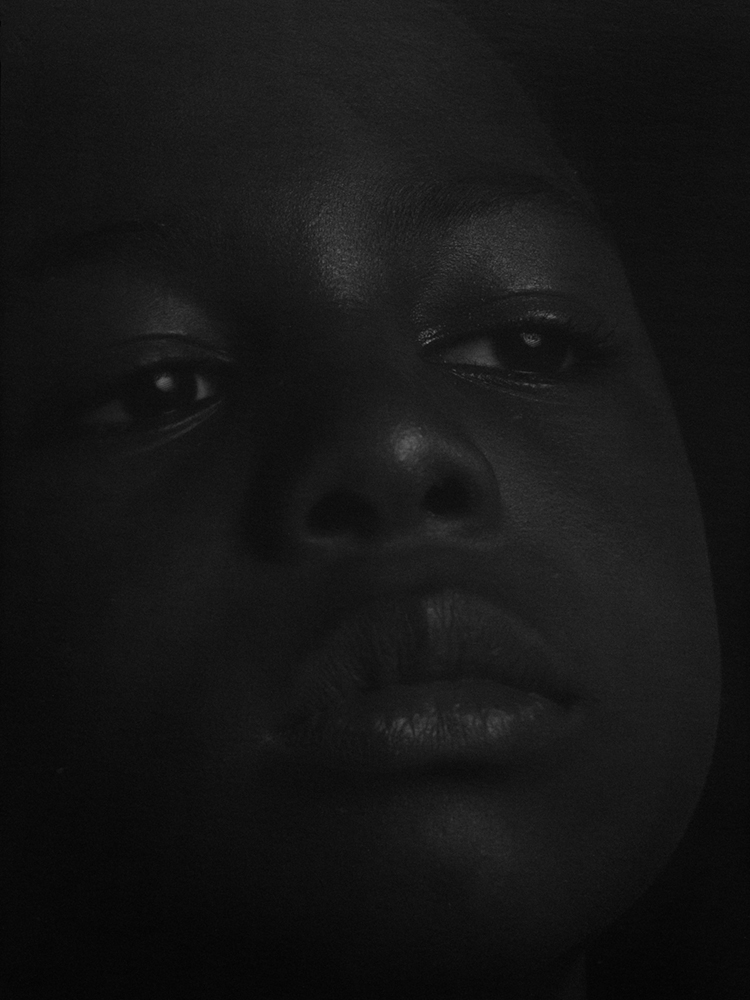
©Raymond Thompson, from IT’S HARD TO STOP REBELS THAT TIME TRAVEL, published by VOID
What propelled you to begin the project, It’s hard to stop rebels that time travel? And can you explain the title?
This project began as I retraced my family’s connection to the American landscape. I knew little beyond the current generation’s stories and wanted to better understand my grandfather—how he survived as a Black man in the rural South of the 1930s. He was born in North Carolina and left during the Great Migration for work in Baltimore. Interviews with relatives led me to Dover, NC. I returned to the landscape to make pictures and gather stories, but information was scarce.
I widened my focus to how Black people survived there more broadly and became deeply
interested in maroon histories. The title comes from H.L.T. Quan’s essay “It’s hard to stop rebels that time travel: Democratic Living and Radical Reimaging of Old Worlds,” which helped me imagine counter-narratives about the lived experiences of enslaved people.
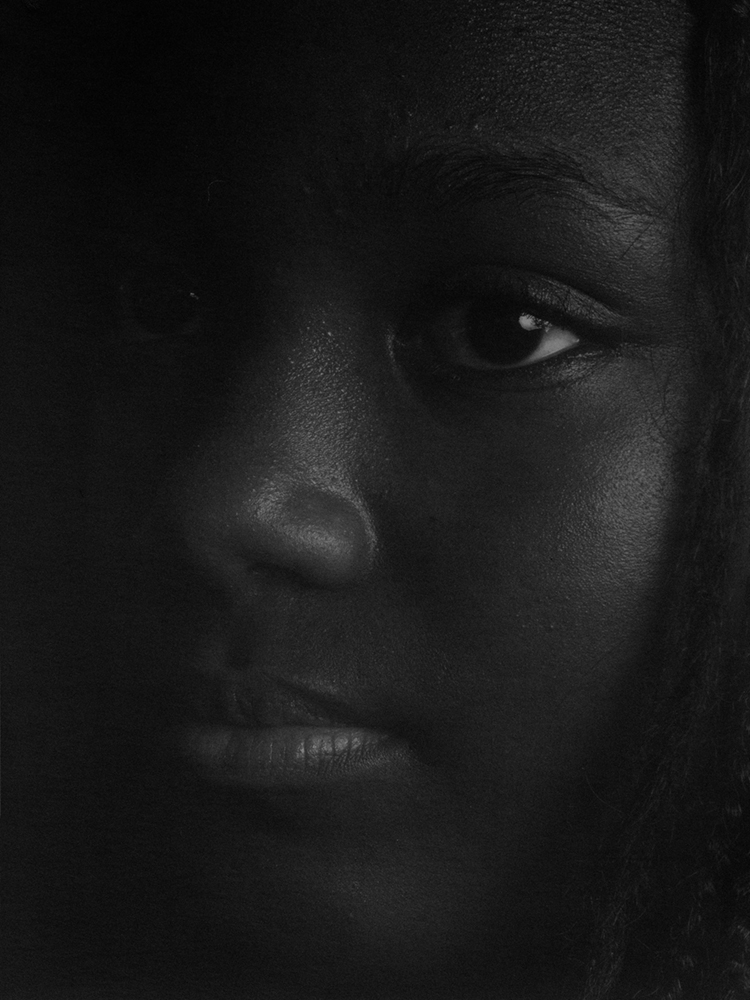
©Raymond Thompson, from IT’S HARD TO STOP REBELS THAT TIME TRAVEL, published by VOID
Have you exhibited the work? Did the book come first this time?
I’ve shown small portions of the work in a few iterations, but this was conceived as a book from the start. The project functions best in that form. Bringing together text, runaway slave ads, lynching articles, portraits, and landscapes creates multiple entry points for a viewer.
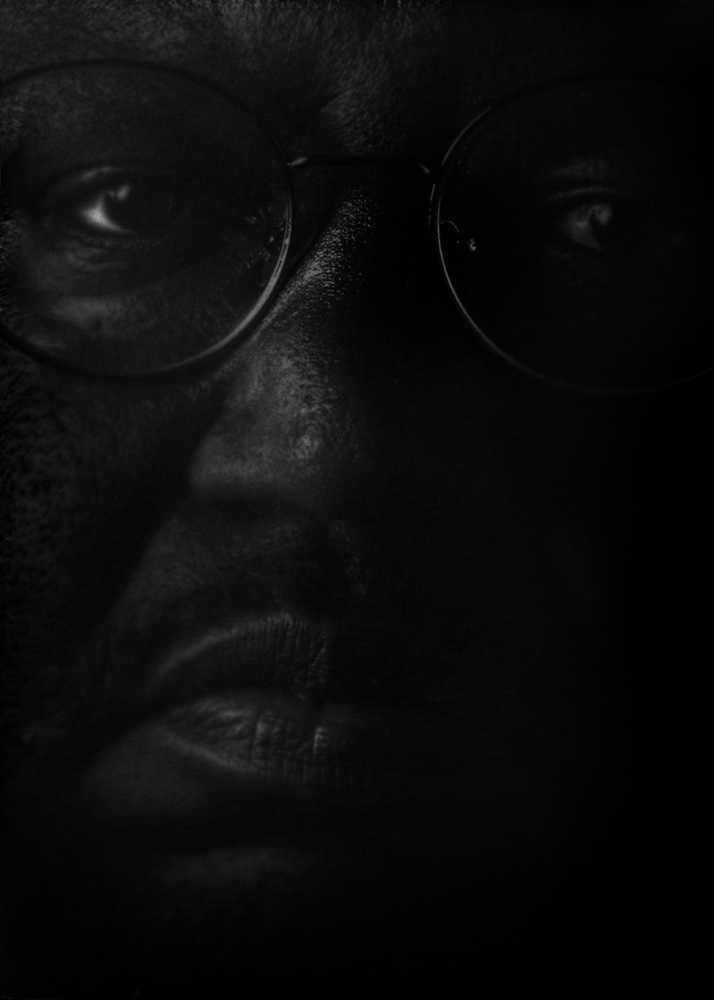
©Raymond Thompson, from IT’S HARD TO STOP REBELS THAT TIME TRAVEL, published by VOID
Did you work with a designer?
Yes. I worked with Void Books, a small two-person team that designs in-house. João Linneu designed the book, and Myrto Steirou edited the project.
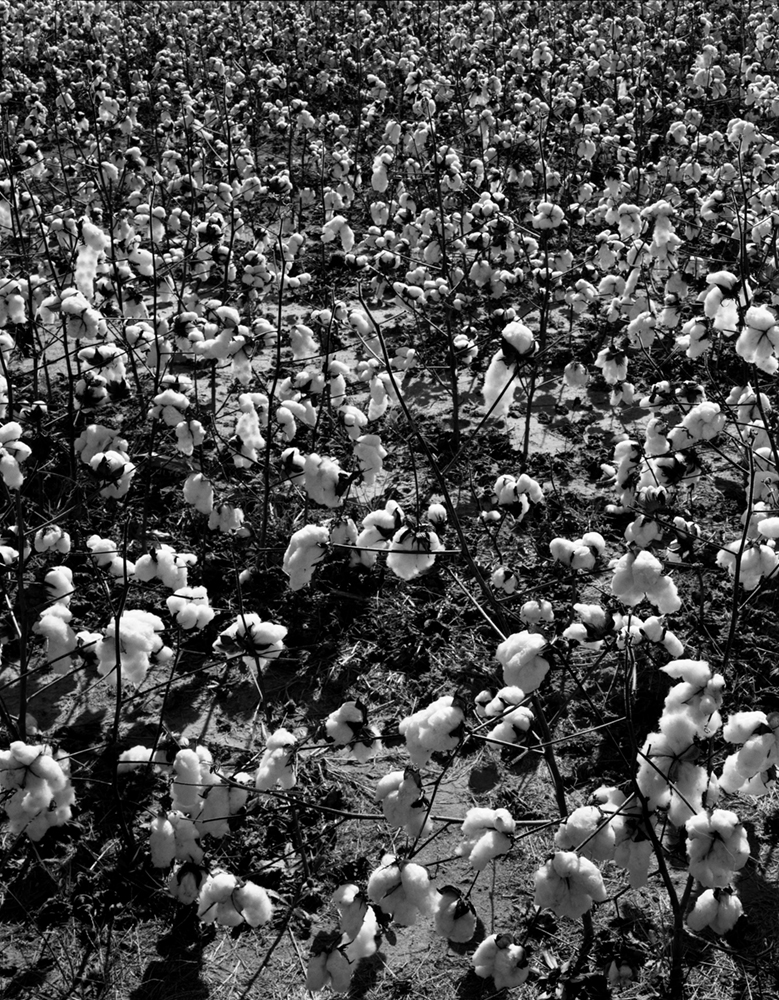
©Raymond Thompson, from IT’S HARD TO STOP REBELS THAT TIME TRAVEL, published by VOID
Can you speak to your research? How do you begin?
The research began with oral history. From there, I studied the region’s well-documented past, then drilled down into county-level histories through location-specific runaway notices and lynching articles. Those sources helped me identify places to visit—creeks, swamps, small towns—and several unmarked lynching sites. I also fell back on my photojournalist habit of driving backroads across these counties, photographing more intuitively.
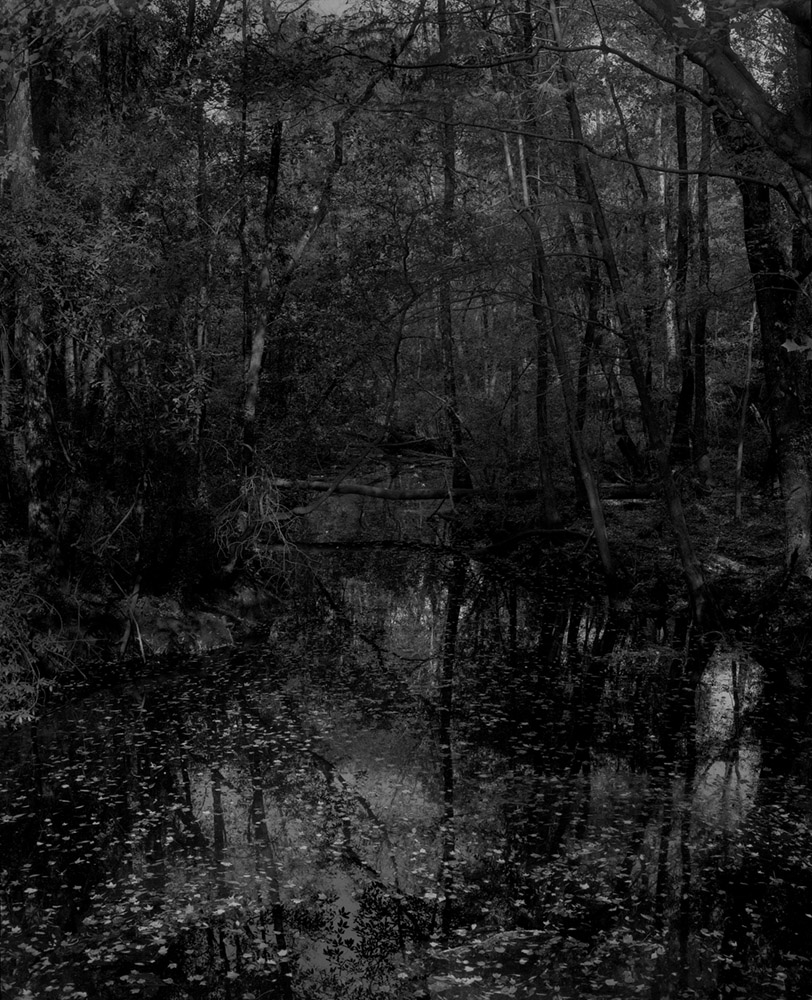
©Raymond Thompson, from IT’S HARD TO STOP REBELS THAT TIME TRAVEL, published by VOID
What do you want the reader to take away from the book?
I hope that when a reader encounters a runaway slave ad or visits the American South, they recognize landscapes layered with meaning. This project is not only about repression; it’s also about resistance on one’s own terms, seeking harmony with nature, and cultivating a deep spiritual practice that allowed people to rise above their circumstances—to take flight.
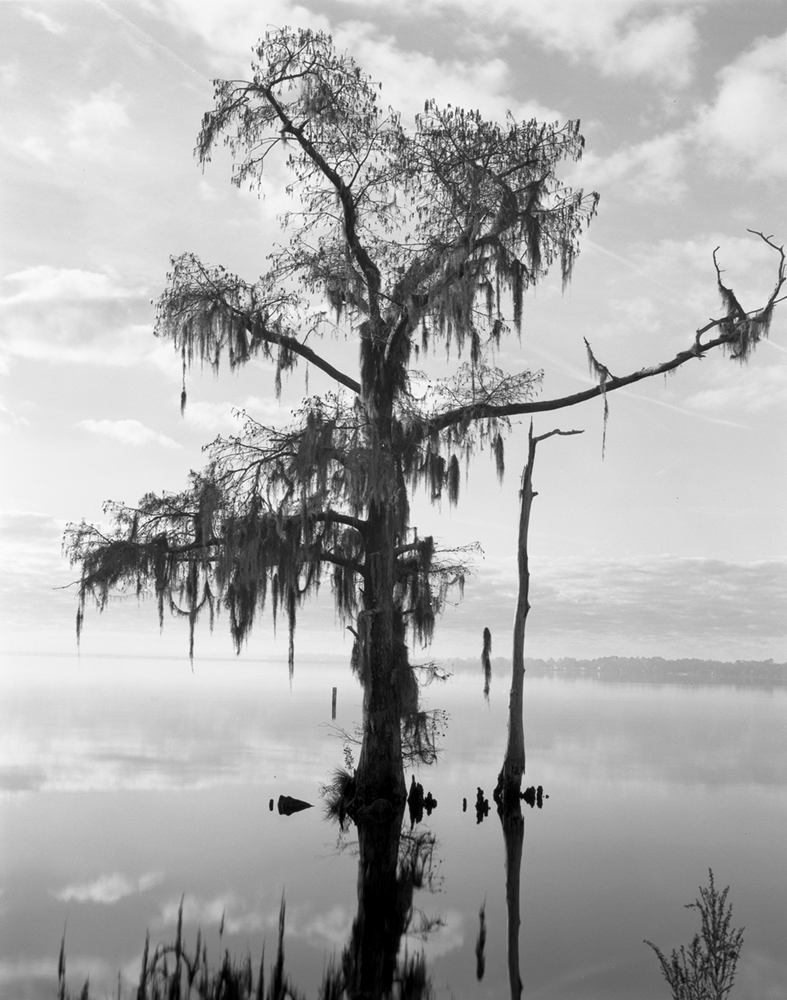
©Raymond Thompson, from IT’S HARD TO STOP REBELS THAT TIME TRAVEL, published by VOID
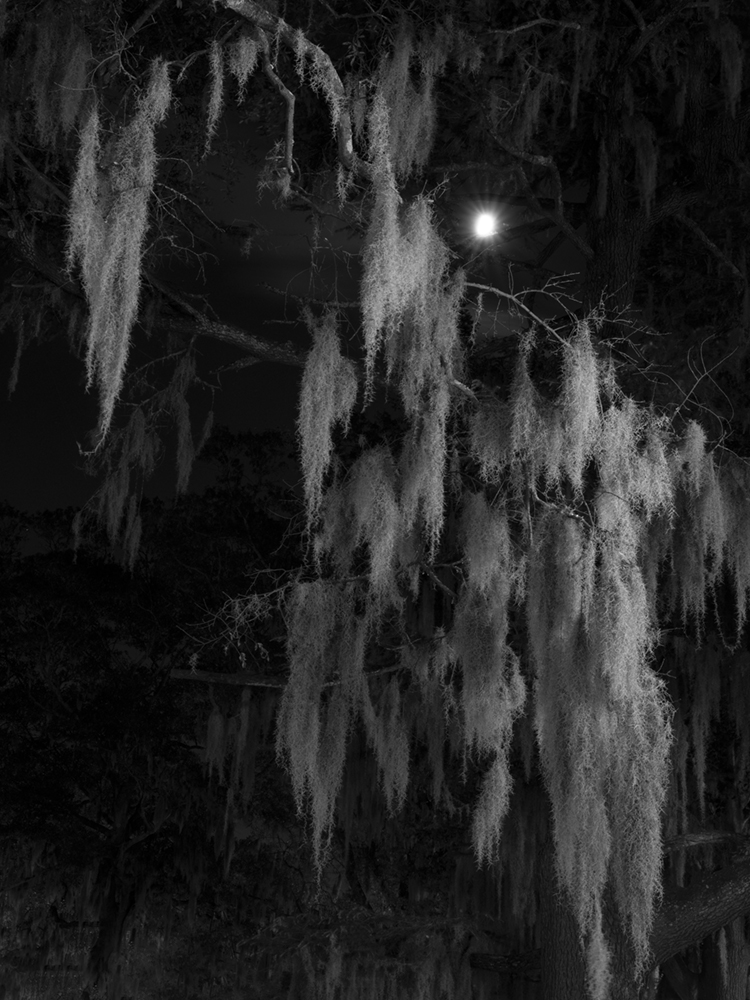
©Raymond Thompson, from IT’S HARD TO STOP REBELS THAT TIME TRAVEL, published by VOID
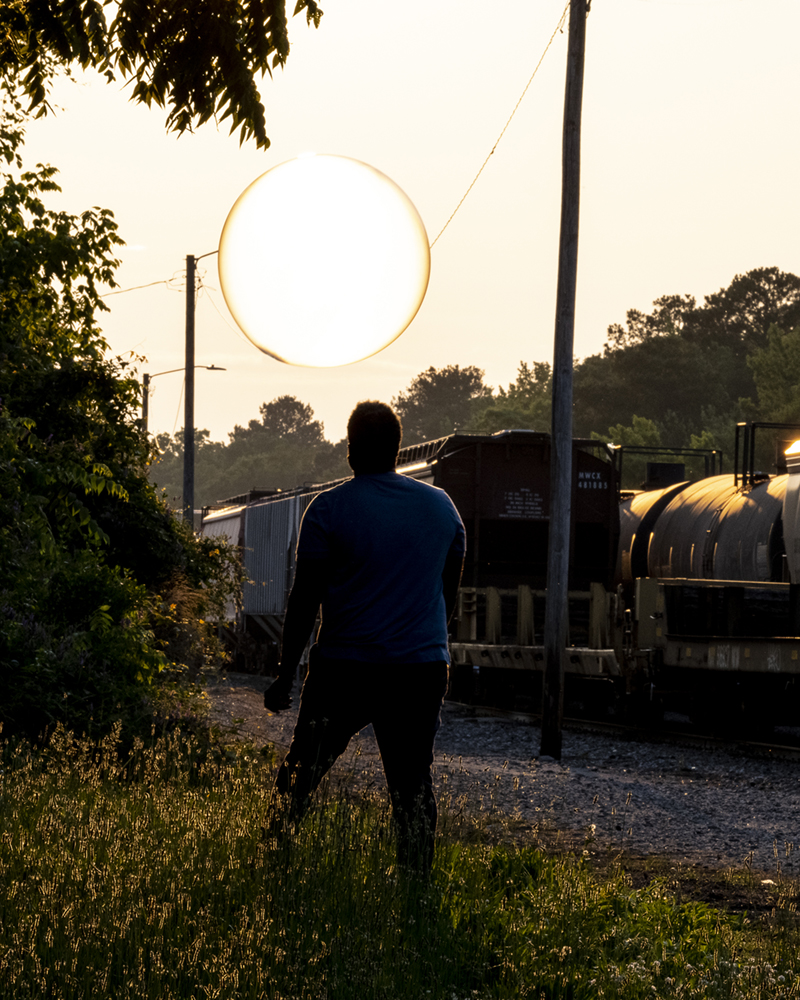
©Raymond Thompson, from IT’S HARD TO STOP REBELS THAT TIME TRAVEL, published by VOID
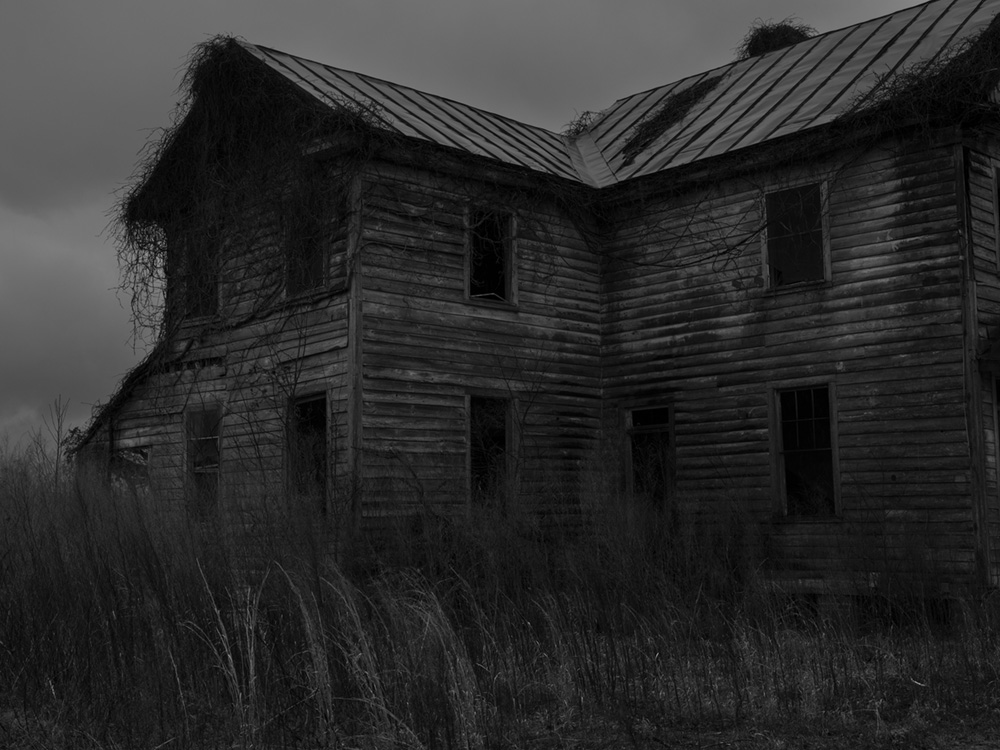
©Raymond Thompson, from IT’S HARD TO STOP REBELS THAT TIME TRAVEL, published by VOID
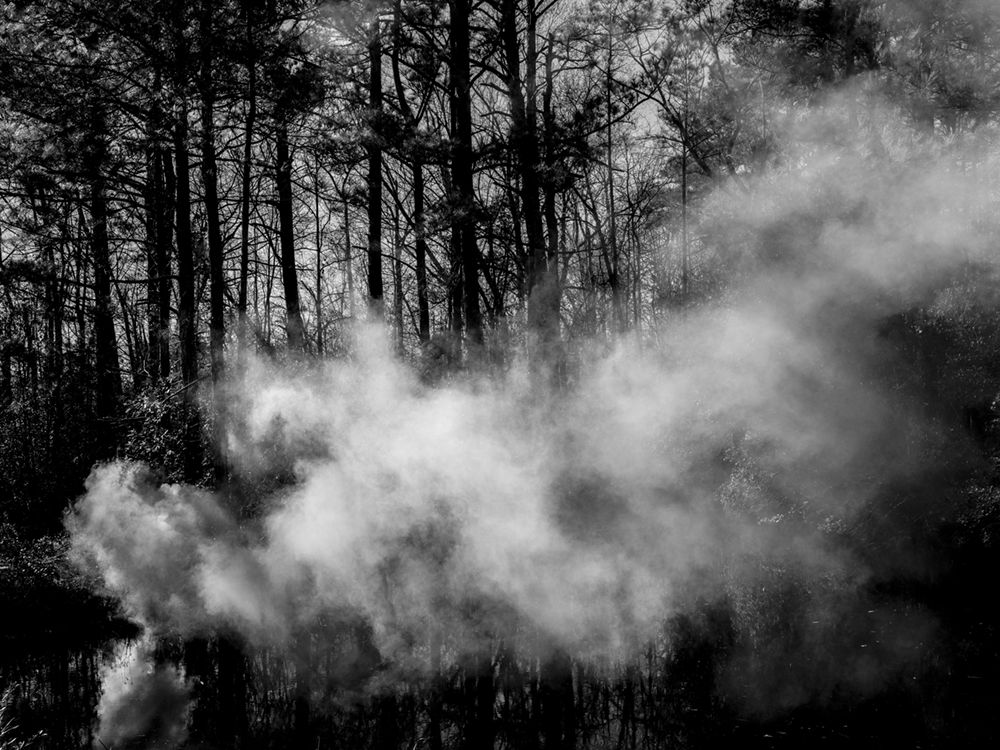
©Raymond Thompson, from IT’S HARD TO STOP REBELS THAT TIME TRAVEL, published by VOID
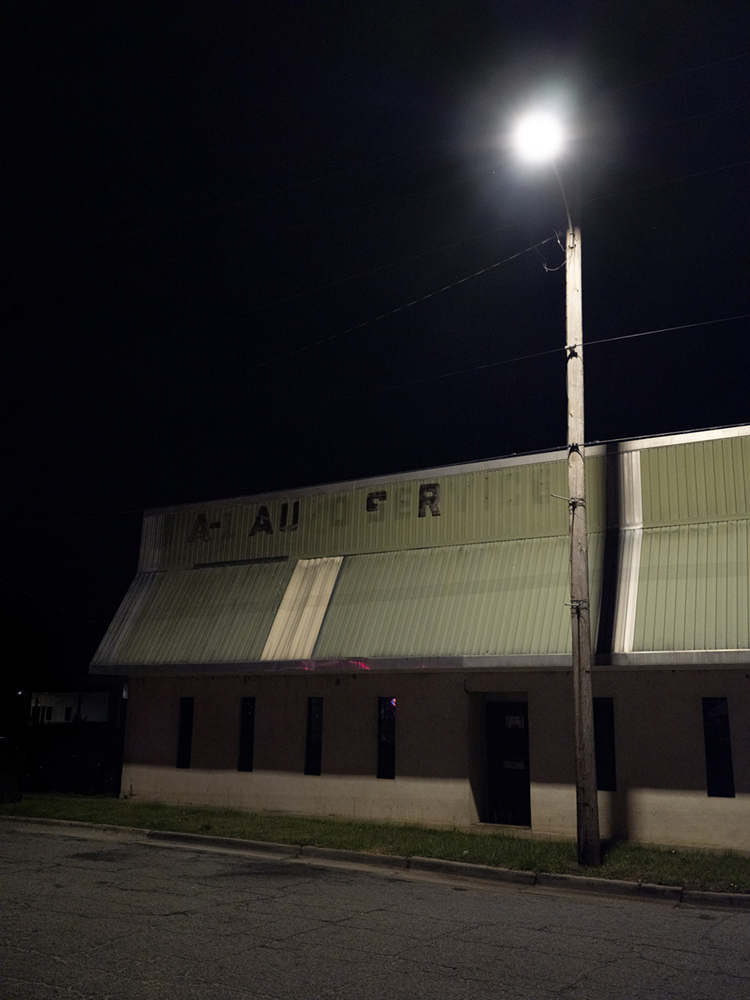
©Raymond Thompson, from IT’S HARD TO STOP REBELS THAT TIME TRAVEL, published by VOID
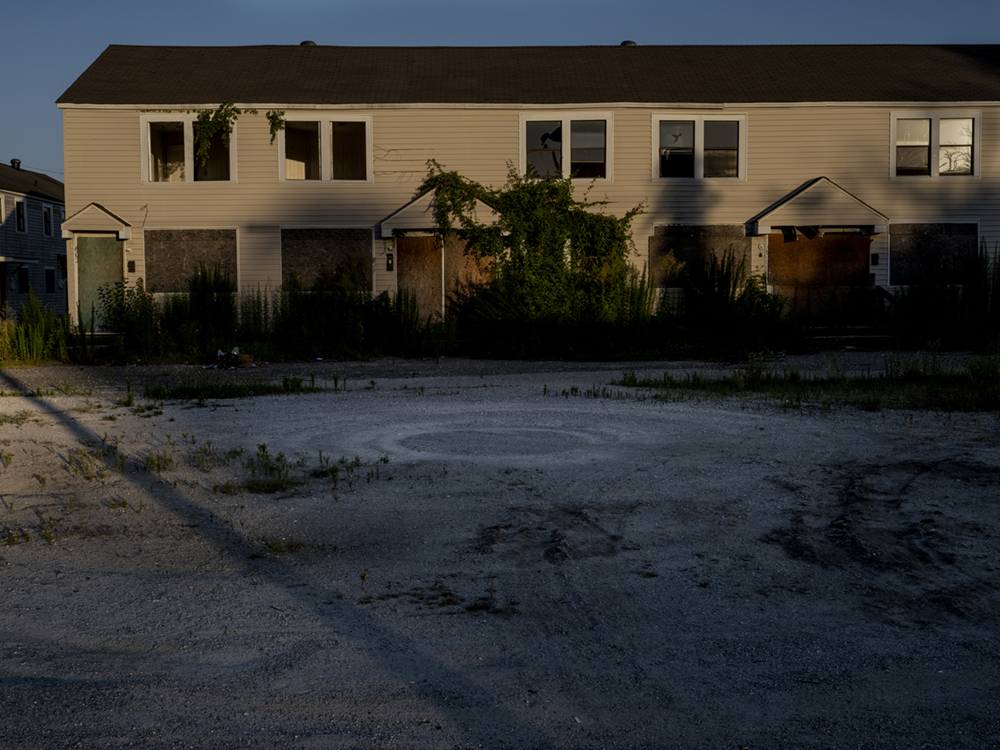
©Raymond Thompson, from IT’S HARD TO STOP REBELS THAT TIME TRAVEL, published by VOID
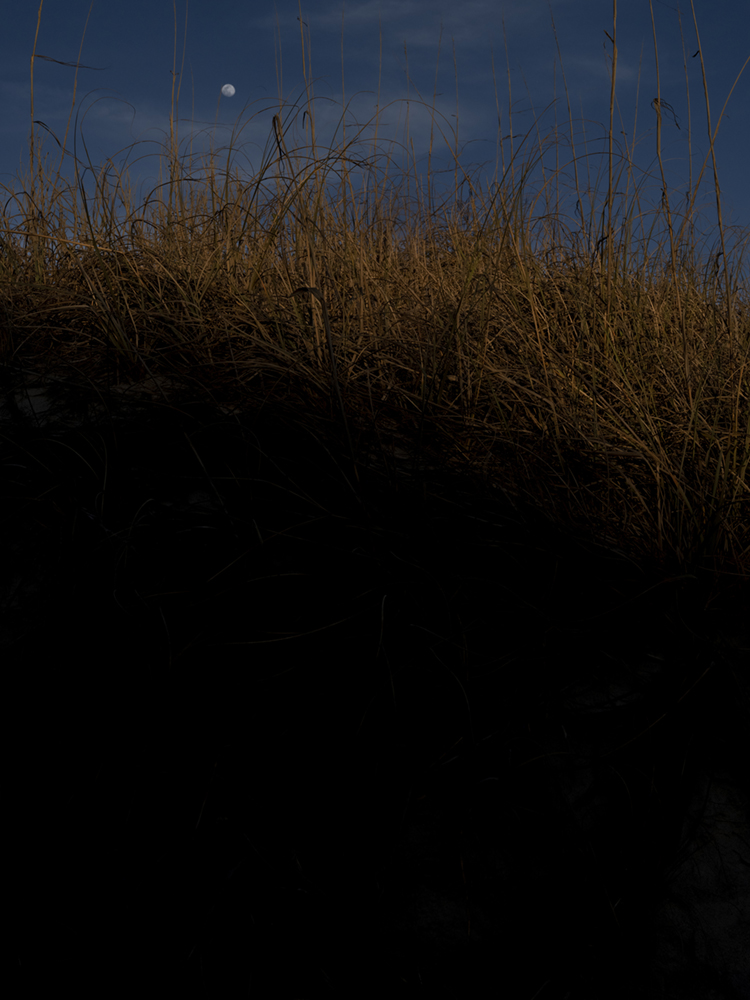
©Raymond Thompson, from IT’S HARD TO STOP REBELS THAT TIME TRAVEL, published by VOID
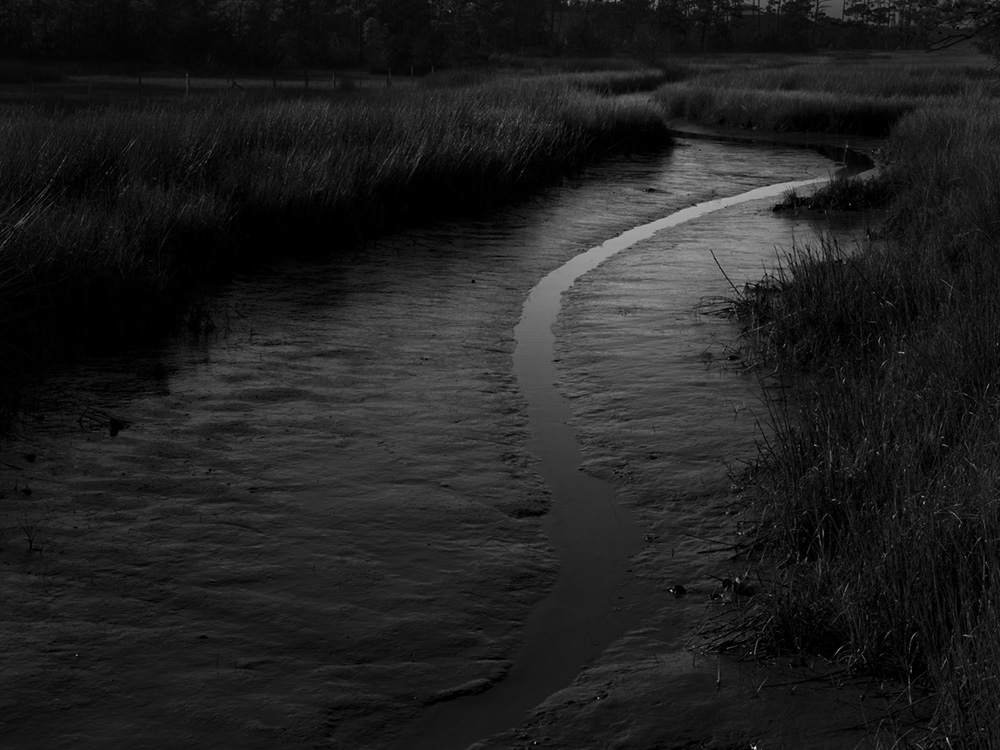
©Raymond Thompson, from IT’S HARD TO STOP REBELS THAT TIME TRAVEL, published by VOID
Posts on Lenscratch may not be reproduced without the permission of the Lenscratch staff and the photographer.
Recommended
-

Andrew Fedynak: The Last Snows of a Warming WorldMarch 15th, 2026
-

J. Lester Feder: The Queer Face of WarMarch 11th, 2026
-
Curran Hatleberg: Blood GreenMarch 9th, 2026
-

Kiana Hayeri: No Woman’s LandMarch 8th, 2026
-

McCall Hollister in Conversation With Douglas BreaultMarch 6th, 2026