A Yellow Rose Project: Five Years Later
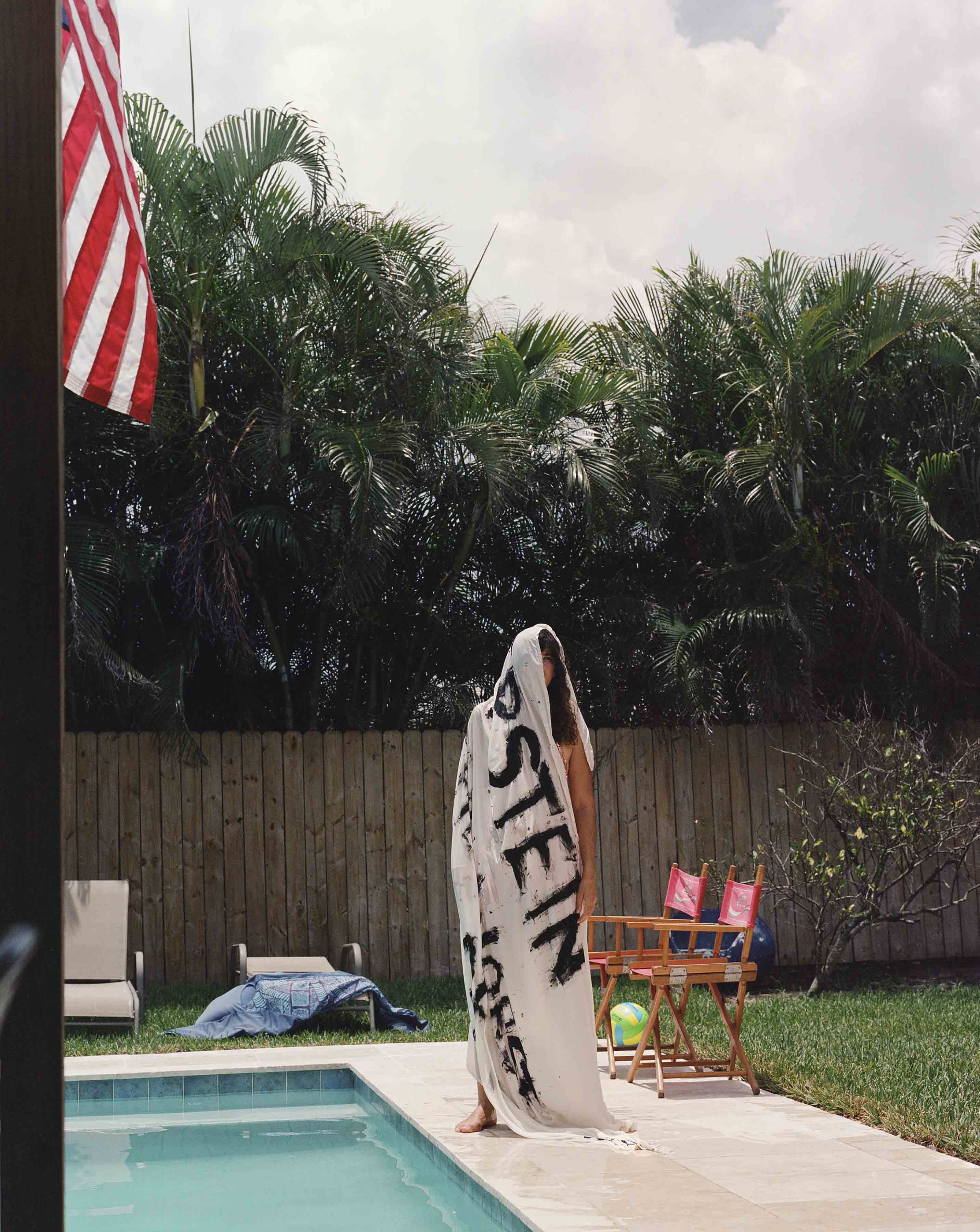
© Katelyn Kopenhaver, Epstein is the Worst Kind of Virus, Covered in Filth on 4th of July | IG: @katelynkopenhaver
This week we celebrate the fifth anniversary of A Yellow Rose Project. This massive photographic collaboration compiles creative responses, reflections, and reactions to the 19th Amendment from over one hundred women across the United States. Originally a traveling exhibition founded and curated by artists Meg Griffths and Frances Jakubek, the project is now encased in a 216-page 9″ x 10″ hardcover cloth book illustrated with 107 color photographs (published by Texas A&M University Press).
A Yellow Rose Project is now on view at the main gallery of the Griffin Museum of Photography through November 30. Read below for an exclusive excerpt of the curators’ conversation with Allison Huang about the project’s significance in this year’s tumultuous political landscape accompanied by a first look at the exhibition and book’s content.
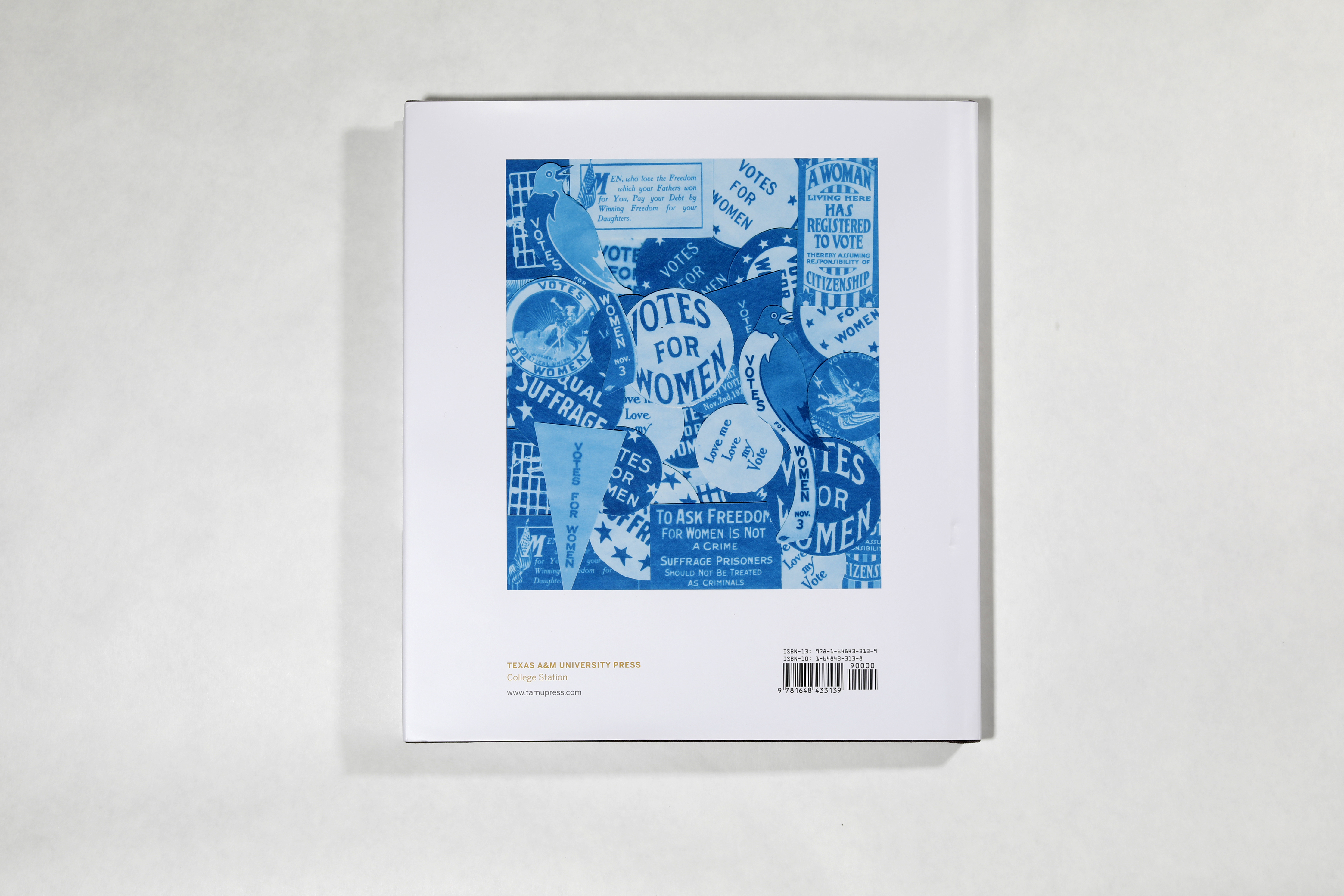
A Yellow Rose Project (back cover), featuring an image by Lisa McCarty.
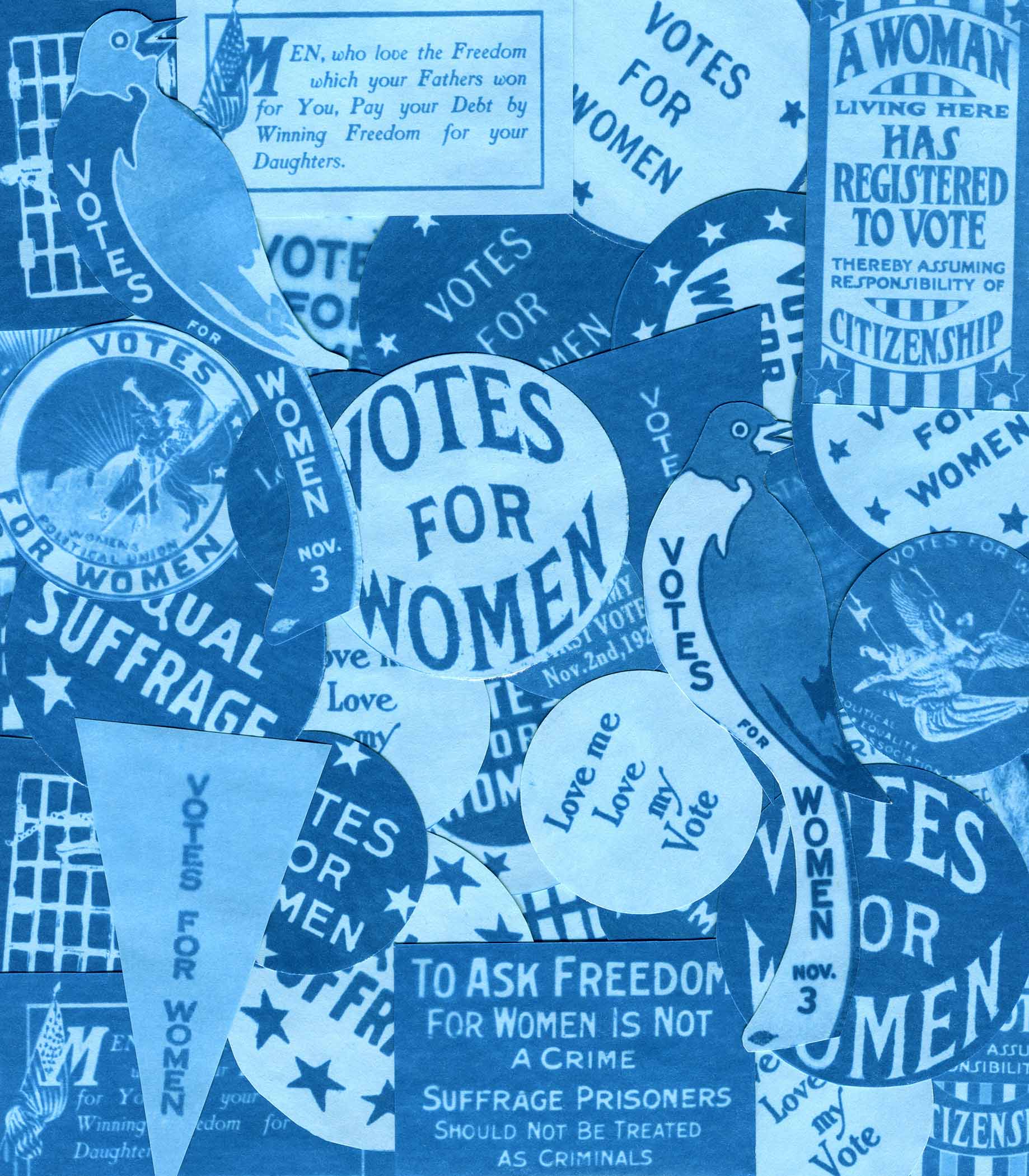
© Lisa McCarty, Votes for Women 1920 – 202o | IG: @insta.lisa.mccarty
August 18, 2020, marked the centennial of the ratification of the Nineteenth Amendment to the United States Constitution. In 1920, women wearing yellow roses stood shoulder to shoulder in Tennessee, awaiting the roll call of men who would cast their votes for or against a woman’s right to a voice in government.
Though this movement won rights for some women—an achievement to be acknowledged and celebrated—the struggle did not end there. Due to states’ laws and prohibitive policies, many women of color were unable to exercise their rights after the Nineteenth Amendment. It was not until much later that all American women were given the same privilege.
In A Yellow Rose Project: Responses, Reflections, and Reactions to the Nineteenth Amendment, editors Meg Griffiths and Frances Jakubek have invited 106 female photographers to look back upon this part of history from various perspectives. The goal of this collaboration is to provide a focal point and physical platform for female image makers in light of the centennial, providing an artistic bridge connecting the past, present, and future.
Opening with essays by Lisa Volpe, curator of photography at the Museum of Fine Arts, Houston; Shannon Perich, curator in the photographic history collection at the Smithsonian’s National Museum of American History; Christina Bejarano, professor of political science at Texas Woman’s University; and Rachel Michelle Gunter, public historian, this work affords readers a multifaceted perspective, celebrating progress made and assessing all that remains to be done.
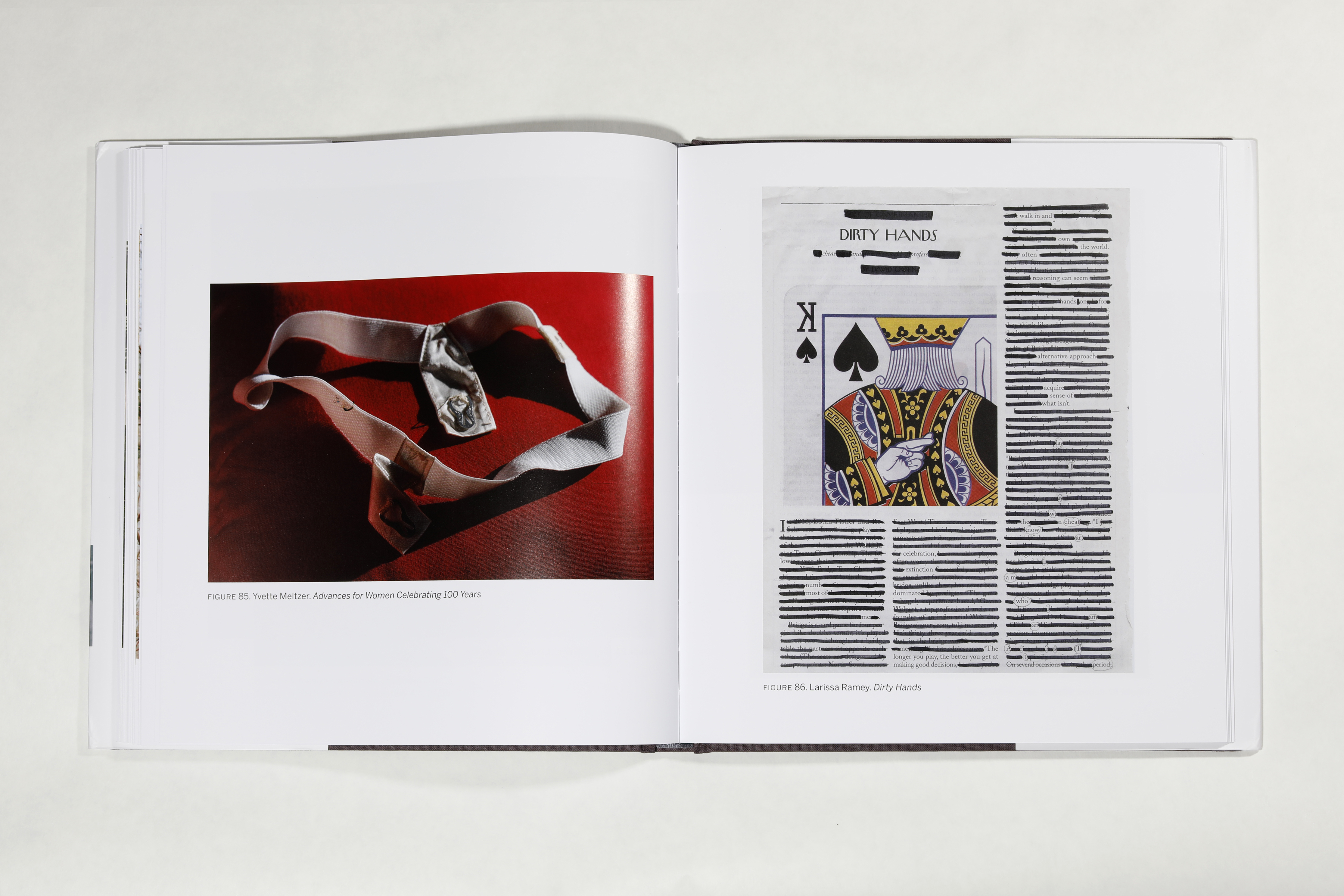
A Yellow Rose Project catalog, featuring images by Yvette Meltzer (left) and Larissa Ramey (right)
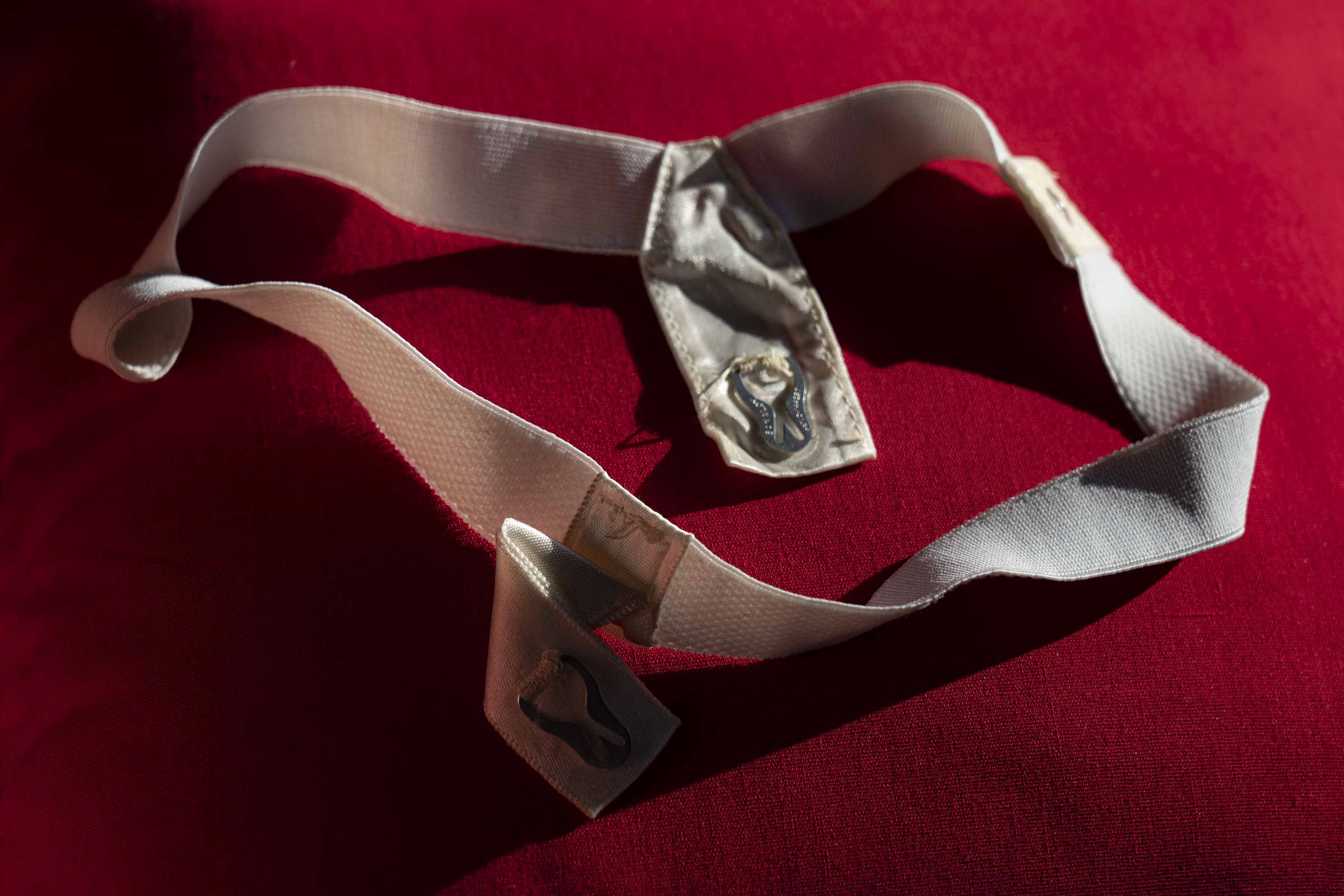
© Yvette Meltzer, Advances for Women Celebrating 100 Years | IG: @yvettemaxine
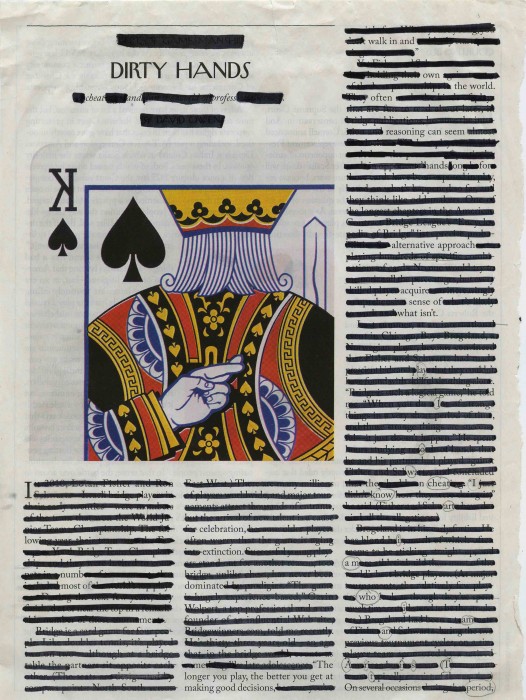
© Larissa Ramey, Dirty Hands | IG: @larissa.ramey
On the original inspiration of the project, Meg Griffiths shares: “Honestly, for my part, I was inspired by the mission of Texas Woman’s University, the nation’s largest public university primarily for women. It is a place where you are surrounded by women working and collaborating together. Where the goal is to support and empower each person to use their voices through their chosen fields. It is an incredibly special university. I always knew I wanted to do something larger than myself and collaborate with women to make photographic work. However, it was not until I met Frances that I knew who I wanted to generate and launch this project with. We knew the centennial of the 19th Amendment was coming up and we thought this would be the perfect charge for women to make work in response, reflection and reaction to.” — Interview excerpt courtesy Alison Huang.
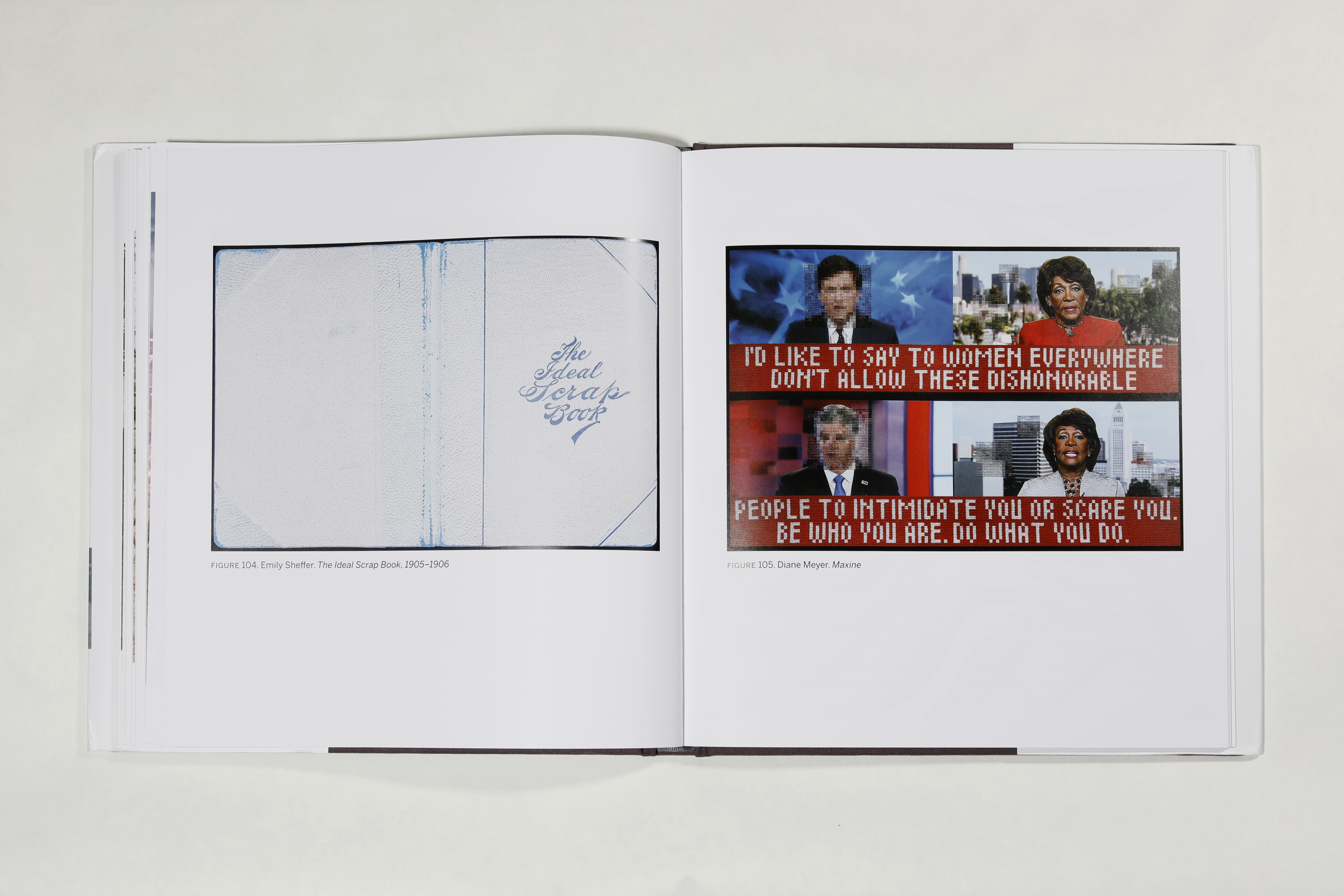
A Yellow Rose Project catalog, featuring images by Emily Sheffer (left) and Diane Meyer (right)
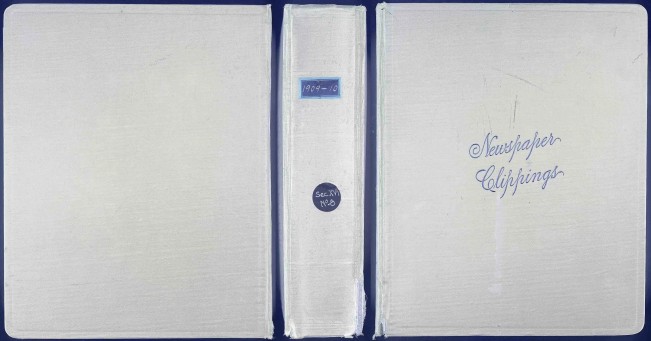
© Emily Sheffer, 1909-1910 | IG: @emilysheffer
On the parallels between the suffragists movement and today’s struggles of women and marginalized communities: “There are many parallels. The suffrage movement and today’s issues include the ongoing fight against voter suppression as well as the failure to recognize the rights of women of color, which is still persistent today. We had discriminatory laws such as poll taxes, literacy tests, and grandfather clauses to keep them from voting. We have modern day versions of this. A weakened Voting Rights Act of 1965, redistricting, ending mail in ballots, and laws such as the SAVE Act which recently passed the House. Beyond this though, this discrimination affects the ability to participate in making choices on how to protect other freedoms, such as reproductive rights, economic justice, pay equity, protection against violence, child education, and safety for LGBTQIA+ communities, families and children. Not to mention the weaponization of the military against its own people and in particular marginalized communities.” — Interview excerpt courtesy Alison Huang.

© Diane Meyer, Maxine | IG: @dianemeyerstudio
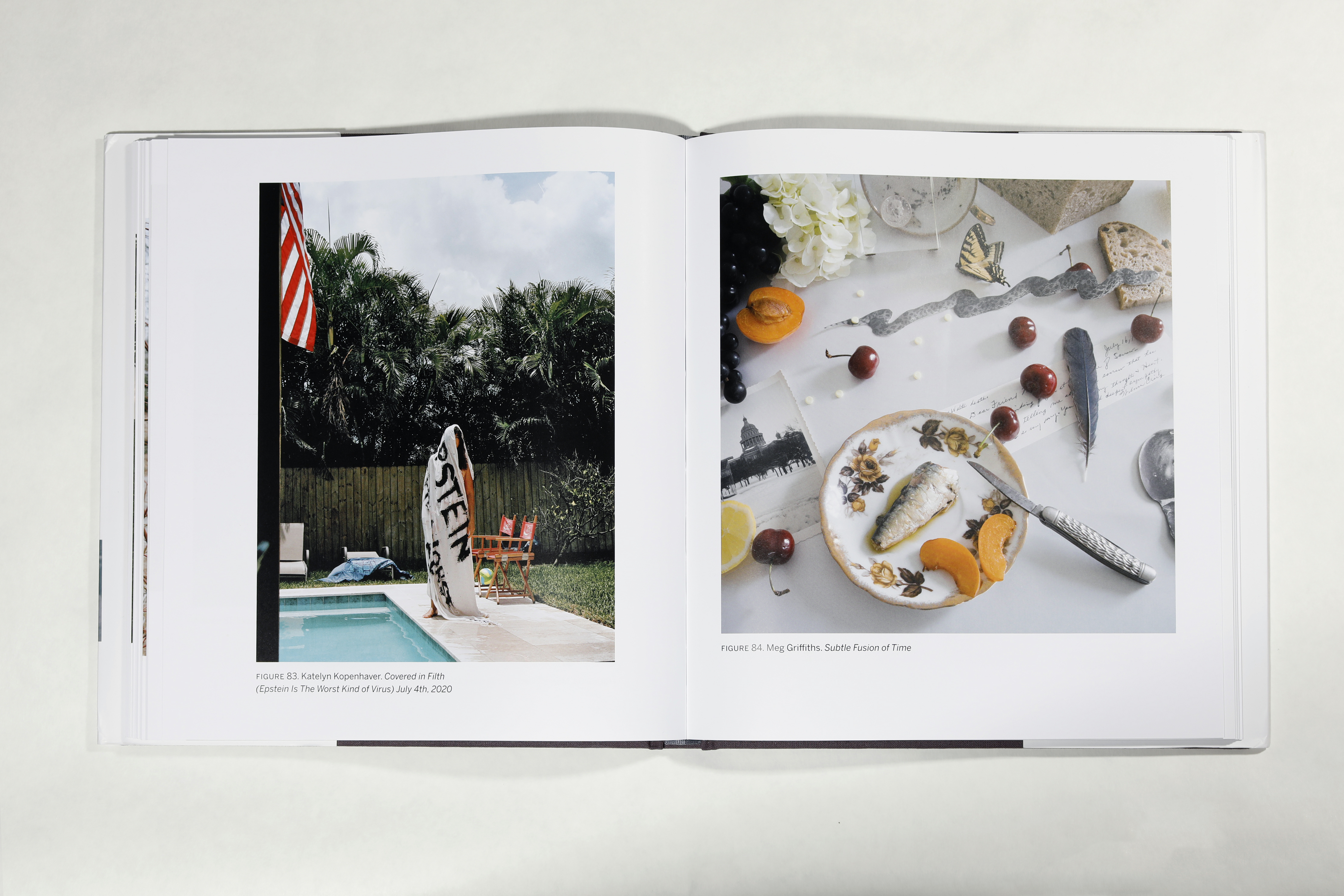
A Yellow Rose Project catalog, featuring images by Katelyn Kopenhaver (left) and Meg Griffiths (right)
On the future of the project, Frances Jakubek states: “I hope they see the importance of community and the power of a collective voice. Creating images that are both personal and political is no small feat and sharing them publicly is an act of courage. At a time when so much history, especially the voices of women and people of color, is being erased, I want this exhibition to stand as proof that humanity shone through some of our country’s darkest moments. In a world often driven by greed and indifference, may future audiences recognize that artmaking itself is a form of protest, resilience, and healing.” — Interview excerpt courtesy Alison Huang.
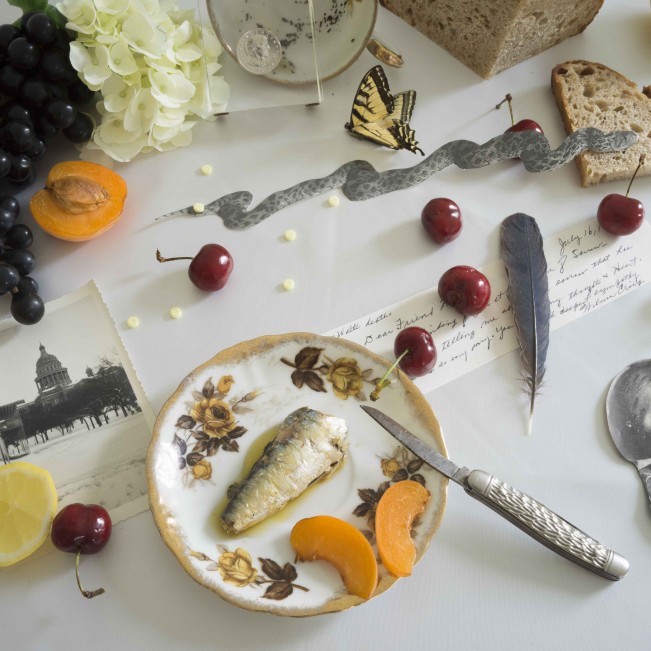
© Meg Griffiths, Subtle Fusion of Time | IG: @megsheagriffiths
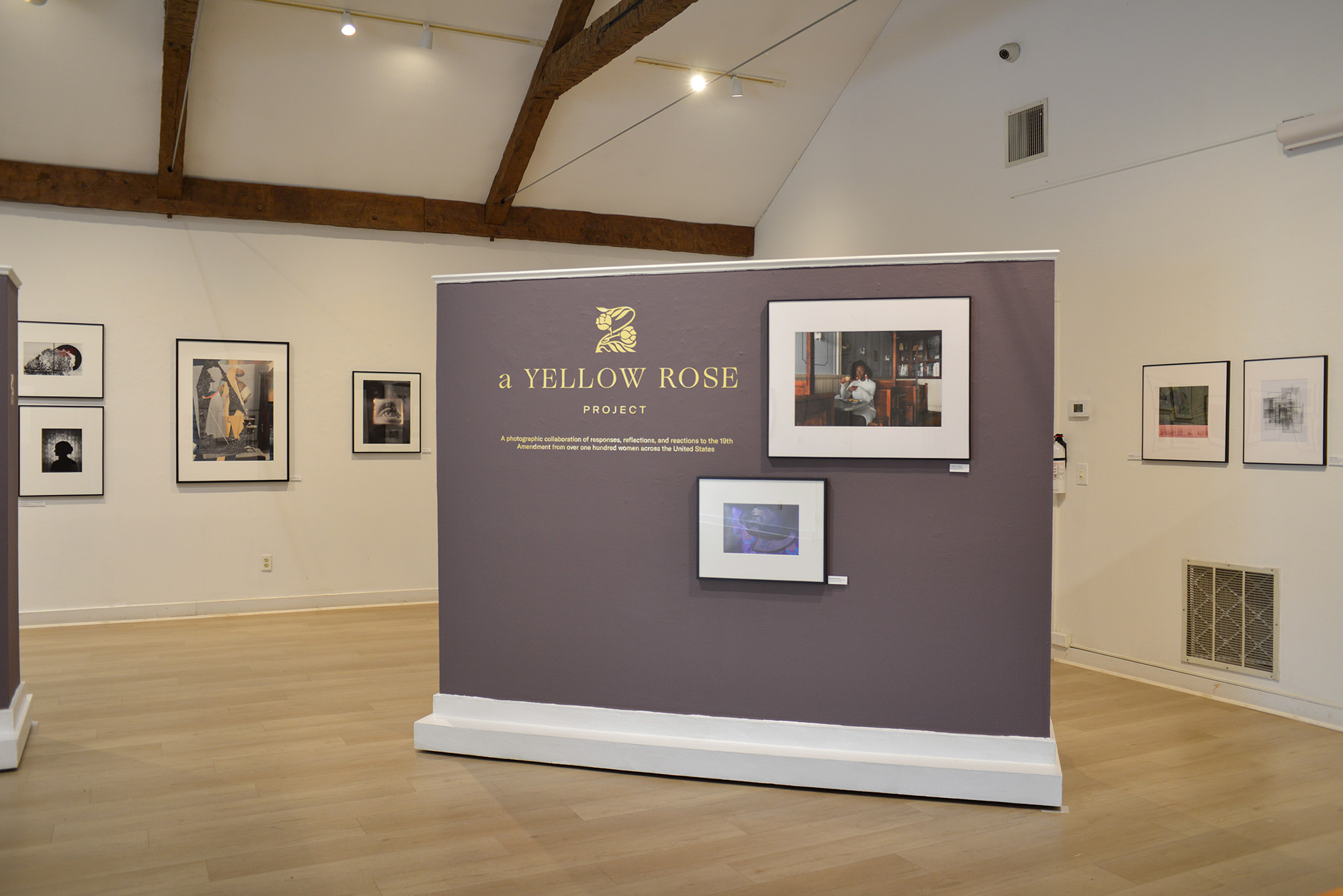
Installation shot of A Yellow Rose Project, on view at the Griffin Museum through November 30 | Photography by © Anna Sullivan, courtesy the Griffin Museum of Photography
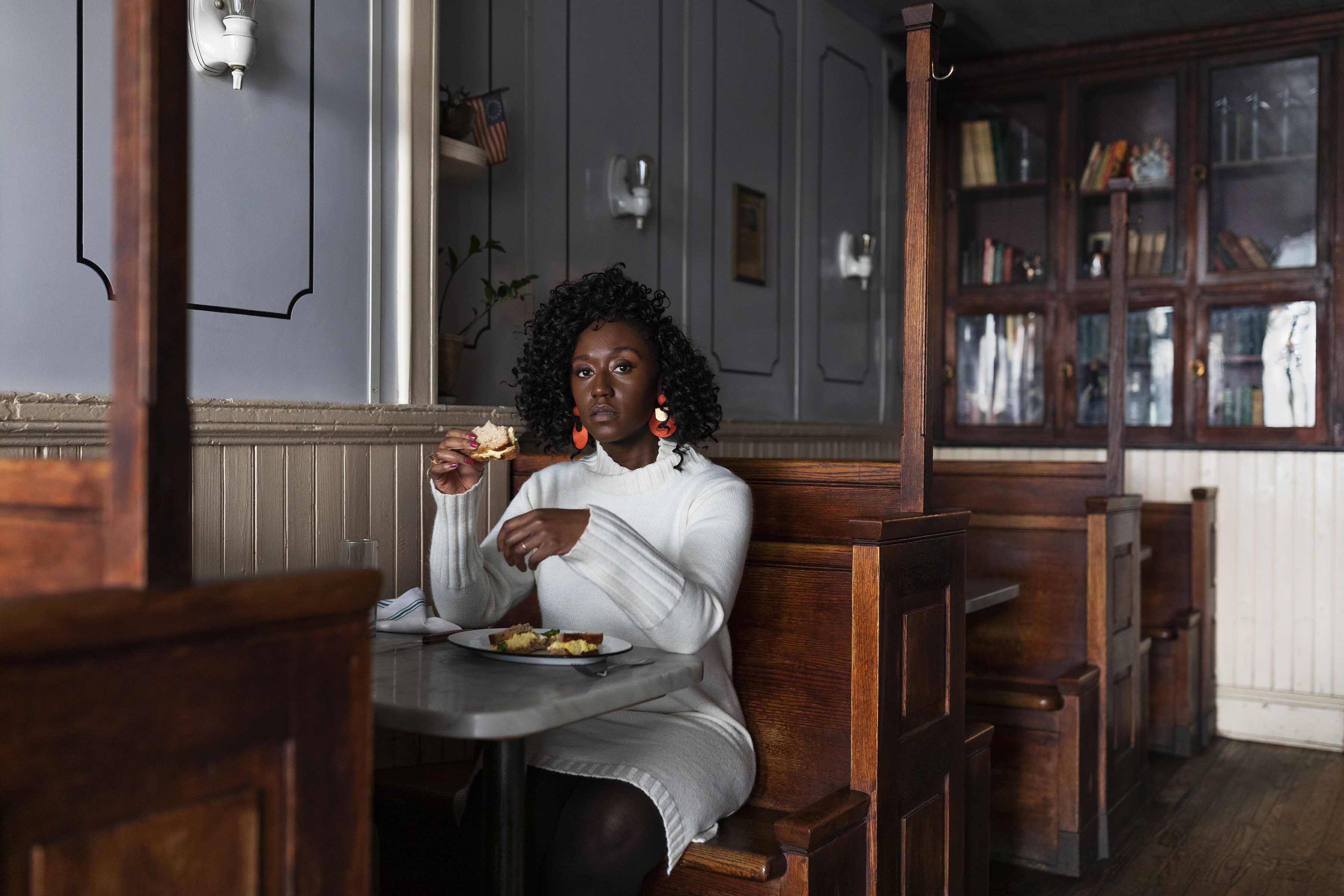
© Frances Denny, Nana (Henry Public)
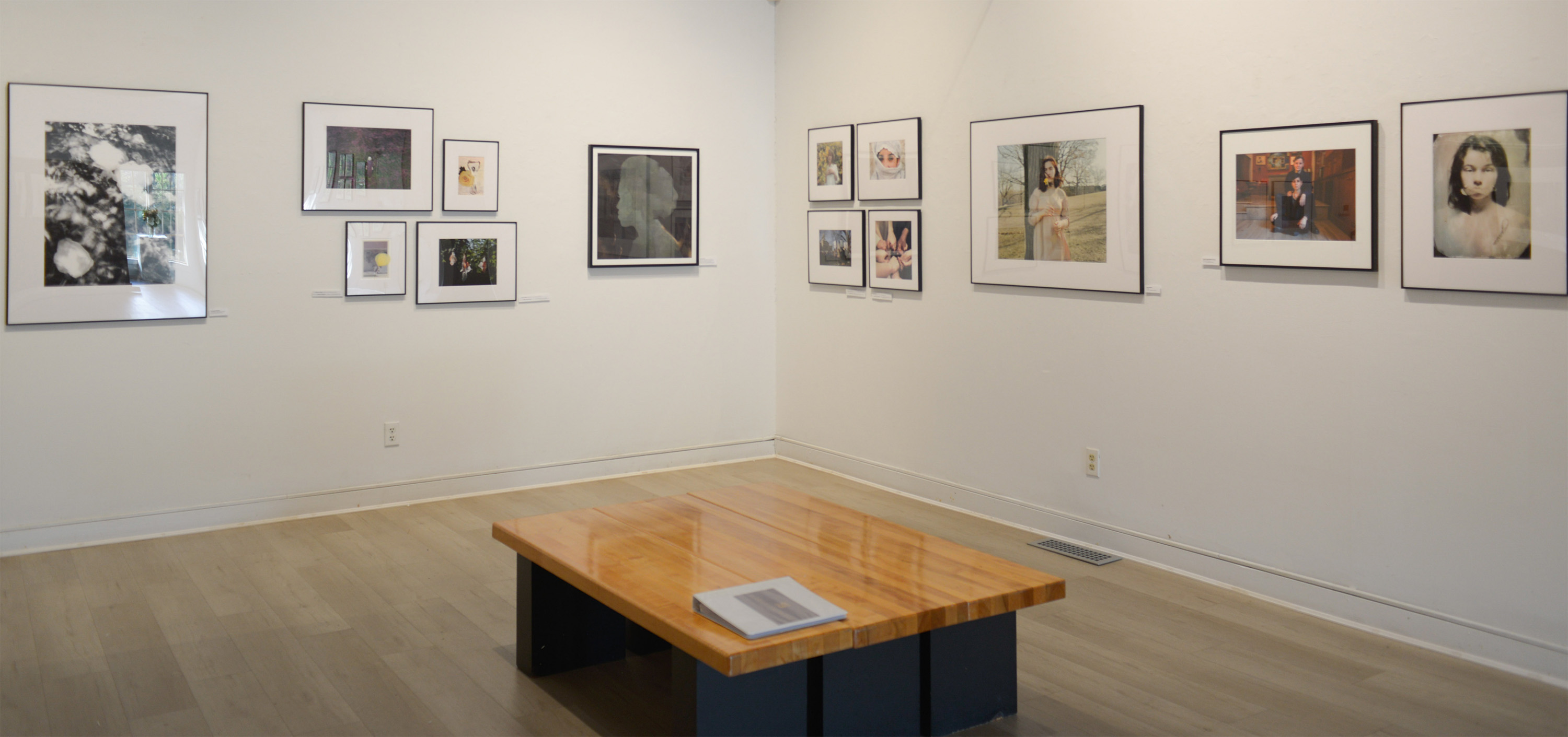
Installation shot of A Yellow Rose Project, on view at the Griffin Museum through November 30 | Photography by © Anna Sullivan, courtesy the Griffin Museum of Photography
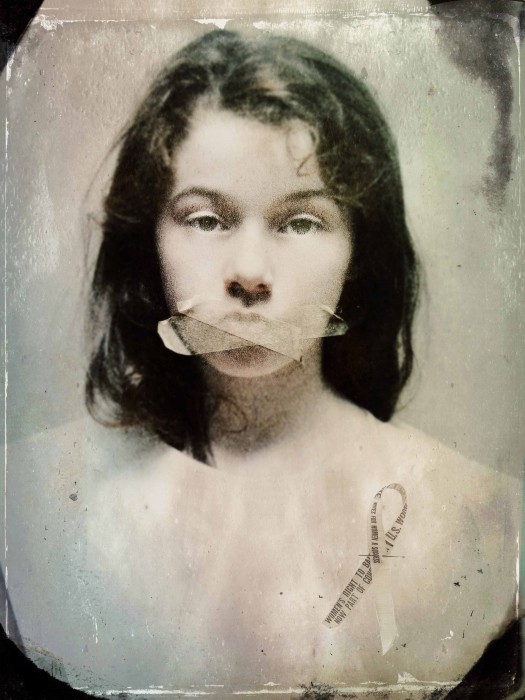
© K.K. DePaul, Silent No More
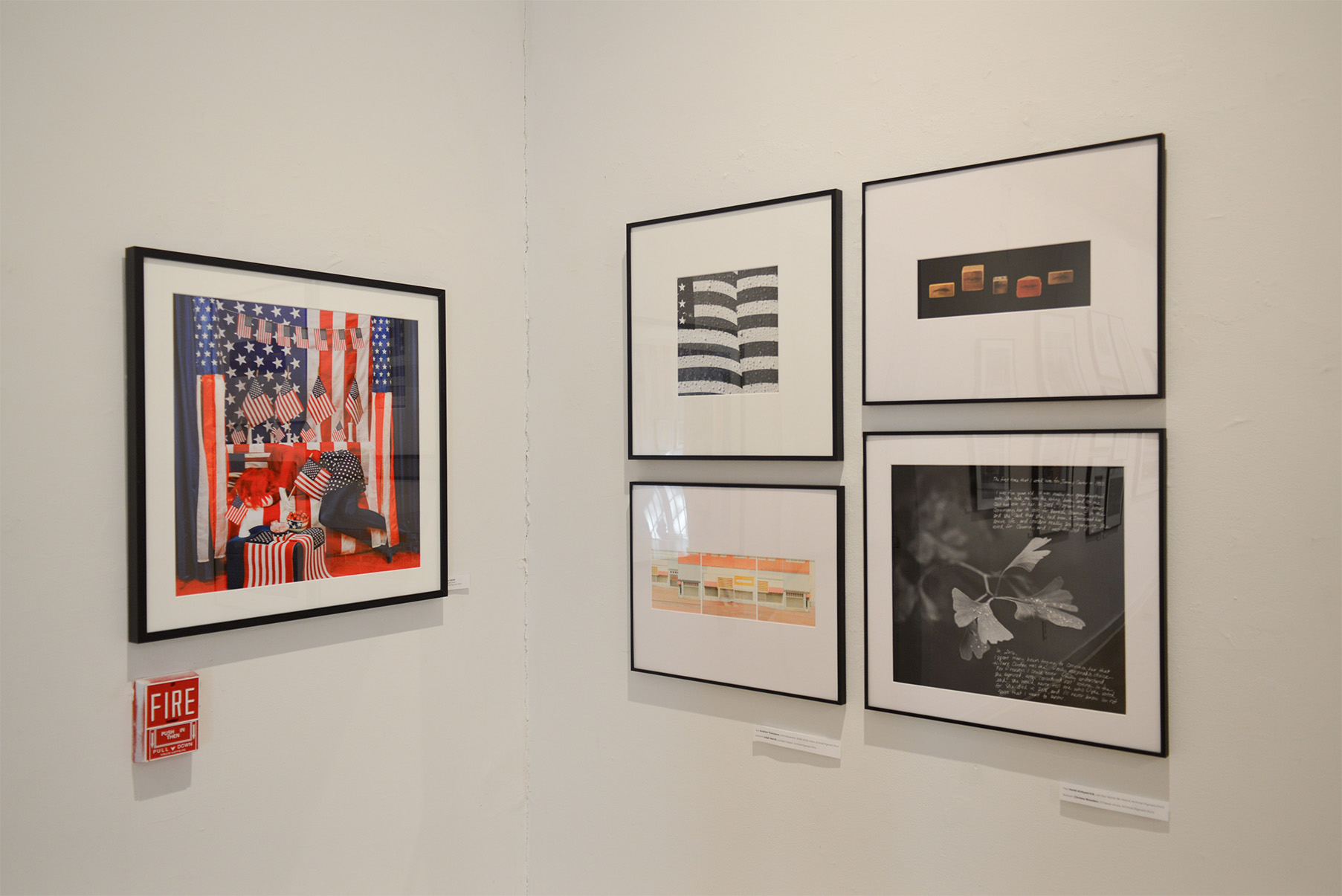
Installation shot of A Yellow Rose Project, on view at the Griffin Museum through November 30 | Photography by © Anna Sullivan, courtesy the Griffin Museum of Photography
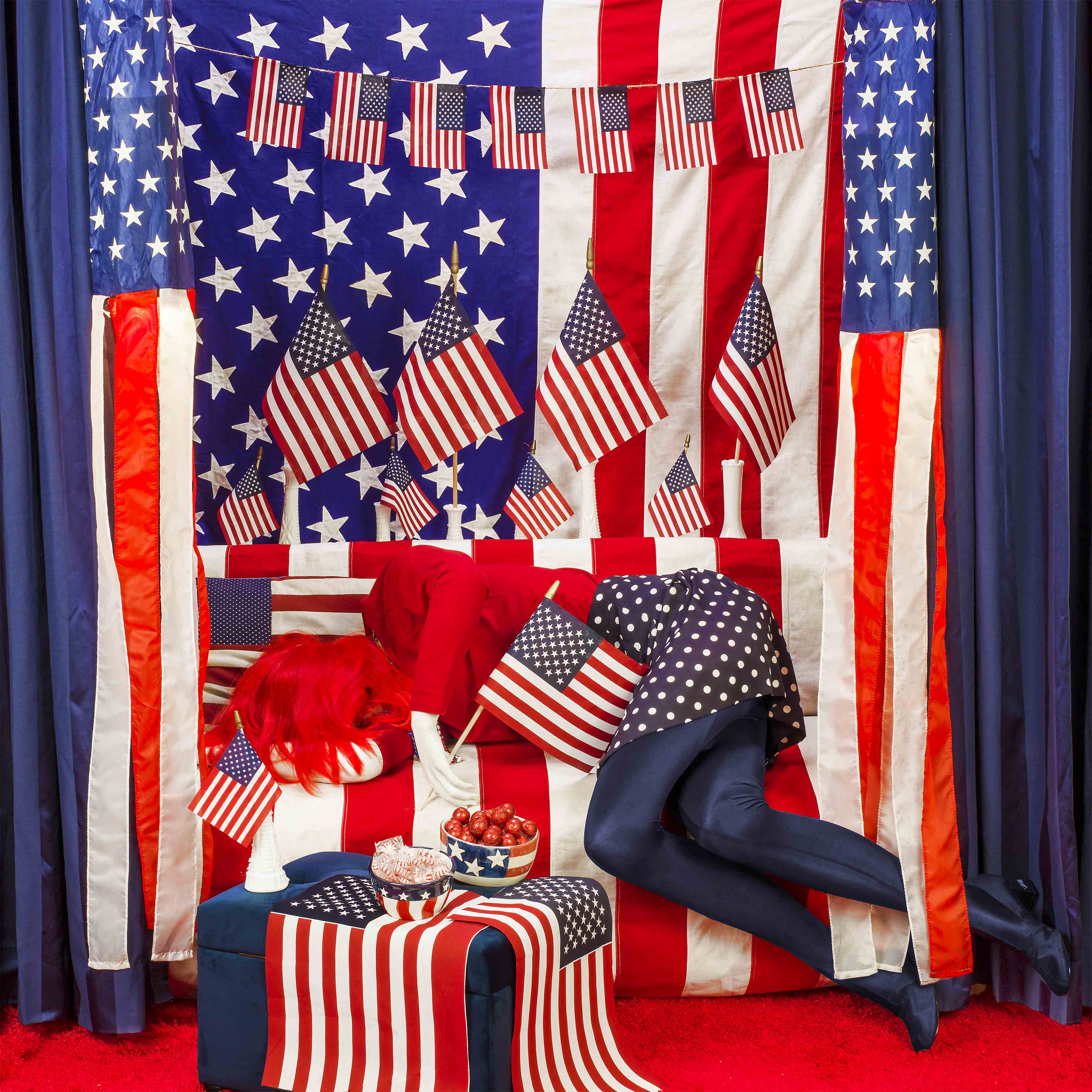
© Patty Carroll
Posts on Lenscratch may not be reproduced without the permission of the Lenscratch staff and the photographer.
Recommended
-

Remembering The Future by Mark Klett and William L. FoxMarch 19th, 2026
-

Andrew Fedynak: The Last Snows of a Warming WorldMarch 15th, 2026
-

J. Lester Feder: The Queer Face of WarMarch 11th, 2026
-
Curran Hatleberg: Blood GreenMarch 9th, 2026
-
Kiana Hayeri: No Woman’s LandMarch 8th, 2026