The Art of Documentary Photography: Rania Matar

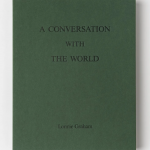
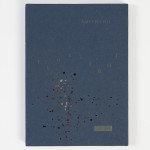
©Rania Matar, Cover of Where Do I Go?
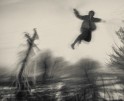
In her latest project, which she describes as “love letters to the women of Lebanon,” Rania Matar creates mesmerizing portraits. The women appear to be floating through gardens, magically merging with the environment and pulling you into their world. Her keen eye for details and passion for collaborating with the women she is photographing enables her to tell poetic, haunting and unusually intimate stories of resilience and hope that linger for a long time.
These photos will be published in a book titled “Where Do I Go?“ in November 2025 (Europe) and March 2026 (US), by Kaph Books . The book is co-published by the Eskenazi Museum of Art, and coincides with a solo exhibition at the museum that opens March 2026.
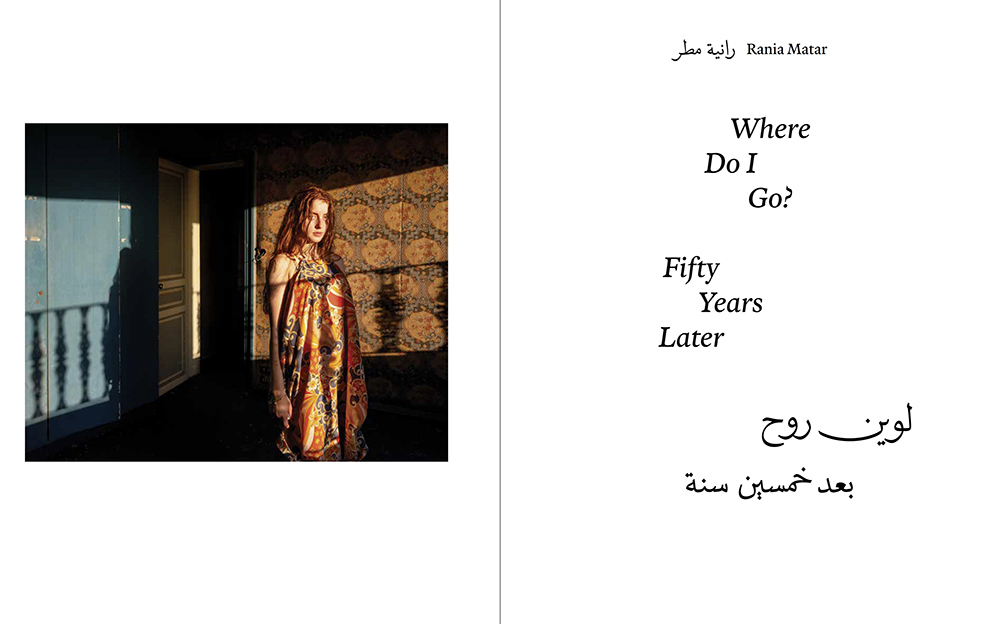
©Rania Matar, Spread from Where Do I Go? 50 Years Later
The photographers we are featuring over the next few days are exceptional documentary photographers who also make personal work and/or photojournalists. What really stands out is their ability to capture reality and translate it into something poetic and powerful. They are successful because of their extraordinary powers of perception. They often work under the toughest of conditions and are forced to make quick decisions on framing, light and gesture. They tackle subjects that are sensitive and complex. Their photos are often hypnotic, mysterious and emotional.
These photographers are successful because they are always in command of the scene. They have a clear vision of what they want to say. And they see things others miss.
When I was a reporter, I worked with some of the best photojournalists and documentary photographers in the business. What struck me was how present they were, how they connected with people. I was always amazed when we would work a big crowd, they could spot the person who would open up, who had a gripping story to tell.
With so many complicated issues facing us, it seems crucial to have probing photographers bringing clarity to these debates.
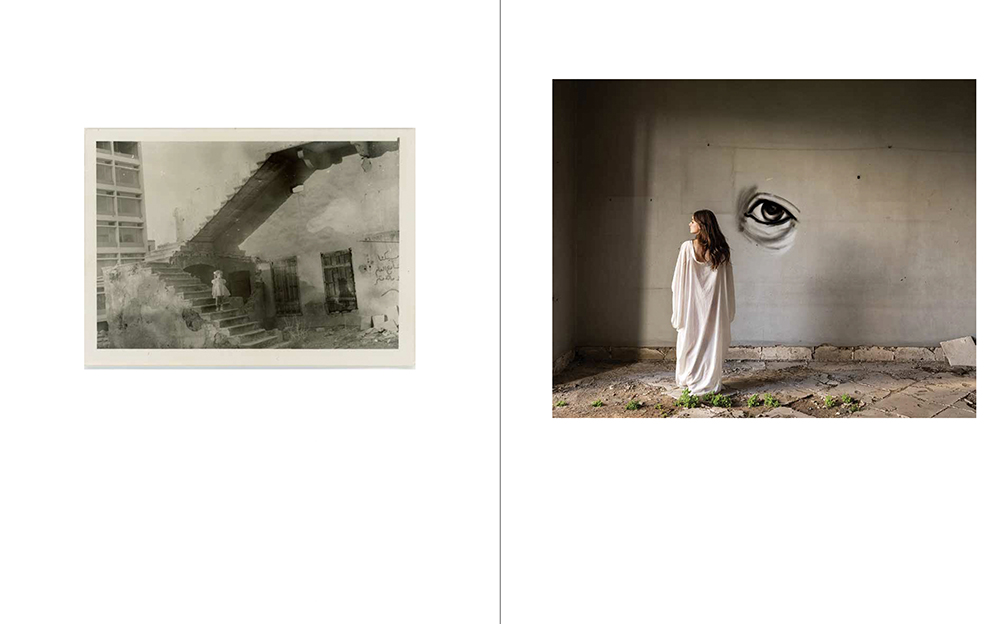
©Rania Matar, Spread from Where Do I Go? 50 Years Later
Born and raised in Lebanon, Rania Matar moved to the U.S. in 1984. As a Lebanese-born Palestinian/American artist and mother, her cross-cultural experience and personal narrative inform her photography.
Matar’s work has been widely exhibited in museums worldwide in solo and group shows, including Museum of Fine Arts, Boston, LACMA, Carnegie Museum of Art, ICA/Boston, National Museum of Women in the Arts, Minneapolis Institute of Art, Fotografiska, Institut du Monde Arabe, and more. It is part of the permanent collections of several museums.
A mid-career retrospective of her work was on view at Cleveland Museum of Art, Amon Carter Museum of American Art, and American University of Beirut Museum. Additional solo museum exhibitions include Middlebury Museum of Art, Huntsville Museum of Art, and Rollins Museum of Art.
Matar received a 2018 Guggenheim Fellowship, 2017 Mellon Foundation artist-in-residency grant, 2021 Massachusetts Cultural Council Artist Grant, 2011 Griffin Museum of Photography Legacy Award, 2008 ICA/Boston Foster Prize. She was a finalist for the Oskar Barnack Award 2023, Arnold Newman Prize 2022, and Outwin Portrait Competition 2022 with an exhibition at Smithsonian National Portrait Gallery/DC.
She curated “Louder Than Hearts”, a group exhibition of women from the Arab World and Iran, Middle East Institute in Washington, DC. 2025
Matar published four books:
SHE, 2021; L’Enfant-Femme, 2016; A Girl and Her Room, 2012; Ordinary Lives, 2009.
Her fifth book: Where Do I Go? Will be released in 2026 with an accompanying exhibition at the Eskenazi Museum of Art.
Instagram: @raniamatar
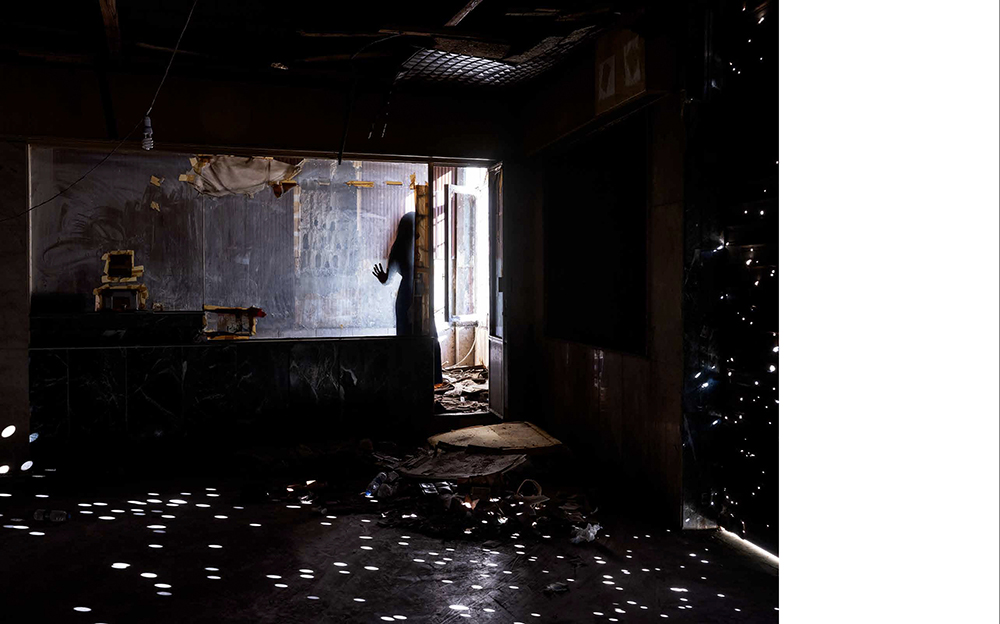
©Rania Matar, Spread from Where Do I Go? 50 Years Later
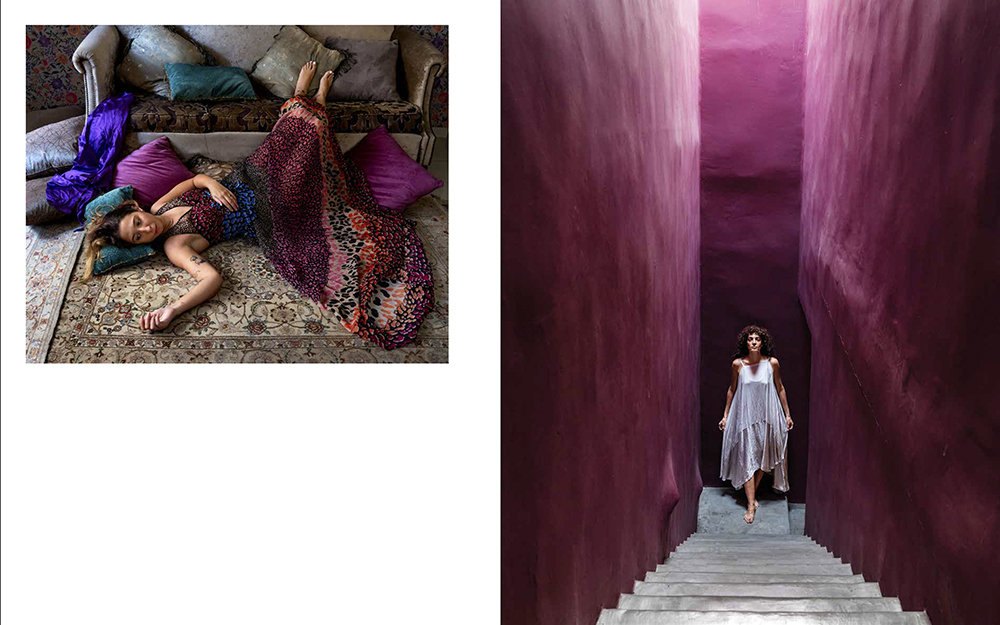
©Rania Matar, Spread from Where Do I Go? 50 Years Later
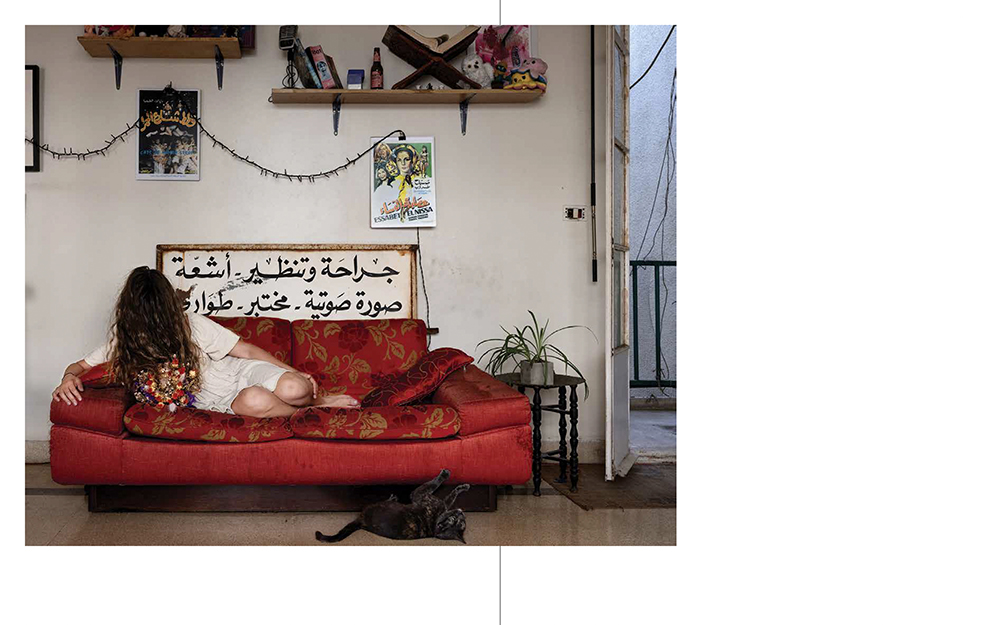
©Rania Matar, Spread from Where Do I Go? 50 Years Later
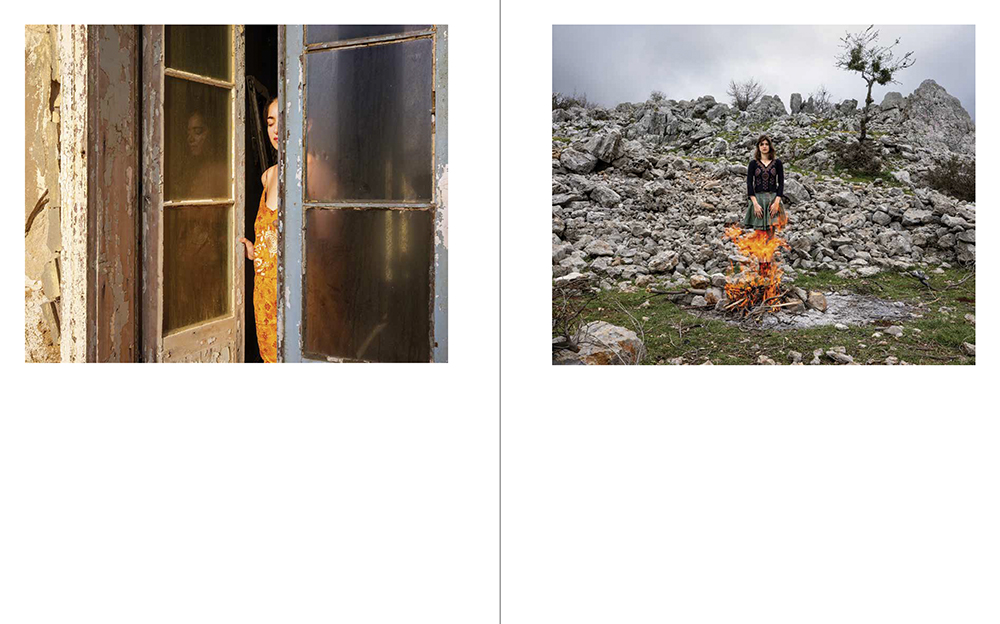
©Rania Matar, Spread from Where Do I Go? 50 Years Later
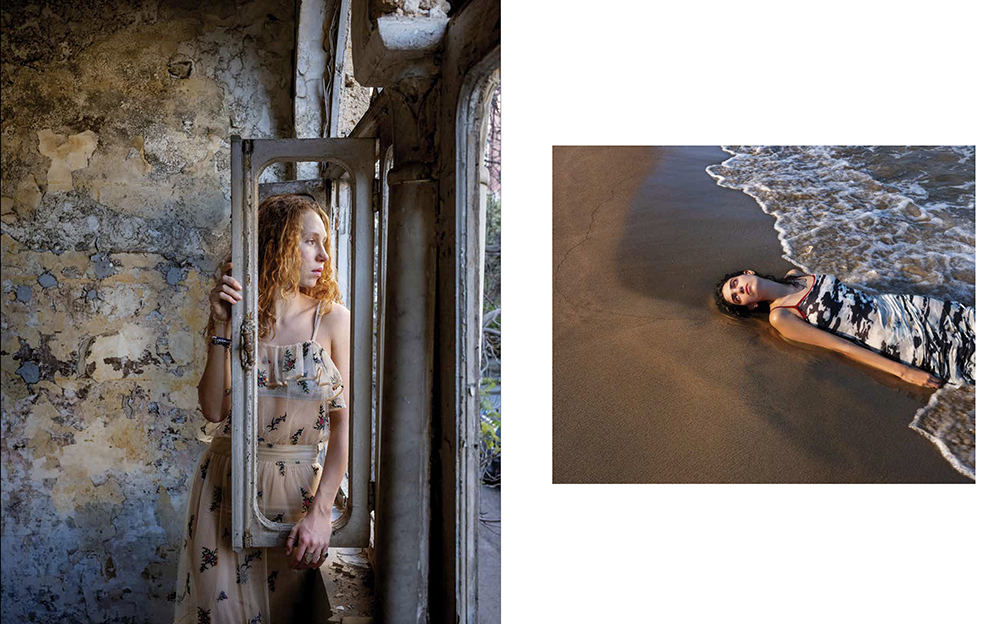
©Rania Matar, Spread from Where Do I Go? 50 Years Later
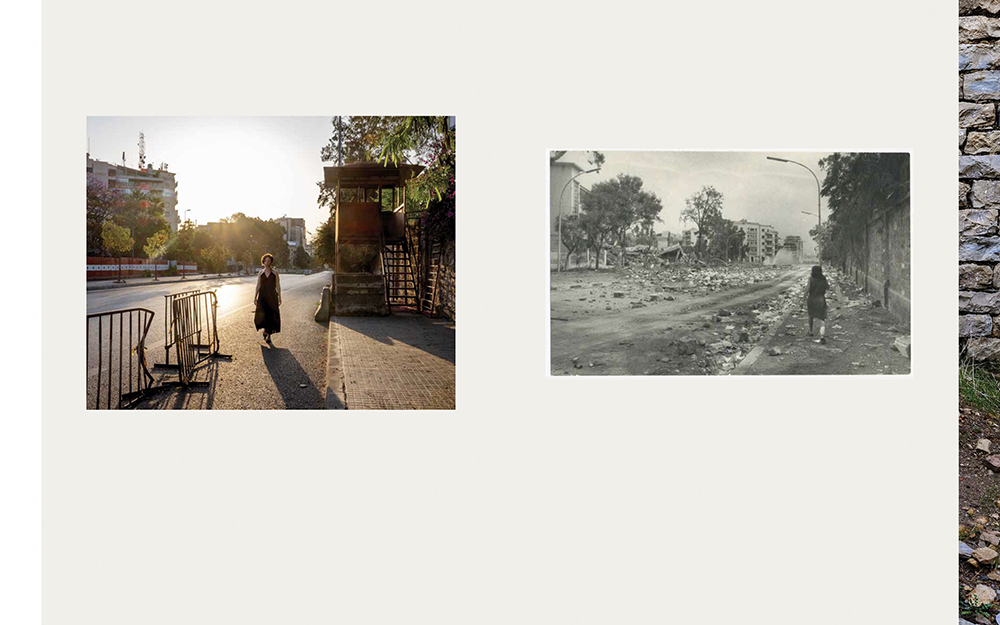
©Rania Matar, Spread from Where Do I Go? 50 Years Later
Where Do I Go?
Fifty Years Later
2025 marks fifty years since the outbreak of the Lebanese Civil War. Half a century later, the country continues to live in its shadow. In recent years, conditions have deteriorated quickly, especially after a total economic meltdown, the COVID-19 pandemic, the Beirut Port Explosion on August 4, 2020, and yet another war in 2024.
Through it all, I found hope and inspiration in the women. I chose to focus on their majestic presence, creativity, strength, dignity, and resilience. I had previously dedicated my work to exploring issues of personal and collective identity through photographs focusing on female adolescence and womanhood in both the United States, where I live, and in Lebanon, where I am from, to highlight our shared humanity. In this body of work, I collaborated with women in Lebanon specifically. I saw my younger self in them. I was 20 when I left Lebanon in 1984 during the civil war, to move to the US. Many find themselves at that same juncture as they face the painful decision in determining whether to stay or leave.
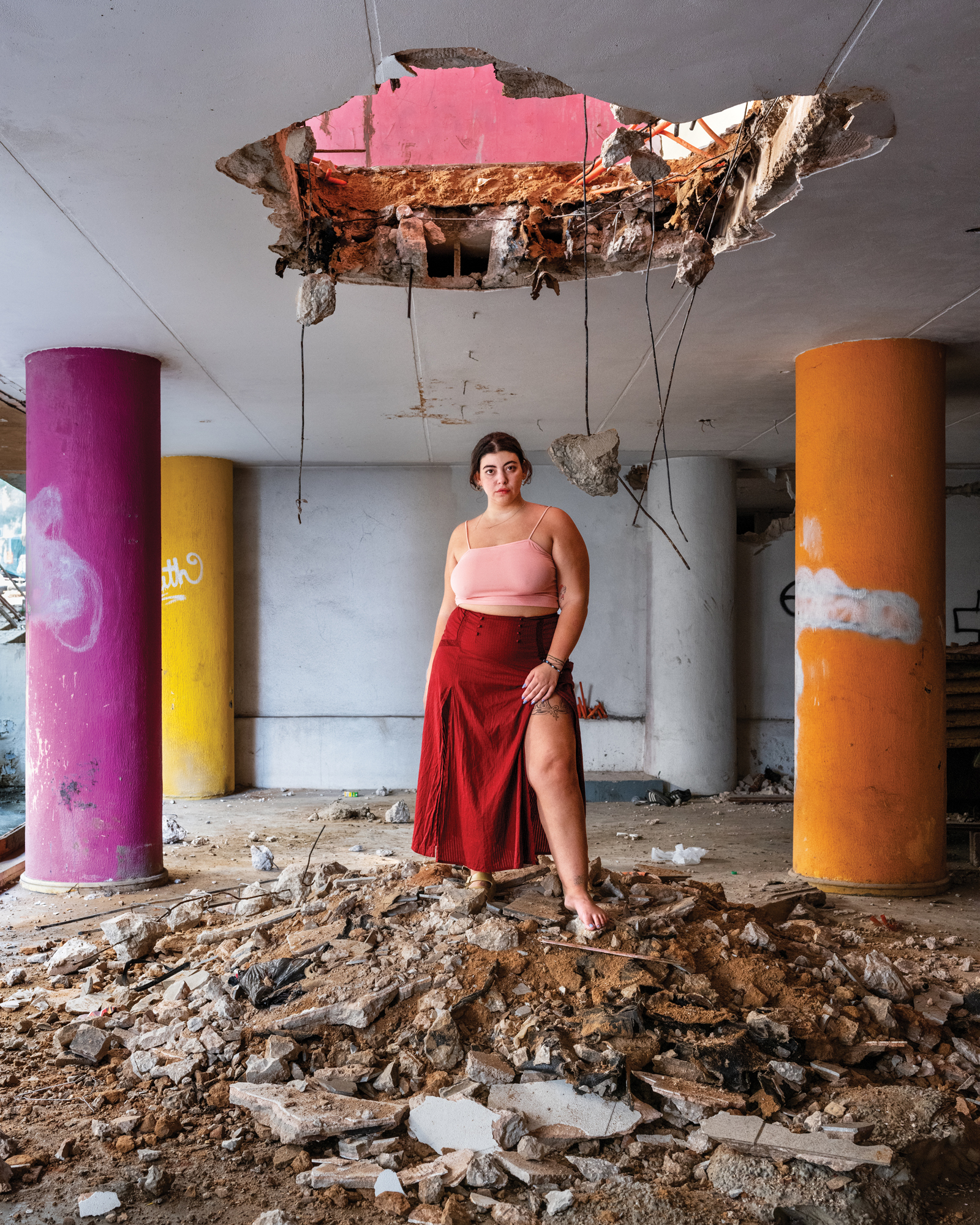
©Rania Matar, 1. Chermine, Hamra, Beirut, Lebanon, 2022
On the crumbling wall of an abandoned building, I saw graffiti scrawled in Arabic: لوين روح (Where do I go?). I was with Perla, a young woman who suddenly threw herself against that wall. It became the title of this body of work.
While this project started in 2020 after the Beirut Port Explosions, it kept evolving over the past few years, as I connected with more women and as the situation on the ground kept deteriorating. Together, we collaborated to visually tell personal stories – theirs, but also our collective story – against the meaningful and symbolic backdrops of the unique fabric of the country: textured walls of Beirut, the Mediterranean, raw mountains, traditional and abandoned buildings, and the many layers of destruction accumulated over the years. Every picture has a narrative. Women, land, and architecture are all intertwined. The process is collaborative, and the photo session always evolves organically as the women become active participants in the image-making process, presiding over the environment, and making it their own.
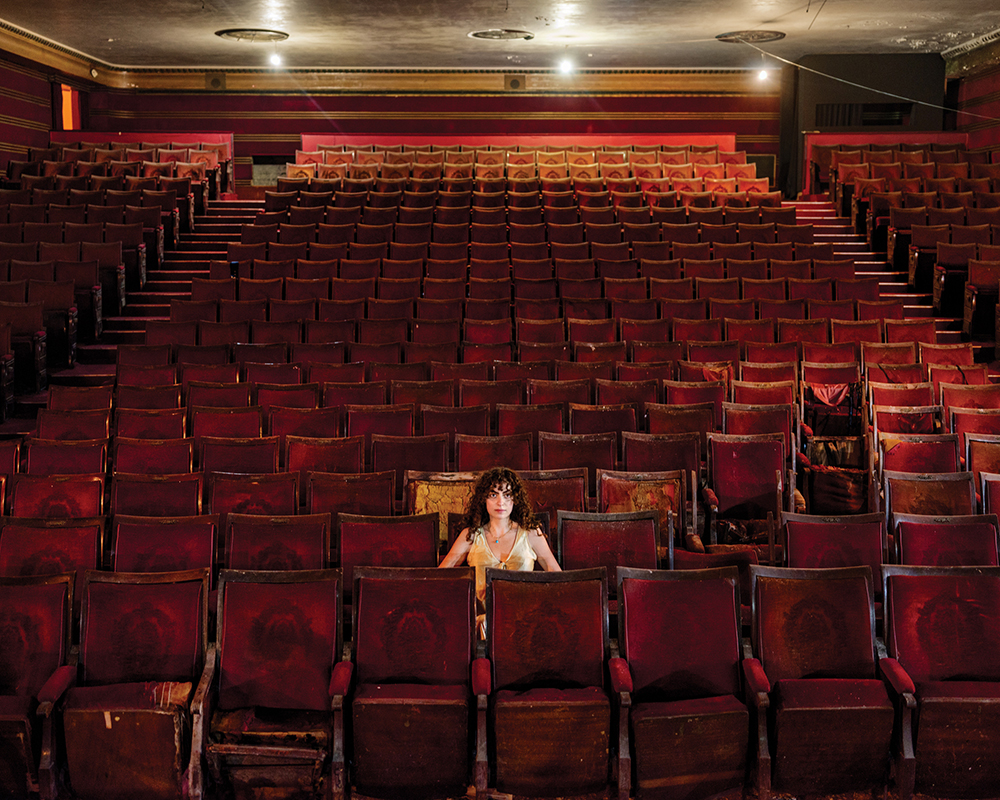
©Rania Matar, Rhea S., Piccadilly Theater, Beirut, Lebanon, 2021 (Homage to Fouad El Khoury)
Throughout this process, the collaboration is intense, creative, emotional, and personal. The need to hold on to creativity and self-expression feels urgent.
While my photographs may not provide solutions or closure, I hope they nevertheless invite the viewer to pause and find the beauty, the hope, the shared humanity, and the grace that still exist despite everything. They are my love letters to the women of Lebanon.
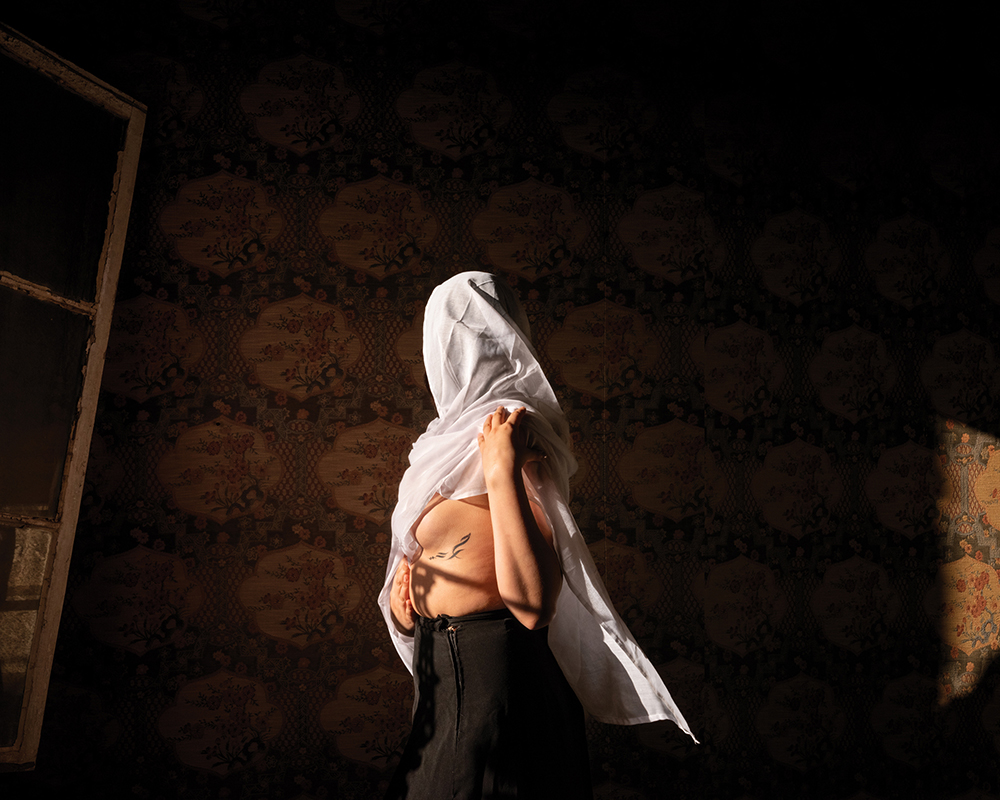
©Rania Matar, Katya حرية (freedom), Beirut, Lebanon, 2023
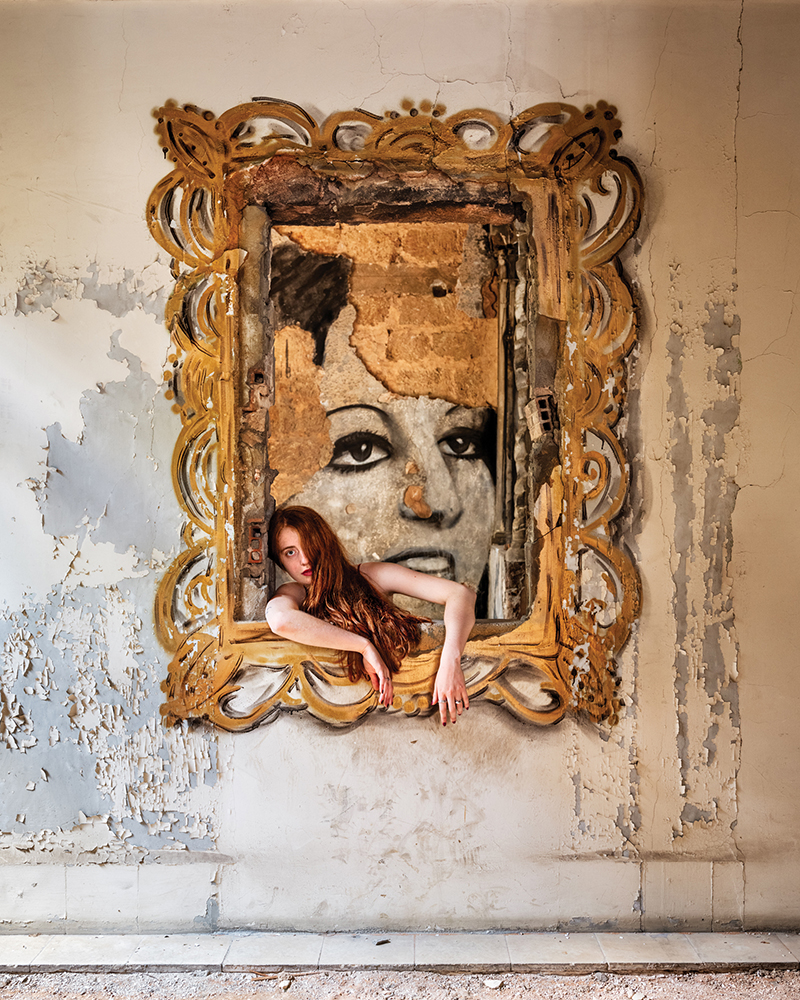
©Rania Matar, Petra with Miss Lebanon 1972, (Both 20, 50 Years Apart) Gemmayze, Beirut, Lebanon, 2022 (wall art by Brady Black)
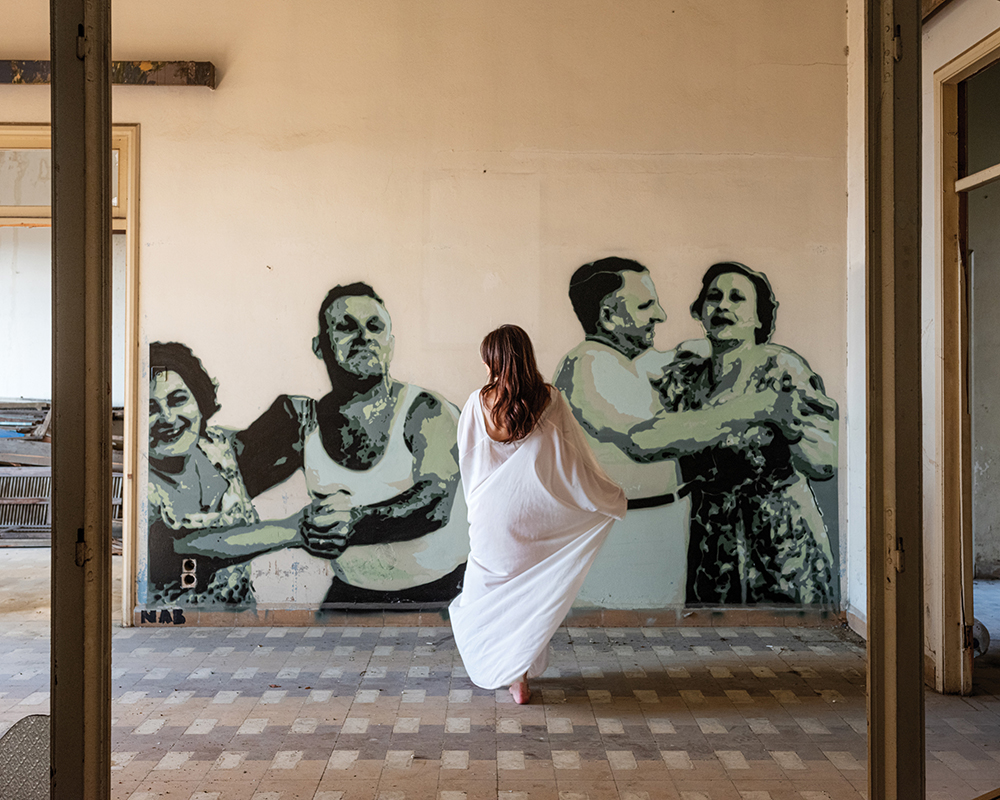
©Rania Matar, Aya (Dancing), Beirut, Lebanon, 2022
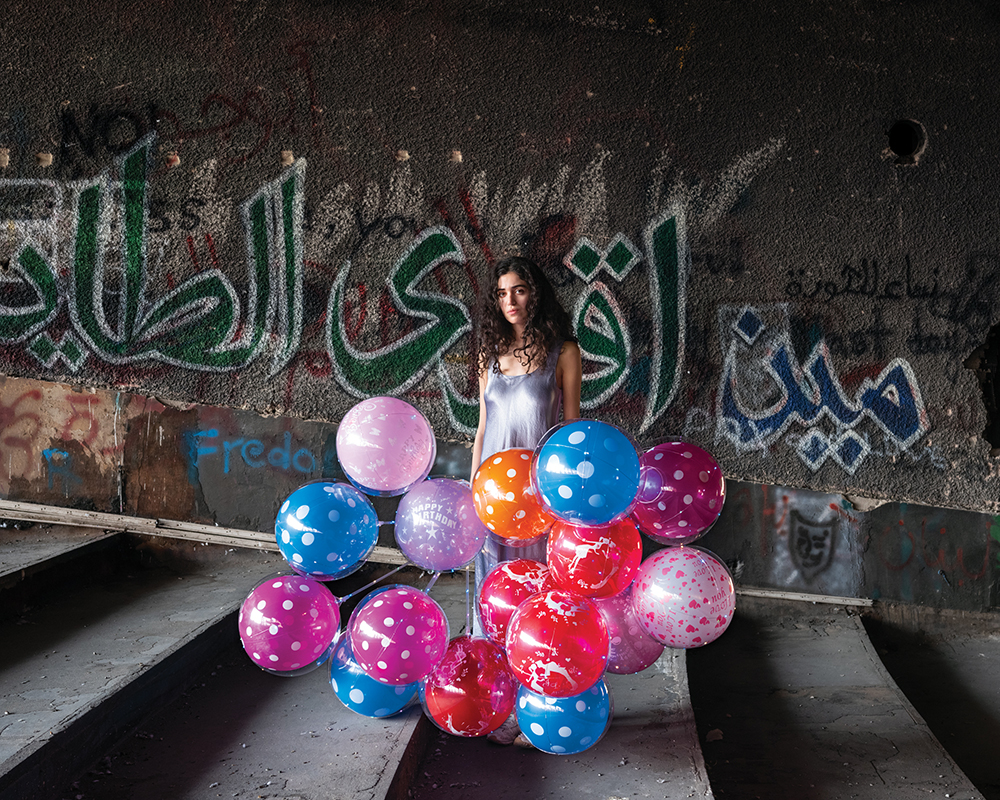
©Rania Matar, Rhea and the Balloons (What’s stronger: Hunger or Sectarianism), The Egg, Beirut, Lebanon, 2022
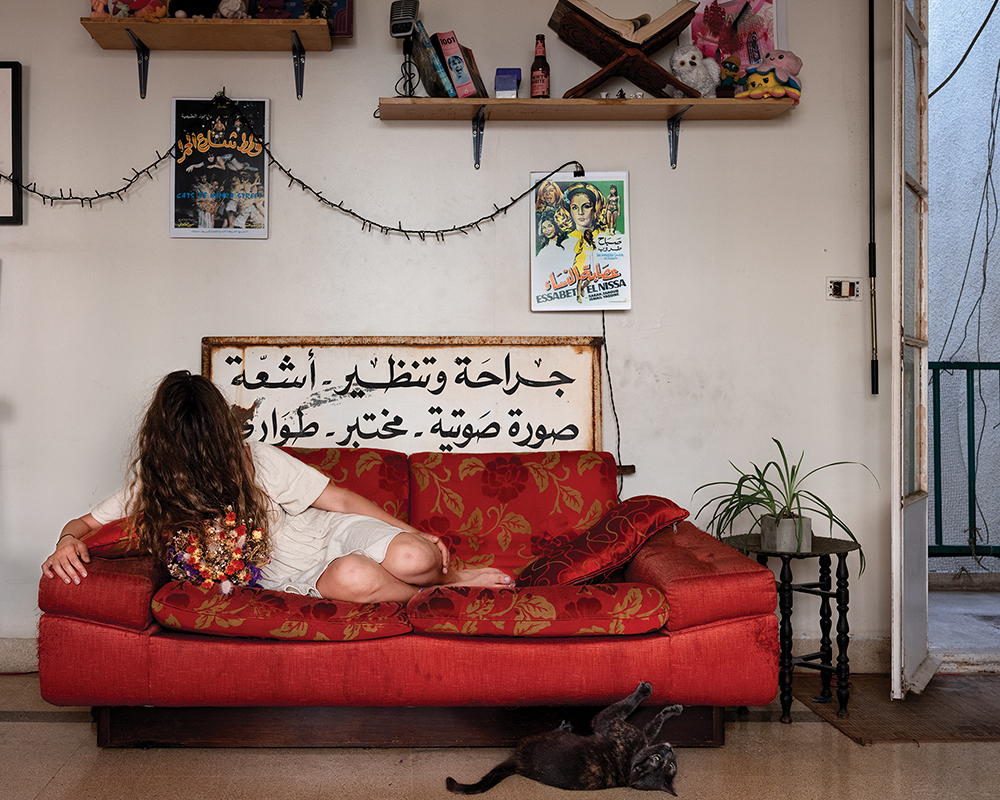
©Rania Matar, Maya (Odalisque with Cat), Beirut, Lebanon, 2024 (The sign says: Surgery, Endoscopy, X-ray, Ultrasound, Lab, Emergency)
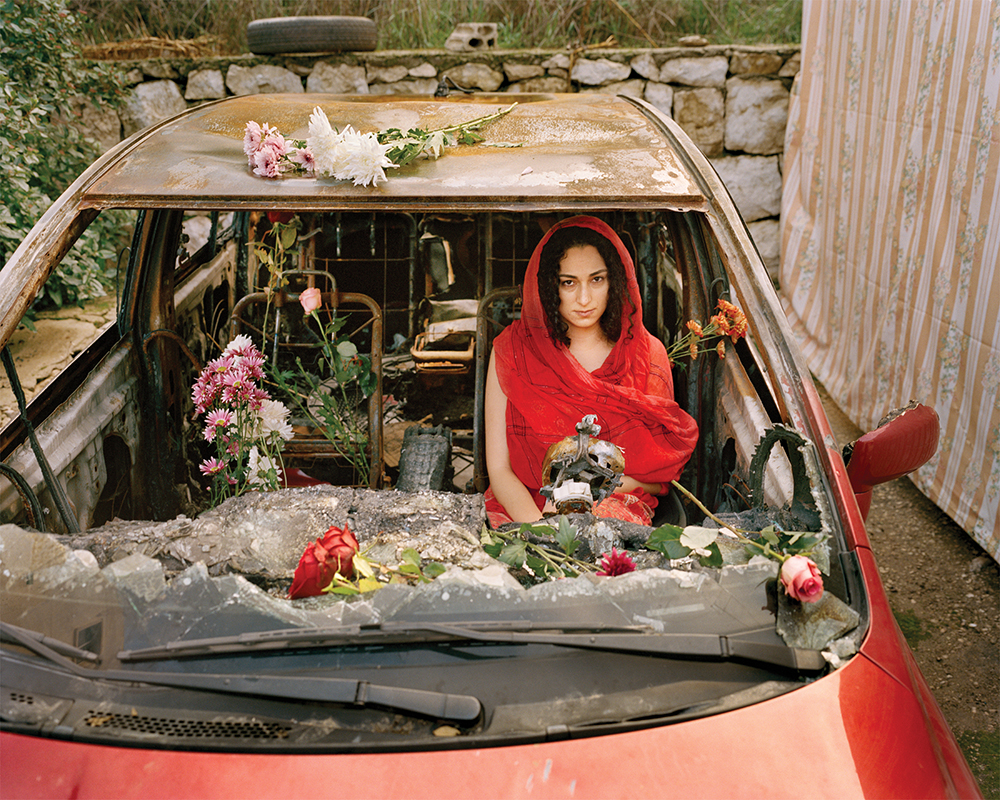
©Rania Matar, Farah (In Her Burnt Car), Abey, Lebanon, 2020
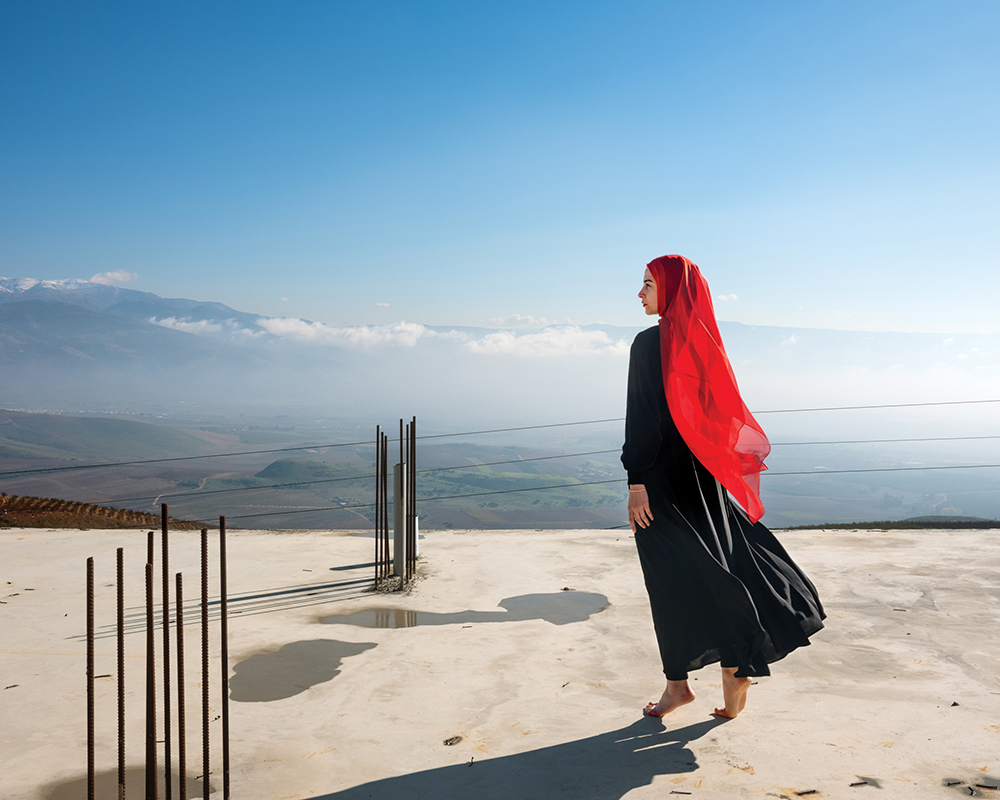
©Rania Matar, Mariam (Over the Border Wall), Kfarkila, Lebanon, 2022
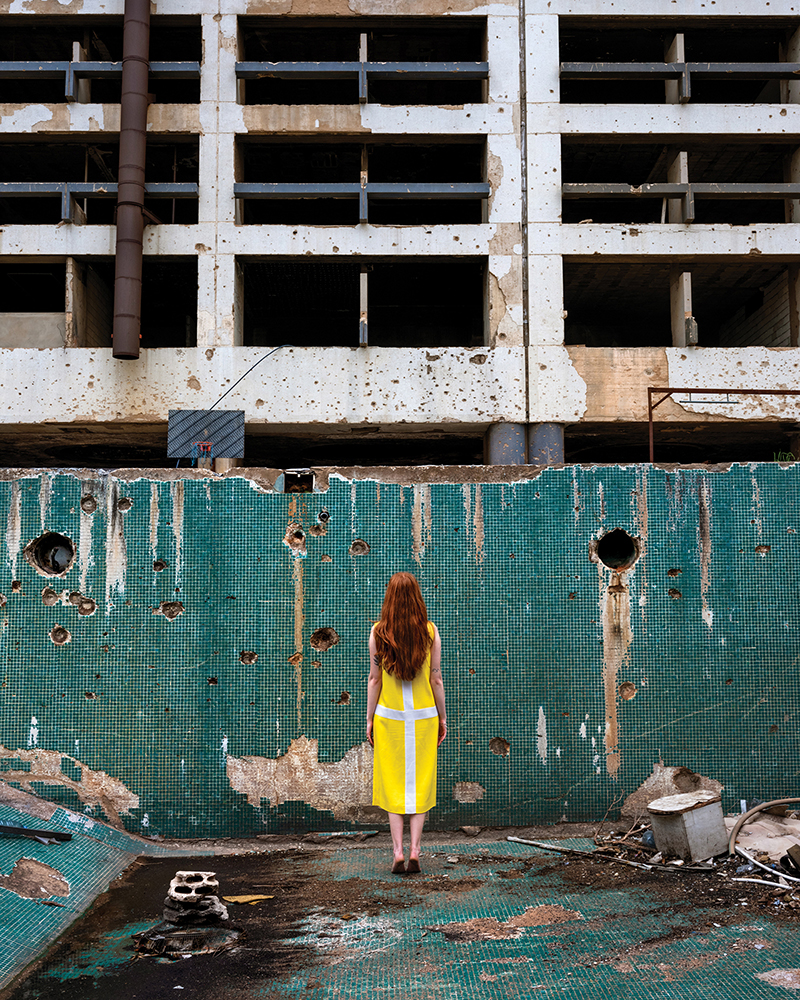
©Rania Matar, Petra, Holiday Inn Hotel Pool (the hotel has been destroyed since 1976 shortly after it was built), Beirut, Lebanon, 2021
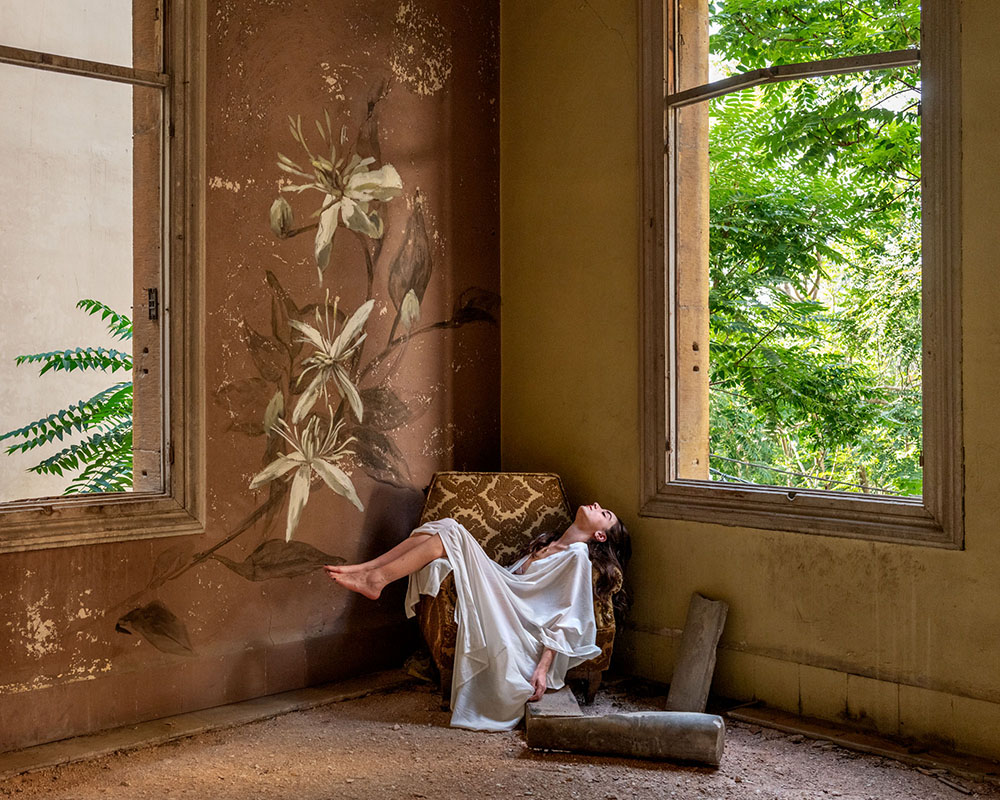
©Rania Matar, Aya (Draping), Gemmayze, Beirut, Lebanon, 2022
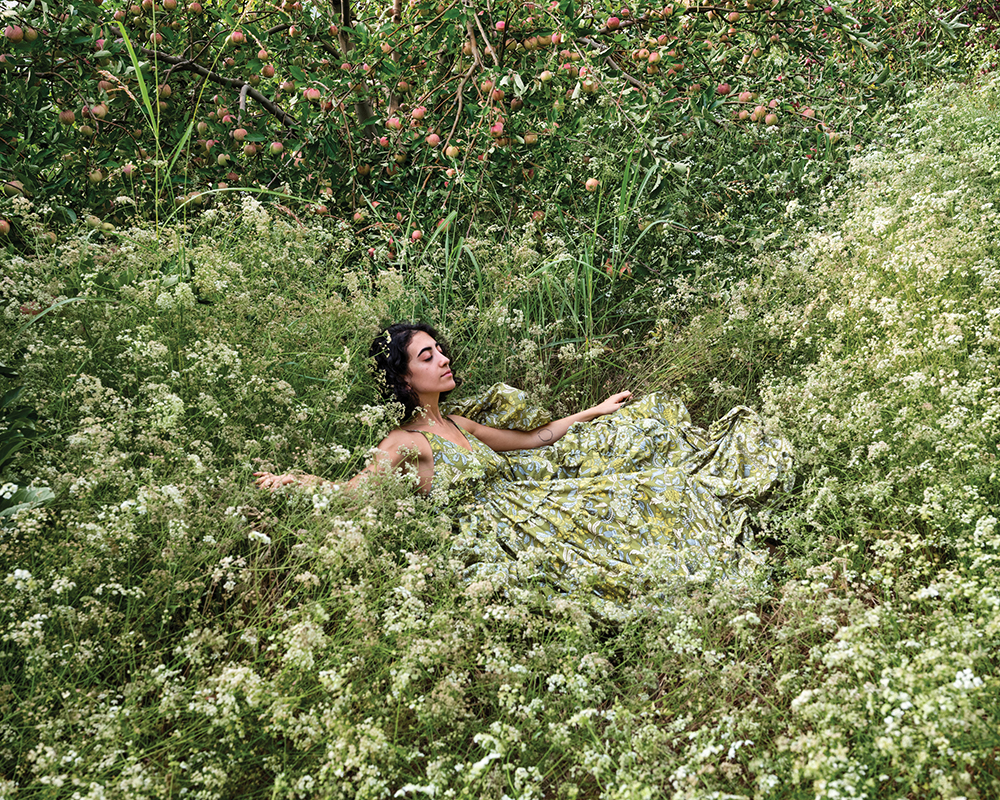
©Rania Matar, Tara (In the Flowers), Bekaatat Kanaan, Lebanon, 2022
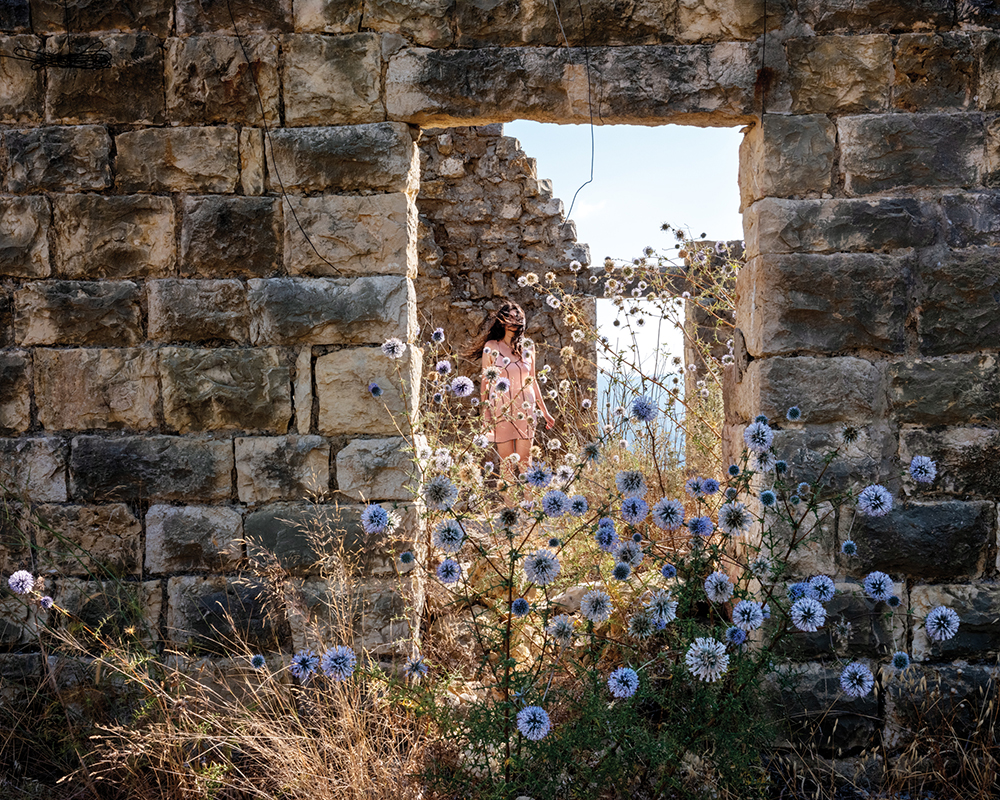
©Rania Matar, Rianna, Chartoun, Lebanon, 2022
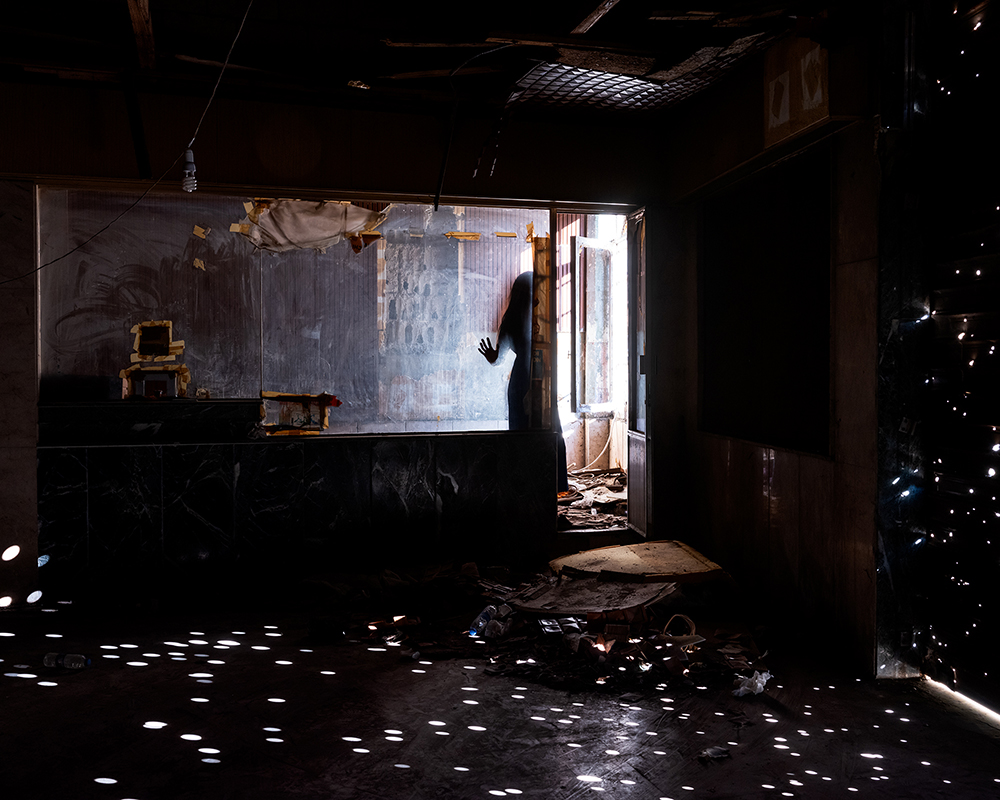
©Rania Matar, Lara M., (Bullet Holes), Abandoned Zahle Cinema, Zahle, Lebanon, 2024
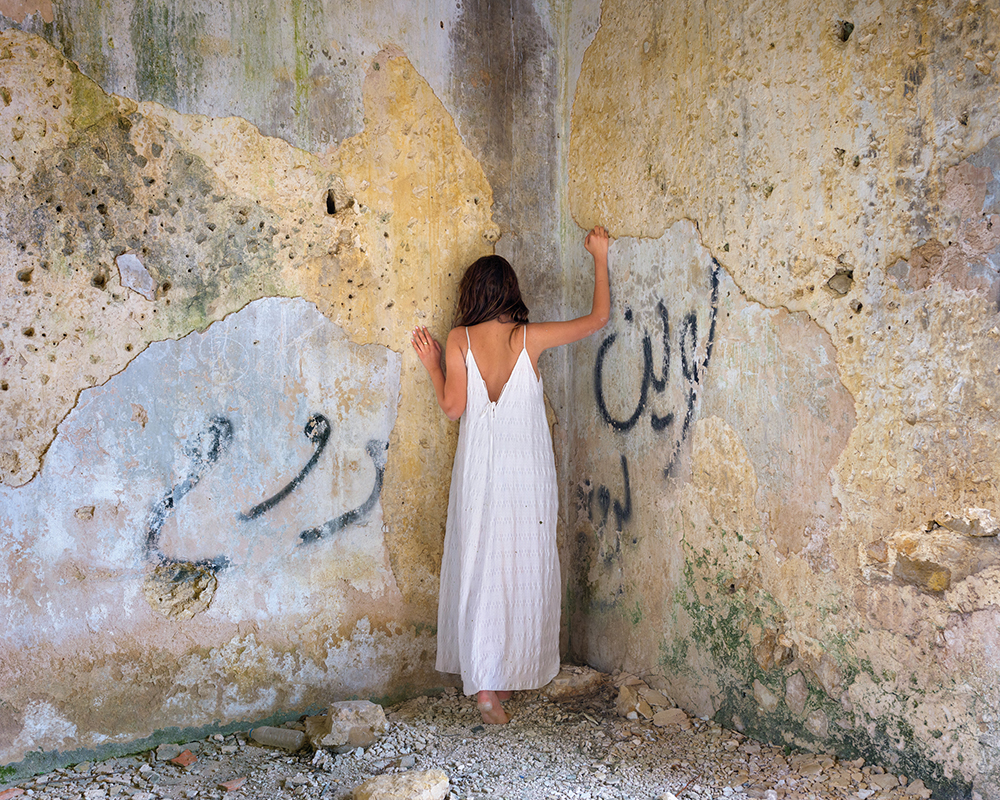
©Rania Matar, Perla, Where Do I Go لوين روح, Kfarmatta, Lebanon, 2021
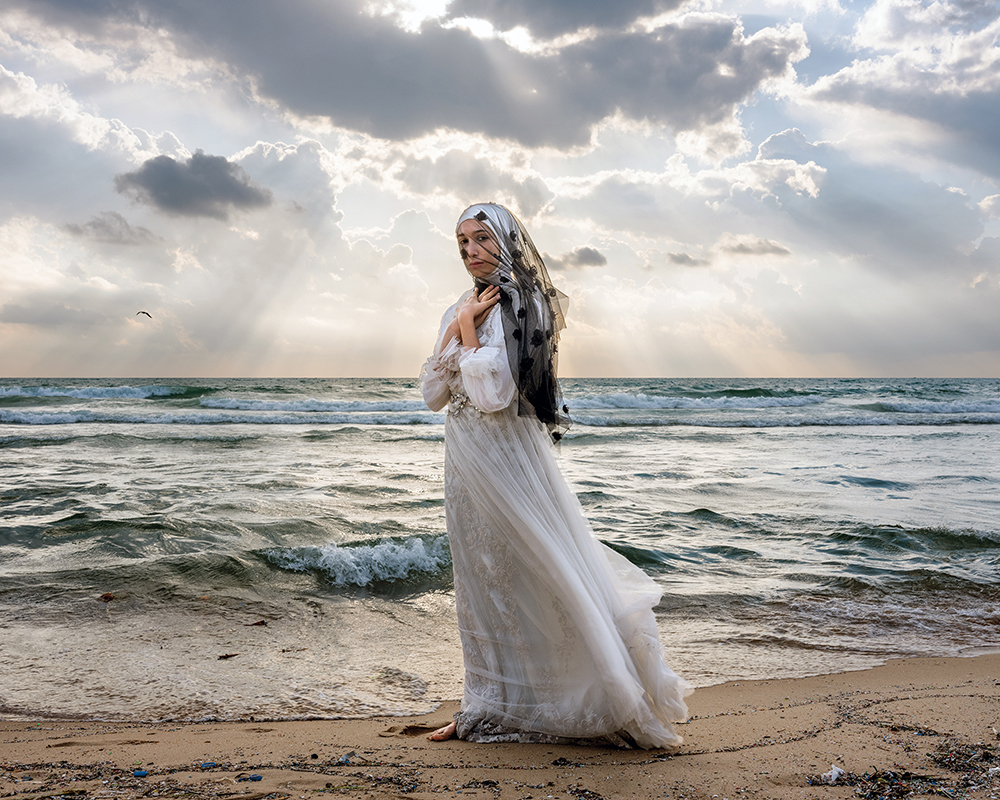
©Rania Matar, Fawzia (For the Brides of Gaza on Her First Wedding Anniversary), Ramlet Al Bayda, Beirut, Lebanon, 2024
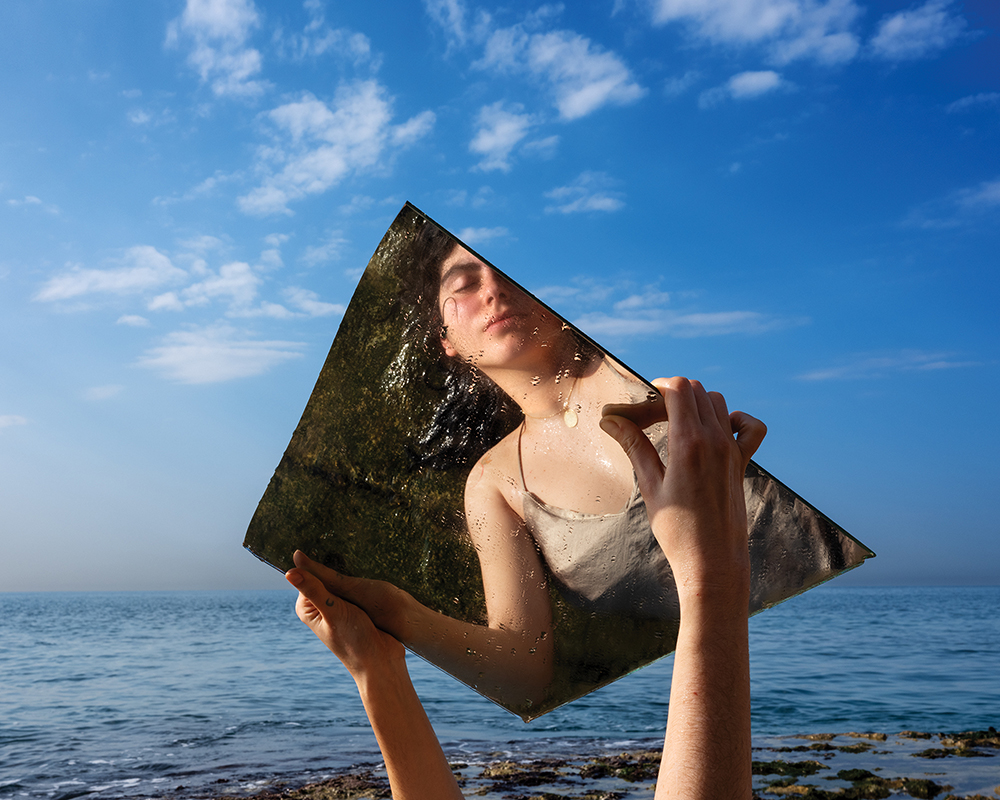
©Rania Matar, Rianna (With Mirror), Amshit, Lebanon, 2024
Posts on Lenscratch may not be reproduced without the permission of the Lenscratch staff and the photographer.
Recommended
-
Curran Hatleberg: Blood GreenMarch 9th, 2026
-

Kiana Hayeri: No Woman’s LandMarch 8th, 2026
-
McCall Hollister in Conversation With Douglas BreaultMarch 6th, 2026
-
Greg Miller: Morning BusMarch 5th, 2026
-
Vaune Trachman: Now IS AlwaysMarch 3rd, 2026