Andrew Lichtenstein: This Short Life: Photojournalism as Resistance and Concern
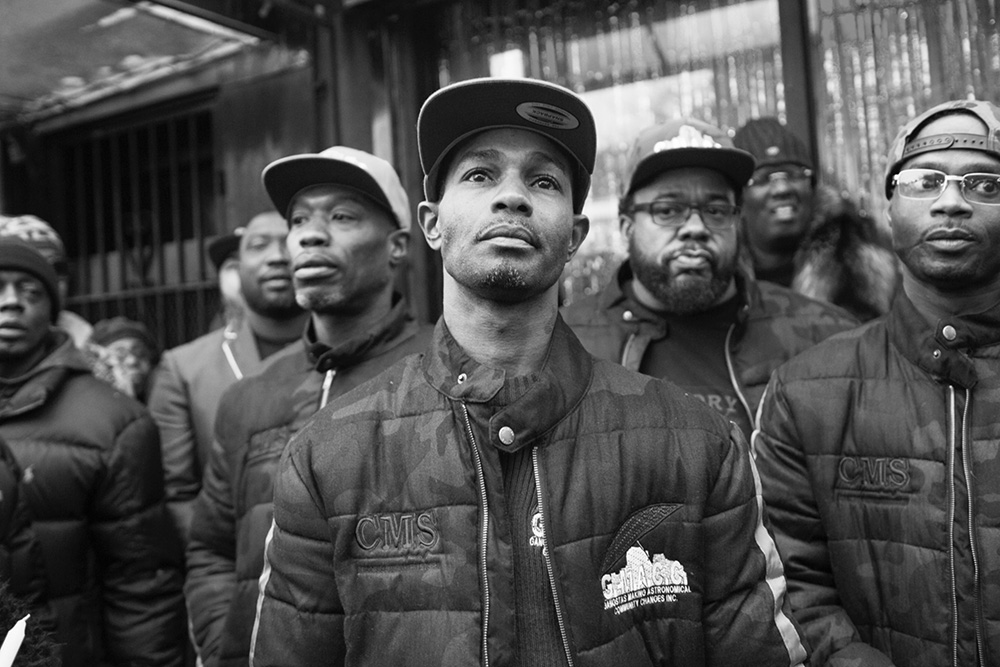
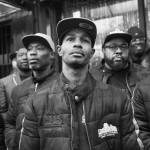
©Andrew Lichtenstein, from This Short Life, Violence Interrupters attend the opening of a new Gangsters Making Astronomical Community Changes office, Myrtle Avenue, Brooklyn, 2019
“Despite all the trauma of living – again – in Trump’s America, we are, and still can be, a people who care for one another.”-Andrew Lichtenstein
To those who enjoy learning about other people’s lives and who are open to introspection, This Short Life, a new photo book by Andrew Lichtenstein and published by Jet Age Books, offers a transformative view of American Life. Conceived as a response to the repressive policies of the Trump era, Lichtenstein selected 12 Americans to profile in-depth as representatives of the true diversity of the country.
Lichtenstein, who has had a long career as a social documentary photographer, has produced an important historical document under difficult circumstances. By collaborating with his subjects and including their own spoke transcripts, Lichtenstein works to counter the argument that documentary photography is exploitive and tilted in favor of the photographer over the subject.
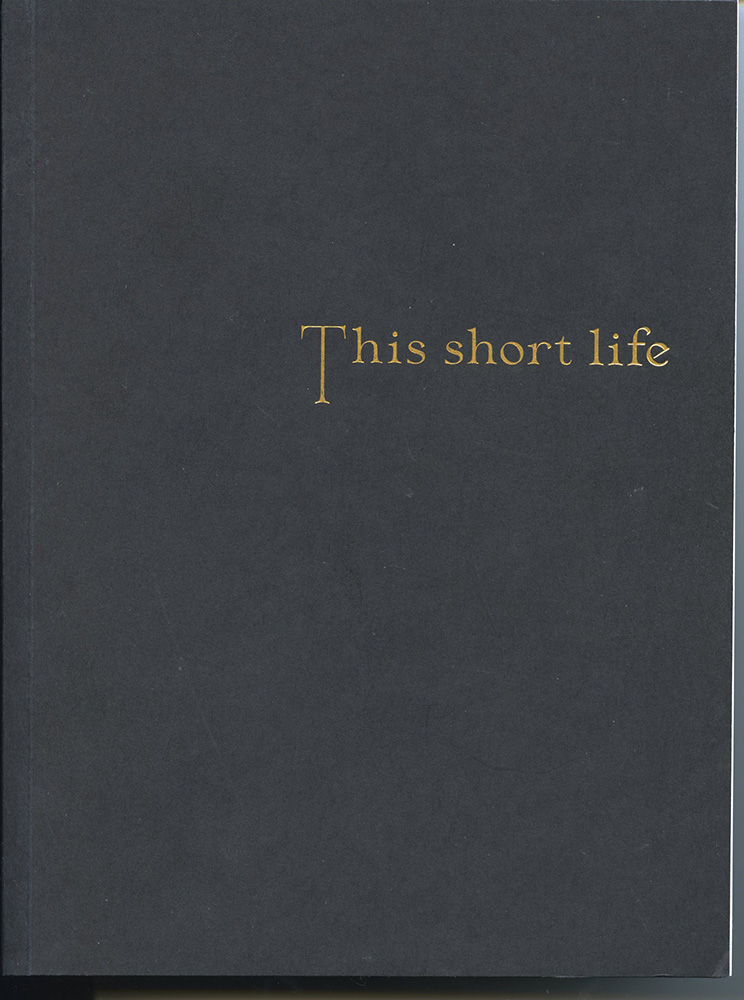
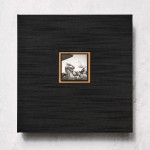
©Andrew Lichtenstein, This Short Life Cover
In-depth and long-term photojournalism has become rare in today’s world. The book shares the same spirit displayed in Below the Line by Eugene Richards (1987). Both books are documentaries of black and white photographs, include extended transcripts of the people photographed, and address complex and disrupting truths about America. However, in the almost four decades since Below the Line was published, there has been few photo books published in this format. Amid the sea change in the media landscape – the internet, social media and now AI – today’s readers may have a hard time appreciating a book that harkens back to the heyday of photojournalism over half a century ago. Regretfully, this may limit the book’s exposure but there are great rewards to those willing to invest the time to appreciate the powerful photos and words.
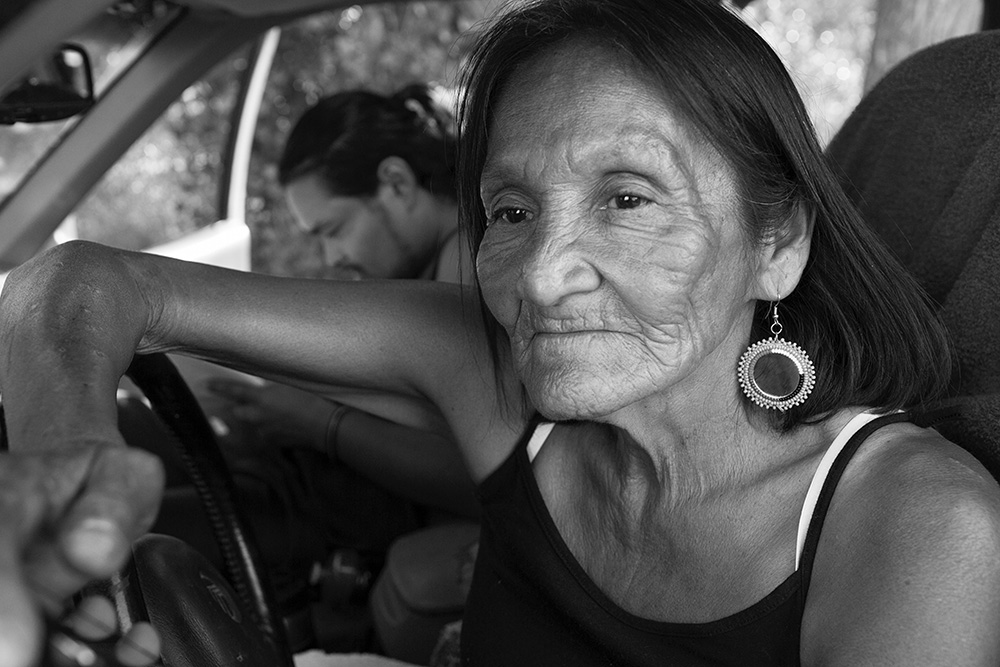
©Andrew Lichtenstein, from This Short Life, Joe Pullum’s grandmother, Pine Ridge Reservation, 2018
For the selection process of his collaborators Lichtenstein writes, “I wanted to search for Americans who were actively engaged in building a more open, inclusive and equal nation. It was important to me, from the outset, that the people presented in these pages not be famous.” It is instructive to list these 12 Americans in the order they appear in the book:
1. Chio Gonzalez, Bronx, New York – a union organizer for car wash workers.
2. Anthony Davis, Elaine, Arkansas – a disabled farmer whose grandfather was a witness to an act of racial terrorism in 1919, the murder of hundreds of Black people in the Arkansas Delta.
3. Ronnie Hipshire, Rum Creek, West Virginia – retired union coal worker who has lives among the environmental damage of his former profession.
4. Jasilyn Charger, Eagle Butte, South Dakota – a young Lakota woman who overcame drug addiction to become an activist for her people.
5. James Forbes, Brooklyn, New York – a former gang member who Gangsters Making Astronomical Community Changes.
6. Jim Gerritsen, Bridgewater, Maine – an organic potato farmer who sued Monsanto as part of the Organic Seed Growers and Trade Association.
7. Juan Carlos Ruiz, Brooklyn, New York – a Methodist minister on the frontline of the Sanctuary Movement to support immigrants.
8. Dora Rodriguez, Tucson, Arizona – an immigrant from El Salvador, she almost died crossing the Sonoran Desert and now is a volunteer with Tucson Samaritans helping new immigrants.
9. Justin Ponton, Huntington, West Virginia – a former addict with a difficult childhood, he now runs a halfway house for recovering addicts but grieves for a friend with recently died of an overdose.
10. Joe Pullum, Pine Ridge, South Dakota – an artist and member of the Oglala Sioux Tribe, he helped organize a successful protest to close stores that sell alcohol just outside the Reservation.
11. Ashley Quinones, Bloomington, Minnesota – the wife of Brian Quinones who was shot and killed by police in 2019, she now works with other families who have experienced police violence.
12. Toshira Garraway, St. Paul, Minnesota- her fiancée was murdered by the police, and she founded Families Supporting Families Against Police Violence.
If you are an American that is worried about the direction of the country, reading about the lives of these 12 fellow citizens can create mixed feelings. It is inspiring and rare to hear these unique individuals share their passionate world views. It is also deeply disturbing to contemplate how vulnerable the poor, people of color and immigrants have become in our era of ICE raids, cutbacks to SNAP benefits and tax cuts for the super-rich.
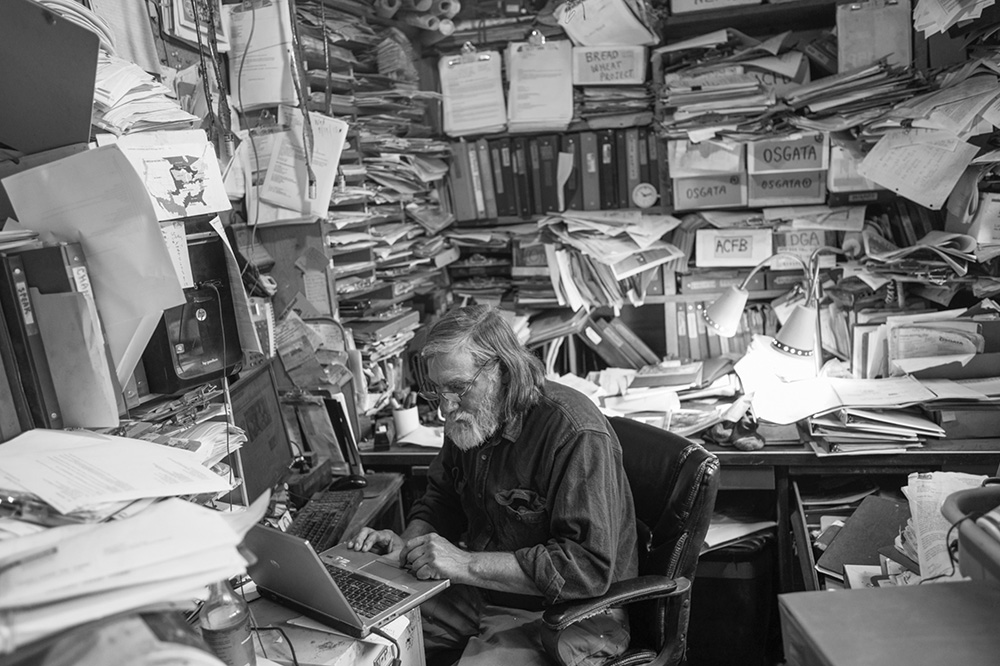
©Andrew Lichtenstein, from This Short Life, Jim Gerritsen in his home office on Wood Prairie Farm, Bridgewater, Maine
The photos in the book are presented in short essays of 7-9 images and sequenced beautifully between unposed portraits of the main subject, their communities and the surrounding environments. Lichtenstein’s “fly on the wall” photographs display a raw energy appropriate for the subject and have a soulful and affirmative feeling towards the people and their life situation. The photos of the retired coal miner are particularly strong with the depiction of coal mining as causing both destruction to the environment and physical and emotional suffering to the miner.
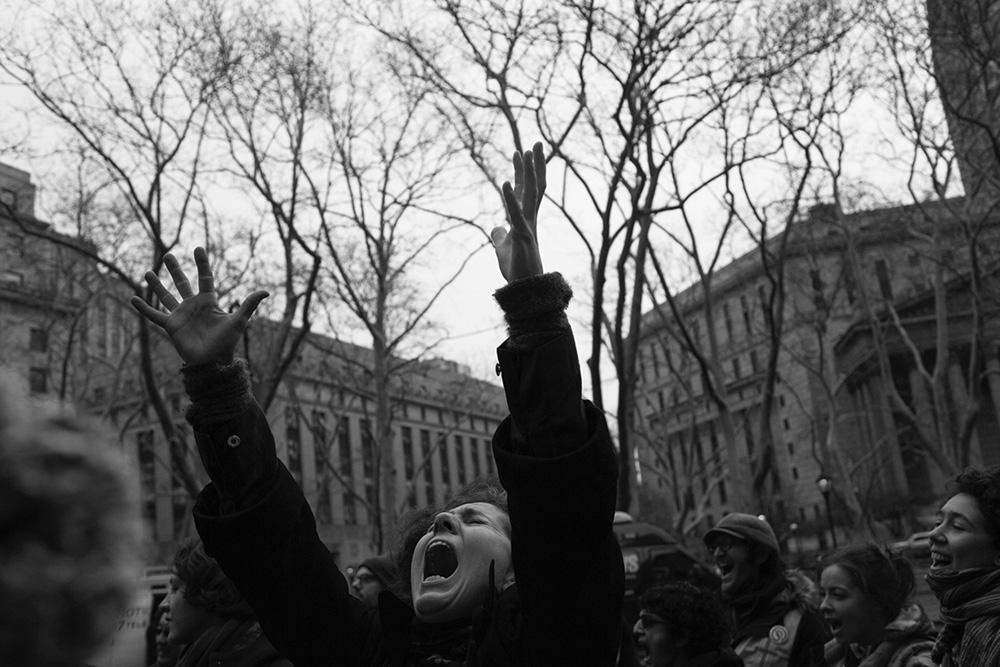
©Andrew Lichtenstein, from This Short Life, A woman screams outside the Federal Plaza Immigration Court during a “Jericho Walk” protest around the building, New York City, New York, 2018
The book design smartly separates the photos from the text. There are short captions which are also apart from the double page photos. This encourages one to view the photos and read the text as separate stories about the same subject and region. One critique is that the small format of the book creates a deep gutter that hurts the display on some of the photos.
I first met Andrew Lichtenstein in 1990 when he was first starting out. It was hard to forget his portfolio depicting hard core alcoholics in the Bowery and heroin addicts in Brooklyn (check out some of these incredible photos on his website – lichtensteinphoto.com – in the portfolio Before the Roofless Mall). Over the years, Lichtenstein has continued to pursue long term stories on social issues. One notable story is his seven-year documentation of U.S. prison system.
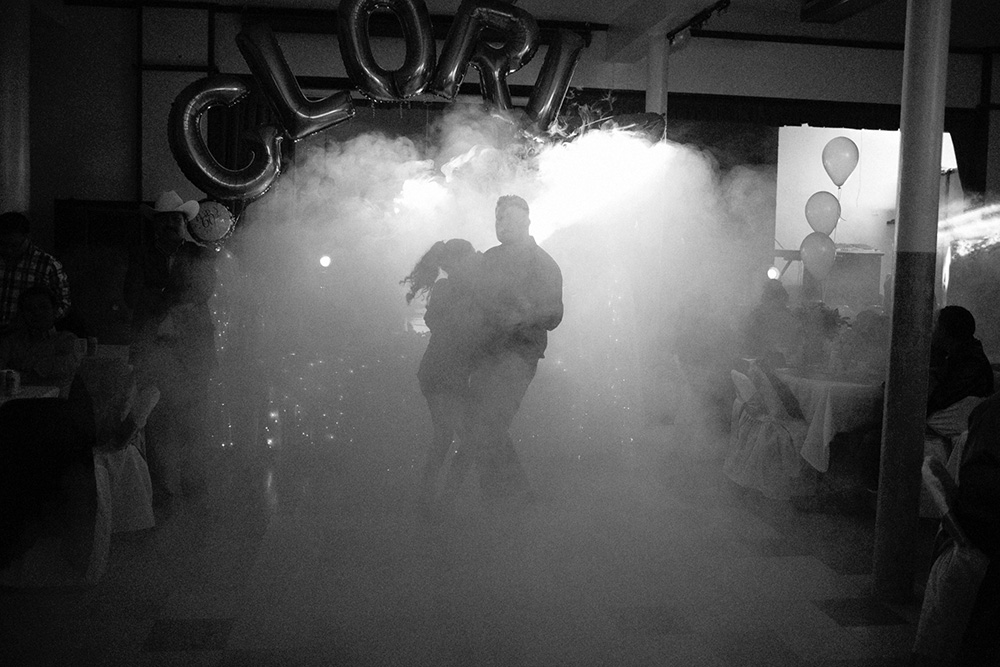
©Andrew Lichtenstein, from This Short Life, A birthday party for Gloria, an undocumented immigrant, in a church basement in Sunset Park, Brrokly, New York, 2017 Although having lived in Brooklyn for three decades, and raised children and grandchildren in the inited States, Gloria was deported back to Mexico later in the year.
Lichtenstein works for American and European magazines, as well as foundations and non-profits as a still photographer. One can imagine the Andrew Lichtensteins of the future will do social documentaries with a video camera or a phone and that’s okay if their journalism is solid. The still photo essay may no longer be popular or mainstream, but it has qualities that are distinctive and exceptional that are on display in this book.
The title of the book, This Short Life, seems to reference the poem by Emily Dickinson that asks the question of what you would do if you only had one hour to live. For those profiled in the book, it seems their answer could only be to continue the life they are living, and against great odds doing the best they can to help others. As for Lichtenstein, he probably would want to keep photographing more stories about the perseverance and virtues of people we often overlook.
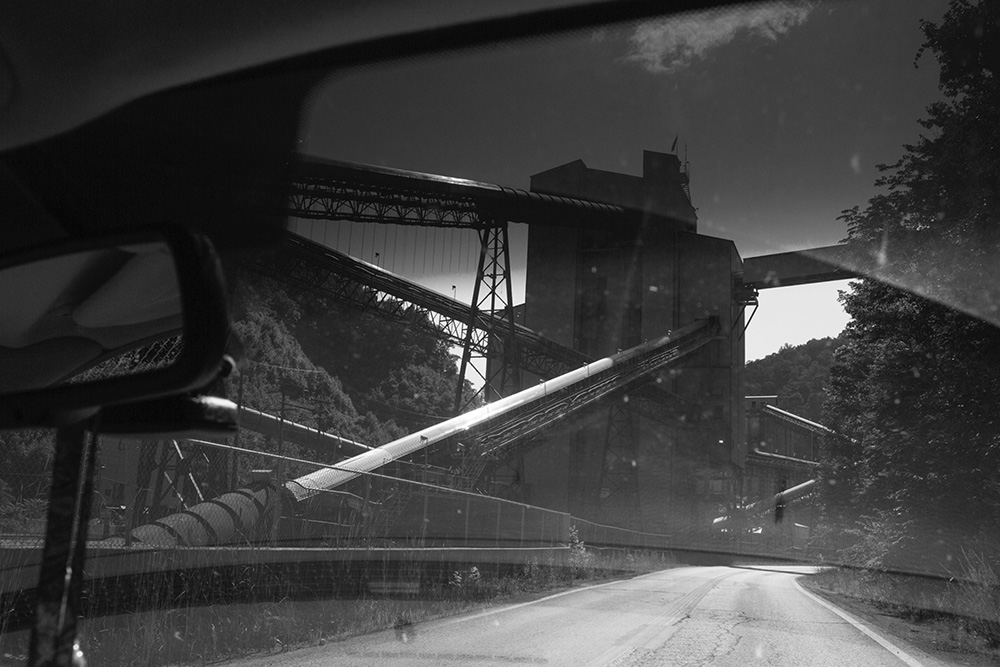
©Andrew Lichtenstein, from This Short Life, Shut down coal mine, Rum Creek, West Virginia, 2018
Andrew Lichtenstein, a native of New York City, is a documentary photographer, journalist, and teacher who works on long-term stories of social concern. Over the last two decades he has concentrated on photographing stories about social justice in America. For seven years, he documented the rise of the prison industrial complex in America, followed by the publication of two books, Never Coming Home and Marked, Unmarked, Remembered; A Geography of American Memory.
IG – @andrewlichtenstein
This Short Life is available from https://jetagebooks.net
IG – @jetagebooks
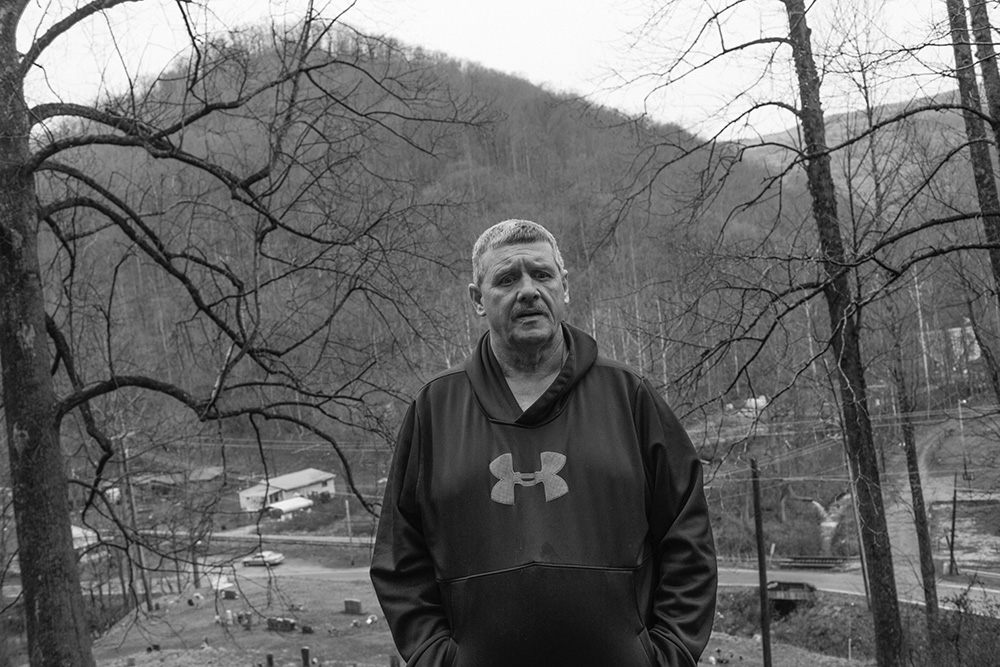
©Andrew Lichtenstein, from This Short Life, Ronnie Hipshire, Rum Creek, west Virginia, 2019
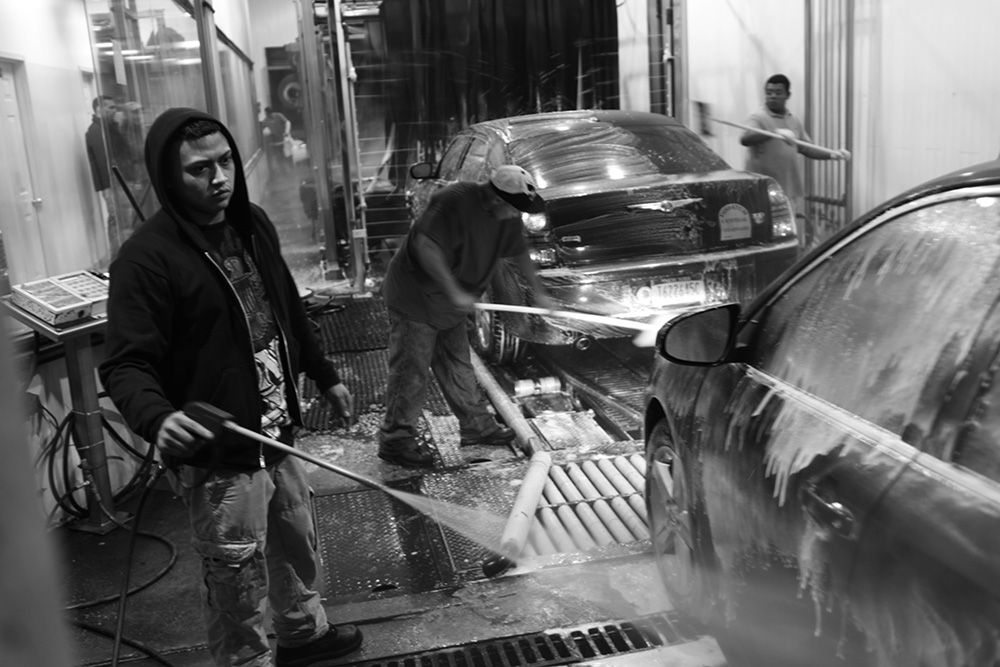
©Andrew Lichtenstein, from This Short Life, Workers clean cars at a car wash being organized by Retail, Wholesale and Department Store Union (RWDSU), on Webster Avenue in the Bronx, New York, 2012
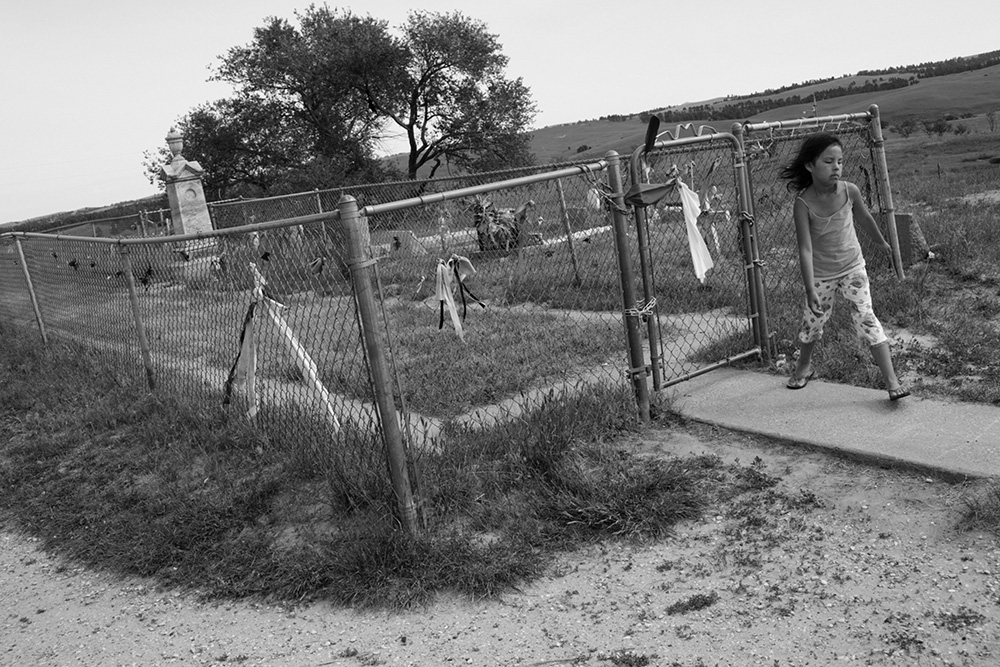
©Andrew Lichtenstein, from This Short Life, Burial Groud, Wounded Knee, Pine Ridge Reservation, South Dakota, 2018. In 1890 the United States Army massacred several hundred refugees, many who are buried here.
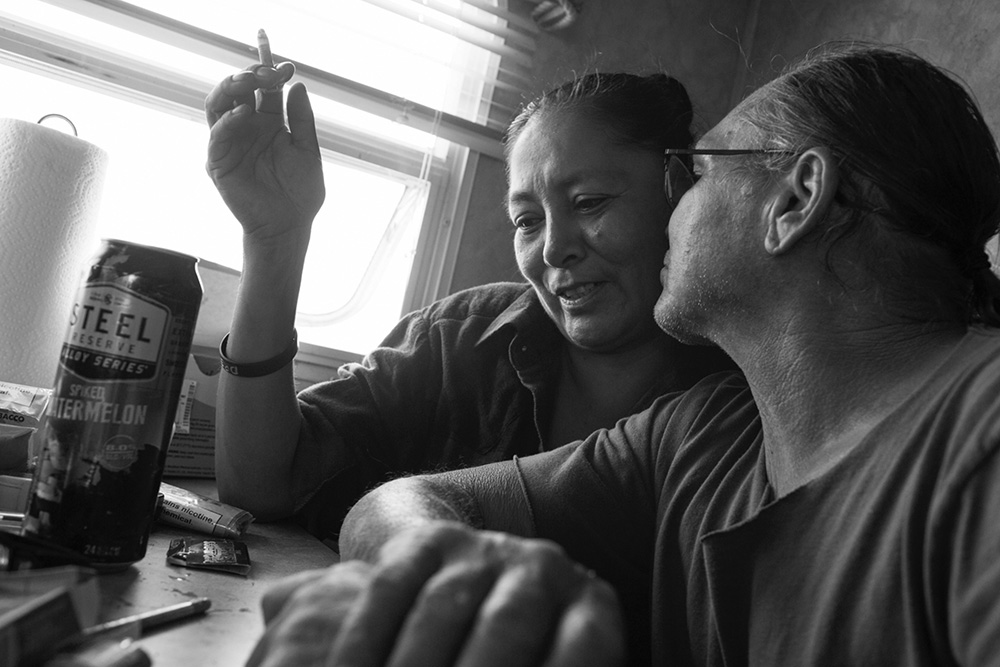
©Andrew Lichtenstein, from This Short Life, Jasilyn Charger’s mother and a friend, Cheyenne River Reservation campgrounds, South Dakota, 2019
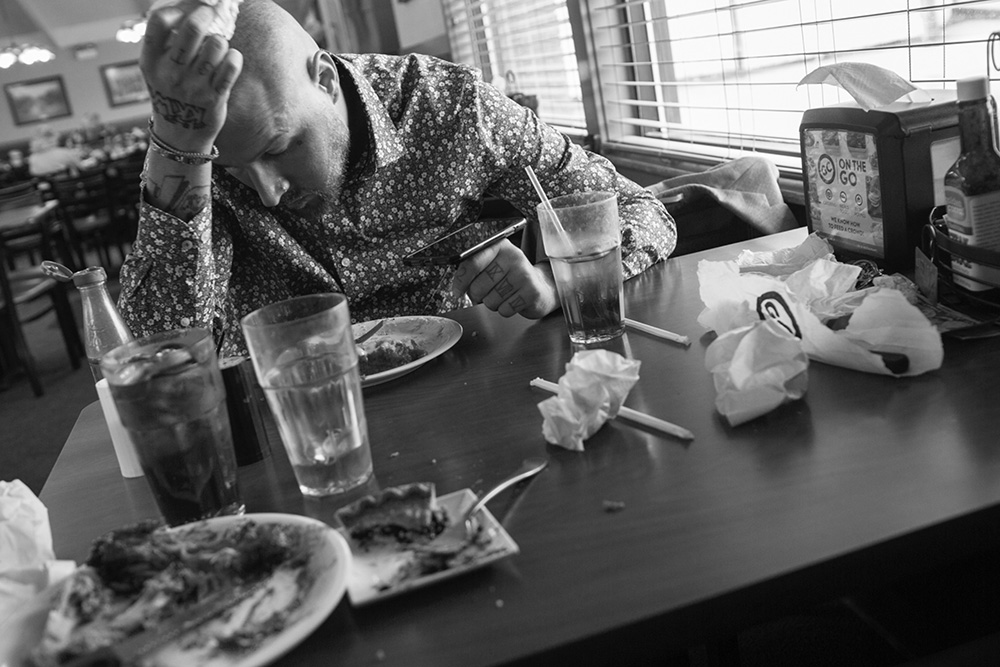
©Andrew Lichtenstein, from This Short Life, Justin Ponton receives news that the electricity in one of the halfway houses he runs is about to be cut off for lack of payment, Huntington, West Virginia, 2019
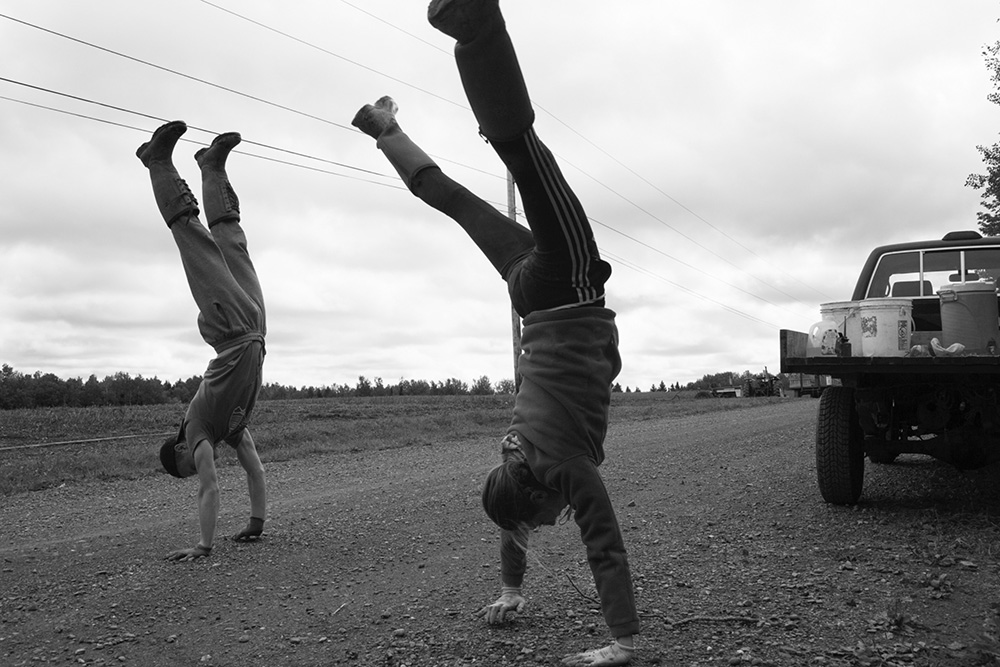
©Andrew Lichtenstein, from This Shirt Life, Local teenagers play during a break from harvesting the potato crop, Bridgewater, Maine, 2018
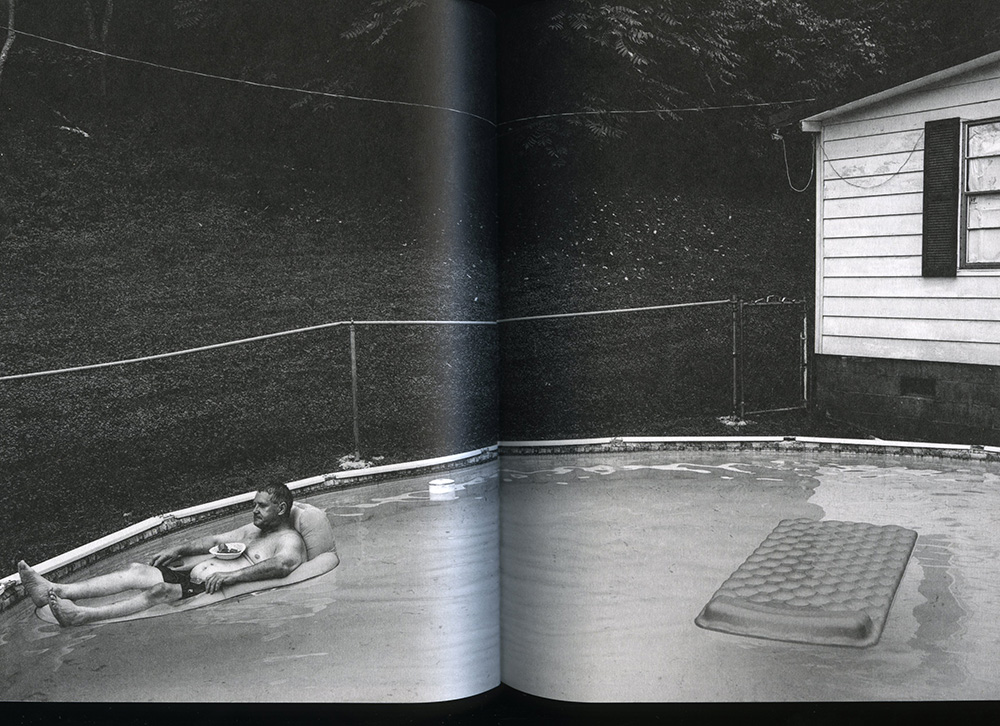
©Andrew Lichtenstein, Spread from This Short Life Retired coal miner Ronnie Hipshire at home, Pecks Mill, West Virginia, 2018
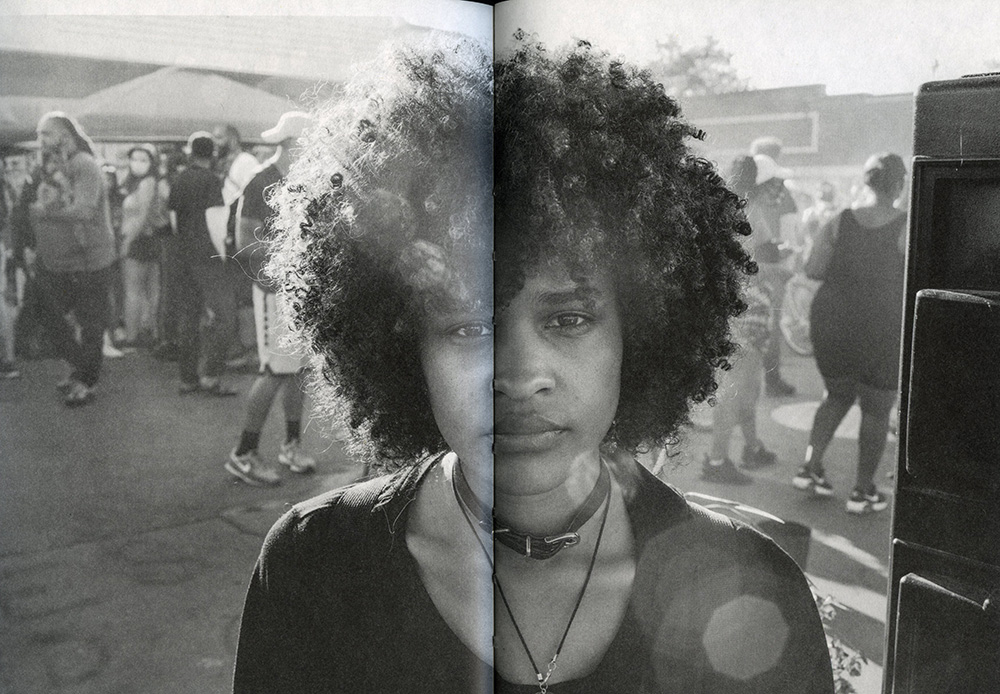
©Andrew Lichtenstein, Spread from This Short Life, George Floyd Square, Minneapolis, Minnesota, 2020
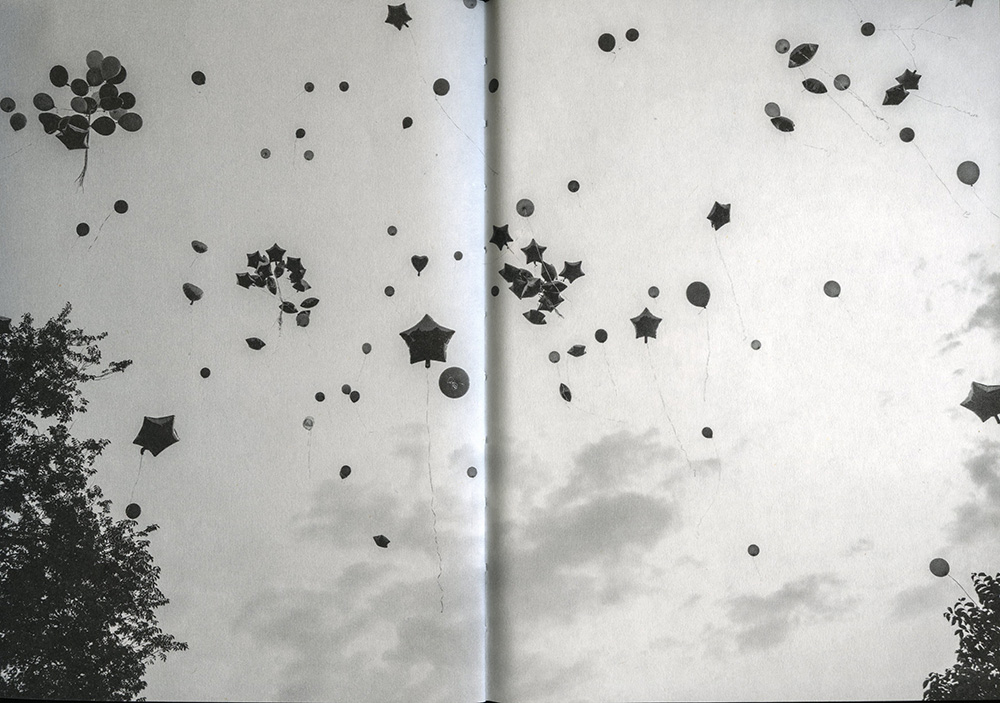
©Andrew Lichtenstein, Spread from This Short Life, Balloons released in memory of those killed by the police, Powderhorn Park, Minneapolis, Minnesota, 2020
Peter Essick is a photographer, author, speaker, and drone pilot with 30 years of experience working for National Geographic Magazine. Essick is the author of four books of his photographs, The Ansel Adams Wilderness, Our Beautiful, Fragile World, Fernbank Forest, and Work in Progress. He has photographed stories for National Geographic Magazine on many environmental issues including climate change, high-tech trash, nuclear waste, and freshwater. Essick now focuses his work on a more personal documentation of the environmental and cultural changes in his hometown of Atlanta.
Instagram: @essickpeter
Posts on Lenscratch may not be reproduced without the permission of the Lenscratch staff and the photographer.
Recommended
-
David Katzenstein: BrownieJanuary 11th, 2026
-

Amani Willet: Invisible SunJanuary 10th, 2026
-

THE 2025 LENSCRATCH STAFF FAVORITE THINGSDecember 30th, 2025
-

Kevin Klipfel: Sha La La ManDecember 29th, 2025
-
Time Travelers: Photographs from the Gayle Greenhill Collection at MOMADecember 28th, 2025