Photographers on Photographers: Ariana Gomez in Conversation with Tracy L. Chandler
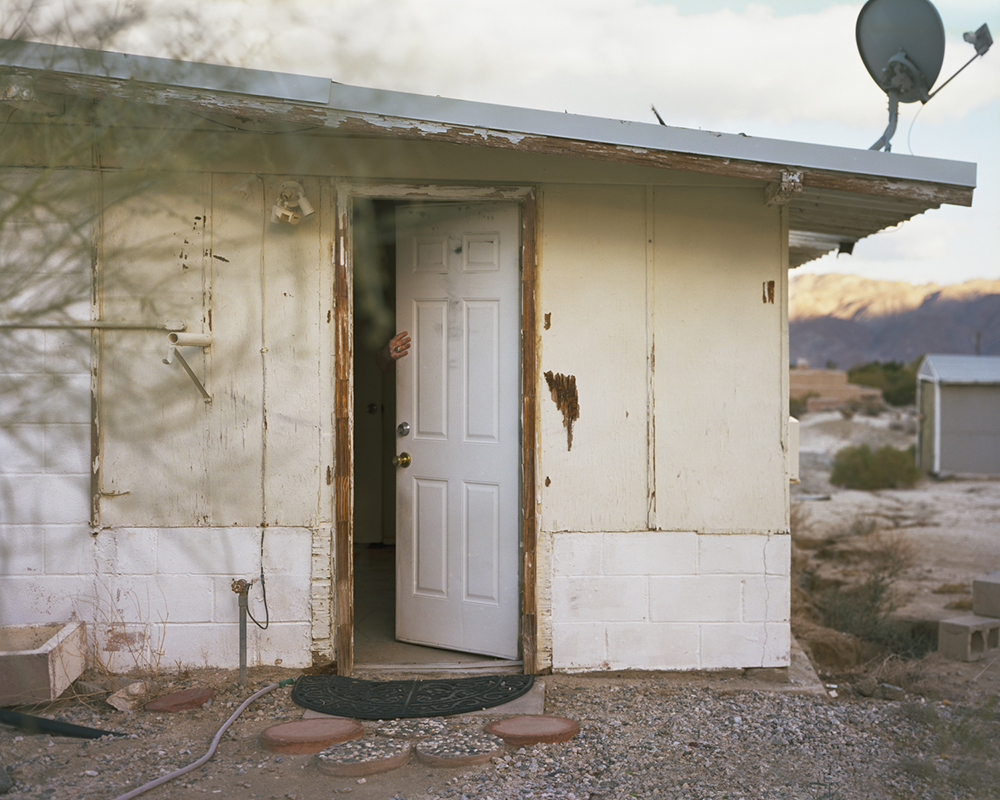
© Tracy L Chandler from the series A POOR SORT OF MEMORY
Every August we ask the previous Top 25 Lenscratch Student Prize Winners to interview a hero or a mentor, offering an opportunity for conversation and connection. Today Ariana Gomez and Tracy L. Chandler are in dialogue. Thank you to both of the artists.
I met Tracy L. Chandler while teaching a book-making class at The University of Texas at Austin this past spring. She and the Deadbeat Club crew graciously came to talk to my students about the ins and outs of creating a photobook, and afterwards, she asked me about my own work. About three sentences into our conversation, I was distracted by the thought that I had already told her way too much about myself. But that’s what happens when you suddenly meet someone whose thinking about art and the process of making aligns so closely to yours. We exchanged emails, and afterwards had a great conversation speaking to memory, past lives, future identities, and a particular crushed velvet outfit Susan Sarandon wore in the 90’s.
For this Lenscratch series, I knew I wanted to understand Tracy’s work more and it’s been such an honor getting the chance to reflect on our practices. In the following conversation, we were able to delve much deeper into our processes and consider what makes a home feel like home. We speak to unreliable narrators, individual agency for our subjects, and objective reality as photographers. All in all, we try to understand our own memories, as well as those left forgotten or undiscovered within the landscape a little more deeply; to discover the myth of home.

Tracy L. Chandler is a photographic artist based in Los Angeles, CA. Her work explores humanity and her own personal story reflected through portraiture, landscape, and narrative. Her photographs address themes of memory, psychological projection, and conceptual place.
Chandler earned her MFA from the Hartford Art School in 2021 where she was awarded multiple merit scholarships and the Mary Frey Book Grant. Her project A POOR SORT OF MEMORY has been exhibited in multiple solo shows including at the Reef in DTLA in 2025 as well as screened as a short film at the Arles Rencontres photography festival in France in 2023. Tracy has participated in multiple group exhibitions including The Oregon Contemporary, The Museum of Warsaw, Baxter St Gallery, These Days Gallery, Candela Gallery, The Filter Space, and The Humid. Her work has garnered many recognitions including scholarships and awards from the Hopper Prize Foundation, Montello Foundation, PH Museum, Arles Book Awards, Charcoal Book Club, Urbanautica Institute, Lucie Foundation, Critical Mass, and Los Angeles Center of Photography. Her work has been featured in publications and podcasts including The Nearest Truth, Booooooom, It’s Nice That, Fotofilmic, California Sun, The Humble Arts Foundation, and Lenscratch.
Her first monograph, A Poor Sort of Memory, published by Deadbeat Club, debuted fall 2024.
Beyond her art practice, Chandler is a Contributing Editor at Lenscratch Magazine, with a column dedicated to her interviews with photobook artists.
Instagram: @tracylchandler
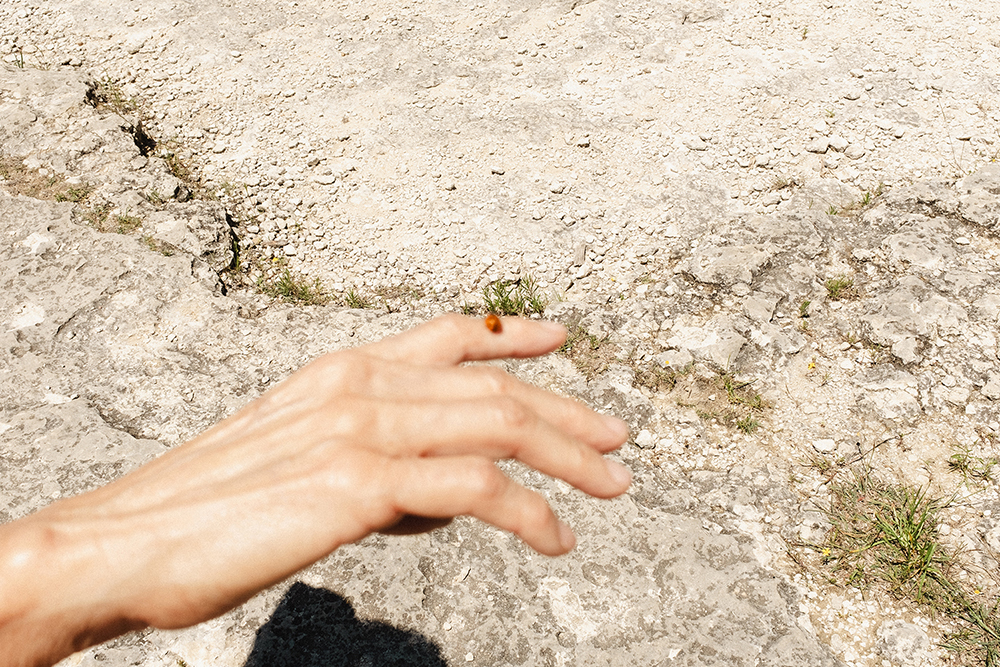
© Ariana Gomez from the Series My Mother Speaks of Land as Memory
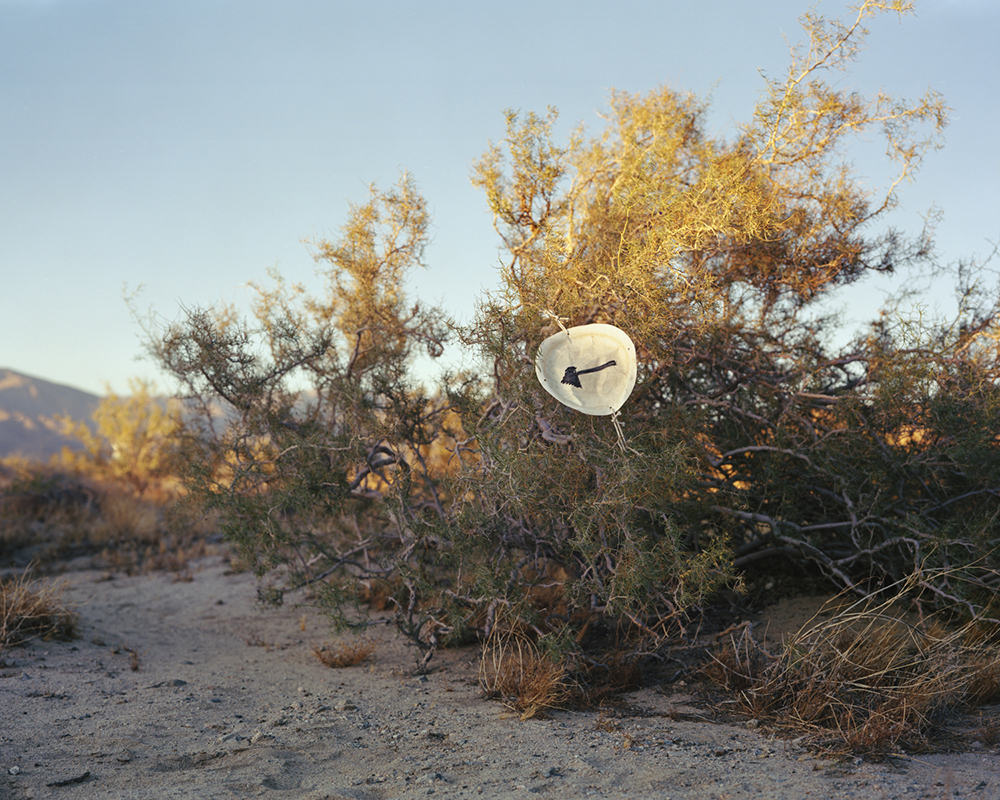
© Tracy L Chandler from the series A POOR SORT OF MEMORY
Ariana Gomez: I have a question that revolves around childhood vs adulthood and the time in between. When I make work, I think about coming back to a space and consider how much the space has changed, but when looking at your work, especially in A POOR SORT OF MEMORY, I get this feeling the change is coming more from you than the landscape. Maybe that is because your son is a recurring character, guiding us like Alice, through the eyes of a child. As you returned home, how did the desert change for you?
Tracy L Chandler: Good question. Change is the only constant, both in the world “out there” and in the world inside us, and this idea of an unreliable narrator is central to my work. What if there is no objective reality and the only thing we have is our own subjectivity? As we change over time, so does our perception of the world around us, our memory, our projections– all filtering our experience of any given context. And then we add the additional layer of interpretation that comes along with photography–all the choices of where to frame and when to push the shutter. This is what I am confronted with when returning to the desert to make work. A place that is so familiar yet I see it anew because I am anew. And then with my son, I see him in this space and am reminded of my own past as well as imagine his future. All of these layers of memory and imagination fold back on themselves and guide me in where and what to photograph.
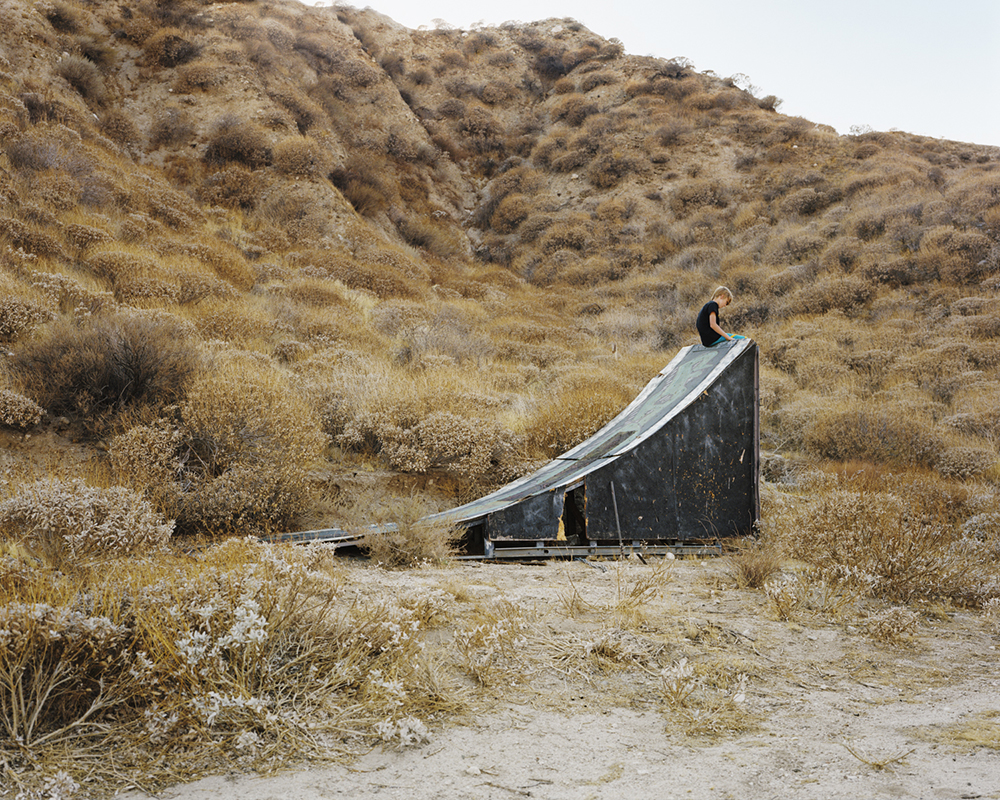
© Tracy L Chandler from the series A POOR SORT OF MEMORY
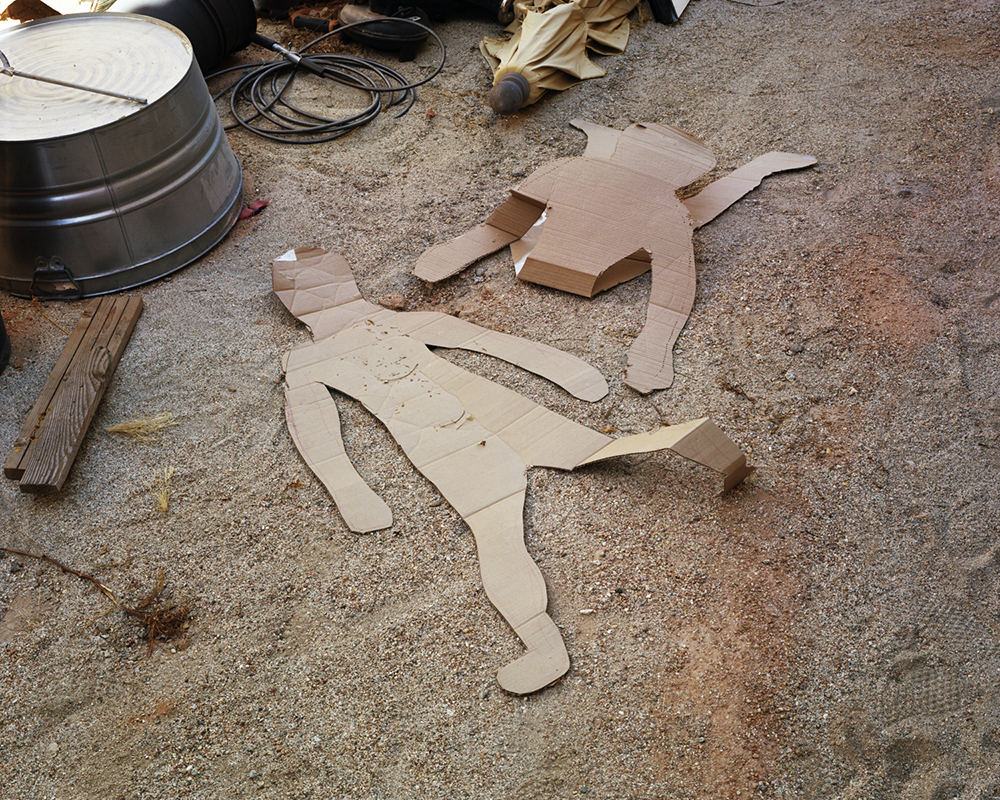
© Tracy L Chandler from the series A POOR SORT OF MEMORY
AG: I think that’s the exciting part, and maybe where both of our work lies: this in-between of remembering a place as objective truth, and the shock of coming back to it and realizing that the space has changed – the desert, the home, the people have all become something different and distorted even. When I came back to Austin after 12 years away, and the passing of my father, I thought ‘this is going to be such a relief to be home, to rest, to be welcomed back to a world I know’ – but it was quite the opposite. I hadn’t realized how much I had changed and I had to contend with the shock. Have you spoken to your son about his experience? How do the two differ? I ask because my mom is such a huge part of my work. We talk a lot and it becomes my guiding force for images. Her memories become my memories and this feels like the bridge through time I’m looking for. Do you consider these times with your son a bridge?
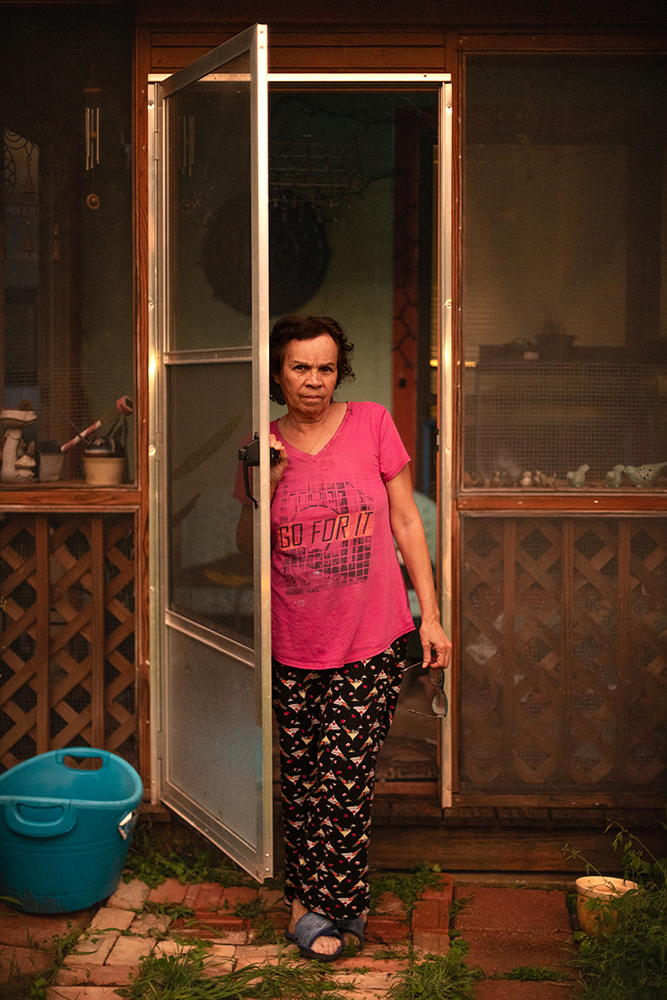
© Ariana Gomez from the Series My Mother Speaks of Land as Memory
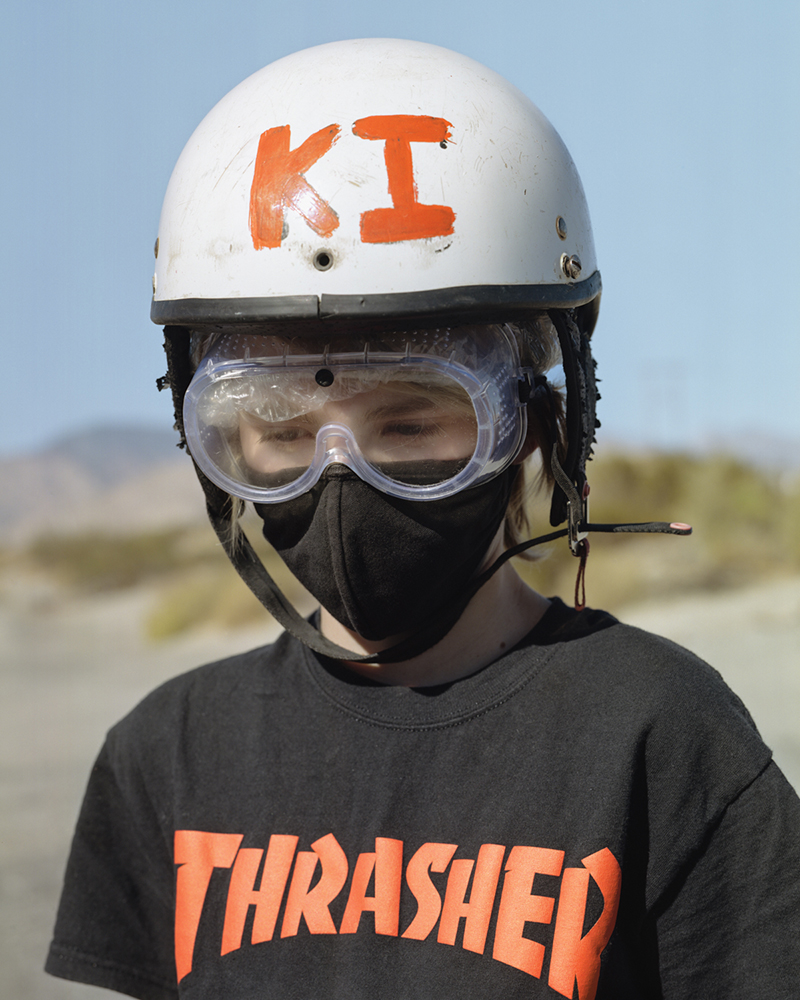
© Tracy L Chandler from the series A POOR SORT OF MEMORY
TLC: Yes, a bridge is a good way of putting it. For me, seeing my son in this landscape reminds me of the precarious process of coming of age in this unforgiving place–how vulnerable we are as children, trying to find our way, trying to become our selves. But then it gets complicated to photograph him because I have to contend with looking at him as his own person as opposed to just a mirror of myself and my past. As he got older and into adolescence, he had a lot more to say about his participation in this work. He was in the process of individuation and wanted more control and power, especially over his image. It became very clear to both of us that I was using him as this avatar to project my own story. It didn’t feel right. The mother in me wanted to protect him from the artist in me. So we changed gears. He became more of a collaborator in making the pictures, having more say in when and what we photographed. Oftentimes that meant no photograph at all and I had to make peace with that. These family dynamics are inescapable when making personal work. It becomes hard to parse out whose memory is whose, who’s looking at who, whose story are we telling. But for you and I, we are the ones holding the camera. Does that mean we have the final word? How does your mother relate to the pictures once they are made and displayed?
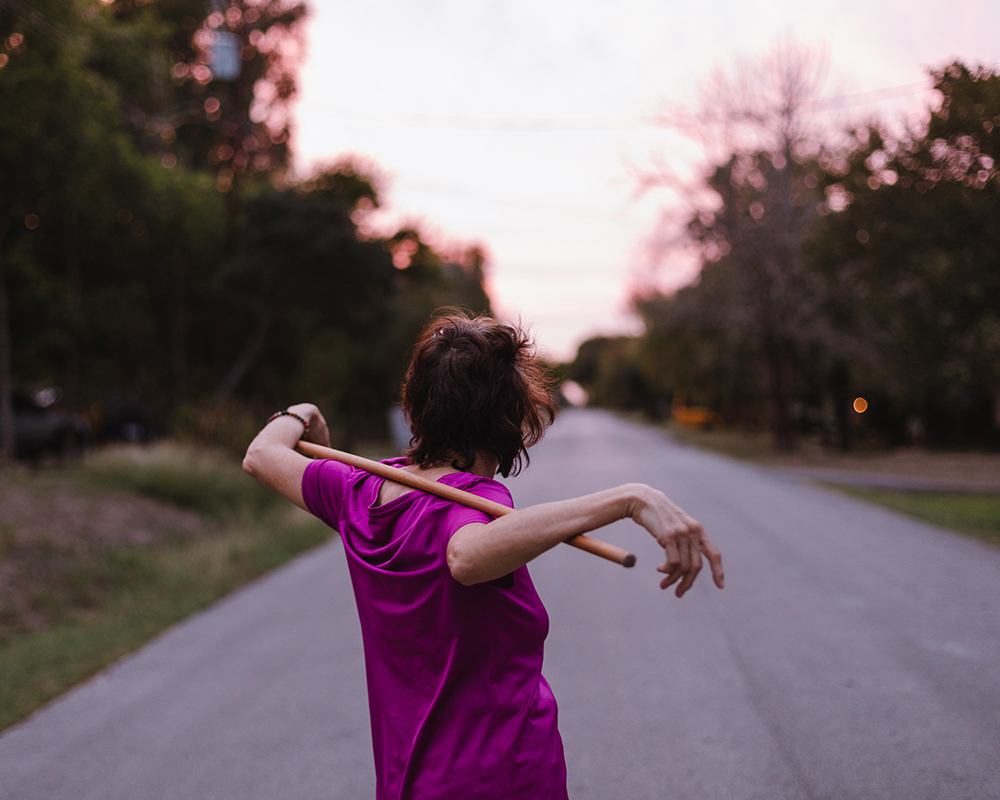
© Ariana Gomez from the Series My Mother Speaks of Land as Memory
AG: Ohh that’s so interesting. I’m thinking about our opposite placements within our projects. I’ve never truly considered what the mirror does for my mother (kids these days eh?). I’ve wanted to live in that space of projection and wonder. For me, it’s exciting to blend the two of us together, and let the viewer sort out who is who in this process. But I’m also a grown adult. I can understand the agency your son is looking for, the independence as he grows older is exciting and needed in order to figure out his own individuality. I like what you said too about protecting him from the world but also you as an artist. Because we hold the camera, ultimately I do think we have the final word. And that’s a heck of a lot of power. I’ve been trying to incorporate my mother’s art into this space as well, as a form of collaboration and asked her to draw her landscape from memory. Me not including these drawings just yet is one decision, and the when and how I press the shutter is the next decision. Everything goes into that image of her and more than once she has told me: ‘your friends are all going to think I never smile’. That’s her relation as mother and individual moving through this world. But her relation to the images as an artist is always varied. These aren’t the photos she would take necessarily, but she laments not having captured more of her mother when she was alive. It instantly becomes generational and the sadness within that, I think is what makes both of our works thrive in some weird way. It makes it universal. Do you search for that generational gap within the desert? Or are you trying to move away from it as your son develops more agency? I know it’s always a push and pull, but it feels like you are attempting to hold the mirror further away as he gets older, possibly separating you two a bit more, allowing a different narrator to edge in, whereas I might be looking to pull it closer so the image blurs and catches the blind spots we have. Does that feel accurate?
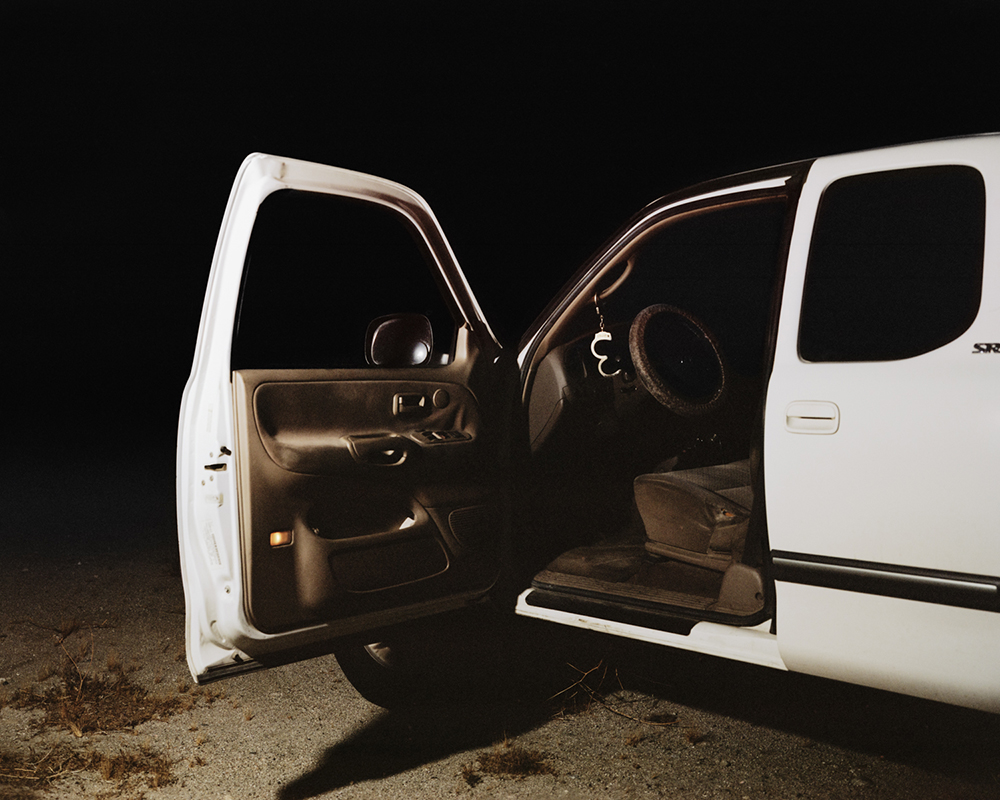
© Tracy L Chandler from the series A POOR SORT OF MEMORY
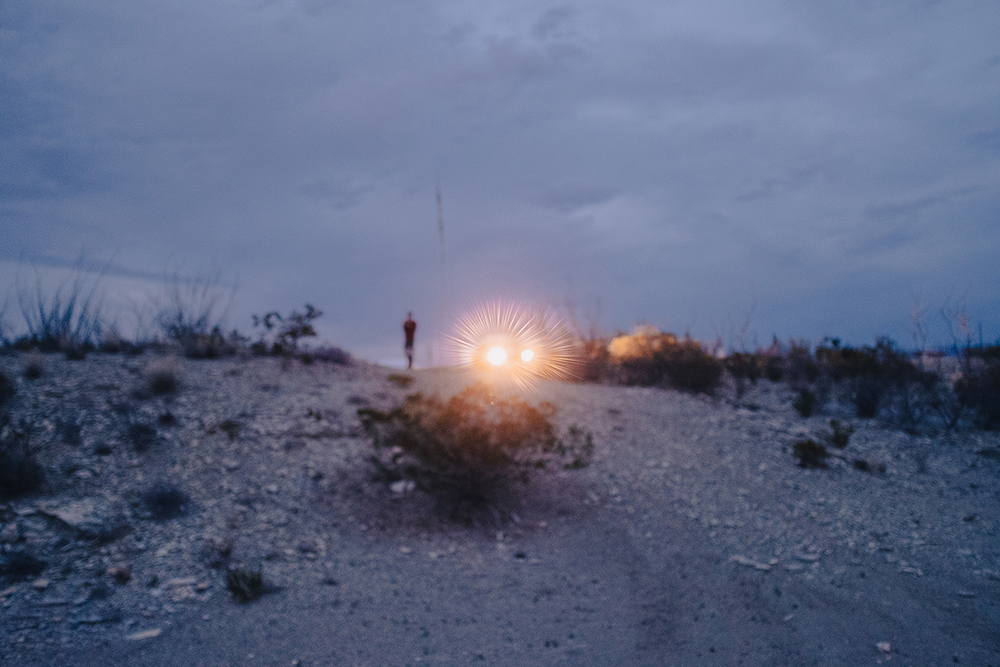
© Ariana Gomez from the Series My Mother Speaks of Land as Memory
TLC: Totally. I think we are coming at it from different intentions, trying to pull back and focus versus lean in and blur. But I also think those intentions only get us so far. There is so much out of our control, our own blind spots especially. We don’t know what we don’t know and sometimes it’s not until after you have made the work that it reveals itself. It’s like you were speaking to yourself from the other side. This sounds all very psyche-woo, I know. But I think with photography and family there is no objectivity, no past and present, and no true separation of subject and maker.
I would be really interested to see your mother’s drawings, another layer of interpretation of memory! Do they inspire photographs for you? I am trying to visualize your process, are you always carrying a camera? When you are in the landscape or with your people, how do you know when something is a “picture”?
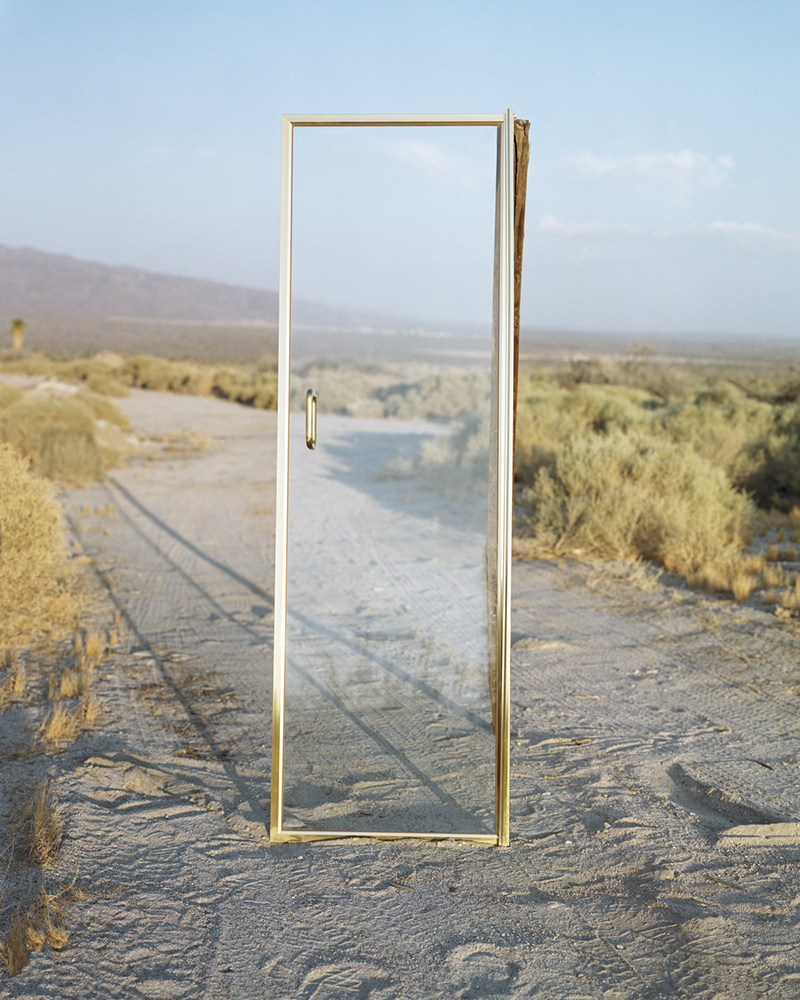
© Tracy L Chandler from the series A POOR SORT OF MEMORY
AG: Yes! I think that’s what I learned most with my current project. There is no separation between everything, but somehow when I make images, I’m still looking for it. It wasn’t until someone asked me if a photo of my mother was me. It felt like the world stopped for a second, and time collapsed.
My mother’s landscapes do inspire photographs in some way. I recently went to Puerto Rico in search of these places, but in the end so much has changed. She couldn’t find that same landscape of her memory. So now, in the continuation of this project, I have the question – What makes a home? And I’ve been thinking about rituals a lot. As for my process, I always carry a camera with me. I’m used to making photos and then later figuring out what they could be used for, or how they can fit into my process. This project, at the beginning, felt very place based, but it became too specific. Letting go of place (weirdly) helped me to understand what I was trying to say a little more. When I’m in a landscape, knowing when I’ve made the picture is a lot harder than when I photograph my mom. She is so good about falling into her space, it’s become second nature. With landscape, I have to search a bit more – and usually I rely on memories of images or even how certain films I’ve seen made me feel. I know the sun at a certain time of day will elicit the feeling I want, so I go off that a lot, and from the beginning, my entire goal was to personify the landscape, so looking at it as a portrait has always helped me. What is your process? And how do you define a home?
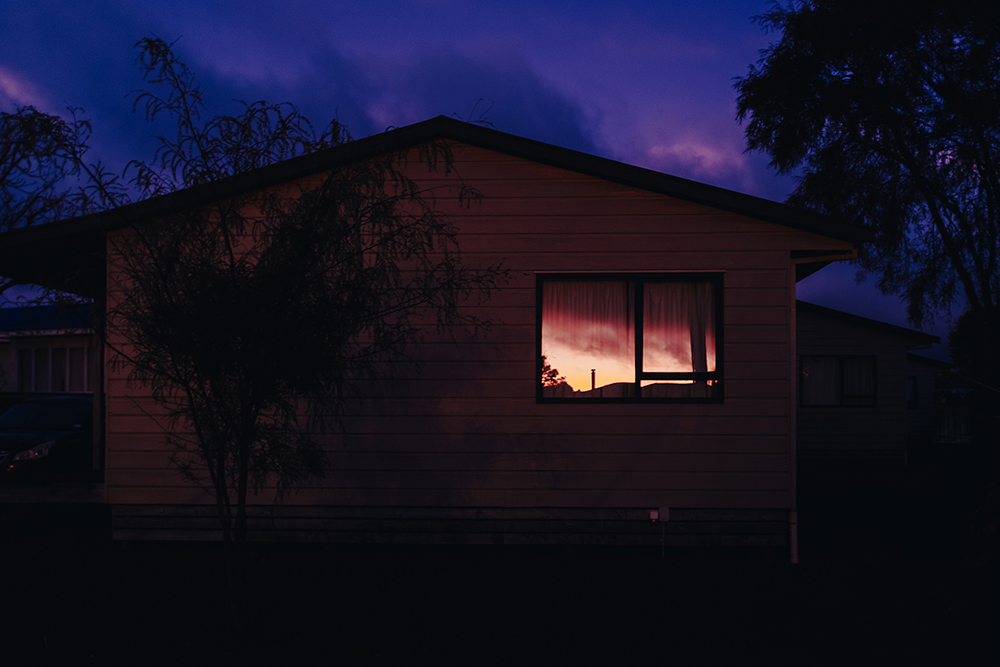
© Ariana Gomez from the Series My Mother Speaks of Land as Memory
TLC: I am mostly working in my hometown, the place I came of age, and the place where my family still lives. My working process is to visit sites of specific memory and use that location as a jumping off point to make pictures. Sometimes that is photographing the objects, place, people in that location and sometimes it is just using the psychic energy of that memory to look and discover something new.
I have come to realize that “home” for me is entirely a conceptual place. It may be tethered to a specific location or landscape but it is the connection inside of us that makes it “home.” We can have that connection with places wildly different than where we actually live or grew up. I know it when I feel it in my body, it’s a sinking and deep interior connection, not always in a good way, but it is grounding. When I revisit my actual hometown, my connection to it shifts and morphs alongside the changes with myself. Places that I once found scary don’t hold the same charge. I have come to love the beauty in this barren space.
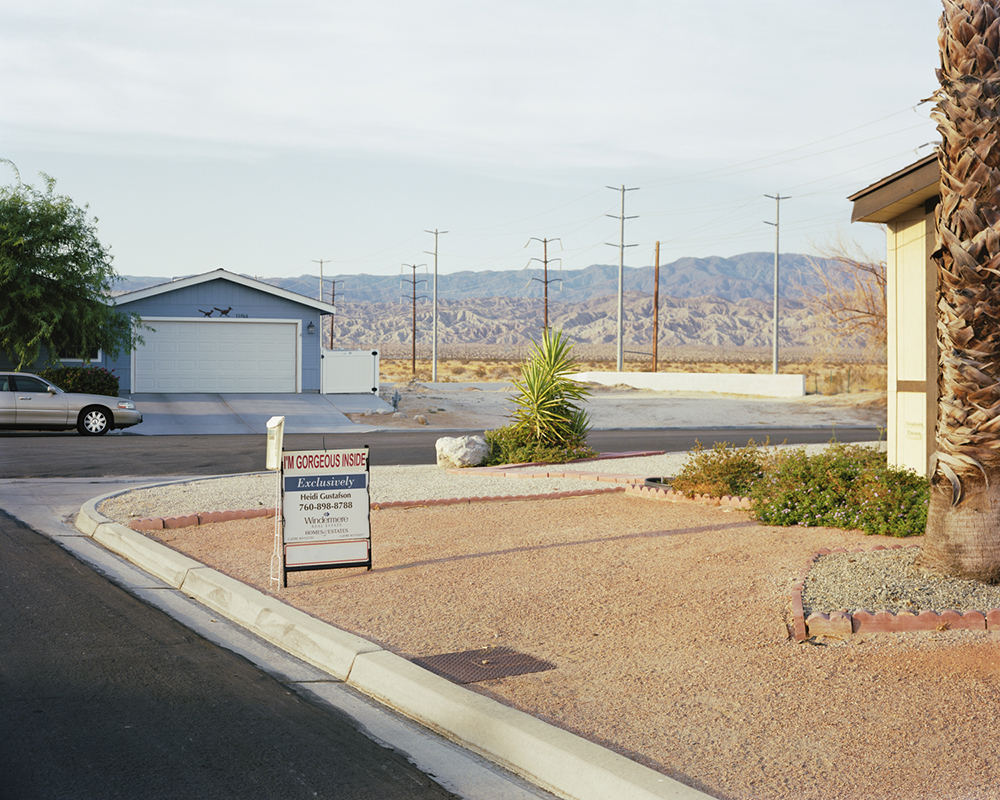
© Tracy L Chandler from the series A POOR SORT OF MEMORY
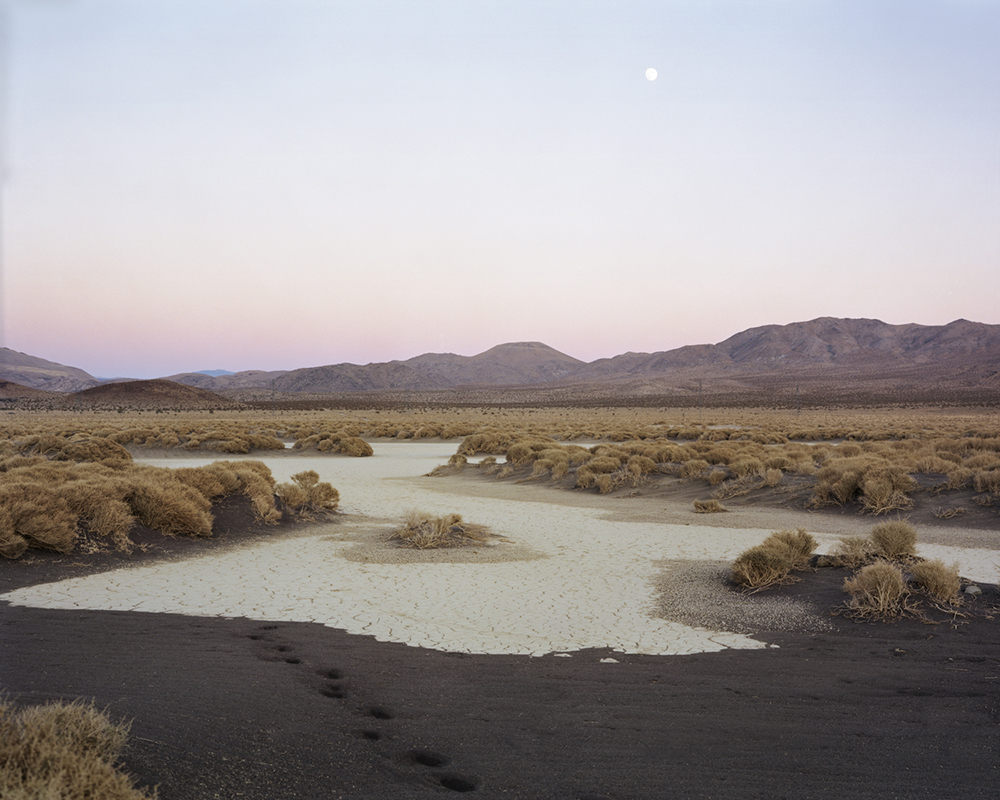
© Tracy L Chandler from the series A POOR SORT OF MEMORY
Ariana Gomez is a visual artist living in Austin, TX. Centering photography and installation, Gomez’s practice explores the link between identity, land, home and memory through reflections on her parent’s relationship to land. Her interest lies within the intersections of photography, video, and sound, and how they work together to create an experiential memory-scape of place.
Gomez has exhibited both in the U.S. and internationally, most recently with her solo show at Flats Gallery in Houston, TX, the Vermont Center for Photography in Brattleboro, VT, and Clamp Art Gallery in New York City. Previously her work has been shown at the Bronx Documentary Center in New York City, sTudio 7 for the Rockaway Artists’ Alliance in Fort Tilden, NY, and for The Print Space Gallery in London, UK. Recent awards include second place in the 2024 Lenscratch Student Awards, The Hopper Prize Grant and a 2024 University Residency Fellowship from Studios at MASS MoCA. Gomez’s works have been represented in the permanent collection of the Mexic-Arte Museum in Austin, TX.
Gomez holds a BFA from The Rochester Institute of Technology and an MFA from The University of Texas in Austin, and is a Diversify Photo Up Next, and ICOSA member.
Follow Ariana Gomez on Instagram
Posts on Lenscratch may not be reproduced without the permission of the Lenscratch staff and the photographer.
Recommended
-

BEYOND THE PHOTOGRAPH: Q&A WITH COMMERCIAL PHOTOGRAPHER ANDY MAHRMarch 22nd, 2026
-
Remembering The Future by Mark Klett and William L. FoxMarch 19th, 2026
-
McCall Hollister in Conversation With Douglas BreaultMarch 6th, 2026
-
Olga Fried: Intangible EncountersFebruary 18th, 2026
-
Anne McDonald: Self-PortraitsFebruary 17th, 2026