Julie Wang: What the Silence Reveals
©Julie Wang
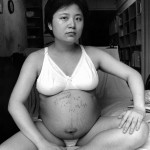
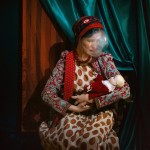
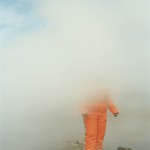
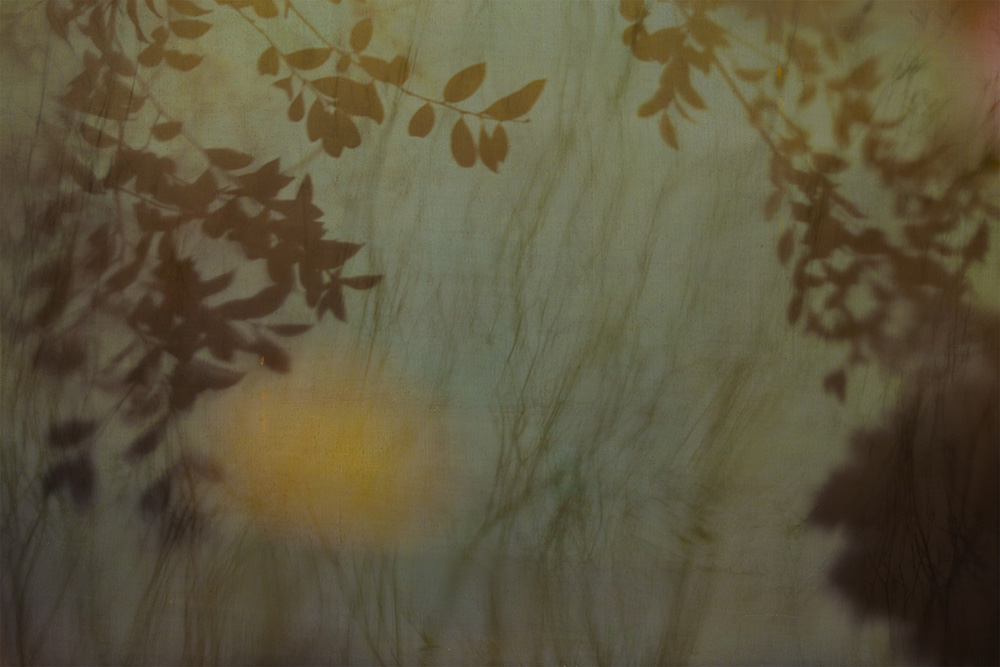
I came across Julie Wang’s work earlier this year through the exhibition “a fervent and necessary arrangement.” This work was exhibited through Midwest Nice Art, an art collective I founded with my husband, Tim Rickett. This call was juried by André Ramos-Woodard, a photo-based artist and LENSCRATCH Art + History alum. The exhibition took its title from the poem “Sometimes” by Mary Oliver, focusing on the emotional unknown between life and death. I was drawn to Julie’s painterly poetic explorations of these ideas. Her series “What the Silence Reveals” is akin to the Romanticist studies of the sublime with Impressionist tendencies, unveiling the small moments of truth. In our increasingly chaotic world, spend some time with Julie’s images and revel in your own quiet moments in between.
©Julie Wang
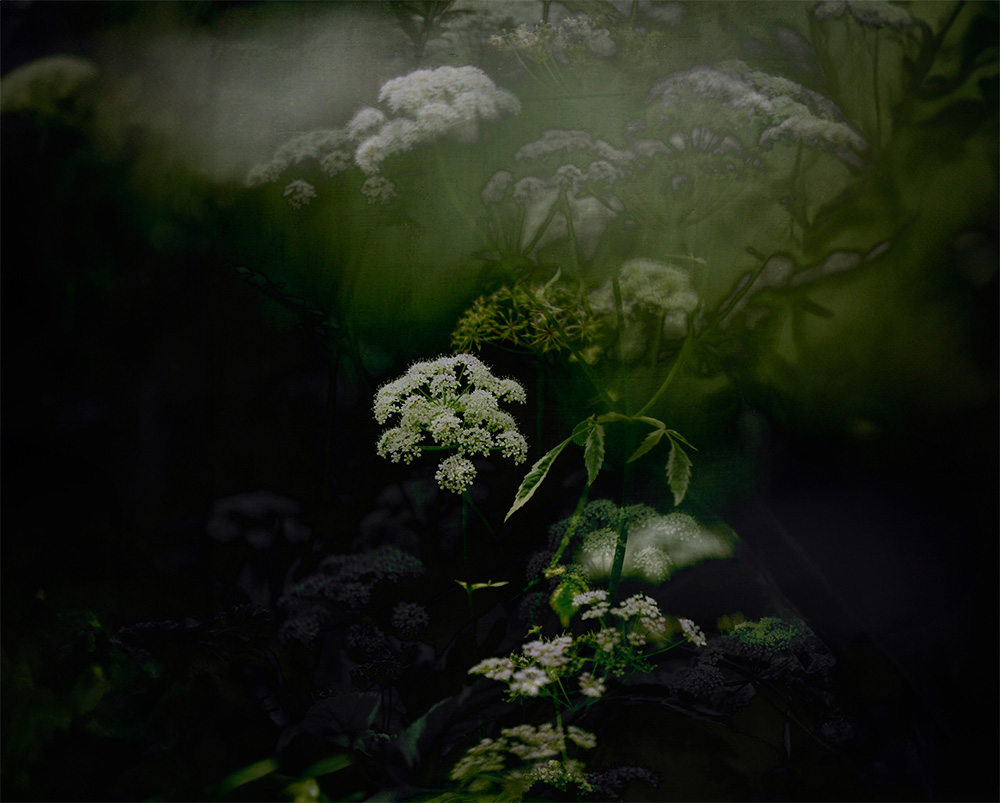
Julie Wang is a photographer whose work explores the quiet space between seeing and sensing. Born in China and now living in the United States, she draws on both Eastern philosophy and personal experience to create images rooted in nature, reflection, and the fleeting passage of time. Her photographs often use layering, shadow, and subtle shifts of light to suggest rather than explain, inviting viewers into open-ended narratives. Self-taught in photography, Wang approaches her practice with the storytelling principle of show, don’t tell, allowing meaning to emerge organically rather than through direct statement. Her work has been exhibited internationally and featured in publications that value contemplative, poetic approaches to image-making.
Follow Julie on Instagram: @juliewangsimages
©Julie Wang
What the Silence Reveals
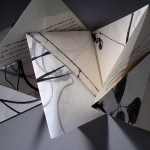
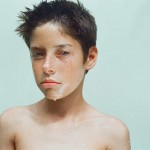
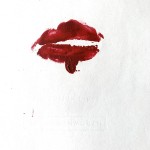
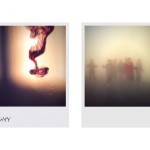
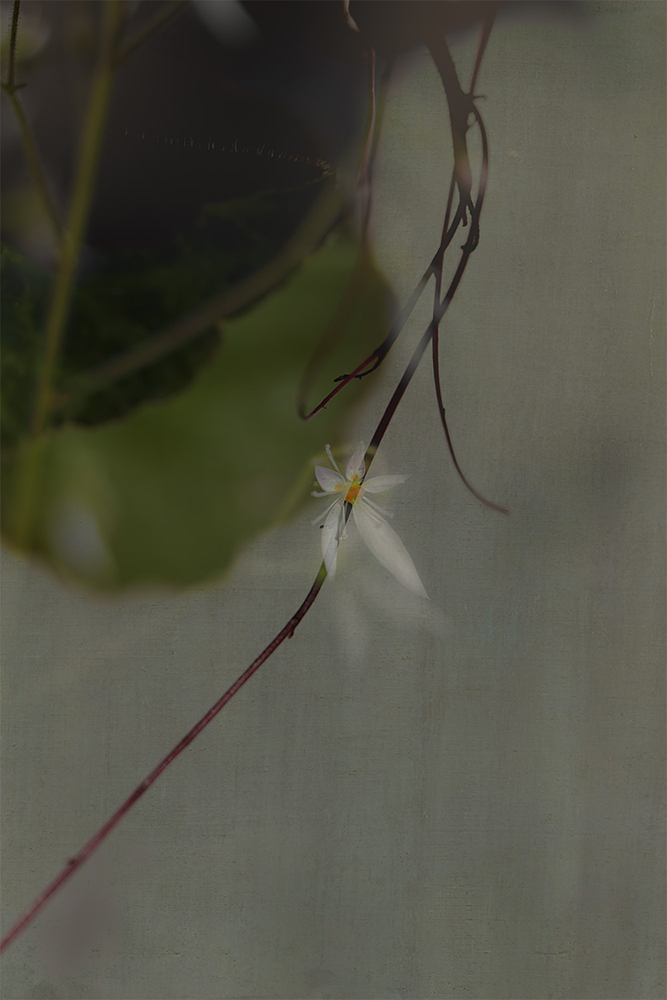
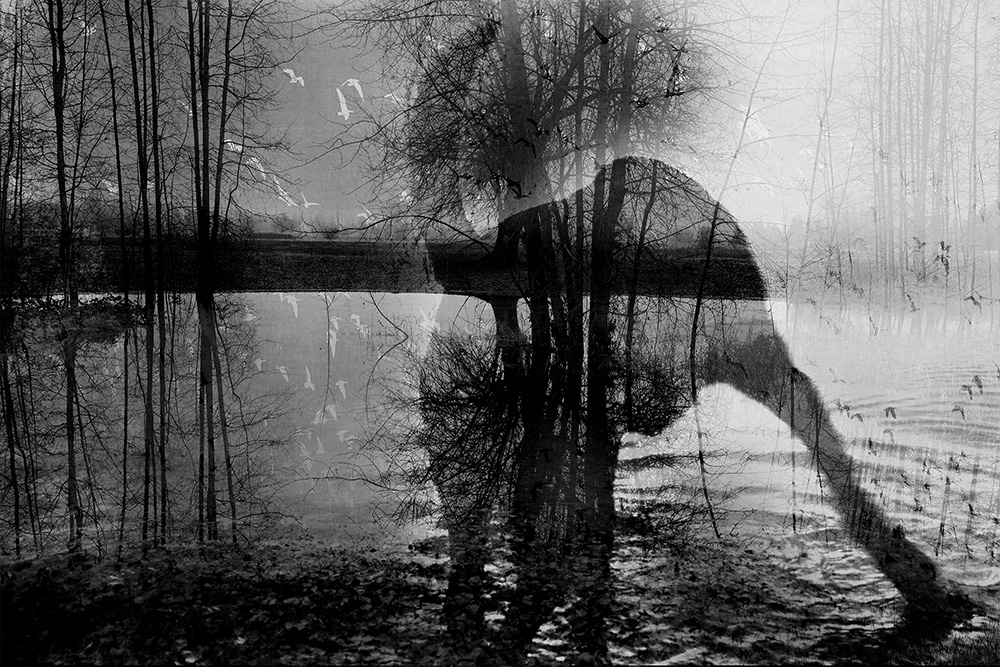
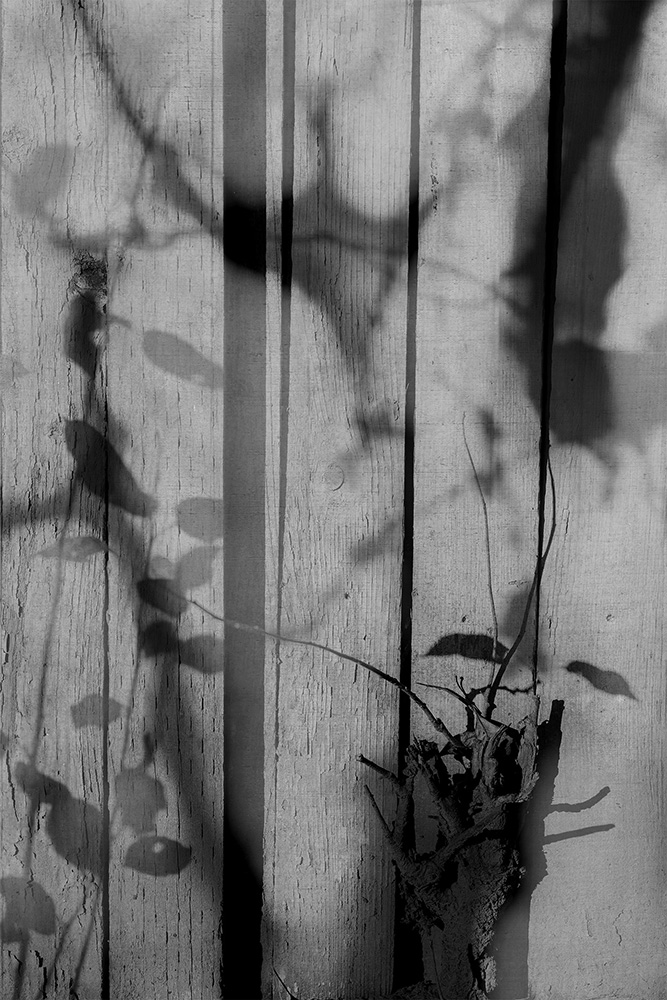
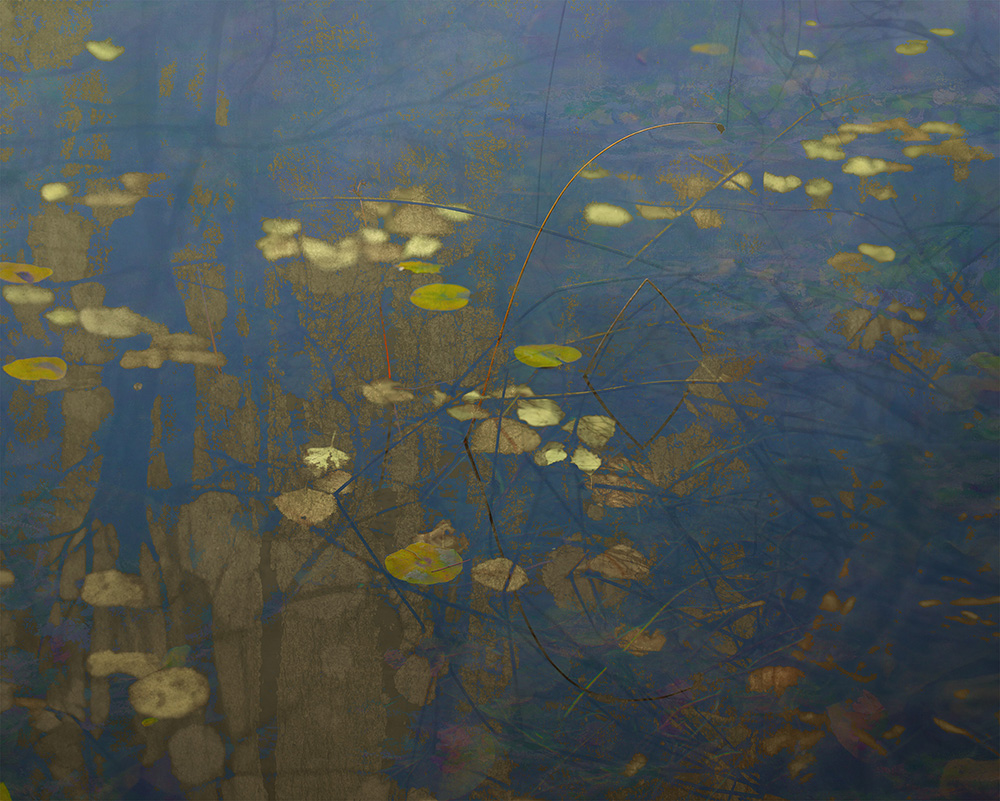
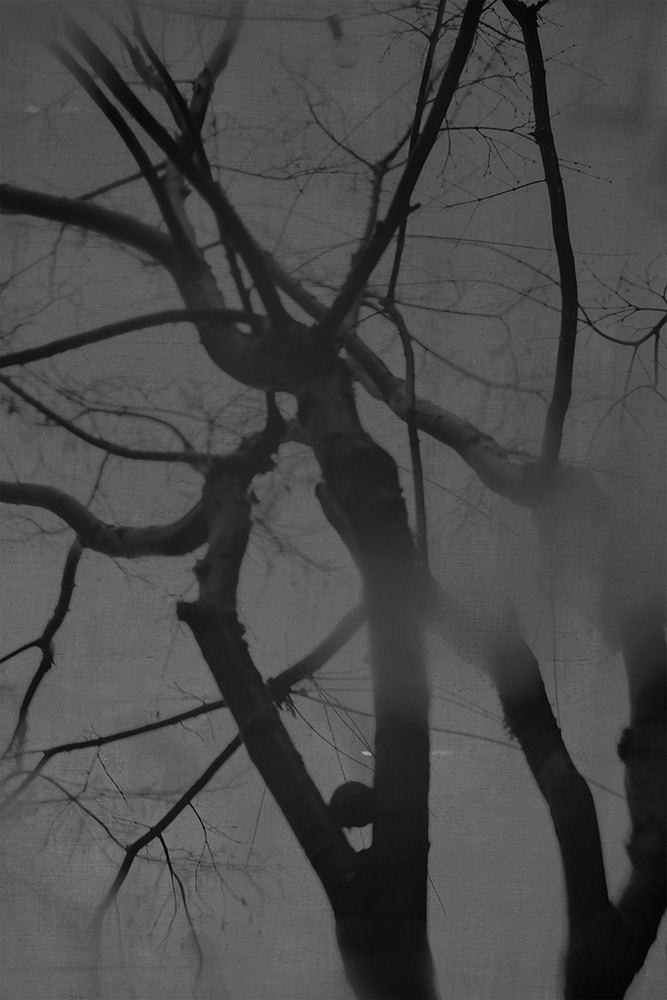
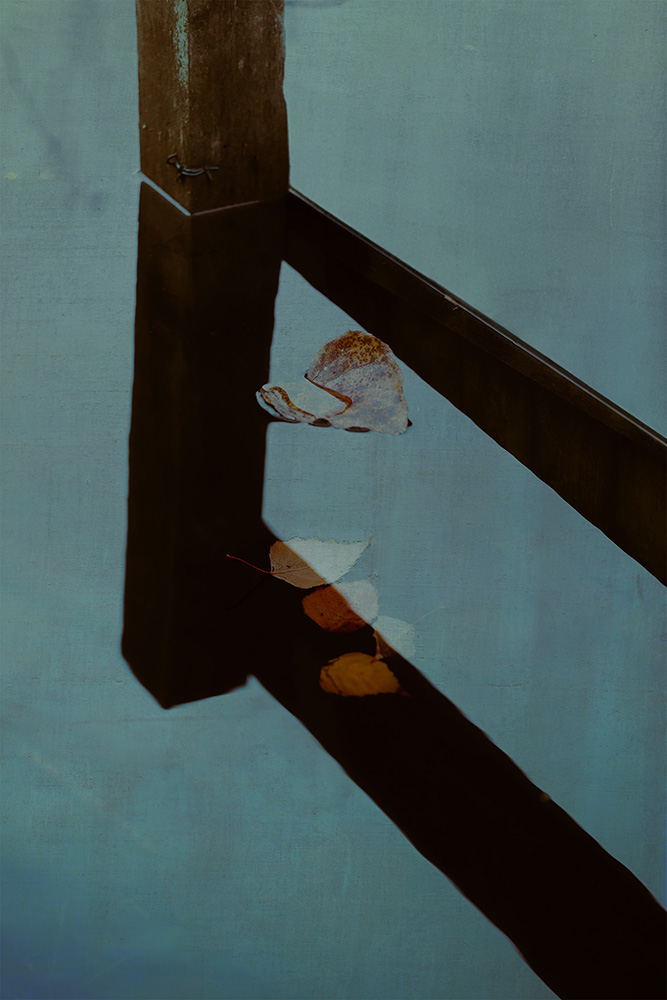
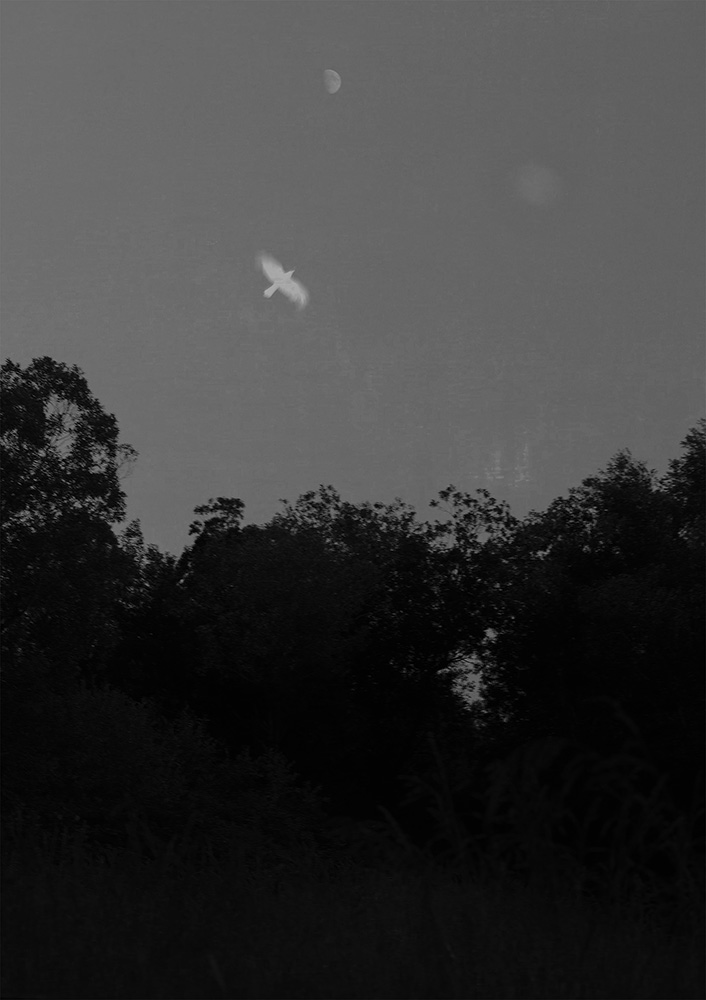
What the Silence Reveals is an unfolding collection of visual poems, born from a desire to translate the storytelling principle of show, don’t tell into photography—quiet moments rendered in layered light, shadow, and suggestion.
Each image is a fragment: a trace of memory, a pause between thoughts, a reflection half-formed. Through delicate compositions and intuitive layering, the work seeks to capture what often escapes language—those fleeting impressions that arrive like a breath and dissolve just as gently.
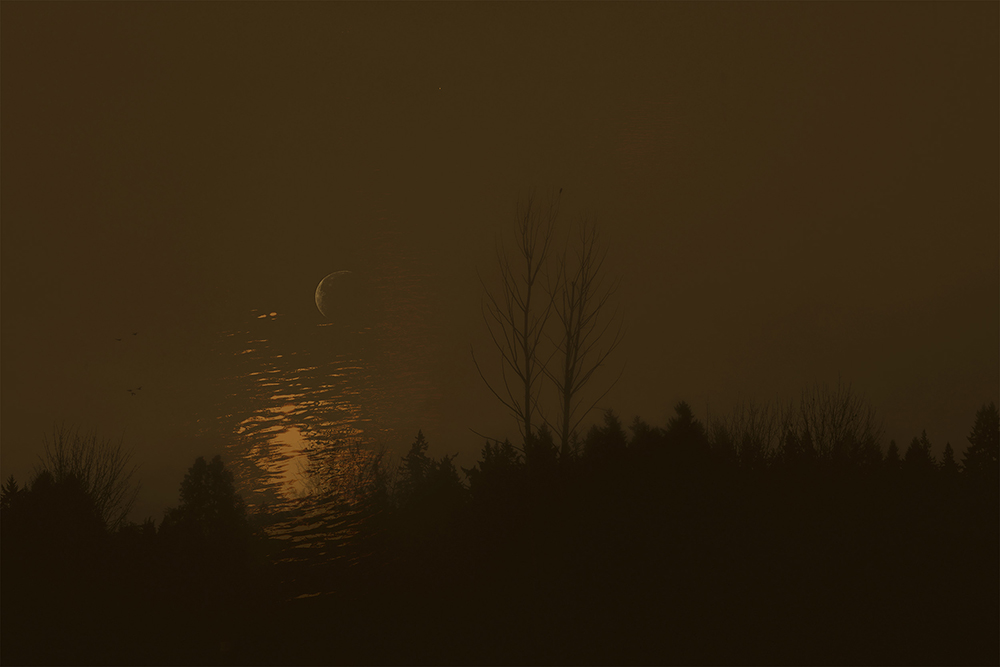
Drawn from nature, time, and personal experience, the series continues to evolve. With each new photograph, a new silence is shaped—and in that silence, something is revealed.
©Julie Wang
Epiphany Knedler: How did your project come about?
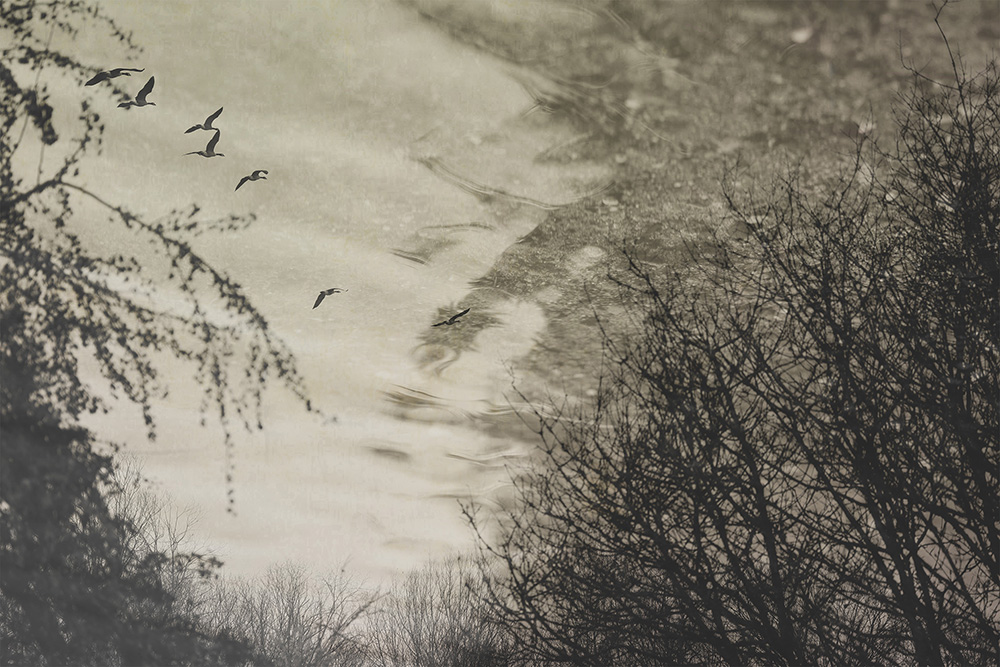
Julie Wang: What the Silence Reveals began with a question I carried from my writing practice: How could the storytelling principle of show, don’t tell be translated into photography? I began seeking images that could suggest rather than explain, leaving space for the viewer to sense the story rather than be told it. Over time, I was drawn to layered light, shifting shadows, and fleeting reflections — moments where meaning felt present but unspoken. Each photograph became a fragment, like a line in a visual poem, offering just enough to stir memory or emotion while keeping the rest in silence.
©Julie Wang
EK: Is there a specific image that is your favorite or particularly meaningful to this series?
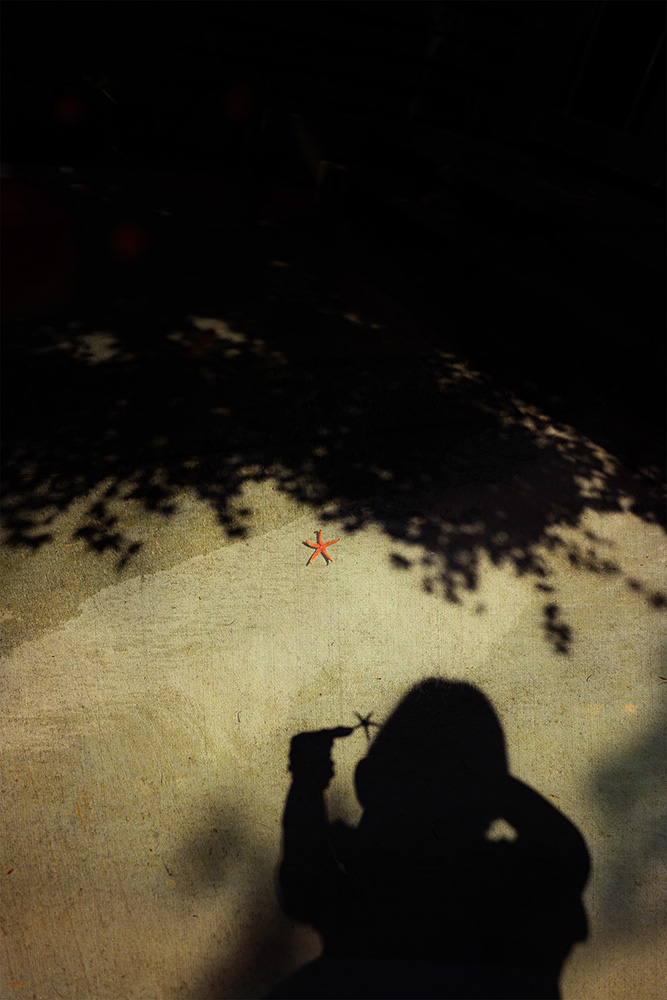
JW: I love all the images equally, but one carries a very personal memory. On my birthday, while walking toward a lighthouse, I suddenly wished I could find a red starfish on the beach. At the end of that walk, on the way home, there was a single red starfish, waiting on the shore as if it had been placed there for me. Photographing it felt like capturing a small miracle. That image holds not only the quiet atmosphere of the series, but also the feeling of a wish unexpectedly fulfilled.
©Julie Wang
EK: Can you tell us about your artistic practice?
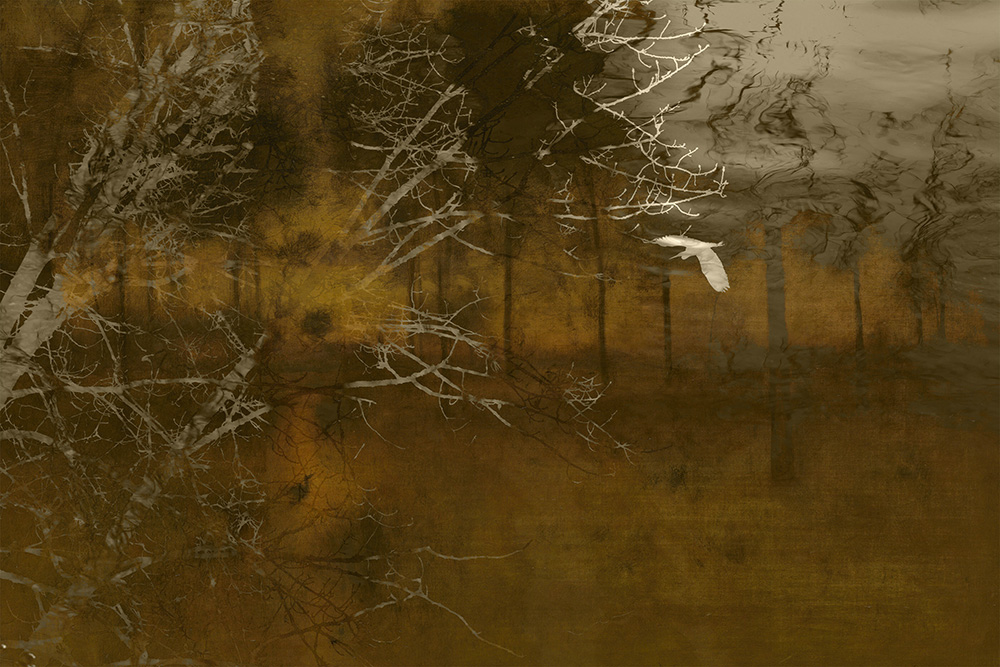
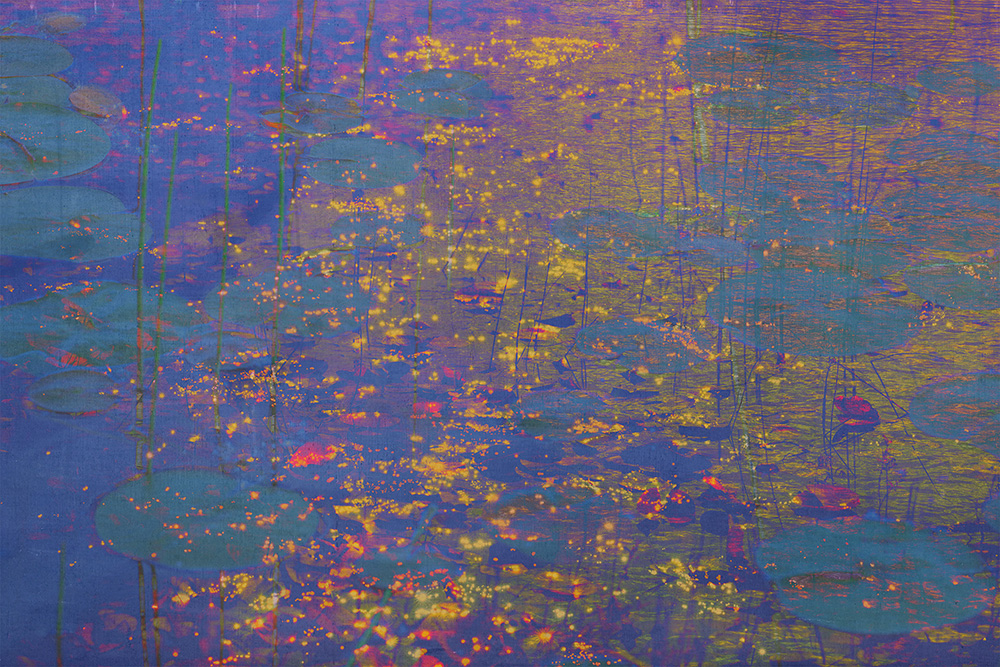
JW: My practice is rooted in slow, attentive observation. I work with layering — in-camera and in post-editing — to create images that feel like palimpsests, holding traces of different times, places, and impressions in one frame. Nature is often my starting point, but I’m equally interested in what happens when memory and perception reshape what is seen. Influenced by Eastern philosophy, I aim for a balance between form and emptiness, knowing that suggestion often speaks more deeply than explanation. Photography, for me, is as much about listening as it is about looking.
©Julie Wang
EK: What’s next for you?
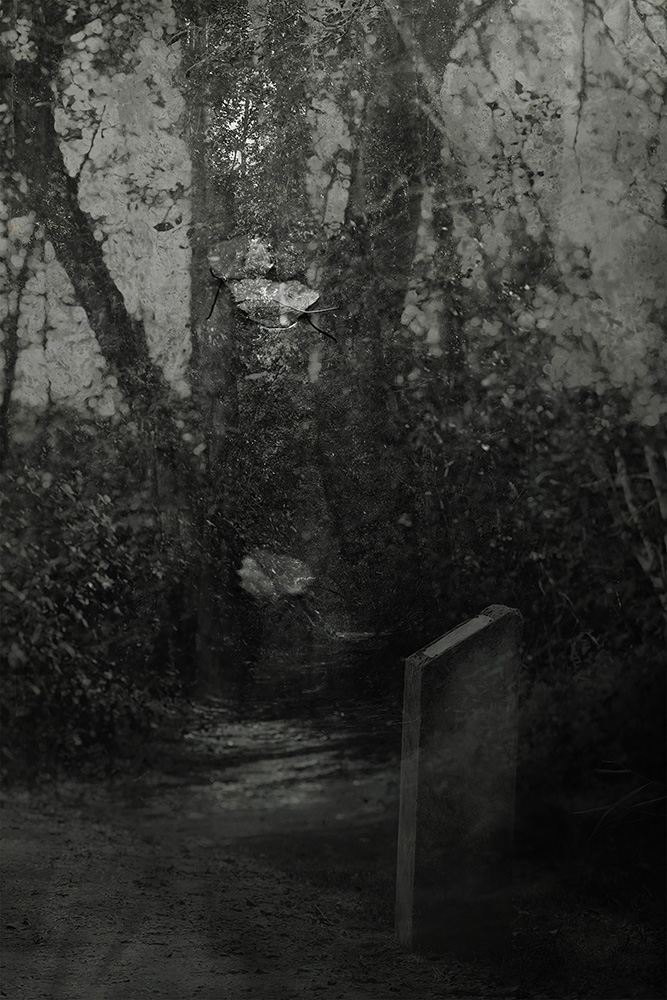
JW: What the Silence Reveals remains an open, evolving series, and I’ll continue adding new photographs as they come — each one shaping a new silence. Alongside it, I’m working on projects exploring the intersections of photography, memory, and traditional Eastern aesthetics. This year, I hope to bring some of these works into print as a photo zine, creating another quiet space where images can speak without words.
©Julie Wang
©Julie Wang
©Julie Wang
©Julie Wang
©Julie Wang
©Julie Wang
©Julie Wang
©Julie Wang
Epiphany Knedler is an interdisciplinary artist + educator exploring the ways we engage with history. She graduated from the University of South Dakota with a BFA in Studio Art and a BA in Political Science and completed her MFA in Studio Art at East Carolina University. She is based in Aberdeen, South Dakota, serving as an Assistant Professor of Art and Coordinator of the Art Department at Northern State University, a Content Editor with LENSCRATCH, and the co-founder and curator of the art collective Midwest Nice Art. Her work has been exhibited in the New York Times, the Guardian, Vermont Center for Photography, Lenscratch, Dek Unu Arts, and awarded through Lensculture, the Lucie Foundation, F-Stop Magazine, and Photolucida Critical Mass.
Follow Epiphany on Instagram: @epiphanysk
Posts on Lenscratch may not be reproduced without the permission of the Lenscratch staff and the photographer.
Recommended
-

HANDMADE ARTIST BOOKS WEEK: VERONIKA SCHÅPERSMay 29th, 2026
-
HANDMADE ARTIST BOOKS WEEK: Ryoko AdachiMay 28th, 2026
-
Eugenia Brodsky: ChrysanthemumMay 19th, 2026
-

Cozette Russell in Conversation With Douglas BreaultMay 14th, 2026
-

Motherhood: Nadine Levin: Inconstant HarmonyMay 9th, 2026