Diana Carbone: This Must Be The Place
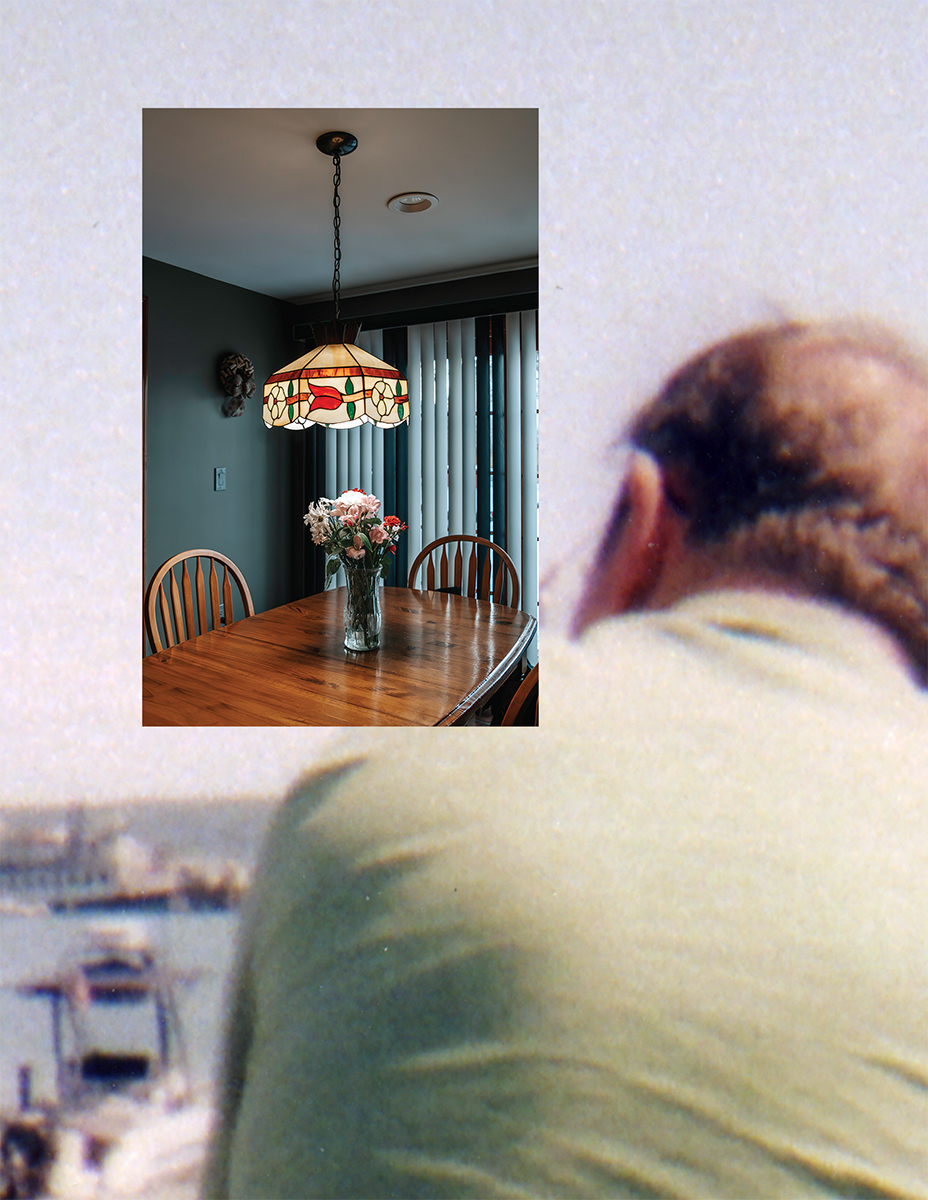
© Diana Carbone, Our Kitchen Table
Among the many inevitable twists of life, losing someone we love is a painful chapter we all will have gone through. In This Must Be The Place, Diana Carbone repurposes this pain into an emotional visual narrative, sequencing a series of images that chronicle her experience coming to terms with her grandfather’s passing. Superimposing photographs from her day-to-day onto archive images of her family album, Carbone makes evident the slow burn of healing as we continue living with a heaviness previously unknown. These day-to-day images — driving around town, resting on her bedroom, going through her mail — unveil grief as a lengthy companion, one that doesn’t really ever go away, but it remains latent behind the unfolding of our lives, sometimes roaring, sometimes whispering quietly.
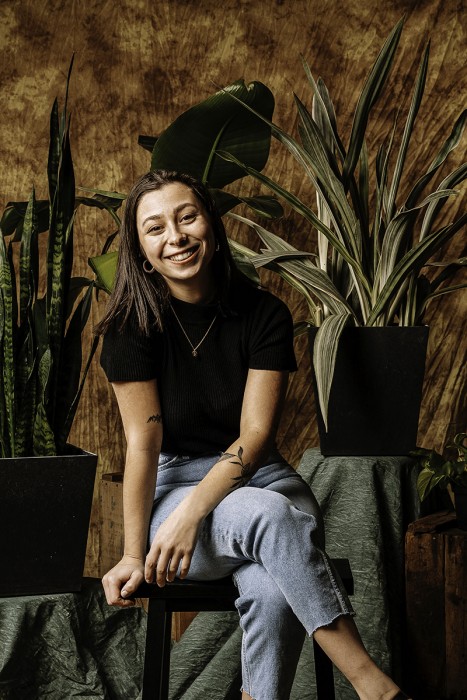
© Diana Carbone, Headshot
Diana Carbone is a Massachusetts-based visual artist whose work focuses on the connection between humans and our desire to document our loved ones and the spaces they occupy. She received her BFA in Photography in 2021 and her MFA in Visual Arts in 2025, both from Lesley University College of Art and Design. Her work often investigates the role photographs play in creating familial and self-identity through photo albums and family collections, as well as the role that greenery plays in our establishment of home and domestic spaces.
Follow Diana on Instagram: @dianacarbone
© Diana Carbone
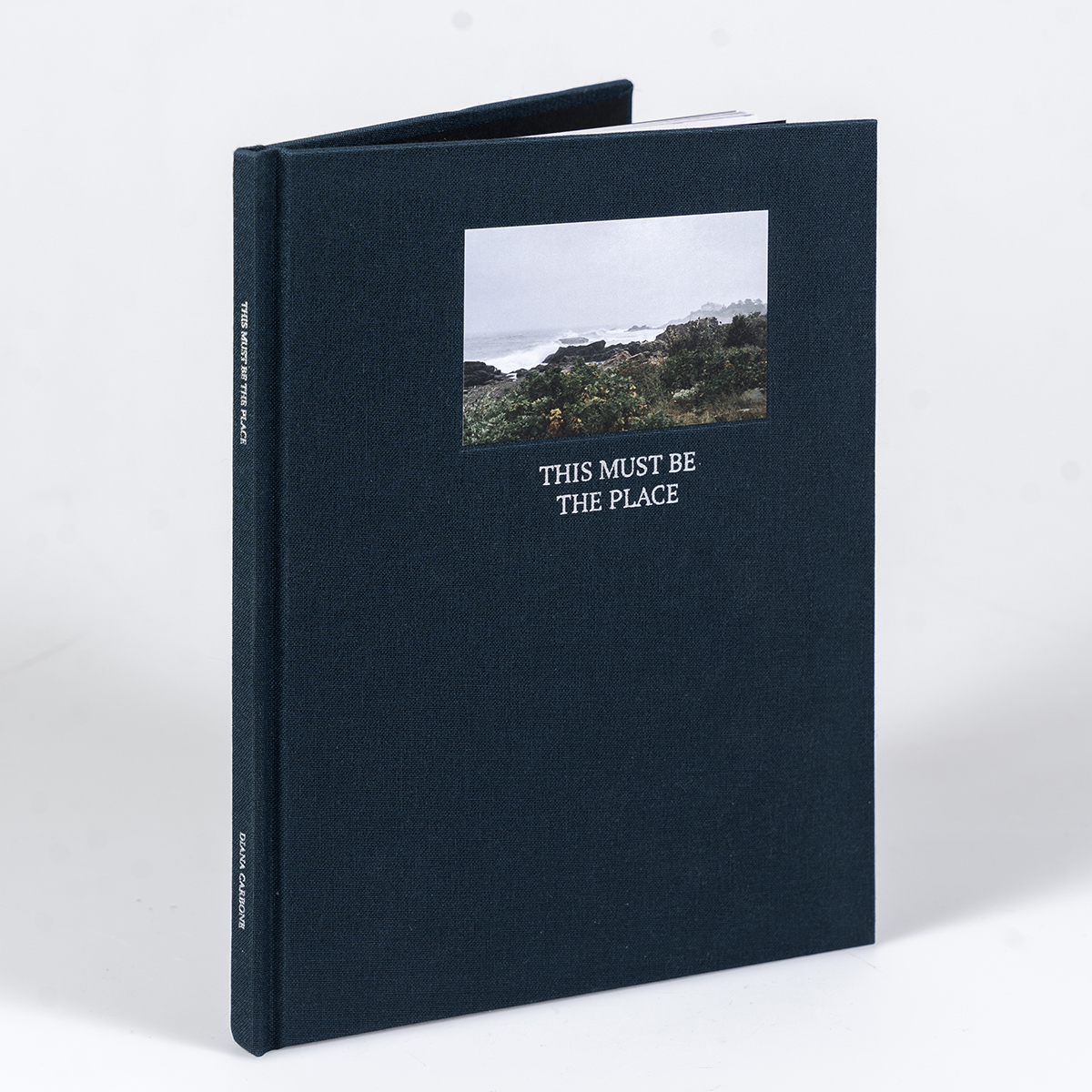
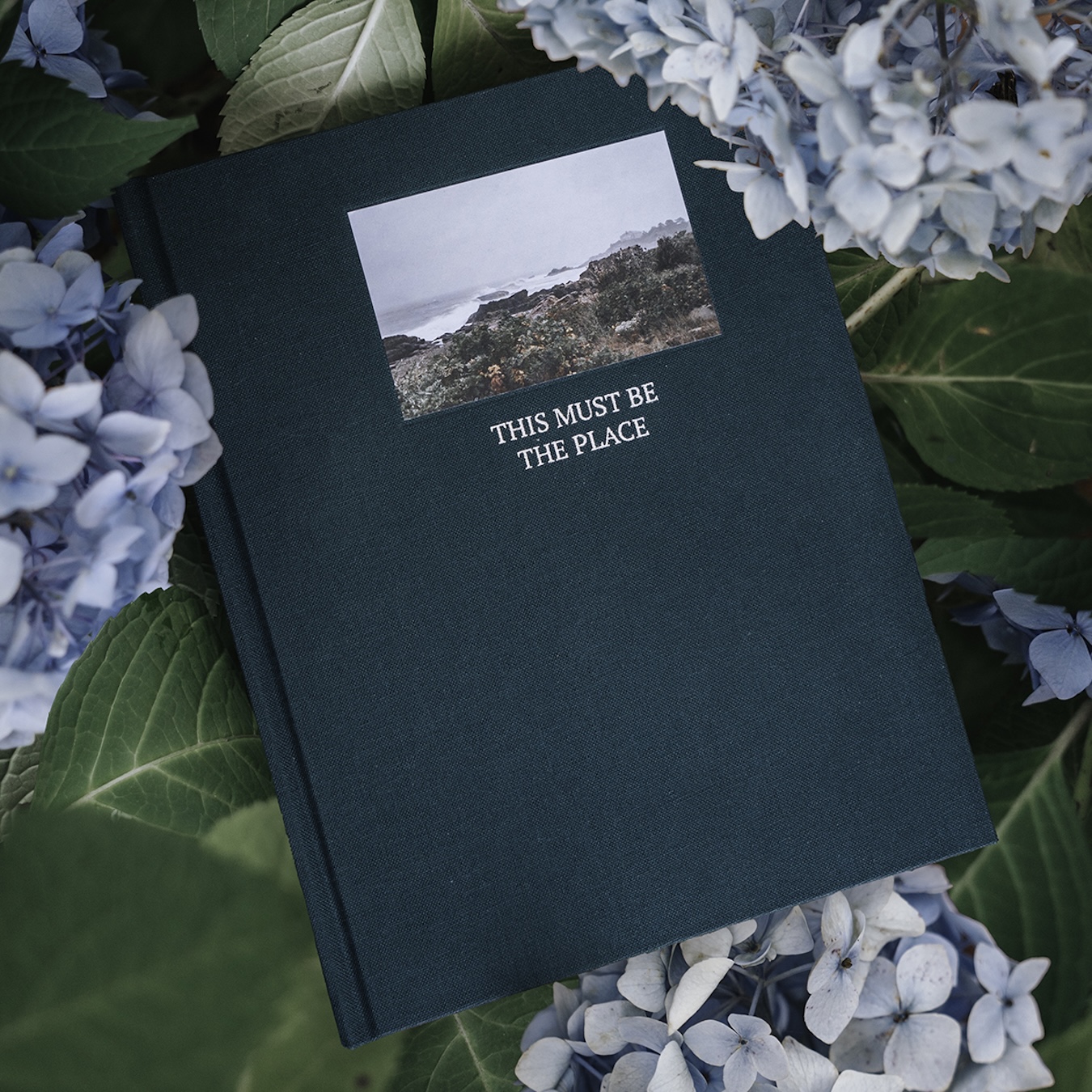
This Must Be The Place
This Must Be The Place is a photographic project that was born of a tumultuous six-month period. Carbone isolated herself from those she was closest to, stemming from the loss of her grandfather. To both remember a lost loved one and actively participate in her life once again, she combines a collection of images of her grandfather with contemporary images from her everyday life to document the things that have been overlooked in the fog of grief. A photobook, from which the show derives its name, is displayed to more intricately exemplify the magical moments found within the everyday and the complexities of mourning by juxtaposing these fleeting scenes of a life lived atop reproductions of her family album. This Must Be The Place curates the everyday to be as meaningful as the will to preserve through the difficult, showing that it is possible to create new memories in the wake of loss without forgetting those who are gone.
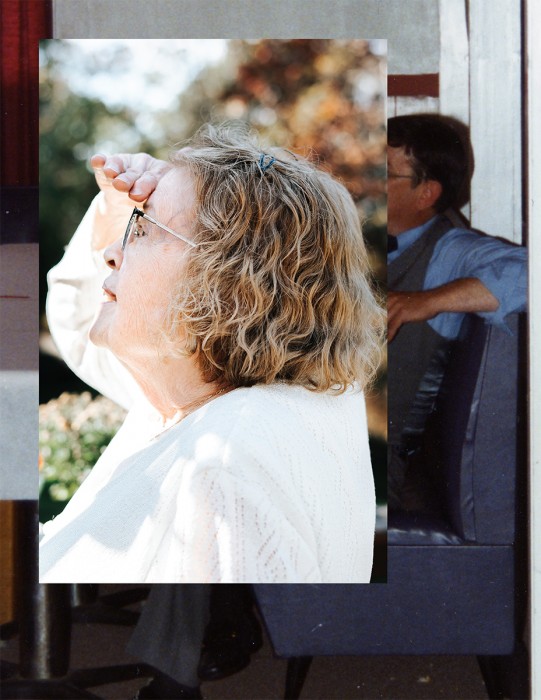
© Diana Carbone, Supervising Yard Work In Plymouth
Tell us about your project.
Diana Carbone: The project, titled This Must Be The Place, began as a way for me to document the mundane moments around me that I felt I was forgetting in the fog of grief. As I was photographing the things around me, I was also creating an archive of my grandfather, who had passed away in August of 2023. These two tasks were not initially joint, but as I continued to work, I was constantly thinking about how our memories are affected by photographs. In one way, I was using photographs to build a memory of the life I was trying to create with my partner as an adult. In another way, I was using photographs to maintain a memory, to keep the memory of my grandfather here, even if he wasn’t. The whole project exists as a photobook, which also references the photo albums that are often used to collect, protect, and pass down images through families.
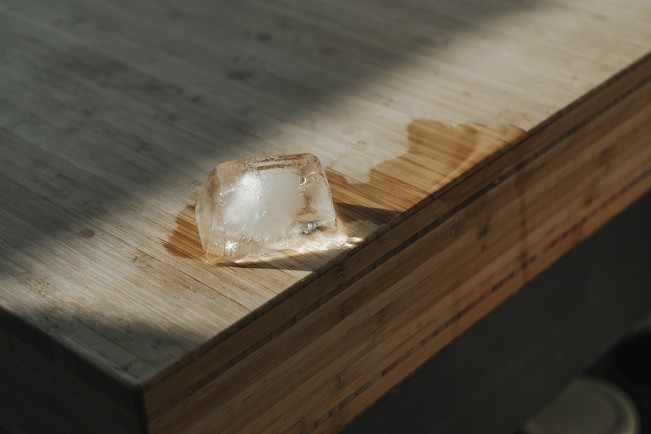
© Diana Carbone, Thursday Evening Sunlight
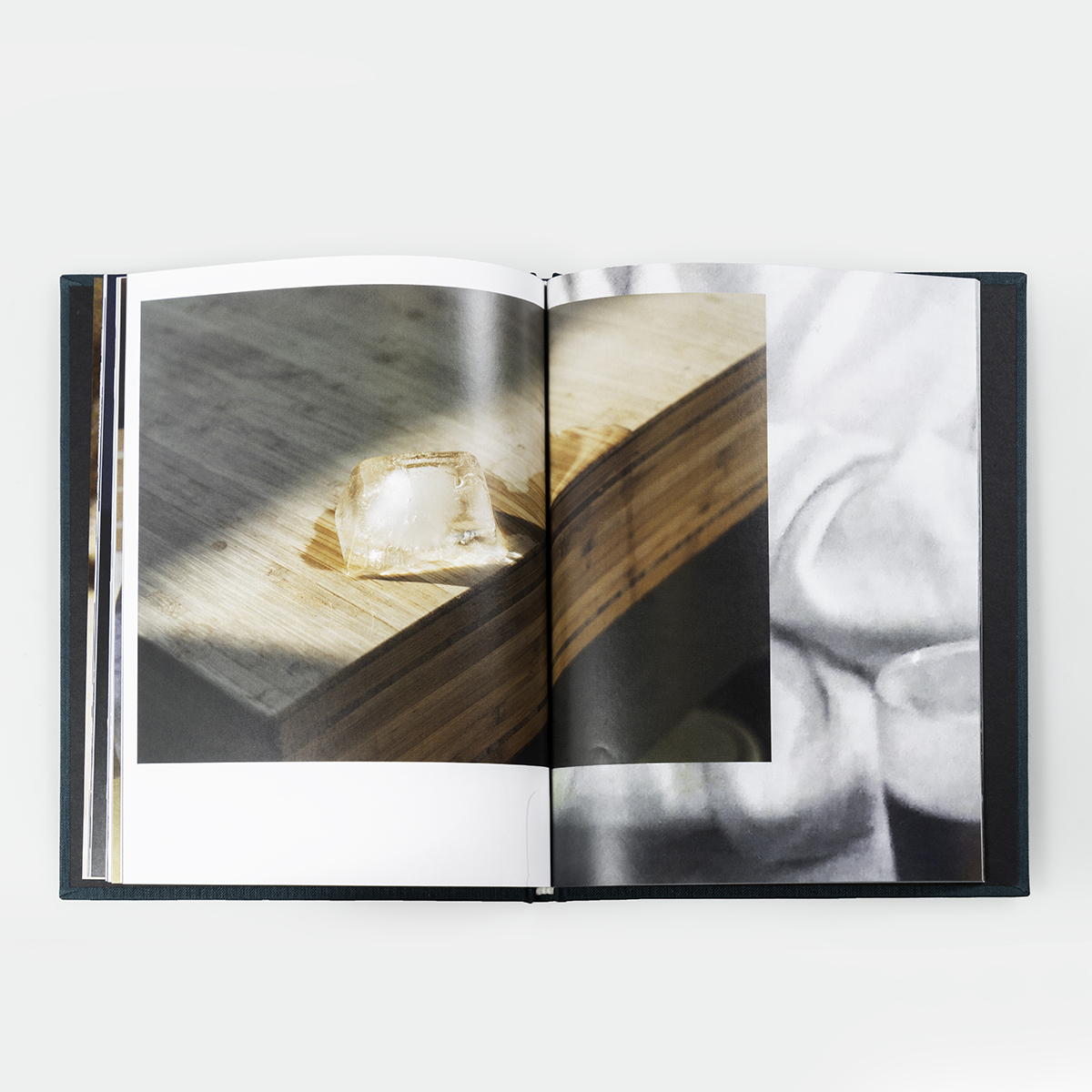
© Diana Carbone
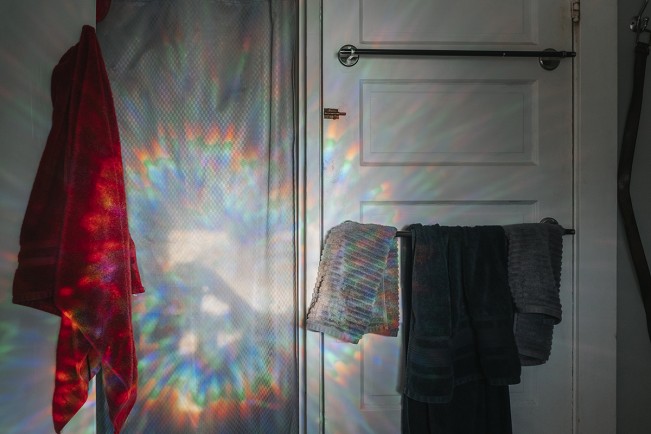
© Diana Carbone, Our Bathroom at 4pm
How did the idea to overlap your images come about?
DC: The overlapping of images came after a conversation with Drew Leventhal. We were discussing how memories function, especially during times of grief. We discussed how current memories begin to take over our brain space, leaving less room for older memories, but that doesn’t mean the older ones aren’t there anymore; they’re just simply covered. I wanted the book and the images to function similarly, showcasing the way the mundane things I was trying to remember were taking over my memory. Still, the thoughts, presence, and grief for my grandfather would never truly be gone.
What aesthetic or narrative relationship do you seek to develop when overlapping these visual components?
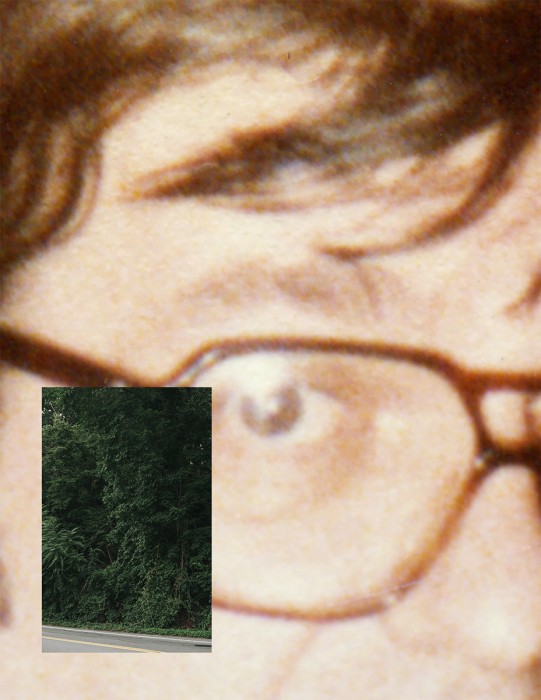
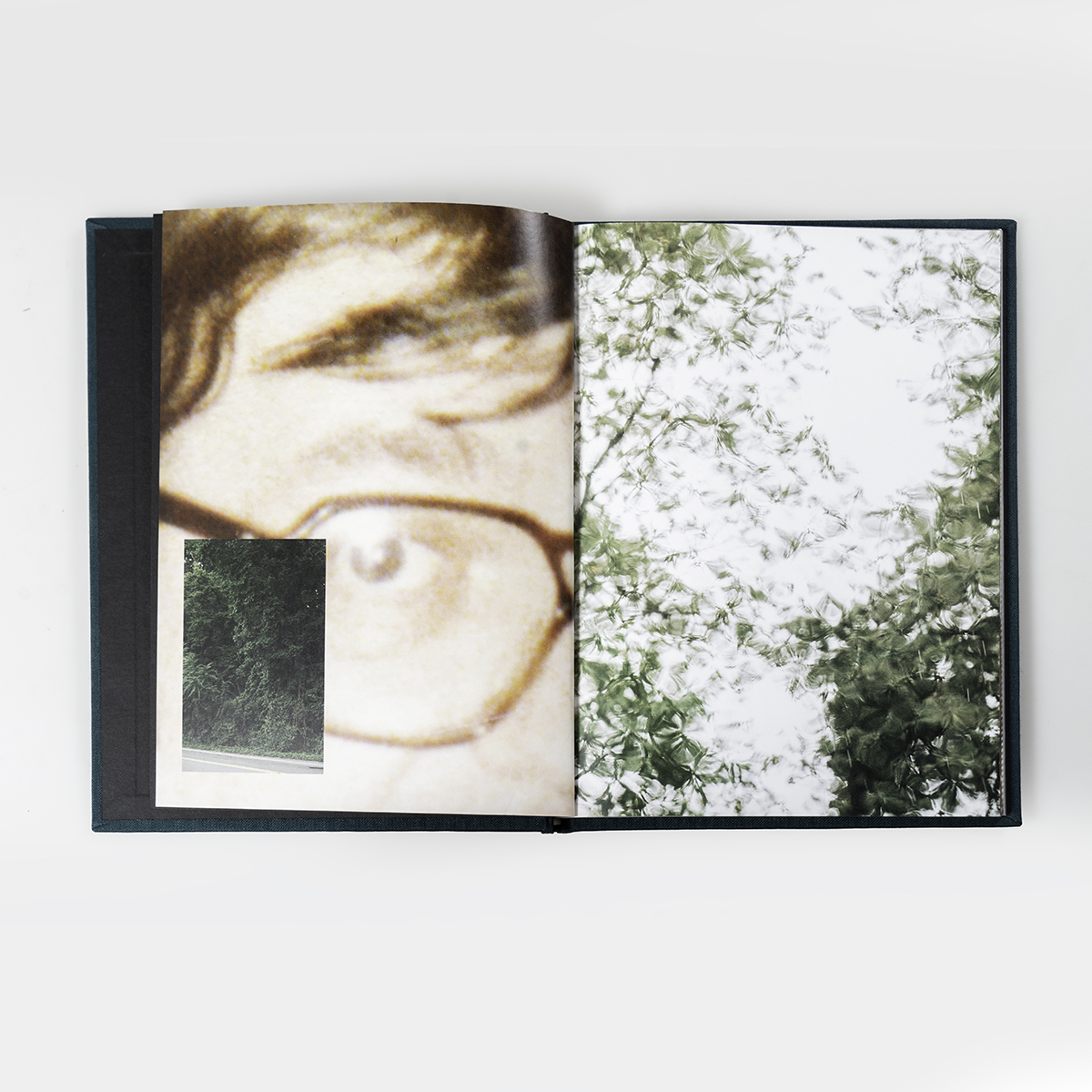
DC: I spent months sequencing and pairing images, and eventually, it came down to which archival images I felt added nuance to the contemporary image and were able to have conversations with each other. Greenwood Street is a recent image I took on the same route I walked the day I found out my grandfather wouldn’t survive to the end of the year, so I felt it paired well with a close-up view of my grandfather’s eye. I wanted the viewer to be able to feel his presence in that location in the same way I do when I take that walk now, two years later.
Within the book, each contemporary image gets larger at a rate of 5% per page so that at the very last page, it takes over the entire spread. The archival image is slowly covered, but even in the very end, one remains hidden beneath.
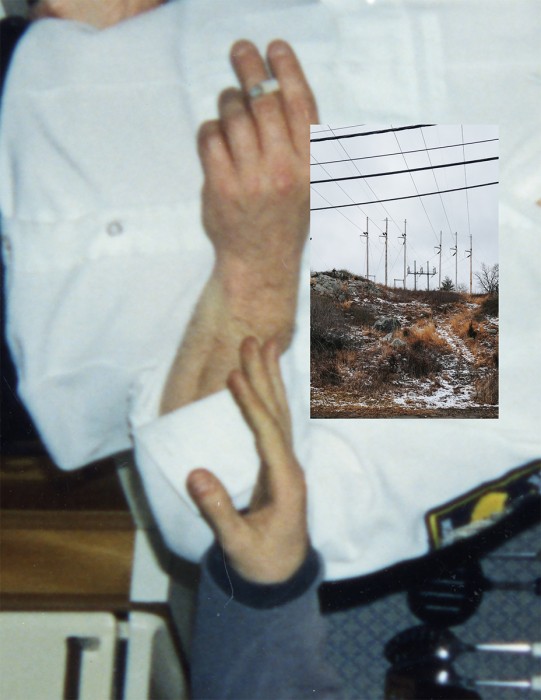
© Diana Carbone, After Work
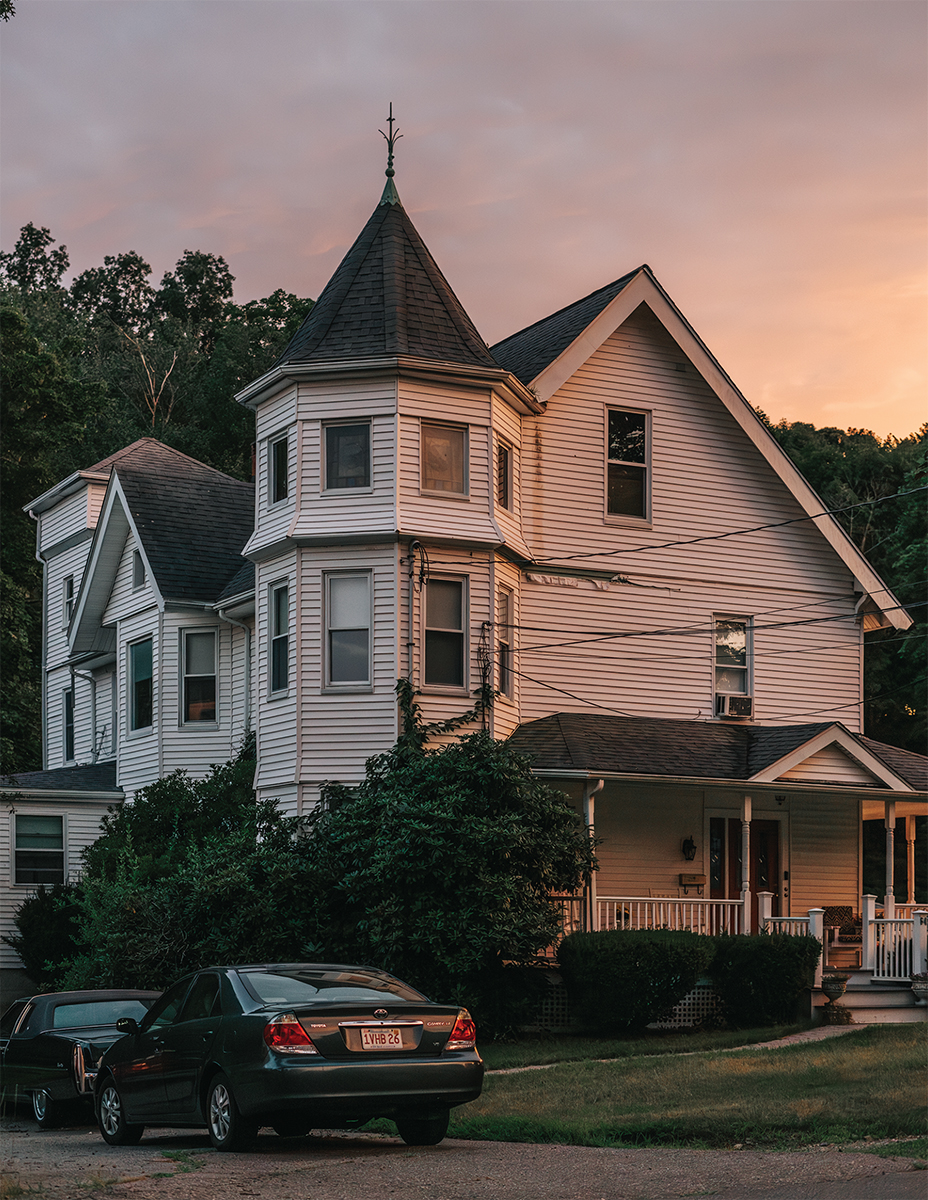
© Diana Carbone, Across The Street
What’s the story behind your photograph Money Makes Money?
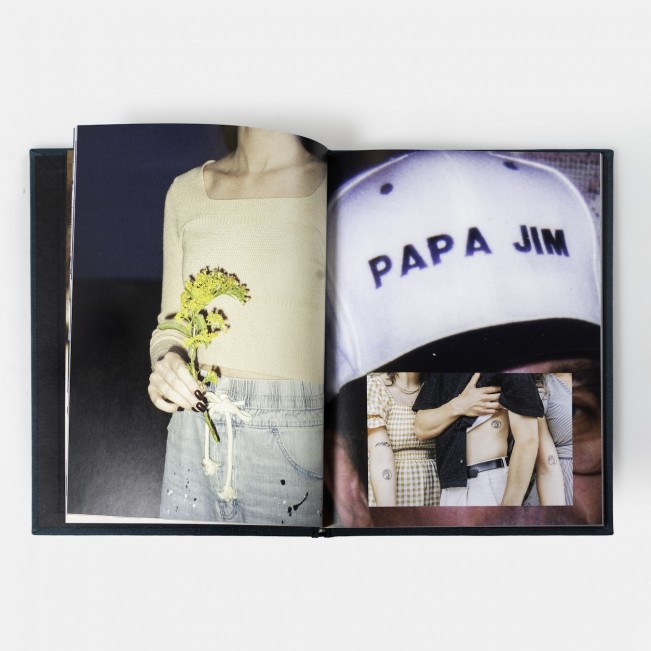
DC: Money Makes Money is based on a phrase my grandfather would say. Whenever we would get together, we would scratch scratch tickets and as a rule, he made you use a quarter because “money makes money.” When he passed, my brother, cousin, and I got matching tattoos of a quarter with the date on it being his birth year. Money Makes Money shows us revealing our tattoos, each in separate locations, referring to our personal comfort levels with the conversation, and is paired with a photograph of my grandfather wearing his “Papa Jim” hat.
It was given to him after the birth of his first grandchild and still sits on the hat rack after ten grandchildren and three great-grandchildren. Though he had many roles in life, it was the title of Papa Jim that we knew him by, and our favorite role of his, and I wanted to show how the importance of this role was felt through generations. That title was important enough for him to wear a hat labeling him as that. His role in our lives was significant enough for the three of us to undergo permanent changes that often spark conversation, and I believed it was essential for the book and project to include a piece that showcases this.
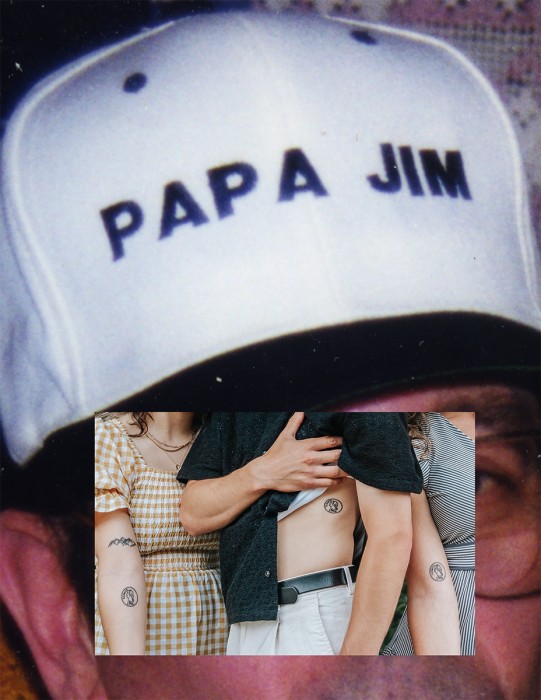
© Diana Carbone, Money Makes Money
© Diana Carbone
What has been the biggest challenge or realization you’ve had working on this project?
DC: The biggest challenge was creating a project that looked inward for the first time. My previous projects have always looked outward, so creating a body of work that forced me to sit with my own emotions, to consider the ways my memory had idealized my grandfather, and even come to terms with the fact that the world I was documenting was one where he wasn’t alive, was hard. But it was worth every second to gain insight into the other roles he played in life. Through this project, I was able to see him as a son, a brother, an uncle, a husband, and a father. For that, I am forever grateful.
This project also allowed me to center myself within my own life for the first time since his passing, which made me realize how much I had missed in the fog of grief. It has given me the tools to become more present in the day-to-day and to become an active participant in my own life once again. I also know that loss is not a unique experience, and my hope is that this work shows others that their loved ones remain even if they are not thought of every minute of every day.
© Diana Carbone, Green Woods Street
© Diana Carbone
© Diana Carbone
Posts on Lenscratch may not be reproduced without the permission of the Lenscratch staff and the photographer.
Recommended
-

BEYOND THE PHOTOGRAPH: Q&A WITH COMMERCIAL PHOTOGRAPHER ANDY MAHRMarch 22nd, 2026
-
Bryan Whitney: The Spiritual LightMarch 17th, 2026
-
The 2026 Lenscratch Student Prize is OPEN!March 16th, 2026
-
The 2026 LOVE Exhibition, Part 2February 14th, 2026
-
The 2026 LOVE Exhibition, Part 3February 14th, 2026