Photography Educator: Josh Birnbaum
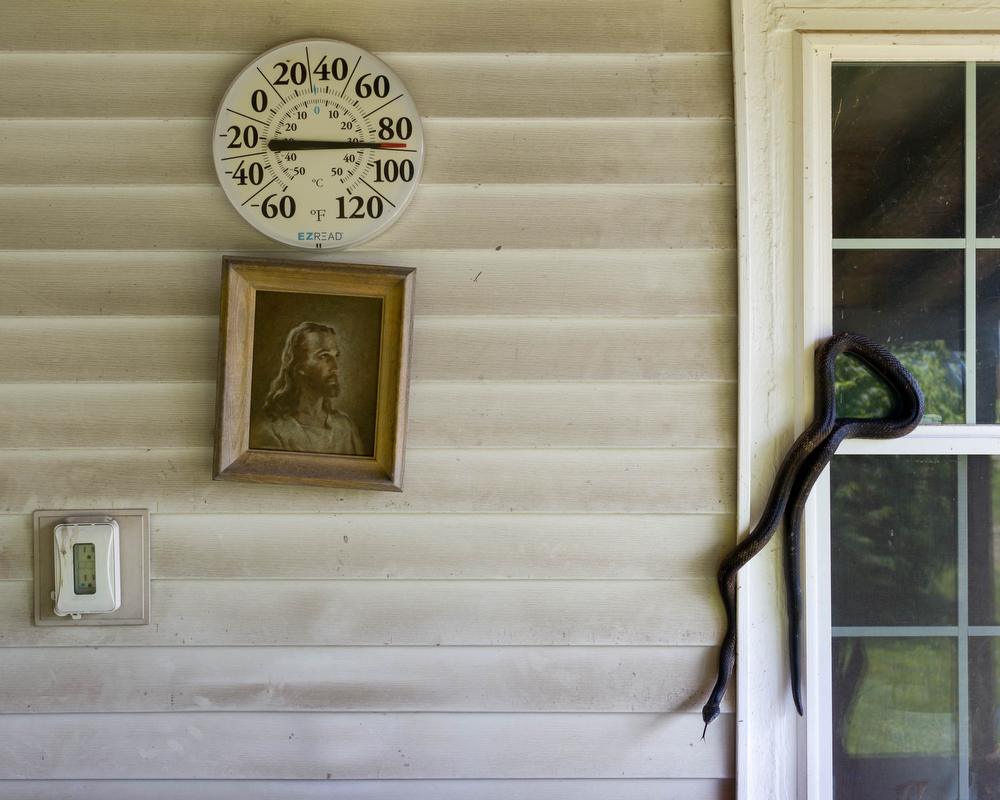
©Josh Birnbaum, Black Snake, 2020
Photography Educator is a monthly series on Lenscratch. Once a month, we celebrate a dedicated photography teacher by sharing their insights, strategies and excellence in inspiring students of all ages. These educators play a transformative role in student development, acting as mentors and guides who create environments where students feel valued and supported, fostering confidence and resilience.
For the month of October the spotlight is on documentary photographer and educator Josh Birnbaum. While I haven’t had the chance to meet Josh in person, his unwavering dedication to documentary photography and to his students is unmistakable in both his work and his teaching. Josh’s deep commitment to storytelling, empathy, and authenticity comes through in every project he undertakes.
Josh teaches photojournalism and documentary photography to undergraduates and graduates at Ohio University during the nine month academic year. During the summer, he serves as executive director and photography instructor for Circle Round the Square, a holistic, non-profit arts and wellness program for at-risk youth in Nelsonville, Ohio. Through this initiative, he leads hands-on photography classes for students in grades 6–12, fostering creative growth and community connection. The student images featured in this article are the work of these talented and imaginative young participants.
As an educator, Josh guides his students to find their own narratives, to approach subjects with sensitivity, and to use photography as a means of connection and understanding. His teaching bridges craft and conscience, inspiring photographers to create images that carry emotional depth and social relevance.
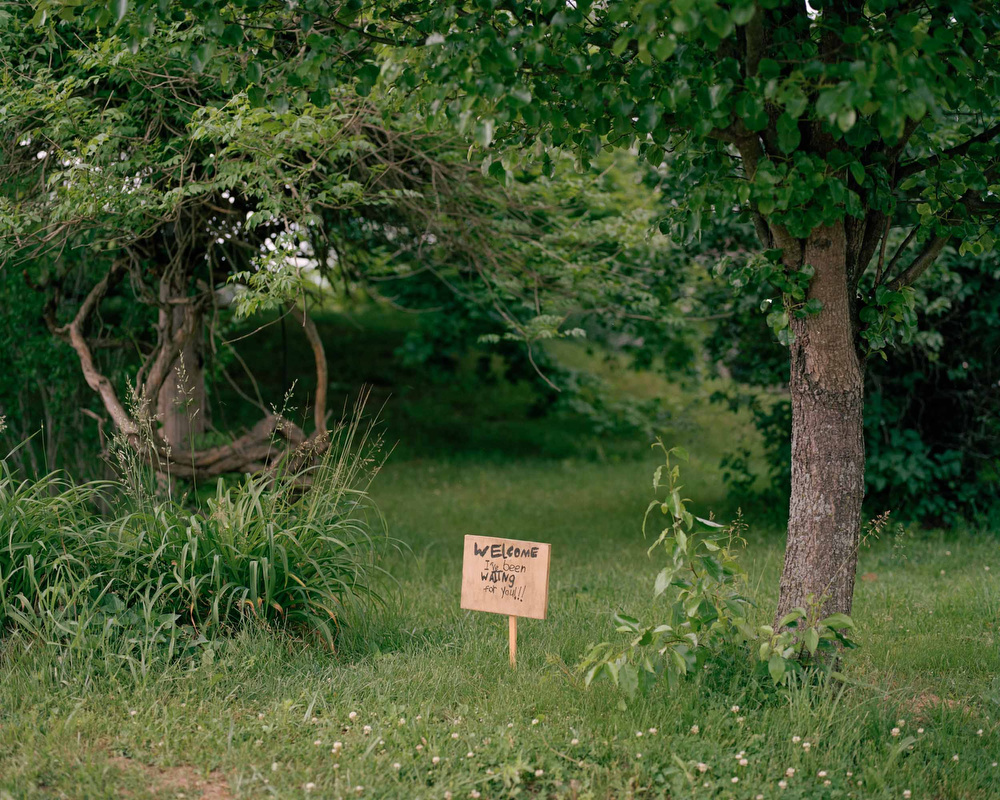
©Josh Birnbaum, Welcome sign made by Georganna from scrap wood and nails, 2021
As a proud photojournalist and documentary photographer, I use photography to make visual documents that are factual, reflective, and interpretive. I photograph people and lives that I want to investigate — questions drive my process. Who are these people? What are they like? What drives them? What can I learn from them?
My photographic projects examine varied topics of personal interest that include music subculture, disability, environment, and human relationships. An invisible component of my work is the time spent researching, connecting with people, and getting to know them. I take a longitudinal approach to projects, immersing myself in people’s lives to see how they might change over time. This deepens my relationships with individuals and helps to further shape the imagery.
Some of my work has a collaborative component: I ask individuals to contribute their own photographs or artifacts to the project, thereby giving viewers a dual perspective. Inclusion of both my documentation and their own documentation allows for a parallel, nuanced view into their lives and creates a space for examining the role of subjectivity in representational media. Additionally, occasionally seeing my involvement in their lives (and their involvement in mine) provides an element of transparency to the viewer that challenges the idea of journalistic objectivity and examines relationship-building in broader documentary practice.
This article includes a sampling of Josh’s work from the project This Land
In 2015, I moved to rural America on what I thought was a whim. I bought an 1870 salt-box farmhouse (in desperate need of repair), 19 acres of land, and some chickens. For the first month, while I worked out some issues with the home, I slept in a tiny one-person backpacking tent on the back of the property. I vividly remember being awoken in the middle of one night by a pack of coyotes — probably 20 of them — encircling my tent and yelping and howling. Were they welcoming me? Excited that they had a new neighbor?
Spending that first month in a tent enabled me to build a relationship with nature before I built one with the house. Since then, I have spent most of my free time enjoying a slower pace of life, observing the world around me, getting to know the neighbors, learning about the history of the area, reforesting the property with over 500 trees, taking care of my chicken and goat friends, and of course fixing up that damn house. And in 2021, I welcomed my fiancé (now wife) and two step-kids to join me out here. Living in rural southeastern Ohio has forced me to be more attuned to the life cycles of everything, and I hope to stay here to see how this land and my understanding of it continue to evolve.
It turns out that I did not come out here on a whim; I later realized it was a distinct choice. In a time of immense ecological change as well as social, political and geographic polarization in the United States, I hope to live a life that resists disconnective forces and forms unique human bonds while remaining grounded in the reality of human sustenance from — and connection to — the Earth.
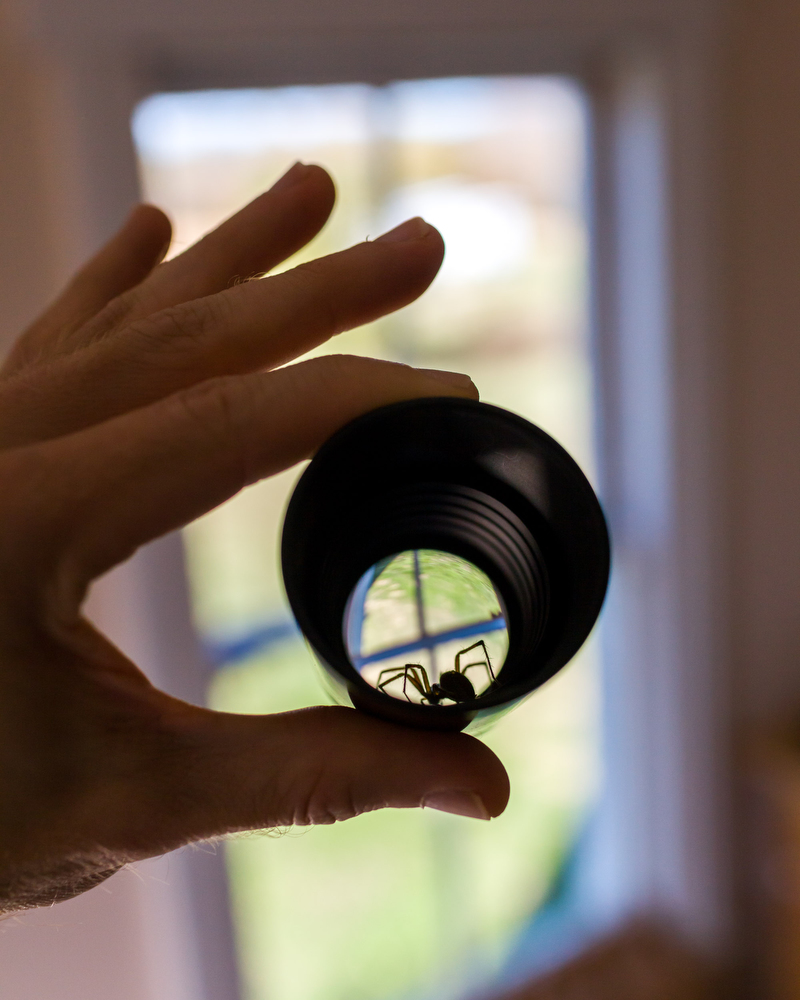
©Josh Birnbaum, Schneider loupe, 2015
ES: How and why did you get into teaching?
JB: I never thought I would be a teacher. After completing graduate school in photojournalism (post-recession), I signed up for AmeriCorps to serve with a local non-profit, the Athens Photographic Project, a fine arts program that offers photography classes to community members living with persistent mental illness. The experience of working with these individuals in classes and one-on-one profoundly changed me — I saw how photography could be used in many ways and how it could also be a vehicle for things like self-discovery, relationship-building, community engagement, and healing. After a few years of teaching here and freelancing as an editorial photographer on the side, I applied for a teaching position at the photojournalism program I graduated from and they brought me on to teach for a 3-year contract. This was in 2012, and I’m still here for the ride. These dual intersecting pathways — photography as art and journalism — have continued throughout my career.
ES: How do you connect with your students?
JB: Conversation. Eye contact. Questions. Listening. Sharing. Spending time with them. Giving them every possible opportunity to have fun and investigate their world with their camera. Doing whatever I can to show them that I value them as people and I’m here to help them on this grand journey. I raise chickens at home, so I also bring them free eggs.
ES: What keeps you engaged as an educator?
JB: My students never cease to challenge and amaze me. Truly it’s mostly them. Thank you, students! I also just love photography. I think many of us can admit that it’s an obsession. Looking at imagery, thinking about photographs (and life, through photographs), making work, and editing pictures gives me energy. I have a visual mind and see things first in this way. Finally, I derive purpose from this work because I feel it is important: bringing art into people’s lives and continuing photojournalism education are both needed now more than ever before.
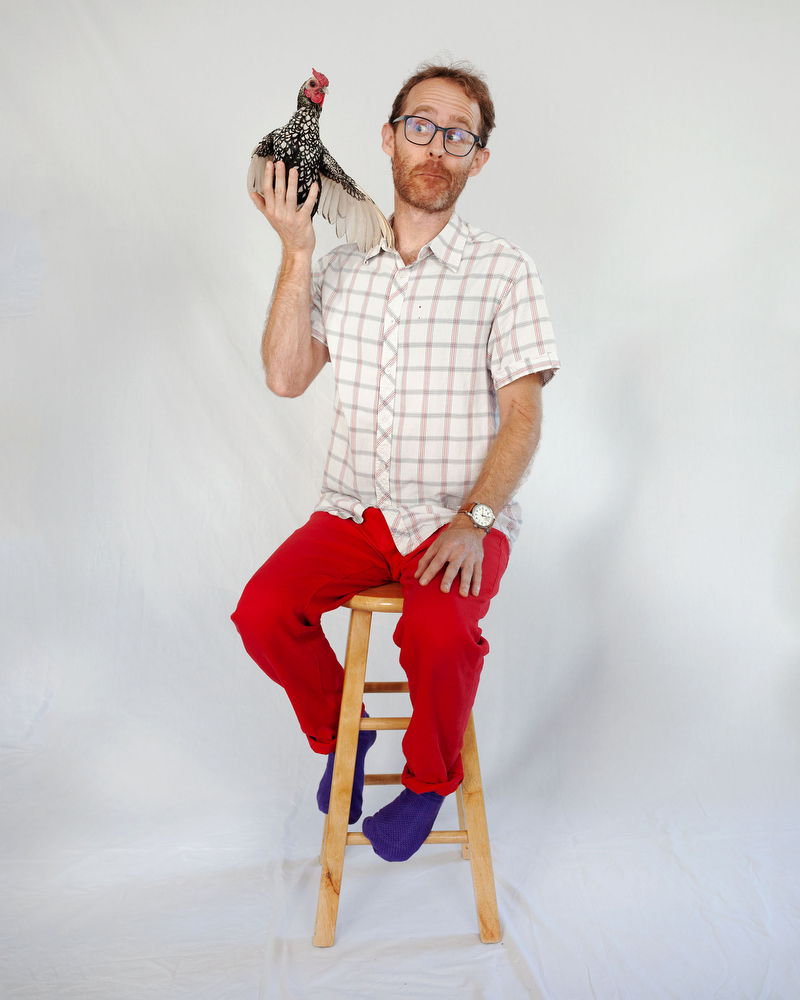
©Josh Birnbaum, Selfie with my rooster, Sylvester, 2019
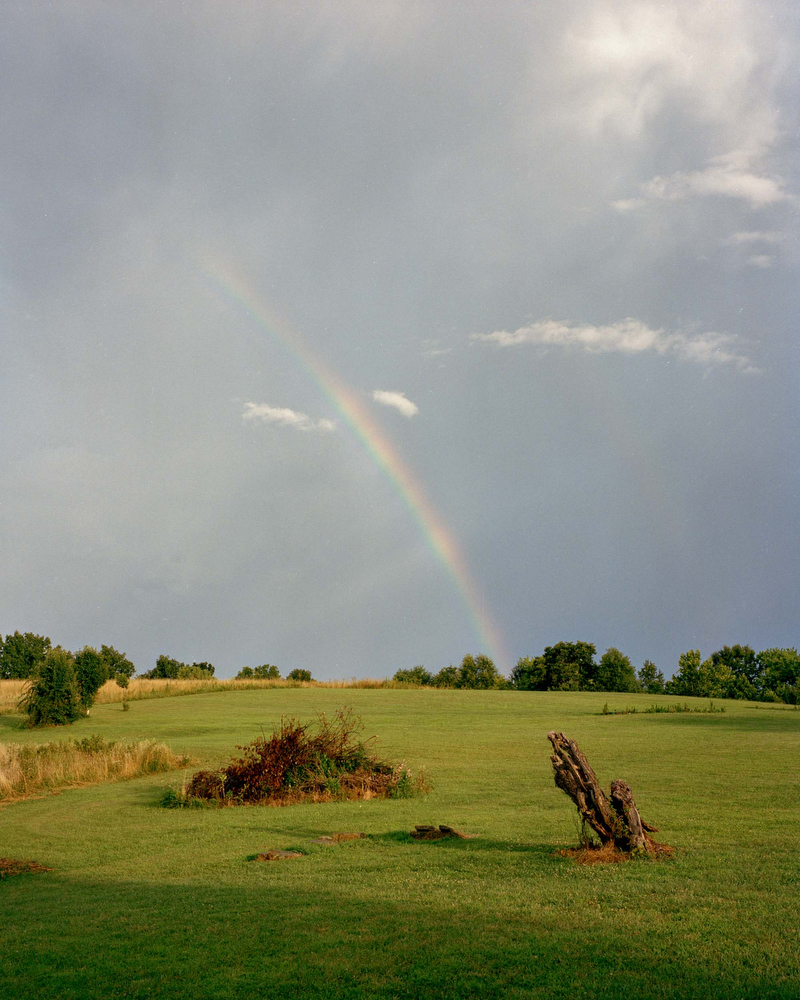
©Josh Birnbaum, The view after nearly every rain storm, 2019
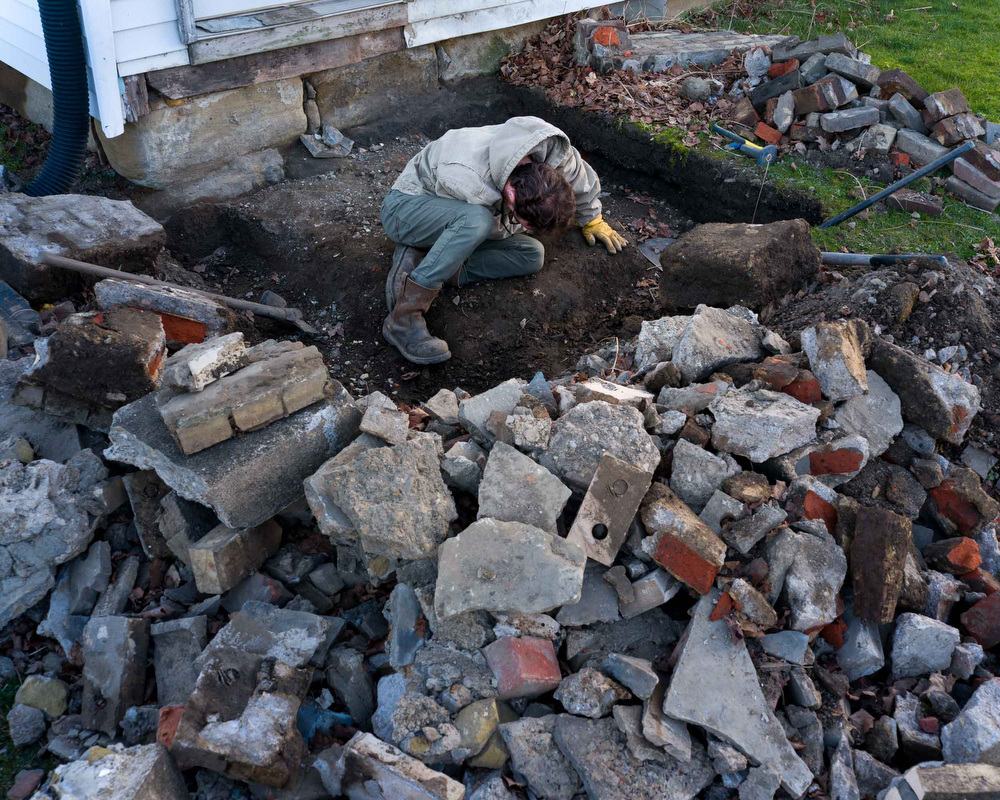
©Josh Birnbaum, Old house work, 2023
ES: You’ve been teaching for over a decade, has your teaching philosophy changed with time?
JB: Since I began my teaching journey, my teaching practices have evolved. Initially I worked with adults, soon thereafter working with college students and then also youth. I now work tirelessly to help young students see the value of photography and storytelling in their own lives, as ways of connecting them to others and exploring the outer world and their inner selves. It is my great hope that these experiences impact their mental health and development at a critical time in their lives. Regardless of who I’m working with, I believe the core of my teaching still comes from who I am — an inquisitive individual who believes in the potential of all people, who believes that art and journalism are part of how we process experiences and learn and grow. I see myself as a facilitator, or a guide.
ES: How do you help your students tap into curiosity and the creative process? What are some of the assignments that you give your students?
JB: In photojournalism, I try to give students assignments that exercise creative muscles, improve social skills, and impart notions of ethics and storytelling. I am continually asking them: what are you interested in? How would you investigate that with your camera? Who would want to talk to you, and what would they get out of the process of sharing their story? What audiences would be interested in this? Why? Assignments range from capturing emotion in a photograph, to a picture story about a person or place, to spending an entire semester building a visual archive around a central question by utilizing a chosen documentary approach.
With my non-profit work in Nelsonville, each summer project has a specific goal, but the young artists are allowed freedom to create whatever they can imagine. Many of the projects are expressive and identity-based, where students are asked to reflect on themselves, their inner world, and their place within the community through their photographic work. Each project is also grounded in a certain photographic process. We have done a collaborative community documentary, cyanotypes, emulsion-transfer “spirit” portraits, the Hockney technique, mixed media “future self” portraits, “fashion/style” collages, instant photography to capture decisive moments, pinhole cameras, and double exposure “dream” imagery. The youth are given cameras to take home; guided in brainstorming their ideas; taken on field trips around the community; shown how to use a studio; and assisted in image production. Their work is exhibited annually in the Nelsonville community.
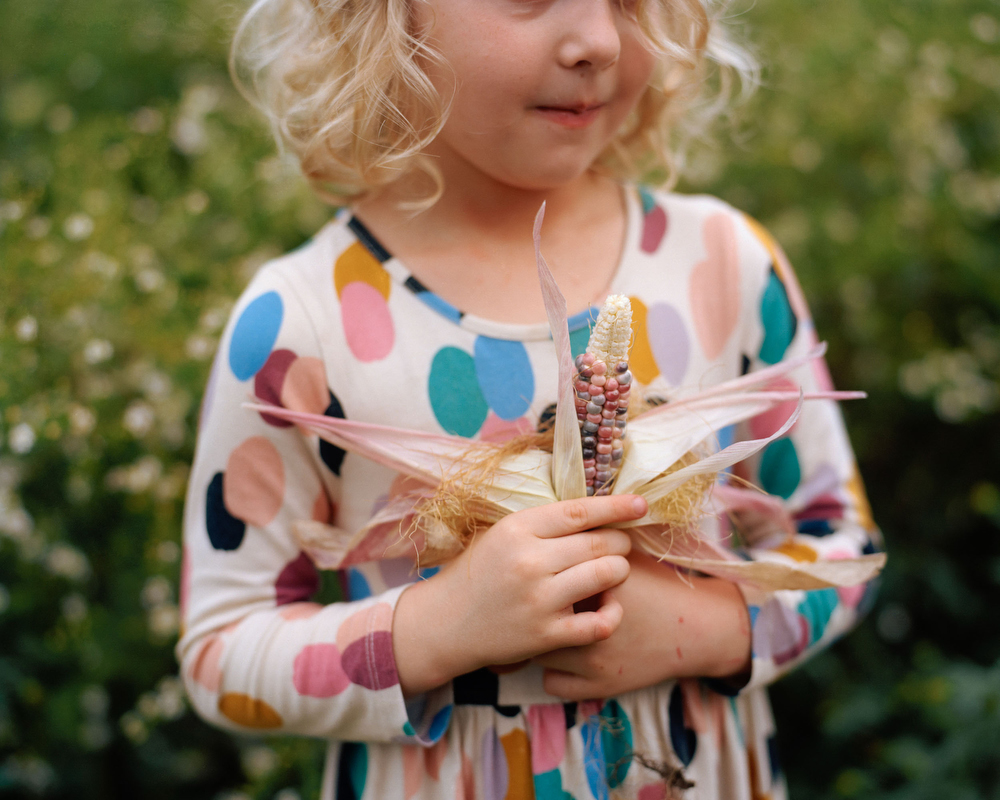
©Josh Birnbaum, Louisa with heirloom corn from our garden, 2020
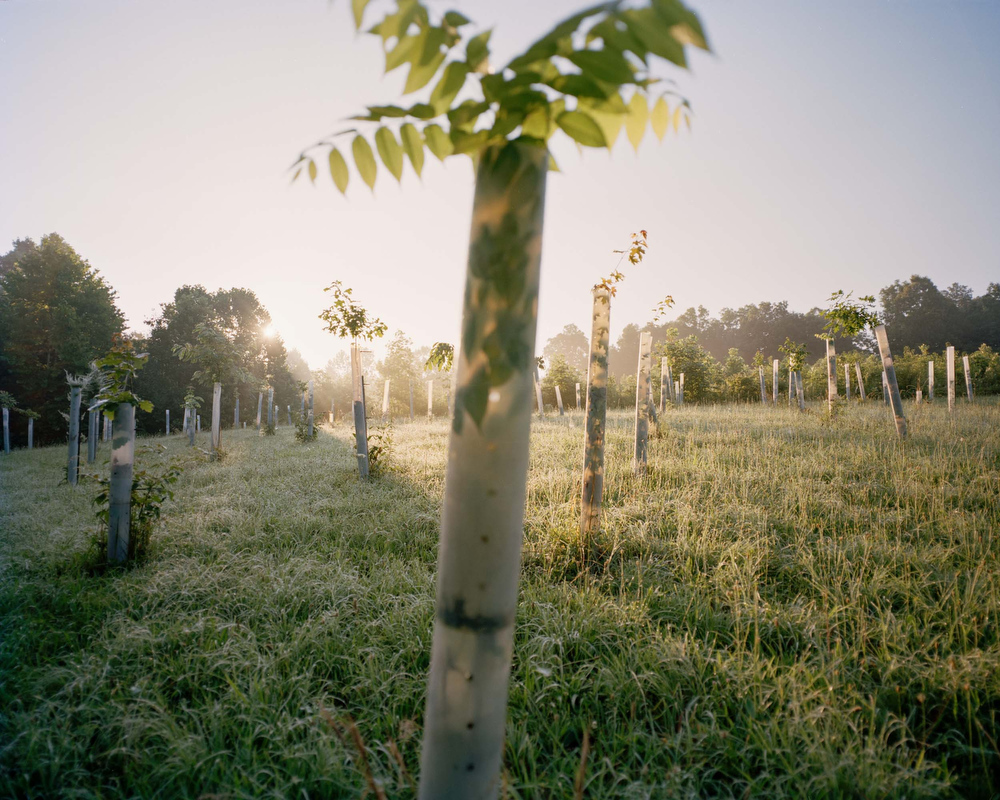
©Josh Birnbaum, Tree plot #1, 2022
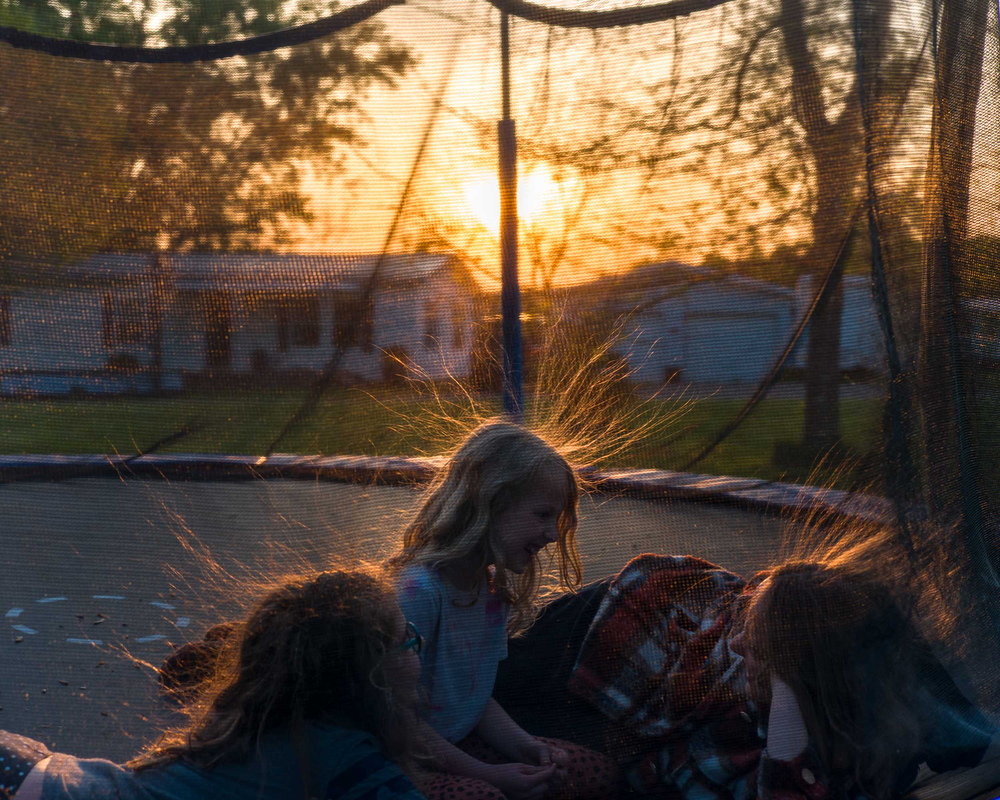
©Josh Birnbaum, Ecstatic, 2023
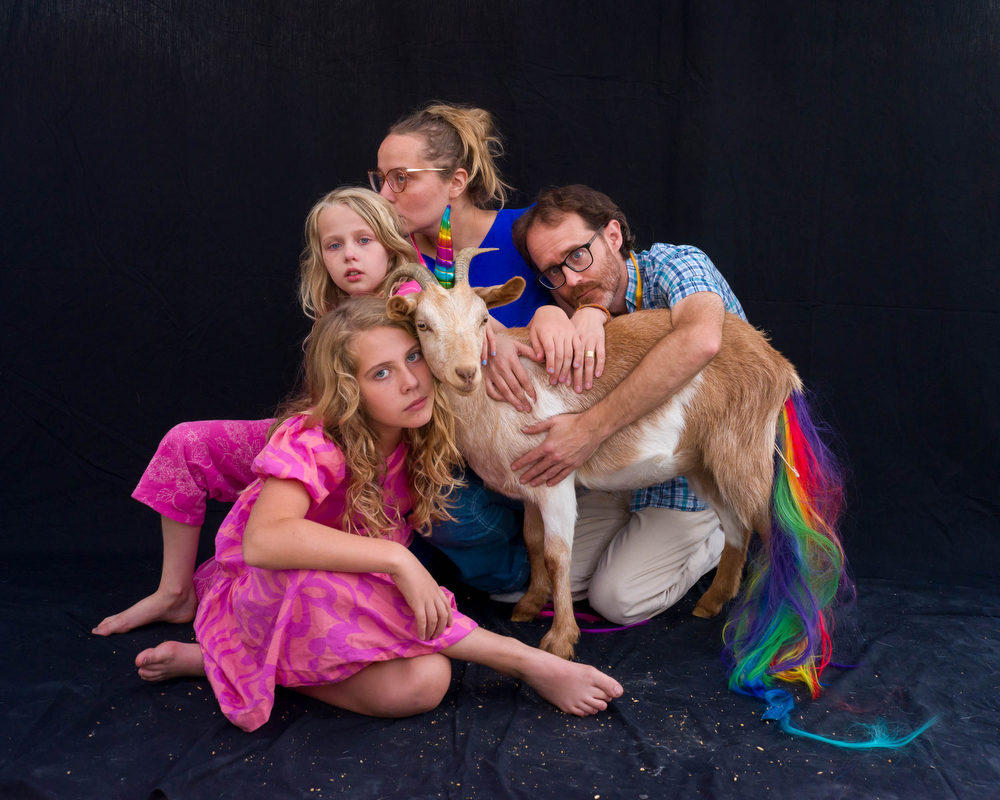
©Josh Birnbaum, Family portrait with pet unicorn, Blantonlee, 2024
ES:What is your vision for the future of photography education?
JB:Photography is ubiquitous, but I wish photography education were more accessible to all. Towards this end, I am currently working with the Athens Photographic Project on capturing and expanding their program model for other communities. Additionally, in the next few years, I plan to publish a book featuring student work and lesson plans for all the projects I’ve done with Nelsonville youth — a hybrid youth art showcase and resource guide for educators, parents, and artists. I’ve got a set of 9 lessons and incredible batches of student work, so I’m looking at starting the book proposal process soon.
ES:What has been your biggest sacrifice?
JB: Teaching and running a non-profit are emotionally draining, time-consumptive, complicated, and challenging in all the best and worst ways. I have to give a lot of myself to students, but also to the processes of academia, and the beast of perpetual non-profit grant-writing. Do I feel that I had to sacrifice my own photography career to dedicate myself to teaching? Maybe, but I made that choice and I don’t regret it. Perhaps this is how I was meant to contribute.
Thank you Josh. These students are very lucky to have you. To follow is a small collection of photographs and statements from Josh’s students. These students are from the Circle Round the Square program in Nelsonville, Ohio.
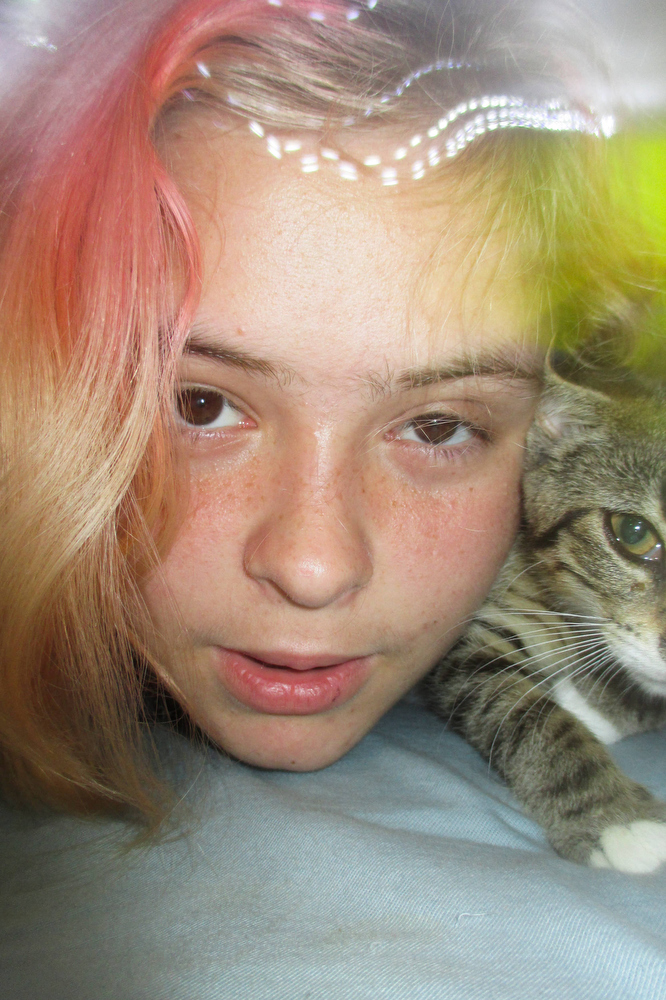
©Kaila Rife, A selfie with half a cat, light interrupting the frame, green background, and a light blue border. Something like magic.
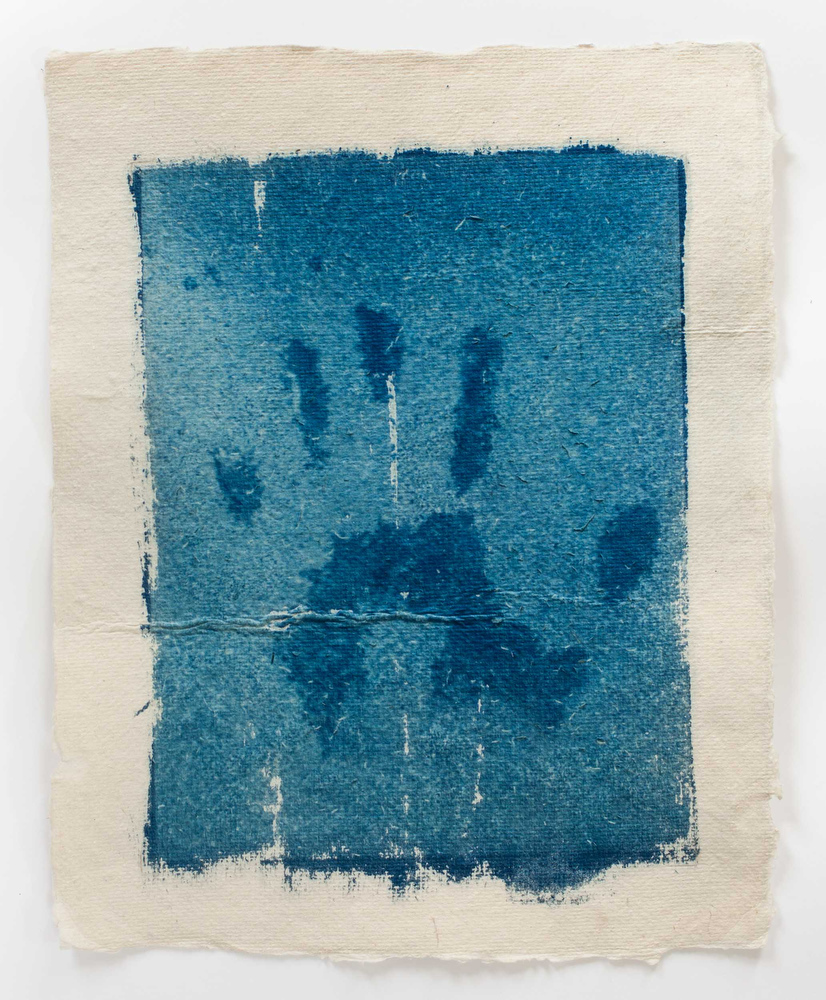
©Kaila Rife, A hand print can show how we are afraid of not leaving our mark. Our lives like a hand print of water are only finite, we’re one drop on hot concrete.
Growing up I had the amazing opportunity to be taught by Josh Birnbaum at Circle Round the Square. Each summer he would teach us different techniques for displaying photos, give guidance on how to photograph things that matter to us or expressed who we were, and most importantly he always encouraged exploration with subject matter and presentation. Throughout my years at camp, I was inspired by Josh to take risks in my art and to try things that sounded fun or interesting. Even with the expectations of the project, I never felt like I was just following orders. His class was a kind of play, learning what worked and what didn’t without the fear or shame of messing up or failing. His classes instilled a willingness to explore in my art and know that I can make things I’m proud of and enjoy.
-Kaila Rife, former Circle Round the Square camper and intern, current Operations Director for the program
Website: blumin-onion.tumblr.com
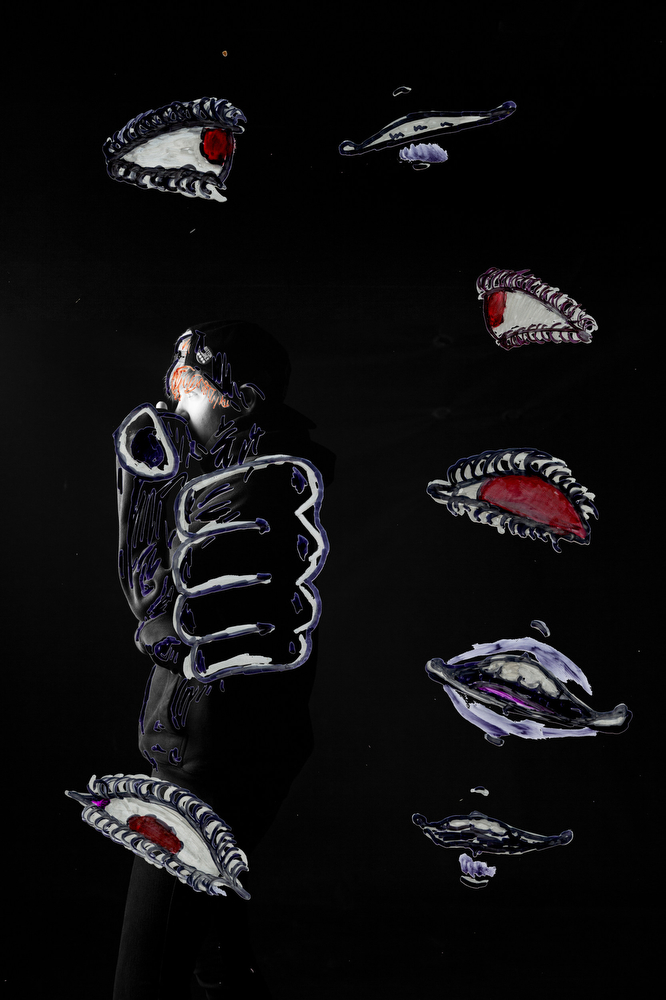
©Max Mace, I envision to be different, to be who I am. I want people to know that some people have their own dreams, their own choices. Some people like me have a hard life ahead.
Throughout my very long time at Circle Round the Square, I was able to learn from Josh Birnbaum since 5th grade all the way to college. He was my favorite teacher out of them all, not just from his super fun assignments, but as a teacher as a whole! Josh was always kind, patient, and respectful with everyone; he took the time to really appreciate each student. Whenever I brought up some “crazy” imaginative idea- he would fully encourage it full force till the final product. He has been one of my inspirations to go forth with my Art Education degree!
-Max Mace, former Circle Round the Square camper and intern, current undergraduate art education major at Ohio University
More Student Work
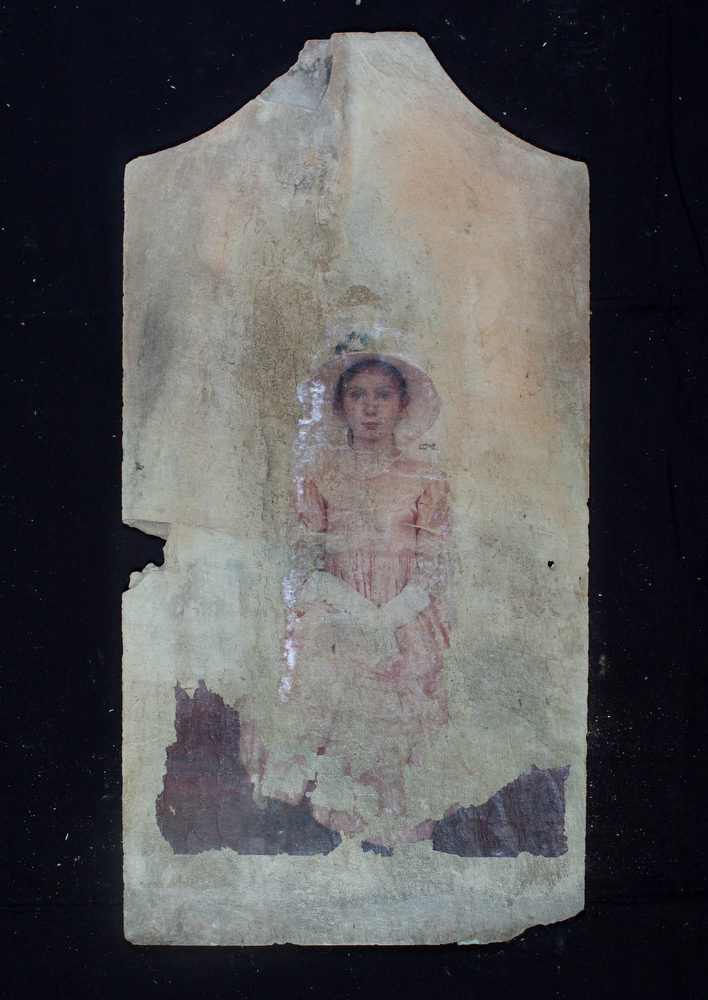
©Cauley Trout, She’s an old fashioned girl. The tombstone is old so I wanted to make an old picture. She lives in a mansion and loves animals and dresses. I did it to show feeling, ideas, and other things too.
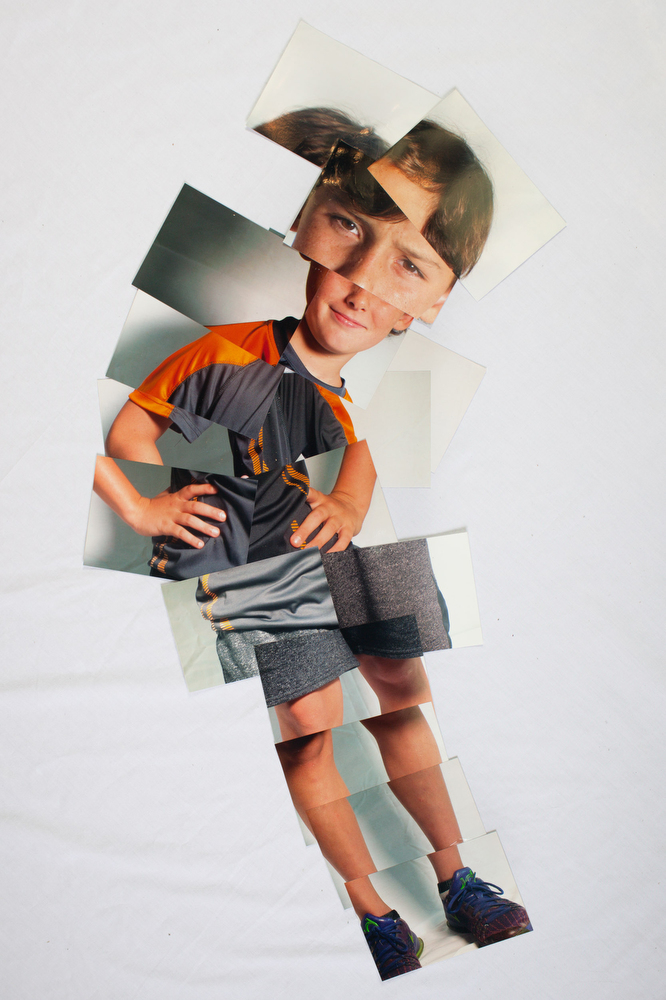
©Hunter Rutter, I would like other to take a closer look at my eyes. And more close up. All my collages say I’m a funny person.
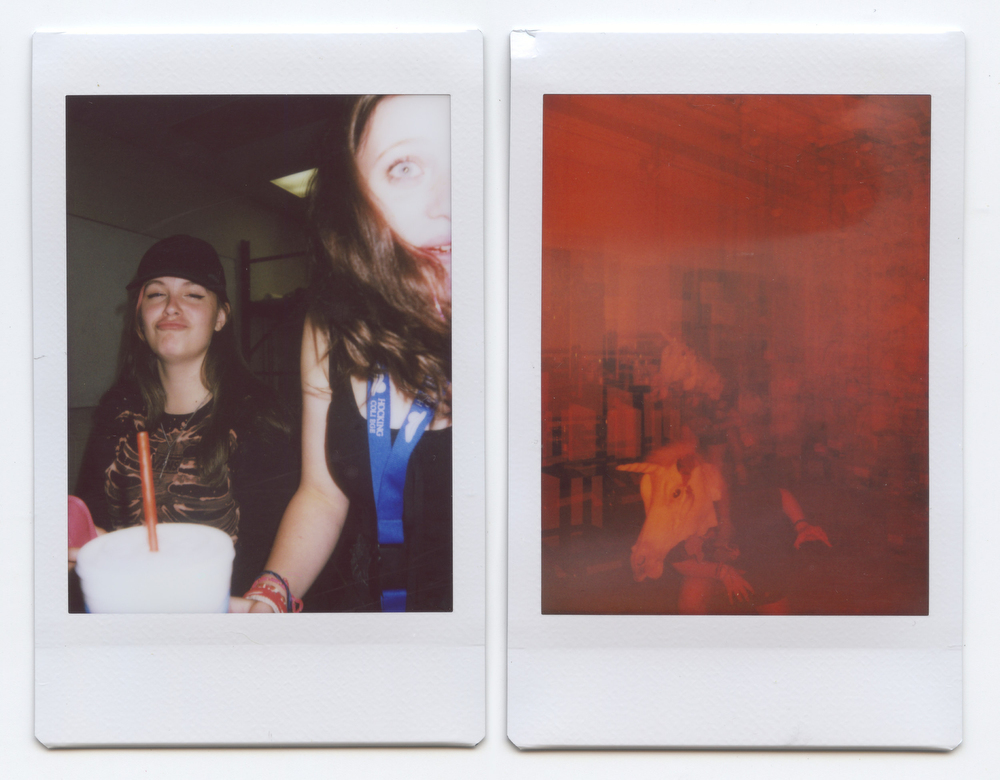
©Rory McDonald, This was one of my favorite things this summer camp. I loved showing all the stuff I see in a day and capturing the moments.
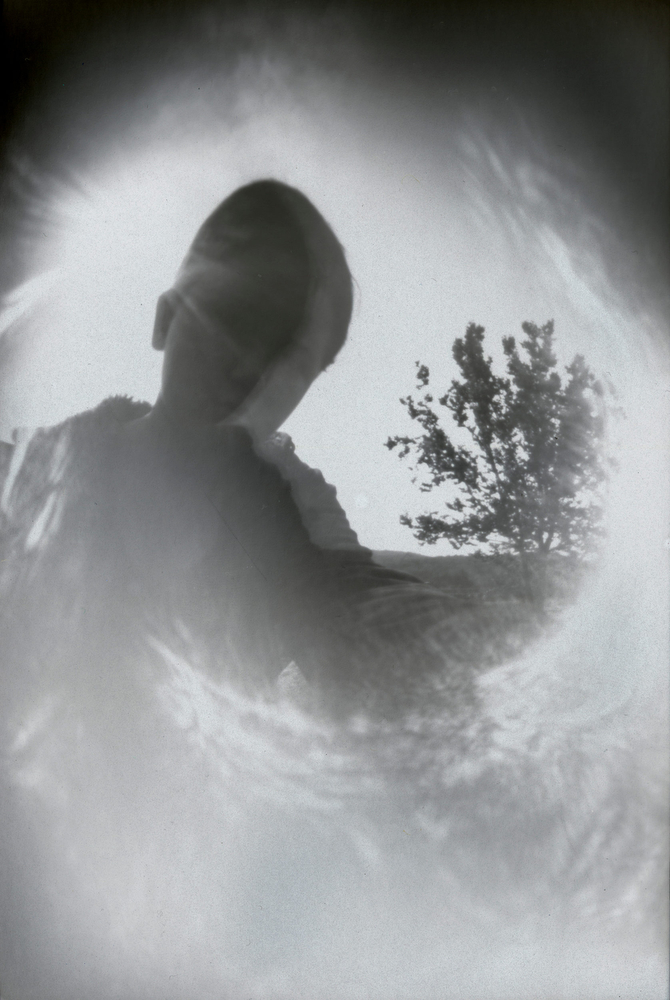
©Tyaiha Layton, It was really fun figuring out what type of pinhole camera to make. The pinhole itself was a little hard because it had to be very tiny.
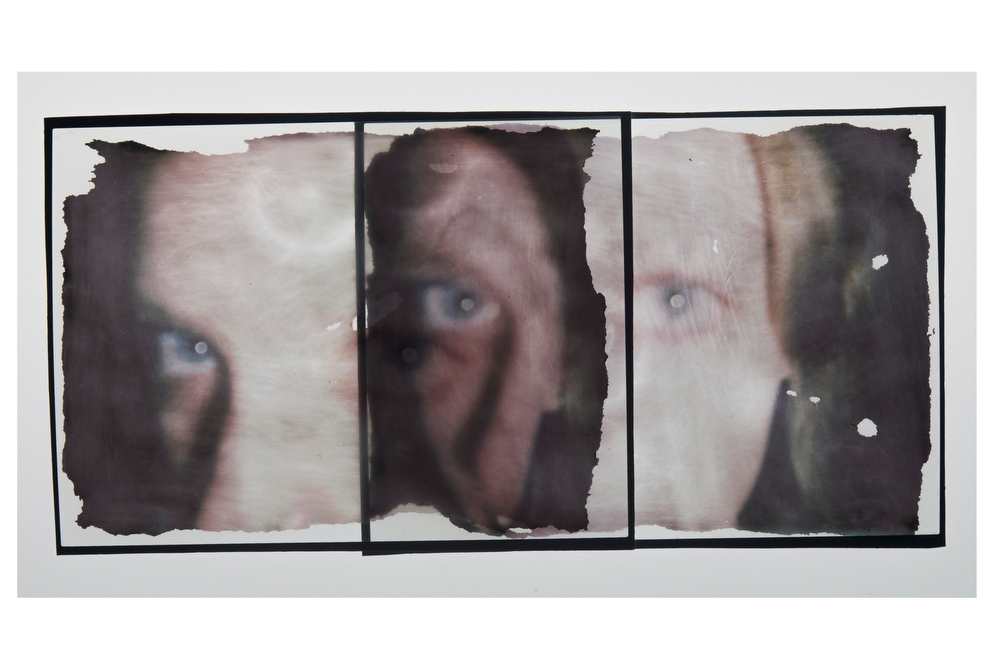
©Rory McDonald, I really enjoyed the process of the photography even if it made my back hurt.
Josh Birnbaum (b. 1985, Los Angeles, Calif.) is a photographer, educator, and author currently living on the southeastern edge of Ohio. Josh is just as much a teacher as he is a photographer. Through his teaching efforts, he explores various ways that photography can be used to positively impact people’s lives. During the academic year, he teaches full-time at Ohio University’s School of Visual Communication, where he helps to train the next generation of photojournalists and documentarians. Additionally, he teaches photo classes and serves as the executive director of Circle Round the Square, a non-profit summer arts enrichment program for at-risk youth in Nelsonville, Ohio. Josh has also worked extensively with the Athens Photographic Project, a community of artists dedicated to using photography as a tool for self-expression, personal growth, and social change within the mental health recovery journey.
Website: joshbirnbaum.com
Student work: joshbirnbaum.com/student-work/
Non-profit: circleroundthesquare.com
LinkedIn: linkedin.com/in/josh-birnbaum-53a1328
Instagram: joshbirnbaum2
Montana-based artist Elizabeth Stone explores memory and time through photography’s inherent ambiguity. Guided by process, she pushes at the edges of how photographs are defined and seen.
Website
Posts on Lenscratch may not be reproduced without the permission of the Lenscratch staff and the photographer.
Recommended
-
Mexico Week – David Muñiz: Between the Archive and the AlgorithmMarch 29th, 2026
-
Jordan Tovin: A Shaw DiaryMarch 21st, 2026
-

J. Lester Feder: The Queer Face of WarMarch 11th, 2026
-

L. Kasimu Harris: New Photography 2025: Lines of Belonging at MOMAMarch 10th, 2026
-
Kiana Hayeri: No Woman’s LandMarch 8th, 2026