THE CENTER AWARDS: Excellence in Multimedia Storytelling Award: Dan Fenstermacher

©Dan Fenstermacher, Fisherman use ropes, logs, and boards to push their vessels off the beach and into the ocean with manual power.
Congratulations to Dan Fenstermacher for being selected for CENTER’s Excellence in Multimedia Storytelling Award recognizing his project, Food Chain. The Excellence in Multimedia Storytelling Award recognizes outstanding storytellers using lens-based media to create narrative-driven projects. The award is open, but not limited to, photography, video, new media, photojournalism, installation, and web-based works. Projects that inspire social action, document crucial issues, and amplify underrepresented voices are encouraged to apply. The Award includes a Mentorship, Complimentary participation and presentation at Review Santa Fe, Group Exhibition of Award & Grant Winners at the Turchin Center for the Visual Arts, Project Publication in Lenscratch & Feature Shoot, and inclusion in the CENTER Image Library & Archive.
JUROR: Mary Anne Redding, Curator, Turchin Center for the Visual Arts shares her thoughts on this selection:
Jurors have multiple responsibilities when they are jurying artwork for awards or inclusion in any number of exhibition or project opportunities. Jurors have a responsibility to the artwork they are reviewing, equally to the submitting artists, although unnamed, to the organization they are working with, and, most importantly, to their own ethics and standards. Jurying should always be undertaken ethically and in an unbiased manner.
It is always an honor to work with CENTER; the staff is meticulous, fair, and equitable in their open calls for submissions, in their organizational efforts in preparing the artwork to be reviewed, as well as their follow-up with submitting artists and jurors alike.
In reviewing the nearly 90 submissions for the Multimedia Award in 2022, I was faced with the daunting task of selecting only one winner. The majority of the artwork submitted was professional and culturally engaged. How to decide between images that tugged at my last heartstring in a Post (?) Pandemic world on the verge of WWIII or those looking to improve the lives of those of us left on the planet wearing gas masks?
Ultimately, I chose hope and the belief in the goodness of mankind towards each other, toward the planet, and seeking the improvement of our global communities.
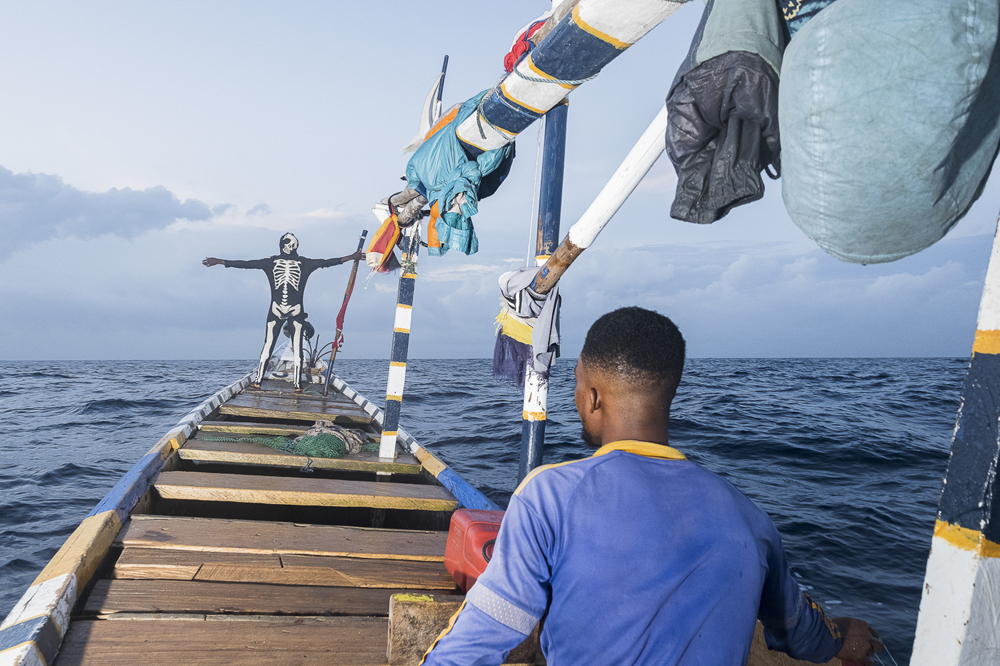
©Dan Fenstermacher, 10 kilometers offshore, a quick prayer is voiced before the fishing nets are thrown overboard.
Mary Anne Redding is a visual arts curator and writer. She currently works as the curator for the Turchin Center for the Visual Arts at Appalachian State University in Boone, North Carolina. Redding has more than forty years’ experience working as a curator, archivist, librarian, educator, and arts administrator. She has curated hundreds of exhibitions as well as written and published numerous essays on contemporary art. Redding serves on the advisory board at Center.
Dan Fenstermacher is an internationally recognized photographer merging documentary storytelling, and street photography. Both activism and humor are key elements of his work. He has photographic experience on four continents including working for Apex Advertising in Accra, Ghana, as a portrait photographer in Sydney, Australia, a Professor of Fine Arts at Xiangfan University in Hubei, China, and as an artist-in-residence in San Ramon, Costa Rica, culminating in a solo exhibition at the Museo de San Ramon.
Fenstermacher was selected as the winner of the 2021 Paris International Street Photo Awards Beach & Pool category, the 2020 Miami Street Photography Festival International Series Contest, and the 15th Annual Smithsonian Photo Contest for the American Experience category. His ongoing project about mental health and stigma has been featured in The Huffington Post.
Dan grew up in Seattle, WA, and received his Bachelor of Science degree in Advertising from the University of Idaho. He holds a Master of Fine Arts Degree in Photography from San Jose State University, is a member of the Full Frontal Flash Collective, Bay Area Photographers Collective, and Chair of the Photography program at West Valley Community College in Saratoga, CA.
When not teaching, he photographs for Content Magazine, the SF Standard, and as a volunteer photographer with the Make-A-Wish Foundation.
Follow Dan on Instagram: @danfenstermacher

Portrait of Photographer Dan Fenstermacher
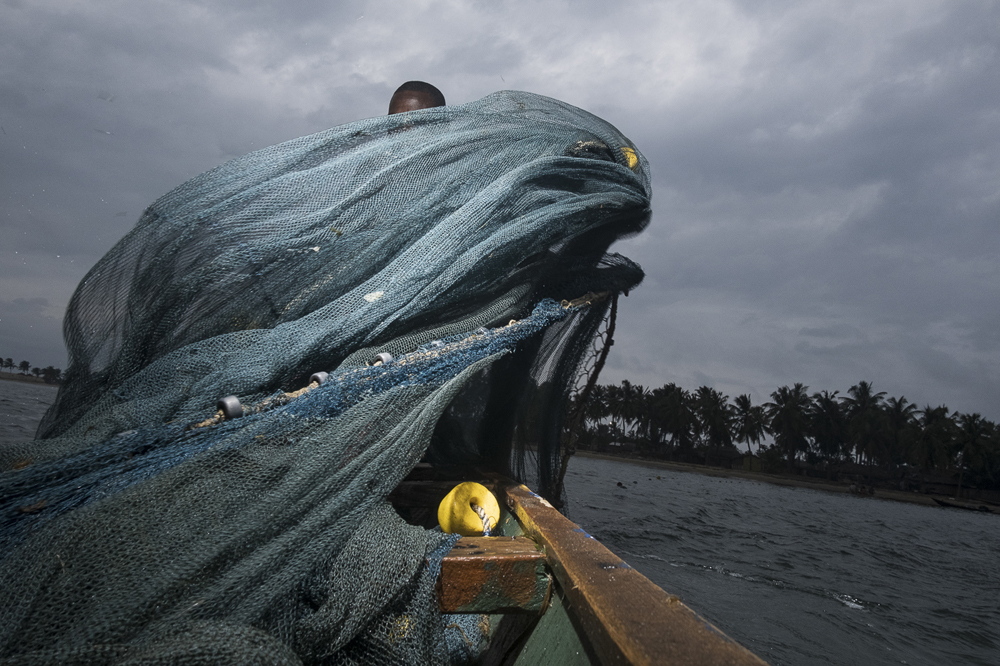
©Dan Fenstermacher, A fisherman lays out nets while trawling for fish at the outlet from the river to the ocean.
Food Chain
Working everyday except Tuesdays the fisherman from the seaside towns of Prampram, Cape Coast, and Ada, Ghana, head out to sea where they fish up to 40 kilometers offshore. For generations families of these communities have fished the Atlantic Ocean. What they catch will determine the livelihood of the community and their families. During the summer months of 2021 I photographed the story of these local communities of fisherman.
Rising before dawn to push their canoes into the ocean while battling with the shore break, and after a pause for prayer; the long workday begins.
Working hand to mouth, the fish are taken from the boats in baskets by family members and prepared for frying in oil for dinner. On land the selling, cleaning, and cooking of the freshly caught fish is a lively affair.
However, often there are barely any fish to show for a day’s work and nets come back full of plastic debris. Combined with overfishing by fleets from China and Europe there is a depleted supply of fish and a food chain that is out of balance.
Millions of dollars per year are reported to be taken from the Ghana economy from foreign countries. Because of this the government of Ghana has implemented an annual one-month fishing ban on local fisherman in an effort to restore the fish population along the coast.
Many do not know how they will make a living for the length of this ban, and fish illegally risking fines in-order-to feed themselves.
With supplies of fish dwindling and altering the ecosystem, these communities have little to fall back on, and the future of the Ghanaian fishing occupation is in danger of being inundated.
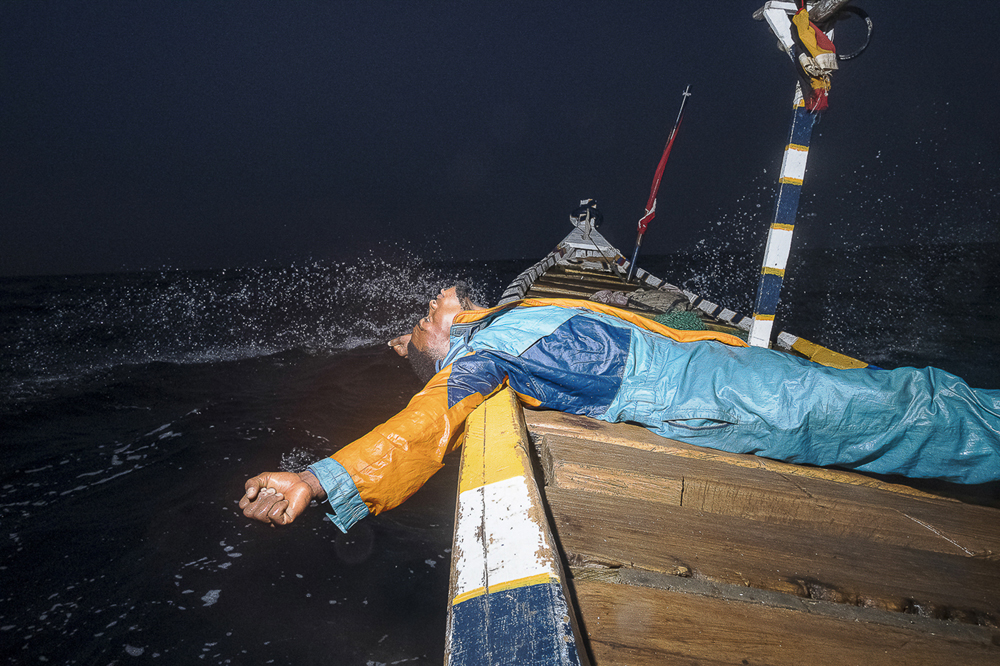
©Dan Fenstermacher, After an exhausting morning of fishing, a small break is needed.
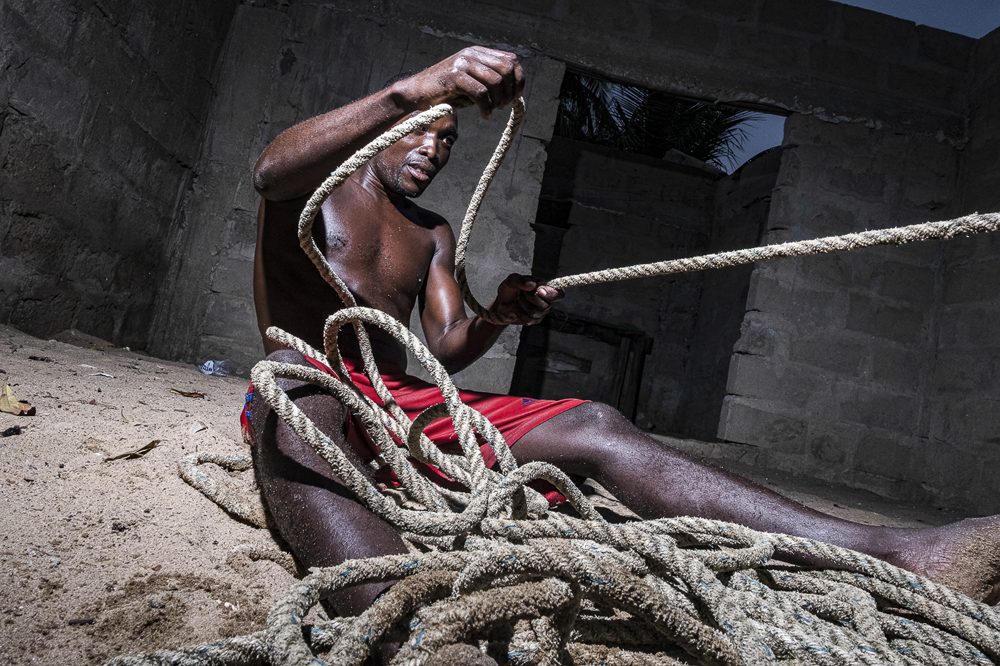
©Dan Fenstermacher, A fisherman uses a rope wrapped around a tree and anchors the end of the line as the fishing canoes are hauled onto the beach at the end of the workday.
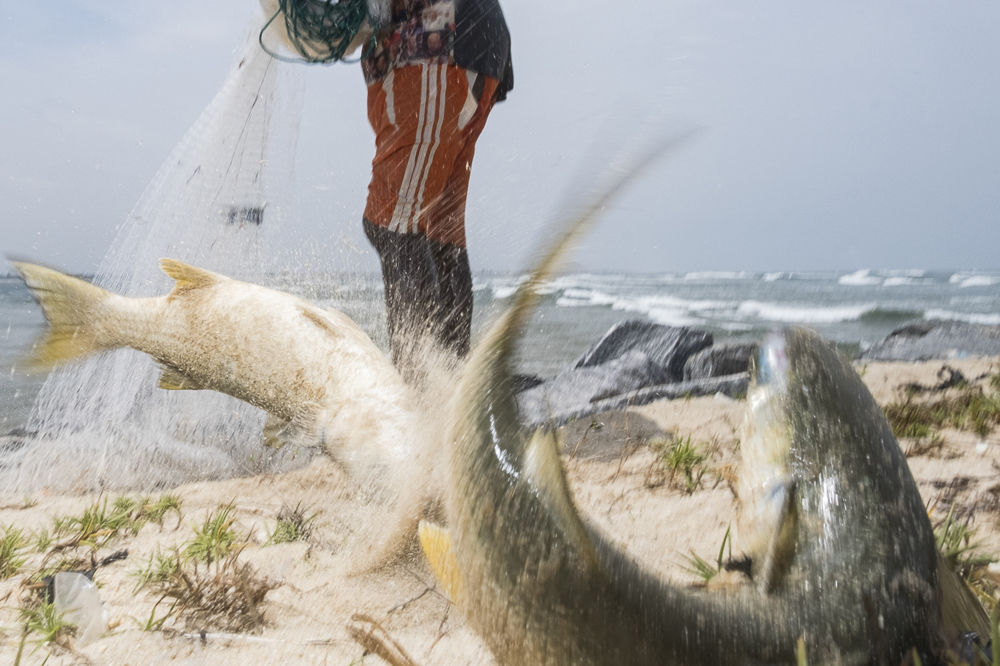
©Dan Fenstermacher, Moses catches fish by hand with only a weighted net in shallow water, and throws the fish on land.
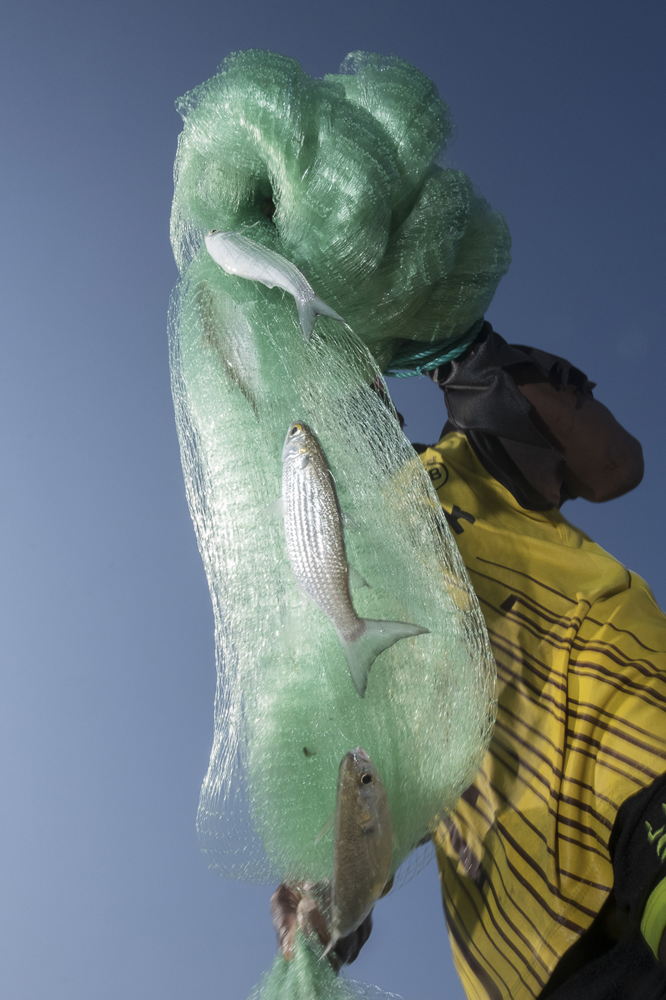
©Dan Fenstermacher, Fish are brought out of the ocean entangled in nets.
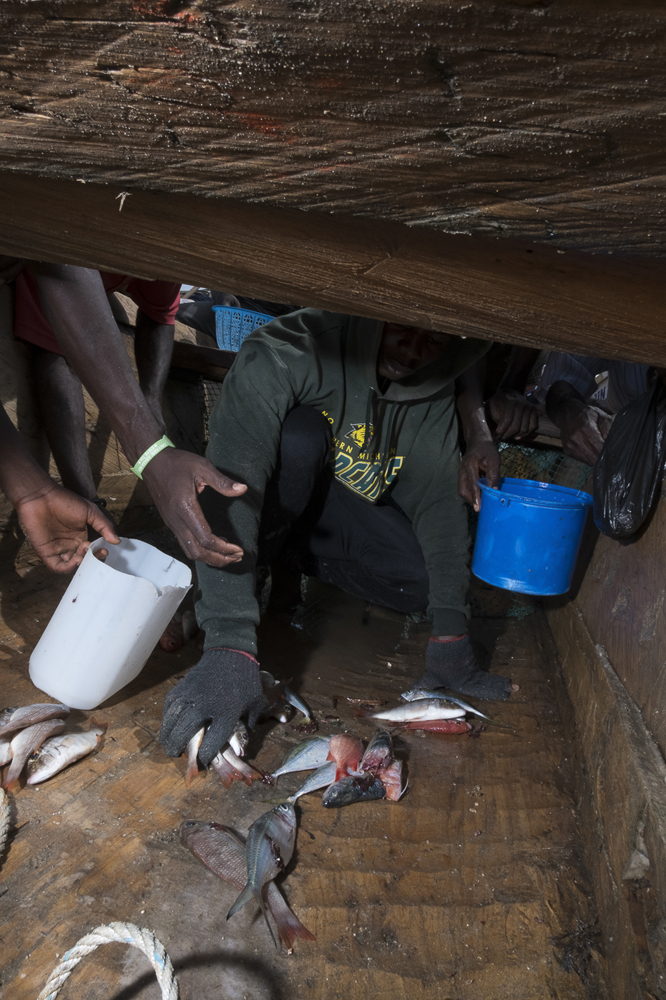
©Dan Fenstermacher, People hold out their hands for fish as the last of the catch is sold from the inside of the hull of a canoe.
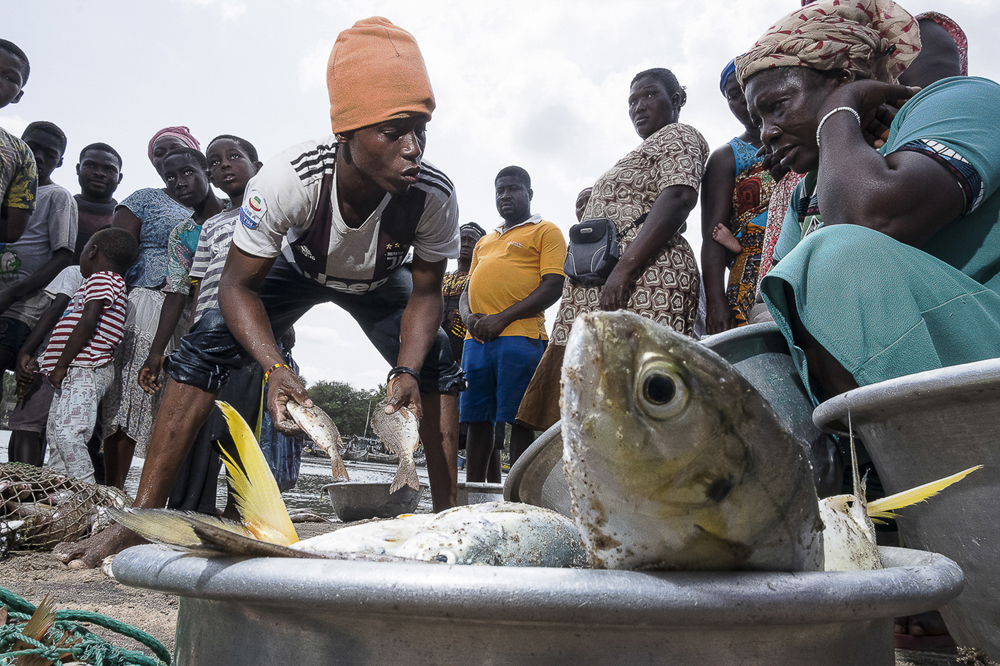
©Dan Fenstermacher, A fisherman sells his daily catch to onlookers on shore.
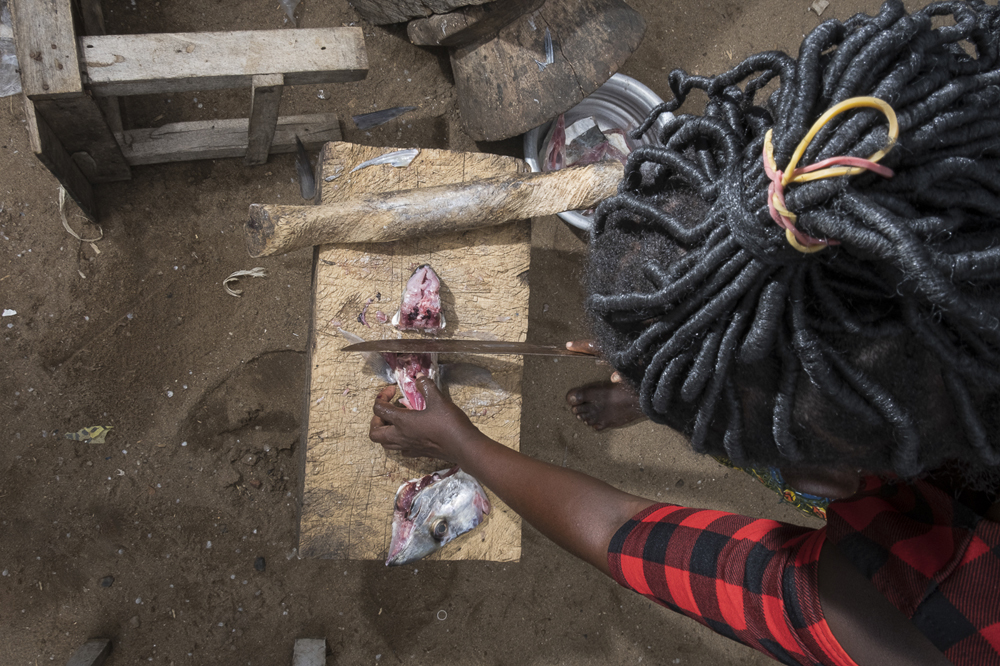
©Dan Fenstermacher, A fish is cut into pieces for grilling by a local woman who makes her living preparing the fish as soon as it is bought on land.
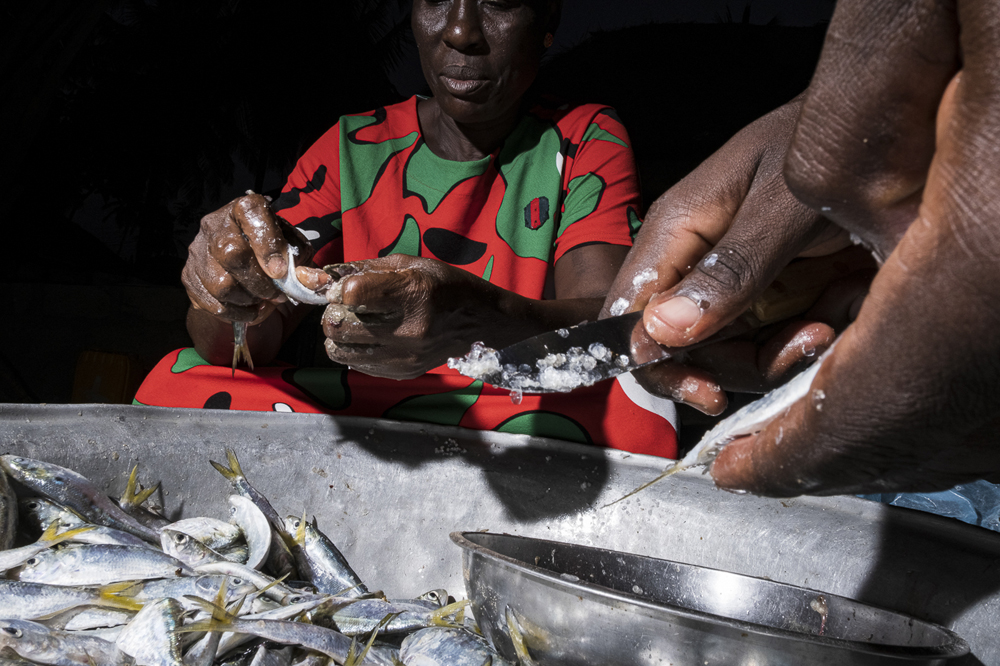
©Dan Fenstermacher, Fish are descaled for frying and consumption.
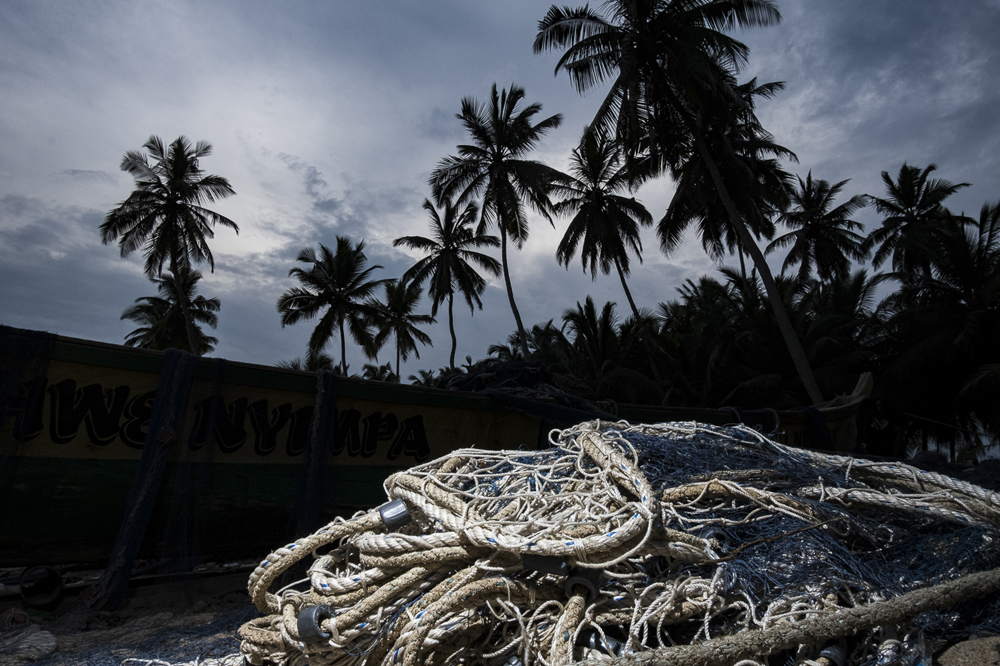
©Dan Fenstermacher, Fishing nets lay drying on the beach after a day of work, waiting for the fisherman to head out to the ocean the next day where they will be used again.
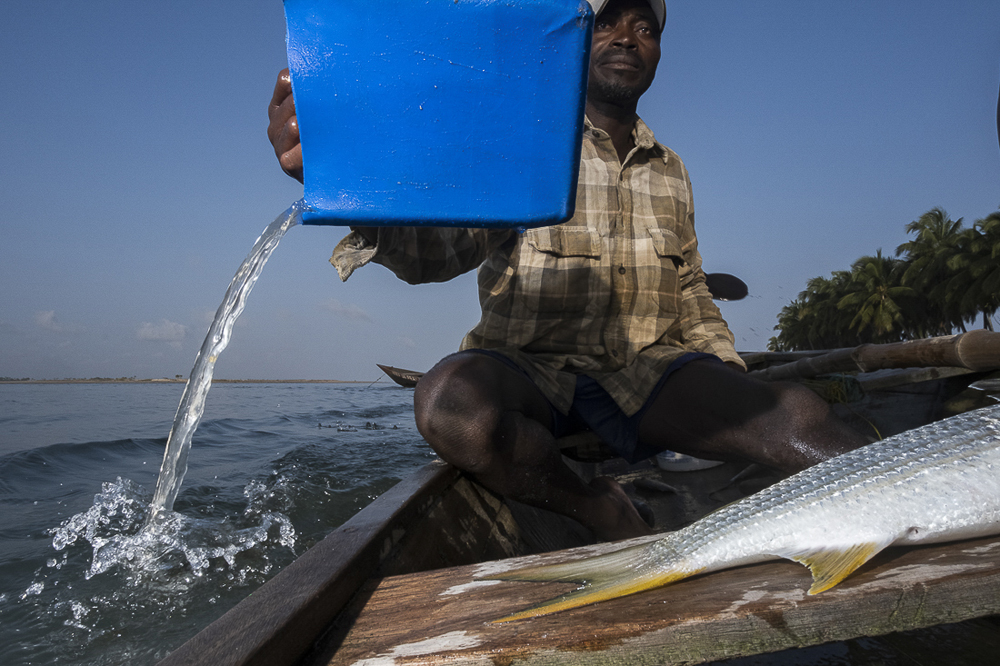
©Dan Fenstermacher, Bailing
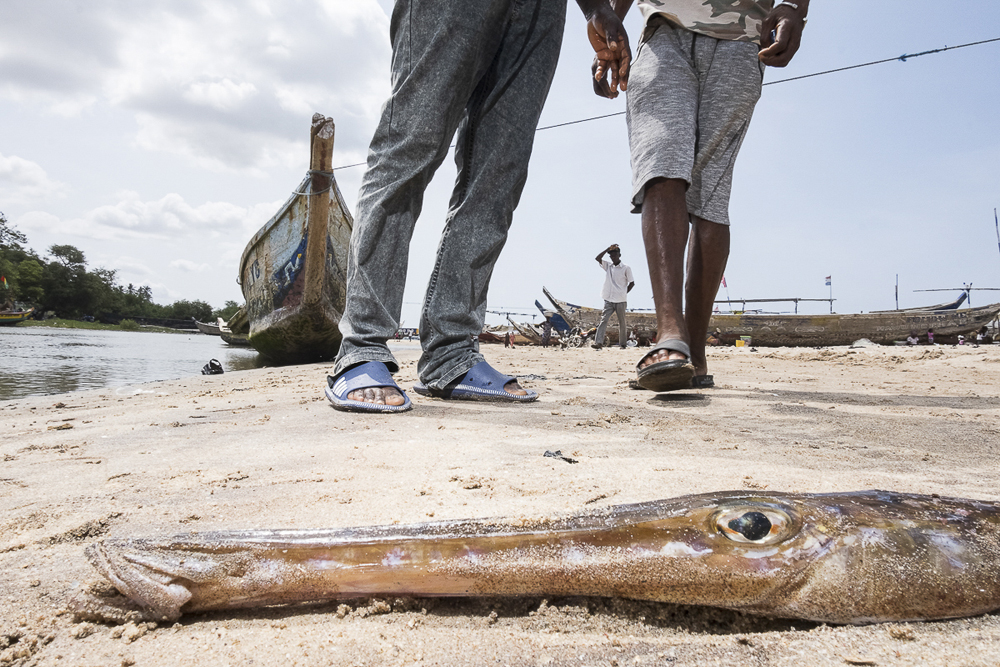
©Dan Fenstermacher, Dry Land
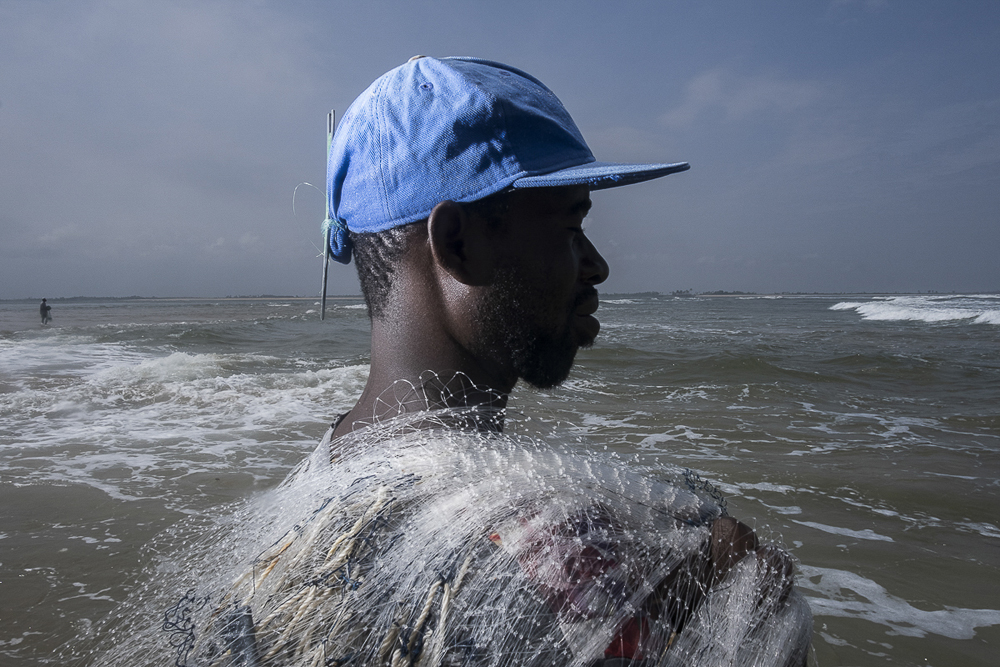
©Dan Fenstermacher, Hunting
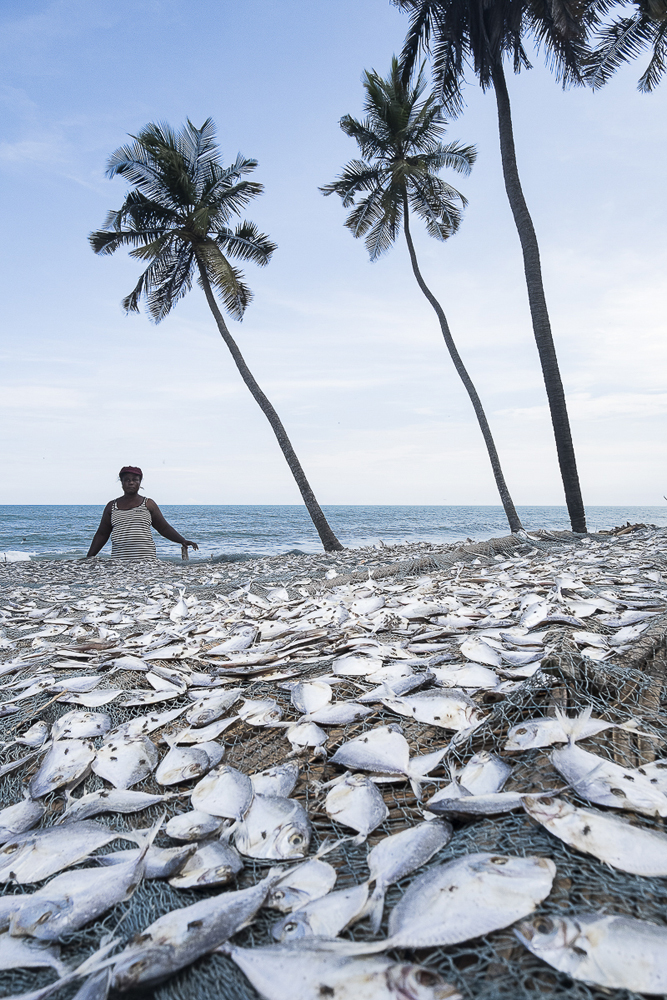
©Dan Fenstermacher, Left to dry
Posts on Lenscratch may not be reproduced without the permission of the Lenscratch staff and the photographer.
Recommended
-
The Museum of Fine Arts Announces Establishment of $50,000 Edelman Impact Award in PhotographyMay 31st, 2026
-

Donna Gordon: 2025 Denis Roussel Award WinnerMay 16th, 2026
-

Zanele Muholi: 2026 Hasselblad Award LaureateMarch 13th, 2026
-
Shane Hallinan: The 2025 Salon Jane Award WinnerFebruary 12th, 2026
-
Greg Constantine: 7 Doors: An American GulagJanuary 17th, 2026