Kathryn Rodrigues: Homesick
@Kathryn Rodrigues, Things You Needed
I first encountered Kathryn Rodrigues’ work in a group exhibition in 2023. Her image Portal had me bewildered and transfixed in the best way possible. At first glance, it is a simple image of a woman kneeling on the ground under shelter of a shadow. There is dissonance between what is concealed and revealed, with just one hand reaching across a threshold into light. The image instantly evokes a nuanced range of emotions, questions and a touch of humor. Is she kneeling in comfort or discomfort? Is it an act of sorrow, release or devotion? The ambiguity of the image and the questions it raised resonated with me deeply, making me curious to learn more.
Fast forward a few years later and Rodrigues has consolidated a rich body of work entitled Homesick, which is currently featured in a solo exhibition at Perspective Gallery in Evanston, IL through June 28th. Homesick examines the contrast of Rodrigues’ multinational, transient upbringing with her current life parenting in the Chicago suburbs. Rodrigues engages us with a collection of performative self-portraits which she describes as “a feminist act of claiming space, rewriting boundaries and reimagining what it means to belong.” Augmenting the exhibition of well-crafted black and white photographs are multi-media elements which further enhance her expression of the notion of home.
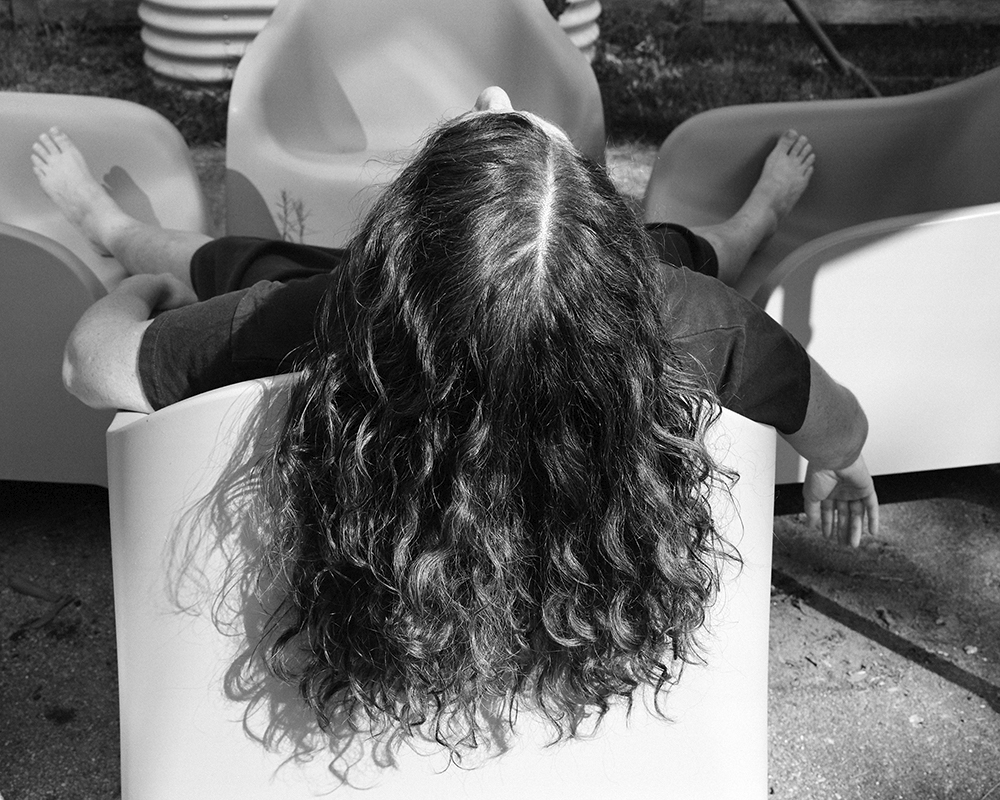
©Kathryn Rodrigues, Splayed And Frayed
Homesick
Growing up with a father in the military, I learned early how to repeatedly disassemble, reassemble, and acclimate my home across five different countries. That consistent relocation created a life shaped by simultaneous belonging and longing—an ambiguity that continues to anchor my artistic practice. Throughout this multinational childhood, the natural world functioned as a grounding counterforce. My work examines how we emotionally negotiate the spaces we inhabit, and how identity is formed within—and sometimes against—the structures that shape our lives.
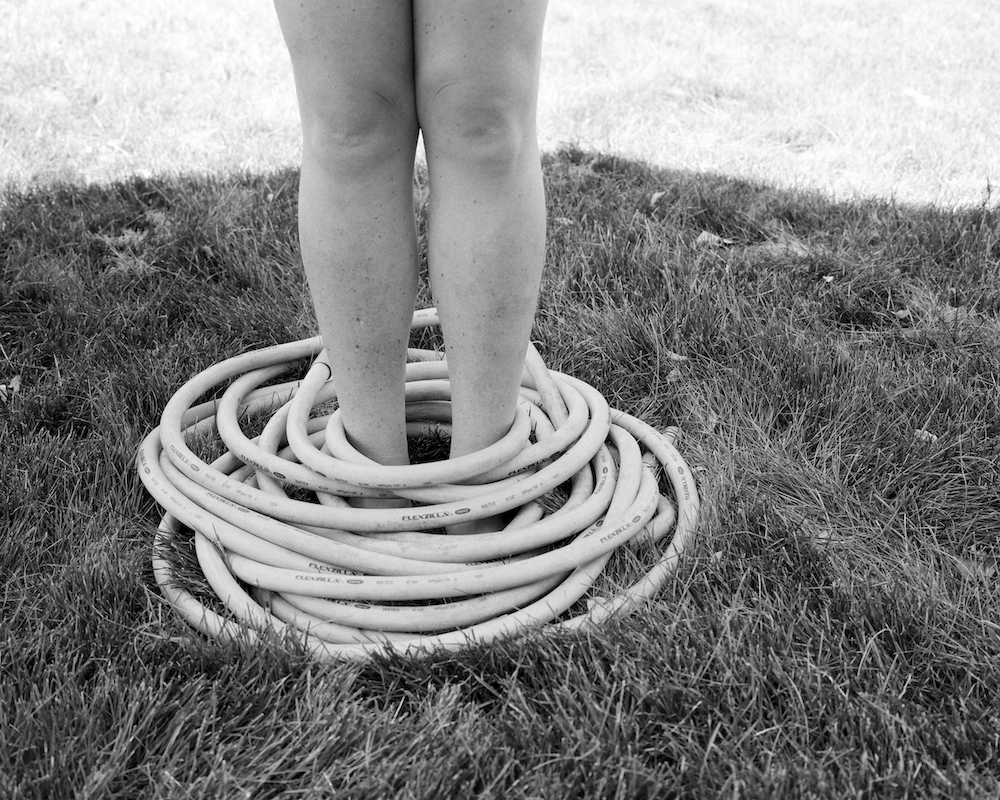
The series Homesick revisits my relationship to home through the lens of my current life parenting in a Chicago suburb. As I confront the process of putting down roots for the first time, I also encounter the cultural narratives that prescribe what a mother and neighbor should look like. In response, I make performative self-portraits in my yard and around the exterior edges of my house. These images document my attempts to orient my body within the space, transforming everyday objects and landscapes into tools for mapping and redefinition. Using my body as a cartographic instrument, I trace and transgress the boundaries of the environment—both physical and ideological.
Each photograph is created slowly and deliberately, turning the act of making into a feminist gesture of self-authorization: a meditation, a performance, and a reclamation of visibility. Working in full view of neighbors and passersby, I intentionally subvert the behavior expected at this intersection of private and public space.
The resulting images embody a spectrum of emotions: dark humor, maternal frustration, yearning, and hopefulness. They reveal both comfort and discomfort, acknowledging the contradictions of domesticity as both refuge and constraint. Ultimately, this work celebrates the moments of rootedness I attempt to build after a lifetime of movement.
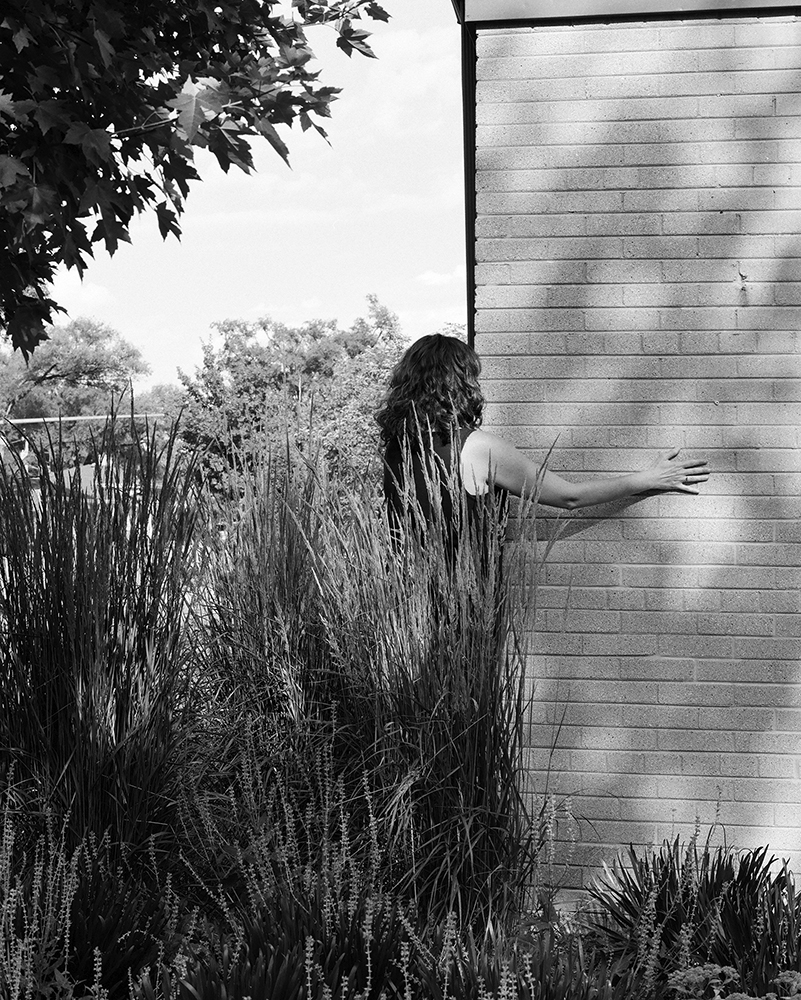
©Kathryn Rodrigues, Just Forever
When did you start making photographs and how did photography become your chosen medium of artistic expression?
By the time I was in high school, my family had moved ten times across five countries. Growing up in this way, photography was a tool for documenting the present, revisiting where we had been and remembering family members that lived thousands of miles away. Observing my environment was essential in acclimating to the new cultural landscape I found myself in every time we moved. When I took my first darkroom photography class as a sophomore in high school, I was primed to fall in love with the medium. I loved the combination of control and mystery found in photography. The timing of adolescence, a burgeoning identity and a desire for introspection was the perfect storm. I went on to receive a BFA in Photography and a Master’s degree in Art Education. While I also make work using other media, photography has always been at the heart of my studio practice.
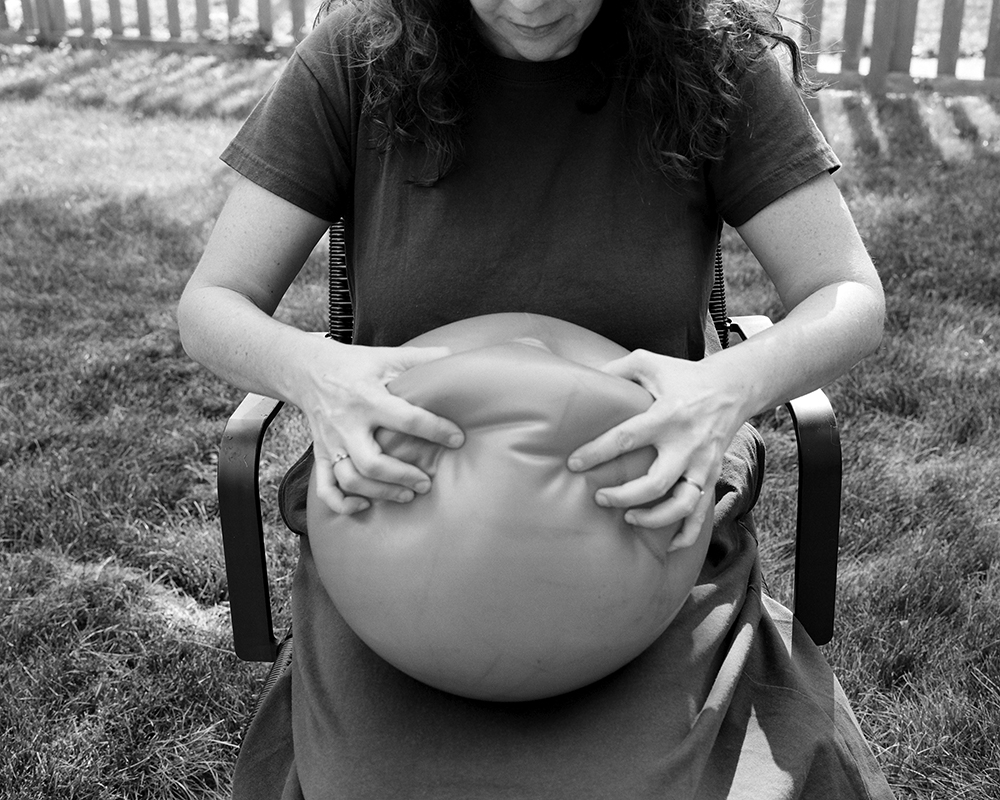
©Kathryn Rodrigues, Instantly Interruptible
You write about a childhood on the move where home spanned many different geographies. Can you elaborate on what that experience was like for you and how it has influenced the work that you make?
There is no denying that my childhood has had a profound effect on me and my work. I feel so fortunate to have been able to see so much of the world at a young age and to live in diverse, international communities, particularly having grown up in the 80s and 90s when this type of travel was less common. I have attended nearly every type of school you can think of (public, private, homeschool, military base school, international school, British school, Catholic school). With this type of experience as a young person, there is an inherent expanded worldview, empathy and adaptability that is fostered.
The pattern of disassembling our home and reacclimating every couple of years was also challenging at times. In looking back I’m interested in the unresolved grief and not feeling fully part of any culture. I find myself living comfortably in between belonging and longing. Being present to the tension in that dichotomy has continued for me as I navigate being an artist and a parent. My practice has been an integral tool in working through the complexities of my identity through every phase of life.
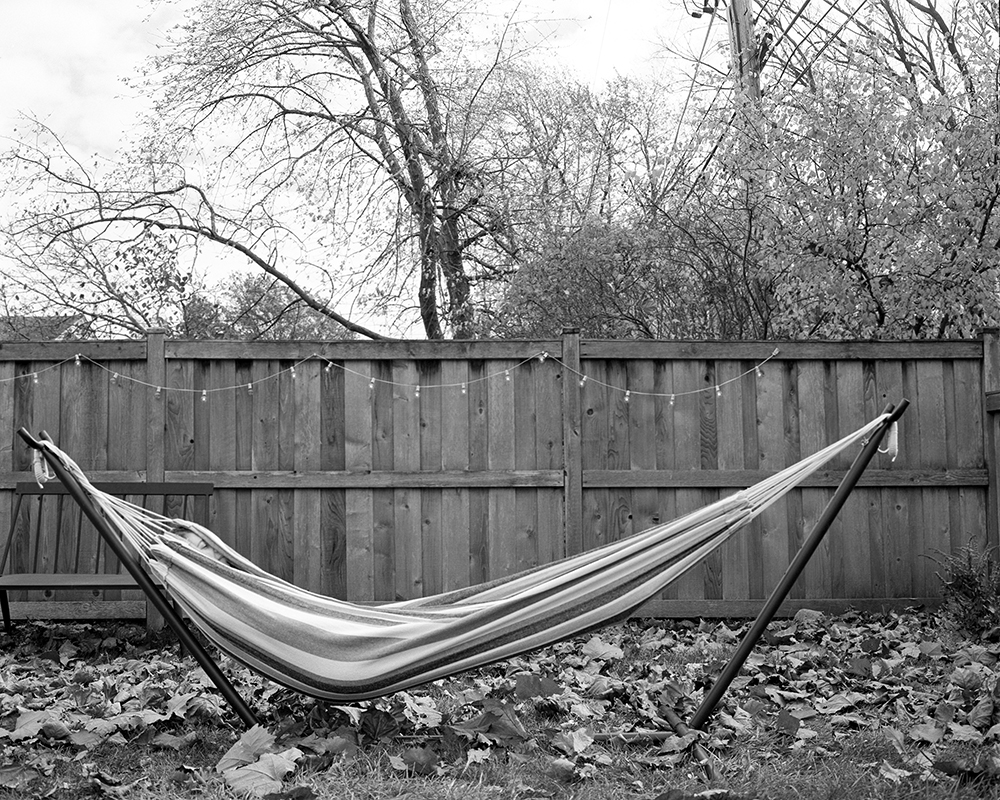
©Kathryn Rodrigues, Be Still, Be Calm
How did you decide to start making images around your house? And, what was the impetus for placing yourself in the images?
In 2018, I had already begun photographing the interior of my house in a series called The Witching Hour in which I captured the ghostly light reflections, refractions and shadows that appeared during the late afternoon and evening hours. At the time I had two toddlers and was spending most of my time at home with them when I wasn’t working as a teaching artist. When the pandemic happened and we were all home full-time, I longed to leave the house and be alone. Our yard and exterior space became the closest I could get to being away.
I took the opportunity to orient myself to this landscape and explore the profoundly disorienting experience of living and parenting during that time. I was drawn to this space being the intersection of private and public. The act of touching and interacting with the landscape and objects found within was a way for me to acknowledge the comfort and discomfort that is present within domesticity. Because there is such an element of performance to these photographs, it felt important to be both behind and in front of the camera and to have the viewer act as a witness to my experience.
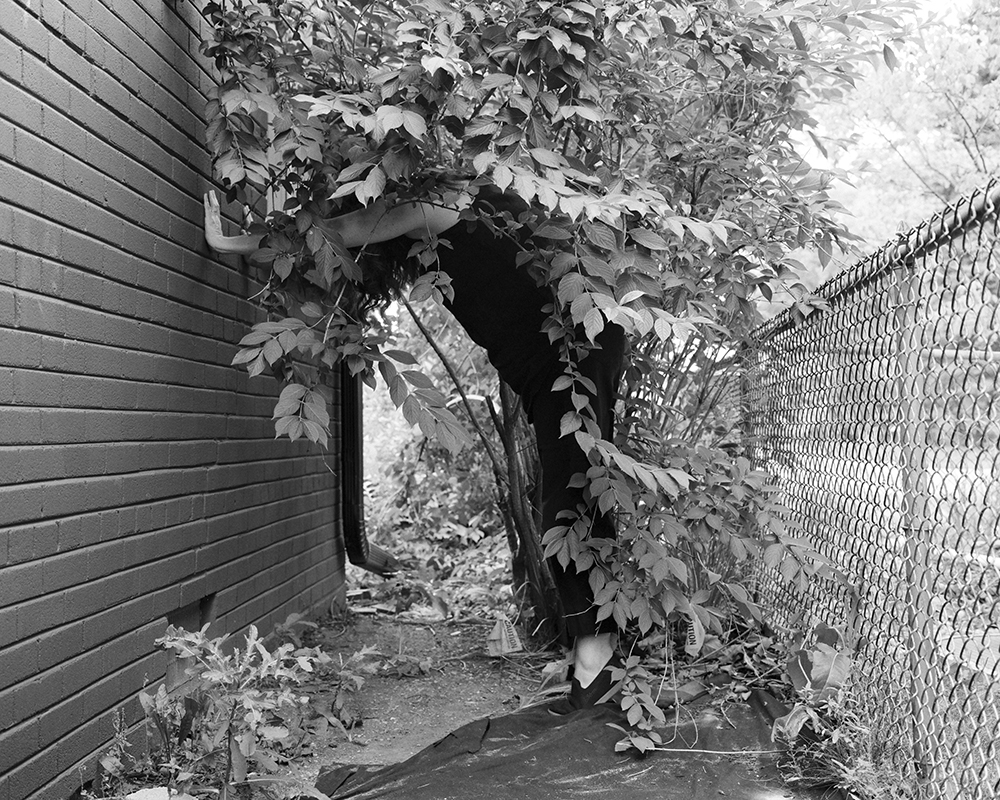
©Kathryn Rodrigues, I Will Be The One You Need
I find your images have a straight-forward accessibility that draws me in. At the same time, each carries layers of meaning, emotion and even humor. This is not easy to accomplish. I wonder how you conceptualize your work? Do you have a specific idea in mind when you set out to make an image or does the image unfold intuitively.
The images for this body of work have emerged both intuitively as I’m out wandering outside, and some I’ve sketched out ahead of time. The gift of this being an ongoing multiyear project is that I have had time to evolve and revise my ideas. I am working within strict limitations – shooting on a medium format film camera with a ten second timer in a space limited to the exterior edges of my house. I’m never exactly sure what the image will look like, and I love the potential for play and improvisation. I also feel it is important to have the images grounded in this specific place as it pertains to my specific experience here. There is a common visual language of a suburban backyard that may be familiar to many but is foreign to me. I wanted to approach making the photographs with the mixture of emotions that are present for me; humor, absurdity, frustration, yearning and hopefulness.
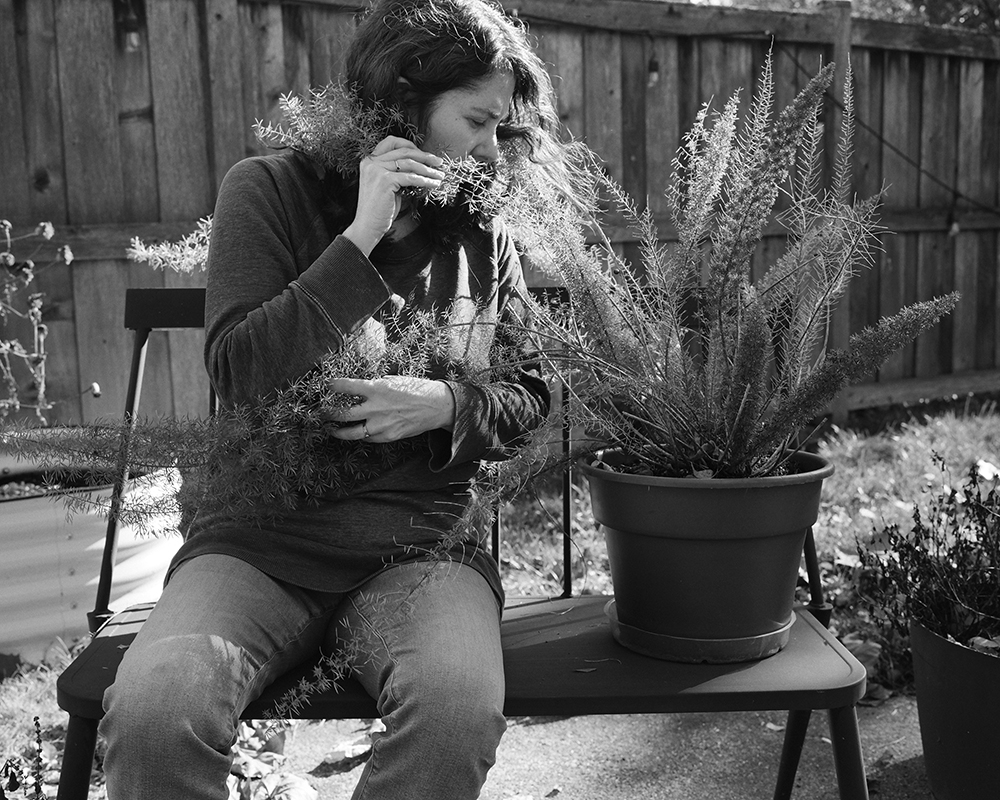
©Kathryn Rodrigues,Touched Out
Has mapping your home space over the past six years changed you? How has it impacted your perceptions of domesticity?
As Mary Oliver said, “Attention is the beginning of devotion”. Whatever I choose to make work about is something that I feel is worthy of deep looking and sustained attention. I am grateful for the opportunities to connect with where I live and to look for grounding where I once felt untethered. It continues to be a very healing process for me. It has been fascinating to see the passing of time in the growth of the plants and trees. The way we use the space has also evolved as my children get older. My perceptions of domestic life continue to be complicated and nuanced as I imagine it is with many American parents living today.
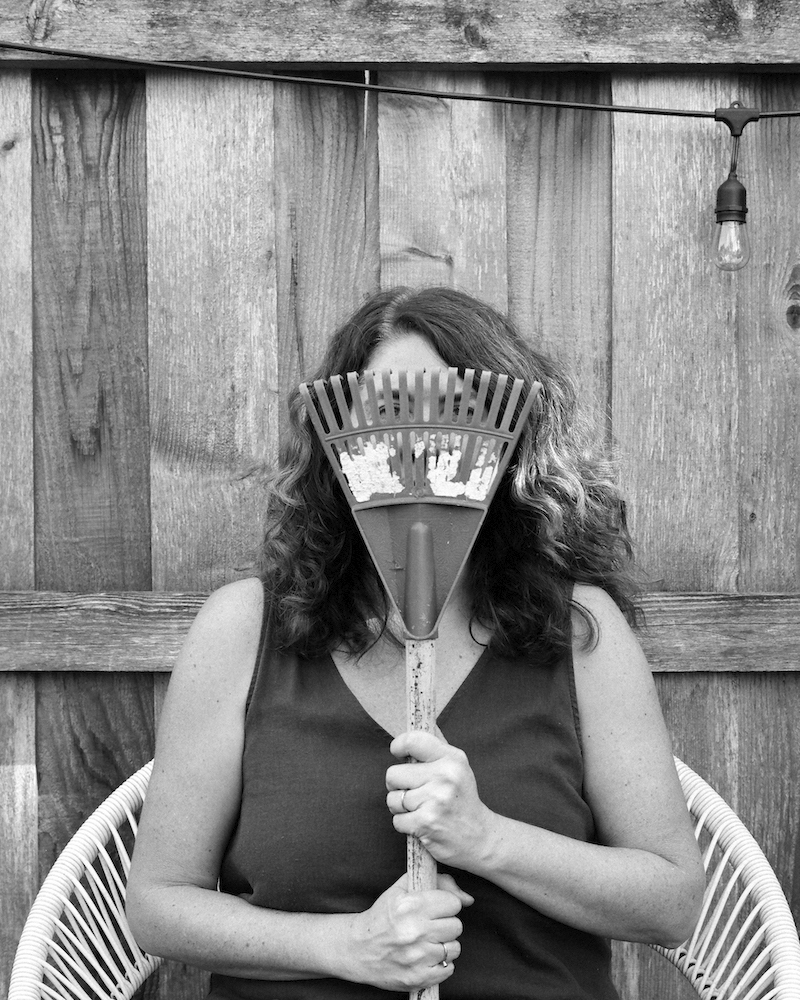
©Kathryn Rodrigues, Mend Myself
I really enjoy the black and white rendering of these images. It affords them a timeless, stripped-down quality that directs our attention to your performative gestures. Can you tell us how you came to work in black and white for this series?
While I have some projects that are in color and/or digital, I primarily work in black and white analog processes. It is the aesthetic I am most drawn to and experienced in. I find the emotional tenor and “time outside of time” quality resonates with my work. I enjoy the slow process of shooting on film and only having the most essential information visible in the frame. It lights up my brain in a particular way that working in color doesn’t always. I find it easier to focus on the gestures my body is making amongst the repeated textures of grass, wood, brick, plant material and concrete in black and white.
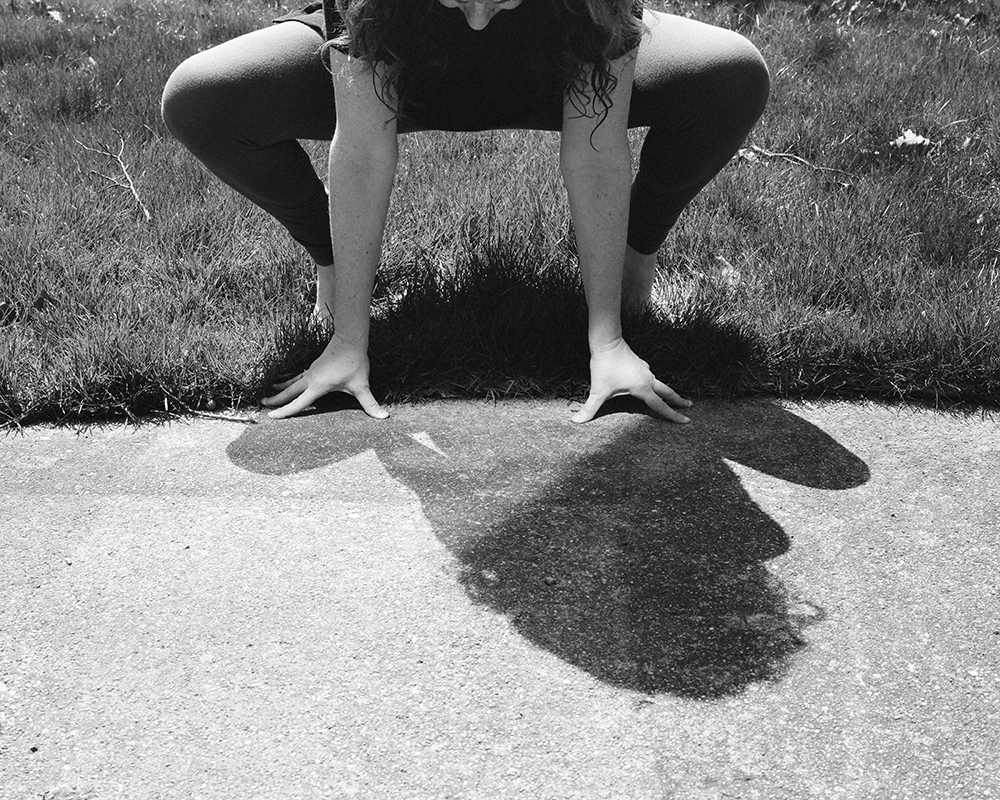
©Kathryn Rodrigues, Shadowplay
What were your curatorial considerations when preparing the work for exhibition? Also, this is very intimate work, have you considered sharing it in book form?
I needed to be thoughtful in my editing process. I wanted to create a non-linear flow of photographs that brought the viewer into my experience and also left plenty of room for their own feelings and interpretations. I was also excited to make new work that accompanies the photographs. I made an artist’s book that contains chronological silhouettes of all twenty of the buildings I have called home from my birth until the year I put roots down in my current house. I also made a drawing on a map of my childhood flight path which includes the ten places we moved to by the time I was in high school. It was a good opportunity to provide the context for my current work. I also made the decision to frame the photographs of varying sizes in walnut which added some warmth to the black and white images and felt more earthy and domestic.
I would love to share this work in book form someday! I want to be very considerate in how I put it together so I will be taking my time, but I think the work lends itself to that format.
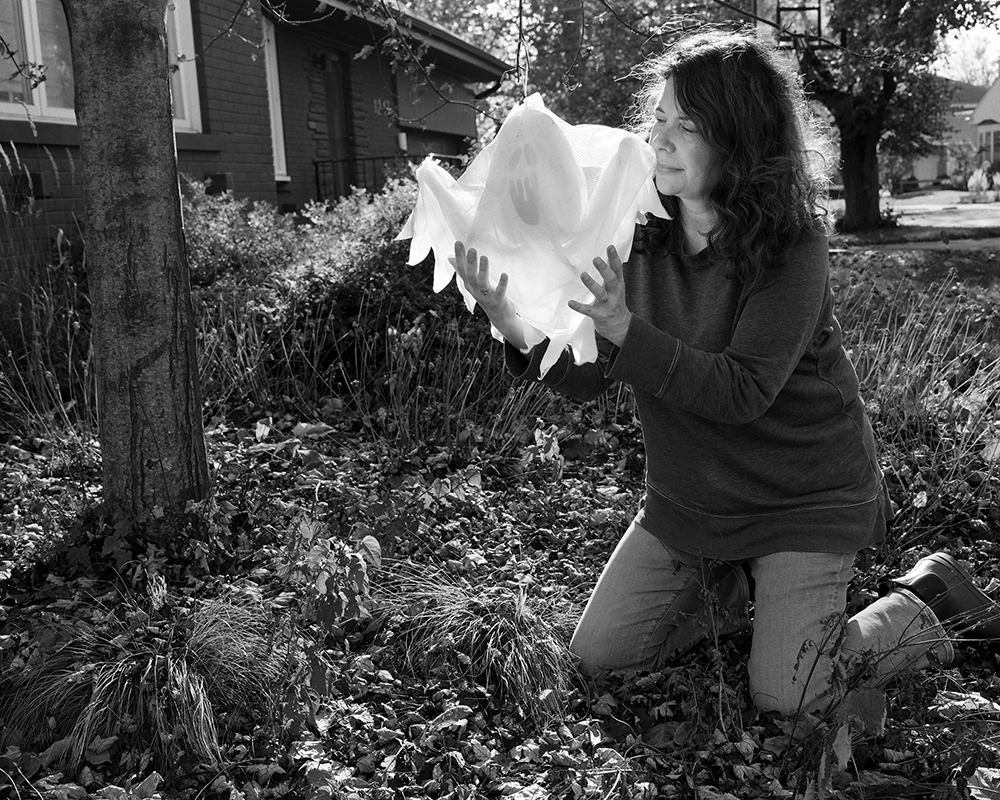
©Kathryn Rodrigues, The Mystic
What other projects are on your horizon? Is there anything else you would like us to know about your practice?
I have another long-term project where I explore time, perception and the interplay of constraint and expansion through daily documentation of the view through a skylight in my house. I also have an analog photo collage series I’m working on and a series of photographs more specifically about parenting. I’m excited to keep making work and sharing it and feel so lucky to be a part of this community! You can see more of the work included in this exhibition on the Perspective Gallery website. You can contact me on my website www.kathrynrodrigues.com or find me on instagram @kathryn.rodrigues
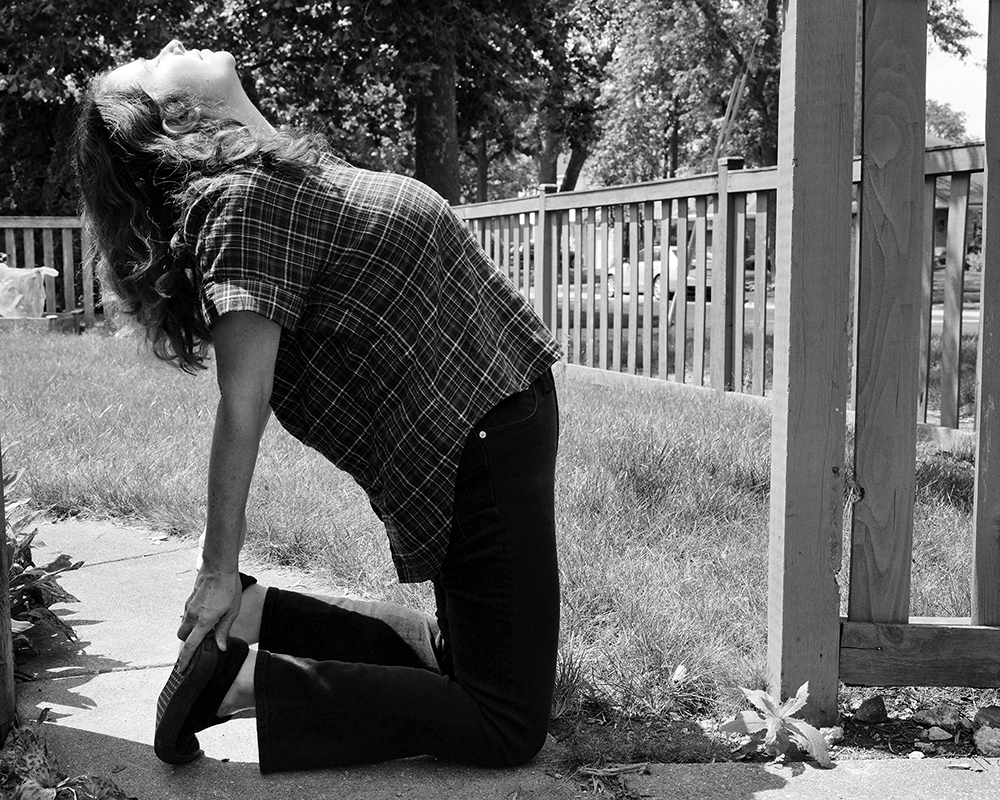
©Kathryn Rodrigues, Threshold
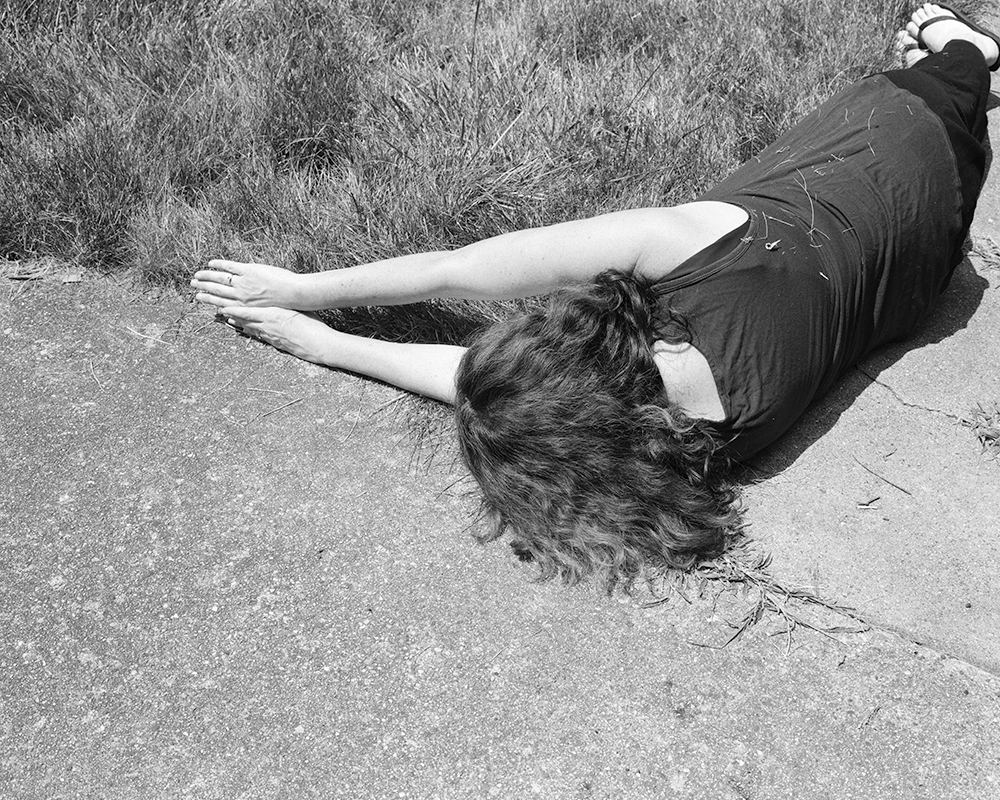
©Kathryn Rodrigues, Anchored Again
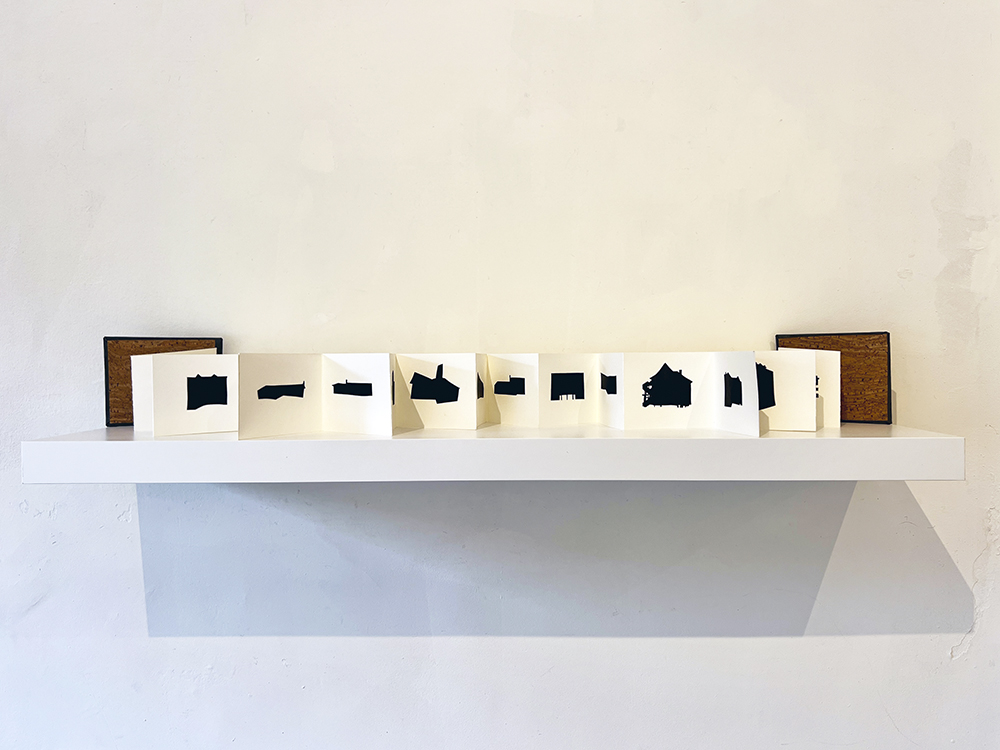
©Kathryn Rodrigues, Installation of Housing
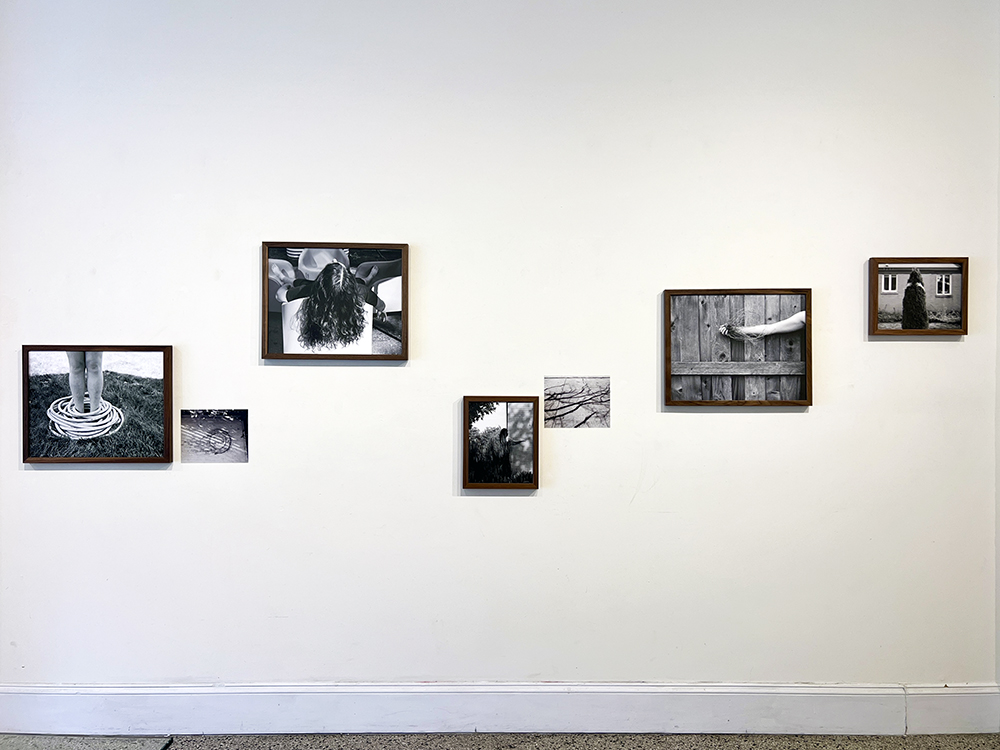
©Kathryn Rodrigues, Installation
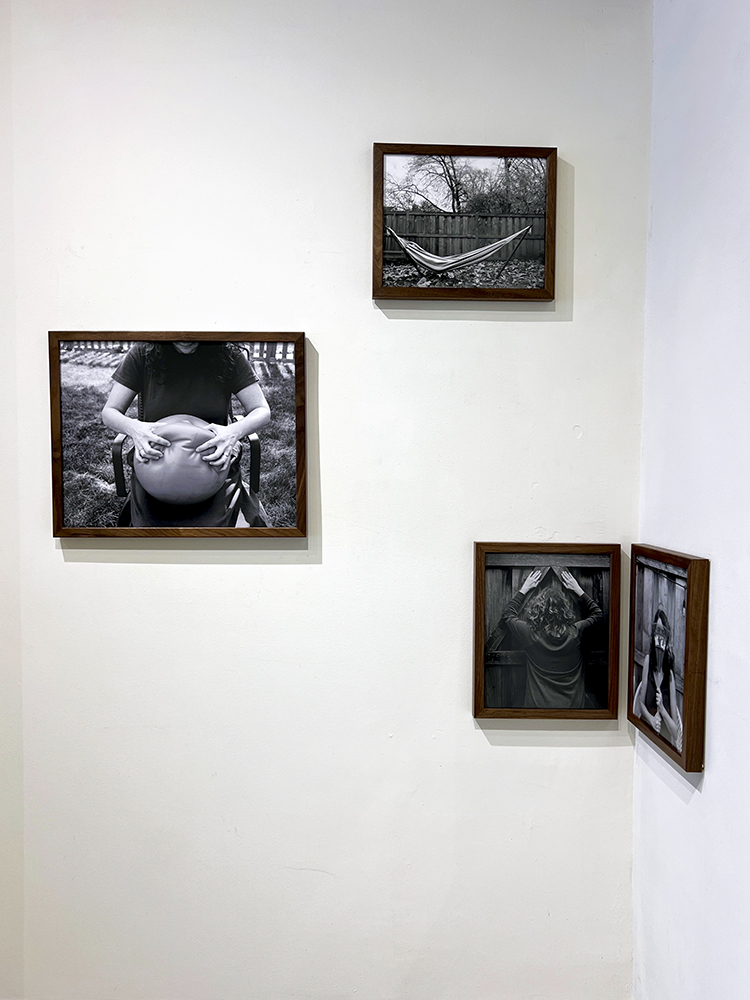
©Kathryn Rodrigues, Installation
Kathryn Rodrigues is a Chicago based artist and educator. Her photography-centered practice investigates the interconnectedness of identity, memory, motherhood and domestic life through a feminist lens. Kathryn received a BFA in Photography from the University of Illinois and an MS from the Massachusetts College of Art. Kathryn has completed residencies at Ragdale, Marwen and Stay Home Gallery. Her work has been featured on LENSCRATCH, Fraction, Analog Forever, and Float Magazine. She was a 2023 Photolucida Critical Mass finalist and 2024 Review Santa Fe participant. Her work was recently included in Kamira Institute’s Eyes on the World book published in 2025. Exhibition highlights include the Center for Fine Art Photography, Perspective Gallery, Mana Contemporary, Massachusetts College of Art, Filter Space, Spilt Milk Gallery, Center for Photographic Art, University of North Dakota, Manifest Gallery, Photographic Center Northwest, University of West Georgia, Photographic Resource Center and the Hyde Park Art Center.
Instagram: @kathryn.rodrigues
Susan Isaacson is a photographic artist exploring themes of time, memory, and the emotional topography of life transitions. She is drawn to the natural landscape as a means to connect with and represent her inner world. Her work is influenced by studies of mindfulness and Judaism, with its emphasis on the sanctification of time.
Following a twenty-year career in strategic marketing at a Fortune 100 company, Isaacson established a dedicated photography practice in Chicago, Illinois and Laguna Beach, California. Her work has been included in group exhibitions across the U.S. and internationally.
Isaacson is represented by Alta Vista Arts and Perspective Gallery in Evanston IL, where she has mounted four solo exhibitions and co-curated three member exhibitions. Isaacson was recognized as a Critical Mass Top 200 Finalist in 2023 for her series, We Share The Same Breath and again in 2024 for her project, At Silver Lake. Isaacson’s work has been featured in Black + White Photography (UK), SHOTS Magazine, Photo Trouvee Magazine, LENSCRATCH, NewCity Art and All About A Photo. Her work is held in private collections within the United States.
Instagram:@sbisaacson
Posts on Lenscratch may not be reproduced without the permission of the Lenscratch staff and the photographer.
Recommended
-
Kathryn Rodrigues: HomesickJune 24th, 2026
-
FROM HERE TO THE HORIZON: Photographs in Honor of Barry LopezJune 23rd, 2026
-

Jamey Stillings: ATACAMA: Renewable Energy and Mining in the High Desert of ChileJune 17th, 2026
-

Sônǵ: A Photographic Exhibition by Ocean VuongMay 22nd, 2026
-

The Photography Show 2026 presented by AIPADApril 15th, 2026