CENTER Blue Earth Fiscal Sponsorship: Júlia Pontés – env-IRON-ment
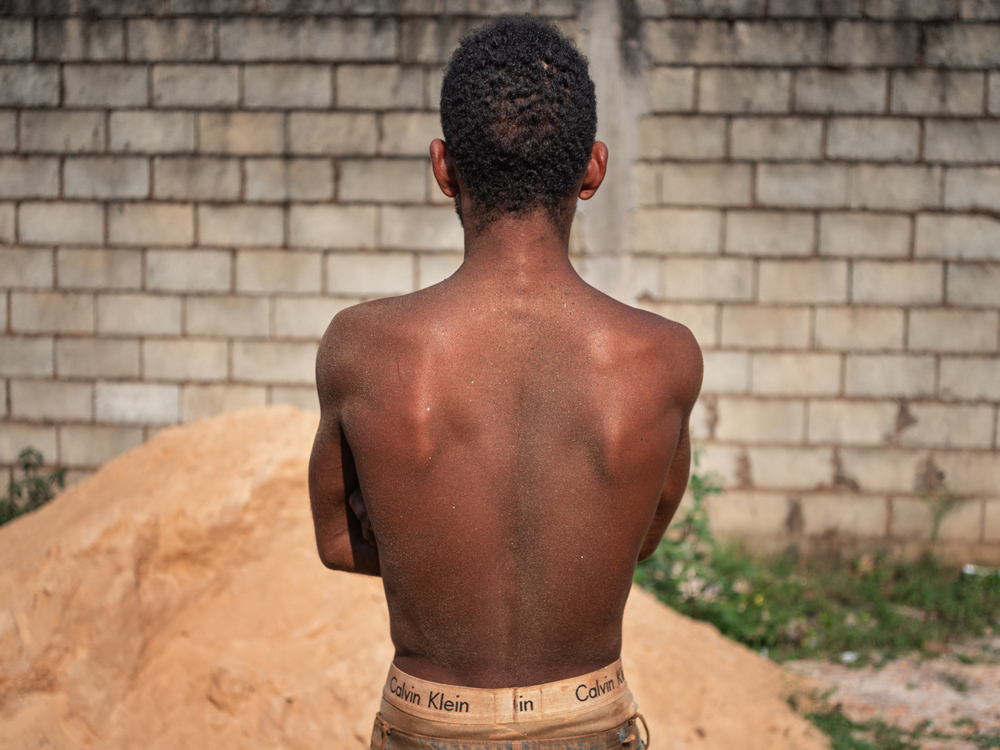
©Júlia Pontés, Amadei, Antônio Pereira, Ouro Preto, Minas Gerais, Brazil, 2020

Congratulations to Júlia Pontés for being selected for Blue Earth Fiscal Sponsorship Award recognizing her project, env-IRON-ment. CENTER is pleased to add the Blue Earth Fiscal Sponsorship to their services for photographers and filmmakers. CENTER sponsors documentary projects that educate the public about critical environmental and social issues and is primarily interested in work that is educational in nature. They considered proposals of any geographic scope involving the photographic and motion picture mediums. As a non-profit organization with 501(c)(3) status, CENTER is eligible to receive grants and tax-deductible contributions from private foundations, individuals, or other entities. This Fiscal Sponsorship does not include direct project funding or grants.
The Award includes a 1-Year Sponsorship, Professional Development Seminars, a Review Santa Fe Admission and Project Presentation, a Project Publication with Lenscratch and Inclusion in the CENTER Image Library & Archive.
The selection committee were Blue Earth Council Members, Staff & Board Members from CENTER & Blue Earth Alliance Teams.
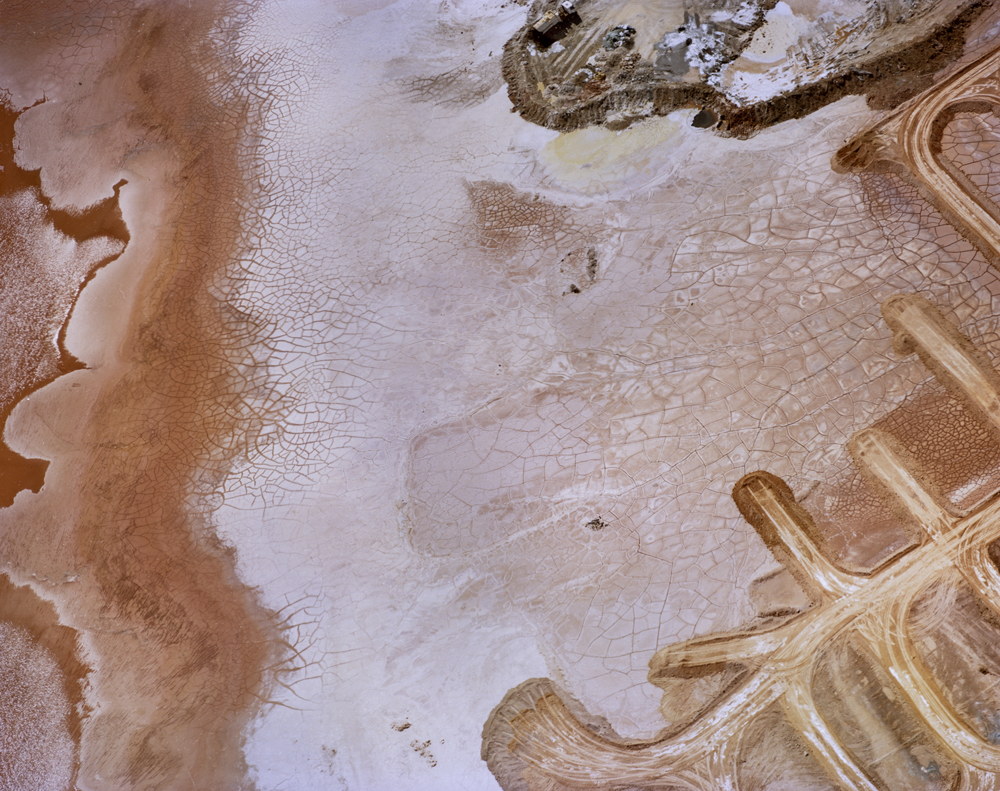
©Júlia Pontés, Mineral Veins | Transitory Landscapes #131 – Dry season Tres Marias, Minas Gerais, Brazil, 2019
Júlia Pontés is a Brazilian-Argentinian investigative artist, photographer, researcher, and activist.
Pontés’ work focuses mainly on extractivism and mining explorations in Brazil. It entails a deep community engagement, where she develops strong ties, academic and investigative research, and documentary practices. She is currently a member of a group of Brazilian researchers studying mining impacts in her home country.
Julia uses performance, video, photography, and other media such as installation and sculpture in her practice. Pontés explores digital and analog media, especially challenging and often pushing the medium’s physical limitations; some of her aerial images are produced with an adapted large format film camera.
Follow Júlia Pontés on Instagram: @_juliapontes_
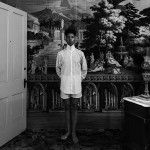
Júlia Pontés portrait
env-IRON-ment
env-IRON-ment is a documentation project that uses photography, video, sound, archival material, maps, and satellite imagery to research American locations that lived the iron industry dream, its bonanzas, and decays. The project reflects the environment between us from a particular standpoint, the iron (and steel) industry, and its residues. Is the US decaying mineral industry a preamble of what will happen in emerging countries? This project aims to reflect on our relationship with the landscape, the environment, and nature by bringing the presence and notion of geological time. It aims to raise awareness of the mining industry’s harmful social and environmental effects and help place it on the climate change agenda.
I am originally from the Iron Quadrangle in Brazil, one of the world’s largest mineral deposits that struggles with the social and environmental consequences of limitless tricentennial mineral exploration. For the past 8 years, I have dedicated myself to helping to shed light on Brazil’s ecological and human rights violations committed by large-scale mining companies.
Env-IRON-ment reflects the environment between us from a particular standpoint, the iron (and steel) industry and its residues. Is the US decaying mineral industry a preamble of what will happen in emerging countries like Brazil, Chile, Argentina, Nigeria, Rwanda, etc.?
In my practice, I merge investigative journalism techniques with academic research and art practice. This proposed project will use those tools to explore photography in an expanded form. I already use audio and video components to complement the storytelling in my practice. Each caption has a QR code that activates a video that gives context to the photographs. Also, the research is combined with an educational component to achieve a desired reflection on the audience. – Júlia Pontés
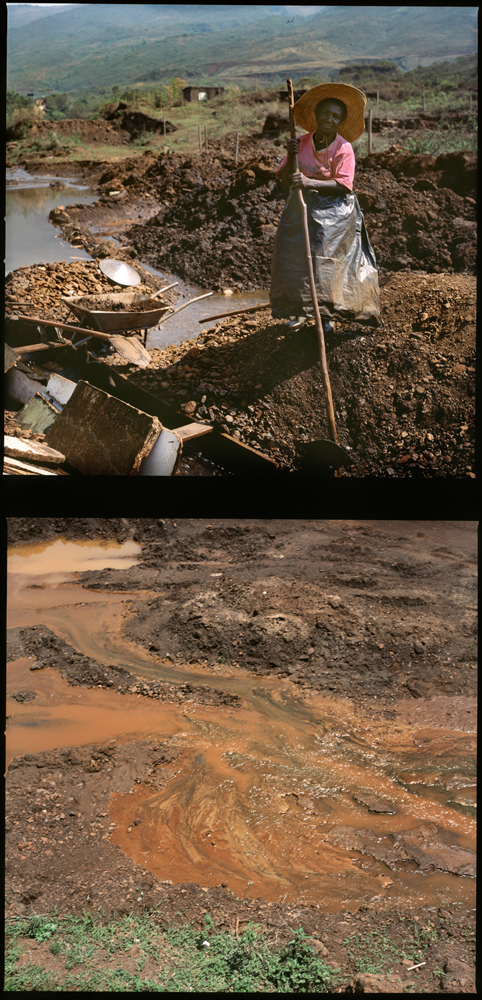
©Júlia Pontés, Dona Leonora, Água Quente community, Conceição do Mato Dentro, Minas Gerais, Brazil, 2017
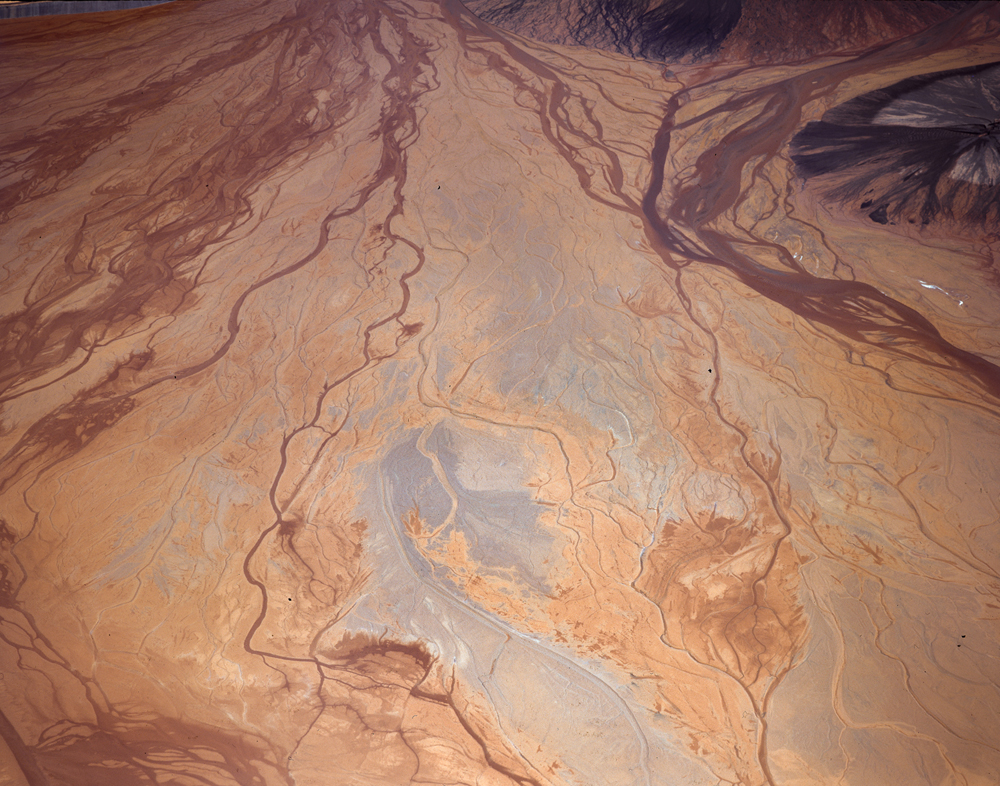
©Júlia Pontés, Mineral Veins | Transitory Landscapes #56 – Dry Season. Araxá, Brazil, 2019
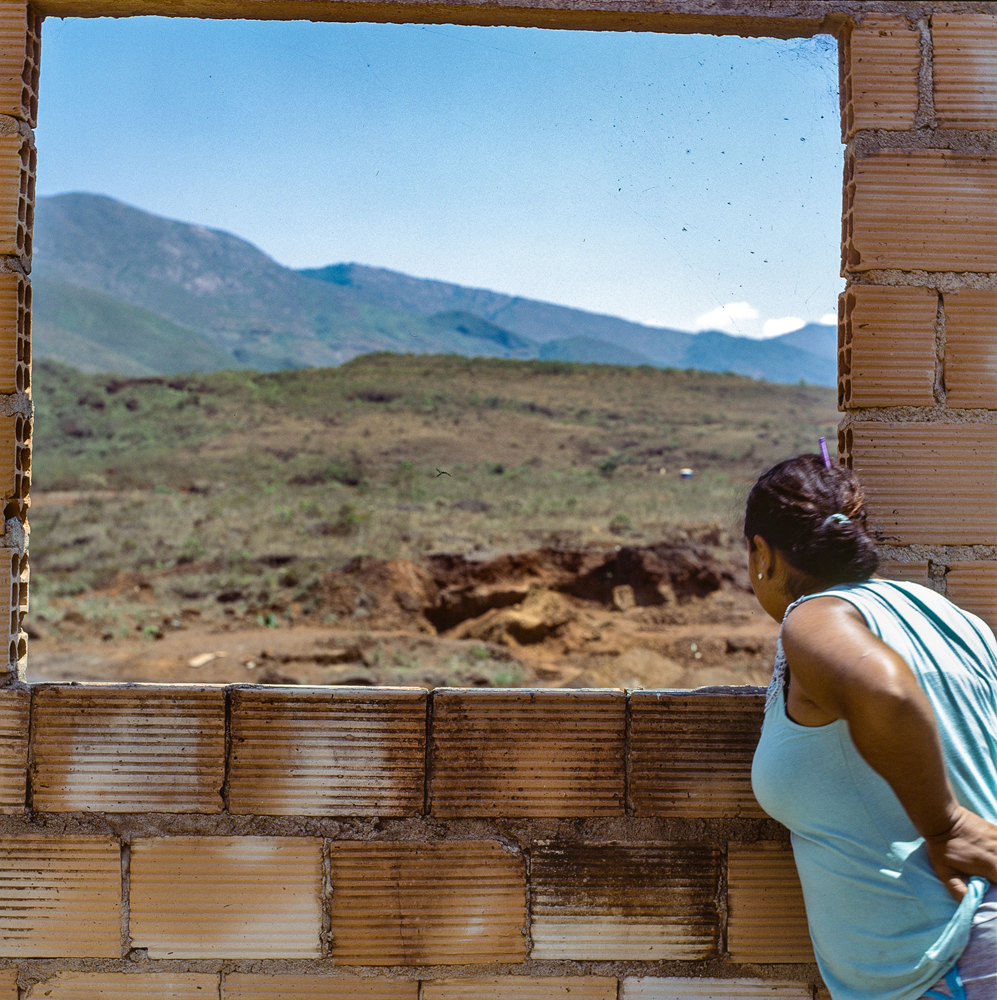
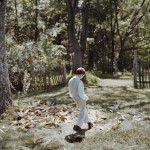
©Júlia Pontés, Cláudia , Antônio Pereira, Ouro Preto, Minas Gerais, Brazil, 2020
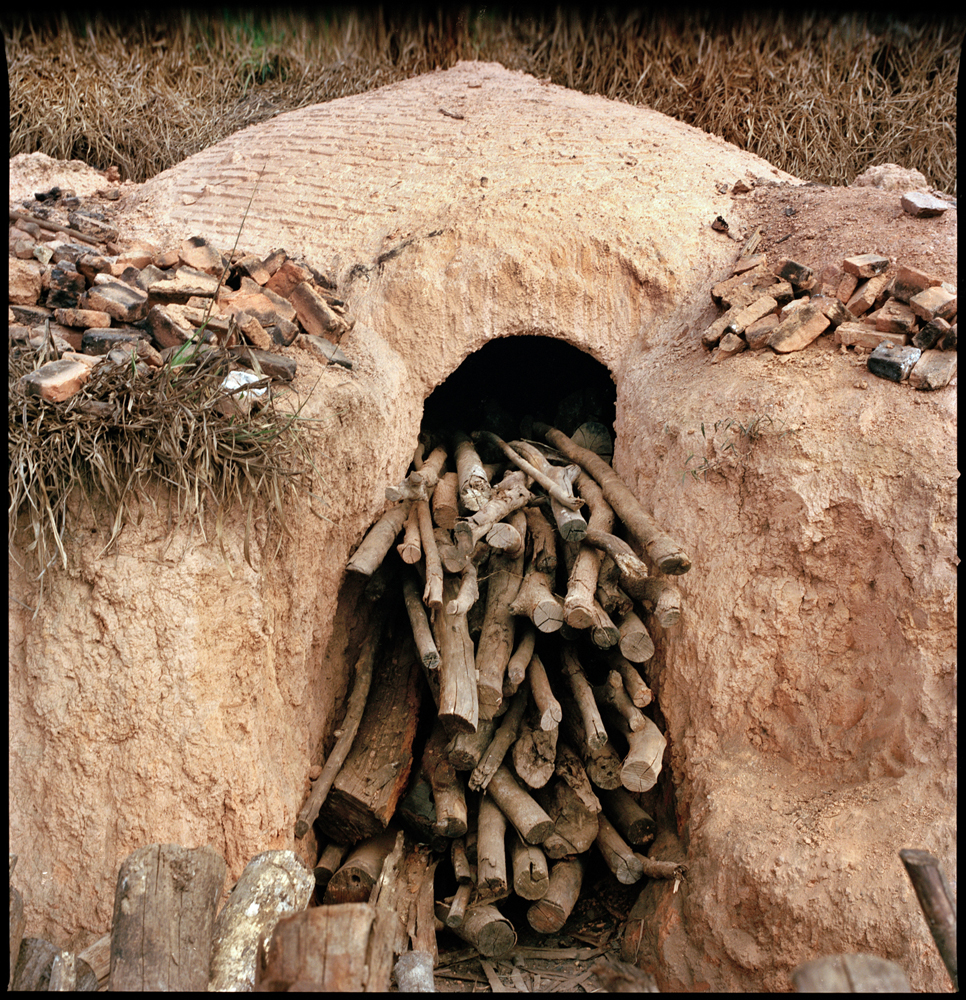
©Júlia Pontés, Charcoal Oven, Conceição do Mato Dentro, Minas Gerais, Brazil, 2017
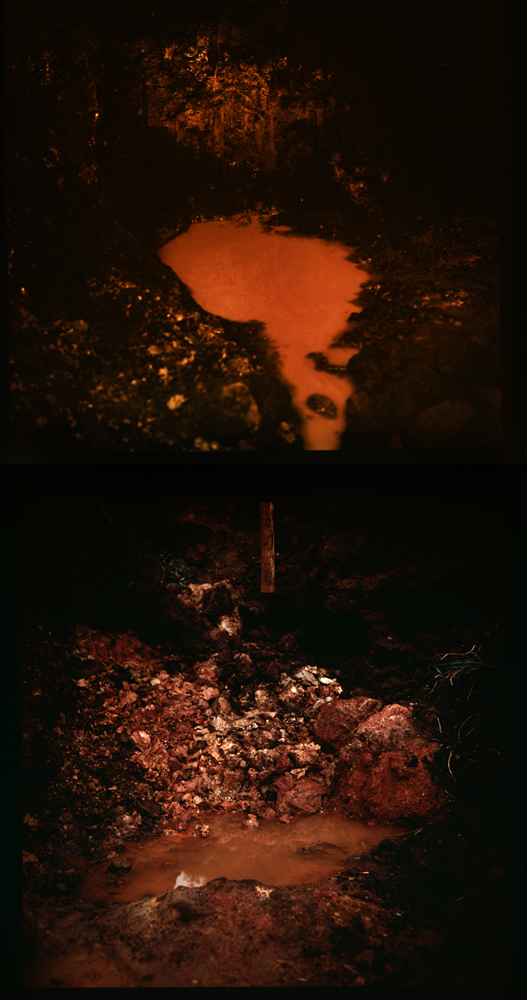
©Júlia Pontés, Artisanal Mining Pit, Antônio Pereira, Ouro Preto, Minas Gerais, Brazil, 2020
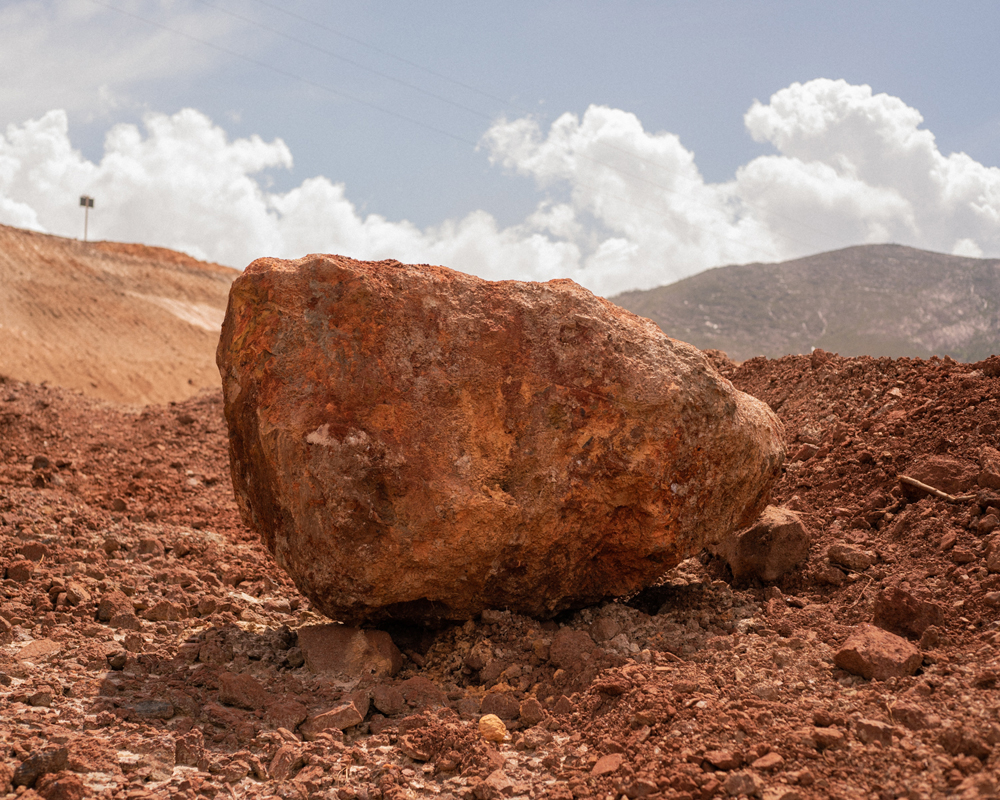
©Júlia Pontés, Mountains of Antonio Pereira , Antônio Pereira, Ouro Preto, Minas Gerais, Brazil, 2020
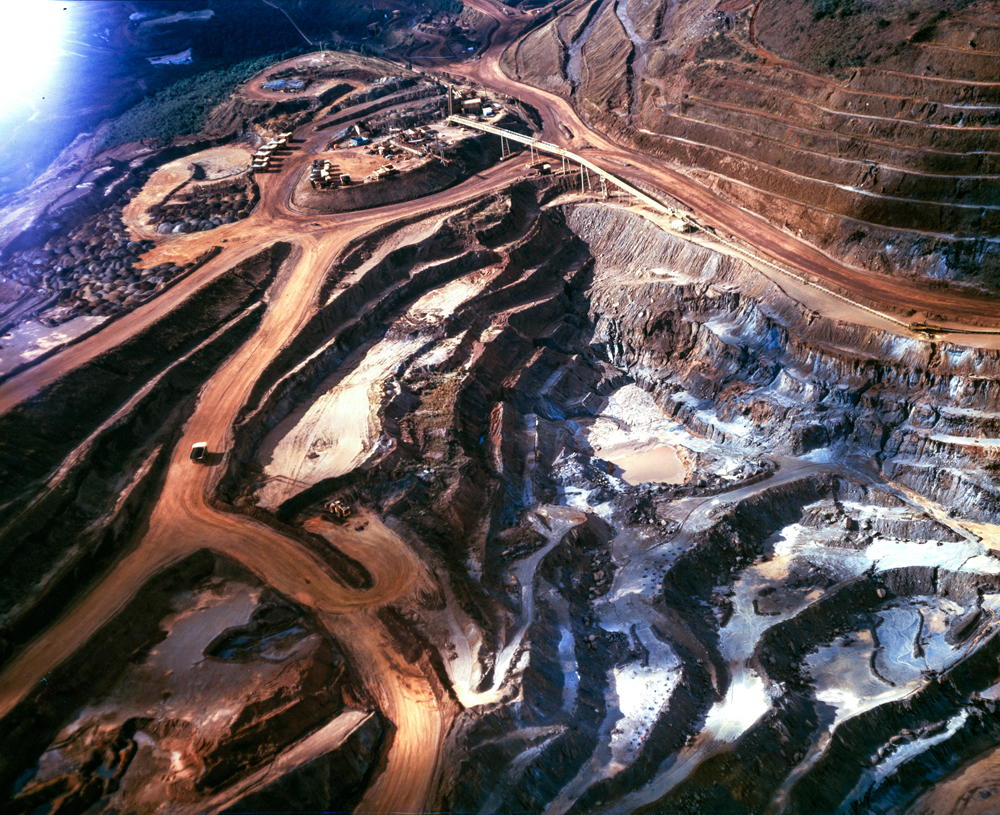
©Júlia Pontés, Mineral Veins | Transitory Landscapes #70 Dry Season, 2016 Itabirito, Minas Gerais, Brazil. Vale Mina do Pico
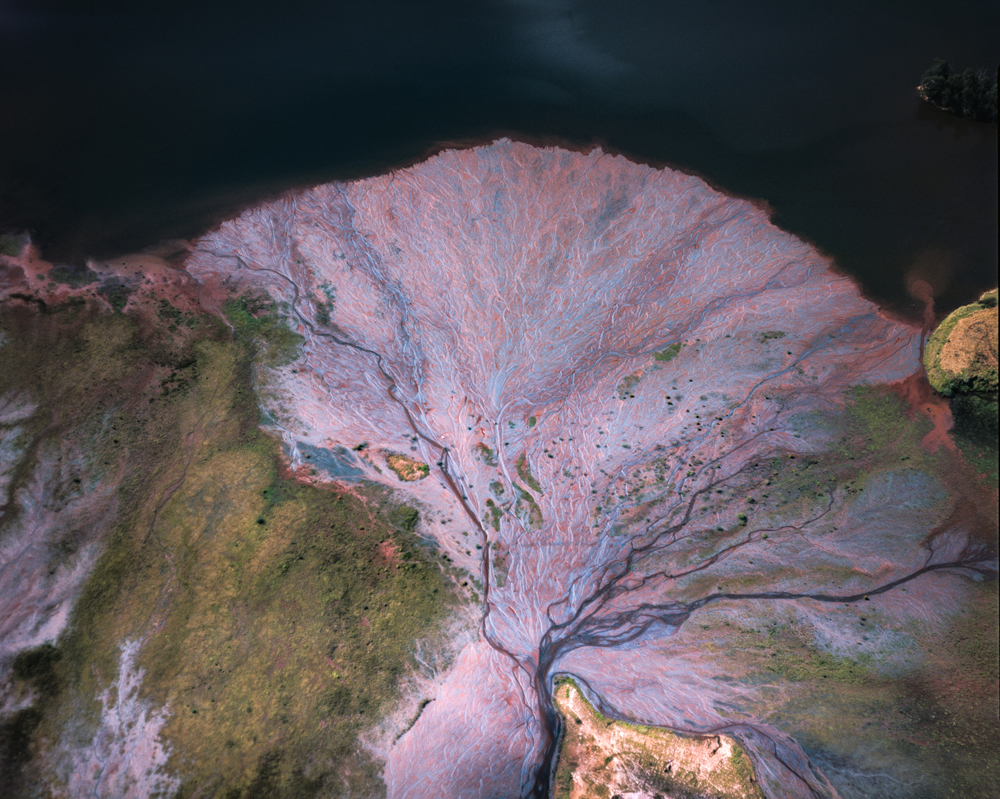
©Júlia Pontés, Ó Minas Gerais | My Land Our Landscape #29 Dry Season, 2016
About CENTER
Founded in Santa Fe, New Mexico, in 1994, the 501(c)(3) not-for-profit organization CENTER supports socially and environmentally engaged lens-based projects through education, public platforms, funding, and partnerships.
Image-making holds a unique power to confront audiences with uncomfortable truths, advance cultural understandings, and promote social justice. Through our advancement of artists and their work, CENTER serves to deepen public understanding of lens-based media’s complex history and ongoing cultural significance. By establishing trans-disciplinary partnerships between artists and justice-driven communities, historians, cultural critics, students, and the art world, they honor our unique role in advancing projects that respect all people, open minds, and engage our shared humanity.
Characterized by a community of gifted and committed photographers, CENTER has proven for the last 29 years that it can help photographers and lens-based artists grow into their full potential. CENTER programs foster insights and actualizations that ripple and impact all involved by providing platforms where the creative impulse can be engaged and challenged.
ANNUAL PROGRAMS | Includes the Project Launch Grant, Project Development Grant, Me&Eve Grant, the three CENTER Awards: Personal, Social and Environmental, the Excellence in Multimedia Storytelling Award, Santa Fe Fellowship, Callanan Excellence in Teaching Award, and the Review Santa Fe Photo Symposium. Public exhibitions, educational presentations, and expositions of the work are held in conjunction with the awards, grants, and Review Santa Fe. These programs are open for submission to international and national photographers and lens-based artists during our annual Calls for Entry.
Follow CENTER on Instagram: @centersantafe
Posts on Lenscratch may not be reproduced without the permission of the Lenscratch staff and the photographer.
Recommended
-

Shane Hallinan: The 2025 Salon Jane Award WinnerFebruary 12th, 2026
-

Greg Constantine: 7 Doors: An American GulagJanuary 17th, 2026
-

Yorgos Efthymiadis: The James and Audrey Foster Prize 2025 WinnerJanuary 2nd, 2026
-

Arnold Newman Prize: C. Rose Smith: Scenes of Self: Redressing PatriarchyNovember 24th, 2025
-
Celebrating 20 Years of Critical Mass: Cathy Cone (2023) and Takeisha Jefferson (2024)October 1st, 2025