The 2024 Lenscratch Student Prize Honorable Mention Winner: Natalie Arrué
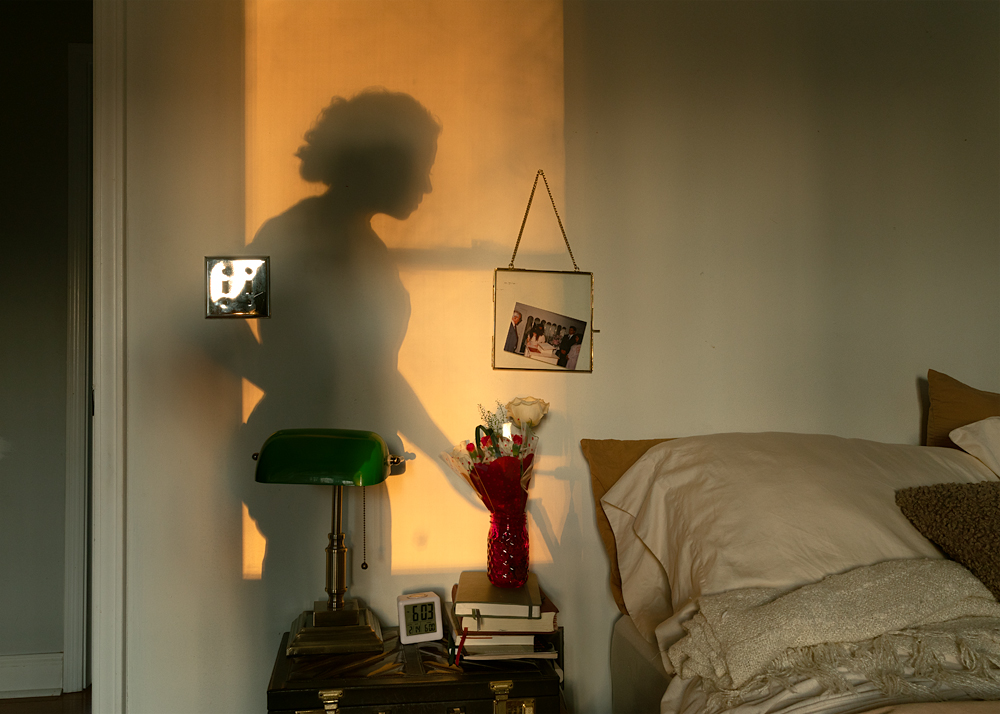
©Natalie Arrué, Marriage
It is with pleasure that the jurors announce the 2024 Lenscratch Student Prize Honorable Mention Winner, Natalie Arrué. Arrue was selected for her project, Contra Tu Pecho (Against Your Chest) and is currently pursuing a BFA in Photography at Georgia State University. The Honorable Mention Winner receives: $250 Cash Award and a Lenscratch t-shirt and tote.
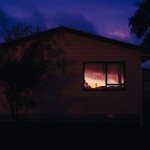
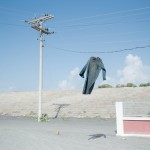
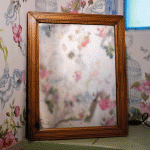
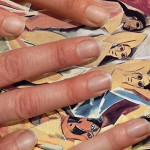
Arrué’s compelling project explores personal histories of immigration and family. She acknowledges the psychological ramifications of living in two worlds: her cultural past and her future in uncharted territories. This important work reveals the layers of meaning, holding on to the memories and traditions of El Salvador, acknowledging her parents hard work and perseverance, and examining self in the midst of the past and present.
 An enormous thank you to our jurors: Aline Smithson, Founder and Editor-in-Chief of Lenscratch, Educator and Artist, Daniel George, Submissions Editor of Lenscratch, Educator and Artist, Linda Alterwitz, Art + Science Editor of Lenscratch and Artist, Kellye Eisworth, Managing Editor of Lenscratch, Educator and Artist, Alexa Dilworth, Independent Writer, Editor, Curator, Former Publishing and Awards Director; Senior Editor, CDS Books Center for Documentary Studies at Duke University, Kris Graves, Director of Kris Graves Projects, photographer and publisher based in New York and London, Elizabeth Cheng Krist, Former Senior Photo Editor with National Geographic magazine and founding member of the Visual Thinking Collective, Hamidah Glasgow, Director of the Center for Fine Art Photography, Fort Collins, CO, Yorgos Efthymiadis, Artist and Founder of the Curated Fridge, Samantha Johnston, Executive Director of the Colorado Photographic Arts Center, Drew Leventhal, Artist and Publisher, winner of the 2022 Lenscratch Student Prize, Allie Tsubota, Artist and Educator, winner of the 2021 Lenscratch Student Prize, Raymond Thompson, Jr., Artist and Educator, winner of the 2020 Lenscratch Student Prize, Guanyu Xu, Artist and Educator, winner of the 2019 Lenscratch Student Prize, Shawn Bush, Artist, Educator, and Publisher, winner of the 2017 Lenscratch Student Prize.
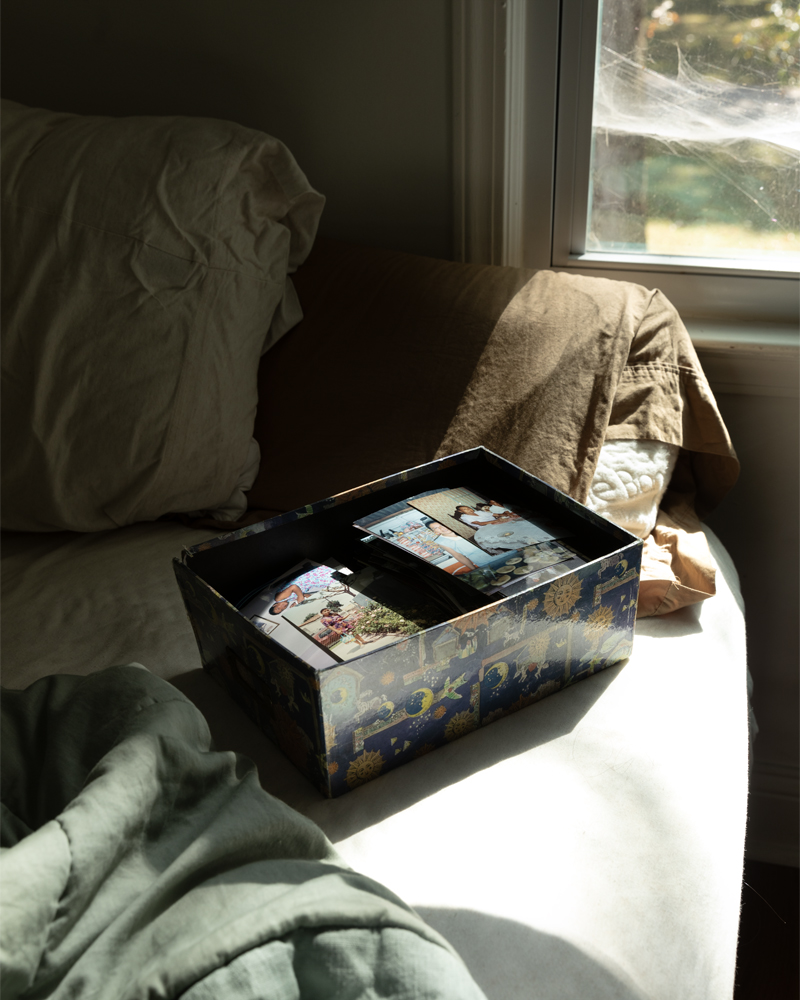
©Natalie Arrué, Descubrir
Natalie Arrué (b. 2001) is a photographer based in Metro-Atlanta, Georgia, whose work investigates identity and place within the communities she is a part of. She is currently pursuing a BFA in photography at Georgia State University. As a first-generation Latin American, Natalie collaborates with her family by examining their stories and archival photographs from El Salvador. She is interested in measuring her place in their lineage while working with various cultural symbols entangled with their experience living in the United States.
She is currently showing work at the Hapeville Depot Museum alongside other Latinx artists in Atlanta.
Follow on Instagram: @photogrphic
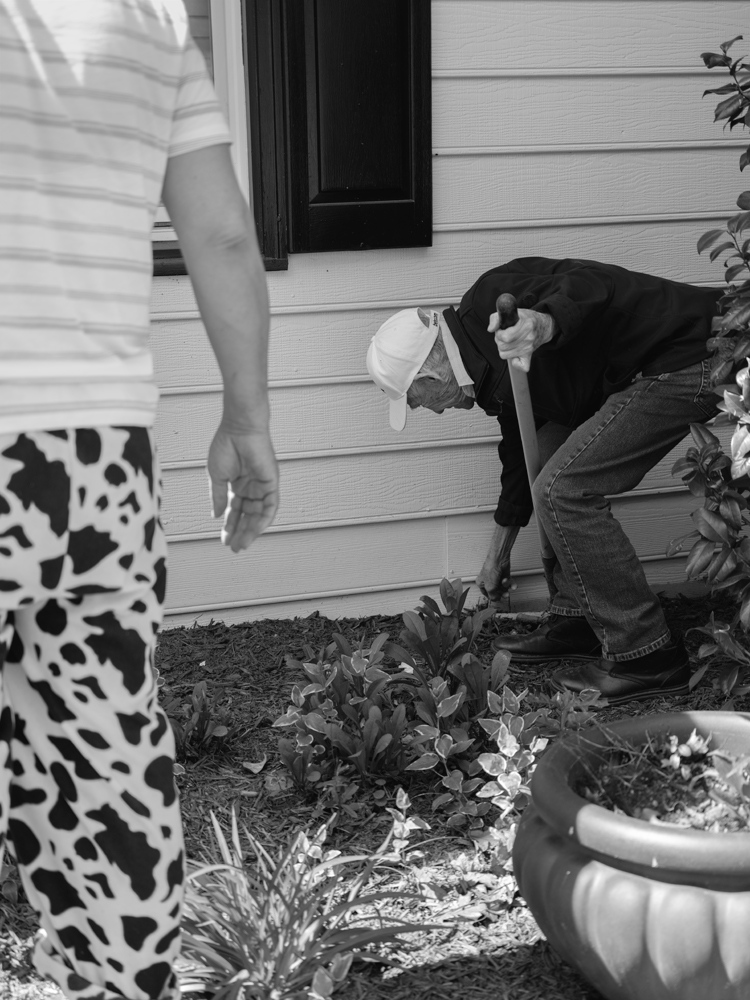
©Natalie Arrué, Digging Dads
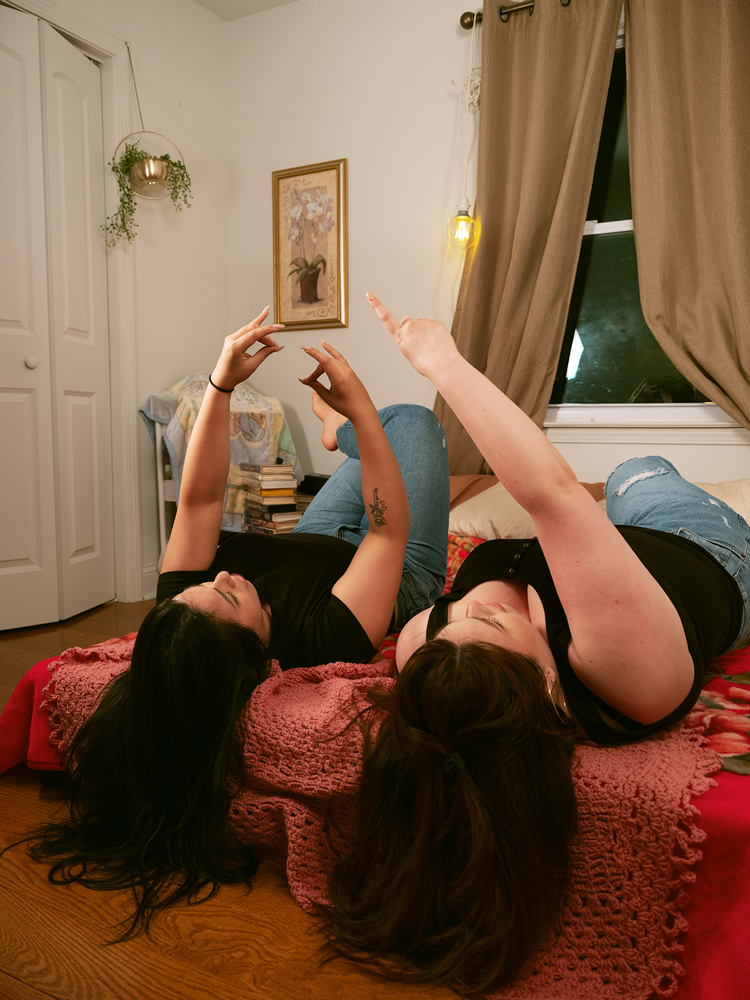
©Natalie Arrué, Estrellas
Contra Tu Pecho (Against Your Chest)
Growing up as the youngest in a family of six, I’ve mainly known my family’s life through old photographs. Seeing these images, I felt a sadness for not sharing their same memories and losses. My parents, immigrants from El Salvador, struggled to balance their heritage with raising American children but made sure to document their lives simultaneously. While investigating these photographs repeatedly, I found my family’s connection to our culture has changed. We are now grasping onto our heritage as if it could disappear. This new archive represents our unconscious subverting of culture though a staged family archive. Symbolic garments, furniture and flowers bind our existing photographs with these counterfeits, as they try to exist on their own. Resurrecting these family events, reexamines our experience in the United States but also the effects of the loss of culture and identity as time advances.
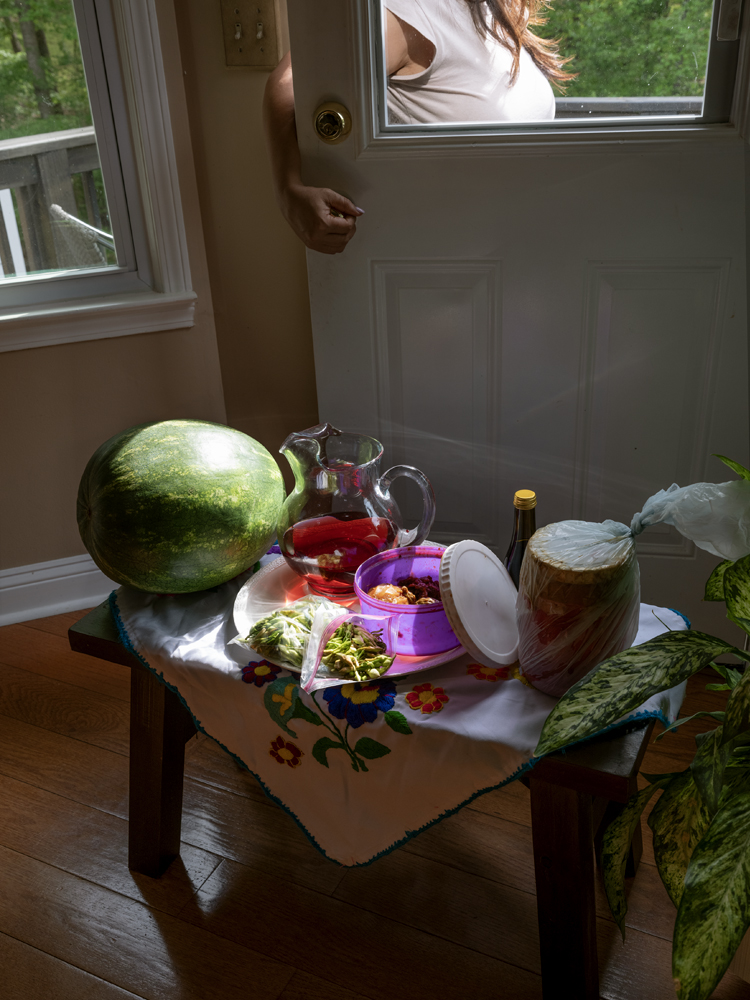
©Natalie Arrué, From Home
Tell us about your growing up and what brought you to photography.
Firstly, I want to thank Lenscratch for their support of this project. Thank you so much!
Photography has always been a part of my life, as my mother would document our family’s lives and create makeshift studio portraits of us kids. This inspired my curiosity and led me to explore my family’s photo albums and make my own photographs.When I was around 13, I was assigned a passion project at school, and I chose photography. I was instantly hooked, using it as a way to closely observe the world as I tried to navigate it. As I continued photographing, I sought more meaning in my work, wanting my photographs to convey deeper messages. I never realized photography’s artistic potential until I took an introductory photo class in college, which completely changed my perspective. Since then, I have been exploring how to share my voice, and learning from fellow photographers has greatly aided me in that pursuit.
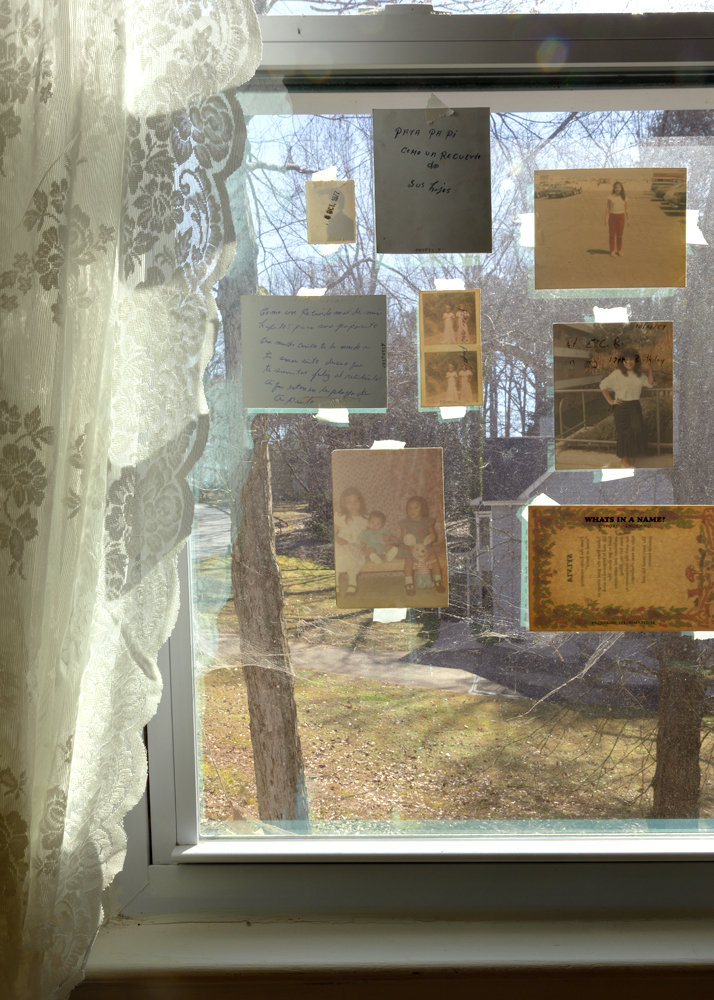
©Natalie Arrué, Half
I’m intrigued by the title of the work: Contra Tu Pecho (Against Your Chest). Can you share your inspiration?
The name of the project was inspired by two ideas that merged into one. It’s a homage to a gesture my family members often make when looking at our old photographs. My mother, in particular, takes the photographs and presses them against her chest, as if she’s hugging these memories. I can tell she is transported to the past and to who those people were in these images. Our family archive is a capsule of memories that we hold closest to our hearts, something we want to protect at all costs. It’s a gesture of protection towards our past selves, our culture, and our familial bond.
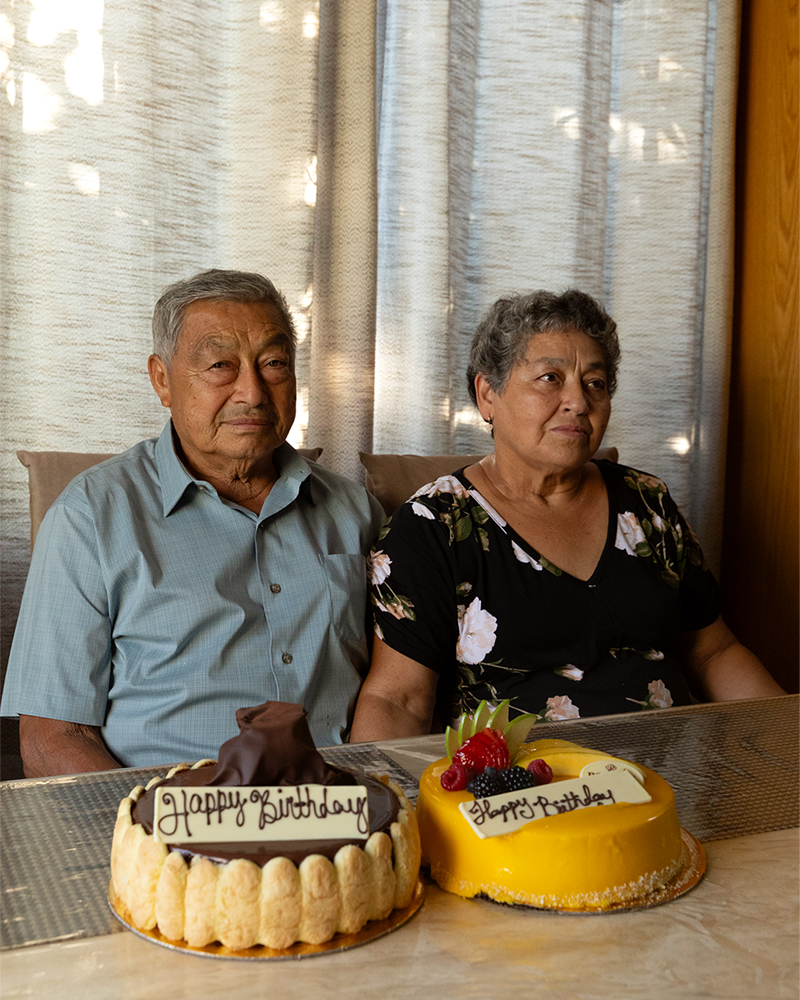
©Natalie Arrué, Happy Birthday
Your important work touches on so many of the layered issues of immigration….and childhood. Photography has allowed you to become the family storyteller. How has this project changed you?
I have never been as thankful as I am now, making this project, for what it has given me. My curiosity about where I come from led me to this point, and I now have so much more appreciation for my culture. It is true that immigration stories are layered and unique, and these ideas made me want to ensure that our voices are heard as well. I have learned the complexities of my family’s history, and this has allowed me to engage more passionately with my culture. Having deeper conversations with myself about what it means to be Latina, and how that identity translates when you are no longer in your native country, has changed my outlook on self-expression. As a child, you aren’t aware of how precious that time can be, and longing for the innocence of not trying to define who you are now seems foggy. Being present and enjoying my family is a blessing and I think their stories have impacted how I want to carry on as a daughter and storyteller.
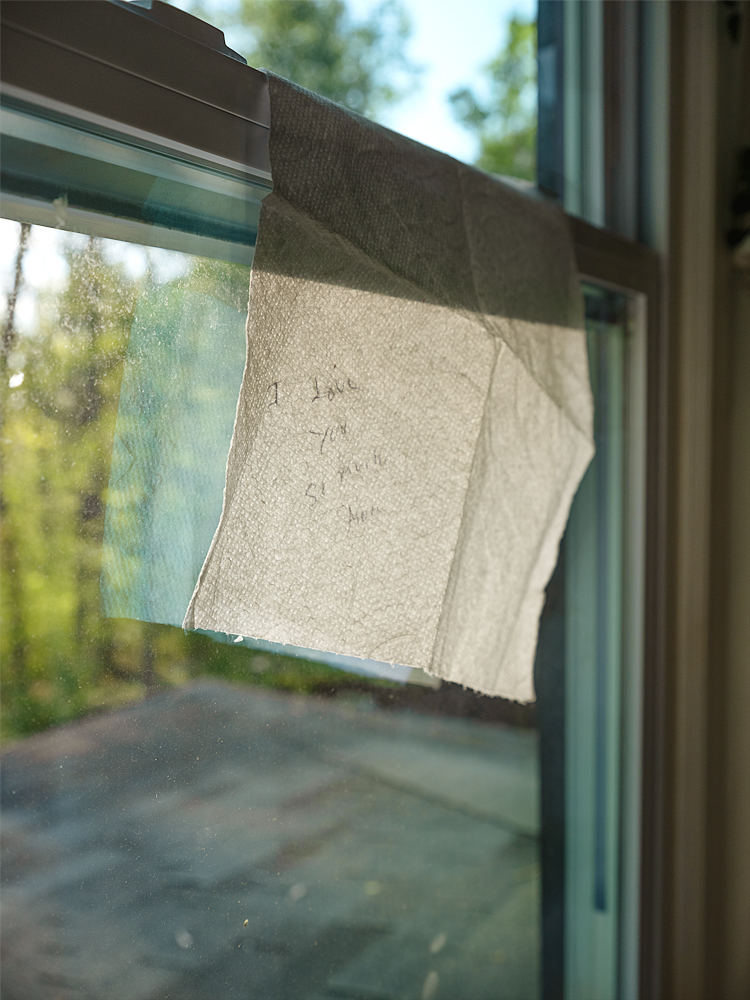
©Natalie Arrué, I love you Mom
What does your family think about the ideas behind your project?
My family members are all so different from one another and have had varied experiences growing up. However, my siblings, in particular, appreciate that we are drawing closer to our culture and acknowledging that we are the future. They have been so supportive, and even though they sometimes don’t understand what I am trying to convey in my photographs, they still make the effort, and that is what matters. My parents enjoyed the process of this project, as it led to feelings of nostalgia and reminiscence. They also took pride in sharing their stories with me. We all agree that the importance of family lies in how we pass on our heritage and how it serves as a place to reconnect.
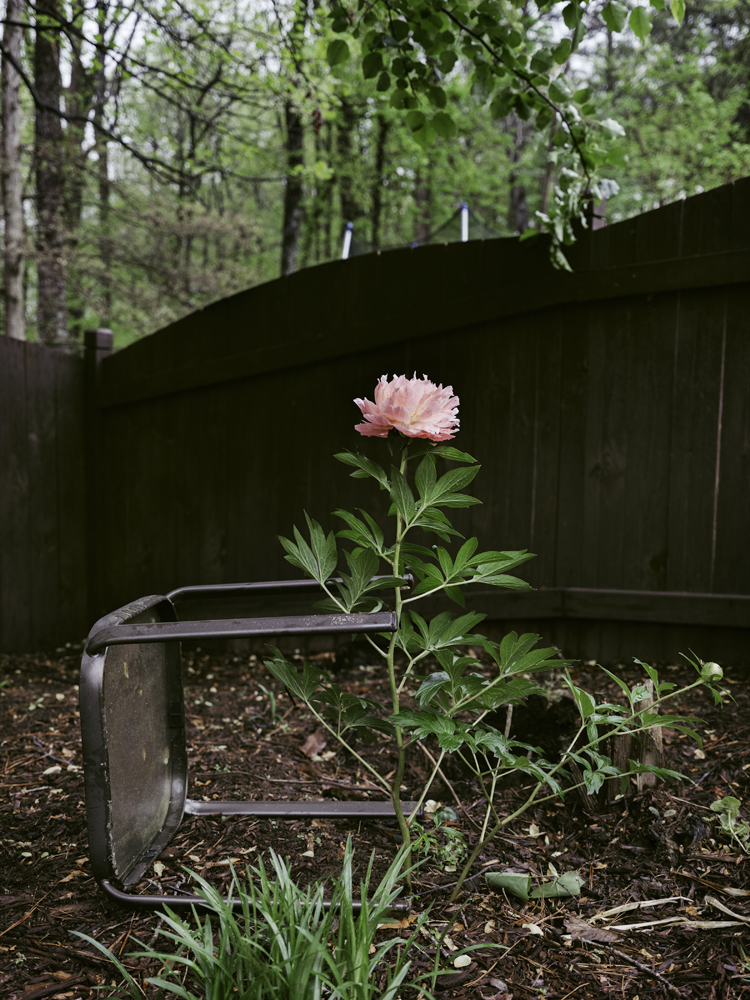
©Natalie Arrue, Bloom
What excites you about photography going forward?
The best thing about photography is that there is always more to learn. I’m excited to explore ideas I have yet to encounter and being inspired by upcoming photographers. The access we have to photographs and how we process them is pivotal in how we create. I’m looking forward to creating more work and collaborating with others that have different perspectives, in hopes to increase the voices of those who are underrepresented.
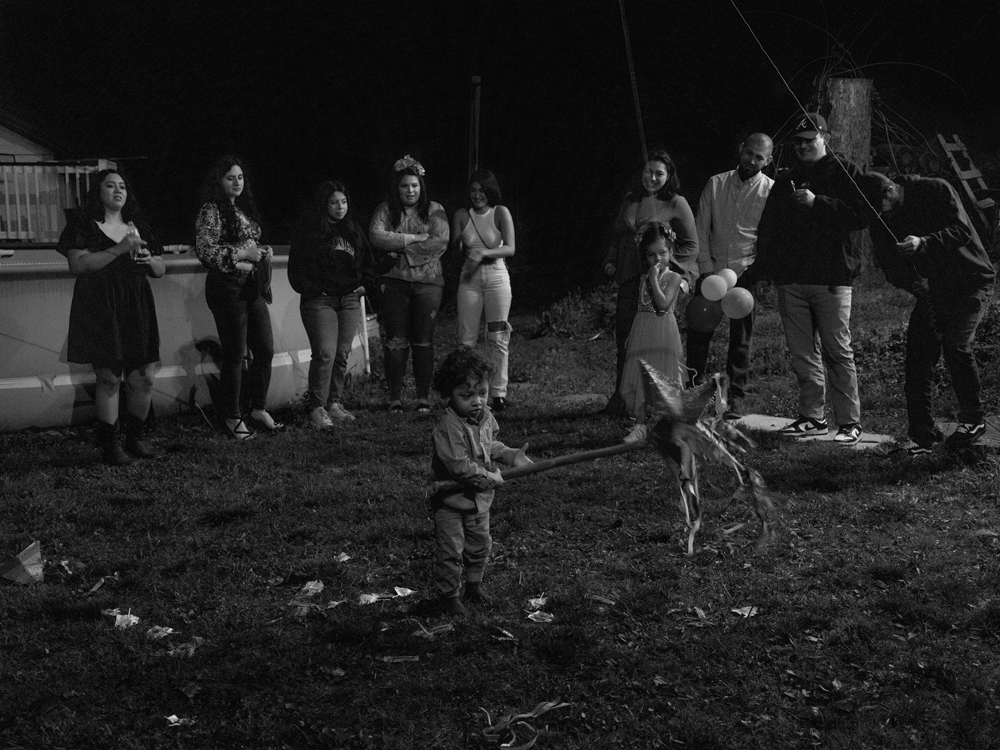
©Natalie Arrué, Mateo
Who or what is inspiring you lately?
Honestly, that is something I have been struggling with lately but what has managed to get me out of an artistic block is the works of fellow Latinx artists. There are so many including Genesis Baez, Steven Contreras, José Olivarez, and Antonio Salazar. Their work all tells a different narrative on their experiences of being Latin American which has pushed me to continue the thread of work I am making.
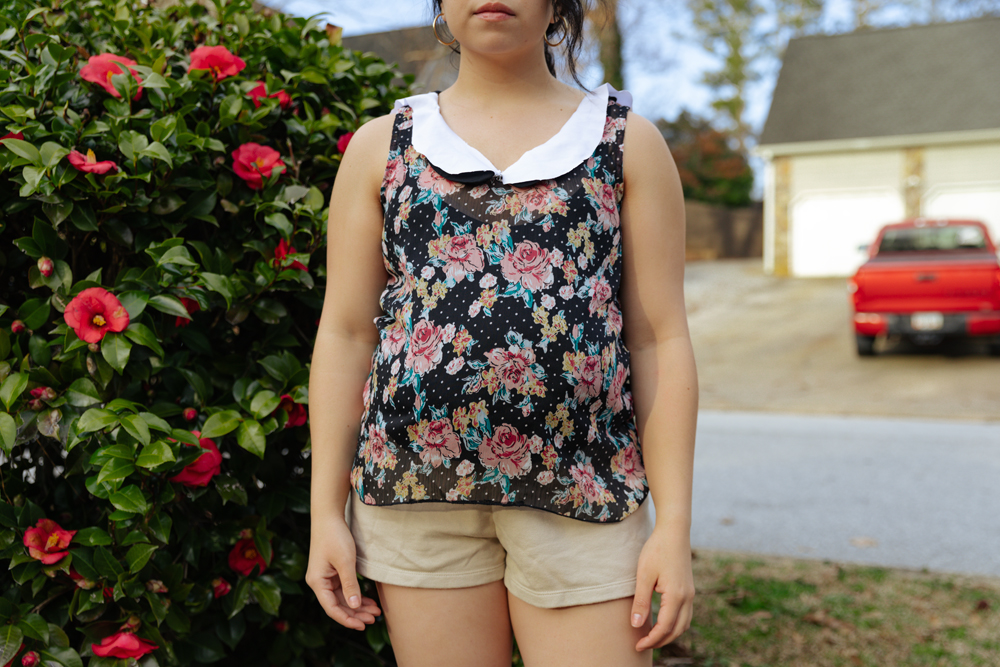
©Natalie Arrué, Mom in LA
Do you have a mentor or teacher that you would like to acknowledge?
I’d like to thank my professors at Georgia State University, Kate Cunningham, Joshua Dudley Greer, Jeremy Bolen and Jill Frank. They have each imparted knowledge to me that I appreciate deeply. They have made it possible to take a group of students to New York and opened our eyes to so much about life and art and possibility that I will not forget. My peers and cohort at GSU have also been an amazing group of creatives who have uplifted each other and our passions. It’s important to have an environment where you can encourage each other and provide criticism that only makes your work stronger.
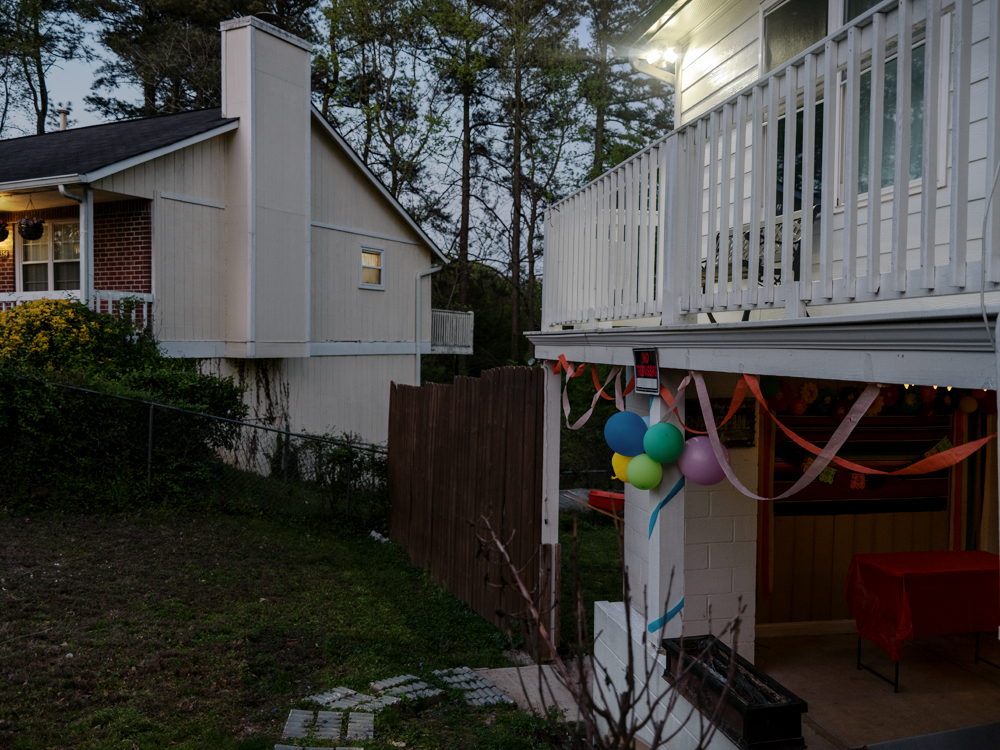
©Natalie Arrué, No Tresspassing
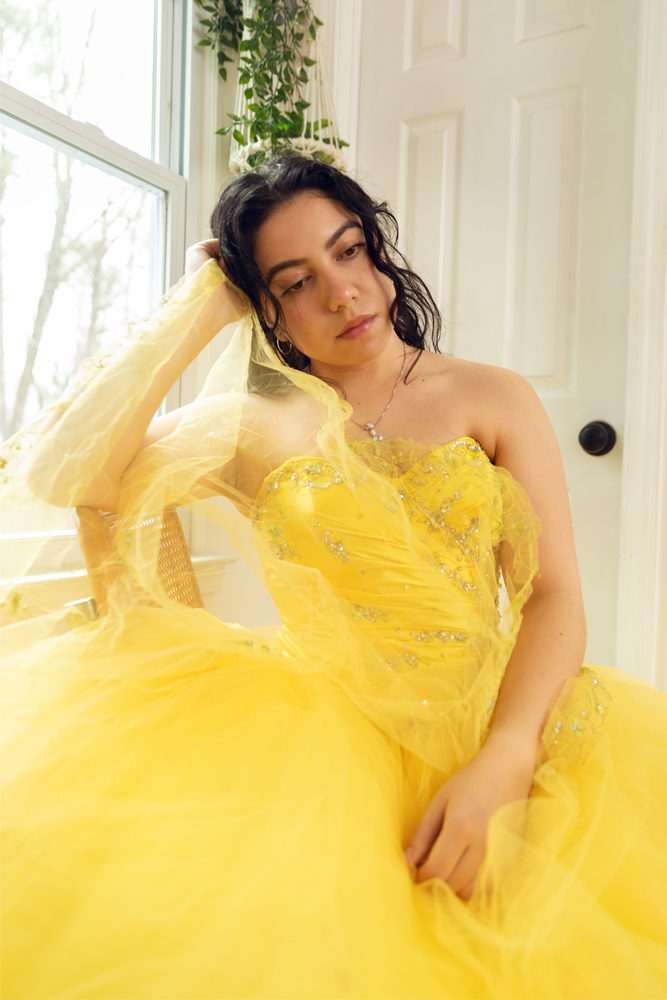
©Natalie Arrué, Quince
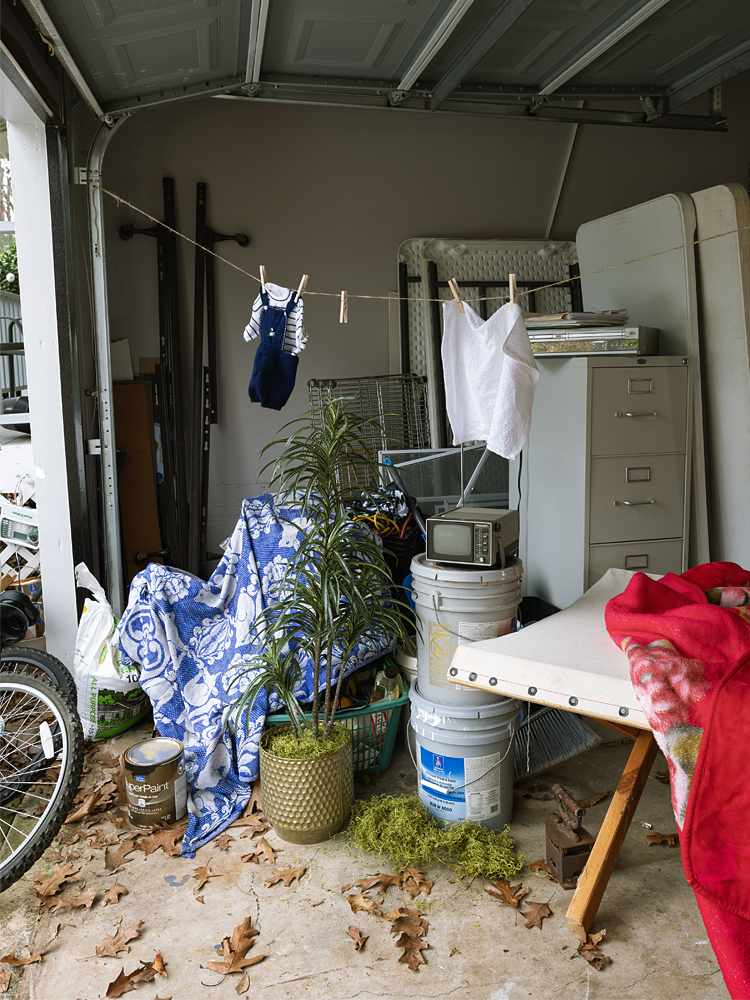
©Natalie Arrué, Room
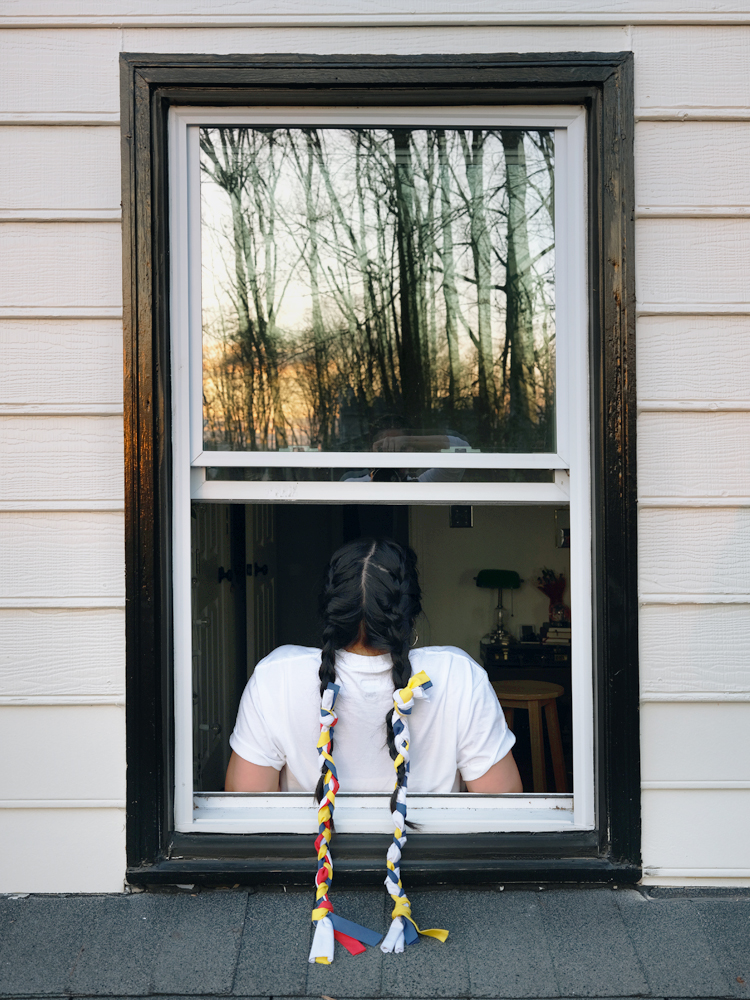
©Natalie Arrué, Trensa
Posts on Lenscratch may not be reproduced without the permission of the Lenscratch staff and the photographer.
Recommended
-
The 2024 Lenscratch Student Prize Honorable Mention Winner: Natalie ArruéJuly 28th, 2024
-

The 2024 Lenscratch Student Prize Honorable Mention Winner: Joseph Ladrón de GuevaraJuly 27th, 2024
-

The 2024 Lenscratch Student Prize Honorable Mention Winner: Andrew ZouJuly 26th, 2024
-
The 2024 Lenscratch Student Prize Honorable Mention Winner: Anh NguyenJuly 25th, 2024
-
The 2024 Lenscratch 3rd Place Student Prize Winner: Mehrdad MirzaieJuly 24th, 2024