Photography Educator: Amanda Breitbach
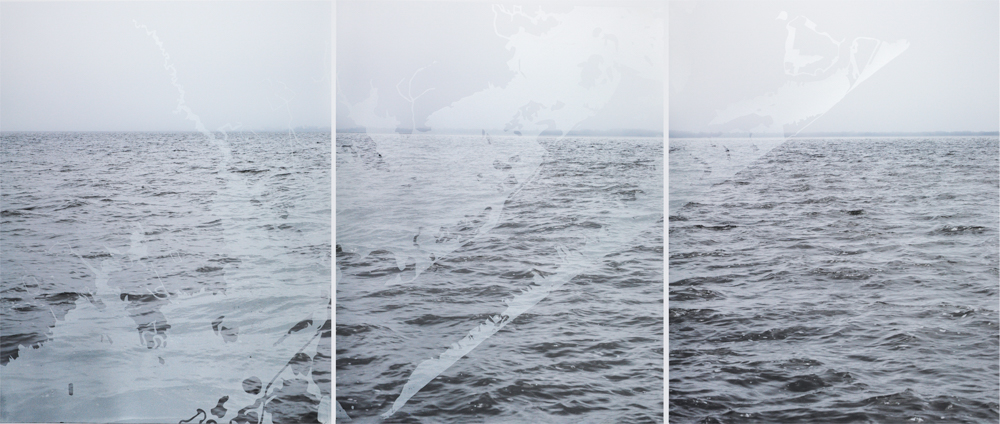
©Amanda Breitbach, Sea Level Rise, Galveston Island screenprint over inkjet 2024
Photography Educator is a monthly series on Lenscratch. Once a month, we celebrate a dedicated photography teacher by sharing their insights, strategies and excellence in inspiring students of all ages. These educators play a transformative role in student development, acting as guides who create environments where students feel valued and supported, fostering confidence and resilience.
This August, I am pleased to highlight Amanda Breitbach—photographer, educator, and dedicated mentor. Through her art and mentorship, Amanda embodies both excellence and vision in creative practice and education. Her thoughtful answers in this article, along with the enthusiasm she shares when discussing her teaching, clearly show how she inspires and supports her students every step of the way. Amanda’s work carries a quiet power and impressive scope, qualities she brings into the classroom with the same rigor and passion, as echoed by her students’ testimonials. This article features selections from three of Amanda’s projects, an interview, and photographs and statements from some of her students. Thank you, Amanda, for your dedication to teaching and your ongoing exploration of the photographic medium.
My artistic practice is deeply connected to landscape. Growing up on a family farm, I feel that land shaped me – both as a person and as an artist. My research interests include intersections of art and science, patterns and histories of land use, and environmental sustainability. I moved to southeast Texas in 2017.
Oil and Water
I began photographing Texas’s 600-mile coastline in 2019, visiting wildlife refuges on the Bolivar Peninsula and beach communities like Galveston and Surfside. As the project developed, I photographed communities around oil refineries and export terminals, including North America’s largest refinery, the Motiva facility in Port Arthur. Most recently, I traveled to Brownsville and South Padre Island, where I photographed the mouth of the Rio Grande and Starbase, the SpaceX launch site.
To communicate the tension between the Texas coast’s value as an ecosystem and its vital role in the global petrochemical industry, I have photographed coastal birds, booms spread to catch oil spills, fishermen, refineries, scientists, and sea turtles using traditional cameras and camera drones.
Currently, I am developing ways to visualize concepts that are abstract or invisible, combining data and maps with photographs. For example, one recent piece layers screenprints of projected sea level rise over photographs of Galveston Island. The ink is pearlescent, so the overlay is almost invisible unless light creates a direct reflection from the print’s surface. My intention is to communicate the unseen nature of many threats to the coast and to engage viewers who notice that their perception of the work depends on where they stand in relation to it.
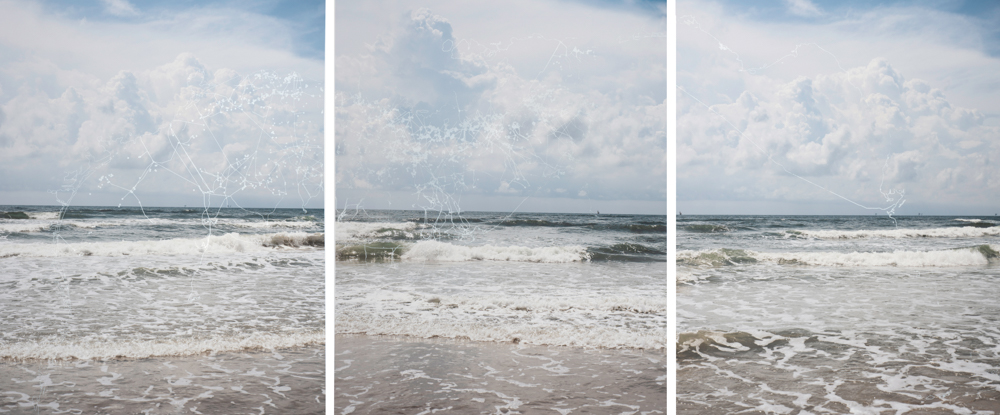
©Amanda Breitbach, Offshore Oil Wells, Gulf of Mexico screenprint over inkjet 2024
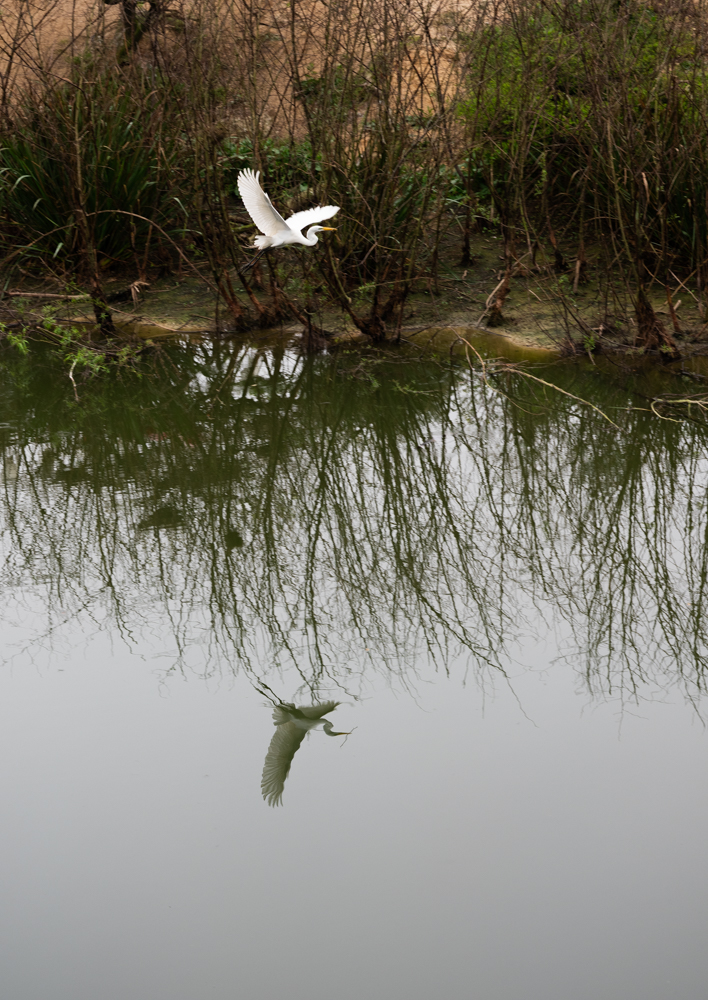
©Amanda Breitbach, Rookery, Smith Oaks Sanctuary 2020
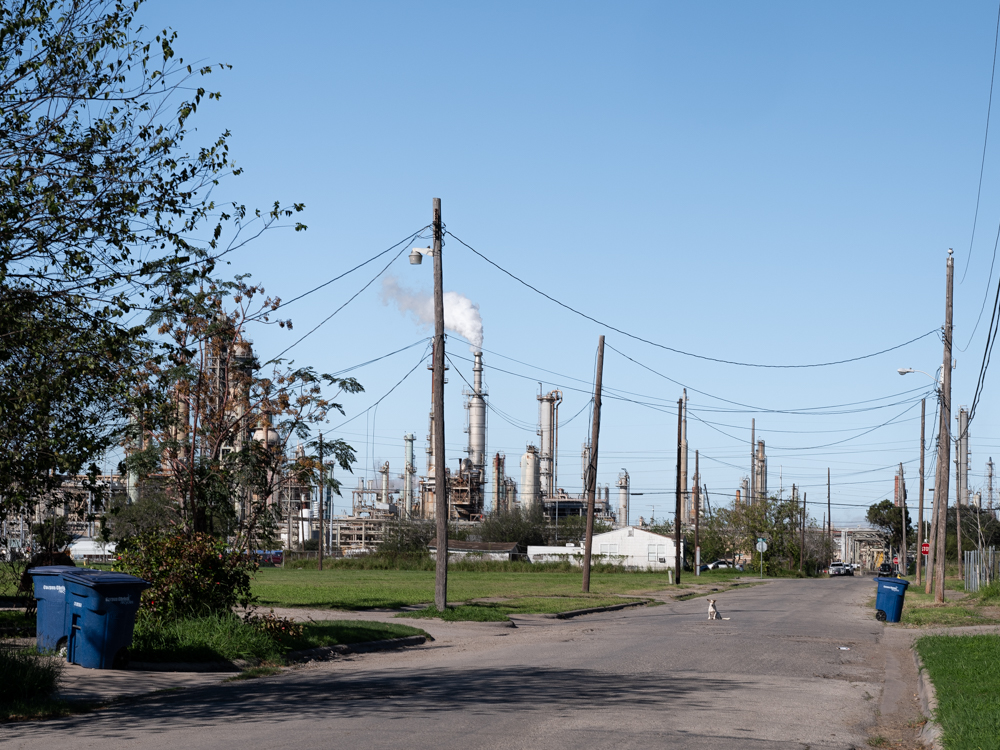
©Amanda Breitbach, Bought Out, Corpus Christi 2022
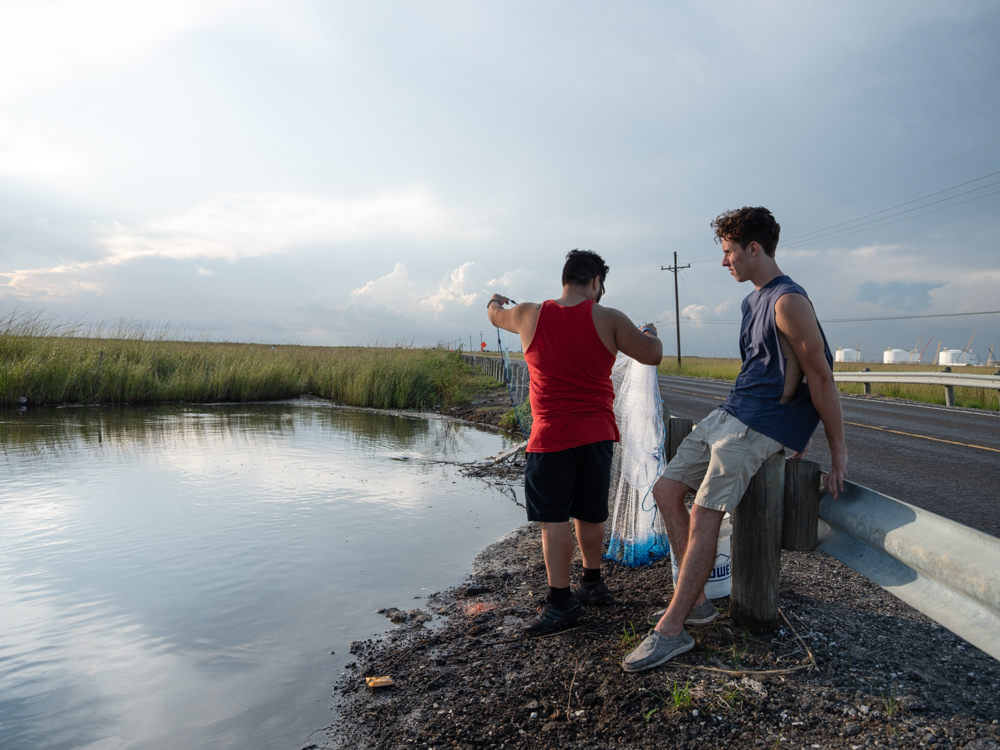
©Amanda Breitbach, Casting for Bait, Sabine Pass 2021
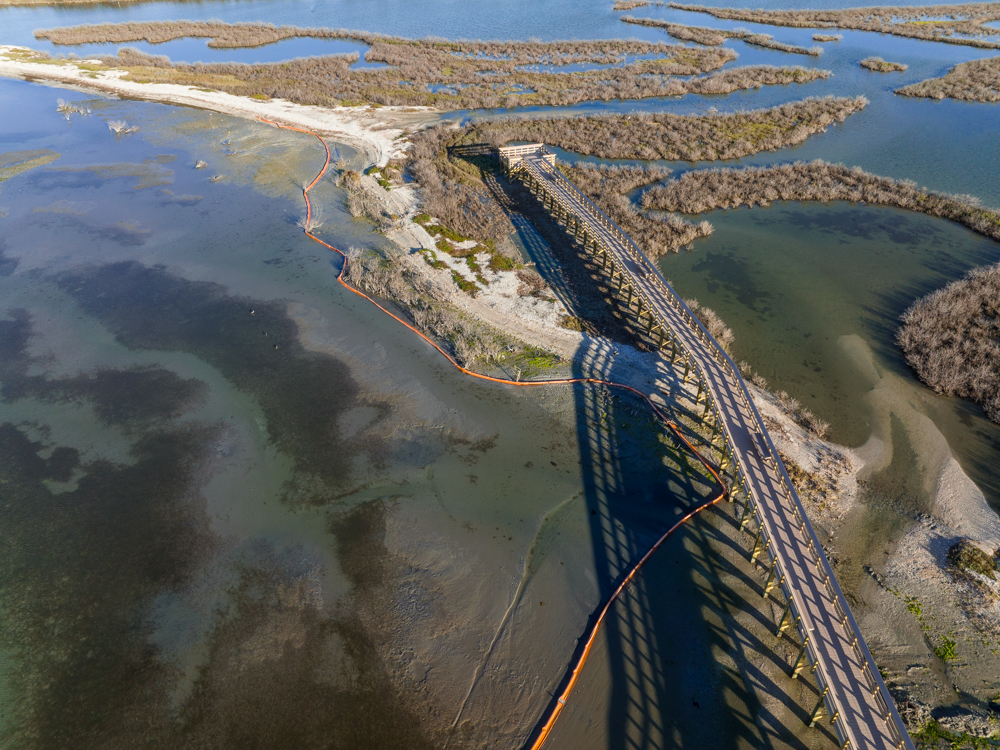
©Amanda Breitbach, Oil Boom at Indian Point after Spill in Corpus Christi Bay 2023
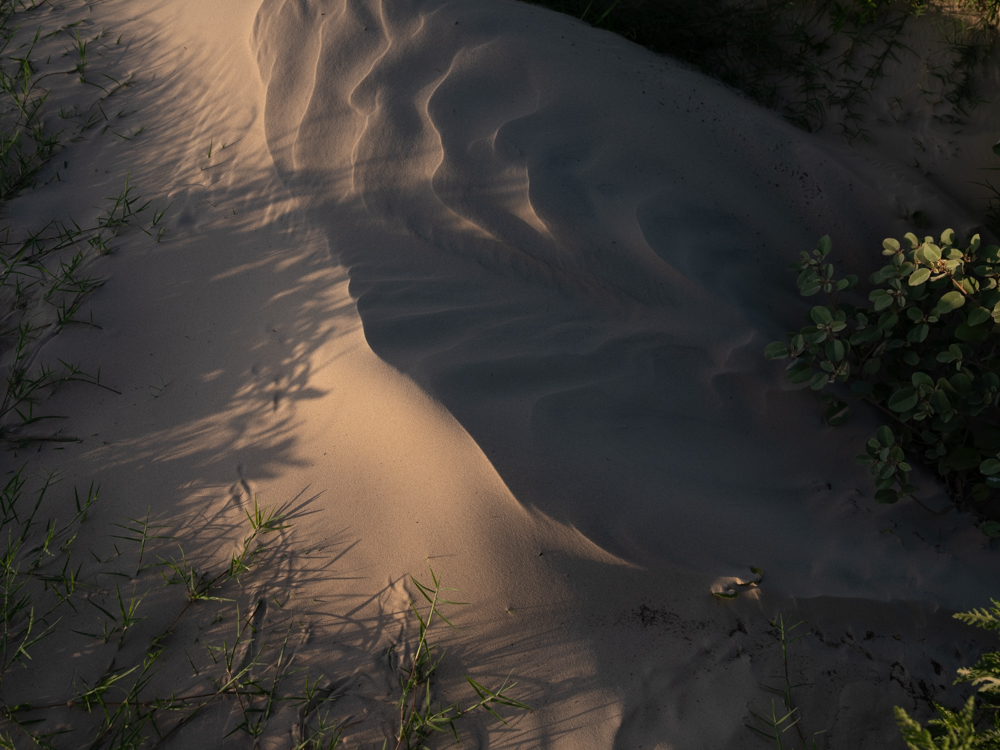
©Amanda Breitbach, Dune, Crystal Beach 2021
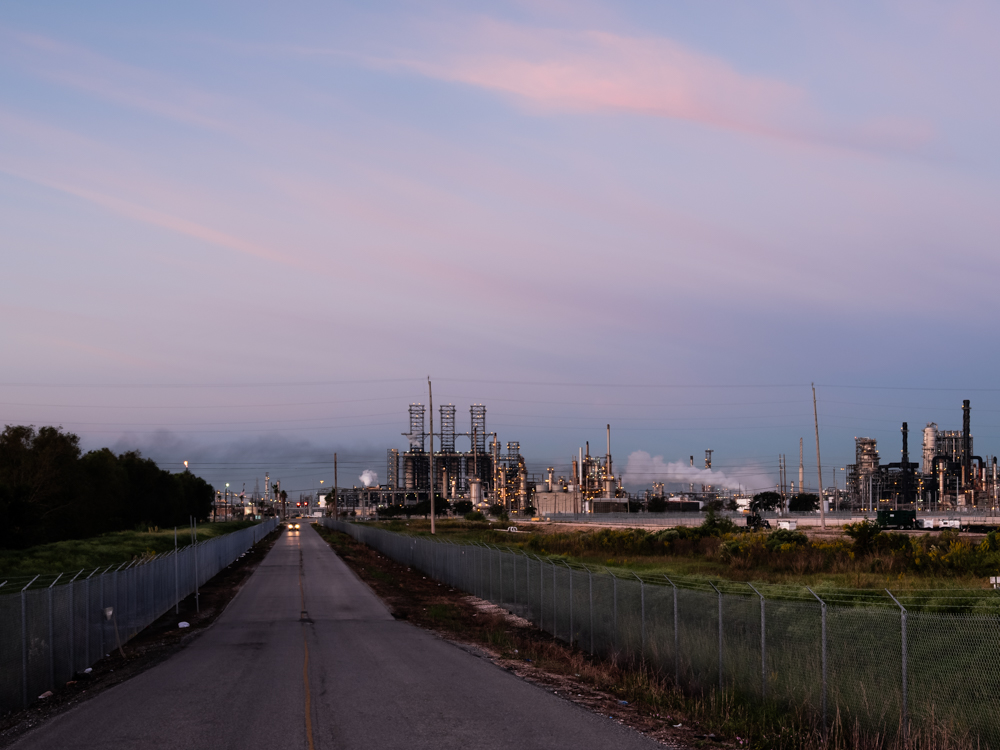
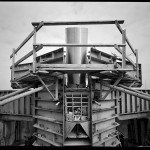
©Amanda Breitbach, Motiva Refinery, Port Arthur 2021
ES:How and why did you get into teaching?
AB:I think I always wanted to be a teacher. Even as a kid in elementary school, I got a lot of satisfaction out of helping other students with their work. I had the opportunity to be a TA for a beginning darkroom class taught by my very first photo teacher, Dan Wise, back when I was an undergraduate student at Montana State University, and it was a lot of fun. From then on, I was hooked.
ES: What is your vision for the future of photography education?
AB: It’s a challenging climate for higher education in general right now. It seems like there’s more pressure to place graduates in the job market and less value placed on intellectual and creative development. As educators, I think this is a question of balance. We have to constantly question what we are teaching our students. Are we helping them develop as individuals? What are their goals, and is their schoolwork helping them get closer to achieving them?
At SFA, I feel fortunate we offer a really deep program in photography. We teach B&W and color darkroom, 4×5 film, alternative processes, digital photography, lighting, drone photography, and a portfolio development class. A few years ago, I developed a new advanced class called Emerging Photographic Technologies. It pushed me to learn new tools like Blender for virtual studio photography, 3D image scanning, software to turn aerial photographs into maps and 3D models. It wasn’t easy, but I think it’s important for me to keep learning so that I am teaching my students relevant skills for the future.
ES: What are some challenges you face as a teacher in the arts?
AB: For me, I think the biggest challenge is balance. I’m always trying to find a balance between teaching, making my own artwork, and being a good partner and mom. I don’t want to do any of those things halfway, but it’s really difficult to do them all well at the same time. Hopefully, I am getting better at work-life balance as I go. This fall will be my first sabbatical, so I’m looking forward to dedicating time to my artwork and family and returning to teaching with big energy in the spring.
ES:What keeps you engaged as an educator?
AB: I feel like teaching is a profession where the energy that you put in is reflected back to you. Motivated students who get excited about what we’re doing in class give me energy and excitement. I also love solving problems. Coming up with new assignments and activities before the school year starts is honestly one of my favorite things. I’m a total nerd.
Finally, I want to give a shout-out to the Society for Photographic Education (SPE). Finding friends and building relationships with other educators has been really important to me as I navigated moving to a new part of the country and started teaching as head of a photography area.
Prairie
When I started graduate school at the University of Nebraska-Lincoln in 2013, I began reading about and studying the prairie. I found connections between my home on the northern prairies and the remnant tall-grass prairies in eastern Nebraska. These photographs were made just after graduate school, during a residency at the Kimmel-Harding Center and the following year, when I was teaching at Truman State University in northern Missouri.
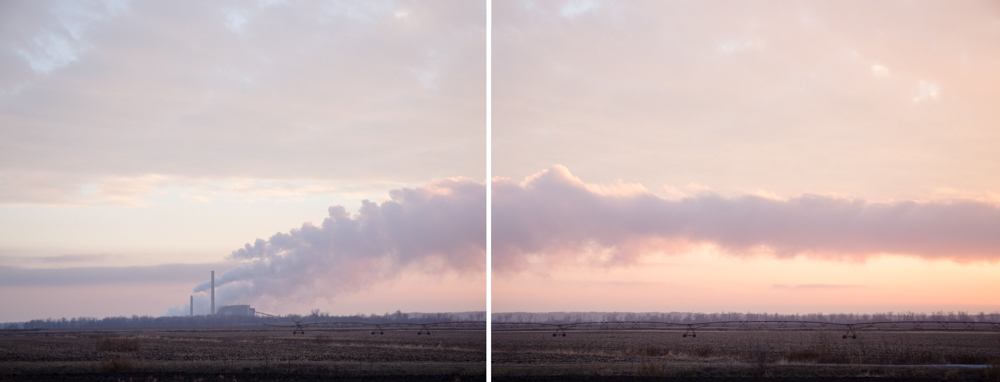
©Amanda Breitbach, Coal Fired Power Plant, Nebraska 2017
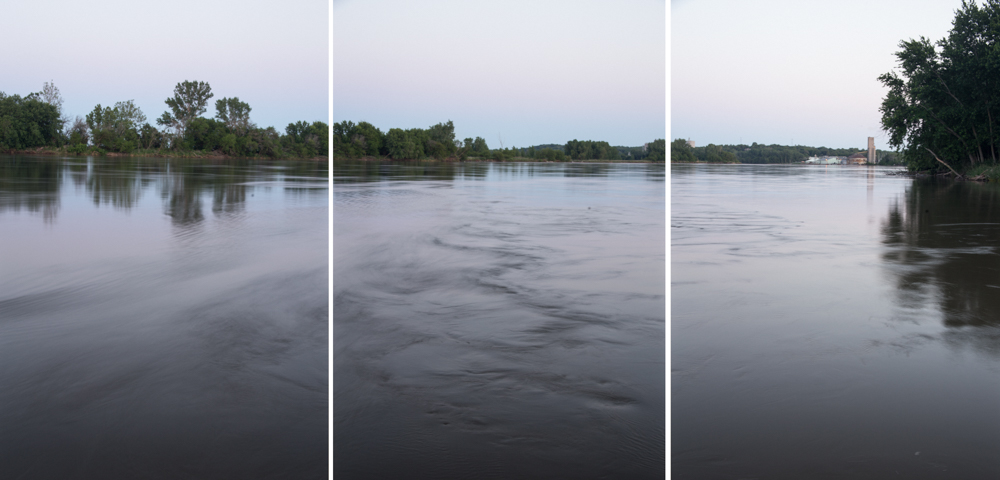
©Amanda Breitbach, Missouri River 2017
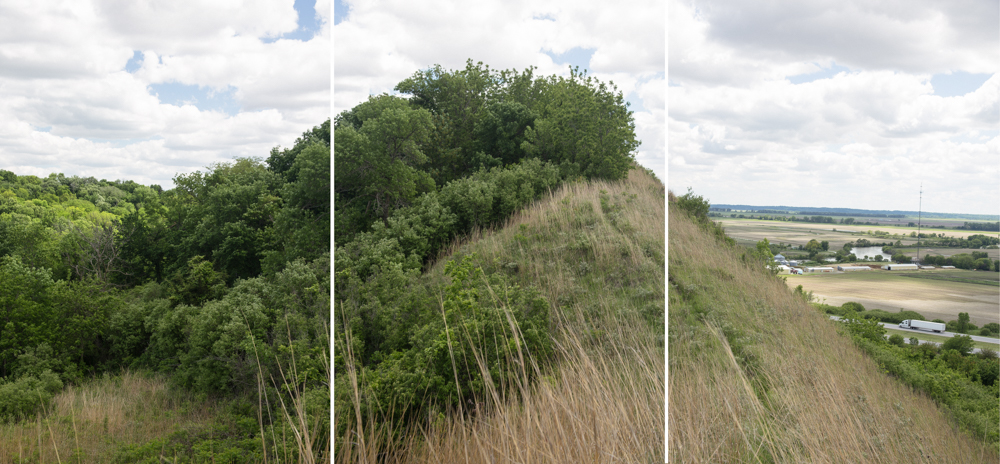
©Amanda Breitbach, Postage Stamp Prairie, in Sight of the Interstate 2017
ES:Did you have an influential photography mentor or teacher? What was their biggest impact on you?
AB: I have had so many wonderful teachers, who continue to serve as mentors to me. Dan Wise and Christina Z. Anderson were professors at Montana State University who inspired me with their energy and enthusiasm for teaching and encouraged me in my early creative development. When I went on to graduate school at the University of Nebraska-Lincoln, I was lucky to work with Dana Fritz and Walker Pickering. They are both wonderful human beings, who supported and pushed me in different ways. They also helped me connect with the larger photo community, including SPE.
Intimate Landscapes
Moving to east Texas in 2017 uprooted my artistic practice. In addition to navigating a landscape, climate, and culture far removed from my northern plains background, I experienced some big life changes within the first few years. I became a mother for the first time in 2018, and my dad died that same year. My mom died in 2019, and I had my second son in 2020. During and after these years of upheaval, photographing close to home has helped me find my bearings.
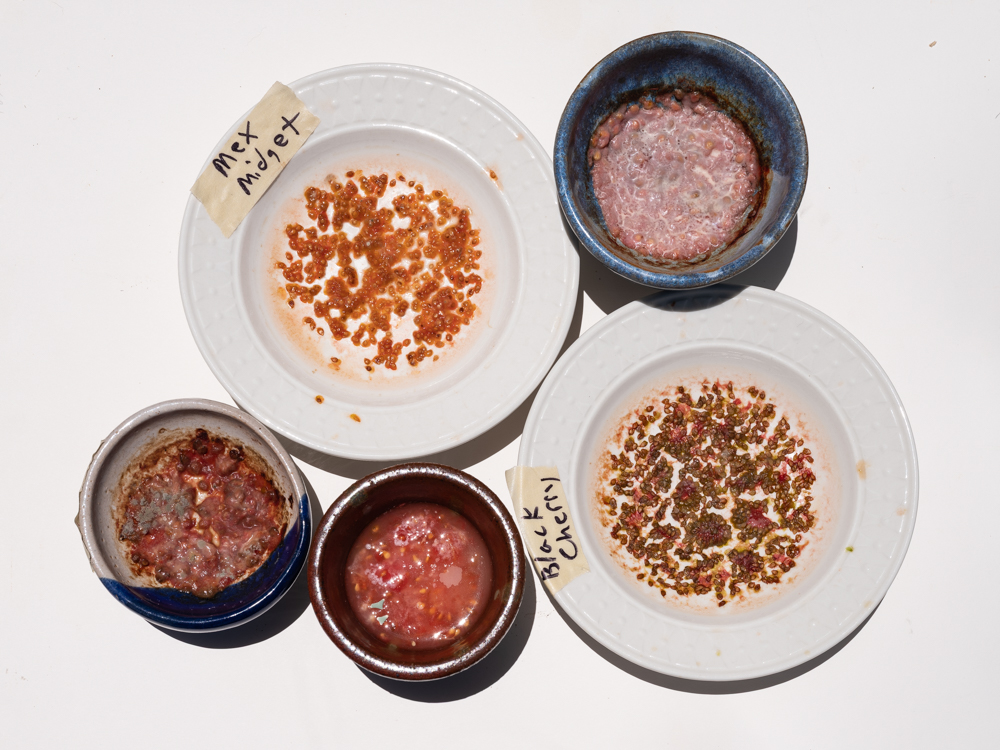
©Amanda Breitbach, Saving Seeds 2021
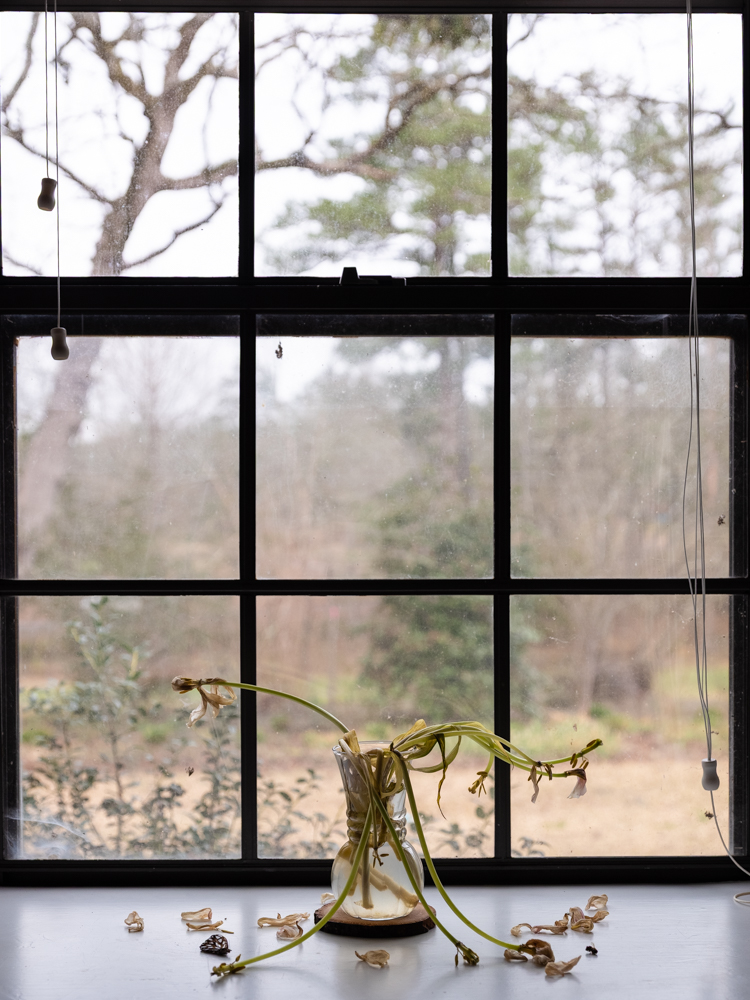
©Amanda Breitbach, Tulips, 2021
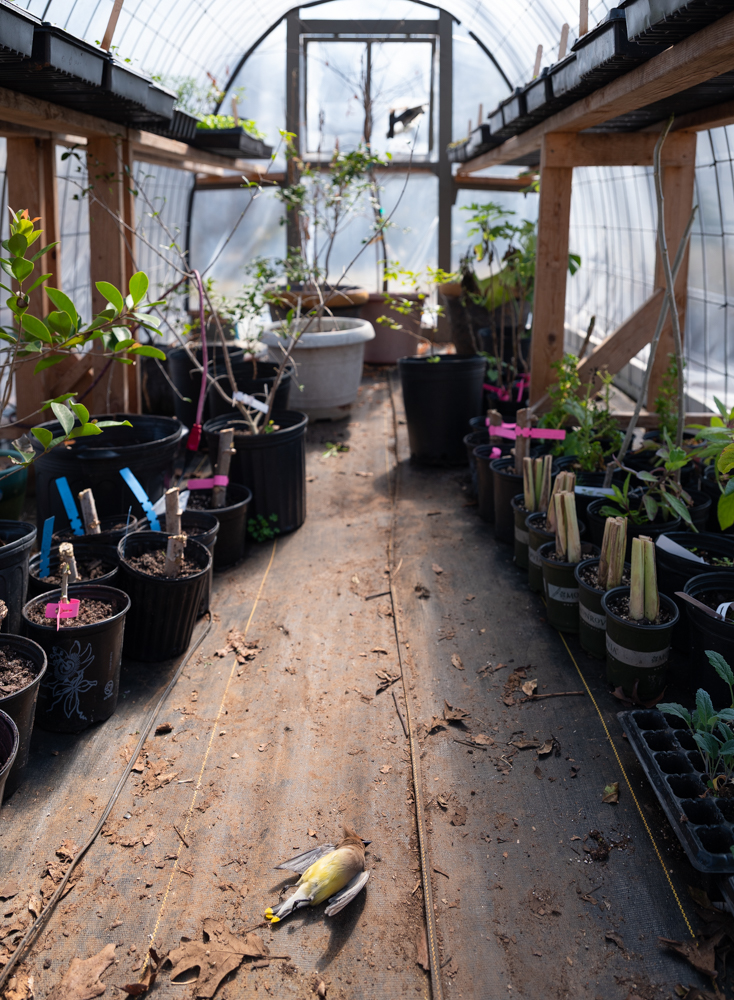
©Amanda Breitbach, Cedar Waxwing, 2021
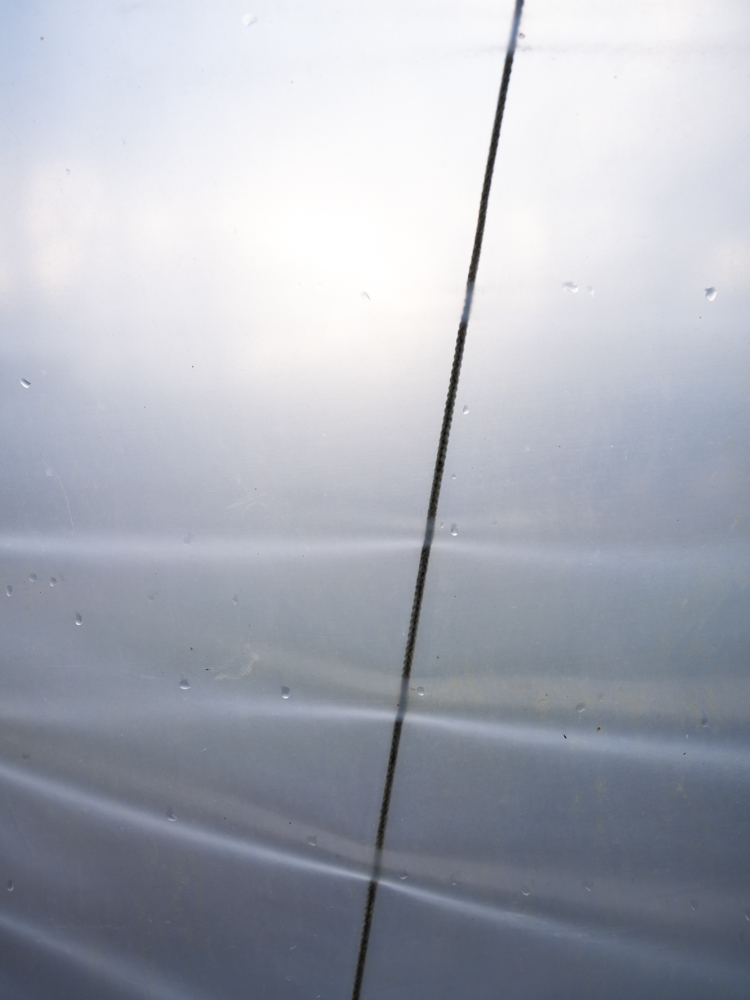
©Amanda Breitbach, Folded 2020
ES:How do you help your students tap into curiosity and the creative process? What are some of the assignments that you give your students?
AB: I’m a believer in learning by doing. Students in my classes do a lot of hands-on demonstrations and activities. I collaborate with community groups and other departments on campus to help students develop professional skills and see the bigger picture of what photography can be. We have done microscope photography with the Biology department, astrophotography with the Astronomy department, drone photography on campus and in the community.
I try to give students both structure and freedom in their assignments. Depending on the class, the structure might be something technical (like experimenting with off-camera flash or manipulating the bellows on a 4×5 camera) or it could be a conceptual framework like “Insider/Outsider” or “Fiction.” The freedom might be the students’ chosen subject matter (portrait, landscape, still life) or their aesthetic approach. We often read and discuss essays that pertain to the topic and look at historical and contemporary work that addresses similar ideas.
ES: What advice would you give to photography students?
AB: Care about what you’re doing. Don’t just go through the motions. Ultimately, the work is for you, so you have to develop some passion. Steer toward the thing you’re most afraid of. If you don’t really understand the technical aspects of photography, borrow a film camera and start reading about the Zone system. If you are nervous about photographing people, challenge yourself to photograph 10 people you don’t know. You will learn more by putting yourself out there than you possibly can if you hold back. Failure is part of the learning process, so don’t let it discourage you. If you try something that doesn’t work, that just means you’re another step closer to learning what will.
From Amanda’s students,
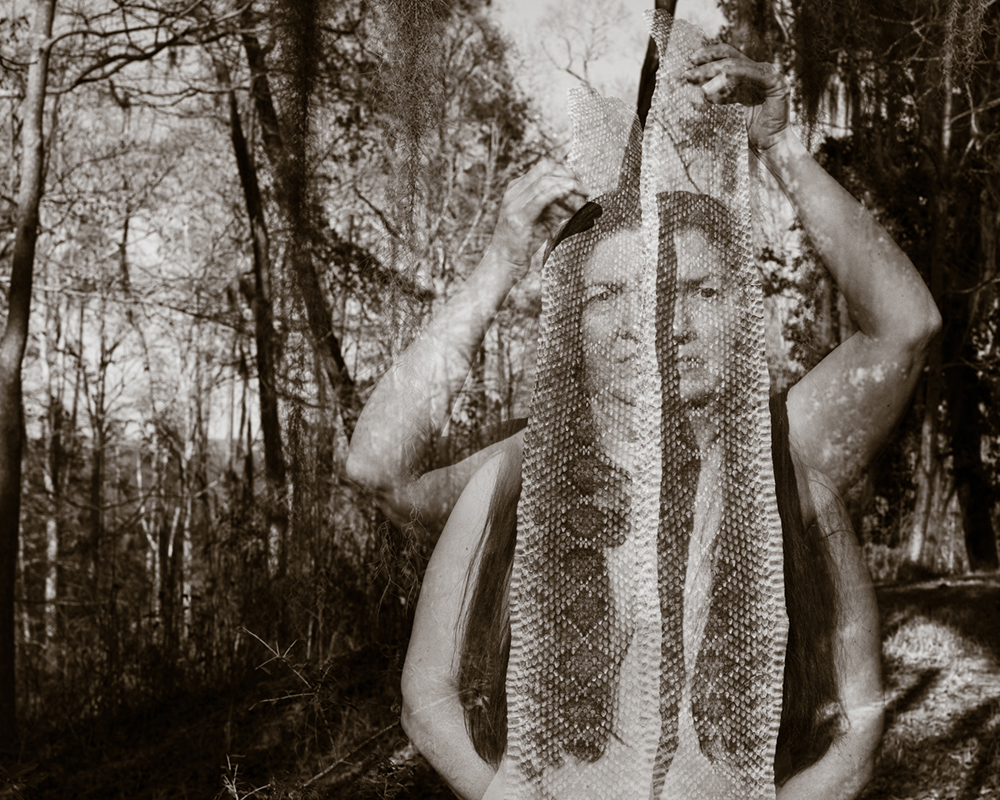
©Ginger Gore Russell, My mother’s name was Snake
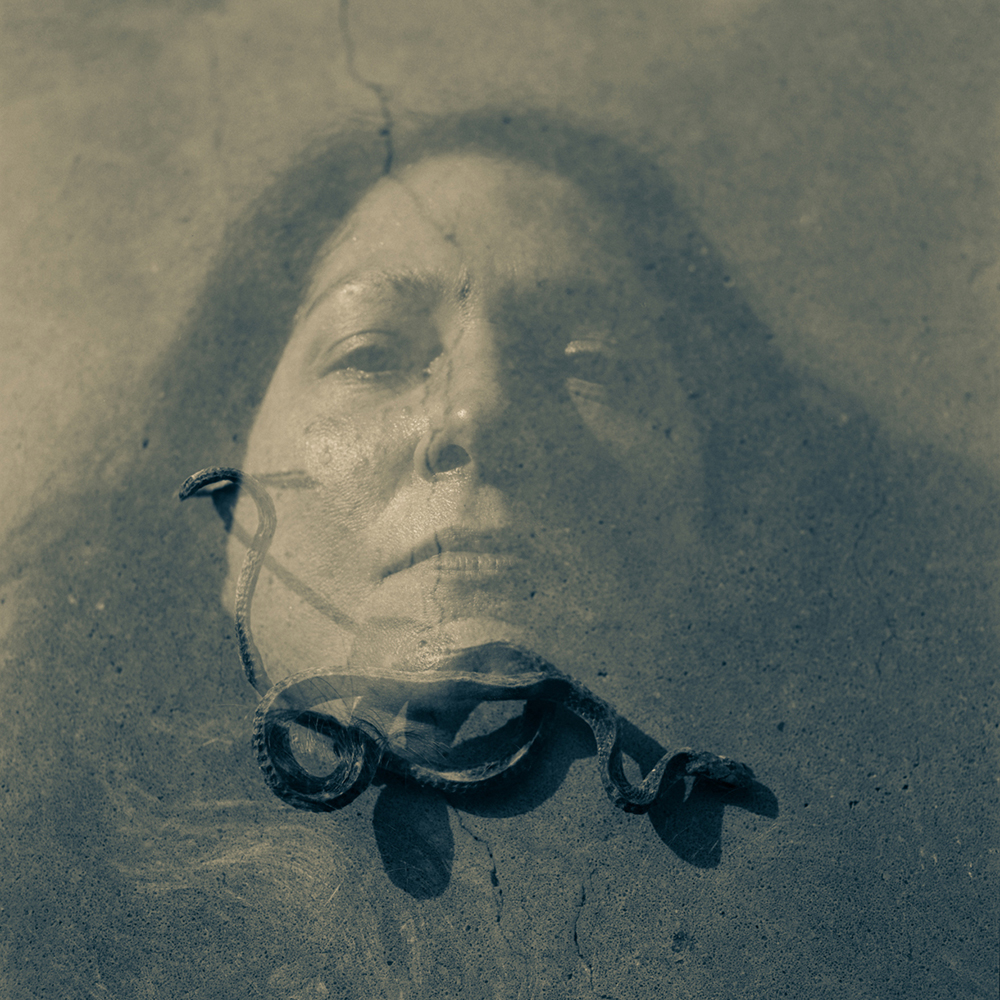
©Ginger Gore Russell, Untitled
Returning to school over 50 was both exciting and a little intimidating, but honestly, it’s been one of the best decisions I’ve ever made. Chasing my passion for photography has pushed me in ways I never expected, and I’ve learned so much on this journey. Amanda Breitbach has been an incredible mentor for me through it all. She has such a strong work ethic and has gone out of her way to support me, whether that’s helping me secure scholarships, putting me up for opportunities, or just being there when I needed encouragement. What I really appreciate about her is how she genuinely encourages me to find my own voice. She’s gentle in her guidance, offering correction when needed, but she never tries to make me into someone I’m not. As a woman in a traditionally male-dominated field, her support means a lot—she pushes me to be strong in my artistic voice and to stand confidently in what I create. Her encouragement has made a huge difference in how I see myself as an artist, and I feel incredibly lucky to have learned from someone so dedicated and inspiring.
Ginger Gore
Website: www.gingerrussell.com
Instagram: @gingergorerussell
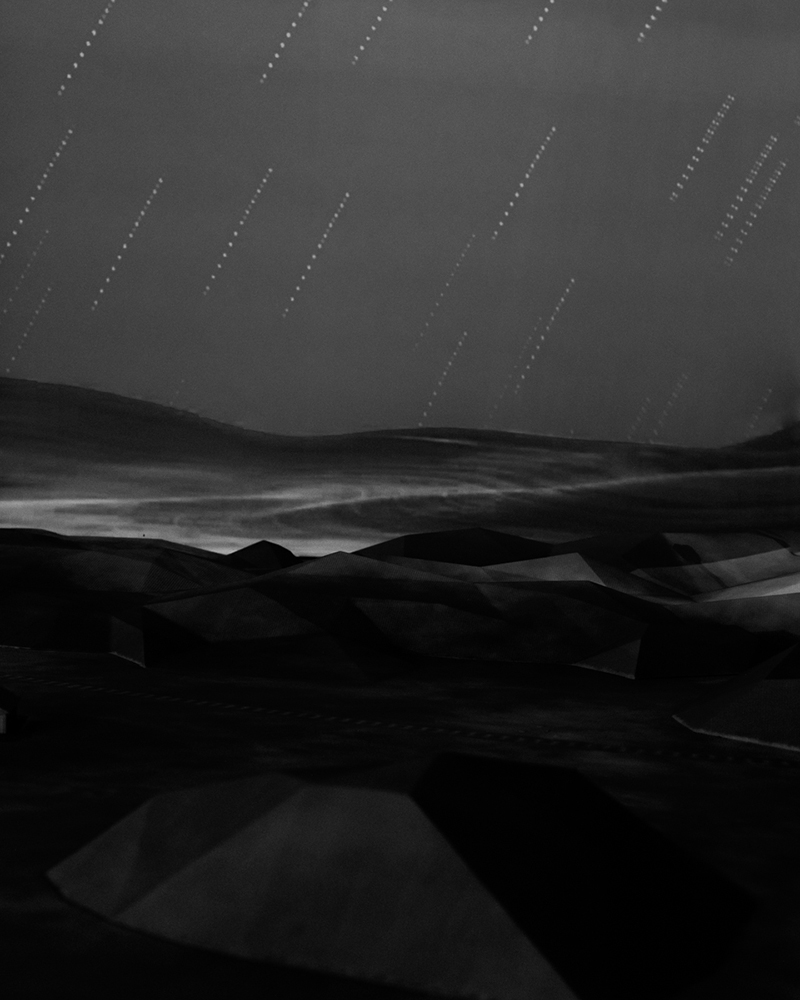
©Austin Cullen, Trailing
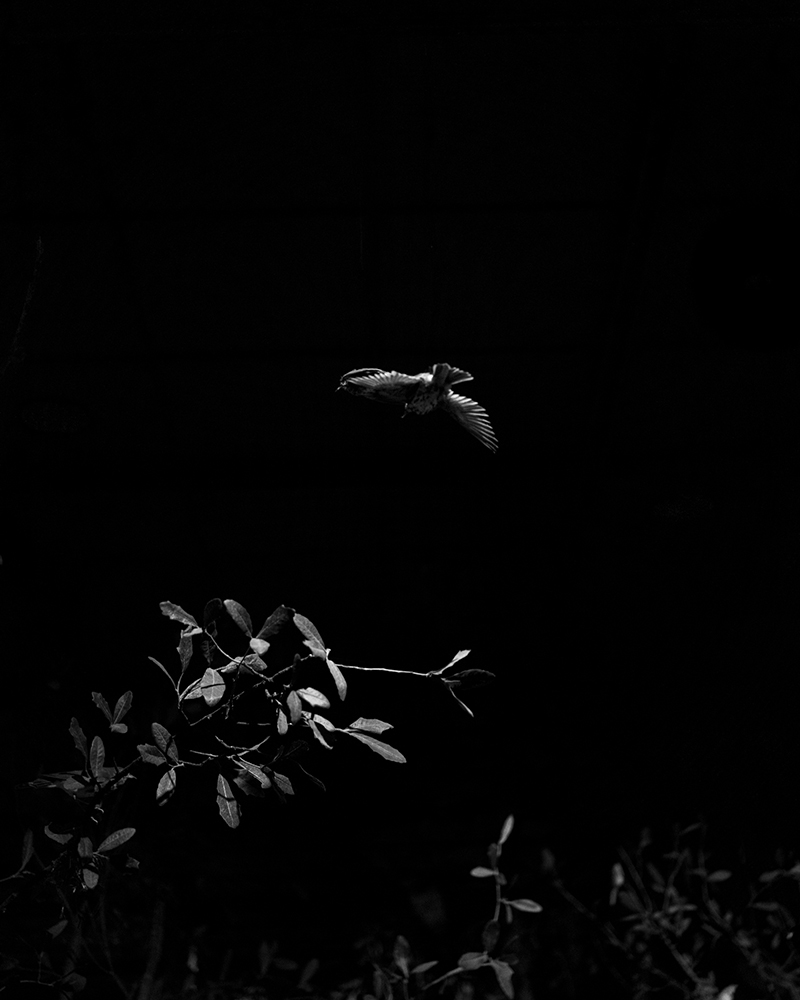
©Austin Cullen, Float
Amanda was my undergraduate professor at Stephen F Austin State University. During school, she drove home the importance of self-reflection, experimentation, and the value of developing community. Her teachings are integral to my practice today, and when I teach my own students I champion these same values. Outside of school, Amanda is a good friend and a deeply valued mentor. I am deeply appreciative of her impact on my life and practice, and I am excited that current and future students will have her excellent leadership during their education.
Austin Cullen, BFA 2019
Website: www.austincullen.com
Instagram: @austin_cullen
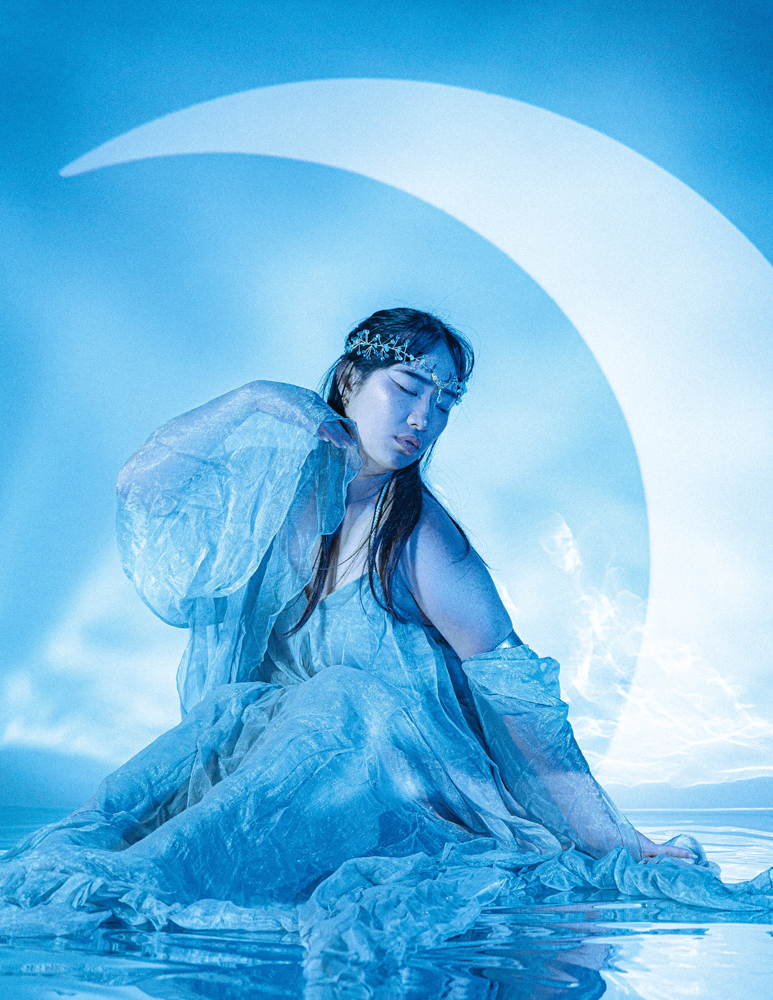
©D Marcus McDowell, Untitled
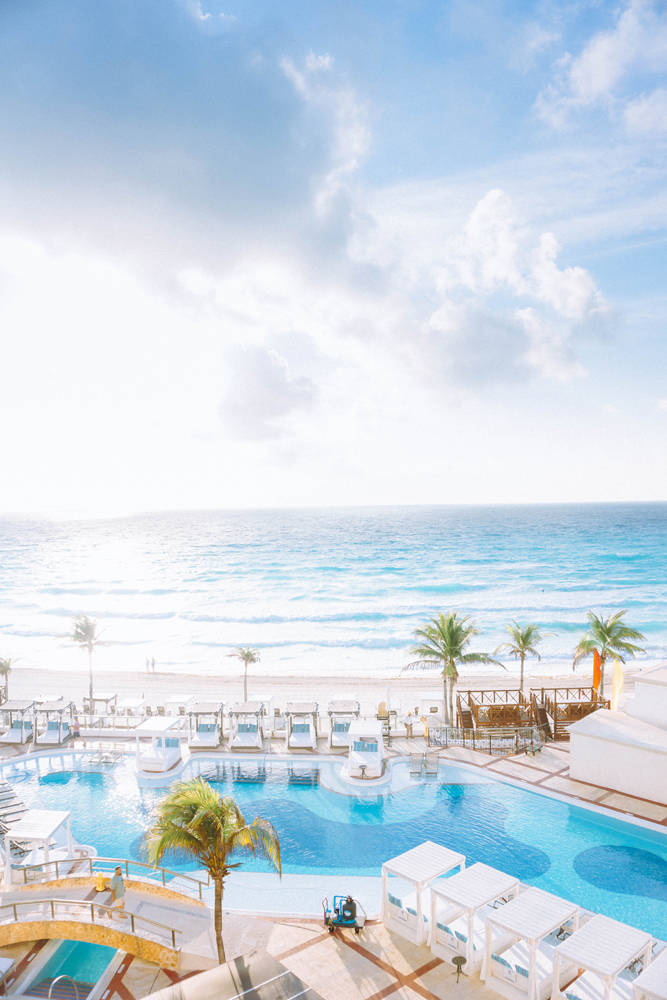
©D Marcus McDowell, Untitled
Pursuing an art degree with a focus in photography as a freshman, I was already going in with nervous feelings and doubt. But with Amanda’s advice, her patience, her insight, and with her support throughout all 4 years, I was able to call photography a love of mine and I continuously go out and photograph with the growing spirit that she planted within me.
My favorite personal experience with her was her admiration about how I stay in “good trouble.” She was quoting the late great John Lewis to talk about the time I photographed in the lighting studio even when I wasn’t in the right level course to gain access yet. Granted I was told to not do it again, but she also recognized my curiosity and growing interest in wanting to better my craft. That validated my feelings and made me want to advance. That’s something I will never forget.
D’Marcus McDowell, BFA 2021
Website: www.dmarcusmcdowell.myportfolio.com
Instagram: @dmthecreator
About Amanda
Amanda Breitbach is an artist, educator, and mother. Her creative research focuses on relationships between people and land.
Breitbach grew up on a family farm and ranch in eastern Montana, a landscape that shaped her aesthetic and nurtured her relationship to the natural world. She served as an agroforestry volunteer with the United States Peace Corps in West Africa and has worked as a newspaper photographer/reporter and a freelance writer. She earned bachelor’s degrees in photography and French from Montana State University and a Master of Fine Arts degree from the University of Nebraska-Lincoln. She teaches photography as an Associate Professor of Art at Stephen F Austin State University.
Recent awards include grants from the Puffin Foundation and a fellowship with the Center for History and Culture of Southeast Texas and the Upper Gulf Coast at Lamar University for her ongoing project, Oil and Water.
Website www.amandabreitbach.com
Instagram @amandabreitbach
Elizabeth Stone is a Montana-based visual artist exploring potent themes of memory and time deeply rooted within the ambiguity of photography. Stone’s work has been exhibited and is held in collections including the Museum of Fine Arts, Houston, TX, Center for Creative Photography, Tucson, AZ, Cassilhaus, Chapel Hill, NC, Yellowstone Art Museum, Billings, MT, Candela Collection, Richmond, VA, Archive 192, NYC, NY and the Nevada Museum of Art Special Collections Library, Reno, NV. Fellowships include Cassilhaus, Ucross Foundation, Willapa Bay AIR, Jentel Arts, the National Park Service and the Virginia Center for the Creative Arts through the Montana Fellowship award from the LEAW Foundation. Process drives Stone’s work as she continues to push and pull at the edge of what defines and how we see the photograph.
Website
Instagram
Posts on Lenscratch may not be reproduced without the permission of the Lenscratch staff and the photographer.
Recommended
-

BEYOND THE PHOTOGRAPH: Q&A WITH COMMERCIAL PHOTOGRAPHER ANDY MAHRMarch 22nd, 2026
-

Photography Educator: Eirik JohnsonMarch 20th, 2026
-
Beyond the Photograph: Editioning Photographic WorkJanuary 24th, 2026
-
Photography Educator: Erin Ryan StellingJanuary 9th, 2026
-
Time Travelers: Photographs from the Gayle Greenhill Collection at MOMADecember 28th, 2025