Sunjoo Lee: Untold

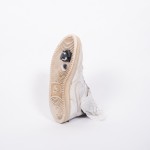
©Sunjoo Lee Untold baby shoes_ 2025
I have always admired Sunjoo Lee’s quiet, ephemeral, and mysterious still lifes that use cultural and personal elements to consider time, memory, and tradition. Portions of her new series, Untold, are currently exhibited at the Busan International Photo Festival 2025 Main Exhibition. The festival is one of the most significant showcases in Korean photography in Korea. This year’s theme centers on expressing the spirit of the Korean people and her work is presented within that dialogue.
Curator jeongyeun Lee shares this description of the work: SunJoo Lee’s Untold series investigates personal memories and emotions embedded within everyday objects. Items collected by the artist such as bojagi traditional wrapping cloth, plain cotton cloth, seeds, eggs, and stones are simply rearranged in her works that emphasize the restrained palette and textures, transforming simple still life photographs into a medium that recalls memories.
Central to the series is the bojagi. The visualized act of wrapping and unwrapping reveals the temporality and invisible sentiments etched into objects. It also evokes the traditional Korean values of family, care, communal solidarity, and warmth. While her works are rooted in her personal experience, Lee expands them to bear social and cultural meanings, striving to revive and preserve fading memories and sensations. At the same time, she invites viewers to reencounter and reflect upon the traces of Korean culture, tradition, and everyday life.

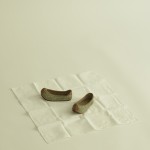
©Sunjoo Lee, Untold navy blue jeogori, 2025
Untold <Bottali>
For some time now, I have found myself drawn to the humble objects of everyday life.
From the moment I wake until I go to bed,
my attention has turned toward the things that quietly govern the rhythm of my days.
The dictionary defines objects as “all physical things and phenomena that exist objectively in the world.”
Objects in human life have long served as subjects of art. Through still-life paintings of East and West, artists have reflected u
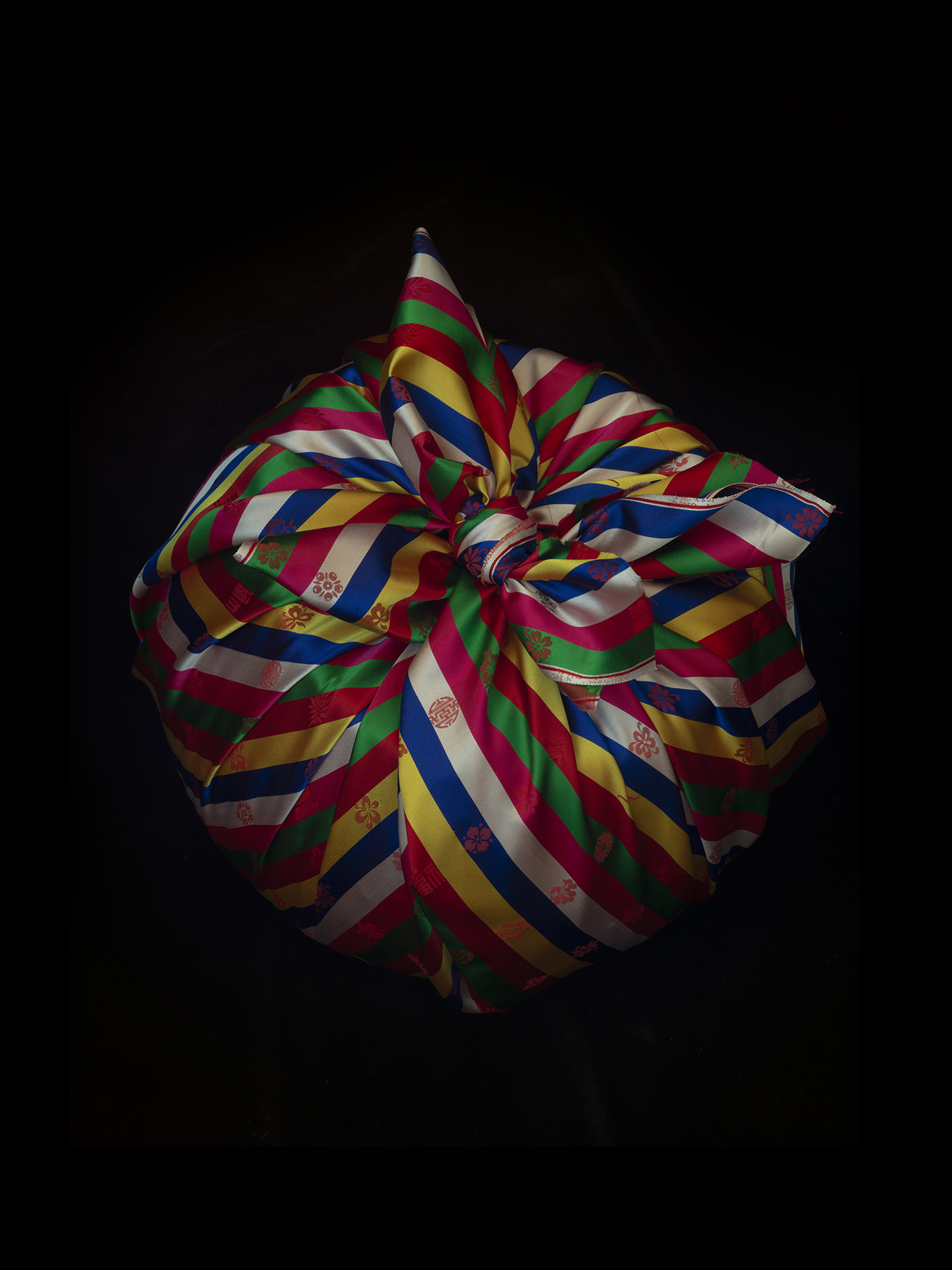
©Sunjoo Lee_, Untold Saekdong bottali, 2021
Living in the complexities of modern society, I too contemplate the objects I think with and consume.
Through this reflection, I seek to express the social and cultural meanings that emerge from the relationship between humans and material forms, while revealing the invisible, inner emotions that surface as I encounter these objects.

©Sunjoo Lee, Untold Saekdong bottali, 2021
The Korean word for “person,” 인간 (ingan), originates from Chinese characters meaning “the world where people live.”
In traditional still-life paintings, the depicted objects often represent items essential to daily life such as food, clothing, shelter and through their forms and meanings, we today can glimpse the historical, cultural, and social contexts of that era.
From this perspective, I was drawn to bojagi and bottari, traditional Korean cloths and bundles born from our customs and everyday life.

©Sunjoo Lee, Untold Saekdong bottali, 2021
A bojagi is a small square cloth used for wrapping things.
It reflects the long-standing etiquette and sensibility of our ancestors,
who approached both people and possessions with care and sincerity.
In traditional folk beliefs, people even thought that if one wrapped good fortune in a bojagi,
that fortune would remain within.
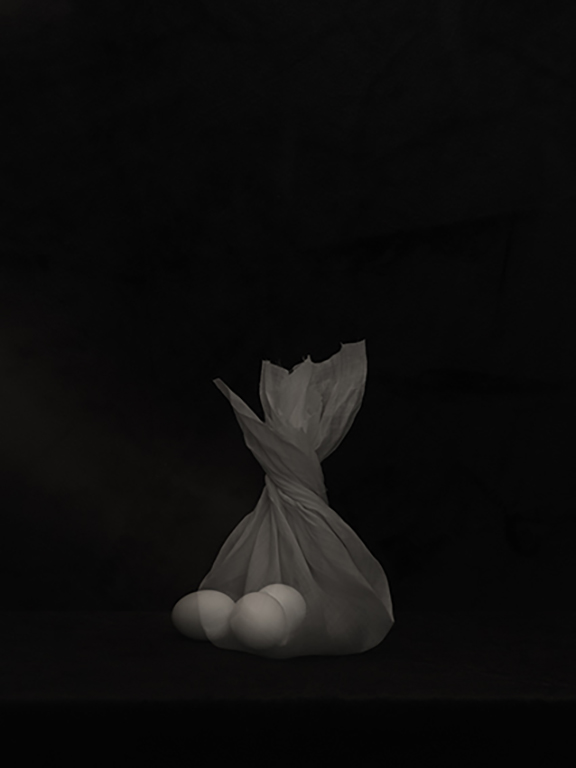
©Sunjoo Lee, Untold 4 eggs, 2021
A bottari, on the other hand, refers to a bundle, wrapped and tied in a bojagi.
It often contained precious foods, important documents, or treasured books,
wrapped in silk or cotton and tied neatly together.
In Korean expressions such as “book bundle,” “fruit bundle,” or even “story bundle,”
we can see that bottari transcends its literal meaning,
serving also as an emotional and symbolic vessel.
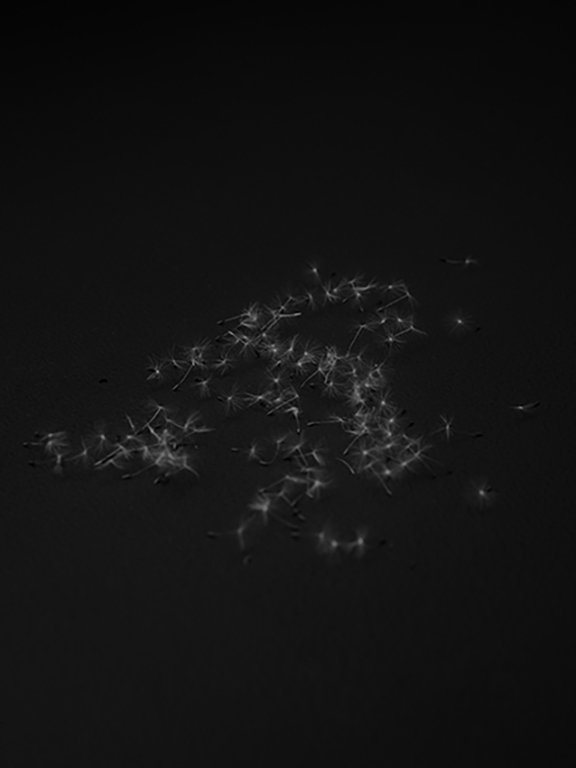
©Sunjoo Lee, Untold dandelion seeds, 2022
Even today, people wrap cherished gifts or foods in bojagi before giving them to others.
for special occasions such as holidays and weddings.
When I wrap something inside a bojagi, I sense the same sincere and deeply human feeling
that once lived within the simple folk belief of our ancestors —
the wish to keep blessings safe and close.
I remember, too, in my school days, when many of my classmates carried aluminum lunch boxes wrapped in cloth.
Those small bundles embodied the love and care of mothers who rose before dawn to prepare them.
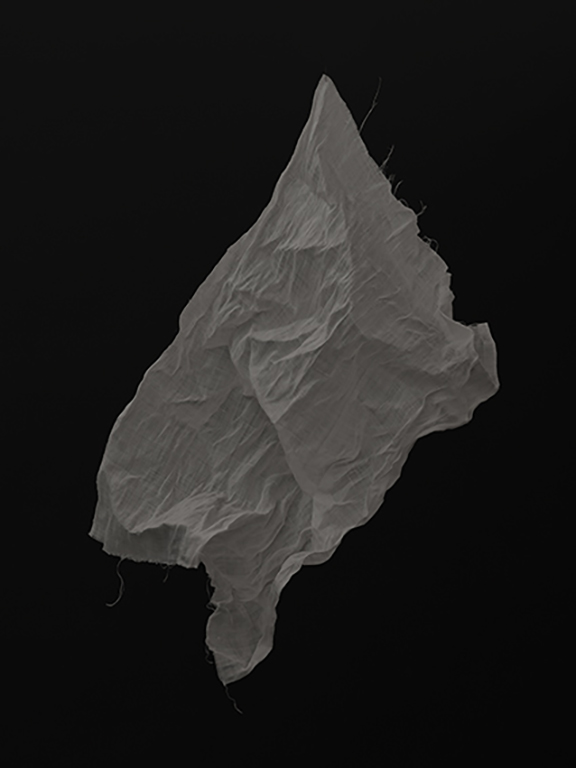
©Sunjoo Lee, Untold hemp cloth, 2022
My Bottari still-life series visualizes those invisible emotions: the abstraction of wrapping and unwrapping.
Through the act of binding and releasing,
I explore love, prayer, respect, and devotion in the one who wraps,
and anticipation, excitement, gratitude, and joy in the one who opens.
In this exchange, the emotions of giver and receiver meet and cross.
It reminds us of the communication that modern life so urgently lacks…
a quiet, graceful understanding of one another amid the relentless noise of our age.
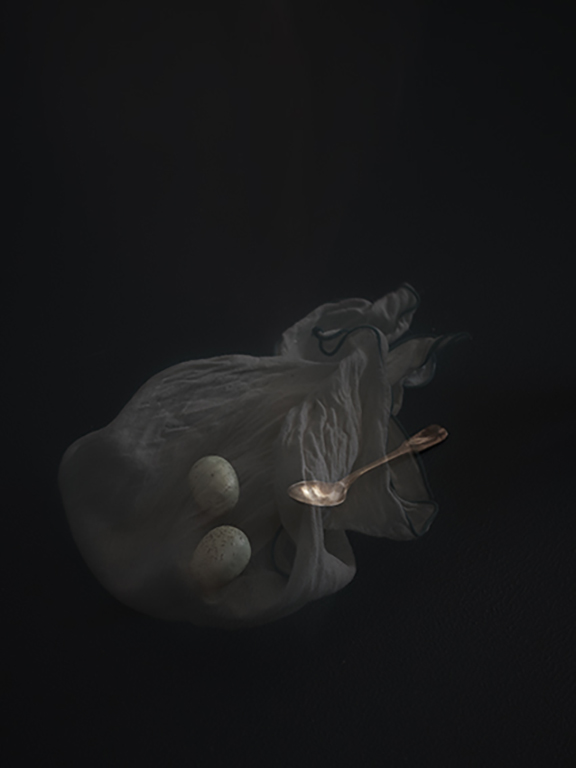
©Sunjoo Lee, Untold quail eggs, 2022
Through these images, I wish to return to the simplicity and calm of our traditional aesthetic,
to step away from the fatigue of modern complexity.
At the same time, I unwrap my own bottari of personal memories,
releasing them into still photographs that tell untold stories of time past.
This series, centered on bojagi and bottari, the ordinary yet symbolic objects of daily life,
seeks to express metaphysical emotions that arise from memory and lived experience
through the diverse visual languages of photography.
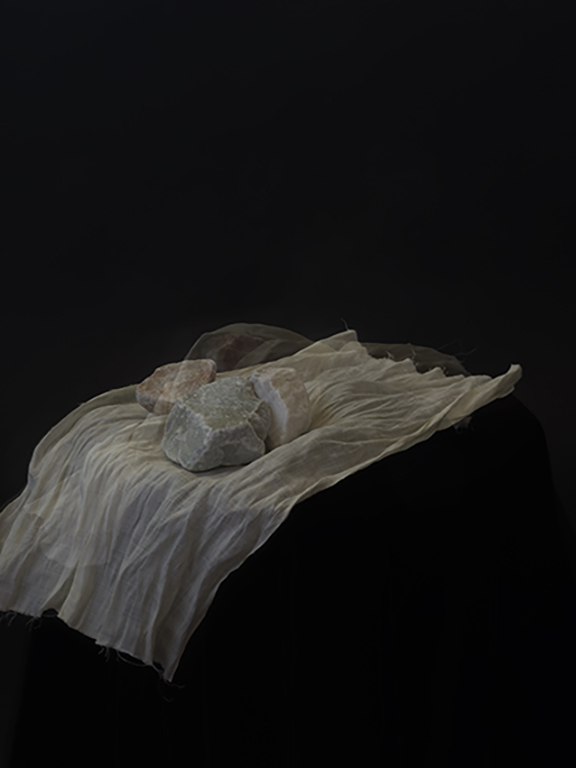
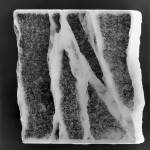
©Sunjoo Lee, Untold strainer cloth, 2022
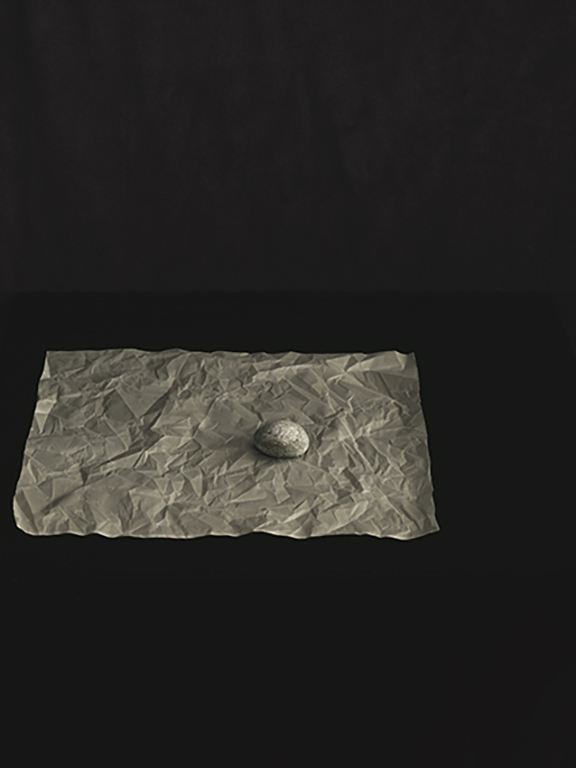
©Sunjoo Lee, Untold one pebble, 2022

©Sunjoo Lee,Untold pink bottali & persimmon seeds, 2022

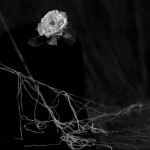
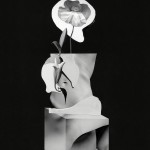
©Sunjoo Lee_, Untold peony, 2025

©Sunjoo Lee, Untold hairpin, 2025
Sunjoo Lee is a mixed media photographer based in Seoul, South Korea.
Lee’s extraordinary artistic sensibility that was once portrayed through her voice is now visible through the works portrayed through her camera lens. Her photography focuses on a unique lyrical journey into her personal life. She explores her past, present, and future world in a temporal and spatial perspective.
She received a BA in Music from Ewha Women University, a second BA in Photography from Chung-Ang University(Academy credit bank system), and an MFA in Plastic Art & Photography from Chung-Ang University Graduate School of Photography in Seoul, Korea. In 2019, she was awarded into the 11th cohort for the prestigious artist residency program at the Youngeun Museum of Contemporary Art. Through this residency, she’s currently working on her upcoming series.
Lee’s acclaimed works have been exhibited widely throughout the years in South Korea. Most recently, she had her solo exhibition at the Youngeun Museum of Contemporary art, Gwangju Korea. She’s also solo showcased at La luna Galley, Korean Photography Gallery, Gallery Now, Gallery Gong, Gallery Guha, Space 291 and more in Seoul, South Korea. Her works are permanently displayed at Youngeun Museum of Contemporary Art, the Haslla Arts Museum (Gangneung, Korea), and YoungWol Y. Park (Youngwol, Korea).
Her work at large, incorporates everyday objects and subjects to make visual sense of the complexities of human emotions and feelings derived from the intangible, such as music. Her photographic inspiration stems from her experiences of living and travelling abroad. She extracts the memories and various emotions born out of the human connections she’s made during that time of being in foreign spaces.
Building on this conceptual narrative, her work has landed her multiple recognitions, from the 2019 Critical Mass as a top 200 Finalist (USA) to the 1st Place Richards’ Family Trust Award during the 25th juried show at the Griffin Museum of Photography (Winchester, USA). In Korea, she was received the Dong Gang International Photo Festival’s Now and New Exhibition award. Currently exhibited at the Busan International Photo Festival 2025 Main Exhibition and it is one of the most significant showcases in Korean Photography.
Instagram: @sunjooleephotography
Posts on Lenscratch may not be reproduced without the permission of the Lenscratch staff and the photographer.
Recommended
-
Photography Educator: Lindsay MetivierFebruary 21st, 2026
-

Juliette Ludeker: Somewhere You Can Never GoFebruary 16th, 2026
-
Sunjoo Lee: Untold
October 20th, 2025 -
Suzanne Theodora White in Conversation with Frazier KingSeptember 10th, 2025
-
2025 PPA Photo Award Winner: Teela Misa DeLeónSeptember 5th, 2025