David Katzenstein: Brownie
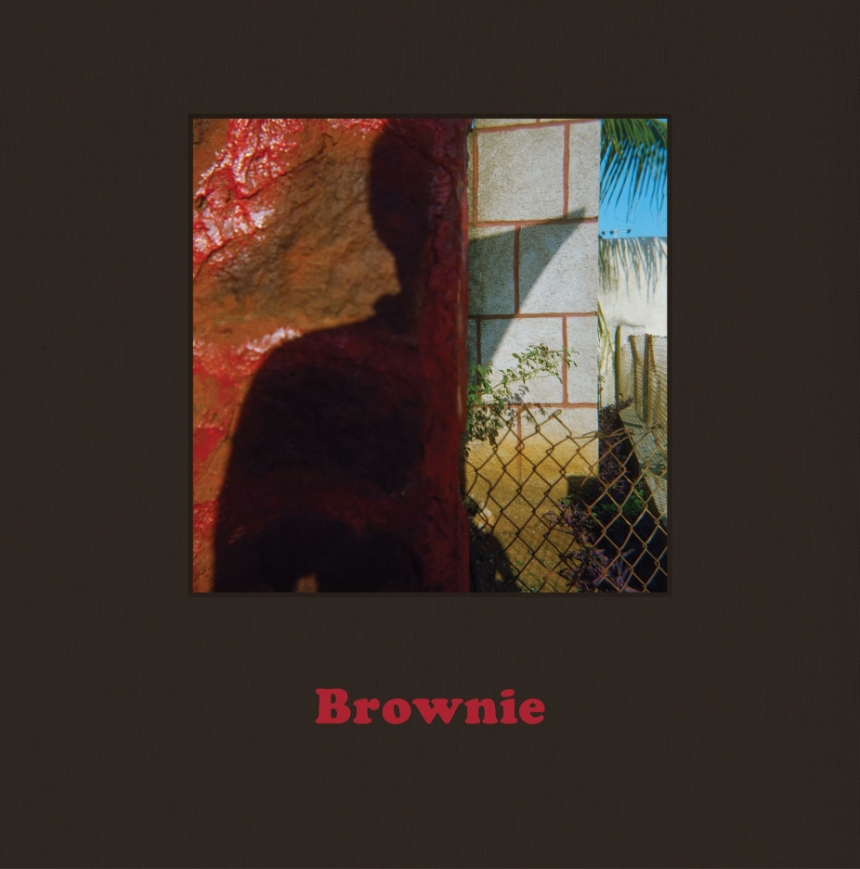
©David Katzenstein, Book Cover of Brownie
My initial view of David Katzenstein’s monograph, Brownie, generated a feeling of nostalgia as it brought back memories of the delight I experienced with my own Brownie Holiday camera in my youth. But Katzenstein’s ten-year series of journeys (from 1979-1989) with his Kodak Duoflex camera resulted in very different images than those simple snapshots that I had created. With his wanderings at home and throughout the world Katzenstein has used the Duoflex camera as a paintbrush to color both the exotic and the mundane. And color is the operative word in viewing these rich and sensuous images that pull the viewer into a vivid world that is not always clearly decipherable due to the idiosyncrasies of the camera. What often results is a bold palette that leaves the viewer with questions that remain unanswered. At other times, there is a contemporary boldness that defies the era in which the images were created.
Brownie can be purchased at Hirmer Verlag.
An interview with the artist follows.
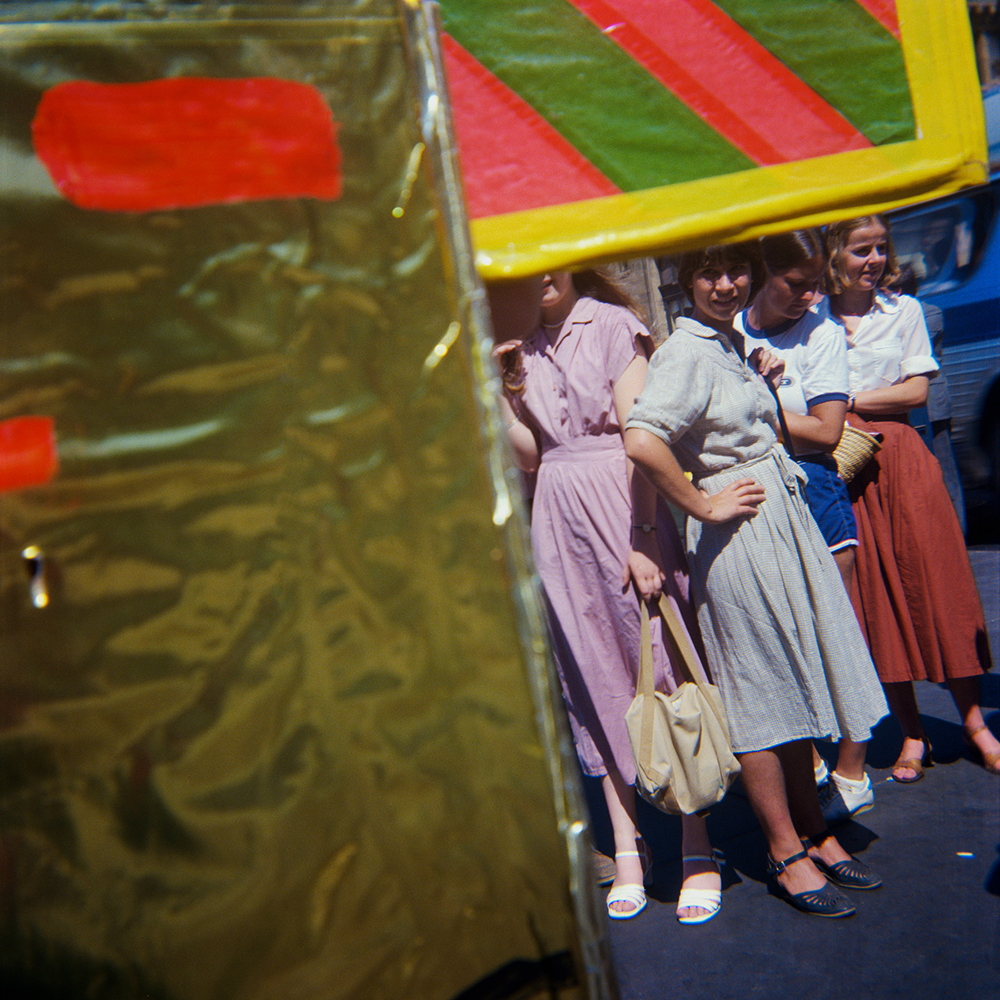
©David Katzenstein, Brownie #14, New York City
Brownie is a stellar example of the diversity found in travel photography. Having travelled extensively in many of the countries where the images were shot, I found it difficult to identify them specifically due to the creative composition and the surprises provided by using a box camera. There is a gauzy richness in some of the work that creates a sense of mystery. At other times, the camera finds its mark as in the powerful image of the checkerboard painted building hovering over a tangerine wall. Many will recognize this type of scene from their travels, but it’s difficult to pinpoint in the mind. Travel is always an eye-opening endeavor and Katzenstein manages to provide the viewer with unusual perspectives.
Katzenstein’s resurrection of his archives is part of a trend in contemporary photography to look for alternatives to the digital world and the pull of the artificial. According to Richard Grosbard, who wrote an essay introducing the book, ” We are revisiting this body of work four decades after its inception precisely because its experimental spirit and innovative approach remain strikingly relevant to the photography we encounter in leading museums and galleries today. At a time when contemporary artists are once again embracing analogue processes, unconventional viewpoints, and the power of serendipity, David’s photographs speak to a renewed appreciation for visual storytelling unconstrained by technical perfection. The Brownie series stands as a celebration of artistic risk-taking—demonstrating how creative vision transcends its tools and inviting us, even now, to see the world anew through chance, abstraction, and poetic transformation.”
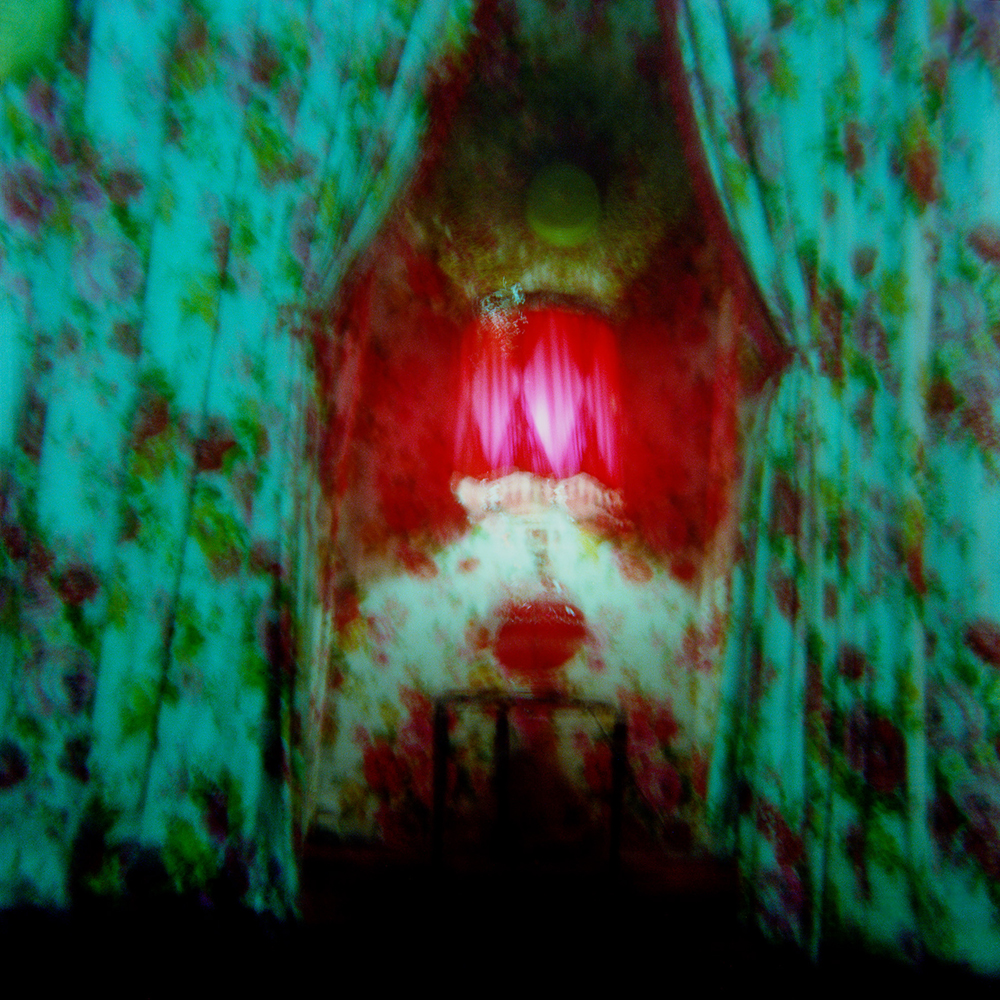
©David Katzenstein, Coney Island Fortune Teller – Brooklyn
David Katzenstein is a New York based photographer, who throughout his career has
traveled the world to visually chronicle humanity. He was a contributor to Rolling
Stone, The New Yorker, and Conde Nast Traveler. In 2018, he formed the nonprofit
organization, The Human Experience Project, that creates content to support the
mission of organizations who work to inspire lifelong learning and strengthen our
communities. He is also the managing editor of the Barkley L. Hendricks
Photography Archive.
Instagram: @david_katzenstein
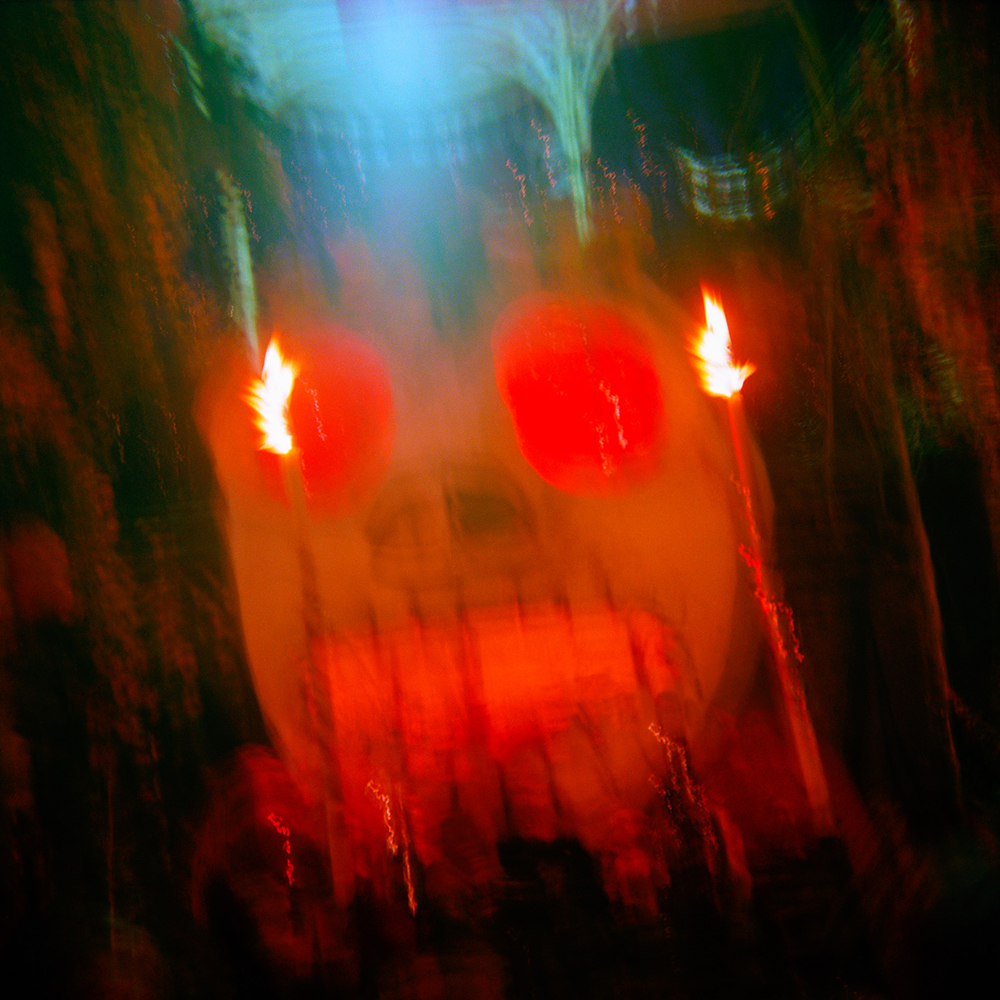
©David Katzenstein, Day of the Dead – Oaxaca, Mexico
Your images for Brownie span a decade from 1979-1989. What motivated you to take a deep dive into your archives to present this work now? How has your photography evolved since you took these images?
Brownie follows on the recent publication of two previous books, Ritual (2022) and Distant Journeys (2024), both published by Hirmer. For both of these previous books I went back through my archives and images were selected that span 50 years of work. Both of these books served as surveys, and the idea of doing a deep dive into Brownie came up as the next project and would deal with a concise body of work that spanned only 10 years.
We thought that this special body of work had both a retro and timeless quality and would allow us to explore in depth the collection as a whole. When we began to research the cameras for the text for the book, we realized that this might be the only body of work of fine art photography where these very popular snapshot cameras were used.
Between 1977 and 1982 I did not have access to a darkroom. So, for those years I concentrated on creating the color Brownie work. Beginning in 1982 I would work simultaneously both with the Brownie camera and a Leica M3 for black and white work. The Leica M series of film cameras continued to be my main equipment until 2011, when I switched completely over to digital format.
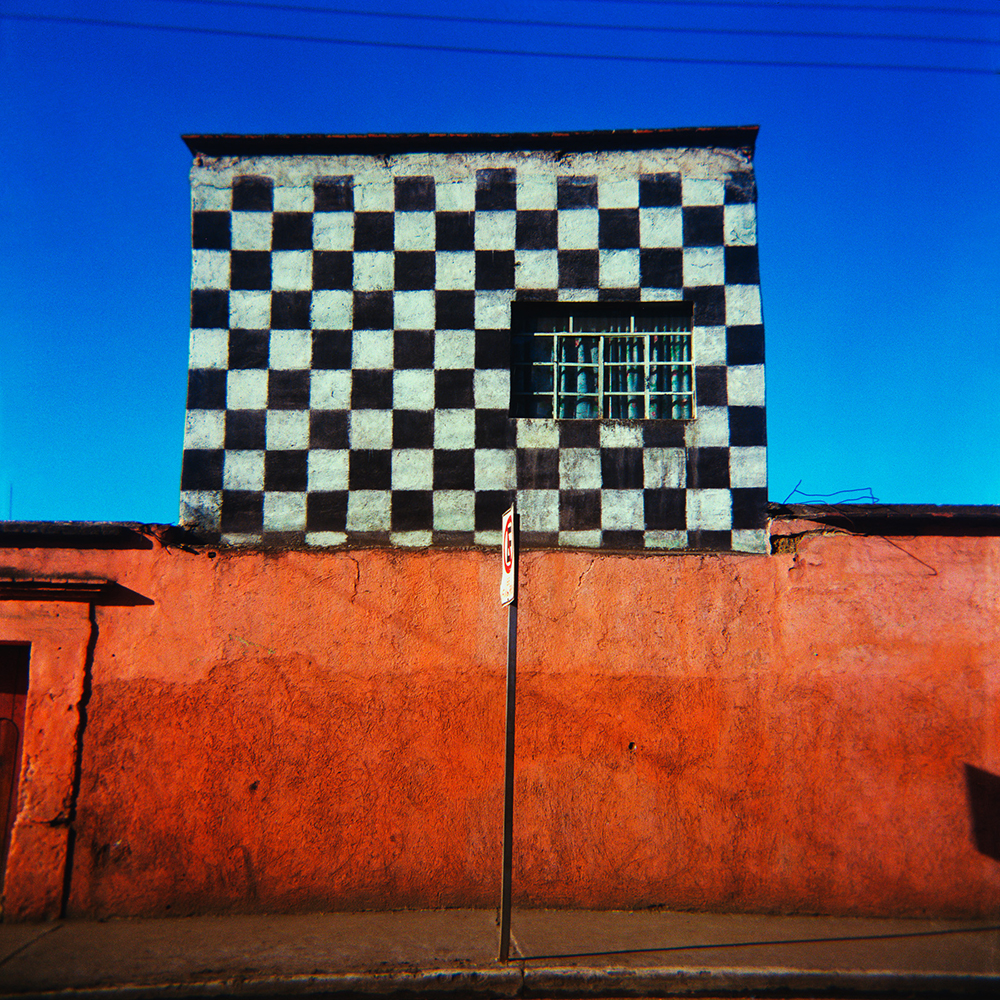
©David Katzenstein, Brownie #58, Oaxaca, Mexico
As you note in the book, the Kodak Duaflex offers limited control compared to contemporary cameras. How did those constraints shape your way of seeing and photographing? Did the camera’s simplicity change your relationship with your subjects or surroundings?
What was wonderful about first experimenting with the Duoflex cameras, was the challenge of embracing their limitations of a fixed focus and fixed aperture and lens and a fixed shutter speed. I had to always be acutely aware of the light around me, usually planning to photograph either in the early morning or late afternoon, when the light quality was not so bright.
Composing in camera by looking down into the finder where the image was flipped 180 degrees left/right was also a challenge. The earliest work with this camera looks to be more compositionally simple, and as I learned over time how composing translated into a finished print, I began to push the boundaries of the camera’s limitations, forcing perspective and focus.
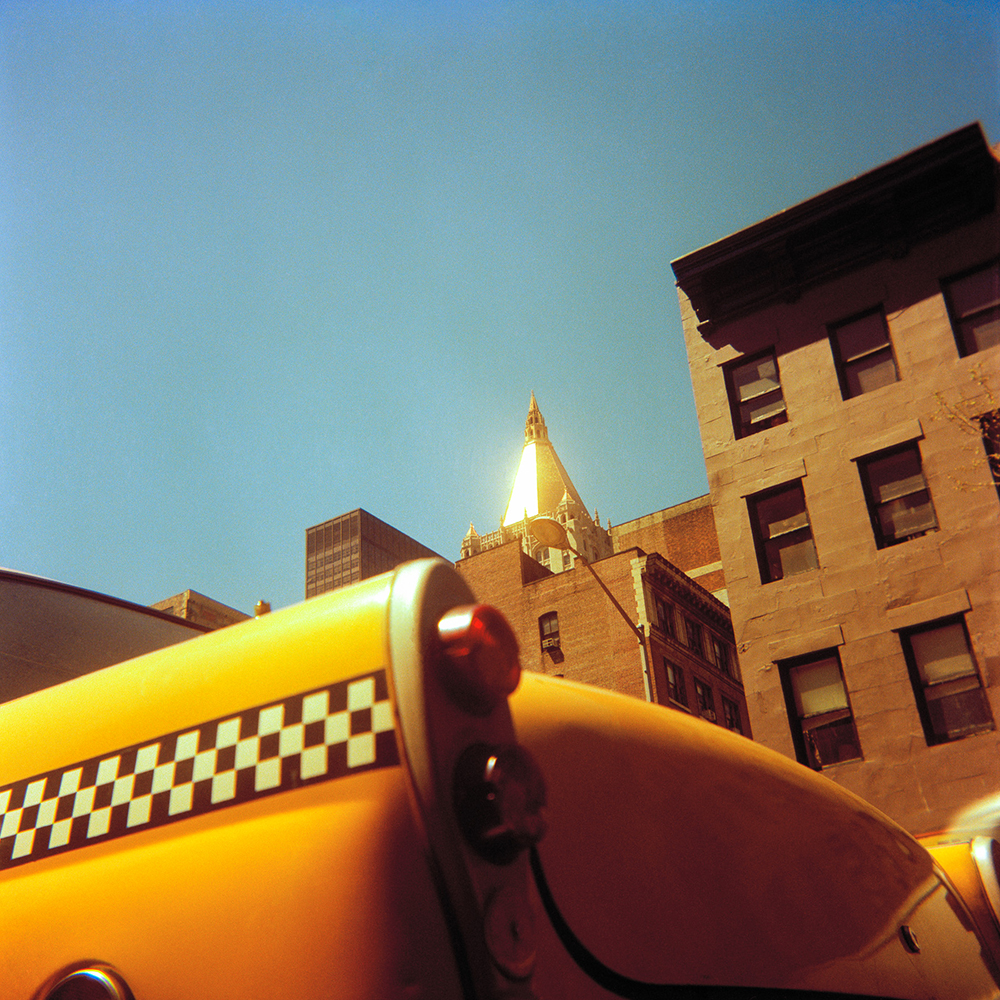
©David Katzenstein, Brownie #75, Brooklyn
Color plays a central role in this work. How did the Duaflex’s rendering of color influence your visual decisions in the editing and sequencing of the book?
I only used Kodacolor film, so the colors were rendered very rich. And combining this film with sunlight, I was able to accentuate the beauty of color, referring to the color palette of Monet and Bonnard as my inspiration. The editing and sequencing of the book were left entirely up to the graphic designer, Tracey Shiffman, a renowned designer of art books (she has designed over 150 books), and is a professor of the graphic design department at Art Center College of Design in Pasadena, CA. I have worked with Tracey for the past four years on four books, and we are in the early stages of the fifth one.
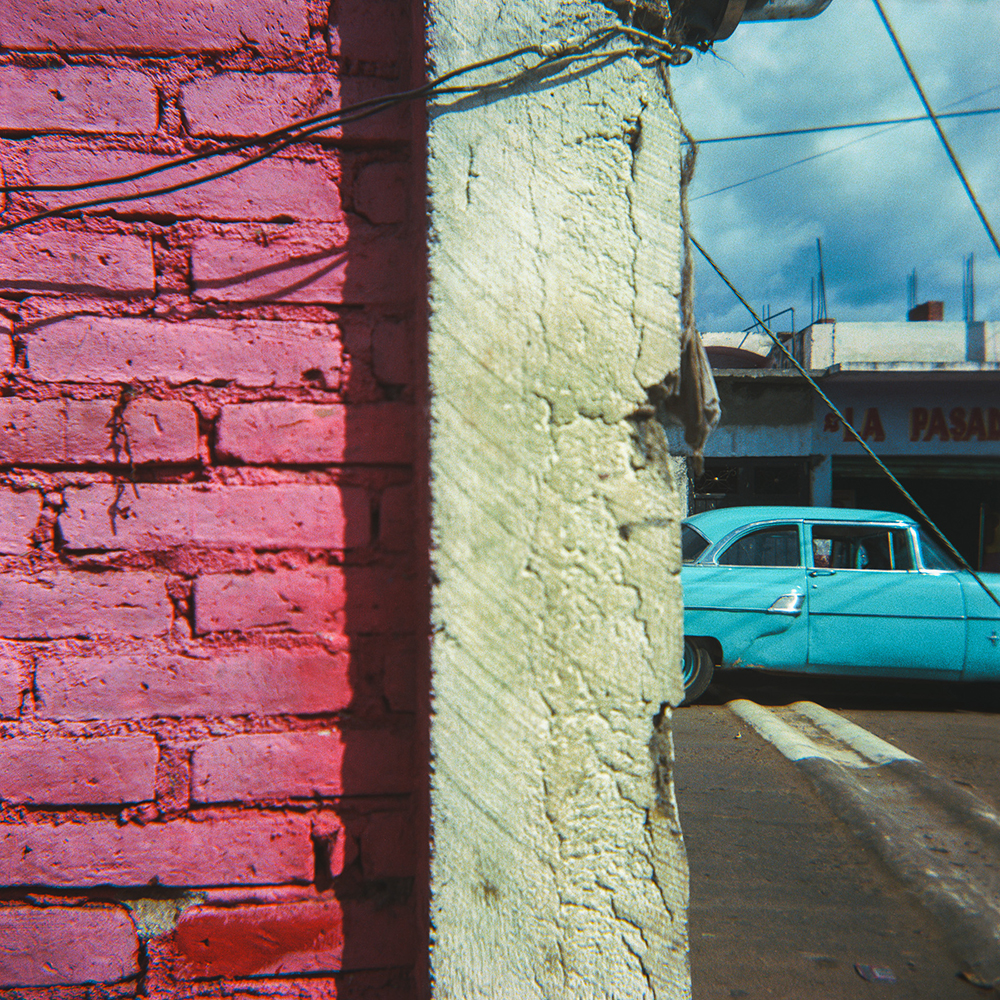
©David Katzenstein, Brownie #85, Oaxaca, Mexico
How did moving between different countries and cultures affect the continuity—or rupture—of the visual language in the work?
I have always found myself at home in foreign places, so when I decided to begin to take the Duaflex camera on the road in 1980 to foreign lands it expanded my visual palette with this medium. For the viewer, the images were now not only foreign geographically, but also more abstract by using this simple format.
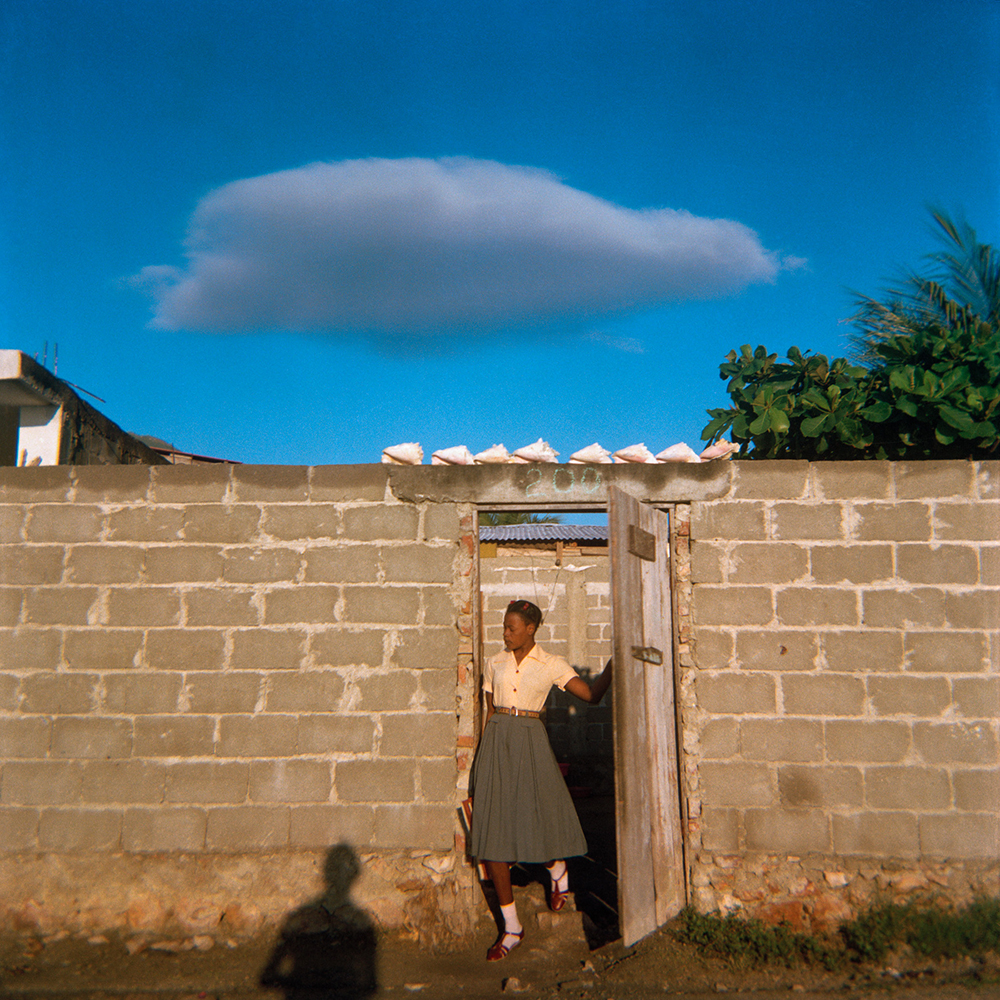
©David Katzenstein, Brownie #90, Cap-Hatien, Haiti
The images feel both timeless and specific. How important was that tension to you?
The description of timeless and specific is very astute with this body of work. The viewer is introduced to specific scenes, often in foreign places, that have the sense of timelessness, but also the specific intentions of the compositions.
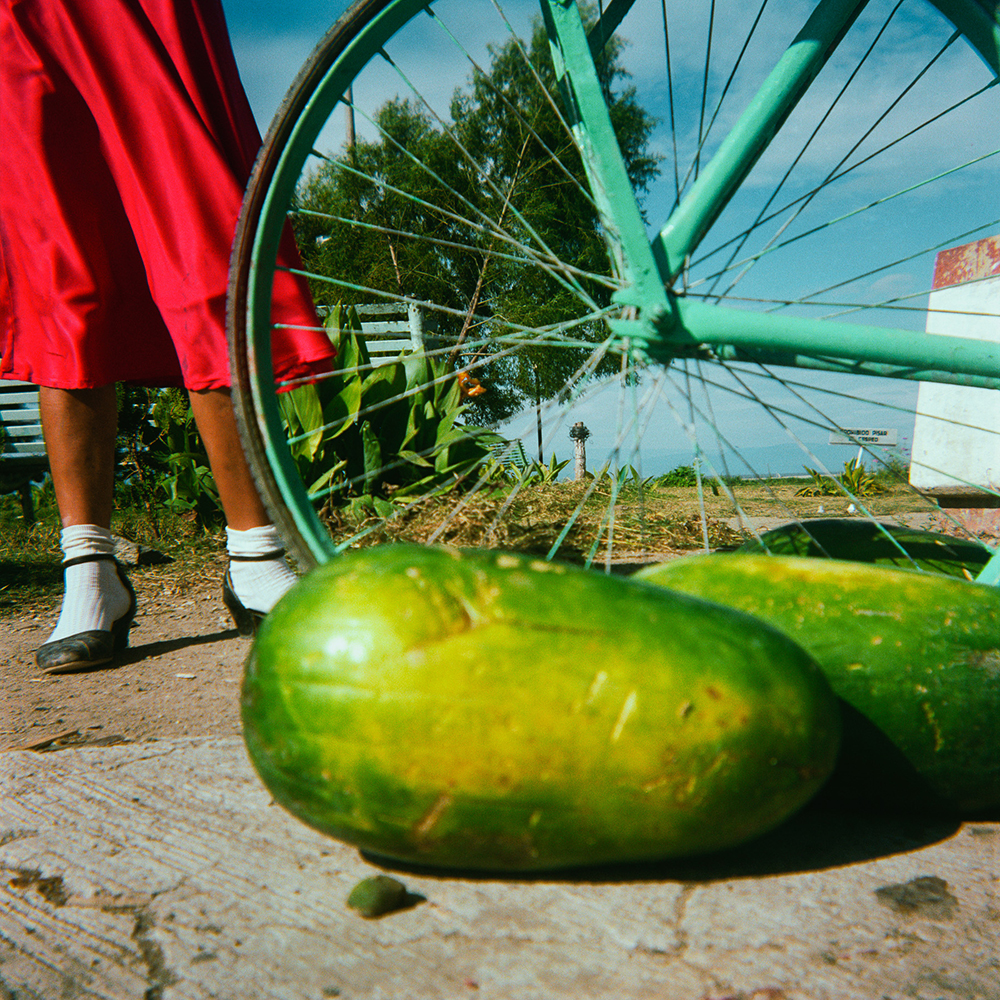
©David Katzenstein, Brownie #102, Lake Chapala, Jalisco, Mexico
What do the softness and imperfections of the camera add to the story for you? Do you see this work as nostalgic, contemporary, or something in between?
I think that as with abstract painting, the particular characteristics of the camera were a major part of the story. I see the work not so much as nostalgic, but as timeless. It also now holds up as very contemporary to me visually and transcends the time it was created and also the equipment that was used to make it.
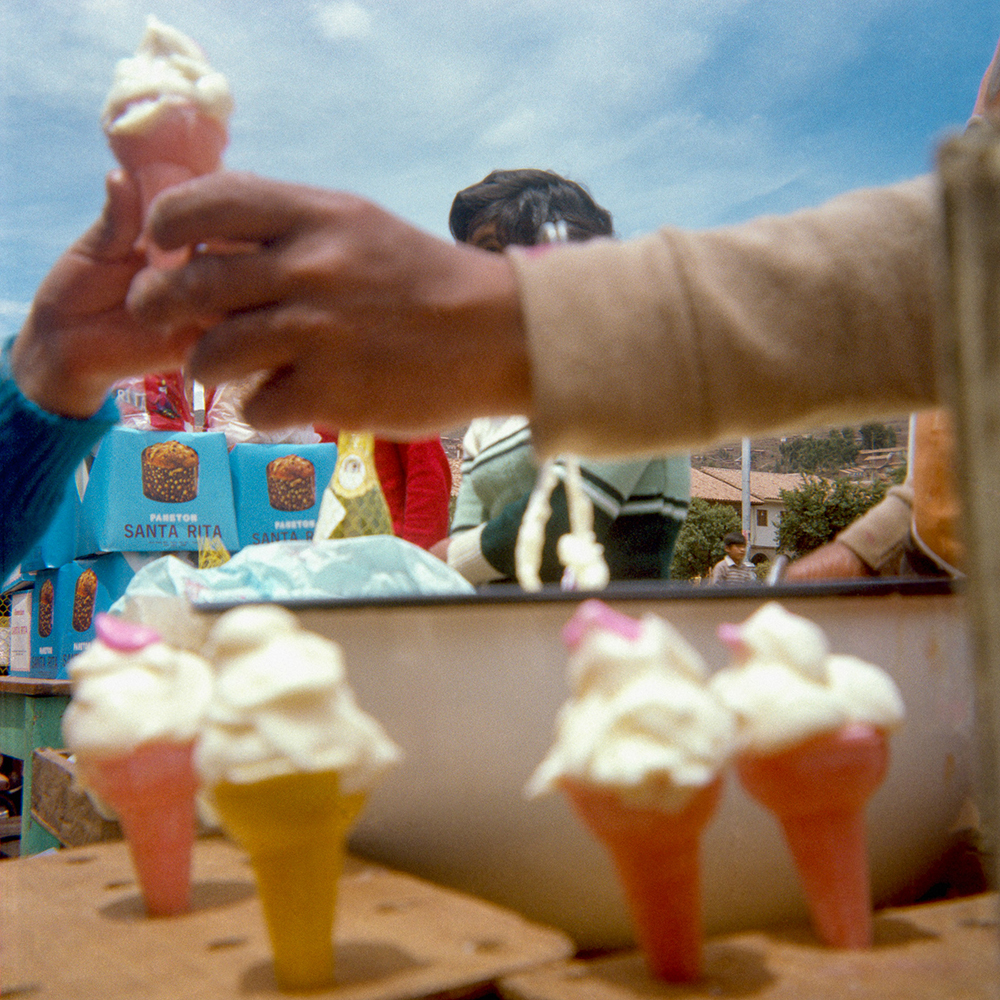
©David Katzenstein, Brownie #218, Urubamba Valley, Peru
Now that you have had the chance to look back on your work, what can we expect on the horizon?
There are many things happening simultaneously with my work, so I have tried to perfect the act of juggling. I currently have an exhibition at the National Civil Rights Museum in Memphis, TN about the life of the civil rights icon Bayard Rustin. I also have a new book out about the life of my mentor, the artist Barkley L. Hendricks (Piles of Inspiration Everywhere – Hirmer), and I am embarking in January on a major project, a return after 26 years to Bhutan, to reconnect with the dozens of people who I photographed then and explore how the country has changed over time.
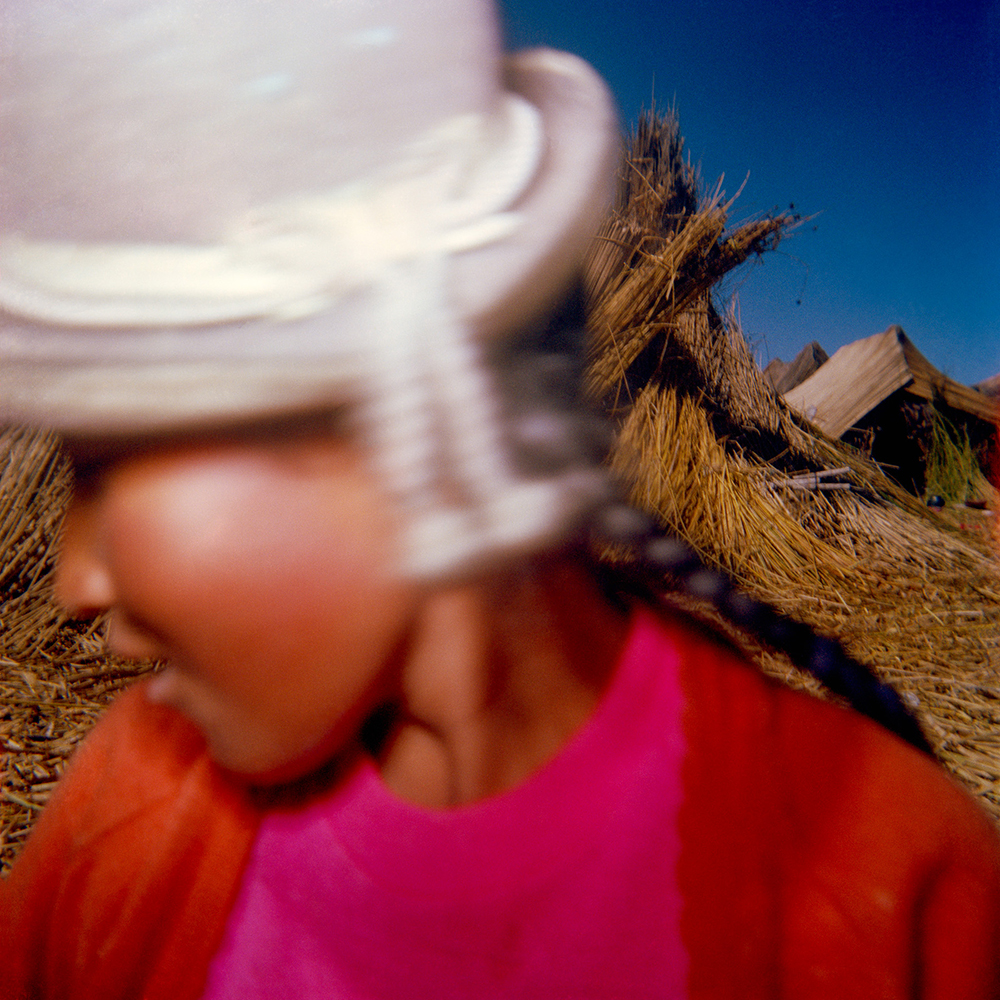
©David Katzenstein, Brownie #233, Uros Island, Lake Titicaca, Peru
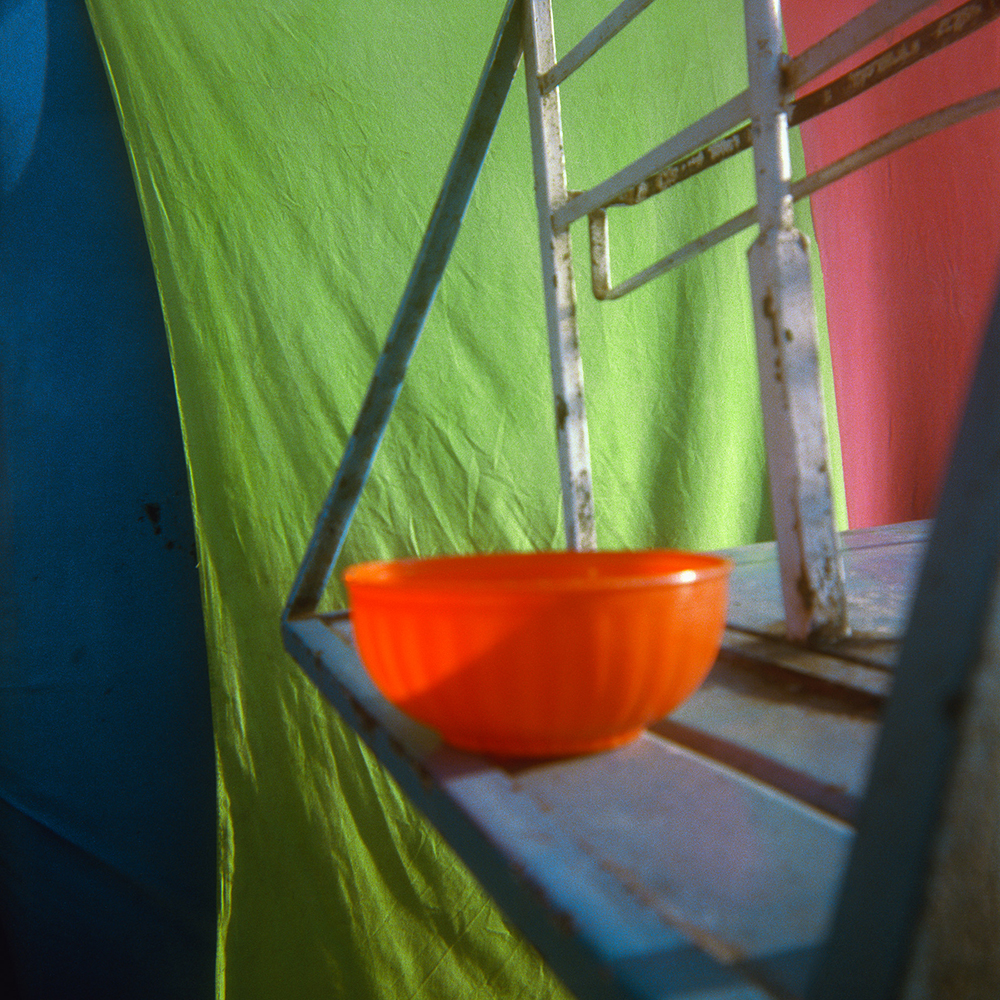
©David Katzenstein, Brownie #275, Oaxaca, Mexico
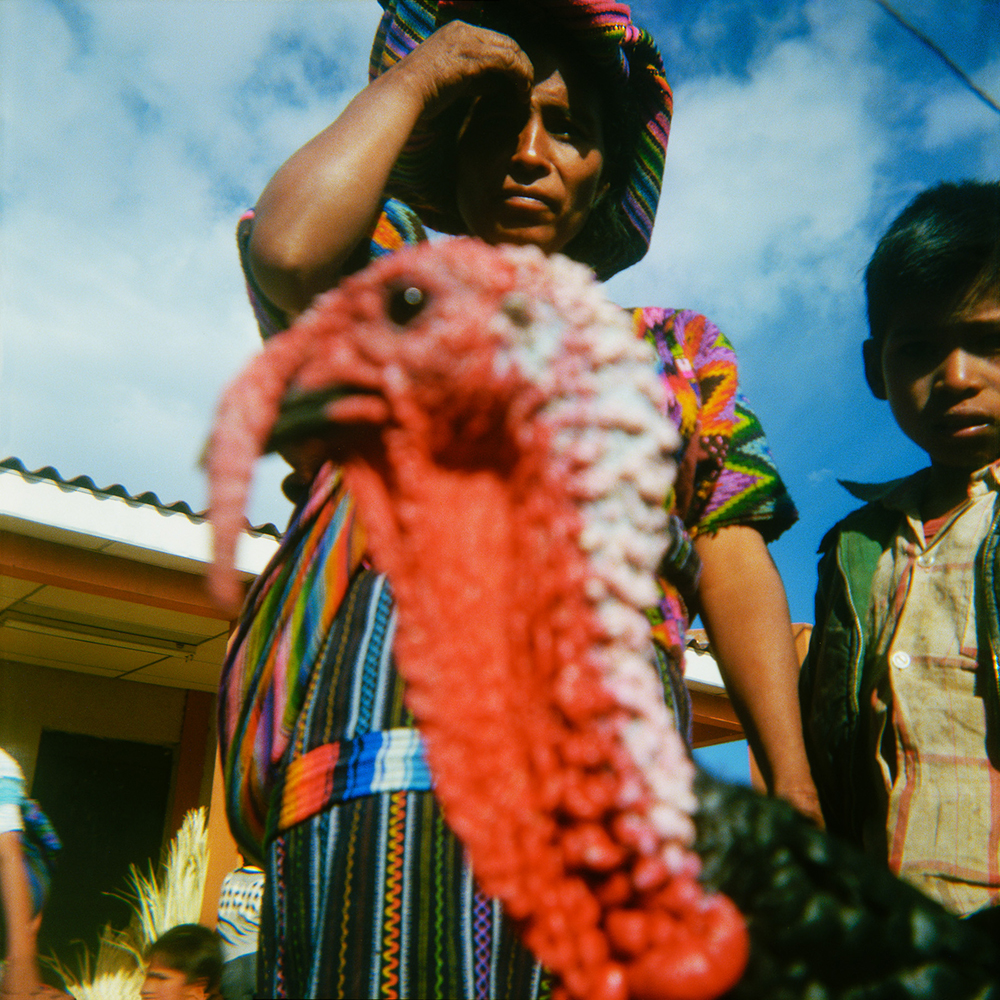
©David Katzenstein, Turkey – Guatemala.
Posts on Lenscratch may not be reproduced without the permission of the Lenscratch staff and the photographer.
Recommended
-
Heather Evans Smith: Skipping SundaysApril 5th, 2026
-

Andrew Fedynak: The Last Snows of a Warming WorldMarch 15th, 2026
-

J. Lester Feder: The Queer Face of WarMarch 11th, 2026
-
Curran Hatleberg: Blood GreenMarch 9th, 2026
-

Kiana Hayeri: No Woman’s LandMarch 8th, 2026