South Korea Week: Han ChungShik: Goyo
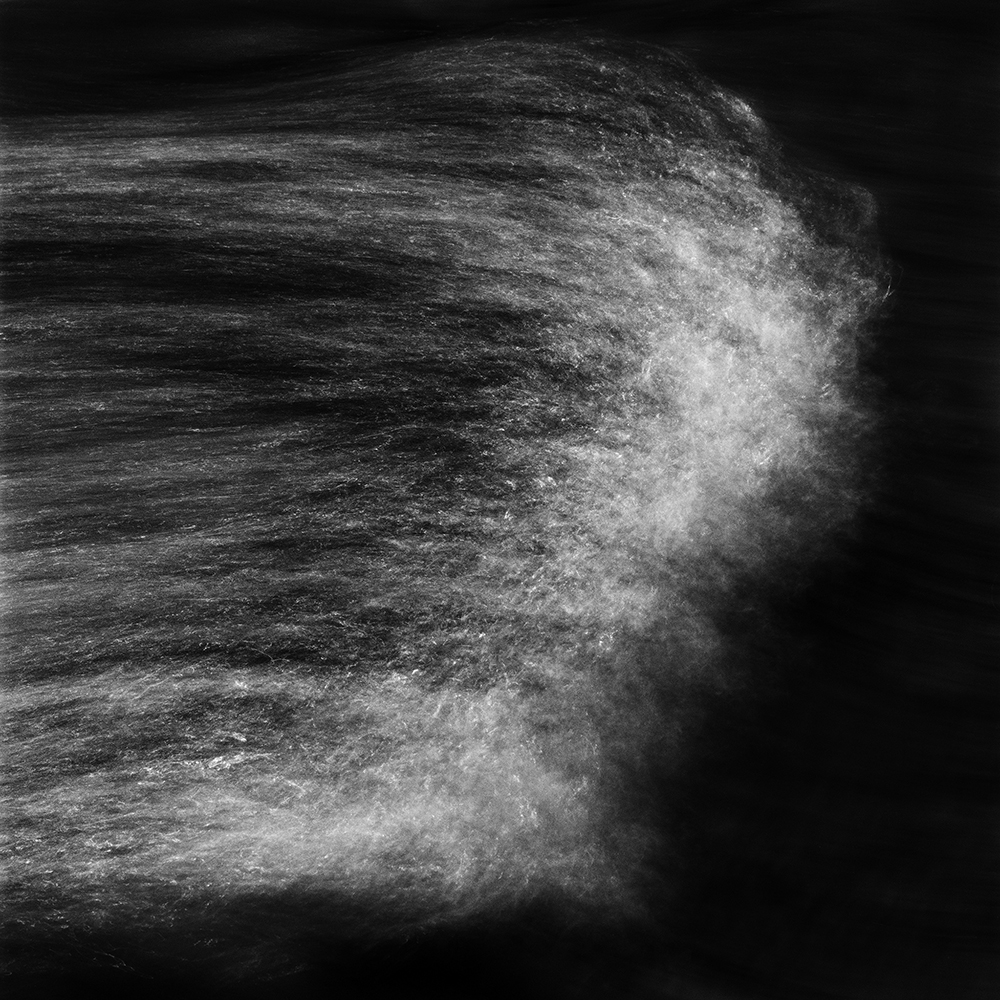
©Han Chungshik, The Emptiness is open, Hongche_2008
The 21st century has undeniably been an era where the world has fallen in love with Korean culture and history, from the global phenomenon of K-Pop and K-Food to the widespread influence of K-Beauty.
Against this backdrop, the Busan International Photography Festival (BIPF), held this past October in Busan, stood as a pivotal event that offered a comprehensive look at the past, present, and future of “K-Photo.”
As Korea’s largest photography festival, BIPF activated unique spaces throughout the city with a diverse program, including the Main Exhibition, Young Artist Exhibition, Special Exhibition, International Open Call, and the “Discovering Korean Artist” series.
Through this feature for Lenscratch, I would like to introduce five Korean photographers who were among the 16 artists invited to the BIPF Main Exhibition, showcasing the depth and vision of contemporary Korean photography.
Before introducing our invited artists, I would like to present a message from Lee Il-woo, the Executive Director of the Busan International Photo Festival. As the chief curator and director behind this successful event, he will share his insights on this year’s theme and curatorial intent.
Honbul, Undying Fire
Artistic Director, 2025 Busan International Photo Festival, Lee Il Woo
Present-day Korea has achieved splendid development that astonishes the world, and it abounds with vitality and changes to shape the future. Meanwhile, our memories of the past are fading like an old photo, and the unique spirit and culture that define our identity are overshadowed by grand agendas such as globalization and development.
However, there are values that must be preserved and passed on in our culture. Carried down from the past, the values remind us of who we are and guide us toward what we should seek. It is for this reason that we constantly reflect upon our cultural heritage to apply values in it to our lives today.
The 2025 Busan International Photo Festival, with the theme honbul (“soul fire”), turns its attention to the deep values of spirit embedded in the long history and unique culture of Korea as well as the cultural identity of Koreans. The festival’s exhibits invite us to reflect on our present reality, contemplate on the human condition, and discover the Korean worldview that has been passed down generation to generation.
The exhibition features works by fourteen Korean artists — Kim Woo Young, Park Jin Ha, Sung Nam Hun, Yang Jae Moon, Woo Chang Won, Lee Gap Chul, Lee Sun Joo, Yi Wan Gyo, Lee Jong Man, Chang Sook, Cho So Hee, Han Chung Shik, and Hwang Gyu Tae — and six international artists — David Krippendorff, Henrik Strömberg, Rainer Junghanns, Ralph Tepel, Setsuko Fukushima, and Yana Kononova. The artists’works compose a narrative of hope and insight uncovered in the abyss, complementing and overlapping each other like the pieces of a patchwork.
Honbul is not a mere flicker of flame. It is an affirmation of the effort to inherit and carry forward Korea’s unique culture and spirit; it is the resonance of our bodies and minds speaking in their truest form; and it is a profound return to human dignity and the communal bonds that sustain us. At the same time, honbul is also a conversation with the world—a shared meditation on human existence itself.
Han Chung Shik presents the GOYO series in which he explores the essence of existence and the question of being through photographic expression of the tension between presence and absence, and form and negative space. Rooted in the Buddhist concept of emptiness and an Asian philosophical notion of effortless action, his works reflect his lifelong philosophical inquiry into the nature of existence and the world, which is expressed through abstract forms that reveal the artist’s inner consciousness. Han once stated, “What photography pursues toward artistic excellence is the realm of abstraction. This is because the very theme that photography carries is a world of abstract ideas. Therefore, for photography to truly be photography, it must erase the object’s existence within the photo and present the photo itself.” Based on this philosophy, he has worked to establish the foundation of a distinctive Korean photographic art.
-work description by Jeongeun Lee, curator BIPF

© Han Chunshik, The Emptiness is open, 2011
The first artist I would like to introduce is Han Chungshik. On a personal level, he has profoundly influenced my own photographic world—particularly in shaping my understanding and contemplation of abstraction within the art of photography.
Photographer Han Chungshik was a pioneer who established “Formalism in Photography” within the context of Korean modern art. He elevated photography from a mere tool of documentation to a realm of artistic expression, expanding the horizons of Korean photography starting in the 1960s, when realism was the dominant trend.
Han Chung-shik integrated Western formalist theories with Korean sentiments and Eastern philosophy to pioneer a unique genre known as “Korean Formalism.” Moving beyond the literal recording of objects, he projected his inner world through formal elements such as line, plane, and composition.
His work emphasizes emptiness (空) and stillness (靜). This transcends simple visual arrangement, visualizing Buddhist and Taoist worldviews through the medium of the camera.
The keyword defining his artistic life is “Silence” (Goyo). By capturing subjects like trees, traditional blinds (bal), stones, and temple landscapes with an extremely restrained gaze, he achieved an abstract aesthetic that surpassed concrete forms.
Through the contrast and texture of black-and-white photography, he expressed a “world beyond language,” broadening the aesthetic categories of Korean photographic art.
Han exerted a profound influence not only as an artist but also as an educator and theorist.
As a professor in the Department of Photography at Chung-Ang University starting in 1982, he mentored numerous photographers who now lead the contemporary Korean photo scene.
He founded the first photographic society in Korea and published academic journals, elevating photography from an emotional hobby to a professional academic discipline.
Through numerous books and critiques, such as The Theory of Photographic Art and Understanding Modern Photography, he laid the groundwork for photographic criticism and theory in Korea.
The emergence of Han Chungshik marked a turning point where Korean photography broke away from the dichotomy of “public documentation” or “salon pictorialism.” He helped photography establish its own autogenous aesthetics as a genre of contemporary art, providing the soil for future photographers to freely express their subjective artistic consciousness.
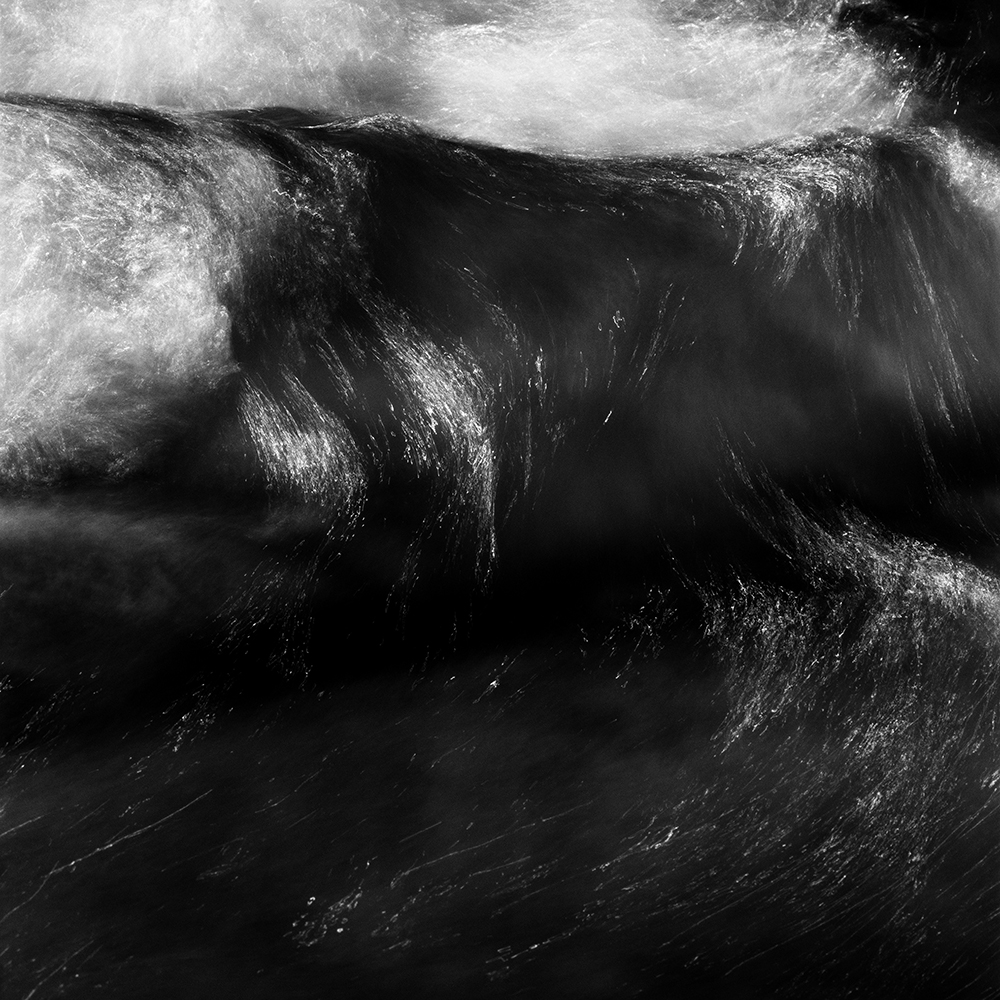
© Han Chungshik, The Emptiness is open, 2012

© Han chungshik, The emptiness is open, 2011
Between movements and pauses, time reveals its essence.
Goyo is the essence of that time. It’s the moment when the incorporeal could create its visible figure.
When the being is completed, it comes to a standstill. It could be named death.
Death is the return to emptiness. Furthermore, it’s a circle back to the origin, to the being itself. “
-Han Chungshik
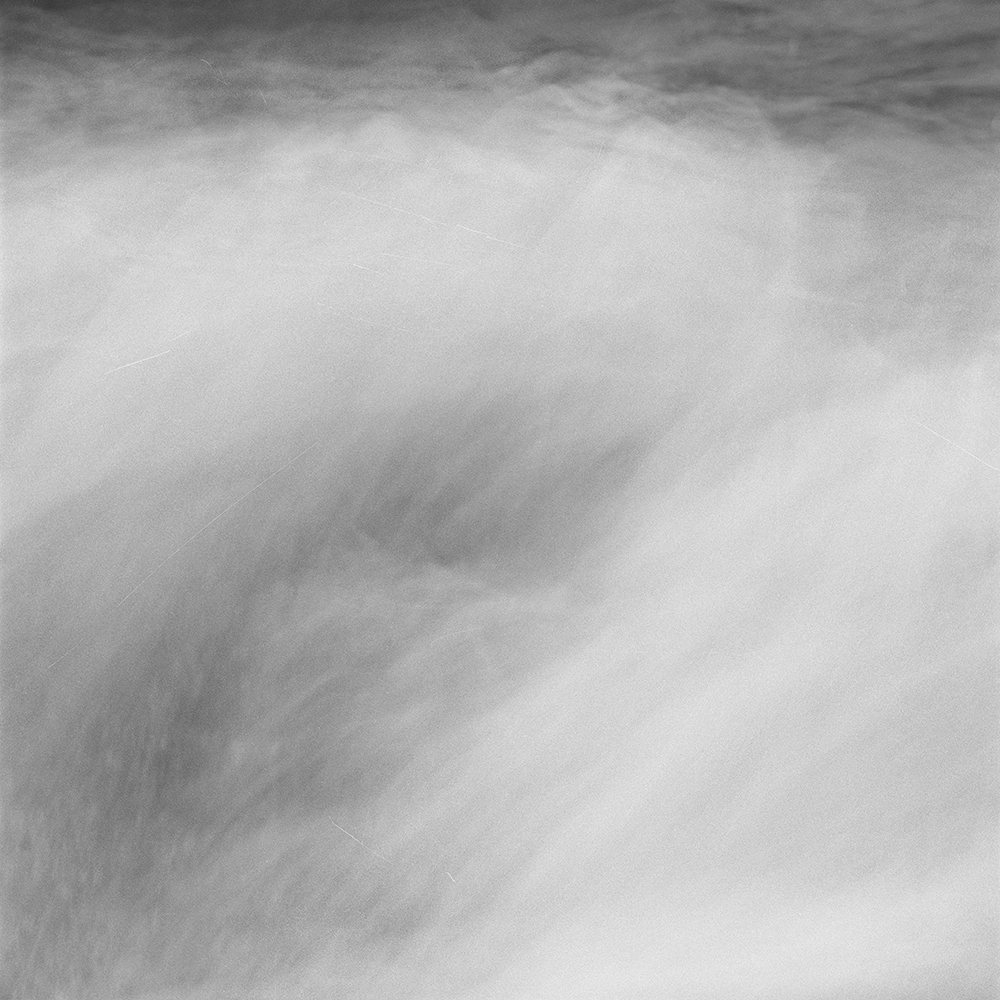
©Han Chungshik, The Emptiness is open, 2012
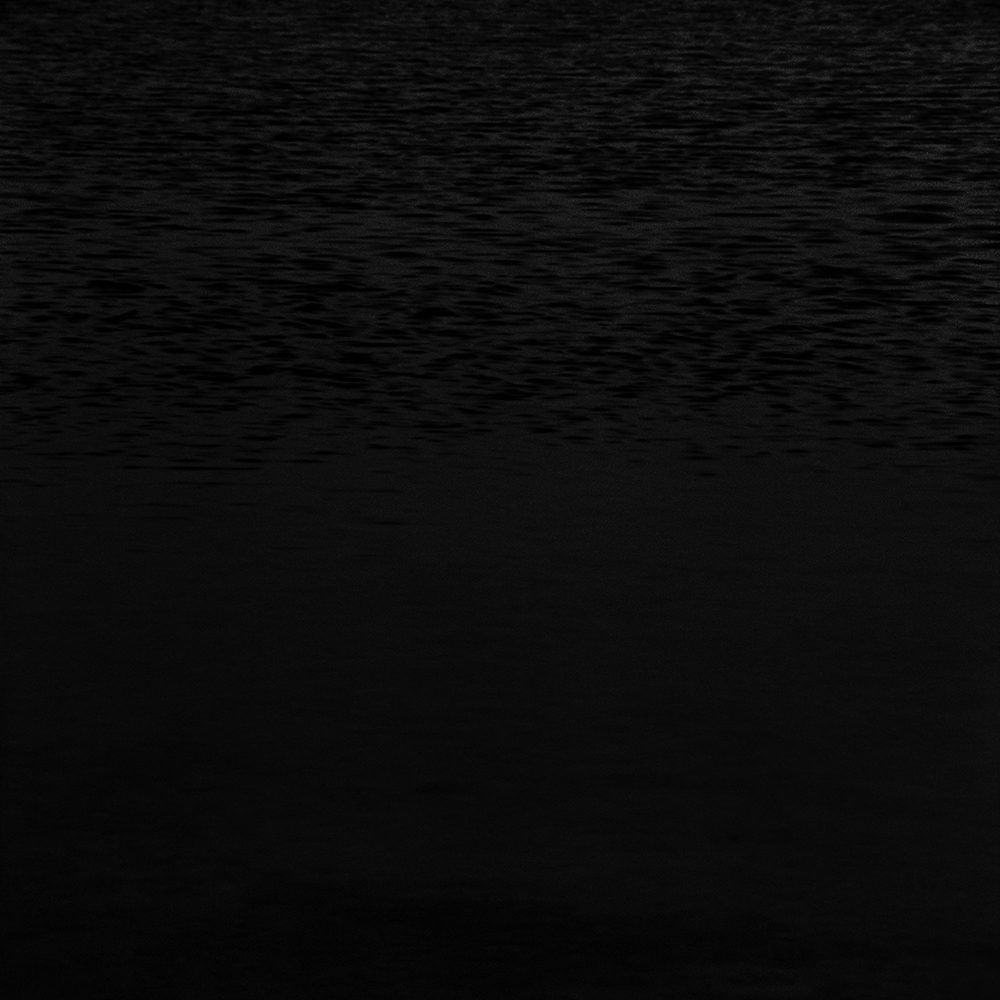
©Han Chungshik, The Emptiness is open, 2004
“I always feel eternity in the sea and try to visualize that eternity. However, I have not yet succeeded in capturing that eternity. It is difficult to discover eternity, both in the sea and on land. My photographs are beautiful images created by my heart, but I cannot call them the eternal that I have been searching for. Nonetheless, my heart beats when I think of the sea. I do love the sea; thus, I will make frequent calls to the sea next spring. I assumes to encounter the cosmos of Hwaeom(Avatamsaka) when I read the Hwaeom Sutra(Avatamsaka Sutra), therefore, I am excited that I might be able to take photographs imbued with Hwaeom(Avatamsaka). I am the one who must take photographs. “
“It is divine that the gate to the world I was eager to achieve is opening. I believe standing at the entrance of the cosmos I desire to enter, the cosmos I long for to commence. For the cosmos, I ought to deeply contemplate and immerse myself in my photography. I must be calm and quietly observe and look at objects. My duty is to capture the cosmos that purely observes existence, the image of a being who abandons desires and stays alone, through photography. My yearning might come true as I enter the mountains every day, looking at nature, examining grasses, and gazing at water and trees in my thoughts. If my body and mind become one with nature while taking photographs, I might be able to capture images that smell like grass and water, not just the photograph. Those photographs seem to stand at the entrance as if waiting shortly.
When I knelt in front of the Buddha and bowed for him, tears welled up without my realizing it. What’s this? Why am I here? I forced back the tears. My heart ached. What am I seeing by coming here? What am I doing alone in this windy mountain village at night? What caused the tears that flowed when I prostrated myself when I faced the Buddha in the morning? What is it that I find sorrowful? It’s important to find that, yet I’m only searching for photography.” – Han Chungshik
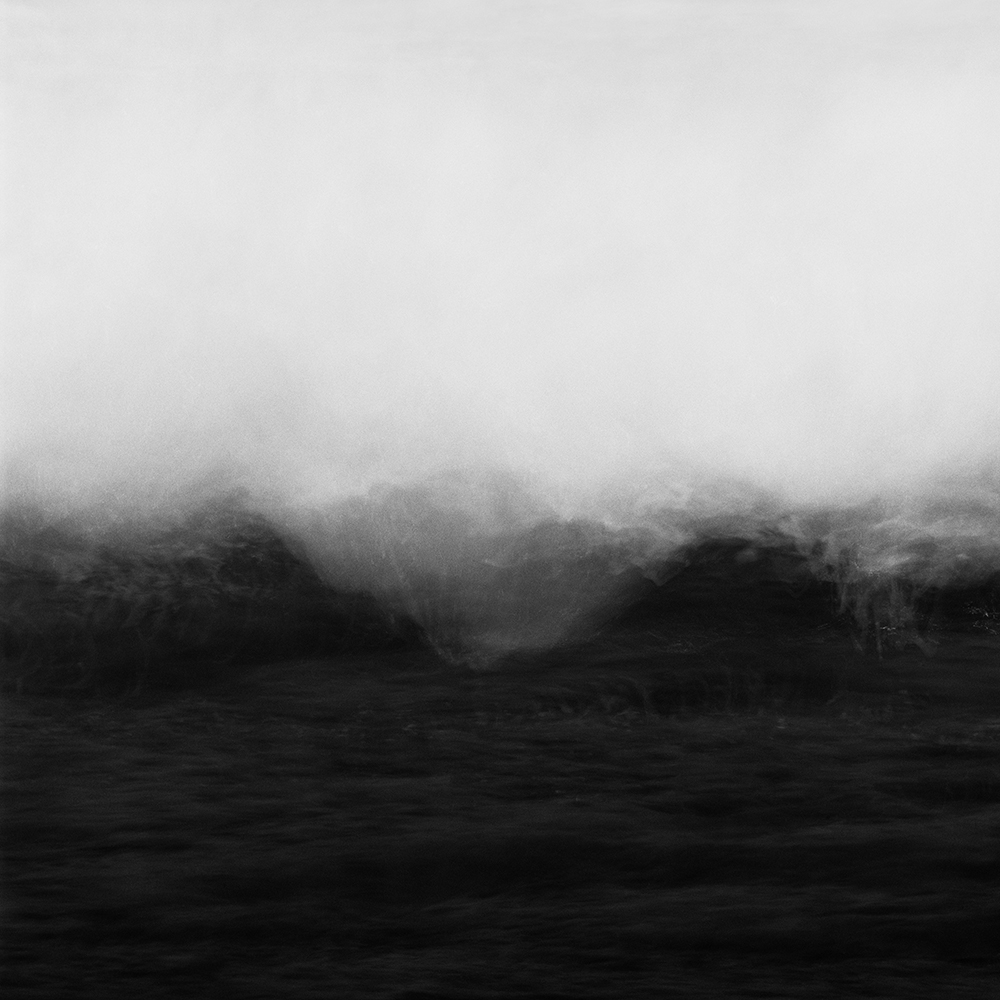
©Han Chungshik, The Emptiness is open, 2012
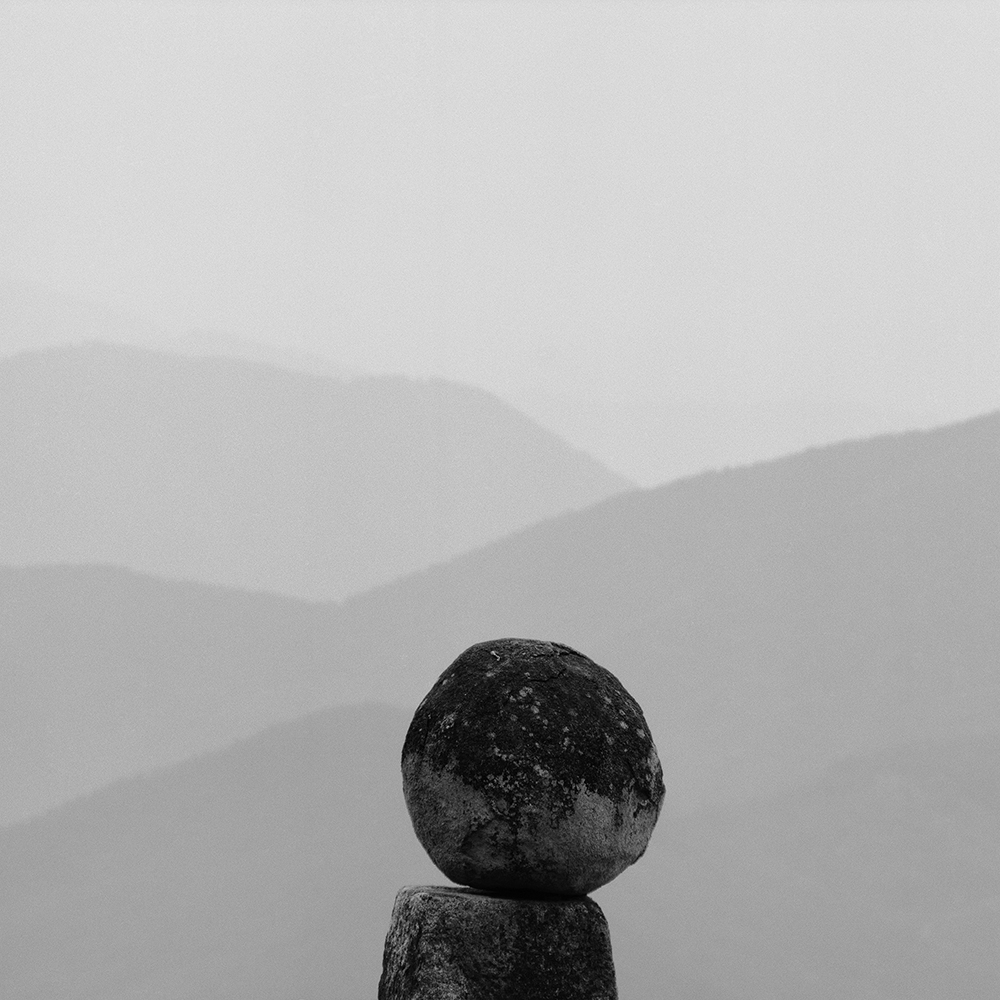
©Han Chungshik_GOYO, Maneosa Temple_, 2006
“I always feel eternity in the sea and try to visualize that eternity. However, I have not yet succeeded in capturing that eternity. It is difficult to discover eternity, both in the sea and on land. My photographs are beautiful images created by my heart, but I cannot call them the eternal that I have been searching for. Nonetheless, my heart beats when I think of the sea. I do love the sea; thus, I will make frequent calls to the sea next spring. I assumes to encounter the cosmos of Hwaeom(Avatamsaka) when I read the Hwaeom Sutra(Avatamsaka Sutra), therefore, I am excited that I might be able to take photographs imbued with Hwaeom(Avatamsaka). I am the one who must take photographs.
Photographs, in itself, is something invisible. When you try to see a photograph, the matter itself is not visible. What you see in a photograph is not the photograph, but the objects. Water is the same. Water itself is invisible. The more you look into the water, the more you see rocks, sand, and grasses. The water itself is unseen. I must capture that water itself. The nature of water itself is ‘Goyo(emptiness)’, and I crave to capture that emptiness.
I ponder how my death is materializing, yet so far, I figure it would be a beautiful one. Death is just an order of life like the round of the seasons: spring turns to summer and fall turn to winter; hence, death is just a natural part of the cycle. As mulling an inevitable death over, I reckon this is the time to leave different, further photographs than what had been before, I am eager to complete a thick, beautiful, and profound photography collection about death before I kick the bucket. “
-Han Chungshik
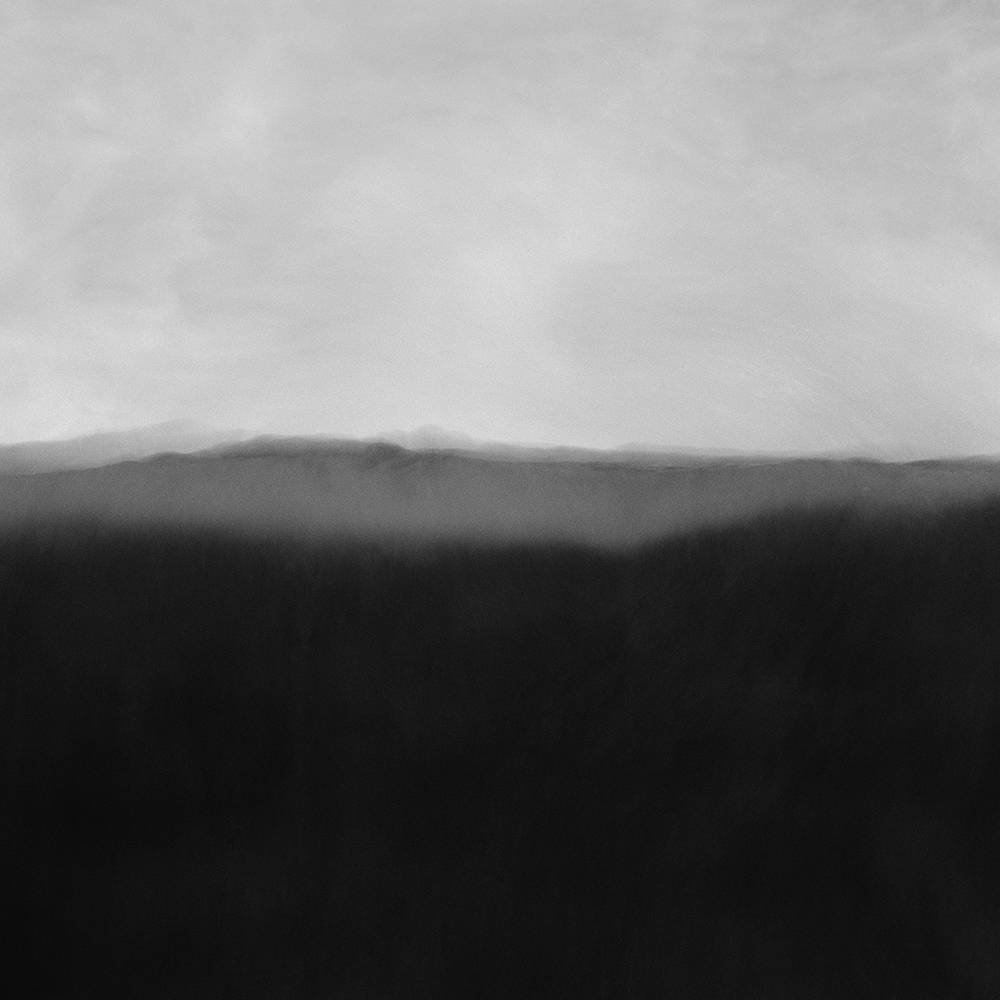
©Han Chungshik, GOYO_wonju, 2005
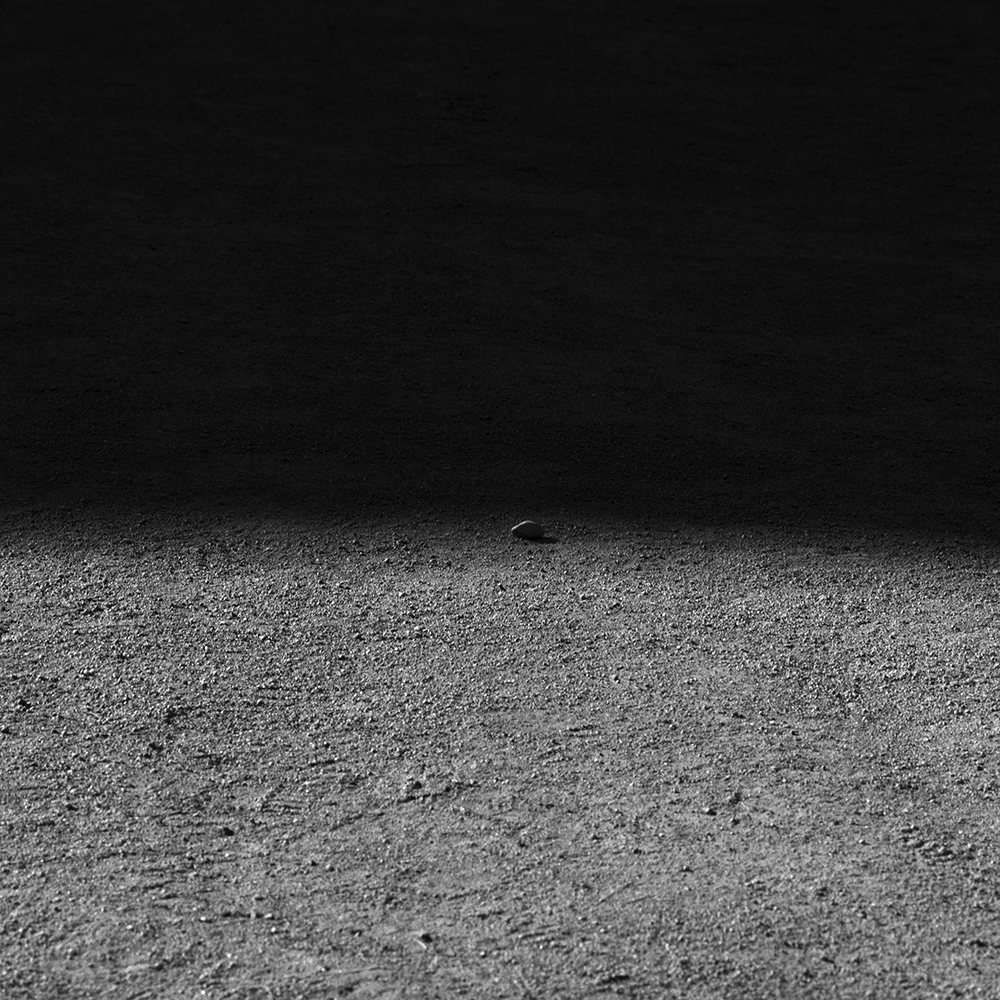
©Han Chungshik, GOYO_Woljeongsa Temple, 2005
GOYO I
Existence is beautiful. It is not beautiful by its beautiful appearance.
One is beautiful by its pure beauty, and it exists itself.
Within time, all beings flow.
Flow is narrative. It creates context, it builds logic. Beyond time, the flow is broken, and context and logic disappear. A pre-life existence appears there.
There is no life and no death in existence.
Look at that forest. The flowers are always there, and the water flows as it did yesterday and today,
Existence is here and there, no need for reason.
The silent rock is standing there, there is no need for a reason.
Existence is beautiful. It is not beautiful by its beautiful appearance.
One is beautiful by its pure beauty, and it exists itself.
Existence is serene. It is as still as a light illuminating around.
The serene is ‘GOYO’, and ‘GOYO’ is my name.
GOYO II
Like the eye of a storm, the center of all movement is stillness.
Photography is an art of time.
Time is almost everything in photography.
Photography is, by its nature, about cutting time into thin pieces.
It is inevitable that the appearance of the sliced time, the suspended time, will be different from the mundane routine.
Even if you extend the time, it is still a break from the flow of daily life.
In the gap of the pause, in the gap of the stretch, time hides its inner life.
The place where time stops, a space before time and after time, and a space where time has disappeared.
I stand at the exit of time, the path to the light.
GOYO III
In temples, where the everyday has evaporated, things are abstracted and our lives are washed away.
I visit temples because I love temples’ atmosphere.
I love temples for their silence.
Temples are noisy with tourists in the holiday season, but only for a while,
and when they get out of it, it’s back into the silence.
In deep silence.
The mind in the mountains is first of all silent.
In the mountains, the water, the grass, the stones, everything is still.
Even people become still when they are carried to the mountain
and embraced in a temple.
Everyday life evaporates. In a temple, our lives turn to limpid silence.
In a temple, all things become abstract.
Even my feet stand on the ground becoming a blank slate as I lose weight.
The cosmic space of weightlessness spreads out there.
-Han Chungshik
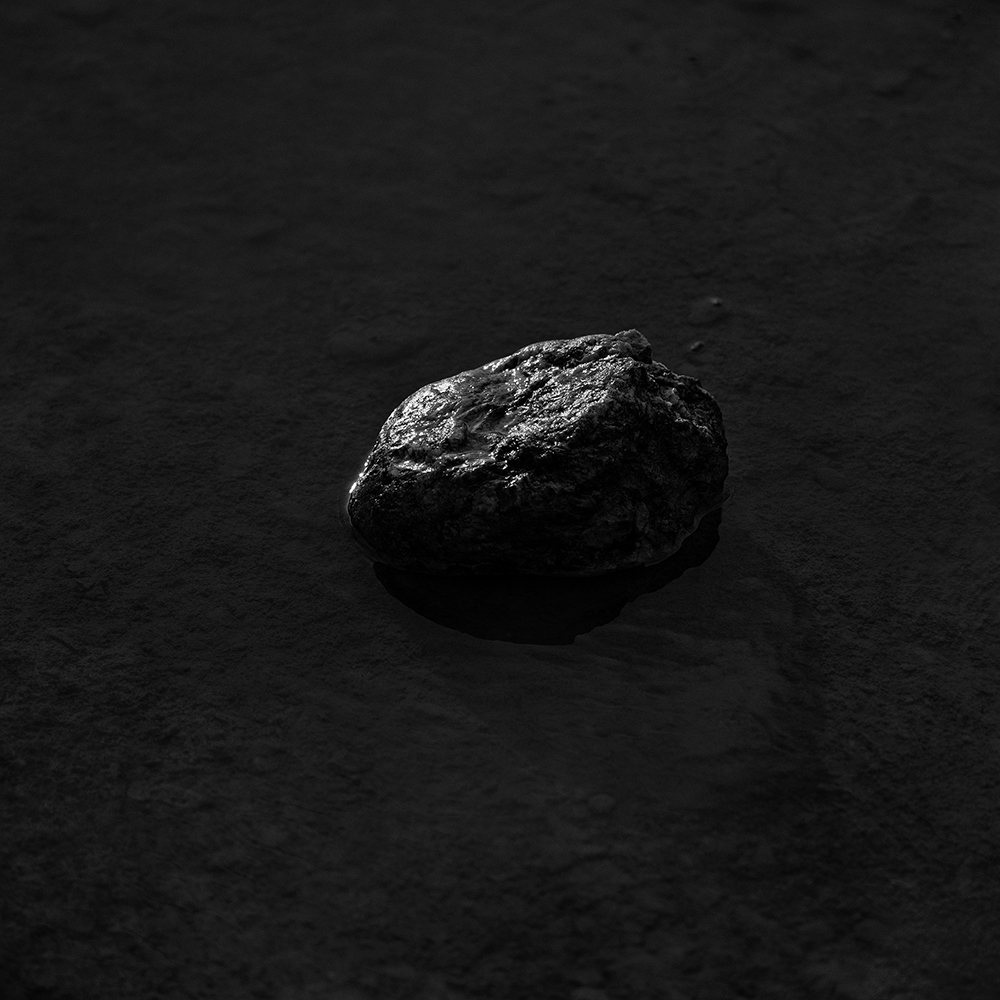
© Han Chungshik, GOYO_Danyang, 1998
“Nothingness and anamnesis are not denials of the subjective and objective movement and stillness of everyday life, but rather the nature of life itself. No-movement. In its true form, all dharmas are inherently still, without movement.
We should not have statuesque (相) and normal (靜相) because movement and stillness, stillness and movement, are the true nature of reality. I am all that is simultaneously still in motion and still in motion. Therefore, strictly speaking, it can neither be called immobile nor enemy. This immortality, this immobility, is what we are here and now. This is what we call “intrinsic stillness”.
-The Purification Monk, from The Dharma Crab
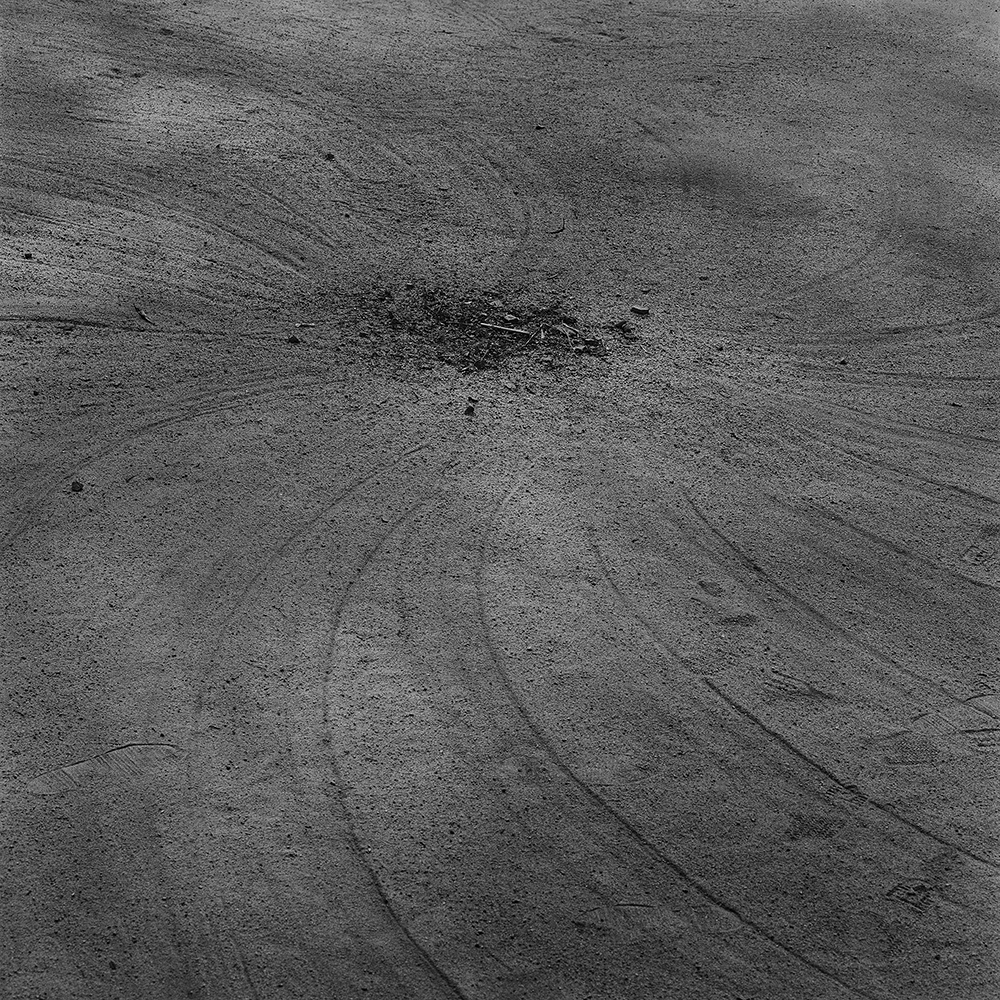
©Han Chungshik, GOYO_Jikjisa Temple, 1986
It is the world of abstraction that photography strives for in its artistry.
The desire for abstraction in pure photography is a willingness to conquer the limits of photography.
Photography is a medium that stands at the very opposite end of the abstract spectrum in my thought.
Nevertheless, it would be the world of abstraction that photography strives for in its artistry because its very subject matter is a world of abstract ideas.
The idea that we are looking at a photograph is an illusion.
What we see is always an object, not a photograph.
What we think we are seeing is not a photograph, but an object, a kind of optical illusion.
For a photograph to exist as a photograph, the object must disappear from the picture. The photograph must stand out rather than the object.
In that case, the photograph exists as a non-photograph.
Abstraction in photography refers to the process of erasing the existence of the object from the photograph and presenting the photograph itself.
- Excerpt from Han Chungshik’s 1989 thesis, “A Study on Abstract Photography.”
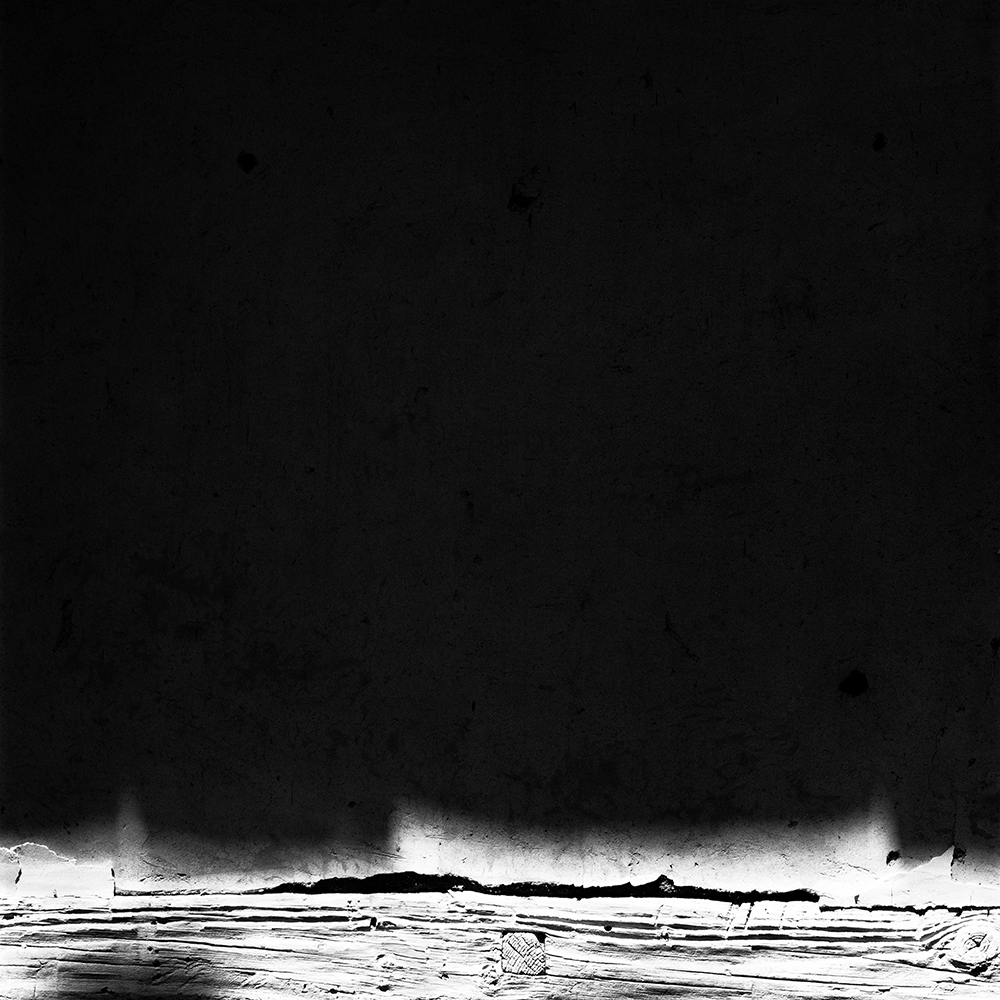
©Han Chungshik, GOYO_Hwaeomsa Temple, 2010
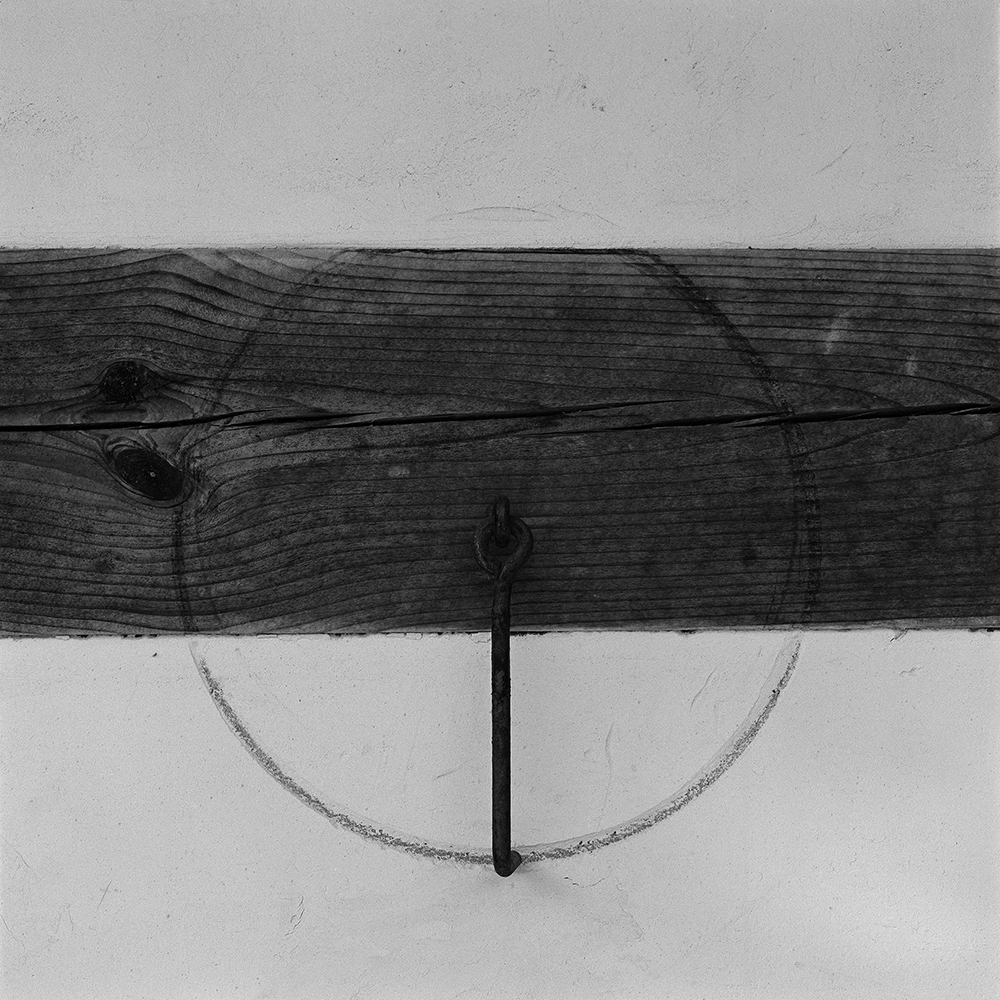
©Han Chungshik, GOYO_Baekdamsa temple, 2012
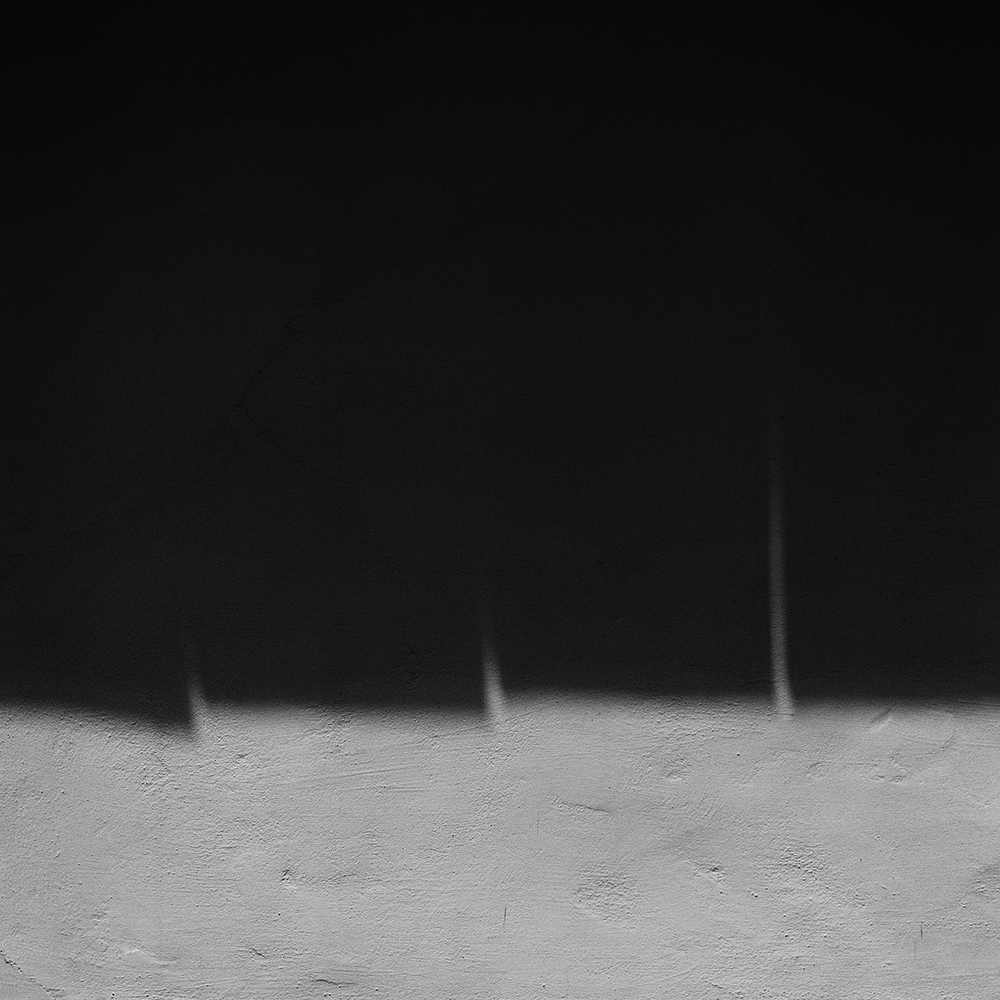
©Han Chungshik, GOYO Chuneunsa Temple, 2003
Han Chungshik, a representative of Korean photographic art, is a photographer who has perfected the aesthetic of “serenity”. He laid the foundation of “Korean-style photographic art” based on Korea’s unique beauty and oriental philosophy since the 1960s and was selected as one of five Korean contemporary artists by the National Museum of Contemporary Art in 2015, which held the ‘Han Chungshik, GOYO(Serenity)’ exhibition in 2017 to introduce his lifelong work.
Han Chungshik graduated from the Department of Language Education at Seoul National University and majored in photography at Nihon University in the 1960s. In 1982, he was appointed as a professor at the Department of Photography of Chung-Ang University, where he devoted himself to laying the foundation of Korean photographic art and taught
numerous post graduate courses until his retirement in 2002. In 1987, he founded the ‘Camera Lucida’ which is the Korean Photography Society and published about 20 photographic treatises and collections, including ‘Introduction to the Art of Photography,’ a representative treatise on Korean photographic art, and pioneered Korean-style artistic photography through the ‘Tree’, ‘Foot’, ‘Landscape Theory’, and ‘Goyo’ series.
Han Chungshik’s signature work, the ‘Goyo(Serenity)’ series, is an abstract expression of the artist’s inner awareness of the nature of existence and his philosophical inquiry into the world, a work that presents the basis and foundation of Korean photographic art in terms of Korea’s spiritual aesthetics and cultural identity. Han Chungshik said It is the world of abstraction that photography pursues toward the art of photography. This is because the theme of photography itself is a world of abstract ideas. Therefore, in order for a photograph to exist as a photograph, the existence of the subject must be erased from the photograph and the photograph itself must be presented.
The photograph itself must be presented. While speaking, he laid the foundation for the unique art of photography in Korea in the realm of contemporary art photography based on Western aesthetics.
His works are in the collections of the National Museum of Contemporary Art, the Seoul Museum of Art, the Seoul Museum of History, the Hanmi Museum of Photography, and the Goeun Museum of Photography, along with his reputation as a pioneer of Korean-style artistic photography. He was invited by the Berlin Art Center and the New York Contemporary Art Gallery, both of which highly praised his work, but his illness prevented the invitation from being realized and he passed away in July 2022.
Lee Ilwoo
Lee IlWoo is an independent curator and director of the Korea Photographers Gallery.Key Curatorial RolesHe currently serves as Artistic Director of the 2025 Busan International Photo Festival, with the main exhibition ‘Honbul, Undying Fire’. His previous curatorial roles include Artistic Director of the 2017 Seoul Photo Festival ‘Community for Self-reflection; State, Individuals and Us’ and the 2016 Seoul Photo Festival ‘Seoul New Arirang – Like Thousand Miles of Rivers’. He served as Exhibition Curator for the National Museum of Modern and Contemporary Art’s ‘Han Chungshik: GOYO’ (2017), Chief Curator of the Arts Council Korea’s ‘Public Art + Regional Revitalization Project: Regeneration of Everyday Life’ (2015), Curator for the Daegu Photo Biennale ‘Full Moon’ (2014), and Curator of the Changwon Contemporary Art Festival ‘Cities of Ancient Futures’ (2013).Additional LeadershipHe was Executive Director of the Urban Gallery Project ‘Chungmuro Photo Festival ‘(2012), Director of Visual Art Center Boda (2009–2011), and ‘Asian Contemporary Art Magazine POINT’ (2010–2011).Early ExhibitionsPrior to curatorial work, Lee IlWoo participated in solo and international group exhibitions such as ‘Voice of Silence'(2010), ‘Stuffed Animal'(2009), ‘In-between'(2008), ‘Portraits’ (2007), and ‘UNTITLED’ (2006)
He was Executive Director of the Urban Gallery Project ‘Chungmuro Photo Festival ‘(2012), Director of Visual Art Center Boda (2009–2011), and ‘Asian Contemporary Art Magazine POINT’ (2010–2011).
https://www.facebook.com/ilwoo.lee.58
http://www.bipf.kr/2025/
Posts on Lenscratch may not be reproduced without the permission of the Lenscratch staff and the photographer.
Recommended
-

Mexico Week – David Muñiz: Between the Archive and the AlgorithmMarch 29th, 2026
-

BEYOND THE PHOTOGRAPH: Q&A WITH COMMERCIAL PHOTOGRAPHER ANDY MAHRMarch 22nd, 2026
-
Coco McCabe: There is no Mending the BeechwoodMarch 18th, 2026
-
McCall Hollister in Conversation With Douglas BreaultMarch 6th, 2026
-
Review Santa Fe: Barron Bixler: And Hell FollowedFebruary 7th, 2026