Lonnie Graham: A Conversation with the World
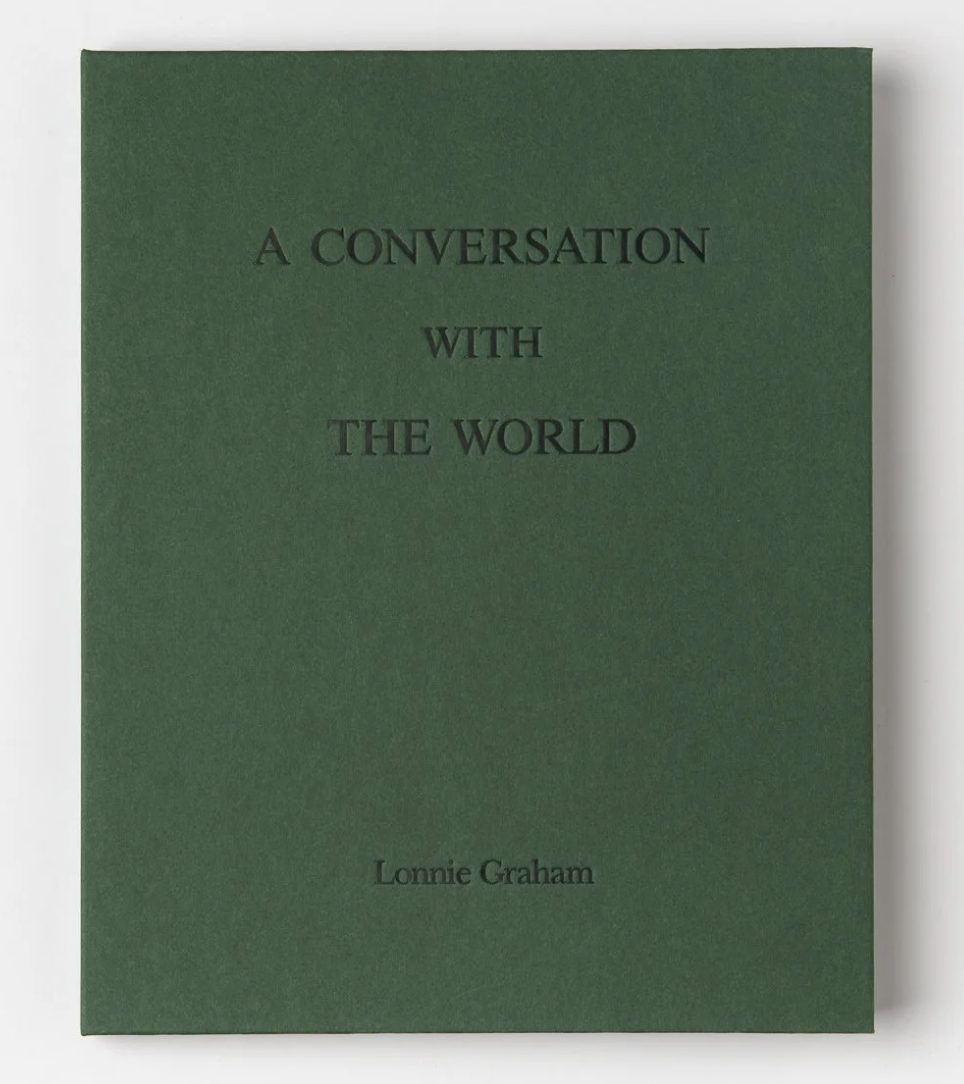
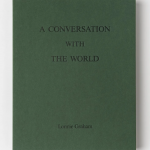
©Lonnie Graham, Book Cover of A Conversation with the World, published by Datz Press
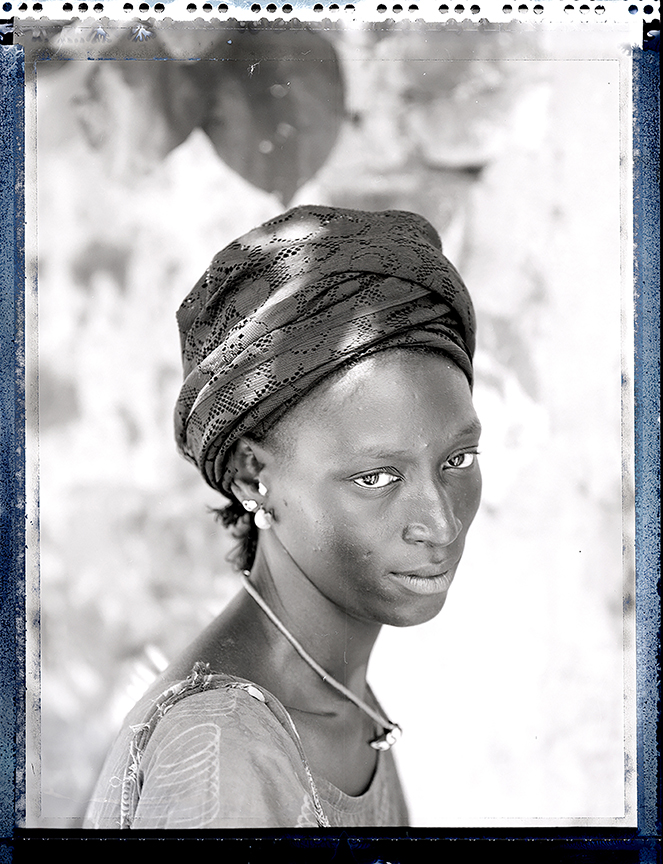
©Lonnie Graham, Adia, Senegal
“I think generosity begins with acceptance. You have to be open enough to accept what’s happening in order to understand, to reciprocate. Like the willingness to be open, and wait to see what’s happening so you can understand how to respond. I think this is the root of generosity.” _ Lonnie Graham
Sometimes you come across a book that feels spiritual, a book that lowers your heart rate and gives you chills. Recently I received a book with a quiet green cover, filled faces from all over the globe. The faces are rendered as large format black and white photographs, and in turning the pages, I knew I was about to go on a journey. Lonnie Graham’s new book published by Datz Press, A Conversation with the World, is a four decades long project of understanding our humanity. Graham has an innate connection to his subjects, deeply seen and presented with dignity and grace.
Graham carried out the “A Conversation with the World” project by asking his subjects a set of common questions on eight themes—origins, family, life, death, values, tradition, connections, and Western culture—to people he encountered across more than 50 countries on 6 continents. Alongside these conversations, he took portraits of the respondents. Selected at random, the participants freely expressed their personal thoughts based on their own cultural backgrounds and individual perspectives. Through a project that spanned over 30 years, the artist came to realize that, despite generational and cultural differences, the respondents consistently echoed similar sentiments. Through the photographic window of A Conversation with the World, we are invited to rediscover our faith in the ‘common humanity’ that connects us all—and to encounter a broader, more inclusive world.
Originally published in a limited edition of 100 copies in 2017, A Conversation with the World returns in 2025 with a revised edition. Reflecting the ongoing nature of the project, the new edition features the same 99 photographs as the original, with 20 newly updated images included.
Graham will be signing books tomorrow at the Show-LA Exposition from 2 -2:30pm. An interview with the artist follows.
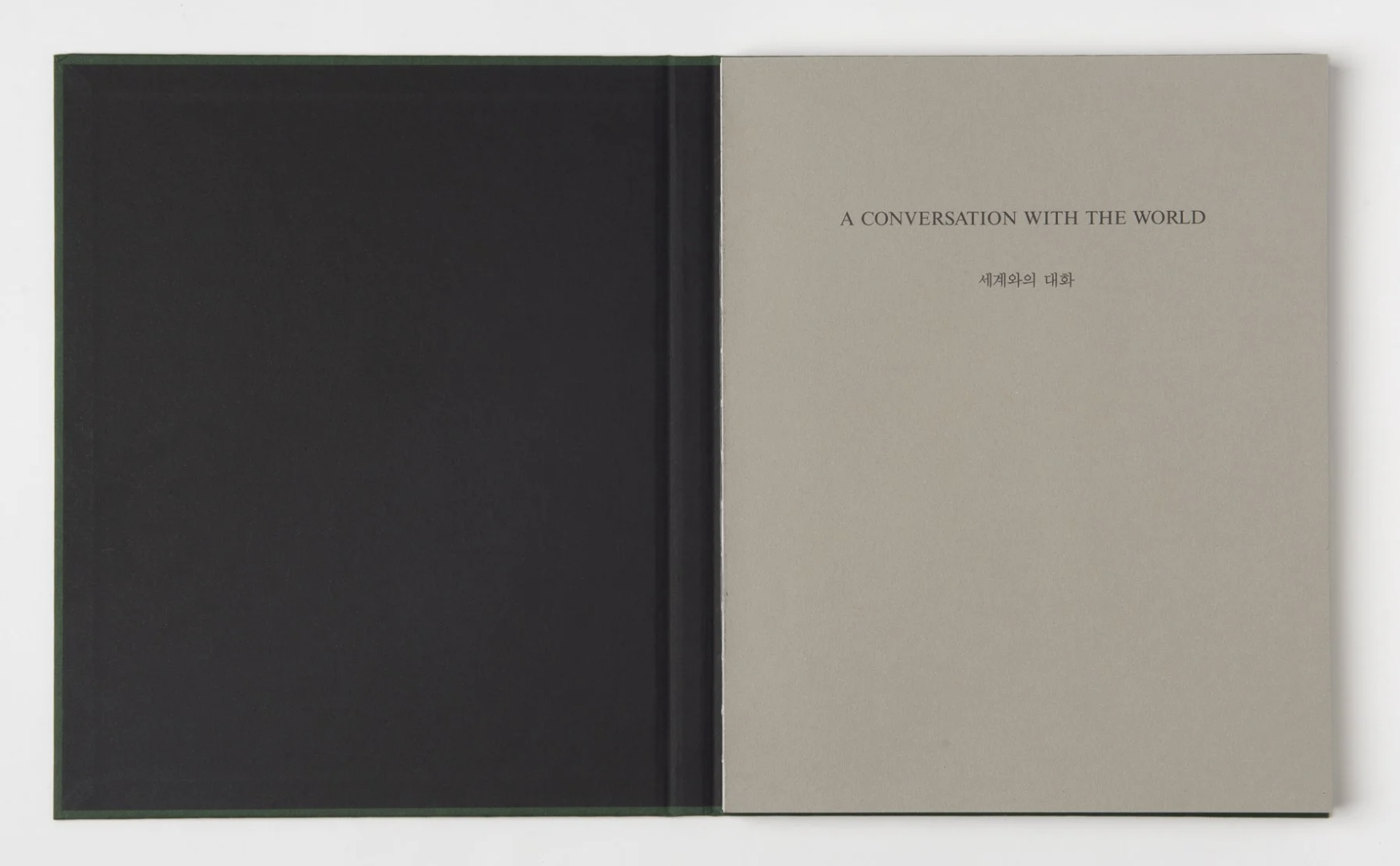
©Lonnie Graham, Spread from A Conversation with the World, published by Datz Press
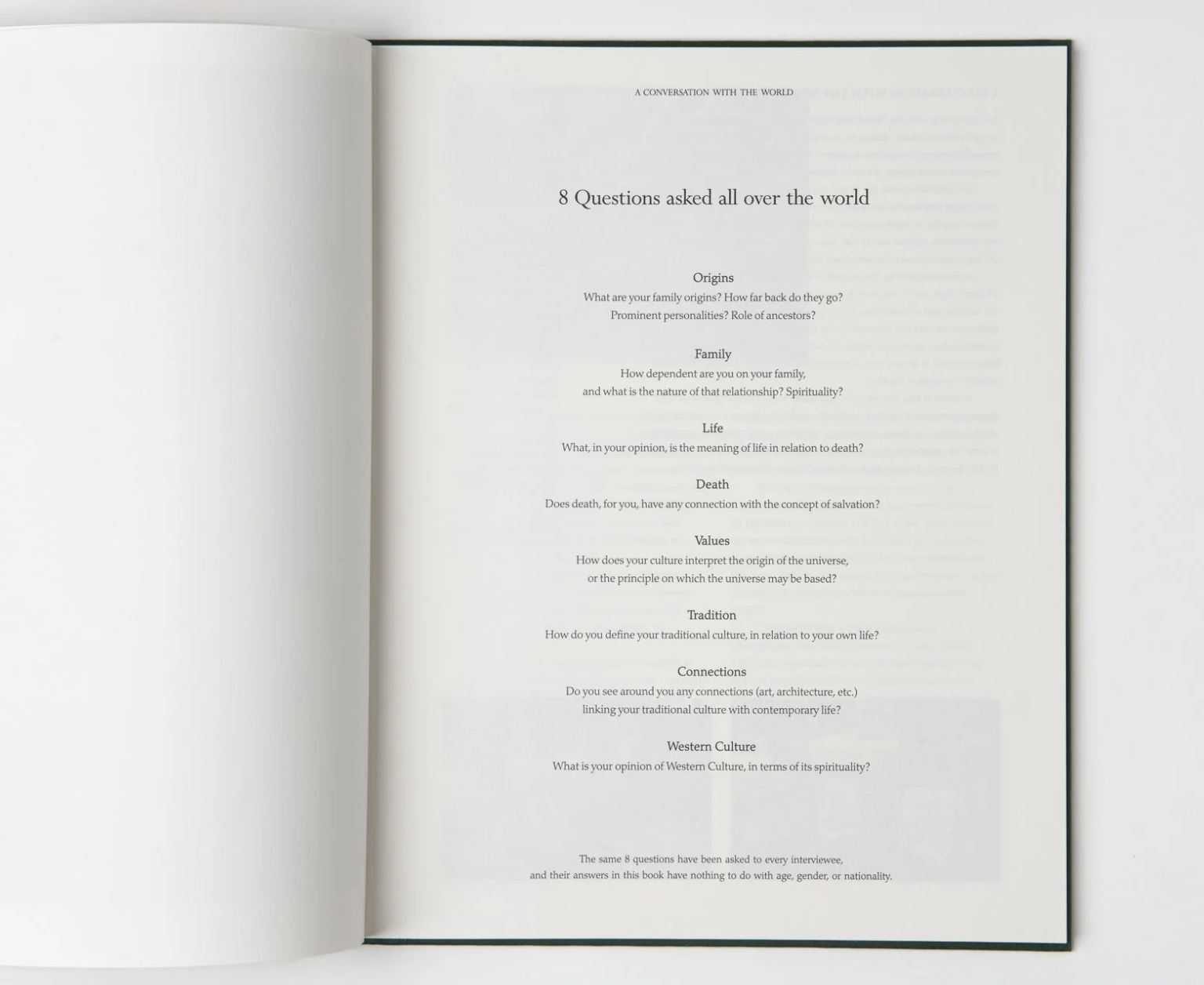
©Lonnie Graham, Spread from A Conversation with the World, published by Datz Press
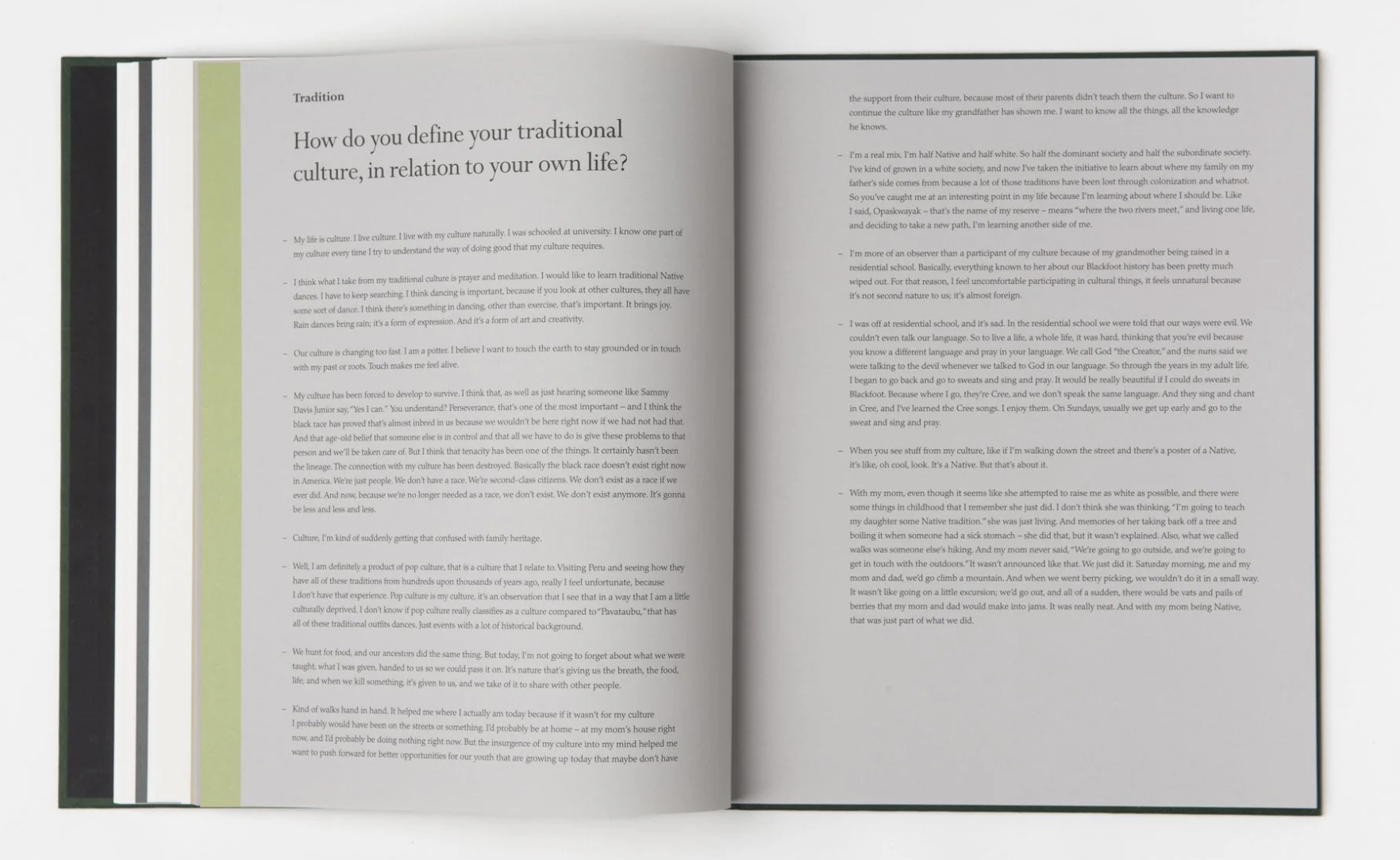
©Lonnie Graham, Spread from A Conversation with the World, published by Datz Press
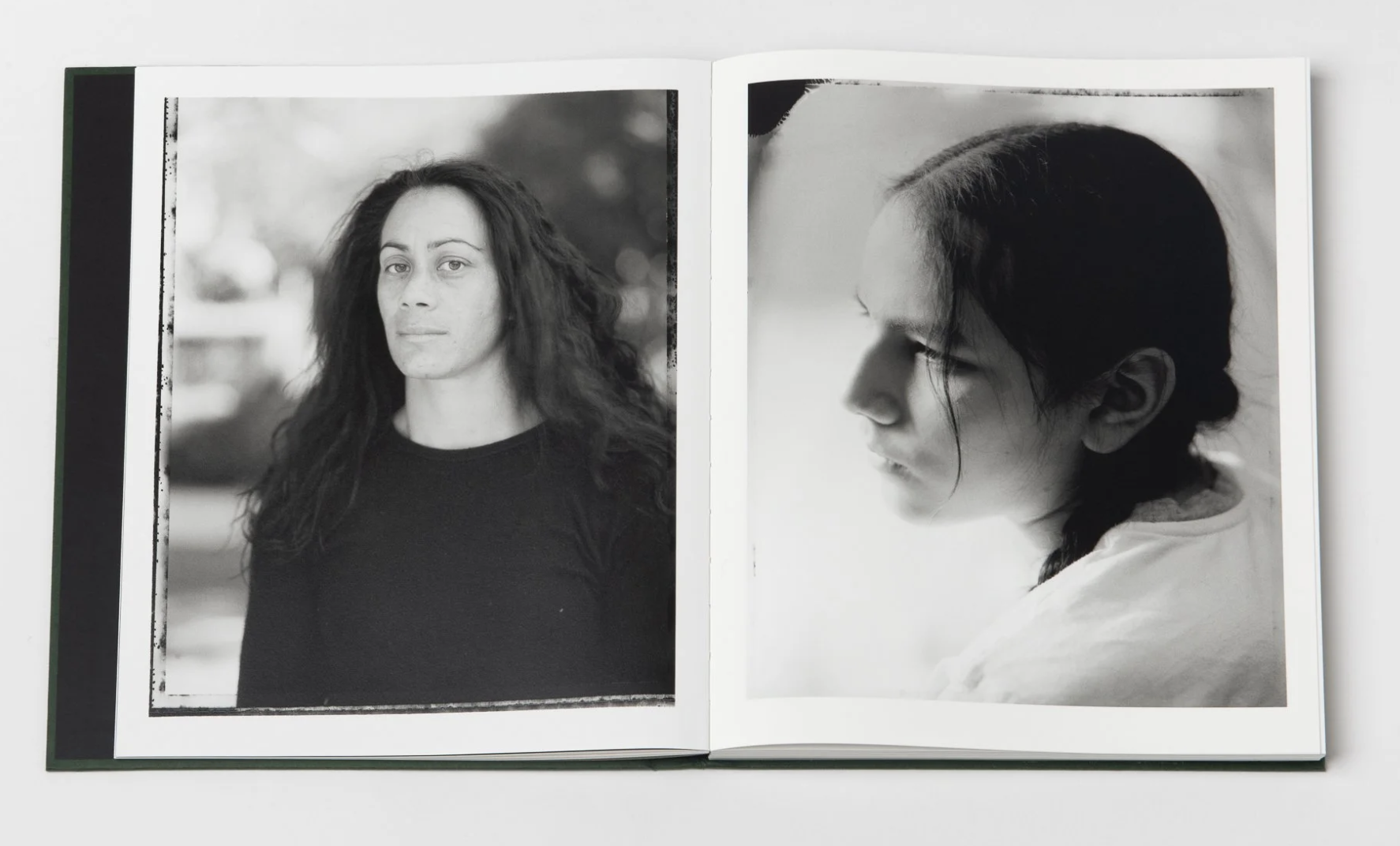
©Lonnie Graham, Spread from A Conversation with the World, published by Datz Press
A Conversation with the World was conceived in 1986 in San Francisco California. The project proposed to document individuals encountered at random by using traditionally rendered photographs and analog recordings of interviews recorded in situ. Through the course of the documentation of this audio dialogue centered on common issues relative to the human condition, this project seeks to delve beneath the superficial patina of cultural differences to explore the essential and fundamental motivations of human beings in order to clearly illustrate the bond that is inherently our common humanity. The portfolio, to date, represents work done in Africa, Asia, the Pacific Rim, Europe, and the Americas.
As the project evolved, a series of eight questions were selected that could be directed to individuals participating in the production of each photographic portrait. The questions were authored to address the essential issues relative to our human existence. A Conversation with the World proposes that the responses provided can be used to construct a template by which one is able to measure the universality of the human condition.
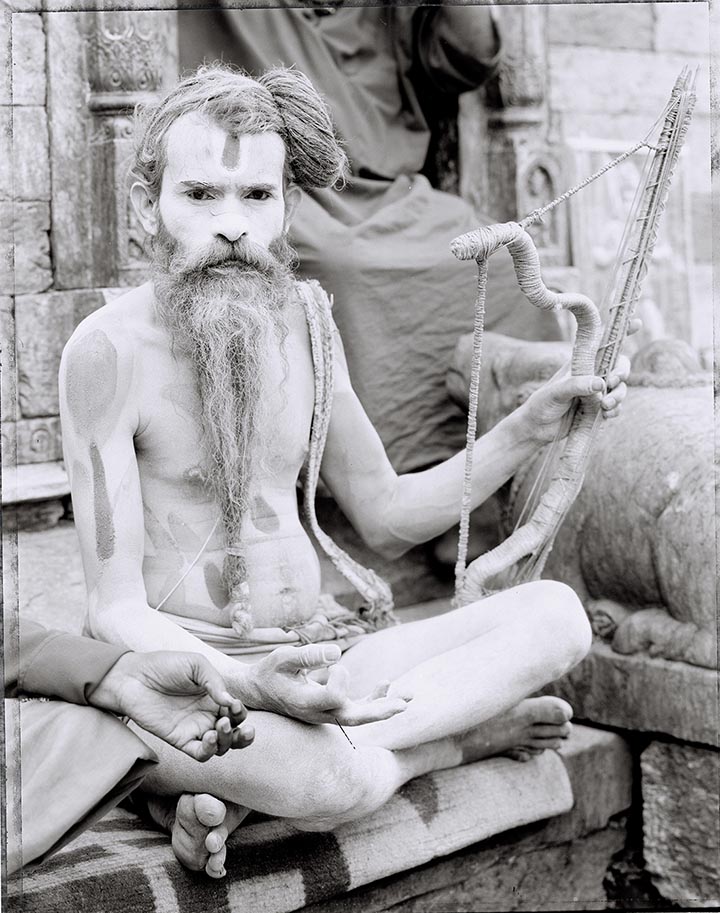
©Lonnie Graham, Baba, Nepa
As years passed, this project was conducted in a number of venues focusing on a variety of subjects that also proved relevant to local community issues. The project has proven efficacy within the First Nations population of Calgary, Alberta, as it addressed issues of identity. In a community of refugees in Oulu, Finland, the project was used to bring light to the extreme xenophobia occurring there. The project template has been adopted by a population of Maori in Christchurch, New Zealand to mount annual public campaigns addressing youth issues there.
A Conversation with the World is meant to help clarify preconceptions many people hold about one another while leading to the acceptance of the shared human experience and lay a foundation to establish a climate in which people feel more likely to seek out one another for support rather than abandon each other in ignorance.
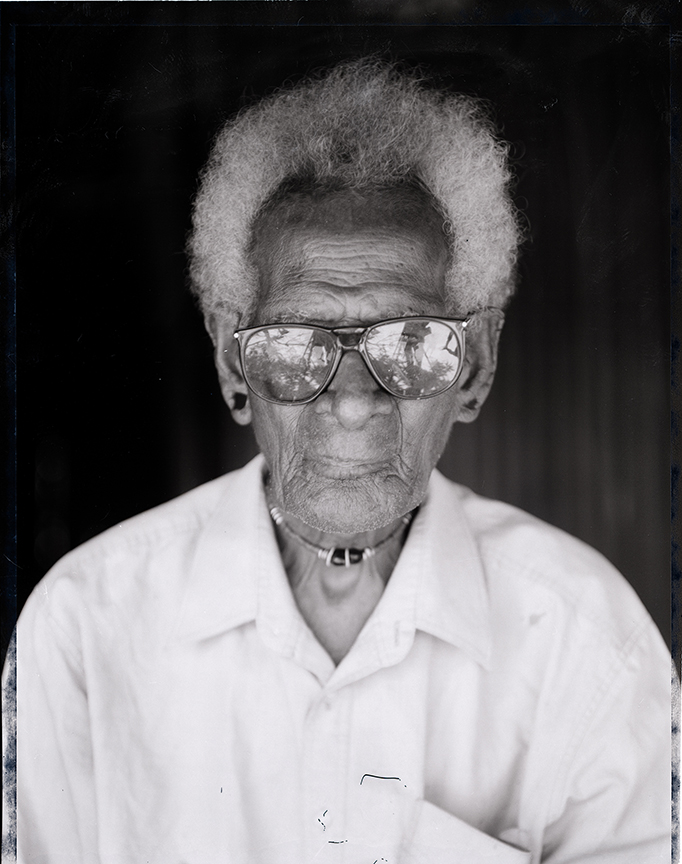
©Lonnie Graham, Tribal Elder with Glasses, Ganjiga, Collingswood Bay Papua New Guinea
Lonnie Graham, is an artist, photographer and cultural activist who’s work addresses the integral role of the artist in society and seeks to seeks to re-establish artists as creative problem solvers. Lonnie Graham is a Pew Fellow and Distinguished Professor of Art at Pennsylvania State University. Professor Graham is formerly Acting Associate Director of the Fabric Workshop and Museum in Philadelphia Pennsylvania. Graham has served as Executive Director of the PhotoAlliance of San Francisco and the Chairman of the Board of the San Francisco Art Institute.
Graham also served as Director of Photography at Manchester Craftsmen’s Guild in Pittsburgh, Pennsylvania, where he developed innovative projects merging Arts and Academics, which became the subject of a Harvard case study ultimately cited by First Lady Hillary Clinton as a National Model for Arts Education.
In 1996 Graham was commissioned by the Three Rivers Arts Festival to create the “African/American Garden Project.” which provided an exchange of urban single mothers in Pittsburgh, and farmers from Muguga, Kenya.
In 2005, Professor Graham was cited as Artist of the Year in the Commonwealth of Pennsylvania and presented the Governor’s Award by Governor Edward Rendell. Graham is the recipient of a National Endowment for the Arts/Pew Charitable Trust Travel Grant for travel to Ghana and is a four time Pennsylvania Council for the Arts Fellowship recipient. Graham was also awarded the Creative Achievement Award by the Pittsburgh Cultural Trust.
The catalogue accompanying the exhibition “A Conversation with the World,” has been widely distributed by Light Work in Syracuse, New York. Graham continues that project which has been supported by the University of Oulu, in Finland, the University of Calgary in Alberta Canada, and the San Francisco Arts Commission. “A Conversation with the World” seeks to reveal our common humanity.
In 2009 Professor Graham received funding from the Mid Atlantic Arts Foundation in conjunction with Pennsylvania State University to conduct a project entitled “A Change in The Making,” that explored economic issues in Cape Town, South Africa and established a relationship with Monkey Biz, an organization supporting to women of Gugulethu and Kaylisha, the townships of Cape Town.
During the course of this project Mr. Graham established a relationship with Monkey Biz, an organization lending support to women of Gugulethu and Kaylisha, the townships of Cape Town. This NGO breaks societal boundaries and helps women establish economic independence.
Graham delivered a TEDx talk on economic disparities of the artists in modern culture. Exhibitions include an installation at Goethe Institute, Accra Ghana; a full-scale reproduction of a Barnes Foundation gallery shown at La Maison de Etat-Unis, Paris, France, an exhibition portraits at the Toyota City Museum in Aichi, Japan, and a room sized installation at the Smithsonian Institution in Washington, DC. Graham’s work can be found in the permanent collections of the Addison Gallery for American Art in Andover, MA, the Philadelphia Museum of Art, in Philadelphia, PA, and the Datz Museum in Seoul, Korea, where he was artist in residence in 2021. Professor Graham continues a multi-year project of the documentation of the Turkana people who migrate between South Sudan and the Ilemi Triangle. These traditional pastoralists are disappearing due to economic and social pressures. This region is home to some of the oldest human remains found on earth.
Lonnie Graham, TEDx Talk
Instagram: @mrlonniegraham
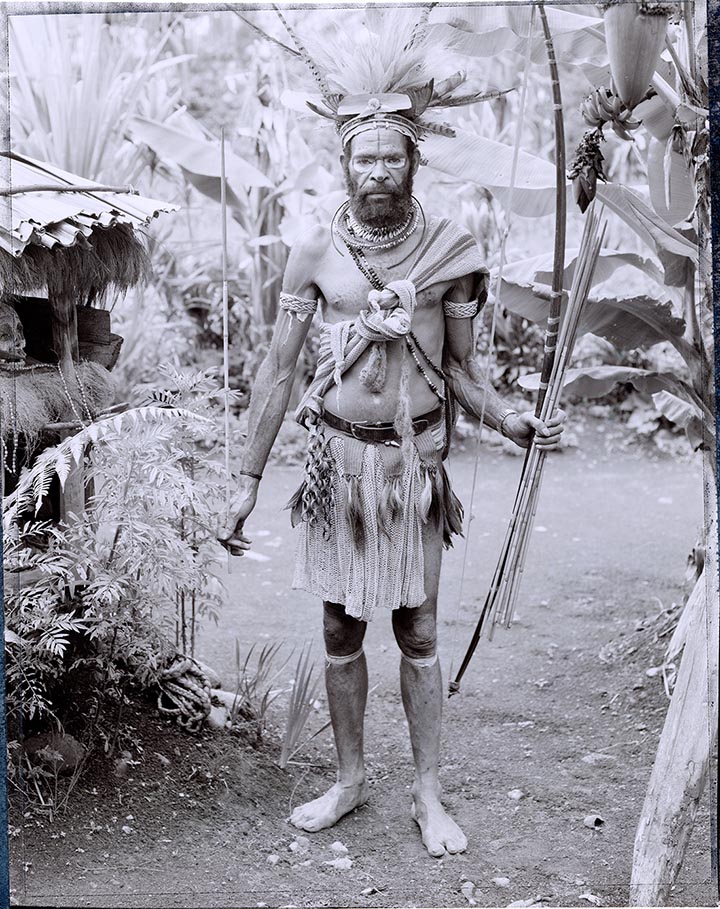
©Lonnie Graham, Head Man, Highlands, Papua New Guinea
Tell us about your growing up and what brought you to photography?
I was born in Cleveland OH but grew up in the small enclave of seldom seen in southwestern Pennsylvania. My uncle worked in the mill in a nearby town. He was very forward thinking and was always interested in new technology. Floyd Simmons married my father’s sister Dora. I came to live with them in the late 50s. At that time the Polaroid Land camera was just gaining popular appeal. My uncle was fascinated by the machinery that could produce a small image in a matter of minutes. When he gifted it to me I was completely seduced by the whole process. I took a paper route in order to make money to buy film. I collected soda bottles to return them to the store and took the change to buy rolls of Polaroid film. One image I shot of my aunt Dora appeared in the Smithsonian Institution in the 1990s. So, one way or another I’ve been shooting Polaroid for over 60 years.
My junior high school art teacher Miss Krestes believed in my capacity for creative expression and help me enter competitions and exhibitions. I won a respectable cash prize in the late 60s which further reinforced my commitment to the arts.
Early on I developed a level of proficiency in the darkroom. There was a kind of camera club in my local town where local photographers would get together in the back of the camera shop and use the darkroom and lights and discuss printing and technique with one another.
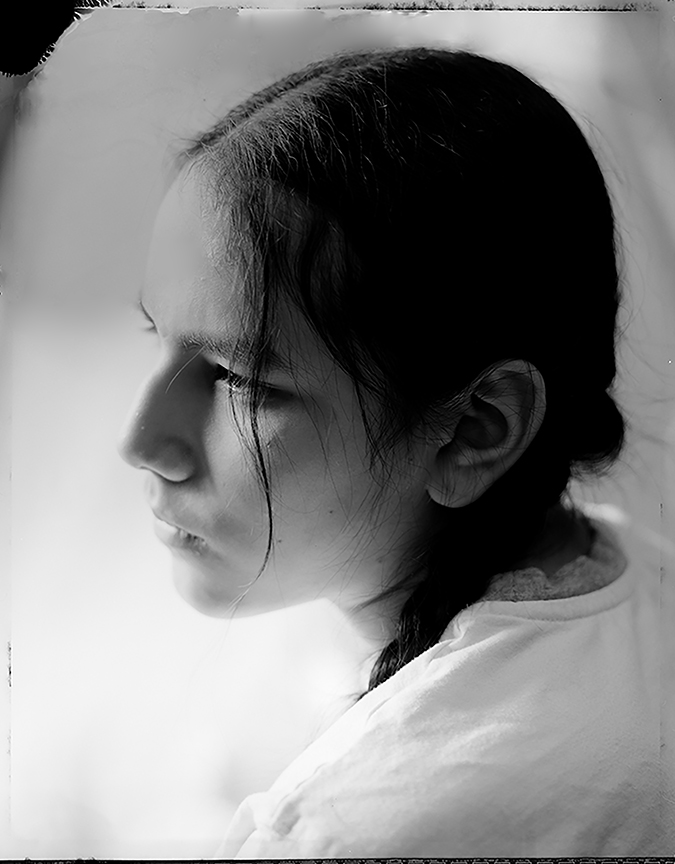
©Lonnie Graham, jordan, Crow Child
Thank you for achievements in arts education. Can you share some of your innovations in merging Arts and Academia?
I developed enough skill in my darkroom practice and what I could glean from Popular Photography and Creative Camera magazines that I was able to teach some classes in photography early on. When I left California in the late 1980’s and returned to southwestern Pennsylvania I began volunteering in an alternative educational facility. The goal was to try and keep young people in school and perhaps ultimately guide them toward some level of professional commitment. Our competition at that time was the VHS player and every other activity that young people can imagine that doesn’t involve showing up for traditional education. It seemed imperative to come up with a kind of program that was relevant to young people’s lives I developed a series of visiting artist workshops that included Carrie Mae Weems, Deborah Willis, Dawoud Bey and the like. I was also able to convince the school board to let the students out of school for 1/2 a day to study relevant subjects in the field. Science could be studied in the parks and forests, social studies and political science could be studied in the halls of local government, history could of course be studied in local museums and of course the art Museums provided insight into visual communication. I believed that the modern artist could use the community as a palette that would activate the participants experience and help us understand how the arts are relevant in our daily lives.
During those years I had the great fortune of being able to hire a staff of innovative and creative individuals who worked well with the students and created programs and projects were students felt free to create. One participant who responded in the Harvard case study declared that being in school at our facility did not actually feel like school at all. However many of those students went on to college, or started businesses.
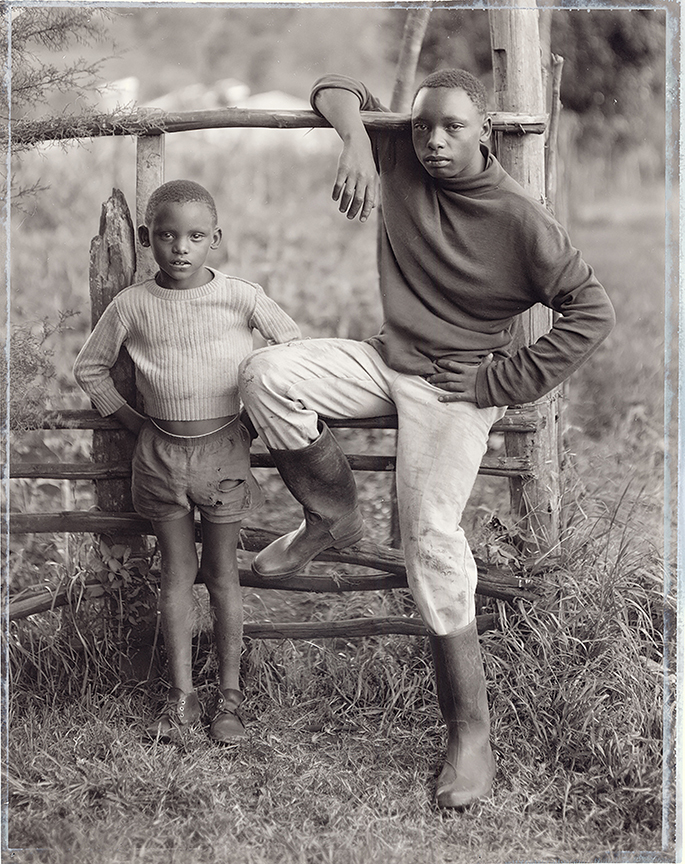
©Lonnie Graham, Shamba Workers, Kenya
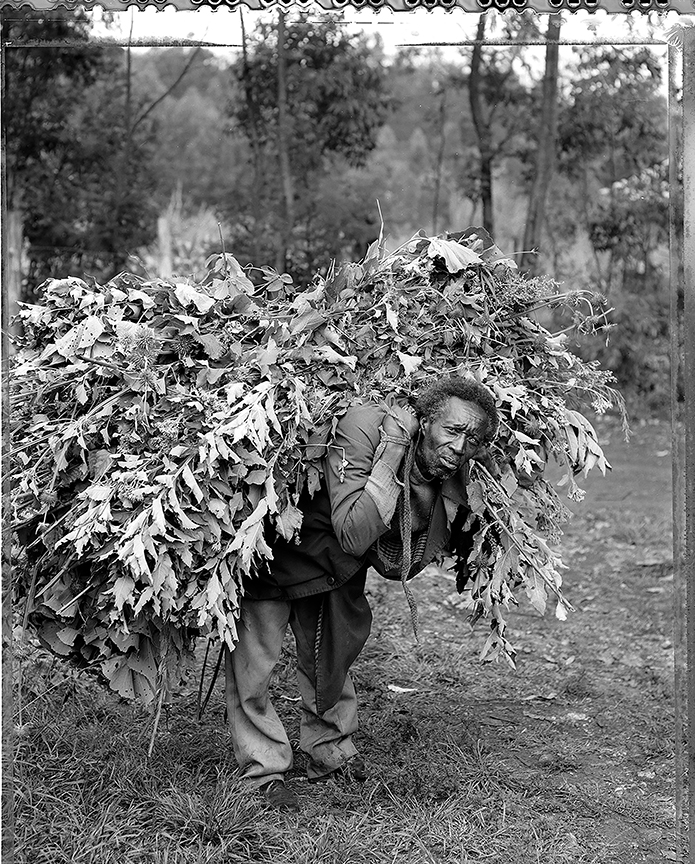
©Lonnie Graham, Man with Food for Cow, Muguga, Kenya
Congratulations on your monograph. It is such a beautiful antidote to the times are are living in. How did the project start?
I started a Conversation with the World after I completed a large job in what would become Silicon Valley. I created a large enough budget that I was able to finance the first leg of my journey into Europe and East Africa. After the first year or so of doing what I enjoyed, which was photographing and talking to people, I didn’t feel the project had enough depth or substance. The reactions to the questions that were created for the project were getting too similar responses. I abandoned the project for a couple of years thinking it was worthless. Upon revisiting the negatives and the respondents’ answers, I realized that it was actually a remarkable thing that people in West Africa would answer the questions the same way that people in Mexico would answer the questions. I was inspired to continue. What developed was a template by which we could measure our common humanity.
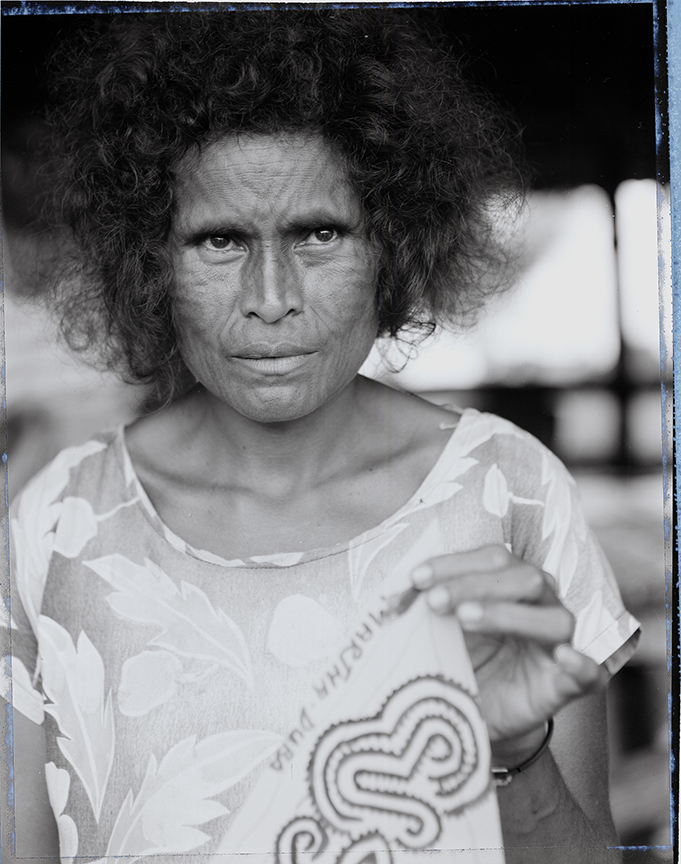
©Lonnie Graham, Martha Duba, Airara, Collingswood Bay Papua New Guinea
How have you maintained a 40-year focus on one project?
At the Art Institute In San Francisco, I studied with Linda Connor, Jack Fulton, Hank Wessel, Larry Sultan and visual anthropologist John Collier, Jr. Working with John I saw the significance of human interaction and how photography could play a significant role in helping us unravel our identities.
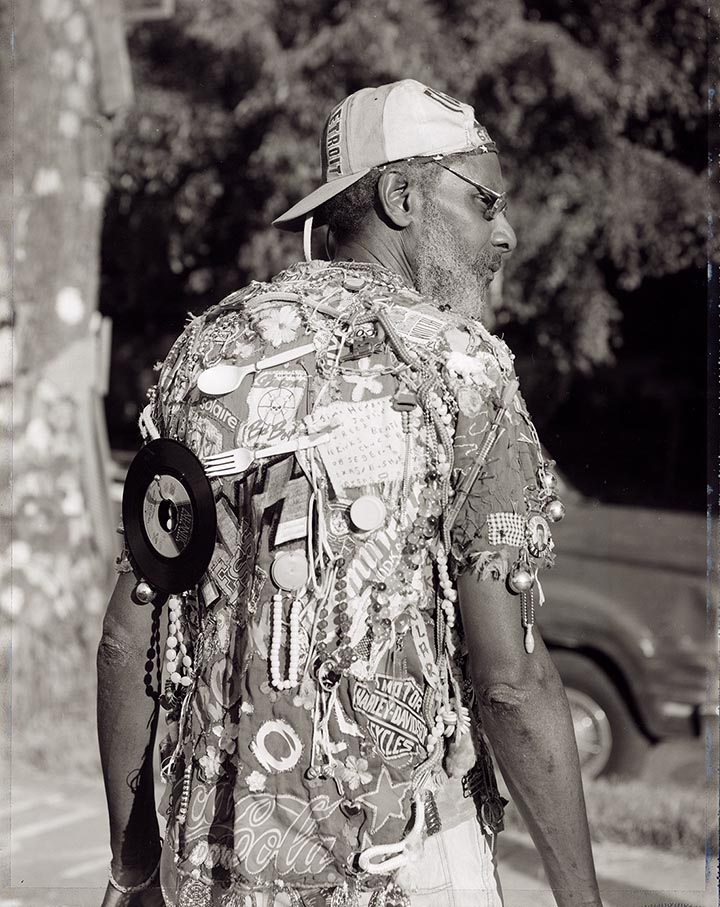
©Lonnie Graham, Mr. Rock and Roll, Heidelberg Street, Detroit, Michigan
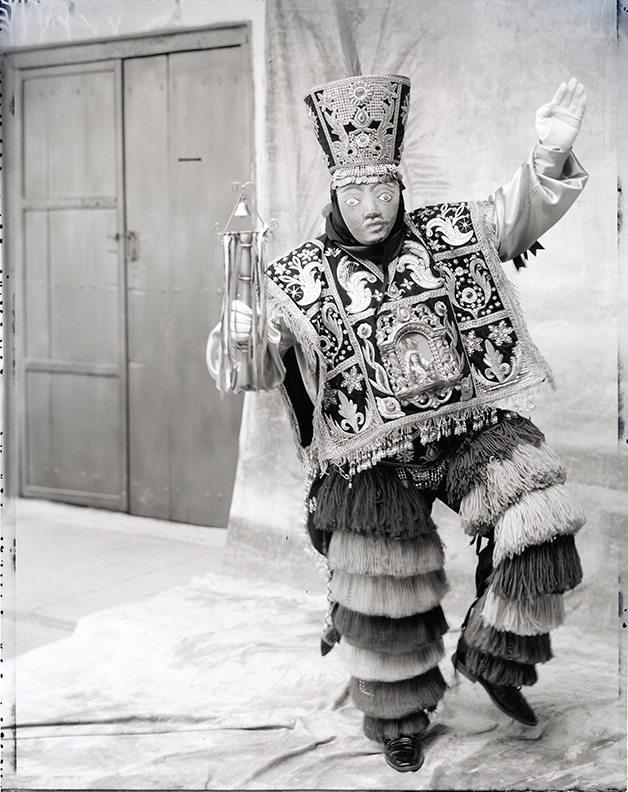
©Lonnie Graham, Festival Dancer, Paucartambo, Paucartambo Province, Peru
In your conversations with individuals all over the world, what has been a common thread and what has surprised you?
Humans are contradictory and messy and at times perfectly confounding. But when you get to the core of who we are underneath all the superficial belief systems and ritual you can find essential motivations. What interests me is all of it. I suppose if I had another 40 years and an endless supply of photographic material I would just keep talking to people and recording their conversations and making images that I could give to them that they could take home and fold into their lives the way that I have folded photography into mine.
Everyone has a family with ancestors everyone wants to have a home and feel safe everyone has some concept of where they began and where they will end. These are the common threads that I have found when speaking with people around the world. The simple fact that so many people have so many similar beliefs is the surprising aspect of the whole project.
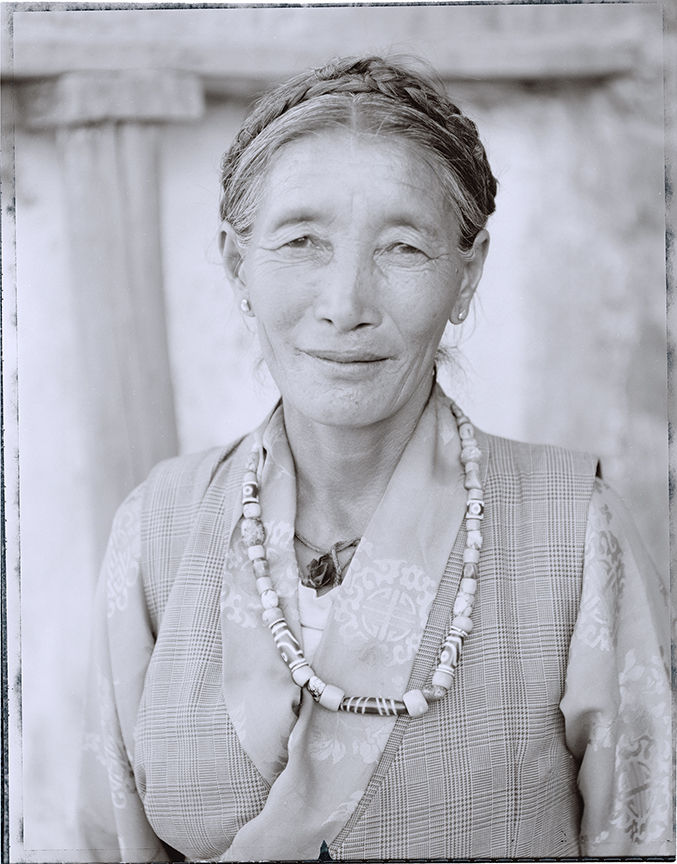
©Lonnie Graham, Pilgrim, Ladakh, India
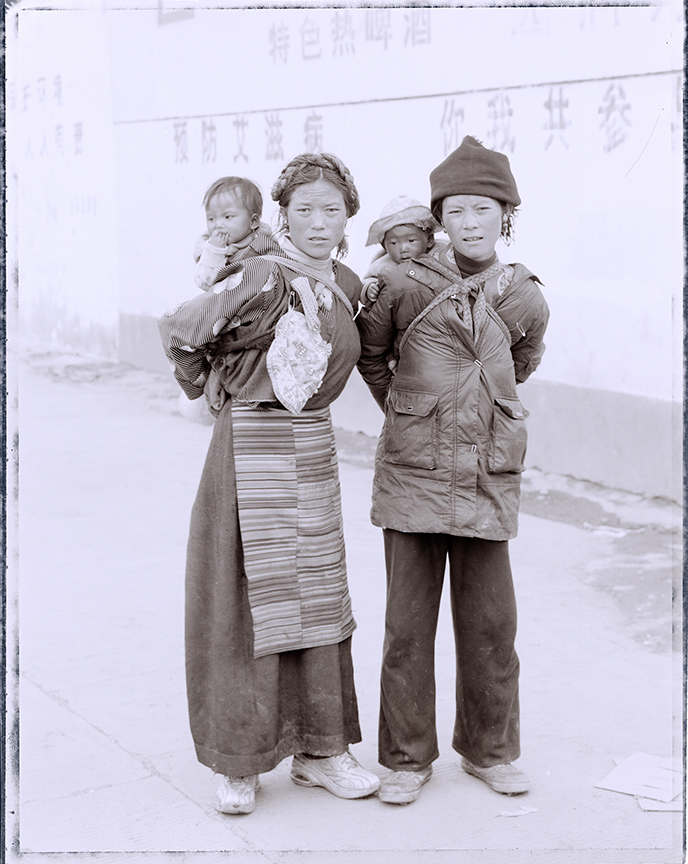
©Lonnie Graham, Women with Children, Tibet
How did the book come about?
One of the few truly extraordinary individuals in my life who have demonstrated their belief and commitment to my work has been Sangyon Joo at the Datz Press. She recognized significant aspects of my work that related to our role in the natural world. She committed to producing two editions of a Conversation with the World. Many of their publications are handmade. They are all sensitive and beautiful and demonstrate a refined aesthetic. It has been an honor to be selected by them. Acknowledgement is the deepest honor an artist can garner.
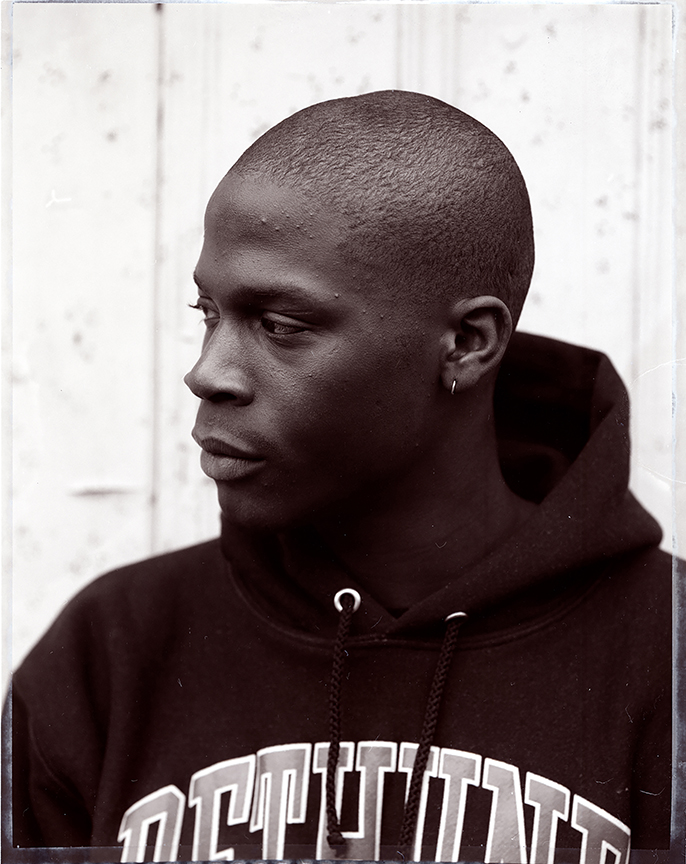
©Lonnie Graham, Tony, East Liberty, Pittsburgh, Pennsylvania
Are there any upcoming exhibitions or events?
As far as future projects or events, there is the Los Angeles book show in Los Angeles at the end of February. There’s the AIP AD book fair at the Armory in New York then there’s the San Francisco book fair that’s usually in July. And then of course the New York book fair in September and then Paris photo once again in November.
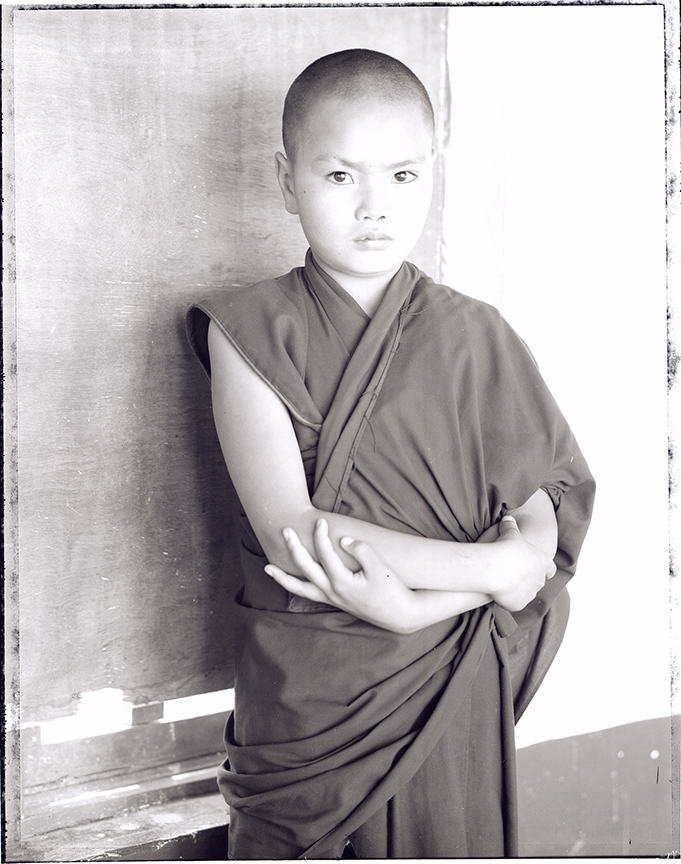
©Lonnie Graham, Young Monk, Leh Ladakh, India
What is next for you?
I don’t have a gallery so there are no shows coming. In terms of exhibitions I would certainly like to exhibit the work after working for 30 years there are great number of landscapes ephemera and hundreds of portraits that could conceivably constitute a substantial exhibition. The technology is such that at this point the recorded interviews could go along with the visual imagery in a way that could make a substantial impact one viewer. I believe that an exhibition of this work could put together a substantial experience and make a compelling statement. A statement I believe that at this time in history might prove to be beneficial in advancing our understanding of each other and help us to move toward our common humanity.
Where Order books
Setanta Books
Setanta Books Ltd
15 Clydesdale Gardens
Richmond, Surrey
TW10 5EG
Datz Press
Location | Achasan-ro 471, CS Plaza #B102
Gwangjin-gu, Seoul, South Korea, 05035
Contact | books@datzpress.com / 02.447.2581
Arcana books
Arcana: Books on the Arts
8675 Washington Boulevard
Culver City, CA 90232 USA
310-458-1499
books@arcanabooks.com
Fabric Workshop and Museum
1214 Arch Street, Philadelphia, PA 19107
Museum Shop: museumshop@fabricworkshopandmuseum.org
Call and ask for Tracey Blackman
215.561.8888
Artbook @ Hauser and Wirth LA Bookstore
orders@artbook.com
212 627 1999 ext 202
ask for lacey
M-F 10-6 EST
Posts on Lenscratch may not be reproduced without the permission of the Lenscratch staff and the photographer.
Recommended
-
Lonnie Graham: A Conversation with the WorldFebruary 27th, 2026
-
Amy Friend: FirelightFebruary 25th, 2026
-

Philip Toledano: Another EnglandFebruary 24th, 2026
-
Cheryle St. Onge: Calling the Birds HomeFebruary 23rd, 2026
-

Matthew Finley: An Impossibly Normal LifeFebruary 22nd, 2026