Review Santa Fe: Patricia Howard: Unknown Ancestors
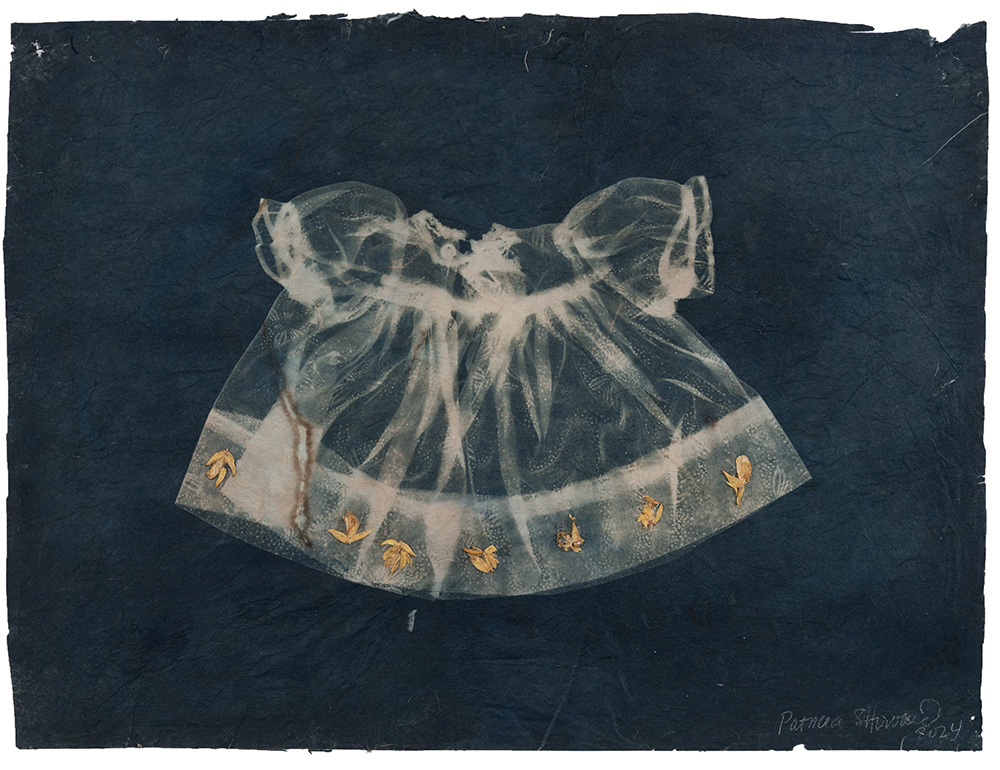
©Patricia Howard, Unknown Ancestors: Dress with Gorse Flowers
In early November 2025, I was invited to CENTER’s Review Santa Fe. Being my first time in the Southwest and experience on the Reviewer side of the table, I wasn’t quite sure what to expect. As an educator, I love reviewing work; when others hear “critique,” they may shy away, but I love the experience of helping others through their ideas. Review Santa Fe is an incredibly welcoming experience, carefully cultivating meaningful projects and conversations. Living in a very rural area, this was an inspiring opportunity to see what is on the horizon of the photo world. I’m so excited to share a few of these projects over the first week of February.
Today, we’ll be sharing Patricia Howard’s Unknown Ancestors.
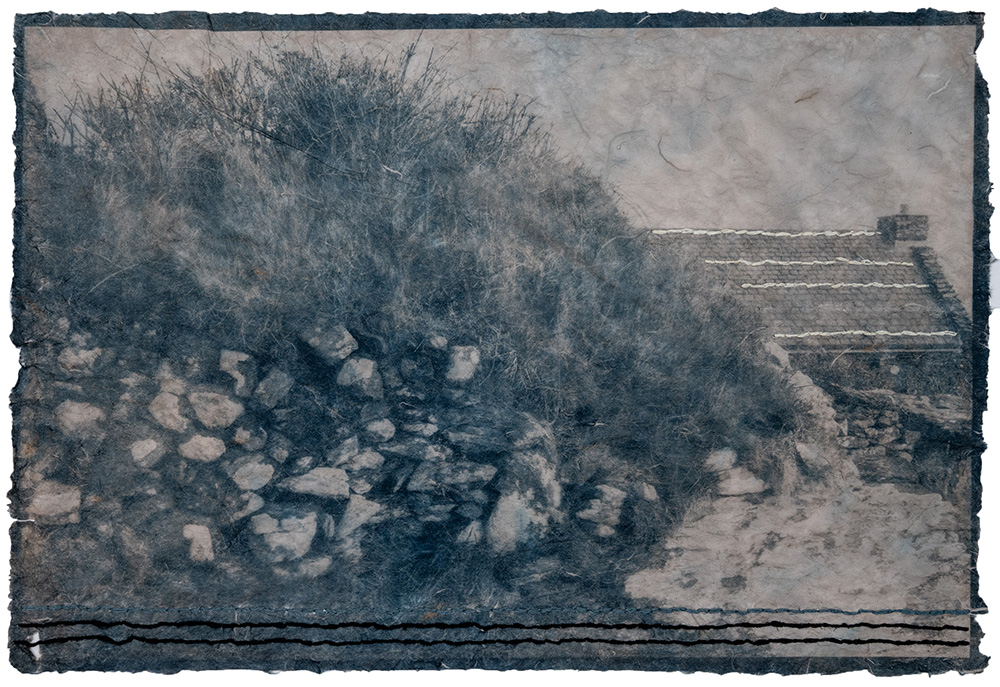
©Patricia Howard, Unknown Ancestors: Cottage
Patricia Howard is a Colorado artist and photographer. Her work focuses on concepts of family, home and memory and is in the permanent collection of Juniata College Museum of Art and Colorado Photographic Arts Center. Her solo exhibit at Photoworks at Glen Echo National Park, was named one of “The Ten Best DC Photography Exhibits and Photographic Images of 2019” (Louis Jacobson of the Washington City Paper). In 2025 she was selected for Review: Santa Fe and as one of the 200 top artists in the Critical Mass competition. She has attended residencies including those at the Vermont Studio Center, and the Burren College of Art in Ireland. Her work has been featured on Lenscratch and exhibited at the Redline Art Center, the Torpedo Factory, Soho Photo Gallery, and others. Patricia teaches remotely for the Smithsonian Associates in Washington, D.C. and received an MFA in photography from Penn State University.
Follow Patricia on Instagram: @patriciahoward154
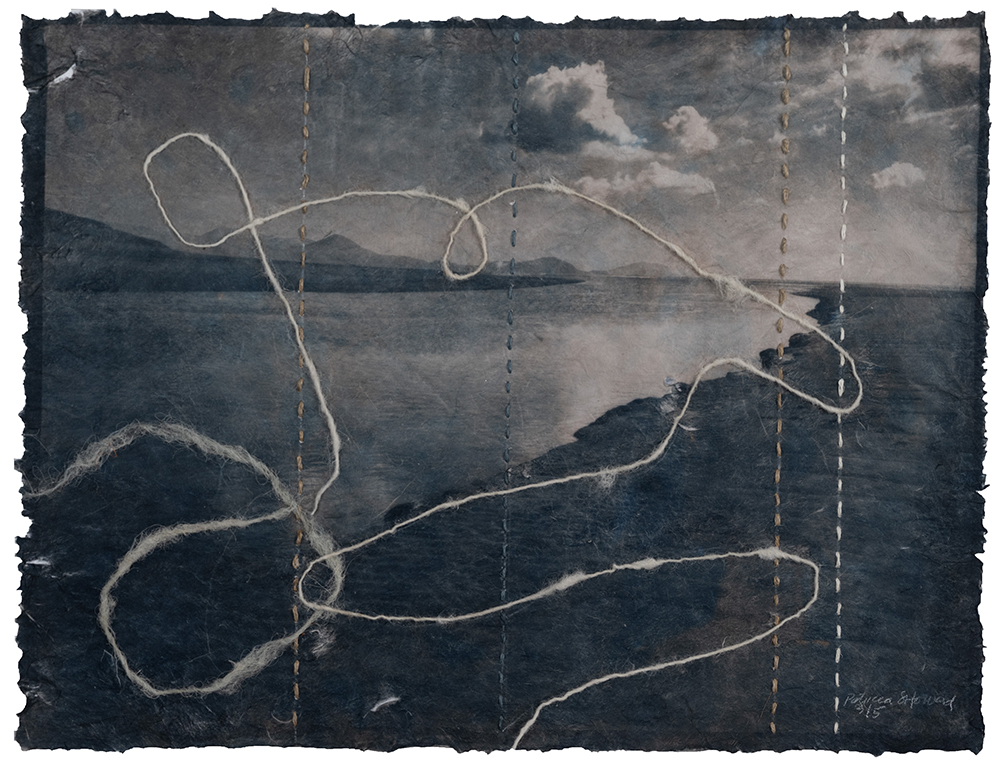
©Patricia Howard, Unknown Ancestors: The Sea
Unknown Ancestors
Unknown Ancestors was made when I was an artist in residence at Cill Rialaig in Ireland. During the residency, I was housed in a restored cottage on a cliff overlooking the ocean. This village was abandoned in the 1800s when many Irish left the country. The stone buildings were more recently restored. During my stay, it was cold and damp and the heat was not functioning. I thought constantly of the previous residents and how it must have been a hard place to survive with little food, enough to cause those unknown villagers to leave their home. My own ancestors are primarily Irish and while I know little about them, they also left the country during this time period, when over a million Irish died from starvation. I felt their unseen presence in the stone, the wind and the ocean.
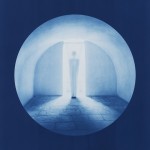
Unknown Ancestors was created using the cyanotype process, which was prevalent in the 1840s – the same period that the original residents of Cill Rialaig abandoned their homes. Cyanotypes are often made using UV light to create a blue and white image – from either an object or a photographic negative. I used an infant’s dress, hair, seaweed and other objects – as well as photographs of the area. After exposing the cyanotype, I toned them with black tea and stitched or glued lines with flax thread. I utilized dried gorse flowers, yarn spun from pieces of wool found in the area and antique bone buttons. The use of tea, flax and wool thread, gorse flowers, bone buttons, the cyanotype process as well as the images chosen tie this work to the lost lives in Ireland. And yet, starvation and emigration are universal truths — ever present in the world today.
I created this artwork as an expression of the unseen presence of both my own ancestors and the previous families who lived and worked in this place. I felt their existence during my time at Cill Rialaig. This series conveys those feelings of melancholy, loss and past lives.
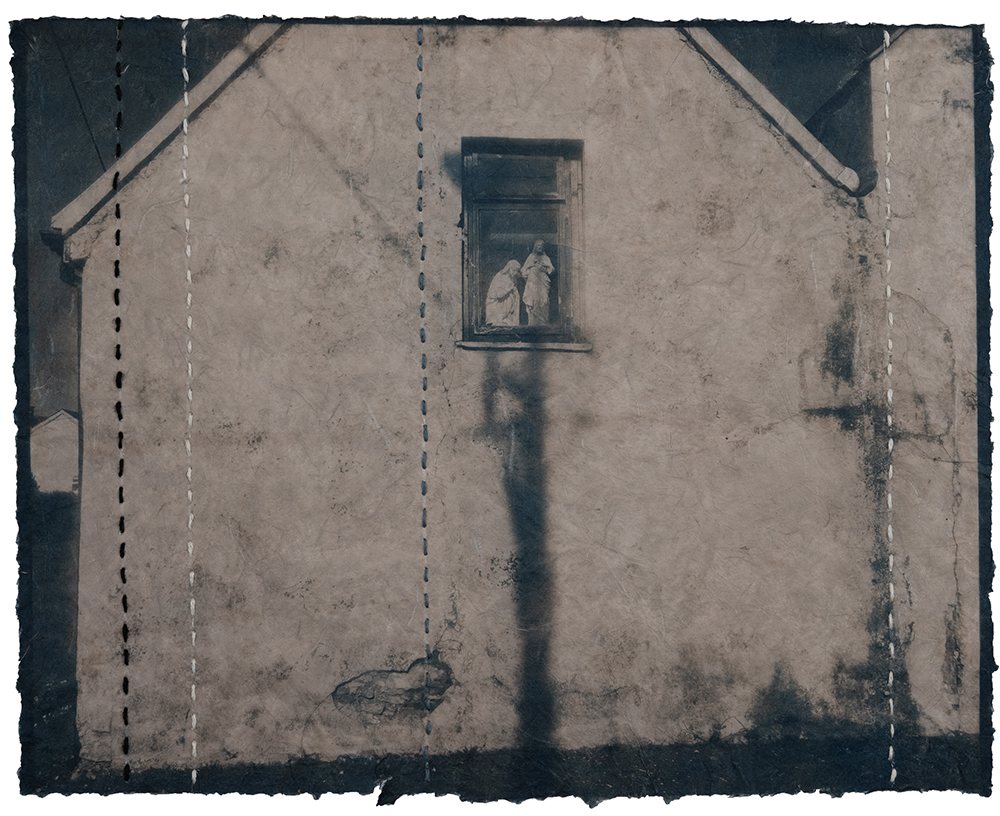
©Patricia Howard, Unknown Ancestors: House with Shadow
Epiphany Knedler: How did your project come about?
Patricia Howard: I was inspired to begin this project at Cill Rialaig, an artist residency in Ireland. At Cill Rialaig, each artist is given their own cottage on a cliff overlooking the ocean. The cottages were originally part of a small village established in the 1700s which was later abandoned. The cottages are now restored. During my time there, it was damp and cold and the heat was broken in my cottage. This created a visceral sense of what life in that environment must have been like and the challenges people once faced in scraping out a living. I kept thinking of how many people have, over time, left that country due to a lack of food or because of economic hardship. This was a solitary type residency, I was alone quite a bit which allowed me much time to consider the history of the country as well as my own family history. My father’s family emigrated to the Philadelphia area during the 1840s.
While there, I began creating cyanotypes, which are a process created in the 1840s, the time period of the Great Hunger or Potato Famine when my family came to the United States. I wanted to make images that would express the feelings one might get from the memories and past lives in this place. I chose child’s clothing, rosaries, seaweed, other objects as well as photographs I shot of the area to make cyanotype images. Cyanotypes are naturally a bright blue and white. For this project, I wanted a more subdued effect, and I toned each piece with black tea which resulted in less vibrance, and variations of brown and blue colors. I stitched many of the cyanotypes with flax and wool. Others had dried gorse flowers attached or bone buttons. All of these are materials are found currently and in the past in Ireland.
While I began the series at Cill Rialaig, I continued to work on it when I returned home. I call the series Unknown Ancestors, to honor the melancholy and memories of those who came before us.
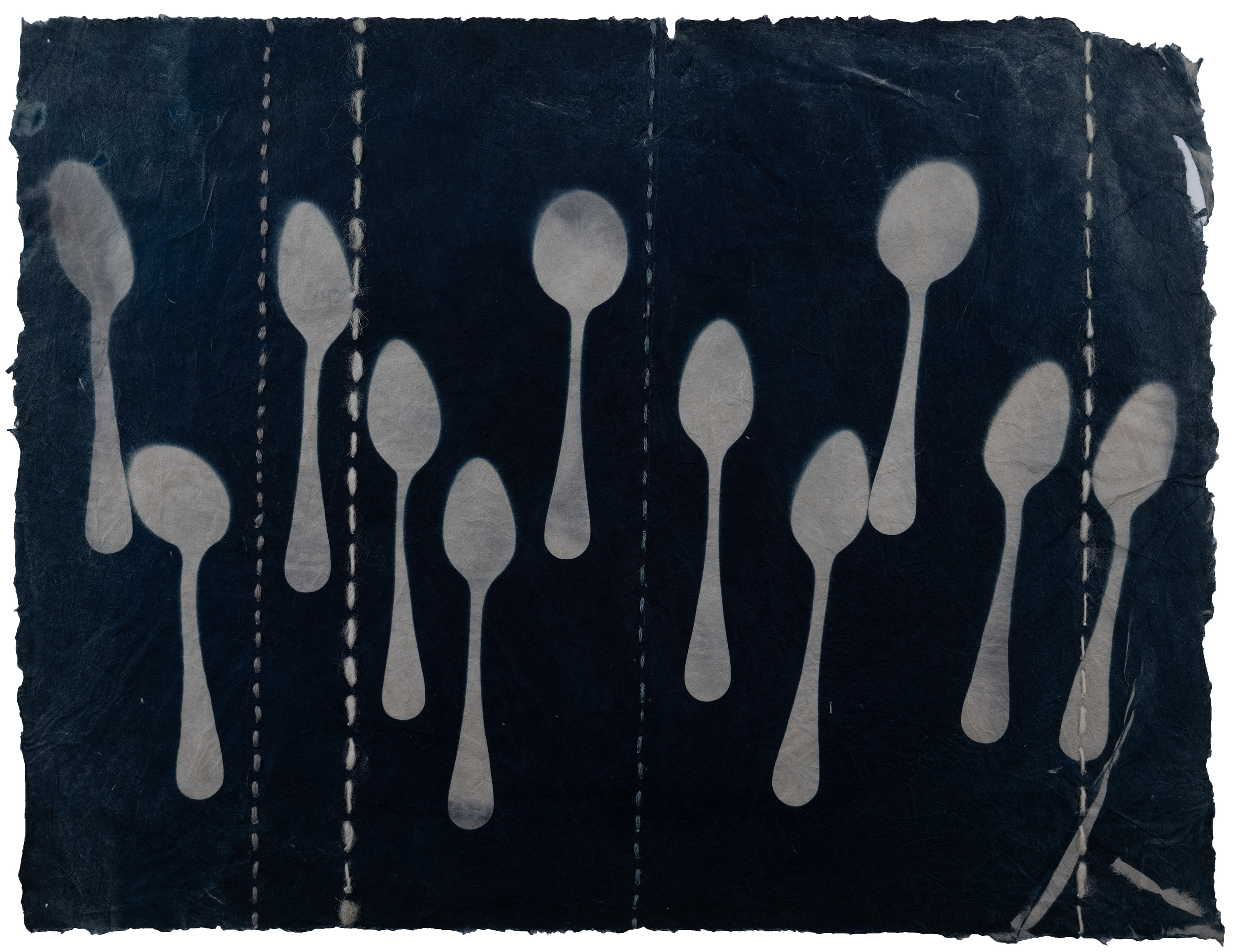
©Patricia Howard, Unknown Ancestors: Spoons
EK: Is there a specific image that is your favorite or particularly meaningful to this series?
PH: The image that I think of is of a child’s dress, possibly a christening gown. It appears to be floating, and I have stitched looping patterns over it with flax thread. To me the dress represents children and rituals and the objects left behind. There is also a reference to spirituality, and the Catholic religion prevalent in Ireland. The stitching emphasizes that this is something that has been made by hand as well as adding a 3 dimensionality to the piece.
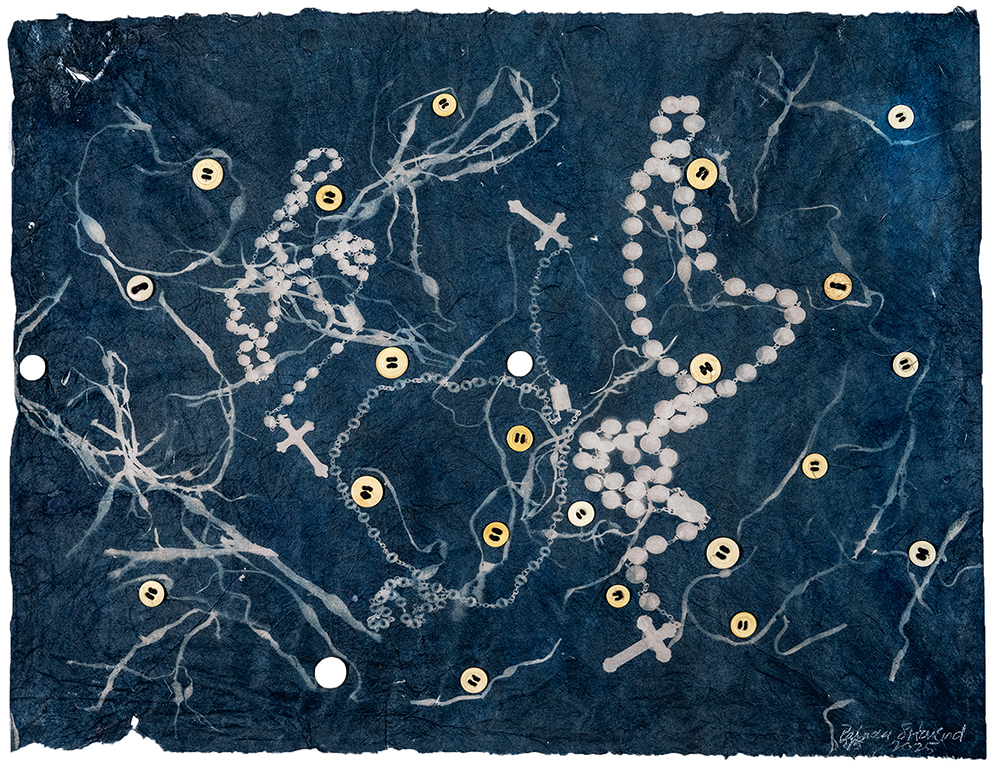
©Patricia Howard, Unknown Ancestors: Rosaries with Seaweed
EK: Can you tell us about your artistic practice?
PH: I am most interested in the themes of family, memory and home. These are concepts that everyone has experienced in some way. I find the roots of a person and their history to be fascinating.
I research topics by looking at the work of other artists, through museums and galleries or books. For this work, I was fascinated by the Atlas of the Great Irish Famine. Though photography was not present during the Irish Famine, the book was full of illustrations, documents and writing that gave me many ideas. From looking at contemporary cyanotypes, I was inspired to try stitching or embroidery with my cyanotypes. I like working with my hands, which I am able to do with cyanotypes, stitching and film photography.
I also find artist residencies to be helpful to the creation of my art – this year I was at the Vermont Studio Center, a creative and inspiring place where I was able to finish much of this series.
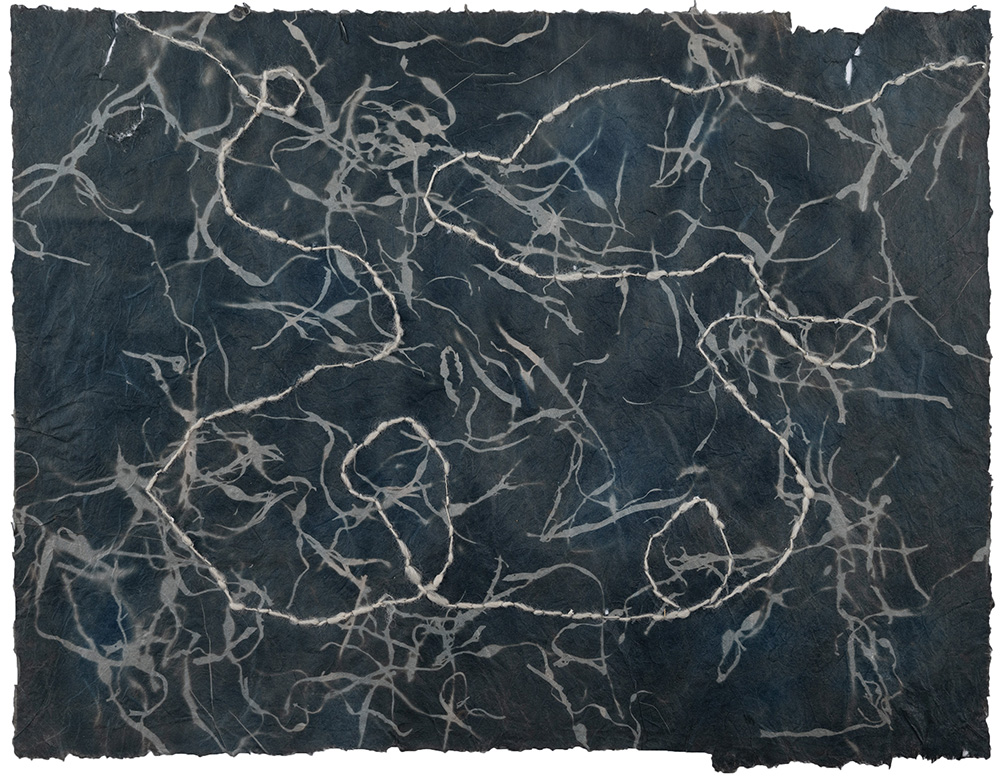
©Patricia Howard, Unknown Ancestors: Seaweed
EK: What’s next for you?
PH: I have a few ideas that I’m working on. One is to continue with the cyanotype process but in a more 3-dimensional way, utilizing encaustic and incorporating wood and antique objects.
The other is to return to film to photograph adults who have chosen to live in the home they grew up in, that they previously shared with their parents. I’m curious about what that feels like and what are the motivations. I think the environments along with a portrait could be fascinating to chronicle.
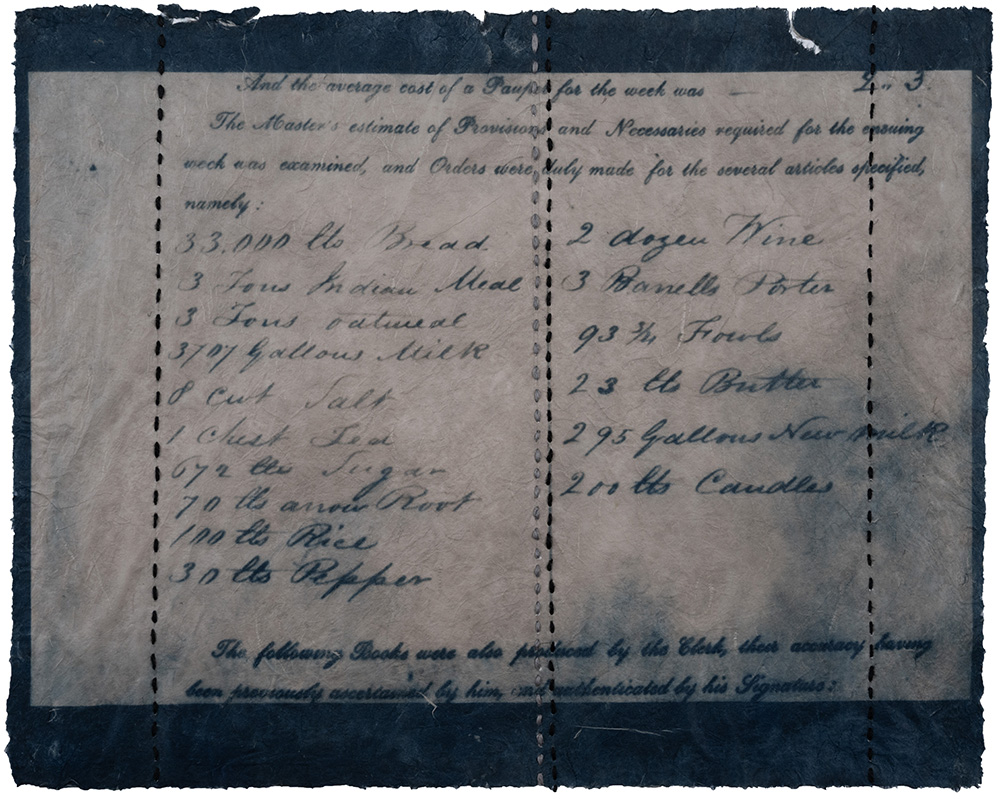
©Patricia Howard, Unknown Ancestors: To Feed a Pauper
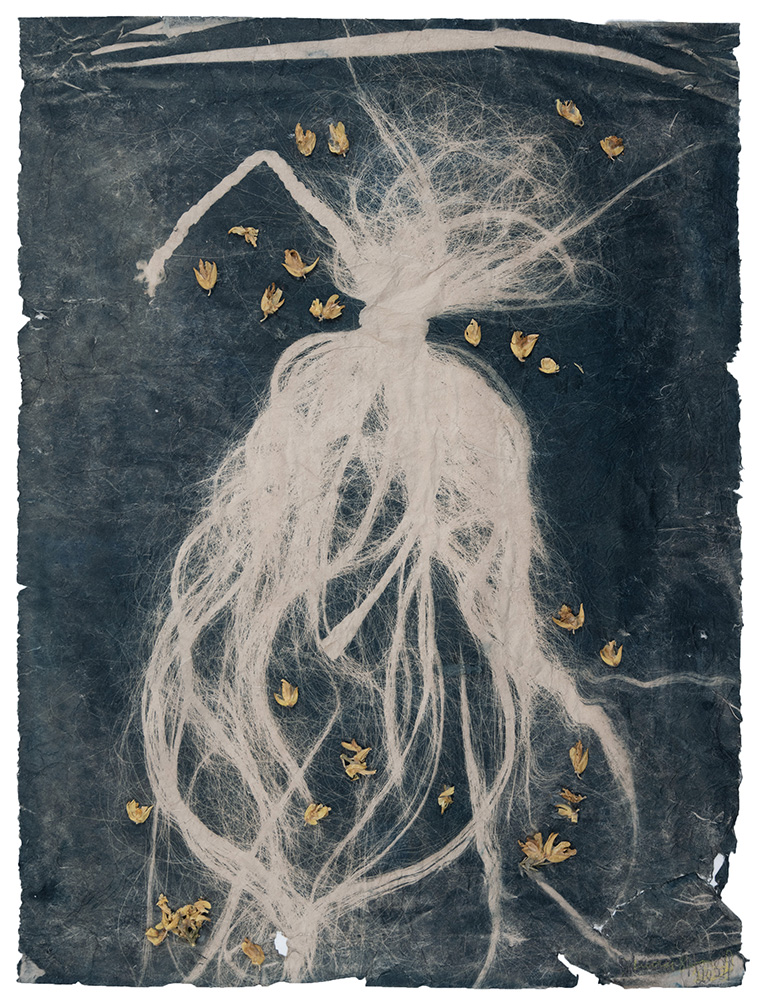
©Patricia Howard, Unknown Ancestors: Hair with Gorse Flowers
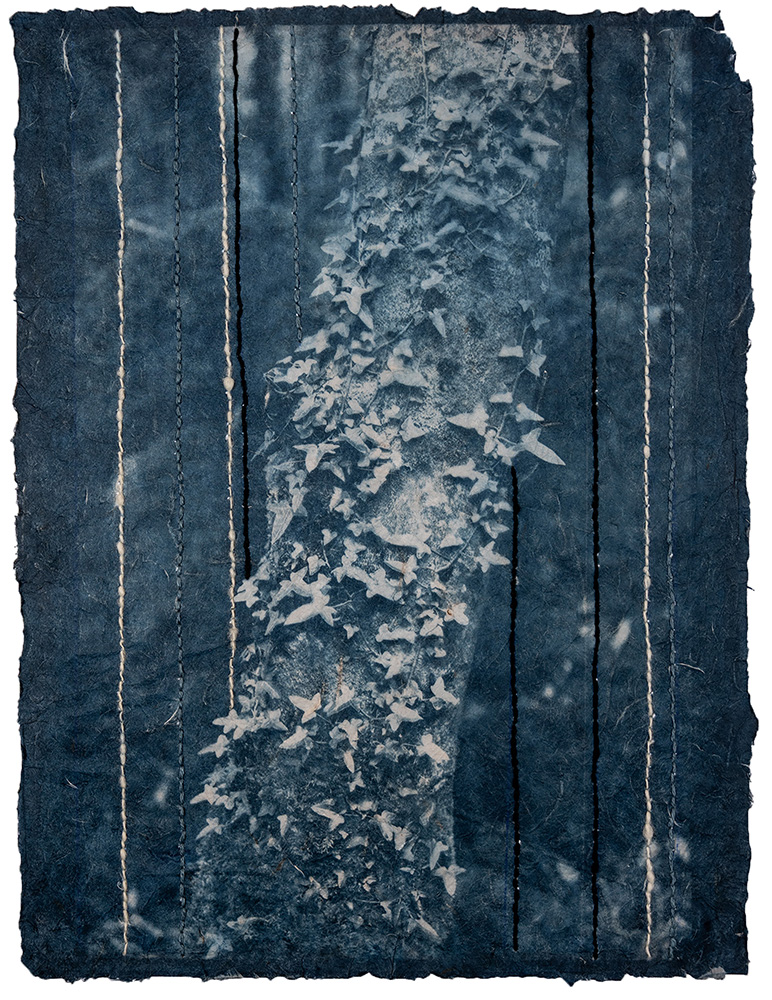
©Patricia Howard, Unknown Ancestors: Ivy
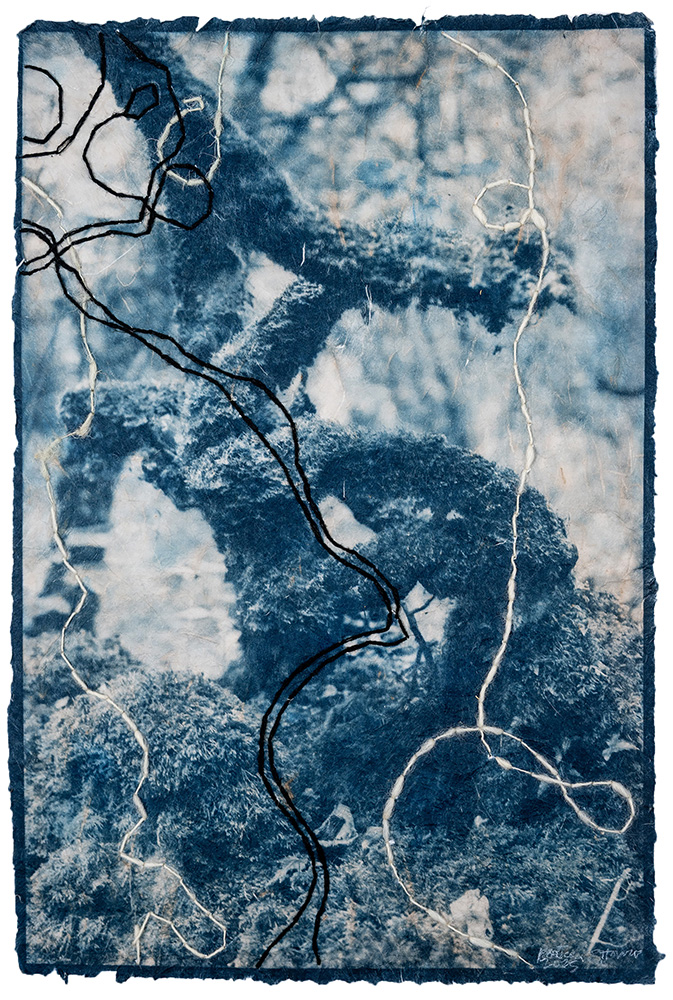
©Patricia Howard, Unknown Ancestors: Branches
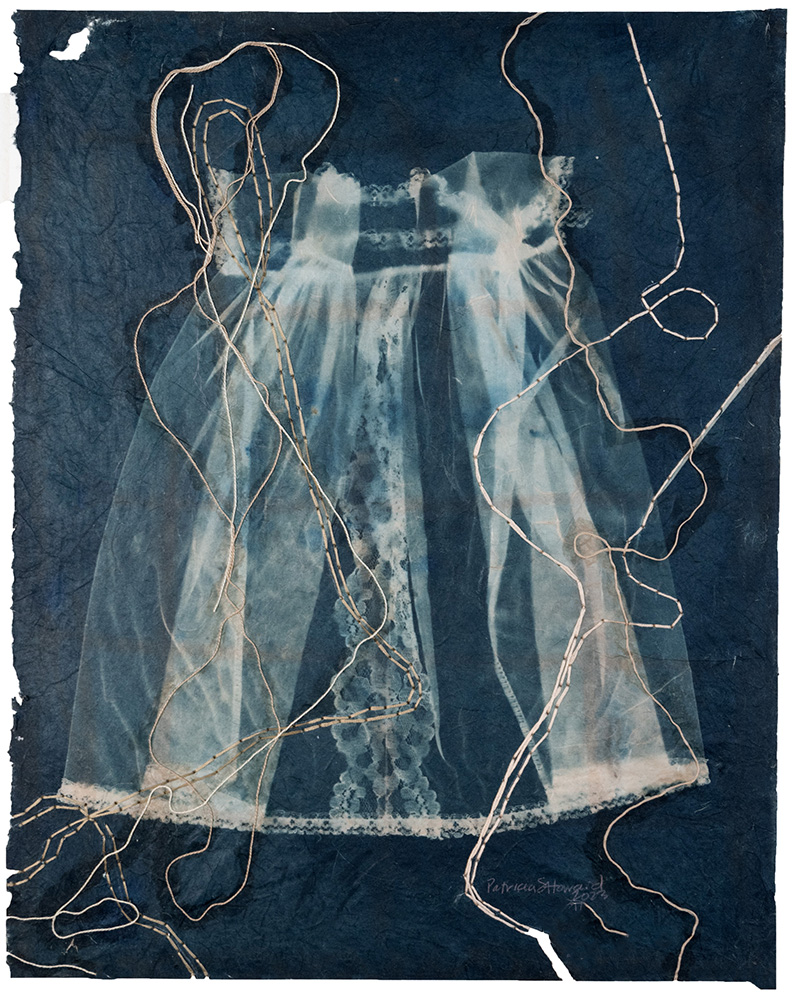
©Patricia Howard, Unknown Ancestors: Dress
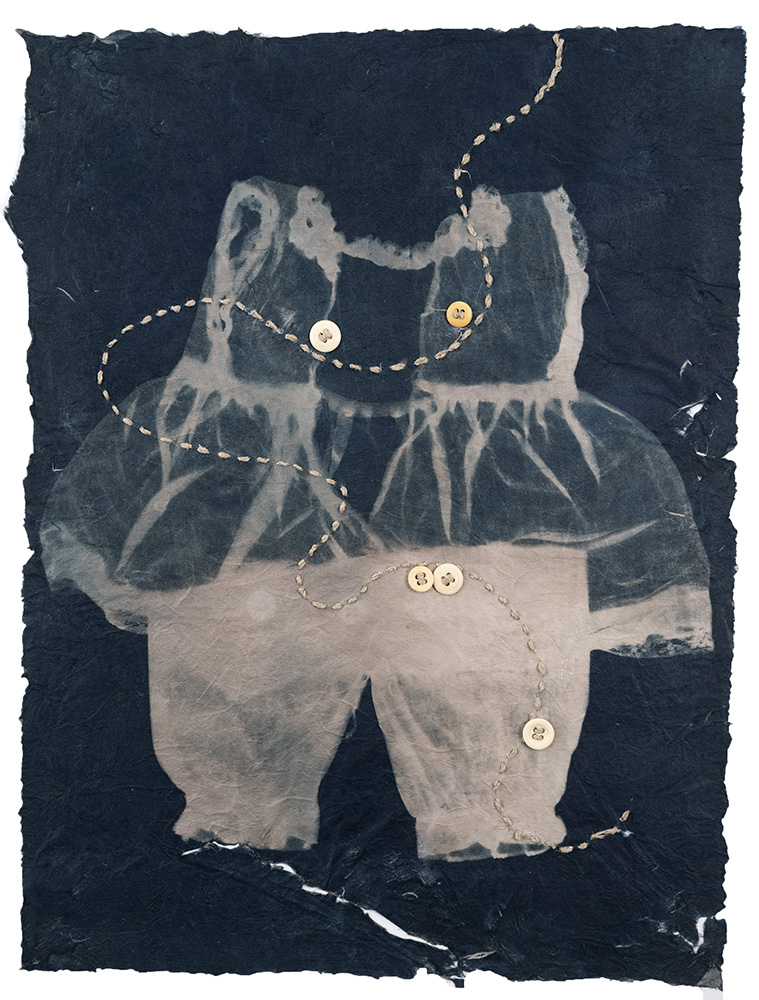
©Patricia Howard, Unknown Ancestors: Child’s Clothing
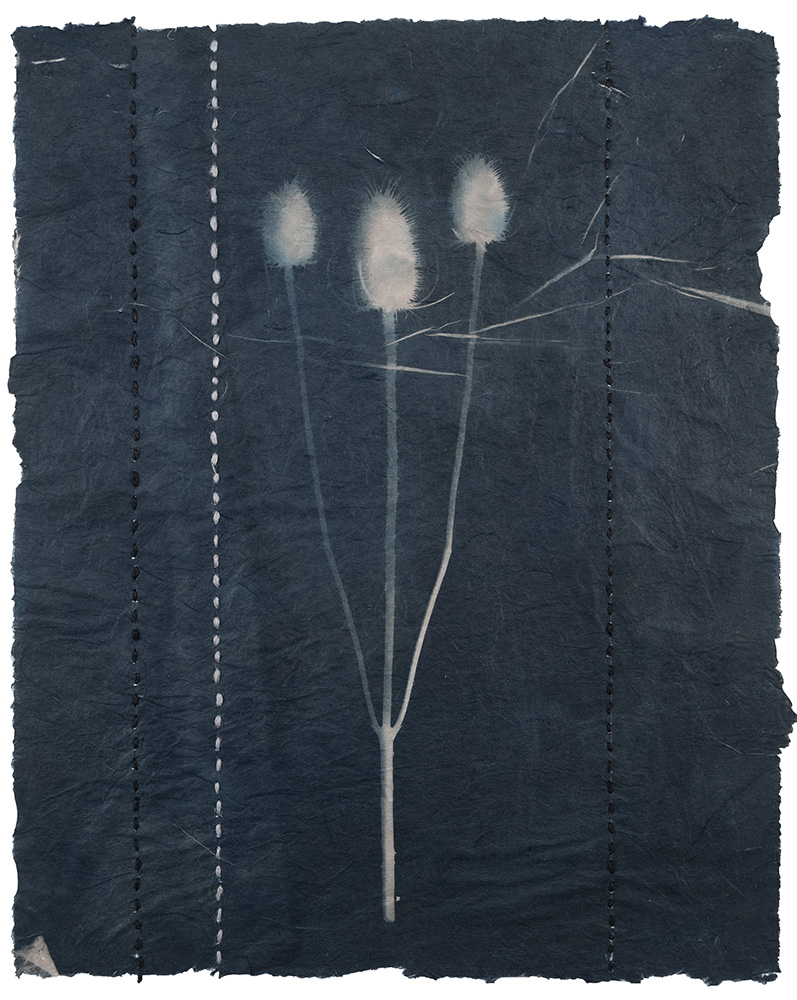
©Patricia Howard, Unknown Ancestors: Wild Teasel
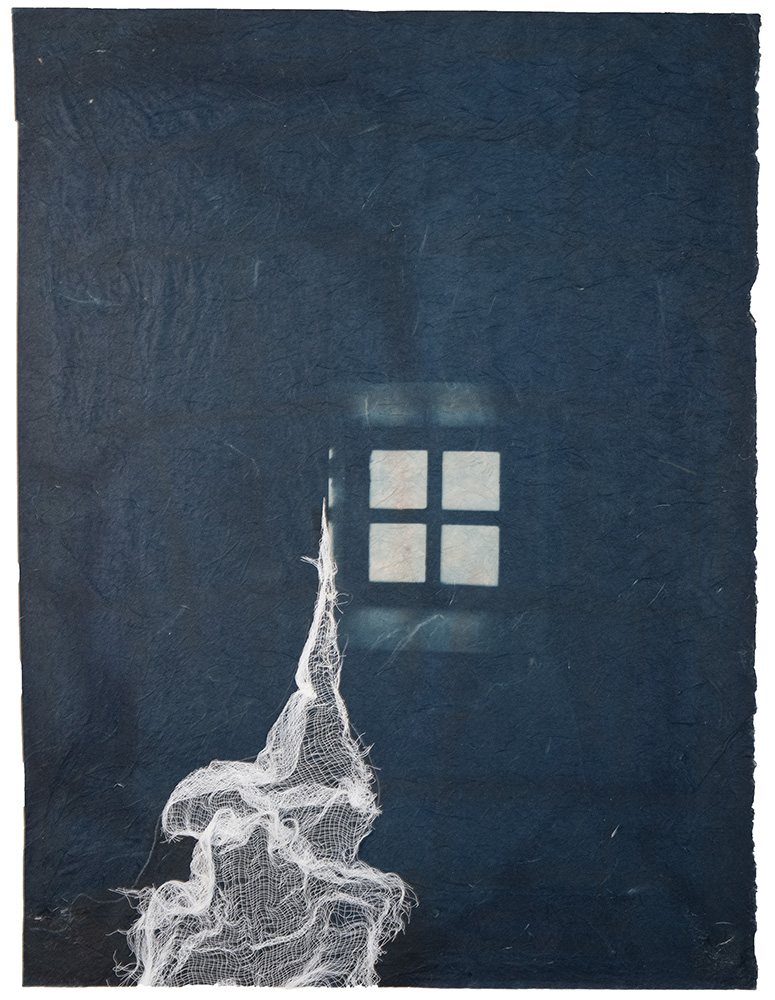
©Patricia Howard, Unknown Ancestor: Window with Curtain
Epiphany Knedler is an interdisciplinary artist + educator exploring the ways we engage with history. She graduated from the University of South Dakota with a BFA in Studio Art and a BA in Political Science and completed her MFA in Studio Art at East Carolina University. She is based in Aberdeen, South Dakota, serving as an Assistant Professor of Art and Coordinator of the Art Department at Northern State University, a Content Editor with LENSCRATCH, and the co-founder and curator of the art collective Midwest Nice Art. Her work has been exhibited in the New York Times, the Guardian, Vermont Center for Photography, Lenscratch, Dek Unu Arts, and awarded through Lensculture, the Lucie Foundation, F-Stop Magazine, and Photolucida Critical Mass.
Follow Epiphany on Instagram: @epiphanysk
Posts on Lenscratch may not be reproduced without the permission of the Lenscratch staff and the photographer.
Recommended
-

Mexico Week – Gerardo Montiel Klint: Cartographer of the UnconsciousMarch 28th, 2026
-
Mexico Week – Cristina Kahlo: When Memory Meets the LensMarch 27th, 2026
-
Mexico Week – Carol Espíndola: The World Is My Own BodyMarch 26th, 2026
-

Mexico Week – Paola Dávila: Beyond the LandscapeMarch 25th, 2026
-
Mexico Week – Tomás Casademunt: Time Frozen by LightMarch 24th, 2026