Photography Educator: Rebecca Nolan
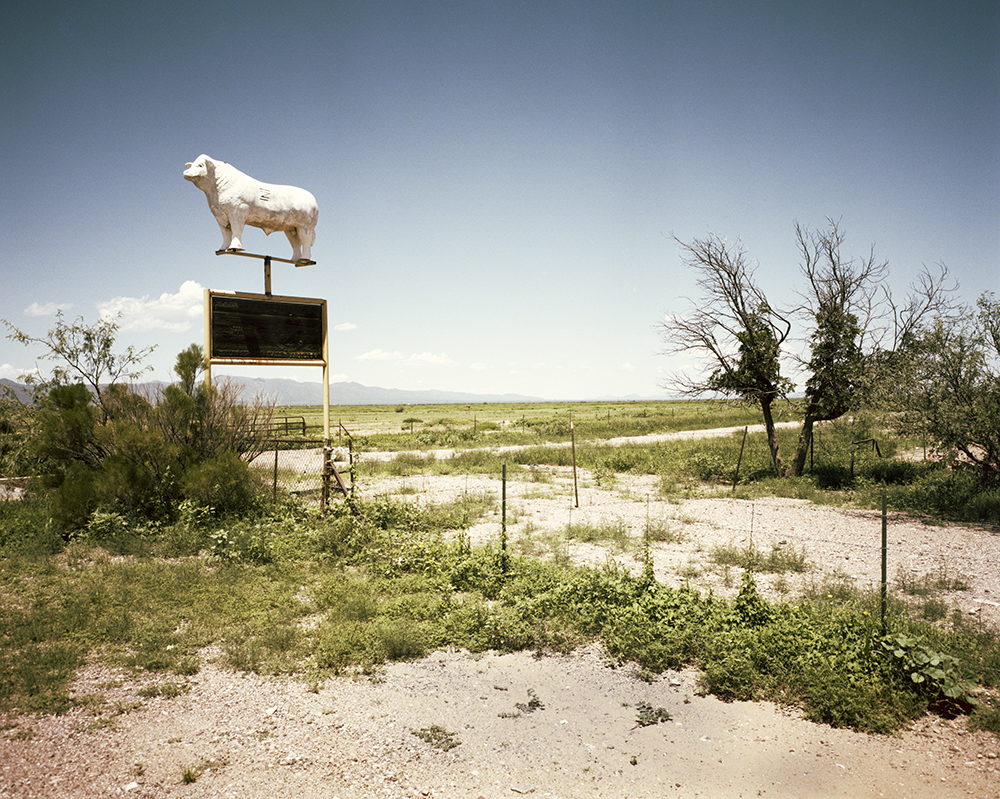
©Rebecca Nolan, U.S. Highway 80 and Rainbows End Place, Douglas, Arizona 2013
Photography Educator is a monthly series on Lenscratch. Once a month, we celebrate a dedicated photography teacher by sharing their insights, strategies and excellence in inspiring students of all ages. These educators play a transformative role in student development, acting as mentors and guides who create environments where students feel valued and supported, fostering confidence and resilience.
For the month of July, I am delighted to highlight the educator and artist, Rebecca Nolan. While I haven’t had the pleasure of meeting Rebecca in person, her unwavering dedication to both photography and teaching is evident not only in her own work, but also in the achievements of her students and her responses in this article. Rebecca’s artwork reflects a profound exploration of place with compositions that are layered, rich and visually compelling. The selection of her student’s images reveal a genuine authenticity with concepts that demonstrate research and respect for the photographic medium. Rebecca exemplifies excellence, mentorship, and artistic vision in every facet of her career, and it is a privilege to honor her contributions.
This article starts with a sampling from Rebecca’s long term projects.
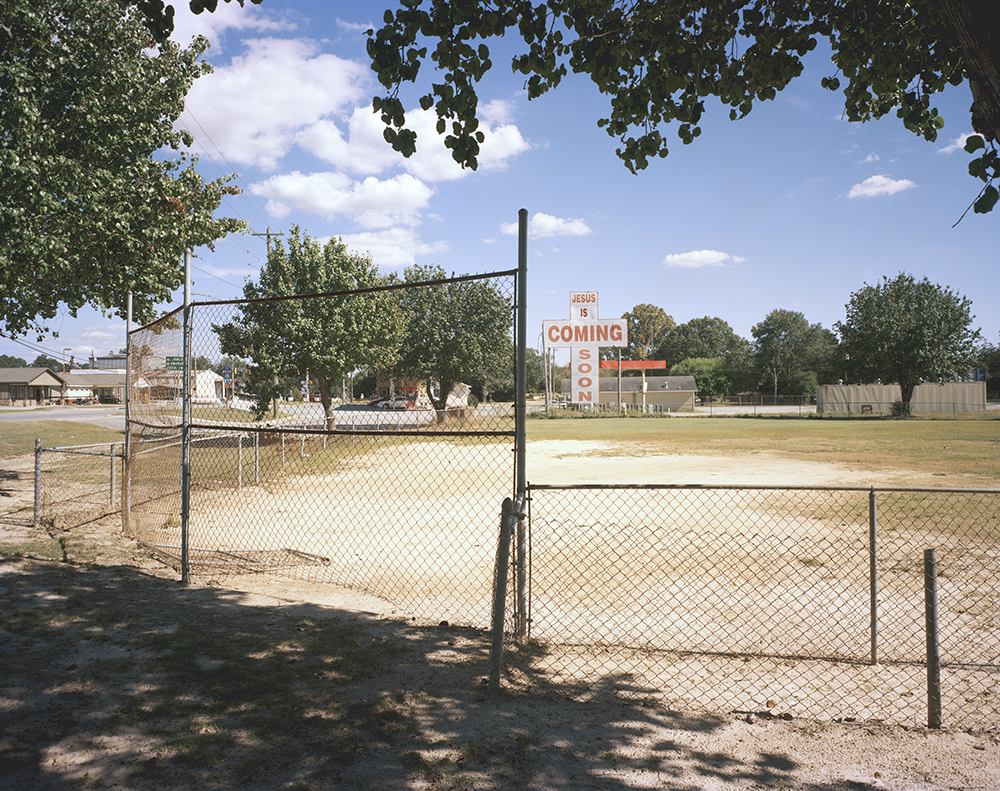
©Rebecca Nolan, U.S. Highway 80, 3rd Street, Dudley, Georgia 2013
These two long term projects are made up of photographs about place, culture, environment, history, and how these concepts influence us as individuals. I have been documenting the transformation of the American roadside since 1999. Going from here to there, I travel the back roads, frontage roads, business routes, and older U.S. highways. By avoiding the expressway, I can explore visually a place as the locals might. Over fifteen years I had the opportunity to photograph all of U.S. Highway 80 from Tybee Island, Georgia to San Diego, California. The road titled the “Dixie Overland Highway” and the “Coast to Coast Highway” is 1032 miles and was completed in 1926. There is the potential for insight into community, the individuals who have shaped a region or town and created the character of a place. The environment is loaded with evidence from the past that is now layered with subtle indications about the future. More recently I have been photographing U.S. Highway 83 which goes through the center of the United States from Canada starting in Westhope, North Dakota and ending in Brownsville, Texas at the Mexican border. This part of the U.S. is considered fly over country, but it is full of beautiful and active rural communities and a spacious wide-open landscape.
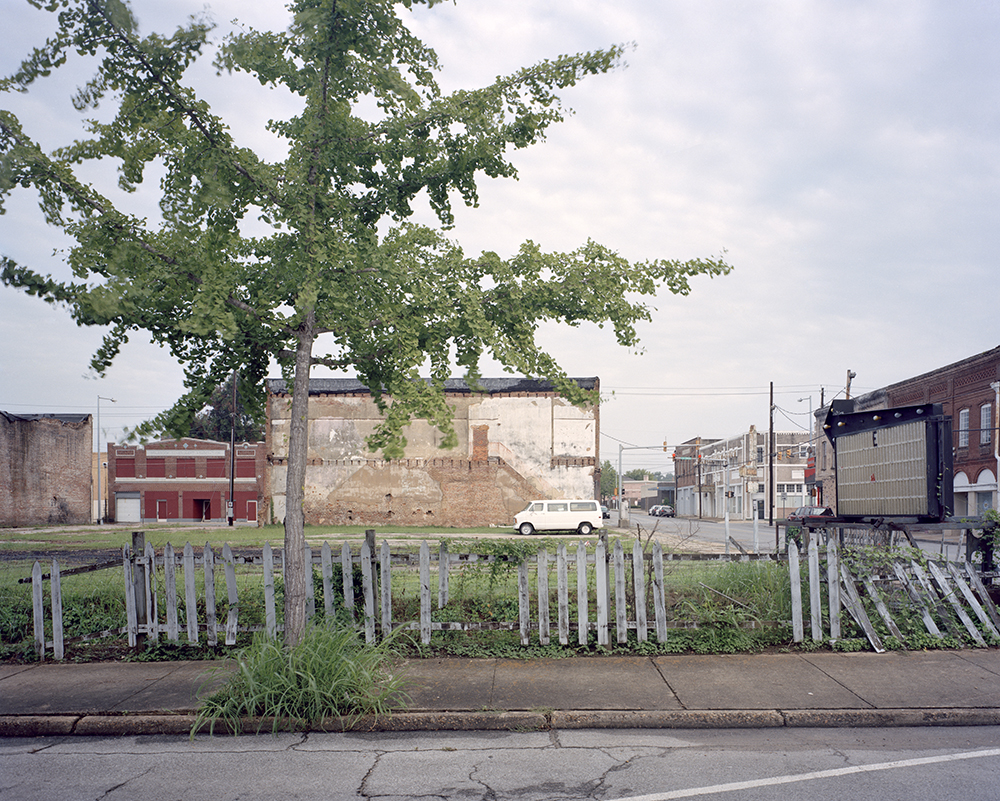
©Rebecca Nolan, U.S. Highway 80, 4th Street, Meridian, Mississippi
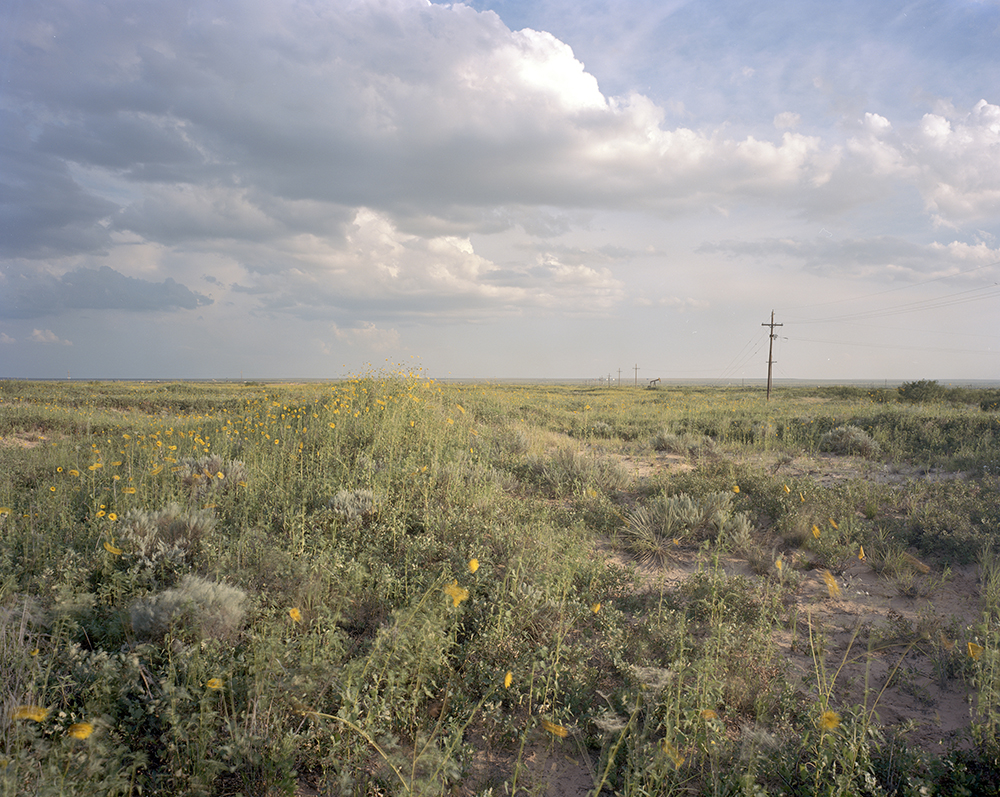
©Rebecca Nolan, U.S. Highway 180, Seminole, Texas
I am fascinated by how photography educators manage to balance the demanding nature of teaching with the pursuit of fresh, original creative work. Rebecca Nolan appears to have truly mastered this balance. Below, I share Rebecca’s valuable insights and thoughtful responses to my questions, shedding light on her approach to both education and artistic practice.
ES: How and where do you find inspiration?
RN: I am a shooter, so I tend to shoot to find what I am drawn to investigate. From the very first class I took, I have always photographed what is around me and what is a part of my life. I photographed Washington Island throughout my undergraduate schooling because that was the place most important to me at the time. I did a project as an undergraduate photographing the rural landscape because I could not understand Ansel Adams’ landscape. I had only been west one time for the 1990 SPE in Santa Fe. I found beauty in the way the Midwest had formed the land to farm. I was influenced by the book “An Open Land: Photographs of the Midwest, 1852-1982” published in association with an exhibition at the Art Institute of Chicago. I returned to that project after moving back to the Midwest in 1999 and continue to shoot it today. I have always thought of myself as a documentary photographer. It is only the last twenty years that realized I may be a landscape photographer. I think that is because I am focused on the people who built the landscape. While moving to Savannah from St. Louis I landed on U.S. Highway 80 and made a photograph that poked my curiosity. A friend and colleague at the time, Matt Gamber, gave me a book about U.S. Highways “Road Trip U.S.A.”, by Jamie Jensen. This prompted my research of the road ways that existed prior to the interstate system.
ES: Did you have an influential photography mentor or teacher? What was their biggest impact on you?
RN: I have had significant mentors throughout my career. I have had a range of significant mentors through the Society for Photographic Education (SPE). The two most significant mentors are my undergraduate Professor Jerry Dell, University of Wisconsin Green Bay and my graduate Professor Terri Warpinski at the University of Oregon. Terri studied with Jerry as well and grew up in the Green Bay area. Jerry introduced us to SPE at different points in our undergraduate careers. After retirement, Terri has moved back and lives in De Pere, WI where she and her husband have opened New ArtSpace. I just had an amazing opportunity to spend the week going through Jerry Dell’s archive of photographic work. Initiated by Terri who went through the archive in March, my best friend, Aimee Tomasek and I decided to take the time with Jerry’s wife, Ginny Dell and look at Jerry’s work. In three long days we got from 1973 the year Jerry and Ginny moved from Buffalo, NY to Green Bay to 1991, the first year I went west to Oregon with Jerry. Our mentors and mentoring are lifelong relationships. Even after passing away, Jerry Dell continues to make an impact on my work and my ideas. I continue to learn from Terri but there were significant moments while in school that her words of advice guided my path in way to help me get to my own voice and these words and advice continue to resonate with me today. That is why I am all in as a teacher. I do not see the classroom as a place people/students simply pass through. Lifelong relationships are created.
ES: How and why did you get into teaching?
RN:I never thought I would be a teacher or an intellectual person. My mother was a teacher specializing in teaching first grade-third grade students how to read. Her father, my grandfather was a high school history teacher in Iowa and the coach of all sports. He eventually became the principal of the high school for many years. I should have seen the prospect of teaching earlier in my life. I graduated from high school and moved to Washington Island, Wisconsin to work in a fish store, bartend and rent mopeds to tourists. I eventually went to the University of Wisconsin Green Bay because it was the closest school to the island. I took a lot of classes in history and literature in the humanities department, and I had a Professor Vivian Foss who encouraged me to go on to graduate school and teach literature. I was enrolled in photography by a friend, and I enjoyed it because I photographed the island I lived on. My documentary class (3rd semester) photographing the 1988 elections is the course that got me hooked. One day at the Settlement Tavern my photography professor, Jerry Dell who was an English major in college told me if I went to “graduate school for English I would need to know a lot more authors than I knew. If I went to graduate school for photography, I just needed to be a good printer.” I changed my major the next day and started the process of finding a graduate program in studio arts/photography. I also helped Jerry with our large Intro to Photography courses taught every semester the last two years of my undergraduate career. In graduate school at the University of Oregon I was fortunate to get a range of experience teaching, managing the art school gallery and managing the photography facilities. The preparation for moving on to a career as university faculty was amazing. I am grateful for the guidance I have had throughout my career at each institution I have worked and from many other colleagues and friends made through the Society for Photographic Education (SPE).
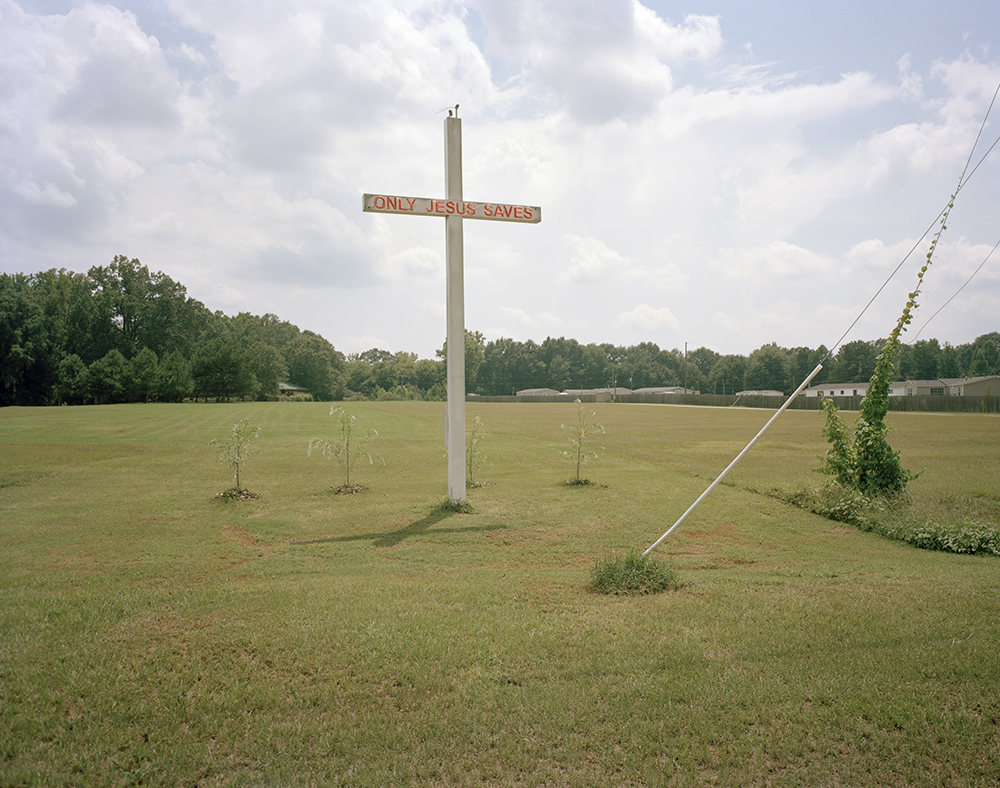
©Rebecca Nolan, U.S. Highway 80, Selma, Alabama 2013
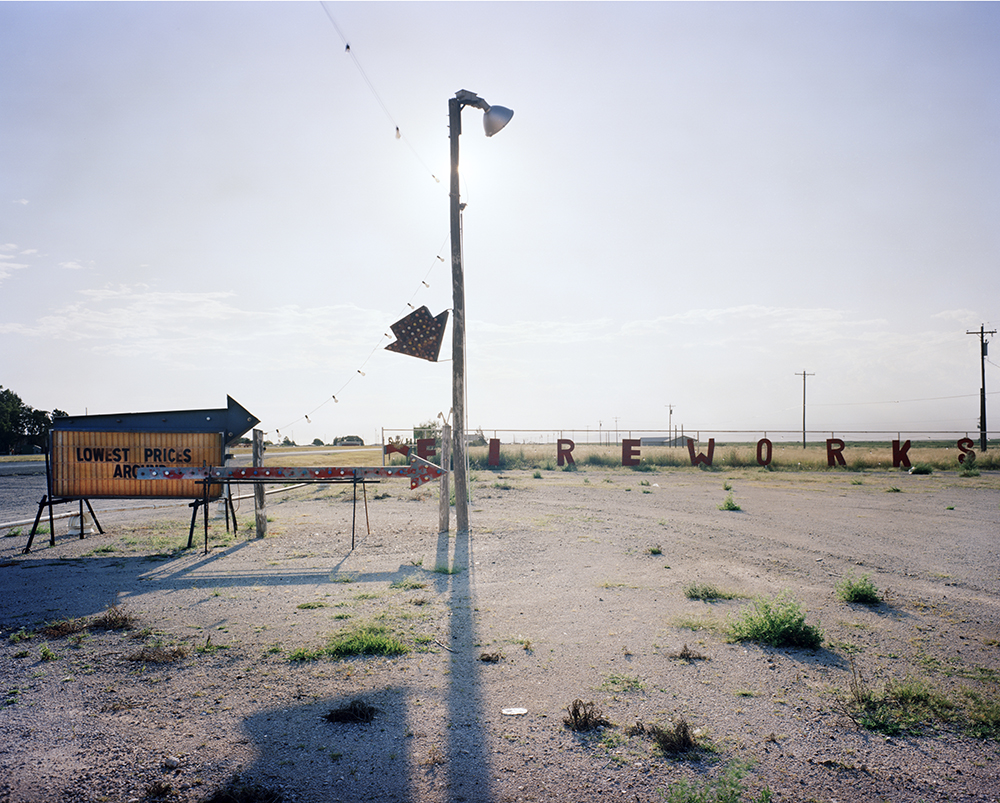
©Rebecca Nolan, U.S. Highway 180, Texas/New Mexico Border, West Seminole, Texas 2010
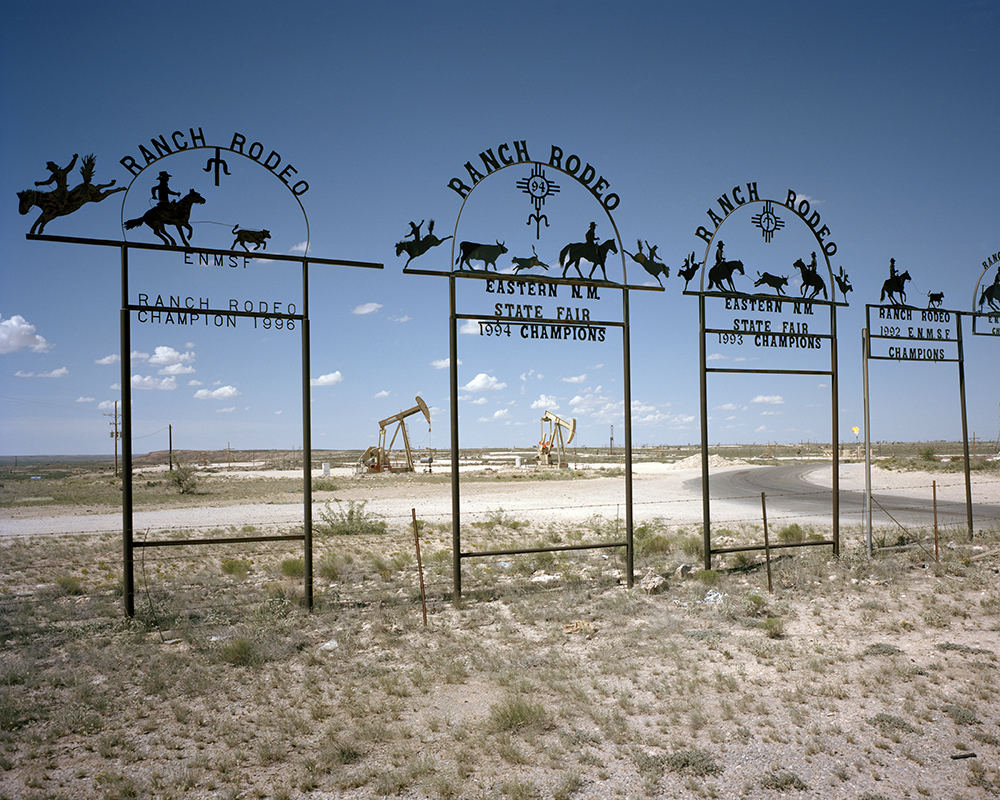
©Rebecca Nolan, U.S. Highway 82 and Turkey Track Road, Artesia, New Mexico 2013
ES: Has your personal work been affected by your teaching experience? How?
RN: Working with actively creative people, students and colleagues, drives my own creative practice. Occasionally a field trip with students will lead to shooting a new project. The constant research involved with teaching is also inspirational.
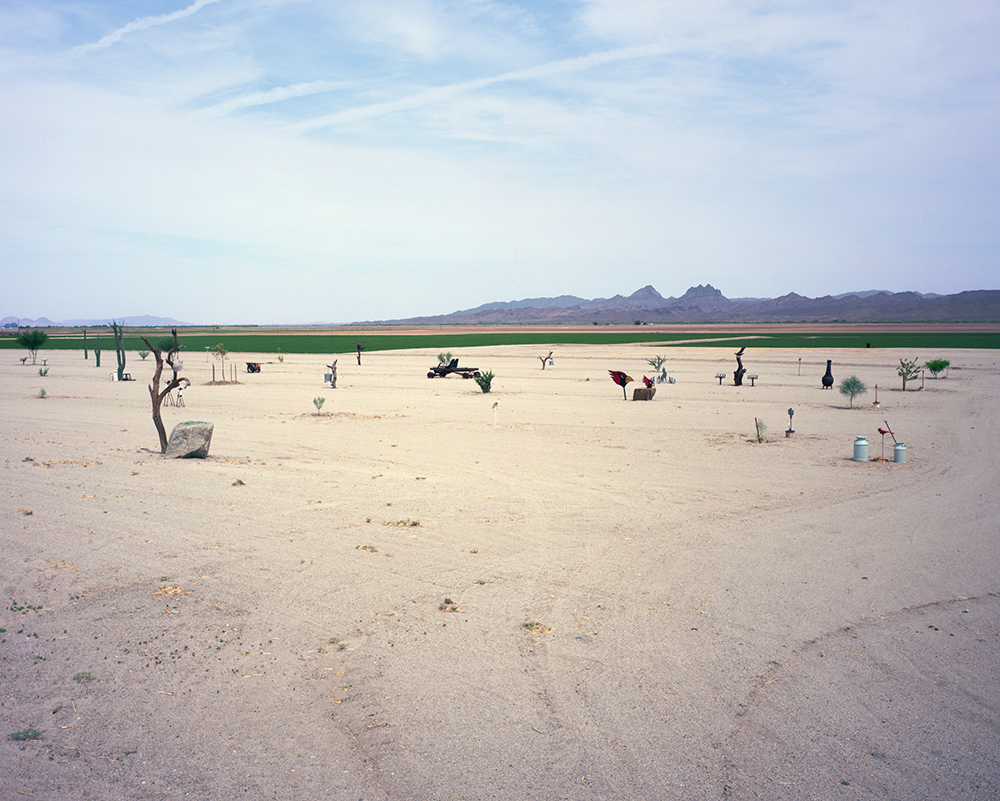
©Rebecca Nolan, U.S. Highway 80, Yuma, Arizona 2013
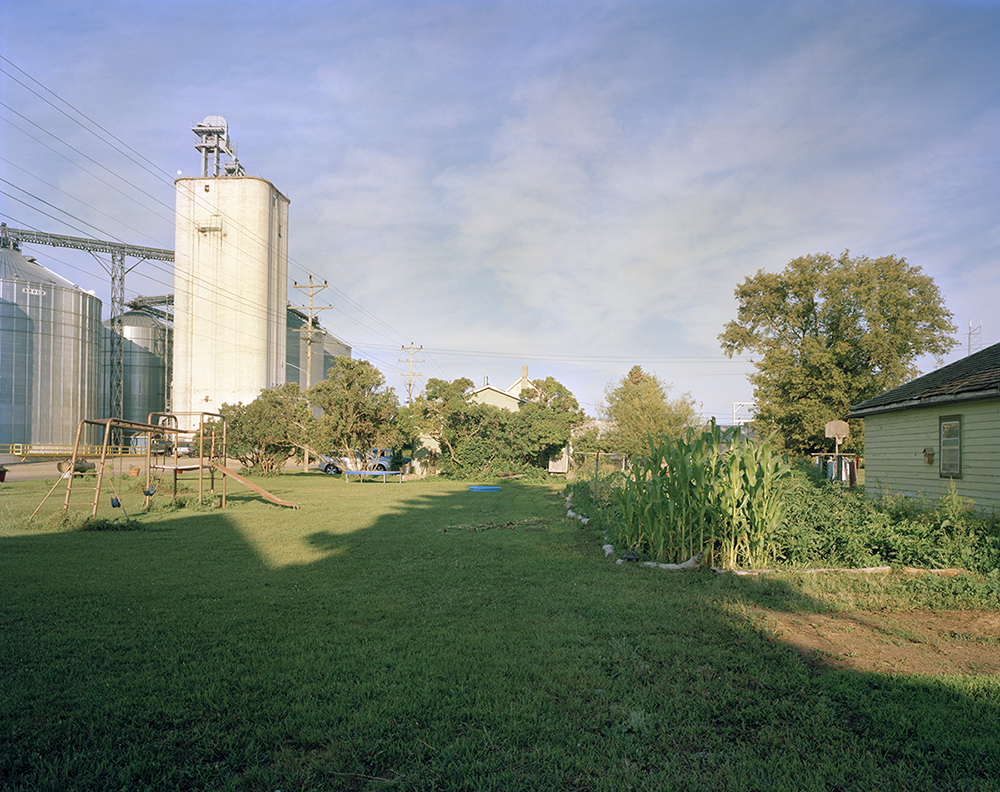
©Rebecca Nolan, U.S. Highway 83, 1st East, Westhope, North Dakota 2017

©Rebecca Nolan, U.S. Highway 80, Main Street, Seeley, California 2013

©Rebecca Nolan, U.S. Highway 83, Ash Street, Herreid, South Dakota 2017
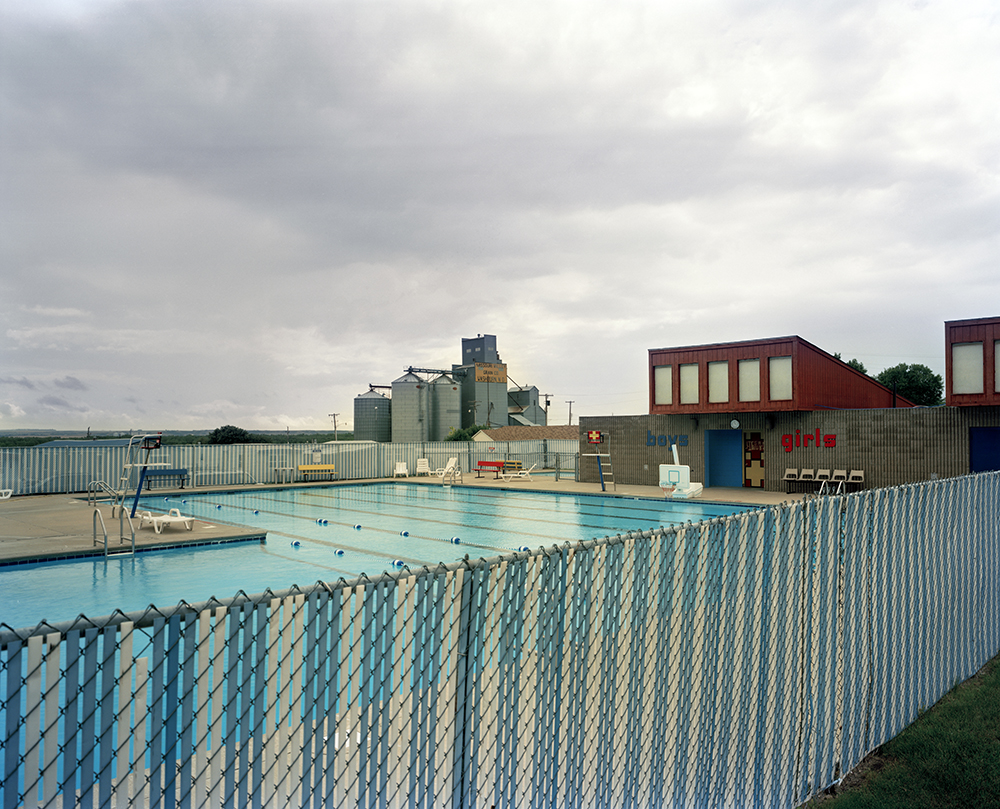
©Rebecca Nolan, U.S. Highway 83, 9st, Washburn, North Dakota 2017
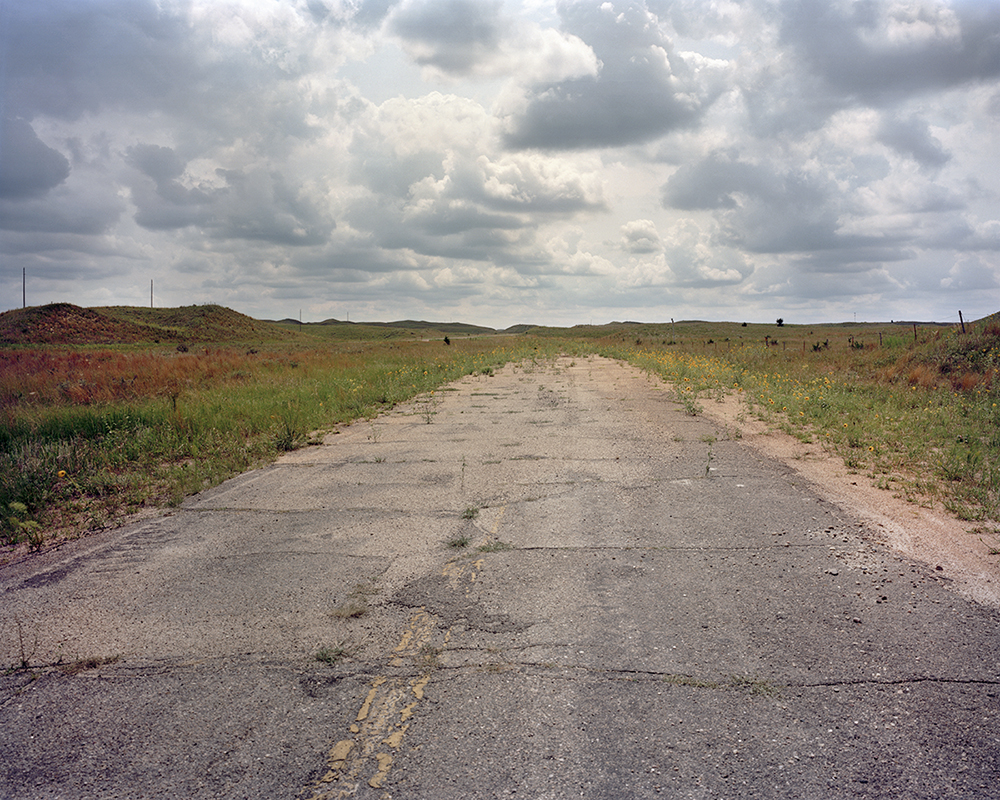
©Rebecca Nolan, U.S. Highway 83, Windmill Road, Thedford, Nebraska, 2017
ES: What keeps you engaged as an educator?
RN: The influx of new students to work with on a yearly basis. The amazing events that are hosted all over campus. Our amazing group of curators at SCAD, the art museums and artist’s community that Savannah has built. I have worked with amazing colleagues I have learned a tremendous amount from throughout my career in Savannah. Every quarter there are new challenges and new surprises with the students. I love fall term and meeting a new group of students. Research in preparation of classes each term is exciting. Constantly learning about evolutions to our art world and history.
ES: What is the most meaningful part of your job?
RN: Witnessing the success of alumni. I love when alumni come back to visit or reach out to talk about an exciting project or job. It is wonderful to learn from their experience and then bring that back to a classroom of current students. I am excited for two MFA alumni serving on the SPE Board of Directors, Meg Griffiths and Skott Chandler. Attending the national conference provides a fantastic opportunity to visit with so many alumni. I am fortunate for the opportunity to visit with alumni while traveling around the U.S. and photographing.

©Rebecca Nolan, U.S. Highway 83, Bridges to Buttes Byway, Valentine, Nebraska, 2017
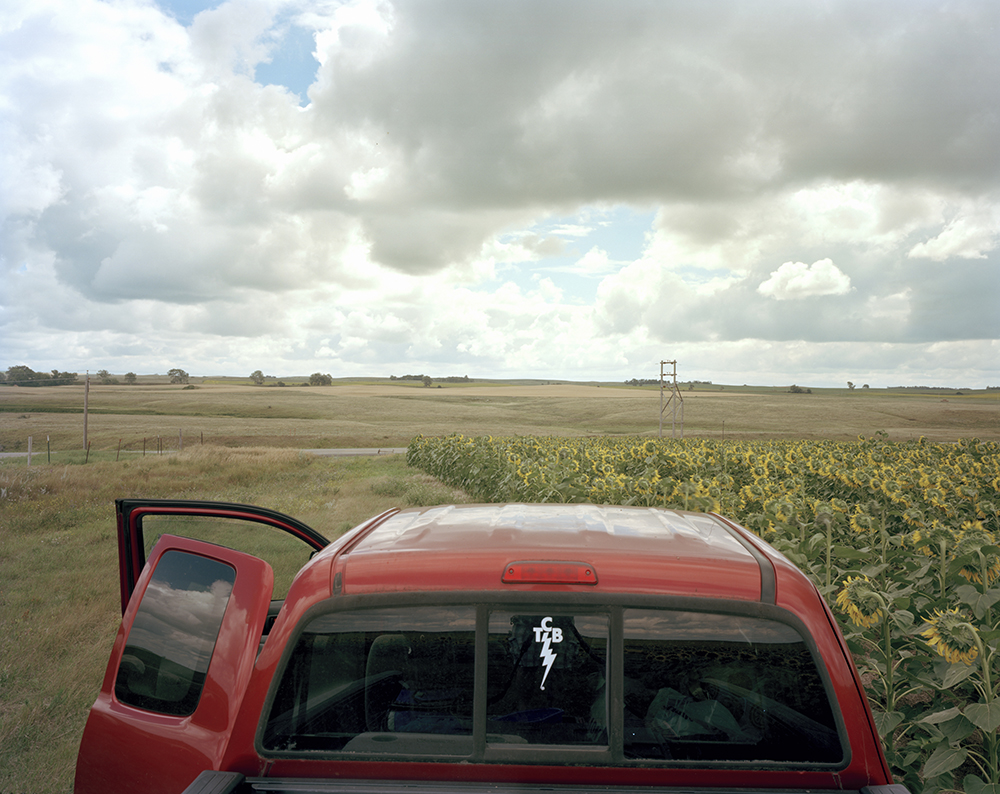
©Rebecca Nolan, U.S. Highway 83, Linton, North Dakota
ES: What do you feel is your most important role as a teacher?
RN: Guiding students to find their own working process and method of visual communication. Helping students discover how their interests in life are what lead to their discoveries making art. Helping students find value in their own endeavors and directing their interests toward visually communicating what they care about to share with a broader audience.
ES: What advice would you give to photography students?
RN: Be passionate about being an artist. It is not a chosen career; it is a lifestyle. Hard work and working hard lead to more success even when you fail. We learn more about moving forward and being productive from our failures. Research history and contemporary art and artists. Live life and create art from it.
Below is a small selection of photographs and statements by Rebecca Nolan’s students. The outstanding quality of these works is a testament to Rebecca’s remarkable talent as a mentor and educator, inspiring her students to reach their fullest potential as photographers.
Meg Griffiths
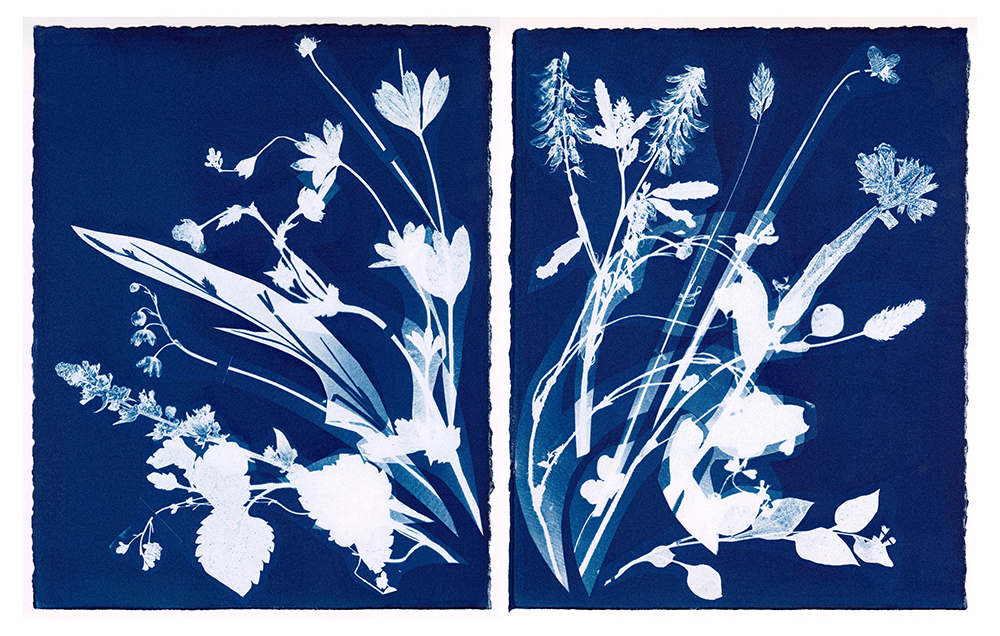
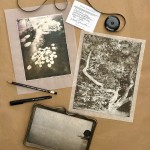
©Meg Griffiths, Bluest Flos #1, Unique Cyanotype made with Anna Atkins’ herbarium from the Natural History Museum in London, England, 2025.
Ben Krueger
Personal website: ben-krueger.com
Instagram: @b.kru
Gelatin Labs: gelatinlabs.com
Lab Instagram: @gelatinlabs
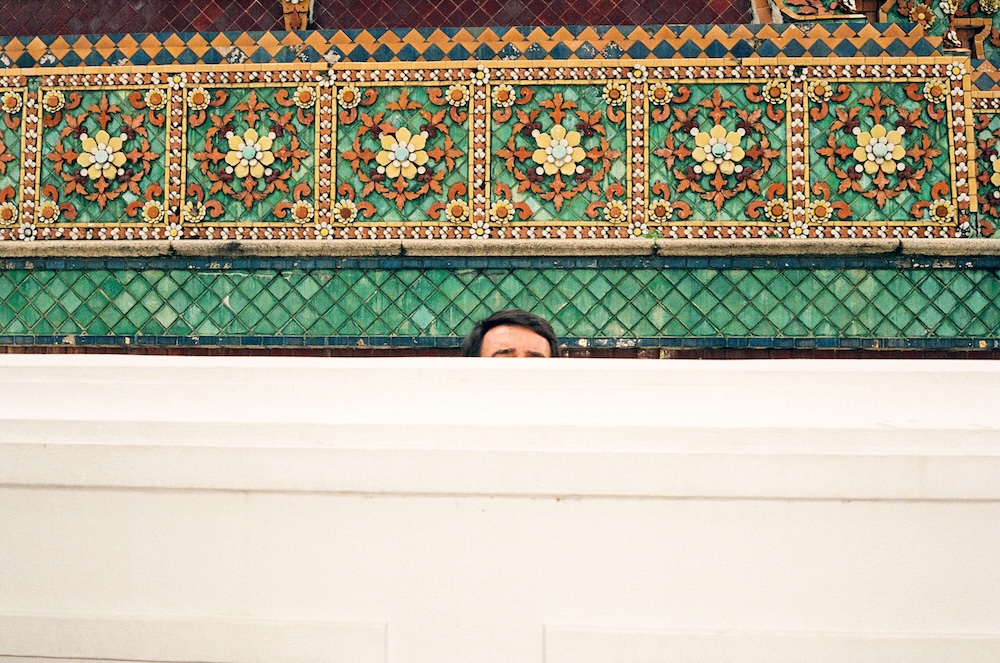
©Ben Krueger, Temple Tourist, Bangkok, Thailand 2018
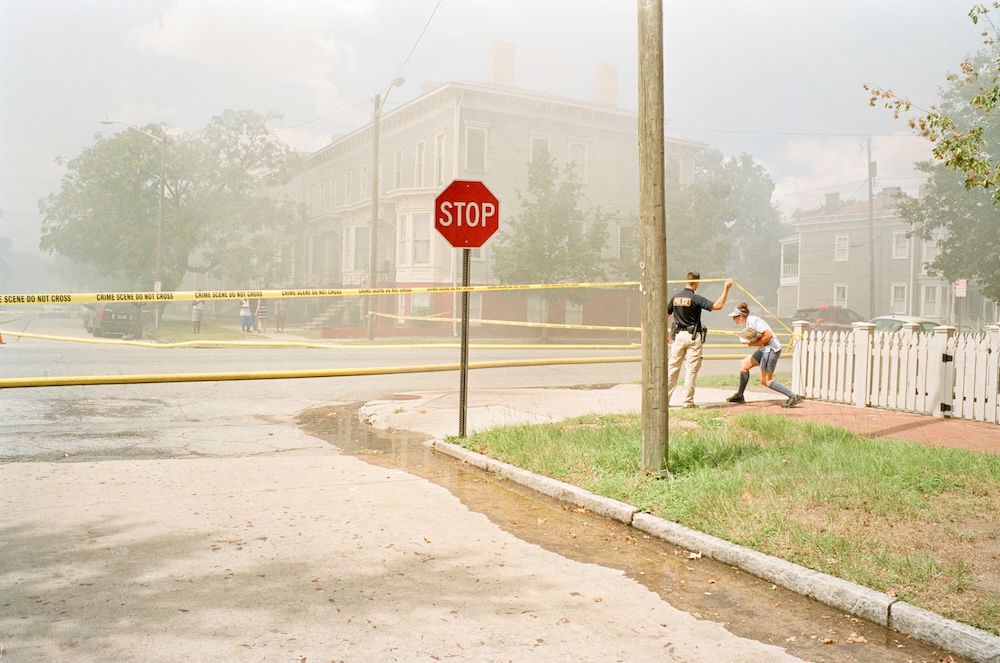
©Ben Krueger, Apartment Fire, Savannah, GA 2019
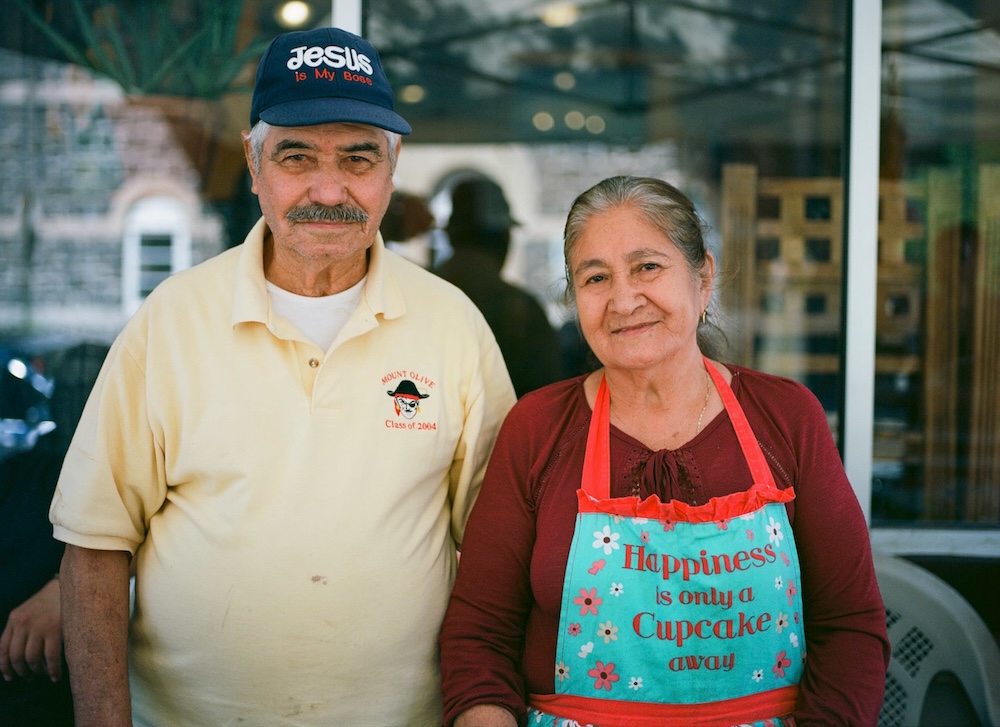
©Ben Krueger, Couple at Car Show, New Jersey 2019
I’ve never connected with a professor the same way I connected with Rebecca. Her honesty and security in what she teaches drew me in, and she played a key role in helping me solidify my love of photography. Her lectures are a safe space to share opinions and knowledge, and it is reciprocated in a way I’ve never seen in a classroom before. She quickly became more than just a professor, but someone I will always admire.
Abbie Brodne
Website: abbiebrodne.com
Instagram: @abbiebrodne
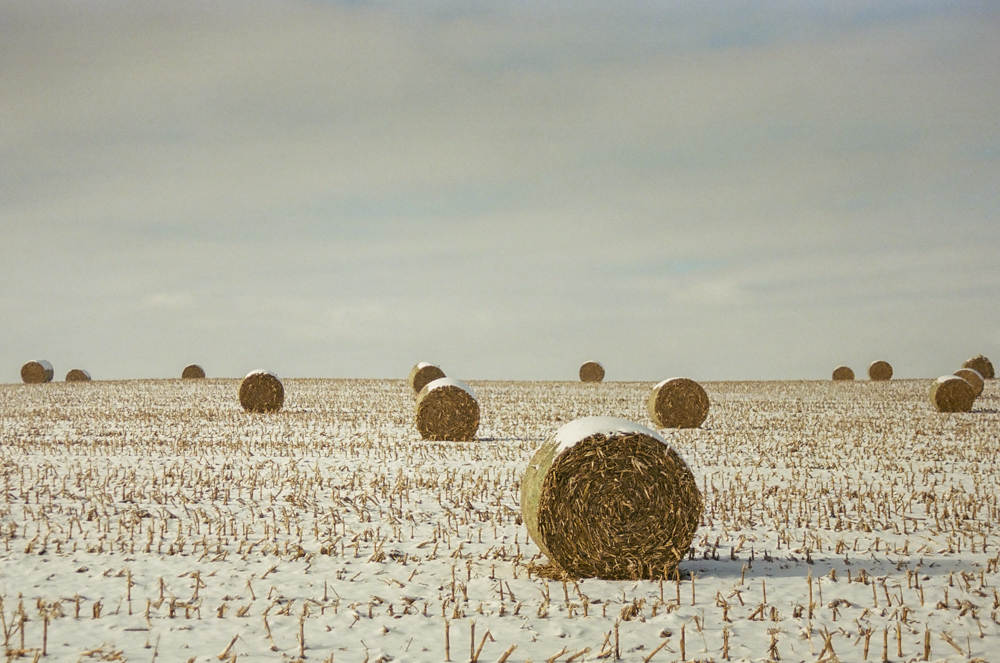
©Abbie Brodne, from the project The Lucky Ones
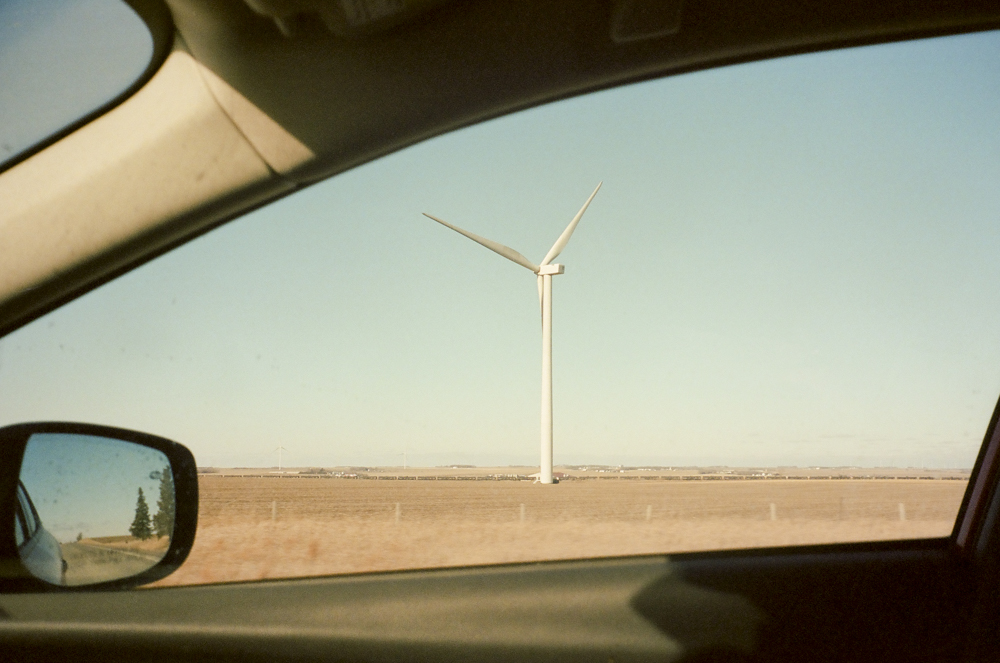
©Abbie Brodne, from the project The Lucky Ones
Website www.rebeccanolan.com
Instagram @rebeccanolanphoto
Elizabeth Stone is a Montana-based visual artist exploring potent themes of memory and time deeply rooted within the ambiguity of photography. Stone’s work has been exhibited and is held in collections including the Museum of Fine Arts, Houston, TX, Center for Creative Photography, Tucson, AZ, Cassilhaus, Chapel Hill, NC, Yellowstone Art Museum, Billings, MT, Candela Collection, Richmond, VA, Archive 192, NYC, NY and the Nevada Museum of Art Special Collections Library, Reno, NV. Fellowships include Cassilhaus, Ucross Foundation, Willapa Bay AIR, Jentel Arts, the National Park Service and the Virginia Center for the Creative Arts through the Montana Fellowship award from the LEAW Foundation. Process drives Stone’s work as she continues to push and pull at the edge of what defines and how we see the photograph.
Website
Instagram
Posts on Lenscratch may not be reproduced without the permission of the Lenscratch staff and the photographer.
Recommended
-

BEYOND THE PHOTOGRAPH: Q&A WITH COMMERCIAL PHOTOGRAPHER ANDY MAHRMarch 22nd, 2026
-

Photography Educator: Eirik JohnsonMarch 20th, 2026
-
Beyond the Photograph: Editioning Photographic WorkJanuary 24th, 2026
-
Photography Educator: Erin Ryan StellingJanuary 9th, 2026
-
Time Travelers: Photographs from the Gayle Greenhill Collection at MOMADecember 28th, 2025